

Effects of once-weekly semaglutide vs once-daily canagliflozin on body composition in type 2 diabetes: a substudy of the SUSTAIN 8 randomised controlled clinical trial
Open accessThe DOI matches its Crossref record; 48 of the 48 references it cites were found in a registry or an index.
Abstract
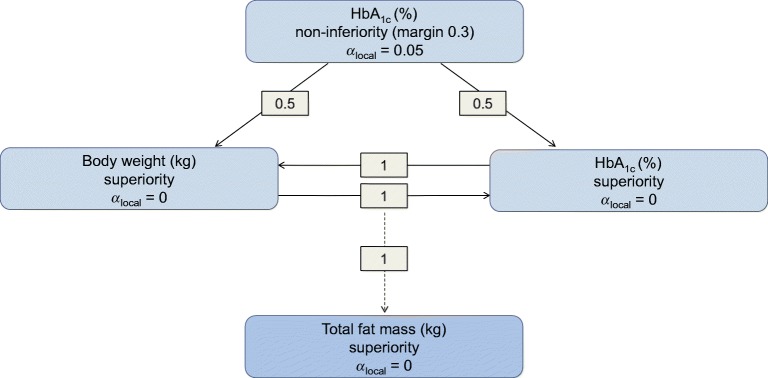
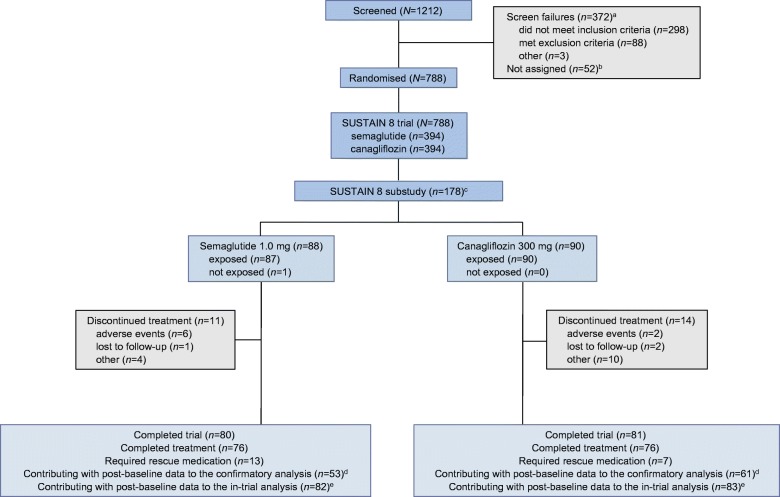
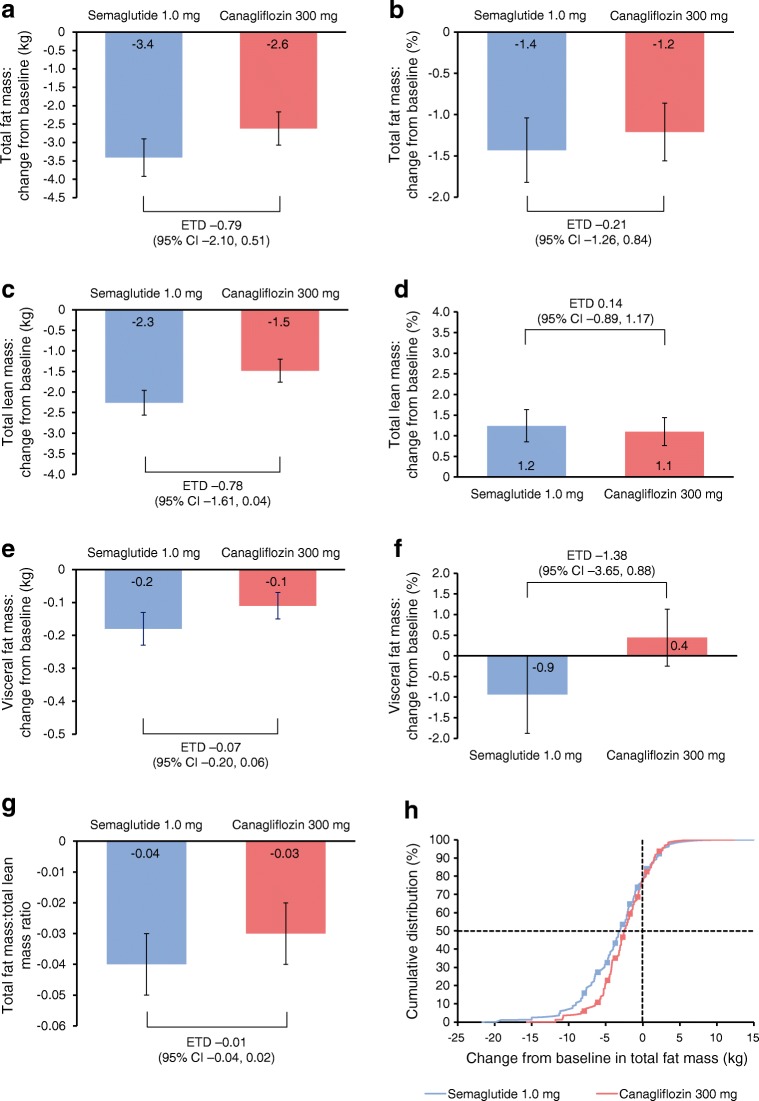
Aims/hypothesis: Intra-abdominal or visceral obesity is associated with insulin resistance and an increased risk for cardiovascular disease. This study aimed to compare the effects of semaglutide 1.0 mg and canagliflozin 300 mg on body composition in a subset of participants from the SUSTAIN 8 Phase IIIB, randomised double-blind trial who underwent whole-body dual-energy x-ray absorptiometry (DXA) scanning. Methods: Adults (age ≥18 years) with type 2 diabetes, HbA 1c 53–91 mmol/mol (7.0–10.5%), on a stable daily dose of metformin (≥1500 mg or maximum tolerated dose) and with an eGFR ≥60 ml min −1 [1.73 m] −2 were randomised 1:1 to semaglutide 1.0 mg once weekly and canagliflozin placebo once daily, or canagliflozin 300 mg once daily and semaglutide placebo once weekly. Body composition was assessed using whole-body DXA scans. The study participants and investigator remained blinded throughout the trial, and quality of DXA scans was evaluated in a blinded manner. Change from baseline to week 52 in total fat mass (kg) was the confirmatory efficacy endpoint. Results: A subset of 178 participants (semaglutide, n = 88; canagliflozin, n = 90) underwent DXA scanning at screening and were randomised into the substudy. Of these, 114 (semaglutide, n = 53; canagliflozin, n = 61) participants had observed end-of-treatment data included in the confirmatory efficacy analysis. Of the 178 participants in the substudy, numerical improvements in body composition (including fat mass, lean mass and visceral fat mass) were observed after 52 weeks with both treatments. Total fat mass (baseline 33.2 kg) was reduced by 3.4 kg and 2.6 kg with semaglutide and canagliflozin, respectively (estimated treatment difference: –0.79 [95% CI −2.10, 0.51]). Although total lean mass (baseline 51.3 kg) was also reduced by 2.3 kg and 1.5 kg with semaglutide and canagliflozin, respectively (estimated treatment difference: −0.78 [−1.61, 0.04]), the proportion of lean mass (baseline 59.4%) increased by 1.2%- and 1.1%-point, respectively (estimated treatment difference 0.14 [−0.89, 1.17]). Changes in visceral fat mass and overall changes in body composition (assessed by the fat to lean mass ratio) were comparable between the two treatment groups. Conclusions/interpretation: In individuals with uncontrolled type 2 diabetes on stable-dose metformin therapy, the changes in body composition with semaglutide and canagliflozin were not significantly different. Although numerical improvements in body composition were observed following treatment in both treatment arms, the specific impact of both treatments on body composition in the absence of a placebo arm is speculative at this stage. Trial registration: ClinicalTrials.gov NCT03136484. Funding: This trial was supported by Novo Nordisk A/S, Denmark.
Overview
The claims and statistics of this paper haven’t been checked yet.
Free: it reads the open-access text and checks the first 5 claims that cite a source we can check. Create a free account to check every claim.
Integrity signals
Registry
Cites
Statistics
Figures
Verification
Claims the paper makes
The claims and statistics of this paper haven’t been checked yet.
Free: it reads the open-access text and checks the first 5 claims that cite a source we can check. Create a free account to check every claim.
Claims other papers make about this one
Each is checked against this paper’s own text: does it say what the citing paper says it does?
The source backs part of the claim, not all of it — or backs it for a different population, condition or comparison.
In the citing paper
“Of the total weight loss with semaglutide approximately 45% was lean mass and for tirzepatide it was 25.7%.”
From New drugs for the treatment of obesity: do we need approaches to preserve muscle mass? (2025) · cites this paper as [34]
Experimental — accuracy not yet measuredThe source backs part of the claim, not all of it — or backs it for a different population, condition or comparison.
In the citing paper
“Similarly, in the SUSTAIN-8 sub study, patients treated with semaglutide lost 2.3 kg (−4.5%) of lean mass out of a total 5.3 kg (−6.0%) weight loss, equating to 43.4%, although lean mass as a proportion of total body mass increased slightly [30].”
From Unintended Consequences of Obesity Pharmacotherapy: A Nutritional Approach to Ensuring Better Patient Outcomes (2025) · cites this paper as [30]
Experimental — accuracy not yet measuredThe source backs part of the claim, not all of it — or backs it for a different population, condition or comparison.
In the citing paper
“resulting in 43.4% of weight loss attributable to lean mass”
From Exploring the Side Effects of GLP-1 Receptor Agonist: To Ensure Its Optimal Positioning (2025) · cites this paper as [111]
Experimental — accuracy not yet measuredThe source backs part of the claim, not all of it — or backs it for a different population, condition or comparison.
In the citing paper
“while the ratio of lean mass to total mass increased by 1.2% from the baseline [111].”
From Exploring the Side Effects of GLP-1 Receptor Agonist: To Ensure Its Optimal Positioning (2025) · cites this paper as [111]
Experimental — accuracy not yet measuredThe source backs part of the claim, not all of it — or backs it for a different population, condition or comparison.
In the citing paper
“Data are very limited for the highest dose of Semaglutide (2.4 mg), as most studies have focused on the 1 mg dose. 8 , 9 , 10 , 11”
From Impact of Semaglutide on fat mass, lean mass and muscle function in patients with obesity: The SEMALEAN study (2026) · cites this paper as [8]
Experimental — accuracy not yet measured
12 more claims about this paper
Create a free account to see every claim other papers make about this one.
Self-check
Percentages, sums and reported differences re-computed from the paper’s own numbers.
The self-check needs the paper’s full text.
Citations
Cites
Statistical Analysis With Missing Data
Lahiff, M., Little, R. J. A., & Rubin, D. B. (1989) · Journal of the American Statistical Association · doi:10.2307/2289883 · Cited by 17,265
Cook, R. J., Dickens, B. M., & Fathalla, M. F. (2003) · Reproductive Health and Human Rights · doi:10.1093/acprof:oso/9780199241323.003.0025 · Cited by 10,769
Semaglutide and Cardiovascular Outcomes in Patients with Type 2 Diabetes
Marso, S. P., Bain, S. C., Consoli, A., Eliaschewitz, F. G., Jódar, E., Leiter, L. A., Lingvay, I., Rosenstock, J., Seufert, J., Warren, M. L., et al. (2016) · New England Journal of Medicine · doi:10.1056/nejmoa1607141 · Cited by 6,900 · cited 1×
“The efficacy and safety of once-weekly semaglutide have been established in the SUSTAIN (Semaglutide Unabated Sustainability in Treatment of Type 2Diabetes) clinical trial programme across the continuumof care in individuals with type 2 diabetes vs placebo and a range of comparators (SUSTAIN 1–5 and 7–10) [11–19] and…”
BackgroundSelf-citationCanagliflozin and Renal Outcomes in Type 2 Diabetes and Nephropathy
Perkovic, V., Jardine, M. J., Neal, B., Bompoint, S., Heerspink, H. J. L., Charytan, D. M., Edwards, R., Agarwal, R., Bakris, G., Bull, S., et al. (2019) · New England Journal of Medicine · doi:10.1056/nejmoa1811744 · Cited by 6,189 · cited 1×
“The efficacy and safety of canagliflozin 100 mg and 300 mg have been demonstrated in an extensive clinical development programme that included cardiovascular and renal outcomes trials (CANVAS, CANVAS-R and CREDENCE) [22, 23].”
BackgroundHubert, H. B., Feinleib, M., McNamara, P. M., & Castelli, W. P. (1983) · Circulation · doi:10.1161/01.cir.67.5.968 · Cited by 4,241
Davies, M. J., D’Alessio, D. A., Fradkin, J., Kernan, W. N., Mathieu, C., Mingrone, G., Rossing, P., Tsapas, A., Wexler, D. J., & Buse, J. B. (2018) · Diabetes Care · doi:10.2337/dci18-0033 · Cited by 3,518
Mechanisms linking obesity with cardiovascular disease
Van Gaal, L. F., Mertens, I. L., & De Block, C. E. (2006) · Nature · doi:10.1038/nature05487 · Cited by 2,814 · cited 1×
“Abdominal obesity is a key factor in the development of diabetes and cardiovascular disease [30] and is a risk factor for several chronic diseases with cardiometabolic homeostasis [31].”
BackgroundAssociation between insulin resistance and the development of cardiovascular disease
Ormazabal, V., Nair, S., Elfeky, O., Aguayo, C., Salomon, C., & Zuñiga, F. A. (2018) · Cardiovascular Diabetology · doi:10.1186/s12933-018-0762-4 · Cited by 2,280 · cited 1×
“Intra-abdominal or visceral obesity in particular is associatedwith insulin resistance [3, 4] and an increased risk for developing cardiovascular disease [4, 5].”
BackgroundSkeletal Muscle Insulin Resistance Is the Primary Defect in Type 2 Diabetes
DeFronzo, R. A., & Tripathy, D. (2009) · Diabetes Care · doi:10.2337/dc09-s302 · Cited by 2,102
Research works printed but not linked: 1
- International Conference on Harmonisation–World Health Organization Guideline for Good Clinical Practice (1996) ICH harmonised tripartite guideline good clinical practice. Available from https://apps.who.int/medicinedocs/en/m/abstract/Js22154en/. Accessed 25 November 2019
Cited by
Items 101–181 of 181
Herman, J. L., Dornbos, P., Landheer, K., Geraghty, B. J., Egerman, M. A., Phan, D., Germino, M., Mastaitis, J. W., Walls, J. R., Lotta, L. A., et al. (2026) · Nature Communications · doi:10.1038/s41467-026-70422-2 · Cited by 9
“Of interest, though, approximately one third of the weight loss produced by GLP1R agonism is due to skeletal muscle loss 27,43,44 .”
GLP-1-derived therapies and risk of sarcopenia: myth or reality?
Scheen, A. J. (2026) · Expert Opinion on Drug Safety · doi:10.1080/14740338.2026.2640980 · Cited by 5
Pharmacologic Treatment of Obesity in the Context of Type 2 Diabetes
Conte, C., & Amaro, A. (2026) · Current Diabetes Reports · doi:10.1007/s11892-026-01626-5 · Cited by 3
Rakhsha, S. S., Shahinfar, H., Ebrahimi-Mousavi, S., Kosari, A., Aali, Y., Mirzababaei, A., Hosseini, S. A., Jadidi, P., Shafiee, G., Mansourzadeh, M. J., et al. (2026) · Diabetes Obesity and Metabolism · doi:10.1111/dom.70957 · Cited by 4
Glucagon‐Like Peptide‐1 Receptor Agonist‐Based Agents and Body Composition: Filling More Gaps
Dubin, R. L., Sanders, T. N., Schwab, H. M., Heymsfield, S. B., & Greenway, F. L. (2026) · Obesity · doi:10.1002/oby.70212 · Cited by 3
Semaglutide in type 2 diabetes management: review of current evidence from concept to date
Demidova, T. Y., Омариевна, У. Ф., & Леонидовна, Б. Т. (2023) · FOCUS Endocrinology · doi:10.15829/2713-0177-2023-3-11 · Cited by 10
Luong, T. V., Tran, H., Thi, B. N. C., Vu, H. M., Le, T., Le, T., Thi, H. N., Nguyen, H. M., Doan, T. C., Ho, A. B., et al. (2025) · World Journal of Cardiology · doi:10.4330/wjc.v17.i7.107751 · Cited by 5
Liu, L., Wang, R., Gao, J., Yan, J., Zhang, J., Zhang, Z., Liu, J., Lin, H., Rao, S., Yao, X., et al. (2023) · Experimental and Clinical Endocrinology & Diabetes · doi:10.1055/a-2145-1004 · Cited by 4
“The latest human study had shown that after treatments, semaglutide showed a significant decrease in fat-free mass (FFM) or total lean mass while with a large weight loss [22, 23].”
BackgroundInfluentialKostitska, I. O., Protas, N., & Petrovska, L. (2023) · Diabetes Obesity Metabolic Syndrome · doi:10.57105/2415-7252-2023-5-01 · Cited by 3
Fragner, M., Parikh, M. A., Jackson, K. A., Schwartzman, M. L., Frishman, W. H., & Peterson, S. J. (2024) · Cardiology in Review · doi:10.1097/crd.0000000000000711 · Cited by 4
“…in ACE expression, hypertension, endothelial dysfunction, vascular constriction and remodeling, hyperglycemia, HFD-dependent weight gain, and insulin resistance, 10,16 revealing GPR75 as an ideal candidate for pharmacological intervention in the treatment and prevention of the metabolic syndrome.”
Romero, A., Llauradó, G., & González-Clemente, J. M. (2021) · Endocrinología Diabetes y Nutrición (English ed ) · doi:10.1016/j.endien.2021.11.031 · Cited by 4
Tao, S., Guo, S., & Tong, N. (2024) · Pharmacotherapy The Journal of Human Pharmacology and Drug Therapy · doi:10.1002/phar.2952 · Cited by 2
Adverse effects and other aspects of drugs with incretin effect
Ballesteros-Pomar, M. D., & Lesmes, I. B. (2025) · Medicina Clínica (English Edition) · doi:10.1016/j.medcli.2025.107041 · Cited by 4
Салухов, В. В., Борисович, Ш. С., & Petrankov, K. V. (2025) · Meditsinskiy sovet = Medical Council · doi:10.21518/ms2025-467 · Cited by 2
Genton, L., Sanz, M. L., Arvanitakis, M., Ballesteros-Pomar, M. D., Bally, L., Barazzoni, R., Betry, C., Burgos, R., Cuerda, C., Hadefi, A., et al. (2025) · Clinical Nutrition · doi:10.1016/j.clnu.2025.106550 · Cited by 4
The Paradox and Future of GLP-1/GIP Combination Therapies: Efficacy and Mechanisms
Davies, I., Holst, J. J., ROSENKILDE, M. M., & Tan, T. (2026) · Annual Review of Nutrition · doi:10.1146/annurev-nutr-061824-043740 · Cited by 3
Wachiraphansakul, N., Vongchaiudomchoke, T., Manosroi, W., Ruengorn, C., Noppakun, K., Ngamvichchukorn, T., Sood, M. M., Thavorn, K., Hutton, B., & Nochaiwong, S. (2026) · Diabetes Obesity and Metabolism · doi:10.1111/dom.70884 · Cited by 2
Beyond pounds: What else could be lost?
Idrees, T., & Umpierrez, G. E. (2023) · Journal of Diabetes and its Complications · doi:10.1016/j.jdiacomp.2023.108649 · Cited by 2
Huang, X., Zhang, J., Zheng, Y., Liu, X., Xu, Y., Fang, Y., Lin, Z., Lin, L., Zhang, H., & Wang, Z. (2023) · Frontiers in Nutrition · doi:10.3389/fnut.2023.1264338 · Cited by 2
Obesity management strategies should cut fat, not muscle
Kremer, D., Sizoo, D., Bakker, S. J. L., & van Beek, A. P. (2024) · International Journal of Obesity · doi:10.1038/s41366-024-01502-w · Cited by 2
Anti-Obesity Medication Considerations in Older AdultsPreprint
Williams, L. F., & Purcell, M. (2025) · SSRN Electronic Journal · doi:10.2139/ssrn.5389209 · Cited by 2
Srour, L., Ismail, J., Njeim, R., & Eid, A. A. (2024) · Oxidative stress in applied basic research and clinical practice · doi:10.1007/978-3-031-62131-4_8 · Cited by 2
Yang, F., Zhou, L., Zhang, J., Wang, Q., Cai, Q., Wang, J., Wu, C., Li, X., Zhang, J., Zheng, Y., et al. (2025) · International Journal of Surgery · doi:10.1097/js9.0000000000003156 · Cited by 1
“Notably, GLP-1RA therapies also led to a substantial reduction in the lean body due to the hypocaloric dieting [ 22 , 49 ] .”
The Role of Insulin Sensitivity in Lean Mass Changes During Weight Loss With or Without Exercise
Bartholomew, C. L., Martins, C., & Gower, B. A. (2025) · Obesity · doi:10.1002/oby.70010 · Cited by 1
Yang, Q., Qin, C., Lang, Y., Yang, W., Yang, F., Yang, J., Liu, K., Yuan, J., Zou, Y., & Liu, F. (2025) · Diabetes Metabolic Syndrome and Obesity · doi:10.2147/dmso.s531413 · Cited by 5
“27 Additionally, a study of 43 obese Chinese patients found no significant changes in SMI or grip strength after 6 weeks of Semaglutide treatment.”
Pasqua, M., Doumat, J., Tsoukas, M. A., & Haidar, A. (2025) · Canadian Journal of Diabetes · doi:10.1016/j.jcjd.2025.10.175 · Cited by 1
Sanchis‐Gomar, F., Neeland, I. J., Ruiz‐Lozano, P., Alnahar, O., & Rodríguez, F. (2025) · Current Cardiology Reports · doi:10.1007/s11886-025-02334-4 · Cited by 1
“In the STEP 1-DXA substudy [35, 36], which included 140 participants (95 receiving semaglutide and 45 receiving placebo) with overweight or obesity (mean age 46 ± 13 years), body composition was assessed at baseline and after 68 weeks of treatment.”
Bredum, S. K., Jacobsen, J. M., Halling, J. F., Blom, I., Lewis, C. T. A., Ochala, J., Fredholm, M., Lundh, S. H., Schmücker, M., Ozenne, B., et al. (2026) · American Journal of Physiology-Endocrinology and Metabolism · doi:10.1152/ajpendo.00480.2024 · Cited by 2
Feraco, A., Camajani, E., Muscogiuri, G., Barrea, L., Colao, A., & Caprio, M. (2026) · Current Obesity Reports · doi:10.1007/s13679-026-00695-7 · Cited by 2
“Similarly, in the SUSTAIN 8 substudy, patients with type 2 diabetes treated with semaglutide 1 mg weekly experienced lean mass reductions of approximately 2.3 kg, representing 40% of overall weight loss [ 62 ].”
InfluentialPrehabilitation in cardiac surgery: a state-of-the-art review
Gibbison, B., Pufulete, M., Maier, R. H., & Akowuah, E. (2026) · Heart · doi:10.1136/heartjnl-2025-326769 · Cited by 1
“38 39”
Sato, G. E., Uchino, H., Takuma, K., Saito, M., Fuchigami, A., Iwata, Y., Yoshikawa, F., & Hirose, T. (2026) · Diabetes Therapy · doi:10.1007/s13300-026-01864-6 · Cited by 1
Advantages of Skeletal Muscle Preservation in Settings of Weight Loss
Glass, D. J. (2026) · Aging Cell · doi:10.1111/acel.70521 · Cited by 1
“Of interest, though, is the fact that a substantial fraction of GLP1R-associated weight loss is lean mass—with estimates suggesting that roughly one third to one half of that lean mass may reflect loss of skeletal muscle (McCrimmon et al. 2020; Prado et al. 2024; Sargeant et al. 2019).”
Ghosal, S., & Ghosal, A. (2026) · Obesity Pillars · doi:10.1016/j.obpill.2026.100281 · Cited by 2
Sancho-Haro, E. S., Muñoz-López, M., Baz-Valle, E., Villanueva-Tobaldo, C. V., Tornero-Aguilera, J. F., López-Gil, J. F., López‐Moreno, M., Martín-Rodríguez, A., & Clemente‐Suárez, V. J. (2026) · Pharmaceuticals · doi:10.3390/ph19060897 · Cited by 2
Menezes, M. L. L., Chiappa, M. E. G., Fuentes-Kloss, R., Tuesta, M., Santos, P., Filho, A. S. S., & Chiappa, G. R. (2026) · Diabetes Obesity and Metabolism · doi:10.1111/dom.71220 · Cited by 1
“The Baujat plot identified McCrimmon et al., 2020 as the principal contributor to heterogeneity and study influence (Figure S8).”
Davies, M. J., Aroda, V. R., Bajaj, M. S., ElSayed, N. A., Giorgino, F., Green, J., Kalyani, R. R., Maruthur, N. M., Mathieu, C., Rosas, S. E., et al. (2026) · Diabetologia · doi:10.1007/s00125-026-06855-7 · Cited by 1
Before you start: the safety of SGLT2 inhibitors for anti-obesity treatment
Meslamani, A. Z. A. (2025) · Expert Opinion on Drug Safety · doi:10.1080/14740338.2025.2573368 · Cited by 2
“Interestingly, head-to-head data (e.g. canagliflozin vs semaglutide) suggest SGLT2 inhibitors preserve a higher proportion of lean mass relative to total weight loss [116].”
Romero, A., Llauradó, G., & González-Clemente, J. M. (2021) · Endocrinología Diabetes y Nutrición · doi:10.1016/j.endinu.2020.12.004
The effect of semaglutide on body weight in patients with type 2 diabetes mellitus
Demidova, T. Y., & Titova, V. V. (2024) · FOCUS Endocrinology · doi:10.15829/2713-0177-2024-5-1-04 · Cited by 4
Ensuring the Appropriate Use of Glucagon‐Like Peptide‐1 Receptor Agonists
Moore, K. T., Gupta, A. S., Shen, J., & Kumar, P. (2024) · The Journal of Clinical Pharmacology · doi:10.1002/jcph.6136
“26 Importantly, while both these trials noted that the total lean body mass decreased in absolute terms (kg change), the proportion of lean body mass relative to total body mass increased, suggesting a positive trend.”
Moh, M. C., Low, S. K., Pek, S. L. T., Liu, J., Ang, K., Tang, W. E., Lim, Z., Subramaniam, T., Sum, C. F., & Lim, S. C. (2025) · Journal of Diabetes and its Complications · doi:10.1016/j.jdiacomp.2025.108953
Balancing Fat Loss and Muscle Loss in the Quest to Reduce Obesity in Patients with Heart Failure
Litwin, S. E. (2025) · Journal of Cardiac Failure · doi:10.1016/j.cardfail.2025.01.004
Pearson, J. R., Bartley, J. M., Ferrando, A. A., & Church, D. D. (2025) · Current Opinion in Clinical Nutrition & Metabolic Care · doi:10.1097/mco.0000000000001159 · Cited by 1
Nakagawa, T., Nakamura, Y., Kubo, Y., Tsunemi, S., Tsukiyama, H., Kano, M., Yokota, K., & Sone, M. (2025) · Journal of St Marianna University · doi:10.17264/stmarieng.16.13
The essential role of the physiotherapy profession in incretin-based weight loss
Sampford, J., Myers-Ingram, R., Jones, G., & Cork, S. C. (2025) · Physiotherapy · doi:10.1016/j.physio.2025.101840
Tomasiewicz, A., Zabierowski, J., Pachana, M., Kukuła, P., Piersiak, M., Sawczuk, H., Marschollek, J., & Ziomek, M. (2025) · International Journal of Innovative Technologies in Social Science · doi:10.31435/ijitss.3(47).2025.4067
Shah, H., & Ayala, J. E. (2025) · The Journal of Physiology · doi:10.1113/jp290060
Sarcopenia and obesity: Two sides of the same coin. Incretin technologies in addressing the problem
Demidova, T. Y., Толмачева, К. А., & Прилепа, С. А. (2025) · FOCUS Endocrinology · doi:10.62751/2713-0177-2025-6-4-06
Siddiqui, S. I., Tabatabaie, V., & Aleksić, S. (2026) · The Journals of Gerontology Series A · doi:10.1093/gerona/glag010
Diaz, M. E. C., Kim, G., & Vakharia, M. (2026) · Journal of the Academy of Nutrition and Dietetics · doi:10.1016/j.jand.2026.156317
Martino, J. A., Oles, A. R., Rogalski, B. L., Eichinger, J. K., & Friedman, R. J. (2026) · Shoulder & Elbow · doi:10.1177/17585732261434004
Effects of once-weekly semaglutide on regional body composition in overweight or obese adults
Ma, Y., Tang, B., Zeng, Y., Zhan, Y., Cong, L., & Hu, F. (2026) · Metabolism and Target Organ Damage · doi:10.20517/mtod.2025.212 · Cited by 1
Jacquez, Q., Peabody, J., Acosta, E. H., Chackerian, B., & Endicott, S. J. (2026) · bioRxiv (Cold Spring Harbor Laboratory) · doi:10.64898/2026.04.06.716693
“However, ~40% of weight loss induced by semaglutide (Ozempic) is lean mass (mostly skeletal muscle) 49 , and ~25% of weight loss on tirzepatide (Zepbound) is lean mass 50 .”
Han, W., Shepherd, P. R., Ueki, K., Li, J., Xu, A., Oh, G., & Kim, J. B. (2026) · Molecules and Cells · doi:10.1016/j.mocell.2026.100364
“In trials such as SUSTAIN 8, over 40% of the weight lost was fat-free mass, which includes muscle, bone, and water (McCrimmon et al., 2020).”
The effect of GLP-1RAs and co-agonists on body composition across obesity and type 2 diabetes
Sun, L. L., Liu, H. F., Zhang, X., Zuo, F., Kong, Y., Feng, J., & Nian, X. (2026) · European journal of medical research · doi:10.1186/s40001-026-04534-2
“Similarly, another RCT by McCrimmon et al. [87] in patients with type 2 diabetes (T2DM) observed that semaglutide treatment resulted in a reduction in absolute fat-free mass, yet an increased proportion of fat-free mass relative to total body weight, further supporting its mechanism of preferential…”
Khoo, C. M., Tan, M. Z.-W., Eng, S. K., Leong, C. K., Bee, Y. M., Tham, K. W., Bhaskaran, K., Lee, Y. V., Wong, G., Chan, S. L., et al. (2026) · Frontiers in Nutrition · doi:10.3389/fnut.2026.1810277
“For example, a loss of up to 40% lean mass has been reported with semaglutide (8, 9, 13).”
Zadeh, A. T., Chiapparelli, E. A., Amoroso, K., Guven, A. E., Zhu, J., Köhli, P., Verna, B., Mielke, A. M., Shue, J., Burkhard, M. D., et al. (2026) · HSS Journal® The Musculoskeletal Journal of Hospital for Special Surgery · doi:10.1177/15563316261446300 · Cited by 2
“15,38,39,49 Nonetheless, the variability in clinical findings underscores the need for more targeted investigations.”
Patil, M., Piccinini, F., Johnstone, E. K. M., Casari, I., & Falasca, M. (2026) · Bioscience Reports · doi:10.1042/bsr20250114 · Cited by 1
“…that, compared with the sodium-glucose cotransporter-2 inhibitor canagliflozin, semaglutide induced greater reductions in total and visceral fat mass, a proportional increase in lean mass, and improvements in quality of life, underscoring its favourable impact on body composition [28,49].”
Alaycı, B., & Gerçek, Ö. Z. (2026) · BMC Endocrine Disorders · doi:10.21203/rs.3.rs-9973131/v1
GLP-1 therapies for obesity: mechanisms, outcomes, and regulatory challenges
Emos, D. D. O., González, J. D. J. M., Diani, L. M., Pinhel, M. A. D. S., Watanabe, L. M., Leca, A. V., Brandao, C. F. C., Nonino, C. B., & Noronha, N. Y. (2026) · Academia Drug Development and Pharmacotherapy · doi:10.20935/acaddrug8360
Joshi, S., Misra, A., Mithal, A., Saboo, B., Seshadri, K., Chowdhury, S., Bantwal, G., Sethi, B. K., Kesavadev, J., Bhattacharya, A. D., et al. (2026) · Obesity Pillars · doi:10.1016/j.obpill.2026.100296 · Cited by 1
Gracioto, P. G. A., de Oliveira, J. C. M., & Oliveira, C. R. (2026) · Research Society and Development · doi:10.33448/rsd-v15i7.51444
Mills, A. M., & Noble, E. E. (2026) · Appetite · doi:10.1016/j.appet.2026.108729
Li, X., Zhang, Y., Wang, L., & Zhao, Y. (2026) · Frontiers in Endocrinology · doi:10.3389/fendo.2026.1877008
“This direction is consistent with the SUSTAIN 8 DXA substudy, in which semaglutide showed a numerically greater, but non-signi fi cant, reduction in total fat mass than canagli fl ozin (37).”
Kim, T., Seo, J., Kang, S., Kim, H. K., Lee, B., Lee, J., & Go, G. (2026) · Food Science and Biotechnology · doi:10.1007/s10068-026-02259-w
Beyond Weight Loss: Skeletal Muscle Health During Incretin-Based Therapy in Patients with Diabesity
Mollero, E. L. M., Dozzani, I., Biamonte, E., Bendotti, G., Marzullo, P., Aimaretti, G., & Gallo, M. (2026) · Nutrients · doi:10.3390/nu18162654 · Cited by 3
“In the SUSTAIN 8 DXA substudy (n = 178), semaglutide was compared with canagliflozin over 52 weeks, showing reductions in both FM and LBM [13].”
Cho, D. (2026) · CardioMetabolic Syndrome Journal · doi:10.51789/cmsj.2026.6.e30
Macía-Heras, M., Hernández-Marrero, D. J., Martínez‐Alberto, C. E., Siverio-Morales, O., & Donate‐Correa, J. (2026) · BMC Nephrology · doi:10.1186/s12882-026-05304-2
Wolszczak, A., Martynowska, W., Hajt, M., Misiaszek, D., Graczyk, A., Ciecierski, P., Grabowska, N., Motor, J., & Turzyńska, P. P. (2026) · International Journal of Innovative Technologies in Social Science · doi:10.31435/ijitss.3(51).2026.5940
Medeot, M. (2026) · Biomedicine Advances · doi:10.34172/bma.74
Huang, C.-H., Tzyh-chyuan, H., Linh, N. K., Hong, Y.-H., & Chen, Y. (2026) · Journal of Functional Foods · doi:10.1016/j.jff.2026.107505
Sridhar, A., Palmer, E. S., Craig, S. L., Tanday, N., O'Harte, F. P. M., & Irwin, N. (2026) · Diabetologia · doi:10.1007/s00125-026-06863-7
“Recent debate has focused on the impact of GLP-1-based therapies on preservation of lean mass, especially muscle [24], with various targeted being developed to combat this [25].”
Hjelmesaeth, J. S., Bhat, S., Garvey, W. T., Kolnes, K. J., Linge, J., Lingvay, I., Rasmussen, N. K., Rosenstock, J., & Wharton, S. (2026) · Diabetes Obesity and Metabolism · doi:10.1111/dom.71323 · Cited by 5
Self-citationKnapik, J., Fic, W., & Polak-Szczybyło, E. (2026) · Nutrients · doi:10.3390/nu18193247
Alhamad, Z. M., AlShalhoub, N., Al-mana, A., Almutairi, F. E., & Alshalhoub, H. M. (2026) · Cureus · doi:10.7759/cureus.117738
Samra, N. A., Suliman, S. G. I., Al-Hadad, M., Boomsma, D. I., Alhantoobi, F., AlSamahi, M. E., Abufarajallah, H., Tikriti, A. A., Aung, Z., Richards, S. E., et al. (2026) · Obesity Reviews · doi:10.1111/obr.70226
Zhang, J., Zhai, X., Sha, S., & Zhang, L. (2026) · Drugs · doi:10.1007/s40265-026-02408-9
Kikuda, R. N., da Silva, R. P., Firmo, L. R., Chung, S. P., & da Silva, A. P. (2026) · Aurum Revista Multidisciplinar · doi:10.63330/armv2n10-001
Krongauz, D. L., Kohn, S., Zulti, A., Schlesinger, Y., Godneva, A., Talmor‐Barkan, Y., & Segal, E. (2026) · medRxiv · doi:10.64898/2026.10.18.26365823
Wisdom, E. M., Goldlist, K., Lieber, S. B., Marwell, J. G., Neukam, S., Johnston, E. A., Batsis, J. A., Eckstrom, E., & Wagle, K. C. (2026) · Journal of the American Geriatrics Society · doi:10.1111/jgs.70769 · Cited by 1
Metadata
- Authors
- McCrimmon, R. J., Catarig, A.-M., Frias, J. P., Lausvig, N. L., le Roux, C. W., Thielke, D., & Lingvay, I.
- Affiliations
- University of Dundee (GB)
- Novo Nordisk (Denmark) (DK)
- The University of Texas Southwestern Medical Center (US)
- Corresponding author
- McCrimmon, Rory J.
- Venue
- Diabetologia
- Published
- 2020-01-02
- Volume
- 63
- Issue
- 3
- Pages
- 473-485
- ISSN
- 0012-186X (ISSN-L)
- 1432-0428
- PMC
- PMC6997246
- OpenAlex
- W2997634477
- Semantic Scholar
- 1f6f822362842f16632d7a52eb488e033bfdcd11
- Cited by
- 184
- References
- 48
- Citations by year
- 2026: 56 · 2025: 61 · 2024: 30 · 2023: 20 · 2022: 7 · 2021: 6 · 2020: 3
- FWCI
- 6.75
- Type
- journal article
- Language
- en
- Open access
- hybrid
- doi.org
- Licence
- cc-by
- creativecommons.org/licenses/by/4.0 (tdm)
- creativecommons.org/licenses/by/4.0 (vor)
- Locations
- Diabetologia (publishedVersion, cc-by)
- Europe PMC (PubMed Central) (publishedVersion, cc-by)
- PubMed Central (publishedVersion, cc-by)
- PubMed (publishedVersion)
- Discovery Research Portal (University of Dundee) (publishedVersion, cc-by)
- Lenus, The Irish Health Repository (Dr Steevens Hospital Library) (submittedVersion)
- Funders
- Novo Nordisk
- Topics
- Health Sciences › Medicine › Endocrinology, Diabetes and Metabolism › Diabetes Treatment and Management
- Health Sciences › Medicine › Pharmacology (medical) › Pharmacology and Obesity Treatment
- Health Sciences › Medicine › Endocrinology, Diabetes and Metabolism › Diabetes, Cardiovascular Risks, and Lipoproteins
- Keywords
- semaglutide, canagliflozin, type 2 diabetes, body composition, fat mass, lean body mass, visceral fat, GLP-1 receptor agonists, SGLT2 inhibitors, dual-energy X-ray absorptiometry, insulin resistance, cardiovascular risk, weight loss
- MeSH terms
- Canagliflozin, Semaglutide, Aged, Blood Glucose, Body Composition, Diabetes Mellitus, Type 2, Double-Blind Method, Drug Administration Routes, Drug Administration Schedule, Drug Therapy, Combination, Glucagon-Like Peptides, Female, Glycated Hemoglobin, Humans, Male, Metformin, Middle Aged, Treatment Outcome
About these checks
Registry, retraction, Cites and statistics results are computed, not judged, with one exception: a printed reference that no index lists is read once by a model before it counts as a citation error. Claims are extracted by a model and kept only when their quote appears verbatim in the text; each cited source is then checked, with a model’s help, for whether it says what the claim relies on. Those verdicts can be wrong — read the claim’s quote and the cited source before relying on one.
Statistics and arithmetic are recomputed, not judged.
Confidence bands are shown only for fields calibrated on our annotated test set. None is calibrated yet, so no band is shown.
What counts as a claim ›How we measure confidence ›How we check this ›
Are you an author, or do you see a problem with this page? Request a review
Data sources
Bibliographic data: Semantic Scholar, OpenAlex, Crossref.
Contains information from the Semantic Scholar Academic Graph Datasets, made available under the ODC Attribution License (ODC-BY 1.0).
Semantic Scholar’s data is described in: Kinney, R., et al. (2023). The Semantic Scholar Open Data Platform. arXiv:2301.10140.
