

Effects of once-weekly semaglutide vs once-daily canagliflozin on body composition in type 2 diabetes: a substudy of the SUSTAIN 8 randomised controlled clinical trial
Open accessThe DOI matches its Crossref record; 48 of the 48 references it cites were found in a registry or an index.
Abstract
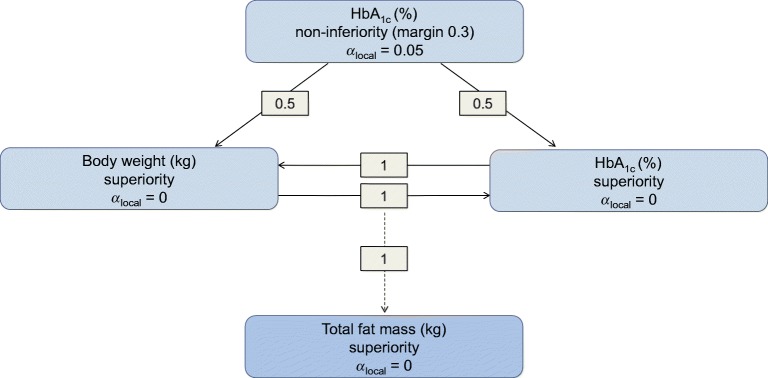
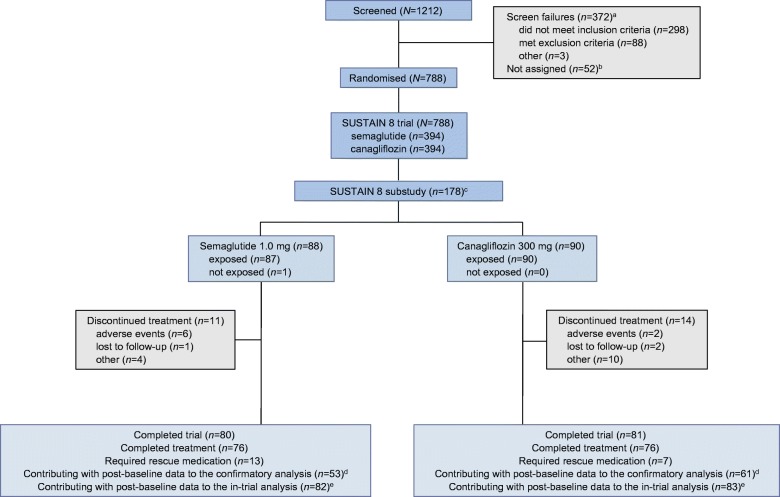
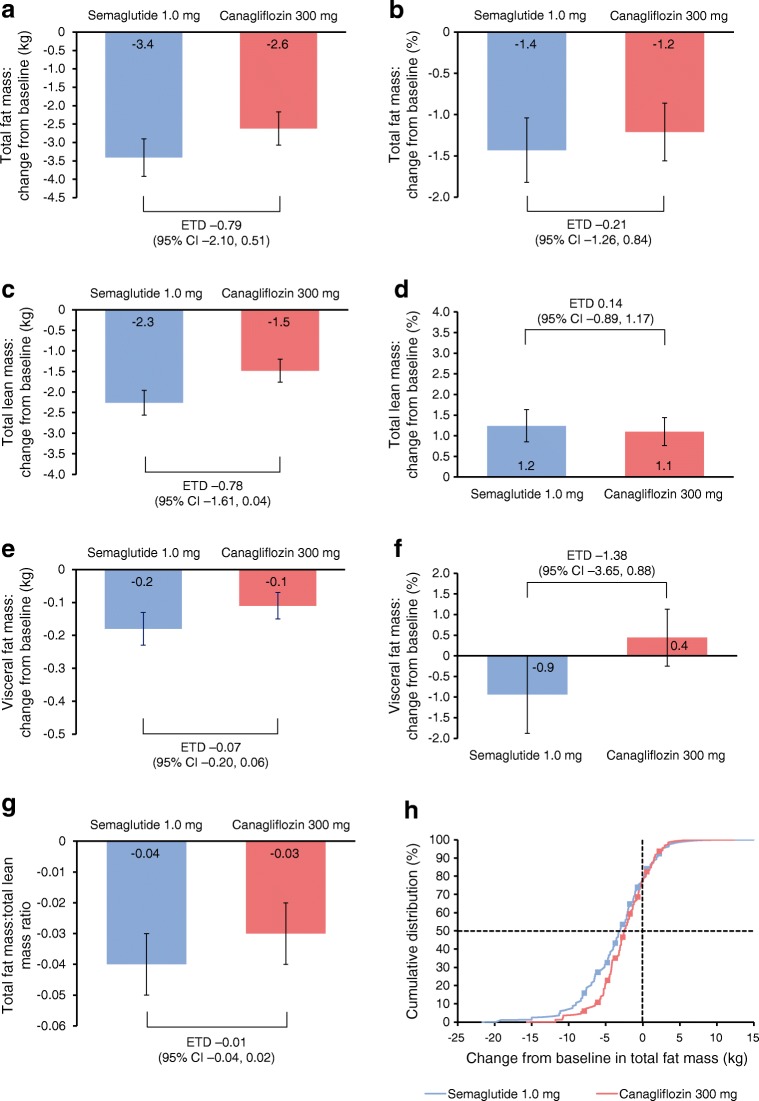
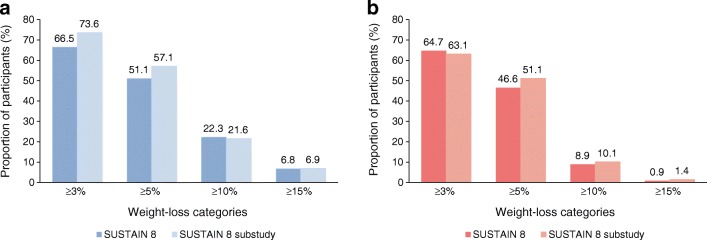
Aims/hypothesis: Intra-abdominal or visceral obesity is associated with insulin resistance and an increased risk for cardiovascular disease. This study aimed to compare the effects of semaglutide 1.0 mg and canagliflozin 300 mg on body composition in a subset of participants from the SUSTAIN 8 Phase IIIB, randomised double-blind trial who underwent whole-body dual-energy x-ray absorptiometry (DXA) scanning. Methods: Adults (age ≥18 years) with type 2 diabetes, HbA 1c 53–91 mmol/mol (7.0–10.5%), on a stable daily dose of metformin (≥1500 mg or maximum tolerated dose) and with an eGFR ≥60 ml min −1 [1.73 m] −2 were randomised 1:1 to semaglutide 1.0 mg once weekly and canagliflozin placebo once daily, or canagliflozin 300 mg once daily and semaglutide placebo once weekly. Body composition was assessed using whole-body DXA scans. The study participants and investigator remained blinded throughout the trial, and quality of DXA scans was evaluated in a blinded manner. Change from baseline to week 52 in total fat mass (kg) was the confirmatory efficacy endpoint. Results: A subset of 178 participants (semaglutide, n = 88; canagliflozin, n = 90) underwent DXA scanning at screening and were randomised into the substudy. Of these, 114 (semaglutide, n = 53; canagliflozin, n = 61) participants had observed end-of-treatment data included in the confirmatory efficacy analysis. Of the 178 participants in the substudy, numerical improvements in body composition (including fat mass, lean mass and visceral fat mass) were observed after 52 weeks with both treatments. Total fat mass (baseline 33.2 kg) was reduced by 3.4 kg and 2.6 kg with semaglutide and canagliflozin, respectively (estimated treatment difference: –0.79 [95% CI −2.10, 0.51]). Although total lean mass (baseline 51.3 kg) was also reduced by 2.3 kg and 1.5 kg with semaglutide and canagliflozin, respectively (estimated treatment difference: −0.78 [−1.61, 0.04]), the proportion of lean mass (baseline 59.4%) increased by 1.2%- and 1.1%-point, respectively (estimated treatment difference 0.14 [−0.89, 1.17]). Changes in visceral fat mass and overall changes in body composition (assessed by the fat to lean mass ratio) were comparable between the two treatment groups. Conclusions/interpretation: In individuals with uncontrolled type 2 diabetes on stable-dose metformin therapy, the changes in body composition with semaglutide and canagliflozin were not significantly different. Although numerical improvements in body composition were observed following treatment in both treatment arms, the specific impact of both treatments on body composition in the absence of a placebo arm is speculative at this stage. Trial registration: ClinicalTrials.gov NCT03136484. Funding: This trial was supported by Novo Nordisk A/S, Denmark.
Overview
The claims and statistics of this paper haven’t been checked yet.
Free: it reads the open-access text and checks the first 5 claims that cite a source we can check. Create a free account to check every claim.
Integrity signals
Registry
Cites
Statistics
Figures
Verification
Claims the paper makes
The claims and statistics of this paper haven’t been checked yet.
Free: it reads the open-access text and checks the first 5 claims that cite a source we can check. Create a free account to check every claim.
Claims other papers make about this one
Each is checked against this paper’s own text: does it say what the citing paper says it does?
The source backs part of the claim, not all of it — or backs it for a different population, condition or comparison.
In the citing paper
“Of the total weight loss with semaglutide approximately 45% was lean mass and for tirzepatide it was 25.7%.”
From New drugs for the treatment of obesity: do we need approaches to preserve muscle mass? (2025) · cites this paper as [34]
Experimental — accuracy not yet measuredThe source backs part of the claim, not all of it — or backs it for a different population, condition or comparison.
In the citing paper
“Similarly, in the SUSTAIN-8 sub study, patients treated with semaglutide lost 2.3 kg (−4.5%) of lean mass out of a total 5.3 kg (−6.0%) weight loss, equating to 43.4%, although lean mass as a proportion of total body mass increased slightly [30].”
From Unintended Consequences of Obesity Pharmacotherapy: A Nutritional Approach to Ensuring Better Patient Outcomes (2025) · cites this paper as [30]
Experimental — accuracy not yet measuredThe source backs part of the claim, not all of it — or backs it for a different population, condition or comparison.
In the citing paper
“resulting in 43.4% of weight loss attributable to lean mass”
From Exploring the Side Effects of GLP-1 Receptor Agonist: To Ensure Its Optimal Positioning (2025) · cites this paper as [111]
Experimental — accuracy not yet measuredThe source backs part of the claim, not all of it — or backs it for a different population, condition or comparison.
In the citing paper
“while the ratio of lean mass to total mass increased by 1.2% from the baseline [111].”
From Exploring the Side Effects of GLP-1 Receptor Agonist: To Ensure Its Optimal Positioning (2025) · cites this paper as [111]
Experimental — accuracy not yet measuredThe source backs part of the claim, not all of it — or backs it for a different population, condition or comparison.
In the citing paper
“Data are very limited for the highest dose of Semaglutide (2.4 mg), as most studies have focused on the 1 mg dose. 8 , 9 , 10 , 11”
From Impact of Semaglutide on fat mass, lean mass and muscle function in patients with obesity: The SEMALEAN study (2026) · cites this paper as [8]
Experimental — accuracy not yet measured
12 more claims about this paper
Create a free account to see every claim other papers make about this one.
Self-check
Percentages, sums and reported differences re-computed from the paper’s own numbers.
The self-check needs the paper’s full text.
Citations
Cites
Statistical Analysis With Missing Data
Lahiff, M., Little, R. J. A., & Rubin, D. B. (1989) · Journal of the American Statistical Association · doi:10.2307/2289883 · Cited by 17,265
Cook, R. J., Dickens, B. M., & Fathalla, M. F. (2003) · Reproductive Health and Human Rights · doi:10.1093/acprof:oso/9780199241323.003.0025 · Cited by 10,769
Semaglutide and Cardiovascular Outcomes in Patients with Type 2 Diabetes
Marso, S. P., Bain, S. C., Consoli, A., Eliaschewitz, F. G., Jódar, E., Leiter, L. A., Lingvay, I., Rosenstock, J., Seufert, J., Warren, M. L., et al. (2016) · New England Journal of Medicine · doi:10.1056/nejmoa1607141 · Cited by 6,900 · cited 1×
“The efficacy and safety of once-weekly semaglutide have been established in the SUSTAIN (Semaglutide Unabated Sustainability in Treatment of Type 2Diabetes) clinical trial programme across the continuumof care in individuals with type 2 diabetes vs placebo and a range of comparators (SUSTAIN 1–5 and 7–10) [11–19] and…”
BackgroundSelf-citationCanagliflozin and Renal Outcomes in Type 2 Diabetes and Nephropathy
Perkovic, V., Jardine, M. J., Neal, B., Bompoint, S., Heerspink, H. J. L., Charytan, D. M., Edwards, R., Agarwal, R., Bakris, G., Bull, S., et al. (2019) · New England Journal of Medicine · doi:10.1056/nejmoa1811744 · Cited by 6,189 · cited 1×
“The efficacy and safety of canagliflozin 100 mg and 300 mg have been demonstrated in an extensive clinical development programme that included cardiovascular and renal outcomes trials (CANVAS, CANVAS-R and CREDENCE) [22, 23].”
BackgroundHubert, H. B., Feinleib, M., McNamara, P. M., & Castelli, W. P. (1983) · Circulation · doi:10.1161/01.cir.67.5.968 · Cited by 4,241
Davies, M. J., D’Alessio, D. A., Fradkin, J., Kernan, W. N., Mathieu, C., Mingrone, G., Rossing, P., Tsapas, A., Wexler, D. J., & Buse, J. B. (2018) · Diabetes Care · doi:10.2337/dci18-0033 · Cited by 3,518
Mechanisms linking obesity with cardiovascular disease
Van Gaal, L. F., Mertens, I. L., & De Block, C. E. (2006) · Nature · doi:10.1038/nature05487 · Cited by 2,814 · cited 1×
“Abdominal obesity is a key factor in the development of diabetes and cardiovascular disease [30] and is a risk factor for several chronic diseases with cardiometabolic homeostasis [31].”
BackgroundAssociation between insulin resistance and the development of cardiovascular disease
Ormazabal, V., Nair, S., Elfeky, O., Aguayo, C., Salomon, C., & Zuñiga, F. A. (2018) · Cardiovascular Diabetology · doi:10.1186/s12933-018-0762-4 · Cited by 2,280 · cited 1×
“Intra-abdominal or visceral obesity in particular is associatedwith insulin resistance [3, 4] and an increased risk for developing cardiovascular disease [4, 5].”
BackgroundSkeletal Muscle Insulin Resistance Is the Primary Defect in Type 2 Diabetes
DeFronzo, R. A., & Tripathy, D. (2009) · Diabetes Care · doi:10.2337/dc09-s302 · Cited by 2,102
Research works printed but not linked: 1
- International Conference on Harmonisation–World Health Organization Guideline for Good Clinical Practice (1996) ICH harmonised tripartite guideline good clinical practice. Available from https://apps.who.int/medicinedocs/en/m/abstract/Js22154en/. Accessed 25 November 2019
Cited by
Once-Weekly Semaglutide in Adults with Overweight or Obesity
Wilding, J. P. H., Batterham, R. L., Calanna, S., Davies, M., Van Gaal, L. F., Lingvay, I., McGowan, B. M., Rosenstock, J., Tran, M. T. D., Wadden, T. A., et al. (2021) · New England Journal of Medicine · doi:10.1056/nejmoa2032183 · Cited by 5,205
“0 mg) in persons with obesity(22) and in those with type 2 diabetes.(33) The weight loss and improvements with respect to cardiometabolic risk factors with semaglutide reported here will be complemented by an ongoing cardiovascular outcomes trial in participants with overweight or obesity and established cardiovascula…”
BackgroundSelf-citationObesity Phenotypes, Diabetes, and Cardiovascular Diseases
Piché, M.-E., Tchernof, A., & Després, J.-P. (2020) · Circulation Research · doi:10.1161/circresaha.120.316101 · Cited by 1,986
Changes in lean body mass with glucagon‐like peptide ‐1‐based therapies and mitigation strategies
Neeland, I. J., Linge, J., & Birkenfeld, A. L. (2024) · Diabetes, Obesity and Metabolism · doi:10.1111/dom.15728 · Cited by 391
“31 In contrast to these findings, a study comparing semaglutide 1 mg and tirzepatide with placebo in patients with type 2 diabetes showed lean mass reductions of approximately 15% or less of total weight loss across all groups.”
Efficacy and Safety of GLP-1 Medicines for Type 2 Diabetes and Obesity
Drucker, D. J. (2024) · Diabetes Care · doi:10.2337/dci24-0003 · Cited by 383
Karakasis, P., Patoulias, D., Fragakis, N., & Mantzoros, C. S. (2025) · Metabolism · doi:10.1016/j.metabol.2024.156113 · Cited by 242
Anti-diabetic drugs and weight loss in patients with type 2 diabetes
Lazzaroni, E., Ben Nasr, M., Loretelli, C., Pastore, I., Plebani, L., Lunati, M. E., Vallone, L., Bolla, A. M., Rossi, A., Montefusco, L., et al. (2021) · Pharmacological Research · doi:10.1016/j.phrs.2021.105782 · Cited by 182
Linge, J., Birkenfeld, A. L., & Neeland, I. J. (2024) · Circulation · doi:10.1161/circulationaha.124.067676 · Cited by 180
Mahapatra, M. K., Karuppasamy, M., & Sahoo, B. M. (2022) · Reviews in Endocrine and Metabolic Disorders · doi:10.1007/s11154-021-09699-1 · Cited by 166
“Although improvement in body fat composition was reported by both the groups, but no significantly different changes were observed between semaglutide and canagliflozin [56].”
BackgroundZhu, H., Zhou, L., Wang, Q., Cai, Q., Yang, F., Jin, H., Chen, Y., Song, Y., & Zhang, C. (2023) · Annals of the Rheumatic Diseases · doi:10.1136/ard-2023-223845 · Cited by 129
Wadden, T. A., Chao, A. M., Moore, M., Tronieri, J. S., Gilden, A., Amaro, A., Leonard, S., & Jakicic, J. M. (2023) · Current Obesity Reports · doi:10.1007/s13679-023-00534-z · Cited by 129
“However, it is also accompanied by reduced lean body mass [1 •• , 2 •• , 45, 69, 70], which may influence factors that contribute to body weight regulation and other health outcomes.”
BackgroundPan, R., Zhang, Y., Wang, R., Xu, Y. Q., Ji, H., & Zhao, Y. (2022) · PLoS ONE · doi:10.1371/journal.pone.0279889 · Cited by 134
“McCrimmon RJ et al [16] 11 countries 2020 NCT03136484 Canagliflozin+Metformin Semaglutide+Metformin 23 22 52 weeks”
BackgroundMethodObesogens: a unifying theory for the global rise in obesity
Heindel, J. J., Lustig, R. H., Howard, S. G., & Corkey, B. E. (2024) · International Journal of Obesity · doi:10.1038/s41366-024-01460-3 · Cited by 128
A systematic review of the effect of semaglutide on lean mass: insights from clinical trials
Bikou, A., Dermiki-Gkana, F., Penteris, M., Constantinides, T. K., & Kontogiorgis, C. (2024) · Expert Opinion on Pharmacotherapy · doi:10.1080/14656566.2024.2343092 · Cited by 97
“In this study [25], a randomized controlled trial (RCT) is performed recruiting patients with uncontrolled type 2 diabetes who were on stable metformin treatment.”
BackgroundMethodResultManagement of Obesity in Cardiovascular Practice
Després, J.-P., Carpentier, A. C., Tchernof, A., Neeland, I. J., & Poirier, P. (2021) · Journal of the American College of Cardiology · doi:10.1016/j.jacc.2021.05.035 · Cited by 87
Effects of Antidiabetic Drugs on Muscle Mass in Type 2 Diabetes Mellitus
Ida, S., Kaneko, R., Imataka, K., Okubo, K., Shirakura, Y., Azuma, K., Fujiwara, R., & Murata, K. (2021) · Current Diabetes Reviews · doi:10.2174/1573399816666200705210006 · Cited by 85
Zhang, S., Qi, Z., Wang, Y., Song, D., & Zhu, D. (2023) · Frontiers in Endocrinology · doi:10.3389/fendo.2023.1203666 · Cited by 105
Exploring the Side Effects of GLP-1 Receptor Agonist: To Ensure Its Optimal Positioning
Kim, J. A., & Yoo, H. J. (2025) · Diabetes & Metabolism Journal · doi:10.4093/dmj.2025.0242 · Cited by 71
“In the SUSTAIN 8 study, patients with T2DM exhibited a lean mass decrease of 2.3 kg alongside a total weight loss of 5.3 kg, resulting in 43.4% of weight loss attributable to lean mass, while the ratio of lean mass to total mass increased by 1.2% from the baseline [111].”
InfluentialPrevention of cardiorenal complications in people with type 2 diabetes and obesity
Drucker, D. J. (2024) · Cell Metabolism · doi:10.1016/j.cmet.2023.12.018 · Cited by 67
Volpe, S., Lisco, G., Racaniello, D., Fanelli, M., Colaianni, V., Vozza, A., Triggiani, V., Sabbà, C., Tortorella, C., De Pergola, G., et al. (2022) · Nutrients · doi:10.3390/nu14122414 · Cited by 67
“The impact of GLP-1RAs on glucose control and weight loss in T2D and overweight or obese patients is well-known, but the effect on body composition needs to be better elucidated, especially in a real-life setting [32,33].”
BackgroundLiao, C., Liang, X., Zhang, X., & Li, Y. (2023) · PLOS ONE · doi:10.1371/journal.pone.0289616 · Cited by 63
Alissou, M., Demangeat, T., Folope, V., Van Elslande, H., Lelandais, H., Blanchemaison, J., Cailleaux, P., Guney, S., Aupetit, A., Aubourg, A., et al. (2026) · Diabetes, Obesity and Metabolism · doi:10.1111/dom.70141 · Cited by 72
“Few studies have used DXA, 6,8 the gold standard for measuring body composition, and even fewer have assessed muscle function.”
Eckard, A. R., Wu, Q., Sattar, A., Ansari-Gilani, K., Labbato, D., Foster, T., Fletcher, A. A., Adekunle, R. O., & McComsey, G. A. (2024) · The Lancet Diabetes & Endocrinology · doi:10.1016/s2213-8587(24)00150-5 · Cited by 55
Michalopoulou, E., Thymis, J., Lampsas, S., Pavlidis, G., Katogiannis, K., Vlachomitros, D., Katsanaki, E., Kostelli, G., Pililis, S., Pliouta, L., et al. (2025) · Journal of Clinical Medicine · doi:10.3390/jcm14020428 · Cited by 76
“More specifically, the combination therapy not only improves the control of blood glucose, blood pressure, and body weight, but also might act to minimize the evolution and progression of diabetic nephropathy [149].”
Mastaitis, J. W., Gomez, D., Raya, J. G., Li, D., Min, S., Stec, M., Kleiner, S., McWilliams, T., Altarejos, J. Y., Murphy, A. J., et al. (2025) · Nature Communications · doi:10.1038/s41467-025-59485-9 · Cited by 53
Wang, X., Wu, N., Sun, C., Jin, D., & Lu, H. (2023) · Diabetology & Metabolic Syndrome · doi:10.1186/s13098-023-01085-y · Cited by 58
Selvarajah, V., Robertson, D., Hansen, L., Jermutus, L., Smith, K., Coggi, A., Sánchez, J., Chang, Y.-T., Yu, H., Parkinson, J., et al. (2024) · Kidney International · doi:10.1016/j.kint.2024.08.023 · Cited by 49
SGLT2 inhibition and adipose tissue metabolism: current outlook and perspectives
Morciano, C., Gugliandolo, S., Capece, U., Giuseppe, G. D., Mezza, T., Ciccarelli, G., Soldovieri, L., Brunetti, M., Avolio, A., Splendore, A., et al. (2024) · Cardiovascular Diabetology · doi:10.1186/s12933-024-02539-x · Cited by 57
Yabe, D., Kawamori, D., Seino, Y., Oura, T., & Takeuchi, M. (2023) · Diabetes, Obesity and Metabolism · doi:10.1111/dom.14882 · Cited by 48
“3 kg).(30) The observed reductions in body fat mass were mainly attributed to the reduction in body weight and the observed reductions in body water were mainly attributed to the reduction in lean body mass.”
BackgroundCanagliflozin review – safety and efficacy profile in patients with T2DM
Jakher, H., Chang, T. I., Tan, M., & Mahaffey, K. W. (2019) · Diabetes, Metabolic Syndrome and Obesity: Targets and Therapy · doi:10.2147/dmso.s184437 · Cited by 48
Dubin, R. L., Heymsfield, S. B., Ravussin, E., & Greenway, F. L. (2024) · Diabetes, Obesity and Metabolism · doi:10.1111/dom.15913 · Cited by 47
“15 Additionally, a substudy of the LEAD-2 trial, in which 103 subjects with T2D were randomized to liraglutide at 0.6, 1.2 or 1.8 mg daily, demonstrated dose-dependent reductions in FFM of 33.3%, 40.0% and 46.9%, respectively, using DXA.”
InfluentialZhang, Y., Qu, Z., Lu, T., Shao, X., Cai, M., Dilimulati, D., Gao, X., Mao, W., Hu, F., Su, L., et al. (2023) · Nutrients · doi:10.3390/nu15030556 · Cited by 45
“, Marlborough, Massachusetts, USA) were performed at baseline and after prespecified weight loss [23,24].”
BackgroundCoskun, T., Wu, Q., Schloot, N. C., Haupt, A., Milicevic, Z., Khouli, C., & Harris, C. (2025) · The Lancet Diabetes & Endocrinology · doi:10.1016/s2213-8587(25)00092-0 · Cited by 57
GLP-1 and the Neurobiology of Eating Control: Recent Advances
Jones, L. A., & Brierley, D. I. (2025) · Endocrinology · doi:10.1210/endocr/bqae167 · Cited by 43
“The loss of lean body mass is another common side effect of GLP-1RAs, with studies reporting that lean mass loss accounts for ∼ 45% and ∼ 25% of total loss for semaglutide (79, 105) and tirzepatide (98), respectively.”
GLP-1 receptor agonists and sarcopenia: Weight loss at a cost? A brief narrative review
Pantazopoulos, D., Gouveri, E., Papazoglou, D., & Παπάνας, Ν. (2025) · Diabetes Research and Clinical Practice · doi:10.1016/j.diabres.2025.112924 · Cited by 55
Pantanetti, P., Cangelosi, G., Alberti, S., Marco, S. D., Michetti, G., Cerasoli, G., Giacinti, M. D., Coacci, S., Francucci, N., Petrelli, F., et al. (2024) · Frontiers in Endocrinology · doi:10.3389/fendo.2024.1394506 · Cited by 52
New drugs for the treatment of obesity: do we need approaches to preserve muscle mass?
Ryan, D. H. (2025) · Reviews in Endocrine and Metabolic Disorders · doi:10.1007/s11154-025-09967-4 · Cited by 34
“Table 3 shows the effect of these drugs on DEXA outcomes that were part of the phase 3 substudies in persons with obesity (STEP 1 1,34 and SURMOUNT 1 4.34 ) as well as a substudy of semaglutide in persons with diabetes as part of SUSTAIN-8 [33, 34].”
InfluentialAnyiam, O., Ardavani, A., Rashid, R. S. A., Panesar, A., & IDRIS, I. R. (2025) · Obesity Reviews · doi:10.1111/obr.13916 · Cited by 49
Nederveen, J. P., Mastrolonardo, A. J., Xhuti, D., Di Carlo, A., Manta, K., Fuda, M. R., & Tarnopolsky, M. A. (2023) · Nutrients · doi:10.3390/nu15173693 · Cited by 33
“Given that the MIS used in the current study predominantly acts via a different mechanism compared to GLP-1RA medications (browning of white adipose tissue vs. appetite suppression, respectively), future studies should evaluate the potential for weight loss synergy and the potential for FFM preservation with concurren…”
BackgroundInfluentialMuscle loss and GLP-1R agonists use
Rossi, G., Bucciarelli, L., Mananguite, C.-L., Giovarelli, M., & Fiorina, P. (2025) · Acta Diabetologica · doi:10.1007/s00592-025-02611-2 · Cited by 31
“Importantly, physical performance outcomes such as mobility and functional capacity are generally maintained, indicating that moderate lean mass loss during therapy does not necessarily equate to clinically relevant impairment [19, 26].”
Semaglutide effects on energy balance are mediated by Adcyap1+ neurons in the dorsal vagal complex
Teixidor-Deulofeu, J., Sköldheden, S. B., Font‐Gironès, F., Feješ, A., Ruud, J., & Engström, L. (2025) · Cell Metabolism · doi:10.1016/j.cmet.2025.04.018 · Cited by 38
Tilinca, M. C., Tiucă, R. A., Niculas, C., Varga, A., & Ţilea, I. (2021) · Experimental and Therapeutic Medicine · doi:10.3892/etm.2021.10601 · Cited by 34
“The results indicated no significant differences between semaglutide and canagliflozin regarding changes in body composition (40).”
BackgroundThe effect of obesity pharmacotherapy on body composition, including muscle mass
Argyrakopoulou, G., Gitsi, E., Konstantinidou, S. K., & Kokkinos, A. (2025) · International Journal of Obesity · doi:10.1038/s41366-024-01533-3 · Cited by 28
“Semaglutide administration led to a reduction of 3.4 kg in total FM and a decrease of 2.3 kg in total LBM. Interestingly, the proportion of LBM increased by 1.2% with semaglutide [48].”
InfluentialKunutsor, S. K., & Seidu, S. (2025) · Drugs · doi:10.1007/s40265-025-02263-0 · Cited by 45
“It has been reported that reductions in lean mass have varied from negligible to as high as 40% of total weight loss [93–95], which raises potential concerns regarding sarcopenia and functional decline in at-risk populations.”
Pathogenesis and Therapeutic Strategies Related to Non-Alcoholic Fatty Liver Disease
Teng, T., Qiu, S., Zhao, Y., Zhao, S., Sun, D., Hou, L., Li, Y., Zhou, K., Yu, X., Yang, C., et al. (2022) · International Journal of Molecular Sciences · doi:10.3390/ijms23147841 · Cited by 28
“Semaglutide, another GLP-1 agonist, has shown favorable effects on liver enzymes, insulin resistance, and hepatic fat content [79].”
BackgroundTreatment of Hypothalamic Obesity With GLP-1 Analogs
Dimitri, P., & Roth, C. L. (2024) · Journal of the Endocrine Society · doi:10.1210/jendso/bvae200 · Cited by 25
Raubenheimer, J., Myburgh, P. H., & Bhagavathula, A. S. (2024) · BMC Global and Public Health · doi:10.1186/s44263-024-00095-w · Cited by 42
“After clinical trials [2, 11–13, 15, 16, 18–23], the U.S. Food & Drug Administration approved two injectable semaglutide formulations (Ozempic and Wegovy) only “as an adjunct to a reduced calorie diet and increased physical activity for chronic weight management in [obese or overweight] adult…”
BackgroundMethodSkeletal muscle loss and sarcopenia in obesity pharmacotherapy
Hope, D. C. D., & Tan, T. (2024) · Nature Reviews Endocrinology · doi:10.1038/s41574-024-01041-4 · Cited by 29
“This proportion of LBM to total body-weight loss observed is consistent with semaglutide 1.0 mg once weekly in the SUSTAIN 8 trial 4 .”
InfluentialEffect of Incretin-Based and Nonpharmacologic Weight Loss on Body Composition: A Systematic Review
Batsis, J. A., Gavras, A., Gross, D. C., Cheever, C. R., da Silva, B. R., Filho, L. F. M., Jones, E. P., Batchek, D. J., Khandpekar, S. G., Patel, R., et al. (2026) · Annals of Internal Medicine · doi:10.7326/annals-25-00478 · Cited by 34
Xia, C., Han, Y., Yin, C., Geng, R., Liu, Z., Du, Y., & Yu, M. (2023) · Frontiers in Endocrinology · doi:10.3389/fendo.2023.1220516 · Cited by 26
Anti-obesity pharmacotherapy in adults with chronic kidney disease
Taber-Hight, E., Gilmore, A. C., & Friedman, A. N. (2023) · Kidney International · doi:10.1016/j.kint.2023.10.014 · Cited by 22
Pandey, A., Lewis, G. D., Borlaug, B. A., Shah, S. J., Sauer, A. J., Litwin, S. E., Sharma, K., Jorkasky, D. K., Tarka, E. A., Khan, S. M., et al. (2025) · JAMA Cardiology · doi:10.1001/jamacardio.2025.0103 · Cited by 22
Bonora, B. M., Russo, G. T., Leonetti, F., Strazzabosco, M., Nollino, L., Aimaretti, G., Giaccari, A., Broglio, F., Consoli, A., Avogaro, A., et al. (2024) · Journal of Endocrinological Investigation · doi:10.1007/s40618-024-02309-2 · Cited by 24
“As expected from data on injectable semaglutide [17], we found a weak though significant direct correlation between the improvement in HbA1c and the loss of body weight.”
BackgroundRecent achievements and future directions of anti-obesity medications
Grandl, G., Novikoff, A., Liu, X., & Müller, T. D. (2024) · The Lancet Regional Health - Europe · doi:10.1016/j.lanepe.2024.101100 · Cited by 33
Gut–adipose tissue crosstalk: A bridge to novel therapeutic targets in metabolic syndrome?
Silva, D., & Matafome, P. N. (2020) · Obesity Reviews · doi:10.1111/obr.13130 · Cited by 24
“It is to note that the trial lacked an appropriate placebo, and because the individuals were already under metformin treatment, these effects may not be fully attributable to semaglutide.(121) As for triple agonists, the existing literature has been mainly focusing in monitoring systemic parameters, thus lacking infor…”
BackgroundHu, Y., Lu, S., Xue, C., Hu, Z., Wang, Y., Zhang, W., Wang, D., Wang, J., Ding, G., Yu, J., et al. (2025) · Journal of Translational Medicine · doi:10.1186/s12967-025-06357-x · Cited by 23
“Additionally, several metformin-based combination studies investigating the effects of the drug on body composition measured by dual-energy X-rays in patients with T2DM have shown that metformin has no significant effect on lean body mass and muscle mass [30, 31].”
Lu, J., Zou, S., Liu, X., Wong, T. Y. P., Zhang, X., Xu, K., Zhao, Y., Hong, Y., Cen, A., & Wang, Y. (2025) · European Journal of Pharmacology · doi:10.1016/j.ejphar.2025.177885 · Cited by 28
The role of incretin receptor agonists in the treatment of obesity
Forst, T. M., Block, C. E. M. D., Prato, S. D., Armani, S., Frías, J. P., Lautenbach, A., Ludvik, B. H., Marinez, M., Mathieu, C., Müller, T. D., et al. (2024) · Diabetes Obesity and Metabolism · doi:10.1111/dom.15796 · Cited by 22
Schmidt, P. H. S., Pasqualotto, E., dos Santos, H. V., de Souza, L. S. N., dos Santos, B. E., Chavez, M. P., Ferreira, R. O. M., Hohl, A., Ronsoni, M. F., & van de Sande-Lee, S. (2025) · Obesity Research & Clinical Practice · doi:10.1016/j.orcp.2025.01.009 · Cited by 18
González-Luis, A., Llinares-Arvelo, V., Martínez‐Alberto, C. E., Hernández-Carballo, C., Fernández, C. M., Navarro‐González, J. F., & Donate‐Correa, J. (2025) · European Journal of Endocrinology · doi:10.1093/ejendo/lvaf223 · Cited by 23
Al-Najim, W., Raposo, A., BinMowyna, M. N., & le Roux, C. W. (2025) · Nutrients · doi:10.3390/nu17111934 · Cited by 16
Jahangiri, S., Malek, M., Kalra, S., & Khamseh, M. E. (2023) · Diabetes Therapy · doi:10.1007/s13300-023-01481-7 · Cited by 23
Incretin Receptor Agonism, Fat-free Mass, and Cardiorespiratory Fitness: A Narrative Review
Liu, Z., Weeldreyer, N. R., & Angadi, S. S. (2025) · The Journal of Clinical Endocrinology & Metabolism · doi:10.1210/clinem/dgaf335 · Cited by 21
Body Composition Changes After Bariatric Surgery or Treatment With GLP-1 Receptor Agonists
Wang, Z., Wang, L., Zhang, X., Lowery, B. D., Shaffer, L. L., Chen, Y., Wells, Q. S., Flynn, C. R., Williams, B., Spann, M. D., et al. (2026) · JAMA Network Open · doi:10.1001/jamanetworkopen.2025.53323 · Cited by 25
The Relationship between Upper Airway Anatomy and Obesity in Patients with Obstructive Sleep Apnea
Xu, L., Keenan, B. T., Wiemken, A. S., Staley, B. A., Benediktsdottir, B., Júlíusson, S., Pack, A. I., Gíslason, Þ., & Schwab, R. J. (2025) · Annals of the American Thoracic Society · doi:10.1513/annalsats.202410-1027oc · Cited by 22
Frailty and Effects of Semaglutide in Obesity-Related HFpEF
Pandey, A., Kitzman, D. W., Chinnakondepalli, K., Patel, S., Borlaug, B. A., Butler, J., Davies, M. J., Shah, S. J., Verma, S., Rönnbäck, C., et al. (2025) · JACC Heart Failure · doi:10.1016/j.jchf.2025.102610 · Cited by 18
Jeromson, S., Baranowski, B., Akcan, M., Waters, B. D., Eisner, K., Bellucci, A., Trang, S., Abolhassani, A., Tello‐Palencia, M. A., Schweitzer, A. M., et al. (2025) · The Journal of Physiology · doi:10.1113/jp289449 · Cited by 23
Sawicka‐Gutaj, N., Gruszczyński, D., Nijakowski, K., Derwich-Rudowicz, A., Krenz, M., Kumar, A. A., Lu, P.-Y., & Ruchała, M. (2026) · International Journal of Obesity · doi:10.1038/s41366-026-02088-1 · Cited by 24
“Despite attempts to minimize bias through a systematic and comprehensive search strategy, unpublished or negative studies may have been overlooked.”
CORTES, T. M., Vásquez, L., Serra, M. C., Robbins, R. N., Stepanenko, A. R., Brown, K. R., Barrus, H., Campos, A., Espinoza, S. E., & Musi, N. (2024) · JMIR Research Protocols · doi:10.2196/62667 · Cited by 21
“However, the results on lean mass appear mixed, with most trials indicating that semaglutide results in reductions in total fat mass and lean mass with most of the weight loss resulting from fat mass loss [14-17], while others revealed that lean body mass remained stable [18-20].”
ResultAdipocentric Strategy for the Treatment of Type 2 Diabetes Mellitus
Martínez, J. J. G. (2025) · Journal of Clinical Medicine · doi:10.3390/jcm14030678 · Cited by 16
Buchanan, L., Calkins, M. W., Kalayjian, T., Norwitz, N. G., Teicholz, N., Unwin, D., & Soto-Mota, A. (2025) · Frontiers in Nutrition · doi:10.3389/fnut.2025.1548609 · Cited by 12
Targeting Sarcopenia in CKD: The Emerging Role of GLP-1 Receptor Agonists
Llinares-Arvelo, V., Martínez‐Alberto, C. E., González-Luis, A., Macía-Heras, M., Siverio-Morales, O., Navarro‐González, J. F., & Donate‐Correa, J. (2025) · International Journal of Molecular Sciences · doi:10.3390/ijms26168096 · Cited by 15
“…the SUSTAIN-8 trial revealed that, despite the absolute decline, both groups experienced an increase in the relative proportion of LM to total body weight (semaglu-tide: +1.2%; canagliflozin: +1.1%), suggesting a favorable effect on body composition and potential mitigation of sarcopenic risk [27].”
InfluentialTalamonti, E., Davegardh, J., Kalinovich, A., van Beek, S. M. M., Dehvari, N., Halleskog, C., Bokhari, M. H., Hutchinson, D. S., Ham, S., Humphrys, L. J., et al. (2024) · Molecular Metabolism · doi:10.1016/j.molmet.2024.101931 · Cited by 12
“For example, GLP-1 agonists have been shown to reduce skeletal muscle mass, raising concerns about their potential implications for various comorbidities in the future [9,10].”
BackgroundExploring beyond numeric weight loss: The metabolic effects of semaglutide
Sokary, S., & Bawadi, H. A. (2025) · Clinical Nutrition ESPEN · doi:10.1016/j.clnesp.2025.03.010 · Cited by 20
Babazadeh, D., Wyatt, S., & Steinberg, F. M. (2025) · Advances in Nutrition · doi:10.1016/j.advnut.2025.100491 · Cited by 16
Muscle health in the modern era of incretin‐based therapies
Girolamo, G. D., Sangineto, M., Gioia, G. D., Bianco, R., Ciarnelli, M., & Serviddio, G. (2025) · European Journal of Clinical Investigation · doi:10.1111/eci.70155 · Cited by 16
Chrysavgis, L., Mourelatou, N. G., Koloutsou, M. E., Rozani, S., & Cholongitas, Ε. (2025) · International Journal of Molecular Sciences · doi:10.3390/ijms262412130 · Cited by 16
“Studies using semaglutide, by Blundell et al. [121] and McCrimmon et al. [122] re-ported lean mass losses of 1.3–1.7 kg over 12 to 52 weeks.”
InfluentialInfluence of modern antidiabetic therapy on body weight in patients with type 2 diabetes mellitus
Салухов, В. В., Ilyinskaya, Т. A., & Minakov, A. A. (2022) · Endocrinology News Opinions Training · doi:10.33029/2304-9529-2022-11-1-39-52 · Cited by 14
Brown, A., Mellor, D., Makaronidis, J., Shuttlewood, E., Miras, A. D., & Pournaras, D. J. (2024) · Nutrition Bulletin · doi:10.1111/nbu.12700 · Cited by 9
Chen, W., Qin, H., Zhou, Z., Chen, Y., Xu, X., Chen, Y., He, J., Xu, R., Gao, H., & Lu, Q. (2025) · Clinical Nutrition · doi:10.1016/j.clnu.2025.10.006 · Cited by 17
The Emerging Role of Injectable Weight Loss Medications in Plastic Surgery: A Systematic Review
Shridharani, S. M., & Kohan, J. (2023) · Aesthetic Surgery Journal · doi:10.1093/asj/sjad240 · Cited by 12
Glucagon-like Peptide-1 Receptor Agonists (GLP-1 RAs): A Pan-Steatotic Liver Disease Treatment?
Chrysavgis, L., Mourelatou, N. G., & Cholongitas, Ε. (2025) · Biomedicines · doi:10.3390/biomedicines13071516 · Cited by 10
“[ 40].”
García-Gorrita, C., Onofre, N. S., Merino-Torres, J. F., & Soriano, J. M. (2025) · Nutrients · doi:10.3390/nu17162699 · Cited by 10
Impact of Incretin-Based Therapy on Skeletal Muscle Health
Koceva, A., Janež, A., & Jensterle, M. (2025) · Medicina · doi:10.3390/medicina61091691 · Cited by 16
“In the SUSTAIN 8 DXA substudy in patients with T2D, both semaglutide 1 mg/week and canagliflozin reduced fat and lean mass over 52 weeks, but the proportion of lean mass relative to total weight increased in both groups ( − 0.14% in favor of semaglutide) [57].”
InfluentialZhou, Y., Yan, H., Zhu, Y., Jiang, W., & Zhang, S. (2025) · Frontiers in Cardiovascular Medicine · doi:10.3389/fcvm.2025.1701459 · Cited by 12
Jimenez, L., Múñoz, Ó., Alfonso, D., & Medina, A. M. G. (2026) · International Journal of Obesity · doi:10.1038/s41366-026-02118-y · Cited by 15
Berković, M. C., Režić, T., Bilić-Čurčić, I., & Mrzljak, A. (2022) · World Journal of Clinical Cases · doi:10.12998/wjcc.v10.i20.6759 · Cited by 10
The Adipokine Axis in Heart Failure: Linking Obesity, Sarcopenia and Cardiac Dysfunction in HFpEF
Komić, L., Komic, J., Pavlović, N., Kumrić, M., Bukić, J., Tomić, I. J., & Božić, J. (2026) · International Journal of Molecular Sciences · doi:10.3390/ijms27020612 · Cited by 11
“This raises concerns regarding functional deterioration in individuals with or at risk for sarcopenia [157,158].”
Fat, muscle, and anti-obesity medications in cardiovascular disease prevention
Khan, M. S., Dawood, M. H., Handelsman, Y., Anker, S. D., Coats, A. J. S., Green, J. B., & Butler, J. (2026) · European Heart Journal · doi:10.1093/eurheartj/ehag201 · Cited by 9
Mateos, I. C., Morales, C., & Aguilera, B. G. (2025) · Journal of Clinical Medicine · doi:10.3390/jcm14155434 · Cited by 13
“No-tably, lean mass loss was observed in long-term semaglutide RCTs, such as SUSTAIN 8 [33] and STEP 1 [34], whereas it seemed to be preserved following shorter semaglutide administration in real-life studies [35–40].”
Liu, Y., Duan, X., Hua, P., Wu, S., & Liu, X. (2024) · Journal of Research in Medical Sciences · doi:10.4103/jrms.jrms_693_23 · Cited by 6
Navigating Sarcopenia Risks in GLP-1RA Therapy for Advanced Heart Failure
Wang, W. T., Green, D. B., Ibrahim, R., Abdelnabi, M. H., Pham, H. N., Forst, B. J., Allam, M., Sarkis, P., Bcharah, G., Farina, J., et al. (2025) · Biomedicines · doi:10.3390/biomedicines13051108 · Cited by 9
“They also noted a corresponding increase in proportion of lean mass, up 1.2% from the baseline [24].”
InfluentialTareq, S., Ewida, H. A., Zoubi, S., Benson, H., Patel, D., Diab, H., Patra, S., Redrovan, D., Nozohouri, E., Bassani, T. B., et al. (2025) · Pharmacological Research · doi:10.1016/j.phrs.2025.107900 · Cited by 6
Cirnigliaro, C. M., Fountaine, M. F. L., Sauer, S. J., Cross, G. T., Kirshblum, S., & Bauman, W. A. (2023) · Journal of Spinal Cord Medicine · doi:10.1080/10790268.2023.2207064 · Cited by 9
Hathorn, B., Haykowsky, M. J., Almandoz, J. P., Pandey, A., Sarma, S., Hearon, C. M., Babb, T. G., Balmain, B. N., Fu, Q., Zaha, V. G., et al. (2025) · Canadian Journal of Cardiology · doi:10.1016/j.cjca.2025.03.015 · Cited by 9
Managing Diabetes in Older Adults: Current Approaches in Long-Term Care Facilities
Idrees, T., Castro-Revoredo, I., KANTIPUDI, S. L., & Umpierrez, G. E. (2025) · Current Diabetes Reports · doi:10.1007/s11892-025-01583-5 · Cited by 6
Seuntjens, J., Gols, J. D., Davies, B. K., Looy, F. V., Stockmans, I., Moermans, K., Carmeliet, G., Matthys, C., Vangoitsenhoven, R., der Schueren, B. V., et al. (2025) · American Journal of Physiology-Endocrinology and Metabolism · doi:10.1152/ajpendo.00010.2025 · Cited by 6
Qiao, X., Wang, W., Cao, J., Guo, L., & Pan, Q. (2026) · Obesity Reviews · doi:10.1111/obr.70100 · Cited by 4
Çetın, D., Bilgili, E. P., Komaç, Ö., Yetişken, M., & Güney, E. (2025) · Medicina · doi:10.3390/medicina61071152 · Cited by 10
“Both treatment arms showed reductions in total fat and lean mass, yet by week 52, the proportion of total lean mass increased in both groups [29].”
Diverse actions of 15 structurally unrelated mitochondrial uncouplers in cells and mice
Shah, D. P., Vancuylenburg, C. S., Olzomer, E. M., Chen, S.-Y., Grams, R. J., Beretta, M., Byrne, F. L., Santos, W. L., & Hoehn, K. L. (2025) · Molecular Metabolism · doi:10.1016/j.molmet.2025.102204 · Cited by 6
“Speci fi cally, sem-aglutide has been associated with loss of lean mass of up to 40% of total weight lost and liraglutide with up to 60% [43,44].”
Liu, J., Yang, F., Sun, Q., Gu, T., Yao, J., Zhang, N., Meng, R., & Zhu, D. (2023) · Diabetes Therapy · doi:10.1007/s13300-023-01411-7 · Cited by 4
“In a sub-study of the SUSTAIN 8 study, a reduction in visceral fat mass was observed in both the treatment group receiving the glucagon-like peptide 1 (GLP-1) receptor agonist semaglutide and the treatment group receiving the sodiumglucose transport protein 2 (SGLT2) inhibitor canagliflozin [44].”
Background
Metadata
- Authors
- McCrimmon, R. J., Catarig, A.-M., Frias, J. P., Lausvig, N. L., le Roux, C. W., Thielke, D., & Lingvay, I.
- Affiliations
- University of Dundee (GB)
- Novo Nordisk (Denmark) (DK)
- The University of Texas Southwestern Medical Center (US)
- Corresponding author
- McCrimmon, Rory J.
- Venue
- Diabetologia
- Published
- 2020-01-02
- Volume
- 63
- Issue
- 3
- Pages
- 473-485
- ISSN
- 0012-186X (ISSN-L)
- 1432-0428
- PMC
- PMC6997246
- OpenAlex
- W2997634477
- Semantic Scholar
- 1f6f822362842f16632d7a52eb488e033bfdcd11
- Cited by
- 184
- References
- 48
- Citations by year
- 2026: 56 · 2025: 61 · 2024: 30 · 2023: 20 · 2022: 7 · 2021: 6 · 2020: 3
- FWCI
- 6.75
- Type
- journal article
- Language
- en
- Open access
- hybrid
- doi.org
- Licence
- cc-by
- creativecommons.org/licenses/by/4.0 (tdm)
- creativecommons.org/licenses/by/4.0 (vor)
- Locations
- Diabetologia (publishedVersion, cc-by)
- Europe PMC (PubMed Central) (publishedVersion, cc-by)
- PubMed Central (publishedVersion, cc-by)
- PubMed (publishedVersion)
- Discovery Research Portal (University of Dundee) (publishedVersion, cc-by)
- Lenus, The Irish Health Repository (Dr Steevens Hospital Library) (submittedVersion)
- Funders
- Novo Nordisk
- Topics
- Health Sciences › Medicine › Endocrinology, Diabetes and Metabolism › Diabetes Treatment and Management
- Health Sciences › Medicine › Pharmacology (medical) › Pharmacology and Obesity Treatment
- Health Sciences › Medicine › Endocrinology, Diabetes and Metabolism › Diabetes, Cardiovascular Risks, and Lipoproteins
- Keywords
- semaglutide, canagliflozin, type 2 diabetes, body composition, fat mass, lean body mass, visceral fat, GLP-1 receptor agonists, SGLT2 inhibitors, dual-energy X-ray absorptiometry, insulin resistance, cardiovascular risk, weight loss
- MeSH terms
- Canagliflozin, Semaglutide, Aged, Blood Glucose, Body Composition, Diabetes Mellitus, Type 2, Double-Blind Method, Drug Administration Routes, Drug Administration Schedule, Drug Therapy, Combination, Glucagon-Like Peptides, Female, Glycated Hemoglobin, Humans, Male, Metformin, Middle Aged, Treatment Outcome
About these checks
Registry, retraction, Cites and statistics results are computed, not judged, with one exception: a printed reference that no index lists is read once by a model before it counts as a citation error. Claims are extracted by a model and kept only when their quote appears verbatim in the text; each cited source is then checked, with a model’s help, for whether it says what the claim relies on. Those verdicts can be wrong — read the claim’s quote and the cited source before relying on one.
Statistics and arithmetic are recomputed, not judged.
Confidence bands are shown only for fields calibrated on our annotated test set. None is calibrated yet, so no band is shown.
What counts as a claim ›How we measure confidence ›How we check this ›
Are you an author, or do you see a problem with this page? Request a review
Data sources
Bibliographic data: Semantic Scholar, OpenAlex, Crossref.
Contains information from the Semantic Scholar Academic Graph Datasets, made available under the ODC Attribution License (ODC-BY 1.0).
Semantic Scholar’s data is described in: Kinney, R., et al. (2023). The Semantic Scholar Open Data Platform. arXiv:2301.10140.
