

Incretin hormones and type 2 diabetes
Open accessThe DOI matches its Crossref record; 107 of the 107 references it cites were found in a registry or an index.
Abstract
A bstract: Incretin hormones (glucose-dependent insulinotropic polypeptide [GIP] and glucagon-like peptide-1 [GLP-1]) play a role in the pathophysiology of type 2 diabetes. Along with their derivatives they have shown therapeutic success in type 2 diabetes, with the potential for further improvements in glycaemic, cardiorenal and body weight-related outcomes. In type 2 diabetes, the incretin effect (greater insulin secretory response after oral glucose than with ‘isoglycaemic’ i.v. glucose, i.e. with an identical glycaemic stimulus) is markedly reduced or absent. This appears to be because of a reduced ability of GIP to stimulate insulin secretion, related either to an overall impairment of beta cell function or to specific defects in the GIP signalling pathway. It is likely that a reduced incretin effect impacts on postprandial glycaemic excursions and, thus, may play a role in the deterioration of glycaemic control. In contrast, the insulinotropic potency of GLP-1 appears to be much less impaired, such that exogenous GLP-1 can stimulate insulin secretion, suppress glucagon secretion and reduce plasma glucose concentrations in the fasting and postprandial states. This has led to the development of incretin-based glucose-lowering medications (selective GLP-1 receptor agonists or, more recently, co-agonists, e.g. that stimulate GIP and GLP-1 receptors). Tirzepatide (a GIP/GLP-1 receptor co-agonist), for example, reduces HbA 1c and body weight in individuals with type 2 diabetes more effectively than selective GLP-1 receptor agonists (e.g. semaglutide). The mechanisms by which GIP receptor agonism may contribute to better glycaemic control and weight loss after long-term exposure to tirzepatide are a matter of active research and may change the pessimistic view that developed after the disappointing lack of insulinotropic activity in people with type 2 diabetes when exposed to GIP in short-term experiments. Future medications that stimulate incretin hormone and other receptors simultaneously may have the potential to further increase the ability to control plasma glucose concentrations and induce weight loss. Graphical Abstract
Overview
The claims and statistics of this paper haven’t been checked yet.
Free: it reads the open-access text and checks the first 5 claims that cite a source we can check. Create a free account to check every claim.
Integrity signals
Registry
Cites
Statistics
Figures
Verification
Claims the paper makes
The claims and statistics of this paper haven’t been checked yet.
Free: it reads the open-access text and checks the first 5 claims that cite a source we can check. Create a free account to check every claim.
Claims other papers make about this one
Each is checked against this paper’s own text: does it say what the citing paper says it does?
The cited source says what the claim attributes to it.
In the citing paper
“The potential value of GIPR agonism was reconsidered when clinical studies with synthetic unimolecular multi-agonist peptides that exert agonism at both GIPR and GLP-1R greatly augmented glucose-lowering and weight-lowering efficacy compared with GLP-1R agonism alone [10,11].”
From Recent advances in peptide-based therapies for obesity and type 2 diabetes (2024) · cites this paper as [10]
The cited source says what the claim attributes to it.
In the citing paper
“We are reminded that GLP-1RAs mimic the effects of the incretin hormone GLP-1, notably to potentiate prandial insulin release, reduce glucagon secretion, delay gastric emptying and reduce appetite. These effects combine to promote weight loss and improve glycaemic control in obesity and T2DM [10].”
From Recent advances in peptide-based therapies for obesity and type 2 diabetes (2024) · cites this paper as [10]
Self-check
Percentages, sums and reported differences re-computed from the paper’s own numbers.
The self-check needs the paper’s full text.
Citations
Cites
The metabolic phenotype in obesity: Fat mass, body fat distribution, and adipose tissue function
Goossens, G. H. (2017) · Obesity Facts · doi:10.1159/000471488 · Cited by 8,481
Kahn, S. E. (2003) · Diabetologia · doi:10.1007/s00125-002-1009-0 · Cited by 2,166
Tirzepatide versus Semaglutide Once Weekly in Patients with Type 2 Diabetes
Frías, J. P., Davies, M. J., Rosenstock, J., Pérez Manghi, F. C., Fernández Landó, L., Bergman, B. K., Liu, B., Cui, X., & Brown, K. (2021) · New England Journal of Medicine · doi:10.1056/nejmoa2107519 · Cited by 2,096 · cited 1×
“tirzepatide [84]) or antagonism [100] at the GIP receptor, and of the even more advanced GIP/GLP-1/glucagon receptor triagonists [106], suggest that there is potential for further improvements in the effectiveness (for glycaemic control and weight reduction) of incretin-based medications for the treatment of type 2 di…”
BackgroundGlucagon-like peptide-1 7–36: a physiological incretin in man
Kreymann, B., Ghatei, M. A., Williams, G., & Bloom, S. R. (1987) · The Lancet · doi:10.1016/s0140-6736(87)91194-9 · Cited by 1,928
Nauck, M. A., Heimesaat, M. M., Orskov, C., Holst, J. J., Ebert, R., & Creutzfeldt, W. (1993) · Journal of Clinical Investigation · doi:10.1172/jci116186 · Cited by 1,651
Self-citationGLP-1 receptor agonists in the treatment of type 2 diabetes - state-of-the-art
Nauck, M. A., Quast, D. R., Wefers, J., & Meier, J. J. (2021) · Molecular Metabolism · doi:10.1016/j.molmet.2020.101102 · Cited by 1,647 · cited 2×
“The extraordinary success of incretin-based glucose-lowering medications in type 2 diabetes,, which are mainly based on properties of the incretin hormone glucagon-like peptide-1 (GLP-1) [1], has reinforced interest in the physiology and pathophysiology of incretin hormones more generally.”
BackgroundSelf-citationDeFronzo, R. A., Ratner, R. E., Han, J., Kim, D. D., Fineman, M. S., & Baron, A. D. (2005) · Diabetes Care · doi:10.2337/diacare.28.5.1092 · Cited by 1,559
Reduced incretin effect in Type 2 (non-insulin dependent) diabetes
Nauck, M., Stöckmann, F., Ebert, R., & Creutzfeldt, W. (1986) · Diabetologia · doi:10.1007/bf02427280 · Cited by 1,307 · cited 3×
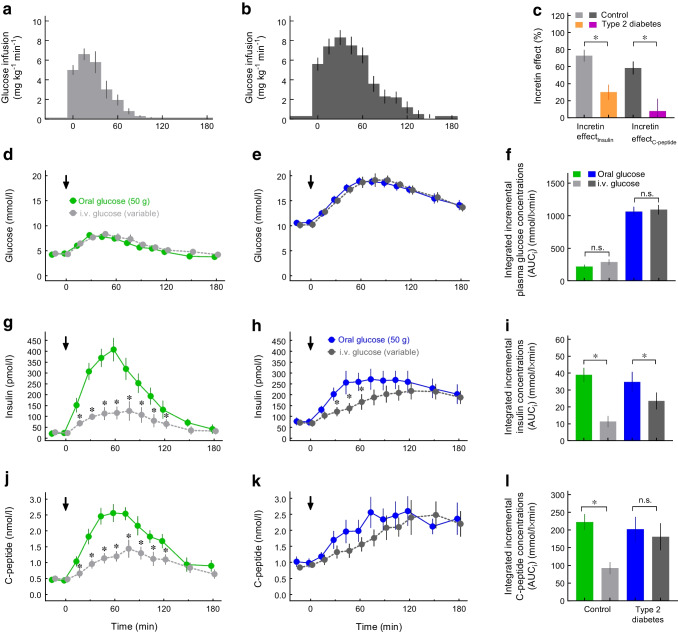
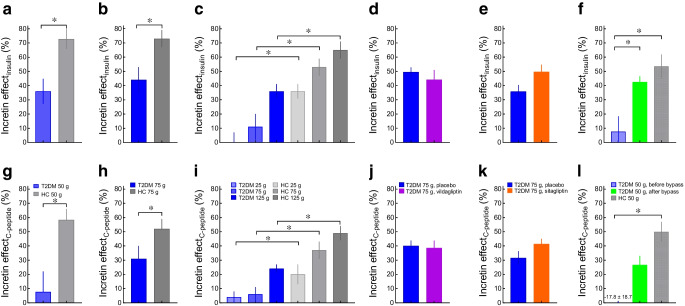
“Data from (a, g) Nauck et al [2] (oral glucose load 50 g); (b, h) Knop et al [71] (oral glucose load 75 g); (c, i) Bagger et al [3] (oral glucose loads of 25, 75 and 125 g); (d, j) Vardarli et al [72] (oral glucose load 75 g; after placebo and vildagliptin treatment); (e, k) Vardarli et al 2014 [73] (oral glucose load…”
BackgroundMethodSelf-citationNauck, M. A., Kleine, N., �rskov, C., Holst, J. J., Willms, B., & Creutzfeldt, W. (1993) · Diabetologia · doi:10.1007/bf00401145 · Cited by 1,092
Self-citationInhibition of gastric inhibitory polypeptide signaling prevents obesity
Miyawaki, K., Yamada, Y., Ban, N., Ihara, Y., Tsukiyama, K., Zhou, H., Fujimoto, S., Oku, A., Tsuda, K., Toyokuni, S., et al. (2002) · Nature Medicine · doi:10.1038/nm727 · Cited by 963 · cited 1×
“Engagement of GIP in a biochemical liaison with GLP-1 seems at first glance counterintuitive, given that the insulinotropic effects and the incretin effect of GIP are severely reduced in people with type 2 diabetes [2, 22] (see earlier), and that GIP receptor-deficient mice are lean and protected from diet-induced obe…”
Background
Research works printed but not linked: 1
- Amgen (2022) AMG 133 is a first-in-class investigational bispecific molecule that activates GLP-1R and inhibits GIPR; phase 1 results showed up to 14.5% reduction in body weight at the highest dose after 12 weeks. https://www.amgen.com/newsroom/press-releases/2022/12/amgen-presents-new-amg-133-phase-1-clinical-data-at-wcirdc-2022
Cited by
Unveiling Gestational Diabetes: An Overview of Pathophysiology and Management
Mittal, R., Prasad, K., Lemos, J. R. N., Arevalo, G., & Hirani, K. (2025) · International Journal of Molecular Sciences · doi:10.3390/ijms26052320 · Cited by 189
“Incretins, including GLP-1 and glucose-dependent insulinotropic polypeptide (GIP), are gut-derived hormones that enhance insulin secretion in response to nutrient intake [211–214].”
Rosen, C. J., & Ingelfinger, J. R. (2026) · New England Journal of Medicine · doi:10.1056/nejmra2500106 · Cited by 140
Advances in Research on Type 2 Diabetes Mellitus Targets and Therapeutic Agents
Su, J., Luo, Y., Hu, S., Tang, L., & Ouyang, S. (2023) · International Journal of Molecular Sciences · doi:10.3390/ijms241713381 · Cited by 130
Unnikrishnan, R., Shaw, J. E., Chan, J. C. N., Wild, S. H., Peters, A. L., Orrange, S., Roden, M., & Mohan, V. (2025) · Nature Reviews Disease Primers · doi:10.1038/s41572-025-00635-0 · Cited by 79
“…can result from primary intra-islet abnormalities such as altered insulin release per se, dysregulated processing of pro-insulin, pro-islet amyloid polypeptide and proglucagon 59 , impaired suppression of glucagon by insulin and incretins 60 , and variable incretin secretion patterns 61 .”
Targher, G., Mantovani, A., Byrne, C. D., & Tilg, H. (2025) · Gut · doi:10.1136/gutjnl-2024-334023 · Cited by 48
Type 2 Diabetes and the Multifaceted Gut-X Axes
Guo, H., Pan, L.-T., Wu, Q., Wang, L., Huang, Z., Wang, J., Wang, L., Fang, X., Dong, S., Zhu, Y., et al. (2025) · Nutrients · doi:10.3390/nu17162708 · Cited by 44
Novel GLP-1-based Medications for Type 2 Diabetes and Obesity
Son, J. W., le Roux, C. W., Blüher, M., Nauck, M. A., & Lim, S. (2026) · Endocrine Reviews · doi:10.1210/endrev/bnaf036 · Cited by 40
Self-citationGlucagon-Like Peptide-1 Based Therapies: A New Horizon in Obesity Management
Son, J. W., & Lim, S. (2024) · Endocrinology and Metabolism · doi:10.3803/enm.2024.1940 · Cited by 33
“On the other hand, GLP-1 suppresses glucagon secretion from pancreatic α-cells [26].”
BackgroundBailey, C. J., Flatt, P. R., & Conlon, J. M. (2025) · Peptides · doi:10.1016/j.peptides.2025.171380 · Cited by 42
“The glucose-lowering and weight-lowering effects of GLP-1RAs in individuals with T2DM across the age spectrum, with and without CV disease, chronic kidney disease (CKD) and fatty liver disease are now well established [3,4,8].”
InfluentialGiannakogeorgou, A., & Roden, M. (2024) · Alimentary Pharmacology & Therapeutics · doi:10.1111/apt.17848 · Cited by 30
“155,157 As the infusion of GLP-1, but not GIP significantly improved hyperglycemia by restoring the incretin effect, primarily GLP- 1-based concepts were developed to exploit the therapeutic potential of incretins.”
BackgroundJalleh, R. J., Talley, N. J., Horowitz, M., & Nauck, M. A. (2026) · Journal of Clinical Investigation · doi:10.1172/jci194740 · Cited by 40
Self-citationWang, T., Ding, J., Cheng, X., Yang, Q., & Hu, P. (2024) · Frontiers in Pharmacology · doi:10.3389/fphar.2024.1396656 · Cited by 34
“Prior to the SELECT study, there was no signi fi cant evidence of any hypoglycemic agents in reducing the risk of MACE or improving prognosis in individuals with CVD without T2DM (Nauck and Müller, 2023).”
A real-world data analysis of tirzepatide in the FDA adverse event reporting system (FAERS) database
Liu, L. (2024) · Frontiers in Pharmacology · doi:10.3389/fphar.2024.1397029 · Cited by 37
Candido, R., Gaiotti, S., Giudici, F., Toffoli, B., Luca, F. D., Velardi, V., Petrucco, A., Gottardi, C., Manca, E., Buda, I., et al. (2023) · Journal of Clinical Medicine · doi:10.3390/jcm12186052 · Cited by 29
“…glucose load, suppresses glucagon secretion, decelerates gastric emptying, and reduces food seeking [3,29]. incretin hormone GLP-1, which increases the insulin secretory response to an oral glucose load, suppresses glucagon secretion, decelerates gastric emptying, and reduces food seeking [3,29].”
Recent advances in peptide-based therapies for obesity and type 2 diabetes
Bailey, C. J., Flatt, P. R., & Conlon, J. M. (2024) · Peptides · doi:10.1016/j.peptides.2024.171149 · Cited by 25
“These effects combine to promote weight loss and improve glycaemic control in obesity and T2DM [10].”
BackgroundSecretion of glucagon, GLP-1 and GIP may be affected by circadian rhythm in healthy males
Zilstorff, D. B., Richter, M. M., Hannibal, J., Jørgensen, H. L., Sennels, H. P., & Albrechtsen, N. J. W. (2024) · BMC Endocrine Disorders · doi:10.1186/s12902-024-01566-9 · Cited by 26
“The incretin effect is severely reduced in patients with T2D, and co-agonists of these hormones are now approved and used as medication for T2D and obesity [5].”
BackgroundHeni, M., Frühwald, L., Karges, W., Naudorf, M., Niemöller, K., Pagnia, F., Reindel, J., Seufert, J., Ufer, G., Wagner, C., et al. (2025) · Diabetologia · doi:10.1007/s00125-025-06448-w · Cited by 27
Muzurović, E. M., Katsiki, N., Volčanšek, Š., Plescia, F., Rizzo, M., & Mantzoros, C. S. (2026) · Metabolism · doi:10.1016/j.metabol.2026.156494 · Cited by 25
The Anti-Diabetic Potential of Baicalin: Evidence from Rodent Studies
Szkudelski, T., & Szkudelska, K. (2023) · International Journal of Molecular Sciences · doi:10.3390/ijms25010431 · Cited by 29
Glucose-dependent insulinotropic polypeptide receptor signaling alleviates gut inflammation in mice
Hammoud, R., Kaur, K. D., Koehler, J. A., Baggio, L. L., Wong, C. K., Advani, K. E., Yusta, B., Efimova, I., Gribble, F. M., Reimann, F., et al. (2025) · JCI Insight · doi:10.1172/jci.insight.174825 · Cited by 24
“GLP-1R agonists (GLP-1RA) are utilized clinically for the treatment of type 2 diabetes (T2D) and obesity (2, 3) and a single GIP receptor–GLP-1 receptor (GIPR–GLP-1R) coagonist, tirzepatide (TZP), is approved for the treatment of T2D (2, 4) and obesity (5).”
Tsukamoto, S., Tanaka, S., Yamada, T., Uneda, K., Azushima, K., Kinguchi, S., Wakui, H., & Tamura, K. (2023) · Diabetes Obesity and Metabolism · doi:10.1111/dom.15312 · Cited by 29
“10,20,21 In the SURPASS-2 trial, which primarily involved patients with T2D in the United States, tirzepatide (5 – 15 mg, once-weekly subcutaneous injection) showed a superior reduction in glycated haemoglobin (HbA1c) levels and weight loss compared with subcutaneous semaglu-tide at a dosage of 1.0…”
BackgroundInfluentialKang, Y. M., Punov, V., Lim, S., & Nauck, M. A. (2025) · Diabetes, Obesity and Metabolism · doi:10.1111/dom.16398 · Cited by 20
Self-citationAbsorption, distribution, metabolism, and excretion of tirzepatide in humans, rats, and monkeys
Martin, J. A., Czeskis, B. A., Urva, S., & Cassidy, K. C. (2024) · European Journal of Pharmaceutical Sciences · doi:10.1016/j.ejps.2024.106895 · Cited by 27
Liu, L., Shi, H., Xie, M., Sun, Y., & Nahata, M. C. (2025) · Pharmaceuticals · doi:10.3390/ph18050668 · Cited by 19
“GLP-1 RAs, such as liraglutide, semaglutide, and dulaglutide, are important in the management of type 2 diabetes [15].”
Wang, M., Yang, Q., Li, Y., Zhao, Y., Zou, J., Luan, F., Peng, X., Huang, Z., & Liu, F. (2025) · Chinese Medicine · doi:10.1186/s13020-025-01222-x · Cited by 19
“These drugs can stimulate pancreatic β cell insulin secretion, boost insulin sensitivity, lower blood glucose, and enhance insulin release via GLP-1 or GLP-1/GIP agonists, helping patients relieve symptoms [8].”
Pharmacological therapies for type 2 diabetes: future approaches
Bailey, C. J. (2025) · Diabetologia · doi:10.1007/s00125-025-06581-6 · Cited by 29
Endogenous Group‐Directed Late‐Stage C−H Functionalization of Peptides
Barahdia, A. S., Thakare, K., Kaur, L., & Jain, R. (2024) · Advanced Synthesis & Catalysis · doi:10.1002/adsc.202400373 · Cited by 16
Tongta, S., Sungkaworn, T., & Pathomthongtaweechai, N. (2025) · International Journal of Molecular Sciences · doi:10.3390/ijms262210974 · Cited by 21
“As an incretin hormone, GLP-1 plays a fundamental role in glucose homeostasis by stimulating glucose-dependent insulin secretion from pancreatic beta-cells and inhibiting glucagon release, which is the primary mechanism by which GLP-1RAs treat type 2 diabetes [127,128].”
Incretin mimetics and acute pancreatitis: enemy or innocent bystander?
Pratley, R. E., Saeed, Z. I., & Casu, A. (2024) · Current Opinion in Gastroenterology · doi:10.1097/mog.0000000000001057 · Cited by 16
Unraveling the complexities of diet induced obesity and glucolipid dysfunction in metabolic syndrome
Dutta, B., Tripathy, A., Archana, P. R., & Kamath, S. U. (2025) · Diabetology & Metabolic Syndrome · doi:10.1186/s13098-025-01837-y · Cited by 21
Exploring the antioxidant properties of semaglutide: A comprehensive review
Yaribeygi, H., Maleki, M., Forouzanmehr, B., Kesharwani, P., Jamialahmadi, T., Karav, S., & Sahebkar, A. (2024) · Journal of Diabetes and its Complications · doi:10.1016/j.jdiacomp.2024.108906 · Cited by 14
Koide, Y., Kato, T., Hayashi, M., Daido, H., Maruyama, T., Ishihara, T., Nishimura, K., Tsunekawa, S., & Yabe, D. (2025) · Frontiers in Clinical Diabetes and Healthcare · doi:10.3389/fcdhc.2025.1638681 · Cited by 16
Improvement of Theaflavins on Glucose and Lipid Metabolism in Diabetes Mellitus
Xu, S., Chen, Y., & Gong, Y. (2024) · Foods · doi:10.3390/foods13111763 · Cited by 18
“, TFs contribute to decreases in the level of AGEs, endotoxins, and lipid peroxides, thus diminishing cell damage, improving pancreatic function, and suppressing oxidative stress and in fl ammation.”
BackgroundClinical obesity in Asian people: bridging the gap between adiposity and disease
Lim, S.-A., Ji, L., Tham, K. W., Misra, A., & Kadowaki, T. (2026) · Nature Reviews Endocrinology · doi:10.1038/s41574-026-01239-8 · Cited by 20
“Evidence also indicates gut microbiota alterations, including reduced microbial diversity and enrichment of pro-inflammatory species 31,32 , alongside a blunted GLP1 response that impairs postprandial insulin secretion and glucose tolerance 33 .”
Bu, T., Kong, X., Ren, Y., Zhang, Z., Hu, W., Natallia, K., Cai, M., Sun, P., Wu, W., & Yang, K. (2025) · Food Chemistry · doi:10.1016/j.foodchem.2025.144335 · Cited by 12
Pan, S., Weng, C., Tsai, S.-F., Sheen, Y., Lin, H., Tien, P., Lin, J., Lin, C., Wang, I., & Chou, C. (2025) · Ophthalmology Science · doi:10.1016/j.xops.2025.100734 · Cited by 13
Immunomodulation through Nutrition Should Be a Key Trend in Type 2 Diabetes Treatment
Napiórkowska-Baran, K., Treichel, P., Czarnowska, M., Drozd, M., Koperska, K., Węglarz, A., Schmidt, O., Darwish, S., Szymczak, B., & Bartuzi, Z. (2024) · International Journal of Molecular Sciences · doi:10.3390/ijms25073769 · Cited by 12
“Dysfunction of the incretin effect is associated with impaired oral glucose tolerance and is referred to as either impaired glucose tolerance or diabetes [30,31].”
BackgroundMusso, G., Pinach, S., Saba, F., Michieli, F. D., Cassader, M., & Gambino, R. (2024) · Med · doi:10.1016/j.medj.2024.03.014 · Cited by 13
“35,36 Consistently, pharmacological interventions with GLP-1RAs improve glucose and lipid homeostasis and weight loss, and dual GLP-1/GIP analogs showed additive effects over selective GLP-1RAs.”
Potter, K. J., Phinney, J., Kulai, T. B., & Munro, V. (2025) · Journal of the Canadian Association of Gastroenterology · doi:10.1093/jcag/gwae057 · Cited by 18
Liu, L., Rashid, M., & Wess, J. (2025) · Biochemistry · doi:10.1021/acs.biochem.4c00867 · Cited by 16
An overview of insulin therapy for the non‐specialist
Home, P. D. (2025) · Diabetes Obesity and Metabolism · doi:10.1111/dom.16280 · Cited by 13
“Control of meal-time insulin secretion is principally via incretins and reflexes initially, 23 with modulation by circulating glucose and other nutrients with time.”
Jiang, Y., Guo, J., Wu, Y., Zheng, P., Wang, S.-F., Yang, M., Ma, G., & Yao, Y. (2024) · Therapeutic Advances in Endocrinology and Metabolism · doi:10.1177/20420188241282707 · Cited by 11
“75 GLP-1 has been reported to reduce the expression of ATF4 and CHOP by curbing the mTOR signaling pathway, thereby ameliorating ERS-induced impairment of insulin signaling in adipocytes.”
BackgroundZupec, J. F., Munger, R., Scaletta, A., & Quinn, D. H. (2025) · Nutrition in Clinical Practice · doi:10.1002/ncp.11279 · Cited by 9
Chiang, C., Wang, K.-L., Cheng, H., Chao, T., & Sung, S. (2025) · Journal of the Chinese Medical Association · doi:10.1097/jcma.0000000000001263 · Cited by 12
Innovative Molecules and Delivery Technologies Enabling the Future of GLP-1-based Therapies
Xu, Y., Drucker, D. J., Traverso, G., & Beloqui, A. (2025) · Endocrine Reviews · doi:10.1210/endrev/bnaf027 · Cited by 13
Food regulation of incretin axis: Molecular mechanisms and clinical outlook in diabetes
Huang, Q., Deng, H., Sun, M.-C., & Zhao, C. (2025) · Trends in Food Science & Technology · doi:10.1016/j.tifs.2025.105326 · Cited by 9
Lorza‐Gil, E., Strauß, O., Ziegler, E., Kansy, K., Katschke, M.-T., Rahimi, G., Neuscheler, D., Sandforth, L., Sandforth, A., Sancar, G., et al. (2024) · Molecular Metabolism · doi:10.1016/j.molmet.2024.102067 · Cited by 12
Self-citationAlluri, A. A., Guntupalli, Y., Suvarna, S. S., Prystupa, Y., Khetan, S. P., Vejandla, B., & Swathi, N. L. (2025) · Journal of Basic and Clinical Physiology and Pharmacology · doi:10.1515/jbcpp-2025-0031 · Cited by 12
Hart, J., Mansour, H., Sawant, H., Chicko, M., Arthur, S., Haynes, J., & Borthakur, A. (2025) · International Journal of Molecular Sciences · doi:10.3390/ijms26157080 · Cited by 9
Incretins Beyond the Pancreas: Exploring the Impact of GIP and GLP-1/2 on Bone Remodeling
Zhao, H., Sun, J., & Ren, Z. (2024) · Discovery Medicine · doi:10.24976/discov.med.202436183.62 · Cited by 10
Zhang, J. Y., He, M., Gao, G., & Sun, T. (2024) · Nanomedicine · doi:10.1080/17435889.2024.2358741 · Cited by 9
Randeni, N., Luo, J., Wu, Y., & Xu, B. (2025) · International Journal of Molecular Sciences · doi:10.3390/ijms26115202 · Cited by 10
“Key processes such as hormone response, regulation of hormone levels [34], phosphorus metabolic regulation [35], and programmed cell death [36] indicate the potential role of Inonotus obliquus -derived bioactive compounds in modulating insulin signaling, glucose metabolism, and energy homeostasis.”
Gaffey, R. H., Takyi, A. K., & Shukla, A. P. (2024) · Expert Opinion on Investigational Drugs · doi:10.1080/13543784.2024.2377319 · Cited by 8
“This alongside reduced glucagon secretion, delayed gastric emptying, and appetite reduction makes it a potent pharmacologic tool for weight loss [41].”
Volčanšek, Š., Janež, A., Rizzo, M., & Muzurović, E. M. (2024) · Journal of Diabetes and its Complications · doi:10.1016/j.jdiacomp.2024.108875 · Cited by 7
Small-Molecule GLP-1 Receptor Agonists: A Promising Pharmacological Approach
Șeremet, O. C., Pușcașu, C., Andrei, C., Nițulescu, G., Zbârcea, C. E., & Olaru, O. T. (2025) · Medicina · doi:10.3390/medicina61111902 · Cited by 12
“In individuals with type 2 diabetes mellitus (T2DM) [9], the incretin effect is markedly impaired, with GLP-1 activity being preserved but diminished, and GIP activity being significantly reduced [10].”
Relationship between hepatic lipid accumulation and type 2 diabetes mellitus
Wang, Z., Zan, W., Fan, Z., & Wang, S. (2025) · Biomedicine & Pharmacotherapy · doi:10.1016/j.biopha.2025.118723 · Cited by 8
Lafferty, R. A., Flatt, P. R., Gault, V. A., & Irwin, N. (2024) · Journal of Endocrinology · doi:10.1530/joe-23-0339 · Cited by 8
Oteng, A., Liu, L., Cui, Y., Gavrilova, O., Lü, H., Chen, M., Weinstein, L. S., Campbell, J. E., Lewis, J. E., Gribble, F. M., et al. (2024) · Journal of Clinical Investigation · doi:10.1172/jci182325 · Cited by 8
“During the past decade, highly potent and efficacious GLP1/GIP receptor co-agonists (e.g., tirzepatide) (57–59) have been developed for the treatment of T2D and obesity (60–62).”
Ruiz-Pino, A., Goncalves-Ramírez, A., Jiménez-Palomares, M., Merino, B., Castellano-Muñoz, M., Vettorazzi, J. F., Rafacho, A., Marroquí, L., Nadal, Á., Alonso‐Magdalena, P., et al. (2024) · Pflügers Archiv - European Journal of Physiology · doi:10.1007/s00424-024-03045-5 · Cited by 11
Alcaino, C., Reimann, F., & Gribble, F. M. (2024) · The Journal of Physiology · doi:10.1113/jp286293 · Cited by 10
“…glucagon-like peptide-1 (GLP-1) and glucose-dependent insulinotropic polypeptide (GIP), for example, increase postprandial insulin secretion (Nauck & Müller, 2023), with GLP-1 being shown to lower plasma glucose in people with type 2 diabetes (Nauck et al., 1993), which led to the…”
Sebhat, I. K., Murphy, M. J. M., Zheng, S., Lovelett, R. J., Engelstoft, M. S., Kosinski, D., Yang, X., Dunn, V., Whang, J., Lombardo, M., et al. (2025) · Cell Metabolism · doi:10.1016/j.cmet.2025.11.001 · Cited by 9
Duodenal enteroendocrine cells and GIP as treatment targets for obesity and type 2 diabetes
Bailey, C. J., & Flatt, P. R. (2024) · Peptides · doi:10.1016/j.peptides.2024.171168 · Cited by 6
Lipid regulation of the glucagon receptor family
Oqua, A. I., Manchanda, Y., McGlone, E. R., Jones, B. J., Rouse, S. L., & Tomás, A. (2024) · Journal of Endocrinology · doi:10.1530/joe-23-0335 · Cited by 8
Impact of dairy food products on type 2 diabetes: Gut-pancreas axis for lower glucose level
Ağagündüz, D., Yılmaz, B., Cemali, Ö., Šimat, V., Akkuş, G., Kulawik, P., & Özoğul, F. (2024) · Trends in Food Science & Technology · doi:10.1016/j.tifs.2024.104741 · Cited by 7
GLP-1 and GIP may play a role in long-term weight trajectories after gastric bypass
Andrade, S., Lobato, C. B., Machado, M., Hartmann, B., Holst, J. J., de Almeida, R. F., Nora, M. C., Monteiro, M. P., Guimarães, M., & Pereira, S. S. (2025) · Frontiers in Endocrinology · doi:10.3389/fendo.2025.1624001 · Cited by 7
“People with T2D are known to exhibit distinct gastrointestinal hormone pro fi les (42).”
Case Report: Rhabdomyolysis following initiation of tirzepatide
Bodanowitz, J. M., Mattes, I., Loebermann, M., & Fritzsche, C. (2025) · Frontiers in Pharmacology · doi:10.3389/fphar.2025.1660785 · Cited by 5
“As a dual GLP-1 and GIP receptor agonist, tirzepatide modulates insulin sensitivity, lipid metabolism, and in fl ammatory pathways (Nauck and Müller, 2023).”
Physiological Fatty Acid-Stimulated Insulin Secretion and Redox Signaling Versus Lipotoxicity
Ježek, P. (2025) · Antioxidants and Redox Signaling · doi:10.1089/ars.2024.0799 · Cited by 10
Rajagopal, D., Rashid, S. A., Prasad, M., & Fareed, M. (2024) · Cureus · doi:10.7759/cureus.65910 · Cited by 12
“In addition to β -cell dysfunction, the absence of incretins is now recognized as one of the significant contributors to the development of T2DM [10].”
BackgroundThe Gut Microbiome’s Influence on Incretins and Impact on Blood Glucose Control
Dulai, A. S., Min, M., & Sivamani, R. K. (2024) · Biomedicines · doi:10.3390/biomedicines12122719 · Cited by 8
“While GIP is estimated to be the more potent insulinotropic hormone, the GLP-1 pathway is conserved to a further degree in T2DM [19].”
Parsiani, R., Grace, T., Green, C. R., Castle, J. R., & Wilson, L. M. (2025) · Journal of Family Medicine and Primary Care · doi:10.4103/jfmpc.jfmpc_773_24 · Cited by 5
“[1] The American Diabetes Association (ADA) first recommended using CGM systems for people with type 1 diabetes in 2018.”
Liver kinase B1 ( LKB1 ) regulates the epigenetic landscape of mouse pancreatic beta cells
Haberman, N., Cheung, R., Pizza, G., Cvetešić, N., Nagy, D., Maude, H., Blázquez, L., Lenhard, B., Cebola, I., Rutter, G. A., et al. (2024) · The FASEB Journal · doi:10.1096/fj.202401078r · Cited by 4
The Role of Pesticides in the Pathogenesis of Diabetes: A Review of Possible Mechanisms
Flores-Gutierrez, C. A., Torres-Sánchez, E. D., Reyes-Uribe, E., Torres-Jasso, J. H., & Flores, J. S. (2025) · Biocell · doi:10.32604/biocell.2025.062225 · Cited by 5
“The incretin effect is defined as an increased insulin release triggered by oral glucose intake, relative to intravenous administration of the same amount of glucose, and it is regulated by glucose-dependent insulinotropic polypeptide (GIP) and GLP-1 [69].”
Alkandari, S., Zafar, T. A., Al‐Sabah, S., Abu‐Farha, M., Abubaker, J. A., & Al‐Mulla, F. (2025) · Foods · doi:10.3390/foods14111905 · Cited by 8
“The incretin hormones, glucose-dependent insulinotropic polypeptide (GIP) and glucagon-like peptide-1 (GLP-1), enhance insulin secretion in response to carbohydrate intake [13,14].”
Targeting cardiometabolic risk in type 1 diabetes through incretin physiology
Frampton, R., HOCKING, S. L., SNAITH, J. R., & Greenfield, J. R. (2025) · Trends in Endocrinology and Metabolism · doi:10.1016/j.tem.2025.06.004 · Cited by 4
Obesity and the Gut-Brain Axis in Type 1 Diabetes Mellitus: Terra Incognita?
Argyrakopoulou, G., Gitsi, E., Dalamaga, Μ., & Kokkinos, A. D. (2025) · Current Obesity Reports · doi:10.1007/s13679-025-00654-8 · Cited by 4
“While several studies have shown a reduced incretin effect in patients with T2DM, incremental GLP-1 and GIP responses were normal in T1DM compared to healthy controls [12, 13].”
Manchanda, Y., Jones, B. J., Carrat, G., Ramchunder, Z., Marchetti, P., Leclerc, I., Thennati, R., BURADE, V. S., Natarajan, M., Shahi, P. K., et al. (2025) · Diabetes Obesity and Metabolism · doi:10.1111/dom.16652 · Cited by 5
“Dual incretin receptor agonists appear to deliver superior effects both through enhanced activation of insulin secretion 13 but also centrally as a result of improved anti-emetic effects versus agonists which act through the GLP-1R alone.”
Incretins: turning the venom into the antidote
Krook, A., & Mulder, H. (2023) · Diabetologia · doi:10.1007/s00125-023-05987-4 · Cited by 7
“However, as discussed by Nauck and Müller [1], GLP-1 is not the only incretin hormone; glucose-dependent insulinotropic polypeptide (GIP) also plays a role in the regulation of insulin secretion in response to glucose.”
BackgroundSoni, P., Hasan, S. S., Singh, K., Kumar, A., Ved, A., Pandey, M., Suvaiv, & Kushwaha, S. P. (2025) · International Journal of Environmental Health Research · doi:10.1080/09603123.2025.2521438 · Cited by 6
“Incretins, such as glucagon-like peptide-1 (GLP-1), are important in controlling the secretion of insulin and glucose homeostasis (Nauck and Müller 2023).”
Salazar, S., Delgadillo-Silva, L. F., Carapeto, P., Kenfaoui, M. M., Dakessian, K., Melhem, R., PROVENCHER-GIRARD, A., Ostinelli, G., Turgeon, J., Kaci, I., et al. (2025) · Diabetes · doi:10.2337/db25-0520 · Cited by 5
Dikranian, C., Hadara, O., & Lysy, P. A. (2026) · Frontiers in Endocrinology · doi:10.3389/fendo.2026.1758848 · Cited by 3
“Treatments that alleviate insulin resistance like insulin or incretin-based therapies improve metabolic control and decrease circulating proinsulin levels (122, 123).”
Semaglutide for the management of diabesity: The real-world experience
Alkhalifah, M. K., Afsar, H., Shams, A., Blaibel, D., Chandrabalan, V., & Pappachan, J. M. (2024) · World Journal of Methodology · doi:10.5662/wjm.v14.i3.91832 · Cited by 5
Xu, Z., Wen, S., Dong, M., & Zhou, L. (2024) · Diabetes Obesity and Metabolism · doi:10.1111/dom.16146 · Cited by 4
“96 While the research on the peripheral role of GIP in BG regulation is approximately acknowledged, the central effects are scarcely known.”
Ma, G., Xinxin, X. I. N. G., Gao, Y., Yufang, H., Yuwei, Z. H. A. O., Jianhui, Z., Ma, Y., Yuhe, Y. I. N., & Minlun, N. A. N. (2025) · Chinese Journal of Analytical Chemistry · doi:10.1016/j.cjac.2025.100574 · Cited by 3
Prise en charge pharmacologique de l’obésité : l’apport des nouvelles classes médicamenteuses
Bauduceau, B., Bordier, L., Schlienger, J.-L., & Monnier, L. (2024) · Médecine des Maladies Métaboliques · doi:10.1016/j.mmm.2024.11.008 · Cited by 5
Altered GIP/GLP-1 Secretion Ratio is Associated With Impaired β Cell Function in Humans
Giuseppe, G. D., Gliozzo, G., Ciccarelli, G., Carciero, L., Brunetti, M., Soldovieri, L., Quero, G., Cinti, F., Nista, E. C., Lucia, S. S. D., et al. (2025) · The Journal of Clinical Endocrinology & Metabolism · doi:10.1210/clinem/dgaf210 · Cited by 3
Horowitz, M., Cai, L., & Islam, M. S. (2024) · World Journal of Diabetes · doi:10.4239/wjd.v15.i3.326 · Cited by 3
Salazar, S., Delgadillo-Silva, L. F., Carapeto, P., Dakessian, K., Melhem, R., PROVENCHER-GIRARD, A., Ostinelli, G., Turgeon, J., Kaci, I., Migneault, F., et al. (2024) · bioRxiv (Cold Spring Harbor Laboratory) · doi:10.1101/2024.11.09.622781 · Cited by 3
Jo, D., Ahn, S. Y., Choi, S. Y., Choi, Y., Lee, D. H., & Song, J. (2024) · Clinical Nutrition Research · doi:10.7762/cnr.2024.13.2.121 · Cited by 2
“Lower GLP-1 levels have been associated with obesity [18].”
BackgroundLahoud, C., Kreidieh, M., & Deeb, L. S. (2025) · SN Comprehensive Clinical Medicine · doi:10.1007/s42399-025-01961-w · Cited by 3
“In patients with type 2 diabetes mellitus (T2DM), insulin secretion is markedly decreased or absent [2], and GLP-1 receptor agonists (GLP-1 RA) have been shown to improve glycemic control in this population [3, 4].”
Higuchi, Y., Miyawaki, T., Kajiyama, S., Kitta, K., Kajiyama, S., Hashimoto, Y., Fukui, M., & Imai, S. (2025) · Nutrients · doi:10.3390/nu17203194 · Cited by 182
Effects of incretin drugs on glycemic control and body weight
Levitskaya, A. N., Demidova, T. Y., & Геннадьевна, Л. К. (2025) · FOCUS Endocrinology · doi:10.62751/2713-0177-2025-6-3-07 · Cited by 2
Fischer, J. S., Hepprich, M., Cattaneo, M., Seeger, L., Dobler, S., & Donath, M. Y. (2026) · American Journal of Physiology-Endocrinology and Metabolism · doi:10.1152/ajpendo.00527.2025 · Cited by 2
Zhu, L., Chen, C., Lu, F., & Li, B. (2026) · Frontiers in Medicine · doi:10.3389/fmed.2026.1746457 · Cited by 2
“This vicious cycle is sustained by aberrant gut–brain signaling, characterized by dysregulated incretin secretion and microbiota-derived metabolites, which further destabilizes systemic energy homeostasis (178–180).”
Șeremet, O. C., Andrei, C., Pușcașu, C., Zanfirescu, A., Nițulescu, G., Gîrd, C. E., & Olaru, O. T. (2026) · Life · doi:10.3390/life16050834 · Cited by 2
Bogdanović, J. M., Babić, I., Gajović, J. S., Lukač, S. S., Mijac, D. D., Popovic, D. D., Ranković, I., Popović, L., Rasulić, I., & Lalic, K. (2026) · International Journal of Molecular Sciences · doi:10.3390/ijms27115124 · Cited by 2
“…to T2D pathogenesis include incretin dysfunction involving glucagon-like peptide-1 (GLP-1) and glucose-dependent insulinotropic polypeptide (GIP), chronic inflammation, oxidative stress, gut microbiome alterations, and epigenetic changes, all of which shape disease onset and progression [26,27].”
Safety of native glucose-dependent insulinotropic polypeptide in humans
Helsted, M. M., Schaltz, N. L., Gasbjerg, L. S., Christensen, M., Vilsbøll, T., & Knop, F. K. (2024) · Peptides · doi:10.1016/j.peptides.2024.171214 · Cited by 3
Nanostructure-Based Drug Delivery in Alleviating Type 2 Diabetes Mellitus
Saini, A., Nagar, L., Panwar, R., Pahwa, R., Dua, K., Dureja, H., & Verma, P. K. (2025) · BioNanoScience · doi:10.1007/s12668-024-01786-2 · Cited by 2
“In individuals with T2DM, they often reduced incretin effect, leading to insufficient insulin release after meals and inadequate suppression of glucagon [27].”
Zhou, C., Gong, B., Liu, X., Hu, G., & Sun, L. (2025) · European Journal of Pharmacology · doi:10.1016/j.ejphar.2025.177681 · Cited by 2
In type 2 diabetes, the effectiveness and side effects of GLP-1 RAs vary
O’Brien, C., & Dinneen, S. F. (2024) · Annals of Internal Medicine · doi:10.7326/j24-0028 · Cited by 1
Derkach, K. V., Zorina, I. I., Fedorchuk, I. V., & Shpakov, A. O. (2025) · Journal of Evolutionary Biochemistry and Physiology · doi:10.1134/s002209302503007x · Cited by 1
Metadata
- Authors
- Nauck, M. A., & Müller, T. D.
- Affiliations
- Universitätsmedizin Greifswald (DE)
- Helmholtz Munich (DE)
- Corresponding author
- Nauck, Michael A.
- Venue
- Diabetologia
- Published
- 2023-07-11
- Volume
- 66
- Issue
- 10
- Pages
- 1780-1795
- ISSN
- 0012-186X (ISSN-L)
- 1432-0428
- PMC
- PMC10474001
- OpenAlex
- W4383740618
- Cited by
- 190
- References
- 106
- Citations by year
- 2026: 63 · 2025: 72 · 2024: 48 · 2023: 7
- FWCI
- 6.83
- Type
- journal article
- Language
- en
- Open access
- hybrid
- doi.org
- Licence
- cc-by
- creativecommons.org/licenses/by/4.0 (tdm)
- creativecommons.org/licenses/by/4.0 (vor)
- Locations
- Diabetologia (publishedVersion, cc-by)
- PubMed Central (publishedVersion, cc-by)
- PubMed (publishedVersion)
- Dokumentenrepositorium der RUB (Ruhr University Bochum) (submittedVersion, cc-by)
- PuSH - Publication Server of Helmholtz Zentrum München (submittedVersion)
- Funders
- Universitätsklinikum der Ruhr-Universität Bochum
- Topics
- Health Sciences › Medicine › Endocrinology, Diabetes and Metabolism › Diabetes Treatment and Management
- Health Sciences › Medicine › Endocrinology, Diabetes and Metabolism › Pancreatic function and diabetes
- Health Sciences › Medicine › Endocrinology, Diabetes and Metabolism › Diabetes Management and Research
- Keywords
- incretins, type 2 diabetes, glucose-dependent insulinotropic polypeptide, glucagon-like peptide-1, incretin effect, beta-cell function, GLP-1 receptor agonists, tirzepatide, insulin secretion, glucagon suppression, weight loss, HbA1c
- MeSH terms
- Glucagon-Like Peptide-1 Receptor Agonists, Blood Glucose, Body Weight, Diabetes Mellitus, Type 2, Gastric Inhibitory Polypeptide, Glucose, Humans, Insulin, Weight Loss, Glucagon-Like Peptide 1, Incretins
About these checks
Registry, retraction, Cites and statistics results are computed, not judged, with one exception: a printed reference that no index lists is read once by a model before it counts as a citation error. Claims are extracted by a model and kept only when their quote appears verbatim in the text; each cited source is then checked, with a model’s help, for whether it says what the claim relies on. Those verdicts can be wrong — read the claim’s quote and the cited source before relying on one.
Statistics and arithmetic are recomputed, not judged.
Confidence bands are shown only for fields calibrated on our annotated test set. None is calibrated yet, so no band is shown.
What counts as a claim ›How we measure confidence ›How we check this ›
Are you an author, or do you see a problem with this page? Request a review
Data sources
Bibliographic data: Semantic Scholar, OpenAlex, Crossref.
Contains information from the Semantic Scholar Academic Graph Datasets, made available under the ODC Attribution License (ODC-BY 1.0).
Semantic Scholar’s data is described in: Kinney, R., et al. (2023). The Semantic Scholar Open Data Platform. arXiv:2301.10140.
