

Incretin hormones and type 2 diabetes
Open accessThe DOI matches its Crossref record; 107 of the 107 references it cites were found in a registry or an index.
Abstract
A bstract: Incretin hormones (glucose-dependent insulinotropic polypeptide [GIP] and glucagon-like peptide-1 [GLP-1]) play a role in the pathophysiology of type 2 diabetes. Along with their derivatives they have shown therapeutic success in type 2 diabetes, with the potential for further improvements in glycaemic, cardiorenal and body weight-related outcomes. In type 2 diabetes, the incretin effect (greater insulin secretory response after oral glucose than with ‘isoglycaemic’ i.v. glucose, i.e. with an identical glycaemic stimulus) is markedly reduced or absent. This appears to be because of a reduced ability of GIP to stimulate insulin secretion, related either to an overall impairment of beta cell function or to specific defects in the GIP signalling pathway. It is likely that a reduced incretin effect impacts on postprandial glycaemic excursions and, thus, may play a role in the deterioration of glycaemic control. In contrast, the insulinotropic potency of GLP-1 appears to be much less impaired, such that exogenous GLP-1 can stimulate insulin secretion, suppress glucagon secretion and reduce plasma glucose concentrations in the fasting and postprandial states. This has led to the development of incretin-based glucose-lowering medications (selective GLP-1 receptor agonists or, more recently, co-agonists, e.g. that stimulate GIP and GLP-1 receptors). Tirzepatide (a GIP/GLP-1 receptor co-agonist), for example, reduces HbA 1c and body weight in individuals with type 2 diabetes more effectively than selective GLP-1 receptor agonists (e.g. semaglutide). The mechanisms by which GIP receptor agonism may contribute to better glycaemic control and weight loss after long-term exposure to tirzepatide are a matter of active research and may change the pessimistic view that developed after the disappointing lack of insulinotropic activity in people with type 2 diabetes when exposed to GIP in short-term experiments. Future medications that stimulate incretin hormone and other receptors simultaneously may have the potential to further increase the ability to control plasma glucose concentrations and induce weight loss. Graphical Abstract
Overview
The claims and statistics of this paper haven’t been checked yet.
Free: it reads the open-access text and checks the first 5 claims that cite a source we can check. Create a free account to check every claim.
Integrity signals
Registry
Cites
Statistics
Figures
Verification
Claims the paper makes
The claims and statistics of this paper haven’t been checked yet.
Free: it reads the open-access text and checks the first 5 claims that cite a source we can check. Create a free account to check every claim.
Claims other papers make about this one
Each is checked against this paper’s own text: does it say what the citing paper says it does?
The cited source says what the claim attributes to it.
In the citing paper
“The potential value of GIPR agonism was reconsidered when clinical studies with synthetic unimolecular multi-agonist peptides that exert agonism at both GIPR and GLP-1R greatly augmented glucose-lowering and weight-lowering efficacy compared with GLP-1R agonism alone [10,11].”
From Recent advances in peptide-based therapies for obesity and type 2 diabetes (2024) · cites this paper as [10]
The cited source says what the claim attributes to it.
In the citing paper
“We are reminded that GLP-1RAs mimic the effects of the incretin hormone GLP-1, notably to potentiate prandial insulin release, reduce glucagon secretion, delay gastric emptying and reduce appetite. These effects combine to promote weight loss and improve glycaemic control in obesity and T2DM [10].”
From Recent advances in peptide-based therapies for obesity and type 2 diabetes (2024) · cites this paper as [10]
Self-check
Percentages, sums and reported differences re-computed from the paper’s own numbers.
The self-check needs the paper’s full text.
Citations
Cites
The metabolic phenotype in obesity: Fat mass, body fat distribution, and adipose tissue function
Goossens, G. H. (2017) · Obesity Facts · doi:10.1159/000471488 · Cited by 8,481
Kahn, S. E. (2003) · Diabetologia · doi:10.1007/s00125-002-1009-0 · Cited by 2,166
Tirzepatide versus Semaglutide Once Weekly in Patients with Type 2 Diabetes
Frías, J. P., Davies, M. J., Rosenstock, J., Pérez Manghi, F. C., Fernández Landó, L., Bergman, B. K., Liu, B., Cui, X., & Brown, K. (2021) · New England Journal of Medicine · doi:10.1056/nejmoa2107519 · Cited by 2,096 · cited 1×
“tirzepatide [84]) or antagonism [100] at the GIP receptor, and of the even more advanced GIP/GLP-1/glucagon receptor triagonists [106], suggest that there is potential for further improvements in the effectiveness (for glycaemic control and weight reduction) of incretin-based medications for the treatment of type 2 di…”
BackgroundGlucagon-like peptide-1 7–36: a physiological incretin in man
Kreymann, B., Ghatei, M. A., Williams, G., & Bloom, S. R. (1987) · The Lancet · doi:10.1016/s0140-6736(87)91194-9 · Cited by 1,928
Nauck, M. A., Heimesaat, M. M., Orskov, C., Holst, J. J., Ebert, R., & Creutzfeldt, W. (1993) · Journal of Clinical Investigation · doi:10.1172/jci116186 · Cited by 1,651
Self-citationGLP-1 receptor agonists in the treatment of type 2 diabetes - state-of-the-art
Nauck, M. A., Quast, D. R., Wefers, J., & Meier, J. J. (2021) · Molecular Metabolism · doi:10.1016/j.molmet.2020.101102 · Cited by 1,647 · cited 2×
“The extraordinary success of incretin-based glucose-lowering medications in type 2 diabetes,, which are mainly based on properties of the incretin hormone glucagon-like peptide-1 (GLP-1) [1], has reinforced interest in the physiology and pathophysiology of incretin hormones more generally.”
BackgroundSelf-citationDeFronzo, R. A., Ratner, R. E., Han, J., Kim, D. D., Fineman, M. S., & Baron, A. D. (2005) · Diabetes Care · doi:10.2337/diacare.28.5.1092 · Cited by 1,559
Reduced incretin effect in Type 2 (non-insulin dependent) diabetes
Nauck, M., Stöckmann, F., Ebert, R., & Creutzfeldt, W. (1986) · Diabetologia · doi:10.1007/bf02427280 · Cited by 1,307 · cited 3×
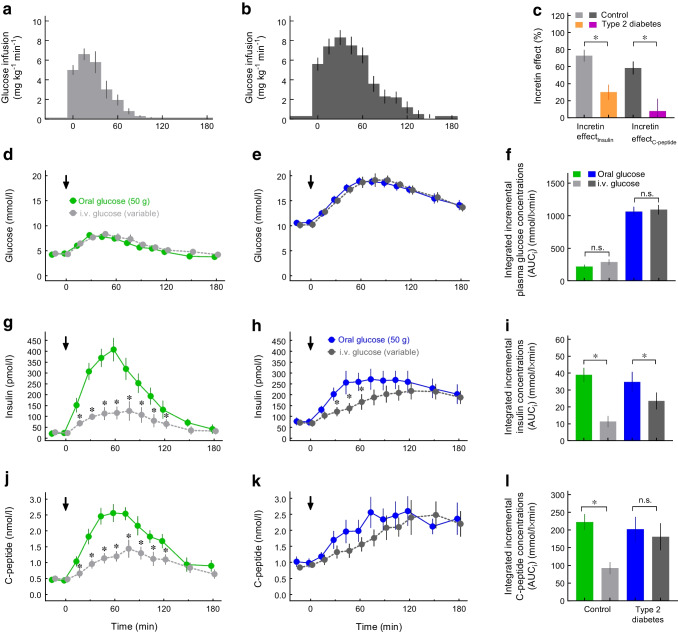
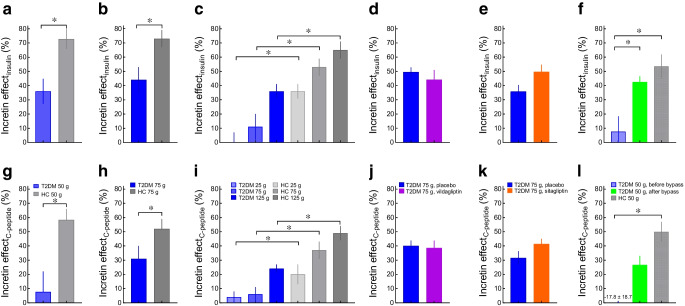
“Data from (a, g) Nauck et al [2] (oral glucose load 50 g); (b, h) Knop et al [71] (oral glucose load 75 g); (c, i) Bagger et al [3] (oral glucose loads of 25, 75 and 125 g); (d, j) Vardarli et al [72] (oral glucose load 75 g; after placebo and vildagliptin treatment); (e, k) Vardarli et al 2014 [73] (oral glucose load…”
BackgroundMethodSelf-citationNauck, M. A., Kleine, N., �rskov, C., Holst, J. J., Willms, B., & Creutzfeldt, W. (1993) · Diabetologia · doi:10.1007/bf00401145 · Cited by 1,092
Self-citationInhibition of gastric inhibitory polypeptide signaling prevents obesity
Miyawaki, K., Yamada, Y., Ban, N., Ihara, Y., Tsukiyama, K., Zhou, H., Fujimoto, S., Oku, A., Tsuda, K., Toyokuni, S., et al. (2002) · Nature Medicine · doi:10.1038/nm727 · Cited by 963 · cited 1×
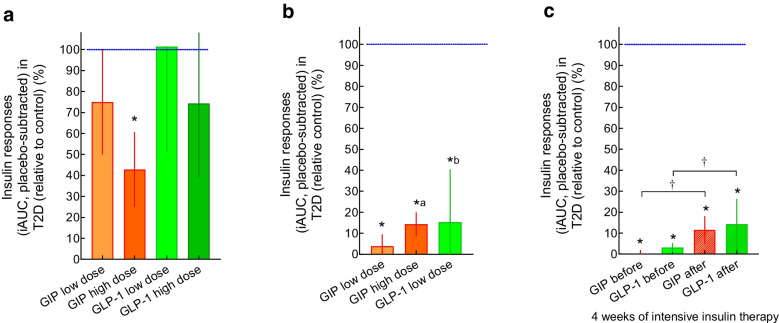
“Engagement of GIP in a biochemical liaison with GLP-1 seems at first glance counterintuitive, given that the insulinotropic effects and the incretin effect of GIP are severely reduced in people with type 2 diabetes [2, 22] (see earlier), and that GIP receptor-deficient mice are lean and protected from diet-induced obe…”
BackgroundVilsbøll, T., Krarup, T., Deacon, C. F., Madsbad, S., & Holst, J. J. (2001) · Diabetes · doi:10.2337/diabetes.50.3.609 · Cited by 884
Mojsov, S., Weir, G. C., & Habener, J. F. (1987) · Journal of Clinical Investigation · doi:10.1172/jci112855 · Cited by 882
Determinants of the impaired secretion of glucagon-like peptide-1 in type 2 diabetic patients
Toft-Nielsen, M.-B., Damholt, M. B., Madsbad, S., Hilsted, L. M., Hughes, T. E., Michelsen, B. K., & Holst, J. J. (2001) · The Journal of Clinical Endocrinology & Metabolism · doi:10.1210/jcem.86.8.7750 · Cited by 869 · cited 3×
“The early cross-sectional study of GLP-1 secretion by Toft-Nielsen et al [7], which reported progressively diminishing GLP-1 responses after mixed meal stimulation in those with impaired glucose tolerance (IGT) and type 2 diabetes, has often been interpreted as indicating longitudinal changes, from normal GLP-1 secret…”
BackgroundSTIMULATION OF INSULIN SECRETION BY GASTRIC INHIBITORY POLYPEPTIDE IN MAN. 1
Dupre, J., Ross, S. A., Watson, D., & Brown, J. C. (1973) · The Journal of Clinical Endocrinology & Metabolism · doi:10.1210/jcem-37-5-826 · Cited by 860
Unimolecular Dual Incretins Maximize Metabolic Benefits in Rodents, Monkeys, and Humans
Finan, B., Ma, T., Ottaway, N., Müller, T. D., Habegger, K. M., Heppner, K. M., Kirchner, H., Holland, J., Hembree, J., Raver, C., et al. (2013) · Science Translational Medicine · doi:10.1126/scitranslmed.3007218 · Cited by 696 · cited 1×
“3 [24]), and coadministration of GIP with a GLP-1 receptor agonist leads to greater weight loss in diet-induced obese (DIO) mice relative to treatment with the GLP-1 receptor agonist alone [88].”
BackgroundSelf-citationGlucagon‐like peptide‐1 cells in the gastrointestinal tract and pancreas of rat, pig and man
EISSELE, R., GÖKE, R., WILLEMER, S., HARTHUS, H. ‐., VERMEER, H., ARNOLD, R., & GÖKE, B. (1992) · European Journal of Clinical Investigation · doi:10.1111/j.1365-2362.1992.tb01464.x · Cited by 654 · cited 1×
“This is the result of an increase in GLP-1 secretion [74], as nutrients are delivered rapidly from a small gastric remnant (without a pylorus) to lower sections of the jejunum, where L cells producing GLP-1 (and peptide YY [PYY]) are more prominent [77].”
BackgroundTruncated glucagon‐like peptide I, an insulin‐releasing hormone from the distal gut
Holst, J. J., Ørskov, C., Vagn Nielsen, O., & Schwartz, T. W. (1987) · FEBS Letters · doi:10.1016/0014-5793(87)81430-8 · Cited by 615 · cited 1×
“The insulinotropic effects of the molecular form(s) of GLP-1 produced in intestinal L cells on the rodent pancreas were first published in 1987 (GLP-1 [7–36 amide], amidated GLP-1 [25]; GLP-1 [7–37], glycine-extended GLP-1 [26]), followed shortly after by the insulinotropic effects in healthy humans [27].”
BackgroundNauck, M. A., Heimesaat, M. M., Behle, K., Holst, J. J., Nauck, M. S., Ritzel, R., Hüfner, M., & Schmiegel, W. H. (2002) · The Journal of Clinical Endocrinology & Metabolism · doi:10.1210/jcem.87.3.8355 · Cited by 605
Self-citationThe Influence of GLP-1 on Glucose-Stimulated Insulin Secretion
Kjems, L. L., Holst, J. J., Vølund, A., & Madsbad, S. (2003) · Diabetes · doi:10.2337/diabetes.52.2.380 · Cited by 582
Tirzepatide is an imbalanced and biased dual GIP and GLP-1 receptor agonist
Willard, F. S., Douros, J. D., Gabe, M. B. N., Showalter, A. D., Wainscott, D. B., Suter, T. M., Capozzi, M. E., van der Velden, W. J. C., Stutsman, C., Cardona, G. R., et al. (2020) · JCI Insight · doi:10.1172/jci.insight.140532 · Cited by 541 · cited 1×
“Several in vitro studies have further demonstrated that tirzepatide [102], MAR709 [103] and other compounds [104] that show GLP-1 as well as GIP receptor agonism may differ from selective GLP-1 receptor (mono-)agonists (including semaglutide and GLP-1 [7–36 amide]) by showing delayed internalisation and faster recycli…”
BackgroundLaferrère, B., Heshka, S., Wang, K., Khan, Y., McGinty, J., Teixeira, J., Hart, A. B., & Olivan, B. (2007) · Diabetes Care · doi:10.2337/dc06-1549 · Cited by 532
Dipeptidyl peptidase‐4 inhibitors in the treatment of type 2 diabetes: a comparative review
Deacon, C. F. (2011) · Diabetes, Obesity and Metabolism · doi:10.1111/j.1463-1326.2010.01306.x · Cited by 525
T., V., T., K., S., M., & J., H. (2002) · Diabetologia · doi:10.1007/s00125-002-0878-6 · Cited by 518
Nauck, M. A., & Meier, J. J. (2016) · The Lancet Diabetes & Endocrinology · doi:10.1016/s2213-8587(15)00482-9 · Cited by 503 · cited 2×
“(a–c, g–i) adapted from [4] with permission from Elsevier.”
BackgroundSelf-citationWillms, B., Werner, J., Holst, J. J., Orskov, C., Creutzfeldt, W., & Nauck, M. A. (1996) · The Journal of Clinical Endocrinology & Metabolism · doi:10.1210/jcem.81.1.8550773 · Cited by 502 · cited 1×
“GLP-1 decelerates gastric emptying in those with type 2 diabetes as well as in healthy individuals [44].”
BackgroundSelf-citationHow May GIP Enhance the Therapeutic Efficacy of GLP-1?
Samms, R. J., Coghlan, M. P., & Sloop, K. W. (2020) · Trends in Endocrinology & Metabolism · doi:10.1016/j.tem.2020.02.006 · Cited by 419
Højberg, P. V., Vilsbøll, T., Rabøl, R., Knop, F. K., Bache, M., Krarup, T., Holst, J. J., & Madsbad, S. (2009) · Diabetologia · doi:10.1007/s00125-008-1195-5 · Cited by 414
Muscelli, E., Mari, A., Casolaro, A., Camastra, S., Seghieri, G., Gastaldelli, A., Holst, J. J., & Ferrannini, E. (2008) · Diabetes · doi:10.2337/db07-1315 · Cited by 409
Nauck, M. A., & D‘Alessio, D. A. (2022) · Cardiovascular Diabetology · doi:10.1186/s12933-022-01604-7 · Cited by 407
Self-citationNauck, M. A., Kemmeries, G., Holst, J. J., & Meier, J. J. (2011) · Diabetes · doi:10.2337/db10-0474 · Cited by 392
Self-citationNauck, M. A., Quast, D. R., Wefers, J., & Pfeiffer, A. F. H. (2021) · Diabetes, Obesity and Metabolism · doi:10.1111/dom.14496 · Cited by 388
Self-citationDownregulation of GLP-1 and GIP Receptor Expression by Hyperglycemia
Xu, G., Kaneto, H., Laybutt, D. R., Duvivier-Kali, V. F., Trivedi, N., Suzuma, K., King, G. L., Weir, G. C., & Bonner-Weir, S. (2007) · Diabetes · doi:10.2337/db06-1033 · Cited by 377
Meier, J. J., Gallwitz, B., Salmen, S., Goetze, O., Holst, J. J., Schmidt, W. E., & Nauck, M. A. (2003) · The Journal of Clinical Endocrinology & Metabolism · doi:10.1210/jc.2003-030049 · Cited by 369 · cited 1×
“Even low doses (leading to close to physiological plasma concentrations) have this effect and contribute to reduced post-meal glycaemic excursions [45].”
BackgroundSelf-citationGlucose-Dependent Insulinotropic Polypeptide
Christensen, M., Vedtofte, L., Holst, J. J., Vilsbøll, T., & Knop, F. K. (2011) · Diabetes · doi:10.2337/db11-0979 · Cited by 353
Reduced Incretin Effect in Type 2 Diabetes
Knop, F. K., Vilsbøll, T., Højberg, P. V., Larsen, S., Madsbad, S., Vølund, A., Holst, J. J., & Krarup, T. (2007) · Diabetes · doi:10.2337/db07-0100 · Cited by 349
Matikainen, N., Mänttäri, S., Schweizer, A., Ulvestad, A., Mills, D., Dunning, B. E., Foley, J. E., & Taskinen, M.-R. (2006) · Diabetologia · doi:10.1007/s00125-006-0340-2 · Cited by 336 · cited 1×
“This is also indicated by the fact that DPP-4 inhibitors reduce postprandial triacylglycerol and apoB48 responses, although they only double the concentrations of intact, biologically active GLP-1 [53, 54].”
BackgroundAdriaenssens, A. E., Biggs, E. K., Darwish, T., Tadross, J., Sukthankar, T., Girish, M., Polex-Wolf, J., Lam, B. Y., Zvetkova, I., Pan, W., et al. (2019) · Cell Metabolism · doi:10.1016/j.cmet.2019.07.013 · Cited by 324
Zhang, Q., Delessa, C. T., Augustin, R., Bakhti, M., Colldén, G., Drucker, D. J., Feuchtinger, A., Caceres, C. G., Grandl, G., Harger, A., et al. (2021) · Cell Metabolism · doi:10.1016/j.cmet.2021.01.015 · Cited by 322
Self-citationFærch, K., Torekov, S. S., Vistisen, D., Johansen, N. B., Witte, D. R., Jonsson, A., Pedersen, O., Hansen, T., Lauritzen, T., Sandbæk, A., et al. (2015) · Diabetes · doi:10.2337/db14-1751 · Cited by 321
Meier, J. J., Gallwitz, B., Siepmann, N., Holst, J. J., Deacon, C. F., Schmidt, W. E., & Nauck, M. A. (2003) · Diabetologia · doi:10.1007/s00125-003-1103-y · Cited by 314
Self-citationRevisiting the Complexity of GLP-1 Action from Sites of Synthesis to Receptor Activation
McLean, B. A., Wong, C. K., Campbell, J. E., Hodson, D. J., Trapp, S., & Drucker, D. J. (2021) · Endocrine Reviews · doi:10.1210/endrev/bnaa032 · Cited by 289 · cited 1×
“Several recent reviews have provided details on GIP and GLP-1 receptor distribution and the physiology of incretin hormones [15, 16].”
BackgroundHare, K. J., Vilsbøll, T., Asmar, M., Deacon, C. F., Knop, F. K., & Holst, J. J. (2010) · Diabetes · doi:10.2337/db09-1414 · Cited by 276
Hsieh, J., Longuet, C., Baker, C. L., Qin, B., Federico, L. M., Drucker, D. J., & Adeli, K. (2010) · Diabetologia · doi:10.1007/s00125-009-1611-5 · Cited by 275
Targeting GLP-1 receptor trafficking to improve agonist efficacy
Jones, B., Buenaventura, T., Kanda, N., Chabosseau, P., Owen, B. M., Scott, R., Goldin, R., Angkathunyakul, N., Corrêa Jr, I. R., Bosco, D., et al. (2018) · Nature Communications · doi:10.1038/s41467-018-03941-2 · Cited by 272 · cited 1×
“Several in vitro studies have further demonstrated that tirzepatide [102], MAR709 [103] and other compounds [104] that show GLP-1 as well as GIP receptor agonism may differ from selective GLP-1 receptor (mono-)agonists (including semaglutide and GLP-1 [7–36 amide]) by showing delayed internalisation and faster recycli…”
BackgroundHeise, T., Mari, A., DeVries, J. H., Urva, S., Li, J., Pratt, E. J., Coskun, T., Thomas, M. K., Mather, K. J., Haupt, A., et al. (2022) · The Lancet Diabetes & Endocrinology · doi:10.1016/s2213-8587(22)00085-7 · Cited by 268 · cited 1×
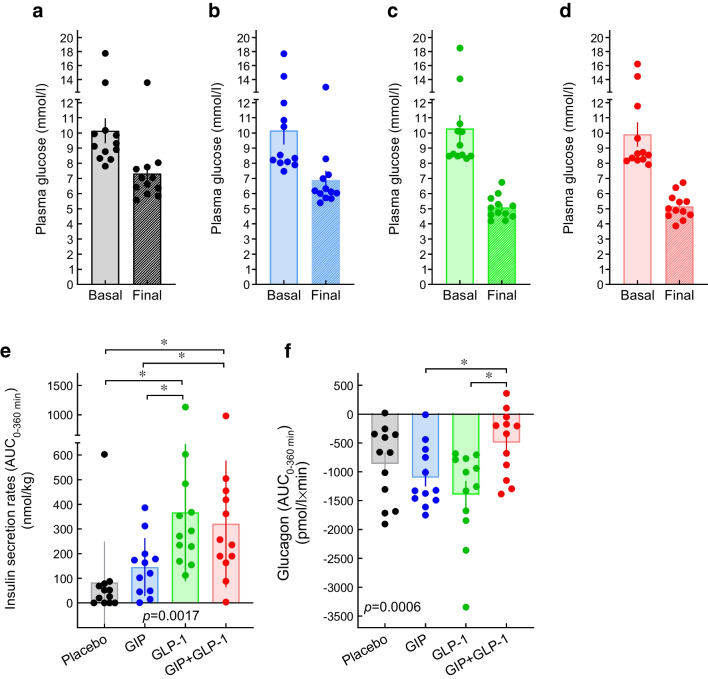
“The ability of GIP receptor stimulation to contribute to improved glycaemic control (over and above that provided by the selective GLP-1 receptor agonist semaglutide) has been addressed in a dedicated mode-of-action study [94], but several controversies remain: (1) insulin sensitivity was improved more with tirzepatid…”
BackgroundMeier, J. J., Rosenstock, J., Hincelin-Méry, A., Roy-Duval, C., Delfolie, A., Coester, H.-V., Menge, B. A., Forst, T., & Kapitza, C. (2015) · Diabetes Care · doi:10.2337/dc14-1984 · Cited by 262
GIPR agonism mediates weight-independent insulin sensitization by tirzepatide in obese mice
Samms, R. J., Christe, M. E., Collins, K. A. L., Pirro, V., Droz, B. A., Holland, A. K., Friedrich, J. L., Wojnicki, S., Konkol, D. L., Cosgrove, R., et al. (2021) · Journal of Clinical Investigation · doi:10.1172/jci146353 · Cited by 256
Calanna, S., Christensen, M., Holst, J. J., Laferrère, B., Gluud, L. L., Vilsbøll, T., & Knop, F. K. (2013) · Diabetologia · doi:10.1007/s00125-013-2841-0 · Cited by 251 · cited 5×
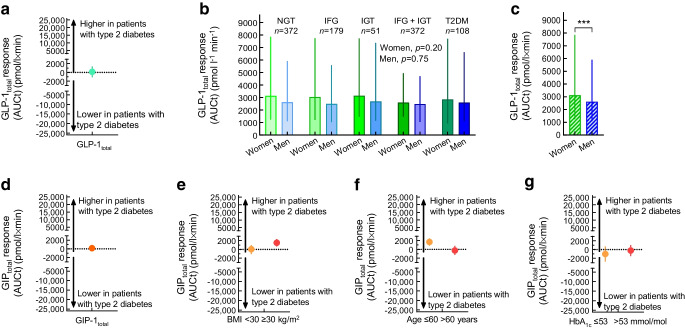
“(d) Absence of a significant difference in GIPtotal plasma responses following nutrient intake (oral glucose, liquid or solid meals) between individuals with type 2 diabetes and healthy individuals (meta-analysis by Calanna et al [9]).”
BackgroundInfluentialKillion, E. A., Wang, J., Yie, J., Shi, S. D.-H., Bates, D., Min, X., Komorowski, R., Hager, T., Deng, L., Atangan, L., et al. (2018) · Science Translational Medicine · doi:10.1126/scitranslmed.aat3392 · Cited by 237 · cited 1×
“Similar to GIP/GLP-1 receptor co-agonism, GLP-1 receptor agonism in combination with GIP receptor antagonism (either as co-therapy or using unimolecular formulations) improved glucose metabolism and decreased body weight in preclinical [99] and clinical studies [100].”
BackgroundImpaired regulation of the incretin effect in patients with type 2 diabetes
Bagger, J. I., Knop, F. K., Lund, A., Vestergaard, H., Holst, J. J., & Vilsbøll, T. (2011) · The Journal of Clinical Endocrinology & Metabolism · doi:10.1210/jc.2010-2435 · Cited by 219 · cited 2×
“Data from (a, g) Nauck et al [2] (oral glucose load 50 g); (b, h) Knop et al [71] (oral glucose load 75 g); (c, i) Bagger et al [3] (oral glucose loads of 25, 75 and 125 g); (d, j) Vardarli et al [72] (oral glucose load 75 g; after placebo and vildagliptin treatment); (e, k) Vardarli et al 2014 [73] (oral glucose load…”
BackgroundMethodThe Insulinotropic Action of Gastric Inhibitory Polypeptide in the Perfused Isolated Rat Pancreas
PEDERSON, R. A., & BROWN, J. C. (1976) · Endocrinology · doi:10.1210/endo-99-3-780 · Cited by 209
GIP as a Therapeutic Target in Diabetes and Obesity: Insight From Incretin Co-agonists
Holst, J. J., & Rosenkilde, M. M. (2020) · The Journal of Clinical Endocrinology & Metabolism · doi:10.1210/clinem/dgaa327 · Cited by 207 · cited 1×
“Whether GIP receptor agonism and antagonism affect energy metabolism via similar or distinct mechanisms and target organs remains to be determined, as well as whether GIP receptor agonism may lead to receptor desensitisation, as previously hypothesised [101].”
BackgroundBorner, T., Geisler, C. E., Fortin, S. M., Cosgrove, R., Alsina-Fernandez, J., Dogra, M., Doebley, S., Sanchez-Navarro, M. J., Leon, R. M., Gaisinsky, J., et al. (2021) · Diabetes · doi:10.2337/db21-0459 · Cited by 202
Urva, S., Coskun, T., Loh, M. T., Du, Y., Thomas, M. K., Gurbuz, S., Haupt, A., Benson, C. T., Hernandez-Illas, M., D’Alessio, D. A., et al. (2022) · The Lancet · doi:10.1016/s0140-6736(22)02033-5 · Cited by 202
Mentis, N., Vardarli, I., Köthe, L. D., Holst, J. J., Deacon, C. F., Theodorakis, M., Meier, J. J., & Nauck, M. A. (2011) · Diabetes · doi:10.2337/db10-1332 · Cited by 197
Self-citationGasbjerg, L. S., Helsted, M. M., Hartmann, B., Jensen, M. H., Gabe, M. B. N., Sparre-Ulrich, A. H., Veedfald, S., Stensen, S., Lanng, A. R., Bergmann, N. C., et al. (2019) · Diabetes · doi:10.2337/db18-1123 · Cited by 193
Chia, C. W., Carlson, O. D., Kim, W., Shin, Y.-K., Charles, C. P., Kim, H. S., Melvin, D. L., & Egan, J. M. (2009) · Diabetes · doi:10.2337/db08-0958 · Cited by 176
Lund, A., Vilsbøll, T., Bagger, J. I., Holst, J. J., & Knop, F. K. (2011) · American Journal of Physiology-Endocrinology and Metabolism · doi:10.1152/ajpendo.00665.2010 · Cited by 170 · cited 1×
“Accordingly, the glucagonostatic effect of GLP-1 is fully preserved in those with type 2 diabetes [22, 42], and GIP also stimulates glucagon secretion in those with type 2 diabetes [43].”
BackgroundDeterminants of the Effectiveness of Glucagon-Like Peptide-1 in Type 2 Diabetes
Toft-Nielsen, M.-B., Madsbad, S., & Holst, J. J. (2001) · The Journal of Clinical Endocrinology & Metabolism · doi:10.1210/jcem.86.8.7743 · Cited by 164
Secretion of Glucose-Dependent Insulinotropic Polypeptide in Patients With Type 2 Diabetes
Calanna, S., Christensen, M., Holst, J. J., Laferrère, B., Gluud, L. L., Vilsbøll, T., & Knop, F. K. (2013) · Diabetes Care · doi:10.2337/dc13-0465 · Cited by 158
PEDERSON, R. A., & BROWN, J. C. (1978) · Endocrinology · doi:10.1210/endo-103-2-610 · Cited by 156
Feinglos, M. N., Saad, M. F., Pi‐Sunyer, F. X., An, B., Santiago, O., & on behalf of the Liraglutide Dose‐Response Study Group (2005) · Diabetic Medicine · doi:10.1111/j.1464-5491.2005.01567.x · Cited by 151 · cited 1×
“This study [7] was published before the initial clinical trials of GLP-1 receptor agonists [11, 12] and allowed this novel therapy to be viewed as a replacement for what appeared to be lacking in people with type 2 diabetes.”
Krarup, T., Saurbrey, N., Moody, A. J., Kühl, C., & Madsbad, S. (1987) · Metabolism · doi:10.1016/0026-0495(87)90153-3 · Cited by 146
Urva, S., Coskun, T., Loghin, C., Cui, X., Beebe, E., O'Farrell, L., Briere, D. A., Benson, C., Nauck, M. A., & Haupt, A. (2020) · Diabetes, Obesity and Metabolism · doi:10.1111/dom.14110 · Cited by 143
Self-citationBergmann, N. C., Lund, A., Gasbjerg, L. S., Meessen, E. C. E., Andersen, M. M., Bergmann, S., Hartmann, B., Holst, J. J., Jessen, L., Christensen, M. B., et al. (2019) · Diabetologia · doi:10.1007/s00125-018-4810-0 · Cited by 142
Nauck, M. A., El-Ouaghlidi, A., Gabrys, B., Hücking, K., Holst, J. J., Deacon, C. F., Gallwitz, B., Schmidt, W. E., & Meier, J. J. (2004) · Regulatory Peptides · doi:10.1016/j.regpep.2004.06.020 · Cited by 137 · cited 2×
“The heterogeneous findings reported in the individual studies contributing to these meta-analyses [9] are probably explained by the large inter-individual variation in the secretion of GIP and GLP-1 [10].”
BackgroundSelf-citationTargeting the GIPR for obesity: To agonize or antagonize? Potential mechanisms
Campbell, J. E. (2021) · Molecular Metabolism · doi:10.1016/j.molmet.2020.101139 · Cited by 133 · cited 1×
“Animal studies have suggested that both can be a successful approach to lowering body weight [97, 98].”
BackgroundBunck, M. C., Cornér, A., Eliasson, B., Heine, R. J., Shaginian, R. M., Wu, Y., Yan, P., Smith, U., Yki-Järvinen, H., Diamant, M., et al. (2010) · Atherosclerosis · doi:10.1016/j.atherosclerosis.2010.04.024 · Cited by 132 · cited 1×
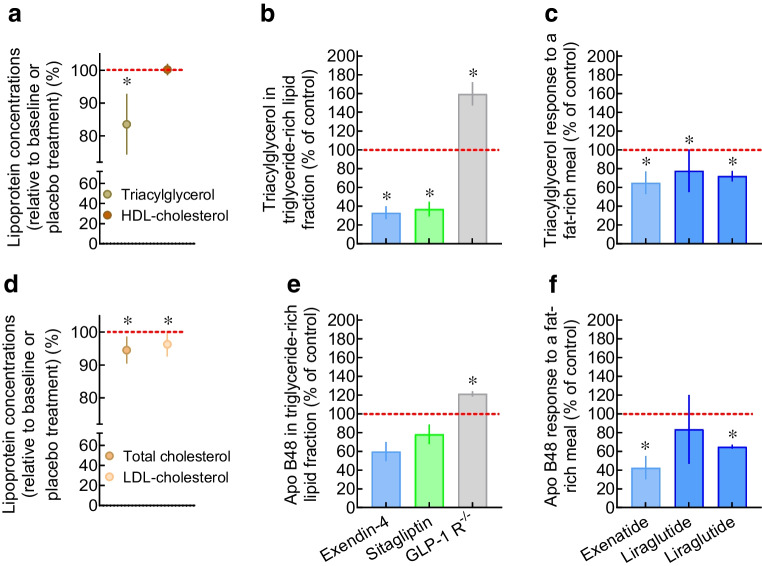
“(c, f) Effects of GLP-1 receptor agonists (exenatide, lefthand bars [56]; liraglutide, right-hand bars [57], centre bars [58]) on triacylglycerol (c) and apo B48 (f) levels in individuals with type 2 diabetes following a fat-rich meal (relative to placebo treatment).”
BackgroundMatikainen, N., Söderlund, S., Björnson, E., Pietiläinen, K., Hakkarainen, A., Lundbom, N., Taskinen, M., & Borén, J. (2019) · Diabetes, Obesity and Metabolism · doi:10.1111/dom.13487 · Cited by 129
Gastric inhibitory polypeptide does not inhibit gastric emptying in humans
Meier, J. J., Goetze, O., Anstipp, J., Hagemann, D., Holst, J. J., Schmidt, W. E., Gallwitz, B., & Nauck, M. A. (2004) · American Journal of Physiology-Endocrinology and Metabolism · doi:10.1152/ajpendo.00499.2003 · Cited by 126 · cited 2×
“The ability of GIP receptor stimulation to contribute to improved glycaemic control (over and above that provided by the selective GLP-1 receptor agonist semaglutide) has been addressed in a dedicated mode-of-action study [94], but several controversies remain: (1) insulin sensitivity was improved more with tirzepatid…”
BackgroundSelf-citationEvaluation of the incretin effect in humans using GIP and GLP-1 receptor antagonists
Gasbjerg, L. S., Bergmann, N. C., Stensen, S., Christensen, M. B., Rosenkilde, M. M., Holst, J. J., Nauck, M., & Knop, F. K. (2020) · Peptides · doi:10.1016/j.peptides.2019.170183 · Cited by 121
Self-citationDing, W.-G., Renström, E., Rorsman, P., Buschard, K., & Gromada, J. (1997) · Diabetes · doi:10.2337/diab.46.5.792 · Cited by 120
Lafrance, L., Rabasa-Lhoret, R., Poisson, D., Ducros, F., & Chiasson, J.-L. (1998) · Diabetic Medicine · doi:10.1002/(sici)1096-9136(1998110)15:11<972::aid-dia704>3.0.co;2-2 · Cited by 116
Self-citationNauck, M. A., Sauerwald, A., Ritzel, R., Holst, J. J., & Schmiegel, W. (1998) · Diabetes Care · doi:10.2337/diacare.21.11.1925 · Cited by 113
Self-citationGs/Gq signaling switch in β cells defines incretin effectiveness in diabetes
Oduori, O. S., Murao, N., Shimomura, K., Takahashi, H., Zhang, Q., Dou, H., Sakai, S., Minami, K., Chanclon, B., Guida, C., et al. (2020) · Journal of Clinical Investigation · doi:10.1172/jci140046 · Cited by 106 · cited 5×
“reas, pancreatic beta cells are chronically depolarised, which in turn leads to a switch from Gas to Gaq as the major pathway for stimulating insulin secretion [64].”
BackgroundInfluentialPreserved Inhibitory Potency of GLP-1 on Glucagon Secretion in Type 2 Diabetes Mellitus
Hare, K. J., Knop, F. K., Asmar, M., Madsbad, S., Deacon, C. F., Holst, J. J., & Vilsbøll, T. (2009) · The Journal of Clinical Endocrinology & Metabolism · doi:10.1210/jc.2009-0921 · Cited by 102 · cited 1×
“GLP-1 suppresses glucagon secretion in healthy individuals and those with type 2 diabetes, especially at higher plasma glucose concentrations [22, 29, 38] (while the counter-regulatory glucagon response in the case of hypoglycaemia”
BackgroundJones, I. R., Owens, D. R., Luzio, S. D., Williams, S. E. I., & Hayes, T. M. (1989) · Diabetologia · doi:10.1007/bf00274255 · Cited by 101 · cited 1×
“Some earlier studies suggested the presence of hypersecretion of GIP [5] and hyposecretion of GLP-1 [6, 7] in type 2 diabetes, but meta-analyses show no apparent systematic differences in secretion between people with type 2 diabetes and healthy individuals [8, 9].”
Christensen, M. B., Calanna, S., Holst, J. J., Vilsbøll, T., & Knop, F. K. (2014) · The Journal of Clinical Endocrinology & Metabolism · doi:10.1210/jc.2013-3644 · Cited by 99 · cited 1×
“GIP stimulates glucagon secretion in healthy individuals and those with type 2 diabetes, especially at lower plasma glucose concentrations [34–37], whereas the insulinotropic actions are more prominent during hyperglycaemia [35, 36].”
BackgroundNovikoff, A., O'Brien, S. L., Bernecker, M., Grandl, G., Kleinert, M., Knerr, P. J., Stemmer, K., Klingenspor, M., Zeigerer, A., DiMarchi, R., et al. (2021) · Molecular Metabolism · doi:10.1016/j.molmet.2021.101181 · Cited by 95 · cited 3×
“Several in vitro studies have further demonstrated that tirzepatide [102], MAR709 [103] and other compounds [104] that show GLP-1 as well as GIP receptor agonism may differ from selective GLP-1 receptor (mono-)agonists (including semaglutide and GLP-1 [7–36 amide]) by showing delayed internalisation and faster recycli…”
BackgroundSelf-citationKillion, E. A., Lu, S.-C., Fort, M., Yamada, Y., Véniant, M. M., & Lloyd, D. J. (2020) · Endocrine Reviews · doi:10.1210/endrev/bnz002 · Cited by 94
Vardarli, I., Arndt, E., Deacon, C. F., Holst, J. J., & Nauck, M. A. (2014) · Diabetes · doi:10.2337/db13-0805 · Cited by 92
Self-citationRamracheya, R. D., McCulloch, L. J., Clark, A., Wiggins, D., Johannessen, H., Olsen, M. K., Cai, X., Zhao, C.-M., Chen, D., & Rorsman, P. (2016) · Cell Reports · doi:10.1016/j.celrep.2016.03.091 · Cited by 92
Lynn, F. C., Thompson, S. A., Pospisilik, J. A., Ehses, J. A., Hinke, S. A., Pamir, N., McIntosh, C. H. S., & Pederson, R. A. (2003) · The FASEB Journal · doi:10.1096/fj.02-0243fje · Cited by 91
Højberg, P. V., Zander, M., Vilsbøll, T., Knop, F. K., Krarup, T., Vølund, A., Holst, J. J., & Madsbad, S. (2008) · Diabetologia · doi:10.1007/s00125-008-0943-x · Cited by 89
On the role of glucose-dependent insulintropic polypeptide in postprandial metabolism in humans
Asmar, M., Tangaa, W., Madsbad, S., Hare, K., Astrup, A., Flint, A., Bülow, J., & Holst, J. J. (2010) · American Journal of Physiology-Endocrinology and Metabolism · doi:10.1152/ajpendo.00639.2009 · Cited by 83 · cited 1×
“In human studies, exogenous GIP in pharmacological doses did not reduce food intake or visual analogue scale assessments of appetite, satiety and prospective food consumption [92, 93]; rather, GIP interfered with the 0 2 0 0 5 10 15 20 25 30 40 50 60 70 80 90”
BackgroundSong, X., Jia, H., Jiang, Y., Wang, L., Zhang, Y., Mu, Y., & Liu, Y. (2015) · Scientific Reports · doi:10.1038/srep10202 · Cited by 76 · cited 1×
“(a, d) Effects of GLP-1 receptor agonists on fasting triacylglycerol and HDL-cholesterol concentrations (a) and total and LDL-cholesterol concentrations (d) in individuals with type 2 diabetes (meta-analysis by Song et al [50]).”
BackgroundGIP and GLP-1 receptor antagonism during a meal in healthy individuals
Gasbjerg, L. S., Helsted, M. M., Hartmann, B., Sparre-Ulrich, A. H., Veedfald, S., Stensen, S., Lanng, A. R., Bergmann, N. C., Christensen, M. B., Vilsbøll, T., et al. (2020) · The Journal of Clinical Endocrinology & Metabolism · doi:10.1210/clinem/dgz175 · Cited by 68
Vardarli, I., Nauck, M. A., Köthe, L. D., Deacon, C. F., Holst, J. J., Schweizer, A., & Foley, J. E. (2011) · The Journal of Clinical Endocrinology & Metabolism · doi:10.1210/jc.2010-2178 · Cited by 61 · cited 4×
“Data from (a, g) Nauck et al [2] (oral glucose load 50 g); (b, h) Knop et al [71] (oral glucose load 75 g); (c, i) Bagger et al [3] (oral glucose loads of 25, 75 and 125 g); (d, j) Vardarli et al [72] (oral glucose load 75 g; after placebo and vildagliptin treatment); (e, k) Vardarli et al 2014 [73] (oral glucose load…”
BackgroundMethodInfluentialSelf-citationNauck, M. A., Weber, I., Bach, I., Richter, S., Ørskov, C., Holst, J. J., & Schmiegel, W. (1998) · Diabetic Medicine · doi:10.1002/(sici)1096-9136(1998110)15:11<937::aid-dia701>3.0.co;2-0 · Cited by 53 · cited 2×
“GLP-1 (7–36 amide) and GLP-1 (7–37) were equally effective [32], and those with type 2 diabetes of long duration and treated with insulin after well-documented sulfonylurea secondary failure responded (despite a reasonable assumption that they would have a relatively greater reduction in beta cell mass and function) […”
BackgroundSelf-citationEffects of endogenous GIP in patients with type 2 diabetes
Stensen, S., Gasbjerg, L. S., Krogh, L. L., Skov-Jeppesen, K., Sparre-Ulrich, A. H., Jensen, M. H., Dela, F., Hartmann, B., Vilsbøll, T., Holst, J. J., et al. (2021) · European Journal of Endocrinology · doi:10.1530/eje-21-0135 · Cited by 44 · cited 1×
“While the effects of exogenous GIP at physiological or pharmacological doses on fasting and postprandial lipids/lipoproteins in type 2 diabetes have not been explicitly published, Stensen et al did not find any changes in basal or postprandial concentrations of NEFAs and glycerol, triacylglycerol, and HDL-, VLDL- and…”
BackgroundKuwata, H., Yabe, D., Murotani, K., Fujiwara, Y., Haraguchi, T., Kubota, S., Kubota‐Okamoto, S., Usui, R., Ishitobi, M., Yamazaki, Y., et al. (2021) · Journal of Diabetes Investigation · doi:10.1111/jdi.13598 · Cited by 42 · cited 1×
“1 3 concentrations after a meal in a small study in Japanese people with type 2 diabetes [59].”
BackgroundAmland, P. F., Jorde, R., Aanderud, S., Burhol, P. G., & Giercksky, K.-E. (1985) · Scandinavian Journal of Gastroenterology · doi:10.3109/00365528509091657 · Cited by 41
Suzuki, S., Kawai, K., Ohashi, S., Mukai, H., Murayama, Y., & Yamashita, K. (1990) · Diabetes · doi:10.2337/diab.39.11.1320 · Cited by 41
Glucagon‐like peptide‐1 elicits vasodilation in adipose tissue and skeletal muscle in healthy men
Asmar, A., Asmar, M., Simonsen, L., Madsbad, S., Holst, J. J., Hartmann, B., Sorensen, C. M., & Bülow, J. (2017) · Physiological Reports · doi:10.14814/phy2.13073 · Cited by 41 · cited 1×
“GIP enhances adipocyte triacylglycerol deposition by increasing adipocyte blood flow and accelerating lipoprotein lipase-induced lipid storage [15, 86, 87], and both should correlate with weight gain.”
BackgroundThe incretin effect in Korean subjects with normal glucose tolerance or type 2 diabetes
Oh, T. J., Kim, M. Y., Shin, J. Y., Lee, J. C., Kim, S., Park, K. S., & Cho, Y. M. (2014) · Clinical Endocrinology · doi:10.1111/cen.12167 · Cited by 40
Lixisenatide Reduces Chylomicron Triacylglycerol by Increased Clearance
Whyte, M. B., Shojaee-Moradie, F., Sharaf, S. E., Jackson, N. C., Fielding, B., Hovorka, R., Mendis, J., Russell-Jones, D., & Umpleby, A. M. (2019) · The Journal of Clinical Endocrinology & Metabolism · doi:10.1210/jc.2018-01176 · Cited by 32 · cited 2×
“(c, f) Effects of GLP-1 receptor agonists (exenatide, lefthand bars [56]; liraglutide, right-hand bars [57], centre bars [58]) on triacylglycerol (c) and apo B48 (f) levels in individuals with type 2 diabetes following a fat-rich meal (relative to placebo treatment).”
BackgroundTremblay, A. J., Lamarche, B., Kelly, I., Charest, A., Lépine, M. ‐., Droit, A., & Couture, P. (2014) · Diabetes, Obesity and Metabolism · doi:10.1111/dom.12359 · Cited by 31
Bagger, J. I., Grøndahl, M. F. G., Lund, A., Holst, J. J., Vilsbøll, T., & Knop, F. K. (2021) · Diabetes · doi:10.2337/db20-0998 · Cited by 27
Yeow, T. P., Pacini, G., Tura, A., Hor, C. P., Lim, S. L., Tan, F. H. S., Tong, C. V., Hong, J. Y. H., Zain, F. M., Holst, J. J., et al. (2017) · BMJ Open Diabetes Research & Care · doi:10.1136/bmjdrc-2016-000352 · Cited by 26 · cited 1×
“However, this was not confirmed in a subsequent study performed in Malaysia [80].”
ResultMillar, P., Pathak, V., Moffett, R. C., Pathak, N., Bjourson, A. J., O’Kane, M., Flatt, P. R., & Gault, V. A. (2015) · Molecular and Cellular Endocrinology · doi:10.1016/j.mce.2015.11.019 · Cited by 24
The incretin effect in obese adolescents with and without type 2 diabetes: impaired or intact?
Aulinger, B. A., Vahl, T. P., Prigeon, R. L., D'Alessio, D. A., & Elder, D. A. (2016) · American Journal of Physiology-Endocrinology and Metabolism · doi:10.1152/ajpendo.00496.2015 · Cited by 24 · cited 6×
“With regard to GIP, although overall secretion as assessed from a meta-analysis of nutrient-stimulated secretion (oral glucose or mixed meals) appears to be similar for those with NGT and those with type 2 diabetes (Fig.”
BackgroundInfluentialHolst, J. J. (2021) · Diabetes · doi:10.2337/dbi21-0026 · Cited by 23
Nahmias, A., Stahel, P., Tian, L., Xiao, C., & Lewis, G. F. (2021) · Arteriosclerosis, Thrombosis, and Vascular Biology · doi:10.1161/atvbaha.121.316311 · Cited by 22
Irwin, N., McClean, P. L., & Flatt, P. R. (2007) · Journal of Peptide Science · doi:10.1002/psc.861 · Cited by 21
The Effect of GLP-1 Receptor Agonists on Postprandial Lipaemia
Novodvorský, P., & Haluzík, M. (2022) · Current Atherosclerosis Reports · doi:10.1007/s11883-022-00982-3 · Cited by 21 · cited 1×
“All GLP-1 receptor agonists studied for effects on postprandial triacylglycerol-rich lipoproteins and apoB48 production have provided evidence of a reduction compatible with the effects on chylomicron formation described above (see [55]).”
BackgroundAmland, P. F., Jorde, R., BURHOL, P. G., & Giercksky, K. E. (1985) · Scandinavian Journal of Gastroenterology · doi:10.3109/00365528509091656 · Cited by 9 · cited 1×
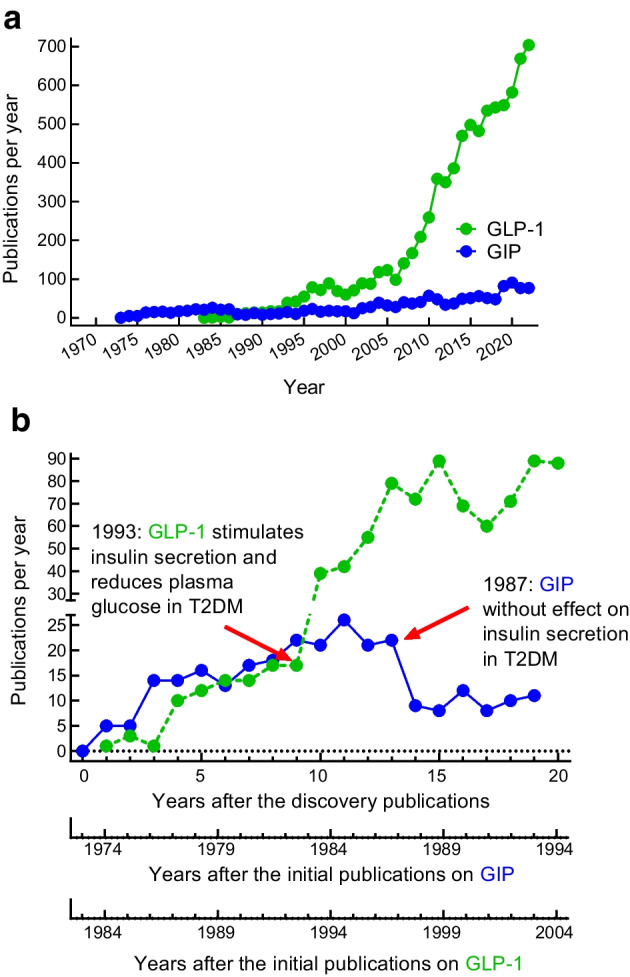
“4) [41, 82] did not support the idea that GIP has therapeutic potential for the treatment of type 2 diabetes.”
BackgroundEnhanced intestinal insulinotropic effect in streptozotocin-diabetic rats
Ikeda, T., Mokuda, O., Kuno, S., Tokumori, Y., Tominaga, M., & Mashiba, H. (1985) · American Journal of Physiology-Endocrinology and Metabolism · doi:10.1152/ajpendo.1985.248.3.e304 · Cited by 7
Research works printed but not linked: 1
- Amgen (2022) AMG 133 is a first-in-class investigational bispecific molecule that activates GLP-1R and inhibits GIPR; phase 1 results showed up to 14.5% reduction in body weight at the highest dose after 12 weeks. https://www.amgen.com/newsroom/press-releases/2022/12/amgen-presents-new-amg-133-phase-1-clinical-data-at-wcirdc-2022
Cited by
Unveiling Gestational Diabetes: An Overview of Pathophysiology and Management
Mittal, R., Prasad, K., Lemos, J. R. N., Arevalo, G., & Hirani, K. (2025) · International Journal of Molecular Sciences · doi:10.3390/ijms26052320 · Cited by 189
“Incretins, including GLP-1 and glucose-dependent insulinotropic polypeptide (GIP), are gut-derived hormones that enhance insulin secretion in response to nutrient intake [211–214].”
Rosen, C. J., & Ingelfinger, J. R. (2026) · New England Journal of Medicine · doi:10.1056/nejmra2500106 · Cited by 140
Advances in Research on Type 2 Diabetes Mellitus Targets and Therapeutic Agents
Su, J., Luo, Y., Hu, S., Tang, L., & Ouyang, S. (2023) · International Journal of Molecular Sciences · doi:10.3390/ijms241713381 · Cited by 130
Unnikrishnan, R., Shaw, J. E., Chan, J. C. N., Wild, S. H., Peters, A. L., Orrange, S., Roden, M., & Mohan, V. (2025) · Nature Reviews Disease Primers · doi:10.1038/s41572-025-00635-0 · Cited by 79
“…can result from primary intra-islet abnormalities such as altered insulin release per se, dysregulated processing of pro-insulin, pro-islet amyloid polypeptide and proglucagon 59 , impaired suppression of glucagon by insulin and incretins 60 , and variable incretin secretion patterns 61 .”
Targher, G., Mantovani, A., Byrne, C. D., & Tilg, H. (2025) · Gut · doi:10.1136/gutjnl-2024-334023 · Cited by 48
Metadata
- Authors
- Nauck, M. A., & Müller, T. D.
- Affiliations
- Universitätsmedizin Greifswald (DE)
- Helmholtz Munich (DE)
- Corresponding author
- Nauck, Michael A.
- Venue
- Diabetologia
- Published
- 2023-07-11
- Volume
- 66
- Issue
- 10
- Pages
- 1780-1795
- ISSN
- 0012-186X (ISSN-L)
- 1432-0428
- PMC
- PMC10474001
- OpenAlex
- W4383740618
- Cited by
- 190
- References
- 106
- Citations by year
- 2026: 63 · 2025: 72 · 2024: 48 · 2023: 7
- FWCI
- 6.83
- Type
- journal article
- Language
- en
- Open access
- hybrid
- doi.org
- Licence
- cc-by
- creativecommons.org/licenses/by/4.0 (tdm)
- creativecommons.org/licenses/by/4.0 (vor)
- Locations
- Diabetologia (publishedVersion, cc-by)
- PubMed Central (publishedVersion, cc-by)
- PubMed (publishedVersion)
- Dokumentenrepositorium der RUB (Ruhr University Bochum) (submittedVersion, cc-by)
- PuSH - Publication Server of Helmholtz Zentrum München (submittedVersion)
- Funders
- Universitätsklinikum der Ruhr-Universität Bochum
- Topics
- Health Sciences › Medicine › Endocrinology, Diabetes and Metabolism › Diabetes Treatment and Management
- Health Sciences › Medicine › Endocrinology, Diabetes and Metabolism › Pancreatic function and diabetes
- Health Sciences › Medicine › Endocrinology, Diabetes and Metabolism › Diabetes Management and Research
- Keywords
- incretins, type 2 diabetes, glucose-dependent insulinotropic polypeptide, glucagon-like peptide-1, incretin effect, beta-cell function, GLP-1 receptor agonists, tirzepatide, insulin secretion, glucagon suppression, weight loss, HbA1c
- MeSH terms
- Glucagon-Like Peptide-1 Receptor Agonists, Blood Glucose, Body Weight, Diabetes Mellitus, Type 2, Gastric Inhibitory Polypeptide, Glucose, Humans, Insulin, Weight Loss, Glucagon-Like Peptide 1, Incretins
About these checks
Registry, retraction, Cites and statistics results are computed, not judged, with one exception: a printed reference that no index lists is read once by a model before it counts as a citation error. Claims are extracted by a model and kept only when their quote appears verbatim in the text; each cited source is then checked, with a model’s help, for whether it says what the claim relies on. Those verdicts can be wrong — read the claim’s quote and the cited source before relying on one.
Statistics and arithmetic are recomputed, not judged.
Confidence bands are shown only for fields calibrated on our annotated test set. None is calibrated yet, so no band is shown.
What counts as a claim ›How we measure confidence ›How we check this ›
Are you an author, or do you see a problem with this page? Request a review
Data sources
Bibliographic data: Semantic Scholar, OpenAlex, Crossref.
Contains information from the Semantic Scholar Academic Graph Datasets, made available under the ODC Attribution License (ODC-BY 1.0).
Semantic Scholar’s data is described in: Kinney, R., et al. (2023). The Semantic Scholar Open Data Platform. arXiv:2301.10140.
