

Incretin hormones and type 2 diabetes
Open accessThe DOI matches its Crossref record; 107 of the 107 references it cites were found in a registry or an index.
Abstract
A bstract: Incretin hormones (glucose-dependent insulinotropic polypeptide [GIP] and glucagon-like peptide-1 [GLP-1]) play a role in the pathophysiology of type 2 diabetes. Along with their derivatives they have shown therapeutic success in type 2 diabetes, with the potential for further improvements in glycaemic, cardiorenal and body weight-related outcomes. In type 2 diabetes, the incretin effect (greater insulin secretory response after oral glucose than with ‘isoglycaemic’ i.v. glucose, i.e. with an identical glycaemic stimulus) is markedly reduced or absent. This appears to be because of a reduced ability of GIP to stimulate insulin secretion, related either to an overall impairment of beta cell function or to specific defects in the GIP signalling pathway. It is likely that a reduced incretin effect impacts on postprandial glycaemic excursions and, thus, may play a role in the deterioration of glycaemic control. In contrast, the insulinotropic potency of GLP-1 appears to be much less impaired, such that exogenous GLP-1 can stimulate insulin secretion, suppress glucagon secretion and reduce plasma glucose concentrations in the fasting and postprandial states. This has led to the development of incretin-based glucose-lowering medications (selective GLP-1 receptor agonists or, more recently, co-agonists, e.g. that stimulate GIP and GLP-1 receptors). Tirzepatide (a GIP/GLP-1 receptor co-agonist), for example, reduces HbA 1c and body weight in individuals with type 2 diabetes more effectively than selective GLP-1 receptor agonists (e.g. semaglutide). The mechanisms by which GIP receptor agonism may contribute to better glycaemic control and weight loss after long-term exposure to tirzepatide are a matter of active research and may change the pessimistic view that developed after the disappointing lack of insulinotropic activity in people with type 2 diabetes when exposed to GIP in short-term experiments. Future medications that stimulate incretin hormone and other receptors simultaneously may have the potential to further increase the ability to control plasma glucose concentrations and induce weight loss. Graphical Abstract
Overview
The claims and statistics of this paper haven’t been checked yet.
Free: it reads the open-access text and checks the first 5 claims that cite a source we can check. Create a free account to check every claim.
Integrity signals
Registry
Cites
Statistics
Figures
Verification
Claims the paper makes
The claims and statistics of this paper haven’t been checked yet.
Free: it reads the open-access text and checks the first 5 claims that cite a source we can check. Create a free account to check every claim.
Claims other papers make about this one
Each is checked against this paper’s own text: does it say what the citing paper says it does?
The cited source says what the claim attributes to it.
In the citing paper
“The potential value of GIPR agonism was reconsidered when clinical studies with synthetic unimolecular multi-agonist peptides that exert agonism at both GIPR and GLP-1R greatly augmented glucose-lowering and weight-lowering efficacy compared with GLP-1R agonism alone [10,11].”
From Recent advances in peptide-based therapies for obesity and type 2 diabetes (2024) · cites this paper as [10]
The cited source says what the claim attributes to it.
In the citing paper
“We are reminded that GLP-1RAs mimic the effects of the incretin hormone GLP-1, notably to potentiate prandial insulin release, reduce glucagon secretion, delay gastric emptying and reduce appetite. These effects combine to promote weight loss and improve glycaemic control in obesity and T2DM [10].”
From Recent advances in peptide-based therapies for obesity and type 2 diabetes (2024) · cites this paper as [10]
Self-check
Percentages, sums and reported differences re-computed from the paper’s own numbers.
The self-check needs the paper’s full text.
Citations
Cites
The metabolic phenotype in obesity: Fat mass, body fat distribution, and adipose tissue function
Goossens, G. H. (2017) · Obesity Facts · doi:10.1159/000471488 · Cited by 8,481
Kahn, S. E. (2003) · Diabetologia · doi:10.1007/s00125-002-1009-0 · Cited by 2,166
Tirzepatide versus Semaglutide Once Weekly in Patients with Type 2 Diabetes
Frías, J. P., Davies, M. J., Rosenstock, J., Pérez Manghi, F. C., Fernández Landó, L., Bergman, B. K., Liu, B., Cui, X., & Brown, K. (2021) · New England Journal of Medicine · doi:10.1056/nejmoa2107519 · Cited by 2,096 · cited 1×
“tirzepatide [84]) or antagonism [100] at the GIP receptor, and of the even more advanced GIP/GLP-1/glucagon receptor triagonists [106], suggest that there is potential for further improvements in the effectiveness (for glycaemic control and weight reduction) of incretin-based medications for the treatment of type 2 di…”
BackgroundGlucagon-like peptide-1 7–36: a physiological incretin in man
Kreymann, B., Ghatei, M. A., Williams, G., & Bloom, S. R. (1987) · The Lancet · doi:10.1016/s0140-6736(87)91194-9 · Cited by 1,928
Nauck, M. A., Heimesaat, M. M., Orskov, C., Holst, J. J., Ebert, R., & Creutzfeldt, W. (1993) · Journal of Clinical Investigation · doi:10.1172/jci116186 · Cited by 1,651
Self-citationGLP-1 receptor agonists in the treatment of type 2 diabetes - state-of-the-art
Nauck, M. A., Quast, D. R., Wefers, J., & Meier, J. J. (2021) · Molecular Metabolism · doi:10.1016/j.molmet.2020.101102 · Cited by 1,647 · cited 2×
“The extraordinary success of incretin-based glucose-lowering medications in type 2 diabetes,, which are mainly based on properties of the incretin hormone glucagon-like peptide-1 (GLP-1) [1], has reinforced interest in the physiology and pathophysiology of incretin hormones more generally.”
BackgroundSelf-citationDeFronzo, R. A., Ratner, R. E., Han, J., Kim, D. D., Fineman, M. S., & Baron, A. D. (2005) · Diabetes Care · doi:10.2337/diacare.28.5.1092 · Cited by 1,559
Reduced incretin effect in Type 2 (non-insulin dependent) diabetes
Nauck, M., Stöckmann, F., Ebert, R., & Creutzfeldt, W. (1986) · Diabetologia · doi:10.1007/bf02427280 · Cited by 1,307 · cited 3×
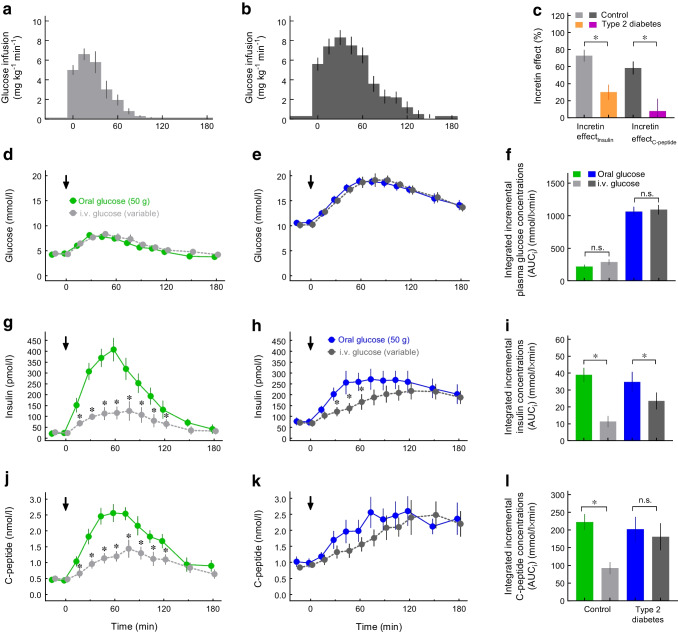
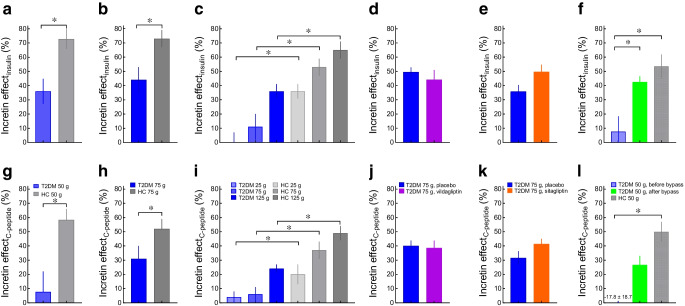
“Data from (a, g) Nauck et al [2] (oral glucose load 50 g); (b, h) Knop et al [71] (oral glucose load 75 g); (c, i) Bagger et al [3] (oral glucose loads of 25, 75 and 125 g); (d, j) Vardarli et al [72] (oral glucose load 75 g; after placebo and vildagliptin treatment); (e, k) Vardarli et al 2014 [73] (oral glucose load…”
BackgroundMethodSelf-citationNauck, M. A., Kleine, N., �rskov, C., Holst, J. J., Willms, B., & Creutzfeldt, W. (1993) · Diabetologia · doi:10.1007/bf00401145 · Cited by 1,092
Self-citationInhibition of gastric inhibitory polypeptide signaling prevents obesity
Miyawaki, K., Yamada, Y., Ban, N., Ihara, Y., Tsukiyama, K., Zhou, H., Fujimoto, S., Oku, A., Tsuda, K., Toyokuni, S., et al. (2002) · Nature Medicine · doi:10.1038/nm727 · Cited by 963 · cited 1×
“Engagement of GIP in a biochemical liaison with GLP-1 seems at first glance counterintuitive, given that the insulinotropic effects and the incretin effect of GIP are severely reduced in people with type 2 diabetes [2, 22] (see earlier), and that GIP receptor-deficient mice are lean and protected from diet-induced obe…”
Background
Research works printed but not linked: 1
- Amgen (2022) AMG 133 is a first-in-class investigational bispecific molecule that activates GLP-1R and inhibits GIPR; phase 1 results showed up to 14.5% reduction in body weight at the highest dose after 12 weeks. https://www.amgen.com/newsroom/press-releases/2022/12/amgen-presents-new-amg-133-phase-1-clinical-data-at-wcirdc-2022
Cited by
Items 101–200 of 213
Yadav, M., & Akhter, Y. (2025) · 3 Biotech · doi:10.1007/s13205-025-04453-9 · Cited by 2
Tosoratto, J., López, P. J. T., López‐González, Á. A., de Hevia, J. O., Busquets-Cortés, C., & Ramírez‐Manent, J. I. (2025) · Journal of Clinical Medicine · doi:10.3390/jcm14175969 · Cited by 1
“Dysglycemia is further aggravated by impaired incretin action, high glucagon, renal sodium retention, and neurohormonal dysregulation [9,10].”
Ebenezer, D. O., Ayodele, A. O., Nasiru, S., Adetunji, A., Stephen, A. O., Obinna, A. C., & Olarinoye, J. K. (2025) · Journal of Health Applied Sciences and Management · doi:10.4314/johasam.v8i2.11 · Cited by 1
Patil, M. B., Teli, A., Gudasi, S., & Patil, A. (2025) · Analytical Chemistry Letters · doi:10.1080/22297928.2025.2575936 · Cited by 2
Wen, J., Puglisi, J. L., & Frezza, E. E. (2025) · Cureus · doi:10.7759/cureus.96771 · Cited by 2
Luo, C., Zhang, W., Hua, L.-Y., Zeng, M.-Q., Xu, H. J., Duan, C., Xu, S., Zhan, S., Pan, X.-F., Sun, D., et al. (2025) · World Journal of Diabetes · doi:10.4239/wjd.v16.i11.112236 · Cited by 1
Francis, L., & Butler, M. G. (2025) · Current Issues in Molecular Biology · doi:10.3390/cimb47121007 · Cited by 3
“GLP1R agonists are analogs of endogenous GLP1, a peptide with an incretin effect that enhances insulin secretion after food intake [10].”
Wang, C., Shang, Y., Wang, J., Sun, L., Li, Z., & Gao, C. (2026) · Frontiers in Nutrition · doi:10.3389/fnut.2025.1718843 · Cited by 1
“Notably, isomaltulose may further optimize these effects through the unique incretin modulation (17, 18), which differs from that of rapidly absorbed carbohydrates.”
Glucagon-like peptide-1–based pharmacological treatment of obesity: a narrative review
Son, J. W. (2026) · Journal of Korean Medical Association · doi:10.5124/jkma.25.0138 · Cited by 1
“장내 유래 호르몬은 음식 섭취 후 발생하는 복잡한 대사 반응 을 조율하는 핵심 매개체로서, 포도당 항상성, 식욕 조절, 에너지 소비의 통합적 조절을 통해 전신 대사 균형을 유지한다[ 3 , 10 ].”
Neuroendocrine regulation of appetite
Botushanov, N. P., Botushanov, A., & Botushanova, A. D. (2026) · Folia Medica · doi:10.3897/folmed.68.e156353 · Cited by 1
“[26] Gastric leptin , in addition to its adipose origin, is also synthesized and secreted by chief and parietal endocrine P-cells in the stomach in response to nutrients.”
New pharmacological agents and emerging therapeutic targets for painful diabetic neuropathy
Panou, T., Παπάνας, Ν., & Kempler, P. (2026) · Frontiers in Endocrinology · doi:10.3389/fendo.2026.1788702 · Cited by 1
“Dipeptidyl-peptidase-4 inhibitors (DPP-4is) have gained limited interest for PDPN (79, 80).”
Park, J.-H., Song, Y.-B., Kang, Y.-R., & Lee, B. (2026) · Food Science and Biotechnology · doi:10.1007/s10068-026-02166-0 · Cited by 1
“GIP binds to GIP receptors (GIPR) expressed on pancreatic β-cells, where it promotes glucose-dependent insulin secretion in a manner analogous to GLP-1 (Nauck and Müller, 2023).”
Uti, D. E., Egbung, J. E., Alum, E. U., Bawa, I., Agada, S. A., Ogbu, C. O., & Ugwu, O. P.-C. (2026) · Obesity Medicine · doi:10.1016/j.obmed.2026.100712 · Cited by 3
Krogh, L. S. L., Hansen, M. B., Bergmann, N. C., Hansen, C. P., Hartmann, B., Holst, J. J., Knop, F. K., Lund, A., & Gasbjerg, L. S. (2026) · Diabetes Obesity and Metabolism · doi:10.1111/dom.70940 · Cited by 1
Converging TCF7L2 and CDKAL1 pathways in the pathogenesis of type 2 diabetes mellitus
Farman, M. S., Salman, M. I., & Hassan, O. M. (2026) · Acta Diabetologica · doi:10.1007/s00592-026-02719-z · Cited by 1
“…greater insulin response than intravenous glucose of the same magnitude because gut-derived incretin hormones, mainly glucagon-like peptide 1 (GLP-1) and glucose-dependent insulinotropic peptide (GIP), amplify glucose-stimulated insulin secretion and improve postprandial glucose disposal [ 17 ].”
Min, E., Goyette, A., Young, E., Moon, K., Bellini, N. J., & Isaacs, D. M. (2026) · Canadian Journal of Physiology and Pharmacology · doi:10.1139/cjpp-2025-0142 · Cited by 1
Nxumalo, M. B., Kumalo, H. M., Maruma, L. N., Tata, F. Y., Ntanzi, N., & Khan, R. B. (2026) · Health Sciences Review · doi:10.1016/j.hsr.2026.100274 · Cited by 3
Gut–pancreas–metabolism axis: emerging anti-diabetic roles of gut-derived bioactive molecules
Siddiqui, S., & Kahkasha, K. (2026) · Diabetes Research and Clinical Practice · doi:10.1016/j.diabres.2026.113383 · Cited by 2
Oriquat, G., Abdulsahib, W. K., Mustafa, W. W., Gajjar, T. B., Hanumanthayya, M., Shukla, S. K., Panigrahi, R., Bainsal, N., & Khaitova, S. (2026) · PROTOPLASMA · doi:10.1007/s00709-026-02235-5 · Cited by 1
Robino, A., Tornese, G., Aldegheri, L., Franceschi, R., Mozzillo, E., Candia, F. D., Morosini, C., Zanfardino, A., Delvecchio, M., Bombaci, B., et al. (2026) · Journal of Endocrinological Investigation · doi:10.1007/s40618-026-03038-4 · Cited by 1
Pappa, E. T., Busygina, K., Harada, S., Hermann, H., Then, C., Lechner, A., Ferrari, U., & Seißler, J. (2024) · BMJ Open Diabetes Research & Care · doi:10.1136/bmjdrc-2023-003706 · Cited by 1
“This is the first prospective study on the predictive value of GLP-1 secretory response to oral glucose and the development of abnormal glucose metabolism during follow-up after a previous GDM.”
BackgroundInfluentialGLP-1 analogs: a comparison of new anti diabetic medications - presenting benefits and risks
Dębik, M., Szydłowski, Ł., Żurowska, K., Bednarski, A., Krużel, A., Ziajor, S., Sajdak, P., Tomasik, J. M., Stodolak, M., & Kłos, K. (2024) · Journal of Education Health and Sport · doi:10.12775/jehs.2024.62.014 · Cited by 1
“An essential aspect of the action of GLP-1 analogs is the observation of the occurrence of the so-called incretin effect in type 2 diabetes [19].”
BackgroundKhiar, H., Lévêque, É., Lopez, A.-G., Moreau‐Grangé, L., Richard, L. M., Brunel, V., Perdrix, A., Takhlidjt, S., Devère, M., Tavolacci, M., et al. (2024) · Diabetes Obesity and Metabolism · doi:10.1111/dom.15871 · Cited by 1
“24,25 The profile of serum 26RFa during a meal has not yet been investigated.”
Intestinal glucagon-like peptide-1 in hypoglycemic counterregulation for type 1 diabetes management
Zhang, K., Kan, C., Wang, Y.-Q., Hou, N., & Sun, X. (2024) · World Journal of Diabetes · doi:10.4239/wjd.v15.i12.2380 · Cited by 1
Inkretin-Agonisten: In 30 Jahren vom Geheimtipp zum Bestseller
Nauck, M. A. (2023) · Deutsches Ärzteblatt · doi:10.3238/persdia.2023.11.03.01
Self-citationVeränderungen der Sekretion und biologischen Wirksamkeit von Inkretinhormonen bei Typ-2-Diabetes
Quast, D. R., & Nauck, M. A. (2024) · Die Diabetologie · doi:10.1007/s11428-023-01146-w
Self-citationChetty, K., Khathi, A., Schneider, S.-R., & Marx, G. (2023) · Series of Endocrinology Diabetes and Metabolism · doi:10.54178/jsedmv5i3001
Outcomes of Type 2 Diabetes Management: One Center Experience 2015–2023
Chlup, R., Zálešáková, H., Gottwaldová, J., Trefil, M., Zapletalová, J., Kaňa, R., Hanáčková, L., Bretšnajdrová, M., Falt, P., & Polzerová, Z. (2024) · IntechOpen eBooks · doi:10.5772/intechopen.1005206
Hadi, H. H., & Al-Ziaydi, A. G. (2024) · Medical Science Journal for Advance Research · doi:10.46966/msjar.v5i2.199
Initiating non-insulin-based treatment in adults with type 2 diabetes: a practical guide
Stewart, M. (2024) · Primary Health Care · doi:10.7748/phc.2024.e1828
Endocrinologia e Medicina Estética - Edição II
Freitas, G. B. L. D., POLACHINI, V. B., & Vascão, E. (2024) · doi:10.59290/978-65-6029-156-0
Incretins in healthy and type 2 diabetic people
Goglia, U. (2024) · The Journal of AMD · doi:10.36171/jamd24.27.2.3
Tratamientos farmacológicos de la obesidad de reciente introducción
Soler, J. R. C. (2024) · Medicina Estética Revista Científica de la Sociedad Española de Medicina Estética (SEME) · doi:10.48158/medicinaestetica.081.e
Chilunga, F. P., & Mkoma, G. F. (2024) · Diabetologia · doi:10.1007/s00125-024-06297-z · Cited by 1
HCV -ИНФЕКЦИЯ И САХАРНЫЙ ДИАБЕТ. ОБЗОР ЛИТЕРАТУРЫ.
BAIMUKHANOVA, M. S., Kurmanova, G., & Akanov, Z. (2024) · Ġylym men densaulyķ saķtau. · doi:10.34689/sh.2024.26.3.018
Halimi, S. (2025) · Médecine des Maladies Métaboliques · doi:10.1016/j.mmm.2025.01.012
Qureshi, S., Ahmed, H., Iqbal, M., Batool, N., Yaseen, S., & Butt, M. D. (2025) · Discover Endocrinology and Metabolism · doi:10.1007/s44417-024-00001-w
“In line with prior research, such as the findings by Nauck et al., men appeared to exhibit a slightly greater reduction in glycemic parameters, while women showed a trend toward better cardiometabolic outcomes, such as reductions in body weight and triglycerides [25].”
Shah, S. M. A., Khan, H. R., Afghan, T. S., Ahmed, N., Saeed, A., Ullah, M. N., Iftikhar, N., Gul, B., & Bibi, M. (2025) · Indus journal of bioscience research. · doi:10.70749/ijbr.v3i2.337 · Cited by 1
Delgadillo-Silva, L. F., Salazar, S., López–Noriega, L., PROVENCHER-GIRARD, A., Larouche, S., Prat, A., & Rutter, G. A. (2025) · bioRxiv (Cold Spring Harbor Laboratory) · doi:10.1101/2025.03.31.646461 · Cited by 1
Recent Advances in Blood Glucose Management for Diabetic Patients Undergoing Hemodialysis
苏, 俊. (2025) · Journal of Clinical Personalized Medicine · doi:10.12677/jcpm.2025.42237
Yabe, D. (2025) · Diabetology International · doi:10.1007/s13340-025-00827-9
Animal models used in screening antidiabetic drugs from natural sources
Subramaniyan, V., Fuloria, N. K., & Fuloria, S. (2025) · Elsevier eBooks · doi:10.1016/b978-0-443-30086-8.00002-4
Semaglutide for Type I Diabetes — A New Twist on an Old Story
Rosen, C. J. (2025) · NEJM Evidence · doi:10.1056/evide2500178
Kumar, K. B. V., Mohan, N. C., Singh, K., Paul, A., Nithyamol, K. V., Ramakrishnan, S., & Varadaraju, K. R. (2025) · 3 Biotech · doi:10.1007/s13205-025-04395-2 · Cited by 2
“The incretin pathway, on the other hand, can be therapeutically targeted to improve glycemic control (Nauck and Müller 2023).”
Jang, H. N., Hong, E. S., Yang, Y., Lee, S. O., Jang, M., Mari, A., Kwak, S. H., Park, K. S., Jang, H. C., & Jung, H. S. (2025) · Diabetes & Metabolism Journal · doi:10.4093/dmj.2024.0741
“We specifically focused on incretin hormones, given their close relationship with β-cell function and postprandial glycemia [13].”
Manchanda, Y., Desoki, R., Gardner, E. J., Perry, J. R. B., Wainscott, D. B., Stutsman, C., Langenberg, C., Coghlan, M. P., Bhatnagar, P., Ho, J. D., et al. (2025) · medRxiv · doi:10.1101/2025.08.15.25333807
A Neural Network Method for Assessing the Nutritional Requirements of a Patient With Type 2 Diabetes
Mwakalu, S. M., Omwenga, V. O., & Ogao, P. J. (2025) · Applied Computational Intelligence and Soft Computing · doi:10.1155/acis/9955073
“Te glucose-dependent nature of their efects, particularly for GLP-1 and GIP, enables 2 Applied Computational Intelligence and Soft Computing precise regulation of insulin and glucagon secretion in response to current glucose levels [23, 24].”
Safety analysis of tirzepatide in clinical practice
Shnaider, K. O., Kondrakhin, A. P., Maksimov, М. L., Balashova, E. P., Beschetnov, I. D., Akhmadieva, A. A., & Martynova, S. A. (2025) · Glavvrač (Chief Medical Officer) · doi:10.33920/med-03-2508-03
Zhang, X., Wang, L., Zhao, J., & Zhao, H. (2025) · The American Journal of Human Genetics · doi:10.1016/j.ajhg.2025.08.007
Głodowska, K., Bacik, M., Kiereta, K., Cichowska, Z., Wacławek, K., Żelazo, J., Rechcińska, A., Ciesielka, A., Chmielowiec, L., Rdzanek, B. J., et al. (2025) · Medical Science · doi:10.54905/disssi.v29i163.e190ms3723
Gut Hormones in Pregnancy and Lactation
Shim, J., & Yu, R. (2025) · Elsevier eBooks · doi:10.1016/b978-0-443-23940-3.00033-8
Mikrobiota–Usus–Otak sebagai Jaringan Metabolik dan Pengatur Kontrol Energi
Tjandrawinata, R. R. (2025) · MEDICINUS · doi:10.56951/fy2cd832
Research Progress on Intervention for Type 2 Diabetes by Activating Endogenous GLP-1 Secretion
管, 佩. (2025) · Advances in Clinical Medicine · doi:10.12677/acm.2025.15123455
Nanomedicines targeting intestinal Fc receptor to enhance the oral delivery of antidiabetic peptides
Almeida, J. D. B. D. C. (2025) · Portuguese National Funding Agency for Science, Research and Technology (RCAAP Project by FCT)
Vincenzo, A. D., Granzotto, M., Moreni, L., Trevellin, E., Capone, F., & Rossato, M. (2026) · Endocrine · doi:10.1007/s12020-025-04504-4
“physiopathology and treatment of obesity and type 2 diabetes [1].”
Malinauskas, M., Stukas, D., Rysevaitė-Kyguolienė, K., Gudaitytė, R., Kupcinskas, L., Casselbrant, A., Jankauskaitė, L., & Maleckas, A. (2026) · Frontiers in Physiology · doi:10.3389/fphys.2025.1734360 · Cited by 1
“In T2DM insulinotropic potency of GIP and GLP-1 is reduced (Halim et al., 2018), but the impact on motility is preserved (Nauck and Müller, 2023).”
Artificial Intelligence in Peptide Drug Discovery
Fu, Y., & Bai, Q. (2026) · Springer eBooks · doi:10.1007/978-3-031-98022-0_7
KSHIRSAGAR, B., Upaganlawar, A., Londhe, K. B., & JAGTAP, N. (2026) · Asian Journal of Pharmaceutical and Clinical Research · doi:10.22159/ajpcr.2026v19i1.57591
A Review of Understanding Remission in Diabetes Mellitus
Hameed, T., Fawwad, A., Miyan, Z., Parveen, K., Saeed, M., & Baloch, A. (2026) · Liaquat National Journal of Primary Care · doi:10.37184/lnjpc.2707-3521.8.32
Mondaca, M. (2026) · Repositori UJI (Universitat Jaume I)
Bednarczyk, R., Bednarczyk, N., Binkowski, R. K., Kurek, A., Krajewska, N., Lejman, A., Mazurkiewicz, A., Sidor, H., Wołosik, M., & Zysiak, S. (2026) · International Journal of Innovative Technologies in Social Science · doi:10.31435/ijitss.1(49).2026.4671
Pathogenesis of type 2 diabetes
Honka, M. (2026) · Elsevier eBooks · doi:10.1016/b978-0-443-13825-6.00376-9
Das, P., Das, M. K., Barman, P., & Hazarika, N. K. (2026) · Chemistry & Biodiversity · doi:10.1002/cbdv.202501544
“These findings were in line with Nauck et al. [ 59 ] where incretins were established to be useful for the management of diabetes, obesity and other related cardiological ailments.”
Svorį mazinantys vaistai ir diabeto kontrole
Jamali, K. (2025) · Lithuanian University of Health Sciences
Timinskaite, S. (2024) · Lithuanian University of Health Sciences
Insulin Resistance: Pathophysiology, Molecular Mechanisms, and Genetic Insights
Häring, H., & Gallwitz, B. (2026) · Elsevier eBooks · doi:10.1016/b978-0-323-87862-3.00002-1
Neuroendocrine regulation of metabolism in the brain of type 2 diabetes
Yadav, H., Soni, S. K., Kumari, S., & Maurya, S. K. (2026) · Elsevier eBooks · doi:10.1016/b978-0-443-32848-0.00017-0
Li, M., Hu, H., Liu, Y., Wu, X., Zhang, Y., Li, Y., Yang, F., Li, Y., & Lin, S. (2026) · Frontiers in Physiology · doi:10.3389/fphys.2026.1794931
“The IE is markedly diminished in obesity and type 2 diabetes mellitus (T2DM), correlating closely with impaired b -cell function and insulin sensitivity (Nauck and Müller, 2023).”
The effect of liraglutide on overweight and streptozotocin-induced diabetic male rats
Hafth, H. A., Alwan, N. A., & AL-MASOUDI, E. A. (2026) · INTERNATIONAL JOURNAL OF ENDOCRINOLOGY (Ukraine) · doi:10.22141/2224-0721.22.2.2026.1691
Koide, Y. (2026) · Institutional Repositories DataBase (IRDB)
Nagar, P., Rashid, M., Arora, S., Alam, S., Agrawal, M., & Basist, P. (2026) · International Journal of Diabetes in Developing Countries · doi:10.1007/s13410-026-01651-w
Shah, J., Mahajan, A., & Muley, A. (2026) · Precision Nutrition · doi:10.1097/pn9.0000000000000136
Abogo, M. N. A., Fernández, M. G., Gomis, R. F., & Fernández, R. J. (2026) · PLoS ONE · doi:10.1371/journal.pone.0360673
McGuane, C., Farhadhar, N., Sharieff, K. A., Petrosky, S. N., & Alabasi, K. (2026) · Cureus · doi:10.7759/cureus.109731 · Cited by 1
Wu, H., Zhang, Z., Ye, T., Chen, J.-N., Tung, T., & Zhu, J. F. (2026) · Frontiers in Medicine · doi:10.3389/fmed.2026.1783429
“They can promote satiety, potentiate insulin secretion, reduce glucagon secretion, and play antiapoptotic and metabolic regulatory roles in several tissues (6, 7).”
Correlation Between Hba1 and Fasting Blood Glucose in Newly Diagnosed Diabetics
Thamin, S., Rahman, M. M.-U., Islam, N. M., Islam, M., & Afroza, T. (2026) · Barind Medical College Journal · doi:10.70818/bmcj.v012i1.273
Peptide hormone-based combinational pharmacotherapies for chronic metabolic diseases
Chui, Z. S. W., Xue, Y., Wu, X., & Xu, A. (2026) · Pharmacological Reviews · doi:10.1016/j.pharmr.2026.100150
Síndrome cardiorrenometabólico y terapias incretínicas: ¿Dónde estamos y hacia dónde vamos?
Rico-Fontalvo, J. E., Jiménez, L. C. V., & Daza-Arnedo, R. (2026) · Revista de la Sociedad Paraguaya de Nefrología. · doi:10.70108/nefrologiapy.2026.4.1.1
Current diabetes drugs: Lessons learned and implications for next-generation therapeutics
Liao, J., Cong, Z., Liu, K., Que, H., & Liu, F. (2026) · The Innovation Drug Discovery · doi:10.59717/j.xinn-drugdisc.2026.100008
Plant Versus Animal-Based Foods for the Management of Obesity in Ageing
Naik, A. S., Santos-Hernández, M., & Lele, S. S. (2026) · Healthy ageing and longevity · doi:10.1007/978-3-032-24097-2_16
Miličević, T., Cvitković, I., Volčanšek, Š., Katsiki, N., Mikhailidis, D. P., Patoulias, D., & Muzurović, E. M. (2026) · Expert Review of Clinical Pharmacology · doi:10.1080/17512433.2026.2706660
“Their safety, efficacy, and potential to revolutionize disease management make them a subject of great interest and ongoing research [97,102,103].”
Li, Y., Ye, D., Fu, C., Huang, X., Ma, Q., Zhang, F., Chen, G., Song, P., Kong, C., Wu, J., et al. (2026) · Gut Microbes · doi:10.1080/19490976.2026.2687937
“16 Although GIP functions as a major incretin hormone under physiological conditions by promoting glucose-dependent insulin secretion and postprandial glycemic control, 17 accumulating evidence indicates that excessive and sustained GIP secretion represents a hallmark of obesity and T2DM.”
Kurowski, M., Rekiel, K., Marcinkowska, A., Ratajczyk, O., Urbanowicz, P., Iwankiewicz, S., Grzelczak, W., & mierczak, Z. K. (2026) · Medical Journal of Cell Biology · doi:10.2478/acb-2026-0005
“The “incretin effect” refers to the phenomenon in which oral glucose administration elicits a greater insulin response than intravenous glucose administration despite an identical glycemic stimulus [6].”
InfluentialInsulin secretion and effects of beta-adrenergic blockers
Murao, N., Seino, Y., Yamada, Y., & Suzuki, A. (2026) · Elsevier eBooks · doi:10.1016/b978-0-443-30263-3.00027-0
Mohamed, Z. I., Shidane, A. A., Abdiasis, A. M., Hussein, M. H., Ibrahim, A. O., Abdi, A. A., Hashi, K. I., Mohamud, M. A., & Mohamed, A. J. (2026) · Endocrinology Diabetes & Metabolism · doi:10.1002/edm2.70298
SIRT1 Exon 2‐Encoded IDR Gates CREB‐Dependent Transcriptional Timing During Fasting
Shukla, A., Adhikari, S., Balaji, C., Chakrabarti, S., Kaur, A., Mondal, J., & Kolthur‐Seetharam, U. (2026) · The FASEB Journal · doi:10.1096/fj.202600254r
Gołacki, J., Gryń, P., Kępka, M., Skorek, M., Terlecka, P., Lenart-Lipińska, M., & Matyjaszek‐Matuszek, B. (2026) · Endokrynologia Polska · doi:10.5603/ep.112393
Zajdenverg, L., Santos, V. M., Rodrigues, A. C. M., Previdelli, L. K., & Negrato, C. A. (2026) · Diabetology & Metabolic Syndrome · doi:10.1186/s13098-026-02235-8
“…gastrointestinal tract in response to food intake (GLP-1 by L cells in the ileum and GIP by K cells in the duodenum), these hormones potentiate glucose-dependent insulin secretion by binding to their respective receptors on pancreatic β cells, characterizing the so-called incretin effect [11–15].”
Wiater, D., Szkodziński, K., Jakubczyk, I., Maternia, J., Los, A. P. M., Majowicz-Czaszyńska, K. B., Pempuś, W., Król, N., Tomaszek, B., Blok, A., et al. (2026) · International Journal of Innovative Technologies in Social Science · doi:10.31435/ijitss.3(51).2026.5814
Murthy, S. T. S., & Manjappara, U. V. (2026) · Biochimie · doi:10.1016/j.biochi.2026.08.001
Lim, S. K., Hwang, Y., Son, J. W., Lee, S., Jung, C. H., Kim, H., Lim, H., Park, S., Kim, J., Youn, J., et al. (2026) · CardioMetabolic Syndrome Journal · doi:10.51789/cmsj.2026.6.e26
Eliasson, L., Karagiannopoulos, A., Nagao, M., & Wendt, A. (2026) · Acta Physiologica · doi:10.1111/apha.70288
“For example, exocytosis is normally amplified by GIP and GLP-1 through increases in intracellular cAMP [13], an effect that is impaired in T2D [17].”
Nutrition as a regulator of tissue crosstalk: Implications for metabolic health and disease
Mısırlıoğlu, P. E. (2026) · Clinical Nutrition Open Science · doi:10.1016/j.nutos.2026.100709
Mohammed, J. J., & Murtadha, N. A. (2026) · AIP conference proceedings · doi:10.1063/12.0046386
Pittala, S., Liu, L., Haspula, D., Cui, Y., Fulgenzi, G., Inoue, A., & Wess, J. (2026) · Science Advances · doi:10.1126/sciadv.aeh5504
“However, currently only a relatively small number of drugs acts via this mechanism, including sulfonylureas and various incretin receptor mimetics ( 4 , 5 ).”
Va, I., Pilipenko, V. I., Goncharov, A. A., & Нисановна, С. А. (2026) · Clinical Nutrition ESPEN · doi:10.1016/j.clnesp.2026.105066
Incretin-based therapies in hepatology practice
Durmuş, M. E., Köker, G., & Öcal, S. (2026) · World Journal of Hepatology · doi:10.4254/wjh.125275
Manchanda, Y., Desoki, R., Gardner, E. J., Perry, J. R. B., Wainscott, D. B., Stutsman, C., Langenberg, C., Coghlan, M. P., Bhatnagar, P., Ho, J. D., et al. (2026) · Science Advances · doi:10.1126/sciadv.aec3372
Bartkowiak, D., Jakubczyk, B., Lasota, A., Kopoczyński, Ł., Wiesner, M., Wodzinski, L., Boguszewski, K., Porazinski, H., Mlynarska, A., & Ratajski, O. (2026) · Cureus · doi:10.7759/cureus.116245
“This interaction enhances insulin secretion and glucagon suppression, facilitating the normalization of fasting glucose levels even in patients with long-standing diabetes [18].”
InfluentialSaranaruk, P., Sato, Y., Tsuruta, M., & Yamagata, K. (2026) · Biochemical and Biophysical Research Communications · doi:10.1016/j.bbrc.2026.154627
Metadata
- Authors
- Nauck, M. A., & Müller, T. D.
- Affiliations
- Universitätsmedizin Greifswald (DE)
- Helmholtz Munich (DE)
- Corresponding author
- Nauck, Michael A.
- Venue
- Diabetologia
- Published
- 2023-07-11
- Volume
- 66
- Issue
- 10
- Pages
- 1780-1795
- ISSN
- 0012-186X (ISSN-L)
- 1432-0428
- PMC
- PMC10474001
- OpenAlex
- W4383740618
- Semantic Scholar
- 61b4d197c1b0c021e8a3836553894685e3ae9fa7
- Cited by
- 190
- References
- 106
- Citations by year
- 2026: 63 · 2025: 72 · 2024: 48 · 2023: 7
- FWCI
- 6.83
- Type
- journal article
- Language
- en
- Open access
- hybrid
- doi.org
- Licence
- cc-by
- creativecommons.org/licenses/by/4.0 (tdm)
- creativecommons.org/licenses/by/4.0 (vor)
- Locations
- Diabetologia (publishedVersion, cc-by)
- PubMed Central (publishedVersion, cc-by)
- PubMed (publishedVersion)
- Dokumentenrepositorium der RUB (Ruhr University Bochum) (submittedVersion, cc-by)
- PuSH - Publication Server of Helmholtz Zentrum München (submittedVersion)
- Funders
- Universitätsklinikum der Ruhr-Universität Bochum
- Topics
- Health Sciences › Medicine › Endocrinology, Diabetes and Metabolism › Diabetes Treatment and Management
- Health Sciences › Medicine › Endocrinology, Diabetes and Metabolism › Pancreatic function and diabetes
- Health Sciences › Medicine › Endocrinology, Diabetes and Metabolism › Diabetes Management and Research
- Keywords
- incretins, type 2 diabetes, glucose-dependent insulinotropic polypeptide, glucagon-like peptide-1, incretin effect, beta-cell function, GLP-1 receptor agonists, tirzepatide, insulin secretion, glucagon suppression, weight loss, HbA1c
- MeSH terms
- Glucagon-Like Peptide-1 Receptor Agonists, Blood Glucose, Body Weight, Diabetes Mellitus, Type 2, Gastric Inhibitory Polypeptide, Glucose, Humans, Insulin, Weight Loss, Glucagon-Like Peptide 1, Incretins
About these checks
Registry, retraction, Cites and statistics results are computed, not judged, with one exception: a printed reference that no index lists is read once by a model before it counts as a citation error. Claims are extracted by a model and kept only when their quote appears verbatim in the text; each cited source is then checked, with a model’s help, for whether it says what the claim relies on. Those verdicts can be wrong — read the claim’s quote and the cited source before relying on one.
Statistics and arithmetic are recomputed, not judged.
Confidence bands are shown only for fields calibrated on our annotated test set. None is calibrated yet, so no band is shown.
What counts as a claim ›How we measure confidence ›How we check this ›
Are you an author, or do you see a problem with this page? Request a review
Data sources
Bibliographic data: Semantic Scholar, OpenAlex, Crossref.
Contains information from the Semantic Scholar Academic Graph Datasets, made available under the ODC Attribution License (ODC-BY 1.0).
Semantic Scholar’s data is described in: Kinney, R., et al. (2023). The Semantic Scholar Open Data Platform. arXiv:2301.10140.
