

Low energy availability: history, definition and evidence of its endocrine, metabolic and physiological effects in prospective studies in females and males
Open accessThe DOI matches its Crossref record; 110 of the 110 references it cites were found in a registry or an index.
Abstract
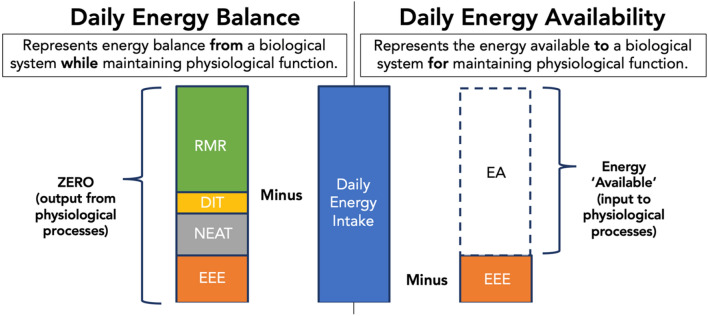
Energy availability (EA) is defined as the amount of dietary energy available to sustain physiological function after subtracting the energetic cost of exercise. Insufficient EA due to increased exercise, reduced energy intake, or a combination of both, is a potent disruptor of the endocrine milieu. As such, EA is conceived as a key etiological factor underlying a plethora of physiological dysregulations described in the female athlete triad, its male counterpart and the Relative Energy Deficiency in Sport models. Originally developed upon female-specific physiological responses, this concept has recently been extended to males, where experimental evidence is limited. The majority of data for all these models are from cross-sectional or observational studies where hypothesized chronic low energy availability (LEA) is linked to physiological maladaptation. However, the body of evidence determining causal effects of LEA on endocrine, and physiological function through prospective studies manipulating EA is comparatively small, with interventions typically lasting ≤ 5 days. Extending laboratory-based findings to the field requires recognition of the strengths and limitations of current knowledge. To aid this, this review will: (1) provide a brief historical overview of the origin of the concept in mammalian ecology through its evolution of algebraic calculations used in humans today, (2) Outline key differences from the ‘energy balance’ concept, (3) summarise and critically evaluate the effects of LEA on tissues/systems for which we now have evidence, namely: hormonal milieu, reproductive system endocrinology, bone metabolism and skeletal muscle; and finally (4) provide perspectives and suggestions for research upon identified knowledge gaps.
Overview
The claims and statistics of this paper haven’t been checked yet.
Free: it reads the open-access text and checks the first 5 claims that cite a source we can check. Create a free account to check every claim.
Integrity signals
Registry
Cites
Statistics
Figures
Verification
Claims the paper makes
The claims and statistics of this paper haven’t been checked yet.
Free: it reads the open-access text and checks the first 5 claims that cite a source we can check. Create a free account to check every claim.
Claims other papers make about this one
Each is checked against this paper’s own text: does it say what the citing paper says it does?
The source backs part of the claim, not all of it — or backs it for a different population, condition or comparison.
In the citing paper
“It is widely accepted that sufficient energy is crucial for training consistency, particularly during intensified periods, as prolonged energy restriction can lead to impaired physiological function, maladaptation to prescribed training, and an increased risk of fatigue, illness, and injury [61,64,114–116].”
From International society of sports nutrition position stand: nutritional concerns of the female athlete (2023) · cites this paper as [115]
Experimental — accuracy not yet measuredThe source backs part of the claim, not all of it — or backs it for a different population, condition or comparison.
In the citing paper
“Briefly, the known consequences of LEA cause a myriad of complications, which include reproductive dysfunction and impairments to skeletal, cardiovascular, gastrointestinal, endocrine, and neurological function [113,115,127,128].”
From International society of sports nutrition position stand: nutritional concerns of the female athlete (2023) · cites this paper as [115]
Experimental — accuracy not yet measuredThe source backs part of the claim, not all of it — or backs it for a different population, condition or comparison.
In the citing paper
“Many forms of performance pressure contribute to scenarios that either, intentionally or unintentionally, alter energy intake (EI) and exercise energy expenditure (EEE), resulting in low energy availability (LEA).”
From 2023 international olympic committee's (IOC) consensus statement on relative energy deficiency in sport (REDs) (2023) · cites this paper as [3]
Experimental — accuracy not yet measuredThe source backs part of the claim, not all of it — or backs it for a different population, condition or comparison.
In the citing paper
“In the real world, athletes experience exposure to LEA (purposefully or inadvertently) in various manners along the continuum from adaptable to problematic.”
From 2023 international olympic committee's (IOC) consensus statement on relative energy deficiency in sport (REDs) (2023) · cites this paper as [3]
Experimental — accuracy not yet measuredIn the citing paper
“Short term studies in exercising females provide direct evidence of disruption of the hypothalamic pituitary ovarian (HPO) axis hormones luteinizing hormone (pulsatility) and follicle stimulating hormone, but not oestrogen with LEA [30, 67].”
From Does relative energy deficiency in sport (REDs) syndrome exist? (2024) · cites this paper as [30]
2 more claims about this paper
Create a free account to see every claim other papers make about this one.
Self-check
Percentages, sums and reported differences re-computed from the paper’s own numbers.
The self-check needs the paper’s full text.
Citations
Cites
(1985) · Europe PMC (PubMed Central) · Cited by 9,143
Serum Immunoreactive-Leptin Concentrations in Normal-Weight and Obese Humans
Considine, R. V., Sinha, M. K., Heiman, M. L., Kriauciunas, A., Stephens, T. W., Nyce, M. R., Ohannesian, J. P., Marco, C. C., McKee, L. J., Bauer, T. L., et al. (1996) · New England Journal of Medicine · doi:10.1056/nejm199602013340503 · Cited by 6,326 · cited 1×
“Despite leptin’s secretion from adipose tissue and its close correlation with fat mass (Considine et al. 1996), a fall in circulating leptin occurs early during food deprivation, well before there are measurable changes in fat mass (Kolaczynski et al.”
BackgroundThyroid Hormone Regulation of Metabolism
Mullur, R., Liu, Y.-Y., & Brent, G. A. (2014) · Physiological Reviews · doi:10.1152/physrev.00030.2013 · Cited by 2,421 · cited 1×
“Thyroid hormones influence key metabolic pathways related to the control of energy balance, and regulate metabolism through acting in the brain, white fat, brown fat, skeletal muscle and pancreas (Mullur et al. 2014) likely through a profound effect on mitochondrial metabolism (Lanni et al.”
BackgroundDiet, muscle glycogen and physical performance.
Bergström, J., Hermansen, L., Hultman, E., & Saltin, B. (1967) · Acta Physiologica Scandinavica · doi:10.1111/j.1748-1716.1967.tb03720.x · Cited by 1,740 · cited 1×
“1 3 high training load and low-carbohydrate availability, rather than energy availability itself (Areta and Hopkins 2018; Bergström et al. 1967; Olsson and Saltin 1970).”
Background(2007) · Medicine & Science in Sports & Exercise · doi:10.1249/mss.0b013e318149f111 · Cited by 1,554
Mountjoy, M., Sundgot-Borgen, J., Burke, L., Carter, S., Constantini, N., Lebrun, C., Meyer, N., Sherman, R., Steffen, K., Budgett, R., et al. (2014) · British Journal of Sports Medicine · doi:10.1136/bjsports-2014-093502 · Cited by 1,469 · cited 1×
“Lying at their core is the concept of energy availability (EA), a concept that provides a single numerical value that is thought as the aetiological factor of a broad range of hormonal, metabolic and physiological dysregulations triggered by energy deficiency (De Souza et al. 2014, 2019b; Mountjoy et al. 2014).”
BackgroundMammalian reproductive biology
(1990) · Choice Reviews Online · doi:10.5860/choice.28-0283 · Cited by 1,044
Leptin: a review of its peripheral actions and interactions
Margetic, S., Gazzola, C., Pegg, G., & Hill, R. (2002) · International Journal of Obesity · doi:10.1038/sj.ijo.0802142 · Cited by 1,005 · cited 1×
“1 3 and intake through hypothalamic control and peripheral tissue metabolism exerting an important top-down regulation of the neuroendocrine axes (Blüher and Mantzoros, 2009; Margetic et al. 2002).”
BackgroundRole of Nonexercise Activity Thermogenesis in Resistance to Fat Gain in Humans
Levine, J. A., Eberhardt, N. L., & Jensen, M. D. (1999) · Science · doi:10.1126/science.283.5399.212 · Cited by 997 · cited 1×
“Second, since NEAT may vary in response to changes in energy balance (Levine et al. 1999; Müller and Bosy-Westphal 2013), it is also likely to be affected by EA.”
BackgroundBiology of RANK, RANKL, and osteoprotegerin
Boyce, B. F., & Xing, L. (2007) · Arthritis Research & Therapy · doi:10.1186/ar2165 · Cited by 957 · cited 2×
“However, bone resorption and formation, are not independent processes—as evidenced by the bone turnover regulation through the receptor activator of nuclear factor-κB ligand/osteoprotegerin pathway (Boyce and Xing, 2007)—, and mechanistic details regarding the modulatory effect of EA should be unravelled by future res…”
Background
Cited by
Items 101–200 of 270
Margolis, L. M., Allen, J. T., Murphy, N. E., Carrigan, C. T., Howard, E. E., Barney, D. E., Drummer, D. J., Michalak, J., Ferrando, A. A., Pasiakos, S. M., et al. (2025) · American Journal of Physiology-Endocrinology and Metabolism · doi:10.1152/ajpendo.00418.2024 · Cited by 7
Metabolic signature of short‐term low energy availability
Nußer, V., Murphy, C. A., Figueroa, S. H., Braunsperger, A., Ihalainen, J. K., Hulmi, J. J., Wasserfurth, P., & Koehler, K. (2025) · Physiological Reports · doi:10.14814/phy2.70582 · Cited by 6
“EA is defined as the dietary energy that remains for all physiological functions after subtracting exercise energy expenditure (EEE) from energy intake (EI) (Areta et al., 2021).”
Self-citationMartin, A., Hofmann, H., Drenowatz, C. J., Wallmann-Sperlich, B., Sperlich, B., & Koehler, K. (2021) · International Journal of Sport Nutrition and Exercise Metabolism · doi:10.1123/ijsnem.2021-0029 · Cited by 6
Self-citationChica-Latorre, S., Buechel, C., Pumpa, K. L., Etxebarria, N., & Minehan, M. (2022) · Journal of the International Society of Sports Nutrition · doi:10.1080/15502783.2022.2108333 · Cited by 6
Yamamoto, F. Y., Batista, L. A., Santos, M. P., Bedia, C., Lacorte, S., Cavalcante, R. M., Grassi, M. T., Abessa, D. M. D. S., & Tauler, R. (2025) · The Science of The Total Environment · doi:10.1016/j.scitotenv.2025.179158 · Cited by 5
Ferraris, C., Neri, L. D. C. L., Amoroso, A. P., Bosio, F., Fiorini, S., Guglielmetti, M., Nappi, R. E., & Tagliabue, A. (2025) · Journal of the International Society of Sports Nutrition · doi:10.1080/15502783.2025.2550317 · Cited by 6
“It is expressed as kcal/kg Fat-Free Mass/day and is mathematically defined as [4–6]: EA: Energy Availability (kcal ⋅ kg FFM ⋅ day −1 ) EI: Dietary energy Intake (kcal) EEE: Exercise Energy Expenditure (kcal) FFM: Fat-Free Mass (kg) Fundamental research on EA in habitually sedentary women has…”
Wilson, P. B. (2025) · Sports Medicine · doi:10.1007/s40279-025-02372-6 · Cited by 7
“Low energy availability, which is characterized by a lack of energy intake needed to sustain physiological functions outside of exercise [52], affects a substantial number of endurance athletes, including professional cyclists [53].”
Burke, L. M., Gonzalez, J. T., Areta, J. L., Kuikman, M. A., Coates, A. M., Bailey, D. M., Moran, J., & Dolan, E. (2026) · International Journal of Sport Nutrition and Exercise Metabolism · doi:10.1123/ijsnem.2025-0255 · Cited by 7
Self-citationAristizábal, M. M. D. C. N., & Claros, J. A. V. (2025) · Retos · doi:10.47197/retos.v68.115402 · Cited by 5
Castellanos-Mendoza, M. C., Galloway, S. D. R., & Witard, O. C. (2023) · Frontiers in Sports and Active Living · doi:10.3389/fspor.2023.1279534 · Cited by 5
Wilson, L. A., Jones, B. L., Backhouse, S. H., Boyd, A. J., Hamby, C., Menzies, F. A., Owen, C., Ramírez‐López, C., Roe, S., Samuels, B., et al. (2024) · Applied Physiology, Nutrition, and Metabolism · doi:10.1139/apnm-2023-0596 · Cited by 5
Study on the correlation between energy availability and subclinical menstrual disorders
Bingzheng, Z., Zhuo, J., Qihao, W., & Bai, L. (2024) · Frontiers in Nutrition · doi:10.3389/fnut.2024.1479254 · Cited by 4
Smulligan, K. L., Armento, A. M., Brna, M. L., Meehan, W. P., III, Wilson, J. C., & Howell, D. R. (2025) · Orthopaedic Journal of Sports Medicine · doi:10.1177/23259671251380877 · Cited by 4
“3,16,28,36 A mismatch between energy intake and exercise energy expenditure results in low-energy availability (LEA), a state characterized by inadequate energy to support basic physiologic functions and maintain homeostasis and optimal health.”
InfluentialLow Energy Availability Prevalence, Dietary Habits, and Sleep in Female Army ROTC Cadets
Eberhardt, H. K., Willingham, B. D., Brisebois, M. F., & Saracino, P. G. (2025) · International journal of exercise science · doi:10.70252/vrdk5031 · Cited by 6
“29 In this model, greater LEA load (i.e., greater magnitude and/or duration of LEA) is theorized to result in greater detriment to physiological function.”
Billingham, T., Comyns, T., Norton, C., Warrington, G., Sweeney, G., Purtill, H., & Kenny, I. (2025) · Journal of Science and Medicine in Sport · doi:10.1016/j.jsams.2025.10.011 · Cited by 4
Energy, carbohydrates and fats in clinical sports nutrition
Kozjek, A. K., Knap, K., Tonin, G., Kozjek, N. R., & Gleeson, M. (2026) · Clinical Nutrition ESPEN · doi:10.1016/j.clnesp.2025.102900 · Cited by 4
Rethinking Energy Availability from Conceptual Models to Applied Practice: A Narrative Review
Espinar, S., Sánchez-Fernández, M. A., Martín-Olmedo, J. J., Rueda-Córdoba, M., & Jurado‐Fasoli, L. (2026) · Nutrients · doi:10.3390/nu18030379 · Cited by 4
“LEA is typically defined as an EA 30 kcal/kg FFM/day, a threshold below which compensatory endocrine and metabolic adaptations may occur [7,11].”
Hardaker, N. J., King, D. A., Hume, P. A., Stewart, T. I., Sims, S. T., Basu, I., Shilton, B., & Selfe, J. (2024) · BMC Neurology · doi:10.1186/s12883-024-03653-9 · Cited by 4
“…in exercise and results in inadequate energy to support the functions required by the body to maintain optimal health; prolonged LEA is a clinical concern that disproportionately affects females, can disrupt endocrine function [29, 30] and presents with a similar set of symptoms to concussion.”
BackgroundThe risk of low energy availability among athlete females in Saudi Arabia: a cross-sectional study
Khatib, M., Aljaaly, E., Hafiz, M., Alamri, A., & AlZahrani, W. M. (2024) · Frontiers in Public Health · doi:10.3389/fpubh.2024.1411724 · Cited by 3
Training and Injury Considerations in Female-Identifying Cyclists
Kotler, D. H., Rice, S., Katz, N. B., Gomes, N. K., Holliday, W., Zunti, K., & Moore, J. (2023) · Journal of Women s Sports Medicine · doi:10.53646/jwsm.v3i2.45 · Cited by 4
LEHMANN, L., GIACOMONI, M., MASO, F., COLARD, J., MARGARITIS, I., & DUCHÉ, P. (2025) · The Journal of Sports Medicine and Physical Fitness · doi:10.23736/s0022-4707.24.16183-x · Cited by 3
The role of nutrition in the prevention of bone metabolism disturbances in high performance sports
Nikitina, K. I., Стрельникова, Т. В., Vykhodets, I. Т., Абрамова, Т. Ф., & Михайловна, Н. Т. (2025) · Voprosy Pitaniya · doi:10.33029/0042-8833-2025-94-1-21-36 · Cited by 3
Hardaker, N. J., Hume, P. A., Sims, S. T., Stewart, T. I., & King, D. A. (2025) · Experimental Physiology · doi:10.1113/ep092542 · Cited by 3
“LEA is prevalent in 45% of active females (Slateretal.,2016)andisknowntodisrupthormones,andtheseeffects can occur in as little as 4 days (Areta et al., 2020).”
Rib Bone Stress Injuries: A Narrative Review with Protocol for Rehabilitation and Prevention
Schwanz, K. L., Karnovsky, S. C., Malafronte, J., Borg‐Stein, J., Tenforde, A. S., & McInnis, K. C. (2025) · Current Sports Medicine Reports · doi:10.1249/jsr.0000000000001256 · Cited by 3
Grompanopoulou, A., Kypraiou, A., Milosis, D. C., Chourdakis, M. G., & Petridou, A. (2026) · Nutrients · doi:10.3390/nu18030519 · Cited by 3
“Importantly, when EI was not adjusted for underreporting, EB was negative and most participants exhibited EA values slightly below the proposed adequate reference value for sedentary and recreationally active adults [1,2].”
Assessment of entropy accumulation in human subjects when exposed to low energy availability
Yıldız, C., Köhler, K., Wasserfurth, P., & Özilgen, M. (2024) · Heliyon · doi:10.1016/j.heliyon.2024.e36792 · Cited by 3
“EA can be determined by subtracting the exercise energy expenditure (EEE) from the dietary energy intake (EI) as a function of FFM [3].”
BackgroundEffects of low energy availability on performance in male athletes: A scoping review
Hänisch, T., Niess, A. M., & Carlsohn, A. (2024) · Journal of science and medicine in sport · doi:10.1016/j.jsams.2024.10.008 · Cited by 4
Mikkonen, R., Hackney, A. C., Hulmi, J. J., Isola, V., Ahtiainen, J. P., & Ihalainen, J. K. (2025) · European Journal of Sport Science · doi:10.1002/ejsc.70076 · Cited by 3
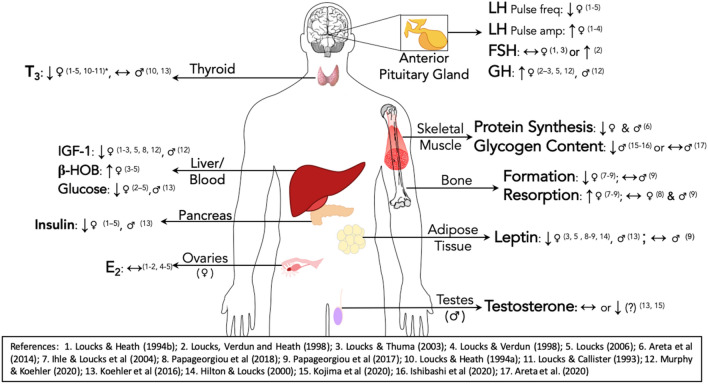
“…estrogen, and testosterone whereas a decrease in thyroid hormones (e.g., T3), leptin, IGF‐1, and insulin and an increase in cortisol, growth hormone, and ghrelin have been reported (Elliott‐Sale et al. 2018; Ackerman and Misra 2018; Dipla et al. 2020; Areta et al. 2020; Ihalainen et al. 2024).”
Two vs. One Resistance Exercise Sessions in One Day: Acute Effects on Recovery and Performance
Bartolomei, S., Lanzoni, I. M., & Michele, R. D. (2022) · Research Quarterly for Exercise and Sport · doi:10.1080/02701367.2021.1939848 · Cited by 3
Energy Expenditure of Elite Male and Female Professional Tennis Players During Habitual Training
Ellis, D. G., Morton, J. P., Close, G. L., & Donovan, T. F. (2024) · International Journal of Sport Nutrition and Exercise Metabolism · doi:10.1123/ijsnem.2023-0197 · Cited by 3
Goldenstein, S. J., Shriver, L. H., & Wideman, L. (2025) · Journal of Women s Health · doi:10.1089/jwh.2024.0855 · Cited by 5
Salamunes, A. C. C., Mallinson, R. J., Souza, M. J. D., Ricker, E. A., Allaway, H. C. M., & Williams, N. I. (2025) · Medicine & Science in Sports & Exercise · doi:10.1249/mss.0000000000003877 · Cited by 4
Influence of professional sports activities on bone mineral density (literature review)
Nikitina, K. I., Vykhodets, I. Т., Абрамова, Т. Ф., & Михайловна, Н. Т. (2024) · Russian Osteopathic Journal · doi:10.32885/2220-0975-2024-1-106-117 · Cited by 2
Male Endurance Athletes: Examination of Energy and Carbohydrate Availability and Hormone Responses
Moore, E. M., Drenowatz, C. J., Williams, B. T., Brodrick, T. C., Stodden, D. F., & Torres-McGehee, T. M. (2024) · Nutrients · doi:10.3390/nu16213729 · Cited by 3
Tarocchi, M., Pellegrino, A., Skroče, K., Zignoli, A., Cavadini, L. C., Bodini, C., Pagliai, G., Toncelli, L., Stefani, L., Vanni, S., et al. (2024) · Nutrients · doi:10.3390/nu16223824 · Cited by 2
“Energy availability (EA) was calculated as [20,21]: The FFM and body composition were estimated using bioelectrical impedance analysis (BIA).”
The Modern Concepts of Energy Balance and Energy Availability in Sports
Андреевна, Б. Е., & Lyudinina, A. Y. (2024) · Human Physiology · doi:10.1134/s0362119724701111 · Cited by 2
“This endocrine pattern carries the risk of weight gain due to malnutrition, and reaching a zero EB does not mean the achievement of a healthy metabolic balance [52].”
InfluentialBartnik, K., Winkowska, A., Pokrzepa, J. J., Blecharz, G., Szwech, J., Jankowska, M., Hosiawa, K., Siewielec, A., Mędrysa, K., & Chlubek, A. (2025) · Quality in Sport · doi:10.12775/qs.2025.42.60657 · Cited by 2
Knowledge Gaps, Sleep Disturbances, and Energy Imbalance Among Female Field Hockey Players
Puchalt-Urbano, X., García, A. C., Huertas, J. R., Sánchez-Oliver, A. J., Torre, C. L.-D. L., Aguilar-Aguilar, E., López‐Soto, P. J., Luque, R. M., & Ordóñez, F. M. (2025) · Nutrients · doi:10.3390/nu17243934 · Cited by 3
“Furthermore, these dietary deficiencies affect bone health by reducing bone mineral density and increasing the risk of stress fractures [74,75].”
Williamson, J. (2025) · Performance Enhancement & Health · doi:10.1016/j.peh.2025.100364 · Cited by 2
Woronyczová, J., Nováková, M., Gerych, D., Jurková, K., Oberman, Č., Bolek, E., Pilny, J., & Vítek, L. (2026) · Frontiers in Sports and Active Living · doi:10.3389/fspor.2026.1663582 · Cited by 2
“Long-term pathophysiological sequelae of LEA can be enormous, with a profound impact on the human body, health, and physical performance (2).”
McDonald, C. V., McSorley, E. M., McNeilly, A., & Magee, P. J. (2026) · Nutrition Reviews · doi:10.1093/nutrit/nuag042 · Cited by 3
Fraile‐Μartinez, O., Boaru, D. L., Castro-Martinez, P. D., Ortega, M. A., & García-Montero, C. (2026) · Nutrients · doi:10.3390/nu18101502 · Cited by 2
Ghazzawi, H., Khataybeh, B., Aqaili, R. A., Alnimer, L., Omoush, R. M., & Ali, H. A. (2026) · Frontiers in Sports and Active Living · doi:10.3389/fspor.2026.1776533 · Cited by 2
“LEA disrupts metabolic efficiency and endocrine regulation, which suppresses RMS, changes lipid profiles, and increases cortisol responses (174, 175).”
Hansen, S., Lichtenstein, M. B., Johansen, K. K., & Støving, R. K. (2022) · Frontiers in Sports and Active Living · doi:10.3389/fspor.2022.1021442 · Cited by 2
Surfboard riders are at risk of low energy availability – A pilot study
Baker, M., Magee, P. J., & Williamson, J. (2023) · Nutrition and Health · doi:10.1177/02601060231204927 · Cited by 2
“Low energy availability (LEA) ( 30kcal/kg of fat-free mass (FFM)) describes the failure to meet energy requirements to support all human physiological functions independent of exercise (Areta et al., 2021).”
Sharples, A., BUCHANAN, T. D., GOUGH, L., Black, A. D., & Black, K. E. (2024) · The Journal of Sports Medicine and Physical Fitness · doi:10.23736/s0022-4707.24.15600-9 · Cited by 3
Tazabek, Y., Zhunusbekov, Z., Avsiyevich, V., Belegova, A., & Yermenova, B. (2024) · Retos · doi:10.47197/retos.v59.105688 · Cited by 2
“According to average anatomical parameters presented by Areta et al. (2021), the musculoskeletal system in female athletes is smaller and shorter, the pelvis is wider, and the shoulder girdle is wider.”
BackgroundAn In-Depth Assessment of Dietary Methods and Nutritional Treatments to Improve Female Athletes
Reyed, R. M., & Prabhakar, P. K. (2024) · Advances in medical diagnosis, treatment, and care (AMDTC) book series · doi:10.4018/979-8-3693-6317-1.ch002 · Cited by 2
Гаврилова, Е. А., Анатольевич, Ч. О., Pavlova, O. Y., Владимировна, Б. Е., Rasskazova, A. V., Gorkin, M. V., Sarkisov, A. K., Didora, A. B., & Shitova, V. I. (2024) · Human Physiology · doi:10.1134/s036211972470110x · Cited by 2
“…long gone beyond the framework of the “athlete’s triad,” is closely associated with a decrease in performance and athletic results [21, 31– 34, 36, 40, 41, 43, 44], with cardiovascular [21, 30–34, 36, 43, 45, 50, 51] and immune disorders [33, 36, 41, 43–45, 50, 51, 58] and, when it develops, is…”
Lee, S., Moto, K., Oh, T., & Taguchi, M. (2022) · Physical Activity and Nutrition · doi:10.20463/pan.2022.0015 · Cited by 2
Lizcano, D. L., Polo, K. D. F., & Contreras, A. M. M. (2024) · Pensar en Movimiento Revista de Ciencias del Ejercicio y la Salud · doi:10.15517/pensarmov.v22i2.59286 · Cited by 3
Assessment of Nutritional Status and Energy Availability of Indian Boxers
Rathod, N., & Chandorkar, S. (2024) · Cureus · doi:10.7759/cureus.63730 · Cited by 2
“EA is defined as the amount of dietary energy available to sustain physiological function after subtracting the exercise energy expenditure [3].”
BackgroundГаврилова, Е. А., Анатольевич, Ч. О., Pavlova, O. Y., Владимировна, Б. Е., Rasskazova, A. V., Gorkin, M. V., Sarkisov, A. K., Didora, A. B., & Shitova, V. I. (2024) · Human Physiology · doi:10.31857/s0131164624060095 · Cited by 1
Rudin, R., Harris, L., White, H. S. F., & Hammond, L. E. (2025) · JSAMS Plus · doi:10.1016/j.jsampl.2024.100085 · Cited by 3
Quaresma, M. V. L. D. S., dos Santos, C. P., Becaro, B., Alvares, L. A. M., Ferreira, R. E. S., dos Santos, R. V. T., & Nakamoto, F. P. (2025) · Human Nutrition & Metabolism · doi:10.1016/j.hnm.2025.200311 · Cited by 2
Hematological and iron status in female elite athlete players in Albania
Xhufi, S., & Bozo, D. (2025) · Retos · doi:10.47197/retos.v71.116034 · Cited by 1
Chesters, R. L., Soundy, A., & Wallis, G. (2025) · Performance Nutrition · doi:10.1186/s44410-025-00010-w
“…resultant state of insufficient dietary energy intake (EI) relative to exercise energy expenditure (EEE; EEE calculated by subtracting non-exercise energy expenditure including resting metabolic rate and non-exercise activity energy expenditure from total or gross exercise energy expenditure [3]).”
Multifactorial Patterns of Low Performance Development in German Elite Athletes
Wiedenbrüg, K., Roffler, A., Reichert, L., Mutz, M., Zentgraf, K., & Krüger, K. (2025) · Translational Sports Medicine · doi:10.1155/tsm2/8421509 · Cited by 1
Lempke, A. F. D., Smulligan, K. L., Desai, G. A., Hagan, K. E., Oldham, J. R., Islam, L. Z., & Whitney, K. E. (2025) · British Journal of Sports Medicine · doi:10.1136/bjsports-2025-110096 · Cited by 1
RMR and RMR ratio are not related to energy availability in elite and pre-elite athletes
Espinar, S., Martín-Olmedo, J. J., Rueda-Córdoba, M., Prado‐Nóvoa, O., Contreras, C., Sanz, J. M. M., & Jurado‐Fasoli, L. (2025) · Applied Physiology, Nutrition, and Metabolism · doi:10.1139/apnm-2025-0200 · Cited by 1
A influência da ansiedade e do autojulgamento no surgimento de transtornos alimentares em atletas
Leite, B. R. D. P., & Santos, A. C. D. C. P. (2025) · Research Society and Development · doi:10.33448/rsd-v14i11.50058 · Cited by 1
Xiang, X., Ruan, Y., Feng, S., Bin, W., Lan, B., Daud, D. M. A., Pare, R. B., Palasuberniam, P., Huang, J., Liu, H., et al. (2026) · Free Radical Biology and Medicine · doi:10.1016/j.freeradbiomed.2026.06.053 · Cited by 1
Visconti, L. M., Givens, A. C., Palombo, L. J., Niederberger, B. A., Kloss, E. B., Bennett, D. W., Turcotte, L. P., & Kelly, K. R. (2026) · Physiological Reports · doi:10.14814/phy2.71007 · Cited by 1
“…the context of Relative Energy Deficiency in Sport (RED-S), which is a multifactorial syndrome characterized by symptoms such as endocrine disruption, heightened injury risk, and compromised performance in athletic populations (Areta et al., 2020; Logue et al., 2020; Wasserfurth et al., 2020).”
Liu, Z.-Y., Lee, W. S., Sohi, S. K., Tan, X.-R., & Huang, L. (2026) · Sports · doi:10.3390/sports14080319 · Cited by 1
“Low energy availability (LEA) is characterised by insufficient residual energy available to support normal physiological processes [2,3].”
InfluentialCizlerová, N., & Hlinský, T. (2026) · Frontiers in Public Health · doi:10.3389/fpubh.2026.1868398 · Cited by 1
Strock, N. C. A., Koltun, K., & Ricker, E. A. (2021) · International Journal of Sport Nutrition & Exercise Metabolism · doi:10.1123/ijsnem.2021-0084 · Cited by 1
“(Areta et al., 2021; Burke et al., 2018), it is equally important to discuss how the EA threshold of 30 kcal·kg FFM·day, established under laboratory-controlled conditions and applied to luteinizing hormone pulsatility (Loucks & Thuma, 2003; Loucks et al.”
BackgroundInfluentialGoeckenjan, M., Gabrys, M., & Haußmann, J. (2024) · Die Gynäkologie · doi:10.1007/s00129-023-05184-9 · Cited by 1
The Concept and Physiological Consequences of Energy Deficiency in Sports Nutrition
Taguchi, M., & Moto, K. (2024) · The Japanese Journal of Nutrition and Dietetics · doi:10.5264/eiyogakuzashi.82.3 · Cited by 1
Downey, A. E., Kapphahn, C. J., Gorrell, S., Vendlinski, S. S., Cheng, J., Grange, D. L., Accurso, E. C., Buckelew, S. M., Kreiter, A. A., Marsal, B., et al. (2025) · Journal of Adolescent Health · doi:10.1016/j.jadohealth.2024.11.245 · Cited by 1
Sleep, Dietary Patterns, and Energy Availability Status in Adolescent Female Artistic Gymnasts
K. Eberhardt, H., J. Ormsbee, M., & G. Saracino, P. (2026) · International Journal of Exercise Science · doi:10.70252/ijes2026218
Figueroa, Y. L., & PERRY, A. C. (2023) · International Journal of Strength and Conditioning · doi:10.47206/ijsc.v3i1.144
Alcohol and pregnancy (2). Fact sheet F
Plant, M. L. (1986) · UWE Research Repository (UWE Bristol)
Geschlechtsbezogene Aspekte im Sport
Platen, P., Ferrari, N., & Joisten, C. (2023) · Springer eBooks · doi:10.1007/978-3-662-62496-8_24
2023 NSCA National Conference Abstracts
(2023) · The Journal of Strength and Conditioning Research · doi:10.1519/jsc.0000000000004684
Nutrition Periodization in Recreational Endurance Athletes During Training Camp – Case study
Kumstát, M., & Hlinský, T. (2024) · Studia sportiva · doi:10.5817/sts2023-2-2
Almer, L., Horálek, J., & Sobĕslav, V. (2024) · Lecture notes in computer science · doi:10.1007/978-981-97-4677-4_9
Health problems among women in sports: The Female Athlete Triad
Karkos, P., Kuśmierczyk, K., Jurga, M., Jurga, K., Grodziński, B., Sztemberg, E., Gruszczyńska, H., Grzelka, M., Głoskowska, J., & Kuleta, K. (2024) · Quality in Sport · doi:10.12775/qs.2024.18.53927
“…is calculated as dietary energy intake minus exercise energy expenditure divided by an individual’s lean body mass. Inadequate energy availability whether caused by undernourishment, excessive energy expense, or a combination of both is a strong disruptive factor for endocrine homeostasis [19].”
BackgroundInfluentialSindrom relativnega energijskega pomanjkanja pri športu med mladostnik
Kozjek, A. K., Kozjek, N. R., & Tonin, G. (2024) · doi:10.18690/um.mf.4.2024.10
Wybrane zagadnienia z zakresu bromatologii, t. 4
Babicz, M., & Kropiwiec-Domańska, K. (2024) · doi:10.24326/mon.2024.10
The Modern Concepts of Energy Balance and Energy Availability in Sports
Андреевна, Б. Е., & Lyudinina, A. Y. (2024) · Human Physiology · doi:10.31857/s0131164624060101
Diet and Training Strategies to Optimize Health Parameters
(2025) · Frontiers research topics · doi:10.3389/978-2-8325-6031-0
Problematische Essmuster bei Sportlerinnen
Osterkamp-Baerens, C. (2025) · Ernährung & Medizin · doi:10.1055/a-2523-1571
Ogawa, S., Hasegawa, T., & Yoshihara, T. (2025) · 体力科學 · doi:10.7600/jspfsm.74.155
A SÍNDROME DA DEFICIÊNCIA DE ENERGIA EM MULHERES CORREDORAS DE RUA: UMA REVISÃO DE LITERATURA
Barbosa, E. H., Santos, J. N. D. A., do Nascimento, L. F., & Damasceno, H. A. M. (2025) · Revista Contemporânea · doi:10.56083/rcv5n6-105
Reproductive Physiology and Maternal-Fetal Food Safety
Maqsood, S., Arshad, M. T., Khalid, W., & Bibi, A. (2025) · Springer eBooks · doi:10.1007/978-3-031-94582-3_6
Pope, L., Roche, D. M., Marshall, Z. A., Alwan, N., & Webb, R. J. (2025) · Women in Sport and Physical Activity Journal · doi:10.1123/wspaj.2024-0115 · Cited by 1
Running on empty: Female athletes’ health and performance at risk from not eating enough
McKendry, J., & Oxfeldt, M. (2023) · The Conversation · doi:10.64628/aam.h5n3newqq
Oosthuyse, T., Bownes, N., Wiemers, L., & Bosch, A. N. (2025) · The Journal of Strength and Conditioning Research · doi:10.1519/jsc.0000000000005212 · Cited by 1
Smith, M. A., Flora, J., Kent, K., Long, J., Zhong, Y., Roberts, A. K., Snyder, M. P., & Kraus, E. (2025) · medRxiv · doi:10.1101/2025.09.08.25335357
Relative Energy Deficiency in Sport
Caldwell, M., Watson, C., & Giambra, L. (2025) · Clinics in Sports Medicine · doi:10.1016/j.csm.2025.09.006
Woelffer, L. A. (2023) · Carolina Digital Repository (University of North Carolina at Chapel Hill) · doi:10.17615/508c-8v95
Bacon, C. N. (2024) · Carolina Digital Repository (University of North Carolina at Chapel Hill) · doi:10.17615/a36v-0904 · Cited by 1
Sindrom relativnega energijskega primanjkljaja pri mladih slovenskih športnikih
Peklaj, E. (2024) · Repository of the University of Ljubljana (University of Ljubljana)
Efektivitas Metode Latihan Drill dan Strokes Terhadap Kemampuan Smash Atlet PB. Jambi Raya
arfiani, M. P. D. S. (2023) · ePrints - UNY (Yogyakarta State University)
Ravi, S. (2023) · Jyväskylä University Digital Archive (University of Jyväskylä) · Cited by 1
Lundh, S. O., & Gusmark, D. (2024) · DiVA (Linnaeus University)
Energy Availability and Injuries in Female Football Players
Elliott, D. (2023) · Theseus (Ammattikorkeakoulujen) · Cited by 1
Ruokolainen, J. (2023) · Jyväskylä University Digital Archive (University of Jyväskylä)
Matalan energiansaatavuuden ja kilpirauhashormonien yhteydet naisurheilijoilla
Virtanen, J. (2023) · Jyväskylä University Digital Archive (University of Jyväskylä)
Asplund, E., & Olofsson, H. (2023) · DiVA at Umeå University (Umeå University)
Metadata
- Authors
- Areta, J. L., Taylor, H. L., & Koehler, K.
- Affiliations
- Liverpool John Moores University (GB)
- Technical University of Munich (DE)
- Corresponding author
- Areta, José L.
- Venue
- European Journal of Applied Physiology
- Published
- 2020-10-23
- Volume
- 121
- Issue
- 1
- Pages
- 1-21
- ISSN
- 0020-9376 (ISSN-L)
- 1439-6319
- 1439-6327
- PMC
- PMC7815551
- OpenAlex
- W3094522798
- Semantic Scholar
- 2ebe38f409b6b75cd47af9c4207d56cbcd9ed59a
- Cited by
- 214
- References
- 110
- Citations by year
- 2026: 44 · 2025: 39 · 2024: 50 · 2023: 37 · 2022: 24 · 2021: 18 · 2020: 1
- FWCI
- 3.93
- Type
- journal article
- Language
- en
- Open access
- hybrid
- doi.org
- Licence
- cc-by
- creativecommons.org/licenses/by/4.0 (tdm)
- creativecommons.org/licenses/by/4.0 (vor)
- Locations
- European Journal of Applied Physiology (publishedVersion, cc-by)
- PubMed Central (publishedVersion, cc-by)
- PubMed (publishedVersion)
- Liverpool John Moores University (acceptedVersion)
- mediaTUM (Technical University of Munich) (submittedVersion, other-oa)
- mediaTUM – the media and publications repository of the Technical University Munich (Technical University Munich) (submittedVersion, cc-by)
- mediaTUM – the media and publications repository of the Technical University Munich (Technical University Munich) (submittedVersion, other-oa)
- Funders
- Liverpool John Moores University
- Topics
- Health Sciences › Medicine › Orthopedics and Sports Medicine › Sports Performance and Training
- Social Sciences › Psychology › Clinical Psychology › Eating Disorders and Behaviors
- Health Sciences › Medicine › Reproductive Medicine › Hypothalamic control of reproductive hormones
- Keywords
- low energy availability, energy balance, female athlete triad, relative energy deficiency in sport, energy cost of exercise, hormonal milieu, reproductive endocrinology, bone metabolism, skeletal muscle, caloric restriction
- MeSH terms
- Energy Intake, Energy Metabolism, Female, Humans, Hypothalamo-Hypophyseal System, Male, Sports Medicine, Exercise, Gonadal Hormones
About these checks
Registry, retraction, Cites and statistics results are computed, not judged, with one exception: a printed reference that no index lists is read once by a model before it counts as a citation error. Claims are extracted by a model and kept only when their quote appears verbatim in the text; each cited source is then checked, with a model’s help, for whether it says what the claim relies on. Those verdicts can be wrong — read the claim’s quote and the cited source before relying on one.
Statistics and arithmetic are recomputed, not judged.
Confidence bands are shown only for fields calibrated on our annotated test set. None is calibrated yet, so no band is shown.
What counts as a claim ›How we measure confidence ›How we check this ›
Are you an author, or do you see a problem with this page? Request a review
Data sources
Bibliographic data: Semantic Scholar, OpenAlex, Crossref.
Contains information from the Semantic Scholar Academic Graph Datasets, made available under the ODC Attribution License (ODC-BY 1.0).
Semantic Scholar’s data is described in: Kinney, R., et al. (2023). The Semantic Scholar Open Data Platform. arXiv:2301.10140.
