

Low energy availability: history, definition and evidence of its endocrine, metabolic and physiological effects in prospective studies in females and males
Open accessThe DOI matches its Crossref record; 110 of the 110 references it cites were found in a registry or an index.
Abstract
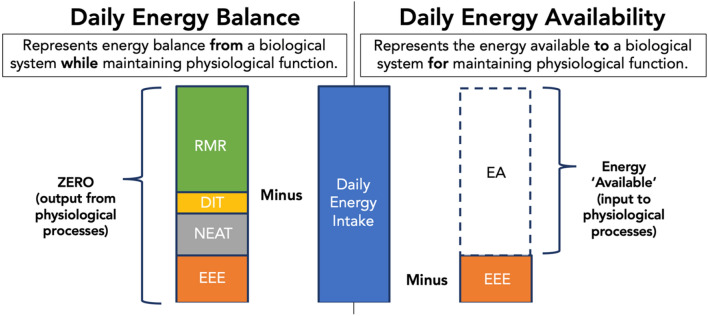
Energy availability (EA) is defined as the amount of dietary energy available to sustain physiological function after subtracting the energetic cost of exercise. Insufficient EA due to increased exercise, reduced energy intake, or a combination of both, is a potent disruptor of the endocrine milieu. As such, EA is conceived as a key etiological factor underlying a plethora of physiological dysregulations described in the female athlete triad, its male counterpart and the Relative Energy Deficiency in Sport models. Originally developed upon female-specific physiological responses, this concept has recently been extended to males, where experimental evidence is limited. The majority of data for all these models are from cross-sectional or observational studies where hypothesized chronic low energy availability (LEA) is linked to physiological maladaptation. However, the body of evidence determining causal effects of LEA on endocrine, and physiological function through prospective studies manipulating EA is comparatively small, with interventions typically lasting ≤ 5 days. Extending laboratory-based findings to the field requires recognition of the strengths and limitations of current knowledge. To aid this, this review will: (1) provide a brief historical overview of the origin of the concept in mammalian ecology through its evolution of algebraic calculations used in humans today, (2) Outline key differences from the ‘energy balance’ concept, (3) summarise and critically evaluate the effects of LEA on tissues/systems for which we now have evidence, namely: hormonal milieu, reproductive system endocrinology, bone metabolism and skeletal muscle; and finally (4) provide perspectives and suggestions for research upon identified knowledge gaps.
Overview
The claims and statistics of this paper haven’t been checked yet.
Free: it reads the open-access text and checks the first 5 claims that cite a source we can check. Create a free account to check every claim.
Integrity signals
Registry
Cites
Statistics
Figures
Verification
Claims the paper makes
The claims and statistics of this paper haven’t been checked yet.
Free: it reads the open-access text and checks the first 5 claims that cite a source we can check. Create a free account to check every claim.
Claims other papers make about this one
Each is checked against this paper’s own text: does it say what the citing paper says it does?
The source backs part of the claim, not all of it — or backs it for a different population, condition or comparison.
In the citing paper
“It is widely accepted that sufficient energy is crucial for training consistency, particularly during intensified periods, as prolonged energy restriction can lead to impaired physiological function, maladaptation to prescribed training, and an increased risk of fatigue, illness, and injury [61,64,114–116].”
From International society of sports nutrition position stand: nutritional concerns of the female athlete (2023) · cites this paper as [115]
Experimental — accuracy not yet measuredThe source backs part of the claim, not all of it — or backs it for a different population, condition or comparison.
In the citing paper
“Briefly, the known consequences of LEA cause a myriad of complications, which include reproductive dysfunction and impairments to skeletal, cardiovascular, gastrointestinal, endocrine, and neurological function [113,115,127,128].”
From International society of sports nutrition position stand: nutritional concerns of the female athlete (2023) · cites this paper as [115]
Experimental — accuracy not yet measuredThe source backs part of the claim, not all of it — or backs it for a different population, condition or comparison.
In the citing paper
“Many forms of performance pressure contribute to scenarios that either, intentionally or unintentionally, alter energy intake (EI) and exercise energy expenditure (EEE), resulting in low energy availability (LEA).”
From 2023 international olympic committee's (IOC) consensus statement on relative energy deficiency in sport (REDs) (2023) · cites this paper as [3]
Experimental — accuracy not yet measuredThe source backs part of the claim, not all of it — or backs it for a different population, condition or comparison.
In the citing paper
“In the real world, athletes experience exposure to LEA (purposefully or inadvertently) in various manners along the continuum from adaptable to problematic.”
From 2023 international olympic committee's (IOC) consensus statement on relative energy deficiency in sport (REDs) (2023) · cites this paper as [3]
Experimental — accuracy not yet measuredIn the citing paper
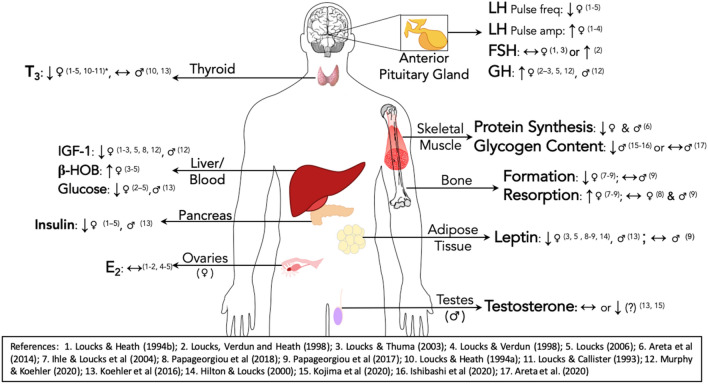
“Short term studies in exercising females provide direct evidence of disruption of the hypothalamic pituitary ovarian (HPO) axis hormones luteinizing hormone (pulsatility) and follicle stimulating hormone, but not oestrogen with LEA [30, 67].”
From Does relative energy deficiency in sport (REDs) syndrome exist? (2024) · cites this paper as [30]
2 more claims about this paper
Create a free account to see every claim other papers make about this one.
Self-check
Percentages, sums and reported differences re-computed from the paper’s own numbers.
The self-check needs the paper’s full text.
Citations
Cites
(1985) · Europe PMC (PubMed Central) · Cited by 9,143
Serum Immunoreactive-Leptin Concentrations in Normal-Weight and Obese Humans
Considine, R. V., Sinha, M. K., Heiman, M. L., Kriauciunas, A., Stephens, T. W., Nyce, M. R., Ohannesian, J. P., Marco, C. C., McKee, L. J., Bauer, T. L., et al. (1996) · New England Journal of Medicine · doi:10.1056/nejm199602013340503 · Cited by 6,326 · cited 1×
“Despite leptin’s secretion from adipose tissue and its close correlation with fat mass (Considine et al. 1996), a fall in circulating leptin occurs early during food deprivation, well before there are measurable changes in fat mass (Kolaczynski et al.”
BackgroundThyroid Hormone Regulation of Metabolism
Mullur, R., Liu, Y.-Y., & Brent, G. A. (2014) · Physiological Reviews · doi:10.1152/physrev.00030.2013 · Cited by 2,421 · cited 1×
“Thyroid hormones influence key metabolic pathways related to the control of energy balance, and regulate metabolism through acting in the brain, white fat, brown fat, skeletal muscle and pancreas (Mullur et al. 2014) likely through a profound effect on mitochondrial metabolism (Lanni et al.”
BackgroundDiet, muscle glycogen and physical performance.
Bergström, J., Hermansen, L., Hultman, E., & Saltin, B. (1967) · Acta Physiologica Scandinavica · doi:10.1111/j.1748-1716.1967.tb03720.x · Cited by 1,740 · cited 1×
“1 3 high training load and low-carbohydrate availability, rather than energy availability itself (Areta and Hopkins 2018; Bergström et al. 1967; Olsson and Saltin 1970).”
Background(2007) · Medicine & Science in Sports & Exercise · doi:10.1249/mss.0b013e318149f111 · Cited by 1,554
Mountjoy, M., Sundgot-Borgen, J., Burke, L., Carter, S., Constantini, N., Lebrun, C., Meyer, N., Sherman, R., Steffen, K., Budgett, R., et al. (2014) · British Journal of Sports Medicine · doi:10.1136/bjsports-2014-093502 · Cited by 1,469 · cited 1×
“Lying at their core is the concept of energy availability (EA), a concept that provides a single numerical value that is thought as the aetiological factor of a broad range of hormonal, metabolic and physiological dysregulations triggered by energy deficiency (De Souza et al. 2014, 2019b; Mountjoy et al. 2014).”
BackgroundMammalian reproductive biology
(1990) · Choice Reviews Online · doi:10.5860/choice.28-0283 · Cited by 1,044
Leptin: a review of its peripheral actions and interactions
Margetic, S., Gazzola, C., Pegg, G., & Hill, R. (2002) · International Journal of Obesity · doi:10.1038/sj.ijo.0802142 · Cited by 1,005 · cited 1×
“1 3 and intake through hypothalamic control and peripheral tissue metabolism exerting an important top-down regulation of the neuroendocrine axes (Blüher and Mantzoros, 2009; Margetic et al. 2002).”
BackgroundRole of Nonexercise Activity Thermogenesis in Resistance to Fat Gain in Humans
Levine, J. A., Eberhardt, N. L., & Jensen, M. D. (1999) · Science · doi:10.1126/science.283.5399.212 · Cited by 997 · cited 1×
“Second, since NEAT may vary in response to changes in energy balance (Levine et al. 1999; Müller and Bosy-Westphal 2013), it is also likely to be affected by EA.”
BackgroundBiology of RANK, RANKL, and osteoprotegerin
Boyce, B. F., & Xing, L. (2007) · Arthritis Research & Therapy · doi:10.1186/ar2165 · Cited by 957 · cited 2×
“However, bone resorption and formation, are not independent processes—as evidenced by the bone turnover regulation through the receptor activator of nuclear factor-κB ligand/osteoprotegerin pathway (Boyce and Xing, 2007)—, and mechanistic details regarding the modulatory effect of EA should be unravelled by future res…”
Background
Cited by
Mountjoy, M., Ackerman, K. E., Bailey, D. M., Burke, L. M., Constantini, N., Hackney, A. C., Heikura, I. A., Melin, A., Pensgaard, A. M., Stellingwerff, T., et al. (2023) · British Journal of Sports Medicine · doi:10.1136/bjsports-2023-106994 · Cited by 974
“3 40 Indeed, under certain circum-stances, some practices associated with LEA, such as body composition manipulation, periods of intensified training or competition workloads involving prodigious EEE, can be safely and effectively periodised into an athlete’s annual plan (eg, the implementation is…”
BackgroundRandell, R. K., Clifford, T., Drust, B., Moss, S. L., Unnithan, V. B., De Ste Croix, M. B. A., Datson, N., Martin, D., Mayho, H., Carter, J. M., et al. (2021) · Sports Medicine · doi:10.1007/s40279-021-01458-1 · Cited by 161
Smith, E. S., McKay, A. K. A., Ackerman, K. E., Harris, R., Elliott-Sale, K. J., Stellingwerff, T., & Burke, L. M. (2022) · International Journal of Sport Nutrition and Exercise Metabolism · doi:10.1123/ijsnem.2021-0257 · Cited by 107
“Moreover, female athletes are more likely to experience nutritional issues, such as iron deficiency or low energy availability (Areta et al., 2021; Coad & Conlon, 2011; Logue et al., 2020), adding to the screening burden or the risk of interference in study outcomes.”
BackgroundInternational society of sports nutrition position stand: nutritional concerns of the female athlete
Sims, S. T., Kerksick, C. M., Smith-Ryan, A. E., Janse de Jonge, X. A. K., Hirsch, K. R., Arent, S. M., Hewlings, S. J., Kleiner, S. M., Bustillo, E., Tartar, J. L., et al. (2023) · Journal of the International Society of Sports Nutrition · doi:10.1080/15502783.2023.2204066 · Cited by 129
Does relative energy deficiency in sport (REDs) syndrome exist?
Jeukendrup, A. E., Areta, J. L., Van Genechten, L., Langan-Evans, C., Pedlar, C. R., Rodas, G., Sale, C., & Walsh, N. P. (2024) · Sports Medicine · doi:10.1007/s40279-024-02108-y · Cited by 100
“While LEA can be a potent modulator of the HPG axis in men and women [30], other possible etiological factors should also be considered when an athlete displays signs and symptoms of reproductive dysfunction.”
InfluentialSelf-citationSim, A., & Burns, S. F. (2021) · Journal of Eating Disorders · doi:10.1186/s40337-021-00396-7 · Cited by 91
“Rather they rely on cross-sectional and observational data often in athletes in sports which emphasise leanness or low-body weight, or athletes and other populations with eating disorders [11].”
BackgroundNutritional Considerations for Injury Prevention and Recovery in Combat Sports
Turnagöl, H. H., Koşar, Ş. N., Güzel, Y., Aktitiz, S., & ATAKAN, M. M. (2021) · Nutrients · doi:10.3390/nu14010053 · Cited by 106
“Low EA is a state of insufficient energy intake to support the physiological functions required to maintain optimal health [114], and it can be observed in both female and male athletes [112].”
BackgroundLow energy availability in female athletes: from the lab to the field
Heikura, I. A., Stellingwerff, T., & Areta, J. L. (2022) · European Journal of Sport Science · doi:10.1080/17461391.2021.1915391 · Cited by 84
“have been shown to be strongly related to menstrual dysfunction but have not shown changes in acute LEA studies – such as E2 and FSH – (Areta et al., 2021)”
BackgroundMethodInfluentialSelf-citationRelative Energy Deficiency in Sport (REDs): Endocrine Manifestations, Pathophysiology and Treatments
Angelidi, A. M., Stefanakis, K., Chou, S. H., Valenzuela-Vallejo, L., Dipla, K., Boutari, C., Ntoskas, K., Tokmakidis, P., Kokkinos, A., Goulis, D. G., et al. (2024) · Endocrine Reviews · doi:10.1210/endrev/bnae011 · Cited by 83
Female Athlete Triad and Relative Energy Deficiency in Sport (REDs): Nutritional Management
Grabia, M., Perkowski, J., Socha, K., & Markiewicz‐Żukowska, R. (2024) · Nutrients · doi:10.3390/nu16030359 · Cited by 82
“This correlation likely stems from low oestradiol levels and insufficient energy supply, leading to an imbalance in bone metabolism.”
BackgroundDirect and indirect impact of low energy availability on sports performance
Melin, A. K., Areta, J. L., Heikura, I. A., Stellingwerff, T., Torstveit, M. K., & Hackney, A. C. (2024) · Scandinavian Journal of Medicine & Science in Sports · doi:10.1111/sms.14327 · Cited by 72
“…short-term LEA was performed by Kojima et al. 55 These researchers reported no effects of LEA ( < 20 kcal/kg FFM/ day) on endurance capacity assessed as time to exhaustion ( ~ 20 min, 19.0 ± 0.8 km/h, eliciting 90% VO 2max ) in male long-distance runners in a 3-day randomized clinical trial study.”
BackgroundInfluentialSelf-citationMurphy, C., & Koehler, K. (2022) · Scandinavian Journal of Medicine & Science in Sports · doi:10.1111/sms.14075 · Cited by 63
Self-citationOxfeldt, M., Phillips, S. M., Andersen, O. E., Johansen, F. T., Bangshaab, M., Risikesan, J., McKendry, J., Melin, A. K., & Hansen, M. (2023) · The Journal of Physiology · doi:10.1113/jp284967 · Cited by 55
Burke, L. M., Ackerman, K. E., Heikura, I. A., Hackney, A. C., & Stellingwerff, T. (2023) · British Journal of Sports Medicine · doi:10.1136/bjsports-2023-107335 · Cited by 59
“The authors include three women and two men, from four different countries.”
A Life History Perspective on Athletes with Low Energy Availability
Shirley, M. K., Longman, D. P., Elliott-Sale, K. J., Hackney, A. C., Sale, C., & Dolan, E. (2022) · Sports Medicine · doi:10.1007/s40279-022-01643-w · Cited by 57
“This has broad implications for health in human populations and may hold specific relevance for athletes, many of whom struggle to achieve adequate energy availability due to high training energy expenditure and/or inadequate energy intake (which may occur via conscious restriction, reaching alimentary limits [16], or…”
BackgroundShannon, O. M., Allen, J. D., Bescos, R., Burke, L., Clifford, T., Easton, C., Gonzalez, J. T., Jones, A. M., Jonvik, K. L., Larsen, F. J., et al. (2022) · Sports Medicine · doi:10.1007/s40279-022-01701-3 · Cited by 44
“controlling for sex hormone concentrations, the use of oral contraceptives, impaired menstrual function [59, 61] and nutritional issues such as iron deficiency [62]).”
Giraldo-Vallejo, J. E., Cardona-Guzmán, M. Á., Rodríguez-Alcivar, E. J., Kočí, J., Petro, J. L., Kreider, R. B., Cannataro, R., & Bonilla, D. A. (2023) · Nutrients · doi:10.3390/nu15040819 · Cited by 55
“LEA may cause strong alterations in the endocrine system [66] which encompass disruption of”
BackgroundKuikman, M. A., Mountjoy, M., & Burr, J. F. (2021) · Nutrients · doi:10.3390/nu13082601 · Cited by 50
Magee, M. K., Jones, M. T., Fields, J. B., Kresta, J., Khurelbaatar, C., Dodge, C., Merfeld, B., Ambrosius, A., Carpenter, M., & Jagim, A. R. (2023) · Nutrients · doi:10.3390/nu15061502 · Cited by 50
“Additionally, female athletes tend to be at a greater risk for eating disorders when compared to their male counterparts [9,20,40].”
BackgroundJurov, I., Keay, N., & Rauter, S. (2022) · Journal of the International Society of Sports Nutrition · doi:10.1080/15502783.2022.2065111 · Cited by 40
“Significant changes in body composition Lower body fat percent (t [12] = 3.”
BackgroundInfluentialRelative energy deficiency in sport (RED – S)
Dave, S., & Fisher, M. (2022) · Current problems in pediatric and adolescent health care · doi:10.1016/j.cppeds.2022.101242 · Cited by 56
Factors Influencing Substrate Oxidation During Submaximal Cycling: A Modelling Analysis
Rothschild, J. A., Kilding, A. E., Stewart, T., & Plews, D. J. (2022) · Sports Medicine · doi:10.1007/s40279-022-01727-7 · Cited by 46
Ihalainen, J. K., Mikkonen, R. S., Ackerman, K. E., Heikura, I. A., Mjøsund, K., Valtonen, M., & Hackney, A. C. (2024) · Sports Medicine · doi:10.1007/s40279-024-02065-6 · Cited by 45
Prevalence of low energy availability in collegiate women soccer athletes
Magee, M. K., Lockard, B. L., Zabriskie, H. A., Schaefer, A. Q., Luedke, J. A., Erickson, J. L., Jones, M. T., & Jagim, A. R. (2020) · Journal of Functional Morphology and Kinesiology · doi:10.3390/jfmk5040096 · Cited by 44
“Common trends among athletes regarding dietary practices indicate a misunderstanding of energy and macronutrient requirements and the role of certain dietary supplements [23], which likely contributes to the dietary deficiencies and occurrence of LEA commonly seen in athletes [24].”
BackgroundMOREHEN, J. C., ROSIMUS, C., CAVANAGH, B. P., HAMBLY, C., SPEAKMAN, J. R., ELLIOTT-SALE, K. J., HANNON, M. P., & MORTON, J. P. (2022) · Medicine & Science in Sports & Exercise · doi:10.1249/mss.0000000000002850 · Cited by 32
“The reported prevalence of LEA is of particular concern given the potential for players to develop negative symptoms associated with the Female Athlete Triad (19,20) or Relative Energy Deficiency in Sport models (21).”
BackgroundMethodInfluentialAckerman, K. E., Rogers, M. A., Heikura, I. A., Burke, L. M., Stellingwerff, T., Hackney, A. C., Verhagen, E., Schley, S., Saville, G. H., Mountjoy, M., et al. (2023) · British Journal of Sports Medicine · doi:10.1136/bjsports-2023-107359 · Cited by 43
“17 18 Errors of omission and under-reporting of EI are most likely.”
Nutritional Risks among Adolescent Athletes with Disordered Eating
Kontele, I., & Vassilakou, T. (2021) · Children · doi:10.3390/children8080715 · Cited by 42
“The research regarding LEA in male athletes is limited and it appears that men’s physiology is characterized by a greater resilience in LEA regarding the effects on endocrine system and bone metabolism [109,110], probably because women’s energy demands are associated to gestation.”
BackgroundRMR Ratio as a Surrogate Marker for Low Energy Availability
Sterringer, T., & Larson-Meyer, D. E. (2022) · Current Nutrition Reports · doi:10.1007/s13668-021-00385-x · Cited by 33
Jeppesen, J. S., Caldwell, H. G., Lossius, L. O., Melin, A., Gliemann, L., Bangsbo, J., & Hellsten, Y. (2024) · Redox Biology · doi:10.1016/j.redox.2024.103250 · Cited by 44
“LEA is highly prevalent, particularly among female endurance athletes [6,7] where short-term LEA ( 14 days) is reportedly associated with impairments in endocrine, metabolic and muscular functions [8,9].”
BackgroundHelén, J., Kyröläinen, H., Ojanen, T., Pihlainen, K., Santtila, M., Heikkinen, R., & Vaara, J. P. (2023) · The Journal of Strength and Conditioning Research · doi:10.1519/jsc.0000000000004559 · Cited by 47
“performance and gains in muscle mass (3,26).”
Schofield, K., Thorpe, H., & Sims, S. T. (2022) · Sports Coaching Review · doi:10.1080/21640629.2022.2060635 · Cited by 39
Taylor, H. L., Garabello, G., Pugh, J., Morton, J., Langan-Evans, C., Louis, J., Borgersen, R., & Areta, J. L. (2022) · Journal of Sports Sciences · doi:10.1080/02640414.2022.2115676 · Cited by 33
Self-citationNutritional Considerations for Female Athletes in Weight Category Sports
Langan‐Evans, C., Reale, R., Sullivan, J., & Martin, D. (2022) · European Journal of Sport Science · doi:10.1080/17461391.2021.1936655 · Cited by 25
Stenqvist, T. B., Melin, A. K., Garthe, I., Slater, G., Paulsen, G., Iraki, J., Areta, J., & Torstveit, M. K. (2021) · International Journal of Sport Nutrition and Exercise Metabolism · doi:10.1123/ijsnem.2020-0368 · Cited by 30
Self-citationSouza, M. J. D., Williams, N. I., Misra, M. D. D. S. K., Nattiv, A., Joy, E. A., Barrack, M. T., Ricker, E. A., Gorrell, S., Koltun, K. J., O’Donnell, E., et al. (2025) · Sports Medicine · doi:10.1007/s40279-025-02333-z · Cited by 37
“Although EA has historically been the primary metric of energetic status within the Triad model, much has been written to describe its limitations, and we refer the reader to those publications for a full discussion on this issue [78, 79].”
Lebron, M. A., Stout, J. R., & Fukuda, D. H. (2024) · Metabolites · doi:10.3390/metabo14020083 · Cited by 34
“…manuscript does not permit an exhaustive description of all physiological dysregulations involved, extended periods of LEA may increase the risk of the female athlete triad, or relative energy deficiency in sport, with females potentially more sensitive to reductions in energy availability [26].”
BackgroundConsiderations for Sex-Cognizant Research in Exercise Biology and Medicine
O'Bryan, S. M., Connor, K. R., Drummer, D. J., Lavin, K. M., & Bamman, M. M. (2022) · Frontiers in Sports and Active Living · doi:10.3389/fspor.2022.903992 · Cited by 25
“This chronic energy deficit leads to decreasing concentrations of estrogen that lead to menstrual abnormalities, low bone mineral density (BMD), osteoporosis, and premature cardiovascular disease, all which can severely impact sport performance (Nattiv et al., 2007; Areta et al., 2021).”
BackgroundSiedler, M. R., De Souza, M. J., Albracht-Schulte, K., Sekiguchi, Y., & Tinsley, G. M. (2023) · Sports Medicine · doi:10.1007/s40279-023-01856-7 · Cited by 22
“While energy balance represents the difference between total energy intake and total energy expenditure throughout the day, energy availability considers only the amount of energy expended through formal exercise and standardizes the difference between this value and energy intake to an individual’s FFM [12].”
BackgroundInfluentialBURKE, L. M., WHITFIELD, J., ROSS, M. L. R., TEE, N., SHARMA, A. P., KING, A. J., HEIKURA, I. A., MORABITO, A., & MCKAY, A. K. A. (2023) · Medicine & Science in Sports & Exercise · doi:10.1249/mss.0000000000003169 · Cited by 24
Dasa, M. S., Friborg, O., Kristoffersen, M., Pettersen, G., Sagen, J. V., Sundgot-Borgen, J. K., & Rosenvinge, J. H. (2023) · Sports Medicine - Open · doi:10.1186/s40798-023-00605-4 · Cited by 30
“As LEA may be present with or without disordered eating [30], the participants also completed the Eating Disorder Examination Questionnaire (EDE-Q 11).”
BackgroundGüzel, Y., ATAKAN, M. M., Areta, J. L., Turnagöl, H. H., & Koşar, Ş. N. (2022) · Research in Sports Medicine · doi:10.1080/15438627.2022.2113877 · Cited by 24
“…as a main aetiological factor for orchestrated endocrine and metabolic responses that affect bone metabolism and ultimately impair bone health (Areta et al., 2021), making it crucial to find mitigating strategies inducing energy deficit without resulting in negative physiological and health…”
BackgroundSelf-citationMiralles-Amorós, L., Asencio-Mas, N., Martínez-Olcina, M., Vicente-Martínez, M., Frutos, J. M. G.-D., Peñaranda-Moraga, M., Gonzálvez-Alvarado, L., Sepulveda, R. A. Y., Cortés-Roco, G., & Martínez‐Rodríguez, A. (2023) · Metabolites · doi:10.3390/metabo13020168 · Cited by 27
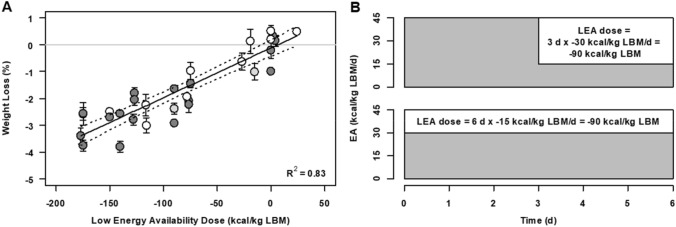
“Previous research has set a benchmark of 30 Kcal/kg lean body mass/day, beyond which a lower figure results in a disruption of the normal hormonal environment [2].”
BackgroundKuikman, M. A., McKay, A. K. A., Smith, E. S., Ackerman, K. E., Harris, R., Elliott-Sale, K. J., Stellingwerff, T., & Burke, L. M. (2023) · International Journal of Sport Nutrition and Exercise Metabolism · doi:10.1123/ijsnem.2022-0214 · Cited by 27
Kirschbaum, E. M., Fischer, K., Speiser, D., Lautenbach, F., Schwenkreis, F., Dathan‐Stumpf, A., & Legerlotz, K. (2025) · Sports Medicine - Open · doi:10.1186/s40798-025-00845-6 · Cited by 22
A literature review of biomarkers used for diagnosis of relative energy deficiency in sport
Dvořáková, K., Paludo, A. C., Wagner, A., Puda, D., Gimunová, M., & Kumstát, M. (2024) · Frontiers in Sports and Active Living · doi:10.3389/fspor.2024.1375740 · Cited by 23
Dasa, M., Friborg, O., Kristoffersen, M., Pettersen, G., Sundgot-Borgen, J., & Rosenvinge, J. (2022) · International Journal of Environmental Research and Public Health · doi:10.3390/ijerph19084770 · Cited by 18
“Although monitoring of body mass can provide insight into an athlete’ s energy balance, long term LEA may result in “metabolic adaptation” causing weight stability, despite inadequate energy balance [6].”
BackgroundHenninger, K., Pritchett, K. L., Brooke, N. K., & Dambacher, L. (2023) · International journal of exercise science · doi:10.70252/ffdk5934 · Cited by 30
“Therefore, the purpose of this study was: [1] to examine the risk of LEA, DE, and EXD in trail runners, and [2] compare risk of DE, EXD, and fueling habits during competition and training between athletes at risk vs. athletes not at risk for LEA.”
MethodTarnowski, C. A., Wardle, S. L., O’Leary, T. J., Gifford, R. M., Greeves, J. P., & Wallis, G. A. (2023) · Sports Medicine - Open · doi:10.1186/s40798-023-00558-8 · Cited by 22
“, endocrine, physiological, metabolic) [1, 12, 13].”
High Energetic Demand of Elite Rowing – Implications for Training and Nutrition
Winkert, K., Steinacker, J. M., Koehler, K., & Treff, G. (2022) · Frontiers in Physiology · doi:10.3389/fphys.2022.829757 · Cited by 22
“The latter describes the amount of energy that is available for all other physical functions after subtracting the EEE from total energy expenditure (TEE) (Loucks, 2013) and was calculated according to Equation 6 (Areta et al., 2020):”
MethodSelf-citationEnergy constraint and compensation: Insights from endurance athletes
Dolan, E., Koehler, K., Areta, J. L., Longman, D. P., & Pontzer, H. (2023) · Comparative Biochemistry and Physiology Part A Molecular & Integrative Physiology · doi:10.1016/j.cbpa.2023.111500 · Cited by 21
Self-citationPhysical performance during energy deficiency in humans: An evolutionary perspective
Areta, J. L. (2023) · Comparative Biochemistry and Physiology Part A Molecular & Integrative Physiology · doi:10.1016/j.cbpa.2023.111473 · Cited by 23
Self-citationMarkers of low energy availability in overreached athletes: a systematic review and meta-analysis
Kuikman, M. A., Coates, A. M., & Burr, J. F. (2022) · Sports Medicine · doi:10.1007/s40279-022-01723-x · Cited by 18
“0 [22], score ≥ 8 on the Low Energy Availability in Females Questionnaire [23], decreased body mass or fat mass [24], a suppressed resting metabolic rate (RMR) ratio [25, 26], decreased RMR relative to FFM [8, 27], decreased resting muscle glycogen content [30, 31], and changes in select biochemical markers that have…”
BackgroundAssociation between Low Energy Availability (LEA) and Impaired Sleep Quality in Young Rugby Players
Saidi, O., Souabni, M., Del Sordo, G. C., Maviel, C., Peyrel, P., Maso, F., Vercruyssen, F., & Duché, P. (2024) · Nutrients · doi:10.3390/nu16050609 · Cited by 18
“There is mounting evidence that LEA is a powerful stressor that triggers marked hormonal, metabolic, and psychological responses in male athletes [24,41,42].”
BackgroundPaludo, A. C., Gimunová, M., Michaelides, M. A., Kobus, M., & Parpa, K. (2023) · Scientific Reports · doi:10.1038/s41598-023-37967-4 · Cited by 17
Energetics of a World-Tour Female Road Cyclist During a Multistage Race (Tour de France Femmes)
Areta, J. L., Meehan, E., Howe, G., & Redman, L. M. (2024) · International Journal of Sport Nutrition and Exercise Metabolism · doi:10.1123/ijsnem.2023-0275 · Cited by 19
Self-citationMurphy, C. A., Bilek, L. D., & Koehler, K. (2021) · Nutrients · doi:10.3390/nu13030802 · Cited by 20
“Energy availability represents the dietary energy remaining for physiological functions following the deduction of exercise expenditure [1].”
BackgroundInfluentialSelf-citationGarron, T., & Klein, D. J. (2023) · Journal of Functional Morphology and Kinesiology · doi:10.3390/jfmk8030095 · Cited by 16
“, <30 kcal/kg FFM) has been shown to depress levels of key hormones such as luteinizing hormone (LH), estrogen, triiodothyronine (T3), insulin-like growth factor-1 (IGF-1), and leptin, alongside increases in cortisol and various bone resorption markers leading to poor metabolic health and reduced bone mineral density…”
BackgroundDasa, M. S., Friborg, O., Kristoffersen, M., Pettersen, G., Sagen, J. V., Torstveit, M. K., Sundgot‐Borgen, J., & Rosenvinge, J. H. (2024) · European Journal of Sport Science · doi:10.1002/ejsc.12129 · Cited by 15
“Impairments to the hormonal and metabolic milieu following LEA have been described in detail previously (Areta et al., 2021; Elliott ‐ Sale et al., 2018).”
BackgroundHayashi, N., Ishibashi, A., Iwata, A., Yatsutani, H., Badenhorst, C., & Goto, K. (2022) · Physiological Reports · doi:10.14814/phy2.15351 · Cited by 15
“Low energy availability (LEA), which may occur as a result of purposefully reduced energy intake (EI) or increases in energy expenditure (EE) and/or failure to increase EI (Areta et al., 2021), also increased hepcidin levels above baseline during endurance training or a simulated military task (Hennigar et al.”
BackgroundAssessment of Relative Energy Deficiency in Sport (REDs) Risk among Adolescent Acrobatic Gymnasts
Besor, O., Redlich, N., Constantini, N., Weiler‐Sagie, M., Ornan, E. M., Lieberman, S., Bentur, L., & Bar‐Yoseph, R. (2024) · Journal of Personalized Medicine · doi:10.3390/jpm14040363 · Cited by 16
Carr, A. J., Vallance, B. S., Rothwell, J. E., Rea, A. E., Burke, L. M., & Guy, J. H. (2022) · Frontiers in Physiology · doi:10.3389/fphys.2022.836858 · Cited by 15
“…sustained or inadvertent low energy availability, including reduced insulin, reduced pulse frequency of luteinizing hormone and increased cortisol, which are associated with menstrual dysfunction, increased injury frequency and compromised bone health (Tenforde et al., 2017; Areta et al., 2021).”
BackgroundInfluentialDeJong Lempke, A. F., Reece, L. M., & Whitney, K. E. (2025) · PLOS ONE · doi:10.1371/journal.pone.0314506 · Cited by 14
Iraki, J., Paulsen, G., Garthe, I., Slater, G., & Areta, J. L. (2021) · Nutrition and Health · doi:10.1177/02601060211057324 · Cited by 17
“Metabolic stressors can affect RMR status (Heymsfield et al., 2021) and energy deficit and low energy availability (Areta et al., 2021) may result in adaptive thermogenesis and suppression of normal RMR (Müller and Bosy-Westphal, 2013; Staal et al., 2018; Strock et al., 2019).”
BackgroundSelf-citationKettunen, O., Mikkonen, R., Linnamo, V., Mursu, J., Kyröläinen, H., & Ihalainen, J. (2023) · Journal of the International Society of Sports Nutrition · doi:10.1080/15502783.2023.2226639 · Cited by 8
“The Cunningham equation [23], utilizing FFM from the bioimpedance measurement, was used to calculate resting EE, which was subtracted from EEE to follow the latest definition of EA [24].”
MethodMcHaffie, S. J., Langan‐Evans, C., Strauss, J. A., Areta, J. L., Rosimus, C., Evans, M., Waghorn, R., Grant, J., Cuthbert, M., Hambly, C., et al. (2024) · Experimental Physiology · doi:10.1113/ep091589 · Cited by 17
“This disparity is noteworthy especially since female athletes seem to be more adversely affected by LEA, in comparison to male athletes (Areta et al., 2021; Koehler et al., 2016).”
InfluentialSelf-citationBowler, A.-L. M., Coffey, V. G., & Cox, G. R. (2022) · Journal of science and medicine in sport · doi:10.1016/j.jsams.2022.02.002 · Cited by 15
Mursu, J., Ristimäki, M., Malinen, I., Petäjä, P., Isola, V., Ahtiainen, J. P., & Hulmi, J. J. (2023) · Nutrients · doi:10.3390/nu15020382 · Cited by 15
“Finally, our male cohort was small and clearly more LEA studies on males are needed to understand whether males are indeed less sensitive to the reductions in energy availability as some studies suggest [34].”
BackgroundResultLongman, D. P., Dolan, E., Wells, J. C. K., & Stock, J. T. (2023) · Comparative Biochemistry and Physiology Part A Molecular & Integrative Physiology · doi:10.1016/j.cbpa.2023.111422 · Cited by 15
“…et al., 2022; Stellingwerff et al., 2019), however more severe and prolonged low energy availability can lead to negative health consequences (Areta et al., 2021), including disrupted reproductive function, compromised bone health and increased injury risk (Mountjoy et al., 2018; Nattiv et…”
BackgroundChanges in hormonal profiles during competition preparation in physique athletes
Isola, V., Hulmi, J. J., Mbay, T., Kyröläinen, H., Häkkinen, K., Ahola, V., Helms, E. R., & Ahtiainen, J. P. (2024) · European Journal of Applied Physiology · doi:10.1007/s00421-024-05606-z · Cited by 14
“As noted by (Areta et al. 2021), the quantification of EI and EEE can be inaccurate, affecting our EA estimates.”
Edwards, V. C., Myers, S., Wardle, S. L., Siddall, A. G., Powell, S. D., Needham‐Beck, S. C., Kefyalew, S. S., Singh, P., Orford, E. R., Venables, M., et al. (2022) · International Journal of Sport Nutrition and Exercise Metabolism · doi:10.1123/ijsnem.2021-0190 · Cited by 12
Klein, D. J., McClain, P., Montemorano, V., & Santacroce, A. (2023) · Nutrients · doi:10.3390/nu15132827 · Cited by 17
“, <30 kcals/kg FFM), either through reduced EI or excessive EEE, can result in disrupted metabolic and endocrine function that leads to poor reproductive, bone, and cardiovascular health [7].”
BackgroundExogenous glucose oxidation during endurance exercise under low energy availability
Kojima, C., Ishibashi, A., Ebi, K., & Goto, K. (2022) · PLoS ONE · doi:10.1371/journal.pone.0276002 · Cited by 12
Examination of Athlete Triad Symptoms Among Endurance-Trained Male Athletes: A Field Study
Moore, E. M., Drenowatz, C., Stodden, D. F., Pritchett, K., Brodrick, T. C., Williams, B. T., Goins, J. M., & Torres-McGehee, T. M. (2021) · Frontiers in Nutrition · doi:10.3389/fnut.2021.737777 · Cited by 11
Taguchi, M., & Manore, M. M. (2022) · Frontiers in Sports and Active Living · doi:10.3389/fspor.2022.885631 · Cited by 11
Hutson, M. J., O'Donnell, E., Brooke‐Wavell, K., James, L. J., Raleigh, C. J., Carson, B. P., Sale, C., & Blagrove, R. C. (2023) · Scandinavian Journal of Medicine & Science in Sports · doi:10.1111/sms.14437 · Cited by 10
Tuma, C., Thomas, A., Braun, H., & Thevis, M. (2024) · Metabolites · doi:10.3390/metabo14060328 · Cited by 11
“…were selected based on the existing literature and consensus statements regarding endocrine changes resulting from chronic LEA. Studies in this area typically investigate controlled LEA conditions over short periods of time, such as several days, in controlled laboratory settings [1,2,6,7].”
BackgroundMethodInfluentialBonilla, D. A., Stout, J. R., Gleeson, M., Campbell, B. I., Escalante, G., Rojas‐Valverde, D., Petro, J. L., Kreider, R. B., & Odriozola-Martínez, A. (2025) · Life · doi:10.3390/life15060867 · Cited by 16
Jouhki, I., Sarin, H. V., Jauhiainen, M., O’Connell, T. M., Isola, V., Ahtiainen, J. P., Hulmi, J. J., & Perola, M. (2024) · Scandinavian Journal of Medicine and Science in Sports · doi:10.1111/sms.14553 · Cited by 11
“4 However, the independent effects of low body fat percentage, dietary energy restriction, and increased training volumes on the physiological manifestations of LEA remain unclear, despite their distinct contributions to the human metabolism.”
BackgroundInfluentialAlibazi, R. J., Frazer, A. K., Pearce, A. J., Tallent, J., Avela, J., & Kidgell, D. J. (2021) · Journal of Sports Sciences · doi:10.1080/02640414.2021.2004681 · Cited by 11
Halsey, L. G., Areta, J. L., & Koehler, K. (2023) · Philosophical Transactions of the Royal Society B · doi:10.1098/rstb.2022.0217 · Cited by 7
“Well-controlled short-term laboratory studies indicate that reduced energy availability as a result of increased activity levels does not appear to influence systemic endocrine responses associated with reproductive function, somatic maintenance, growth and other endocrine responses differently from reduced energy ava…”
BackgroundSelf-citationSuzuki, D., & Suzuki, Y. (2024) · Nutrients · doi:10.3390/nu16142273 · Cited by 11
“The reviews by Areta et al. [18] and Dipla et al. [20] list the following biomarkers that reflect LEA for more than 14 days.”
BackgroundInfluentialGoshozono, M., Miura, N., Torii, S., & Taguchi, M. (2024) · Frontiers in Sports and Active Living · doi:10.3389/fspor.2024.1326890 · Cited by 12
Alvares, L. A. M., Quaresma, M. V. L. D. S., Nakamoto, F. P., Santos, L. M., Navarro, L. S., Navarro, G. S., Orozco, B. M. M., Sá, B. M. C., Achkar, G. B., Marques, C. G., et al. (2025) · British Journal of Sports Medicine · doi:10.1136/bjsports-2024-108601 · Cited by 10
Relative energy deficiency in military (RED-M)
Constantini, N., Alves, E., Mountjoy, M. L., & Ackerman, K. E. (2023) · BMJ Military Health · doi:10.1136/military-2022-002341 · Cited by 10
Caldwell, H. G., Jeppesen, J. S., Lossius, L. O., Atti, J. P., Durrer, C. G., Oxfeldt, M., Melin, A. K., Hansen, M., Bangsbo, J., Gliemann, L., et al. (2024) · The FASEB Journal · doi:10.1096/fj.202401780r · Cited by 9
“1,3,13,14].”
Gifford, R. M., O’Leary, T. J., Knight, R. L., Wardle, S. L., Doig, C. L., Anderson, R. A., Greeves, J. P., Reynolds, R. M., & Woods, D. R. (2024) · Journal of Applied Physiology · doi:10.1152/japplphysiol.00691.2024 · Cited by 9
Han, M., & Li, W. (2024) · Renewable Energy · doi:10.1016/j.renene.2024.120405 · Cited by 9
Hutson, M. J., O’Donnell, E., McConnell, K., Chauntry, A. J., & Blagrove, R. C. (2024) · European Journal of Applied Physiology · doi:10.1007/s00421-024-05497-0 · Cited by 9
“LEA lasting several months can cause menstrual disturbances such as amenor-rhea (the cessation of menses for ≥ 90 days) via suppression of the hypothalamic–pituitary–ovarian axis, which is characterized by chronic estrogen deficiency (Areta et al. 2021; Williams et al. 2001, 2015).”
BackgroundResultInfluentialFemale athlete triad epidemiology among adult athletes: A systematic review
Almousa, S., & van Loon, A. B. (2023) · Science & Sports · doi:10.1016/j.scispo.2023.04.004 · Cited by 15
Low Energy Availability in Athletes: Understanding Undereating and Its Concerns
Kuikman, M. A., & Burke, L. M. (2023) · Nutrition Today · doi:10.1097/nt.0000000000000603 · Cited by 12
“Rather, the physiological out- comes and functional impairments that occur because of LEA should be used to identify athletes with REDs.”
BackgroundInfluentialNishimura, Y., Langan‐Evans, C., Taylor, H. L., Foo, W. L., Morton, J. P., Shepherd, S. O., Strauss, J. A., Burniston, J. G., & Areta, J. L. (2025) · The FASEB Journal · doi:10.1096/fj.202502384rr · Cited by 8
“…changes in endocrine and physiological blood markers associated with energy preservation in response to energy deficit, with metabolism switching from glucose to fat utilization at rest and during exercise, resembling previous reports [10, 18, 58] (Figure 1, and Figures S1 and S2; Tables 2 and 3).”
Self-citationSmall, S. D., & Margolis, L. M. (2021) · Advances in Nutrition · doi:10.1093/advances/nmab124 · Cited by 10
“Unintentional low glycogen content may result from insufficient energy intake to match high daily energy expenditures, resulting in energy deficit and low energy availability (13, 14).”
McGuire, A., Warrington, G. D., Walsh, A., Byrne, T., & Doyle, L. (2024) · European Journal of Nutrition · doi:10.1007/s00394-024-03433-8 · Cited by 8
“Additionally, evidence to support the actual cause of these negative consequences is equivocal [13].”
BackgroundEnergy Availability in Female Collegiate Beach Volleyball Athletes
Willingham, B. D., Daou, M., VanArsdale, J., Thomas, M., & Saracino, P. G. (2024) · The Journal of Strength and Conditioning Research · doi:10.1519/jsc.0000000000004884 · Cited by 10
Saifi, A., Khanna, G. L., & Kalpana, K. (2024) · Physical Activity and Nutrition · doi:10.20463/pan.2024.0022 · Cited by 10
Intuitive Eating and the Female Athlete Triad in Collegiate Runners
Thomson, J., & Almstedt, H. C. (2025) · Nutrients · doi:10.3390/nu17142337 · Cited by 7
“Energy availability, relative to lean mass, is a measure that represents the amount of energy the body has available to use after considering intentional exercise [11].”
Prevalence of physically active females at risk for the female athlete triad in Spain
Ramos, A., Bellver, M., Esquius, L., Pastor, I. M., Montes, A. B., & Andrés, A. (2025) · Journal of the International Society of Sports Nutrition · doi:10.1080/15502783.2025.2590641 · Cited by 7
“…a cascade of metabolic and energetic adaptations occurs, including the suppression of resting energy expenditure, decreased concentrations of the metabolic hormones total triiodothyronine, insulin-like growth factor-I, leptin, and insulin, and the upregulation of growth hormone and cortisol [6].”
Kettunen, O., Mikkonen, R., Mursu, J., Linnamo, V., & Ihalainen, J. (2023) · Frontiers in Sports and Active Living · doi:10.3389/fspor.2023.1196659 · Cited by 3
Nutritional Considerations in Exercise-Based Heat Acclimation: A Narrative Review
Rosbrook, P., Margolis, L. M., & Pryor, J. L. (2024) · Sports Medicine · doi:10.1007/s40279-024-02109-x · Cited by 7
“Additionally, energy availability (EA)—the relationship between energy intake and exercise energy expenditure [18–20]—is another factor that should be assessed, due to potential perturbations in endocrine function, notably lower testosterone [21] and insulin-like growth factor (IGF-1) [18] and…”
InfluentialZhou, F., Yin, X., Philippe, K., Houssein, A., Gastinger, S., & Prioux, J. (2021) · European Journal of Applied Physiology · doi:10.1007/s00421-021-04776-4 · Cited by 7
Metadata
- Authors
- Areta, J. L., Taylor, H. L., & Koehler, K.
- Affiliations
- Liverpool John Moores University (GB)
- Technical University of Munich (DE)
- Corresponding author
- Areta, José L.
- Venue
- European Journal of Applied Physiology
- Published
- 2020-10-23
- Volume
- 121
- Issue
- 1
- Pages
- 1-21
- ISSN
- 0020-9376 (ISSN-L)
- 1439-6319
- 1439-6327
- PMC
- PMC7815551
- OpenAlex
- W3094522798
- Semantic Scholar
- 2ebe38f409b6b75cd47af9c4207d56cbcd9ed59a
- Cited by
- 214
- References
- 110
- Citations by year
- 2026: 44 · 2025: 39 · 2024: 50 · 2023: 37 · 2022: 24 · 2021: 18 · 2020: 1
- FWCI
- 3.93
- Type
- journal article
- Language
- en
- Open access
- hybrid
- doi.org
- Licence
- cc-by
- creativecommons.org/licenses/by/4.0 (tdm)
- creativecommons.org/licenses/by/4.0 (vor)
- Locations
- European Journal of Applied Physiology (publishedVersion, cc-by)
- PubMed Central (publishedVersion, cc-by)
- PubMed (publishedVersion)
- Liverpool John Moores University (acceptedVersion)
- mediaTUM (Technical University of Munich) (submittedVersion, other-oa)
- mediaTUM – the media and publications repository of the Technical University Munich (Technical University Munich) (submittedVersion, cc-by)
- mediaTUM – the media and publications repository of the Technical University Munich (Technical University Munich) (submittedVersion, other-oa)
- Funders
- Liverpool John Moores University
- Topics
- Health Sciences › Medicine › Orthopedics and Sports Medicine › Sports Performance and Training
- Social Sciences › Psychology › Clinical Psychology › Eating Disorders and Behaviors
- Health Sciences › Medicine › Reproductive Medicine › Hypothalamic control of reproductive hormones
- Keywords
- low energy availability, energy balance, female athlete triad, relative energy deficiency in sport, energy cost of exercise, hormonal milieu, reproductive endocrinology, bone metabolism, skeletal muscle, caloric restriction
- MeSH terms
- Energy Intake, Energy Metabolism, Female, Humans, Hypothalamo-Hypophyseal System, Male, Sports Medicine, Exercise, Gonadal Hormones
About these checks
Registry, retraction, Cites and statistics results are computed, not judged, with one exception: a printed reference that no index lists is read once by a model before it counts as a citation error. Claims are extracted by a model and kept only when their quote appears verbatim in the text; each cited source is then checked, with a model’s help, for whether it says what the claim relies on. Those verdicts can be wrong — read the claim’s quote and the cited source before relying on one.
Statistics and arithmetic are recomputed, not judged.
Confidence bands are shown only for fields calibrated on our annotated test set. None is calibrated yet, so no band is shown.
What counts as a claim ›How we measure confidence ›How we check this ›
Are you an author, or do you see a problem with this page? Request a review
Data sources
Bibliographic data: Semantic Scholar, OpenAlex, Crossref.
Contains information from the Semantic Scholar Academic Graph Datasets, made available under the ODC Attribution License (ODC-BY 1.0).
Semantic Scholar’s data is described in: Kinney, R., et al. (2023). The Semantic Scholar Open Data Platform. arXiv:2301.10140.
