

Animal models of major depression: drawbacks and challenges
Open accessThe DOI matches its Crossref record; 282 of the 283 references it cites were found in a registry or an index.
Abstract
Major depression is a leading contributor to the global burden of disease. This situation is mainly related to the chronicity and/or recurrence of the disorder, and to poor response to antidepressant therapy. Progress in this area requires valid animal models. Current models are based either on manipulating the environment to which rodents are exposed (during the developmental period or adulthood) or biological underpinnings (i.e. gene deletion or overexpression of candidate genes, targeted lesions of brain areas, optogenetic control of specific neuronal populations, etc.). These manipulations can alter specific behavioural and biological outcomes that can be related to different symptomatic and pathophysiological dimensions of major depression. However, animal models of major depression display substantial shortcomings that contribute to the lack of innovative pharmacological approaches in recent decades and which hamper our capabilities to investigate treatment-resistant depression. Here, we discuss the validity of these models, review putative models of treatment-resistant depression, major depression subtypes and recurrent depression. Furthermore, we identify future challenges regarding new paradigms such as those proposing dimensional rather than categorical approaches to depression.
Overview
The claims and statistics of this paper haven’t been checked yet.
Free: it reads the open-access text and checks the first 5 claims that cite a source we can check. Create a free account to check every claim.
Integrity signals
Registry
Cites
Statistics
Figures
Verification
Claims the paper makes
The claims and statistics of this paper haven’t been checked yet.
Free: it reads the open-access text and checks the first 5 claims that cite a source we can check. Create a free account to check every claim.
Self-check
Percentages, sums and reported differences re-computed from the paper’s own numbers.
The self-check needs the paper’s full text.
Citations
Cites
Diagnostic and Statistical Manual of Mental Disorders
American Psychiatric Association (2013) · doi:10.1176/appi.books.9780890425596 · Cited by 116,369
Diagnostic and Statistical Manual of Mental Disorders
Williams, J. B. W., & First, M. (2013) · Encyclopedia of Social Work · doi:10.1093/acrefore/9780199975839.013.104 · Cited by 109,519 · cited 1×
“Additionally, anger and irritability are one of the key symptoms in the diagnoses of some depression subtypes such as melancholic depression and premenstrual dysphoric disorder in women (American Psychiatric Association 2013; Hantsoo and Epperson 2015).”
BackgroundMolecular Mechanisms of Depression: Perspectives on New Treatment Strategies
Lang, U. E., & Borgwardt, S. (2013) · Cellular Physiology and Biochemistry · doi:10.1159/000350094 · Cited by 8,475
From inflammation to sickness and depression: when the immune system subjugates the brain
Dantzer, R., O'Connor, J. C., Freund, G. G., Johnson, R. W., & Kelley, K. W. (2008) · Nature Reviews Neuroscience · doi:10.1038/nrn2297 · Cited by 7,395
Insel, T., Cuthbert, B., Garvey, M., Heinssen, R., Pine, D. S., Quinn, K., Sanislow, C., & Wang, P. (2010) · American Journal of Psychiatry · doi:10.1176/appi.ajp.2010.09091379 · Cited by 7,067
Rush, A. J., Trivedi, M. H., Wisniewski, S. R., Nierenberg, A. A., Stewart, J. W., Warden, D., Niederehe, G., Thase, M. E., Lavori, P. W., Lebowitz, B. D., et al. (2006) · American Journal of Psychiatry · doi:10.1176/ajp.2006.163.11.1905 · Cited by 5,643
Morris water maze: procedures for assessing spatial and related forms of learning and memory
Vorhees, C. V., & Williams, M. T. (2006) · Nature Protocols · doi:10.1038/nprot.2006.116 · Cited by 4,629
Depression: a new animal model sensitive to antidepressant treatments
PORSOLT, R. D., LE PICHON, M., & JALFRE, M. (1977) · Nature · doi:10.1038/266730a0 · Cited by 4,451
Requirement of hippocampal neurogenesis for the behavioral effects of antidepressants
Santarelli, L., Saxe, M., Gross, C., Surget, A., Battaglia, F., Dulawa, S., Weisstaub, N., Lee, J., Duman, R., Arancio, O., et al. (2003) · Science · doi:10.1126/science.1083328 · Cited by 4,321
Self-citationDeep Brain Stimulation for Treatment-Resistant Depression
Mayberg, H. S., Lozano, A. M., Voon, V., McNeely, H. E., Seminowicz, D., Hamani, C., Schwalb, J. M., & Kennedy, S. H. (2005) · Neuron · doi:10.1016/j.neuron.2005.02.014 · Cited by 4,059
Research works printed but not linked: 1
- Association AP Diagnostic criteria from dsm-iv-tr 2000 Washington, DC American Psychiatric Publishing
Cited by
Items 101–200 of 508
The separation distress hypothesis of depression – an update and systematic review
Watt, D. F. (2023) · Neuropsychoanalysis · doi:10.1080/15294145.2023.2240340 · Cited by 26
Preclinical models of treatment-resistant depression: challenges and perspectives
Kolasa, M., & Faron‐Górecka, A. (2023) · Pharmacological Reports · doi:10.1007/s43440-023-00542-9 · Cited by 27
“…bulbectomy (OBX) model, Social defeat model, Chronic restraint stress model, Glucocorticoid/corticosterone model, or Genetic model of depression [35, 36] followed by behavioral tests related to anhedonia (e.g., sucrose preference) or behavioral despair [e.g., forced swim test (FST) and tail…”
MethodBansal, Y., Codeluppi-Arrowsmith, S. A., & Banasr, M. (2024) · International Journal of Molecular Sciences · doi:10.3390/ijms25126357 · Cited by 30
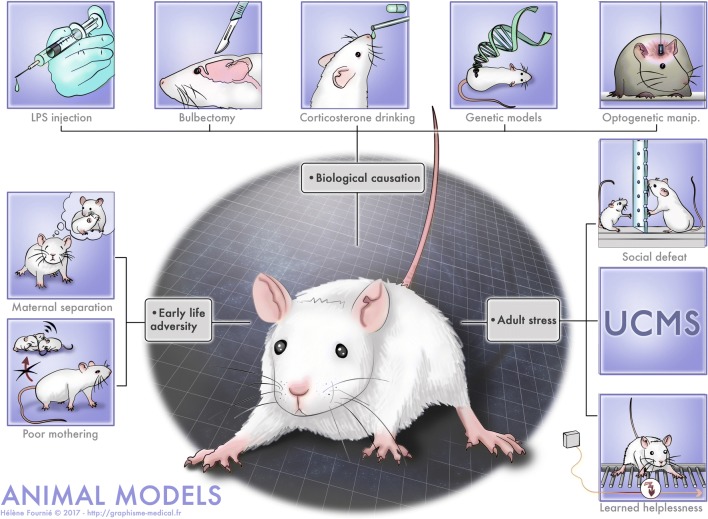
“Models of stress in rodents can include genetic models, surgical models such as bulbectomy, chronic restraint stress (CRS), social stress such as social defeat, and chronic variable stress (CVS) such as unpredictable chronic mild stress (UCMS) [115–117].”
BackgroundLiu, W., Li, Q., Ye, B., Cao, H., Shen, F., Xu, Z., Du, W., Guo, F., Liu, J., Li, T., et al. (2020) · Frontiers in Psychiatry · doi:10.3389/fpsyt.2020.00837 · Cited by 24
Qu, D., Ye, Z., Zhang, W., Dai, B., Chen, G., Wang, L., Shao, X., Xiang, A., Lu, Z., & Shi, J. (2022) · ACS Chemical Neuroscience · doi:10.1021/acschemneuro.2c00087 · Cited by 26
P2X7 receptor-mediated depression-like reactions arising in the mouse medial prefrontal cortex
Ren, W., Zhao, Y.-F., Li, J., Rubini, P., Yuan, Z., Tang, Y., & Illés, P. (2023) · Cerebral Cortex · doi:10.1093/cercor/bhad166 · Cited by 25
da Costa, V. F., Ramírez, J. C. C., Ramírez, S. V., Avalo-Zuluaga, J. H., Baptista‐de‐Souza, D., Canto‐de‐Souza, L., Planeta, C. S., Rico, J. L., & Nunes‐de‐Souza, R. L. (2023) · Frontiers in Integrative Neuroscience · doi:10.3389/fnint.2023.1168640 · Cited by 28
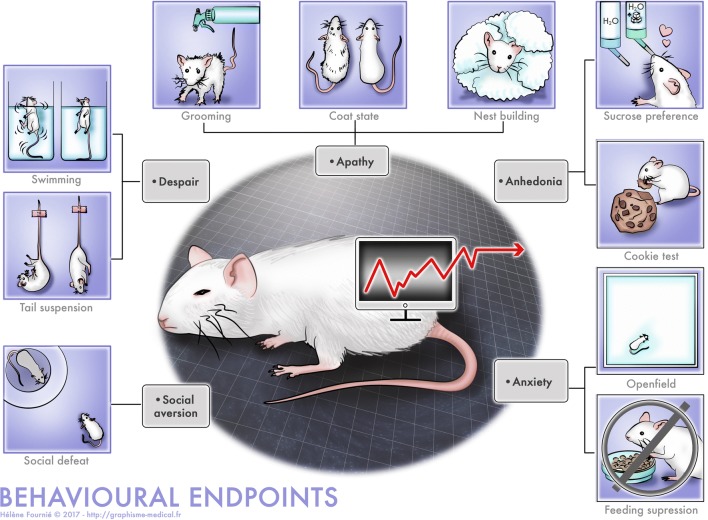
“The apathy (coat state, splash test, nest building), anhedonic (sweet test, novel object exploration) and body weight evaluations (Planchez et al., 2019) were performed in several points of protocol (Figure 1B).”
BackgroundInfluentialColla, A. R. D. S., Pazini, F. L., Lieberknecht, V., Camargo, A., & Rodrigues, A. L. S. (2021) · Metabolic Brain Disease · doi:10.1007/s11011-020-00658-4 · Cited by 25
Erkizia-Santamaría, I., Horrillo, I., Martínez-Álvarez, N., Pérez-Martínez, D., Rivero, G., Erdozain, A. M., Meana, J. J., & Ortega, J. E. (2025) · Translational Psychiatry · doi:10.1038/s41398-025-03421-4 · Cited by 26
“The development of the animal model required prior optimization of the protocol to ensure the emergence of a behavioural phenotype exhibiting depression-associated symptoms across an extensive battery of behavioural tests.”
Kwatra, M., Ahmed, S., Gangipangi, V. K., Panda, S. R., Gupta, N., Shantanu, P. A., Gawali, B., & Naidu, V. G. M. (2021) · Journal of Psychiatric Research · doi:10.1016/j.jpsychires.2021.10.021 · Cited by 24
Postsynaptic Proteins at Excitatory Synapses in the Brain—Relationship with Depressive Disorders
Samojedny, S., Czechowska, E., Pańczyszyn-Trzewik, P., & Sowa-Kućma, M. (2022) · International Journal of Molecular Sciences · doi:10.3390/ijms231911423 · Cited by 23
“Postsynaptic Proteins Species/Strain Model/Treatment Brain Region Methods Findings Authors’ Names Calcium/calmodulin-dependent protein kinase II CaMKII p-T286CaMKII p-T286- CaMKIIα p-T286CaMKIIβ Sprague Dawley male rats • CUMS—30 days • GXDSF (Salviae miltiorrhizae Radix et Rhizoma, the Notoginseng Radix et Rhizoma an…”
BackgroundInfluentialKetamine’s rapid and sustained antidepressant effects are driven by distinct mechanisms
Rawat, R., Tunc‐Ozcan, E., Dunlop, S. R., Tsai, Y., Li, F., Bertossi, R., Peng, C., & Kessler, J. A. (2024) · Cellular and Molecular Life Sciences · doi:10.1007/s00018-024-05121-6 · Cited by 26
Kim, H., Wei, J., Call, T., Ma, X., Quintus, N. T., Summers, A. J., Carotenuto, S., Johnson, R., Nguyen, A., Cui, Y., et al. (2024) · Biological Psychiatry · doi:10.1016/j.biopsych.2024.03.017 · Cited by 24
“While no signi fi cant difference was observed between WT and KO mice in the FST and TST, the previous study (19) also showed inconsistent results for the FST, which highlights the limitations and variability of such immobility measures in depression studies (69).”
Telega, L. M., Berti, R., Blazhenets, G., Domogalla, L.-C., Steinacker, N., Omrane, M. A., Meyer, P. T., Coenen, V. A., Eder, A.-C., & Döbrössy, M. D. (2024) · Progress in Neuro-Psychopharmacology and Biological Psychiatry · doi:10.1016/j.pnpbp.2024.111013 · Cited by 24
“However, the complex etiology of MDD poses the challenge to create valid animal models that resemble the clinical pathophysiology and symptomatology of MDD (Cz ´ eh et al., 2016; Overstreet, 2012; Planchez et al., 2019; Wang et al., 2017).”
BackgroundTeranishi, M., Ito, M., Huang, Z., Nishiyama, Y., Masuda, A., Mino, H., Tachibana, M., Inada, T., & Ohno, K. (2024) · International Journal of Molecular Sciences · doi:10.3390/ijms252011315 · Cited by 23
Wang, M., Song, Y., Wu, D., Li, H., Li, Z., Xiong, X.-X., Hu, N.-Y., Hu, J., Li, J., Wang, Y.-X., et al. (2025) · Pharmacological Research · doi:10.1016/j.phrs.2025.107798 · Cited by 24
Lu, L., Yang, L.-K., Yue, J., Wang, X., Qi, J., Yang, F., Feng, B., & Liu, S. (2021) · Neuroscience Letters · doi:10.1016/j.neulet.2021.136284 · Cited by 22
Emotional-Single Prolonged Stress: A promising model to illustrate the gut-brain interaction
Marques, L. S., Jung, J. T., Zborowski, V. A., Pinheiro, R. C., Nogueira, C. W., & Zeni, G. R. (2022) · Physiology & Behavior · doi:10.1016/j.physbeh.2022.114070 · Cited by 24
Ródenas-González, F., Arenas, M. C., Blanco-Gandía, M. C., Manzanedo, C., & Rodríguez‐Arias, M. (2023) · Biomedicines · doi:10.3390/biomedicines11020502 · Cited by 24
“Depressive-like states in humans are characterized by symptoms of apathy and anhedonia, which can be assessed in mice by measuring spontaneous grooming behavior with the ST [46,70].”
BackgroundDeore, R., Ansari, R., Awathale, S. N., Shelke, M., Badwaik, H. R., Goyal, S. N., & Nakhate, K. T. (2024) · European Journal of Pharmacology · doi:10.1016/j.ejphar.2024.176707 · Cited by 21
Castro‐Zavala, A., Martín‐Sánchez, A., Montalvo-Martínez, L., Camacho‐Morales, A., & Valverde, O. (2021) · Progress in Neuro-Psychopharmacology and Biological Psychiatry · doi:10.1016/j.pnpbp.2021.110262 · Cited by 20
Alvarez‐Contino, J. E., Díaz‐Sánchez, E., Mirchandani‐Duque, M., Sánchez‐Pérez, J. A., Barbancho, M. Á., López‐Salas, A., García‐Casares, N., Fuxé, K., Borroto‐Escuela, D. O., & Narváez, M. (2023) · Journal of Cellular Physiology · doi:10.1002/jcp.30944 · Cited by 23
“Remarkably, the immobility response in the FST can be prevented by various types of AD treatments, including tricyclic antidepressants, monoamine oxidase inhibitors, selective serotonin reuptake inhibitors, and NA reuptake inhibitors (Planchez et al., 2019).”
BackgroundLi, G., Bo, B., Wang, P., Qian, P., Li, M., Li, Y., Tong, C., Zhang, K., Zhang, B., Jiang, T., et al. (2023) · eLife · doi:10.7554/elife.84693 · Cited by 21
“84693 3 of 18 endogenous depression and exhibits a set of behavioral abnormalities that emulate many symptoms observed in depressive patients, such as increased emotionality and reactivity to stress as well as considerable resistance to classic antidepressants (Will et al., 2003; Aleksandrova et al., 2019; Planchez et…”
BackgroundChoi, G. E., Park, J. Y., Park, M. R., Yoon, J. H., & Han, H. J. (2023) · Redox Biology · doi:10.1016/j.redox.2023.102821 · Cited by 21
“Indeed, female mice undergone surgical ablation of ovaries and hormone treatment are used for gain reliability in several neuroscience research [18].”
BackgroundChronic unpredictable mild stress alters odor hedonics and adult olfactory neurogenesis in mice
Athanassi, A., Breton, M., Chalençon, L., Brunelin, J., Didier, A., Bath, K. G., & Mandairon, N. (2023) · Frontiers in Neuroscience · doi:10.3389/fnins.2023.1224941 · Cited by 19
“Prior work has implicated alterations in hippocampal neurogenesis on both the development and response to treatment for depression (Santarelli et al., 2003; Planchez et al., 2019).”
BackgroundJackson, M. G., Lightman, S. L., Gilmour, G., Marston, H. M., & Robinson, E. S. J. (2021) · Brain and Neuroscience Advances · doi:10.1177/23982128211015110 · Cited by 21
“In the NSFT, aged mice exhibited lower levels of anxiety-related behaviour and were faster to consume the food; however, they also showed reduced reward sensitivity contrasting with effects typically observed in rodent models of depression (Planchez et al., 2019).”
BackgroundResultTouchant, M., & Labonté, B. (2022) · Frontiers in Behavioral Neuroscience · doi:10.3389/fnbeh.2022.845491 · Cited by 20
Chen, S.-J., Gao, C., Lv, Q., Zhao, M.-Q., Qin, X., & Liao, H. (2021) · Acta Pharmacologica Sinica · doi:10.1038/s41401-021-00823-0 · Cited by 19
“It is widely accepted that exposing mice to stress simulates the pathogenesis of MDD [48, 49].”
BackgroundTowards translational modeling of behavioral despair and its treatment in zebrafish
Kositsyn, Y. M., Volgin, A. D., de Abreu, M. S., Demin, K. A., Zabegalov, K. N., Maslov, G. O., Petersen, E. V., Kolesnikova, T. O., Strekalova, T., & Kalueff, A. V. (2022) · Behavioural Brain Research · doi:10.1016/j.bbr.2022.113906 · Cited by 20
Ismail, T. R., Yap, C. G., Naidu, R., Shri, L., & Pamidi, N. (2024) · Biomedicine & Pharmacotherapy · doi:10.1016/j.biopha.2024.116729 · Cited by 20
Braga, S. P., Delanogare, E., Machado, A. E., Prediger, R. D., & Moreira, E. L. G. (2020) · Behavioural Brain Research · doi:10.1016/j.bbr.2020.112969 · Cited by 21
Luong, H. T., Singh, S., Patil, M., & Krishnamurthy, P. (2021) · American Journal of Physiology-Heart and Circulatory Physiology · doi:10.1152/ajpheart.00635.2020 · Cited by 19
Resveratrol ameliorates physical and psychological stress-induced depressive-like behavior
Ardianto, C., Budiatin, A. S., Sumartha, I. N. B., Nurrahmi, N., Rahmadi, M., & Khotib, J. (2021) · Journal of Basic and Clinical Physiology and Pharmacology · doi:10.1515/jbcpp-2020-0437 · Cited by 18
Wang, Z., Robbins, B., Zhuang, R., Sandini, T. M., van Bruggen, R., Li, X., & Zhang, Y. (2025) · Progress in Neuro-Psychopharmacology and Biological Psychiatry · doi:10.1016/j.pnpbp.2024.111243 · Cited by 18
Recent advances in biomimetic nanodelivery systems for the treatment of depression
Jiang, P., & Li, J. (2025) · Materials Today Bio · doi:10.1016/j.mtbio.2025.101781 · Cited by 24
“Furthermore, promoter II, which is responsive to neuronal activity, may also contribute to synaptic plasticity and the neuroplastic changes associated with antidepressant therapies [74].”
Construction of the experimental rat model of gestational diabetes
Chen, F., Ge, L., Jiang, X.-Y., Lai, Y.-T., Huang, P., Hua, J., Lin, Y., Lin, Y., & Jiang, X. (2022) · PLoS ONE · doi:10.1371/journal.pone.0273703 · Cited by 22
“The pancreas is a vital organ that secretes insulin to regulate blood sugar during pregnancy [33].”
BackgroundMore, S. M., Kaleem, M., Kharwade, R., Almutairy, A. F., Shahzad, N., Mujtaba, M. A., Taha, M., Pise, A. G., Zafar, A., & Mahmood, D. (2024) · Brain Research · doi:10.1016/j.brainres.2024.149313 · Cited by 18
Poggini, S., Bon, G. M., Golia, M. T., Albanese, N. C., Viglione, A., Poleggi, A., Limatola, C., Maggi, L., & Branchi, I. (2021) · Behavioural Brain Research · doi:10.1016/j.bbr.2021.113256 · Cited by 21
Ramírez-Rodríguez, G. B., Vega‐Rivera, N. M., Juan, D. M.-S., Ortíz‐López, L., Estrada-Camarena, E. M., & Flores‐Ramos, M. (2021) · International Journal of Molecular Sciences · doi:10.3390/ijms222010976 · Cited by 18
“The sucrose preference test allowed assessing anhedonia [50].”
MethodStrategies to identify candidate repurposable drugs: COVID-19 treatment as a case example
Imami, A. S., McCullumsmith, R. E., & O'Donovan, S. M. (2021) · Translational Psychiatry · doi:10.1038/s41398-021-01724-w · Cited by 18
“The shortcomings of animal models [79] and dif fi culties in designing drugs that have the physiochemical properties to be successfully delivered across the blood brain barrier are other limiting factors [80].”
BackgroundMisztak, P., Sowa-Kućma, M., Pańczyszyn-Trzewik, P., Szewczyk, B., & Nowak, G. (2021) · Molecules · doi:10.3390/molecules27010022 · Cited by 19
Chompré, G., Sambolin‐Escobales, L., Cruz, M. L., Sanchez, R., Rodriguez, Y., Rodríguez-Santiago, R. E., Yamamura, Y., & Appleyard, C. B. (2022) · Heliyon · doi:10.1016/j.heliyon.2022.e11194 · Cited by 17
Neurochemical mechanisms of deep brain stimulation for depression in animal models
Campos, A. C. P., Pople, C. B., Silk, E., Surendrakumar, S., Rabelo, T. K., Meng, Y., Gouveia, F. V., Lipsman, N., Giacobbe, P., & Hamani, C. (2023) · European Neuropsychopharmacology · doi:10.1016/j.euroneuro.2022.12.003 · Cited by 18
Yuan, Z., Yang, H., Wang, P., Hou, X., Xu, K., Zhou, Y., Dai, R., Gao, Y., Gao, X., Guo, Q., et al. (2025) · Neuron · doi:10.1016/j.neuron.2025.07.018 · Cited by 18
Li, Y., Li, T., Zhang, Y., Wang, Y., Wu, G., & Tan, Y. (2025) · Neuroscience · doi:10.1016/j.neuroscience.2025.12.002 · Cited by 21
A mouse model of oral contraceptive exposure: Depression, motivation, and the stress response
Schuh, K. M., Ahmed, J., Kwak, E., Xu, C. X., Davis, T. T., Aronoff, C. B., & Tronson, N. C. (2023) · Hormones and Behavior · doi:10.1016/j.yhbeh.2023.105470 · Cited by 18
Synthetic surprise as the foundation of the psychedelic experience
Filippo, R. D., & Schmitz, D. (2024) · Neuroscience & Biobehavioral Reviews · doi:10.1016/j.neubiorev.2024.105538 · Cited by 19
“This divergence highlights the necessity for additional research in this field, particularly considering that animal models of major depression display substantial shortcomings in fully replicating the human condition (Planchez et al., 2019; Belzung, 2014).”
BackgroundLi, S., Shao, H., Sun, T., Guo, X., Zhang, X., Zeng, Q., Fang, S., Liu, X., Jia, Q., Liu, F., et al. (2024) · Frontiers in Pharmacology · doi:10.3389/fphar.2024.1366683 · Cited by 23
“Given the signi fi cant antidepressant activities of HT in CRS-induced depressive mice, we extended our investigation using the well-established CUMS model (Antoniuk et al., 2019; Planchez et al., 2019; Becker et al., 2021).”
MethodPsychedelics and Consciousness: Expanding the Horizons of Mind and Therapy
Zhang, M., Wang, Y., Gao, T., & Wang, X. (2024) · Research · doi:10.34133/research.0495 · Cited by 17
“It is important to note that these findings are primarily based on rodent models, which have limitations in fully replicating the complexity of human depression and its treatment [ 20 ].”
BackgroundPienaar, L., Baijnath, S., & Millen, A. M. E. (2024) · Discover Medicine · doi:10.1007/s44337-024-00114-7 · Cited by 16
“Although various neurobehavioral tests are used in the assessment of depressive-like behaviors, the most frequently used tests measure despair (forced swim test (FST)), anhedonia (sucrose preference test (SPT)) and anxiety (open field test (OFT)) [45].”
de Lima, B. R. F., Patriota, L. L. D. S., Marinho, A. D. O., da Costa, J. A., Napoleão, T. H., da Rosa, M. M., & Paiva, P. M. G. (2022) · Pharmaceuticals · doi:10.3390/ph15111364 · Cited by 19
“The use of inhibitors of monoamines reuptake has been the main treatment for anxiety, although ineffective in many patients [20,25,26].”
BackgroundAcetylsalicylic Acid and Mood Disorders: A Systematic Review
Dominiak, M., Gędek, A., Sikorska, M., Mierzejewski, P., Wojnar, M., & Antosik-Wójcińska, A. Z. (2022) · Pharmaceuticals · doi:10.3390/ph16010067 · Cited by 17
“, forced swimming test and tail suspension tests [70].”
Cucurbita maxima Seeds Reduce Anxiety and Depression and Improve Memory
Wahid, S., Alqahtani, A., & Khan, R. A. (2023) · Behavioural Neurology · doi:10.1155/2023/7509937 · Cited by 16
“Percent reduction in immobility was considered a degree of antidepressant effect of the extracts [35, 36].”
BackgroundMethodMahdirejei, H. A., Peeri, M., Azarbayjani, M. A., & Masrour, F. F. (2023) · Pharmacology Biochemistry and Behavior · doi:10.1016/j.pbb.2023.173640 · Cited by 16
Hinchcliffe, J. K., & Robinson, E. S. J. (2024) · Current Protocols · doi:10.1002/cpz1.1057 · Cited by 18
“It is widely acknowledged that conventional methods for quantifying depression-related behavior and predicting antidepressant efficacy are limited (Gururajan et al., 2019; Planchez et al., 2019).”
BackgroundIacono, L. L., Ielpo, D., Parisi, C., Napoli, G., Accoto, A., Segni, M. D., Babicola, L., D’Addario, S. L., Guzzo, S. M., Pascucci, T., et al. (2021) · Neuropharmacology · doi:10.1016/j.neuropharm.2021.108559 · Cited by 15
Sánchez, N., Juárez-Balarezo, J., Olhaberry, M., Oneto, H. G., Muzard, A., Mardonez, M. J., Franco, P., Barrera, F., & Gaete, M. (2021) · Frontiers in Cell and Developmental Biology · doi:10.3389/fcell.2021.632766 · Cited by 15
Mohyeldin, S. M., Samy, W. M., Ragab, D., Abdelmonsif, D. A., Aly, R. G. M., & Elgindy, N. A. (2021) · International Journal of Nanomedicine · doi:10.2147/ijn.s296726 · Cited by 15
Sabbieti, M. G., Marchegiani, A., Sufianov, A. A., Gabai, V. L., Shneider, A. M., & Agas, D. (2022) · Life · doi:10.3390/life12040539 · Cited by 17
“In specific cases [42], depression prompts food consumption with concurrent adipose tissue accumulation and the systemic release of pro-inflammatory molecules [43], in this way, generating a vicious cycle established among brain and periphery.”
BackgroundSex Differences in Anxiety and Depression: What Can (and Cannot) Preclinical Studies Tell Us?
Mir, F. R., & Rivarola, M. A. (2022) · Sexes · doi:10.3390/sexes3010012 · Cited by 14
“Similarly, the injection of a BCG vaccine generates a chronic inflammatory response that induces a depressive-like phenotype in rodents [23].”
BackgroundAbe, Y., Erchinger, V. J., Ousdal, O. T., Oltedal, L., Tanaka, K. F., & Takamiya, A. (2024) · Journal of Neurochemistry · doi:10.1111/jnc.16054 · Cited by 17
“…of depression, such as social defeat stress, learned helplessness, unpredictable chronic mild stress, or corticosterone administration models (Planchez et al., 2019), to investigate the relationships between the volumetric changes detected on MRI, microstructural changes, and antidepressant…”
Sampedro‐Piquero, P., Millón, C., Moreno‐Fernández, R. D., Garcia‐Fernandez, M. I., Díaz-Cabiale, Z., & Santín, L. J. (2020) · Brain Sciences · doi:10.3390/brainsci10090576 · Cited by 14
“Meanwhile, the sucrose splash test is usually employed to assess apathy-related behaviors [46].”
MethodEffects of Dopamine on the Immature Neurons of the Adult Rat Piriform Cortex
Coviello, S., Gramuntell, Y., Castillo-Gómez, E., & Nácher, J. (2020) · Frontiers in Neuroscience · doi:10.3389/fnins.2020.574234 · Cited by 15
Pavlova, I., & Kučerová, J. (2023) · Progress in Neuro-Psychopharmacology and Biological Psychiatry · doi:10.1016/j.pnpbp.2023.110808 · Cited by 14
“The core symptoms of this model type are transient anhedonia and despair (Planchez et al., 2019; Song and Leonard, 2005).”
BackgroundMethodInfluentialEarly Enriched Environment Prevents Epigenetic p11 Gene Changes Induced by Adulthood Stress in Mice
Seo, M. K., Choi, A., Seog, D., Lee, J. G., & Park, S. W. (2021) · International Journal of Molecular Sciences · doi:10.3390/ijms22041928 · Cited by 16
“Data variability in females is large due to disturbing factors, such as the menstrual cycle [55].”
Wang, Y., Chen, L., Zhong, X.-L., Liu, Q., Li, W., Cheng, Y., & Du, Y. (2025) · Translational Psychiatry · doi:10.1038/s41398-025-03378-4 · Cited by 15
“This model effectively replicates many core features of human depression, including anhedonia, behavioral despair, and neuro-biological alterations that parallel clinical observations [16, 17].”
Pangemanan, L., Irwanto, I., & Maramis, M. M. (2023) · Veterinary World · doi:10.14202/vetworld.2023.595-600 · Cited by 15
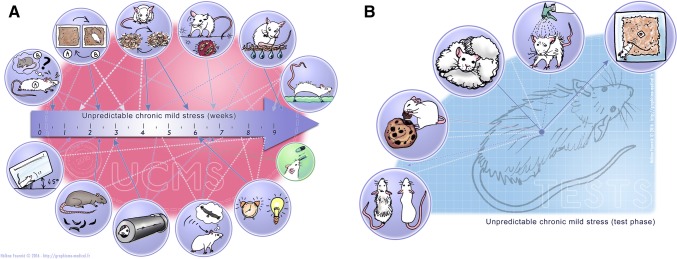
“It is a well-validated method to model a depressive-like behavior that develops gradually and naturally over time [14], consisting of exposure to various chronic and unpredictable mild stressors [7].”
BackgroundMethodInfluentialAdeleke, P. A., Ajayi, A. M., Ben‐Azu, B., & Umukoro, S. (2023) · Naunyn-Schmiedeberg s Archives of Pharmacology · doi:10.1007/s00210-023-02519-0 · Cited by 17
“2019), which has been correlated with the state of apathy, a prominent symptom of depression (Cathomas et al. 2015; Planchez et al. 2019).”
BackgroundMethodInfluentialHernández‐Arteaga, E., & Ågmo, A. (2023) · Frontiers in Behavioral Neuroscience · doi:10.3389/fnbeh.2023.1192213 · Cited by 17
“, a specific procedure aimed to predict the effects of a manipulation, for example the administration of a drug, in humans suffering from disease or dysfunction (Cryan et al., 2005; Planchez et al., 2019).”
BackgroundTchekalarova, J. D., Atanasova, M., Ivanova, N. M., Boyadjiev, N., Mitreva, R., & Georgieva, K. N. (2020) · Brain Research Bulletin · doi:10.1016/j.brainresbull.2020.05.012 · Cited by 14
Juvenile handling rescues autism-related effects of prenatal exposure to valproic acid
Seiffe, A., Ramírez, M. F., Sempé, L., & Depino, A. M. (2022) · Scientific Reports · doi:10.1038/s41598-022-11269-7 · Cited by 13
The Habenula in the Link Between ADHD and Mood Disorder
Lee, Y., & Goto, Y. (2021) · Frontiers in Behavioral Neuroscience · doi:10.3389/fnbeh.2021.699691 · Cited by 14
Sundarakrishnan, A., & Clarke, P. B. S. (2022) · PLOS ONE · doi:10.1371/journal.pone.0276743 · Cited by 12
“, an impaired ability to derive pleasure from rewarding stimuli [25].”
BackgroundWang, P., Li, Y., Song, Y., Gao, Y. Z., Hao, C., Zhou, Y., Bao, S., Guo, J., & Li, X. (2024) · CNS Neuroscience & Therapeutics · doi:10.1111/cns.14644 · Cited by 17
Li, R., Wang, X., Luo, L., & Yuan, Y. (2024) · Frontiers in Psychology · doi:10.3389/fpsyg.2024.1392240 · Cited by 14
Martinez, B., & Peplow, P. V. (2024) · NeuroMarkers. · doi:10.1016/j.neumar.2024.100001 · Cited by 12
Jackson, M. G., & Robinson, E. S. J. (2022) · Emerging Topics in Life Sciences · doi:10.1042/etls20220004 · Cited by 12
de Lima, B. R. F., Patriota, L. L. D. S., Marinho, A. D. O., da Costa, J. A., Napoleão, T. H., da Rosa, M. M., & Paiva, P. M. G. (2023) · Neuroscience Letters · doi:10.1016/j.neulet.2023.137092 · Cited by 16
Silva, S., Bicker, J., Fialho, S., Cunha, S., Falcão, A. C., & Fortuna, A. C. (2024) · Biochemical Pharmacology · doi:10.1016/j.bcp.2024.116184 · Cited by 12
Early estradiol exposure masculinizes disease‐relevant behaviors in female mice
Seiffe, A., Ramirez, M. F., Barrios, C. D., Albarrán, M. M., & Depino, A. M. (2021) · European Journal of Neuroscience · doi:10.1111/ejn.15130 · Cited by 11
Akbar, K., Rehman, M. U., Shah, F. A., Younas, S., Al-Otaibi, J. S., & Khan, H. Z. (2024) · AAPS PharmSciTech · doi:10.1208/s12249-024-02954-z · Cited by 11
“The forced swim test was performed in a way given by [26].”
Dynamic human gut microbiome and immune shifts during an immersive psychosocial intervention program
Zhou, X., Ganz, A. B., Rayner, A., Cheng, T. Y., Oba, H., Rolnik, B. M., Lancaster, S. M., Lu, X., Li, Y., Johnson, J. S., et al. (2024) · Brain Behavior and Immunity · doi:10.1016/j.bbi.2024.12.027 · Cited by 14
“…2008), coupled with the challenges of replicating psychiatric disorders in animal models (Krishnan and Nestler, 2011; Monteggia et al., 2014; Planchez et al., 2019), and the reliance on self-reported diagnostic tools like the Beck Depression Inventory-II (BDI-II) (Faro and Pereira, 2020)…”
Varela, R. B., Macpherson, H. K., Walker, A. J., Houghton, T., Yates, C. G., Yates, N. J., Daygon, V. D., & Tye, S. J. (2025) · Brain Behavior and Immunity · doi:10.1016/j.bbi.2025.03.001 · Cited by 14
“Consequently, more translationally relevant depressive-like and transdiagnostic domains, such as anhedonia, are required for characterization using cross species behavioral tests (Planchez et al., 2019).”
Yamamoto, M., Hirakata, H., & Toda, K. (2026) · Frontiers in Cell and Developmental Biology · doi:10.3389/fcell.2026.1777975 · Cited by 12
“Animal models based on these biological findings are designed according to the principle that inducing similar biological changes in experimental animals can recapitulate aspects of the depressive state observed in humans (Planchez et al., 2019).”
LPS-induced impairment of Na+/K+-ATPase activity: ameliorative effect of tannic acid in mice
Luduvico, K. P., Spohr, L., Soares, M. S. P., Teixeira, F. C., Bona, N. P., de Mello, J. E., Spanevello, R. M., & Stefanello, F. M. (2022) · Metabolic Brain Disease · doi:10.1007/s11011-022-01036-y · Cited by 13
“This endotoxin injection is associated with an increase in pro-inflammatory cytokine levels and neurobiological changes (Planchez et al. 2019), which are based on acute activation of the immune system (Dantzer and Kelley 2007).”
BackgroundBrandão, A. A. C., de Deus, D. L. S., Filho, L. A. M. D. S. D., Menezes, P. M. N., Massaranduba, A. B. R., Silva, F. S., & Ribeiro, L. A. D. A. (2023) · Pharmacology Biochemistry and Behavior · doi:10.1016/j.pbb.2023.173674 · Cited by 12
Domingos, L. B., Müller, H. K., da Silva, N. R., Filiou, M. D., Nielsen, A. L., Guimarães, F. S., Wegener, G., & Joca, S. R. L. (2024) · Neuropharmacology · doi:10.1016/j.neuropharm.2024.109870 · Cited by 11
Optogenetic behavioral studies in depression research: A systematic review
Spreen, A., Alkhoury, D., Walter, H., & Müller, S. (2024) · iScience · doi:10.1016/j.isci.2024.109776 · Cited by 13
“86 For example, activating the VTA DA neurons in mice that were exposed to CSDS caused a positive effect, 40 while it caused a negative effect in mice exposed to CMS. 44 Additional variety in test outcomes might arise from the use of either mice or rats, as well as of the strain, sex, and age of…”
Partyka, A., Zagórska, A., Kotańska, M., Walczak, M., Jastrzębska‐Więsek, M., Knutelska, J., Bednarski, M., Głuch‐Lutwin, M., Mordyl, B., Janiszewska, P., et al. (2020) · PLoS ONE · doi:10.1371/journal.pone.0237196 · Cited by 11
“Moreover, it has been suggested that immobility could be interpreted as an adaptive behavior that allows an animal to survive in adverse conditions without unnecessary energy expenditure [40].”
BackgroundKhushboo, Kumar, A., & Sharma, B. (2021) · Mini-Reviews in Medicinal Chemistry · doi:10.2174/1389557521666210415112601 · Cited by 14
A Glimpse Into the Sexual Dimorphisms in Major Depressive Disorder Through Epigenetic Studies
Cahill, B., Poelker-Wells, S., Prather, J. F., & Li, Y. (2021) · Frontiers in Neural Circuits · doi:10.3389/fncir.2021.768571 · Cited by 11
“The Chronic Social Defeat Stress (CSDS) paradigm induces a range of depression-like behaviors in male mice including social withdrawal, anxiety, helplessness, anhedonia, memory deficits and decreased locomotion (Avitsur et al., 2001; Planchez et al., 2019).”
BackgroundDaniels, S., Horman, T., Lapointe, T., Melanson, B. A., Storace, A., Kennedy, S. H., Frey, B. N., Rizvi, S. J., Hassel, S., Müller, D. J., et al. (2019) · Journal of Affective Disorders · doi:10.1016/j.jad.2019.11.108 · Cited by 12
Hales, C. A., Bartlett, J. M., Arban, R., Hengerer, B., & Robinson, E. S. J. (2021) · European Journal of Neuroscience · doi:10.1111/ejn.15127 · Cited by 10
“growing evidence that traditionally used preclinical tests such as the FST and SPT may not be the most reliable and lack aspects of validity for detecting pro- depressant or antidepressant efficacy across drugs with a range of pharmacological actions (Planchez et al., 2019).”
MethodNeis, V. B., Werle, I., Moretti, M., da Rosa, P. B., Camargo, A., Dalsenter, Y. D. O., Platt, N., Rosado, A. F., Engel, W. D., de Almeida, G. R. L., et al. (2022) · Metabolic Brain Disease · doi:10.1007/s11011-022-00979-6 · Cited by 11
“The antidepressant-like effect of cholecalciferol was reinforced in the CUS model, which exhibits high predictive, face, and construct validity and is widely established as a model that resembles human depression (Planchez et al. 2019).”
BackgroundTRPA1 participation in behavioral impairment induced by chronic corticosterone administration
Pereira, G. C., Piton, E., Bornholdt, J., dos Santos, B. M., de Almeida, A. S., Dalenogare, D. P., Fialho, M. F. P., Becker, G., Brum, E. D. S., Sampaio, T. B., et al. (2022) · Psychopharmacology · doi:10.1007/s00213-022-06290-7 · Cited by 10
Wang, Z., van Bruggen, R., Sandini, T. M., Hagen, E. V., Li, X., & Zhang, Y. (2023) · Progress in Neuro-Psychopharmacology and Biological Psychiatry · doi:10.1016/j.pnpbp.2023.110825 · Cited by 12
Sanadgol, N., Feriz, A. M., Lisboa, S. F. D. S., & Joca, S. R. L. (2023) · Life Sciences · doi:10.1016/j.lfs.2023.122025 · Cited by 11
Beltran-Casanueva, R., Hernández‐García, A., Serrano-Castro, P. J., Sánchez‐Pérez, J. A., Barbancho, M. Á., García‐Casares, N., Fuxé, K., Borroto‐Escuela, D. O., & Narváez, M. (2024) · The FASEB Journal · doi:10.1096/fj.202400087r · Cited by 10
Chen, V. C., Kao, C. C., Tsai, Y., Cheok, M. T., McIntyre, R. S., & Weng, J. (2021) · Frontiers in Human Neuroscience · doi:10.3389/fnhum.2021.711731 · Cited by 11
New Horizons for Phenotyping Behavior in Rodents: The Example of Depressive-Like Behavior
Leite‐Almeida, H., Castelhano-Carlos, M. J., & Sousa, N. (2022) · Frontiers in Behavioral Neuroscience · doi:10.3389/fnbeh.2021.811987 · Cited by 10
Metadata
- Authors
- Planchez, B., Surget, A., & Belzung, C.
- Affiliations
- Université de Tours (FR)
- Corresponding author
- Belzung, Catherine
- Venue
- Journal of Neural Transmission
- Published
- 2019-10-04
- Volume
- 126
- Issue
- 11
- Pages
- 1383-1408
- ISSN
- 0300-9564 (ISSN-L)
- 1435-1463
- PMC
- PMC6815270
- OpenAlex
- W2977895995
- Cited by
- 480
- References
- 283
- Citations by year
- 2026: 45 · 2025: 93 · 2024: 81 · 2023: 77 · 2022: 70 · 2021: 74 · 2020: 37 · 2019: 1
- FWCI
- 5.84
- Type
- journal article
- Language
- en
- Open access
- hybrid
- doi.org
- Licence
- cc-by
- creativecommons.org/licenses/by/4.0 (tdm)
- creativecommons.org/licenses/by/4.0 (vor)
- Locations
- Journal of Neural Transmission (publishedVersion, cc-by)
- Europe PMC (PubMed Central) (publishedVersion, cc-by)
- PubMed Central (publishedVersion, cc-by)
- PubMed (publishedVersion)
- HAL (submittedVersion)
- Topics
- Health Sciences › Medicine › Pharmacology (medical) › Treatment of Major Depression
- Life Sciences › Neuroscience › Cellular and Molecular Neuroscience › Neurotransmitter Receptor Influence on Behavior
- Life Sciences › Neuroscience › Behavioral Neuroscience › Stress Responses and Cortisol
- Keywords
- major depressive disorder, animal models of depression, treatment-resistant depression, recurrent depression, depression subtypes, optogenetics, environmental enrichment, rodent models, antidepressant response
- MeSH terms
- Animals, Behavior, Animal, Major Depressive Disorder, Depressive Disorder, Major, Disease Models, Animal, Depressive Disorder, Treatment-Resistant
About these checks
Registry, retraction, Cites and statistics results are computed, not judged, with one exception: a printed reference that no index lists is read once by a model before it counts as a citation error. Claims are extracted by a model and kept only when their quote appears verbatim in the text; each cited source is then checked, with a model’s help, for whether it says what the claim relies on. Those verdicts can be wrong — read the claim’s quote and the cited source before relying on one.
Statistics and arithmetic are recomputed, not judged.
Confidence bands are shown only for fields calibrated on our annotated test set. None is calibrated yet, so no band is shown.
What counts as a claim ›How we measure confidence ›How we check this ›
Are you an author, or do you see a problem with this page? Request a review
Data sources
Bibliographic data: Semantic Scholar, OpenAlex, Crossref.
Contains information from the Semantic Scholar Academic Graph Datasets, made available under the ODC Attribution License (ODC-BY 1.0).
Semantic Scholar’s data is described in: Kinney, R., et al. (2023). The Semantic Scholar Open Data Platform. arXiv:2301.10140.
