

Pericytes from Brain Microvessels Strengthen the Barrier Integrity in Primary Cultures of Rat Brain Endothelial Cells
Open accessThe DOI matches its Crossref record; 18 of the 18 references it cites were found in a registry or an index.
Abstract
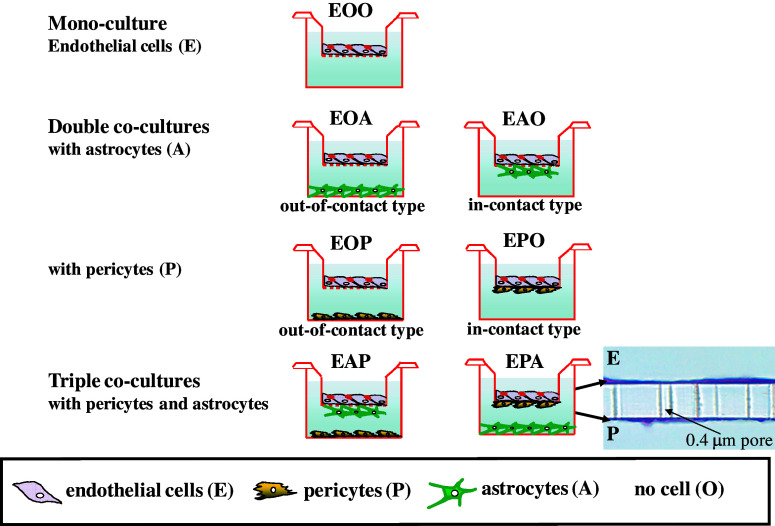
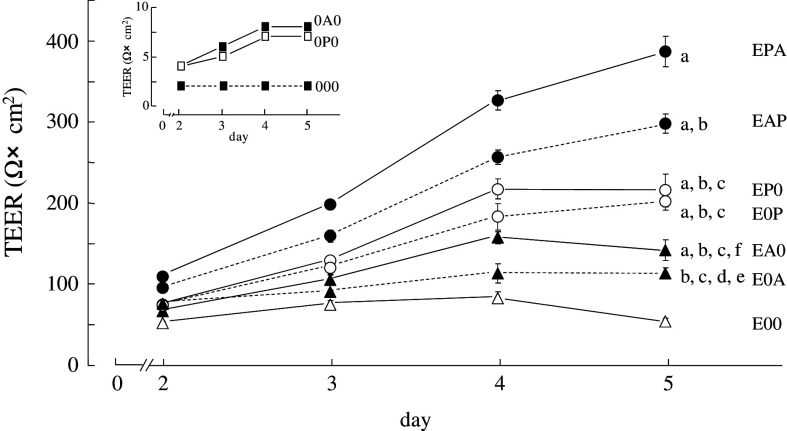
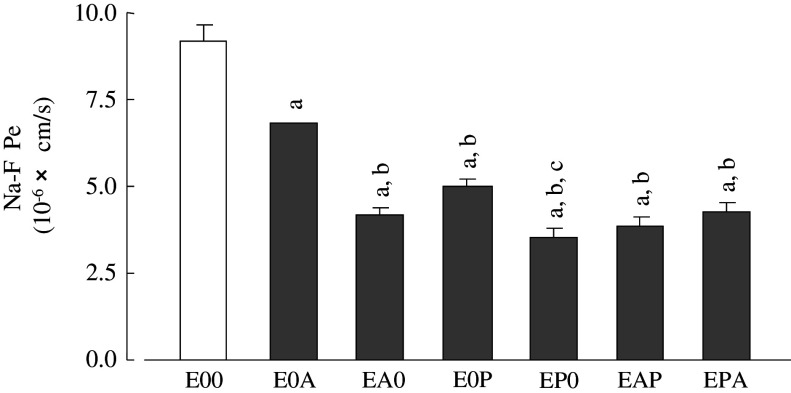
(1) The blood-brain barrier (BBB) characteristics of cerebral endothelial cells are induced by organ-specific local signals. Brain endothelial cells lose their phenotype in cultures without cross-talk with neighboring cells. (2) In contrast to astrocytes, pericytes, another neighboring cell of endothelial cells in brain capillaries, are rarely used in BBB co-culture systems. (3) Seven different types of BBB models, mono-culture, double and triple co-cultures, were constructed from primary rat brain endothelial cells, astrocytes and pericytes on culture inserts. The barrier integrity of the models were compared by measurement of transendothelial electrical resistance and permeability for the small molecular weight marker fluorescein. (4) We could confirm that brain endothelial monolayers in mono-culture do not form tight barrier. Pericytes induced higher electrical resistance and lower permeability for fluorescein than type I astrocytes in co-culture conditions. In triple co-culture models the tightest barrier was observed when endothelial cells and pericytes were positioned on the two sides of the porous filter membrane of the inserts and astrocytes at the bottom of the culture dish. (5) For the first time a rat primary culture based syngeneic triple co-culture BBB model has been constructed using brain pericytes beside brain endothelial cells and astrocytes. This model, mimicking closely the anatomical position of the cells at the BBB in vivo, was superior to the other BBB models tested. (6) The influence of pericytes on the BBB properties of brain endothelial cells may be as important as that of astrocytes and could be exploited in the construction of better BBB models.
Overview
The claims and statistics of this paper haven’t been checked yet.
Free: it reads the open-access text and checks the first 5 claims that cite a source we can check. Create a free account to check every claim.
Integrity signals
Registry
Cites
Statistics
Figures
Verification
Claims the paper makes
The claims and statistics of this paper haven’t been checked yet.
Free: it reads the open-access text and checks the first 5 claims that cite a source we can check. Create a free account to check every claim.
Claims other papers make about this one
Each is checked against this paper’s own text: does it say what the citing paper says it does?
The cited source says what the claim attributes to it.
In the citing paper
“Other evidence for the role of pericytes in BBB function comes from in vitro transwell experiments where the presence of pericytes in the basolateral chamber increases transendothelial electrical resistance (TEER) [16, 18–20].”
From Role of iPSC-derived pericytes on barrier function of iPSC-derived brain microvascular endothelial cells in 2D and 3D (2019) · cites this paper as [19]
In the citing paper
“The in vitro BBB models were established within 4 days of seeding the cells according to the manufacturer’s instructions46.”
From Vascular RAGE transports oxytocin into the brain to elicit its maternal bonding behaviour in mice (2019) · cites this paper as [46]
Self-check
Percentages, sums and reported differences re-computed from the paper’s own numbers.
The self-check needs the paper’s full text.
Citations
Cites
Astrocyte-endothelial interactions at the blood-brain barrier
Abbott, N. J., Rönnbäck, L., & Hansson, E. (2006) · Nature Reviews Neuroscience · doi:10.1038/nrn1824 · Cited by 5,595 · cited 2×
“…cells, astrocytes were the first to be recognized as regulators of brain endothelial characteristics and functions (for reviews see Abbott 2005; Abbott et al. 2006; Haseloff et al. 2005) including the induction of tight junctions (TJs) (Tao-Cheng et al. 1987), a fundamental characteristic of…”
BackgroundLack of Pericytes Leads to Endothelial Hyperplasia and Abnormal Vascular Morphogenesis
Hellström, M., Gerhardt, H., Kalén, M., Li, X., Eriksson, U., Wolburg, H., & Betsholtz, C. (2001) · The Journal of Cell Biology · doi:10.1083/jcb.153.3.543 · Cited by 1,100 · cited 2×
“Despite their localization as the nearest neighbors of endothelial cells with a fundamental role in stabilizing brain capillary structure in vivo (Hellström et al. 2001), few data are available on the functional significance of pericytes on BBB properties.”
BackgroundPermeability Studies on In Vitro Blood–Brain Barrier Models: Physiology, Pathology, and Pharmacology
Deli, M. A., Ábrahám, C. S., Kataoka, Y., & Niwa, M. (2005) · Cellular and Molecular Neurobiology · doi:10.1007/s10571-004-1377-8 · Cited by 643 · cited 5×
“Transendothelial permeability coefficient (Pe in 10 –6 cm/s) was calculated as previously described (Deli et al. 2005).”
BackgroundMethodInfluentialSelf-citationDynamics of CNS Barriers: Evolution, Differentiation, and Modulation
Abbott, N. J. (2005) · Cellular and Molecular Neurobiology · doi:10.1007/s10571-004-1374-y · Cited by 469 · cited 1×
“Among these cells, astrocytes were the first to be recognized as regulators of brain endothelial characteristics and functions (for reviews see Abbott 2005; Abbott et al. 2006; Haseloff et al. 2005) including the induction of tight junctions (TJs) (Tao-Cheng et al. 1987), a fundamental…”
BackgroundTight junctions of brain endothelium in vitro are enhanced by astroglia
Tao-Cheng, J., Nagy, Z., & Brightman, M. (1987) · The Journal of Neuroscience · doi:10.1523/jneurosci.07-10-03293.1987 · Cited by 399 · cited 2×
“…and functions (for reviews see Abbott 2005; Abbott et al. 2006; Haseloff et al. 2005) including the induction of tight junctions (TJs) (Tao-Cheng et al. 1987), a fundamental characteristic of the BBB. Brain pericytes, the cells sharing the basal membrane with capillary endothelial…”
BackgroundDohgu, S., Takata, F., Yamauchi, A., Nakagawa, S., Egawa, T., Naito, M., Tsuruo, T., Sawada, Y., Niwa, M., & Kataoka, Y. (2005) · Brain Research · doi:10.1016/j.brainres.2005.01.027 · Cited by 350 · cited 4×
“Brain pericytes, the cells sharing the basal membrane with capillary endothelial cells, were recently found to be also able to induce BBB functions in cultured brain endothelial cells (Hayashi et al. 2004; Dohgu et al. 2005).”
BackgroundInfluentialSelf-citationHori, S., Ohtsuki, S., Hosoya, K., Nakashima, E., & Terasaki, T. (2004) · Journal of Neurochemistry · doi:10.1111/j.1471-4159.2004.02343.x · Cited by 341 · cited 1×
“Pericyte-derived angiopoietin-1 enhanced occludin gene expression in a brain endothelial cell line (Hori et al. 2004).”
BackgroundPerrière, N., Demeuse, P., Garcia, E., Regina, A., Debray, M., Andreux, J. ‐., Couvreur, P., Scherrmann, J. ‐., Temsamani, J., Couraud, P. ‐., et al. (2005) · Journal of Neurochemistry · doi:10.1111/j.1471-4159.2004.03020.x · Cited by 330 · cited 2×
“5 ng/ml), heparin (100 lg/ml), insulin (5 lg/ml), transferrin (5 lg/ml), sodium selenite (5 ng/ml) (insulin-transferrin-sodium selenite media supplement), gentamicin (50 lg/ml), and puromycin (4 lg/ml) (Perrière et al. 2005) (RBEC medium I) at 37 C with a humidified atmosphere of 5% CO2/95% air, for 2 days.”
MethodSelf-citationHaseloff, R. F., Blasig, I. E., Bauer, H. C., & Bauer, H. (2005) · Cellular and Molecular Neurobiology · doi:10.1007/s10571-004-1375-x · Cited by 301 · cited 2×
“Among these cells, astrocytes were the first to be recognized as regulators of brain endothelial characteristics and functions (for reviews see Abbott 2005; Abbott et al. 2006; Haseloff et al. 2005) including the induction of tight junctions (TJs) (Tao-Cheng et al.”
BackgroundHydrocortisone Reinforces the Blood–Brain Barrier Properties in a Serum Free Cell Culture System
Hoheisel, D., Nitz, T., Franke, H., Wegener, J., Hakvoort, A., Tilling, T., & Galla, H.-J. (1998) · Biochemical and Biophysical Research Communications · doi:10.1006/bbrc.1997.8051 · Cited by 260 · cited 1×
“From Day 1, the culture medium was supplemented with 500 nM hydrocortisone (Hoheisel et al. 1998).”
Method
Research works printed but not linked: 1
- Deli MA, Szabó CA, Dung NTK, Joó F (1997) Immunohistochemical and electron microscopy detections on primary cultures of rat cerebral endothelial cells. In: Boer AG, Sutanto W (eds) Drug transport across the blood–brain barrier: in vivo and in vitro techniques. Harwood Academic Publishers, Amsterdam, pp 23–28
Cited by
Items 101–200 of 384
Dohgu, S., & Banks, W. A. (2013) · Fluids and Barriers of the CNS · doi:10.1186/2045-8118-10-23 · Cited by 74
“Mouse brain pericytes were obtained by a prolonged, 2week culture of isolated brain microvessel fragments under selective culture conditions because brain microvessel fragments contain pericytes [56,58,59].”
Wisniewska‐Kruk, J., Klaassen, I., Vogels, I. M. C., Magno, A. L., Lai, C., Noorden, C. J. F. V., Schlingemann, R. O., & Rakoczy, E. P. (2014) · Experimental Eye Research · doi:10.1016/j.exer.2014.03.005 · Cited by 82
Low Dose Cranial Irradiation-Induced Cerebrovascular Damage Is Reversible in Mice
Sándor, N., Walter, F. R., Bocsik, A., Sántha, P., Schilling-Tóth, B. M., Lener, V., Varga, Z., Kahán, Z., Deli, M. A., Sáfrány, G., et al. (2014) · PLoS ONE · doi:10.1371/journal.pone.0112397 · Cited by 79
“Co-culture of primary MBEC with glial cells induced barrier properties and stainings for tight junction markers in endothelial cells, and the monolayers showed high TEER and low basal permeability similarly to the rat model [32,33].”
BackgroundMethodResultSelf-citationHIV and viral protein effects on the blood brain barrier
McRae, M. (2016) · Tissue Barriers · doi:10.1080/21688370.2016.1143543 · Cited by 80
Helms, H. C. C., Waagepetersen, H. S., Nielsen, C. U., & Brodin, B. (2010) · The AAPS Journal · doi:10.1208/s12248-010-9237-6 · Cited by 73
Miyazaki, S., Yanagida, T., Nunome, K., Ishikawa, S., Inden, M., Kitamura, Y., Nakagawa, S., Taira, T., Hirota, K., Niwa, M., et al. (2008) · Journal of Neurochemistry · doi:10.1111/j.1471-4159.2008.05327.x · Cited by 77
“The blood-brain barrier (BBB) kit was established as described previously (Hayashi et al. 2004; Nakagawa et al. 2007).”
MethodSelf-citationDisdier, C., & Stonestreet, B. S. (2020) · Journal of Neuroscience Research · doi:10.1002/jnr.24590 · Cited by 76
“In addition, they preserve the structure of the BBB by stimulating TJ formation (Ballabh et al., 2004; Daneman, Zhou, Kebede, & Barres, 2010; Dente, Steffes, Speyer, & Tyburski, 2001; Nakagawa et al., 2007).”
BackgroundShi, X., HAN, W., Yamamoto, H., Tang, W., Lin, X., Xiu, R., Trune, D. R., & Nuttall, A. L. (2008) · Microcirculation · doi:10.1080/10739680802047445 · Cited by 75
“The data support the view that pericytes on the vessels of the SL have a role in the control of local blood flow, whereas pericytes on the vessels of the SV may only serve a structural role related to microvessel-wall integrity [30].”
BackgroundResultMaterials for blood brain barrier modeling in vitro
Ferro, M. P., Heilshorn, S. C., & Owens, R. M. (2020) · Materials Science and Engineering R Reports · doi:10.1016/j.mser.2019.100522 · Cited by 75
Patented In Vitro Blood-Brain Barrier Models in CNS Drug Discovery
Toth, A., Veszelka, S., Nakagawa, S., Niwa, M., & A. Deli, M. (2011) · Recent Patents on CNS Drug Discovery · doi:10.2174/157488911795933910 · Cited by 67
Self-citationBirbrair, A., Borges, I. D. T., Sena, I. F. G., Almeida, G. G., Meirelles, L. D. S., Gonçalves, R., Mintz, A., & Delbono, O. (2017) · Stem Cells and Development · doi:10.1089/scd.2017.0044 · Cited by 71
The Active Role of Pericytes During Neuroinflammation in the Adult Brain
Medina‐Flores, F., Hurtado‐Alvarado, G., Deli, M. A., & Gómez‐González, B. (2022) · Cellular and Molecular Neurobiology · doi:10.1007/s10571-022-01208-5 · Cited by 70
Self-citationMolino, Y., Jabès, F., Lacassagne, E., Gaudin, N., & Khrestchatisky, M. (2014) · Journal of Visualized Experiments · doi:10.3791/51278 · Cited by 86
Advancements in drug delivery methods for the treatment of brain disease
Partridge, B. R., Eardley, A., Morales, B. E., Campelo, S. N., Lorenzo, M. F., Mehta, J. N., Kani, Y., Mora, J. K. G., Campbell, E.-O. Y., Arena, C. B., et al. (2022) · Frontiers in Veterinary Science · doi:10.3389/fvets.2022.1039745 · Cited by 78
“Pericyte co-culture with BECs will increase BBB TEER as well as efflux transporter function (23).”
BackgroundMuramatsu, R., Kuroda, M., Matoba, K., Lin, H., Takahashi, C., Koyama, Y., & Yamashita, T. (2015) · Journal of Biological Chemistry · doi:10.1074/jbc.m114.587253 · Cited by 60
“Single culture of endothelial cells resulted in a lower TEER value than that observed in the BBB model, as reported previously (24), and pharmacological treatment did not induce significant changes in the TEER value (Fig.”
ResultTakata, F., Dohgu, S., Yamauchi, A., Matsumoto, J., Machida, T., Fujishita, K., Shibata, K., Shinozaki, Y., Sato, K., Kataoka, Y., et al. (2013) · PLoS ONE · doi:10.1371/journal.pone.0055166 · Cited by 66
“These cells potentiate the endothelial barrier properties by inducing the expression of tight junction proteins and various efflux transporters on BMECs [9,10,11,12].”
BackgroundMethodSelf-citationCurrent Status and Challenges Associated with CNS-Targeted Gene Delivery across the BBB
Kimura, S., & Harashima, H. (2020) · Pharmaceutics · doi:10.3390/pharmaceutics12121216 · Cited by 65
“Pericytes are able to modulate BBB integrity (increase of transendothelial electrical resistance (TEER)), transcytosis rate, and the expression of efflux pumps [95,96].”
BackgroundBanerjee, J., Shi, Y., & Azevedo, H. S. (2016) · Drug Discovery Today · doi:10.1016/j.drudis.2016.05.020 · Cited by 74
In vitro screening of nanomedicines through the blood brain barrier: A critical review
Aparicio-Blanco, J., Martín‐Sabroso, C., & Torres‐Suárez, A. I. (2016) · Biomaterials · doi:10.1016/j.biomaterials.2016.06.051 · Cited by 69
“Additionally, to better mimic the in vivo BBB, triple coculture systems with endothelial cells, pericytes and astrocytes have been described [168, 172, 175].”
BackgroundKuo, Y., Wang, L.-J., & Rajesh, R. (2019) · Materials Science and Engineering C · doi:10.1016/j.msec.2019.04.065 · Cited by 65
Kimura, A., Tsuji, M., Yasumoto, T., Mori, Y., Oguchi, T., Tsuji, Y., Umino, M., Umino, A., Nishikawa, T., Nakamura, S., et al. (2021) · Free Radical Biology and Medicine · doi:10.1016/j.freeradbiomed.2021.05.019 · Cited by 68
In vitro biomimetic models for glioblastoma-a promising tool for drug response studies
Stanković, T., Ranđelović, T., Dragoj, M., Burić, S. S., Fernández, L. J., Ochoa, I., Pérez‐García, V. M., & Pešić, M. (2021) · Drug Resistance Updates · doi:10.1016/j.drup.2021.100753 · Cited by 67
Nunes, S. S., Krishnan, L., Gerard, C. S., Dale, J. R., Maddie, M. A., Benton, R. L., & Hoying, J. B. (2010) · Microcirculation · doi:10.1111/j.1549-8719.2010.00052.x · Cited by 62
“Brain pericytes of the distal microvessels can induce higher electrical resistances and lower permeability in co-culture systems with non-brain endothelial cells in vitro [7,20].”
BackgroundVandenhaute, E., Drolez, A., Sevin, E., Gosselet, F., Mysiorek, C., & Dehouck, M. (2016) · Laboratory Investigation · doi:10.1038/labinvest.2016.35 · Cited by 67
Yang, X., Zheng, T., Hong, H., Cai, N., Zhou, X., Sun, C., 吴丽颖, Liu, S., Zhao, Y., Zhu, L., et al. (2017) · Frontiers of Medicine · doi:10.1007/s11684-017-0547-2 · Cited by 65
Kushida, H., Matsumoto, T., & Ikarashi, Y. (2021) · Frontiers in Pharmacology · doi:10.3389/fphar.2021.688670 · Cited by 67
Nitration of TRPM2 as a Molecular Switch Induces Autophagy During Brain Pericyte Injury
Jiang, Q., Gao, Y., Wang, C., Tao, R., Wu, Y., Zhan, K., Liao, M., Lu, N., Lu, Y., Wilcox, C. S., et al. (2017) · Antioxidants and Redox Signaling · doi:10.1089/ars.2016.6873 · Cited by 59
“Recent findings have revealed that pericytes from brain microvessels strengthen the barrier integrity in primary cultures of rat brain endothelial cells (35).”
A simple method for isolating and culturing the rat brain microvascular endothelial cells
Liu, Y., Xue, Q., Tang, Q., Hou, M., Qi, H., Chen, G., Chen, W., Zhang, J., Chen, Y., & Xu, X. (2013) · Microvascular Research · doi:10.1016/j.mvr.2013.08.004 · Cited by 59
Wan, W., Cao, L., Liu, L., Kalionis, B., Chen, C., Tai, X., Li, Y., & Xia, S.-J. (2014) · PLoS ONE · doi:10.1371/journal.pone.0113126 · Cited by 58
“Transendothelial permeability was measured using Na-F as described previously [26,27] with the following modifications.”
MethodLeukocyte transmigration across the blood-brain barrier: perspectives on neuroAIDS
Roberts, T. K. (2010) · Frontiers in Bioscience · doi:10.2741/3631 · Cited by 56
In Vitro Modeling of the Blood-Brain Barrier: Simplicity Versus Complexity
Ogunshola, O. O. (2011) · Current Pharmaceutical Design · doi:10.2174/138161211797440159 · Cited by 68
“of improved barrier phenotype in 2D co-culture models (50, 65).”
BackgroundDocosahexaenoic Acid Reduces Amyloid-β Induced Toxicity in Cells of the Neurovascular Unit
Veszelka, S., Tóth, A. E., Walter, F. R., Datki, Z., Mózes, E., Fülöp, L., Bozsó, Z., Hellinger, É., Vastag, M., Orsolits, B., et al. (2013) · Journal of Alzheimer's Disease · doi:10.3233/jad-120163 · Cited by 51
“As described in our previous papers [34, 35], cultured brain microvascular pericytes show typical morphology of large, flat multipolar cells with several branches in accordance with literature data [36] and look similar to the pericyte cultures described by Vandenhaute et al.”
Self-citationVascular cognitive impairment: Modeling a critical neurologic disease in vitro and in vivo
Helman, A. M., & Murphy, M. P. (2015) · Biochimica et Biophysica Acta (BBA) - Molecular Basis of Disease · doi:10.1016/j.bbadis.2015.12.009 · Cited by 61
Tian, X., Peng, J., Zhong, J., Yang, M., Pang, J., Lou, J., Li, M., An, R., Zhang, Q., Xu, L., et al. (2016) · Journal of Neurochemistry · doi:10.1111/jnc.13833 · Cited by 55
“BMECs were prepared from 2-week-old rats as previously described (Nakagawa et al. 2007; Xue et al. 2013; Ruck et al. 2014).”
MethodMaherally, Z., Fillmore, H. L., Tan, S. L., Tan, S. F., Jassam, S. A., Quack, F., Hatherell, K. E., & Pilkington, G. J. (2017) · The FASEB Journal · doi:10.1096/fj.201700162r · Cited by 61
“For the addition of a third cell type in ourmodel, unlike other previous studies, in which incorporation of pericytes in BBB cultures yielded higher TEER values (46), ours did not.”
ResultPericytes: The Role of Multipotent Stem Cells in Vascular Maintenance and Regenerative Medicine
Ahmed, T. A., & El‐Badri, N. (2017) · Advances in experimental medicine and biology · doi:10.1007/5584_2017_138 · Cited by 55
Human Induced Pluripotent Stem Cell-Derived Brain Endothelial Cells: Current Controversies
Lu, T. M., Durán, J. G. B., Houghton, S., Rafii, S., Redmond, D., & Lis, R. (2021) · Frontiers in Physiology · doi:10.3389/fphys.2021.642812 · Cited by 58
Toyoda, K., Tanaka, K., Nakagawa, S., Thuy, D. H. D., Ujifuku, K., Kamada, K., Hayashi, K., Matsuo, T., Nagata, I., & Niwa, M. (2013) · Cellular and Molecular Neurobiology · doi:10.1007/s10571-013-9913-z · Cited by 57
“Primary cultures of RBECs were prepared from 3-week-old rats, as previously described (Nakagawa et al. 2009; Deli et al. 1997; Nakagawa et al. 2007).”
Self-citationDohgu, S., Ryerse, J. S., Robinson, S. M., & Banks, W. A. (2012) · PLoS ONE · doi:10.1371/journal.pone.0039565 · Cited by 52
“[31].”
Fukuda, S., Nakagawa, S., Tatsumi, R., Morofuji, Y., Takeshita, T., Hayashi, K., Tanaka, K., Matsuo, T., & Niwa, M. (2015) · Journal of Molecular Neuroscience · doi:10.1007/s12031-015-0696-1 · Cited by 53
“The flux of sodium fluorescein (Na-F), a small molecule permeability marker, across the endothelial monolayer was determined as previously described (Nakagawa et al. 2007).”
BackgroundSelf-citationTenreiro, M. M. B., Ferreira, R., Bernardino, L. I., & Brito, M. A. (2016) · Neurobiology of Disease · doi:10.1016/j.nbd.2016.03.014 · Cited by 58
Urbanczyk, M., Zbinden, A., & Schenke‐Layland, K. (2022) · Advanced Drug Delivery Reviews · doi:10.1016/j.addr.2022.114323 · Cited by 59
Paradis, A., Leblanc, D., & Dumais, N. (2015) · MethodsX · doi:10.1016/j.mex.2015.11.009 · Cited by 52
Cai, H., Liu, W., Xue, Y., Shang, X., Liu, J., Li, Z., Wang, P., Liu, L., Hu, Y., & Liu, Y. (2014) · Journal of Neuropathology & Experimental Neurology · doi:10.1097/nen.0000000000000146 · Cited by 51
“In Vitro Models and Transendothelial Electric Resistance Measurements In vitro coculture BBB and BTBmodels were established following Nakagawa et al (27).”
MethodCeruti, S., Colombo, L., Magni, G., Viganò, F., Boccazzi, M., Deli, M. A., Sperlágh, B., Abbracchio, M. P., & Kittel, Á. (2011) · Neurochemistry International · doi:10.1016/j.neuint.2011.05.013 · Cited by 53
“(2005); see below); later, pericytes were also identified as key player in the regulation of barrier properties (Nakagawa et al., 2007).”
BackgroundMethodSelf-citationFreese, C., Reinhardt, S., Hefner, G., Unger, R. E., Kirkpatrick, C. J., & Endres, K. (2014) · PLoS ONE · doi:10.1371/journal.pone.0091003 · Cited by 49
“Isolated from rat, bos taurus or pig, and co-cultured with astrocytes, pericytes or even both cell types, brain microvascular endothelial cells were shown to form a tight barrier, generally demonstrated by high transendothelial electrical resistance (TEER) and low permeability coefficients [26,27,28,29].”
BackgroundA three-dimensional neural spheroid model for capillary-like network formation
Boutin, M. E., Kramer, L., Livi, L. L., Brown, T. D., Moore, C. I., & Hoffman–Kim, D. (2017) · Journal of Neuroscience Methods · doi:10.1016/j.jneumeth.2017.01.014 · Cited by 52
Nakagawa, S., & Aruga, J. (2019) · Molecular Neurobiology · doi:10.1007/s12035-019-01844-x · Cited by 53
Self-citationBurkhart, A., Thomsen, L. B., Thomsen, M. S., Lichota, J., Fazakas, C., Krizbai, I. A., & Moos, T. (2015) · Fluids and Barriers of the CNS · doi:10.1186/s12987-015-0015-9 · Cited by 55
“that TEER values remained high for more than 5 days in non-transfected conditions [2], while another group report that the TEER values of non-transfected BCECs decrease after day 3 [44].”
BackgroundResultCilostazol Strengthens Barrier Integrity in Brain Endothelial Cells
Horai, S., Nakagawa, S., Tanaka, K., Morofuji, Y., Couraud, P.-O., Deli, M. A., Ozawa, M., & Niwa, M. (2012) · Cellular and Molecular Neurobiology · doi:10.1007/s10571-012-9896-1 · Cited by 50
Self-citationDohgu, S., Takata, F., Matsumoto, J., Oda, M., Harada, E., Watanabe, T., Nishioku, T., Shuto, H., Yamauchi, A., & Kataoka, Y. (2010) · Microvascular Research · doi:10.1016/j.mvr.2010.10.004 · Cited by 48
“Brain pericytes were obtained by a prolonged culture of isolated brain microvessel fragments under selective culture conditions (Dohgu et al., 2005; Takata et al., 2009; Nakagawa et al., 2007).”
BackgroundSelf-citationHypoxia Alters MicroRNA Expression in Rat Cortical Pericytes
Truettner, J. S., Katyshev, V., Esen, N., Dietrich, W. D., & Dore‐Duffy, P. (2013) · MicroRNA · doi:10.2174/2211536611302010005 · Cited by 48
“The pericyte is a complex adaptive regulatory cell and an integral member of the neurovascular unit [23, 31].”
BackgroundGirolamo, F., de Trizio, I., Errede, M., Longo, G., d’Amati, A., & Virgintino, D. (2021) · Fluids and Barriers of the CNS · doi:10.1186/s12987-021-00242-7 · Cited by 49
N-Cadherin Levels in Endothelial Cells Are Regulated by Monolayer Maturity and p120 Availability
Ferreri, D. M., Minnear, F. L., Yin, T., Kowalczyk, A. P., & Vincent, P. A. (2008) · Cell Communication & Adhesion · doi:10.1080/15419060802440377 · Cited by 47
“…(Darland et al. 2003; Korff et al. 2001), survival (Darland et al. 2003; Korff et al. 2001), endothelial monolayer permeability (Kurzen et al. 2002; Morel et al. 1997; Nakagawa et al. 2007), migration (Hirschi et al. 1999; Sato and Rifkin 1989), and proliferation (Orlidge and D’Amore 1987).”
BackgroundPaving the Way Toward Complex Blood-Brain Barrier Models Using Pluripotent Stem Cells
Lauschke, K., Frederiksen, L., & Hall, V. J. (2017) · Stem Cells and Development · doi:10.1089/scd.2017.0003 · Cited by 50
“One interesting study that included pericytes in its co-culture model detected reasonable TEER values of a maximum of 400 Ocm(2), when astrocytes were cultured on the bottom of the transwell, pericytes on the lower side of the filter, and ECs on the upper side of the filter [34].”
Miranda-Azpiazu, P., Panagiotou, S., Jose, G., & Saha, S. (2018) · Scientific Reports · doi:10.1038/s41598-018-26480-8 · Cited by 47
“Aβ25-35 is the shortest biologically active fragment of full-length Aβ (1-42) that retains full toxicity31.”
BackgroundMicrovascular pericytes in brain-associated vascular disease
Liu, Q., Yang, Y., & Fan, X. (2019) · Biomedicine & Pharmacotherapy · doi:10.1016/j.biopha.2019.109633 · Cited by 47
Semaphorin 4C Promotes Macrophage Recruitment and Angiogenesis in Breast Cancer
Yang, J., Zeng, Z., Qiao, L., Jiang, X., Ma, J., Wang, J., Ye, S., Ma, Q., Wei, J., Wu, M., et al. (2019) · Molecular Cancer Research · doi:10.1158/1541-7786.mcr-18-0933 · Cited by 45
“In vitro permeability assay In vitro permeability assay was performed as described previously (25).”
MethodMasago, K., Kihara, Y., Yanagida, K., Hamano, F., Nakagawa, S., Niwa, M., & Shimizu, T. (2018) · Biochemical and Biophysical Research Communications · doi:10.1016/j.bbrc.2018.05.106 · Cited by 44
“By mimicking the anatomical situation in the cerebral microvessels, the in vitro BBB model is able to maintain the strong barrier integrity compared to the other in vitro BBB models tested [18, 19].”
MethodResultSelf-citationAnatomy and physiology of blood-brain barrier
Gupta, S. N., Dhanda, S., & Sandhir, R. (2018) · Elsevier eBooks · doi:10.1016/b978-0-12-814001-7.00002-0 · Cited by 51
Current Status of In vitro Models of the Blood-brain Barrier
Dong, X., & Shah, B. (2022) · Current Drug Delivery · doi:10.2174/1567201819666220303102614 · Cited by 42
Breaking boundaries: role of the brain barriers in metastatic process
Izadi, N., Solar, P., Hašanová, K., Zamani, A., Akbar, M. B., Mrázová, K., Bartošík, M., Kazda, T., Hrstka, R., & Joukal, M. (2025) · Fluids and Barriers of the CNS · doi:10.1186/s12987-025-00618-z · Cited by 43
“Other important functions of pericytes in maintaining BBB homeostasis include immune or phagocytic functions stem cell potential, angiogenesis as well as participation in the development of the BBB [31, 33, 34].”
Blood–Brain Barrier and Bilirubin: Clinical Aspects and Experimental Data
Brito, M. A., Palmela, I., Cardoso, F. L., Sá-Pereira, I., & Brites, D. M. T. O. (2014) · Archives of Medical Research · doi:10.1016/j.arcmed.2014.11.015 · Cited by 43
Liu, Q., Hou, J., Chen, X., Liu, G., Zhang, D., Sun, H., & Zhang, J. (2014) · PLoS ONE · doi:10.1371/journal.pone.0102442 · Cited by 42
“The flux of sodium fluorescein (NaF) across the BBB models was determined as previously described [16].”
MethodPlácido, A. I., Pereira, C., Correira, S. C., Carvalho, C., Oliveira, C. R., & Moreira, P. I. (2016) · Molecular Neurobiology · doi:10.1007/s12035-015-9640-1 · Cited by 47
“On the other hand, inhibition or downregulation of PP2A in cultured cells or in vivo was shown to lead to tau hyperphosphorylation [39, 44, 45], inhibiting MTs assembly and stability [46].”
BackgroundHelms, H. C. C., & Brodin, B. (2014) · Methods in molecular biology · doi:10.1007/978-1-4939-0320-7_30 · Cited by 50
The JAK-STAT Signaling Pathway in Epilepsy
Sun, H., Ma, D., Cheng, Y., Li, J., Zhang, W., Jiang, T., Li, Z., Li, X., & Meng, H. (2022) · Current Neuropharmacology · doi:10.2174/1570159x21666221214170234 · Cited by 44
“In the central nervous system (CNS), the BBB protects against invasive pathogens and maintains stability [27, 28].”
BackgroundLénárt, N., Walter, F. R., Bocsik, A., Sántha, P., Tóth, M. E., Harazin, A., Tóth, A. E., Vízler, C., Török, Z., Pilbat, A., et al. (2015) · Fluids and Barriers of the CNS · doi:10.1186/s12987-015-0013-y · Cited by 46
Self-citationDrug Penetration Across the blood–brain Barrier: an Overview
Sanjuan, V. M., González‐Álvarez, M., González‐Álvarez, I., & Bermejo, M. (2010) · Therapeutic Delivery · doi:10.4155/tde.10.37 · Cited by 46
Lab-on-a-chip models of the blood–brain barrier: evolution, problems, perspectives
Deli, M. A., Porkoláb, G., Kincses, A., Mészáros, M., Szecskó, A., Kocsis, A. E., Vigh, J. P., Valkai, S., Veszelka, S., Walter, F. R., et al. (2024) · Lab on a Chip · doi:10.1039/d3lc00996c · Cited by 43
Self-citationItoh, Y., Toriumi, H., Yamada, S., Hoshino, H., & Suzuki, N. (2011) · Brain Research · doi:10.1016/j.brainres.2011.06.039 · Cited by 42
Al-Ahmad, A. J. (2017) · American Journal of Physiology-Cell Physiology · doi:10.1152/ajpcell.00116.2017 · Cited by 41
“Astrocytes (and to a lesser extent neurons) are well-known to upregulate BMEC barrier tightness upon cocultures (1, 4, 5, 8, 15, 25, 26, 34, 44).”
BackgroundGil, E., Venturini, C., Stirling, D. R., Turner, C. T., Tezera, L. B., Ercoli, G., Baker, T., Best, K., Brown, J., & Noursadeghi, M. (2022) · Frontiers in Immunology · doi:10.3389/fimmu.2022.935798 · Cited by 40
Vascularizing the brain in vitro
Aazmi, A., Zhou, H., Lv, W., Yu, M., Xu, X., Yang, H., Zhang, Y. S., & Ma, L. (2022) · iScience · doi:10.1016/j.isci.2022.104110 · Cited by 39
“PCs, on the other hand, can significantly improve BBB tightness as compared to ACs (Nakagawa et al., 2007).”
BackgroundHiu, T., Nakagawa, S., Hayashi, K., Kitagawa, N., Tsutsumi, K., Kawakubo, J., Honda, M., Suyama, K., Nagata, I., & Niwa, M. (2008) · Cellular and Molecular Neurobiology · doi:10.1007/s10571-008-9294-x · Cited by 37
Self-citationThe Glycocalyx: The Importance of Sugar Coating the Blood-Brain Barrier
Dancy, C., Heintzelman, K. E., & Katt, M. E. (2024) · International Journal of Molecular Sciences · doi:10.3390/ijms25158404 · Cited by 38
“[92,93] Shear Flow Models”
Pericytes modulate myelination in the central nervous system
de Azevedo, P. O., Sena, I. F. G., Andreotti, J. P., Tavares, J. C., Alves-Filho, J. C., Cunha, T. M., Cunha, F. Q., Mintz, A., & Birbrair, A. (2017) · Journal of Cellular Physiology · doi:10.1002/jcp.26348 · Cited by 36
“…et al., 2010; Bell et al., 2010; Cuevas et al., 1984; Daneman, Zhou, Kebede, & Barres, 2010; Dohgu et al., 2005; Kamouchi, Ago, & Kitazono, 2011; Krueger & Bechmann, 2010; Nakagawa et al., 2007; Nakamura et al., 2008; Shimizu et al., 2008; Thanabalasundaram, Schneidewind, Pieper, & Galla, 2011).”
Li, Y., Qin, X., Kuang, F., Wu, R. X., Duan, X., Ju, G., & Wang, B. (2008) · Journal of Neuroscience Research · doi:10.1002/jnr.21810 · Cited by 38
“Intercommunications between endothelial cells and glial cells have been demonstrated in BBB transcellular permeability (Brillault et al., 2002; Nakagawa et al., 2007).”
BackgroundWang, Y., Eshwaran, R., Beck, S. C., Hammes, H., Wieland, T., & Feng, Y. (2023) · Molecular Metabolism · doi:10.1016/j.molmet.2023.101736 · Cited by 36
“Such hyperglycemia like conditions largely altered the permeability of the artificial BRB and interfere with adherent and tight junction proteins maintaining the BRB in vivo [51,52].”
BackgroundBrain pericytes from stress-susceptible pigs increase blood-brain barrier permeability in vitro
Vandenhaute, E., Culot, M., Gosselet, F., Dehouck, L., Godfraind, C., Franck, M., Plouët, J., Cecchelli, R., Dehouck, M., & Ruchoux, M. (2012) · Fluids and Barriers of the CNS · doi:10.1186/2045-8118-9-11 · Cited by 35
“In vitro models using both brain endothelial cells and brain pericytes have shown that pericytes are able to regulate tight junction (TJ) protein expression in endothelial cells (ECs) [9-11], and also the expression of transporters [12,13].”
BackgroundLiterature review and appraisal on alternative neurotoxicity testing methods
Masjosthusmann, S., Barenys, M., El‐Gamal, M., Geerts, L., Gerosa, L., Gorreja, A., Kühne, B. A., Marchetti, N., Tigges, J., Viviani, B., et al. (2018) · EFSA Supporting Publications · doi:10.2903/sp.efsa.2018.en-1410 · Cited by 35
Liu, Q., Zhu, L., Liu, X., Zheng, J., Liu, Y., Ruan, X., Cao, S., Cai, H., Li, Z., & Xue, Y. (2020) · RNA Biology · doi:10.1080/15476286.2020.1756055 · Cited by 37
Takata, F., Sumi, N., Nishioku, T., Harada, E., Wakigawa, T., Shuto, H., Yamauchi, A., & Kataoka, Y. (2008) · Neuroscience Letters · doi:10.1016/j.neulet.2008.06.030 · Cited by 34
Self-citationRibeiro, M. M. B., Castanho, M. A. R. B., & Serrano, I. D. (2010) · Mini-Reviews in Medicinal Chemistry · doi:10.2174/138955710791185082 · Cited by 38
Neurovascular dysfunction in dementia – human cellular models and molecular mechanisms
Parkes, I., Chintawar, S., & Cader, M. Z. (2018) · Clinical Science · doi:10.1042/cs20160720 · Cited by 35
Effects of fasudil on blood–brain barrier integrity
Sato, K. A., Nakagawa, S., Morofuji, Y., Matsunaga, Y., Fujimoto, T., Watanabe, D., Izumo, T., Niwa, M., Walter, F. R., Vigh, J. P., et al. (2022) · Fluids and Barriers of the CNS · doi:10.1186/s12987-022-00336-w · Cited by 35
“The above results show two characteristics of pericytes: (i) under normal conditions, they protect the BBB [6, 28], and (ii) in hyperacute ischemic stroke, they damage the BBB through direct effects such as detachment [38].”
BackgroundMethodResultSelf-citationTakeshita, T., Nakagawa, S., Tatsumi, R., So, G., Hayashi, K., Tanaka, K., Deli, M. A., Nagata, I., & Niwa, M. (2014) · Molecular and Cellular Neuroscience · doi:10.1016/j.mcn.2014.01.006 · Cited by 37
“Primary cultures of rat brain capillary endothelial cells (RBEC) were prepared from 3-week-old rats, as described previously (Deli et al., 1997; Nakagawa et al., 2007, 2009).”
Self-citationMunesue, S., Liang, M., Harashima, A., Zhong, J., Furuhara, K., Boitsova, E. B., Михайлович, Ч. С., Gerasimenko, M., Yuhi, T., Yamamoto, Y., et al. (2021) · Journal of Neuroendocrinology · doi:10.1111/jne.12963 · Cited by 35
Tasiopoulos, C. P., Gustafsson, L., van der Wijngaart, W., & Hedhammar, M. (2021) · ACS Biomaterials Science & Engineering · doi:10.1021/acsbiomaterials.1c00612 · Cited by 36
Central Nervous System Pericytes Contribute to Health and Disease
Girolamo, F., Errede, M., Bizzoca, A., Virgintino, D., & Ribatti, D. (2022) · Cells · doi:10.3390/cells11101707 · Cited by 33
Moura, R. P., Almeida, A., & Sarmento, B. F. C. C. (2017) · Progress in Neurobiology · doi:10.1016/j.pneurobio.2017.09.001 · Cited by 34
“…cells, in a triple culture exam, pericytes offer a substantive increase in the trans-endothelial electrical resistance of the endothelial cells, further suggesting that a three-way interaction between astrocytes and pericytes is vital for an adequate BBB function (Nakagawa et al., 2007).”
Ugodnikov, A., Persson, H., & Simmons, C. A. (2024) · Lab on a Chip · doi:10.1039/d3lc01027a · Cited by 33
A guide for blood–brain barrier models
Soliman, Y., Al‐khodor, J., Koken, G. Y., & Mustafaoğlu, N. (2024) · FEBS Letters · doi:10.1002/1873-3468.15053 · Cited by 32
“…rr i e r i n t eg r i t y a nd f un c t i on , e va l u a t i ng t he e ff e c t o f c e rt a i n m o l e c u l e s on b a rr i e r f un c t i on [ 234 – 236 ] 1 r y r AC s , 1 r y r N P C s A ss e ss i ng t he e ff e c t o f c o - c u l t u r i ng on BBB - s pe c i fi c p r ope rt i e s [ 207 ] 1…”
InfluentialDrug transport and the blood-brain barrier
Deli, M. (2011) · BENTHAM SCIENCE PUBLISHERS eBooks · doi:10.2174/978160805120511101010144 · Cited by 27
Self-citationSimon, M. J., Gao, S., Kang, W. H., Banta, S., & Morrison, B. (2009) · Biotechnology and Bioengineering · doi:10.1002/bit.22377 · Cited by 31
“In addition, the influence of neurons on astrocytes and vice versa could induce different phenotypes in these cell types under coculture conditions, as has been shown previously for other brain cell types in vitro (Duport et al. 1998; Nakagawa et al. 2007).”
BackgroundRecent progresses in novel in vitro models of primary neurons: A biomaterial perspective
Zhang, J., Yang, H., Wu, J., Zhang, D., Wang, Y., & Zhai, J. (2022) · Frontiers in Bioengineering and Biotechnology · doi:10.3389/fbioe.2022.953031 · Cited by 37
“cells instead of the astrocytes (Nakagawa et al., 2007) (Figure 4D), which has proven the previously mentioned statement.”
BackgroundDeveloping a transwell millifluidic device for studying blood–brain barrier endothelium
Harding, I. C., O’Hare, N. R., Vigliotti, M., Caraballo, A., Lee, C. I., Millican, K., Herman, I. M., & Ebong, E. E. (2022) · Lab on a Chip · doi:10.1039/d2lc00657j · Cited by 31
Engineering Neurovascular Unit and Blood–Brain Barrier for Ischemic Stroke Modeling
Liu, Z., Tang, Y., Zhang, Z., Liu, Q., Wang, M., Li, W., & Yang, G. (2023) · Advanced Healthcare Materials · doi:10.1002/adhm.202202638 · Cited by 30
Role of PKCβII and PKCδ in blood–brain barrier permeability during aglycemic hypoxia
Kim, Y., Park, S. L., Kim, M., Lee, S., Baik, E. J., Moon, C., & Jung, Y. (2009) · Neuroscience Letters · doi:10.1016/j.neulet.2009.11.007 · Cited by 31
Mizoguchi, K., & Ikarashi, Y. (2017) · Frontiers in Pharmacology · doi:10.3389/fphar.2017.00655 · Cited by 31
“…an artificial BBB model constructed from primary cultured rat cells, including brain microvessel endothelial cells, pericytes, and astrocytes, which mimic the anatomical condition in vivo, has been used for the evaluation of BBB permeability of psychopharmaceuticals (Nakagawa et al., 2007, 2009).”
Method
Metadata
- Authors
- Nakagawa, S., Deli, M. A., Nakao, S., Honda, M., Hayashi, K., Nakaoke, R., Kataoka, Y., & Niwa, M.
- Affiliations
- Nagasaki University (JP)
- Institute of Biophysics (HU)
- Fukuoka University (JP)
- Corresponding author
- Deli, Mária A.
- Venue
- Cellular and Molecular Neurobiology
- Published
- 2007-09-06
- Volume
- 27
- Issue
- 6
- Pages
- 687-694
- ISSN
- 0272-4340 (ISSN-L)
- 1573-6830
- PMC
- PMC11517186
- OpenAlex
- W2097760799
- Cited by
- 364
- References
- 18
- Citations by year
- 2026: 7 · 2025: 12 · 2024: 12 · 2023: 13 · 2022: 22 · 2021: 28 · 2020: 19 · 2019: 25 · 2018: 27 · 2017: 27 · 2016: 18 · 2015: 27 · 2014: 29 · 2013: 19 · 2012: 13
- FWCI
- 8.26
- Type
- journal article
- Language
- en
- Open access
- hybrid
- doi.org
- Licence
- cc-by-nc
- Locations
- Cellular and Molecular Neurobiology (publishedVersion, cc-by-nc)
- PubMed Central (publishedVersion, cc-by-nc)
- PubMed (publishedVersion)
- Funders
- Ministry of Economy, Trade and Industry
- Hungarian Scientific Research Fund
- Nemzeti Kutatási és Technológiai Hivatal (RET 08/2004)
- Topics
- Life Sciences › Neuroscience › Neurology › Barrier Structure and Function Studies
- Health Sciences › Medicine › Oncology › Drug Transport and Resistance Mechanisms
- Life Sciences › Biochemistry, Genetics and Molecular Biology › Molecular Biology › Ion Transport and Channel Regulation
- Keywords
- pericytes, blood-brain barrier, brain endothelial cells, astrocytes, barrier integrity, transendothelial electrical resistance, fluorescein permeability, primary cell culture, cell-cell interactions
- MeSH terms
- Animals, Animals, Newborn, Blood-Brain Barrier, Brain, Capillary Permeability, Cell Membrane Permeability, Cells, Cultured, Microcirculation, Models, Biological, Rats, Wistar, Coculture Techniques, Fluorescein, Pericytes, Endothelial Cells, Rats
About these checks
Registry, retraction, Cites and statistics results are computed, not judged, with one exception: a printed reference that no index lists is read once by a model before it counts as a citation error. Claims are extracted by a model and kept only when their quote appears verbatim in the text; each cited source is then checked, with a model’s help, for whether it says what the claim relies on. Those verdicts can be wrong — read the claim’s quote and the cited source before relying on one.
Statistics and arithmetic are recomputed, not judged.
Confidence bands are shown only for fields calibrated on our annotated test set. None is calibrated yet, so no band is shown.
What counts as a claim ›How we measure confidence ›How we check this ›
Are you an author, or do you see a problem with this page? Request a review
Data sources
Bibliographic data: Semantic Scholar, OpenAlex, Crossref.
Contains information from the Semantic Scholar Academic Graph Datasets, made available under the ODC Attribution License (ODC-BY 1.0).
Semantic Scholar’s data is described in: Kinney, R., et al. (2023). The Semantic Scholar Open Data Platform. arXiv:2301.10140.
