

A Challenge of Living? Understanding the Psycho-social Processes of the Child During Primary-secondary Transition Through Resilience and Self-esteem Theories
Open accessThe DOI matches its Crossref record; 90 of the 95 references it cites were found in a registry or an index.
Abstract
The transition from primary to secondary school can be a period of anxiety for many children. Although most schools have developed systems to ease this process, it has been argued that the emphasis is often on administrative and organisational procedures. In contrast, children and parents are typically more concerned with personal and social issues. It may be that such concerns have received insufficient attention in the past. This paper employs theoretical perspectives from the literature on resilience and self-esteem to examine key aspects of the process of transition from the perspective of the individual child. It is argued that for some children at least, transition can be legitimately considered ‘a challenge of living’ because of the social and personal messages which are received from a range of experiences within a concentrated period of time. The nature and source of these messages are discussed, and some implications for practitioners suggested. It is argued that in order to help vulnerable individuals cope with, and even benefit from, the period of transition, we need to focus more on the way social and personal experiences are interpreted at this time.
Overview
The claims and statistics of this paper haven’t been checked yet.
Free: it reads the open-access text and checks the first 5 claims that cite a source we can check. Create a free account to check every claim.
Integrity signals
Registry
Cites
Statistics
Figures
Verification
Claims the paper makes
The claims and statistics of this paper haven’t been checked yet.
Free: it reads the open-access text and checks the first 5 claims that cite a source we can check. Create a free account to check every claim.
Claims other papers make about this one
Each is checked against this paper’s own text: does it say what the citing paper says it does?
The source backs part of the claim, not all of it — or backs it for a different population, condition or comparison.
In the citing paper
“These were altering how their child interacts with risk at transition, decreasing the number of risk factors at transition through their active involvement, providing opportunities for positive development that may impact their child's experience of risk at transition and attempting to increase their child's self-esteem and efficacy, which may help their child overcome negative transition”
From Exploring the experience of students making the transition from primary school to secondary school: An interpretative phenomenological analysis of the role of friendship and family support (2019) · cites this paper as Jindal-Snape and Miller (2008)
Experimental — accuracy not yet measuredThe source backs part of the claim, not all of it — or backs it for a different population, condition or comparison.
In the citing paper
“Jindal-Snape and Miller (2008) adapted Rutter's (1987) four-part model of protective factors which mediate risk at key life turning points and recommended four ways in which parents can support children at transition.”
From Exploring the experience of students making the transition from primary school to secondary school: An interpretative phenomenological analysis of the role of friendship and family support (2019) · cites this paper as Jindal-Snape and Miller (2008)
Experimental — accuracy not yet measuredThe cited source says what the claim attributes to it.
In the citing paper
“The transition can impact them socially, emotionally, and developmentally (Jindal-Snape & Miller, 2008;Topping, 2011)”
From Exploring the experience of students making the transition from primary school to secondary school: An interpretative phenomenological analysis of the role of friendship and family support (2019) · cites this paper as Jindal-Snape & Miller, 2008
Self-check
Percentages, sums and reported differences re-computed from the paper’s own numbers.
The self-check needs the paper’s full text.
Citations
Cites
Society and the Adolescent Self-Image
Rosenberg, M. (1965) · doi:10.1515/9781400876136 · Cited by 30,126
James, W. (1913) · Henry Holt and Company eBooks · doi:10.1037/11059-000 · Cited by 25,226
The Construct of Resilience: A Critical Evaluation and Guidelines for Future Work
Luthar, S. S., Cicchetti, D., & Becker, B. (2000) · Child Development · doi:10.1111/1467-8624.00164 · Cited by 9,381 · cited 4×
“Luthar et al. (2000) highlighted the need to further differentiate ameliorative processes in different conditions of individual and context.”
BackgroundInfluentialPsychosocial resilience and protective mechanisms.
Rutter, M. (1987) · American Journal of Orthopsychiatry · doi:10.1111/j.1939-0025.1987.tb03541.x · Cited by 5,831 · cited 2×
“In the resilience literature, clear links have been drawn with the self-esteem of the individual (Rutter 1987; Gilligan 2000).”
BackgroundThe antecedents of self-esteem
Coopersmith, S. (1965) · Medical Entomology and Zoology · Cited by 4,649
Rogers, C. R. (1961) · Cited by 4,342
The Perceived Competence Scale for Children
Harter, S. (1982) · Child Development · doi:10.2307/1129640 · Cited by 3,639
At the Threshold: The Developing Adolescent
Feldman, S. S., & Elliott, G. R. (1990) · Cited by 3,227
Measures of Personality and Social Psychological Attitudes
(1991) · Elsevier eBooks · doi:10.1016/c2013-0-07551-2 · Cited by 3,216
Issues in Educational Research
Keeves, J. P., & Lakomski, G. (1999) · Medical Entomology and Zoology · Cited by 2,531
Research works printed but not linked: 8
- Boyd, B. (2005). Primary/Secondary transition: An introduction to the issues. Paisley: Hodder.
- Branden, N. (1969). The psychology of self-esteem. New York: Bantam Books.
- Eccles, J. S., & Midgley, C. (1989). Stage-environment fit: Developmentally appropriate classrooms for young adolescents. In C. Ames & R. Ames (Eds.), Research on motivation in education: Goals and cognitions, Volume 3 (pp. 139-186). New York: Academic.
- Galton, M., Gray, J., Rudduck, J., Berry, M., & Demetriou, H. (2003). Progress in the middle years of schooling (7-14): Continuities and discontinuities in learning. London: The Stationery Office for the DfES.
- Lazarus, R. S. (1999). Stress and emotion. London: Free Association Books.
- Newman, T., & Blackburn, S. (2002). Transitions in the lives of children and young people: Resilience factors. Edinburgh: Scottish Executive Education Department.
- SEED (1999). Review of assessment in pre-school and 5-14. Edinburgh: HMSO.
- Werner, E. E., & Smith, R. (1982). Vulnerable but invincible: A study of resilient children. New York: McGraw-Hill.
Cited by
Children's and adults’ salivary cortisol responses to an identical psychosocial laboratory stressor
Yim, I. S., Quas, J. A., Cahill, L., & Hayakawa, C. M. (2010) · Psychoneuroendocrinology · doi:10.1016/j.psyneuen.2009.06.014 · Cited by 159
Virtanen, T. E., Vasalampi, K., Torppa, M., Lerkkanen, M., & Nurmi, J. (2018) · Learning and Individual Differences · doi:10.1016/j.lindif.2018.12.001 · Cited by 160
Symonds, J. E., & Galton, M. (2014) · Review of Education · doi:10.1002/rev3.3021 · Cited by 151
Coelho, V. A., Marchante, M., & Jimerson, S. R. (2016) · Journal of Youth and Adolescence · doi:10.1007/s10964-016-0510-6 · Cited by 148
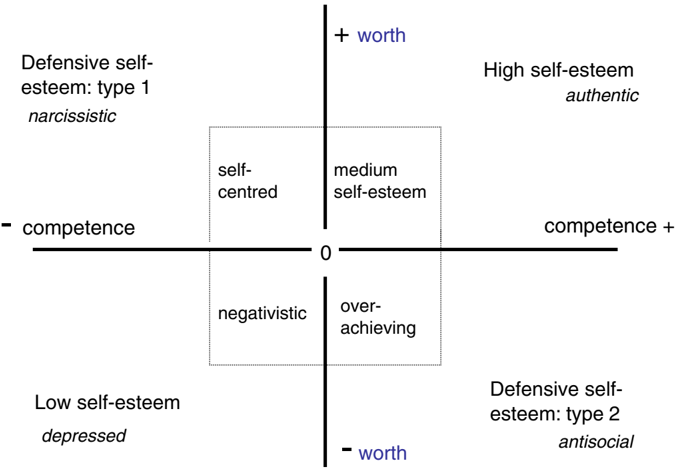
“Jindal-Snape and Miller (2008) detailed how self-esteem is dependent upon two types of judgement: the extent to which one feels worthy of respect from others, and competent to face the challenges that lie ahead.”
BackgroundPrimary–secondary transition: Differences between teachers’ and children’s perceptions
Topping, K. (2011) · Improving Schools · doi:10.1177/1365480211419587 · Cited by 139
“Jindal-Snape and Miller (2008) have argued that while schools have developed administrative and organizational systems to ease the transition process with relation to academic problems, children and parents are typically more concerned with personal and social issues.”
BackgroundFriedel, J. M., Cortina, K. S., Turner, J. C., & Midgley, C. (2010) · Journal of Educational Psychology · doi:10.1037/a0017590 · Cited by 136
Pyhältö, K., Soini, T., & Pietarinen, J. (2010) · European Journal of Psychology of Education · doi:10.1007/s10212-010-0013-x · Cited by 135
“of resources and challenges for constructing pupils’ pedagogical well-being (Anderson et al. 2000; Ellonen et al. 2008; Gillison et al. 2008; Jindal-Snape and Miller 2008).”
BackgroundEriksen, E. V., & Bru, E. (2022) · Scandinavian Journal of Educational Research · doi:10.1080/00313831.2021.2021441 · Cited by 128
“By contrast, low EWB levels are associated with loss of self-esteem (Jindal-Snape & Miller, 2008), depression (Salmela-Aro, Kiruru, & Nurmi, 2008), and poor academic performance (Skinner et al., 2009).”
Backgroundvan Rens, M., Haelermans, C., Groot, W., & Maassen van den Brink, H. (2018) · Adolescent Research Review · doi:10.1007/s40894-017-0063-2 · Cited by 123
“Information from primary to secondary school, also needs to provide personal and social factors to make secondary schools alert to children who may be more vulnerable when they move (Jindal-Snape & Miller, 2008).”
BackgroundGordon, L. J., Jindal‐Snape, D., Morrison, J., Muldoon, J. C., Needham, G., Siebert, S., & Rees, C. E. (2017) · BMJ Open · doi:10.1136/bmjopen-2017-018583 · Cited by 123
Self-citationPeer tutoring in reading: The effects of role and organization on two dimensions of self‐esteem
Miller, D., Topping, K. J., & Thurston, A. (2010) · British Journal of Educational Psychology · doi:10.1348/000709909x481652 · Cited by 121
Self-citationNg‐Knight, T., Shelton, K. H., Riglin, L., McManus, I. C., Frederickson, N., & Rice, F. (2016) · Journal of Adolescence · doi:10.1016/j.adolescence.2016.04.006 · Cited by 93
“Therefore, good quality relationships and consistent sources of support over the transition are likely to be important resources for children trying to adapt to the 22 new school environment (Fenzel, 2000; Jindal-Snape & Miller, 2008; Simmons & Blyth, 1987).”
BackgroundKwek, A., Bui, H. T., Rynne, J., & So, K. K. F. (2013) · Journal of Hospitality & Tourism Education · doi:10.1080/10963758.2013.826946 · Cited by 110
“Later on, Jindal-Snape and Miller (2008) used theoretical perspectives from the literature on resilience and self-esteem to examine key aspects of the process of the transition from primary to secondary school.”
BackgroundResultInfluentialLongobardi, C., Settanni, M., Prino, L. E., Fabris, M. A., & Marengo, D. (2019) · Frontiers in Psychology · doi:10.3389/fpsyg.2019.01238 · Cited by 73
Connecting Teacher Efficacy Beliefs in Promoting Resilience to Support of Latino Students
Sosa, T., & Gomez, K. (2012) · Urban Education · doi:10.1177/0042085912446033 · Cited by 101
“…regarding their ability to help students sustain academic engagement when dealing with specific obstacles such as everyday school issues or hassles (Jindal-Snape & Miller, 2008; Johnson, 2008; Newman, 2002), discrimination and racism (Alva, 1991; Holleran & Waller, 2003), or acute life events…”
BackgroundBagnall, C. L., Skipper, Y., & Fox, C. L. (2020) · British Journal of Educational Psychology · doi:10.1111/bjep.12273 · Cited by 92
Supporting the transition from primary school to secondary school for children who are Looked After
Brewin, M., & Statham, J. (2011) · Educational Psychology in Practice · doi:10.1080/02667363.2011.624301 · Cited by 41
“Jindal-Snape and Miller ( 2008 ) discuss the importance of internal protective factors (for example self-esteem) as well as external protective factors to help reduce multiple “risks” or “stressors” at the time of primary-to-secondary transition.”
BackgroundBaguri, E. M., Roslan, S. B., Hassan, S. A., Krauss, S. E., & Zaremohzzabieh, Z. (2022) · International Journal of Environmental Research and Public Health · doi:10.3390/ijerph19074150 · Cited by 80
“cording to Mruk [26] and Jindal-Snape and Miller’s [27] self-esteem theory, self-esteem is defined as a personal attribute of persons who have survived in the face of difficult or risky conditions.”
BackgroundA horizontal approach to school transitions: a lesson learned from Finnish 15‐year‐olds
Pietarinen, J., Pyhältö, K., & Soini, T. (2010) · Cambridge Journal of Education · doi:10.1080/0305764x.2010.506145 · Cited by 77
“…and developmental transitions (e.g., adolescence) which are intertwined with the appearance of physical, psychological, social and emotional changes and challenges (Anderson et al., 2000; Ellonen, Kääriäinen, & Autio, 2008; Gillison, Standagee, & Skevington, 2008; Jindal-Snape & Miller, 2008).”
BackgroundSecondary school transition for students with special educational needs in Ireland
McCoy, S., Shevlin, M., & Rose, R. (2019) · European Journal of Special Needs Education · doi:10.1080/08856257.2019.1628338 · Cited by 79
“Research consistently shows how students making the transition from primary to secondary school can experience stress and anxiety (Jindal-Snape and Miller 2008).”
BackgroundJindal‐Snape, D. (2022) · Elsevier eBooks · doi:10.1016/b978-0-12-818630-5.14060-6 · Cited by 77
Self-citationJindal‐Snape, D., & Cantali, D. (2019) · British Educational Research Journal · doi:10.1002/berj.3561 · Cited by 69
Self-citationFraser, A. M., Bryce, C. I., Alexander, B. L., & Fabes, R. A. (2021) · Journal of Adolescence · doi:10.1016/j.adolescence.2021.07.004 · Cited by 72
The transition from primary to secondary school: Teachers’ perspectives
Hopwood, B., Hay, I., & Dyment, J. (2016) · The Australian Educational Researcher · doi:10.1007/s13384-016-0200-0 · Cited by 66
“…been focused on a number of areas, such as the way transition impacts the individual socially, emotionally, and developmentally (Hawk and Hill 2001; Jindal-Snape and Miller 2008; McGee et al. 2004; Topping 2011), but one of the most concerning findings amongst the transition literature is that the…”
BackgroundRODD, H. D., Marshman, Z., Porritt, J. M., Bradbury, J., & Baker, S. R. (2011) · BDJ · doi:10.1038/sj.bdj.2011.574 · Cited by 62
“The educational transition from primary to secondary school can be a challenging and stressful life event for many children”
BackgroundÇelik, D. A., Çetin, F., & Tutkun, E. (2014) · Current Psychology · doi:10.1007/s12144-014-9260-3 · Cited by 61
“In addition, the formal school system should be alert to the impact of different ecosystems having influences at various levels, be it protective or the opposite (Jindal-Snape and Miller 2008).”
BackgroundInfluentialVirtanen, T. E., Vasalampi, K., Kiuru, N. H., Lerkkanen, M., & Poikkeus, A. (2019) · Scandinavian Journal of Educational Research · doi:10.1080/00313831.2019.1639816 · Cited by 58
Mumford, J., & Birchwood, J. (2020) · Pastoral Care in Education · doi:10.1080/02643944.2020.1855670 · Cited by 55
“The process of transition should consider the views of young people, parents and staff (Coffey, 2013; Jindal-Snape & Miller, 2008; Pointon, 2000), which key school staff are well placed to facilitate.”
BackgroundUsing creative drama to facilitate primary–secondary transition
Jindal‐Snape, D., Vettraino, E., Lowson, A., & McDuff, W. (2011) · Education 3-13 · doi:10.1080/03004271003727531 · Cited by 54
Self-citationDevelopmental Transitions: Exploring Stability and Change Through the Lifespan
Crafter, S., Maunder, R., & Soulsby, L. K. (2019) · Routledge eBooks · doi:10.4324/9781315625263 · Cited by 54
“On their own, each of these changes may be easily managed, but when accumulated together they can become more traumatic (Jindal-Snape & Miller, 2008).”
BackgroundAnalyzing psychological resilience in college students: A decision tree model
Song, P., Cai, X., Qin, D., Wang, Q., Liu, X., Zhong, M., Li, L., & Yang, Y. (2024) · Heliyon · doi:10.1016/j.heliyon.2024.e32583 · Cited by 48
“Self-esteem, as an individual ’ s positive evaluation of self-worth and competence, directly influences students ’ attitudes and behaviors in the face of adversity [102].”
BackgroundRetail shopping typology of American teens
Breazeale, M. J., & Lueg, J. E. (2010) · Journal of Business Research · doi:10.1016/j.jbusres.2010.06.007 · Cited by 48
“SE Theory (Rosenberg, 1965) describes adolescent behaviors as diverse as resilience (Jindal-Snape and Miller, 2008), anorexia (Paterson et al., 2007), athletic performance (Green and Holeman, 2004) and the formation of friendships (Cramer, 2003).”
BackgroundJindal-Snape, D., & Ingram, R. (2013) · Journal of Perspectives in Applied Academic Practice · doi:10.14297/jpaap.v1i1.39 · Cited by 45
Self-citationSupporting the transition to secondary school: The voices of lower secondary leaders and teachers
Strand, G. M. (2020) · Educational Research · doi:10.1080/00131881.2020.1750305 · Cited by 43
“…should receive objective and valid assessment information from the primary school concerning all students in this regard, and having information and understanding of the special needs of the transferring students is especially vital (Jindal-Snape and Miller 2008; Hopwood, Hay, and Dyment 2016).”
BackgroundResultInfluentialHadori, R., Hastuti, D., & Puspitawati, H. (2020) · Jurnal Ilmu Keluarga dan Konsumen · doi:10.24156/jikk.2020.13.1.49 · Cited by 42
Ulmanen, S., Rautanen, P., Soini, T., Pietarinen, J., & Pyhältö, K. (2023) · Frontiers in Psychology · doi:10.3389/fpsyg.2023.1142469 · Cited by 38
“Previous studies have often posited that the class teacher system may offer more changes for teachers to engage with and provide individualized support to their students in comparison to the subject teacher system (Jindal-Snape and Miller, 2008; Jindal-Snape et al., 2021).”
BackgroundTransition and Adjustment to School
Margetts, K. (2013) · International perspectives on early childhood education and development · doi:10.1007/978-94-007-7350-9_6 · Cited by 37
Strategies for academic engagement perceived by Finnish sixth and eighth graders
Ulmanen, S., Soini, T., Pyhältö, K., & Pietarinen, J. (2014) · Cambridge Journal of Education · doi:10.1080/0305764x.2014.921281 · Cited by 37
“…students meet both contextual and developmental changes which are intertwined with the expression of physical, psychological and social changes and challenges (Anderson et al., 2000; Ellonen, Kääriäinen, & Autio, 2008; Gillison, Standage, & Skevington, 2008; Jindal-Snape & Miller, 2008).”
BackgroundGutiérrez, D., Segovia, Y., López, L. M. G., & Fernández-Bustos, J. G. (2019) · PUBLICACIONES · doi:10.30827/publicaciones.v49i4.11730 · Cited by 37
Jongen, C. S., McCalman, J., & Bainbridge, R. G. (2020) · Frontiers in Public Health · doi:10.3389/fpubh.2019.00351 · Cited by 36
“While not exhaustive, Table 1 presents a large sample of some of the most common resilience-promoting factors identified across the literature (9, 30, 35, 36, 38, 39, 41, 42).”
BackgroundSelf esteem, optimism and exams’ anxiety among high school students
Bagana, E., Raciu, A., & Lupu, L. (2011) · Procedia - Social and Behavioral Sciences · doi:10.1016/j.sbspro.2011.10.258 · Cited by 36
Demkowicz, O., Bagnall, C. L., Hennessey, A., Pert, K., Bray, L., Ashworth, E., & Mason, C. (2023) · British Journal of Educational Psychology · doi:10.1111/bjep.12617 · Cited by 36
Ofem, U. J. (2023) · International Journal of Education and Cognitive Sciences · doi:10.61838/kman.ijecs.4.3.1 · Cited by 38
Eskelä-Haapanen, S., Vasalampi, K., & Lerkkanen, M. (2020) · Scandinavian Journal of Educational Research · doi:10.1080/00313831.2020.1791248 · Cited by 35
“It has been suggested that transitions pose a risk to students’ wellbeing and self-esteem (JindalSnape & Miller, 2008).”
BackgroundSuccessful Transition to Secondary School in Tanzania: What Are the Barriers?
Joyce‐Gibbons, A., Galloway, D., Mollel, A., Mgoma, S., Pima, M. J., & Deogratias, E. (2017) · Journal of International Development · doi:10.1002/jid.3304 · Cited by 34
Muscarà, M., Pace, U., Passanisi, A., D’Urso, G., & Zappulla, C. (2018) · Journal of Child and Family Studies · doi:10.1007/s10826-018-1098-0 · Cited by 36
“In regard to family, the research has mainly focused on how parenting practices and support are related to levels of adolescent school satisfaction (Chen and Gregory 2009; Crede et al. 2015; Gregson et al. 2017; Jindal-Snape and Miller 2008; Smokowski et al. 2015; Wilder 2014).”
Bagnall, C. L. (2020) · Pastoral Care in Education · doi:10.1080/02643944.2020.1713870 · Cited by 33
“In part, this may be subject to a mismatch between children’s concerns regarding secondary school and the repertoire of skills they can draw on to address them (Rens et al., 2017); the greater this mismatch the more support children need (Jindal-Snape & Miller, 2008).”
BackgroundInfluentialCreativity, Talent and Excellence
Tan, A.-G., & Springer Malaysia Representative Office (2012) · Springer eBooks · doi:10.1007/978-981-4021-93-7 · Cited by 31
Investigating the Influencers of Materialism in Adolescence
Pinto, M. D. R., Mota, A. O., Leite, R. S., & Alves, R. C. (2017) · Tourism & Management Studies · doi:10.18089/tms.2017.13109 · Cited by 30
“In the literature regarding the consumption, it is possible to find some studies that seek to investigate the relationship between materialism and self-esteem (Blascovich & Tomako, 1991; Jindal-Snape & Miller, 2008; Cramer, 2003; Banister & Hogg, 2004).”
BackgroundStudents’ reading achievement during the transition from primary to secondary school
Hopwood, B., Hay, I., & Dyment, J. E. (2017) · The Australian Journal of Language and Literacy · doi:10.1007/bf03651983 · Cited by 33
“While students are beginning to develop their higher level thinking skills, it has been reported that lower secondary school teachers tend to use low level thinking and student engagement strategies with their students (Jindal-Snape & Miller, 2008).”
BackgroundMaking a drama out of transition: challenges and opportunities at times of change
Hammond, N. (2016) · Research Papers in Education · doi:10.1080/02671522.2015.1029963 · Cited by 22
“These sentiments are echoed in Jindal-Snape and Miller (2008) who used theoretical frameworks of resilience and self-esteem to explore the primary–secondary transition.”
BackgroundMoving to secondary school for children with ASN: a systematic review of international literature
Cantali, D. (2019) · British Journal of Special Education · doi:10.1111/1467-8578.12258 · Cited by 27
“For other authors including Davis, Ravenscroft & Bizas (2015), Jindal-Snape & Hannah (2014) and Jindal-Snape & Miller (2008), transition is an ongoing process throughout life, sometimes small and insignificant, at other times more significant such as the transition to secondary school for…”
BackgroundPreparing to transition to secondary education: perceptions of Dutch pupils with migrant backgrounds
Rodrigues, R., Meeuwisse, M., Notten, T., & Severiens, S. E. (2018) · Educational Research · doi:10.1080/00131881.2018.1463144 · Cited by 26
Reyes, M. E. S., Dillague, S. G. O., Fuentes, M. I. A., Malicsi, C. A. R., Manalo, D. C. F., Melgarejo, J. M. T., & Cayubit, R. F. O. (2019) · Cited by 28
Curson, S., Wilson-Smith, K., & Holliman, A. J. (2019) · Psychology Teaching Review · doi:10.53841/bpsptr.2019.25.1.30 · Cited by 25
Identities and roles through clinician-educator transitions: A systematic narrative review
Lee, S. L., Rees, C. E., OʼBrien, B. C., & Palermo, C. E. (2022) · Nurse Education Today · doi:10.1016/j.nedt.2022.105512 · Cited by 24
Pitt, F., Dixon, R. M., & Vialle, W. (2019) · International Journal of Inclusive Education · doi:10.1080/13603116.2019.1572797 · Cited by 24
“This is an area of concern in this study and more broadly as the scholarship is clear that bullying presents a very real barrier to successful transition (Cauley and Jovanovich 2006; Jindal-Snape and Miller 2008).”
BackgroundRainer, P., & Cropley, B. (2013) · Education 3-13 · doi:10.1080/03004279.2013.819026 · Cited by 23
“Whilst it is acknowledged that there have been previous studies (Parkman, Fuller, and Horswell 2005; Jindal-Snape and Miller 2008) that have considered the impact of the transition process on young children’s progress to secondary school, it was felt there was a need to provide the opportunity for…”
BackgroundResultRODD, H. D., Marshman, Z., Porritt, J. M., Bradbury, J., & Baker, S. R. (2011) · Quality of Life Research · doi:10.1007/s11136-011-9967-7 · Cited by 23
“Indeed, in recent years, much has been done to improve the transition process for children and many schools, including some of those attended by the study group have now developed formalised procedures, such as induction strategies, to help children positively adjust to the changes which occur [36].”
School-Based Child Sexual Abuse Prevention Programs: Moving Toward Resiliency-Informed Evaluation
Barron, I. G., Miller, D. J., & Kelly, T. B. (2015) · Journal of Child Sexual Abuse · doi:10.1080/10538712.2015.990175 · Cited by 22
“…of the curriculum, the quality of peer relationships, the nature of pedagogy, home– school relationships, staff–pupil relationships, mentoring and other support services for students, school organization and management, and the community in which the school operates (Jindal-Snape & Miller, 2008).”
BackgroundSelf-citationO’Toole, L. (2016) · Maynooth University ePrints and eTheses Archive (Maynooth University) · doi:10.21427/d7gp4z · Cited by 24
Mahmud, A. (2019) · Pastoral Care in Education · doi:10.1080/02643944.2019.1700546 · Cited by 22
“In addition, with regards to adolescents’ emotional wellbeing, the transition causes anxiety among the pupils amongst other emotional challenges (Jindal-Snape & Miller, 2008).”
BackgroundLester, L., & Mander, D. J. (2020) · Australian and International Journal of Rural Education · doi:10.47381/aijre.v30i2.261 · Cited by 22
“Supportive interpersonal relationships, both formal and informal, with adults and peers in secondary school can promote resilience and enhance the social and emotional wellbeing of young people (Jindal-Snape & Miller, 2008).”
BackgroundIannello, N. M., Caravita, S. C. S., Papotti, N., Gelati, C., & Camodeca, M. (2023) · Journal of Youth and Adolescence · doi:10.1007/s10964-023-01865-9 · Cited by 21
“…secondary school, more requesting than primary school, and where youth are confronted with larger social environments, new approaches to teaching and learning, teachers ’ higher expectations, and challenges in forming and managing new friendships and relationships (Jindal-Snape & Miller, 2008).”
BackgroundPalmgren, M. H., Pyhältö, K., Pietarinen, J., Sullanmaa, J., & Soini, T. (2021) · Social Psychology of Education · doi:10.1007/s11218-021-09664-5 · Cited by 21
Mowat, J. G. (2020) · Cambridge Journal of Education · doi:10.1080/0305764x.2019.1702624 · Cited by 20
“Building on the initial work of Garmezy (1971), there is a significant literature which focuses on the concept of resilience in explaining why some children appear to succeed despite the odds whilst others do not (for example, Jindal-Snape & Miller, 2008; Mays, Franke et al. 2018; Rutter, 2012).”
BackgroundCoping of siblings of children with developmental disabilities in the Bedouin community
Manor-Binyamini, I., & Abu-Ajaj, O. (2012) · Research in Developmental Disabilities · doi:10.1016/j.ridd.2011.11.016 · Cited by 19
“This is an important finding, providing that in the literature, self-esteem has been viewed as a feeling that one is competent to cope with the challenges one faces and that one is worthy of happiness (Branden, 1994; Jindal-Snape & Miller, 2008).”
BackgroundThe Team of Life: A narrative approach to building resilience in UK school children
Eames, V., Shippen, C., & Sharp, H. M. (2016) · Educational and Child Psychology · doi:10.53841/bpsecp.2016.33.2.57 · Cited by 19
Negovan, V., & Bagana, E. (2011) · Procedia - Social and Behavioral Sciences · doi:10.1016/j.sbspro.2011.10.257 · Cited by 19
“…experience all three “major experiences which can significantly affect an individual’s self-esteem: exposure to a new environment, being required to make new responses, and the establishment or loss of significant relationships” (Epstein, 1979, quoted in Jindal-Snape and Miller , 2008, p.221).”
BackgroundInfluentialParker, B., Achilles, M. R., Subotic-Kerry, M., & O’Dea, B. (2020) · BMC Family Practice · doi:10.1186/s12875-019-1071-z · Cited by 19
Jindal‐Snape, D. (2012) · LEARNing Landscapes · doi:10.36510/learnland.v6i1.584 · Cited by 18
Self-citationThe psychosocial impact of oral conditions during transition to secondary education.
Marshman, Z., Baker, S. R., Bradbury, J., Hall, M. J., & RODD, H. D. (2009) · PubMed · Cited by 17
Fox, L., Asbury, K., Code, A., & Toseeb, U. (2022) · Autism · doi:10.1177/13623613221123734 · Cited by 17
“…higher levels of education, such as secondary school, they are often required to navigate more complex environments, adjust to new academic and behavioural expectations, and handle changes in social interaction with peers (Anderson et al., 2000; Jindal-Snape & Miller, 2008; Symonds & Galton, 2014).”
BackgroundAdolescents’ Interpretations of the Role of Emotion in High School
Horner, C. G., Wallace, T. L., & Bundick, M. J. (2015) · Teachers College Record The Voice of Scholarship in Education · doi:10.1177/016146811511700501 · Cited by 17
“…such as helping youth cope with the interpretation of “social and personal experiences” during the transition from primary to secondary school (Jindal-Snape & Miller, 2008, p. 217) and offering social support structures during the transition to high school (Mac Iver, 1990), which is often a…”
BackgroundSelf-Esteem and School Belongingness: A Cross-Lagged Panel Study Among Urban Youth
Perry, J. C., & Merillat, B. D. (2018) · Professional School Counseling · doi:10.1177/2156759x19826575 · Cited by 16
“To the extent that self-esteem depends on the degree to which youth judge that they are worthy of respect and support from others (Jindal-Snape & Miller, 2008), they will adjust through adolescence by developing relationships with others in school who offer respect, praise, and encouragement—or do…”
BackgroundCantley, I., O’Meara, N., Prendergast, M., Harbison, L., & O’Hara, C. (2020) · Irish Educational Studies · doi:10.1080/03323315.2020.1779108 · Cited by 19
Rock Up: An initiative supporting students' wellbeing in their transition to secondary school
Carmen, B., Waycott, L., & Smith, K. (2010) · Children and Youth Services Review · doi:10.1016/j.childyouth.2010.08.030 · Cited by 16
What do students need to support their transition to secondary school?
Visser, T., Ringoot, A. P., Arends, L. R., Luijk, M. P. C. M., & Severiens, S. E. (2023) · Educational Research · doi:10.1080/00131881.2023.2235397 · Cited by 15
SER MAPUCHE DEL CAMPO EN CHILE: Diferencias para autoestima y motivación académica en adolescentes
Díaz Fuentes, R., Osses Bustingorry, S., & Buglioni, N. R. (2022) · Revista Mexicana de Investigación Educativa · Cited by 15
Mowat, J. G. (2019) · Improving Schools · doi:10.1177/1542305018817850 · Cited by 15
“…considered to be vulnerable on the transition to secondary school, particularly when relationships are in a state of flux (Coffey, 2013) and more difficult to form within the complex and more formal organisational structures of the secondary school (Jindal-Snape & Miller, 2008; West et al., 2010).”
BackgroundPreece, K. K. (2011) · Digital Commons - University of South Florida (University of South Florida) · Cited by 15
Beyond academics: Dropout prevention summer school programs in the transition to secondary education
Vinas‐Forcade, J., Mels, C., Valcke, M., & Derluyn, I. (2019) · International Journal of Educational Development · doi:10.1016/j.ijedudev.2019.102087 · Cited by 15
Primary-Secondary Transition – Building Hopes and Diminishing Fears Through Drama
Barlow, W. (2021) · Frontiers in Education · doi:10.3389/feduc.2020.546243 · Cited by 13
Rustamov, E., Aliyeva, M., Nahmatova, U., Asadov, F., & Mammadzada, G. (2023) · European Journal of Educational Research · doi:10.12973/eu-jer.12.2.1171 · Cited by 13
Examination of the Psychometric Properties of the Environmental School Transition Anxiety Scale
Loke, S. W., & Lowe, P. A. (2013) · Journal of Psychoeducational Assessment · doi:10.1177/0734282912472860 · Cited by 12
“Although most students make a smooth transition to the secondary level of schooling (Akos, 2002; Jindal-Snape & Miller, 2008), school transitions are perceived as periods of threat and can be anxiety provoking for some students (Grills-Taquechel, Norton, & Ollendick, 2010; Lucey & Reay, 2000).”
BackgroundMiljkovitch, R., de Terrasson, D., Awad, S., Sirparanta, A., & Mallet, P. (2025) · British Journal of Developmental Psychology · doi:10.1111/bjdp.12543 · Cited by 11
(How) Does Information Provided by Children Affect the Transition from Primary to Secondary School?
van Rens, M., Groot, W. N. J., & Haelermans, C. (2019) · Child Indicators Research · doi:10.1007/s12187-019-09646-2 · Cited by 11
Heyeres, M., McCalman, J., Bainbridge, R. G., & Redman-MacLaren, M. L. (2017) · Frontiers in Education · doi:10.3389/feduc.2017.00001 · Cited by 11
“For some students, the stress resulting from transition can have far-reaching effects on selfesteem (Jindal-Snape and Miller, 2008), resulting in behavioral problems (Howard and Johnson, 2004), mental health concerns (Lord et al.”
BackgroundStudents' Engaging School Experiences: A Precondition for Functional Inclusive Practice
Palmgren, M. H., Pyhältö, K., Soini, T., & Pietarinen, J. (2017) · Työväentutkimus Vuosikirja · Cited by 11
Sullanmaa, J., Tikkanen, L., Ulmanen, S., & Pyhältö, K. (2025) · Social Psychology of Education · doi:10.1007/s11218-025-10081-1 · Cited by 10
“Hence, it has been suggested that continuous social support from the family throughout the transition period provides a sustained resource for enhancing students’ self-esteem and resilience (see Jindal-Snape & Miller, 2008).”
Barlow, W. (2019) · Education 3-13 · doi:10.1080/03004279.2019.1668819 · Cited by 10
The Contribution of Bullying Involvement and Alexithymia to Somatic Complaints in Preadolescents
Levantini, V., Camodeca, M., & Iannello, N. M. (2023) · Children · doi:10.3390/children10050905 · Cited by 10
“, new school settings and peer relationships) [6].”
BackgroundComplicated Grief in Palestinian Children and Adolescents
Barron, I. G. (2015) · Journal of Child and Adolescent Behaviour · doi:10.4172/2375-4494.1000213 · Cited by 10
“Such a response appears to block the natural grieving process for adolescents [41] and the cumulative nature of losses appears to have undermined some adolescents’ resilience [2].”
BackgroundInfluentialAghaei, A., Qiao, S., Tam, C. C., Yuan, G. F., & Li, X. (2024) · Heliyon · doi:10.1016/j.heliyon.2024.e31328 · Cited by 9
“Self-esteem is perceived as a personal characteristic of the people who survive or even grow when confronting difficulties, which are essential attributes of resilience [59].”
Mander, D. J., & Lester, L. (2019) · Children Australia · doi:10.1017/cha.2019.20 · Cited by 9
Adlerian Adventure-Based Counseling to Enhance Self-Esteem in School Children.
Wagner, H. H., & Elliott, A. (2014) · Journal of school counseling · Cited by 9
How, K. (2015) · White Rose eTheses Online (University of Leeds, The University of Sheffield, University of York) · Cited by 9
Gao, B., He, Y., Li-bao, W., Ma, H., & Liu, Z. (2025) · Educational Studies · doi:10.1080/03055698.2025.2546845 · Cited by 8
“High levels of anxiety can impair cognitive processing capabilities, hinder academic progress (Jindal-Snape and Miller 2008), and trigger other negative emotions (Tobbell and O’Donnell 2013).”
Validity and Value of Teacher Education Research
Sunde, J. I., Winter, P., Brunstad, P. O., Oliverio, S., Strand, G. M., Amdal, I. I., Ulvik, M., Tyrfingsdóttir, J., Jónsdóttir, A. H., Jenssen, M. M. F., et al. (2022) · Fagbokforlaget eBooks · doi:10.55669/oa0503 · Cited by 8
Ulmanen, S., Soini, T., Pietarinen, J., & Pyhältö, K. (2025) · Psykologia · doi:10.62443/psykologia.v58i1.111326 · Cited by 8
Metadata
- Authors
- Jindal-Snape, D., & Miller, D. J.
- Affiliations
- University of Dundee (GB)
- Venue
- Educational Psychology Review
- Published
- 2008-04-17
- Volume
- 20
- Issue
- 3
- Pages
- 217-236
- ISSN
- 1040-726X (ISSN-L)
- 1573-336X
- OpenAlex
- W2129898652
- Cited by
- 203
- References
- 95
- Citations by year
- 2026: 9 · 2025: 13 · 2024: 13 · 2023: 17 · 2022: 20 · 2021: 7 · 2020: 19 · 2019: 22 · 2018: 5 · 2017: 12 · 2016: 10 · 2015: 8 · 2014: 11 · 2013: 7 · 2012: 8
- FWCI
- 31.85
- Type
- journal article
- Language
- en
- Open access
- hybrid
- doi.org
- Licence
- cc-by-nc
- creativecommons.org/licenses/by-nc/2.0 (tdm)
- creativecommons.org/licenses/by-nc/2.0 (vor)
- Locations
- Educational Psychology Review (publishedVersion, cc-by-nc)
- Discovery Research Portal (University of Dundee) (publishedVersion)
- Topics
- Social Sciences › Education › Early Childhood Education and Development
- Social Sciences › Psychology › Developmental and Educational Psychology › Student Stress and Coping
- Social Sciences › Education › Educational Environments and Student Outcomes
- Keywords
- transition to secondary school, resilience, self-esteem, psychosocial development, vulnerable children
About these checks
Registry, retraction, Cites and statistics results are computed, not judged, with one exception: a printed reference that no index lists is read once by a model before it counts as a citation error. Claims are extracted by a model and kept only when their quote appears verbatim in the text; each cited source is then checked, with a model’s help, for whether it says what the claim relies on. Those verdicts can be wrong — read the claim’s quote and the cited source before relying on one.
Statistics and arithmetic are recomputed, not judged.
Confidence bands are shown only for fields calibrated on our annotated test set. None is calibrated yet, so no band is shown.
What counts as a claim ›How we measure confidence ›How we check this ›
Are you an author, or do you see a problem with this page? Request a review
Data sources
Bibliographic data: Semantic Scholar, OpenAlex, Crossref.
Contains information from the Semantic Scholar Academic Graph Datasets, made available under the ODC Attribution License (ODC-BY 1.0).
Semantic Scholar’s data is described in: Kinney, R., et al. (2023). The Semantic Scholar Open Data Platform. arXiv:2301.10140.
