

Toward generalizable and interpretable machine learning models in healthcare: Insights from ICU outcome predictions
Open accessThe DOI matches its Crossref record; 89 of the 91 references it cites were found in a registry or an index; 23 of the 35 sources its claims cite were checked for support.
Abstract
The application of machine learning (ML) models in healthcare management offers high potential. In particular, resource allocation and operational decision-making in intensive care units (ICUs) can benefit from ML predictions, leading to improvements in patient outcomes and operational efficiency. However, the generalizability of these models across diverse hospital settings with potentially different patient populations remains a critical challenge. This study examines the generalizability of ML-based ICU outcome prediction models built using external data. We utilize data from two sources: a European University Hospital (EUH) dataset from Universitätsklinikum Carl Gustav Carus Dresden, Germany and the Medical Information Mart for Intensive Care (MIMIC)-IV database, representing different healthcare systems and patient populations. Our approach evaluates multiple models of varying architectures and complexity across three common prediction tasks in ICU settings (mortality, length of stay, and readmission), analyzes the impact of data availability on model performance, and applies interpretability techniques to identify features and scenarios where models succeed or fail in new environments. We found that locally trained models generally outperform those using external data when sufficient local data is available. Low and medium complexity models, such as generalized additive models, demonstrate significantly superior generalizability compared to high complexity models and require substantially less local data for high-quality predictions, offering evidence-based guidance for healthcare managers dealing with limited data resources. Our results demonstrate how interpretability techniques can identify dataset differences that hinder generalizability, providing valuable insights for healthcare practitioners in implementing ML solutions across diverse hospitals. This research contributes to the development of more generalizable and interpretable ML models in healthcare.
Overview
CoChat Summary
## TL;DR
This paper compares six ML models across three ICU prediction tasks using two hospital datasets and finds that simpler, interpretable models generalize better across hospitals than complex ones. It also shows that external data only helps when local data are very limited, and that interpretability can pinpoint features that undermine cross-hospital transfer.
## Key findings
- Across mortality, length of stay, and readmission, local models outperformed external models, and the paper reports that model complexity was inversely related to cross-hospital generalizability.
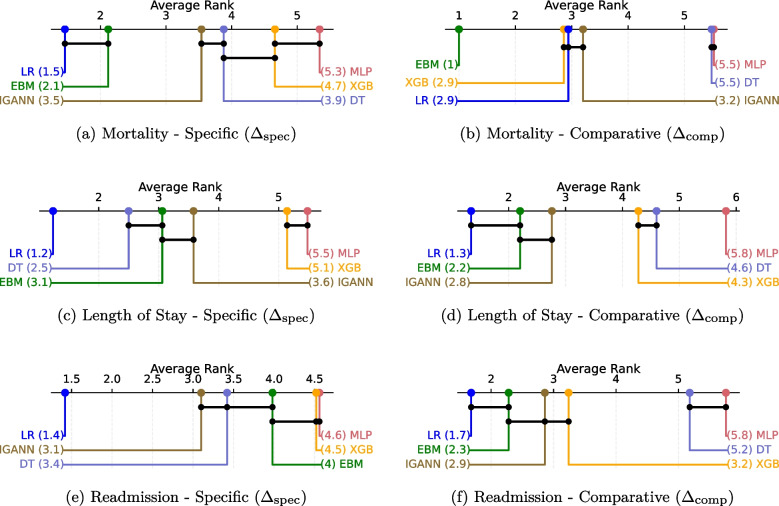
- For generalizability loss, logistic regression (LR) was the most stable model across all tasks, with ranks of 1.5, 1.2, and 1.4; multilayer perceptrons (MLP) ranked worst with 5.3, 5.5, and 4.6.
- In comparative generalizability, only LR and EBM achieved best external performance (Δcomp = 0.0) across all tasks and directions.
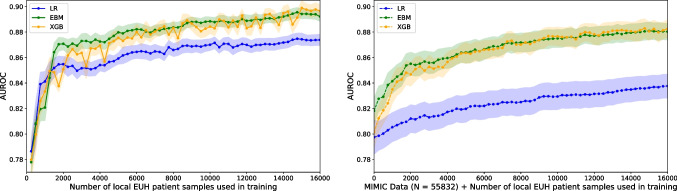
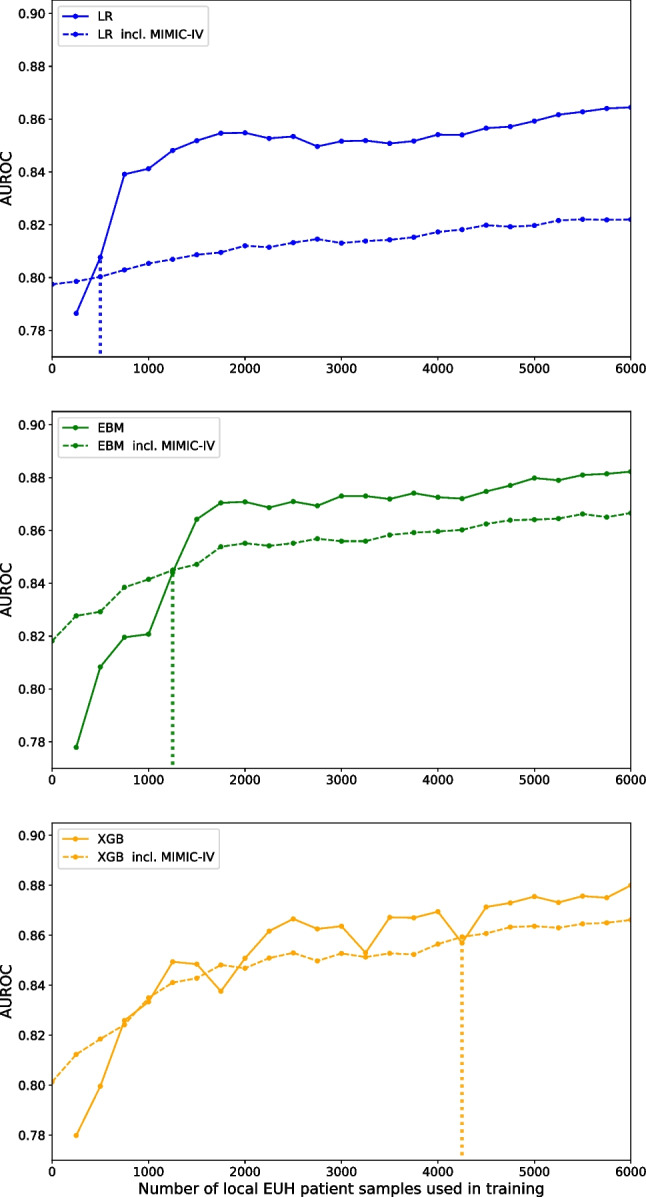
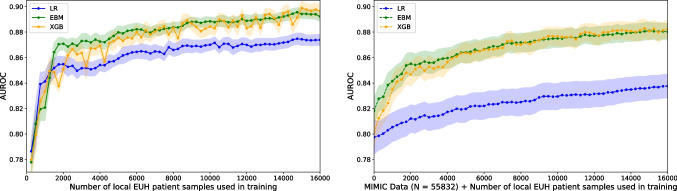
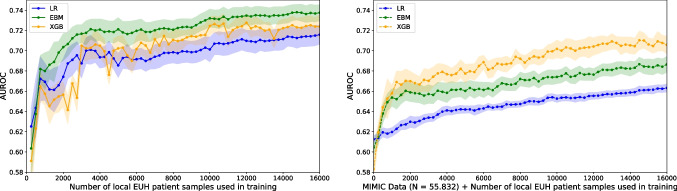
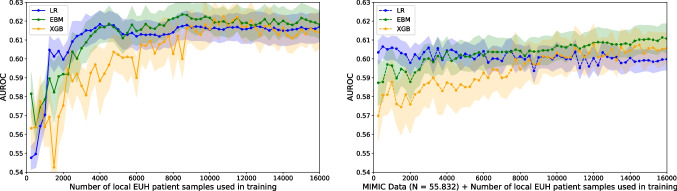
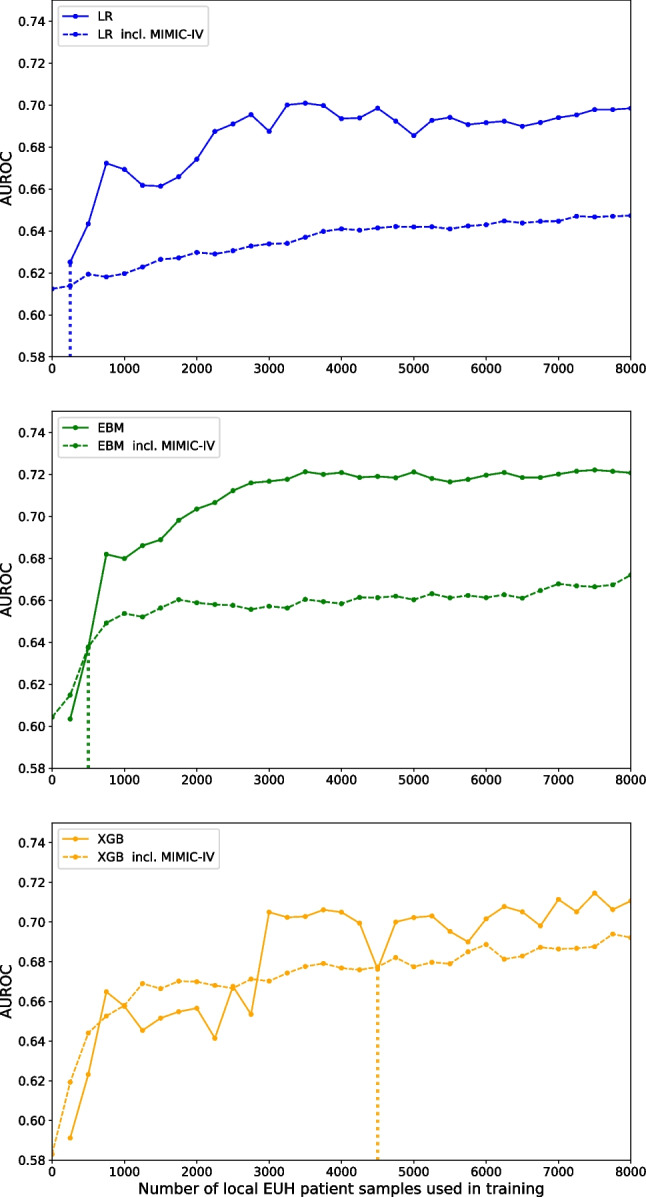
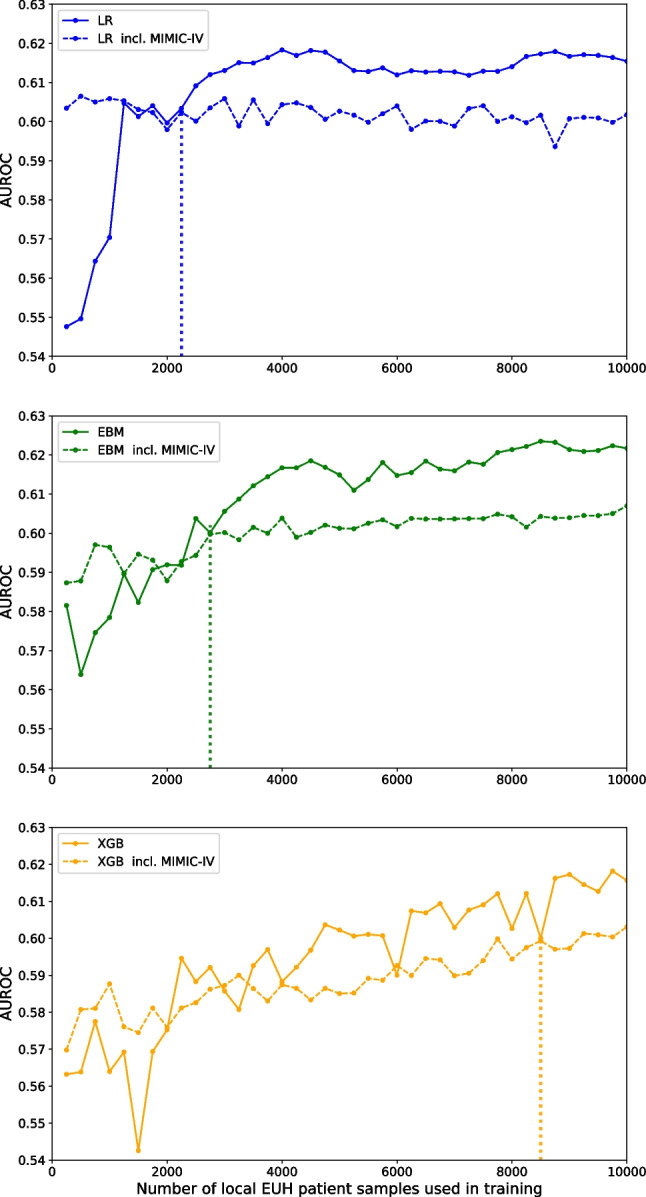
- Data-availability thresholds for when local-only models surpassed models supplemented with external MIMIC-IV data were reported as about 500 EUH samples for LR, 1250 for EBM, and 4250 for XGB.
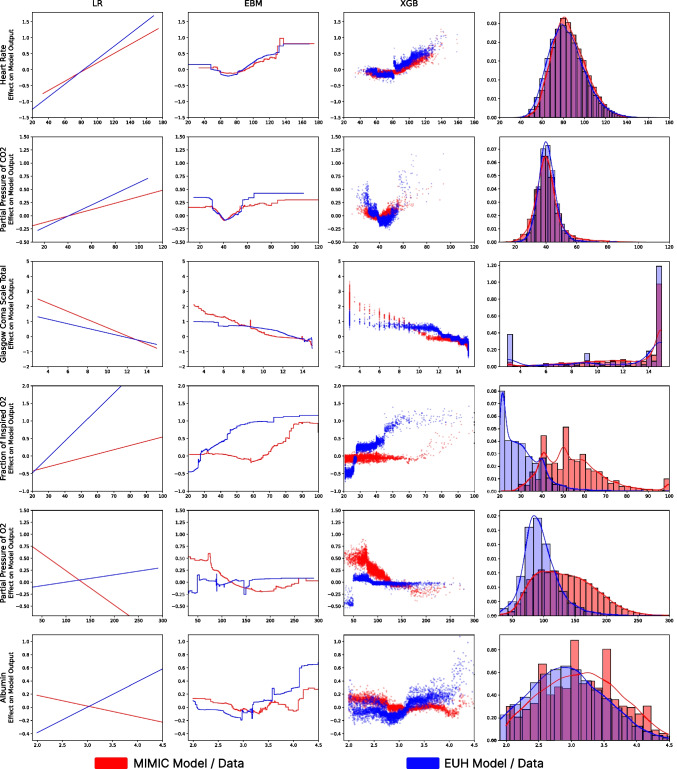
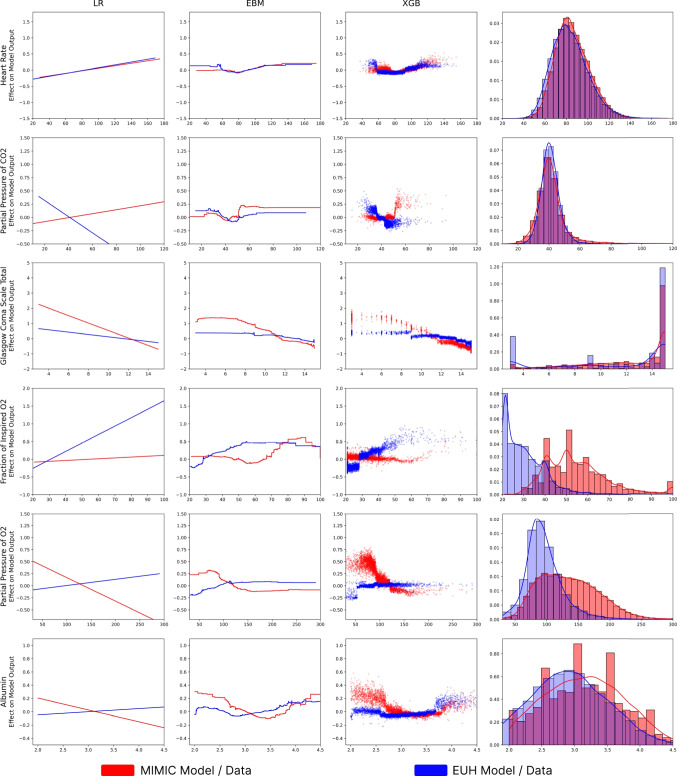
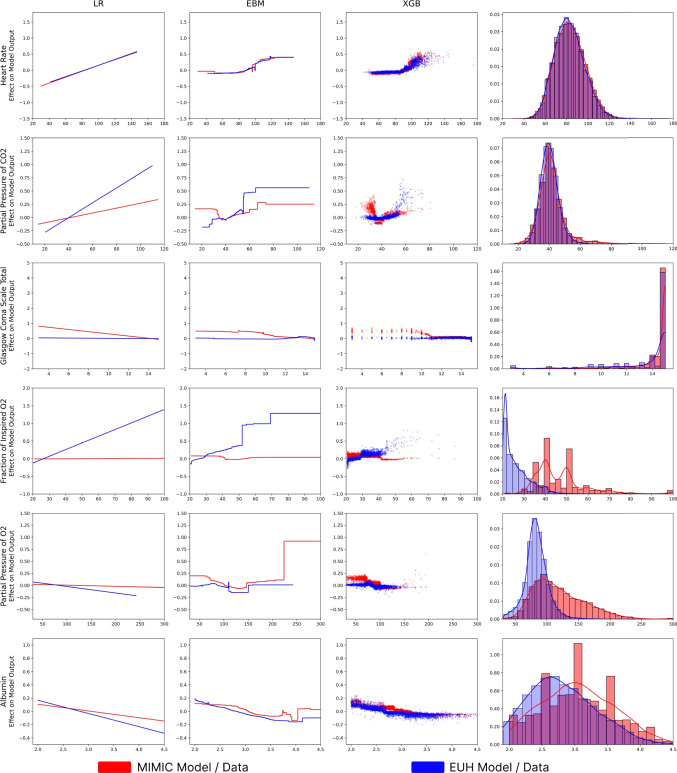
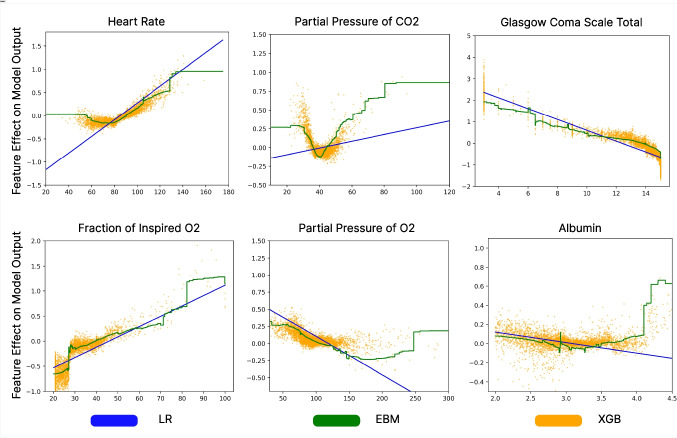
- Interpretability analysis found some features were consistent across hospitals (e.g., heart rate and partial pressure of CO2), while others differed substantially (e.g., fraction of inspired O2 and albumin), helping explain transfer failures.
## Methods
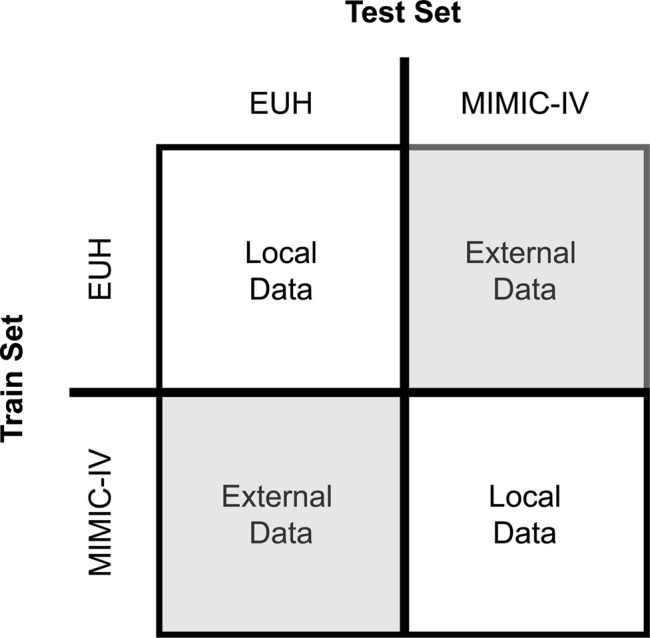
- The study used a bidirectional cross-hospital design comparing a European University Hospital (EUH) dataset (25,062 patients) with MIMIC-IV (94,458 de-identified records).
- It evaluated three binary ICU prediction tasks: mortality (first 24 hours), length of stay (≥7 days vs shorter stays, first 24 hours), and readmission within 72 hours after discharge (using the last 24 hours before discharge; deaths in the initial stay excluded).
- Six models were tested across three complexity levels: low (LR, decision trees), medium (EBM, IGANN), and high (XGB, MLP), with AUROC as the main metric; statistical comparisons used Friedman and Nemenyi tests, and interpretability used direct model inspection or SHAP for complex models.
## Limitations
- The paper states that the analysis is limited to two datasets representing European and North American healthcare systems, which may limit applicability to other regions and care settings.
- It states that only structured tabular data were modeled; the text notes that real-world ICU decision-making is multimodal and temporal, so the findings may not extend to such settings.
- Evidence made evident by the text: the interpretability analysis is based mainly on mortality examples, with the paper saying length of stay and readmission are comparable but less detailed in the main text.
Model-written summary. Check it against the paper before relying on it.
Integrity signals
Registry
Cites
Statistics
Figures
Verification
Claims the paper makes
15 Valid · 5 Not valid · 8 Not checked · 123 Own results and interpretations
The cited sources support only part of this claim — read each source’s verdict below.
In the paper
“This quality becomes crucial when predictive models are deployed across different hospitals or healthcare systems, where variations in patient demographics, clinical practices, and data collection procedures can lead to inaccurate predictions [17, 18].”
§ Toward generalizable and interpretable machine learning models in healthcare: Insights from ICU outcome predictions > Introduction
What the sources say
- Not checked — no full text of the sourcecites [17] Justice AC, Covinsky KE, Berlin JA (1999) Assessing the generalizability of prognostic information. Ann Intern Med 130(6):515–524. 10.7326/0003-4819-130-6-199903160-00016 10075620 source
- Partly supportedcites [18] Finlayson SG, Subbaswamy A, Singh K, Bowers J, Kupke A, Zittrain J, Kohane IS, Saria S (2021) The clinician and dataset shift in artificial intelligence. N Engl J Med 385(3):283–286. 10.1056/NEJMc2104626 34260843 PMC8665481 sourceExperimental — accuracy not yet measured
In “To the Editor” (page unavailable), the paper says dataset shift can make a clinical AI system underperform when deployment data differ from development data. It identifies changing patient demographics and clinical behavior or practice as potential causes, and describes a hospital sepsis model producing spurious alerts. Our copy does not specifically identify differences in data-collection procedures as a cause. (LLM, conf=0.84)
plainstates a cause- Asserted: passes — The authors put it forward as true.
- Checkable: passes — It can be checked against evidence.
- Load-bearing: passes — The paper’s conclusions depend on it.
- Based: passes — The paper gives a reason why it holds.
The cited sources support only part of this claim — read each source’s verdict below.
In the paper
“As a remedy, many healthcare institutions, especially those smaller or with constrained data and computational resources, increasingly seek to leverage models developed at facilities with greater data resources [15].”
§ Toward generalizable and interpretable machine learning models in healthcare: Insights from ICU outcome predictions > Introduction
What the sources say
- Partly supportedcites [15] Alberto IRI, Alberto NRI, Ghosh AK, Jain B, Jayakumar S, Martinez-Martin N, McCague N, Moukheiber D, Moukheiber L, Moukheiber M, Moukheiber S, Yaghy A, Zhang A, Celi LA (2023) The impact of commercial health datasets on medical research and health-care algorithms. Lancet Digit Health 5(5):288–294. 10.1016/S2589-7500(23)00025-0 PMC10155113 37100543 sourceExperimental — accuracy not yet measured
The section on reproducibility and generalisability reports that the Epic Sepsis Model, developed using data from three hospital systems, was implemented at hundreds of US hospitals. It does not say that smaller or resource-constrained institutions increasingly seek such models, or that resource constraints motivate their adoption; it attributes this model’s widespread use to ease of EHR integration. (LLM, conf=0.80)
plain- Asserted: passes — The authors put it forward as true.
- Checkable: passes — It can be checked against evidence.
- Load-bearing: passes — The paper’s conclusions depend on it.
- Based: passes — The paper gives a reason why it holds.
- Partly supported
The cited sources support only part of this claim — read each source’s verdict below.
In the paper
“Achieving high predictive performance in healthcare often requires ML models with high flexibility to capture complex patterns in high-dimensional data [41].”
§ Toward generalizable and interpretable machine learning models in healthcare: Insights from ICU outcome predictions > Research background > Model complexity and interpretability
What the sources say
- Partly supportedcites [41] Bohr A, Memarzadeh K (2020) The rise of artificial intelligence in healthcare applications. In: Artificial intelligence in healthcare. Academic Press, imprint of Elsevier, pp 25–60. 10.1016/B978-0-12-818438-7.00002-2 sourceExperimental — accuracy not yet measured
The Precision medicine > Drug discovery and development section (page unavailable) describes ML prediction from large biomedical datasets and says deep-learning models often have many parameters. The Deep learning and medical image recognition section (page unavailable) says CNN layers learn image features and adjust weights to improve performance. Neither passage establishes that high predictive performance in healthcare often requires highly flexible models to capture complex patterns in high-dimensional data. (LLM, conf=0.83)
plainstates a possible cause- Asserted: passes — The authors put it forward as true.
- Checkable: passes — It can be checked against evidence.
- Load-bearing: passes — The paper’s conclusions depend on it.
- Based: passes — The paper gives a reason why it holds.
- Partly supported
Every source the paper cites for this claim was checked and supports it.
In the paper
“However, post-hoc explanations are approximations to the underlying model rather than exact representations [65].”
§ Toward generalizable and interpretable machine learning models in healthcare: Insights from ICU outcome predictions > Research background > Model complexity and interpretability
What the sources say
- Supportedcites [65] Rudin C (2019) Stop explaining black box machine learning models for high stakes decisions and use interpretable models instead. Nat Mac Intell 1(5):206–215. 10.1038/s42256-019-0048-x PMC9122117 35603010 source
In “Key Issues with Explainable ML,” the paper says explanations cannot have perfect fidelity with the original model and explicitly calls them approximations to black-box model predictions. This supports the citing sentence’s distinction between an approximation and an exact representation. (LLM, conf=0.94)
plain- Asserted: passes — The authors put it forward as true.
- Checkable: passes — It can be checked against evidence.
- Load-bearing: unclear — It is unclear whether the paper’s conclusions depend on it.
- Based: passes — The paper gives a reason why it holds.
- Supported
The cited sources support only part of this claim — read each source’s verdict below.
In the paper
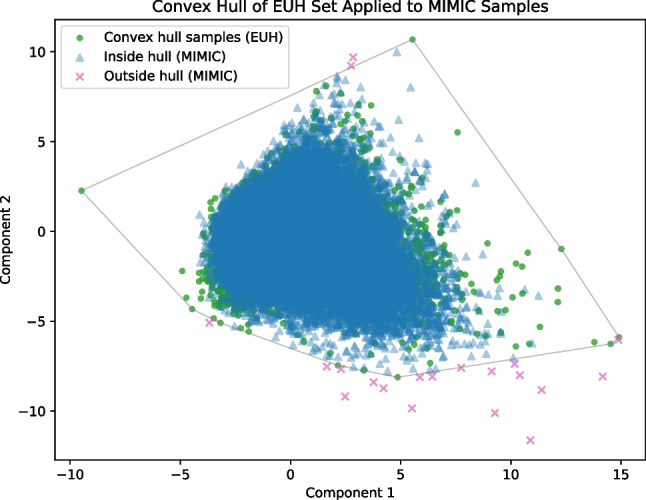
“a pattern that generally suggests strong potential for cross-hospital generalizability [72]”
§ Toward generalizable and interpretable machine learning models in healthcare: Insights from ICU outcome predictions > Methodology > Data sources and preprocessing
What the sources say
- Partly supportedcites [72] Sharafutdinov K, Bhat JS, Fritsch SJ, Nikulina K, Samadi ME, Polzin R, Mayer H, Marx G, Bickenbach J, Schuppert A (2022) Application of convex hull analysis for the evaluation of data heterogeneity between patient populations of different origin and implications of hospital bias in downstream machine-learning-based data processing: a comparison of 4 critical-care patient datasets. Front Big Data 5:603429. 10.3389/fdata.2022.603429 PMC9659720 36387013 sourceExperimental — accuracy not yet measured
The Introduction (page unavailable) says convex-hull overlap can provide a first estimate of whether populations are similar enough for model generalization. But it also says that even extensive overlap may conceal distribution differences that impair generalization; overlap alone does not establish the claimed strong potential. (LLM, conf=0.88)
hedgedstates an association- Asserted: passes — The authors put it forward as true.
- Checkable: passes — It can be checked against evidence.
- Load-bearing: passes — The paper’s conclusions depend on it.
- Based: passes — The paper gives a reason why it holds.
- Partly supported
92 more claims · 1 with their cited sources checked
Create a free account to see all 151 claims and to verify the 2 references still open.
- Probably not a substantial claim. 19
- It may state two separate claims as one. 40
Citations
Cites
"Why Should I Trust You?": Explaining the Predictions of Any Classifier
Ribeiro, M. T., Singh, S., & Guestrin, C. (2016) · Proceedings of the 22nd ACM SIGKDD International Conference on Knowledge Discovery and Data Mining · doi:10.1145/2939672.2939778 · Cited by 17,555
ASSESSMENT OF COMA AND IMPAIRED CONSCIOUSNESS
Teasdale, G., & Jennett, B. (1974) · The Lancet · doi:10.1016/s0140-6736(74)91639-0 · Cited by 13,215 · cited 1×
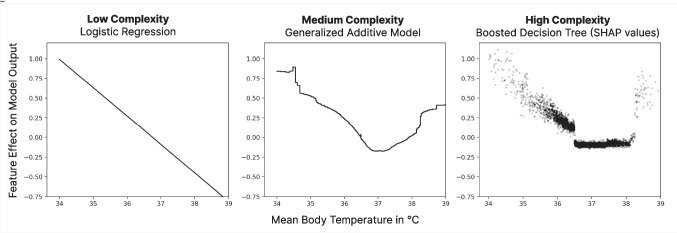
“For LR and EBM, the plots directly reveal the models’ decision logic, whereas for XGB, we use SHAP values computed for individual patients in the EUH test set.”
Rudin, C. (2019) · Nature Machine Intelligence · doi:10.1038/s42256-019-0048-x · Cited by 10,561 · cited 3×
“Interpretable ML refers to ML models and techniques that provide explanations for their predic - tions in terms understandable to human users, enabling them to comprehend, trust, and effectively manage the prediction process [65 ].”
The potential for artificial intelligence in healthcare
Davenport, T., & Kalakota, R. (2019) · Future Healthcare Journal · doi:10.7861/futurehosp.6-2-94 · Cited by 3,800
MIMIC-IV, a freely accessible electronic health record dataset
Johnson, A. E. W., Bulgarelli, L., Shen, L., Gayles, A., Shammout, A., Horng, S., Pollard, T. J., Hao, S., Moody, B., Gow, B., et al. (2023) · Scientific Data · doi:10.1038/s41597-022-01899-x · Cited by 3,401
Zimmerman, J. E., Kramer, A. A., McNair, D. S., & Malila, F. M. (2006) · Critical Care Medicine · doi:10.1097/01.ccm.0000215112.84523.f0 · Cited by 1,764 · cited 2×
“This consistency aligns with established mortality scoring systems used in intensive care, such as APACHE-IV and SAPS III [ 50], and suggests that heart rate contributes positively to model generalizability across hospitals.”
Intelligible Models for HealthCare: Predicting Pneumonia Risk and Hospital 30-day Readmission
Caruana, R., Lou, Y., Gehrke, J., Koch, P., Sturm, M., & Elhadad, N. (2015) · Proceedings of the 21th ACM SIGKDD International Conference on Knowledge Discovery and Data Mining · doi:10.1145/2783258.2788613 · Cited by 1,685
The rise of artificial intelligence in healthcare applications
Bohr, A., & Memarzadeh, K. (2020) · Artificial Intelligence in Healthcare · doi:10.1016/b978-0-12-818438-7.00002-2 · Cited by 1,636 · cited 2×
“ML has shown immense promise in healthcare, offering powerful tools to support clinical decision-making by creating rapid and accurate predictions based on complex, high-dimensional data [41–44 ].”
Moreno, R. P., Metnitz, P. G. H., Almeida, E., Jordan, B., Bauer, P., Campos, R. A., Iapichino, G., Edbrooke, D., Capuzzo, M., Le Gall, J.-R., et al. (2005) · Intensive Care Medicine · doi:10.1007/s00134-005-2763-5 · Cited by 1,413
Assessing the Generalizability of Prognostic Information
Justice, A. C., Covinsky, K. E., & Berlin, J. A. (1999) · Annals of Internal Medicine · doi:10.7326/0003-4819-130-6-199903160-00016 · Cited by 1,160
Wong, A., Otles, E., Donnelly, J. P., Krumm, A., McCullough, J., DeTroyer-Cooley, O., Pestrue, J., Phillips, M., Konye, J., Penoza, C., et al. (2021) · JAMA Internal Medicine · doi:10.1001/jamainternmed.2021.2626 · Cited by 995 · cited 3×
“Many studies have focused on building and externally validating ML models, but results are often mixed when these models are applied in new clinical environments [21–23].”
Multitask learning and benchmarking with clinical time series data
Harutyunyan, H., Khachatrian, H., Kale, D. C., Ver Steeg, G., & Galstyan, A. (2019) · Scientific Data · doi:10.1038/s41597-019-0103-9 · Cited by 958 · cited 1×
“AUROC is widely adopted for binary classification in ICU prediction tasks [ 12, 75 ] and offers threshold-independent evaluation, enabling fair comparison across hospitals without requiring model calibration.”
The Clinician and Dataset Shift in Artificial Intelligence
Finlayson, S. G., Subbaswamy, A., Singh, K., Bowers, J., Kupke, A., Zittrain, J., Kohane, I. S., & Saria, S. (2021) · New England Journal of Medicine · doi:10.1056/nejmc2104626 · Cited by 855 · cited 2×
“This quality becomes crucial when predictive models are deployed across different hospitals or healthcare systems, where variations in patient demographics, clinical practices, and data collection procedures can lead to inaccurate predictions [17, 18].”
Halpern, N. A., & Pastores, S. M. (2010) · Critical Care Medicine · doi:10.1097/ccm.0b013e3181b090d0 · Cited by 817
Smart “Predict, then Optimize”
Elmachtoub, A. N., & Grigas, P. (2022) · Management Science · doi:10.1287/mnsc.2020.3922 · Cited by 773
Manipulating and Measuring Model Interpretability
Poursabzi-Sangdeh, F., Goldstein, D. G., Hofman, J. M., Wortman Vaughan, J. W., & Wallach, H. (2021) · Proceedings of the 2021 CHI Conference on Human Factors in Computing Systems · doi:10.1145/3411764.3445315 · Cited by 728 · cited 2×
“The first approach involves limiting model complexity through various constraints such as sparsity, linearity, or additivity [67 ].”
Manipulating and Measuring Model Interpretability
Poursabzi-Sangdeh, F., Goldstein, D. G., Hofman, J. M., Vaughan, J. W., & Wallach, H. (2018) · arXiv · doi:10.48550/arxiv.1802.07810 · Cited by 711
Nates, J. L., Nunnally, M., Kleinpell, R., Blosser, S., Goldner, J., Birriel, B., Fowler, C. S., Byrum, D., Miles, W. S., Bailey, H., et al. (2016) · Critical Care Medicine · doi:10.1097/ccm.0000000000001856 · Cited by 683 · cited 1×
“…care transitions; increased mortality risk and higher cost for read-mitted patients [38] Patient discharge and transfer decisions [39 ]; ICU readmission as quality measure [40] Page 5 of 36 23 Toward generalizable and interpretable machine learning models in healthcare: Insights from ICU outcome…”
Minimum information about clinical artificial intelligence modeling: the MI-CLAIM checklist.
Norgeot, B., Quer, G., Beaulieu-Jones, B. K., Torkamani, A., Dias, R., Gianfrancesco, M., Arnaout, R., Kohane, I. S., Saria, S., Topol, E., et al. (2020) · Nature Medicine · doi:10.1038/s41591-020-1041-y · Cited by 665
Significance of machine learning in healthcare: Features, pillars and applications
Javaid, M., Haleem, A., Pratap Singh, R., Suman, R., & Rab, S. (2022) · International Journal of Intelligent Networks · doi:10.1016/j.ijin.2022.05.002 · Cited by 641
AI for radiographic COVID-19 detection selects shortcuts over signal
DeGrave, A. J., Janizek, J. D., & Lee, S.-I. (2021) · Nature Machine Intelligence · doi:10.1038/s42256-021-00338-7 · Cited by 631 · cited 1×
“While methods exist for individual data types such as imaging [ 83], clinical notes [84], or time series [85], a truly multimodal model that combines all of them with temporal dynamics has yet to be realized.”
Federated learning for healthcare: Systematic review and architecture proposal
Antunes, R. S., André da Costa, C., Küderle, A., Yari, I. A., & Eskofier, B. (2022) · ACM Transactions on Intelligent Systems and Technology · doi:10.1145/3501813 · Cited by 595
Intelligible models for classification and regression
Lou, Y., Caruana, R., & Gehrke, J. (2012) · Proceedings of the 18th ACM SIGKDD international conference on Knowledge discovery and data mining · doi:10.1145/2339530.2339556 · Cited by 547
Early prediction of circulatory failure in the intensive care unit using machine learning
Hyland, S. L., Faltys, M., Hüser, M., Lyu, X., Gumbsch, T., Esteban, C., Bock, C., Horn, M., Moor, M., Rieck, B., et al. (2020) · Nature Medicine · doi:10.1038/s41591-020-0789-4 · Cited by 477
The myth of generalisability in clinical research and machine learning in health care
Futoma, J., Simons, M., Panch, T., Doshi-Velez, F., & Celi, L. A. (2020) · The Lancet Digital Health · doi:10.1016/s2589-7500(20)30186-2 · Cited by 467 · cited 4×
“The development of generalizable predictive models in healthcare, particularly for ICUs, is an active area of research [20].”
InfluentialPetersson, L., Larsson, I., Nygren, J. M., Nilsen, P., Neher, M., Reed, J. E., Tyskbo, D., & Svedberg, P. (2022) · BMC Health Services Research · doi:10.1186/s12913-022-08215-8 · Cited by 434
Machine Learning and Decision Support in Critical Care
Johnson, A. E. W., Ghassemi, M. M., Nemati, S., Niehaus, K. E., Clifton, D., & Clifford, G. D. (2016) · Proceedings of the IEEE · doi:10.1109/jproc.2015.2501978 · Cited by 432 · cited 1×
“Unfortunately, these data requirements are primarily met only by large healthcare institutions, creating a critical gap where smaller institutions cannot develop their own sophisticated ML models [14].”
Low Albumin Levels Are Associated with Mortality Risk in Hospitalized Patients
Akirov, A., Masri-Iraqi, H., Atamna, A., & Shimon, I. (2017) · The American Journal of Medicine · doi:10.1016/j.amjmed.2017.07.020 · Cited by 364
Thorsen-Meyer, H.-C., Nielsen, A. B., Nielsen, A. P., Kaas-Hansen, B. S., Toft, P., Schierbeck, J., Strøm, T., Chmura, P. J., Heimann, M., Dybdahl, L., et al. (2020) · The Lancet Digital Health · doi:10.1016/s2589-7500(20)30018-2 · Cited by 336 · cited 1×
“The asymmetric generalizability patterns we observed, particularly for length of stay prediction, highlight the importance of understanding task-specific factors in model deployment.”
AI in medicine must be explainable
Kundu, S. (2021) · Nature Medicine · doi:10.1038/s41591-021-01461-z · Cited by 318 · cited 1×
“As models become more flexible and incorporate vast amounts of data and fea - tures, it becomes difficult for clinicians to understand the relationship between input features and model predictions [60–62 ].”
Payrovnaziri, S. N., Chen, Z., Rengifo-Moreno, P., Miller, T., Bian, J., Chen, J. H., Liu, X., & He, Z. (2020) · Journal of the American Medical Informatics Association · doi:10.1093/jamia/ocaa053 · Cited by 313
Use of machine learning to analyse routinely collected intensive care unit data: a systematic review
Shillan, D., Sterne, J. A. C., Champneys, A., & Gibbison, B. (2019) · Critical Care · doi:10.1186/s13054-019-2564-9 · Cited by 251 · cited 4×
“As a definitive and consistently recorded outcome, mortality is frequently used as a target in ICU-focused ML research [ 5, 12].”
Influential"The human body is a black box": supporting clinical decision-making with deep learning
Sendak, M., Elish, M. C., Gao, M., Futoma, J., Ratliff, W., Nichols, M., Bedoya, A., Balu, S., & O'Brien, C. (2020) · Proceedings of the 2020 Conference on Fairness, Accountability, and Transparency · doi:10.1145/3351095.3372827 · Cited by 196
Kramer, A. A., Higgins, T. L., & Zimmerman, J. E. (2012) · Critical Care Medicine · doi:10.1097/ccm.0b013e31822d751e · Cited by 190 · cited 1×
“However, these decisions are complex, and readmissions to the ICU are associated with worse outcomes, including higher mortality rates, longer hospital stays, and increased costs [7, 54 ].”
Yang, J., Soltan, A. A. S., & Clifton, D. A. (2022) · npj Digital Medicine · doi:10.1038/s41746-022-00614-9 · Cited by 181
Gajic, O., Malinchoc, M., Comfere, T. B., Harris, M. R., Achouiti, A., Yilmaz, M., Schultz, M. J., Hubmayr, R. D., Afessa, B., & Farmer, J. C. (2008) · Critical Care Medicine · doi:10.1097/ccm.0b013e318164e3b0 · Cited by 173 · cited 1×
“Critical care professionals often base their discharge decisions on workload pressure and the ongoing demand for ICU beds [53 ].”
Fairley, M., Scheinker, D., & Brandeau, M. L. (2018) · Health Care Management Science · doi:10.1007/s10729-018-9457-3 · Cited by 162
Smart Predict-and-Optimize for Hard Combinatorial Optimization Problems
Mandi, J., Demirović, E., Stuckey, P. J., & Guns, T. (2020) · AAAI Publications (The Association for the Advancement of Artificial Intelligence (AAAI)) · doi:10.1609/aaai.v34i02.5521 · Cited by 147 · cited 1×
“…of a suboptimal assignment due to imprecise input data in accordance with the regret/loss functions in the predict-and-optimize literature [89, 90 ] as: r ( a m , a base ) = Z ( x ∗ ( a m ) , a base ) − Z base (G7) with x ∗ denoting the resulting decision variable values with respect to the…”
Sivaraman, V., Bukowski, L. A., Levin, J., Kahn, J. M., & Perer, A. (2023) · Proceedings of the 2023 CHI Conference on Human Factors in Computing Systems · doi:10.1145/3544548.3581075 · Cited by 141
Prediction algorithm for ICU mortality and length of stay using machine learning
Iwase, S., Nakada, T., Shimada, T., Oami, T., Shimazui, T., Takahashi, N., Yamabe, J., Yamao, Y., & Kawakami, E. (2022) · Scientific Reports · doi:10.1038/s41598-022-17091-5 · Cited by 134
Risk Prediction on Electronic Health Records with Prior Medical Knowledge
Ma, F., Gao, J., Suo, Q., You, Q., Zhou, J., & Zhang, A. (2018) · Proceedings of the 24th ACM SIGKDD International Conference on Knowledge Discovery & Data Mining · doi:10.1145/3219819.3220020 · Cited by 133
Ponzoni, C. R., Corrêa, T. D., Filho, R. R., Serpa Neto, A., Assunção, M. S. C., Pardini, A., & Schettino, G. P. P. (2017) · Annals of the American Thoracic Society · doi:10.1513/annalsats.201611-851oc · Cited by 125 · cited 1×
“…risk within specified time frames; quality indicator for care transitions; increased mortality risk and higher cost for read-mitted patients [38] Patient discharge and transfer decisions [39 ]; ICU readmission as quality measure [40] Page 5 of 36 23 Toward generalizable and interpretable…”
Wiens, J., Guttag, J., & Horvitz, E. (2014) · Journal of the American Medical Informatics Association · doi:10.1136/amiajnl-2013-002162 · Cited by 123
Brnabic, A., & Hess, L. M. (2021) · BMC Medical Informatics and Decision Making · doi:10.1186/s12911-021-01403-2 · Cited by 123
Nursing Activities Score and workload in the intensive care unit of a university hospital
Altafin, J. A., Grion, C. M. C., Tanita, M. T., Festti, J., Cardoso, L. T. Q., Veiga, C. F. F., Kamiji, D., Barbosa, Á. R. G., Matsubara, C. C. T., Lara, A. B., et al. (2014) · Revista Brasileira de Terapia Intensiva · doi:10.5935/0103-507x.20140041 · Cited by 118 · cited 3×
“Studies have shown that patient mortality risk is closely linked to their acuity [26], and that patients with a high risk of dying often require more intensive nursing care [27].”
Operations research in intensive care unit management: a literature review
Bai, J., Fügener, A., Schoenfelder, J., & Brunner, J. O. (2016) · Health Care Management Science · doi:10.1007/s10729-016-9375-1 · Cited by 118 · cited 1×
“Using ML models, reliable predictions of patient outcomes can provide vital input for optimizing bed management [5 ], anticipating staffing needs [6], informing discharge planning [7], and improving over-all operational efficiency within the ICU [ 8].”
Kramer, A. A., & Zimmerman, J. E. (2010) · BMC Medical Informatics and Decision Making · doi:10.1186/1472-6947-10-27 · Cited by 110 · cited 1×
“Identifying patients at risk of prolonged stay can prompt a search for alternative care options, underlining the importance of accurate length of stay forecasting for both operational and clinical outcomes [52].”
Medical-informed machine learning: integrating prior knowledge into medical decision systems
Sirocchi, C., Bogliolo, A., & Montagna, S. (2024) · BMC Medical Informatics and Decision Making · doi:10.1186/s12911-024-02582-4 · Cited by 106
Nurse–patient assignment models considering patient acuity metrics and nurses’ perceived workload
Sır, M. Y., Dündar, B., Steege, L. M. B., & Pasupathy, K. S. (2015) · Journal of Biomedical Informatics · doi:10.1016/j.jbi.2015.04.005 · Cited by 97 · cited 2×
“We base our analysis on the mixed-integer program (MIP) Model 1 from [ 88 ], which aims at comparing differ - ent nursing workload indicators and fairness objectives for a simple NAP.”
Watson, J., Hutyra, C. A., Clancy, S. M., Chandiramani, A., Bedoya, A., Ilangovan, K., Nderitu, N., & Poon, E. G. (2020) · JAMIA Open · doi:10.1093/jamiaopen/ooz046 · Cited by 95 · cited 5×
“Further, it supports calls for institution-specific modeling strategies over universal solutions [ 19, 20].”
InfluentialAcuity-based nurse assignment and patient scheduling in oncology clinics
Liang, B., & Türkcan, A. (2015) · Health Care Management Science · doi:10.1007/s10729-014-9313-z · Cited by 94 · cited 1×
“We chose this MIP formulation to minder overlap effects with other factors (e.g. availability, qualification, etc.), that are present in more complex NAPs [ 29, 30], to single-out the effects of the patient acuity / mortality risk assessment.”
the ORCHESTRA Study Investigators, Zampieri, F. G., Salluh, J. I., Azevedo, L. C. P., Kahn, J. M., Damiani, L. P., Borges, L. P., Viana, W. N., Costa, R., Corrêa, T. D., et al. (2019) · Intensive Care Medicine · doi:10.1007/s00134-019-05790-z · Cited by 91
McWilliams, C. J., Lawson, D. J., Santos-Rodriguez, R., Gilchrist, I. D., Champneys, A., Gould, T. H., Thomas, M. J., & Bourdeaux, C. P. (2019) · BMJ Open · doi:10.1136/bmjopen-2018-025925 · Cited by 89 · cited 3×
“Identifying patients at risk of readmission can support safer discharge decisions and improve continuity of care [2, 39].”
Improving healthcare operations management with machine learning
Pianykh, O. S., Guitron, S., Parke, D., Zhang, C., Pandharipande, P., Brink, J., & Rosenthal, D. (2020) · Nature Machine Intelligence · doi:10.1038/s42256-020-0176-3 · Cited by 87 · cited 1×
“Following trends in the broader ML field, ML models in healthcare have become increasingly complex [ 9, 10].”
InfluentialThe impact of commercial health datasets on medical research and health-care algorithms
Alberto, I. R. I., Alberto, N. R. I., Ghosh, A. K., Jain, B., Jayakumar, S., Martinez-Martin, N., McCague, N., Moukheiber, D., Moukheiber, L., Moukheiber, M., et al. (2023) · The Lancet Digital Health · doi:10.1016/s2589-7500(23)00025-0 · Cited by 86 · cited 2×
“Such model sharing is especially valuable when training data is scarce and large sample collection is unfeasible [15].”
Hong, N., Liu, C., Gao, J., Han, L., Chang, F., Gong, M., & Su, L. (2022) · JMIR Medical Informatics · doi:10.2196/28781 · Cited by 76
Mixed integer programming based heuristics for the Patient Admission Scheduling problem
Turhan, A. M., & Bilgen, B. (2016) · Computers & Operations Research · doi:10.1016/j.cor.2016.11.016 · Cited by 74 · cited 2×
“Schedul - ing models, such as those by Turhan and Bilgen [34] and Heider et al. [35], rely on historical length of stay data to optimize patient admissions and surgical scheduling.”
Saadatmand, S., Salimifard, K., Mohammadi, R., Kuiper, A., Marzban, M., & Farhadi, A. (2022) · Annals of Operations Research · doi:10.1007/s10479-022-04984-x · Cited by 68
How Interpretable and Trustworthy are GAMs?
Chang, C.-H., Tan, S., Lengerich, B., Goldenberg, A., & Caruana, R. (2021) · Proceedings of the 27th ACM SIGKDD Conference on Knowledge Discovery & Data Mining · doi:10.1145/3447548.3467453 · Cited by 66
Assigning patients to nurses in neonatal intensive care
Mullinax, C., & Lawley, M. (2002) · Journal of the Operational Research Society · doi:10.1057/palgrave.jors.2601265 · Cited by 64
Clinical Outcome Prediction from Admission Notes using Self-Supervised Knowledge Integration
van Aken, B., Papaioannou, J.-M., Mayrdorfer, M., Budde, K., Gers, F., & Loeser, A. (2021) · Proceedings of the 16th Conference of the European Chapter of the Association for Computational Linguistics: Main Volume · doi:10.18653/v1/2021.eacl-main.75 · Cited by 63
Preti, L. M., Ardito, V., Compagni, A., Petracca, F., & Cappellaro, G. (2024) · Journal of Medical Internet Research · doi:10.2196/55897 · Cited by 62
Interpretable generalized additive neural networks
Kraus, M., Tschernutter, D., Weinzierl, S., & Zschech, P. (2024) · European Journal of Operational Research · doi:10.1016/j.ejor.2023.06.032 · Cited by 59
Self-citationCombining machine learning and optimization for the operational patient-bed assignment problem
Schäfer, F., Walther, M., Grimm, D. G., & Hübner, A. (2023) · Health Care Management Science · doi:10.1007/s10729-023-09652-5 · Cited by 57
Early prediction of ICU readmissions using classification algorithms
Loreto, M., Lisboa, T., & Moreira, V. P. (2020) · Computers in Biology and Medicine · doi:10.1016/j.compbiomed.2020.103636 · Cited by 53 · cited 1×
“Accurate prediction could help prevent avoidable harm, optimize patient flow, and reduce the strain on critical care resources [46, 55, 56].”
Kruschel, S., Hambauer, N., Weinzierl, S., Zilker, S., Kraus, M., & Zschech, P. (2026) · Business & Information Systems Engineering · doi:10.1007/s12599-024-00922-2 · Cited by 50 · cited 2×
“While most research focuses on the trade-off between interpretability and performance when choosing between constraining complexity and using post-hoc explana - tions [62, 70 ], we additionally consider the complexity– generalizability trade-off.”
Self-citationde Hond, A. A. H., Kant, I. M. J., Fornasa, M., Cinà, G., Elbers, P. W. G., Thoral, P. J., Sesmu Arbous, M., & Steyerberg, E. W. (2023) · Critical Care Medicine · doi:10.1097/ccm.0000000000005758 · Cited by 44
Kleinpell, R. M. (2004) · American Journal of Critical Care · doi:10.4037/ajcc2004.13.4.335 · Cited by 43 · cited 2×
“Individual length of stay pre - dictions can further support early discharge planning by informing patients and caregivers about care plans and warning signs [37 ].”
Pahlevani, M., Taghavi, M., & Vanberkel, P. T. (2024) · Health Care Management Science · doi:10.1007/s10729-024-09682-7 · Cited by 42
Epic Sepsis Model Inpatient Predictive Analytic Tool: A Validation Study
Cull, J., Brevetta, R., Gerac, J., Kothari, S., & Blackhurst, D. (2023) · Critical Care Explorations · doi:10.1097/cce.0000000000000941 · Cited by 37 · cited 3×
“In high-stakes environments such as the ICU, ML models are developed to predict patient out - comes, including the risk of life-threatening complications [45], readiness for transfer [39], length of stay [5], and likelihood of readmission [46].”
InfluentialZschech, P., Weinzierl, S., Hambauer, N., Zilker, S., & Kraus, M. (2022) · arXiv (Cornell University) · doi:10.48550/arxiv.2204.09123 · Cited by 34
Self-citationManaging admission and discharge processes in intensive care units
Bai, J., Fügener, A., Gönsch, J., Brunner, J. O., & Blobner, M. (2021) · Health Care Management Science · doi:10.1007/s10729-021-09560-6 · Cited by 33
Zilker, S., Weinzierl, S., Kraus, M., Zschech, P., & Matzner, M. (2024) · Health Care Management Science · doi:10.1007/s10729-024-09673-8 · Cited by 29
Self-citationFair shift change penalization scheme for nurse rescheduling problems
Wolbeck, L., Kliewer, N., & Marqués, I. (2020) · European Journal of Operational Research · doi:10.1016/j.ejor.2020.01.042 · Cited by 28
Daily prediction of ICU readmissions using feature engineering and ensemble fuzzy modeling
Viegas, R., Salgado, C. M., Curto, S., Carvalho, J. P., Vieira, S. M., & Finkelstein, S. N. (2017) · Expert Systems with Applications · doi:10.1016/j.eswa.2017.02.036 · Cited by 24
Predictive Modeling for Readmission to Intensive Care: A Systematic Review
Ruppert, M. M., Loftus, T. J., Small, C., Li, H., Ozrazgat-Baslanti, T., Balch, J., Holmes, R., Tighe, P. J., Upchurch, G. R., Efron, P. A., et al. (2023) · Critical Care Explorations · doi:10.1097/cce.0000000000000848 · Cited by 24 · cited 2×
“Accurate prediction could help prevent avoidable harm, optimize patient flow, and reduce the strain on critical care resources [46, 55, 56].”
Leveraging interpretable machine learning in intensive care
Bohlen, L., Rosenberger, J., Zschech, P., & Kraus, M. (2024) · Annals of Operations Research · doi:10.1007/s10479-024-06226-8 · Cited by 24
Self-citationShi, Y., Mahdian, S., Blanchet, J., Glynn, P. W., Shin, A. Y., & Scheinker, D. (2023) · Health Care Management Science · doi:10.1007/s10729-023-09649-0 · Cited by 23
Ferrão, J. C., Oliveira, M. D., Gärtner, D., Janela, F., & Martins, H. (2021) · Health Care Management Science · doi:10.1007/s10729-021-09554-4 · Cited by 20
Aligning Patient Acuity With Resource Intensity After Major Surgery: A Scoping Review
Loftus, T. J., Balch, J. A., Ruppert, M. M., Tighe, P. J., Hogan, W. R., Rashidi, P., Upchurch, G. R., & Bihorac, A. (2021) · Annals of Surgery · doi:10.1097/sla.0000000000005079 · Cited by 20
Cross-Hospital Sepsis Early Detection via Semi-Supervised Optimal Transport With Self-Paced Ensemble
Ding, R., Zhou, Y., Xu, J., Xie, Y., Liang, Q., Ren, H., Wang, Y., Chen, Y., Wang, L., & Huang, M. (2023) · IEEE Journal of Biomedical and Health Informatics · doi:10.1109/jbhi.2023.3253208 · Cited by 20 · cited 1×
“Many studies have focused on building and externally validating ML models, but results are often mixed when these models are applied in new clinical environments [21–23].”
Heider, S., Schoenfelder, J., Koperna, T., & Brunner, J. O. (2022) · Health Care Management Science · doi:10.1007/s10729-021-09588-8 · Cited by 19
Data-driven optimization methodology for admission control in critical care units
Meisami, A., Deglise‐Hawkinson, J., Cowen, M. E., & Oyen, M. P. V. (2018) · Health Care Management Science · doi:10.1007/s10729-018-9439-5 · Cited by 16
Generalizability of predictive models for intensive care unit patients
Johnson, A. E. W., Pollard, T. J., & Naumann, T. (2018) · arXiv · doi:10.48550/arxiv.1812.02275 · Cited by 12 · cited 1×
“Recent research offers poten - tial solutions through federated learning, which allows hospitals to collaborate on model training without sharing data [24, 58], and transfer learning, which adapts models trained at one hospital for use at another using small amounts of local data [25, 59].”
Marzouk, M., & Kamoun, H. (2020) · Journal of the Operational Research Society · doi:10.1080/01605682.2020.1727300 · Cited by 11
Sharafutdinov, K., Bhat, J. S., Fritsch, S. J., Nikulina, K., E. Samadi, M., Polzin, R., Mayer, H., Marx, G., Bickenbach, J., & Schuppert, A. (2022) · Frontiers in Big Data · doi:10.3389/fdata.2022.603429 · Cited by 10 · cited 2×
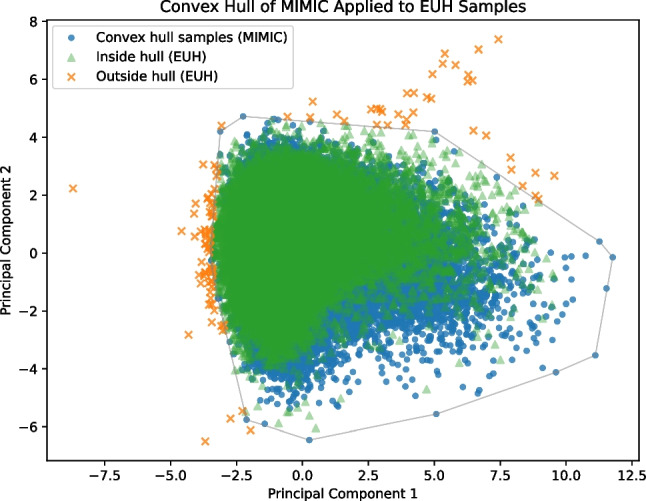
“%) between the two datasets, a pattern that generally sug - gests strong potential for cross-hospital generalizability [72].”
Ajuwon, B. I., Richardson, A., Roper, K., & Lidbury, B. A. (2023) · Viruses · doi:10.3390/v15081735 · Cited by 6 · cited 1×
“…U.S. hospital and raise concerns about sepsis care quality, while Cull et al. [45 ] affirm its effective - ness using data from Greenville, U.S. Similarly, a Hepatitis B prediction model successfully transferred between Nigerian hospitals but failed when applied to an Australian cohort [22].”
(2017) · doi:10.9728/dcs.2024.25.7.1847 · Cited by 2
What do we mean by validating a prognostic model?
(2000) · doi:10.1002/(sici)1097-0258(20000229)19:4<453::aid-sim350>3.0.co;2-5
Research works printed but not linked: 3
- McDermott MBA, Zhang H, Hansen LH, Angelotti G, Gallifant J (2024) A closer look at AUROC and AUPRC under class imbalance. In: Proceedings of the 38th international conference on neural information processing systems
- Demšar J (2006) Statistical comparisons of classifiers over multiple data sets. J Mach Learn Res 7:1–30
- Loscalzo J, Fauci AS, Kasper DL, Hauser SL, Longo DL, Jameson JL (eds) (2022) Harrison’s principles of internal medicine, 21st edn. McGraw Hill
Metadata
- Authors
- Bohlen, L., Rosenberger, J., Hambauer, N., Zähringer, D., Franz, V., Zschech, P., & Kraus, M.
- Affiliations
- Technische Universität Dresden (DE)
- University of Regensburg (DE)
- University Hospital Carl Gustav Carus (DE)
- Corresponding author
- Bohlen, Lasse
- Rosenberger, Julian
- Hambauer, Nico
- Zähringer, Daniel
- Franz, Volkmar
- Zschech, Patrick
- Kraus, Mathias
- Venue
- Health Care Management Science
- Published
- 2026-06
- Volume
- 29
- Issue
- 2
- ISSN
- 1386-9620 (ISSN-L)
- 1572-9389
- PMC
- PMC13253713
- OpenAlex
- W7164133478
- Cited by
- 0
- References
- 91
- FWCI
- 0.00
- Type
- journal article
- Language
- en
- Open access
- hybrid
- doi.org
- Licence
- cc-by
- creativecommons.org/licenses/by/4.0 (tdm)
- creativecommons.org/licenses/by/4.0 (vor, 9 d)
- Locations
- Health Care Management Science (publishedVersion, cc-by)
- PubMed (publishedVersion)
- PubMed Central (publishedVersion, cc-by)
- Econstor (Econstor) (submittedVersion, cc-by)
- Funders
- Technische Universität Dresden
- Topics
- Physical Sciences › Computer Science › Artificial Intelligence › Machine Learning in Healthcare
- Health Sciences › Health Professions › Health Information Management › Artificial Intelligence in Healthcare
- Health Sciences › Medicine › Critical Care and Intensive Care Medicine › Sepsis Diagnosis and Treatment
- Keywords
- model generalization, interpretability, intensive care unit, mortality prediction, length of hospital stay, hospital readmission, external validation, data availability, model complexity, generalized additive models, MIMIC-IV, hospital resource allocation, health management
- MeSH terms
- Machine Learning, Predictive Learning Models, Prediction Algorithms, Germany, Humans, Intensive Care Units, Length of Stay, Patient Readmission, Hospital Mortality
About these checks
Registry, retraction, Cites and statistics results are computed, not judged, with one exception: a printed reference that no index lists is read once by a model before it counts as a citation error. Claims are extracted by a model and kept only when their quote appears verbatim in the text; each cited source is then checked, with a model’s help, for whether it says what the claim relies on. Those verdicts can be wrong — read the claim’s quote and the cited source before relying on one.
The claim verdicts this report counts are experimental: their accuracy is not yet measured.
A language model drew the claims from the paper on 2026-10-10, under version 3 of the claim definition (model deepseek-v4.1-flash, prompt extract-v3).
A second model labelled each claim on 2026-10-10 (model jev-1.13-20260917, definition revision gold-guideline-v0.2).
Cited sources are checked with a language model’s help (gpt-6-sol).
Statistics and arithmetic are recomputed, not judged.
Confidence bands are shown only for fields calibrated on our annotated test set. None is calibrated yet, so no band is shown.
What counts as a claim ›How we measure confidence ›How we check this ›
Are you an author, or do you see a problem with this page? Request a review
Data sources
Bibliographic data: Semantic Scholar, OpenAlex, Crossref.
Contains information from the Semantic Scholar Academic Graph Datasets, made available under the ODC Attribution License (ODC-BY 1.0).
Semantic Scholar’s data is described in: Kinney, R., et al. (2023). The Semantic Scholar Open Data Platform. arXiv:2301.10140.
