

NLRP3/Caspase-1 Pathway-Induced Pyroptosis Mediated Cognitive Deficits in a Mouse Model of Sepsis-Associated Encephalopathy
Open accessThe DOI matches its Crossref record; 41 of the 41 references it cites were found in a registry or an index.
Abstract
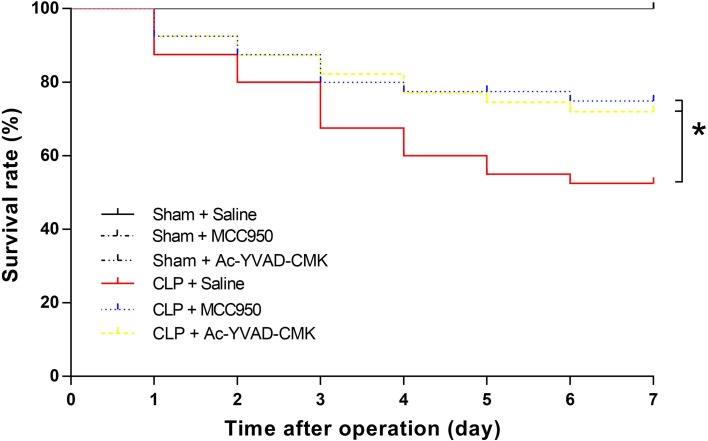
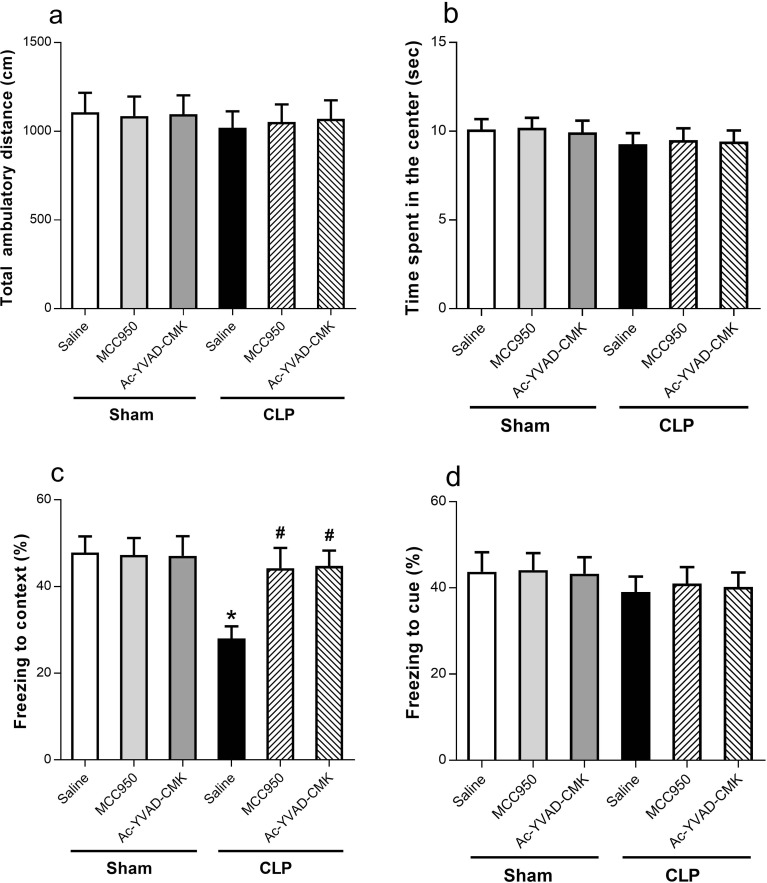
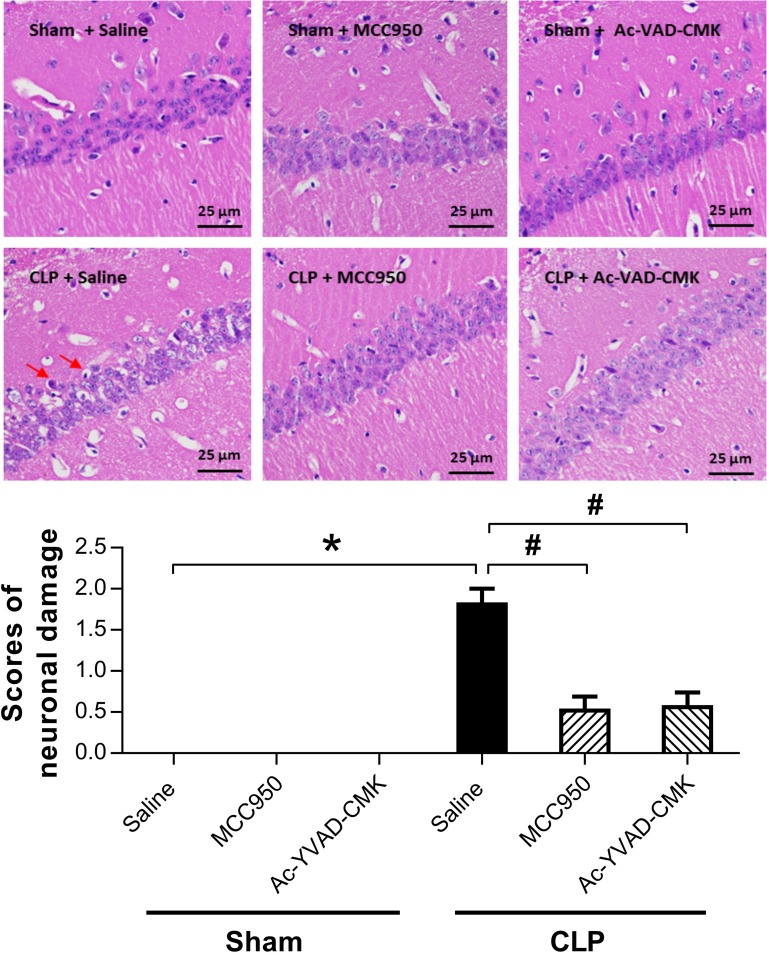
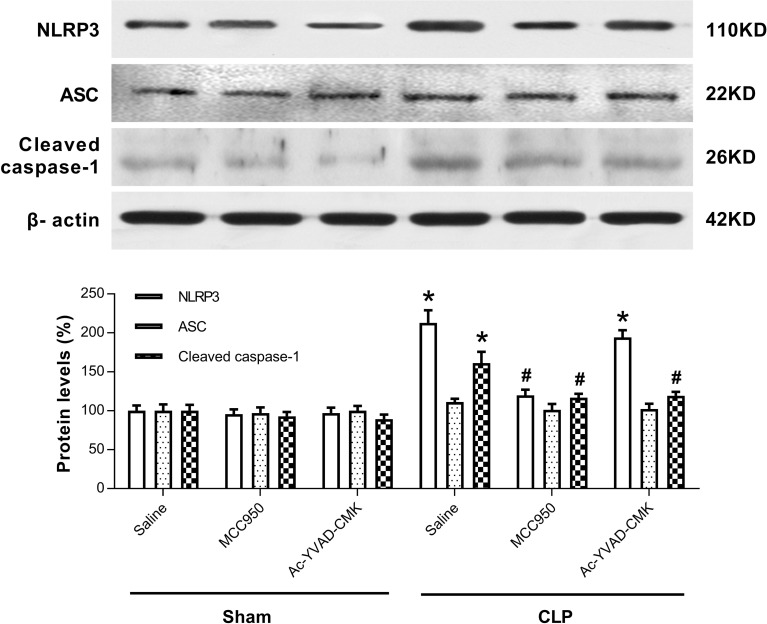
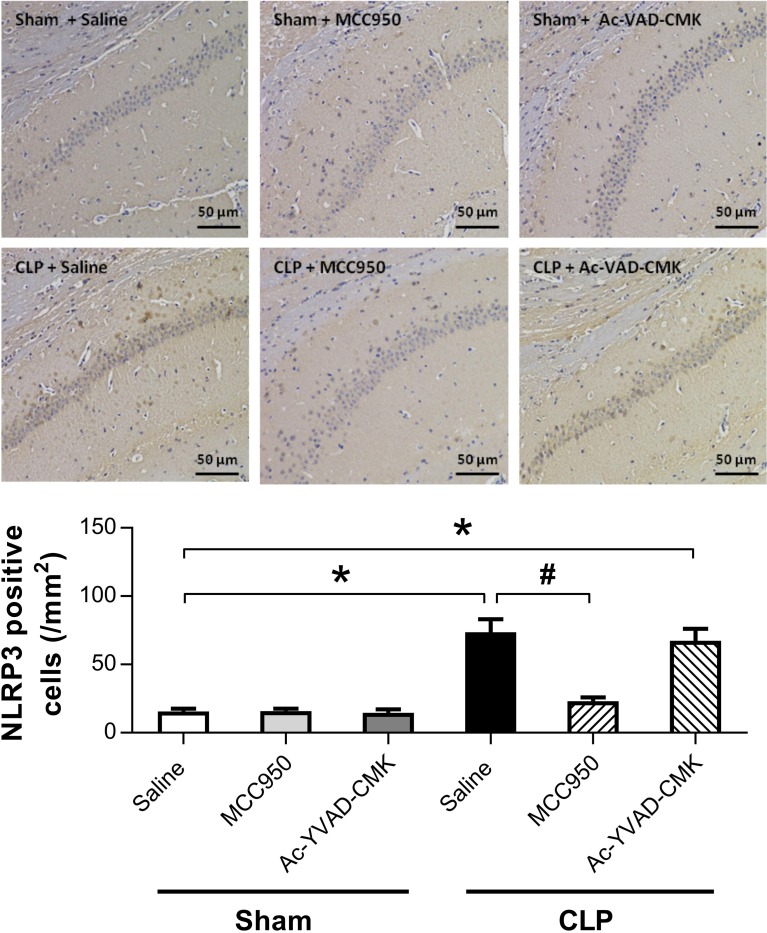
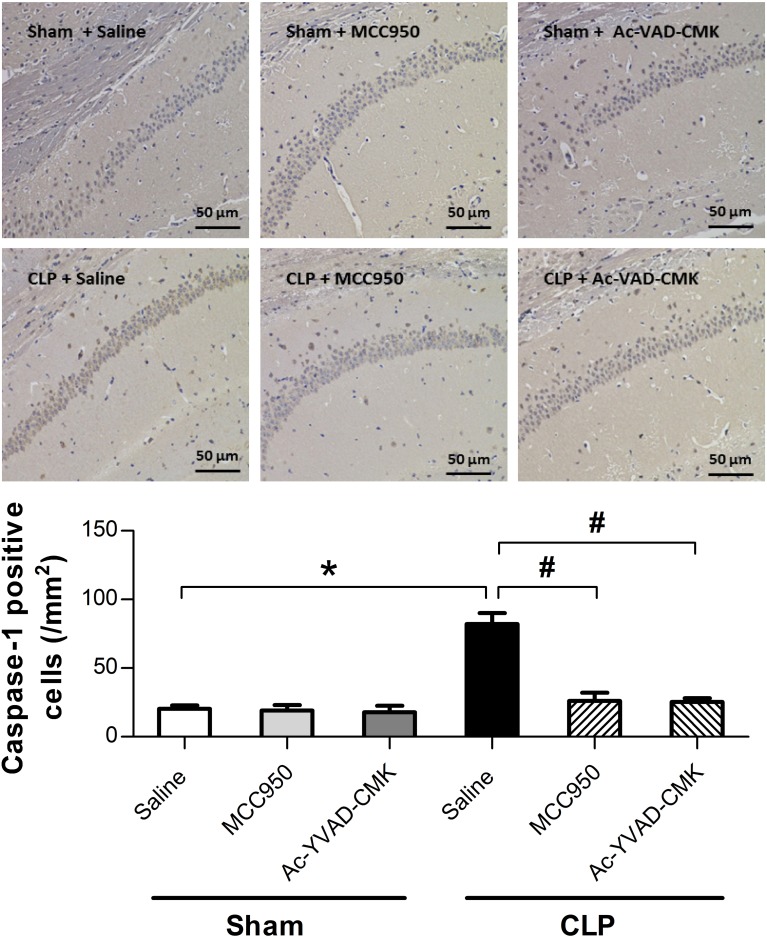
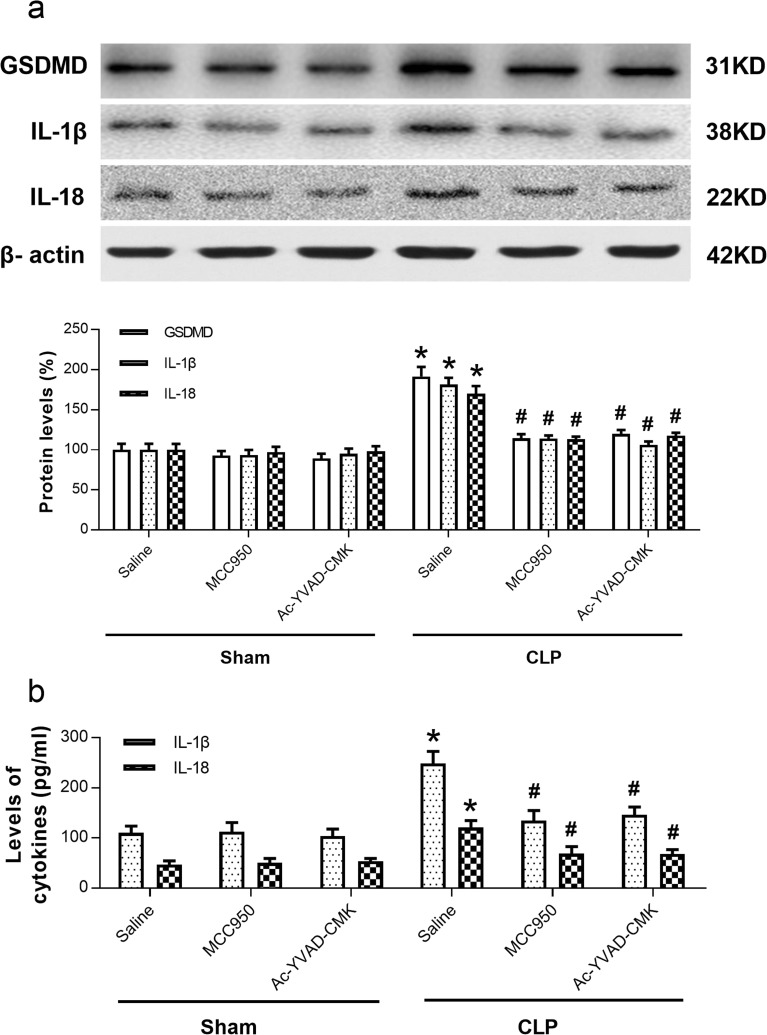
Sepsis-associated encephalopathy (SAE) is a common complication that leads to long-term cognitive impairments and increased mortality in sepsis survivors. The mechanisms underlying this complication remain unclear and an effective intervention is lacking. Accumulating evidence suggests the nucleotide-binding domain-like receptor protein3 (NLRP3)/caspase-1 pathway is involved in several neurodegenerative diseases. Thus, we hypothesized that the NLRP3/caspase-1 pathway is involved in NLRP3-mediated pyroptosis, maturation and release of inflammatory cytokines, and cognitive deficits in SAE. We used the NLRP3 inhibitor MCC950 and the caspase-1 inhibitor Ac-YVAD-CMK to study the role of the NLRP3/caspase-1 pathway in pyroptosis and cognitive deficits in a mouse model of SAE. Mice were randomly assigned to one of six groups: sham+saline, sham+MCC950, sham+Ac-YVAD-CMK, cecal ligation and puncture (CLP)+saline, CLP+MCC950, and CLP+Ac-YVAD-CMK. Surviving mice underwent behavioral tests or had hippocampal tissues collected for histochemical analysis and biochemical assays. Our results show that CLP-induced hippocampus-dependent memory deficits are accompanied by increased NLRP3 and caspase-1 positive cells, and augmented protein levels of NLRP3, caspase-1, gasdermin-D, and pro-inflammatory cytokines in the hippocampus. In addition, administration of MCC950 or Ac-YVAD-CMK rescues cognitive deficits and ameliorates increased hippocampal NLRP3-mediated neuronal pyroptosis and pro-inflammatory cytokines. Our results suggest that the NLRP3/caspase-1 pathway-induced pyroptosis mediates cognitive deficits in a mouse model of SAE.
Overview
The claims and statistics of this paper haven’t been checked yet.
Free: it reads the open-access text and checks the first 5 claims that cite a source we can check. Create a free account to check every claim.
Integrity signals
Registry
Cites
Statistics
Figures
Verification
Claims the paper makes
The claims and statistics of this paper haven’t been checked yet.
Free: it reads the open-access text and checks the first 5 claims that cite a source we can check. Create a free account to check every claim.
Claims other papers make about this one
Each is checked against this paper’s own text: does it say what the citing paper says it does?
The source backs part of the claim, not all of it — or backs it for a different population, condition or comparison.
In the citing paper
“Second, timing of intervention: most preclinical studies administer therapies prophylactically or early post-induction, whereas clinical SAE diagnosis often occurs after established pathology [3,75].”
From Research Advances in the Pathogenesis of Sepsis-Associated Encephalopathy (2026) · cites this paper as [75]
Experimental — accuracy not yet measuredThe source backs part of the claim, not all of it — or backs it for a different population, condition or comparison.
In the citing paper
“Second, therapeutic timing represents a critical disconnect—preclinical studies universally administer interventions prophylactically or within hours of insult, whereas clinical SAE is typically recognized after established pathology, potentially beyond the window for mechanism-based intervention.”
From Research Advances in the Pathogenesis of Sepsis-Associated Encephalopathy (2026) · cites this paper as [75]
Experimental — accuracy not yet measuredThe source backs part of the claim, not all of it — or backs it for a different population, condition or comparison.
In the citing paper
“LPS injection produces rapid, transient neuroinflammation, whereas CLP induces polymicrobial sepsis with more sustained CNS pathology [3,75].”
From Research Advances in the Pathogenesis of Sepsis-Associated Encephalopathy (2026) · cites this paper as [75]
Experimental — accuracy not yet measuredThe cited source says what the claim attributes to it.
In the citing paper
“The NLRP3/caspase-1/GSDMD signaling axis is abnormally activated in the hippocampus of cecal ligation and puncture (CLP) models, accompanied by elevated pyroptosis markers and pro-inflammatory factors, leading to cognitive impairment [75].”
From Research Advances in the Pathogenesis of Sepsis-Associated Encephalopathy (2026) · cites this paper as [75]
The cited source says what the claim attributes to it.
In the citing paper
“The NLRP3/caspase-1/GSDMD signaling axis is abnormally activated in the hippocampus of cecal ligation and puncture (CLP) models, accompanied by elevated pyroptosis markers and pro-inflammatory factors, leading to cognitive impairment [75].”
From Research Advances in the Pathogenesis of Sepsis-Associated Encephalopathy (2026) · cites this paper as [75]
7 more claims about this paper
Create a free account to see every claim other papers make about this one.
Self-check
Percentages, sums and reported differences re-computed from the paper’s own numbers.
The self-check needs the paper’s full text.
Citations
Cites
Pattern Recognition Receptors and Inflammation
Takeuchi, O., & Akira, S. (2010) · Cell · doi:10.1016/j.cell.2010.01.022 · Cited by 8,895 · cited 9×
“Protein levels were estimated via incubation against antibodies of NLRP3 (1:600; Servicebio Technology Co. Ltd.), ASC (1:200; Santa Cruz, USA), cleaved caspase-1 (1:500; Servicebio Technology Co. Ltd.), gasdermin-D (GSDMD, 1:500; Biorbyt, UK), IL-1β (1:200; Santa Cruz, USA), IL-18 (1:200; Santa Cruz, USA), and βactin…”
BackgroundInfluentialCleavage of GSDMD by inflammatory caspases determines pyroptotic cell death
Shi, J., Zhao, Y., Wang, K., Shi, X., Wang, Y., Huang, H., Zhuang, Y., Cai, T., Wang, F., & Shao, F. (2015) · Nature · doi:10.1038/nature15514 · Cited by 6,659 · cited 1×
“GSDMD lyses liposomes and forms pores on cell membranes; this, in turn, activates the NLRP3 inflammasome, driving caspase-1dependent maturation of IL-1β, which is released from the cell upon membrane rupture [28, 38, 39].”
BackgroundSchroder, K., & Tschopp, J. (2010) · Cell · doi:10.1016/j.cell.2010.01.040 · Cited by 5,475
Inflammasomes: mechanism of assembly, regulation and signalling
Broz, P., & Dixit, V. M. (2016) · Nature Reviews Immunology · doi:10.1038/nri.2016.58 · Cited by 3,500
Pyroptosis: Gasdermin-Mediated Programmed Necrotic Cell Death
Shi, J., Gao, W., & Shao, F. (2017) · Trends in Biochemical Sciences · doi:10.1016/j.tibs.2016.10.004 · Cited by 3,088
NLRP3 is activated in Alzheimer’s disease and contributes to pathology in APP/PS1 mice
Heneka, M. T., Kummer, M. P., Stutz, A., Delekate, A., Schwartz, S., Vieira-Saecker, A., Griep, A., Axt, D., Remus, A., Tzeng, T.-C., et al. (2013) · Nature · doi:10.1038/nature11729 · Cited by 2,898
A small-molecule inhibitor of the NLRP3 inflammasome for the treatment of inflammatory diseases
Coll, R. C., Robertson, A. A. B., Chae, J. J., Higgins, S. C., Muñoz-Planillo, R., Inserra, M. C., Vetter, I., Dungan, L. S., Monks, B. G., Stutz, A., et al. (2015) · Nature Medicine · doi:10.1038/nm.3806 · Cited by 2,849 · cited 10×
“One hundred and seventy-four C57BL/6 male mice aged 4 months were purchased from the Animal Center of Jinling Clinical Medical College at Nanjing Medical University, Nanjing, China.”
BackgroundMethodInfluentialPore-forming activity and structural autoinhibition of the gasdermin family
Ding, J., Wang, K., Liu, W., She, Y., Sun, Q., Shi, J., Sun, H., Wang, D.-C., & Shao, F. (2016) · Nature · doi:10.1038/nature18590 · Cited by 2,771 · cited 1×
“GSDMD lyses liposomes and forms pores on cell membranes; this, in turn, activates the NLRP3 inflammasome, driving caspase-1dependent maturation of IL-1β, which is released from the cell upon membrane rupture [28, 38, 39].”
BackgroundLong-term cognitive impairment and functional disability among survivors of severe sepsis.
Iwashyna, T. J., Ely, E. W., Smith, D. M., & Langa, K. M. (2010) · JAMA · doi:10.1001/jama.2010.1553 · Cited by 2,582 · cited 1×
“Increasing evidence confirms that the brain can be affected during sepsis development, and that septic patients frequently suffer from cognitive impairments after discharge [3].”
BackgroundNon-canonical inflammasome activation targets caspase-11
Kayagaki, N., Warming, S., Lamkanfi, M., Walle, L. V., Louie, S., Dong, J., Newton, K., Qu, Y., Liu, J., Heldens, S., et al. (2011) · Nature · doi:10.1038/nature10558 · Cited by 2,530
Cited by
Fiery Cell Death: Pyroptosis in the Central Nervous System
McKenzie, B. A., Dixit, V. M., & Power, C. (2020) · Trends in Neurosciences · doi:10.1016/j.tins.2019.11.005 · Cited by 338
Dexmedetomidine alleviated sepsis‑induced myocardial ferroptosis and septic heart injury
Wang, C., Yuan, W., Hu, A., Lin, J., Xia, Z., Yang, C., Li, Y., & Zhang, Z. (2020) · Molecular Medicine Reports · doi:10.3892/mmr.2020.11114 · Cited by 239
“Activated NACHT‑, LRR‑ and PYD domains‑containing protein 3 (NALP3), a marker of pyroptosis, leads to the aggregation of cytokines IL‑1 β and caspase‑1, which can be followed by tissue injury and organ dysfunction (50,51).”
The NLRP3 Inflammasome and Its Role in Sepsis Development
Danielski, L. G., Giustina, A. D., Bonfante, S., Barichello, T., & Petronilho, F. (2020) · Inflammation · doi:10.1007/s10753-019-01124-9 · Cited by 234
“Recently, Fu and colleagues (2019) [65] demonstrated that inhibiting the formation of NLRP3 inflammasome may positively contribute to the reduction of neurological and cognitive impairment of septic animals.”
Wu, C., Chen, H., Zhuang, R., Zhang, H., Wang, Y., Hu, X., Xu, Y., Li, J., Li, Y., Wang, X., et al. (2021) · International Journal of Biological Sciences · doi:10.7150/ijbs.57825 · Cited by 204
“Morphologically, pyroptosis is characterized by cell swelling, rupture, and release of cytoplasmic contents [16].”
BackgroundInfluentialCorcoran, S. E., Halai, R., & Cooper, M. A. (2021) · Pharmacological Reviews · doi:10.1124/pharmrev.120.000171 · Cited by 173
Copper induces microglia-mediated neuroinflammation through ROS/NF-κB pathway and mitophagy disorder
Zhou, Q., Zhang, Y., Lu, L., Zhang, H., Zhao, C., Pu, Y., & Yin, L. (2022) · Food and Chemical Toxicology · doi:10.1016/j.fct.2022.113369 · Cited by 163
Tavakoli Dargani, Z., & Singla, D. K. (2019) · American Journal of Physiology-Heart and Circulatory Physiology · doi:10.1152/ajpheart.00056.2019 · Cited by 153
“Finally, activated caspase-1 triggers downstream expression of IL-1 /IL-18 cytokines and stimulation of caspase-11 and gasdermin-D proteins, which contribute in pore formation within the cell membrane, as well as secretion of proinflammatory contents from pyroptotic dead cells (3, 4, 11, 12, 21, 47, 50, 51, 56, 63).”
BackgroundImmunotherapy in sepsis - brake or accelerate?
Steinhagen, F., Schmidt, S. V., Schewe, J., Peukert, K., Klinman, D. M., & Bode, C. (2020) · Pharmacology & Therapeutics · doi:10.1016/j.pharmthera.2020.107476 · Cited by 165
Shi, M., Chen, J., Liu, T., Dai, W., Zhou, Z., Chen, L., & Xie, Y. (2022) · Drug Design Development and Therapy · doi:10.2147/dddt.s344240 · Cited by 133
Self-citationChen, J., Shi, X., Diao, M., Jin, G., Zhu, Y. J., Hu, W., & Xi, S. (2020) · BMC Emergency Medicine · doi:10.1186/s12873-020-00374-3 · Cited by 118
“Background Sepsis-associated encephalopathy (SAE) is a common complication of patients with sepsis and can manifest as mild disturbance of consciousness, disorientation, cognitive impairment, convulsion or deep coma [1, 2].”
BackgroundZhou, R., Yang, X., Li, X., Qu, Y., Huang, Q., Sun, X., & Mu, D. (2019) · Journal of Neuroinflammation · doi:10.1186/s12974-019-1651-9 · Cited by 100
Sepsis-associated encephalopathy: From pathophysiology to clinical management
Hong, Y., Chen, P., Gao, J., Lin, Y., Chen, L., & Shang, X. (2023) · International Immunopharmacology · doi:10.1016/j.intimp.2023.110800 · Cited by 102
Bibliometric Analysis of the Inflammasome and Pyroptosis in Brain
Chen, Y., Li, Y., Guo, L., Hong, J., Zhao, W., Hu, X., Chang, C., Liu, W., & Xiong, K. (2021) · Frontiers in Pharmacology · doi:10.3389/fphar.2020.626502 · Cited by 92
McKenzie, B., Fernandes, J. P., Doan, M. A. L., Schmitt, L. M., Branton, W. G., & Power, C. (2020) · Journal of Neuroinflammation · doi:10.1186/s12974-020-01902-5 · Cited by 105
Sepsis-Induced Gut Dysbiosis Mediates the Susceptibility to Sepsis-Associated Encephalopathy in Mice
Fang, H., Wang, Y., Deng, J., Zhang, H., Wu, Q., He, L., Xu, J., Shao, X., Ouyang, X., He, Z., et al. (2022) · mSystems · doi:10.1128/msystems.01399-21 · Cited by 87
“The NLRP3 inflammasome has been reported to be a key player in the development of SAE (19), but the effect of IPA on the NLRP3 inflammasome is unclear.”
BackgroundSun, W., Lu, H., Lyu, L., Yang, P., Lin, Z., Li, L., Sun, L., & Lü, D. (2019) · Journal of Physiology and Biochemistry · doi:10.1007/s13105-019-00702-7 · Cited by 88
“Recent advances indicated that pyroptosis played a regulatory role in a variety of infectious and noninfectious diseases, which was prevented by treatment with inhibitor MCC950 [6, 12], a potent, selective, small-molecule that can inhibit NLRP3 inflammasome activation both in vitro and in vivo [5].”
BackgroundSavi, F. F., de Oliveira, A., de Medeiros, G. F., Bozza, F. A., Michels, M., Sharshar, T., Dal-Pizzol, F., & Ritter, C. (2021) · Neuroscience & Biobehavioral Reviews · doi:10.1016/j.neubiorev.2020.12.005 · Cited by 77
Molecular mechanisms and functions of pyroptosis in sepsis and sepsis-associated organ dysfunction
Wen, R., Liu, Y., Tong, X.-X., Zhang, T., & Yang, N. (2022) · Frontiers in Cellular and Infection Microbiology · doi:10.3389/fcimb.2022.962139 · Cited by 86
“showed that the NLRP3 inhibitor MCC950 and caspase-1 inh ib i t o r Ac -YVAD-CMK ame l io r a t ed inc r e a s ed hippocampal neuronal pyroptosis and reduced the levels of pro-inflammatory cytokines and rescued cognitive deficits in mice with sepsis-associated encephalopathy (Fu et al., 2019).”
BackgroundJing, G., Zuo, J., Fang, Q., Yuan, M., Xia, Y. F., Jin, Q., Liu, Y., Wang, Y., Zhang, Z., Liu, W., et al. (2022) · Journal of Neuroinflammation · doi:10.1186/s12974-022-02598-5 · Cited by 81
“Activation of the NLRP3 inflammasome and the occurrence of pyroptosis in microglia are implicated in the pathogenesis of SAE [6, 7].”
BackgroundLi, J., Hu, T., Zhou, X.-N., Zhang, T., Guo, J., Wang, M.-Y., Wu, Y., Su, W., & Jiang, C. (2023) · Journal of Neuroinflammation · doi:10.1186/s12974-023-02791-0 · Cited by 83
Self-citationHydrogen attenuates sepsis-associated encephalopathy by NRF2 mediated NLRP3 pathway inactivation
Xie, K., Zhang, Y., Wang, Y., Meng, X., Wang, Y., Yu, Y., & Chen, H. (2020) · Inflammation Research · doi:10.1007/s00011-020-01347-9 · Cited by 80
Li, Z., Liu, T., Feng, Y., Tong, Y., Jia, Y., Wang, C., Cui, R., Qu, K., Liu, C., & Zhang, J. (2022) · Oxidative Medicine and Cellular Longevity · doi:10.1155/2022/1269747 · Cited by 108
“This process exerts a protective effect during the early stages of sepsis [12, 13].”
Qin, Y., Gu, T., Ling, J., Luo, J., Zhao, J., Hu, B., Hua, L., Wan, C., & Jiang, S. (2021) · Journal of Applied Toxicology · doi:10.1002/jat.4258 · Cited by 73
“NLRP3 inhibitor MCC950 can ameliorate the occurrence of pyroptosis in mouse models (Fu et al., 2019), indicating that NLRP3 inflammasome have a direct role in facilitating pyroptosis.”
BackgroundWang, X.-Y., Cai, H., Chen, Z., Zhang, Y. L., Wu, M., Xu, X., & Yang, L. (2021) · International Immunopharmacology · doi:10.1016/j.intimp.2021.108315 · Cited by 74
Current Understanding of Long-Term Cognitive Impairment After Sepsis
Li, Y., Ji, M., & Yang, J. (2022) · Frontiers in Immunology · doi:10.3389/fimmu.2022.855006 · Cited by 82
Self-citationZheng, Y., Zhang, X., Wang, Z., Zhang, R., Wei, H., Xu, Y., Jiang, X., & Yang, L. (2024) · Archiv der Pharmazie · doi:10.1002/ardp.202400459 · Cited by 70
Guo, Y., Zhang, H., Lv, Z., Du, Y., Li, D., Fang, H., You, J., Yu, L., & Li, R. (2023) · Cell Communication and Signaling · doi:10.1186/s12964-023-01041-3 · Cited by 67
Li, Z., Jia, Y., Feng, Y., Cui, R., Miao, R., Zhang, X., Qu, K., Liu, C., & Zhang, J. (2019) · Aging · doi:10.18632/aging.101831 · Cited by 69
“However, when the proinflammatory cytokines, such as IL-1β, are continually released, tissue injury and organs dysfunction can occur [7].”
BackgroundNecroptosis, Pyroptosis, Ferroptosis in Sepsis and Treatment
Qu, M., Wang, Y., Qiu, Z., Zhu, S., Guo, K., Chen, W., Miao, C., & Zhang, H. (2022) · Shock · doi:10.1097/shk.0000000000001936 · Cited by 66
Inner sensors of endotoxin – implications for sepsis research and therapy
Skirecki, T., & Cavaillon, J. (2019) · FEMS Microbiology Reviews · doi:10.1093/femsre/fuz004 · Cited by 68
TRIM45 aggravates microglia pyroptosis via Atg5/NLRP3 axis in septic encephalopathy
Huang, X., Ye, C., Zhao, X., Tong, Y., Lin, W., Huang, Q., Zheng, Y., Wang, J., Zhang, A., & Mo, Y. (2023) · Journal of Neuroinflammation · doi:10.1186/s12974-023-02959-8 · Cited by 60
“Erbin protects against sepsis-associated encephalopathy by attenuating micro-glial pyroptosis via the IRE1α/Xbp1s-Ca 2 + axis [12], and NLRP3/Caspase-1 pathway-induced pyroptosis mediates cognitive deficits in a mouse model of sepsis-associated encephalopathy [13].”
BackgroundNLRP3 inflammasome in sepsis (Review)
Shi, X., Tan, S., & Tan, S. (2021) · Molecular Medicine Reports · doi:10.3892/mmr.2021.12153 · Cited by 62
Zhou, X.-G., Qiu, W.-Q., Yu, L., Pan, R., Teng, J.-F., Sang, Z.-P., Law, B. Y.-K., Zhao, Y., Zhang, L., Yan, L., et al. (2022) · Inflammation and Regeneration · doi:10.1186/s41232-022-00209-7 · Cited by 52
Self-citationYue, J., Mo, L., Zeng, G., Ma, P., Zhang, X., Peng, Y., Zhang, X., Zhou, Y. L., Jiang, Y., Huang, N., et al. (2025) · Journal of Neuroinflammation · doi:10.1186/s12974-025-03395-6 · Cited by 64
The role of NLRP3 inflammasome in sepsis: A potential therapeutic target
He, W., Dong, H., Wu, C., Zhong, Y., & Li, J. (2023) · International Immunopharmacology · doi:10.1016/j.intimp.2023.109697 · Cited by 58
Liao, H., Li, H., Bao, H., Jiang, L., Du, J., Guo, Y., & Si, Y. (2022) · Frontiers in Neurology · doi:10.3389/fneur.2022.909436 · Cited by 55
Dysregulated dendritic cells in sepsis: functional impairment and regulated cell death
Zheng, L., Duan, Y., He, P.-Y., Wu, M., Wei, S.-T., Du, X., Yao, R.-Q., & Yao, Y. (2024) · Cellular & Molecular Biology Letters · doi:10.1186/s11658-024-00602-9 · Cited by 59
Xu, Z., Wang, H., Qin, Z., Zhao, F., Zhou, L., Xu, L., & Jia, R. (2021) · Cell Death Discovery · doi:10.1038/s41420-021-00766-9 · Cited by 54
“In inflammasome, NLRP3 is widely expressed in epithelial cells, macrophages, keratinocytes, and dendritic cells [16, 17].”
BackgroundThe “Self-Sacrifice” of ImmuneCells in Sepsis
Wen, X., Xie, B., Yuan, S., & Zhang, J. (2022) · Frontiers in Immunology · doi:10.3389/fimmu.2022.833479 · Cited by 58
Brain Volume Changes in Patients with Acute Brain Dysfunction Due to Sepsis
Orhun, G., Tüzün, E., Bılgıç, B., Özcan, P. E., Sencer, S., Barbüroğlu, M., & Esen, F. (2019) · Neurocritical Care · doi:10.1007/s12028-019-00759-8 · Cited by 49
NLRP3-Dependent Pyroptosis: A Candidate Therapeutic Target for Depression
Wan, T., Li, X., Fu, M., Gao, X., Li, P., & Guo, W. (2022) · Frontiers in Cellular Neuroscience · doi:10.3389/fncel.2022.863426 · Cited by 47
“…and caspase-1 positive cells, as well as pyroptosis and inflammation-related proteins, were significantly increased in the hippocampus of the brains of mice with sepsisassociated encephalopathy, and the use of MCC950 and ACYVAD-CMK significantly improved cognitive function loss (Fu et al., 2019).”
BackgroundNeurochemical effects of sepsis on the brain
Barichello, T., Giridharan, V. V., Catalão, C. H. R., Ritter, C., & Dal‐Pizzol, F. (2023) · Clinical Science · doi:10.1042/cs20220549 · Cited by 49
Yue, J., Tan, Y., Huan, R., Guo, J., Yang, S., Deng, M., Xiong, Y., Han, G., Liu, L., Liu, J., et al. (2023) · Frontiers in Immunology · doi:10.3389/fimmu.2023.1090288 · Cited by 46
Ye, A., Li, W., Zhou, L., Ao, L., Fang, W., & Li, Y. (2020) · Brain Research Bulletin · doi:10.1016/j.brainresbull.2020.10.009 · Cited by 50
Yang, M., Fang, J., Zhang, N.-S., Qin, L.-J., Zhuang, Y.-Y., Wang, W., Zhu, H., Zhang, Y., Xia, P., & Zhang, Y. (2021) · BioMed Research International · doi:10.1155/2021/6636621 · Cited by 47
Zhou, S., Li, Y., Hong, Y., Zhong, Z., & Zhao, M. (2023) · European Journal of Pharmacology · doi:10.1016/j.ejphar.2023.175616 · Cited by 45
Danielski, L. G., Giustina, A. D., Bonfante, S., Goldim, M. P. D. S., Joaquim, L. D. S., Metzker, K. L. L., Biehl, E., Vieira, T. C., de Medeiros, F. D., da Rosa, N., et al. (2020) · Molecular Neurobiology · doi:10.1007/s12035-020-02089-9 · Cited by 44
Zhao, P., Li, X., Yang, Q., Lu, Y., Wang, G., Yang, H., Dong, J., & Zhang, H. (2023) · Frontiers in Pharmacology · doi:10.3389/fphar.2022.1038802 · Cited by 43
Sepsis-Associated Encephalopathy: A Mini-Review of Inflammation in the Brain and Body
Ito, H., Hosomi, S., Koyama, Y., Matsumoto, H., Imamura, Y., Ogura, H., & Oda, J. (2022) · Frontiers in Aging Neuroscience · doi:10.3389/fnagi.2022.912866 · Cited by 45
Fu, Q., Zhang, Y.-B., Shi, C.-X., Jiang, M., Lu, K., Fu, Z.-H., Ruan, J.-P., Wu, J., & Gu, X.-P. (2024) · Journal of Neuroinflammation · doi:10.1186/s12974-024-03084-w · Cited by 42
“…study demonstrated that sepsis-triggered activation of the canonical nucleotide-binding domain-like receptor protein 3 (NLRP3)- caspase-1 inflammasome cleaves GSDMD in the hippocampus, initiating neuronal pyroptosis and neuroinflammation, leading to hippocampus-dependent memory impairments [10].”
BackgroundMethodResultInfluentialSelf-citationZhong, X., Xie, L., Yang, X., Liang, F., Yang, Y., Tong, J., Zhong, Y., Zhao, K., Tang, Y., & Yuan, C. (2020) · Molecular Medicine · doi:10.1186/s10020-020-00181-3 · Cited by 42
Research progress on pyroptosis and its effect on the central nervous system
Hao, W., & Feng, C. (2023) · Neurobiology of Disease · doi:10.1016/j.nbd.2023.106333 · Cited by 46
“It also reported that NLRP3 inhibitor MCC950 restrained the NLRP3/ caspase-1 related pyroptosis pathway and cognitive deficits in a mouse model of sepsis-associated encephalopathy (Fu et al., 2019).”
BackgroundHsa_circ_0044235 regulates the pyroptosis of rheumatoid arthritis via MiR-135b-5p-SIRT1 axis
Chen, S., Luo, Z., & Chen, X. (2021) · Cell Cycle · doi:10.1080/15384101.2021.1916272 · Cited by 42
“NLRP3 is one of the most widely studied receptor proteins of inflammasomes [30].”
BackgroundLuo, M., Meng, J., Yan, J., Shang, F., Zhang, T., Lv, D., Li, C., Yang, X., & Luo, S. (2020) · Inflammation · doi:10.1007/s10753-020-01232-x · Cited by 41
“Our data indicates that NLRP3 is involved in the death of sepsis by regulating endothelial dysfunction and that the long-term survival curve of sepsis can be improved by inhibiting NLRP3 [30].”
BackgroundXu, Y. M., Hu, X., Li, F., Zhang, H., Lou, J., Wang, X., Wang, H., Yin, L., Ni, W., Kong, J., et al. (2021) · Oxidative Medicine and Cellular Longevity · doi:10.1155/2021/8186877 · Cited by 43
Role of Stat3 in NLRP3/caspase‐1‐mediated hippocampal neuronal pyroptosis in epileptic mice
Jiang, Q., Tang, G. Q., Zhong, X., Ding, D., Wang, H., & Li, J. (2021) · Synapse · doi:10.1002/syn.22221 · Cited by 42
“Moreover, recent investigations have shown thatNLRP3activation can regulate pyroptosis and induce the production of IL-1β and IL-18 by activating caspase-1 (Fu et al., 2019; Hughes & OʼNeill, 2018).”
BackgroundSun, K., Zhang, J., Yang, Q., Zhu, J., Zhang, X., Wu, K., Li, Z., Xie, W., & Luo, X. G. (2021) · Brain Research Bulletin · doi:10.1016/j.brainresbull.2021.05.006 · Cited by 39
The Potential of NLRP3 Inflammasome as a Therapeutic Target in Neurological Diseases
He, W., Hu, Z., Zhong, Y., Wu, C., & Li, J. (2023) · Molecular Neurobiology · doi:10.1007/s12035-023-03229-7 · Cited by 41
Sun, J., Fleishman, J. S., Liu, X., Wang, H., & Huo, L. (2024) · Biomedicine & Pharmacotherapy · doi:10.1016/j.biopha.2024.116453 · Cited by 40
Silencing of amygdala circuits during sepsis prevents the development of anxiety-related behaviours
Bourhy, L., Mazeraud, A., Costa, L. H. A., Levy, J., Rei, D., Hecquet, E., Gabanyi, I., Bozza, F. A., Chrétien, F., Lledo, P.-M., et al. (2022) · Brain · doi:10.1093/brain/awab475 · Cited by 37
Liao, Y., Zhou, X., Ji, M., Qiu, L., Chen, X.-H., Gong, C., Lin, Y., Guo, Y.-H., & Yang, J. (2020) · Inflammation · doi:10.1007/s10753-020-01334-6 · Cited by 40
Self-citationRuhnau, J., Müller, J., Nowak, S., Strack, S., Sperlich, D., POHL, A. W., Dilz, J., Saar, A., Veser, Y., Behr, F., et al. (2023) · International Journal of Molecular Sciences · doi:10.3390/ijms241210335 · Cited by 40
“Thus, higher postoperative serum biomarkers like S100β or IL-6 could represent a mirror of the inflammatory processes in the CNS during delirium.”
BackgroundInfluentialFeng, D., Guo, L., Liu, J., Song, Y., Ma, X., Hu, H., Liu, J., & Hao, E. (2021) · Experimental and Therapeutic Medicine · doi:10.3892/etm.2021.10825 · Cited by 39
Li, G. L., Xiu, L., Li, X., Ma, L., & Zhou, J. (2022) · Journal of Orthopaedic Surgery and Research · doi:10.1186/s13018-021-02886-5 · Cited by 36
“The nucleotide-binding domainlike receptor protein3 (NLRP3)/caspase-1 pathway is involved in the pyroptosis, release and maturation of the inflammatory cytokines mediated by NLRP3 [21].”
BackgroundMicroglial activation and neuroinflammation in acute and chronic cognitive deficits in sepsis
Denver, P., & Cunningham, C. M. (2024) · Neuropharmacology · doi:10.1016/j.neuropharm.2024.110285 · Cited by 37
The double sides of NLRP3 inflammasome activation in sepsis
Vigneron, C., Py, B. F., Monneret, G., & Venet, F. (2023) · Clinical Science · doi:10.1042/cs20220556 · Cited by 35
Convergence of sepsis-associated encephalopathy pathogenesis onto microglia
Xiao, D., Wang, X., Liang, W., Yang, Y., Du, Y., Liu, C., Xu, F., Yang, Y., Wei, M., & Yang, G. (2025) · Journal of Translational Medicine · doi:10.1186/s12967-025-06635-8 · Cited by 36
“In addition, studies have demonstrated that pyroptosis induced by the NLRP3/ Caspase-1 pathway contributes to cognitive impairment in a mouse model of SAE [127].”
Role of microRNAs As Biomarkers in Sepsis-Associated Encephalopathy
Osca-Verdegal, R., Beltrán-García, J., Pallardó, F. V., & García‐Giménez, J. L. (2021) · Molecular Neurobiology · doi:10.1007/s12035-021-02445-3 · Cited by 39
Guo, X., Wu, Y., Jia, Q., Ma, H., Fan, Z., Wang, S., Du, L.-X., Peng, Y., Fang, Z., & Zhang, X. (2023) · CNS Neuroscience & Therapeutics · doi:10.1111/cns.14095 · Cited by 35
AIM2 deletion promotes neuroplasticity and spatial memory of mice
Chen, J., Shu, S., Chen, Y., Liu, Z., Yu, L., Yang, L., Xu, Y., & Zhang, M. (2019) · Brain Research Bulletin · doi:10.1016/j.brainresbull.2019.07.011 · Cited by 34
The ROS/TXNIP/NLRP3 pathway mediates LPS-induced microglial inflammatory response
Zhao, Q., Liu, G., Ding, Q., Zheng, F., Shi, X., Lin, Z., & Liang, Y. (2024) · Cytokine · doi:10.1016/j.cyto.2024.156677 · Cited by 33
Al‐Shami, A. S., Elkader, H. A. E. A., Moussa, N., Essawy, A. E., & Haroun, M. (2024) · Molecular and Cellular Biochemistry · doi:10.1007/s11010-024-05039-4 · Cited by 32
Liu, Y., Yu, Y., Liu, J., Liu, W., Cao, Y., Yan, R., & Yao, Y. (2022) · Frontiers in Neurology · doi:10.3389/fneur.2022.892480 · Cited by 39
Chen, L., Qing, W., Yi, Z., Lin, G., Peng, Q., & Zhou, F. (2021) · Frontiers in Nutrition · doi:10.3389/fnut.2021.701760 · Cited by 31
Hu, S., Pi, Q., Luo, M., Cheng, Z., Liang, X., Luo, S., & Xia, Y. (2021) · International Immunopharmacology · doi:10.1016/j.intimp.2021.107388 · Cited by 34
Zhang, H., Du, Y., Guo, Y., Wang, Z., Li, H., Lv, Z., Zeng, L., Chen, Y., Xie, Z., & Li, R. (2021) · Journal of Immunology Research · doi:10.1155/2021/6687555 · Cited by 31
“Moreover, our previous study [53] showed that CD38 deletion upregulates TLR4 expression, and also, there is a paper [54] reporting that CD38 can induce inflammasome-mediated activation of caspase-1 by activating NLRP3 in head and neck squamous cell carcinoma (HNSCC).”
BackgroundZhang, Y., Xing, C., Liu, X., Li, Y.-H., Jia, J., Feng, J., Yang, C., Chen, Y., & Zhou, J. F. (2022) · Oxidative Medicine and Cellular Longevity · doi:10.1155/2022/8645714 · Cited by 34
“Thus, exploration of the mechanism of SAE will develop speci fi c new therapeutic strategies.”
InfluentialCurrent insight on the mechanisms of programmed cell death in sepsis-induced myocardial dysfunction
Liu, A.-B., Li, S.-J., Yu, Y., Zhang, J., & Ma, L. (2023) · Frontiers in Cell and Developmental Biology · doi:10.3389/fcell.2023.1309719 · Cited by 30
Jing, G., Gong, H., Wang, H., Zuo, J., Wu, D., Liu, H., Wang, X., Yuan, M., Xia, Y. F., Du, T., et al. (2025) · Journal of Neuroinflammation · doi:10.1186/s12974-025-03480-w · Cited by 31
“Microglia pyroptosis-mediated neuroinflammation is a key pathogenic mechanism of SAE [32].”
O’Riordan, C. E., Purvis, G. S. D., Collotta, D., Krieg, N., Wissuwa, B., Sheikh, M. H., Alves, G. F., Mohammad, S., Callender, L. A., Coldewey, S. M., et al. (2020) · Frontiers in Immunology · doi:10.3389/fimmu.2020.581758 · Cited by 30
RetractedLiu, Y., Li, Z., Xu, Z., Zhang, B., Liu, A., He, Q., Zheng, F., & Zhan, J. (2022) · Neuroscience · doi:10.1016/j.neuroscience.2022.04.011 · Cited by 29
Sun, X., Zhou, R., Lei, Y., Hu, J., & Li, X. (2020) · Brain Research · doi:10.1016/j.brainres.2020.147109 · Cited by 28
“NLRP3/caspase-1-mediated pyroptosis (Frank and Vince, 2019; Fu et al., 2019; He et al., 2016).”
BackgroundPM2.5 induced lung injury through upregulating ROS-dependent NLRP3 Inflammasome-Mediated Pyroptosis
Ren, F., Xu, J., Zhang, J., Xu, X. Y., Huang, L., Sun, W., Li, R., & Li, F. (2022) · Immunobiology · doi:10.1016/j.imbio.2022.152207 · Cited by 28
Liu, H., Zhang, T., Zhang, L., & Zhong, Y. (2025) · Diagnostics · doi:10.3390/diagnostics15070873 · Cited by 33
“Complement activation is an early observable phenomenon [42].”
Zhang, Y., Hailati, J., Ma, X., Midilibieke, H., & Liu, Z. (2023) · Balkan Medical Journal · doi:10.4274/balkanmedj.galenos.2023.2022-12-15 · Cited by 27
Dumbuya, J. S., Chen, X., Du, J., Li, S., Liang, L., Xie, H., & Zeng, Q. (2023) · International Immunopharmacology · doi:10.1016/j.intimp.2023.110758 · Cited by 28
Xiao, T., Ji, H., Shangguan, X., Qu, S., Cui, Y., & Xu, J. (2022) · Biochemical and Biophysical Research Communications · doi:10.1016/j.bbrc.2022.02.092 · Cited by 26
Research progress of mitochondrial dysfunction induced pyroptosis in acute lung injury
Yang, L., Ren, Q., Wang, Y., Zheng, Y., Du, F., Wang, F., Zhou, J., Gui, L., Chen, S., Chen, X., et al. (2024) · Respiratory Research · doi:10.1186/s12931-024-03028-1 · Cited by 26
Xiong, Y., Yang, J.-L., Tong, H., Zhu, C., & Pang, Y. (2021) · Psychogeriatrics · doi:10.1111/psyg.12794 · Cited by 26
Self-citationZhong, X., Chen, Z., Wang, Y., Mao, M., Deng, Y., Shi, M., Xu, Y., Chen, L., & Cao, W. (2022) · Brain Research Bulletin · doi:10.1016/j.brainresbull.2022.09.007 · Cited by 26
Targeting the gut microbiome in the management of sepsis-associated encephalopathy
Barlow, B., Ponnaluri, S., Barlow, A., & Roth, W. (2022) · Frontiers in Neurology · doi:10.3389/fneur.2022.999035 · Cited by 29
“Several investigational therapies demonstrating neuroprotective benefits, including palmitoylethanolamide, KAT5 inhibitors, capsase-1 inhibitors and butyrate supplementation for SAE remain in the therapeutic pipeline (20, 47, 48).”
BackgroundWang, R., Wang, Y., Hu, L., Lu, Z., & Wang, X. (2021) · Aging · doi:10.18632/aging.202671 · Cited by 26
HSF1 Alleviates Brain Injury by Inhibiting NLRP3-Induced Pyroptosis in a Sepsis Model
He, Y., Hu, X., Khan, M. A., Yu, B., Sheng, Y.-C., Xiao, X., Wan, X.-X., Tan, S., & Xiong, K. (2023) · Mediators of Inflammation · doi:10.1155/2023/2252255 · Cited by 26
Song, Y., Lin, W.-J., Hu, H.-J., Wu, S., Liang, J., Lu, Q., & Zhu, W. M. (2023) · International Immunopharmacology · doi:10.1016/j.intimp.2023.110111 · Cited by 25
Cheon, S. Y., Kim, J., Kim, S. Y., Kim, E. J., & Koo, B. (2020) · International Journal of Molecular Sciences · doi:10.3390/ijms21031103 · Cited by 24
“Mice subjected to CLP exhibit hippocampal memory impairment in a fear conditioning test, damaged hippocampal structure, activation of the NLRP3/caspase‐1 pathway, increased pyroptosis, and inflammatory cytokines such as IL‐1β and IL‐18; however, NLRP3 inhibition reversed these outcomes after CLP injury [62], suggestin…”
BackgroundZhou, M., Tan, W., Hasimu, H., Liu, J., Gu, Z.-Y., & Zhao, J. (2023) · Journal of Ethnopharmacology · doi:10.1016/j.jep.2023.116146 · Cited by 23
Acute and long-term cognitive impairment following sepsis: mechanism and prevention
Ji, M., Gao, Y.-Z., Shi, C., Wu, X., & Yang, J. (2023) · Expert Review of Neurotherapeutics · doi:10.1080/14737175.2023.2250917 · Cited by 24
Self-citationThe NLRP3 Inflammasome in the Pathogenesis and Treatment of Alzheimer’s Disease
Golzari-Sorkheh, M., Brown, C. E., Weaver, D. F., & Reed, M. A. (2021) · Journal of Alzheimer s Disease · doi:10.3233/jad-210660 · Cited by 23
Kim, S. M., Jeon, Y., Jang, J. Y., & Lee, H. (2023) · Cell Death Discovery · doi:10.1038/s41420-023-01554-3 · Cited by 23
Liao, Q., Yang, Y., Li, Y., Zhang, J., Fan, K., Guo, Y., Chen, J., Chen, Y., Zhu, P., Huang, L., et al. (2024) · Cell Communication and Signaling · doi:10.1186/s12964-024-01723-6 · Cited by 21
“Recent studies have reported that GSDMD is the critical executor of pyroptosis, and the N-GSDMD is a candidate for pyroptosis pore formation [19–26].”
Background
Metadata
- Authors
- Fu, Q., Wu, J., Zhou, X.-Y., Ji, M.-H., Mao, Q.-H., Li, Q., Zong, M.-M., Zhou, Z.-Q., & Yang, J.-J.
- Affiliations
- Nanjing University of Chinese Medicine (CN)
- First Affiliated Hospital of Zhengzhou University (CN)
- Zhongda Hospital Southeast University (CN)
- Nanjing General Hospital of Nanjing Military Command (CN)
- Venue
- Inflammation
- Published
- 2018-10-01
- Volume
- 42
- Issue
- 1
- Pages
- 306-318
- ISSN
- 0360-3997 (ISSN-L)
- 1573-2576
- PMC
- PMC6394578
- OpenAlex
- W2895086405
- Cited by
- 232
- References
- 41
- Citations by year
- 2026: 20 · 2025: 25 · 2024: 31 · 2023: 53 · 2022: 40 · 2021: 30 · 2020: 21 · 2019: 12
- FWCI
- 5.60
- Type
- journal article
- Language
- en
- Open access
- hybrid
- doi.org
- Licence
- cc-by
- creativecommons.org/licenses/by/4.0 (tdm)
- Locations
- Inflammation (publishedVersion, cc-by)
- Europe PMC (PubMed Central) (publishedVersion, cc-by)
- PubMed Central (publishedVersion, cc-by)
- PubMed (publishedVersion)
- Funders
- National Natural Science Foundation of China (81471105, 81571083)
- Topics
- Life Sciences › Biochemistry, Genetics and Molecular Biology › Molecular Biology › Inflammasome and immune disorders
- Life Sciences › Neuroscience › Developmental Neuroscience › Anesthesia and Neurotoxicity Research
- Life Sciences › Neuroscience › Neurology › Neuroinflammation and Neurodegeneration Mechanisms
- Keywords
- sepsis-associated encephalopathy, NLRP3 inflammasome, caspase-1, pyroptosis, cognitive impairment, hippocampus, memory impairment, gasdermin D, inflammatory cytokines, cecal ligation and puncture, MCC950, Ac-YVAD-cmk, neuroinflammation
- MeSH terms
- Pyroptosis, NLR Family, Pyrin Domain-Containing 3 Protein, Animals, Cognition Disorders, Hippocampus, Cytokines, Caspase 1, Mice, Sepsis-Associated Encephalopathy
About these checks
Registry, retraction, Cites and statistics results are computed, not judged, with one exception: a printed reference that no index lists is read once by a model before it counts as a citation error. Claims are extracted by a model and kept only when their quote appears verbatim in the text; each cited source is then checked, with a model’s help, for whether it says what the claim relies on. Those verdicts can be wrong — read the claim’s quote and the cited source before relying on one.
Statistics and arithmetic are recomputed, not judged.
Confidence bands are shown only for fields calibrated on our annotated test set. None is calibrated yet, so no band is shown.
What counts as a claim ›How we measure confidence ›How we check this ›
Are you an author, or do you see a problem with this page? Request a review
Data sources
Bibliographic data: Semantic Scholar, OpenAlex, Crossref.
Contains information from the Semantic Scholar Academic Graph Datasets, made available under the ODC Attribution License (ODC-BY 1.0).
Semantic Scholar’s data is described in: Kinney, R., et al. (2023). The Semantic Scholar Open Data Platform. arXiv:2301.10140.
