

Systematic Review of the Relationship Between Autism Stigma and Informal Caregiver Mental Health
Open accessThe DOI matches its Crossref record; 63 of the 64 references it cites were found in a registry or an index.
Abstract
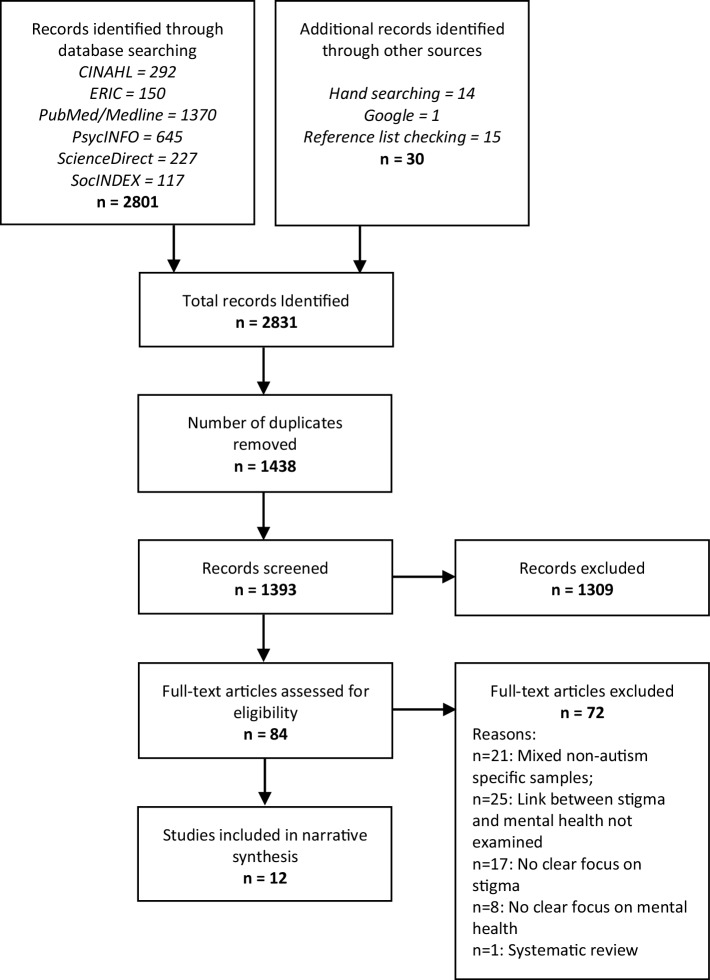
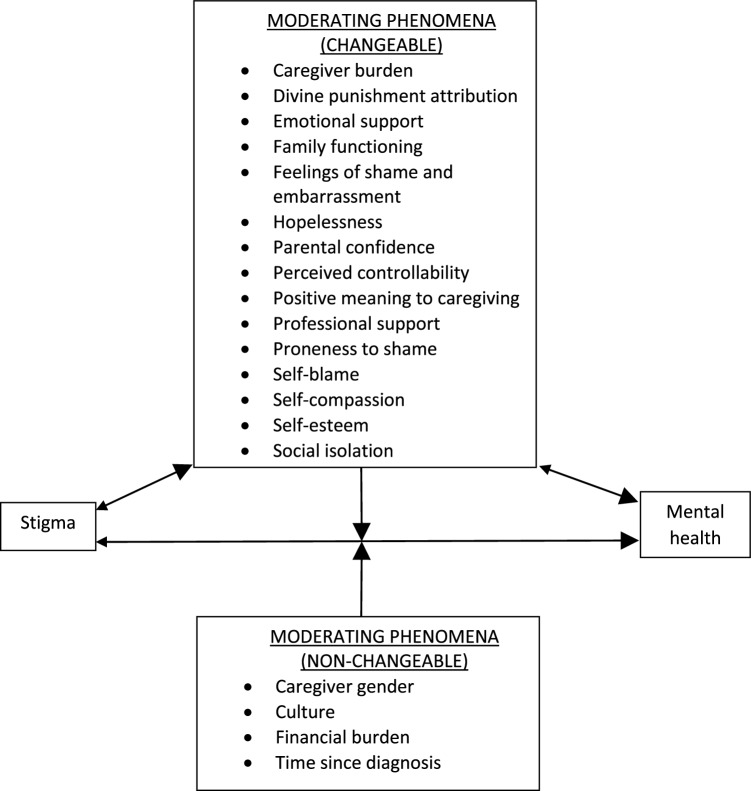
Families play a crucial role in determining the mental health of the autistic individual(s) they are caring for. However, the stigma associated with autism can impair caregiver health. To investigate this, empirical evidence pertaining to stigma's impact on informal caregivers' mental health was systematically reviewed. All twelve included studies (n = 1442 informal caregivers) consistently reported the impact of autism related stigma upon caregiver mental health to be significant, meaningful and complex. A new theoretical framework describing the relationship between stigma and caregiver mental health is constructed. Moderating variables include those both changeable through intervention (e.g. hopelessness, self-esteem, self-compassion) and not changeable (gender, culture, financial burden and time since diagnosis). Implications and recommendations for professionals, interventions and future research are proposed.
Overview
The claims and statistics of this paper haven’t been checked yet.
Free: it reads the open-access text and checks the first 5 claims that cite a source we can check. Create a free account to check every claim.
Integrity signals
Registry
Cites
Statistics
Figures
Verification
Claims the paper makes
The claims and statistics of this paper haven’t been checked yet.
Free: it reads the open-access text and checks the first 5 claims that cite a source we can check. Create a free account to check every claim.
Claims other papers make about this one
Each is checked against this paper’s own text: does it say what the citing paper says it does?
The source backs part of the claim, not all of it — or backs it for a different population, condition or comparison.
In the citing paper
“Across East Asia, the Middle East, and Western societies, a recent review suggested a strong negative impact of ASD stigma on some caregivers resulting in attempts to hide their circumstances (sometimes the child with ASD as well) to avoid rejection from the community (Papadopoulos et al. 2019).”
From The Diagnosis of Autism: From Kanner to DSM-III to DSM-5 and Beyond (2021) · cites this paper as Papadopoulos et al. 2019
Experimental — accuracy not yet measured
Self-check
Percentages, sums and reported differences re-computed from the paper’s own numbers.
The self-check needs the paper’s full text.
Citations
Cites
The CES-D Scale: A Self-Report Depression Scale for Research in the General Population
Radloff, L. S. (1977) · Applied Psychological Measurement · doi:10.1177/014662167700100306 · Cited by 53,267
The PHQ-9: Validity of a brief depression severity measure
Kroenke, K., Spitzer, R. L., & Williams, J. B. W. (2001) · Journal of General Internal Medicine · doi:10.1046/j.1525-1497.2001.016009606.x · Cited by 44,910
A Brief Measure for Assessing Generalized Anxiety Disorder: The GAD-7
Spitzer, R. L., Kroenke, K., Williams, J. B. W., & Löwe, B. (2006) · Archives of Internal Medicine · doi:10.1001/archinte.166.10.1092 · Cited by 31,765
International Journal of Business and Social Science
(2018) · International Journal of Business and Social Science · doi:10.30845/ijbss · Cited by 4,284
Clinical Psychology: Science and Practice
(2021) · Clinical Psychology Science and Practice · doi:10.1111/(issn)1468-2850 · Cited by 3,672
The structure of psychological distress and well-being in general populations.
Veit, C. T., & Ware, J. E. (1983) · Journal of Consulting and Clinical Psychology · doi:10.1037//0022-006x.51.5.730 · Cited by 1,967
The paradox of self-stigma and mental illness.
Corrigan, P. W., & Watson, A. C. (2002) · Clinical Psychology: Science and Practice · doi:10.1093/clipsy.9.1.35 · Cited by 1,872 · cited 1×
“2009) and being more likely to perceive themselves and their situation negatively (Corrigan and Watson 2002).”
Background(2022) · Singapore Medical Journal · doi:10.11622/smedj · Cited by 1,730
Self-stigma and the “why try” effect: impact on life goals and evidence-based practices
CORRIGAN, P. W., LARSON, J. E., & RÜSCH, N. (2009) · World Psychiatry · doi:10.1002/j.2051-5545.2009.tb00218.x · Cited by 1,074
Loneliness and friendship in high-functioning children with autism
Bauminger, N., & Kasari, C. (2000) · Child Development · doi:10.1111/1467-8624.00156 · Cited by 980
Research works printed but not linked: 1
- 49. Sesame Workshop (No date). See amazing in all children. Available at: http://www.sesam ework shop.org/what-we-do/our-initi ative s/ autis m/.
Cited by
The Lancet Commission on the future of care and clinical research in autism
Lord, C., Charman, T., Havdahl, A., Carbone, P., Anagnostou, E., Boyd, B., Carr, T., de Vries, P. J., Dissanayake, C., Divan, G., et al. (2022) · The Lancet · doi:10.1016/s0140-6736(21)01541-5 · Cited by 924
Understanding Stigma in Autism: A Narrative Review and Theoretical Model
Turnock, A., Langley, K., & Jones, C. R. G. (2022) · Autism in Adulthood · doi:10.1089/aut.2021.0005 · Cited by 407
“The caregivers of autistic people are also adversely affected, with affiliate stigma correlated with anxiety and depression, 37,145 poorer physical health, 42 lower subjective well-being, 146 and fewer working hours.”
The Diagnosis of Autism: From Kanner to DSM-III to DSM-5 and Beyond
Rosen, N. E., Lord, C., & Volkmar, F. R. (2021) · Journal of Autism and Developmental Disorders · doi:10.1007/s10803-021-04904-1 · Cited by 302
de Leeuw, A., Happé, F., & Hoekstra, R. A. (2020) · Autism Research · doi:10.1002/aur.2276 · Cited by 295
A systematic review on autistic people's experiences of stigma and coping strategies
Han, E., Scior, K., Avramides, K., & Crane, L. (2022) · Autism Research · doi:10.1002/aur.2652 · Cited by 233
“However, these survey results also reflected persisting misconceptions about, and reluctance to interact with, autistic people (Jensen et al., 2016; Park et al., 2018).”
BackgroundResultInfluentialZhou, T., Wang, Y., & Yi, C. (2018) · Psychiatry Research · doi:10.1016/j.psychres.2018.03.071 · Cited by 171
Stigma among parents of children with autism: A literature review
Liao, X., Lei, X., & Li, Y. (2019) · Asian Journal of Psychiatry · doi:10.1016/j.ajp.2019.09.007 · Cited by 153
Shorey, S., Ng, E. D., Haugan, G., & Law, E. (2020) · Autism · doi:10.1177/1362361319886513 · Cited by 132
“As compared to non-Asian parents, this highlights Asian parents increased vulnerability and reliance on other community members to maintain a healthy psychological well-being while raising a child with autism (Papadopoulos et al., 2019).”
BackgroundPapoudi, D., Jørgensen, C. H. R., Guldberg, K., & Meadan, H. (2020) · Review Journal of Autism and Developmental Disorders · doi:10.1007/s40489-020-00210-1 · Cited by 150
“In addition, experiences of stigma related to having a child with autism can lead to social isolation and exclusion (Kinnear et al. 2016) and to mental health difficulties (Papadopoulos et al. 2019).”
BackgroundPaula, C. S., Cukier, S., da Cunha, G. R., Irarrázaval, M., Montiel‐Nava, C., García, R. N., Rosoli, A., Valdez, D., Bordini, D., Shih, A. J., et al. (2020) · Autism · doi:10.1177/1362361320940073 · Cited by 132
“In addition, stigma brings emotional consequences to members of families with individuals with ASD, including sadness, embarrassment, shame, guilt, and fear (Mitter et al., 2019; Papadopoulos et al., 2019).”
BackgroundTekola, B., Kinfe, M., Girma, F., Hanlon, C., & Hoekstra, R. A. (2020) · Social Science & Medicine · doi:10.1016/j.socscimed.2020.113034 · Cited by 108
Changing the story: How diagnosticians can support a neurodiversity perspective from the start
Brown, H. M., Stahmer, A. C., Dwyer, P., & Rivera, S. (2021) · Autism · doi:10.1177/13623613211001012 · Cited by 82
“Caregivers often experience a lack of support, negative judgements and affiliate stigma from friends, family and the community at large along with added financial burden (Papadopoulos et al., 2019).”
BackgroundAlibekova, R., Kai Chan, C., Crape, B., Kadyrzhanuly, K., Gusmanov, A., An, S., Bulekbayeva, S., Akhmetzhanova, Z., Ainabekova, A., Yerubayev, Z., et al. (2022) · Global Mental Health · doi:10.1017/gmh.2022.51 · Cited by 62
“Findings of previous studies suggest that the adverse impact of autism stigma upon caregiver mental health generally declines over time because parents form new trusted friends who accept their child’s disability (Gray, 2002; Divan et al., 2012; Papadopoulos et al., 2019).”
BackgroundChan, K. K. S., & Leung, D. C. K. (2020) · Journal of Autism and Developmental Disorders · doi:10.1007/s10803-020-04557-6 · Cited by 62
Oduyemi, A. Y., Okafor, I. P., Eze, U. T., Akodu, B. A., & Roberts, A. A. (2021) · BMC Psychology · doi:10.1186/s40359-021-00687-3 · Cited by 54
“These behaviours constitute a complex formation of stressors which induces tremendous stress on the families, especially the parents resulting in humiliation, social exclusion and isolation [3–6], thereby impacting the mental health of parents and primary carers [7].”
BackgroundNg, C. S. M., Fang, Y., Wang, Z., & Zhang, M. (2021) · Focus on Autism and Other Developmental Disabilities · doi:10.1177/10883576211012599 · Cited by 36
“As a result, it has been widely reported that affiliate stigma may lead to a decrease in self-evaluation/self-esteem and an increase in self-blame, which subsequently may increase negative emotions and may jeopardize parents’ well-being (Papadopoulos et al., 2019; Whitehead et al., 2015).”
BackgroundYip, C. C. H., & Chan, K. K. S. (2022) · Research in Developmental Disabilities · doi:10.1016/j.ridd.2022.104243 · Cited by 50
Development of stigma-related support for autistic adults: Insights from the autism community
Han, E. K. L., Scior, K., Heath, E., Umagami, K., & Crane, L. (2023) · Autism · doi:10.1177/13623613221143590 · Cited by 52
“Furthermore, it is well-documented that parents also experience public and internalised stigma in association with their autistic children, which means that they may be able to share relevant insights on autism-related stigma (Mitter et al., 2019; Papadopoulos et al., 2019).”
BackgroundThe Well-being and Support Needs of Australian Caregivers of Neurodiverse Children
D’Arcy, E., Burnett, T., Capstick, E., Elder, C., Slee, O., Girdler, S. J., Scott, M., & Milbourn, B. T. (2023) · Journal of Autism and Developmental Disorders · doi:10.1007/s10803-023-05910-1 · Cited by 41
“This stigma occurs in addition to the consistent demands and pressures affiliated with raising a neurodivergent child, which results in them withdrawing from their community to avoid stigmatisation (Broomhead, 2019; Papadopoulos et al., 2019).”
BackgroundAli, D., O’Brien, S., Hull, L., Kenny, L., & Mandy, W. (2022) · Autism · doi:10.1177/13623613221108010 · Cited by 43
Lodder, A., Papadopoulos, C., & Randhawa, G. (2019) · Pilot and Feasibility Studies · doi:10.1186/s40814-019-0406-9 · Cited by 41
Self-citationAutism, Stereotypes, and Stigma: The Impact of Media Representations
Hungerford, C. L., Kornhaber, R. A., West, S., & Cleary, M. L. (2025) · Issues in Mental Health Nursing · doi:10.1080/01612840.2025.2456698 · Cited by 37
“Similarly, Papadopoulos et al. (2019) identify autistic people’s feelings of hopelessness, poor self-esteem, and low self-compassion, which mental health nurses can address through appropriate psychotherapeutic interventions, such as trauma-informed talking therapies, including the Conversational…”
Caregiver Burden in Schizophrenia and Autism Spectrum Disorders: A Comparative Study
Yıldız, M., Demir, Y., Kırcalı, A., & İncedere, A. (2021) · Psychiatry Investigation · doi:10.30773/pi.2021.0165 · Cited by 33
Lodder, A., Papadopoulos, C., & Randhawa, G. (2020) · Journal of Autism and Developmental Disorders · doi:10.1007/s10803-020-04498-0 · Cited by 38
Self-citationHsu, Y.-H., Chen, C., Lin, Y., & Li, C. (2022) · Journal of Autism and Developmental Disorders · doi:10.1007/s10803-022-05453-x · Cited by 36
“Stigma to ASD involves deeming the informal caregivers as the reason of disease onset and developmental deterioration, incompetent in providing care, and people should be ashamed and avoided (Papadopoulos et al., 2019).”
BackgroundProfiles of the parenting experience in families of autistic children
Greenlee, J. L., Hickey, E., Stelter, C. R., Huynh, T., & Hartley, S. L. (2023) · Autism · doi:10.1177/13623613221147399 · Cited by 31
Zhao, Y., Lu, F., Wang, X., Luo, Y., Zhang, R., He, P., & Zheng, X. (2023) · Asian Journal of Psychiatry · doi:10.1016/j.ajp.2023.103877 · Cited by 35
Resilience and stigma in mothers of children with emotional and behavioural difficulties
McLean, S., & Halstead, E. J. (2020) · Research in Developmental Disabilities · doi:10.1016/j.ridd.2020.103818 · Cited by 37
Ntre, V., Papanikolaou, Κ., Amanaki, E., Triantafyllou, K., Tzavara, C. K., & Kolaitis, G. A. (2022) · Psychiatriki · doi:10.22365/jpsych.2022.068 · Cited by 41
Lodder, A., Papadopoulos, C., & Randhawa, G. (2020) · Internet Interventions · doi:10.1016/j.invent.2020.100336 · Cited by 31
“…has been defined as “the negative social labelling and stereotyping ascribed by members of the general public towards autistic people (‘public stigma’ or ‘social stigma’) and/or their family and close associates (‘courtesy stigma,’ ‘associative stigma’ or ‘family stigma’) (Papadopoulos, 2020: p1).”
BackgroundSelf-citationChan, K. K. S., Yip, C. C. H., & Leung, D. C. K. (2022) · Journal of Autism and Developmental Disorders · doi:10.1007/s10803-022-05529-8 · Cited by 34
“Although great efforts have been made to understand ASDrelated stigma in Western cultures (Deguchi et al., 2021; Liao et al., 2019; Papadopoulos et al., 2019; Salleh et al., 2020), few studies of this topic have been conducted in Chinese contexts (Chan & Lam, 2016, 2017, 2018a; Chan & Leung, 2021a).”
BackgroundPapadopoulos, A. A., Tafiadis, D., Tsapara, A., Skapinakis, P., Tzoufi, M. S., & Siafaka, V. (2022) · BJPsych Open · doi:10.1192/bjo.2021.1083 · Cited by 25
Chan, K. K. S., Leung, D. C. K., & Fung, W. T. W. (2022) · Autism · doi:10.1177/13623613221093110 · Cited by 26
“Previous research has documented the link between parents’ discrimination experiences and their own adjustment (Liao et al., 2019; Papadopoulos et al., 2019).”
BackgroundPublic concerns and attitudes towards autism on Chinese social media based on K-means algorithm
Zhou, Q. G., Lei, Y., Du, H., & Tao, Y. (2023) · Scientific Reports · doi:10.1038/s41598-023-42396-4 · Cited by 26
Sarge, M. A., Kim, H.-S., & Velez, J. A. (2020) · Cyberpsychology Behavior and Social Networking · doi:10.1089/cyber.2019.0678 · Cited by 24
Szlamka, Z., Ahmed, I., Genovesi, E., Kinfe, M., Hoekstra, R. A., & Hanlon, C. (2023) · BMC Health Services Research · doi:10.1186/s12913-023-10428-4 · Cited by 25
“Another key challenge that caregivers face across contexts is stigma [12–14].”
BackgroundShi, L., Granlund, M., Wang, L., & Huus, K. (2022) · Child Care Health and Development · doi:10.1111/cch.13052 · Cited by 22
“Primary caregivers of children with IDs not only face the economic and caring burden but also have to deal with the stigma imposed by society in China (Chiu et al., 2013; Papadopoulos et al., 2019).”
BackgroundTalavera, L. M., Gavín-Chocano, Ó., Sanz-Junoy, G., & López-Barajas, D. M. (2023) · European Journal of Investigation in Health Psychology and Education · doi:10.3390/ejihpe13070088 · Cited by 27
“Different investigations have related these variables, indicating that the perception of ability was positively related to self-esteem and life satisfaction and that social self-concept mediated this relationship [66,67].”
BackgroundShrestha, M., Shrestha, N., Khand, Y., & Sherpa, L. (2023) · Annals of Medicine and Surgery · doi:10.1097/ms9.0000000000000603 · Cited by 25
“A child with ASD has difficulty in their ability to learn and integrate; consequently, they rely on parental care for extended periods of their lifetime([6]).”
BackgroundPapadopoulos, C. (2024) · Neurodiversity · doi:10.1177/27546330241301938 · Cited by 21
“Internalised stigma is especially harmful to the mental health of parents, carers, autistic individuals, and other vulnerable neurodivergent groups (Han et al. 2022; Han et al. 2023; Papadopoulos et al. 2019; Tzouvara et al. 2018).”
Self-citationMo, S., Bu, F., Bao, S., & Yu, Z. (2024) · Clinical Psychology Review · doi:10.1016/j.cpr.2024.102508 · Cited by 20
Courcy, I., & Rivières‐Pigeon, C. D. (2020) · Sociology of Health & Illness · doi:10.1111/1467-9566.13184 · Cited by 21
Li, H., Su, Y., Wang, C., Ran, Q., Tu, L., Zhang, E., Ran, J., Wang, H., Zhang, N., Wu, Y., et al. (2023) · Research in Autism · doi:10.1016/j.rasd.2023.102241 · Cited by 20
Kaçan, H. S., & Sakız, H. (2025) · Nursing and Health Sciences · doi:10.1111/nhs.70095 · Cited by 18
“Papadopoulos et al. (2019) also found that care-givers who received education and support were less likely to internalize negative societal views and more likely to perceive caregiving as a meaningful and fulfilling role.”
Tawankanjanachot, N., Melville, C. A., Habib, A., Truesdale, M., & Kidd, L. (2023) · Research in Autism · doi:10.1016/j.rasd.2023.102163 · Cited by 21
Marion, A., Bowman, K. L., Thomas, G., & Harrison, A. J. (2023) · Frontiers in Psychiatry · doi:10.3389/fpsyt.2023.1243618 · Cited by 19
Szlamka, Z., Cukier, S., Hanlon, C., & Hoekstra, R. A. (2024) · Autism · doi:10.1177/13623613241238254 · Cited by 17
“Previous literature has also noted that focusing on caregiver well-being in a group format can help increase caregivers’ sense of control over their children’s support (Ault et al., 2021; Papadopoulos et al., 2019).”
BackgroundAttitudes and Perceptions of Muslim Parents Toward Their Children with Autism: a Systematic Review
Bernier, A. S., & McCrimmon, A. W. (2021) · Review Journal of Autism and Developmental Disorders · doi:10.1007/s40489-021-00256-9 · Cited by 20
Chan, K. K. S., Fung, W. T. W., & Leung, D. C. K. (2022) · Social Psychiatry and Psychiatric Epidemiology · doi:10.1007/s00127-022-02413-9 · Cited by 20
“These findings suggest that courtesy stigma is a prominent risk factor for adverse psychological consequences among parents of autistic children [45, 46].”
BackgroundTeixeira-Machado, L., Arida, R. M., Ziebold, C., Barboza, A. B., Ribeiro, L., Teles, M. C., Azevedo, G. R. D. C., Paula, C. S., Lowenthal, R., & Mari, J. D. J. (2022) · Complementary Therapies in Clinical Practice · doi:10.1016/j.ctcp.2022.101650 · Cited by 19
Cheng, Y., Dwyer, P. S. R., & Keating, C. T. (2024) · Autism · doi:10.1177/13623613241290565 · Cited by 21
“…can have a negative impact, resulting in exclusion, bullying, self-stigma (see Han et al., 2022), and poorer mental and physical health for autistic people (e.g. Botha & Frost, 2020; Cage et al., 2018; Keating et al., 2024; Turnock et al., 2022) and their families (see Papadopoulos et al., 2019).”
Salami, S., & Alhalal, E. (2024) · Journal of Pediatric Nursing · doi:10.1016/j.pedn.2024.03.039 · Cited by 15
Latif, M., Ismail, W. S. W., Manaf, M. R. A., & Taib, N. I. A. (2023) · Journal of Autism and Developmental Disorders · doi:10.1007/s10803-023-06155-8 · Cited by 17
“In the same cultural context, problematic behaviours among children commonly receive negative public perception and are frequently blamed on poor parenting, leading to increase in self-blame (Kwok et al., 2014; Whitehead et al., 2015; Papadopoulos et al., 2019).”
Low-income housing stigma, results and outcomes: a systematic review
Ramzanpour, M., Sharghi, A., & Nourtaghani, A. (2022) · Journal of Housing and the Built Environment · doi:10.1007/s10901-022-09967-9 · Cited by 13
“Therefore, narrative synthesis was chosen to best investigate the data, appropriate when synthesizing evidence from different study designs (Lucas et al., 2007; Papadopoulos et al., 2019).”
MethodRizvi, A. Z., & Batool, S. S. (2024) · International Journal of Developmental Disabilities · doi:10.1080/20473869.2024.2341196 · Cited by 14
“Similarly, Papadopoulos et al. (2019) in a systematic review found that autism-related stigma was directly related to depression (Dababnah and Parish 2013), anxiety (Chan and Lam 2018), and psychological distress (Wong, Mak, and Liao 2016).”
Pang, R. C. C., Ho, M. S. H., & Wong, P. W. C. (2023) · Journal of Racial and Ethnic Health Disparities · doi:10.1007/s40615-023-01540-6 · Cited by 12
“For example, caregivers might be blamed for the development of autism by their extended family members because they lack certain competencies in their caregiving roles [41].”
Gómez, N. N., Aguilar-Parra, J. M., Megias, M. M., & Trigueros, R. (2025) · Journal of Child and Family Studies · doi:10.1007/s10826-025-03095-y · Cited by 10
Brief Report: Family Recreation for Individuals with Autism Spectrum Disorder
Milgramm, A., Wilkinson, E., & Christodulu, K. V. (2021) · International Journal of Disability Development and Education · doi:10.1080/1034912x.2021.1925879 · Cited by 10
McDonnell, C. G., Andrzejewski, T., & Dike, J. (2022) · Autism Research · doi:10.1002/aur.2669 · Cited by 9
Wilson, E., Onwumere, J., & Hirsch, C. R. (2022) · Clinical Psychology in Europe · doi:10.32872/cpe.10313 · Cited by 9
“This is observable across different illness groups; for example, when caring for someone with dementia (Papadopoulos et al., 2019), cancer (LeSeure & Chongkham-ang, 2015), multiple sclerosis (McKeown et al.”
BackgroundValderrama, A., Lajoie, X., Armstrong, M., Luizar-Obregon, J. A., & de Camargo, O. K. (2022) · Canadian Journal of Public Health · doi:10.17269/s41997-022-00671-3 · Cited by 12
“For example, the lived experience of parents of autistic children is marked by higher rates of emotional stress and strain as compared to that of parents of typically developing children, with about 50% of parents reporting stress in their daily lives (Papadopoulos et al., 2019).”
BackgroundValderrama, A., Courcy, I., Weis-Heitner, L., & d’Arc, B. F. (2020) · Santé mentale au Québec · doi:10.7202/1070244ar · Cited by 16
Ma, S.-W., Lai, S., Yang, Y., Zhou, Z., Yang, B.-T., Zheng, G.-Z.-Y., Gao, J., & Lu, L. (2021) · Frontiers in Psychiatry · doi:10.3389/fpsyt.2021.648885 · Cited by 8
“, self-esteem, hopelessness and self-compassion) moderated the relationship between autism stigma and caregiver’s mental health (14).”
BackgroundA Digital Mobile Community App for Caregivers in Singapore: Predevelopment and Usability Study
Lwin, M. O., Sheldenkar, A., & Panchapakesan, C. (2021) · JMIR Nursing · doi:10.2196/25679 · Cited by 8
“A number of studies have shown that informal caregivers of children with intellectual disability, for example, would self-stigmatize themselves, which was reflected in the reactions to negative public response to the disability, by hiding their issues and withdrawing from social interactions [5,6].”
BackgroundLilley, R., Sedgwick, M., & Pellicano, E. (2021) · Disability & Society · doi:10.1080/09687599.2021.1947193 · Cited by 8
Salami, S., & Alhalal, E. (2024) · Journal of Disability Research · doi:10.57197/jdr-2024-0009 · Cited by 7
“Additionally, affiliate stigma can lead caregivers to hide their children’s conditions, withdraw from social relationships, or isolate themselves from individuals who stigmatize them (Mitter et al., 2019), which lowers their mental well-being (Papadopoulos et al., 2019).”
BackgroundSaffer, Q. A., Hariri, B. A., Alhuseini, M., Aljanoubi, H., Bah, S. M., & Rais, S. A. (2024) · Saudi Journal of Health Systems Research · doi:10.1159/000541616 · Cited by 7
“These challenges include the need for early diagnosis, effective intervention strategies, and support systems for ICs [68].”
Self-Concept and Self-Esteem: Relevant Variables in the Life Satisfaction of Teachers
Gavín-Chocano, Ó., Sanz-Junoy, G., & López-Barajas, D. M. (2025) · Education Sciences · doi:10.3390/educsci15060673 · Cited by 8
“…variables between life satisfaction and self-esteem (Collins et al., 2018), concluding that emotional, physical, and social self-concept can condition the relationship between life satisfaction and self-esteem in training and sports activities in natural environments (Papadopoulos et al., 2019).”
Chan, K. K. S., & Tsui, J. K. C. (2025) · Research in Developmental Disabilities · doi:10.1016/j.ridd.2025.105072 · Cited by 7
Saúde de cuidadoras de pessoas com Transtornos do Espectro Autista no contexto pandêmico
Alves, S. F. D. S., Greco, P. B. T., Vivian, A. G., & Hirdes, A. (2026) · Interação em Psicologia · doi:10.5380/riep.v30i1.99796 · Cited by 8
“Investigações anteriores à pandemia identificaram que cuidadores de pessoas com TEA apresentavam risco elevado para o adoecimento mental comparado à população geral (Da Paz et al., 2017; Papadopoulos et al., 2019; Da Paz et al., 2017).”
Knowledge and Attitude Towards Autism Among the General Public in Malaysia
Azmi, N. C., Hajad, M. F. M., Khalid, M. F. Z., Sazali, M. L. H., Daud, H. A. M., Azmi, L., Zaini, A. A. A., & Wahab, A. A. (2022) · Proceeding of International Conference on Science Health And Technology · doi:10.47701/icohetech.v3i1.2163 · Cited by 7
Zheng, L., Long, C., & Choi, W. (2024) · Frontiers in Psychiatry · doi:10.3389/fpsyt.2024.1406073 · Cited by 7
“They continue to assimilate these stereotypes into their psychological identity, thereby impacting their mental well-being (13, 14).”
BackgroundLodder, A., Papadopoulos, C., & Randhawa, G. (2019) · European Journal of Mental Health · doi:10.5708/ejmh.14.2019.1.4 · Cited by 8
Self-citationDialogicality. Personal, local and planetary dialogue in education, health citizenship and research.
Hermans, H., Font, C. M. I., & Weise, C. (2021) · Padua Research Archive (University of Padova) · doi:10.17613/6y3r6-mhk67 · Cited by 9
Chan, K. K. S., Yip, C. C. H., & Wang, Z. (2022) · Mindfulness · doi:10.1007/s12671-022-01911-w · Cited by 8
“These findings indicate that experienced and anticipated discrimination are prominent risk factors for negative psychological outcomes for parents of children with ASD (Deguchi et al., 2021; Liao et al., 2019; Papadopoulos et al., 2019).”
BackgroundPercepção do profissional da Estratégia Saúde da Família no cuidado à criança com deficiência
Seidel, B., Mazza, V. D. A., Schuertz, A. L., Ruthes, V. B. T. N. M., & Macedo, L. C. (2022) · Avances en Enfermería · doi:10.15446/av.enferm.v40n2.91505 · Cited by 10
Kim, C. K. H., Hardy, J. K., & Corr, C. P. (2024) · Topics in Early Childhood Special Education · doi:10.1177/02711214241296388 · Cited by 6
“Furthermore, societal stigmas surrounding autism exacerbate these challenges, resulting in social rejection, isolation, mental health issues, and exclusion from classrooms (Kinnear et al., 2016; Muega, 2016; Papadopoulos et al., 2019).”
Brzóska‐Konkol, E., Remberk, B., & Papasz‐Siemieniuk, A. (2022) · Postępy Psychiatrii i Neurologii · doi:10.5114/ppn.2022.115244 · Cited by 8
“The emotional burden on the mental health of caregivers is another public health-related problem [11].”
BackgroundWang, L., Xie, Q., Hua, M., & Lu, H. (2025) · Journal of Autism and Developmental Disorders · doi:10.1007/s10803-025-06776-1 · Cited by 8
“By the school-age stage, however, as the time following diagnosis has lengthened, parents can become more accepting of their autistic children’s uniqueness, and their sensitivity to stigmatization correspondingly decreases (Papadopoulos et al., 2019).”
Prasanna, N. V. T., & Nayak, M. (2025) · Journal of Child Neurology · doi:10.1177/08830738251334205 · Cited by 5
Naci, E., & Koletsi, M. (2021) · Dialogues in Clinical Neuroscience & Mental Health · doi:10.26386/obrela.v4i2.160 · Cited by 8
Family Impact During the Time Between Autism Screening and Definitive Diagnosis
Hickey, E., Feinberg, E., Kuhn, J., Cabral, H., & Broder‐Fingert, S. (2021) · Journal of Autism and Developmental Disorders · doi:10.1007/s10803-021-05354-5 · Cited by 7
“In addition, these data were collected prior to any potential experiences of stigma associated with ASD or frustration around receipt of ASD-services (Papadopoulos et al., 2019), and reflect parenting experiences during the pre-diagnosis time period before parents have invested time into educating themselves and under…”
BackgroundInfluentialDemir, G., Sevri, M., Hacıosmanoğlu, C. D., Büyüktaşkın, D., & Özaslan, A. (2025) · Gazi Medical Journal · doi:10.12996/gmj.2025.4451 · Cited by 6
Caregiving for autistic children in Nigeria: experiences and challenges
Azubuike, A. O., Azubuike, P. C., Afape, A. O., Enyam, M. O., Akinreni, T., Imo, U. F., Nwadiche, M., Ogbonna, C. K., Timothy, P. N., Uchegbu, E. R., et al. (2025) · Discover Mental Health · doi:10.1007/s44192-025-00159-9 · Cited by 6
“This phenomenon can result in social isolation and an increased risk of depression among caregivers, affecting their ability to provide optimal care [25–27].”
Quaid, A. (2021) · Pakistan Journal of Rehabilitation · doi:10.36283/pjr.zu.10.1/010 · Cited by 6
“[11] Papadopoulos C, Lodder A, Constantinou G, Randhawa G.”
BackgroundKasımoğlu, N., & Arıkan, D. (2021) · Galician Medical Journal · doi:10.21802/gmj.2021.2.3 · Cited by 4
“Disabled individuals and their relatives exposed to stigmatization may experience varying levels of emotional injury, hopelessness, decreased self-esteem and life satisfaction, as well as cognitive, affective, and behavioral problems that negatively impact quality of life [13, 14].”
BackgroundImpact of the burden of caregivers of children with ASD on oral health
FALQUETTI, B. B., Rodrigues, J. V. S., Santana, A. P., Deroide, M. B., Mulinari‐Santos, G., & Theodoro, L. H. (2023) · Revista de Odontologia da UNESP · doi:10.1590/1807-2577.03023 · Cited by 8
Miezah, D., Opoku, M. P., Fenu, C., Yankey, K. D., Gyimah, E. M., & Nketsia, W. (2025) · Journal of Intellectual & Developmental Disability · doi:10.3109/13668250.2024.2437757 · Cited by 4
“These challenges include, but are not limited to, financial problems, marital breakdown, discrimination and isolation (Opoku, Elhoweris, et al., 2021; Papadopoulos et al., 2019).”
Predictors of Depression and Anxiety Among Self-Medicating Autistic Adults
Papadopoulos, C., Adkin, T., Munday, K., & Gray-Hammond, D. (2025) · Neurodiversity · doi:10.1177/27546330251344453 · Cited by 3
“Evidence suggests stigma negatively impacts autistic mental health (Han et al., 2022; Papadopoulos et al., 2019; Papadopoulos & Prew, 2024) and can increase anxiety (Cage et al., 2018; Lei et al., 2024; Pearson & Rose, 2021) — a condition we found to be highly prevalent and strongly associated with…”
Self-citationJiao, F., Gallagher, L., Pendry, L. F., Doyle, D. M., & Barreto, M. (2025) · SSM - Qualitative Research in Health · doi:10.1016/j.ssmqr.2025.100627 · Cited by 4
Study on the mental health of women practicing mountain sports and climbing: elite vs. non-elite
López-Barajas, D. M., España‐Romero, V., & Vicente‐Rodríguez, G. (2025) · Journal of Outdoor Recreation and Tourism · doi:10.1016/j.jort.2025.100961 · Cited by 3
Zhang, P., Wang, M., & Feng, S. (2025) · Humanities and Social Sciences Communications · doi:10.1057/s41599-025-06152-5 · Cited by 3
Tan, S. W., Tan, M. Y., Chong, S. C., Koh, M. Y., Ng, J. Q. X., Aishworiya, R., & Shorey, S. (2025) · International Journal of Mental Health Nursing · doi:10.1111/inm.70208 · Cited by 4
Does genetic testing impact stigma in autism: A scoping review
Molloy, C. J., Miles, A., Christoff, C., Cunningham, J., Reilly, J., Vorstman, J. A. S., Austin, J., Hawke, L. D., & Gallagher, L. (2026) · Journal of Community Genetics · doi:10.1007/s12687-025-00854-8 · Cited by 3
“Caregivers of autistic individuals also report stigma-related increases in psychological distress and well-being (Papadopoulos et al. 2019 ) However, less is known about how the introduction of genetic testing has impacted stigma in autism, in either a positive or negative way, and any subsequent…”
Zoromba, M. A., & El‐Gazar, H. E. (2026) · Journal of Pediatric Nursing · doi:10.1016/j.pedn.2026.01.038 · Cited by 3
Caregiver Burden in Asian Children with Autism Spectrum Disorder (ASD): Role of Family Therapy
Sharma, V., Suri, R. K., Suri, G. K., & Singh, J. (2025) · International Journal of Systemic Therapy · doi:10.1080/2692398x.2025.2481333 · Cited by 3
“A person with autism often relies on their caregivers for extra support during extended periods of their life (Papadopoulos et al., 2019).”
Papadopoulos, A. A., Vogindroukas, I., Tsapara, A., Voniati, L., Tafiadis, D., & Plotas, P. (2023) · Neuroscience Research Notes · doi:10.31117/neuroscirn.v6i4.276 · Cited by 3
“The main objectives of treatment are to reduce the core symptoms and related deficiencies, increase functional independence and quality of life, and reduce stress in the family (Myers et al., 2007; Papadopoulos et al., 2022, 2023; Papadopoulos, 2016; Papadopoulos et al., 2019).”
BackgroundHulks, V., Scerif, G., Rhodes, S., Smith, S. L., Charman, T., Mathers, S. J., & Hendry, A. J. (2024) · Journal of Research in Special Educational Needs · doi:10.1111/1471-3802.12679 · Cited by 3
Revealing the Most Vulnerable Groups: Courtesy Stigma in Caregivers of Autistic Persons in Quebec
Valderrama, A., Nikièma, B., d’Arc, B. F., Guerrero, L. E. M., & Giroux, M. (2024) · Frontiers in Psychology · doi:10.3389/fpsyg.2024.1320816 · Cited by 3
Qin, Y., Yu, Y., Liu, J., Duan, J., Liao, H., & Yang, B. (2025) · Frontiers in Psychiatry · doi:10.3389/fpsyt.2025.1640466 · Cited by 2
“When caregivers internalize stigma, they may engage in maladaptive coping strategies, such as rumination or avoidance, which can perpetuate anxiety and increase the likelihood of experiencing high levels of burden (22).”
Metadata
- Authors
- Papadopoulos, C., Lodder, A., Constantinou, G., & Randhawa, G.
- Affiliations
- University of Bedfordshire (GB)
- Corresponding author
- Papadopoulos, Chris
- Venue
- Journal of Autism and Developmental Disorders
- Published
- 2018-12-19
- Volume
- 49
- Issue
- 4
- Pages
- 1665-1685
- ISSN
- 0162-3257 (ISSN-L)
- 1573-3432
- PMC
- PMC6450836
- OpenAlex
- W2903958701
- Semantic Scholar
- 8cb80f50e703a126cad24e0b1efdb27d5811e2bf
- Cited by
- 146
- References
- 64
- Citations by year
- 2026: 22 · 2025: 24 · 2024: 20 · 2023: 18 · 2022: 23 · 2021: 20 · 2020: 14 · 2019: 4 · 2018: 1
- FWCI
- 1.64
- Type
- journal article
- Language
- en
- Open access
- hybrid
- doi.org
- Licence
- cc-by
- creativecommons.org/licenses/by/4.0 (tdm)
- Locations
- Journal of Autism and Developmental Disorders (publishedVersion, cc-by)
- PubMed Central (publishedVersion, cc-by)
- PubMed (publishedVersion)
- City Research Online (City University London) (acceptedVersion)
- University of Bedfordshire Repository (University of Bedfordshire) (submittedVersion, cc-by-nc-nd)
- Funders
- Autistica (7241)
- Topics
- Social Sciences › Psychology › Clinical Psychology › Family and Disability Support Research
- Social Sciences › Psychology › Clinical Psychology › Family Caregiving in Mental Illness
- Life Sciences › Neuroscience › Cognitive Neuroscience › Autism Spectrum Disorder Research
- Keywords
- autism stigma, informal caregivers, caregiver mental health, family caregiving, theoretical framework, hopelessness, self-esteem, self-compassion, financial burden, gender differences, cultural factors, time since diagnosis
- MeSH terms
- Autistic Disorder, Empathy, Asia, Eastern, Humans, Mental Health, Middle East, United States, Caregivers, Social Stigma
About these checks
Registry, retraction, Cites and statistics results are computed, not judged, with one exception: a printed reference that no index lists is read once by a model before it counts as a citation error. Claims are extracted by a model and kept only when their quote appears verbatim in the text; each cited source is then checked, with a model’s help, for whether it says what the claim relies on. Those verdicts can be wrong — read the claim’s quote and the cited source before relying on one.
Statistics and arithmetic are recomputed, not judged.
Confidence bands are shown only for fields calibrated on our annotated test set. None is calibrated yet, so no band is shown.
What counts as a claim ›How we measure confidence ›How we check this ›
Are you an author, or do you see a problem with this page? Request a review
Data sources
Bibliographic data: Semantic Scholar, OpenAlex, Crossref.
Contains information from the Semantic Scholar Academic Graph Datasets, made available under the ODC Attribution License (ODC-BY 1.0).
Semantic Scholar’s data is described in: Kinney, R., et al. (2023). The Semantic Scholar Open Data Platform. arXiv:2301.10140.
