

The DOI matches its Crossref record; 44 of the 45 references it cites were found in a registry or an index.
Psychiatric Co-Morbidities in Post-Traumatic Stress Disorder: Detailed Findings from the Adult Psychiatric Morbidity Survey in the English Population
Open accessAbstract
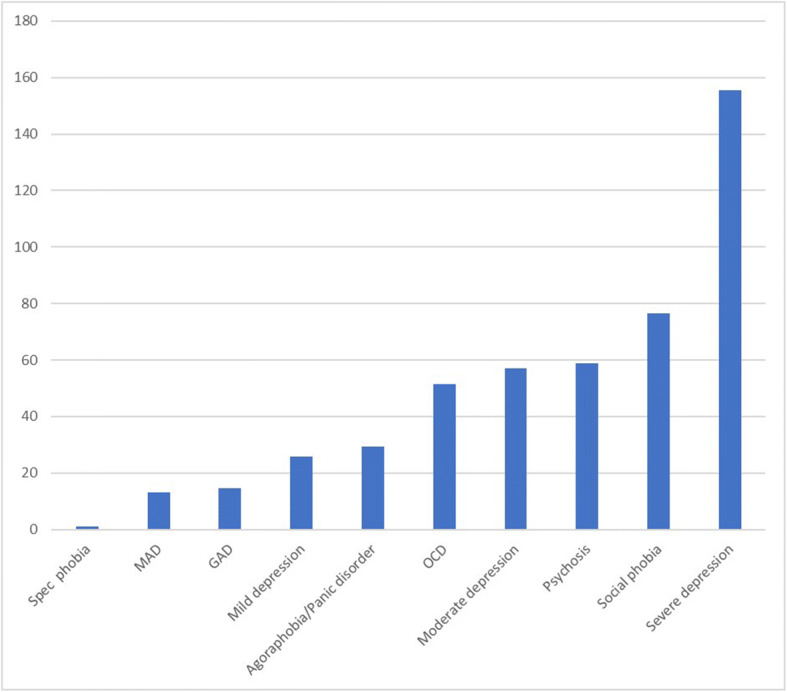
Post Traumatic Stress Disorder (PTSD) is a condition which causes great sufferance to the individuals affected. The occurrence of comorbidities in PTSD is a frequent event with a negative impact on outcome. This study investigated the frequency of PTSD in relation to comorbidities by analyzing the results of the 2007 'Adult Psychiatric Morbidity Survey' in the English population, which included data on comorbidities. A population study conducted in the United Kingdom, this survey investigated the frequency of PTSD in the community and the relationship to comorbidities by adopting a random design to minimize selection bias, stratified by region and socioeconomic characteristics, and weighted according to design and non-response. The survey interviewed 7403 adults living in private households. Socio-demographic characteristics and psychiatric morbidity were systematically assessed. Results indicated that PTSD prevalence was 2.9%, with an excess in women (3.3%) compared to men (2.4%) as reported by the 2007 survey. Comorbidity was a very frequent occurrence in PTSD reaching 78.5% in affected cases. Major depression was the commonest condition and its frequency increased with symptoms severity up to 54%. Among anxiety disorders, social phobia was the most frequent, followed by generalized anxiety disorder, obsessive-compulsive disorder, agoraphobia and panic disorder. Substance use disorders were also common. The presence of psychotic symptoms was particularly significant with over 30% prevalence in PTSD. These results indicate that attention needs to be devoted to the presence of comorbidities. In view of the impact of comorbidities on PTSD severity, chronicity and functional impairment, early detection and treatment are likely to improve outcome.
Overview
The claims and statistics of this paper haven’t been checked yet.
Run the check — free, no account needed. It reads the open-access text and checks the sources it cites.
Integrity signals
Registry
Cites
Statistics
Figures
Verification
Claims the paper makes
The claims and statistics of this paper haven’t been checked yet.
Run the check — free, no account needed. It reads the open-access text and checks the sources it cites.
Self-check
Percentages, sums and reported differences re-computed from the paper’s own numbers.
The self-check needs the paper’s full text.
Citations
Cites
Diagnostic and Statistical Manual of Mental Disorders
American Psychiatric Association (2013) · doi:10.1176/appi.books.9780890425596 · Cited by 116,369
Diagnostic and Statistical Manual of Mental Disorders
Williams, J. B. W., & First, M. B. (2013) · Oxford University Press eBooks · doi:10.1093/acrefore/9780199975839.013.104 · Cited by 109,845
von Elm, E., Altman, D. G., Egger, M., Pocock, S. J., Gøtzsche, P. C., Vandenbroucke, J. P., & Initiative, F. T. S. (2007) · PLoS Medicine · doi:10.1371/journal.pmed.0040296 · Cited by 23,020
von Elm, E., Altman, D. G., Egger, M., Pocock, S. J., Gøtzsche, P. C., Vandenbroucke, J. P., & Initiative, F. T. S. (2007) · Annals of Internal Medicine · doi:10.7326/0003-4819-147-8-200710160-00010 · Cited by 17,796
SAUNDERS, J. B., AASLAND, O. G., BABOR, T. F., DE LA FUENTE, J. R., & GRANT, M. (1993) · Addiction · doi:10.1111/j.1360-0443.1993.tb02093.x · Cited by 13,597 · cited 2×
“If any event occurred from the age of 16 onwards, PTSD experiences were explored by using the Trauma Screening Questionnaire (TSQ) [26].”
MethodKessler, R. C., Chiu, W. T., Demler, O., & Walters, E. E. (2005) · Archives of General Psychiatry · doi:10.1001/archpsyc.62.6.617 · Cited by 12,052 · cited 1×
“The co-occurrence of psychiatric morbidity is significant in PTSD [1–5] with concerning estimates for major depression reaching 48% of PTSD cases [6], often coexisting with suicidal ideation [7], the frequent presence of symptoms of generalized anxiety disorder [8] and of alcohol dependence with increased levels of ag…”
BackgroundElm, E. V., Altman, D. G., Egger, M., Pocock, S. J., Gøtzsche, P. C., & Vandenbroucke, J. P. (2007) · BMJ · doi:10.1136/bmj.39335.541782.ad · Cited by 10,766
Posttraumatic Stress Disorder in the National Comorbidity Survey
Kessler, R. C. (1995) · Archives of General Psychiatry · doi:10.1001/archpsyc.1995.03950240066012 · Cited by 10,379 · cited 4×
“This is relevant because differences in PTSD prevalence shown globally [1, 16] might also reflect on comorbidities [17].”
BackgroundResultInfluentialLewis, G., Pelosi, A. J., Araya, R., & Dunn, G. (1992) · Psychological Medicine · doi:10.1017/s0033291700030415 · Cited by 1,487 · cited 1×
“Furthermore, the sample was stratified by region and socioeconomic characteristics and weighted for survey design and non-response [22].”
MethodPosttraumatic stress disorder in the world mental health surveys
Koenen, K. C., Ratanatharathorn, A., Ng, L., McLaughlin, K. A., Bromet, E. J., Stein, D. J., Karam, E. G., Meron Ruscio, A., Benjet, C., Scott, K., et al. (2017) · Psychological Medicine · doi:10.1017/s0033291717000708 · Cited by 1,453 · cited 1×
“This is relevant because differences in PTSD prevalence shown globally [1, 16] might also reflect on comorbidities [17].”
Background
Research works printed but not linked: 4
- Arkowitz H, Lilienfeld, SO. Chichester, West Sussex, UK, 2017: Wiley Blackwell.
- Kish L. Survey sampling. New York: Wiley; 1965.
- First MB, Spitzer RL, Gibbon M, Williams JBW: Structured Clinical Interview for DSM-IV-TR Axis I Disorders, Research Version, Non-patient Edition. (SCID-I/NP) New York: Biometrics Research, 2002 New York State Psychiatric Institute.
- Meltzer H, Gill B, Petticrew M. OPCS Surveys of Psychiatric Morbidity in Great Britain, Bulletin No.1: The prevalence of psychiatric morbidity among adults aged 16–64, living in private households, in Great Britain, 1994 OPCS: London.
Cited by
Sorted by citations
Brewin, C. R., Atwoli, L., Bisson, J. I., Galea, S., Koenen, K. C., & Lewis‐Fernández, R. (2025) · World Psychiatry · doi:10.1002/wps.21269 · Cited by 121
“An analysis of the Adult Psychiatric Morbidity Survey in England reported a prevalence rate for current PTSD of 2.9% 77 , similar to the 2.4% reported for Canada 78 and Italy 79 .”
InfluentialA Public Health Perspective of Post-Traumatic Stress Disorder
Jowf, G. I. A., Ahmed, Z. T., An, N., Reijnders, R. A., Ambrosino, E., Rutten, B. P. F., de Nijs, L., & Eijssen, L. (2022) · International Journal of Environmental Research and Public Health · doi:10.3390/ijerph19116474 · Cited by 93
Brewerton, T. D. (2022) · Journal of Eating Disorders · doi:10.1186/s40337-022-00696-6 · Cited by 76
The potential of ketamine for posttraumatic stress disorder: a review of clinical evidence
Ragnhildstveit, A., Roscoe, J., Bass, L. C., Averill, C. L., Abdallah, C. G., & Averill, L. A. (2023) · Therapeutic Advances in Psychopharmacology · doi:10.1177/20451253231154125 · Cited by 54
Brewerton, T. D., Gavidia, I., Suro, G., & Perlman, M. M. (2023) · Journal of Eating Disorders · doi:10.1186/s40337-023-00773-4 · Cited by 38
Öst, L., Enebrink, P., Finnes, A., Ghaderi, A., Havnen, A., Kvale, G., Salomonsson, S., & Wergeland, G. J. (2023) · Behaviour Research and Therapy · doi:10.1016/j.brat.2023.104323 · Cited by 38
Brewerton, T. D., Gavidia, I., Suro, G., Perlman, M. M., Genet, J., & Bunnell, D. W. (2021) · European Eating Disorders Review · doi:10.1002/erv.2864 · Cited by 33
Gagnon-Sanschagrin, P., Schein, J., Urganus, A., Serra, E., Liang, Y., Musingarimi, P., Cloutier, M., Guérin, A., & Davis, L. L. (2022) · BMC Psychiatry · doi:10.1186/s12888-022-04267-6 · Cited by 28
“…were identified, including MDD, anxiety disorders, substance use/abuse, and musculoskeletal and connective tissue diseases, have previously been associated with PTSD in the literature as common comorbidities [38, 39], thus enforcing the predictive capabilities of the machine learning algorithm.”
BackgroundLappas, A. S., Glarou, E., Polyzopoulou, Z. A., Goss, G., Huhn, M., Samara, M. T., & Christodoulou, G. N. (2024) · Sleep Medicine · doi:10.1016/j.sleep.2024.05.032 · Cited by 19
Comorbidity Profiles of Posttraumatic Stress Disorder Across the Medical Phenome
Hicks, E. M., Niarchou, M., Goleva, S. B., Kabir, D., Johnson, J., Johnston, K. J. A., Ciarcia, J., Pathak, G. A., Smoller, J. W., Davis, L. K., et al. (2024) · Biological Psychiatry Global Open Science · doi:10.1016/j.bpsgos.2024.100337 · Cited by 20
“Common PTSD comorbidities include psychiatric conditions such as depression and anxiety (2,3) and physical health problems including cardiovascular disease (4) and gastrointestinal conditions (5).”
Biomarkers of post-traumatic stress disorder from emotional trauma: A systematic review
Paganin, W., & Signorini, S. (2023) · European Journal of Trauma & Dissociation · doi:10.1016/j.ejtd.2023.100328 · Cited by 16
Psychiatric comorbidities in older adults with posttraumatic stress disorder: A systematic review
Baltjes, F., Cook, J. M., van Kordenoordt, M., & Sobczak, S. (2023) · International Journal of Geriatric Psychiatry · doi:10.1002/gps.5947 · Cited by 16
Brewerton, T. D., Gavidia, I., Suro, G., & Perlman, M. M. (2023) · European Eating Disorders Review · doi:10.1002/erv.3035 · Cited by 19
Saccenti, D., Lodi, L., Moro, A. S., Scaini, S., Forresi, B., Lamanna, J., & Ferro, M. (2024) · Brain Sciences · doi:10.3390/brainsci14030210 · Cited by 17
“PTSD is often diagnosed along with other mental disorders, such as major depressive disorder (MDD), anxiety disorders, and substance use disorders (SUD) [2,3].”
BackgroundA critical review of the evolution and interrelation of traumatic stress disorders
Hamadeh, A., El‐Khoury, J., Torales, J. C., Atoui, M., Aggarwal, N. K., Campbell, M., Lashley, M., Narvaez, J. C. D. M., McMahon, A., Ventriglio, A., et al. (2025) · PLOS mental health. · doi:10.1371/journal.pmen.0000385 · Cited by 18
Gruenbaum, B. F., Zlotnik, A. A., Oleshko, A., Matalon, F., Shiyntum, H. N., Frenkel, A., & Boyko, M. (2024) · Nutrients · doi:10.3390/nu16060901 · Cited by 14
Guidetti, C., Feeney, A., Hock, R. S., Iovieno, N., Ortiz, J. M. H., D, M. F. M., & Papakostas, G. I. (2024) · International Clinical Psychopharmacology · doi:10.1097/yic.0000000000000554 · Cited by 12
“In addition, since other psychiatric diagnoses, such as substance use, mood, and anxiety disorders, frequently co-occur with PTSD (Qassem et al ., 2021), these disorders may have influenced the study outcomes.”
Russo, J. E., Dhruve, D. M., & Oliveros, A. D. (2023) · Research on Child and Adolescent Psychopathology · doi:10.1007/s10802-023-01048-x · Cited by 14
“, 2005 for a meta-analysis on treatment for PTSD), which may be attributed to the high degree of comorbidity observed among individuals with PTSD, particularly mood and substance use disorders (Qassem et al., 2021).”
BackgroundOgłodek, E. A. (2022) · Case Reports in Psychiatry · doi:10.1155/2022/7760988 · Cited by 11
“Examples of distressing events involve experiencing, witnessing, or facing an event or events such as death, serious injury, or threat thereof, as well as a threat to the physical integrity of an individual or others [5, 6].”
BackgroundMale Sexual Health Related Complications Among Combat Veterans
Castillo, O., Chen, I. K., Amini, E., Yafi, F. A., & Barham, D. W. (2022) · Sexual Medicine Reviews · doi:10.1016/j.sxmr.2022.06.002 · Cited by 10
Bellamy, E. L., & Laurent, N. (2025) · Frontiers in Nutrition · doi:10.3389/fnut.2025.1600123 · Cited by 12
Vicheva, P., Osborne, C., Krieg, S. M., Ahmadi, R., & Shotbolt, P. (2024) · Progress in Neuro-Psychopharmacology and Biological Psychiatry · doi:10.1016/j.pnpbp.2024.111147 · Cited by 16
“…concurrent conditions beyond OCD include major depressive disorder (Radell et al., 2020), substance use disorder (Simpson et al., 2021), and anxiety disorders, such as social phobia and generalised anxiety disorder (Brady et al., 2000; Bapolisi et al., 2020; Qassem et al., 2021), among others.”
BackgroundTrauma as a Public Health Issue: Epidemiology of Trauma and Trauma-Related Disorders
Mew, E. J., Koenen, K. C., & Lowe, S. R. (2022) · Springer eBooks · doi:10.1007/978-3-030-97802-0_2 · Cited by 9
Balducci, C., Conway, P. M., & Vignoli, M. (2024) · Journal of Occupational Health Psychology · doi:10.1037/ocp0000371 · Cited by 9
Tiêt, Q. Q., & Tiet, T.-N. (2024) · Journal of General Internal Medicine · doi:10.1007/s11606-024-08719-5 · Cited by 12
“24,25 Simpson et al., 26 based on the NESARC-III dataset, showed that among individuals with co-occurring PTSD and SUD, only 25% received any PTSD treatment in the past year.”
Distressing memories: A continuum from wellness to PTSD
Martalek, A., Dubertret, C., Fovet, T., Strat, Y. L., & Tebeka, S. (2024) · Journal of Affective Disorders · doi:10.1016/j.jad.2024.07.076 · Cited by 10
Hilberdink, C. E., van Zuiden, M., Olff, M., Roseboom, T. J., & de Rooij, S. R. (2023) · Journal of Developmental Origins of Health and Disease · doi:10.1017/s2040174423000181 · Cited by 10
Primasari, I., Hoeboer, C. M., Bakker, A., & Olff, M. (2024) · Comprehensive Psychiatry · doi:10.1016/j.comppsych.2024.152485 · Cited by 9
Treatment of PTSD and SUD for the incarcerated population with EMDR: A pilot study
Bashir, H. A., Wilson, J. F., Ford, J. A., & Hira, N. (2023) · Journal of Addictions & Offender Counseling · doi:10.1002/jaoc.12123 · Cited by 8
Guo, J., Orgeta, V., Olivé, I., Hoff, E. I., Huntley, J. D., Olff, M., & Sobczak, S. (2024) · Ageing Research Reviews · doi:10.1016/j.arr.2024.102198 · Cited by 10
“…biomarkers by investigating multiple mediating factors including APOE ε 4 (Averill et al., 2019; Elias et al., 2020), psychiatric morbidity (Qassem et al., 2021), such as depression and intake of antidepressants, or other medical comorbidities such as cardiovascular disorders that could…”
BackgroundSong, Y., Zhao, Y., Baranova, A. V., Cao, H., Yue, W., & Zhang, F. (2024) · Psychiatric Genetics · doi:10.1097/ypg.0000000000000357 · Cited by 7
“Globally, approximately 2.9 – 10% of people suffer from PTSD, making it a significant public health concern (Qassem et al. , 2021).”
BackgroundInfluentialBrain Fog and Cognitive Dysfunction in Posttraumatic Stress Disorder: An Evidence-Based Review
Sanger, B., Alarachi, A., McNeely, H. E., McKinnon, M. C., & McCabe, R. E. (2025) · Psychology Research and Behavior Management · doi:10.2147/prbm.s461173 · Cited by 7
“66 The presence of these comorbid mental health disorders may contribute to the experience of “brain fog” in those with experiences of trauma or PTSD, either directly due to experience of cognitive impairment associated with the comorbid disorder (as cognitive impairment is also common among other…”
Deahl, M., & Andreassen, M. (2023) · International Journal of Social Psychiatry · doi:10.1177/00207640231193286 · Cited by 8
Becker, J. P., Paixão, R. A. P., Correia‐Santos, P., & Quartilho, M. J. (2023) · Societies · doi:10.3390/soc13090206 · Cited by 9
Psychiatric and substance use disorders in a predominately low-income, black sample in early midlife
Mondi, C. F., Giovanelli, A., Ou, S., & Reynolds, A. J. (2022) · Journal of Psychiatric Research · doi:10.1016/j.jpsychires.2022.02.008 · Cited by 7
Davis, L. L., Urganus, A., Gagnon-Sanschagrin, P., Maitland, J., Qu, W., Cloutier, M., Guérin, A., & Aggarwal, J. (2023) · Current Medical Research and Opinion · doi:10.1080/03007995.2023.2269839 · Cited by 6
Paiva, J. M., Melani, M., Marques, E. S. N., von Arcosy, C., Coutinho, E. S. F., Ventura, P. R., & Berger, W. (2023) · Psychology Health & Medicine · doi:10.1080/13548506.2023.2292478 · Cited by 8
“Although psychiatric comorbidity is common in real-world patients with PTSD (Qassem et al., 2021; Sareen, 2014), it would hardly cause a difference in the effectiveness of internet-based CBT across different age groups, except in cases of neurocognitive disorders.”
BackgroundMulder, M., Kok, R., Aben, B., & de Wind, A. (2024) · Journal of Occupational Rehabilitation · doi:10.1007/s10926-024-10226-7 · Cited by 5
“PTSD was included as a CMD, because comorbid depressive or anxiety disorders are common [20].”
Advances in the pharmacotherapeutic management of post-traumatic stress disorder
Akhtar, A., & Sah, S. P. (2021) · Expert Opinion on Pharmacotherapy · doi:10.1080/14656566.2021.1935871 · Cited by 5
Post-epileptic seizure posttraumatic stress Disorder: A mediation analysis
Ertan, D., Mezouar, N., Tarrada, A., Maillard, L. G., El‐Hage, W., & Hingray, C. (2024) · Epilepsy & Behavior · doi:10.1016/j.yebeh.2024.109863 · Cited by 6
“Depression and anxiety might appear as consequences of traumatic events but they might also possibly independent risk factors for PTSD [43].”
Adverse childhood experiences and adult psychopathology: A latent class analysis approach
Mildred-Short, G., & Tashjian, S. M. (2025) · Child Abuse & Neglect · doi:10.1016/j.chiabu.2025.107672 · Cited by 6
Neural and psychological correlates of post-traumatic stress symptoms in a community adult sample
Bainter, S. A., Goodman, Z. T., Kupis, L. B., Timpano, K. R., & Uddin, L. Q. (2024) · Cerebral Cortex · doi:10.1093/cercor/bhae214 · Cited by 5
Astrocytes in Rodent Anxiety-Related Behavior: Role of Calcium and Beyond
Gómez‐Gonzalo, M. (2025) · International Journal of Molecular Sciences · doi:10.3390/ijms26062774 · Cited by 4
Use of Benzodiazepines and Z-Drugs in Inflammatory Bowel Disease
Bernstein, C. N., Fisk, J. D., Walld, R., Bolton, J. M., Sareen, J., Patten, S. B., Singer, A. G., Lix, L. M., Hitchon, C. A., El-Gabalawy, R. M., et al. (2022) · The American Journal of Gastroenterology · doi:10.14309/ajg.0000000000001955 · Cited by 5
Datta, A., Erridge, S., Warner-Levy, J. J., Clarke, E., McLachlan, K., Coomber, R., Asghar, M. S., Bhoskar, U., Crews, M., Angelis, A. D., et al. (2025) · Expert Review of Neurotherapeutics · doi:10.1080/14737175.2025.2490539 · Cited by 5
“The coexistence of other psychiatric disorders in PTSD is well documented, and further evidenced by 63.20% ( n = 170) of the present series having comorbid anxiety and/or depression at baseline [47,48].”
InfluentialClaxton, J., Alberici, A., Meiser‐Stedman, R., & Chiu, H. T. S. (2025) · European Journal of Psychotraumatology · doi:10.1080/20008066.2025.2527550 · Cited by 5
Dodds, C., Dawson, R. L., Lim, A., Tye, S. J., & Nasrallah, F. A. (2025) · Therapeutic Advances in Psychopharmacology · doi:10.1177/20451253251396255 · Cited by 4
“93 Individuals experiencing PTSD with comorbid depression are at heightened risk of experiencing severe and exacerbated psychological symptoms 94,95 and may require adjunct pharmacological intervention to derive significant benefit from psychological treatment.”
Laurin, A., Bottemanne, H., Bulteau, S., Haj, M. E., Sauvaget, A., & Deschamps, T. (2026) · Neuroscience & Biobehavioral Reviews · doi:10.1016/j.neubiorev.2026.106546 · Cited by 8
Swanberg, K. M., Prinsen, H., Averill, C. L., Campos, L., Kurada, A. V., Krystal, J. H., Petrakis, I. L., Averill, L. A., Rothman, D. L., Abdallah, C. G., et al. (2024) · NMR in Biomedicine · doi:10.1002/nbm.5220 · Cited by 4
“Second, PTSD is often comorbid with other conditions, 28,29 for which evidence supports their own effects on 1 H-MRS-visible metabolite concentrations.”
Shen, Q., Luo, X., Wei, M., & Chen, B. (2024) · Journal of Advanced Nursing · doi:10.1111/jan.16378 · Cited by 3
Torres, V. A., Coe, E., Jackson, J. E., Leonard, K., Rostockyj, J. A., Swensen, K., Meyer, E. C., Gulliver, S. B., & Jones, S. (2025) · Journal of Traumatic Stress · doi:10.1002/jts.23133 · Cited by 3
“Posttraumatic stress disorder (PTSD) remains a complex and debilitating mental health condition, often inter-twined with at least one co-occurring diagnosis in veteran and civilian populations (Kessler et al., 1995; Nguyen et al., 2022; Qassem et al., 2021).”
Trauma and PTSD in the Perinatal Period
Hopkins, T. A., & Hellberg, S. N. (2021) · Springer eBooks · doi:10.1007/978-3-030-71497-0_16 · Cited by 3
Stem Cell Therapy for Post-Traumatic Stress Disorder: A Novel Therapeutic Approach
Gala, D., Gurusamy, V., Patel, K., Damodar, S., Swaminath, G., & Ullal, G. (2021) · Diseases · doi:10.3390/diseases9040077 · Cited by 4
“Up to 3% of adults have PTSD at a given mom nt [79].”
BackgroundPalmer, L., Busuttil, W., Simms, A., Fear, N. T., & Stevelink, S. A. M. (2024) · PLoS ONE · doi:10.1371/journal.pone.0308101 · Cited by 3
Posttraumatic Stress Disorder and the Mitochondria
Strilbytska, O. M., Koliada, O., Lushchak, V. I., & Lushchak, O. V. (2025) · Springer eBooks · doi:10.1007/978-3-031-73368-0_143 · Cited by 2
Potter, C., Feeney, J. C., Fowler, E. J., McKnight, A. J., Kee, F., & McGuinness, B. (2025) · Social Science & Medicine · doi:10.1016/j.socscimed.2025.118840 · Cited by 3
Cavicchioli, M., Masoumi, S., Maffei, C., Galli, F., Scaini, S., Mucci, C., & Scalabrini, A. (2026) · Journal of Affective Disorders · doi:10.1016/j.jad.2026.122034 · Cited by 1
Mordeno, I. G., & Luzano, J. G. C. (2023) · BMC Psychology · doi:10.1186/s40359-023-01389-8 · Cited by 2
“Impliedly, identifying the non-specific symptoms of PTSD can inform clinicians and mental health practitioners on the pervasiveness of traumatic events’ impact, allowing for the implementation of effective interventions [14, 15].”
BackgroundOptimization of Self- or Parent-Reported Psychiatric Phenotypes in Longitudinal Studies
Ivankovic, F., Johnson, S. Z., Shen, J., Scharf, J., & Mathews, C. (2024) · Journal of Child Psychology and Psychiatry and Allied Disciplines · doi:10.1111/jcpp.14054 · Cited by 1
The Effects of Bioactive Compounds on PTSD Treatment
Strilbytska, O. M., Koliada, O., Lushchak, V. I., & Lushchak, O. V. (2024) · Current Neuropharmacology · doi:10.2174/011570159x333438240927103741 · Cited by 3
“Mental health problems accompanying PTSD include depression and anxiety [6].”
Post-traumatic stress disorder, diabetes mellitus, and alpha-lipoic acid
Serhiyenko, V. A., Чемерис, О. М., Головач, С., & Serhiyenko, A. A. (2025) · INTERNATIONAL JOURNAL OF ENDOCRINOLOGY (Ukraine) · doi:10.22141/2224-0721.21.1.2025.1495 · Cited by 5
Failures in cognitive behavior therapy: The state of the art
Emmelkamp, P. M. G. (2025) · Current Opinion in Psychology · doi:10.1016/j.copsyc.2025.102122 · Cited by 2
The impact of trauma above and beyond its mental health consequences: An editorial
Hilberdink, C. E., & Bui, É. (2023) · International Journal of Mental Health · doi:10.1080/00207411.2023.2180576 · Cited by 1
Social disconnectedness in psychosis: a qualitative perspective
Akcaoglu, Z., Vaessen, T., Teixeira, A., Sips, R., Achterhof, R., Duppen, Z. V., Feyaerts, J., & Myin‐Germeys, I. (2024) · Philosophical Psychology · doi:10.1080/09515089.2024.2366424 · Cited by 1
“…aligns with previous research into the pervasiveness of childhood interpersonal trauma (e.g., familial abuse) among individuals with a psychotic disorder (McGrath et al., 2017; Schäfer & Fisher, 2011), and high comorbidity between psychosis and PTSD (Buswell et al., 2021; Qassem et al., 2021).”
Longitudinal network structures in PTSD treatment outcomes: Implications for tailored treatment
Xu, B., Kim, S., Cai, Q., Lubin, E. J., Basha, S. A. J., Blais, R. K., & Tanev, K. S. (2025) · Journal of Affective Disorders · doi:10.1016/j.jad.2025.119917 · Cited by 1
Liu, Y.-D., Ma, J.-Y., Wang, J.-H., Sun, T., & Han, Z. (2025) · World Journal of Psychiatry · doi:10.5498/wjp.v15.i10.106705 · Cited by 1
Ossadchaya, E., Tatayeva, R. K., Sembayeva, Z., Nursafina, A. Z., Zhakenova, M., & Slamkhanova, G. (2025) · Psychiatry International · doi:10.3390/psychiatryint6040141 · Cited by 1
“Another investigation among the adult population of England identified a 78.5% comorbidity rate of concurrent illnesses in PTSD, with depression being predominant [13].”
InfluentialLilly, K., Mondal, P., Cook, J. M., Perez, S. M., & Lodge, D. J. (2026) · Psychopharmacology · doi:10.1007/s00213-026-07164-y · Cited by 1
Queiroga, A. C., Baker, S. D., Meyer, S., Proffitt, S., Swope, E., & Sempsrott, J. R. (2022) · Psychiatry Research Case Reports · doi:10.1016/j.psycr.2022.100098 · Cited by 1
Nabilone for the Treatment of Posttraumatic Stress Disorder: A 2023 Update
Young, C., MacDougall, D., & Hamson, A. (2023) · Canadian Journal of Health Technologies · doi:10.51731/cjht.2023.582 · Cited by 1
Efficacy of fluoxetine and (R,S)-ketamine in attenuating conditioned fear behaviors in male mice
Wells, M., Hoffmann, J., Stage, A., Enger, I., Pomper, J., Briggs, L., & LaCrosse, A. (2024) · Journal of Pharmacology and Experimental Therapeutics · doi:10.1124/jpet.124.002252 · Cited by 2
Benfield, R. D., Dingley, C., Reyes, A. T., Serafica, R. C., & Brown, A. (2025) · Canadian Journal of Nursing Research · doi:10.1177/08445621241309148 · Cited by 1
“Some regional studies, such as one conducted in 7400 adults in England, revealed comorbidity reaching 78.5% (Qassem et al., 2021).”
InfluentialPosttraumatic Stress Disorder and the Mitochondria
Strilbytska, O. M., Koliada, O., Lushchak, V. I., & Lushchak, O. V. (2024) · Springer eBooks · doi:10.1007/978-3-031-32035-4_143-1 · Cited by 1
Bridges‐Curry, Z., Meckes, S. J., Fountain, C., Wagner, H. R., Calhoun, P. S., Kimbrel, N. A., Rowland, J. A., Dedert, E. A., Ponzini, G. T., & Workgroup, V. M.-A. M. (2025) · Social Psychiatry and Psychiatric Epidemiology · doi:10.1007/s00127-025-02864-w · Cited by 2
“PTSD is typically characterized by significant functional impairment, high rates of comorbidity with other mental disorders [2], and risk for poor physical health outcomes [3, 4].”
Iglesias, L. P., Coelho, A. A., da Silva, N. R., Müller, H. K., Moreira, F. A., Wegener, G., & Joca, S. R. L. (2022) · bioRxiv (Cold Spring Harbor Laboratory) · doi:10.1101/2022.09.14.507883 · Cited by 1
“Consequently, studies of responses to traumatic events in animals that display proper endophenotypic characteristics of resilience or susceptibility to stress may provide valuable information about the neurobiology of PTSD and PTSD-MDD comorbidity.”
BackgroundInfluentialAnsari, A. (2023) · Advances in medical diagnosis, treatment, and care (AMDTC) book series · doi:10.4018/978-1-6684-2354-7.ch011
Biomedical and public health studies on susceptibility to post-traumatic stress disorder
Jowf, G. I. A. (2023) · Research Publications (Maastricht University) · doi:10.26481/dis.20230906ga
Dutta, A., & Manohar, H. (2024) · Journal of Indian Association for Child and Adolescent Mental Health · doi:10.1177/09731342241252207
Link Between PTSD and Autoimmune Diseases: A Path to Effective Treatment. Literature review
Kajka, A., Antczak, J., Wojtczak, K., Lipska, J., Fenrych, U., Hamerska, L., Hamerska, J., Bocianiak, B., Ruta, D., & Skupińska, O. (2024) · Quality in Sport · doi:10.12775/qs.2024.20.53147
Narcolepsy-related nightmares: a distinct type of nightmares in need of further study
Mundt, J. M. (2024) · SLEEP · doi:10.1093/sleep/zsae197
Kamstra, A. C., de Vries, S. O., Brilman, M. F., Vasilev, P., Alma, M., van Asselt, A. D. I., Wolf, M., Schoevers, R. A., & Jörg, F. (2024) · Research Square · doi:10.21203/rs.3.rs-5330950/v1
Kamstra, A. C., de Vries, S. O., Brilman, M. F., Vasilev, P., Alma, M., van Asselt, A. D. I., Wolf, M., Schoevers, R. A., & Jörg, F. (2025) · Frontiers in Psychiatry · doi:10.3389/fpsyt.2025.1538267 · Cited by 3
Perrault‐Sequeira, L., Pugliese, M., MacDonald‐Spracklin, R., Xiao, J., McCarthy, S. D. S., & Myran, D. T. (2025) · American Journal on Addictions · doi:10.1111/ajad.70014
“2,3 There is increasing interest in the use of cannabis to manage symptoms of PTSD, especially as its cannabidiol (CBD) component helps to increase serotonin and dopamine levels.”
Nguyen, B. T., Phung, T. L., Giang, L. T., Le, N. Q., Blizzard, C. L., Palmer, A. J., Nguyen, H. T., Cooling, N., Skinner, M., Perndt, H., et al. (2025) · European Journal of Trauma and Emergency Surgery · doi:10.1007/s00068-025-03019-x
“Pre-injury Pre-injury morbidity also has an important negative impact [9].”
Traumafokussierte Psychotherapie der (komplexen) Posttraumatischen Belastungsstörung
Priebe, K. (2025) · Die Psychotherapie · doi:10.1007/s00278-025-00818-w
Sex differences in the coherence of PCL5 and CAPS-5 assessments for post-traumatic stress disorder
Bakshi, B., Nalloor, R. I., McCall, W. V., & Vazdarjanova, A. I. (2025) · Psychiatry Research · doi:10.1016/j.psychres.2025.116890 · Cited by 1
Maeder, S., Fahim, C., & Martin-Söelch, C. (2025) · Cortica · doi:10.26034/cortica.2025.8925
“Individuals with PTSD often report elevated comorbidities, up to 78.5%, including depression, anxiety disorders, substance use, and chronic pain (Afari et al., 2014; Qassem, 2021).”
InfluentialPHARMACOLOGICAL TREATMENT OF PTSD WITH PSYCHEDELICS: A FUTURE OUTLOOK
Gorski, M., Januszkiewicz, A., Januszkiewicz, W., Machulski, W., Ciarkowska, M., Makulski, J. K., Franczyk, K., Swierk, K., Podkościelny, D., & Gierasimiuk, M. (2025) · International Journal of Innovative Technologies in Social Science · doi:10.31435/ijitss.4(48).2025.4392
Ainamani, H., Mbwayo, A., Mathai, M., Hall, J., Rukundo, G. Z., & Scharpf, F. (2026) · Comprehensive Psychiatry · doi:10.1016/j.comppsych.2026.152672 · Cited by 1
“These high rates of PTSD comorbidity align with research in non-refugee populations [19,44,72,96] and adult refugees in HICs and LMICs [5,8,40,66].”
Roebuck, G., Parkin, G. M., O'Donnell, M. L., Khanna, R., Forbes, D., Lau, W., Serpell, S., Al-Azzawi, H., Santamaria, E., Mohebbi, M., et al. (2026) · BMC Complementary Medicine and Therapies · doi:10.1186/s12906-026-05312-7
“The rationale for including persons with comorbid disorders is that comorbidity is extremely common in PTSD, occurring in nearly 80% of cases [45].”
Moon, Y. K., Song, K., Lee, S., & Choi, H. (2026) · Psychiatry Investigation · doi:10.30773/pi.2025.0403
“The prevalence of psychotic symptoms in patients with PTSD exceeds 30%, 5 and some studies have linked the symptoms of PTSD with the negative symptomatology of schizophrenia.”
The perspectives of personalizing therapy for PTSD based on coping strategies
Zakurazhnaya, V., Tsurina, A. M., Zimina, P. A., Khamidova, A., Riabinina, D. A., Vasilishena, T. E., Andreyuk, D., Reznik, A. M., Kostyuk, G. P., & Fedotova, J. (2026) · International Review of Psychiatry · doi:10.1080/09540261.2026.2645597
“Population-based analyses further suggest that PTSD is also associated with elevated rates of sleep disorders, personality disorders, and somatic symptom disorder, highlighting the broad clinical burden of trauma-related psychopathology (Qassem et al., 2021).”
The Role of Medication in Treatment of Trauma-related Disorders
Santamaria, A., & Döring‐Brandl, E. J. (2026) · Springer eBooks · doi:10.1007/978-3-032-21028-9_17
Spezifisch Belastungs-assoziierte Störungen
Kapfhammer, H., Eberle, D. J., & Maercker, A. (2026) · Springer Reference Medizin · doi:10.1007/978-3-642-45028-0_71-2
van der Velden, P. G., Contino, C., Kempe, S., Das, M., & Wittmann, L. (2026) · Acta Psychologica · doi:10.1016/j.actpsy.2026.107136
Schuler, C., McAlister, M., Ellis, J., & Lovelady, N. N. (2026) · Injury Epidemiology · doi:10.1186/s40621-026-00694-1
“This research could also be extended to other mental health disorders such as depression and other anxiety disorders, which commonly coexist with PTSD [35].”
Posttraumatic stress disorder in women
Suliman, S., Olff, M., & Seedat, S. (2026) · Elsevier eBooks · doi:10.1016/b978-0-443-45863-7.00092-5
OnTEPT: a multimodal OWL ontology for post-traumatic stress disorder
Salazar-Castro, J. A., Bobillo, F., López, D. M., Peluffo-Ordóñez, D. H., & Blobel, B. G. M. E. (2026) · Journal of Biomedical Semantics · doi:10.1186/s13326-026-00361-w
Metadata
- Authors
- Qassem, T., Aly-ElGabry, D., Alzarouni, A., Abdel-Aziz, K., & Arnone, D.
- Affiliations
- Ain Shams University (EG)
- University of Nebraska–Lincoln (US)
- King's College London (GB)
- Corresponding author
- Arnone, Danilo
- Venue
- Psychiatric Quarterly
- Published
- 2020-07-23
- Volume
- 92
- Issue
- 1
- Pages
- 321-330
- ISSN
- 0033-2720 (ISSN-L)
- 1573-6709
- PMC
- PMC7904722
- OpenAlex
- W3044333918
- Cited by
- 107
- References
- 45
- Citations by year
- 2026: 21 · 2025: 27 · 2024: 27 · 2023: 18 · 2022: 10 · 2021: 4
- FWCI
- 3.20
- Type
- journal article
- Language
- en
- Open access
- hybrid
- doi.org
- Locations
- Psychiatric Quarterly (publishedVersion, cc-by)
- PubMed Central (publishedVersion, cc-by)
- PubMed (publishedVersion)
- Research Portal (King's College London) (publishedVersion, other-oa)
- Funders
- King's College London
- Topics
- Social Sciences › Psychology › Clinical Psychology › Posttraumatic Stress Disorder Research
- Social Sciences › Psychology › Clinical Psychology › Migration, Health and Trauma
- Health Sciences › Medicine › Clinical Neurology › Traumatic Brain Injury Research
- Keywords
- post-traumatic stress disorder, psychiatric comorbidity, prevalence, major depressive disorder, anxiety disorders, social anxiety disorder, generalized anxiety disorder, obsessive-compulsive disorder, agoraphobia, panic disorder, substance use disorders, psychotic symptoms, sex differences, symptom severity, community mental health, Adult Psychiatric Morbidity Survey
- MeSH terms
- Adolescent, Adult, Anxiety Disorders, Female, Health Surveys, Humans, Male, Middle Aged, Obsessive-Compulsive Disorder, Stress Disorders, Post-Traumatic, Comorbidity, Prevalence, Panic Disorder, Substance-Related Disorders, Young Adult
About these checks
Registry, retraction, Cites and statistics results are computed, not judged, with one exception: a printed reference that no index lists is read once by a model before it counts as a citation error. Claims are extracted by a model and kept only when their quote appears verbatim in the text; each cited source is then checked, with a model’s help, for whether it says what the claim relies on. Those verdicts can be wrong — read the claim’s quote and the cited source before relying on one.
Statistics and arithmetic are recomputed, not judged.
Confidence bands are shown only for fields calibrated on our annotated test set. None is calibrated yet, so no band is shown.
What counts as a claim ›How we measure confidence ›How we check this ›
Are you an author, or do you see a problem with this page? Request a review
