

Regulation of lysosomal ion homeostasis by channels and transporters
Open accessThe DOI matches its Crossref record; 169 of the 169 references it cites were found in a registry or an index.
Abstract
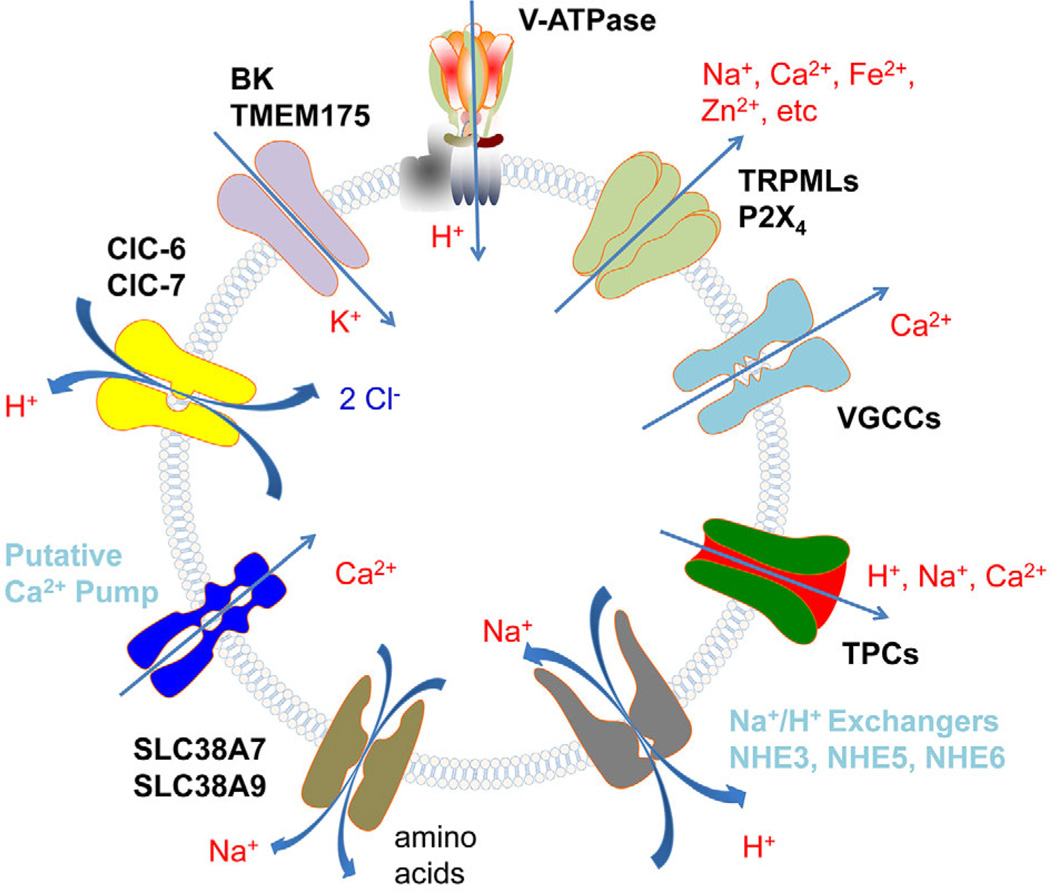
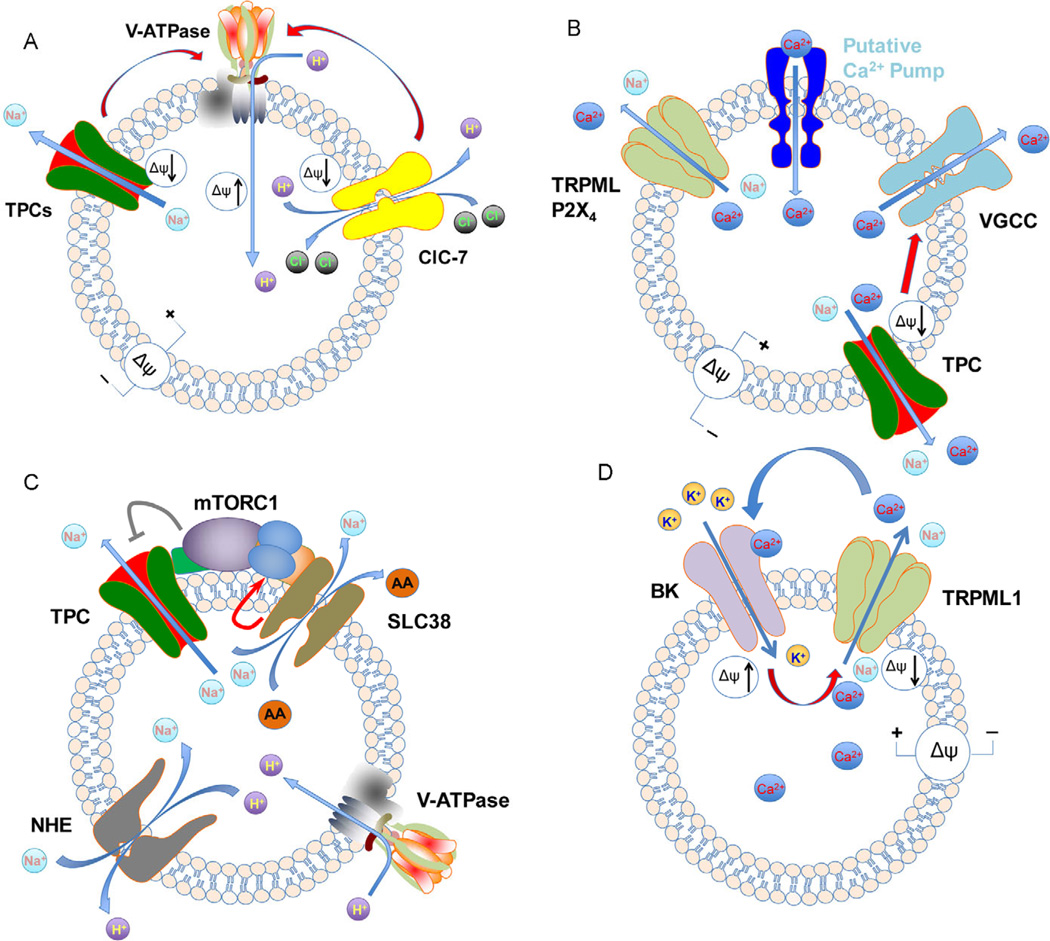
Lysosomes are the major organelles that carry out degradation functions. They integrate and digest materials compartmentalized by endocytosis, phagocytosis or autophagy. In addition to more than 60 hydrolases residing in the lysosomes, there are also ion channels and transporters that mediate the flux or transport of H(+), Ca(2+), Na(+), K(+), and Cl(-) across the lysosomal membranes. Defects in ionic exchange can lead to abnormal lysosome morphology, defective vesicle trafficking, impaired autophagy, and diseases such as neurodegeneration and lysosomal storage disorders. The latter are characterized by incomplete lysosomal digestion and accumulation of toxic materials inside enlarged intracellular vacuoles. In addition to degradation, recent studies have revealed the roles of lysosomes in metabolic pathways through kinases such as mechanistic target of rapamycin (mTOR) and transcriptional regulation through calcium signaling molecules such as transcription factor EB (TFEB) and calcineurin. Owing to the development of new approaches including genetically encoded fluorescence probes and whole endolysosomal patch clamp recording techniques, studies on lysosomal ion channels have made remarkable progress in recent years. In this review, we will focus on the current knowledge of lysosome-resident ion channels and transporters, discuss their roles in maintaining lysosomal function, and evaluate how their dysfunction can result in disease.
Overview
The claims and statistics of this paper haven’t been checked yet.
Free: it reads the open-access text and checks the first 5 claims that cite a source we can check. Create a free account to check every claim.
Integrity signals
Registry
Cites
Statistics
Figures
Verification
Claims the paper makes
The claims and statistics of this paper haven’t been checked yet.
Free: it reads the open-access text and checks the first 5 claims that cite a source we can check. Create a free account to check every claim.
Claims other papers make about this one
Each is checked against this paper’s own text: does it say what the citing paper says it does?
The cited source says what the claim attributes to it.
In the citing paper
“A key factor affecting lysosomal function is the pH controlled by the vacuolar (H+)-ATPase (V-ATPase), which uses the energy from ATP hydrolysis to drive H+ from the cytoplasm into the lysosome.”
From Recent advances in Alzheimer's disease: Mechanisms, clinical trials and new drug development strategies. (2024) · cites this paper as [264]
Self-check
Percentages, sums and reported differences re-computed from the paper’s own numbers.
The self-check needs the paper’s full text.
Citations
Cites
1 retracted
Two Pore Channel 2 (TPC2) Inhibits Autophagosomal-Lysosomal Fusion by Alkalinizing Lysosomal pH
Lu, Y., Hao, B.-X., Graeff, R., Wong, C. W. M., Wu, W.-T., & Yue, J. (2013) · Journal of Biological Chemistry · doi:10.1074/jbc.m113.484253 · Cited by 91 · cited 3×
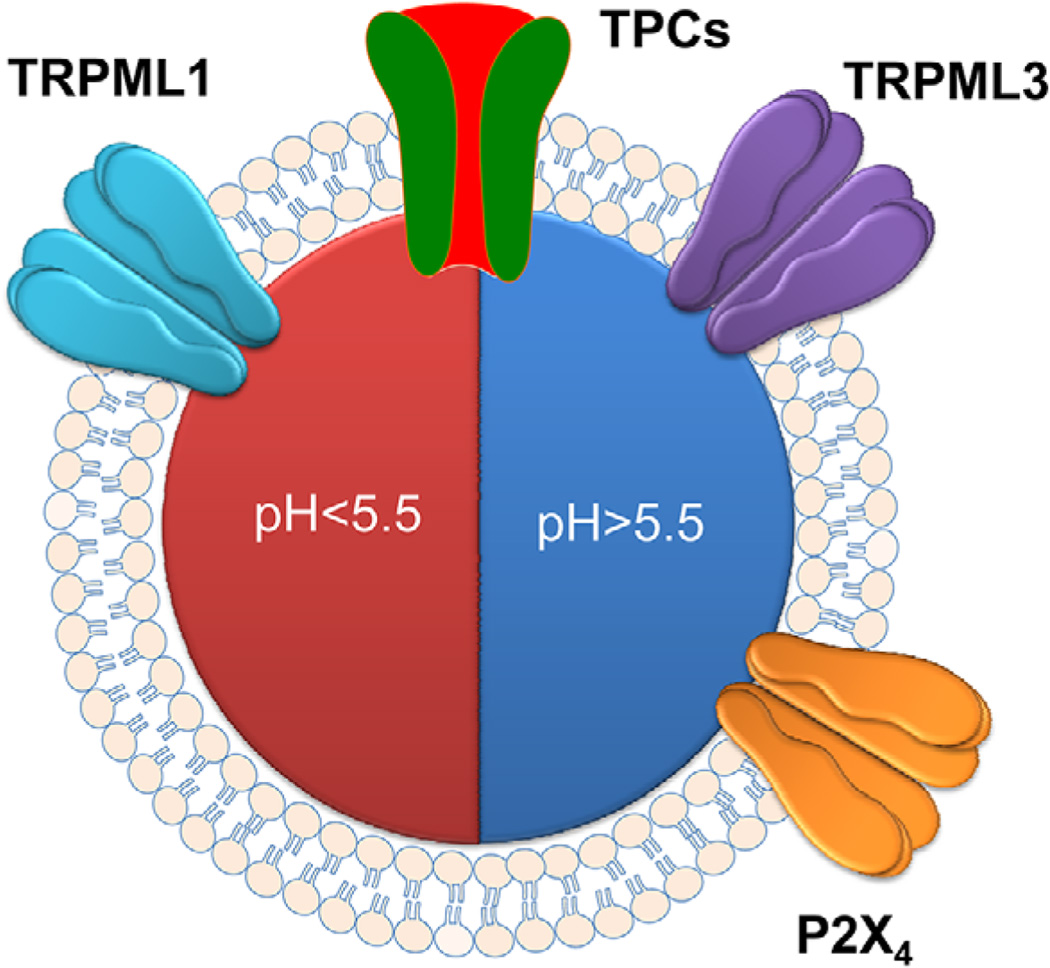
“…of TPCs, recent studies have revealed the importance of these channels in vesicular trafficking associated with endocytosis, autophagy, platelet maturation, and viral infection (Ruas et al., 2010; Pereira et al., 2011; Lu et al., 2013; Lin et al., 2015; Sakurai et al., 2015; Ambrosio et al., 2015).”
RetractedFerroptosis: An Iron-Dependent Form of Nonapoptotic Cell Death
Dixon, S. J., Lemberg, K. M., Lamprecht, M. R., Skouta, R., Zaitsev, E. M., Gleason, C. E., Patel, D. N., Bauer, A. J., Cantley, A. M., Yang, W. S., et al. (2012) · Cell · doi:10.1016/j.cell.2012.03.042 · Cited by 18,691 · cited 1×
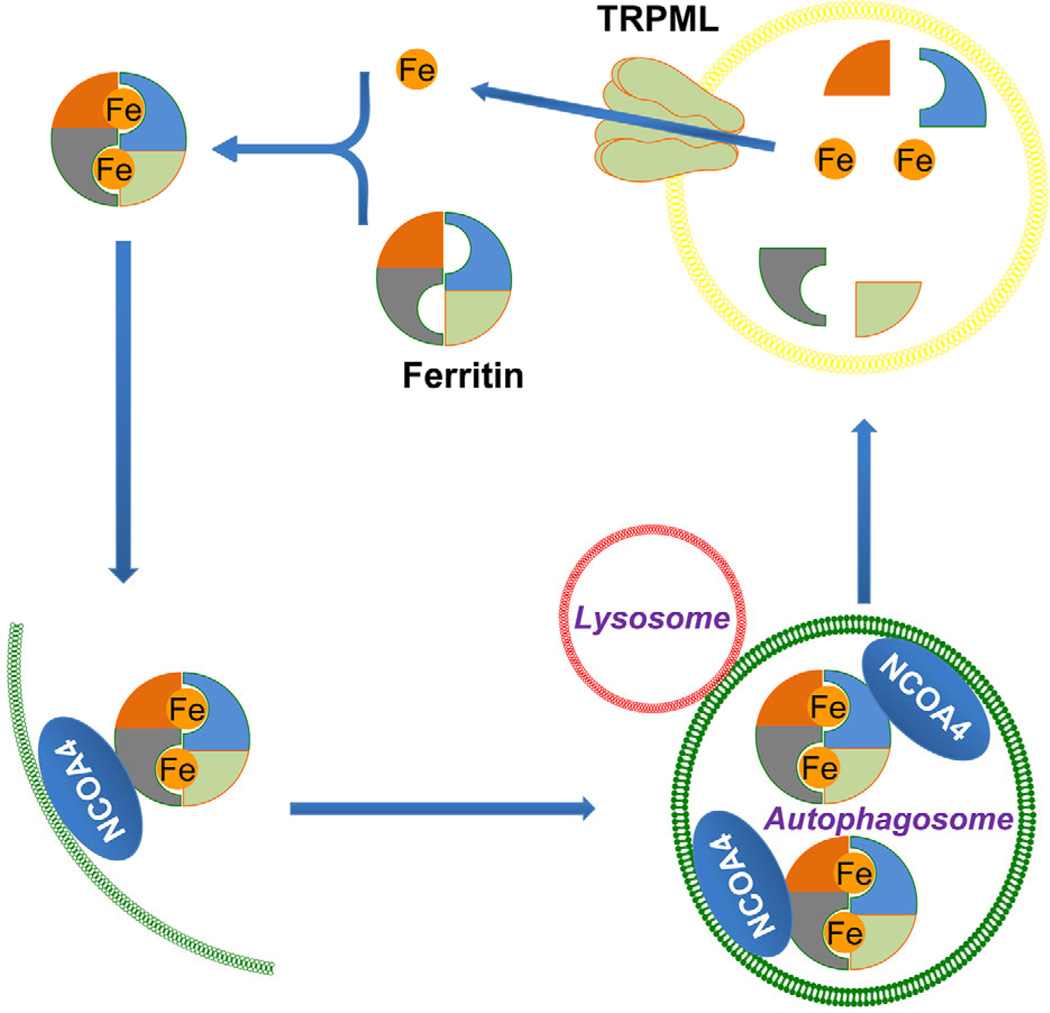
“Fe2+ catalyzes the hydrolysis of H2O2 and produces reactive oxygen species (Dixon et al., 2012).”
TFEB Links Autophagy to Lysosomal Biogenesis
Settembre, C., Di Malta, C., Polito, V. A., Arencibia, M. G., Vetrini, F., Erdin, S., Erdin, S. U., Huynh, T., Medina, D., Colella, P., et al. (2011) · Science · doi:10.1126/science.1204592 · Cited by 3,365 · cited 1×
“The activation of TFEB allows transcription of a set of genes involved in autophagy and lysosome biogenesis, including subunits of VATPase (Sardiello et al., 2009; Settembre et al., 2011) and thereby facilitates lysosomal degradation of nonessential cellular components to support survival.”
A Gene Network Regulating Lysosomal Biogenesis and Function
Sardiello, M., Palmieri, M., di Ronza, A., Medina, D. L., Valenza, M., Gennarino, V. A., Di Malta, C., Donaudy, F., Embrione, V., Polishchuk, R. S., et al. (2009) · Science · doi:10.1126/science.1174447 · Cited by 2,543 · cited 1×
“The activation of TFEB allows transcription of a set of genes involved in autophagy and lysosome biogenesis, including subunits of VATPase (Sardiello et al., 2009; Settembre et al., 2011) and thereby facilitates lysosomal degradation of nonessential cellular components to support survival.”
Quantitative proteomics identifies NCOA4 as the cargo receptor mediating ferritinophagy
Mancias, J. D., Wang, X., Gygi, S. P., Harper, J. W., & Kimmelman, A. C. (2014) · Nature · doi:10.1038/nature13148 · Cited by 2,084 · cited 2×
“After degradation of ferritin, Fe2+ is freed (Mancias et al., 2014) and subsequently released from the lysosomal lumen to the cytosol via TRPML1 in mammals and TRPML in flies (Dong et al., 2008; Feng et al., 2014) (Figure 4).”
Hentze, M. W., Muckenthaler, M. U., & Andrews, N. C. (2004) · Cell · doi:10.1016/s0092-8674(04)00343-5 · Cited by 1,736 · cited 1×
“Fe (Ferrous ion) In the intestine, Fe (ferric) taken from food needs to be converted to Fe by Dcytb (duodenal cytochrome b reductase) before DMT-1 (divalent cation/metal transporter-1, or DCT-1) on the apical membrane of enterocytes can take it up (Hentze et al., 2004).”
[41] Cathepsin B, cathepsin H, and cathepsin L
Barrett, A. J., & Kirschke, H. (1981) · Methods in Enzymology · doi:10.1016/s0076-6879(81)80043-2 · Cited by 1,698
Zoncu, R., Bar-Peled, L., Efeyan, A., Wang, S., Sancak, Y., & Sabatini, D. M. (2011) · Science · doi:10.1126/science.1207056 · Cited by 1,673 · cited 1×
“The latter function is crucial for the regulation of mTOR complex 1 (mTORC1) (Zoncu et al., 2011).”
Voltage-Gated Calcium Channels
Catterall, W. A. (2011) · Cold Spring Harbor Perspectives in Biology · doi:10.1101/cshperspect.a003947 · Cited by 1,628 · cited 2×
“…plasma membrane depolarization activates voltage-gated Ca2+ channels to initiate cytosolic Ca2+ concentration elevation, which in turn regulates many physiology processes, including muscle contraction, gene transcription, synaptic transmission and so on (Catterall, 2011, Buraei et al., 2015).”
InfluentialTermination of autophagy and reformation of lysosomes regulated by mTOR
Yu, L., McPhee, C. K., Zheng, L., Mardones, G. A., Rong, Y., Peng, J., Mi, N., Zhao, Y., Liu, Z., Wan, F., et al. (2010) · Nature · doi:10.1038/nature09076 · Cited by 1,544
Cited by
Items 101–147 of 147
Wang, X., Huo, S., Liu, Y., Yan, W., & He, R. (2025) · Springer eBooks · doi:10.1007/978-981-96-7281-3_11 · Cited by 2
Possible Roles for Purinergic Receptor P2RX4 in Breast and Prostate Cancers
Ho, W. H. J., & Lam, K. (2025) · International Journal of Molecular Sciences · doi:10.3390/ijms26189043 · Cited by 2
“…degradation and is able to function under the harsh luminal environments of the lysosomes [63], where it plays the second role of regulating lysosomal fusion and ion concentrations, which are required for lysosomal enzyme activity [64] as well as exocytosis and post-membrane fusion events [65].”
Tang, Y., Guo, T., He, H., & Deng, Y. (2026) · Biochemical Pharmacology · doi:10.1016/j.bcp.2026.117990 · Cited by 4
IP3R2-mediated inter-organelle calcium signaling suppresses melanosome degradation
Saurav, S., Jadon, A., & Motiani, R. K. (2026) · PLoS Biology · doi:10.1371/journal.pbio.3003971 · Cited by 3
Probing lysosomal activity in vivo
Li, X., Yanan, S., & Xiaochen, W. (2021) · Biophysics Reports · doi:10.52601/bpr.2021.200047 · Cited by 2
Tsai, C., Chen, C.-H., Cheng, W.-H., Stelma, F. F., Li, S., & Lin, W.-C. (2023) · BMC Microbiology · doi:10.1186/s12866-023-02942-6 · Cited by 2
Multisystem disorder associated with a pathogenic variant in CLCN7 in the absence of osteopetrosis
Lee, C., Chang, Y., Lin, H.-Y., Lee, H., Yeh, T., Fang, L., Lee, N., Tsai, J.-D., & Lin, S. (2024) · Molecular Genetics & Genomic Medicine · doi:10.1002/mgg3.2494 · Cited by 2
Effects of Formaldehyde on Protein (Tau) Aggregation and Cytotoxicity
He, R. (2017) · Springer eBooks · doi:10.1007/978-94-024-1177-5_7 · Cited by 2
Proteomic mapping and optogenetic manipulation of membrane contact sites
Lin, G., Shi, W., Zhang, N., Lee, Y., Wang, Y., & Ji, J. (2022) · Biochemical Journal · doi:10.1042/bcj20220382 · Cited by 2
Autophagic and Lysosomal Disorders
Chandra, S., & Pahan, K. (2024) · Springer eBooks · doi:10.1007/978-3-031-68237-7_11 · Cited by 1
Organellar insights in ageing and longevity
Mannino, P., Park, M., & Wang, M. C. (2026) · Nature Cell Biology · doi:10.1038/s41556-026-01927-7 · Cited by 2
Tau Phosphorylation and Amyloid-β Deposition in the Presence of Formaldehyde
Lü, J., & He, R. (2017) · Springer eBooks · doi:10.1007/978-94-024-1177-5_9 · Cited by 4
Lysosomal membrane ion channels
Xin, J., Qu, L., & Cang, C. (2017) · Scientia Sinica Vitae · doi:10.1360/n052016-00345
Molecular, Cellular, and Animal Experiments in Formaldehyde Study
Qiang, M., Su, T., Wu, B., & He, R. (2017) · Springer eBooks · doi:10.1007/978-94-024-1177-5_13
On the roles and sub-cellular localisations of lipids in neurodegenerative disorders
Wheeler, S. (2019) · DMU Open Research Archive (De Montfort University)
Voltage-gated sodium channels and their role in prostate cancer
Angus, M. (2019) · Summit (Simon Fraser University)
Mechanisms Of Organelle Identity and Adaptation In Immune Cells
Hipolito, V. E. B. (2021) · doi:10.32920/ryerson.14668524
Lysosomes-neuronal degeneration in lysosomal storage disorders
Lunghi, G., Carsana, E. V., Loberto, N., Sonnino, S., & Aureli, M. (2022) · Elsevier eBooks · doi:10.1016/b978-0-323-89906-2.00010-1
Choy, C. H., Saffi, G. T., Gray, M. A., Wallace, C. T., Dayam, R. M., Ou, Z.-Y. A., Lenk, G. M., Puertollano, R., Watkins, S. C., & Botelho, R. (2023) · doi:10.32920/21982919.v1
Apport des sciences omiques dans la maladie de Fabry
Snanoudj, S. (2023) · theses.fr (ABES) · doi:10.70675/77724a03z7736z4b3cz95b4z795e81663acc
Tsai, C.-M., Chen, C.-H., Cheng, W.-H., Stelma, F. F., Li, S., & Lin, W.-C. (2023) · Figshare · doi:10.6084/m9.figshare.23788252
Tsai, C., Chen, C.-H., Cheng, W.-H., Stelma, F. F., Li, S., & Lin, W.-C. (2023) · Figshare · doi:10.6084/m9.figshare.23788255
Abuammar, H. (2024) · SZTE Repository of Dissertations (University of Szeged) · doi:10.14232/phd.12218
Molecular, Cellular, and Animal Experiments in Formaldehyde Study
Fei, X., Wu, B., Qiang, M., Tong, Z., & He, R. (2025) · Springer eBooks · doi:10.1007/978-981-96-7281-3_16
Amyloid β Deposition, Tau Phosphorylation, ApoE4 Dysfunction, and Formaldehyde
Lü, J., & He, R. (2025) · Springer eBooks · doi:10.1007/978-981-96-7281-3_10
Multifunctional Protein Tau Aggregation and Cytotoxicity
He, X., Lü, Y., & He, R.-Q. (2025) · Springer eBooks · doi:10.1007/978-981-96-7281-3_8
Cognitive Ability and Impairment Related to Formaldehyde
He, R. (2025) · Springer eBooks · doi:10.1007/978-981-96-7281-3_9
Metabolism of Formaldehyde In Vivo
Xiao, R., & He, R. (2025) · Springer eBooks · doi:10.1007/978-981-96-7281-3_2
ApoE4 pathology in Alzheimer's disease from the perspective of organelle dysfunction in astrocytes
Larramona‐Arcas, R., & Molecular, U. A. D. B. D. D. B. I. D. B. (2018) · LA Referencia (Red Federada de Repositorios Institucionales de Publicaciones Científicas)
Avances en el diagnóstico y en el conocimiento genético de la enfermedad de Niemann Pick tipo C
de Frutos, L. L., Giraldo-Castellano, P., & Ramos Fuentes, F. J. (2019) · LA Referencia (Red Federada de Repositorios Institucionales de Publicaciones Científicas) · Cited by 1
Vorobeva, V. (2025) · Refubium (Universitätsbibliothek der Freien Universität Berlin) · doi:10.17169/refubium-49308
Thermo-Dynamic Flux Balance Analysis, a novel approach to simulate circadian metabolismPreprint
Messa, G. M., Liu, P., Napolitano, F., Tegner, J. N., Gao, X., & Orlando, V. (2025) · bioRxiv (Cold Spring Harbor Laboratory) · doi:10.64898/2025.12.17.694837
Zhang, L., Zhu, Y., Fang, Y., Yang, Y., Yu, Y., Wang, H., Jiang, X., Zhang, X., & Huang, D. (2026) · Frontiers in Genetics · doi:10.3389/fgene.2025.1753636
Melek, K., Steiner, P., Kappel, S., Gottschalk, B., Andosch, A., Duggan, M. C., Graier, W. F., Zierler, S., & Peinelt, C. (2026) · Cell Communication and Signaling · doi:10.1186/s12964-026-02661-1
“Hyperacidified, smaller granules characterized by disrupted ionic and osmotic balance exhibit reduced storage capacity and impaired degradation [65, 70, 71].”
Luo, D.-L., Liu, R., Hou, X.-Y., Liu, Z., & Lu, B. (2026) · Frontiers in Pediatrics · doi:10.3389/fped.2025.1674481
“The disruption of ATP6V1B2 impairs vacuolar acidification and intracellular pH regulation, potentially altering the electrochemical gradient across membranes (12, 13).”
Terres, Y. (2020) · theses.fr (ABES) · doi:10.70675/77dbb002z9849z4fabz9533z8e32ff48212b · Cited by 1
Structural and functional characterization of the lysosomal amino acid transporter PQLC2
Jamal, L. (2024) · theses.fr (ABES) · doi:10.70675/657f2ba1z9911z43bbza9c9zd6f6ab1aba13 · Cited by 1
Wu, M. T., Li, H., Li, S., Xu, Q., Liao, Y., Qu, L., Cang, C., & Wang, X. (2026) · Cell Death and Disease · doi:10.1038/s41419-026-08936-2
“Several lysosomal ion channels have been characterized, including two-pore channels (TPCs), transmembrane protein 175 (TMEM175), transient receptor potential mucolipins (TRPMLs), and H + /Cl – exchange transporter 7 (CLC-7) [17 – 19].”
Stressed lysosome: A theoretical model of lysosomal pH regulation applied to stress conditions
Nazarova, S. F., Alekhin, V. A., Pavlov, V. V., Semenov, Y. S., Bukhalovich, S. M., Tsybrov, F. M., Bogorodskiy, A. O., Bagaeva, D. F., Moiseeva, O. V., Vlasova, A. D., et al. (2026) · The Journal of General Physiology · doi:10.1085/jgp.202413745
Targeting V-ATPase-Mediated Lysosomal Acidification: Antitumor Mechanisms of Steroidal CompoundsPreprint
Shi, C., & Xing, S. (2026) · Research Square · doi:10.21203/rs.3.rs-9762220/v1
Dubey, A. R., Kumar, S., & Singh, R. (2026) · Cell Communication and Signaling · doi:10.1186/s12964-026-03118-1
Autophagy-lysosomal pathway in neurodegeneration
McDonough, S. R., Rao, A. K., McAleer, J. M., Babrowicz, B. M., & Sharma, M. (2026) · Molecular Neurodegeneration Advances · doi:10.1186/s44477-026-00041-0
“Several of these transmembrane proteins serve as ion exchangers, using the proton concentration gradient to drive transport of calcium, sodium, and chloride ions into the lysosomal lumen while releasing protons into the cytosol [255].”
Anwar, S., Ebrahimi-Iranpour, S., Narciso, M. R., Berilia, T., Huq, S., Lackraj, T., Beriia, T., Chowdhury, N., Ušaj, M. M., & Botelho, R. J. (2026) · Molecular Biology of the Cell · doi:10.1091/mbc.e25-09-0457
Abdulsalam, N. K. A., Hamad, R. S., Elmorsy, E. A., & Saber, S. (2026) · Progress in Biophysics and Molecular Biology · doi:10.1016/j.pbiomolbio.2026.101964
Chen, Y., Jiang, Y., Song, T., Chen, Y., Li, J., Zhi, N., 韦红巧, Huang, K., Huang, X., Lu, G., et al. (2026) · Chinese Journal of Natural Medicines · doi:10.1016/s1875-5364(26)61225-3
Metadata
- Authors
- Xiong, J., & Zhu, M. X.
- Affiliations
- The University of Texas Health Science Center at Houston (US)
- Corresponding author
- Zhu, Michael X.
- Venue
- Science China Life Sciences
- Published
- 2016-07-19
- Volume
- 59
- Issue
- 8
- Pages
- 777-791
- ISSN
- 1674-7305 (ISSN-L)
- 1869-1889
- PMC
- PMC5147046
- OpenAlex
- W2495355796
- Cited by
- 141
- References
- 167
- Citations by year
- 2026: 16 · 2025: 18 · 2024: 18 · 2023: 9 · 2022: 13 · 2021: 18 · 2020: 11 · 2019: 11 · 2018: 12 · 2017: 12 · 2016: 3
- FWCI
- 1.21
- Type
- journal article
- Language
- en
- Open access
- hybrid
- doi.org
- Licence
- cc-by
- Locations
- Science China Life Sciences (publishedVersion, cc-by)
- PubMed (publishedVersion)
- Europe PMC (PubMed Central) (acceptedVersion, cc-by)
- PubMed Central (acceptedVersion, cc-by)
- Funders
- American Heart Association (15GRNT23040032)
- University of Texas Health Science Center at Houston
- National Institutes of Health (NS092377)
- University of Texas MD Anderson Cancer Center
- National Institute of Neurological Disorders and Stroke (R01NS092377)
- Topics
- Life Sciences › Biochemistry, Genetics and Molecular Biology › Physiology › Calcium signaling and nucleotide metabolism
- Life Sciences › Biochemistry, Genetics and Molecular Biology › Cell Biology › Cellular transport and secretion
- Life Sciences › Biochemistry, Genetics and Molecular Biology › Cell Biology › Autophagy in Disease and Therapy
- Keywords
- lysosomes, ion channels, ion transporters, lysosomal storage disease, autophagy, endolysosomal trafficking, mTOR, TFEB, calcineurin, calcium signaling, lysosomal pH
- MeSH terms
- Homeostasis, Humans, Hydrogen-Ion Concentration, Intracellular Membranes, Ion Channels, Ions, Lysosomes, Models, Biological, Ion Transport, Membrane Transport Proteins
About these checks
Registry, retraction, Cites and statistics results are computed, not judged, with one exception: a printed reference that no index lists is read once by a model before it counts as a citation error. Claims are extracted by a model and kept only when their quote appears verbatim in the text; each cited source is then checked, with a model’s help, for whether it says what the claim relies on. Those verdicts can be wrong — read the claim’s quote and the cited source before relying on one.
Statistics and arithmetic are recomputed, not judged.
Confidence bands are shown only for fields calibrated on our annotated test set. None is calibrated yet, so no band is shown.
What counts as a claim ›How we measure confidence ›How we check this ›
Are you an author, or do you see a problem with this page? Request a review
Data sources
Bibliographic data: Semantic Scholar, OpenAlex, Crossref.
Contains information from the Semantic Scholar Academic Graph Datasets, made available under the ODC Attribution License (ODC-BY 1.0).
Semantic Scholar’s data is described in: Kinney, R., et al. (2023). The Semantic Scholar Open Data Platform. arXiv:2301.10140.
