

Regulation of lysosomal ion homeostasis by channels and transporters
Open accessThe DOI matches its Crossref record; 169 of the 169 references it cites were found in a registry or an index.
Abstract
Lysosomes are the major organelles that carry out degradation functions. They integrate and digest materials compartmentalized by endocytosis, phagocytosis or autophagy. In addition to more than 60 hydrolases residing in the lysosomes, there are also ion channels and transporters that mediate the flux or transport of H(+), Ca(2+), Na(+), K(+), and Cl(-) across the lysosomal membranes. Defects in ionic exchange can lead to abnormal lysosome morphology, defective vesicle trafficking, impaired autophagy, and diseases such as neurodegeneration and lysosomal storage disorders. The latter are characterized by incomplete lysosomal digestion and accumulation of toxic materials inside enlarged intracellular vacuoles. In addition to degradation, recent studies have revealed the roles of lysosomes in metabolic pathways through kinases such as mechanistic target of rapamycin (mTOR) and transcriptional regulation through calcium signaling molecules such as transcription factor EB (TFEB) and calcineurin. Owing to the development of new approaches including genetically encoded fluorescence probes and whole endolysosomal patch clamp recording techniques, studies on lysosomal ion channels have made remarkable progress in recent years. In this review, we will focus on the current knowledge of lysosome-resident ion channels and transporters, discuss their roles in maintaining lysosomal function, and evaluate how their dysfunction can result in disease.
Overview
The claims and statistics of this paper haven’t been checked yet.
Free: it reads the open-access text and checks the first 5 claims that cite a source we can check. Create a free account to check every claim.
Integrity signals
Registry
Cites
Statistics
Figures
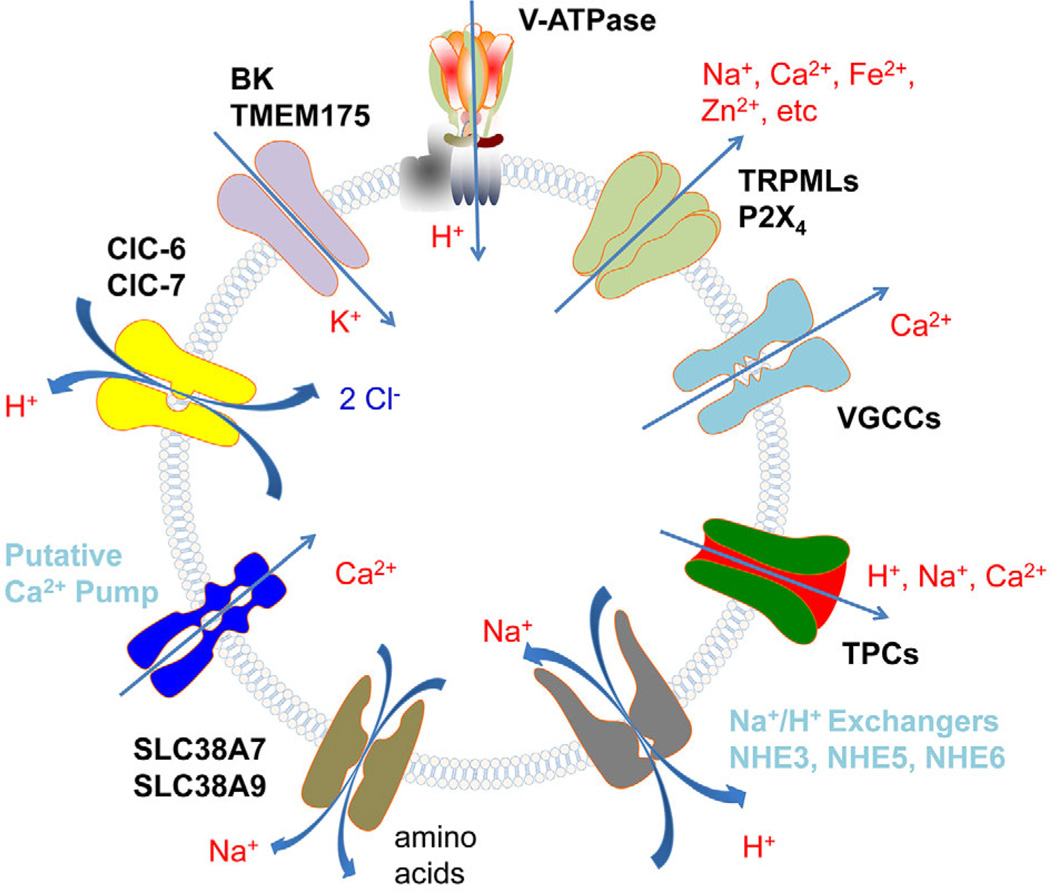
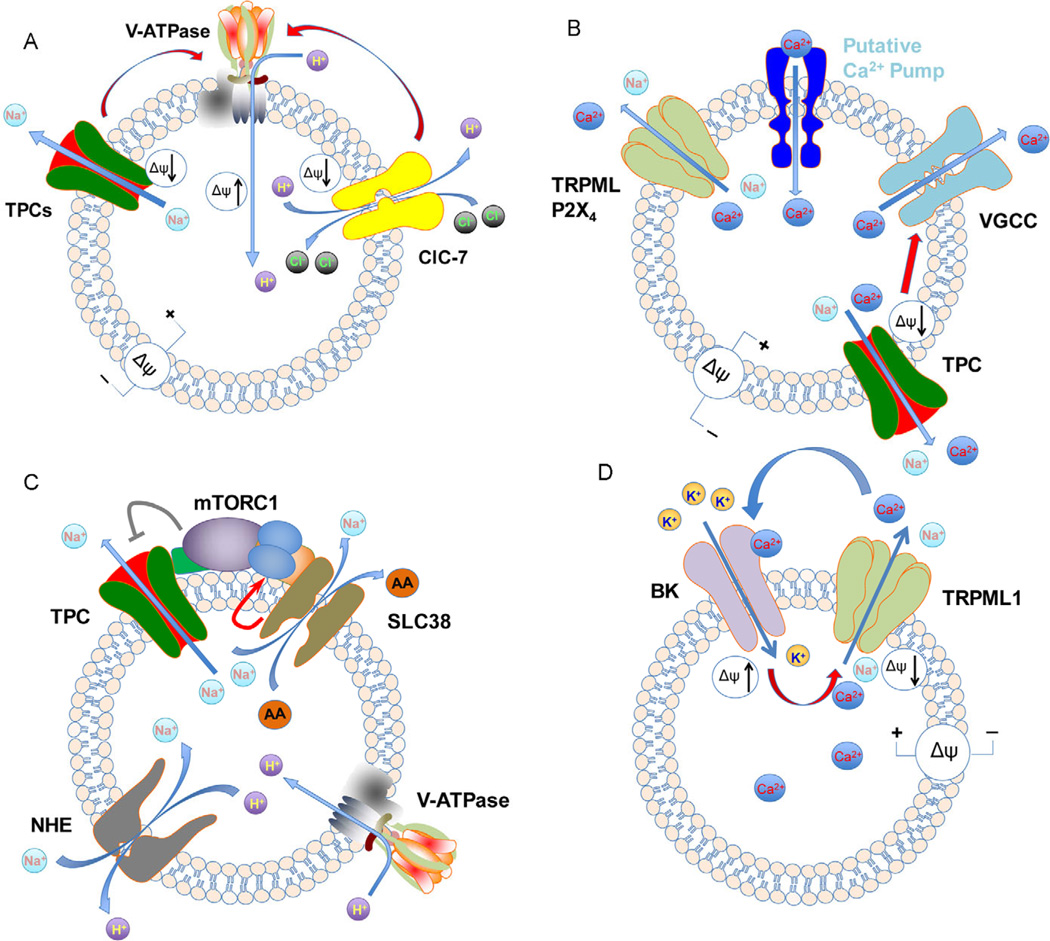
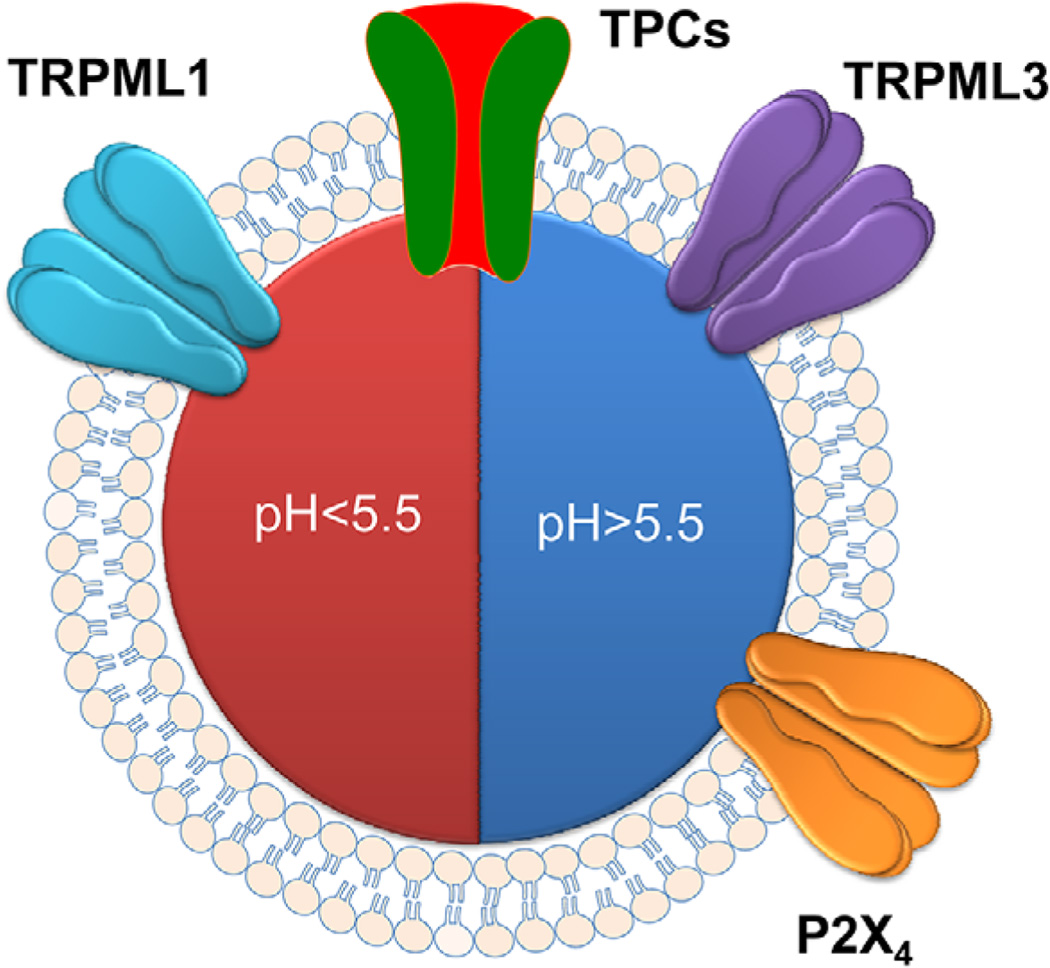
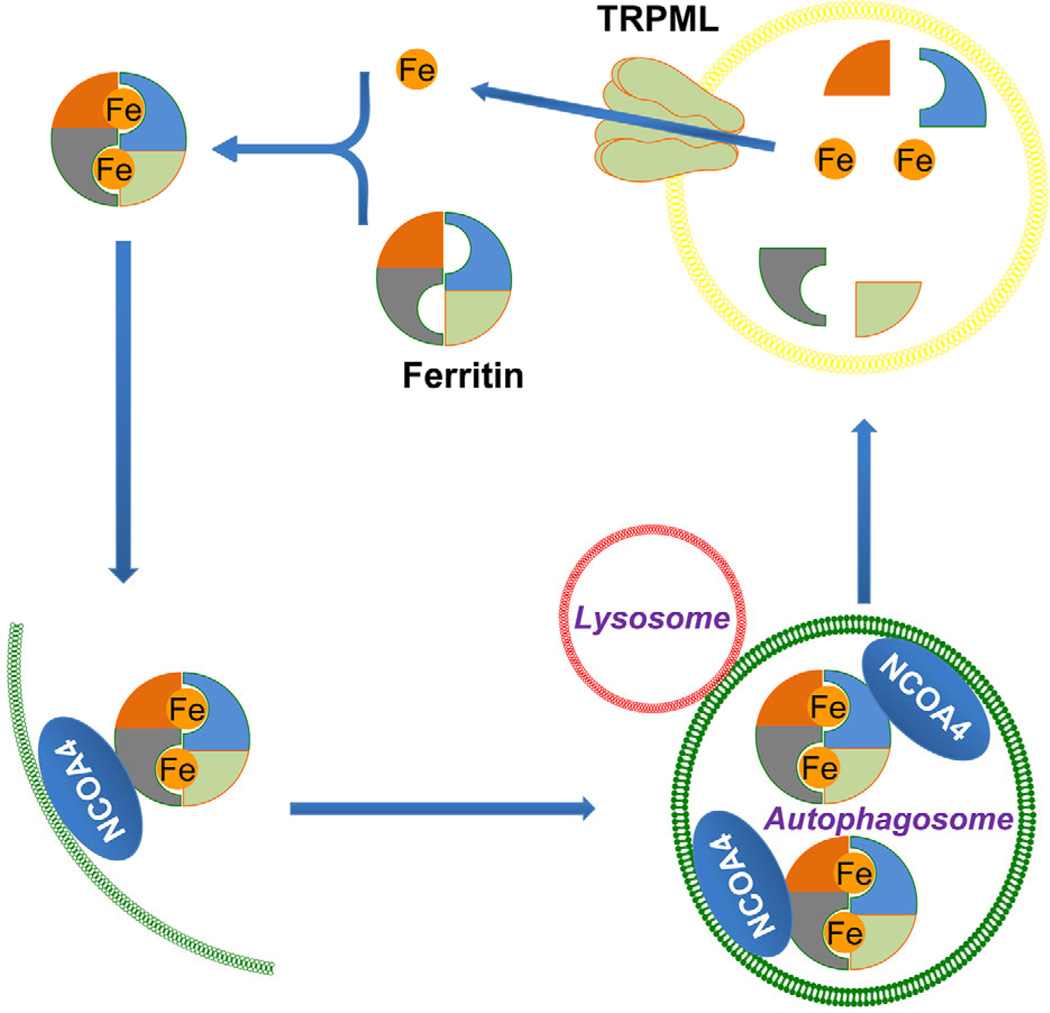
Verification
Claims the paper makes
The claims and statistics of this paper haven’t been checked yet.
Free: it reads the open-access text and checks the first 5 claims that cite a source we can check. Create a free account to check every claim.
Claims other papers make about this one
Each is checked against this paper’s own text: does it say what the citing paper says it does?
The cited source says what the claim attributes to it.
In the citing paper
“A key factor affecting lysosomal function is the pH controlled by the vacuolar (H+)-ATPase (V-ATPase), which uses the energy from ATP hydrolysis to drive H+ from the cytoplasm into the lysosome.”
From Recent advances in Alzheimer's disease: Mechanisms, clinical trials and new drug development strategies. (2024) · cites this paper as [264]
Self-check
Percentages, sums and reported differences re-computed from the paper’s own numbers.
The self-check needs the paper’s full text.
Citations
Cites
1 retracted
Two Pore Channel 2 (TPC2) Inhibits Autophagosomal-Lysosomal Fusion by Alkalinizing Lysosomal pH
Lu, Y., Hao, B.-X., Graeff, R., Wong, C. W. M., Wu, W.-T., & Yue, J. (2013) · Journal of Biological Chemistry · doi:10.1074/jbc.m113.484253 · Cited by 91 · cited 3×
“…of TPCs, recent studies have revealed the importance of these channels in vesicular trafficking associated with endocytosis, autophagy, platelet maturation, and viral infection (Ruas et al., 2010; Pereira et al., 2011; Lu et al., 2013; Lin et al., 2015; Sakurai et al., 2015; Ambrosio et al., 2015).”
RetractedFerroptosis: An Iron-Dependent Form of Nonapoptotic Cell Death
Dixon, S. J., Lemberg, K. M., Lamprecht, M. R., Skouta, R., Zaitsev, E. M., Gleason, C. E., Patel, D. N., Bauer, A. J., Cantley, A. M., Yang, W. S., et al. (2012) · Cell · doi:10.1016/j.cell.2012.03.042 · Cited by 18,691 · cited 1×
“Fe2+ catalyzes the hydrolysis of H2O2 and produces reactive oxygen species (Dixon et al., 2012).”
TFEB Links Autophagy to Lysosomal Biogenesis
Settembre, C., Di Malta, C., Polito, V. A., Arencibia, M. G., Vetrini, F., Erdin, S., Erdin, S. U., Huynh, T., Medina, D., Colella, P., et al. (2011) · Science · doi:10.1126/science.1204592 · Cited by 3,365 · cited 1×
“The activation of TFEB allows transcription of a set of genes involved in autophagy and lysosome biogenesis, including subunits of VATPase (Sardiello et al., 2009; Settembre et al., 2011) and thereby facilitates lysosomal degradation of nonessential cellular components to support survival.”
A Gene Network Regulating Lysosomal Biogenesis and Function
Sardiello, M., Palmieri, M., di Ronza, A., Medina, D. L., Valenza, M., Gennarino, V. A., Di Malta, C., Donaudy, F., Embrione, V., Polishchuk, R. S., et al. (2009) · Science · doi:10.1126/science.1174447 · Cited by 2,543 · cited 1×
“The activation of TFEB allows transcription of a set of genes involved in autophagy and lysosome biogenesis, including subunits of VATPase (Sardiello et al., 2009; Settembre et al., 2011) and thereby facilitates lysosomal degradation of nonessential cellular components to support survival.”
Quantitative proteomics identifies NCOA4 as the cargo receptor mediating ferritinophagy
Mancias, J. D., Wang, X., Gygi, S. P., Harper, J. W., & Kimmelman, A. C. (2014) · Nature · doi:10.1038/nature13148 · Cited by 2,084 · cited 2×
“After degradation of ferritin, Fe2+ is freed (Mancias et al., 2014) and subsequently released from the lysosomal lumen to the cytosol via TRPML1 in mammals and TRPML in flies (Dong et al., 2008; Feng et al., 2014) (Figure 4).”
Hentze, M. W., Muckenthaler, M. U., & Andrews, N. C. (2004) · Cell · doi:10.1016/s0092-8674(04)00343-5 · Cited by 1,736 · cited 1×
“Fe (Ferrous ion) In the intestine, Fe (ferric) taken from food needs to be converted to Fe by Dcytb (duodenal cytochrome b reductase) before DMT-1 (divalent cation/metal transporter-1, or DCT-1) on the apical membrane of enterocytes can take it up (Hentze et al., 2004).”
[41] Cathepsin B, cathepsin H, and cathepsin L
Barrett, A. J., & Kirschke, H. (1981) · Methods in Enzymology · doi:10.1016/s0076-6879(81)80043-2 · Cited by 1,698
Zoncu, R., Bar-Peled, L., Efeyan, A., Wang, S., Sancak, Y., & Sabatini, D. M. (2011) · Science · doi:10.1126/science.1207056 · Cited by 1,673 · cited 1×
“The latter function is crucial for the regulation of mTOR complex 1 (mTORC1) (Zoncu et al., 2011).”
Voltage-Gated Calcium Channels
Catterall, W. A. (2011) · Cold Spring Harbor Perspectives in Biology · doi:10.1101/cshperspect.a003947 · Cited by 1,628 · cited 2×
“…plasma membrane depolarization activates voltage-gated Ca2+ channels to initiate cytosolic Ca2+ concentration elevation, which in turn regulates many physiology processes, including muscle contraction, gene transcription, synaptic transmission and so on (Catterall, 2011, Buraei et al., 2015).”
InfluentialTermination of autophagy and reformation of lysosomes regulated by mTOR
Yu, L., McPhee, C. K., Zheng, L., Mardones, G. A., Rong, Y., Peng, J., Mi, N., Zhao, Y., Liu, Z., Wan, F., et al. (2010) · Nature · doi:10.1038/nature09076 · Cited by 1,544
Lysosomal calcium signalling regulates autophagy through calcineurin and TFEB
Medina, D. L., Di Paola, S., Peluso, I., Armani, A., De Stefani, D., Venditti, R., Montefusco, S., Scotto-Rosato, A., Prezioso, C., Forrester, A., et al. (2015) · Nature Cell Biology · doi:10.1038/ncb3114 · Cited by 1,413
Yoshimori, T., Yamamoto, A., Moriyama, Y., Futai, M., & Tashiro, Y. (1991) · Journal of Biological Chemistry · doi:10.1016/s0021-9258(19)47429-2 · Cited by 1,328 · cited 1×
“The blockade of V-ATPase by its inhibitor, bafilomycin A1, however, only increases lysosomal pH up to around 6 (Yoshimori et al., 1991), indicating that either residual V-ATPase activity or additional acidification mechanism may exist to keep lysosomes from being completely neutralized.”
Trace elements in human physiology and pathology: zinc and metallothioneins
Tapiero, H., & Tew, K. D. (2003) · Biomedicine & Pharmacotherapy · doi:10.1016/s0753-3322(03)00081-7 · Cited by 1,298 · cited 1×
“Zn2+ is a trace element that serves as an essential coenzyme for about 300 proteins (Tapiero and Tew, 2003).”
Lysosomal acidification mechanisms
Mindell, J. A. (2012) · Annual Review of Physiology · doi:10.1146/annurev-physiol-012110-142317 · Cited by 1,258 · cited 3×
“However, cautions should be taken with interpretation of results from lysosomal pH measurement because the pH probes used are able to label all acidic organelles, including endosomes, which typically have higher luminal pH than lysosomes (Mindell, 2012).”
InfluentialLoss of the ClC-7 Chloride Channel Leads to Osteopetrosis in Mice and Man
Kornak, U., Kasper, D., Bösl, M. R., Kaiser, E., Schweizer, M., Schulz, A., Friedrich, W., Delling, G., & Jentsch, T. J. (2001) · Cell · doi:10.1016/s0092-8674(01)00206-9 · Cited by 995 · cited 2×
“, 2006); either deleting the Clc-7 gene or specifically uncoupling its H+ and Cl− conductance impaired bone resorption and caused osteoporosis (Kornak et al., 2001; Weinert et al., 2010).”
Proteinases in mammalian cells and tissues
Kerr, M. (1978) · Biochemical Education · doi:10.1016/0307-4412(78)90169-3 · Cited by 919
Lysosomal amino acid transporter SLC38A9 signals arginine sufficiency to mTORC1
Wang, S., Tsun, Z.-Y., Wolfson, R. L., Shen, K., Wyant, G. A., Plovanich, M. E., Yuan, E. D., Jones, T. D., Chantranupong, L., Comb, W., et al. (2015) · Science · doi:10.1126/science.1257132 · Cited by 824
Mammalian heparanase: Gene cloning, expression and function in tumor progression and metastasis
Vlodavsky, I., Friedmann, Y., Elkin, M., Aingorn, H., Atzmon, R., Ishai-Michaeli, R., Bitan, M., Pappo, O., Peretz, T., Michal, I., et al. (1999) · Nature Medicine · doi:10.1038/10518 · Cited by 803 · cited 2×
“A uthor M anuscript A uthor M anuscript A uthor M anuscript A uthor M anuscript A uthor M anuscript A uthor M anuscript A uthor M anuscript A uthor M anuscript Table 1 Digestive enzymes in lysosomes Name pH optimum Related disease Reference beta-Galactosidase-1/GLB1 3.5 GM1-gangliosidosis & Morquio B syndrome (Zhang e…”
InfluentialNAADP mobilizes calcium from acidic organelles through two-pore channels
Calcraft, P. J., Ruas, M., Pan, Z., Cheng, X., Arredouani, A., Hao, X., Tang, J., Rietdorf, K., Teboul, L., Chuang, K.-T., et al. (2009) · Nature · doi:10.1038/nature08030 · Cited by 760 · cited 5×
“The three TPCs share the same membrane topology with 12 predicted transmembrane (TM) segments clearly segregated into two 6-TM domains, which exhibit sequence similarity to that of voltage-gated Ca2+ channels and voltage-gated Na+ channels (Calcraft et al., 2009; Rahman et al., 2014).”
InfluentialSelf-citationTranscriptional Activation of Lysosomal Exocytosis Promotes Cellular Clearance
Medina, D. L., Fraldi, A., Bouche, V., Annunziata, F., Mansueto, G., Spampanato, C., Puri, C., Pignata, A., Martina, J. A., Sardiello, M., et al. (2011) · Developmental Cell · doi:10.1016/j.devcel.2011.07.016 · Cited by 716 · cited 2×
“Supporting a general role of TRPML1 function in lysosomal storage, another study on Pompe’s disease found that upregulating the expression and activity of TRPML1 through activation of TFEB promoted lysosomal content clearance via lysosome exocytosis (Medina et al., 2011).”
Sigismund, S., Argenzio, E., Tosoni, D., Cavallaro, E., Polo, S., & Di Fiore, P. P. (2008) · Developmental Cell · doi:10.1016/j.devcel.2008.06.012 · Cited by 679 · cited 2×
“The degradation function of lysosomes serves two main purposes: (i) to degrade internalized materials, including pathogens and signaling molecules such as epidermal growth factor, EGF (Sigismund et al., 2008); (ii) to degrade unwanted intracellular materials as a part of the autophagy pathway.”
SLC38A9 is a component of the lysosomal amino acid sensing machinery that controls mTORC1
Rebsamen, M., Pochini, L., Stasyk, T., de Araújo, M. E. G., Galluccio, M., Kandasamy, R. K., Snijder, B., Fauster, A., Rudashevskaya, E. L., Bruckner, M., et al. (2015) · Nature · doi:10.1038/nature14107 · Cited by 673 · cited 4×
“To date, two members of the SLC38 family of sodium and amino acid co-transporters, SLC38A7 and SLC38A9, have been shown to localize on the lysosomal membranes (Hägglund et al., 2011; Chapel et al., 2013; Wang et al., 2015; Rebsamen et al., 2015; Jung et al., 2015).”
InfluentialDong, X.-P., Shen, D., Wang, X., Dawson, T., Li, X., Zhang, Q., Cheng, X., Zhang, Y., Weisman, L. S., Delling, M., et al. (2010) · Nature Communications · doi:10.1038/ncomms1037 · Cited by 635 · cited 2×
“Similar to TPC2, TRPML1 is also activated by PI(3,5)P2 (Dong et al., 2010), and its proper function is necessary for a series of endocytic vesicle trafficking events, including lysosome exocytosis (LaPlante et al., 2006), large particle phagocytosis (Samie et al., 2013) and vesicle fusion (Wong et…”
The V-type H+ ATPase: molecular structure and function,physiological roles and regulation
Beyenbach, K. W., & Wieczorek, H. (2006) · Journal of Experimental Biology · doi:10.1242/jeb.02014 · Cited by 627 · cited 1×
“The H+ gradient across the lysosomal membrane is generated and maintained by vacuolar H+-ATPase, or V-ATPase, which translocates two protons into the lysosome by consuming one ATP (Beyenbach and Wieczorek, 2006).”
The type IV mucolipidosis-associated protein TRPML1 is an endolysosomal iron release channel
Dong, X.-P., Cheng, X., Mills, E., Delling, M., Wang, F., Kurz, T., & Xu, H. (2008) · Nature · doi:10.1038/nature07311 · Cited by 581 · cited 3×
“After degradation of ferritin, Fe2+ is freed (Mancias et al., 2014) and subsequently released from the lysosomal lumen to the cytosol via TRPML1 in mammals and TRPML in flies (Dong et al., 2008; Feng et al., 2014) (Figure 4).”
Calcineurin: a calcium- and calmodulin-binding protein of the nervous system.
Klee, C. B., Crouch, T. H., & Krinks, M. H. (1979) · Proceedings of the National Academy of Sciences · doi:10.1073/pnas.76.12.6270 · Cited by 579 · cited 2×
“, 2015), the Ca2+-calmodulin regulated phosphatase (Klee et al., 1979).”
Na+/H+ Exchangers of Mammalian Cells
Orlowski, J., & Grinstein, S. (1997) · Journal of Biological Chemistry · doi:10.1074/jbc.272.36.22373 · Cited by 575 · cited 1×
“How lysosomes take up Na+ remains unknown, although three Na+/H+ exchangers, NHE3, NHE5, and NHE6, have been shown to be expressed in endocytic vesicles (Orlowski and Grinstein, 1997).”
Clapper, D. L., Walseth, T. F., Dargie, P. J., & Lee, H. C. (1987) · Journal of Biological Chemistry · doi:10.1016/s0021-9258(18)47970-7 · Cited by 569 · cited 2×
“This highly potent Ca2+ mobilizing messenger, which typically works at low nanomolar and even high picomolar concentrations, was first discovered in sea urchin eggs (Clapper et al., 1987) and later shown to exist in mammalian cells (Cancela et al., 1999).”
Two-pore channels control Ebola virus host cell entry and are drug targets for disease treatment
Sakurai, Y., Kolokoltsov, A. A., Chen, C.-C., Tidwell, M. W., Bauta, W. E., Klugbauer, N., Grimm, C., Wahl-Schott, C., Biel, M., & Davey, R. A. (2015) · Science · doi:10.1126/science.1258758 · Cited by 555 · cited 3×
“…of TPCs, recent studies have revealed the importance of these channels in vesicular trafficking associated with endocytosis, autophagy, platelet maturation, and viral infection (Ruas et al., 2010; Pereira et al., 2011; Lu et al., 2013; Lin et al., 2015; Sakurai et al., 2015; Ambrosio et al., 2015).”
The vacuolar Ca2+-activated channel TPC1 regulates germination and stomatal movement
Peiter, E., Maathuis, F. J. M., Mills, L. N., Knight, H., Pelloux, J., Hetherington, A. M., & Sanders, D. (2005) · Nature · doi:10.1038/nature03381 · Cited by 538
A cytosolic iron chaperone that delivers iron to ferritin
Shi, H., Bencze, K. Z., Stemmler, T. L., & Philpott, C. C. (2008) · Science · doi:10.1126/science.1157643 · Cited by 536 · cited 1×
“To keep the Fe2+ concentration low in the cytosol, the iron-binding protein, ferritin, is highly expressed in every animal cell type, where 24 subunits of ferritins form a hollow sphere to store Fe2+ (Shi et al., 2008).”
pH-dependent regulation of lysosomal calcium in macrophages
Christensen, K. A., Myers, J. T., & Swanson, J. A. (2002) · Journal of Cell Science · doi:10.1242/jcs.115.3.599 · Cited by 534
Wang, X., Zhang, X., Dong, X.-P., Samie, M., Li, X., Cheng, X., Goschka, A., Shen, D., Zhou, Y., Harlow, J., et al. (2012) · Cell · doi:10.1016/j.cell.2012.08.036 · Cited by 530 · cited 12×
“K+ (Potassium ion) The luminal concentration of K+ in endolysosomes is estimated to be lower than that in the cytosol (Wang et al., 2012).”
InfluentialSelf-citationSodium-coupled neutral amino acid (System N/A) transporters of the SLC38 gene family
Mackenzie, B., & Erickson, J. D. (2004) · Pfl�gers Archiv European Journal of Physiology · doi:10.1007/s00424-003-1117-9 · Cited by 515 · cited 2×
“Na is required for the function of some lysosomal transporters, such as SLC38 family transporters (Mackenzie and Erickson, 2004; Wang et al., 2015).”
Shen, D., Wang, X., Li, X., Zhang, X., Yao, Z., Dibble, S., Dong, X.-P., Yu, T., Lieberman, A. P., Showalter, H. D., et al. (2012) · Nature Communications · doi:10.1038/ncomms1735 · Cited by 495
Cytoprotective Role of Ca 2+ - Activated K + Channels in the Cardiac Inner Mitochondrial Membrane
Xu, W., Liu, Y., Wang, S., McDonald, T., Van Eyk, J. E., Sidor, A., & O'Rourke, B. (2002) · Science · doi:10.1126/science.1074360 · Cited by 477 · cited 1×
“More recently, the large conductance Ca2+-activated K+ (BK) channel, previously only known to work on the plasma membrane and mitochondria (Xu et al., 2002; Wang and Tonggu, 2015), was found to reside and function on endolysosomal membranes of several different cell types, especially nonexcitable…”
Sun, M. (2000) · Human Molecular Genetics · doi:10.1093/hmg/9.17.2471 · Cited by 461 · cited 3×
“Multiple loss-offunction mutations in TRPML1 had been identified from MLIV patients and the lysosomal storage phenotype has been recapitulated in animal models in which TRPML1 gene was deleted (Venkatachalam et al., 2008; Micsenyi et al., 2009).”
Globoid Cell Leucodystrophy (Krabbe's Disease): Deficiency of Galactocerebroside β-Galactosidase
Suzuki, K., & Suzuki, Y. (1970) · Proceedings of the National Academy of Sciences · doi:10.1073/pnas.66.2.302 · Cited by 459 · cited 1×
“…4 Krabbe (Martino et al., 2009) Legumain/Asparaginyl endopeptidase 4 – (Chen et al., 1997) Galactosylceramidase/GALC 4.5 Krabbe’s Disease (Suzuki and Suzuki, 1970) alpha-N-acetylglucosaminidase/NAGLU 4.5 Sanfilippo syndrome B (Schmidtchen et al.,…”
InfluentialNAADP Mobilizes Ca2+ from Reserve Granules, Lysosome-Related Organelles, in Sea Urchin Eggs
Churchill, G. C., Okada, Y., Thomas, J. M., Genazzani, A. A., Patel, S., & Galione, A. (2002) · Cell · doi:10.1016/s0092-8674(02)01082-6 · Cited by 457 · cited 3×
“The importance of H+ in maintaining luminal Ca2+ has been clearly established by numerous studies in which V-ATPase inhibitors were used to deplete lysosomal Ca2+ content (Christensen et al., 2002; Churchill et al., 2002; Calcraft et al., 2009).”
ZnT-2, a mammalian protein that confers resistance to zinc by facilitating vesicular sequestration.
Palmiter, R. D., Cole, T. B., & Findley, S. D. (1996) · The EMBO Journal · doi:10.1002/j.1460-2075.1996.tb00527.x · Cited by 446 · cited 2×
“Zn2+ is taken up to the lysosome by zinc transporters, ZnT2 and ZnT4 (Palmiter et al., 1996; Huang and Gitschier, 1997; McCormick and Kelleher, 2012).”
Cunningham, K., & Fink, G. (1994) · The Journal of cell biology · doi:10.1083/jcb.124.3.351 · Cited by 432 · cited 1×
“In yeast (Cunningham and Fink, 1994; 1996) and plants (Hirschi et al., 1996; Geisler et al., 2000), there are two transporters that move Ca2+ into the vacuole, a lysosome equivalent in these organisms.”
Cunningham, K. W., & Fink, G. R. (1996) · Molecular and Cellular Biology · doi:10.1128/mcb.16.5.2226 · Cited by 431 · cited 1×
“In yeast (Cunningham and Fink, 1994; 1996) and plants (Hirschi et al., 1996; Geisler et al., 2000), there are two transporters that move Ca2+ into the vacuole, a lysosome equivalent in these organisms.”
Human Cathepsin O2, a Matrix Protein-degrading Cysteine Protease Expressed in Osteoclasts
Brömme, D., Okamoto, K., Wang, B. B., & Biroc, S. (1996) · Journal of Biological Chemistry · doi:10.1074/jbc.271.4.2126 · Cited by 427 · cited 1×
“…anuscript Name pH optimum Related disease Reference Cathepsin O 6 – (Mason et al., 1985) Cathepsin H 6.5 – (Barrett and Kirschke, 1980) Cathepsin K 6.5 – (Brömme et al., 1996) Arylsulfatase B/ARSB 6.5 mucopolysaccharidosis Type VI (Wicker et al., 1991) AMSH/STAMBP 7.2 – (McCullough et al.,…”
InfluentialIdentification of the gene causing mucolipidosis type IV
Bargal, R., Avidan, N., Ben-Asher, E., Olender, Z., Zeigler, M., Frumkin, A., Raas-Rothschild, A., Glusman, G., Lancet, D., & Bach, G. (2000) · Nature Genetics · doi:10.1038/79095 · Cited by 407 · cited 3×
“Multiple loss-offunction mutations in TRPML1 had been identified from MLIV patients and the lysosomal storage phenotype has been recapitulated in animal models in which TRPML1 gene was deleted (Venkatachalam et al., 2008; Micsenyi et al., 2009).”
Essential requirement for two-pore channel 1 in NAADP-mediated calcium signaling
Brailoiu, E., Churamani, D., Cai, X., Schrlau, M. G., Brailoiu, G. C., Gao, X., Hooper, R., Boulware, M. J., Dun, N. J., Marchant, J. S., et al. (2009) · Journal of Cell Biology · doi:10.1083/jcb.200904073 · Cited by 401 · cited 20×
“Mouse embryonic fibroblast (MEF) cells derived from TPC1 or TPC2 knockout animals showed resistance to infection of mouse-adapted Ebola virus, suggesting that targeting TPCs may be a good strategy for antiviral therapy (Sakurai et al., 2015).”
InfluentialThe Cl-/H+ antiporter ClC-7 is the primary chloride permeation pathway in lysosomes
Graves, A. R., Curran, P. K., Smith, C. L., & Mindell, J. A. (2008) · Nature · doi:10.1038/nature06907 · Cited by 399 · cited 6×
“Indeed, knocking down ClC-7 in HeLa cells impaired lysosomal acidification (Graves et al., 2008).”
InfluentialCoordination of agonist-induced Ca2+-signalling patterns by NAADP in pancreatic acinar cells
Cancela, J. M., Churchill, G. C., & Galione, A. (1999) · Nature · doi:10.1038/18032 · Cited by 376 · cited 1×
“This highly potent Ca2+ mobilizing messenger, which typically works at low nanomolar and even high picomolar concentrations, was first discovered in sea urchin eggs (Clapper et al., 1987) and later shown to exist in mammalian cells (Cancela et al., 1999).”
AMSH is an endosome-associated ubiquitin isopeptidase
McCullough, J., Clague, M. J., & Urbé, S. (2004) · The Journal of Cell Biology · doi:10.1083/jcb.200401141 · Cited by 369 · cited 2×
“…and Kirschke, 1980) Cathepsin K 6.5 – (Brömme et al., 1996) Arylsulfatase B/ARSB 6.5 mucopolysaccharidosis Type VI (Wicker et al., 1991) AMSH/STAMBP 7.2 – (McCullough et al., 2004) beta-Glucosidase/GBA3 5~7 – (de GRAAF et al., 2001) Cathepsin E 3~7 – (Athauda et al., 1991) Cathepsin F 5.5~6.5 –…”
InfluentialLoss of the chloride channel ClC‐7 leads to lysosomal storage disease and neurodegeneration
Kasper, D., Planells‐Cases, R., Fuhrmann, J. C., Scheel, O., Zeitz, O., Ruether, K., Schmitt, A., Poët, M., Steinfeld, R., Schweizer, M., et al. (2005) · The EMBO Journal · doi:10.1038/sj.emboj.7600576 · Cited by 368 · cited 8×
“…pH was detected in macrophages, neurons, and embryonic fibroblasts isolated from ClC-7 knockout mice, suggesting that alternative mechanisms also exist to facilitate lysosomal acidification in the absence of this transporter (Kasper et al., 2005; Lange et al., 2006; Steinberg et al., 2010).”
InfluentialmTOR Regulates Lysosomal ATP-Sensitive Two-Pore Na+ Channels to Adapt to Metabolic State
Cang, C., Zhou, Y., Navarro, B., Seo, Y.-J., Aranda, K., Shi, L., Battaglia-Hsu, S., Nissim, I., Clapham, D. E., & Ren, D. (2013) · Cell · doi:10.1016/j.cell.2013.01.023 · Cited by 362 · cited 25×
“Mouse embryonic fibroblast (MEF) cells derived from TPC1 or TPC2 knockout animals showed resistance to infection of mouse-adapted Ebola virus, suggesting that targeting TPCs may be a good strategy for antiviral therapy (Sakurai et al., 2015).”
InfluentialA novel gene involved in zinc transport is deficient in the lethal milk mouse
Huang, L., & Gitschier, J. (1997) · Nature Genetics · doi:10.1038/ng1197-292 · Cited by 351 · cited 2×
“Zn2+ is taken up to the lysosome by zinc transporters, ZnT2 and ZnT4 (Palmiter et al., 1996; Huang and Gitschier, 1997; McCormick and Kelleher, 2012).”
Transcription factor EB (TFEB) is a new therapeutic target for Pompe disease
Spampanato, C., Feeney, E., Li, L., Cardone, M., Lim, J., Annunziata, F., Zare, H., Polishchuk, R., Puertollano, R., Parenti, G., et al. (2013) · EMBO Molecular Medicine · doi:10.1002/emmm.201202176 · Cited by 341 · cited 1×
“Other studies also showed that upregulating TRPML1 channel function alleviated pathological phenotypes at the cellular level (Spampanato et al., 2013).”
ClC-7 requires Ostm1 as a β-subunit to support bone resorption and lysosomal function
Lange, P. F., Wartosch, L., Jentsch, T. J., & Fuhrmann, J. C. (2006) · Nature · doi:10.1038/nature04535 · Cited by 338 · cited 6×
“…pH was detected in macrophages, neurons, and embryonic fibroblasts isolated from ClC-7 knockout mice, suggesting that alternative mechanisms also exist to facilitate lysosomal acidification in the absence of this transporter (Kasper et al., 2005; Lange et al., 2006; Steinberg et al., 2010).”
InfluentialLukatela, G., Krauss, N., Theis, K., Selmer, T., Gieselmann, V., von Figura, K., & Saenger, W. (1998) · Biochemistry · doi:10.1021/bi9714924 · Cited by 326 · cited 3×
“A uthor M anuscript A uthor M anuscript A uthor M anuscript A uthor M anuscript A uthor M anuscript A uthor M anuscript A uthor M anuscript A uthor M anuscript Table 1 Digestive enzymes in lysosomes Name pH optimum Related disease Reference beta-Galactosidase-1/GLB1 3.5 GM1-gangliosidosis & Morquio B syndrome (Zhang e…”
InfluentialCloning, isolation, and characterization of mammalian legumain, an asparaginyl endopeptidase.
Chen, J.-M., Dando, P. M., Rawlings, N. D., Brown, M. A., Young, N. E., Stevens, R. A., Hewitt, E., Watts, C., & Barrett, A. J. (1997) · Journal of Biological Chemistry · doi:10.1074/jbc.272.12.8090 · Cited by 320 · cited 2×
“…4 gangliondosis (Norden and O’Brien, 1975) β-Galactocerebrosidase 4 Krabbe (Martino et al., 2009) Legumain/Asparaginyl endopeptidase 4 – (Chen et al., 1997) Galactosylceramidase/GALC 4.5 Krabbe’s Disease (Suzuki and Suzuki, 1970) alpha-N-acetylglucosaminidase/NAGLU 4.5…”
InfluentialA TRP Channel in the Lysosome Regulates Large Particle Phagocytosis via Focal Exocytosis
Samie, M., Wang, X., Zhang, X., Goschka, A., Li, X., Cheng, X., Gregg, E., Azar, M., Zhuo, Y., Garrity, A. G., et al. (2013) · Developmental Cell · doi:10.1016/j.devcel.2013.08.003 · Cited by 317 · cited 2×
“, 2006), large particle phagocytosis (Samie et al., 2013) and vesicle fusion (Wong et al.”
A TRP Channel Senses Lysosome Neutralization by Pathogens to Trigger Their Expulsion
Miao, Y., Li, G., Zhang, X., Xu, H., & Abraham, S. N. (2015) · Cell · doi:10.1016/j.cell.2015.05.009 · Cited by 295 · cited 2×
“In the case of bladder epithelial cells, the activation of TRPML3-containing channels in response to lysosome pH neutralization caused by the invading uropathogenic Escherichia coli triggers lysosome exocytosis, which expels the exosome-encased bacteria to protect cells from infection (Miao et al., 2015).”
CAX1, an H+/Ca2+ antiporter from Arabidopsis.
Hirschi, K. D., Zhen, R. G., Cunningham, K. W., Rea, P. A., & Fink, G. R. (1996) · Proceedings of the National Academy of Sciences · doi:10.1073/pnas.93.16.8782 · Cited by 294 · cited 1×
“In yeast (Cunningham and Fink, 1994; 1996) and plants (Hirschi et al., 1996; Geisler et al., 2000), there are two transporters that move Ca2+ into the vacuole, a lysosome equivalent in these organisms.”
A cation counterflux supports lysosomal acidification
Steinberg, B. E., Huynh, K. K., Brodovitch, A., Jabs, S., Stauber, T., Jentsch, T. J., & Grinstein, S. (2010) · Journal of Cell Biology · doi:10.1083/jcb.200911083 · Cited by 277 · cited 4×
“…previous study using an indirect null-point titration method based on exchange between protons and the monovalent cations with defined stoichiometry in the presence of ionophores, which determined the luminal K+ concentration to be ~60 mmol L−1 while Na+ to be ~20 mmol L−1 (Steinberg et al., 2010).”
InfluentialThe two-pore channel TPCN2 mediates NAADP-dependent Ca2+-release from lysosomal stores
Zong, X., Schieder, M., Cuny, H., Fenske, S., Gruner, C., Rötzer, K., Griesbeck, O., Harz, H., Biel, M., & Wahl-Schott, C. (2009) · Pflügers Archiv - European Journal of Physiology · doi:10.1007/s00424-009-0690-y · Cited by 275
Hunter syndrome: isolation of an iduronate-2-sulfatase cDNA clone and analysis of patient DNA.
Wilson, P. J., Morris, C. P., Anson, D. S., Occhiodoro, T., Bielicki, J., Clements, P. R., & Hopwood, J. J. (1990) · Proceedings of the National Academy of Sciences · doi:10.1073/pnas.87.21.8531 · Cited by 270 · cited 2×
“…4.5 metachromatic leukodystrophy (MLD) (Lukatela et al., 1998) Sphingomyelinase 5 Niemann Pick (Mühle et al., 2013) Iduronate 2-sulfatase 5 mucopolysaccharidosis II (Wilson et al., 1990) Glucosamine (N-acetyl)-6-sulfatase 5 mucopolysaccharidosis type IIID (Robertson et al.,…”
InfluentialMucolipins: Intracellular TRPML1‐3 channels
Cheng, X., Shen, D., Samie, M., & Xu, H. (2010) · FEBS Letters · doi:10.1016/j.febslet.2009.12.056 · Cited by 268 · cited 3×
“, 2015) while TRPML3 is expressed in both lysosomes and plasma membrane (Venkatachalam et al., 2006; Samie et al., 2009; Cheng et al., 2010).”
Amino Acid-Dependent mTORC1 Regulation by the Lysosomal Membrane Protein SLC38A9
Jung, J., Genau, H. M., & Behrends, C. (2015) · Molecular and Cellular Biology · doi:10.1128/mcb.00125-15 · Cited by 266 · cited 3×
“To date, two members of the SLC38 family of sodium and amino acid co-transporters, SLC38A7 and SLC38A9, have been shown to localize on the lysosomal membranes (Hägglund et al., 2011; Chapel et al., 2013; Wang et al., 2015; Rebsamen et al., 2015; Jung et al., 2015).”
Bassi, M. T., Manzoni, M., Monti, E., Pizzo, M. T., Ballabio, A., & Borsani, G. (2000) · The American Journal of Human Genetics · doi:10.1016/s0002-9297(07)62941-3 · Cited by 265 · cited 3×
“Multiple loss-offunction mutations in TRPML1 had been identified from MLIV patients and the lysosomal storage phenotype has been recapitulated in animal models in which TRPML1 gene was deleted (Venkatachalam et al., 2008; Micsenyi et al., 2009).”
Calcium uptake via endocytosis with rapid release from acidifying endosomes
Gerasimenko, J. V., Tepikin, A. V., Petersen, O. H., & Gerasimenko, O. V. (1998) · Current Biology · doi:10.1016/s0960-9822(07)00565-9 · Cited by 252 · cited 1×
“However, a substantial portion of the Ca2+ taken up this way is lost from endosomes in exchange for acidification of these organelles (Gerasimenko et al., 1998).”
Ruas, M., Rietdorf, K., Arredouani, A., Davis, L. C., Lloyd-Evans, E., Koegel, H., Funnell, T. M., Morgan, A. J., Ward, J. A., Watanabe, K., et al. (2010) · Current Biology · doi:10.1016/j.cub.2010.02.049 · Cited by 249 · cited 2×
“…of TPCs, recent studies have revealed the importance of these channels in vesicular trafficking associated with endocytosis, autophagy, platelet maturation, and viral infection (Ruas et al., 2010; Pereira et al., 2011; Lu et al., 2013; Lin et al., 2015; Sakurai et al., 2015; Ambrosio et al., 2015).”
Self-citationLysosomal Pathology and Osteopetrosis upon Loss of H + -Driven Lysosomal Cl – Accumulation
Weinert, S., Jabs, S., Supanchart, C., Schweizer, M., Gimber, N., Richter, M., Rademann, J., Stauber, T., Kornak, U., & Jentsch, T. J. (2010) · Science · doi:10.1126/science.1188072 · Cited by 238 · cited 1×
“…of either Clc-6 or Clc-7 led to lysosomal storage and neurodegeneration (Kasper et al., 2005; Poët et al., 2006); either deleting the Clc-7 gene or specifically uncoupling its H+ and Cl− conductance impaired bone resorption and caused osteoporosis (Kornak et al., 2001; Weinert et al., 2010).”
Structure of the voltage-gated two-pore channel TPC1 from Arabidopsis thaliana
Guo, J., Zeng, W., Chen, Q., Lee, C., Chen, L., Yang, Y., Cang, C., Ren, D., & Jiang, Y. (2016) · Nature · doi:10.1038/nature16446 · Cited by 233 · cited 18×
“The vacuolar Ca2+-activated channel TPC1 regulates germination and stomatal movement.”
InfluentialTMEM175 Is an Organelle K+ Channel Regulating Lysosomal Function
Cang, C., Aranda, K., Seo, Y.-J., Gasnier, B., & Ren, D. (2015) · Cell · doi:10.1016/j.cell.2015.08.002 · Cited by 230
New Observations on the Substrate Specificity of Cathepsin C (Dipeptidyl Aminopeptidase I)
McDonald, J. K., Zeitman, B. B., Reilly, T. J., & Ellis, S. (1969) · Journal of Biological Chemistry · doi:10.1016/s0021-9258(18)83453-6 · Cited by 226 · cited 1×
“…disease (Sorge et al., 1985) Acid ceramidase 6 Farber (Bedia et al., 2010) Chitotriosidase/CHIT1 6 – (Aguilera et al., 2003) Cathepsin B 6 – (Krupa et al., 2002) Cathepsin C 6 – (McDonald et al., 1969) Cathepsin L 6 – (Mason et al., 1985) Sci China Life Sci. Author manuscript; available in PMC…”
The SLC38 family of sodium–amino acid co-transporters
Bröer, S. (2014) · Pflügers Archiv - European Journal of Physiology · doi:10.1007/s00424-013-1393-y · Cited by 226 · cited 1×
“SLC38A1–5 are either amino acid-Na+ symporter or amino acid-Na+ symporter/H+ antiporter (Bröer, 2014).”
Di Palma, F., Belyantseva, I. A., Kim, H. J., Vogt, T. F., Kachar, B., & Noben-Trauth, K. (2002) · Proceedings of the National Academy of Sciences · doi:10.1073/pnas.222425399 · Cited by 222 · cited 1×
“…varitint-waddler mice, which exhibit deafness and fur pigmentation defects, presumably due to excessively elevated cytosolic Ca2+ levels resulting from constitutive channel activation and plasma membrane targeting (Di Palma et al., 2002; Grimm et al., 2007; Kim et al., 2007; Nagata et al., 2008).”
Brömme, D., Li, Z., Barnes, M., & Mehler, E. (1999) · Biochemistry · doi:10.1021/bi982175f · Cited by 221 · cited 1×
“…et al., 2012) Hexosaminidase B/HEXB 5.5 Sandhoff disease (Korneluk et al., 1986) Klotho 5.5 – (Tohyama et al., 2004) CathepsinA 5.5 – (Jackman et al., 1990) Cathepsin V 5.5 – (Brömme et al., 1999) Arylsulfatase G/ARSG 5.5 mucopolysaccharidosis (in mice) (Ferrante et al., 2002) Sulfamidase 5.5…”
InfluentialKlotho Is a Novel β-Glucuronidase Capable of Hydrolyzing Steroid β-Glucuronides
Tohyama, O., Imura, A., Iwano, A., Freund, J.-N., Henrissat, B., Fujimori, T., & Nabeshima, Y.-I. (2004) · Journal of Biological Chemistry · doi:10.1074/jbc.m312392200 · Cited by 221 · cited 1×
“…5 mucopolysaccharidosis type IVA (Rivera-Colón et al., 2012) Hexosaminidase B/HEXB 5.5 Sandhoff disease (Korneluk et al., 1986) Klotho 5.5 – (Tohyama et al., 2004) CathepsinA 5.5 – (Jackman et al., 1990) Cathepsin V 5.5 – (Brömme et al., 1999) Arylsulfatase G/ARSG 5.5…”
InfluentialPitt, S. J., Funnell, T. M., Sitsapesan, M., Venturi, E., Rietdorf, K., Ruas, M., Ganesan, A., Gosain, R., Churchill, G. C., Zhu, M. X., et al. (2010) · Journal of Biological Chemistry · doi:10.1074/jbc.m110.156927 · Cited by 220 · cited 1×
“These currents exhibit different electrophysiological properties as that from wholeendolysosome recordings and show conductance not only to Na+, but also to H+, K+ and Ca2+ (Pitt et al., 2011, 2014).”
Self-citationRegulation of P2X4 receptors by lysosomal targeting, glycan protection and exocytosis
Qureshi, O. S., Paramasivam, A., Yu, J. C. H., & Murrell-Lagnado, R. D. (2007) · Journal of Cell Science · doi:10.1242/jcs.010348 · Cited by 220 · cited 1×
“Recent studies have shown its localization in lysosomes (Qureshi et al., 2007; Cao et al., 2015a).”
Venkatachalam, K., Long, A. A., Elsaesser, R., Nikolaeva, D., Broadie, K., & Montell, C. (2008) · Cell · doi:10.1016/j.cell.2008.09.041 · Cited by 218 · cited 2×
“Multiple loss-offunction mutations in TRPML1 had been identified from MLIV patients and the lysosomal storage phenotype has been recapitulated in animal models in which TRPML1 gene was deleted (Venkatachalam et al., 2008; Micsenyi et al., 2009).”
Xu, H., Delling, M., Li, L., Dong, X., & Clapham, D. E. (2007) · Proceedings of the National Academy of Sciences · doi:10.1073/pnas.0709096104 · Cited by 217 · cited 2×
“To some extent, despite the obvious differences in biophysical properties and subcellular localizations (Xu et al., 2007), TRPML1 and TRPML3 may share overlapping or complementing functions.”
Chloride in Vesicular Trafficking and Function
Stauber, T., & Jentsch, T. J. (2013) · Annual Review of Physiology · doi:10.1146/annurev-physiol-030212-183702 · Cited by 216
Kirschke, H., Wiederanders, B., Brömme, D., & Rinne, A. (1989) · Biochemical Journal · doi:10.1042/bj2640467 · Cited by 215 · cited 1×
“…4/HYAL4 4.5 – (Kaneiwa et al., 2012) alpha-Glucosidase/GAA 4.5 Pompe’s disease (Wan et al., 2008) sialidase 4.5 Sialidosis (Jung et al., 1989) Cathepsin S 4.5 – (Kirschke et al., 1989) Arylsulfatase A/ARSA 4.5 metachromatic leukodystrophy (MLD) (Lukatela et al., 1998) Sphingomyelinase 5…”
InfluentialMolecular cloning and nucleotide sequence of human glucocerebrosidase cDNA.
Sorge, J., West, C., Westwood, B., & Beutler, E. (1985) · Proceedings of the National Academy of Sciences · doi:10.1073/pnas.82.21.7289 · Cited by 213 · cited 3×
“A uthor M anuscript A uthor M anuscript A uthor M anuscript A uthor M anuscript A uthor M anuscript A uthor M anuscript A uthor M anuscript A uthor M anuscript Table 1 Digestive enzymes in lysosomes Name pH optimum Related disease Reference beta-Galactosidase-1/GLB1 3.5 GM1-gangliosidosis & Morquio B syndrome (Zhang e…”
InfluentialGeisler, M., Frangne, N., Gomès, E., Martinoia, E., & Palmgren, M. G. (2000) · Plant Physiology · doi:10.1104/pp.124.4.1814 · Cited by 206 · cited 1×
“In yeast (Cunningham and Fink, 1994; 1996) and plants (Hirschi et al., 1996; Geisler et al., 2000), there are two transporters that move Ca2+ into the vacuole, a lysosome equivalent in these organisms.”
The role of TRPMLs in endolysosomal trafficking and function
Venkatachalam, K., Wong, C.-O., & Zhu, M. X. (2015) · Cell Calcium · doi:10.1016/j.ceca.2014.10.008 · Cited by 204 · cited 1×
“Like other members of the TRP channels, each TRPML channel is composed of four subunits, and each subunit contains 6 TM segments (Venkatachalam et al., 2014), resembling, topologically, a single domain of the TPC proteins described above.”
Self-citationScott, H. S., Bunge, S., Gal, A., Clarke, L. A., Morris, C. P., & Hopwood, J. J. (1995) · Human Mutation · doi:10.1002/humu.1380060403 · Cited by 204 · cited 1×
“…2000) beta-Glucuronidase/GUSB 3.5 mucopolysaccharidosis type VII (Shipley et al., 1993) alpha-L-iduronidase/IDUA 3.5 mucopolysaccharidosis type I (Scott et al., 1995) Napsin A 3.5 – (Aguilera et al., 2003) Cathepsin D 3.5 – (Barrett, 1977) Cathepsin X/Z/P 3.5 – (Nägler et al.,…”
InfluentialAn Extended Proteome Map of the Lysosomal Membrane Reveals Novel Potential Transporters
Chapel, A., Kieffer-Jaquinod, S., Sagné, C., Verdon, Q., Ivaldi, C., Mellal, M., Thirion, J., Jadot, M., Bruley, C., Garin, J., et al. (2013) · Molecular & Cellular Proteomics · doi:10.1074/mcp.m112.021980 · Cited by 202 · cited 1×
“To date, two members of the SLC38 family of sodium and amino acid co-transporters, SLC38A7 and SLC38A9, have been shown to localize on the lysosomal membranes (Hägglund et al., 2011; Chapel et al., 2013; Wang et al., 2015; Rebsamen et al., 2015; Jung et al., 2015).”
High susceptibility to fatty liver disease in two-pore channel 2-deficient mice
Grimm, C., Holdt, L. M., Chen, C.-C., Hassan, S., Müller, C., Jörs, S., Cuny, H., Kissing, S., Schröder, B., Butz, E., et al. (2014) · Nature Communications · doi:10.1038/ncomms5699 · Cited by 200 · cited 4×
“By contrast, MEF cells isolated from an independent TPC2 knockout mouse line did not display a change in lysosomal pH, even under starved conditions (Grimm et al., 2014).”
InfluentialLysosomal storage disease upon disruption of the neuronal chloride transport protein ClC-6
Poët, M., Kornak, U., Schweizer, M., Zdebik, A. A., Scheel, O., Hoelter, S., Wurst, W., Schmitt, A., Fuhrmann, J. C., Planells-Cases, R., et al. (2006) · Proceedings of the National Academy of Sciences · doi:10.1073/pnas.0606137103 · Cited by 199 · cited 4×
“ClC-7 represents the major lysosomal Cl− transporter in all cell types (Graves et al., 2008) while ClC-6 functions as another major lysosomal Cl− transporter in both the central nervous system and peripheral nervous system (Poët et al., 2006).”
InfluentialThe role of amino acid transporters in inherited and acquired diseases
Bröer, S., & Palacín, M. (2011) · Biochemical Journal · doi:10.1042/bj20101912 · Cited by 194 · cited 2×
“This differs from several other amino acid transporters described on the lysosomal membranes, e.g. cystinosin and SLC36A1 (or PAT1), which are Na+independent (Bröer and Palacín, 2011).”
Mason, R. W., Green, G. D. J., & Barrett, A. J. (1985) · Biochemical Journal · doi:10.1042/bj2260233 · Cited by 193 · cited 2×
“…et al., 1985) Acid ceramidase 6 Farber (Bedia et al., 2010) Chitotriosidase/CHIT1 6 – (Aguilera et al., 2003) Cathepsin B 6 – (Krupa et al., 2002) Cathepsin C 6 – (McDonald et al., 1969) Cathepsin L 6 – (Mason et al., 1985) Sci China Life Sci. Author manuscript; available in PMC 2016 December 09.”
InfluentialA model of lysosomal pH regulation
Ishida, Y., Nayak, S., Mindell, J. A., & Grabe, M. (2013) · Journal of General Physiology · doi:10.1085/jgp.201210930 · Cited by 191 · cited 2×
“In the case of H+ uptake, Cl− is believed to serve as the counter ion, where the acidified lysosome provides the H+ to drive the entry of Cl− in a 1:2 ratio to neutralize the positive charge, which allows further uptake of H+ by the V-ATPase (Ishida et al., 2013).”
ClC-7 requires Ostm1 as a beta-subunit to support bone resorption and lysosomal function
Fuhrmann, J. C., Lange, P. F., Wartosch, L., & Jentsch, T. J. (2007) · GBM Annual Spring meeting Mosbach 2007 · doi:10.1240/sav_gbm_2007_m_001701 · Cited by 184
Korneluk, R. G., Mahuran, D. J., Neote, K., Klavins, M. H., O'Dowd, B. F., Tropak, M., Willard, H. F., Anderson, M. J., Lowden, J. A., & Gravel, R. A. (1986) · Journal of Biological Chemistry · doi:10.1016/s0021-9258(19)83927-3 · Cited by 177
Nicotinic acid-adenine dinucleotide phosphate mobilizes Ca2+ from a thapsigargin-insensitive pool
GENAZZANI, A. A., & GALIONE, A. (1996) · Biochemical Journal · doi:10.1042/bj3150721 · Cited by 176 · cited 1×
“The NAADP-induced Ca2+ release was not affected by depleting the endoplasmic reticulum (ER) Ca2+ store with thapsigargin, an inhibitor of the sarco/endoplasmic reticulum Ca2+-ATPase (SERCA) (Genazzani and Galione, 1996).”
Ishibashi, K., Suzuki, M., & Imai, M. (2000) · Biochemical and Biophysical Research Communications · doi:10.1006/bbrc.2000.2435 · Cited by 172 · cited 2×
“, 2014); Two pore channels, or TPCs (Ishibashi et al., 2000), conduct Na+ and Ca2+ release from endolysosomes (Calcraft et al.”
Wang, B., Shi, G.-P., Yao, P. M., Li, Z., Chapman, H. A., & Brömme, D. (1998) · Journal of Biological Chemistry · doi:10.1074/jbc.273.48.32000 · Cited by 171
Structure, inhibition and regulation of two-pore channel TPC1 from Arabidopsis thaliana
Kintzer, A. F., & Stroud, R. M. (2016) · Nature · doi:10.1038/nature17194 · Cited by 169
Grimm, C., Cuajungco, M. P., van Aken, A. F. J., Schnee, M., Jörs, S., Kros, C. J., Ricci, A. J., & Heller, S. (2007) · Proceedings of the National Academy of Sciences · doi:10.1073/pnas.0709846104 · Cited by 168 · cited 2×
“…varitint-waddler mice, which exhibit deafness and fur pigmentation defects, presumably due to excessively elevated cytosolic Ca2+ levels resulting from constitutive channel activation and plasma membrane targeting (Di Palma et al., 2002; Grimm et al., 2007; Kim et al., 2007; Nagata et al., 2008).”
Phosphoinositide isoforms determine compartment-specific ion channel activity
Zhang, X., Li, X., & Xu, H. (2012) · Proceedings of the National Academy of Sciences · doi:10.1073/pnas.1202194109 · Cited by 168 · cited 1×
“TRPML channel activities have been shown to be inhibited by the plasma membrane localized PI(4,5)P2, indicating that although TRPML proteins can be found on the plasma membrane, the channels mainly function on endolysosomal membranes (Zhang et al., 2012; Feng et al. 2014).”
Expression of Ca2+‐permeable two‐pore channels rescues NAADP signalling in TPC‐deficient cells
Ruas, M., Davis, L. C., Chen, C., Morgan, A. J., Chuang, K., Walseth, T. F., Grimm, C. M., Garnham, C., Powell, T., Platt, N., et al. (2015) · The EMBO Journal · doi:10.15252/embj.201490009 · Cited by 165 · cited 5×
“At the time of this writing, the Ca2+ conductance for the PI(3,5)P2-evoked TPC currents under the whole-endolysosome configuration remains uncertain (Wang et al., 2012; Cang et al., 2013; Ruas et al., 2015) and will require further investigation.”
InfluentialThe voltage-gated sodium channel TPC1 confers endolysosomal excitability
Cang, C., Bekele, B., & Ren, D. (2014) · Nature Chemical Biology · doi:10.1038/nchembio.1522 · Cited by 164 · cited 1×
“…TPCs form Na+-selective channels that become activated upon stimulation by phosphatidylinositol 3,5-bisphosphate [PI(3,5)P2] (Wang et al., 2012; Cang et al., 2013, 2014), an endogenous phosphoinositide mainly found in late endosomes, multivesicular bodies and lysosomes (Li et al., 2013), but…”
A small molecule restores function to TRPML1 mutant isoforms responsible for mucolipidosis type IV
Chen, C.-C., Keller, M., Hess, M., Schiffmann, R., Urban, N., Wolfgardt, A., Schaefer, M., Bracher, F., Biel, M., Wahl-Schott, C., et al. (2014) · Nature Communications · doi:10.1038/ncomms5681 · Cited by 163 · cited 2×
“…these may be of therapeutic potentials as the trafficking deficits and lysosomal storage in cells bearing some MLIV causing mutants, or even other types of LSDs that exhibit impaired TRPML1 function (see below), were rescued by the synthetic TRPML1 agonists (Shen et al., 2012; Chen et al., 2014).”
Lysosomal Localization of TRPML3 Depends on TRPML2 and the Mucolipidosis-associated Protein TRPML1
Venkatachalam, K., Hofmann, T., & Montell, C. (2006) · Journal of Biological Chemistry · doi:10.1074/jbc.m600807200 · Cited by 161 · cited 3×
“In fact, TRPML3 can form heteromultimeric channels with TRPML1, as the dominant-negative mutant of TRPML1 abolished the conductivity of TRPML3 coexpressed in the same cell (Venkatachalam et al., 2006; Zeevi et al., 2010).”
Cathepsin D and other carboxyl proteinases
Barrett, A. J. (1977) · Medical Entomology and Zoology · Cited by 157
Transglycosidase Activity of Chitotriosidase
Aguilera, B., Ghauharali-van der Vlugt, K., Helmond, M. T. J., Out, J. M. M., Donker-Koopman, W. E., Groener, J. E. M., Boot, R. G., Renkema, G. H., van der Marel, G. A., van Boom, J. H., et al. (2003) · Journal of Biological Chemistry · doi:10.1074/jbc.m301804200 · Cited by 156
Lysosomal exocytosis is impaired in mucolipidosis type IV
LaPlante, J. M., Sun, M., Falardeau, J. L., Dai, D., Brown, E. M., Slaugenhaupt, S. A., & Vassilev, P. (2006) · Molecular Genetics and Metabolism · doi:10.1016/j.ymgme.2006.05.016 · Cited by 154 · cited 2×
“, 2010), and its proper function is necessary for a series of endocytic vesicle trafficking events, including lysosome exocytosis (LaPlante et al., 2006), large particle phagocytosis (Samie et al.”
Li, X., Wang, X., Zhang, X., Zhao, M., Tsang, W. L., Zhang, Y., Yau, R. G. W., Weisman, L. S., & Xu, H. (2013) · Proceedings of the National Academy of Sciences · doi:10.1073/pnas.1311864110 · Cited by 148 · cited 2×
“…(Wang et al., 2012; Cang et al., 2013, 2014), an endogenous phosphoinositide mainly found in late endosomes, multivesicular bodies and lysosomes (Li et al., 2013), but not phosphatidylinositol 4,5-bisphosphate [PI(4,5)P2], the plasma membrane isotype of the phosphoinositide (Wang et al., 2012;…”
Nagata, K., Zheng, L., Madathany, T., Castiglioni, A. J., Bartles, J. R., & Garcı́a-Añoveros, J. (2007) · Proceedings of the National Academy of Sciences · doi:10.1073/pnas.0707963105 · Cited by 141 · cited 2×
“A gain-of-function mutation in TRPML3 was identified in varitint-waddler mice, which exhibit deafness and fur pigmentation defects, presumably due to excessively elevated cytosolic Ca2+ levels resulting from constitutive channel activation and plasma membrane targeting (Di Palma et al., 2002; Grimm et al., 2007; Kim e…”
Human Cathepsin X: A Cysteine Protease with Unique Carboxypeptidase Activity
Nägler, D. K., Zhang, R., Tam, W., Sulea, T., Purisima, E. O., & Ménard, R. (1999) · Biochemistry · doi:10.1021/bi991371z · Cited by 137 · cited 1×
“…3.5 mucopolysaccharidosis type I (Scott et al., 1995) Napsin A 3.5 – (Aguilera et al., 2003) Cathepsin D 3.5 – (Barrett, 1977) Cathepsin X/Z/P 3.5 – (Nägler et al., 1999) Chitobiase/CTBS 3.5 – (Cacan et al., 1996) alpha-Galactosidase A/GLA (rhGLA) 4 Fabry (Ioannou et al.,…”
InfluentialCao, Q., Zhong, X. Z., Zou, Y., Zhang, Z., Toro, L., & Dong, X. (2015) · Developmental Cell · doi:10.1016/j.devcel.2015.04.010 · Cited by 135 · cited 9×
“K+ regulates the lysosomal membrane potential and lysosomal Ca2+ homeostasis (Cang et al., 2015; Cao et al., 2015b).”
InfluentialJackman, H. L., Tan, F. L., Tamei, H., Beurling-Harbury, C., Li, X. Y., Skidgel, R. A., & Erdös, E. G. (1990) · Journal of Biological Chemistry · doi:10.1016/s0021-9258(19)38586-2 · Cited by 135 · cited 1×
“…type IVA (Rivera-Colón et al., 2012) Hexosaminidase B/HEXB 5.5 Sandhoff disease (Korneluk et al., 1986) Klotho 5.5 – (Tohyama et al., 2004) CathepsinA 5.5 – (Jackman et al., 1990) Cathepsin V 5.5 – (Brömme et al., 1999) Arylsulfatase G/ARSG 5.5 mucopolysaccharidosis (in mice)…”
InfluentialCalcium release through P2X4 activates calmodulin to promote endolysosomal membrane fusion
Cao, Q., Zhong, X. Z., Zou, Y., Murrell-Lagnado, R., Zhu, M. X., & Dong, X.-P. (2015) · Journal of Cell Biology · doi:10.1083/jcb.201409071 · Cited by 135 · cited 9×
“K+ regulates the lysosomal membrane potential and lysosomal Ca2+ homeostasis (Cang et al., 2015; Cao et al., 2015b).”
InfluentialSelf-citationP2X4 Forms Functional ATP-activated Cation Channels on Lysosomal Membranes Regulated by Luminal pH
Huang, P., Zou, Y., Zhong, X. Z., Cao, Q., Zhao, K., Zhu, M. X., Murrell-Lagnado, R., & Dong, X.-P. (2014) · Journal of Biological Chemistry · doi:10.1074/jbc.m114.552158 · Cited by 133 · cited 2×
“A uthor M anuscript A uthor M anuscript A uthor M anuscript A uthor M anuscript environment, but becomes activated at the neutral pH due to the presence of high ATP content in the lysosomal lumen (Huang et al., 2014).”
Self-citationGain-of-function Mutation in TRPML3 Causes the Mouse Varitint-Waddler Phenotype
Kim, H. J., Li, Q., Tjon‐Kon‐Sang, S., So, I., Kiselyov, K. I., & Muallem, S. (2007) · Journal of Biological Chemistry · doi:10.1074/jbc.c700190200 · Cited by 132 · cited 2×
“A gain-of-function mutation in TRPML3 was identified in varitint-waddler mice, which exhibit deafness and fur pigmentation defects, presumably due to excessively elevated cytosolic Ca2+ levels resulting from constitutive channel activation and plasma membrane targeting (Di Palma et al., 2002; Grimm et al., 2007; Kim e…”
The Structure of Human GALNS Reveals the Molecular Basis for Mucopolysaccharidosis IV A
Rivera-Colón, Y., Schutsky, E. K., Kita, A., & Garman, S. C. (2012) · Journal of Molecular Biology · doi:10.1016/j.jmb.2012.08.020 · Cited by 132 · cited 3×
“A uthor M anuscript A uthor M anuscript A uthor M anuscript A uthor M anuscript A uthor M anuscript A uthor M anuscript A uthor M anuscript A uthor M anuscript Table 1 Digestive enzymes in lysosomes Name pH optimum Related disease Reference beta-Galactosidase-1/GLB1 3.5 GM1-gangliosidosis & Morquio B syndrome (Zhang e…”
InfluentialSmall Molecule Activators of TRPML3
Grimm, C., Jörs, S., Saldanha, S. A., Obukhov, A. G., Pan, B., Oshima, K., Cuajungco, M. P., Chase, P., Hodder, P., & Heller, S. (2010) · Chemistry & Biology · doi:10.1016/j.chembiol.2009.12.016 · Cited by 128 · cited 1×
“Synthetic TRPML ligands have been identified through high throughput drug screening and lead optimization (Grimm et al., 2010; Shen et al., 2012).”
Lin-Moshier, Y., Keebler, M. V., Hooper, R., Boulware, M. J., Liu, X., Churamani, D., Abood, M. E., Walseth, T. F., Brailoiu, E., Patel, S., et al. (2014) · Proceedings of the National Academy of Sciences · doi:10.1073/pnas.1407004111 · Cited by 123 · cited 2×
“To date, it has not been made clear how K is removed from endolysosomes, although the 1 subunit of Na/KATPases has been found to be associated with lysosomal membrane proteins in a proteomic study (Lin-Moshier et al., 2014).”
Identification of SLC38A7 (SNAT7) Protein as a Glutamine Transporter Expressed in Neurons
Hägglund, M. G. A., Sreedharan, S., Nilsson, V. C. O., Shaik, J. H. A., Almkvist, I. M., Bäcklin, S., Wrange, Ö., & Fredriksson, R. (2011) · Journal of Biological Chemistry · doi:10.1074/jbc.m110.162404 · Cited by 121 · cited 2×
“To date, two members of the SLC38 family of sodium and amino acid co-transporters, SLC38A7 and SLC38A9, have been shown to localize on the lysosomal membranes (Hägglund et al., 2011; Chapel et al., 2013; Wang et al., 2015; Rebsamen et al., 2015; Jung et al., 2015).”
Nicotinic Acid Adenine Dinucleotide Phosphate (NAADP) Regulates Autophagy in Cultured Astrocytes
Pereira, G. J. S., Hirata, H., Fimia, G. M., do Carmo, L. G., Bincoletto, C., Han, S. W., Stilhano, R. S., Ureshino, R. P., Bloor-Young, D., Churchill, G., et al. (2011) · Journal of Biological Chemistry · doi:10.1074/jbc.c110.216580 · Cited by 118 · cited 2×
“…of TPCs, recent studies have revealed the importance of these channels in vesicular trafficking associated with endocytosis, autophagy, platelet maturation, and viral infection (Ruas et al., 2010; Pereira et al., 2011; Lu et al., 2013; Lin et al., 2015; Sakurai et al., 2015; Ambrosio et al., 2015).”
Drosophila TRPML Is Required for TORC1 Activation
Wong, C.-O., Li, R., Montell, C., & Venkatachalam, K. (2012) · Current Biology · doi:10.1016/j.cub.2012.06.055 · Cited by 115 · cited 5×
“Ca2+ is important for vesicle trafficking (Wong et al., 2012).”
InfluentialTwo-pore channels provide insight into the evolution of voltage-gated Ca 2+ and Na + channels
Rahman, T., Cai, X., Brailoiu, G. C., Abood, M. E., Brailoiu, E., & Patel, S. (2014) · Science Signaling · doi:10.1126/scisignal.2005450 · Cited by 113 · cited 1×
“The three TPCs share the same membrane topology with 12 predicted transmembrane (TM) segments clearly segregated into two 6-TM domains, which exhibit sequence similarity to that of voltage-gated Ca2+ channels and voltage-gated Na+ channels (Calcraft et al., 2009; Rahman et al., 2014).”
Tian, X., Gala, U., Zhang, Y., Shang, W., Nagarkar Jaiswal, S., di Ronza, A., Jaiswal, M., Yamamoto, S., Sandoval, H., Duraine, L., et al. (2015) · PLOS Biology · doi:10.1371/journal.pbio.1002103 · Cited by 110 · cited 2×
“A recent study, however, unexpectedly found the presence of the pore-forming α1A subunits of voltage-gated Ca2+ channels in lysosomes of both fruit flies and mice (Tian et al., 2015).”
Neuropathology of the Mcoln1−/− Knockout Mouse Model of Mucolipidosis Type IV
Micsenyi, M. C., Dobrenis, K., Stephney, G., Pickel, J., Vanier, M. T., Slaugenhaupt, S. A., & Walkley, S. U. (2009) · Journal of Neuropathology and Experimental Neurology · doi:10.1097/nen.0b013e3181942cf0 · Cited by 108 · cited 2×
“Multiple loss-offunction mutations in TRPML1 had been identified from MLIV patients and the lysosomal storage phenotype has been recapitulated in animal models in which TRPML1 gene was deleted (Venkatachalam et al., 2008; Micsenyi et al., 2009).”
A novel mode of TRPML3 regulation by extracytosolic pH absent in the varitint‐waddler phenotype
Kim, H. J., Li, Q., Tjon‐Kon‐Sang, S., So, I., Kiselyov, K. I., Soyombo, A. A., & Muallem, S. (2008) · The EMBO Journal · doi:10.1038/emboj.2008.56 · Cited by 105 · cited 2×
“On the other hand, because TRPML3 has an opposite pH dependence as compared to TRPML1, being more active at the neutral pH than acidic ones (Kim et al., 2008), the presence of TRPML3containing channels would allow lysosomes to release Ca2+ under conditions when the pH gradient became disrupted because of stress and/or…”
Human α-galactosidase A: glycosylation site 3 is essential for enzyme solubility
Ioannou, Y. A., Zeidner, K. M., Grace, M., & Desnick, R. J. (1998) · Biochemical Journal · doi:10.1042/bj3320789 · Cited by 104 · cited 1×
“…D 3.5 – (Barrett, 1977) Cathepsin X/Z/P 3.5 – (Nägler et al., 1999) Chitobiase/CTBS 3.5 – (Cacan et al., 1996) alpha-Galactosidase A/GLA (rhGLA) 4 Fabry (Ioannou et al., 1998) a-N-acetylgalactosaminidase/NAGA 4 Schindler’s disease (Wang et al., 1990) Heparanase 4 – (Vlodavsky et al.,…”
InfluentialZinc Dyshomeostasis Is Linked with the Loss of Mucolipidosis IV-associated TRPML1 Ion Channel
Eichelsdoerfer, J. L., Evans, J. A., Slaugenhaupt, S. A., & Cuajungco, M. P. (2010) · Journal of Biological Chemistry · doi:10.1074/jbc.c110.165480 · Cited by 103 · cited 4×
“(Eichelsdoerfer et al., 2010), revealing a new mechanism of pathology caused by defects in lysosomal ion channels.”
InfluentialCa2+/H+ exchange by acidic organelles regulates cell migration in vivo
Melchionda, M., Pittman, J. K., Mayor, R., & Patel, S. (2016) · Journal of Cell Biology · doi:10.1083/jcb.201510019 · Cited by 103 · cited 1×
“However, although genes related to the yeast/plant Ca2+/H+ exchanger have recently been described in other vertebrates (Melchionda et al., 2016), no homolog was found in placental mammals, despite the evidence showing pH dependence of lysosomal Ca2+ uptake and maintenance in mammalian cells.”
Novel Role of TRPML2 in the Regulation of the Innate Immune Response
Sun, L., Hua, Y., Vergarajauregui, S., Diab, H. I., & Puertollano, R. (2015) · The Journal of Immunology · doi:10.4049/jimmunol.1500163 · Cited by 92 · cited 2×
“In both over-expression systems and native cells, TRPML1 is almost exclusively localized to lysosomes, TRPML2 is mostly localized in endosomes (Sun et al., 2015) while TRPML3 is expressed in both lysosomes and plasma membrane (Venkatachalam et al., 2006; Samie et al., 2009; Cheng et al., 2010).”
Mapping of the Mucolipidosis Type IV Gene to Chromosome 19p and Definition of Founder Haplotypes
Slaugenhaupt, S., Acierno, J. S., Helbling, L. A., Bove, C. M., Goldin, E., Bach, G., Schiffmann, R., & Gusella, J. F. (1999) · The American Journal of Human Genetics · doi:10.1086/302549 · Cited by 88 · cited 3×
“Multiple loss-offunction mutations in TRPML1 had been identified from MLIV patients and the lysosomal storage phenotype has been recapitulated in animal models in which TRPML1 gene was deleted (Venkatachalam et al., 2008; Micsenyi et al., 2009).”
Mucolipin‐2 Localizes to the Arf6‐Associated Pathway and Regulates Recycling of GPI‐APs
Karacsonyi, C., Miguel, A. S., & Puertollano, R. (2007) · Traffic · doi:10.1111/j.1600-0854.2007.00619.x · Cited by 87 · cited 1×
“Overexpression of TRPML2 facilitated activation of the small GTPase, Arf6, which regulates recycling of glycosylphosphatidylinositol-anchored proteins (GPI-APs) (Karacsonyi et al., 2007).”
Reconstituted Human TPC1 Is a Proton-Permeable Ion Channel and Is Activated by NAADP or Ca 2+
Pitt, S. J., Lam, A. K. M., Rietdorf, K., Galione, A., & Sitsapesan, R. (2014) · Science Signaling · doi:10.1126/scisignal.2004854 · Cited by 87 · cited 1×
“These currents exhibit different electrophysiological properties as that from wholeendolysosome recordings and show conductance not only to Na+, but also to H+, K+ and Ca2+ (Pitt et al., 2011, 2014).”
Lysosomal Two-pore Channel Subtype 2 (TPC2) Regulates Skeletal Muscle Autophagic Signaling
Lin, P.-H., Duann, P., Komazaki, S., Park, K. H., Li, H., Sun, M., Sermersheim, M., Gumpper, K., Parrington, J., Galione, A., et al. (2015) · Journal of Biological Chemistry · doi:10.1074/jbc.m114.608471 · Cited by 83 · cited 7×
“In another study, primary skeletal muscle cells isolated from TPC2 knockout mice cultured under fed conditions showed a shift of the mean lysosomal acidity by 0.5 pH unit towards neutral (Lin et al., 2015).”
InfluentialSelf-citationKrupa, J. C., Hasnain, S., Nägler, D. K., Menard, R., & Mort, J. S. (2002) · Biochemical Journal · doi:10.1042/0264-6021:3610613 · Cited by 81 · cited 1×
“…6 Gaucher disease (Sorge et al., 1985) Acid ceramidase 6 Farber (Bedia et al., 2010) Chitotriosidase/CHIT1 6 – (Aguilera et al., 2003) Cathepsin B 6 – (Krupa et al., 2002) Cathepsin C 6 – (McDonald et al., 1969) Cathepsin L 6 – (Mason et al., 1985) Sci China Life Sci.…”
The tissue-specific expression of TRPML2 (MCOLN-2) gene is influenced by the presence of TRPML1
Samie, M. A., Grimm, C., Evans, J. A., Curcio-Morelli, C., Heller, S., Slaugenhaupt, S. A., & Cuajungco, M. P. (2009) · Pflügers Archiv - European Journal of Physiology · doi:10.1007/s00424-009-0716-5 · Cited by 81 · cited 2×
“, 2015) while TRPML3 is expressed in both lysosomes and plasma membrane (Venkatachalam et al., 2006; Samie et al., 2009; Cheng et al., 2010).”
Tissue distribution of P2X 4 receptors studied with an ectodomain antibody
Bo, X., Kim, M., Nori, S. L., Schoepfer, R., Burnstock, G., & North, R. A. (2003) · Cell and Tissue Research · doi:10.1007/s00441-003-0758-5 · Cited by 81 · cited 1×
“Finally, P2X4 is a Ca2+-permeable channel widely expressed in many tissues, including the central and peripheral nervous system, epithelial cells, smooth muscle and so on (Bo et al., 2003).”
Rybalchenko, V., Ahuja, M., Coblentz, J., Churamani, D., Patel, S., Kiselyov, K. I., & Muallem, S. (2012) · Journal of Biological Chemistry · doi:10.1074/jbc.m112.359612 · Cited by 78 · cited 1×
“In some cases, similar currents were also elicited by NAADP at nanomolar concentrations (Rybalchenko et al., 2012; Grimm et al., 2014; Ruas et al., 2015).”
Mahuran, D. J., Neote, K., Klavins, M. H., Leung, A., & Gravel, R. A. (1988) · Journal of Biological Chemistry · doi:10.1016/s0021-9258(18)68826-x · Cited by 77 · cited 3×
“A uthor M anuscript A uthor M anuscript A uthor M anuscript A uthor M anuscript A uthor M anuscript A uthor M anuscript A uthor M anuscript A uthor M anuscript Table 1 Digestive enzymes in lysosomes Name pH optimum Related disease Reference beta-Galactosidase-1/GLB1 3.5 GM1-gangliosidosis & Morquio B syndrome (Zhang e…”
InfluentialZeevi, D. A., Lev, S., Frumkin, A., Minke, B., & Bach, G. (2010) · Journal of Cell Science · doi:10.1242/jcs.067330 · Cited by 75 · cited 1×
“In fact, TRPML3 can form heteromultimeric channels with TRPML1, as the dominant-negative mutant of TRPML1 abolished the conductivity of TRPML3 coexpressed in the same cell (Venkatachalam et al., 2006; Zeevi et al., 2010).”
Drosophila TRPML Forms PI(3,5)P2-activated Cation Channels in Both Endolysosomes and Plasma Membrane
Feng, X., Huang, Y., Lu, Y., Xiong, J., Wong, C.-O., Yang, P., Xia, J., Chen, D., Du, G., Venkatachalam, K., et al. (2014) · Journal of Biological Chemistry · doi:10.1074/jbc.m113.506501 · Cited by 72 · cited 4×
“After degradation of ferritin, Fe2+ is freed (Mancias et al., 2014) and subsequently released from the lysosomal lumen to the cytosol via TRPML1 in mammals and TRPML in flies (Dong et al., 2008; Feng et al., 2014) (Figure 4).”
InfluentialSelf-citationMcCormick, N. H., & Kelleher, S. L. (2012) · American Journal of Physiology-Cell Physiology · doi:10.1152/ajpcell.00443.2011 · Cited by 70
NAGLU Mutations Underlying Sanfilippo Syndrome Type B
Schmidtchen, A., Greenberg, D., Zhao, H. G., Li, H. H., Huang, Y., Tieu, P. T., Zhao, H.-Z., Cheng, S., Zhao, Z., Whitley, C. B., et al. (1998) · The American Journal of Human Genetics · doi:10.1086/301685 · Cited by 70 · cited 4×
“A uthor M anuscript A uthor M anuscript A uthor M anuscript A uthor M anuscript A uthor M anuscript A uthor M anuscript A uthor M anuscript A uthor M anuscript Table 1 Digestive enzymes in lysosomes Name pH optimum Related disease Reference beta-Galactosidase-1/GLB1 3.5 GM1-gangliosidosis & Morquio B syndrome (Zhang e…”
InfluentialBedia, C., Camacho, L., Abad, J. L., Fabriàs, G., & Levade, T. (2010) · Journal of Lipid Research · doi:10.1194/jlr.d010033 · Cited by 69 · cited 1×
“…et al., 2002) Sulfamidase 5.5 mucopolysaccharidosis type IIIA (Blanch et al., 1997) Glucosylceramidase/GBA 6 Gaucher disease (Sorge et al., 1985) Acid ceramidase 6 Farber (Bedia et al., 2010) Chitotriosidase/CHIT1 6 – (Aguilera et al., 2003) Cathepsin B 6 – (Krupa et al., 2002) Cathepsin C 6 –…”
InfluentialWang, A. M., Bishop, D. F., & Desnick, R. J. (1990) · Journal of Biological Chemistry · doi:10.1016/s0021-9258(18)45818-8 · Cited by 65 · cited 3×
“A uthor M anuscript A uthor M anuscript A uthor M anuscript A uthor M anuscript A uthor M anuscript A uthor M anuscript A uthor M anuscript A uthor M anuscript Table 1 Digestive enzymes in lysosomes Name pH optimum Related disease Reference beta-Galactosidase-1/GLB1 3.5 GM1-gangliosidosis & Morquio B syndrome (Zhang e…”
InfluentialWicker, G., Prill, V., Brooks, D. A., Gibson, G., Hopwood, J., FIGURA, K. V., & Peters, C. (1991) · Journal of Biological Chemistry · doi:10.1016/s0021-9258(18)54649-4 · Cited by 64 · cited 2×
“A uthor M anuscript A uthor M anuscript A uthor M anuscript A uthor M anuscript Name pH optimum Related disease Reference Cathepsin O 6 – (Mason et al., 1985) Cathepsin H 6.5 – (Barrett and Kirschke, 1980) Cathepsin K 6.5 – (Brömme et al., 1996) Arylsulfatase B/ARSB 6.5 mucopolysaccharidosis Type VI (Wicker et al., 19…”
InfluentialSHIPLEY, J. M., Klinkenberg, M., Wu, B. M., Bachinsky, D. R., Grubb, J. H., & Sly, W. S. (1993) · PubMed · Cited by 63
The mucolipin-2 (TRPML2) ion channel: a tissue-specific protein crucial to normal cell function
Cuajungco, M. P., Silva, J., Habibi, A., & Valadez, J. A. (2015) · Pflügers Archiv - European Journal of Physiology · doi:10.1007/s00424-015-1732-2 · Cited by 62 · cited 2×
“Functionally, TRPML2 knockout mice showed defects in recruiting macrophages to injected bacteria, revealing a role of TRPML2 in the innate immune response (Cuajungco et al., 2016).”
Molecular Defects in Sanfilippo Syndrome Type A
Blanch, L., Weber, B., Guo, X.-H., Scott, H. S., & Hopwood, J. J. (1997) · Human Molecular Genetics · doi:10.1093/hmg/6.5.787 · Cited by 62 · cited 1×
“…1990) Cathepsin V 5.5 – (Brömme et al., 1999) Arylsulfatase G/ARSG 5.5 mucopolysaccharidosis (in mice) (Ferrante et al., 2002) Sulfamidase 5.5 mucopolysaccharidosis type IIIA (Blanch et al., 1997) Glucosylceramidase/GBA 6 Gaucher disease (Sorge et al., 1985) Acid ceramidase 6 Farber (Bedia et al.,…”
InfluentialMolecular and biochemical characterisation of a novel sulphatase gene: Arylsulfatase G (ARSG)
Ferrante, P., Messali, S., Meroni, G., & Ballabio, A. (2002) · European Journal of Human Genetics · doi:10.1038/sj.ejhg.5200887 · Cited by 61 · cited 1×
“…5.5 – (Tohyama et al., 2004) CathepsinA 5.5 – (Jackman et al., 1990) Cathepsin V 5.5 – (Brömme et al., 1999) Arylsulfatase G/ARSG 5.5 mucopolysaccharidosis (in mice) (Ferrante et al., 2002) Sulfamidase 5.5 mucopolysaccharidosis type IIIA (Blanch et al., 1997) Glucosylceramidase/GBA 6…”
InfluentialWan, L., Lee, C.-C., Hsu, C. M., Hwu, W., Yang, C., Tsai, C., & Tsai, F. (2008) · Journal of Neurology · doi:10.1007/s00415-008-0714-0 · Cited by 60 · cited 1×
“…A/HEXA 4.5 Tay-Sachs disease (Mahuran et al., 1988) Human hyaluronidase 4/HYAL4 4.5 – (Kaneiwa et al., 2012) alpha-Glucosidase/GAA 4.5 Pompe’s disease (Wan et al., 2008) sialidase 4.5 Sialidosis (Jung et al., 1989) Cathepsin S 4.5 – (Kirschke et al., 1989) Arylsulfatase A/ARSA 4.5…”
InfluentialArredouani, A., Ruas, M., Collins, S. C., Parkesh, R., Clough, F., Pillinger, T., Coltart, G., Rietdorf, K., Royle, A., Johnson, P., et al. (2015) · Journal of Biological Chemistry · doi:10.1074/jbc.m115.671248 · Cited by 58 · cited 1×
“…to multiple types of positively charged ions, i.e. cations (Dong et al., 2008; Eichelsdoerfer et al., 2010; Feng et al., 2014); Two pore channels, or TPCs (Ishibashi et al., 2000), conduct Na+ and Ca2+ release from endolysosomes (Calcraft et al., 2009; Wang et al., 2012; Arredouani et al., 2015).”
Robertson, D. A., Freeman, C. G., Morris, C. P., & Hopwood, J. J. (1992) · Biochemical Journal · doi:10.1042/bj2880539 · Cited by 52 · cited 3×
“A uthor M anuscript A uthor M anuscript A uthor M anuscript A uthor M anuscript A uthor M anuscript A uthor M anuscript A uthor M anuscript A uthor M anuscript Table 1 Digestive enzymes in lysosomes Name pH optimum Related disease Reference beta-Galactosidase-1/GLB1 3.5 GM1-gangliosidosis & Morquio B syndrome (Zhang e…”
InfluentialMartino, S., Tiribuzi, R., Tortori, A., Conti, D., Visigalli, I., Lattanzi, A., Biffi, A., Gritti, A., & Orlacchio, A. (2009) · Clinical Chemistry · doi:10.1373/clinchem.2008.115873 · Cited by 50 · cited 1×
“…4 mucopolysaccharidosis type IX (Hofinger et al., 2008) GM1-beta-galactosidase 4 gangliondosis (Norden and O’Brien, 1975) β-Galactocerebrosidase 4 Krabbe (Martino et al., 2009) Legumain/Asparaginyl endopeptidase 4 – (Chen et al., 1997) Galactosylceramidase/GALC 4.5 Krabbe’s Disease (Suzuki…”
InfluentialAmbrosio, A. L., Boyle, J. A., & Di Pietro, S. M. (2015) · Molecular Biology of the Cell · doi:10.1091/mbc.e15-01-0058 · Cited by 49 · cited 2×
“…of TPCs, recent studies have revealed the importance of these channels in vesicular trafficking associated with endocytosis, autophagy, platelet maturation, and viral infection (Ruas et al., 2010; Pereira et al., 2011; Lu et al., 2013; Lin et al., 2015; Sakurai et al., 2015; Ambrosio et al., 2015).”
CACAN, R., DENGREMONT, C., LABIAU, O., KMIÉCIK, D., MIR, A.-M., & VERBERT, A. (1996) · Biochemical Journal · doi:10.1042/bj3130597 · Cited by 47 · cited 2×
“A uthor M anuscript A uthor M anuscript A uthor M anuscript A uthor M anuscript A uthor M anuscript A uthor M anuscript A uthor M anuscript A uthor M anuscript Table 1 Digestive enzymes in lysosomes Name pH optimum Related disease Reference beta-Galactosidase-1/GLB1 3.5 GM1-gangliosidosis & Morquio B syndrome (Zhang e…”
InfluentialHofinger, E. S. A., Hoechstetter, J., Oettl, M., Bernhardt, G., & Buschauer, A. (2007) · Glycoconjugate Journal · doi:10.1007/s10719-007-9058-8 · Cited by 45 · cited 2×
“…4 Schindler’s disease (Wang et al., 1990) Heparanase 4 – (Vlodavsky et al., 1999) Human hyaluronidase 1/HYAL1 4 mucopolysaccharidosis type IX (Hofinger et al., 2008) GM1-beta-galactosidase 4 gangliondosis (Norden and O’Brien, 1975) β-Galactocerebrosidase 4 Krabbe (Martino et al.,…”
Zhang, S., Bagshaw, R. D., HILSON, W., Yuko, O. H. O., Hinek, A., Clarke, J. T. R., Hinek, A., & Callahan, J. W. (2000) · Biochemical Journal · doi:10.1042/bj3480621 · Cited by 40 · cited 1×
“…1 Digestive enzymes in lysosomes Name pH optimum Related disease Reference beta-Galactosidase-1/GLB1 3.5 GM1-gangliosidosis & Morquio B syndrome (Zhang et al., 2000) beta-Glucuronidase/GUSB 3.5 mucopolysaccharidosis type VII (Shipley et al., 1993) alpha-L-iduronidase/IDUA 3.5…”
InfluentialCloning and characterization of human liver cytosolic β-glycosidase
de Graaf, M., van VEEN, I. C., van der Meulen‐Muileman, I. H., Gerritsen, W. R., Pinedo, H. M., & Haisma, H. J. (2001) · Biochemical Journal · doi:10.1042/0264-6021:3560907 · Cited by 40 · cited 1×
“…1996) Arylsulfatase B/ARSB 6.5 mucopolysaccharidosis Type VI (Wicker et al., 1991) AMSH/STAMBP 7.2 – (McCullough et al., 2004) beta-Glucosidase/GBA3 5~7 – (de GRAAF et al., 2001) Cathepsin E 3~7 – (Athauda et al., 1991) Cathepsin F 5.5~6.5 – (Wang et al., 1998) Lysosomal acid lipase 4 Wolman…”
InfluentialAthauda, S. B. P., Takahashi, T., Inoue, H., Ichinose, M., & Takahashi, K. (1991) · FEBS Letters · doi:10.1016/0014-5793(91)80832-n · Cited by 37 · cited 6×
“A uthor M anuscript A uthor M anuscript A uthor M anuscript A uthor M anuscript Name pH optimum Related disease Reference Cathepsin O 6 – (Mason et al., 1985) Cathepsin H 6.5 – (Barrett and Kirschke, 1980) Cathepsin K 6.5 – (Brömme et al., 1996) Arylsulfatase B/ARSB 6.5 mucopolysaccharidosis Type VI (Wicker et al., 19…”
InfluentialKaneiwa, T., Miyazaki, A., Kogawa, R., Mizumoto, S., Sugahara, K., & Yamada, S. (2012) · Journal of Biological Chemistry · doi:10.1074/jbc.m112.360693 · Cited by 37 · cited 1×
“…4.5 fucosidosis (Tiberio et al., 1995) Hexosaminidase A/HEXA 4.5 Tay-Sachs disease (Mahuran et al., 1988) Human hyaluronidase 4/HYAL4 4.5 – (Kaneiwa et al., 2012) alpha-Glucosidase/GAA 4.5 Pompe’s disease (Wan et al., 2008) sialidase 4.5 Sialidosis (Jung et al.,…”
InfluentialNorden, A. G. W., & O′Brien, J. S. (1975) · Proceedings of the National Academy of Sciences · doi:10.1073/pnas.72.1.240 · Cited by 35 · cited 2×
“…4 – (Vlodavsky et al., 1999) Human hyaluronidase 1/HYAL1 4 mucopolysaccharidosis type IX (Hofinger et al., 2008) GM1-beta-galactosidase 4 gangliondosis (Norden and O’Brien, 1975) β-Galactocerebrosidase 4 Krabbe (Martino et al., 2009) Legumain/Asparaginyl endopeptidase 4 – (Chen et al.,…”
Remis, N. N., Wiwatpanit, T., Castiglioni, A. J., Flores, E. N., Cantú, J. A., & Garcı́a-Añoveros, J. (2014) · PLoS Genetics · doi:10.1371/journal.pgen.1004833 · Cited by 35 · cited 2×
“the defect was due to inability of the lysosomes to digest milk proteins, a critical process of nutrient absorption normally carried out by enterocytes in the intestine of suckling pups (Remis et al., 2014).”
Characterization of Acid Sphingomyelinase Activity in Human Cerebrospinal Fluid
Mühle, C., Huttner, H. B., Walter, S., Reichel, M., Canneva, F., Lewczuk, P., Gulbins, E., & Kornhuber, J. (2013) · PLoS ONE · doi:10.1371/journal.pone.0062912 · Cited by 34 · cited 2×
“A uthor M anuscript A uthor M anuscript A uthor M anuscript A uthor M anuscript A uthor M anuscript A uthor M anuscript A uthor M anuscript A uthor M anuscript Table 1 Digestive enzymes in lysosomes Name pH optimum Related disease Reference beta-Galactosidase-1/GLB1 3.5 GM1-gangliosidosis & Morquio B syndrome (Zhang e…”
InfluentialMembrane protein reconstitution for functional and structural studies
Wang, L., & Tonggu, L. (2015) · Science China Life Sciences · doi:10.1007/s11427-014-4769-0 · Cited by 31 · cited 2×
“More recently, the large conductance Ca2+-activated K+ (BK) channel, previously only known to work on the plasma membrane and mitochondria (Xu et al., 2002; Wang and Tonggu, 2015), was found to reside and function on endolysosomal membranes of several different cell types, especially nonexcitable cells that were not k…”
Dairaku, T., Iwamoto, T., Nishimura, M., Endo, M., Ohashi, T., & Eto, Y. (2013) · Molecular Genetics and Metabolism · doi:10.1016/j.ymgme.2013.11.003 · Cited by 27 · cited 2×
“Lysosomal acid lipase 4 Wolman disease (Dairaku et al., 2014)”
InfluentialMutations in Fucosidosis Gene: a Review
Tibério, G. J., Filocamo, M., Gatti, R., & Durand, P. (1995) · Acta geneticae medicae et gemellologiae · doi:10.1017/s0001566000001641 · Cited by 15 · cited 1×
“…Disease (Suzuki and Suzuki, 1970) alpha-N-acetylglucosaminidase/NAGLU 4.5 Sanfilippo syndrome B (Schmidtchen et al., 1998) alpha-L-fucosidase/FUCA1 4.5 fucosidosis (Tiberio et al., 1995) Hexosaminidase A/HEXA 4.5 Tay-Sachs disease (Mahuran et al., 1988) Human hyaluronidase 4/HYAL4 4.5 – (Kaneiwa…”
InfluentialRGK regulation of voltage-gated calcium channels
Buraei, Z., Lumen, E., Kaur, S., & Yang, J. (2015) · Science China Life Sciences · doi:10.1007/s11427-014-4788-x · Cited by 14 · cited 2×
“…plasma membrane depolarization activates voltage-gated Ca2+ channels to initiate cytosolic Ca2+ concentration elevation, which in turn regulates many physiology processes, including muscle contraction, gene transcription, synaptic transmission and so on (Catterall, 2011, Buraei et al., 2015).”
InfluentialMucopolysaccharidosis VI (Maroteaux-Lamy Syndrome)
Thomas, S., Menon, P. S. N., Khurana, A., Irshad, M., & Khan, M. A. (2006) · Humana Press eBooks · doi:10.1007/978-1-60327-161-5_132 · Cited by 11
Jung, K., Pergande, M., & Klotzek, S. (1989) · Clinical Chemistry · doi:10.1093/clinchem/35.9.1955 · Cited by 10 · cited 1×
“…(Mahuran et al., 1988) Human hyaluronidase 4/HYAL4 4.5 – (Kaneiwa et al., 2012) alpha-Glucosidase/GAA 4.5 Pompe’s disease (Wan et al., 2008) sialidase 4.5 Sialidosis (Jung et al., 1989) Cathepsin S 4.5 – (Kirschke et al., 1989) Arylsulfatase A/ARSA 4.5 metachromatic leukodystrophy (MLD) (Lukatela…”
InfluentialCloning and characterization of human liver cytosolic β-glycosidase
de GRAAF, M., van VEEN, I. C., van der MEULEN-MUILEMAN, I. H., GERRITSEN, W. R., PINEDO, H. M., & HAISMA, H. J. (2001) · Biochemical Journal · doi:10.1042/bj3560907
KRUPA, J. C., HASNAIN, S., NÄGLER, D. K., MÉNARD, R., & MORT, J. S. (2002) · Biochemical Journal · doi:10.1042/bj3610613
Cited by
Zhang, J., Zhang, Y., Wang, J., Xia, Y., Zhang, J., & Chen, L. (2024) · Signal Transduction and Targeted Therapy · doi:10.1038/s41392-024-01911-3 · Cited by 1,138
“264,265 In AD, lysosomal acidi fi cation de fi cits may weaken the clearance of A β , ultimately leading to the accumulation of extracellular A β plaques.”
BackgroundYim, W. W.-Y., & Mizushima, N. (2020) · Cell Discovery · doi:10.1038/s41421-020-0141-7 · Cited by 803
Trebak, M., & Kinet, J.-P. (2019) · Nature Reviews Immunology · doi:10.1038/s41577-018-0110-7 · Cited by 508
Mechanisms of autophagy–lysosome dysfunction in neurodegenerative diseases
Nixon, R. A., & Rubinsztein, D. C. (2024) · Nature Reviews Molecular Cell Biology · doi:10.1038/s41580-024-00757-5 · Cited by 435
“…and these can be primary targets of disease-causing genes (see text). v-ATPase-mediated acidification of lysosomes, which hyperpolarizes the lysosomal membrane, is countered by ClC7 that exchanges two cytosolic Cl − ions for one luminal H + ion 201 and TPCs that transport Na + from the lysosomes.”
Lysosomal Biology and Function: Modern View of Cellular Debris Bin
Trivedi, P. C., Bartlett, J. J., & Pulinilkunnil, T. (2020) · Cells · doi:10.3390/cells9051131 · Cited by 296
“In addition, lysosomes contain ions and harbor ion channels, which exert an indispensable role in regulating lysosomal pH and function [11].”
BackgroundInfluential
Metadata
- Authors
- Xiong, J., & Zhu, M. X.
- Affiliations
- The University of Texas Health Science Center at Houston (US)
- Corresponding author
- Zhu, Michael X.
- Venue
- Science China Life Sciences
- Published
- 2016-07-19
- Volume
- 59
- Issue
- 8
- Pages
- 777-791
- ISSN
- 1674-7305 (ISSN-L)
- 1869-1889
- PMC
- PMC5147046
- OpenAlex
- W2495355796
- Cited by
- 141
- References
- 167
- Citations by year
- 2026: 16 · 2025: 18 · 2024: 18 · 2023: 9 · 2022: 13 · 2021: 18 · 2020: 11 · 2019: 11 · 2018: 12 · 2017: 12 · 2016: 3
- FWCI
- 1.21
- Type
- journal article
- Language
- en
- Open access
- hybrid
- doi.org
- Licence
- cc-by
- Locations
- Science China Life Sciences (publishedVersion, cc-by)
- PubMed (publishedVersion)
- Europe PMC (PubMed Central) (acceptedVersion, cc-by)
- PubMed Central (acceptedVersion, cc-by)
- Funders
- American Heart Association (15GRNT23040032)
- University of Texas Health Science Center at Houston
- National Institutes of Health (NS092377)
- University of Texas MD Anderson Cancer Center
- National Institute of Neurological Disorders and Stroke (R01NS092377)
- Topics
- Life Sciences › Biochemistry, Genetics and Molecular Biology › Physiology › Calcium signaling and nucleotide metabolism
- Life Sciences › Biochemistry, Genetics and Molecular Biology › Cell Biology › Cellular transport and secretion
- Life Sciences › Biochemistry, Genetics and Molecular Biology › Cell Biology › Autophagy in Disease and Therapy
- Keywords
- lysosomes, ion channels, ion transporters, lysosomal storage disease, autophagy, endolysosomal trafficking, mTOR, TFEB, calcineurin, calcium signaling, lysosomal pH
- MeSH terms
- Homeostasis, Humans, Hydrogen-Ion Concentration, Intracellular Membranes, Ion Channels, Ions, Lysosomes, Models, Biological, Ion Transport, Membrane Transport Proteins
About these checks
Registry, retraction, Cites and statistics results are computed, not judged, with one exception: a printed reference that no index lists is read once by a model before it counts as a citation error. Claims are extracted by a model and kept only when their quote appears verbatim in the text; each cited source is then checked, with a model’s help, for whether it says what the claim relies on. Those verdicts can be wrong — read the claim’s quote and the cited source before relying on one.
Statistics and arithmetic are recomputed, not judged.
Confidence bands are shown only for fields calibrated on our annotated test set. None is calibrated yet, so no band is shown.
What counts as a claim ›How we measure confidence ›How we check this ›
Are you an author, or do you see a problem with this page? Request a review
Data sources
Bibliographic data: Semantic Scholar, OpenAlex, Crossref.
Contains information from the Semantic Scholar Academic Graph Datasets, made available under the ODC Attribution License (ODC-BY 1.0).
Semantic Scholar’s data is described in: Kinney, R., et al. (2023). The Semantic Scholar Open Data Platform. arXiv:2301.10140.
