

Gut microbiota and dysbiosis in Alzheimer's disease: Implications for pathogenesis and treatment
Open accessThe DOI matches its Crossref record; 173 of the 173 references it cites were found in a registry or an index.
Abstract
Understanding how gut flora influences gut-brain communications has been the subject of significant research over the past decade. The broadening of the term “microbiota-gut-brain axis” from “gut-brain axis” underscores a bidirectional communication system between the gut and the brain. The microbiota-gut-brain axis involves metabolic, endocrine, neural, and immune pathways which are crucial for the maintenance of brain homeostasis. Alterations in the composition of gut microbiota are associated with multiple neuropsychiatric disorders. Although a causal relationship between gut dysbiosis and neural dysfunction remains elusive, emerging evidence indicates that gut dysbiosis may promote amyloid-beta aggregation, neuroinflammation, oxidative stress, and insulin resistance in the pathogenesis of Alzheimer’s disease (AD). Illustration of the mechanisms underlying the regulation by gut microbiota may pave the way for developing novel therapeutic strategies for AD. In this narrative review, we provide an overview of gut microbiota and their dysregulation in the pathogenesis of AD. Novel insights into the modification of gut microbiota composition as a preventive or therapeutic approach for AD are highlighted.
Overview
The claims and statistics of this paper haven’t been checked yet.
Free: it reads the open-access text and checks the first 5 claims that cite a source we can check. Create a free account to check every claim.
Integrity signals
Registry
Cites
Statistics
Figures
Verification
Claims the paper makes
The claims and statistics of this paper haven’t been checked yet.
Free: it reads the open-access text and checks the first 5 claims that cite a source we can check. Create a free account to check every claim.
Claims other papers make about this one
Each is checked against this paper’s own text: does it say what the citing paper says it does?
The source backs part of the claim, not all of it — or backs it for a different population, condition or comparison.
In the citing paper
“The onset of systemic inflammation may allow inflammatory mediators to cross over the BBB and impact microglia, further exacerbating neuroinflammation.213,217”
From Recent advances in Alzheimer's disease: Mechanisms, clinical trials and new drug development strategies. (2024) · cites this paper as [213]
Experimental — accuracy not yet measuredThe source backs part of the claim, not all of it — or backs it for a different population, condition or comparison.
In the citing paper
“There is growing evidence that age-related changes in the microbiota may contribute to cognitive decline and other neurodegenerative disorders (102, 103).”
From Signalling cognition: The gut microbiota and hypothalamic-pituitary-adrenal axis (2023) · cites this paper as [102]
Experimental — accuracy not yet measuredThe cited source says what the claim attributes to it.
In the citing paper
“The microbiota-gut-brain axis refers to a bidirectional communication system between the gut and the brain, including metabolic, endocrine, neural, and immune pathways that can work independently or in concert.213,216”
From Recent advances in Alzheimer's disease: Mechanisms, clinical trials and new drug development strategies. (2024) · cites this paper as [213]
Self-check
Percentages, sums and reported differences re-computed from the paper’s own numbers.
The self-check needs the paper’s full text.
Citations
Cites
An obesity-associated gut microbiome with increased capacity for energy harvest
Turnbaugh, P. J., Ley, R. E., Mahowald, M. A., Magrini, V., Mardis, E. R., & Gordon, J. I. (2006) · Nature · doi:10.1038/nature05414 · Cited by 12,444
A human gut microbial gene catalogue established by metagenomic sequencing
MetaHIT Consortium, Qin, J., Li, R., Raes, J., Arumugam, M., Burgdorf, K. S., Manichanh, C., Nielsen, T., Pons, N., Levenez, F., et al. (2010) · Nature · doi:10.1038/nature08821 · Cited by 11,624 · cited 1×
“The microorganisms residing in the gut make up the vast majority of the human microbial population, including at least 1000 different bacterial species and approximately 150 times as many genes as in the human genome [21, 22].”
BackgroundDiversity of the Human Intestinal Microbial Flora
Eckburg, P. B., Bik, E. M., Bernstein, C. N., Purdom, E., Dethlefsen, L., Sargent, M., Gill, S. R., Nelson, K. E., & Relman, D. A. (2005) · Science · doi:10.1126/science.1110591 · Cited by 7,913 · cited 1×
“Firmicutes and Bacteroidetes constitute the most abundant phyla in human intestinal microbiota [23].”
BackgroundAlzheimer's disease: the amyloid cascade hypothesis
Hardy, J. A., & Higgins, G. A. (1992) · Science · doi:10.1126/science.1566067 · Cited by 7,484 · cited 1×
“Since it was first proposed by Hardy and Higgins in 1992, the amyloid cascade hypothesis has been the dominant theory of AD pathogenesis which holds that the accumulation of Aβ peptides derived from amyloid precursor protein (APP) is the initial event of AD pathogenesis [3].”
BackgroundNeuroinflammation in Alzheimer's disease
Heneka, M. T., Carson, M. J., Khoury, J. E., Landreth, G. E., Brosseron, F., Feinstein, D. L., Jacobs, A. H., Wyss-Coray, T., Vitorica, J., Ransohoff, R. M., et al. (2015) · The Lancet Neurology · doi:10.1016/s1474-4422(15)70016-5 · Cited by 6,226 · cited 1×
“least partially mediated by excessive or non-resolving innate immune activation [8].”
BackgroundThe amyloid hypothesis of Alzheimer's disease at 25 years
Selkoe, D. J., & Hardy, J. (2016) · EMBO Molecular Medicine · doi:10.15252/emmm.201606210 · Cited by 6,164 · cited 1×
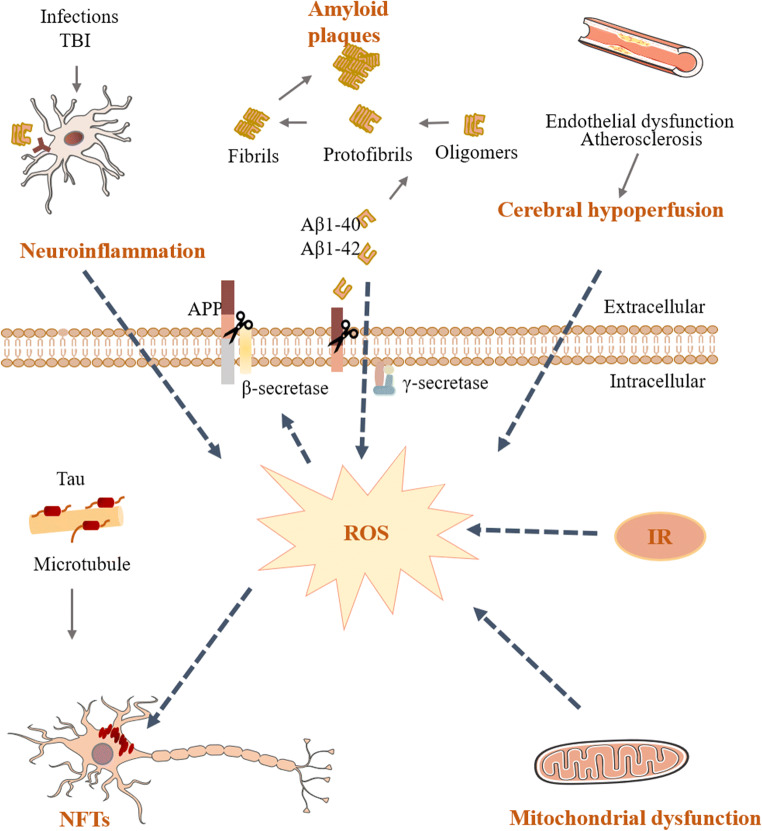
“Over the ensuing decades, this hypothesis has evolved from a neuron-centric linear cascade, which postulates that Aβ results in hyperphosphorylated tau and neurodegeneration, to an integrative model that also involves feedback and feedforward responses of impaired vasculature, oxidative stress (OS), microgliosis, and…”
BackgroundGibson, G. R., Hutkins, R., Sanders, M. E., Prescott, S. L., Reimer, R. A., Salminen, S. J., Scott, K., Stanton, C., Swanson, K. S., Cani, P. D., et al. (2017) · Nature Reviews Gastroenterology & Hepatology · doi:10.1038/nrgastro.2017.75 · Cited by 5,634
Cryan, J. F., O'Riordan, K. J., Cowan, C. S. M., Sandhu, K. V., Bastiaanssen, T. F. S., Boehme, M., Codagnone, M. G., Cussotto, S., Fulling, C., Golubeva, A. V., et al. (2019) · Physiological Reviews · doi:10.1152/physrev.00018.2018 · Cited by 5,286 · cited 8×
“Gut microbiota also produces a remarkably complex array of proinflammatory neurotoxins that can cross the BBB and are pathogenic and highly detrimental to the homeostatic function of neurons in the CNS [16].”
BackgroundInfluentialDominguez-Bello, M. G., Costello, E. K., Contreras, M., Magris, M., Hidalgo, G., Fierer, N., & Knight, R. (2010) · Proceedings of the National Academy of Sciences · doi:10.1073/pnas.1002601107 · Cited by 4,774 · cited 1×
“Importantly, the gut microbiota of vaginally born infants closely resembles the microbial compositions of the mothers’ vagina, while newborns delivered via cesarean section are enriched with microbes found on human skin and in the surrounding environment [25].”
BackgroundHost-gut microbiota metabolic interactions
Nicholson, J. K., Holmes, E., Kinross, J., Burcelin, R., Gibson, G., Jia, W., & Pettersson, S. (2012) · Science · doi:10.1126/science.1223813 · Cited by 4,760 · cited 1×
“The ability of bacteria to produce bioactive products provides a mechanistic basis to understand the role of gut microbiota in modulating central physiological and pathological processes [36].”
Background
Cited by
Items 101–200 of 514
Turquoise killifish: A natural model of age-dependent brain degeneration
de Bakker, D. E. M., & Valenzano, D. R. (2023) · Ageing Research Reviews · doi:10.1016/j.arr.2023.102019 · Cited by 39
Pan, Z., Wu, N., & Jin, C. (2023) · Canadian Journal of Infectious Diseases and Medical Microbiology · doi:10.1155/2023/3080969 · Cited by 43
“Studies have found that the intestinal microbiota can regulate brain homeostasis through metabolic, endocrinal, neurological, and immune processes, which is referred to as the microbiome-gut-brain axis [126].”
Murdaca, G., Tagliafico, L., Page, E. H., Paladin, F., & Gangemi, S. (2024) · Biomedicines · doi:10.3390/biomedicines12051023 · Cited by 39
“Systemic inflammation resulting from intestinal dysbiosis in senescence appears to modulate the neuroinflammatory process, underlying the pathogenesis of cognitive impairment [114].”
BackgroundMafe, A. N., & Büsselberg, D. (2025) · Foods · doi:10.3390/foods14091559 · Cited by 38
“Tau proteins are critical for maintaining the structure of neurons, but in neurodegenerative diseases like Alzheimer’s, tau can become hyperphosphorylated, forming abnormal protein aggregates in the brain [134].”
Lanza, M., Filippone, A., Casili, G., Giuffrè, L., Scuderi, S. A., Paterniti, I., Campolo, M., Cuzzocrea, S., & Esposito, E. (2022) · International Journal of Molecular Sciences · doi:10.3390/ijms23094847 · Cited by 37
“Alterations in the intestinal microbiota profile, as a result of psychological and physical stress factors, increase the susceptibility of inflammatory disorders [8,9].”
BackgroundMultifaceted role of synbiotics as nutraceuticals, therapeutics and carrier for drug delivery
Khursheed, R., Gulati, M., Wadhwa, S., Vishwas, S., Sharma, D. S., Corrie, L., Alam, A., Alnasser, S. M., Alkhayl, F. F. A., Parveen, Z., et al. (2022) · Chemico-Biological Interactions · doi:10.1016/j.cbi.2022.110223 · Cited by 39
Pathophysiological Links Between Obesity and Dementia
Zhang, D. E. W., Tran, V., Vinh, A., Dinh, Q. N., Drummond, G. R., Sobey, C. G., Jelinic, M., & Silva, T. M. D. (2023) · NeuroMolecular Medicine · doi:10.1007/s12017-023-08746-1 · Cited by 40
“In a healthy setting, SCFAs regulate energy homeostasis, induce anti-inflammatory functions, stimulate leptin production, and increase serotonin secretion (Liu et al, 2020).”
BackgroundQu, C. F., Xu, Q., Yang, W., Zhong, M., Yuan, Q., Xian, Y., & Lin, Z. (2023) · Journal of Pharmaceutical Analysis · doi:10.1016/j.jpha.2023.07.014 · Cited by 38
“Gut dysbiosis is strongly related to a reduction in phylogenetic richness, especially in diseases that are characterised by intestinal in fl ammation and damaged gastrointestinal barrier integrity, such as AD [28].”
BackgroundSong, M., Zhang, S., Gan, Y., Ding, T., Zhu, L., & Fan, X. (2025) · Journal of Agricultural and Food Chemistry · doi:10.1021/acs.jafc.5c01042 · Cited by 40
The Hallmarks of Ageing in Microglia
Carr, L. M., Mustafa, S., & Collins‐Praino, L. E. (2025) · Cellular and Molecular Neurobiology · doi:10.1007/s10571-025-01564-y · Cited by 43
The Microbiota‐Gut‐Brain Connection: A New Horizon in Neurological and Neuropsychiatric Disorders
Faysal, M. F., Zehravi, M., Sutradhar, B., Amin, M. A., Shanmugarajan, T. S., Arjun, U. V. N. V., Ethiraj, S., Durairaj, A., Dayalan, G., Ahamad, S. K., et al. (2025) · CNS Neuroscience & Therapeutics · doi:10.1111/cns.70593 · Cited by 49
“Aβ deposition increases in the early stages of sickness, starting in the stomach and confirmed in autop-sies of AD patients [238].”
Scassellati, C., Galoforo, A. C., Esposito, C., Ciani, M., Ricevuti, G., & Bonvicini, C. (2021) · Aging and Disease · doi:10.14336/ad.2021.0122 · Cited by 37
“neuroinflammation in the development of AD [69].”
BackgroundInfluentialSleep disorders and risk of alzheimer's disease: A two-way road
Lacerda, R. A. V., Desio, J. A. F., Kammers, C. M., Henkes, S. F. C., de Sá, M. F., de Souza, E. F., da Silva, D. M., Gusmão, C. T. P., & dos Santos, J. C. C. (2024) · Ageing Research Reviews · doi:10.1016/j.arr.2024.102514 · Cited by 37
Taiwanese Vegetarians Are Associated with Lower Dementia Risk: A Prospective Cohort Study
Tsai, J., Huang, C.-F., Lin, M., Chang, C.-E., Chang, C.-C., & Lin, C.-L. (2022) · Nutrients · doi:10.3390/nu14030588 · Cited by 32
“GM dysbiosis plays an important role in the development of AD, by causing amyloid-beta aggregation and neuroinflammation [30,31].”
BackgroundAnkul Singh, S., Suresh, S., Singh, A., Chandran, L., & Vellapandian, C. (2022) · Environmental Pollution · doi:10.1016/j.envpol.2022.120136 · Cited by 34
Fecal Microbiota Transplantation Role in the Treatment of Alzheimer's Disease: A Systematic Review
Nassar, S. T., Tasha, T., Desai, A. V., Bajgain, A., Ali, A., Dutta, C., Pasha, K., Paul, S., Abbas, M. S., & Venugopal, S. (2022) · Cureus · doi:10.7759/cureus.29968 · Cited by 35
“Dysbiosis, a phenomenon defined as the atypical changes in the content of gut flora, appears to be directly related to the pathophysiology of AD as it affects several distant organs [21].”
BackgroundHuang, S.-T., Ke, X., Yu, X.-Y., Wu, Y., Huang, Y.-X., & Liu, D. (2022) · Supportive Care in Cancer · doi:10.1007/s00520-022-07432-5 · Cited by 37
Biomarkers associated with the pathogenesis of Alzheimer’s disease
Wang, H., Sun, M., Li, W., Liu, X., Zhu, M., & Qin, H. (2023) · Frontiers in Cellular Neuroscience · doi:10.3389/fncel.2023.1279046 · Cited by 41
Self-citationpeng, Y., Chi, R., Liu, G., Tian, W., Zhang, J., & Zhang, R. (2022) · Neural Plasticity · doi:10.1155/2022/1500710 · Cited by 39
“The existing theories include Aβ deposition, excessive tau protein phosphorylation, free radical damage, choline deficiency, reactive synapse loss, and neurodegeneration [5, 6].”
Backgroundde Rijke, T. J., Doting, M. H. E., van Hemert, S., Deyn, P. P. D., Munster, B. C. V., Harmsen, H. J. M., & Sommer, I. E. (2022) · Frontiers in Psychiatry · doi:10.3389/fpsyt.2022.879491 · Cited by 33
“When focusing on AD, emerging evidence hypothesizes that gut dysbiosis is suggested to stimulate the aggregation of A β , neuroinflammation, oxidative stress, and insulin resistance (19).”
BackgroundAdewuyi, E. O., O’Brien, E. K., Porter, T., & Laws, S. M. (2022) · International Journal of Molecular Sciences · doi:10.3390/ijms232416199 · Cited by 36
“The likely roles of the immune (autoimmune) system, dysbiosis, enteric amyloid-beta (Aβ) accumulation, inflammatory processes, vagal nerve stimulation, and lipid metabolism have been suggested [4,5,7,16,17].”
BackgroundJoo, M.-K., Ma, X., Yoo, J.-W., Shin, Y.-J., Kim, H.-J., & Kim, D. (2023) · Microbes and Infection · doi:10.1016/j.micinf.2023.105116 · Cited by 33
The Role of Artificial Intelligence in Deciphering Diet–Disease Relationships: Case Studies
Cohen, Y., Valdés‐Mas, R., & Elinav, E. (2023) · Annual Review of Nutrition · doi:10.1146/annurev-nutr-061121-090535 · Cited by 38
Baskin, B. M., Logsdon, A. F., Lee, S. J., Foresi, B. D., Peskind, E. R., Banks, W. A., Cook, D. G., & Schindler, A. G. (2022) · Brain Behavior and Immunity · doi:10.1016/j.bbi.2023.03.003 · Cited by 34
He, Q., Zhang, L., Li, D., Wu, J., Guo, Y., Fan, J., Wu, Q., Wang, H., Wan, Z., Xu, J., et al. (2023) · Current Research in Food Science · doi:10.1016/j.crfs.2023.100533 · Cited by 33
Srivastava, P., & Kim, K.-S. (2022) · Pharmaceutics · doi:10.3390/pharmaceutics14112370 · Cited by 36
The Role of the Gut Microbiota in Neurodegenerative Diseases
Mani, A. P., Balasubramanian, B., Mali, L. A., Joseph, K. S., Meyyazhagan, A., Pappuswamy, M., & Joseph, B. V. (2024) · Microbiology Research · doi:10.3390/microbiolres15020033 · Cited by 40
Junyi, L., Yueyang, W., Liu, B., Xiaohong, D., Wenhui, C., Zhang, N., & Zhang, H. (2024) · Molecular Neurobiology · doi:10.1007/s12035-024-04513-w · Cited by 35
Self-citationIntermittent fasting and neurodegenerative diseases: Molecular mechanisms and therapeutic potential
Lv, R., Liu, B., Jiang, Z., Zhou, R., Liu, X., Lu, T., Bao, Y., Huang, C., Zou, G., Zhang, Z., et al. (2024) · Metabolism · doi:10.1016/j.metabol.2024.156104 · Cited by 37
See, M. S., Li, C. X., Khoo, S. C., Abidin, S. Z., Sonne, C., & Ling, N. (2025) · Journal of Hazardous Materials Advances · doi:10.1016/j.hazadv.2025.100612 · Cited by 45
The gut–organ axis: Clinical aspects and immune mechanisms
Fukasawa, N., Tsunoda, J., Sunaga, S., Kiyohara, H., Nakamoto, N., Teratani, T., Mikami, Y., & Kanai∥, T. (2025) · Allergology International · doi:10.1016/j.alit.2025.01.004 · Cited by 39
Ashraf, H., Cossu, D., Ruberto, S., Noli, M., Jasemi, S., Simula, E. R., & Sechi, L. A. (2023) · Materials · doi:10.3390/ma16020699 · Cited by 35
Gut microbiota axis: potential target of phytochemicals from plant-based foods
Shi, R., Huang, C., Gao, Y., Li, X., Zhang, C., & Li, M. (2023) · Food Science and Human Wellness · doi:10.1016/j.fshw.2023.02.001 · Cited by 32
Zhan, Y., Al‐Nusaif, M., Ding, C., Zhao, L., & Dong, C. (2023) · Frontiers in Neuroscience · doi:10.3389/fnins.2023.1130730 · Cited by 34
“Dysbiosis occurs when the GM is abnormally altered (Liu et al., 2020), leading to neurological disorders such as AD (Spielman et al.”
BackgroundPotential Roles of Hypoxia-Inducible Factor-1 in Alzheimer’s Disease: Beneficial or Detrimental?
Lin, T., Huang, C.-R., Lin, K.-J., Hsieh, Y.-H., Chen, S., Lin, Y., Chao, A., & Yang, D. (2024) · Antioxidants · doi:10.3390/antiox13111378 · Cited by 34
“Recently, it was shown that gut dysbiosis, or disturbance in the gut microbiota, can lead to inflammation and is associated with the pathogenesis of various diseases including AD [158,159].”
D’Antongiovanni, V., Pellegrini, C., Antonioli, L., Ippolito, C., Segnani, C., Benvenuti, L., d’Amati, A., Errede, M., Virgintino, D., Fornai, M., et al. (2023) · The Neuroscientist · doi:10.1177/10738584231163460 · Cited by 31
Song, H., Liu, J., Wang, L., Hu, X., Li, J., Zhu, L., Pang, R., & Zhang, A. (2024) · Frontiers in Neuroscience · doi:10.3389/fnins.2024.1348844 · Cited by 29
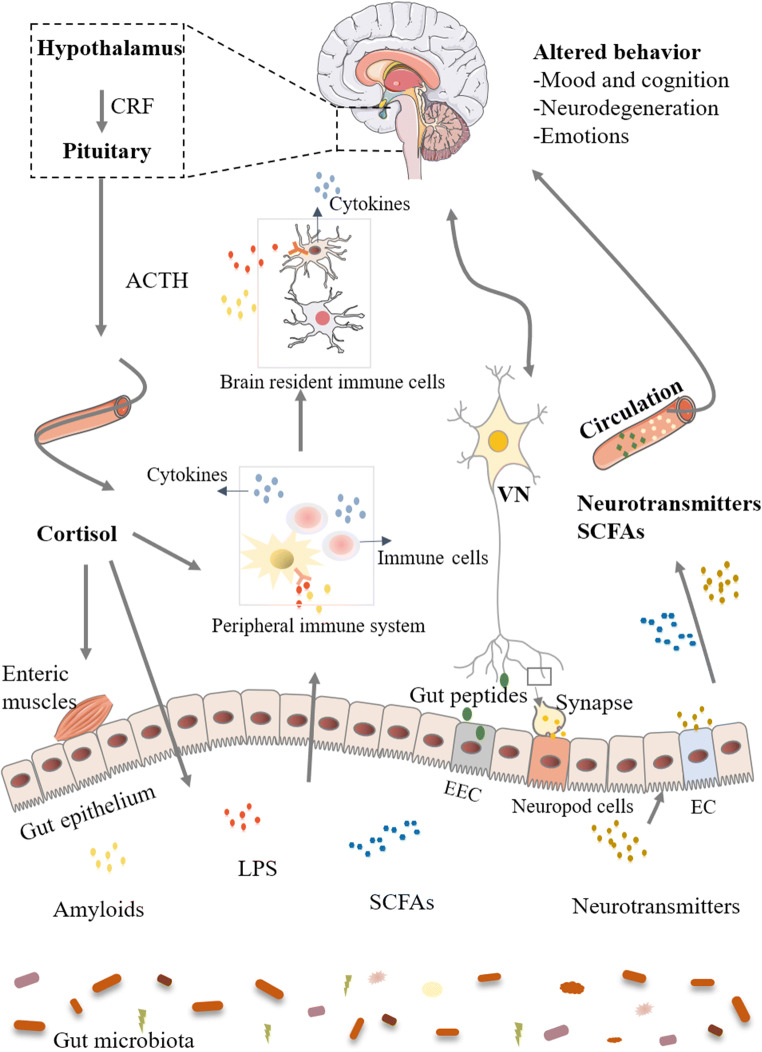
“Several mechanisms are involved in the gut-brain axis, including metabolite secretion, neural, and immune regulation, thus affecting cognitive function and the development of AD (Jiang et al., 2017; Giau et al., 2018; Liu et al., 2020; Kesika et al., 2021).”
BackgroundWang, H., Zhou, L., Zheng, Q., Song, Y., Huang, W., Yang, L., Xiong, Y., Cai, Z., Chen, Y., & Yuan, J. (2024) · Journal of Ethnopharmacology · doi:10.1016/j.jep.2024.118161 · Cited by 31
Mojgani, N., Ashique, S., Moradi, M., Bagheri, M., Garg, A., Kaushik, M., Hussain, M. S., Yasmin, S., & Ansari, M. Y. (2025) · Probiotics and Antimicrobial Proteins · doi:10.1007/s12602-025-10477-7 · Cited by 41
Smail, S. W., Albarzinji, N., Salih, R. H., Taha, K. O., Hirmiz, S. M., Ismael, H. M., Noori, M. F., Azeez, S. S., & Janson, C. (2025) · Frontiers in Cellular and Infection Microbiology · doi:10.3389/fcimb.2025.1537456 · Cited by 35
“Moreover, elevated Ang II levels are associated with prolonged COVID-19 infection, viral load, and severity (Liu et al., 2020; Camargo et al., 2022).”
Diabetes, Alzheimer's Disease Risk Factors, and the Cafeteria Diet: A Comprehensive Review
Abubakar, M., Giri, A., Goel, F., Khan, M., Gupta, J., Kumar, D., Kaushik, M., Nand, S., & Kumar, N. (2025) · Current Neuropharmacology · doi:10.2174/011570159x384737250626094315 · Cited by 32
“…Disrupts the gut-brain axis, increases Aβ aggregation and tau phosphorylation Dysbiosis in the microbiome is linked to cognitive impairment and AD [98] Associated with metabolic dysfunction Leads to obesity, insulin resistance, and metabolic syndrome, which are risk factors for AD Studies show…”
Alzheimer’s Disease: From Molecular Mechanisms to Promising Therapeutic Strategies
Ivanova, A. V., Kutuzova, A. D., Kuzmichev, I. A., & Abakumov, M. A. (2025) · International Journal of Molecular Sciences · doi:10.3390/ijms26199444 · Cited by 35
Targeting Impaired Antimicrobial Immunity in the Brain for the Treatment of Alzheimer’s Disease
Fülöp, T., Tripathi, S., Rodrigues, S., Desroches, M., Bunt, T., Eiser, A. R., Bernier, F., Beauregard, P. B., Barron, A. E., Khalil, A., et al. (2021) · Neuropsychiatric Disease and Treatment · doi:10.2147/ndt.s264910 · Cited by 28
Han, J., Zhang, X., Kang, L., & Guan, J. (2025) · Journal of Neuroinflammation · doi:10.1186/s12974-025-03443-1 · Cited by 29
“Recent research has revealed a connection between gut microbiota imbalance and AD pathogenesis [1], along with the potential of stem cell therapy to reduce pathology and improve cognitive function [2].”
Tecalco-Cruz, Á. C., López‐Cánovas, L., & Azuara-Liceaga, E. I. (2023) · Metabolic Brain Disease · doi:10.1007/s11011-023-01161-2 · Cited by 30
“Consequently, the adequate maintenance of gut microbiota may offer prevention for AD (Janeiro et al. 2022; Liu et al. 2020).”
BackgroundDysbiosis and Alzheimer’s disease: role of probiotics, prebiotics and synbiotics
Thakkar, A., Vora, A., Kaur, G., & Akhtar, J. (2023) · Naunyn-Schmiedeberg s Archives of Pharmacology · doi:10.1007/s00210-023-02554-x · Cited by 32
Chen, Q., Fan, Y., Zhang, B., Yan, C., Chen, Z., Wang, L., Hu, Y., Huang, Q., Su, J., Ren, J., et al. (2023) · Frontiers in Cellular and Infection Microbiology · doi:10.3389/fcimb.2022.1086885 · Cited by 27
“Dysbiosis of gut microbiota, including fungi, is associated with many diseases (Ni et al., 2017; Liu et al., 2020; Fan et al., 2021; Liu et al., 2021).”
BackgroundThe connection between gut microbiota and its metabolites with neurodegenerative diseases in humans
Fabi, J. P. (2024) · Metabolic Brain Disease · doi:10.1007/s11011-024-01369-w · Cited by 28
Heidari, H., & Lawrence, D. A. (2024) · Journal of Toxicology and Environmental Health Part B · doi:10.1080/10937404.2024.2378406 · Cited by 29
“…2021), the regulatory network of liver involvement in the gut-brain axis (Teratani et al. 2020; Yan et al. 2023; Zundler et al. 2023), and the system-level effects of insulin (S. Liu et al. 2020; Schertzer and Lam 2021) and leptin (Alexaki 2021; Qureshi and Mehler 2013; Van Dyken and Lacoste 2018).”
Zhao, X., Yu, J., Xu, B., Xu, Z., Lei, X., Han, S., Luo, S., Zhang, C. M., Peng, G., Li, J., et al. (2025) · Alzheimer s & Dementia · doi:10.1002/alz.70331 · Cited by 31
Microbiota and stress: a loop that impacts memory
Kraïmi, N., Lormant, F., Calandreau, L., Kempf, F., Zemb, O., Lemarchand, J., Constantin, P., Parias, C., Germain, K., Dupont, C., et al. (2021) · Psychoneuroendocrinology · doi:10.1016/j.psyneuen.2021.105594 · Cited by 33
Correlation between Alzheimer’s Disease and Gastrointestinal Tract Disorders
Kuźniar, J., Kozubek, P., Czaja, M., & Leszek, J. (2024) · Nutrients · doi:10.3390/nu16142366 · Cited by 27
“Short-chain fatty acids (SCFAs), consisting mainly of butyrate, propionate and acetate [10], play a role in maintaining homeostasis in the CNS. Based on rodent studies, it appears that SCFAs mainly affect the hippocampus and striatum, which may translate into significant modelling of cognitive…”
BackgroundInfluentialAran, K. R., Porel, P., Hunjan, G., Singh, S., Gupta, G. D., & Rohit (2025) · Ageing Research Reviews · doi:10.1016/j.arr.2025.102685 · Cited by 32
Eslami, M., Adampour, Z., Dowlat, B. F., Yaghmayee, S., Tabaei, F. M., Oksenych, V., & Naderian, R. (2025) · Biomedicines · doi:10.3390/biomedicines13040915 · Cited by 31
Linkage of circadian rhythm disruptions with Alzheimer's disease and therapeutic interventions
Madhamanchi, K., Zhang, J., & Melkani, G. C. (2025) · Acta Pharmaceutica Sinica B · doi:10.1016/j.apsb.2025.04.011 · Cited by 30
“These kinases drive the phosphorylation of tau, leading to the destabilization of microtubules and the formation of NFTs 85 .”
InfluentialTeng, T., Huang, F., Xu, M. G., Li, X., Zhang, L., Yin, B., Cai, Y. A., Chen, F., Zhang, L., Zhang, J., et al. (2025) · Microbiome · doi:10.1186/s40168-025-02122-w · Cited by 33
Fecal Microbiota Analysis in Cats with Intestinal Dysbiosis of Varying Severity
Bugrov, N. S., Rudenko, P. A., Lutsay, V., Gurina, R., Жаров, А. А., Khairova, N., Molchanova, M., Krotova, E. A., Shopinskaya, M. I., Bolshakova, M., et al. (2022) · Pathogens · doi:10.3390/pathogens11020234 · Cited by 30
Menden, A., Hall, D., Hahn-Townsend, C., Broedlow, C. A., Joshi, U., Pearson, A., Crawford, F., Evans, J. E., Klatt, N. R., Crynen, S., et al. (2022) · Scientific Reports · doi:10.1038/s41598-022-08840-7 · Cited by 23
He, B., Sheng, C., Yu, X., Zhang, L., Chen, F., & Han, Y. (2023) · Frontiers in Aging Neuroscience · doi:10.3389/fnagi.2023.1216509 · Cited by 25
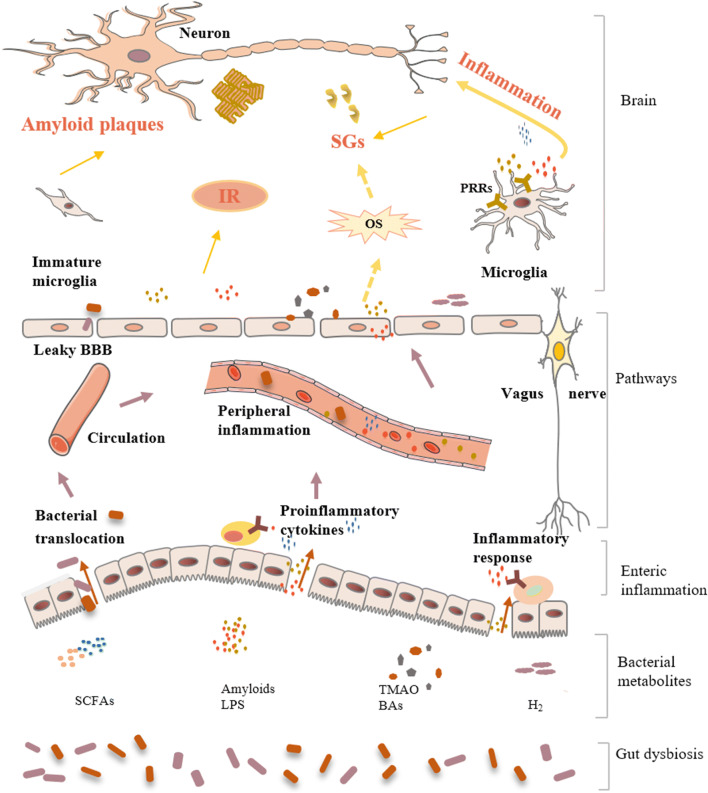
“Decreased Firmicutes promote the production of toxic metabolites and pro-inflammatory cytokines, resulting in fewer beneficial substances for intestinal stability, damaging the intestinal epithelial barrier, and subsequently causing the blood–brain barrier dysfunction through peripheral circulation and neuroinflammati…”
BackgroundCzarnik, W., Fularski, P., Gajewska, A., Jakubowska, P., Uszok, Z., Młynarska, E., Rysz, J., & Franczyk, B. (2024) · Nutrients · doi:10.3390/nu16020308 · Cited by 29
“5 of 14 Metabolites generated by bacteria, including trimethyl-amine N-oxide (TMAO), secondary bile acids (BAs), SCFAs, amyloid curli, and lipopoly-saccharides (LPS), contribute to various immune and metabolic changes that may drive disease progression [46–49] as presented on Figure 2.”
BackgroundMicrobiome, Therapeutics Application and Epigenetics: Conclusion and Future Prospective
Chauhan, N. S. (2021) · Elsevier eBooks · doi:10.1016/b978-0-12-819265-8.00025-5 · Cited by 28
Metformin inhibits tumor growth and affects intestinal flora in diabetic tumor-bearing mice
Kang, J., Li, C., Gao, X., Liu, Z., Chen, C., & Luo, D. (2021) · European Journal of Pharmacology · doi:10.1016/j.ejphar.2021.174605 · Cited by 24
Diet Patterns, the Gut Microbiome, and Alzheimer’s Disease
McGrattan, A., Stewart, C. J., Cassidy, A., Woodside, J. V., & McEvoy, C. T. (2022) · Journal of Alzheimer s Disease · doi:10.3233/jad-220205 · Cited by 25
“Nonethe-less,mechanisticstudieshavedemonstratedhowan imbalanceofthegutmicrobiomeecosystemcanbe associatedwiththepathogenesisofADbyinitiating and exacerbating these neuroinflammatory processes [13].”
Chaudhary, B. N., Kumari, S., Dhapola, R., Sharma, P., Paidlewar, M., Vellingiri, B., Medhi, B., & HariKrishnaReddy, D. (2025) · Biochemical Pharmacology · doi:10.1016/j.bcp.2025.117211 · Cited by 33
Yamaguchi, T., Nomura, A., Matsubara, A., Hisada, T., Tamada, Y., Mikami, T., & Ishida, M. (2022) · Allergology International · doi:10.1016/j.alit.2022.06.005 · Cited by 24
Gut instincts: Unveiling the connection between gut microbiota and Alzheimer's disease
Peddinti, V., Avaghade, M. M., Suthar, S. U., Rout, B., Gomte, S. S., Agnihotri, T. G., & Jain, A. (2024) · Clinical Nutrition ESPEN · doi:10.1016/j.clnesp.2024.02.019 · Cited by 25
Cao, Y. C., Bi, L., Chen, Q., Liu, Y., Zhao, H., Jin, L., & Peng, R. (2024) · Environmental Pollution · doi:10.1016/j.envpol.2024.124103 · Cited by 25
Small intestinal bacterial overgrowth in Alzheimer’s disease
Kowalski, K., & Mulak, A. (2021) · Journal of Neural Transmission · doi:10.1007/s00702-021-02440-x · Cited by 24
“The results of studies in animal models and clinical data support the gut microbiota contribution to the pathogenesis of AD (Köhler et al. 2016; Quigley 2017; Kowalski and Mulak 2019; He et al. 2020; Liu et al. 2020; Sochocka et al. 2019).”
BackgroundResultKim, J. H., Choi, Y., Lee, S.-M., & Oh, M. S. (2024) · Biomolecules & Therapeutics · doi:10.4062/biomolther.2024.215 · Cited by 29
“Studies have indicated that gut microbiota dysbiosis can potentially affect disease pathology in patients with NDDs such as AD and PD (Sun and Shen, 2018; Liu et al ., 2020; Chidambaram et al ., 2022).”
Zhou, T., Liu, Y., Wang, Q., Dou, Q., Li, X., Pan, Y., Meng, L., & Xue, T. (2021) · Journal of Functional Foods · doi:10.1016/j.jff.2021.104706 · Cited by 27
Nascimento, G. G., Leite, F. R. M., Mesquita, C. M., Vidigal, M. T. C., Borges, G. H., & Paranhos, L. R. (2023) · Heliyon · doi:10.1016/j.heliyon.2023.e15402 · Cited by 21
“Additionally, based on the “gut-brain” axis approach [15], a hypothesis about the role of the oral microbiome on the development of mental disorders through the “oral-brain” axis has been postulated, but more studies are still necessary to further elucidate this potential path [16].”
BackgroundALZHEIMER’S DISEASE AND ITS RELATIONSHIP WITH THE MICROBIOTA-GUT-BRAIN AXIS
Faulin, T. D. E. S., & Estadella, D. (2023) · Arquivos de Gastroenterologia · doi:10.1590/s0004-2803.202301000-17 · Cited by 30
“Therefore, the gut microbiota and its metabolites can influence the health and disease of the host and a correlation with neurodegenerative diseases such as AD has been pointed out (66,67) .”
BackgroundKunnummal, S. P., & Khan, M. (2023) · European Journal of Nutrition · doi:10.1007/s00394-023-03247-0 · Cited by 21
“…microbes and a consequent increase in trimethylamine-n-oxide in the circulatory system [51] Mediterranean foods containing olive oil, non-refined grains, flavonoid-rich fruits, and fresh vegetables increase Bacteroides and Clostridium phyla and decrease Proteobacteria and Bacillaceae [52, 53].”
Gut Microbiome in Alzheimer’s Disease: from Mice to Humans
Liang, C., Pereira, R., Zhang, Y., & Rojas, O. L. (2024) · Current Neuropharmacology · doi:10.2174/1570159x22666240308090741 · Cited by 28
“…cells such as macrophages and microglia thus resulting in the release of proinflammatory cytokines, such as interleukin-1 beta (IL-1β) and tumor necrosis factor-alpha (TNF-α), which leads to increased permeability of gastrointestinal tract and potentially exacerbates neuroinflammation in AD [37].”
BackgroundGopalakrishna, P. K., Nassir, C. M. N. C. M., Anandan, S., Hussan, F., Dandala, K. C. R., Sura, S., Jagadeesan, S., Moklas, M. A. M., Vishnumukkala, T., & Hein, Z. M. (2026) · Cellular and Molecular Neurobiology · doi:10.1007/s10571-026-01671-4 · Cited by 25
“Perturbations in this microbial ecosystem, termed dysbiosis, have been increasingly implicated in the initiation and propagation of neurodegenerative disorders, including AD, Parkinson’s disease, and multiple sclerosis (Liu et al. 2020 ).”
Oluwagbemigun, K., Schnermann, M. E., Schmid, M. C., Cryan, J. F., & Nöthlings, U. (2022) · Gut Pathogens · doi:10.1186/s13099-022-00487-z · Cited by 22
“The production of these SCFA generally has a beneficial influence on many neurodegenerative conditions [10].”
BackgroundHIV-associated neurocognitive disorder: key implications of the microbiota-gut-brain axis
Hu, A., Zaongo, S. D., Harypursat, V., Wang, X., Ouyang, J., & Chen, Y. (2024) · Frontiers in Microbiology · doi:10.3389/fmicb.2024.1428239 · Cited by 19
“Thus, dysregulation between serotonin synthesis and the kynurenine pathway may incite the emergence of neuropsychiatric disorders, such as depression (Kennedy et al., 2017; Gao et al., 2020).”
BackgroundInfluentialSiripaopradit, Y., Chatsirisakul, O., Ariyapaisalkul, T., & Sereemaspun, A. (2024) · BMC Neurology · doi:10.1186/s12883-024-03978-5 · Cited by 28
Zhang, K., Wang, J., & Xu, B. (2025) · Antioxidants · doi:10.3390/antiox14080904 · Cited by 26
“Notably, alterations in the composition of gut microbiota are highly associated with oxidative stress imbalance, neuroinflammation, and ongoing neuronal loss, causing the onset and progression of brain disorders such as AD [39].”
Precision Nutrition and Gut–Brain Axis Modulation in the Prevention of Neurodegenerative Diseases
Tuigunov, D. N., Sinyavskiy, Y. A., Nurgozhin, T. S., Zholdassova, Z., Smagul, G., Omarov, Y., Dolmatova, O., Yeshmanova, A., & Omarova, I. (2025) · Nutrients · doi:10.3390/nu17193068 · Cited by 28
“…changes in the microbial composition are associated with the development of neuroinflammation, oxidative stress and pathological accumulation of protein aggregates, which contributes to the progression of neurodegenerative diseases, including dementia and Alzheimer’s disease (AD) [134,135].”
Trust the gut: Outcomes of gut microbiota transplant in metabolic and cognitive disorders
Guzzardi, M. A., Rosa, F. L., & Iozzo, P. (2023) · Neuroscience & Biobehavioral Reviews · doi:10.1016/j.neubiorev.2023.105143 · Cited by 21
“, 2022) microbiota predict cognitive outcomes at 3 and 5 years of age, and there are numerous studies documenting associations between dysbiosis and obesity, metabolic syndrome, T2DM or dementia (Gurung et al., 2020; Liu et al., 2020; Scheithauer et al., 2020).”
Phenomic Microglia Diversity as a Druggable Target in the Hippocampus in Neurodegenerative Diseases
Lana, D., Magni, G., Landucci, E., Wenk, G. L., Pellegrini-Giampietro, D. E., & Giovannini, M. G. (2023) · International Journal of Molecular Sciences · doi:10.3390/ijms241813668 · Cited by 20
Effect of Human Milk Oligosaccharides on Learning and Memory in Mice with Alzheimer’s Disease
Gao, H., Fang, B., Sun, Z., Du, X., Guo, H., Zhao, L., & Zhang, M. (2023) · Journal of Agricultural and Food Chemistry · doi:10.1021/acs.jafc.3c05949 · Cited by 20
Muraleedharan, A., & Ray, S. K. (2024) · Brain Sciences · doi:10.3390/brainsci14010096 · Cited by 22
“When mice lack Vitamin D, the intestinal epithelial barrier is not protected, resulting in the growth of pathogenic bacteria in the gut and the initiation of inflammation due to dysbiosis [41].”
BackgroundResultInfluentialLee, J.-Y., Castelli, V., Kumar, N., Sitruk-Ware, R. L., & Borlongan, C. V. (2022) · Free Radical Biology and Medicine · doi:10.1016/j.freeradbiomed.2022.03.020 · Cited by 20
Microbial Metabolomes in Alzheimer’s Disease: From Pathogenesis to Therapeutic Potential
Borrego-Ruiz, A., & Borrego, J. J. (2025) · Current Issues in Molecular Biology · doi:10.3390/cimb47090724 · Cited by 22
“…respect, emerging evidence suggests that GM dysbiosis, which is characterized by shifts in microbial composition, reduced diversity, and altered functionality, may modulate neural circuits involved in cognitive decline and neurodegeneration [23,24], making it a key factor in AD pathology [25,26].”
Wang, Q., Guo, X., Yue, Q., Zhu, S., Guo, L., Li, G., Zhou, Q., Xiang, Y., Chen, G., Yin, W., et al. (2022) · The Anatomical Record · doi:10.1002/ar.25055 · Cited by 18
“Alterations or dysbiosis of the microbiota can affect host health and cause gut disorders and neurological diseases such as depression (Han & Kim, 2019), dementia (Liu et al., 2020), and addictive disorders (Fan & Pedersen, 2021; Han & Kim, 2019; Leclercq et al., 2020; Liu et al., 2020).”
BackgroundPotential Benefits of Anthocyanins in Chronic Disorders of the Central Nervous System
Panchal, S. K., & Brown, L. (2022) · Molecules · doi:10.3390/molecules28010080 · Cited by 19
Zailani, H., Satyanarayanan, S. K., Liao, W.-C., Hsu, Y., Huang, S., Gałecki, P., Su, K., & Chang, J. P. (2023) · Nutrients · doi:10.3390/nu15204363 · Cited by 23
“Indeed, gut dysbiosis has been linked to impaired brain functions in many brain diseases, such as Alzheimer’s disease [110], Parkinson’s disease [111], bipolar disorder [112], and major depressive disorder [113].”
BackgroundLipids, Gut Microbiota, and the Complex Relationship with Alzheimer’s Disease: A Narrative Review
Simão, D. O., Vieira, V. S., Tosatti, J. A. G., & Gomes, K. B. (2023) · Nutrients · doi:10.3390/nu15214661 · Cited by 22
“Currently, the GM has garnered interest from researchers in the field of health, especially in the context of neurodegenerative diseases [21].”
BackgroundWen, X., Dong, H., & Zou, W. (2024) · Frontiers in Neuroscience · doi:10.3389/fnins.2024.1346184 · Cited by 21
“The involvement of gut microbiota in the pathogenesis and progression of diseases such as Alzheimer’s disease (Liu et al., 2020), Parkinson’s disease (Chandra et al., 2017), and ischemic stroke (Zhang et al., 2023) have been established, although limited research exists regarding its role in…”
BackgroundExploring the effect of gut microbiome on Alzheimer's disease
Pourahmad, R., Saleki, K., Zare, M., Aram, C., Farsani, A. S., Banazadeh, M., & Tafakhori, A. (2024) · Biochemistry and Biophysics Reports · doi:10.1016/j.bbrep.2024.101776 · Cited by 28
“AD affects more women than men [3].”
BackgroundPasupalak, J. K., Rajput, P., & Gupta, G. L. (2024) · European Journal of Pharmacology · doi:10.1016/j.ejphar.2024.177022 · Cited by 19
A review on gut microbiota and miRNA crosstalk: implications for Alzheimer’s disease
Ayyanar, M. P., & Vijayan, M. (2024) · GeroScience · doi:10.1007/s11357-024-01432-5 · Cited by 25
“This inflammation might weaken the BBB, contributing to neuroinflammation and ultimately triggering neurodegeneration characterized by amyloid plaques and neurofibrillary tangles [52, 68, 268].”
InfluentialYoung at Gut—Turning Back the Clock with the Gut Microbiome
Narasimhan, H., Ren, C. C., Deshpande, S., & Sylvia, K. E. (2021) · Microorganisms · doi:10.3390/microorganisms9030555 · Cited by 17
“Numerous studies have revealed an association between intestinal health (gut dysbiosis in particular) and the aggregation of amyloid (A)β peptides in intestinal epithelial cells [53].”
BackgroundMateo, D., Carrión, N., Cabrera, C., Heredia, L., Marquès, M., Forcadell-Ferreres, E., Pino, M., Zaragoza, J., Moral, A., Cavallé, L., et al. (2024) · Microorganisms · doi:10.3390/microorganisms12102046 · Cited by 18
“Changes in microbial diversity may promote—through the gut–brain axis—the onset of inflammatory processes characteristic of these diseases [11].”
BackgroundAbnormalities in gut virome signatures linked with cognitive impairment in older adults
James, A. S., Adil, N. A., Goltz, D., Tangudu, D., Chaudhari, D. S., Shukla, R., Kumar, V., Kumar, A., Masternak, M. M., Holland, P. J., et al. (2024) · Gut Microbes · doi:10.1080/19490976.2024.2431648 · Cited by 20
“26 It is known that these microbiota, including Clostridium species (which are decreased in CI subjects) utilizes carbohydrate to produce short chain fatty acids, which maintains gutbarrier integrity, and regulates immune functions, while their depletion has been implicated with cognitive…”
Ganamurali, N., Varsha, S., & Sabarathinam, S. (2025) · The Journal of Steroid Biochemistry and Molecular Biology · doi:10.1016/j.jsbmb.2025.106836 · Cited by 20
The Gut-Brain Axis in Alzheimer’s Disease: Exploring Microbial Influences and Therapeutic Strategies
Mustafa, M. A., Vadia, N., Varma, P., Al‐Shaker, H., Mohanty, B., Dhyani, A., Kaur, I., Chauhan, A. S., & Garg, G. (2025) · Molecular Neurobiology · doi:10.1007/s12035-025-05474-4 · Cited by 19
“AD, a leading cause of cognitive decline, is one such condition where emerging evidence suggests a link between GM imbalance and disease progression [23].”
Climate Stressors and Physiological Dysregulations: Mechanistic Connections to Pathologies
Heidari, H., & Lawrence, D. A. (2023) · International Journal of Environmental Research and Public Health · doi:10.3390/ijerph21010028 · Cited by 23
“This, much like in the case of ASD, has been linked to changes in the microbiome-gut-brain axis [85,86].”
Background
Metadata
- Authors
- Liu, S., Gao, J., Zhu, M., Liu, K., & Zhang, H.-L.
- Affiliations
- Jilin University (CN)
- Mayo Clinic (US)
- Corresponding author
- Liu, Kangding
- Venue
- Molecular Neurobiology
- Published
- 2020-08-23
- Volume
- 57
- Issue
- 12
- Pages
- 5026-5043
- ISSN
- 0893-7648 (ISSN-L)
- 1559-1182
- PMC
- PMC7541367
- OpenAlex
- W3080830493
- Semantic Scholar
- c1c305deb6388641b3da3e3e7dd5ceb7471ddaec
- Cited by
- 516
- References
- 173
- Citations by year
- 2026: 87 · 2025: 136 · 2024: 108 · 2023: 77 · 2022: 62 · 2021: 42 · 2020: 4
- FWCI
- 4.43
- Type
- journal article
- Language
- en
- Open access
- hybrid
- doi.org
- Licence
- cc-by
- creativecommons.org/licenses/by/4.0 (tdm)
- creativecommons.org/licenses/by/4.0 (vor)
- Locations
- Molecular Neurobiology (publishedVersion, cc-by)
- PubMed Central (publishedVersion, cc-by)
- PubMed (publishedVersion)
- Funders
- National Natural Science Foundation of China (81771299)
- Topics
- Life Sciences › Biochemistry, Genetics and Molecular Biology › Molecular Biology › Gut microbiota and health
- Life Sciences › Neuroscience › Cellular and Molecular Neuroscience › Alzheimer's disease research and treatments
- Health Sciences › Medicine › Gastroenterology › Gastrointestinal motility and disorders
- Keywords
- gut microbiota, dysbiosis, Alzheimer's disease, microbiota-gut-brain axis, amyloid-beta aggregation, neuroinflammation, oxidative stress, insulin resistance, Alzheimer's disease pathogenesis, Alzheimer's disease treatment, neuropsychiatric disorders
- MeSH terms
- Gastrointestinal Microbiome, Alzheimer Disease, Animals, Brain, Humans, Insulin Resistance, Oxidative Stress, Dysbiosis
About these checks
Registry, retraction, Cites and statistics results are computed, not judged, with one exception: a printed reference that no index lists is read once by a model before it counts as a citation error. Claims are extracted by a model and kept only when their quote appears verbatim in the text; each cited source is then checked, with a model’s help, for whether it says what the claim relies on. Those verdicts can be wrong — read the claim’s quote and the cited source before relying on one.
Statistics and arithmetic are recomputed, not judged.
Confidence bands are shown only for fields calibrated on our annotated test set. None is calibrated yet, so no band is shown.
What counts as a claim ›How we measure confidence ›How we check this ›
Are you an author, or do you see a problem with this page? Request a review
Data sources
Bibliographic data: Semantic Scholar, OpenAlex, Crossref.
Contains information from the Semantic Scholar Academic Graph Datasets, made available under the ODC Attribution License (ODC-BY 1.0).
Semantic Scholar’s data is described in: Kinney, R., et al. (2023). The Semantic Scholar Open Data Platform. arXiv:2301.10140.
