

Gut microbiota and dysbiosis in Alzheimer's disease: Implications for pathogenesis and treatment
Open accessThe DOI matches its Crossref record; 173 of the 173 references it cites were found in a registry or an index.
Abstract
Understanding how gut flora influences gut-brain communications has been the subject of significant research over the past decade. The broadening of the term “microbiota-gut-brain axis” from “gut-brain axis” underscores a bidirectional communication system between the gut and the brain. The microbiota-gut-brain axis involves metabolic, endocrine, neural, and immune pathways which are crucial for the maintenance of brain homeostasis. Alterations in the composition of gut microbiota are associated with multiple neuropsychiatric disorders. Although a causal relationship between gut dysbiosis and neural dysfunction remains elusive, emerging evidence indicates that gut dysbiosis may promote amyloid-beta aggregation, neuroinflammation, oxidative stress, and insulin resistance in the pathogenesis of Alzheimer’s disease (AD). Illustration of the mechanisms underlying the regulation by gut microbiota may pave the way for developing novel therapeutic strategies for AD. In this narrative review, we provide an overview of gut microbiota and their dysregulation in the pathogenesis of AD. Novel insights into the modification of gut microbiota composition as a preventive or therapeutic approach for AD are highlighted.
Overview
The claims and statistics of this paper haven’t been checked yet.
Free: it reads the open-access text and checks the first 5 claims that cite a source we can check. Create a free account to check every claim.
Integrity signals
Registry
Cites
Statistics
Figures
Verification
Claims the paper makes
The claims and statistics of this paper haven’t been checked yet.
Free: it reads the open-access text and checks the first 5 claims that cite a source we can check. Create a free account to check every claim.
Claims other papers make about this one
Each is checked against this paper’s own text: does it say what the citing paper says it does?
The source backs part of the claim, not all of it — or backs it for a different population, condition or comparison.
In the citing paper
“The onset of systemic inflammation may allow inflammatory mediators to cross over the BBB and impact microglia, further exacerbating neuroinflammation.213,217”
From Recent advances in Alzheimer's disease: Mechanisms, clinical trials and new drug development strategies. (2024) · cites this paper as [213]
Experimental — accuracy not yet measuredThe source backs part of the claim, not all of it — or backs it for a different population, condition or comparison.
In the citing paper
“There is growing evidence that age-related changes in the microbiota may contribute to cognitive decline and other neurodegenerative disorders (102, 103).”
From Signalling cognition: The gut microbiota and hypothalamic-pituitary-adrenal axis (2023) · cites this paper as [102]
Experimental — accuracy not yet measuredThe cited source says what the claim attributes to it.
In the citing paper
“The microbiota-gut-brain axis refers to a bidirectional communication system between the gut and the brain, including metabolic, endocrine, neural, and immune pathways that can work independently or in concert.213,216”
From Recent advances in Alzheimer's disease: Mechanisms, clinical trials and new drug development strategies. (2024) · cites this paper as [213]
Self-check
Percentages, sums and reported differences re-computed from the paper’s own numbers.
The self-check needs the paper’s full text.
Citations
Cites
An obesity-associated gut microbiome with increased capacity for energy harvest
Turnbaugh, P. J., Ley, R. E., Mahowald, M. A., Magrini, V., Mardis, E. R., & Gordon, J. I. (2006) · Nature · doi:10.1038/nature05414 · Cited by 12,444
A human gut microbial gene catalogue established by metagenomic sequencing
MetaHIT Consortium, Qin, J., Li, R., Raes, J., Arumugam, M., Burgdorf, K. S., Manichanh, C., Nielsen, T., Pons, N., Levenez, F., et al. (2010) · Nature · doi:10.1038/nature08821 · Cited by 11,624 · cited 1×
“The microorganisms residing in the gut make up the vast majority of the human microbial population, including at least 1000 different bacterial species and approximately 150 times as many genes as in the human genome [21, 22].”
BackgroundDiversity of the Human Intestinal Microbial Flora
Eckburg, P. B., Bik, E. M., Bernstein, C. N., Purdom, E., Dethlefsen, L., Sargent, M., Gill, S. R., Nelson, K. E., & Relman, D. A. (2005) · Science · doi:10.1126/science.1110591 · Cited by 7,913 · cited 1×
“Firmicutes and Bacteroidetes constitute the most abundant phyla in human intestinal microbiota [23].”
BackgroundAlzheimer's disease: the amyloid cascade hypothesis
Hardy, J. A., & Higgins, G. A. (1992) · Science · doi:10.1126/science.1566067 · Cited by 7,484 · cited 1×
“Since it was first proposed by Hardy and Higgins in 1992, the amyloid cascade hypothesis has been the dominant theory of AD pathogenesis which holds that the accumulation of Aβ peptides derived from amyloid precursor protein (APP) is the initial event of AD pathogenesis [3].”
BackgroundNeuroinflammation in Alzheimer's disease
Heneka, M. T., Carson, M. J., Khoury, J. E., Landreth, G. E., Brosseron, F., Feinstein, D. L., Jacobs, A. H., Wyss-Coray, T., Vitorica, J., Ransohoff, R. M., et al. (2015) · The Lancet Neurology · doi:10.1016/s1474-4422(15)70016-5 · Cited by 6,226 · cited 1×
“least partially mediated by excessive or non-resolving innate immune activation [8].”
BackgroundThe amyloid hypothesis of Alzheimer's disease at 25 years
Selkoe, D. J., & Hardy, J. (2016) · EMBO Molecular Medicine · doi:10.15252/emmm.201606210 · Cited by 6,164 · cited 1×
“Over the ensuing decades, this hypothesis has evolved from a neuron-centric linear cascade, which postulates that Aβ results in hyperphosphorylated tau and neurodegeneration, to an integrative model that also involves feedback and feedforward responses of impaired vasculature, oxidative stress (OS), microgliosis, and…”
BackgroundGibson, G. R., Hutkins, R., Sanders, M. E., Prescott, S. L., Reimer, R. A., Salminen, S. J., Scott, K., Stanton, C., Swanson, K. S., Cani, P. D., et al. (2017) · Nature Reviews Gastroenterology & Hepatology · doi:10.1038/nrgastro.2017.75 · Cited by 5,634
Cryan, J. F., O'Riordan, K. J., Cowan, C. S. M., Sandhu, K. V., Bastiaanssen, T. F. S., Boehme, M., Codagnone, M. G., Cussotto, S., Fulling, C., Golubeva, A. V., et al. (2019) · Physiological Reviews · doi:10.1152/physrev.00018.2018 · Cited by 5,286 · cited 8×
“Gut microbiota also produces a remarkably complex array of proinflammatory neurotoxins that can cross the BBB and are pathogenic and highly detrimental to the homeostatic function of neurons in the CNS [16].”
BackgroundInfluentialDominguez-Bello, M. G., Costello, E. K., Contreras, M., Magris, M., Hidalgo, G., Fierer, N., & Knight, R. (2010) · Proceedings of the National Academy of Sciences · doi:10.1073/pnas.1002601107 · Cited by 4,774 · cited 1×
“Importantly, the gut microbiota of vaginally born infants closely resembles the microbial compositions of the mothers’ vagina, while newborns delivered via cesarean section are enriched with microbes found on human skin and in the surrounding environment [25].”
BackgroundHost-gut microbiota metabolic interactions
Nicholson, J. K., Holmes, E., Kinross, J., Burcelin, R., Gibson, G., Jia, W., & Pettersson, S. (2012) · Science · doi:10.1126/science.1223813 · Cited by 4,760 · cited 1×
“The ability of bacteria to produce bioactive products provides a mechanistic basis to understand the role of gut microbiota in modulating central physiological and pathological processes [36].”
BackgroundMetagenomic Analysis of the Human Distal Gut Microbiome
Gill, S. R., Pop, M., DeBoy, R. T., Eckburg, P. B., Turnbaugh, P. J., Samuel, B. S., Gordon, J. I., Relman, D. A., Fraser-Liggett, C. M., & Nelson, K. E. (2006) · Science · doi:10.1126/science.1124234 · Cited by 4,699 · cited 2×
“The distinct microenvironment of each gut compartment selects the growth of specific microbiota, with the distal gut being the predominant habitat of the gut microbial community [22].”
BackgroundMind-altering microorganisms: the impact of the gut microbiota on brain and behaviour
Cryan, J. F., & Dinan, T. G. (2012) · Nature Reviews Neuroscience · doi:10.1038/nrn3346 · Cited by 4,572
Interactions Between the Microbiota and the Immune System
Hooper, L. V., Littman, D. R., & Macpherson, A. J. (2012) · Science · doi:10.1126/science.1223490 · Cited by 4,173 · cited 1×
“Gut microbiota can profoundly affect the development of organized lymphoid structures and the activation of both the innate and adaptive immune systems [59, 60].”
BackgroundBravo, J. A., Forsythe, P., Chew, M. V., Escaravage, E., Savignac, H. M., Dinan, T. G., Bienenstock, J., & Cryan, J. F. (2011) · Proceedings of the National Academy of Sciences · doi:10.1073/pnas.1102999108 · Cited by 3,888 · cited 1×
“Mice treated with Lactobacillus rhamnosus showed reduced anxiety- and depression-related behavior, which was not observed in mice with VN ablation [57].”
BackgroundHost microbiota constantly control maturation and function of microglia in the CNS
Erny, D., Hrabě de Angelis, A. L., Jaitin, D., Wieghofer, P., Staszewski, O., David, E., Keren-Shaul, H., Mahlakoiv, T., Jakobshagen, K., Buch, T., et al. (2015) · Nature Neuroscience · doi:10.1038/nn.4030 · Cited by 3,569
The role of short-chain fatty acids in microbiota–gut–brain communication
Dalile, B., Van Oudenhove, L., Vervliet, B., & Verbeke, K. (2019) · Nature Reviews Gastroenterology & Hepatology · doi:10.1038/s41575-019-0157-3 · Cited by 3,357 · cited 1×
“During metabolism, the host and its gut microbiota coproduce a spectrum of metabolites, such as short-chain fatty acids (SCFAs), that are essential for host health [45].”
BackgroundGut microbiota composition correlates with diet and health in the elderly
Claesson, M. J., Jeffery, I. B., Conde, S., Power, S. E., O’Connor, E. M., Cusack, S., Harris, H. M. B., Coakley, M., Lakshminarayanan, B., O’Sullivan, O., et al. (2012) · Nature · doi:10.1038/nature11319 · Cited by 3,314
Alzheimer Disease: An Update on Pathobiology and Treatment Strategies
Long, J. M., & Holtzman, D. M. (2019) · Cell · doi:10.1016/j.cell.2019.09.001 · Cited by 3,204 · cited 2×
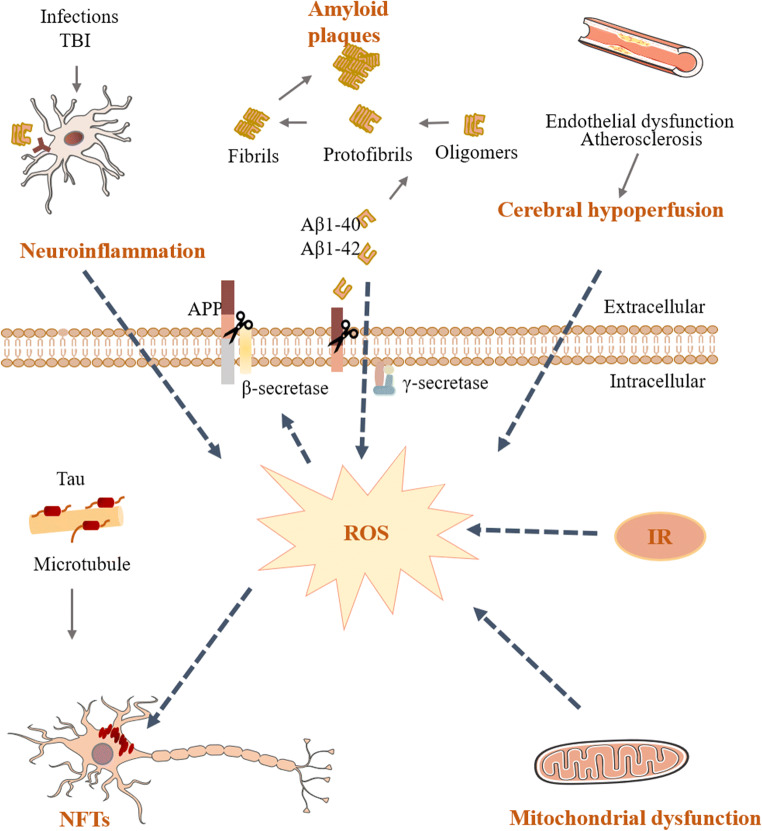
“The presence of extracellular amyloid-beta (Aβ) deposition as neuritic plaques and intracellular accumulation of hyperphosphorylated tau as neurofibrillary tangles (NFTs) remain the primary neuropathological criteria for AD diagnosis [1].”
BackgroundTREM2 Variants in Alzheimer's Disease
Guerreiro, R., Wojtas, A., Bras, J., Carrasquillo, M., Rogaeva, E., Majounie, E., Cruchaga, C., Sassi, C., Kauwe, J. S. K., Younkin, S., et al. (2013) · New England Journal of Medicine · doi:10.1056/nejmoa1211851 · Cited by 3,020 · cited 1×
“, CD33, TREM2) for AD through large-scale genome-wide association studies [11, 12].”
BackgroundSudo, N., Chida, Y., Aiba, Y., Sonoda, J., Oyama, N., Yu, X., Kubo, C., & Koga, Y. (2004) · The Journal of Physiology · doi:10.1113/jphysiol.2004.063388 · Cited by 2,735 · cited 2×
“Physiological stress may alter the integrity of the intestinal epithelial barrier and the composition of gut microbiota in association with release of proinflammatory cytokines, such as IL-1β [96, 119], that could activate the HPA axis; in this manner, gut microbiota can dramatically modify the body’s responsiveness t…”
BackgroundThe gut microbiota influences blood-brain barrier permeability in mice
Braniste, V., Al-Asmakh, M., Kowal, C., Anuar, F., Abbaspour, A., Tóth, M., Korecka, A., Bakocevic, N., Ng, L. G., Kundu, P., et al. (2014) · Science Translational Medicine · doi:10.1126/scitranslmed.3009759 · Cited by 2,530 · cited 13×
“Gut microbiota also produces a remarkably complex array of proinflammatory neurotoxins that can cross the BBB and are pathogenic and highly detrimental to the homeostatic function of neurons in the CNS [16].”
BackgroundInfluentialDevelopment, maintenance and disruption of the blood-brain barrier
Obermeier, B., Daneman, R., & Ransohoff, R. M. (2013) · Nature Medicine · doi:10.1038/nm.3407 · Cited by 2,452 · cited 1×
“The BBB is a multilayered unit, comprising specialized brain endothelial cells linked by tight protein junctions in the microvasculature, which acts as a semipermeable barrier to control the passage and exchange of molecules and nutrients between the circulatory system and the brain parenchyma [91].”
BackgroundThe NALP3 inflammasome is involved in the innate immune response to amyloid-β
Halle, A., Hornung, V., Petzold, G. C., Stewart, C. R., Monks, B. G., Reinheckel, T., Fitzgerald, K. A., Latz, E., Moore, K. J., & Golenbock, D. T. (2008) · Nature Immunology · doi:10.1038/ni.1636 · Cited by 2,441
Population-level analysis of gut microbiome variation
Falony, G., Joossens, M., Vieira-Silva, S., Wang, J., Darzi, Y., Faust, K., Kurilshikov, A., Bonder, M. J., Valles-Colomer, M., Vandeputte, D., et al. (2016) · Science · doi:10.1126/science.aad3503 · Cited by 2,400
Role of the gut microbiota in nutrition and health
Valdes, A. M., Walter, J., Segal, E., & Spector, T. D. (2018) · BMJ · doi:10.1136/bmj.k2179 · Cited by 2,375 · cited 1×
“Intestinal microbiota is proposed as an essential “organ” which imparts substantial physiological functions related to innate immunity, appetite, and energy metabolism locally and systematically [16, 29].”
BackgroundFiber and prebiotics: Mechanisms and health benefits
Slavin, J. (2013) · Nutrients · doi:10.3390/nu5041417 · Cited by 2,340
Gut bacteria selectively promoted by dietary fibers alleviate type 2 diabetes
Zhao, L., Zhang, F., Ding, X., Wu, G., Lam, Y. Y., Wang, X., Fu, H., Xue, X., Lu, C., Ma, J., et al. (2018) · Science · doi:10.1126/science.aao5774 · Cited by 2,304 · cited 5×
“The phenomenon of IR is essential to our understanding of the overlap between AD and T2DM.”
BackgroundInfluentialGut microbiome alterations in Alzheimer’s disease
Vogt, N. M., Kerby, R. L., Dill-McFarland, K. A., Harding, S. J., Merluzzi, A. P., Johnson, S. C., Carlsson, C. M., Asthana, S., Zetterberg, H., Blennow, K., et al. (2017) · Scientific Reports · doi:10.1038/s41598-017-13601-y · Cited by 2,137 · cited 2×
“AD patients 16S rRNA sequencing Firmicutes and Bifidobacterium↓, Bacteroidetes↑ [65]”
BackgroundBest practices for analysing microbiomes
Knight, R., Vrbanac, A., Taylor, B. C., Aksenov, A., Callewaert, C., Debelius, J., Gonzalez, A., Kosciolek, T., McCall, L.-I., McDonald, D., et al. (2018) · Nature Reviews Microbiology · doi:10.1038/s41579-018-0029-9 · Cited by 2,030 · cited 1×
“human gut flora and provided new insights into the characterization of microbiota and its intricate interplay with human health [18].”
BackgroundThe Cellular Phase of Alzheimer’s Disease
De Strooper, B., & Karran, E. (2016) · Cell · doi:10.1016/j.cell.2015.12.056 · Cited by 1,990 · cited 1×
“Over the ensuing decades, this hypothesis has evolved from a neuron-centric linear cascade, which postulates that Aβ results in hyperphosphorylated tau and neurodegeneration, to an integrative model that also involves feedback and feedforward responses of impaired vasculature, oxidative stress (OS), microgliosis, and…”
BackgroundGut Microbial Metabolite TMAO Enhances Platelet Hyperreactivity and Thrombosis Risk
Zhu, W., Gregory, J. C., Org, E., Buffa, J. A., Gupta, N., Wang, Z., Li, L., Fu, X., Wu, Y., Mehrabian, M., et al. (2016) · Cell · doi:10.1016/j.cell.2016.02.011 · Cited by 1,968
Microglia in Alzheimer’s disease
Hansen, D. V., Hanson, J. E., & Sheng, M. (2018) · Journal of Cell Biology · doi:10.1083/jcb.201709069 · Cited by 1,935 · cited 1×
“Microglial activation is associated with AD pathology [88] and phagocytic microglia are crucial for the uptake and engulfment of soluble Aβ species and the phagocytosis of insoluble fibrillar Aβ deposits [89].”
BackgroundNaj, A. C., Jun, G., Beecham, G. W., Wang, L.-S., Vardarajan, B. N., Buros, J., Gallins, P. J., Buxbaum, J. D., Jarvik, G. P., Crane, P. K., et al. (2011) · Nature Genetics · doi:10.1038/ng.801 · Cited by 1,901 · cited 1×
“, CD33, TREM2) for AD through large-scale genome-wide association studies [11, 12].”
BackgroundInteractions between the microbiota, immune and nervous systems in health and disease
Fung, T. C., Olson, C. A., & Hsiao, E. Y. (2017) · Nature Neuroscience · doi:10.1038/nn.4476 · Cited by 1,900 · cited 2×
“Aside from glial subsets, innate and adaptive immune cells, including perivascular macrophages, CD4 T and CD8 T cells, and mast cells, are also resident in the CNS [62].”
BackgroundComposition, variability, and temporal stability of the intestinal microbiota of the elderly
Claesson, M. J., Cusack, S., O'Sullivan, O., Greene-Diniz, R., de Weerd, H., Flannery, E., Marchesi, J. R., Falush, D., Dinan, T., Fitzgerald, G., et al. (2011) · Proceedings of the National Academy of Sciences · doi:10.1073/pnas.1000097107 · Cited by 1,754 · cited 1×
“The diverse commensal microbiota undergoes dynamic changes throughout life, as is evidenced by the fact that the number of species and the richness of gut microbiota composition decline prominently with age [28].”
BackgroundPrinciples and Properties of Stress Granules
Protter, D. S. W., & Parker, R. (2016) · Trends in Cell Biology · doi:10.1016/j.tcb.2016.05.004 · Cited by 1,728
Steen, E., Terry, B. M., J. Rivera, E., Cannon, J. L., Neely, T. R., Tavares, R., Xu, X. J., Wands, J. R., & de la Monte, S. M. (2005) · Journal of Alzheimer's Disease · doi:10.3233/jad-2005-7107 · Cited by 1,703
Microbial Exposure During Early Life Has Persistent Effects on Natural Killer T Cell Function
Olszak, T., An, D., Zeissig, S., Vera, M. P., Richter, J., Franke, A., Glickman, J. N., Siebert, R., Baron, R. M., Kasper, D. L., et al. (2012) · Science · doi:10.1126/science.1219328 · Cited by 1,661 · cited 1×
“Gut microbiota can profoundly affect the development of organized lymphoid structures and the activation of both the innate and adaptive immune systems [59, 60].”
BackgroundDe Filippis, F., Pellegrini, N., Vannini, L., Jeffery, I. B., La Storia, A., Laghi, L., Serrazanetti, D. I., Di Cagno, R., Ferrocino, I., Lazzi, C., et al. (2016) · Gut · doi:10.1136/gutjnl-2015-309957 · Cited by 1,638
Reciprocal interactions of the intestinal microbiota and immune system
Maynard, C. L., Elson, C. O., Hatton, R. D., & Weaver, C. T. (2012) · Nature · doi:10.1038/nature11551 · Cited by 1,598
Samuel, B. S., Shaito, A., Motoike, T., Rey, F. E., Backhed, F., Manchester, J. K., Hammer, R. E., Williams, S. C., Crowley, J., Yanagisawa, M., et al. (2008) · Proceedings of the National Academy of Sciences · doi:10.1073/pnas.0808567105 · Cited by 1,564
The pros, cons, and many unknowns of probiotics
Suez, J., Zmora, N., Segal, E., & Elinav, E. (2019) · Nature Medicine · doi:10.1038/s41591-019-0439-x · Cited by 1,398
The vagus nerve at the interface of the microbiota-gut-brain axis
Bonaz, B., Bazin, T., & Pellissier, S. (2018) · Frontiers in Neuroscience · doi:10.3389/fnins.2018.00049 · Cited by 1,397
Neufeld, K. M., Kang, N., Bienenstock, J., & Foster, J. A. (2011) · Neurogastroenterology & Motility · doi:10.1111/j.1365-2982.2010.01620.x · Cited by 1,392 · cited 2×
“central amygdala and 5-hydroxytryptamine 1A receptor mRNA expression in the dentate gyrus may contribute to the altered HPA function in GF animals [51].”
BackgroundCattaneo, A., Cattane, N., Galluzzi, S., Provasi, S., Lopizzo, N., Festari, C., Ferrari, C., Guerra, U. P., Paghera, B., Muscio, C., et al. (2017) · Neurobiology of Aging · doi:10.1016/j.neurobiolaging.2016.08.019 · Cited by 1,382 · cited 1×
“Increase in levels of the proinflammatory bacteria Escherichia/Shigella and reduction in the levels of the anti-inflammatory bacteria Eubacterium rectale are associated with increased levels of IL-1β, CXCL2, and NLRP3 in the plasma of patients with cognitive impairment and brain amyloidosis [63].”
Background13 reasons why the brain is susceptible to oxidative stress
Cobley, J. N., Fiorello, M. L., & Bailey, D. M. (2018) · Redox Biology · doi:10.1016/j.redox.2018.01.008 · Cited by 1,215
Minireview: Gut microbiota: The neglected endocrine organ
Clarke, G., Stilling, R. M., Kennedy, P. J., Stanton, C., Cryan, J. F., & Dinan, T. G. (2014) · Molecular Endocrinology · doi:10.1210/me.2014-1108 · Cited by 1,192 · cited 1×
“Different bacterial genera and species produce gamma-amino butyric acid (GABA), serotonin (5-HT), histamine, and dopamine (Table 1), which are all involved in a range of mood-related, behavioral, and cognitive functions as neurotransmitters or neurotransmitter precursors [43, 44].”
Backgroundγ-Aminobutyric acid production by culturable bacteria from the human intestine
Barrett, E., Ross, R. P., O'Toole, P. W., Fitzgerald, G. F., & Stanton, C. (2012) · Journal of Applied Microbiology · doi:10.1111/j.1365-2672.2012.05344.x · Cited by 1,156
Wang, X., Sun, G., Feng, T., Zhang, J., Huang, X., Wang, T., Xie, Z., Chu, X., Yang, J., Wang, H., et al. (2019) · Cell Research · doi:10.1038/s41422-019-0216-x · Cited by 1,144
Self-citationSystemic inflammation and disease progression in Alzheimer disease
Holmes, C., Cunningham, C., Zotova, E., Woolford, J., Dean, C., Kerr, S., Culliford, D., & Perry, V. H. (2009) · Neurology · doi:10.1212/wnl.0b013e3181b6bb95 · Cited by 1,139
Perez-Muñoz, M. E., Arrieta, M.-C., Ramer-Tait, A. E., & Walter, J. (2017) · Microbiome · doi:10.1186/s40168-017-0268-4 · Cited by 1,096 · cited 1×
“Initial colonization of the GI tract by gut microbiota is thought to commence at birth when the infant becomes exposed to maternal microbiota and other environmental factors during birth [24].”
BackgroundControl of brain development, function, and behavior by the microbiome
Sampson, T. R., & Mazmanian, S. K. (2015) · Cell Host & Microbe · doi:10.1016/j.chom.2015.04.011 · Cited by 1,093 · cited 1×
“SCFAs can enter the circulation and decrease the permeability of the BBB by increasing the expression of endothelial tight junction proteins, especially occludin and claudin-5 [93, 94].”
BackgroundThe Alzheimer's Disease-Associated Amyloid β-Protein Is an Antimicrobial Peptide
Soscia, S. J., Kirby, J. E., Washicosky, K. J., Tucker, S. M., Ingelsson, M., Hyman, B., Burton, M. A., Goldstein, L. E., Duong, S., Tanzi, R. E., et al. (2010) · PLoS ONE · doi:10.1371/journal.pone.0009505 · Cited by 1,060
Kumar, D. K. V., Choi, S. H., Washicosky, K. J., Eimer, W. A., Tucker, S., Ghofrani, J., Lefkowitz, A., McColl, G., Goldstein, L. E., Tanzi, R. E., et al. (2016) · Science Translational Medicine · doi:10.1126/scitranslmed.aaf1059 · Cited by 971 · cited 1×
“Intriguingly, Salmonella typhimurium bacterial infection of the brains of 4-week-old 5xFAD mice led to the presence of Aβ in brain parenchyma, where it closely colocalized with the bacterial deposition [100].”
BackgroundA critical appraisal of amyloid-β-targeting therapies for Alzheimer disease
Panza, F., Lozupone, M., Logroscino, G., & Imbimbo, B. P. (2019) · Nature Reviews Neurology · doi:10.1038/s41582-018-0116-6 · Cited by 965 · cited 1×
“Although candidate drugs that affect the formation, aggregation, and clearance of Aβ and tau have yielded encouraging results in some preclinical trials, none have progressed to the clinical stage [2, 7].”
ResultMicrobial genes and pathways in inflammatory bowel disease
Schirmer, M., Garner, A., Vlamakis, H., & Xavier, R. J. (2019) · Nature Reviews Microbiology · doi:10.1038/s41579-019-0213-6 · Cited by 956 · cited 1×
“Abnormal changes in the composition of gut flora, a phenomenon known as dysbiosis, is also directly involved in the pathophysiology of diseases affecting several distant organs [30].”
BackgroundAkbari, E., Asemi, Z., Daneshvar Kakhaki, R., Bahmani, F., Kouchaki, E., Tamtaji, O. R., Hamidi, G. A., & Salami, M. (2016) · Frontiers in Aging Neuroscience · doi:10.3389/fnagi.2016.00256 · Cited by 946
A gut-brain neural circuit for nutrient sensory transduction
Kaelberer, M. M., Buchanan, K. L., Klein, M. E., Barth, B. B., Montoya, M. M., Shen, X., & Bohórquez, D. V. (2018) · Science · doi:10.1126/science.aat5236 · Cited by 932 · cited 1×
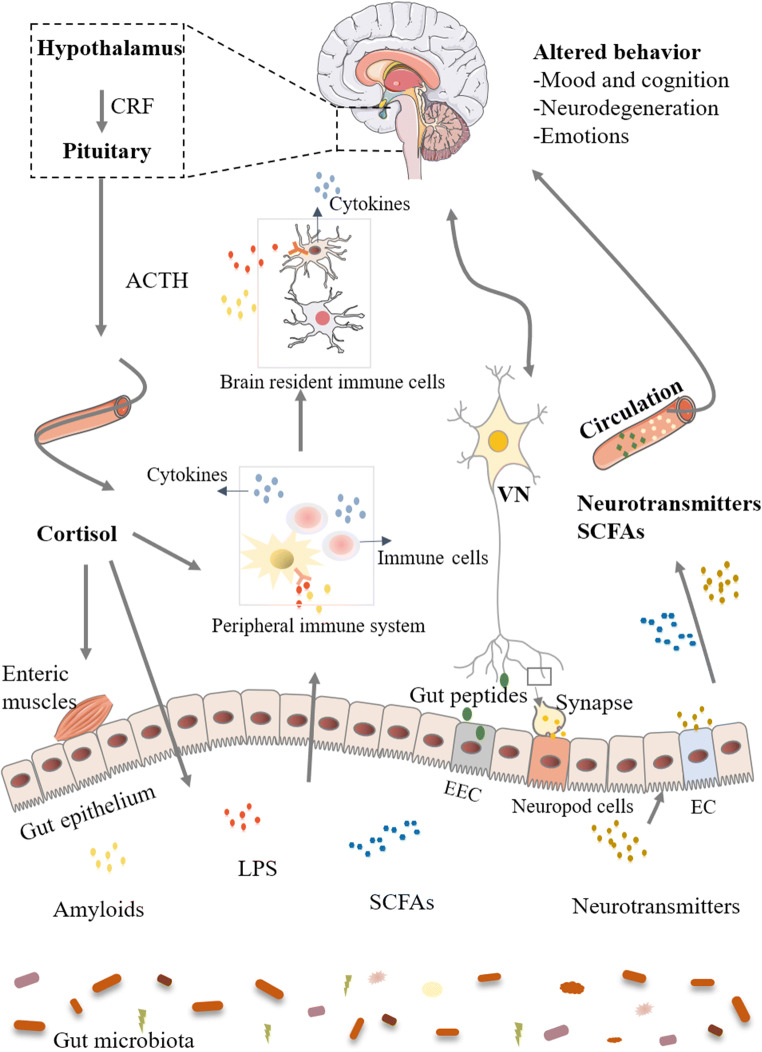
“Interestingly, a subtype of gut enteroendocrine cells (EECs) were found to synapse with vagal neurons and transmit the information to the brain directly; these EECs were named neuropod cells [56].”
BackgroundGut Microbiota is Altered in Patients with Alzheimer’s Disease
Zhuang, Z.-Q., Shen, L.-L., Li, W.-W., Fu, X., Zeng, F., Gui, L., Lü, Y., Cai, M., Zhu, C., Tan, Y.-L., et al. (2018) · Journal of Alzheimer's Disease · doi:10.3233/jad-180176 · Cited by 885 · cited 1×
“AD patients 16S rRNA sequencing Bacteroides, Actinobacteria, Ruminococcus, Lachnospiraceae, and Selenomonadales at taxonomic levels [64]”
BackgroundMitochondria and Mitochondrial Cascades in Alzheimer’s disease
Swerdlow, R. H. (2018) · Journal of Alzheimer’s Disease · doi:10.3233/jad-170585 · Cited by 850 · cited 1×
“Extensive research argues mitochondrial dysfunction [13], insulin resistance (IR) [14], and cerebral hypoperfusion [15] may mediate, drive, or possibly even initiate pathologic molecular cascades in AD and finally promote Aβ accumulation, tau hyperphosphorylation, synaptic degeneration, and neuronal dysfunction.”
BackgroundThe Human Gut Microbiome: From Association to Modulation
Schmidt, T. S. B., Raes, J., & Bork, P. (2018) · Cell · doi:10.1016/j.cell.2018.02.044 · Cited by 845
Gut instincts: microbiota as a key regulator of brain development, ageing and neurodegeneration
Dinan, T. G., & Cryan, J. F. (2017) · The Journal of Physiology · doi:10.1113/jp273106 · Cited by 813 · cited 1×
“Different bacterial genera and species produce gamma-amino butyric acid (GABA), serotonin (5-HT), histamine, and dopamine (Table 1), which are all involved in a range of mood-related, behavioral, and cognitive functions as neurotransmitters or neurotransmitter precursors [43, 44].”
BackgroundStress granules and neurodegeneration
Wolozin, B., & Ivanov, P. (2019) · Nature Reviews Neuroscience · doi:10.1038/s41583-019-0222-5 · Cited by 810
Ambadipudi, S., Biernat, J., Riedel, D., Mandelkow, E., & Zweckstetter, M. (2017) · Nature Communications · doi:10.1038/s41467-017-00480-0 · Cited by 782
The blood-brain barrier in Alzheimer’s disease
Zenaro, E., Piacentino, G., & Constantin, G. (2017) · Neurobiology of Disease · doi:10.1016/j.nbd.2016.07.007 · Cited by 767 · cited 1×
“Structural and functional disruption of the BBB in ADmay be an early and important step in the pathogenesis [92].”
BackgroundTherapeutics of Alzheimer's disease: Past, present and future
Anand, R., Gill, K. D., & Mahdi, A. A. (2014) · Neuropharmacology · doi:10.1016/j.neuropharm.2013.07.004 · Cited by 747
Microglia constitute a barrier that prevents neurotoxic protofibrillar Aβ42 hotspots around plaques
Condello, C., Yuan, P., Schain, A., & Grutzendler, J. (2015) · Nature Communications · doi:10.1038/ncomms7176 · Cited by 718
Hyperinsulinemia and risk of Alzheimer disease
Luchsinger, J. A., Tang, M.-X., Shea, S., & Mayeux, R. (2004) · Neurology · doi:10.1212/01.wnl.0000140292.04932.87 · Cited by 683
Eimer, W. A., Vijaya Kumar, D. K., Navalpur Shanmugam, N. K., Rodriguez, A. S., Mitchell, T., Washicosky, K. J., György, B., Breakefield, X. O., Tanzi, R. E., & Moir, R. D. (2018) · Neuron · doi:10.1016/j.neuron.2018.06.030 · Cited by 674
Neurotransmitters: The Critical Modulators Regulating Gut–Brain Axis
Mittal, R., Debs, L. H., Patel, A. P., Nguyen, D., Patel, K., O'Connor, G., Grati, M., Mittal, J., Yan, D., Eshraghi, A. A., et al. (2017) · Journal of Cellular Physiology · doi:10.1002/jcp.25518 · Cited by 636
Toll-like receptors modulate adult hippocampal neurogenesis
Rolls, A., Shechter, R., London, A., Ziv, Y., Ronen, A., Levy, R., & Schwartz, M. (2007) · Nature Cell Biology · doi:10.1038/ncb1629 · Cited by 622
Kim, M.-S., Kim, Y., Choi, H., Kim, W., Park, S., Lee, D., Kim, D. K., Kim, H. J., Choi, H., Hyun, D.-W., et al. (2020) · Gut · doi:10.1136/gutjnl-2018-317431 · Cited by 614 · cited 2×
“In particular, dysfunction of the microbiota-gut-brain axis has been implicated in the pathogenesis of AD [19].”
BackgroundMicrobiome–host systems interactions: protective effects of propionate upon the blood–brain barrier
Hoyles, L., Snelling, T., Umlai, U.-K., Nicholson, J. K., Carding, S. R., Glen, R. C., & McArthur, S. (2018) · Microbiome · doi:10.1186/s40168-018-0439-y · Cited by 591 · cited 1×
“A propionate concentration as low as 1 μm can protect the BBB fromOS by an NFE2L2-dependent mechanism [95].”
BackgroundGut Microbe to Brain Signaling: What Happens in Vagus…
Fülling, C., Dinan, T. G., & Cryan, J. F. (2019) · Neuron · doi:10.1016/j.neuron.2019.02.008 · Cited by 590 · cited 1×
“The vagus nerve (VN) originates in the medulla oblongata of the CNS and innervates numerous structures such as the heart and the GI tract, which is the key neural pathway between the gut and the brain, containing 80% and 20% of afferent and efferent fibers, respectively [52, 53].”
BackgroundSochocka, M., Donskow-Łysoniewska, K., Diniz, B. S., Kurpas, D., Brzozowska, E., & Leszek, J. (2019) · Molecular Neurobiology · doi:10.1007/s12035-018-1188-4 · Cited by 584
Crumeyrolle-Arias, M., Jaglin, M., Bruneau, A., Vancassel, S., Cardona, A., Daugé, V., Naudon, L., & Rabot, S. (2014) · Psychoneuroendocrinology · doi:10.1016/j.psyneuen.2014.01.014 · Cited by 581
Ageing, age-related diseases and oxidative stress: What to do next?
Luo, J., Mills, K., le Cessie, S., Noordam, R., & van Heemst, D. (2020) · Ageing Research Reviews · doi:10.1016/j.arr.2019.100982 · Cited by 581
McNulty, N. P., Yatsunenko, T., Hsiao, A., Faith, J. J., Muegge, B. D., Goodman, A. L., Henrissat, B., Oozeer, R., Cools-Portier, S., Gobert, G., et al. (2011) · Science Translational Medicine · doi:10.1126/scitranslmed.3002701 · Cited by 549
Zarrinpar, A., Chaix, A., Xu, Z. Z., Chang, M. W., Marotz, C. A., Saghatelian, A., Knight, R., & Panda, S. (2018) · Nature Communications · doi:10.1038/s41467-018-05336-9 · Cited by 546
Aberrant gut microbiota alters host metabolome and impacts renal failure in humans and rodents
Wang, X., Yang, S., Li, S., Zhao, L., Hao, Y., Qin, J., Zhang, L., Zhang, C., Bian, W., Zuo, L., et al. (2020) · Gut · doi:10.1136/gutjnl-2019-319766 · Cited by 541
Self-citationMicrobes and Alzheimer’s Disease
Itzhaki, R. F., Lathe, R., Balin, B. J., Ball, M. J., Bearer, E. L., Braak, H., Bullido, M. J., Carter, C., Clerici, M., Cosby, S. L., et al. (2016) · Journal of Alzheimer’s Disease · doi:10.3233/jad-160152 · Cited by 532 · cited 1×
“Several studies have revived interest in a long-standing hypothesis that there may be a possible microbial origin for AD [97, 98].”
BackgroundSun, J., Xu, J., Ling, Y., Wang, F., Gong, T., Yang, C., Ye, S., Ye, K., Wei, D., Song, Z., et al. (2019) · Translational Psychiatry · doi:10.1038/s41398-019-0525-3 · Cited by 532
Heck, A. L., & Handa, R. J. (2019) · Neuropsychopharmacology · doi:10.1038/s41386-018-0167-9 · Cited by 520 · cited 1×
“The HPA axis, as one of the main neuroendocrine systems in the human body, is a principal regulator of the response to stress [48].”
BackgroundArioz, B. I., Tastan, B., Tarakcioglu, E., Tufekci, K. U., Olcum, M., Ersoy, N., Bagriyanik, A., Genc, K., & Genc, S. (2019) · Frontiers in Immunology · doi:10.3389/fimmu.2019.01511 · Cited by 516
Intestinal Microbiota in Cardiovascular Health and Disease
Tang, W. H. W., Bäckhed, F., Landmesser, U., & Hazen, S. L. (2019) · Journal of the American College of Cardiology · doi:10.1016/j.jacc.2019.03.024 · Cited by 502 · cited 1×
“Gut dysbiosis may be associated with pathologies such as asthma [31], cardiovascular disease [32], type 2 diabetes mellitus (T2DM) [33], renal failure [34], and sarcopenia [35].”
BackgroundThomas, C. M., Hong, T., van Pijkeren, J. P., Hemarajata, P., Trinh, D. V., Hu, W., Britton, R. A., Kalkum, M., & Versalovic, J. (2012) · PLoS ONE · doi:10.1371/journal.pone.0031951 · Cited by 491 · cited 1×
“Lactococcus, Lactobacillus, Streptococcus, Enterococcus Histamine Regulate sleep and cognition [41, 42] Mol Neurobiol”
BackgroundNeuropeptides and the Microbiota-Gut-Brain Axis
Holzer, P., & Farzi, A. (2014) · Advances in Experimental Medicine and Biology · doi:10.1007/978-1-4939-0897-4_9 · Cited by 451 · cited 2×
“Escherichia, Bacillus, Lactococcus, Lactobacillus, Streptococcus Dopamine Regulate mental activities and motor functions, cognitive functions such as learning and memory [38]”
BackgroundPropagation and spread of pathogenic protein assemblies in neurodegenerative diseases
Jucker, M., & Walker, L. C. (2018) · Nature Neuroscience · doi:10.1038/s41593-018-0238-6 · Cited by 450 · cited 2×
“Through a mechanism very similar to that of prion molecules, Aβ may seed in the brain from neuron to neuron, contributing to the progression of cytopathological lesions in AD [72].”
BackgroundAltered Gut Microbiota in a Mouse Model of Alzheimer’s Disease
Zhang, L., Wang, Y., Xiayu, X., Shi, C., Chen, W., Song, N., Fu, X., Zhou, R., Xu, Y.-F., Huang, L., et al. (2017) · Journal of Alzheimer s Disease · doi:10.3233/jad-170020 · Cited by 449 · cited 1×
“APP/PS1 transgenic mice 16S rRNA sequencing The microbiota composition and diversity were perturbed [68]”
BackgroundAltered intestinal microbiota–host mitochondria crosstalk in new onset Crohn’s disease
Mottawea, W., Chiang, C.-K., Mühlbauer, M., Starr, A. E., Butcher, J., Abujamel, T., Deeke, S. A., Brandel, A., Zhou, H., Shokralla, S., et al. (2016) · Nature Communications · doi:10.1038/ncomms13419 · Cited by 442
Microbiota-Gut-Brain Axis: New Therapeutic Opportunities
Long-Smith, C., O'Riordan, K. J., Clarke, G., Stanton, C., Dinan, T. G., & Cryan, J. F. (2020) · Annual Review of Pharmacology and Toxicology · doi:10.1146/annurev-pharmtox-010919-023628 · Cited by 419 · cited 3×
“The Mediterranean diet (MD), which includes high-level consumption of fruits, vegetables, legumes, and cereals, has long been described as a healthy dietary pattern [16, 17].”
BackgroundGut Microbiota, Muscle Mass and Function in Aging: A Focus on Physical Frailty and Sarcopenia
Ticinesi, A., Nouvenne, A., Cerundolo, N., Catania, P., Prati, B., Tana, C., & Meschi, T. (2019) · Nutrients · doi:10.3390/nu11071633 · Cited by 418 · cited 1×
“Gut dysbiosis may be associated with pathologies such as asthma [31], cardiovascular disease [32], type 2 diabetes mellitus (T2DM) [33], renal failure [34], and sarcopenia [35].”
BackgroundProbiotics modulate the microbiota-gut-brain axis and improve memory deficits in aged SAMP8 mice
Yang, X., Yu, D., Xue, L., Li, H., & Du, J. (2020) · Acta Pharmaceutica Sinica B · doi:10.1016/j.apsb.2019.07.001 · Cited by 407
Review: Sporadic Parkinson's disease: development and distribution of α‐synuclein pathology
Del Tredici, K., & Braak, H. (2016) · Neuropathology and Applied Neurobiology · doi:10.1111/nan.12298 · Cited by 398
Microglia Priming with Aging and Stress
Niraula, A., Sheridan, J. F., & Godbout, J. P. (2017) · Neuropsychopharmacology · doi:10.1038/npp.2016.185 · Cited by 398
Zhao, Y., Jaber, V., & Lukiw, W. J. (2017) · Frontiers in Cellular and Infection Microbiology · doi:10.3389/fcimb.2017.00318 · Cited by 379 · cited 1×
“Interestingly, the presence of LPS has been detected in the neocortex and hippocampus of patients with AD [104].”
BackgroundHo, L., Ono, K., Tsuji, M., Mazzola, P., Singh, R., & Pasinetti, G. M. (2018) · Expert Review of Neurotherapeutics · doi:10.1080/14737175.2018.1400909 · Cited by 376 · cited 1×
“SCFAs demonstrate efficacy in interfering with protein-protein interactions that are indispensable for Aβ assemblies [76].”
BackgroundResistant starch: impact on the gut microbiome and health
DeMartino, P., & Cockburn, D. W. (2020) · Current Opinion in Biotechnology · doi:10.1016/j.copbio.2019.10.008 · Cited by 360
The evolution of the use of faecal microbiota transplantation and emerging therapeutic indications.
Allegretti, J. R., Mullish, B. H., Kelly, C., & Fischer, M. (2019) · The Lancet · doi:10.1016/s0140-6736(19)31266-8 · Cited by 358
Colonic bacterial metabolites and human health
Russell, W. R., Hoyles, L., Flint, H. J., & Dumas, M.-E. (2013) · Current Opinion in Microbiology · doi:10.1016/j.mib.2013.07.002 · Cited by 350 · cited 1×
“Bacteroides, Bifidobacterium, Propionibacterium, Eubacterium, Lactobacillus, Clostridium, Roseburia, Prevotella Short-chain fatty acids (SCFA) Decrease permeability of the blood-brain barrier (BBB), promote the synthesis and secretion of neurotransmitters and hormones, reduce inflammation [40]”
BackgroundInteraction of tau with the RNA-Binding Protein TIA1 Regulates tau Pathophysiology and Toxicity
Vanderweyde, T., Apicco, D. J., Youmans-Kidder, K., Ash, P. E. A., Cook, C., Lummertz da Rocha, E., Jansen-West, K., Frame, A. A., Citro, A., Leszyk, J. D., et al. (2016) · Cell Reports · doi:10.1016/j.celrep.2016.04.045 · Cited by 342
Mechanisms of Molecular Mimicry Involving the Microbiota in Neurodegeneration
Friedland, R. P. (2015) · Journal of Alzheimer's Disease · doi:10.3233/jad-142841 · Cited by 338
Mullish, B. H., Quraishi, M. N., Segal, J. P., McCune, V. L., Baxter, M., Marsden, G. L., Moore, D. J., Colville, A., Bhala, N., Iqbal, T. H., et al. (2018) · Gut · doi:10.1136/gutjnl-2018-316818 · Cited by 332
Vulnerability of the industrialized microbiota
Sonnenburg, J. L., & Sonnenburg, E. D. (2019) · Science · doi:10.1126/science.aaw9255 · Cited by 326 · cited 1×
“The human gut is an anaerobic bioreactor with a diverse population of microorganisms, including bacteria, yeast, archaea, viruses, protozoa, and parasites such as helminths, collectively known as microbiota, which occupy different niches of the mucosal surfaces in the gastrointestinal (GI) tract [16, 20].”
BackgroundHodson, R. (2018) · Nature · doi:10.1038/d41586-018-05717-6 · Cited by 320
Altered Gut Microbiome Composition and Tryptic Activity of the 5xFAD Alzheimer’s Mouse Model
Brandscheid, C., Schuck, F., Reinhardt, S., Schäfer, K.-H., Pietrzik, C. U., Grimm, M., Hartmann, T., Schwiertz, A., & Endres, K. (2017) · Journal of Alzheimer s Disease · doi:10.3233/jad-160926 · Cited by 318
16S rRNA Next Generation Sequencing Analysis Shows Bacteria in Alzheimer’s Post-Mortem Brain
Emery, D. C., Shoemark, D. K., Batstone, T. E., Waterfall, C. M., Coghill, J. A., Cerajewska, T. L., Davies, M., West, N. X., & Allen, S. J. (2017) · Frontiers in Aging Neuroscience · doi:10.3389/fnagi.2017.00195 · Cited by 317
Bacteroides fragilis Lipopolysaccharide and Inflammatory Signaling in Alzheimer’s Disease
Lukiw, W. J. (2016) · Frontiers in Microbiology · doi:10.3389/fmicb.2016.01544 · Cited by 288 · cited 1×
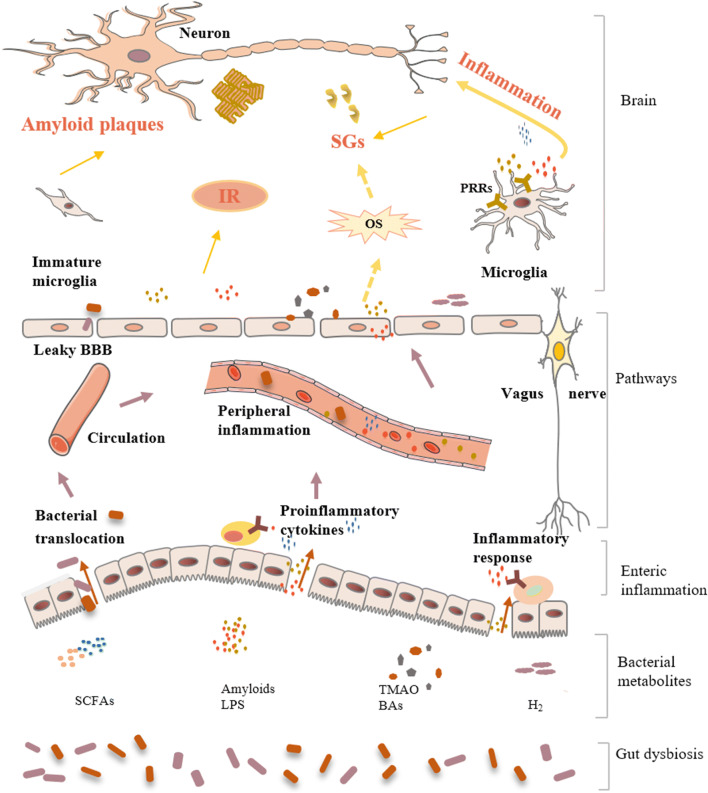
“Bacterial LPS can bind with microglial cell receptors (TLR2, TLR4, and/or CD14) to initiate the production of a cascade of cytokines and chemokines via myeloid differentiation factor 88 (MyD88) and nuclear factor kappa beta (NF-κB)-dependent signaling pathways [102, 103].”
BackgroundShen, L., Liu, L., & Ji, H.-F. (2017) · Journal of Alzheimer’s Disease · doi:10.3233/jad-160884 · Cited by 277 · cited 3×
“APP/PS1 transgenic mice 16S rRNA sequencing Microbiota diversity was decreased Odoribacter and Helicobacter↑ [70]”
BackgroundInfluentialPellegrini, C., Antonioli, L., Colucci, R., Blandizzi, C., & Fornai, M. (2018) · Acta Neuropathologica · doi:10.1007/s00401-018-1856-5 · Cited by 270 · cited 18×
“Gut microbiota also produces a remarkably complex array of proinflammatory neurotoxins that can cross the BBB and are pathogenic and highly detrimental to the homeostatic function of neurons in the CNS [16].”
BackgroundInfluentialBile acids as metabolic regulators
Li, T., & Chiang, J. Y. L. (2015) · Current Opinion in Gastroenterology · doi:10.1097/mog.0000000000000156 · Cited by 269 · cited 1×
“Increased circulating bacterially produced bile acids (BAs) may increase BBB permeability via the disruption of tight junctions [81, 82] and permit BAs or peripheral cholesterol to reach the CNS [83].”
BackgroundTherapeutics of Neurotransmitters in Alzheimer’s Disease
Kandimalla, R., & Reddy, P. H. (2017) · Journal of Alzheimer’s Disease · doi:10.3233/jad-161118 · Cited by 268
Probiotics modulate gut microbiota and improve insulin sensitivity in DIO mice
Bagarolli, R. A., Tobar, N., Oliveira, A. G., Araújo, T. G., Carvalho, B. M., Rocha, G. Z., Vecina, J. F., Calisto, K., Guadagnini, D., Prada, P. O., et al. (2017) · The Journal of Nutritional Biochemistry · doi:10.1016/j.jnutbio.2017.08.006 · Cited by 266
Unhealthy gut, unhealthy brain: The role of the intestinal microbiota in neurodegenerative diseases
Spielman, L. J., Gibson, D. L., & Klegeris, A. (2018) · Neurochemistry International · doi:10.1016/j.neuint.2018.08.005 · Cited by 266 · cited 1×
“The vagus nerve (VN) originates in the medulla oblongata of the CNS and innervates numerous structures such as the heart and the GI tract, which is the key neural pathway between the gut and the brain, containing 80% and 20% of afferent and efferent fibers, respectively [52, 53].”
BackgroundCommensal bacteria modulate cullin‐dependent signaling via generation of reactive oxygen species
Kumar, A., Wu, H., Collier‐Hyams, L. S., Hansen, J. M., Li, T., Yamoah, K., Pan, Z., Jones, D. P., & Neish, A. S. (2007) · The EMBO Journal · doi:10.1038/sj.emboj.7601867 · Cited by 263
Role of Microglia in Neurological Disorders and Their Potentials as a Therapeutic Target
Du, L., Zhang, Y., Chen, Y., Zhu, J., Yang, Y., & Zhang, H.-L. (2017) · Molecular Neurobiology · doi:10.1007/s12035-016-0245-0 · Cited by 262
Self-citationAbraham, D., Feher, J., Scuderi, G. L., Szabo, D., Dobolyi, A., Cservenak, M., Juhasz, J., Ligeti, B., Pongor, S., Gomez-Cabrera, M. C., et al. (2019) · Experimental Gerontology · doi:10.1016/j.exger.2018.12.005 · Cited by 260
Quinn, M., McMillin, M., Galindo, C., Frampton, G., Pae, H. Y., & DeMorrow, S. (2014) · Digestive and Liver Disease · doi:10.1016/j.dld.2014.01.159 · Cited by 259
Diabetes and Alzheimer’s disease crosstalk
Baglietto-Vargas, D., Shi, J., Yaeger, D. M., Ager, R., & LaFerla, F. M. (2016) · Neuroscience & Biobehavioral Reviews · doi:10.1016/j.neubiorev.2016.03.005 · Cited by 256
Mediterranean diet and 3-year Alzheimer brain biomarker changes in middle-aged adults
Berti, V., Walters, M., Sterling, J., Quinn, C. G., Logue, M., Andrews, R., Matthews, D. C., Osorio, R. S., Pupi, A., Vallabhajosula, S., et al. (2018) · Neurology · doi:10.1212/wnl.0000000000005527 · Cited by 246
Proinflammatory cytokines, sickness behavior, and Alzheimer disease
Holmes, C., Cunningham, C., Zotova, E., Culliford, D., & Perry, V. H. (2011) · Neurology · doi:10.1212/wnl.0b013e318225ae07 · Cited by 242
Bäuerl, C., Collado, M. C., Diaz Cuevas, A., Viña, J., & Pérez Martínez, G. (2018) · Letters in Applied Microbiology · doi:10.1111/lam.12882 · Cited by 238
The “rights” of precision drug development for Alzheimer’s disease
Cummings, J., Feldman, H. H., & Scheltens, P. (2019) · Alzheimer's Research & Therapy · doi:10.1186/s13195-019-0529-5 · Cited by 238
Chen, D., Yang, X., Yang, J., Lai, G., Yong, T., Tang, X., Shuai, O., Zhou, G., Xie, Y., & Wu, Q. (2017) · Frontiers in Aging Neuroscience · doi:10.3389/fnagi.2017.00403 · Cited by 227
Gut microbiota modulate neurobehavior through changes in brain insulin sensitivity and metabolism
Soto, M., Herzog, C., Pacheco, J. A., Fujisaka, S., Bullock, K., Clish, C. B., & Kahn, C. R. (2018) · Molecular Psychiatry · doi:10.1038/s41380-018-0086-5 · Cited by 216
Durack, J., Kimes, N. E., Lin, D. L., Rauch, M., McKean, M., McCauley, K., Panzer, A. R., Mar, J. S., Cabana, M. D., & Lynch, S. V. (2018) · Nature Communications · doi:10.1038/s41467-018-03157-4 · Cited by 215 · cited 1×
“Gut dysbiosis may be associated with pathologies such as asthma [31], cardiovascular disease [32], type 2 diabetes mellitus (T2DM) [33], renal failure [34], and sarcopenia [35].”
BackgroundOxidative Stress and the Microbiota‐Gut‐Brain Axis
Dumitrescu, L., Popescu-Olaru, I., Cozma, L., Tulbă, D., Hinescu, M. E., Ceafalan, L. C., Gherghiceanu, M., & Popescu, B. O. (2018) · Oxidative Medicine and Cellular Longevity · doi:10.1155/2018/2406594 · Cited by 212
Mediterranean Diet and Health: Food Effects on Gut Microbiota and Disease Control
Del Chierico, F., Vernocchi, P., Dallapiccola, B., & Putignani, L. (2014) · International Journal of Molecular Sciences · doi:10.3390/ijms150711678 · Cited by 205
The biosynthesis, signaling, and neurological functions of bile acids
Kiriyama, Y., & Nochi, H. (2019) · Biomolecules · doi:10.3390/biom9060232 · Cited by 204 · cited 1×
“Increased circulating bacterially produced bile acids (BAs) may increase BBB permeability via the disruption of tight junctions [81, 82] and permit BAs or peripheral cholesterol to reach the CNS [83].”
BackgroundSundman, M. H., Chen, N.-K., Subbian, V., & Chou, Y.-H. (2017) · Brain, Behavior, and Immunity · doi:10.1016/j.bbi.2017.05.009 · Cited by 199
Tapia-Rojas, C., Cabezas-Opazo, F., Deaton, C. A., Vergara, E. H., Johnson, G. V. W., & Quintanilla, R. A. (2019) · Progress in Neurobiology · doi:10.1016/j.pneurobio.2018.12.005 · Cited by 191 · cited 1×
“Extensive research suggests that aggregated, hyperphosphorylated forms of tau may also lead to synaptic communication disturbance as well as neuronal death [6].”
BackgroundFrom Chronic Cerebral Hypoperfusion to Alzheimer-Like Brain Pathology and Neurodegeneration
Zhao, Y., & Gong, C.-X. (2015) · Cellular and Molecular Neurobiology · doi:10.1007/s10571-014-0127-9 · Cited by 180 · cited 1×
“Extensive research argues mitochondrial dysfunction [13], insulin resistance (IR) [14], and cerebral hypoperfusion [15] may mediate, drive, or possibly even initiate pathologic molecular cascades in AD and finally promote Aβ accumulation, tau hyperphosphorylation, synaptic degeneration, and neuronal dysfunction.”
BackgroundWang, A., Keita, Å. V., Phan, V., McKay, C. M., Schoultz, I., Lee, J., Murphy, M. P., Fernando, M., Ronaghan, N., Balce, D., et al. (2014) · The American Journal of Pathology · doi:10.1016/j.ajpath.2014.05.019 · Cited by 178
Platelet APP, ADAM 10 and BACE alterations in the early stages of Alzheimer disease
Colciaghi, F., Marcello, E., Borroni, B., Zimmermann, M., Caltagirone, C., Cattabeni, F., Padovani, A., & Di Luca, M. (2004) · Neurology · doi:10.1212/01.wnl.0000106953.49802.9c · Cited by 178
The amyloidogenic potential and behavioral correlates of stress
Catania, C., Sotiropoulos, I., Silva, R., Onofri, C., Breen, K. C., Sousa, N., & Almeida, O. F. X. (2009) · Molecular Psychiatry · doi:10.1038/sj.mp.4002101 · Cited by 176
The Possibility of an Infectious Etiology of Alzheimer Disease
Ashraf, G. M., Tarasov, V. V., Makhmutovа, A., Chubarev, V. N., Avila-Rodriguez, M., Bachurin, S. O., & Aliev, G. (2019) · Molecular Neurobiology · doi:10.1007/s12035-018-1388-y · Cited by 175 · cited 1×
“Extrinsic factors like infections and traumatic brain injury (TBI) can possibly interfere with the central immune homeostasis and accelerate disease progression [9, 10].”
BackgroundMicrobial amyloids – functions and interactions within the host
Schwartz, K., & Boles, B. R. (2013) · Current Opinion in Microbiology · doi:10.1016/j.mib.2012.12.001 · Cited by 174 · cited 1×
“Other amyloids produced by microbes include FapC by Pseudomonas fluorescens, phenol-soluble modulins by Staphylococcus aureus, chaplins by Streptomyces coelicolor, and MccE492 by Klebsiella pneumonia [87].”
BackgroundAntibiotic-induced changes in the microbiota disrupt redox dynamics in the gut
Reese, A. T., Cho, E. H., Klitzman, B., Nichols, S. P., Wisniewski, N. A., Villa, M. M., Durand, H. K., Jiang, S., Midani, F. S., Nimmagadda, S. N., et al. (2018) · eLife · doi:10.7554/elife.35987 · Cited by 173
Cytosolic Recognition of Microbes and Pathogens: Inflammasomes in Action
Hayward, J. A., Mathur, A., Ngo, C., & Man, S. M. (2018) · Microbiology and Molecular Biology Reviews · doi:10.1128/mmbr.00015-18 · Cited by 164
Soliman, M. L., & Rosenberger, T. A. (2011) · Molecular and Cellular Biochemistry · doi:10.1007/s11010-011-0751-3 · Cited by 161 · cited 1×
“SCFAs, which mainly consist of acetate, propionate, and butyrate, function through either G protein coupled receptors or histone deacetylases [46, 47].”
BackgroundUpdated Molecular Knowledge about Histamine Biosynthesis by Bacteria
Landete, J. M., De Las Rivas, B., Marcobal, A., & Muñoz, R. (2008) · Critical Reviews in Food Science and Nutrition · doi:10.1080/10408390701639041 · Cited by 161 · cited 1×
“Lactococcus, Lactobacillus, Streptococcus, Enterococcus Histamine Regulate sleep and cognition [41, 42] Mol Neurobiol”
BackgroundEffects of prebiotics on immune system and cytokine expression
Shokryazdan, P., Faseleh Jahromi, M., Navidshad, B., & Liang, J. B. (2017) · Medical Microbiology and Immunology · doi:10.1007/s00430-016-0481-y · Cited by 160
Traumatic Brain Injury in Mice Induces Acute Bacterial Dysbiosis Within the Fecal Microbiome
Treangen, T. J., Wagner, J., Burns, M. P., & Villapol, S. (2018) · Frontiers in Immunology · doi:10.3389/fimmu.2018.02757 · Cited by 160
Reappraisal of probiotics’ safety in human
Sotoudegan, F., Daniali, M., Hassani, S., Nikfar, S., & Abdollahi, M. (2019) · Food and Chemical Toxicology · doi:10.1016/j.fct.2019.04.032 · Cited by 154
The vagus nerve modulates BDNF expression and neurogenesis in the hippocampus
O’Leary, O. F., Ogbonnaya, E. S., Felice, D., Levone, B. R., C. Conroy, L., Fitzgerald, P., Bravo, J. A., Forsythe, P., Bienenstock, J., Dinan, T. G., et al. (2018) · European Neuropsychopharmacology · doi:10.1016/j.euroneuro.2017.12.004 · Cited by 151 · cited 1×
“Furthermore, vagotomy reduced the proliferation and survival of newborn cells and decreased the number of immature neurons and the activation of microglia in the dentate gyrus of the hippocampus [58].”
BackgroundRezaei Asl, Z., Sepehri, G., & Salami, M. (2019) · Behavioural Brain Research · doi:10.1016/j.bbr.2019.112183 · Cited by 149
Promiscuous Cross-seeding between Bacterial Amyloids Promotes Interspecies Biofilms
Zhou, Y., Smith, D., Leong, B. J., Brännström, K., Almqvist, F., & Chapman, M. R. (2012) · Journal of Biological Chemistry · doi:10.1074/jbc.m112.383737 · Cited by 145 · cited 1×
“Through molecular mimicry, bacterial amyloids may act as prion proteins to cross-seed and aggregate host amyloids [86].”
BackgroundDiabetes drugs in the fight against Alzheimer's disease
Boccardi, V., Murasecco, I., & Mecocci, P. (2019) · Ageing Research Reviews · doi:10.1016/j.arr.2019.100936 · Cited by 142
Pharmacological Targeting of Microglial Activation: New Therapeutic Approach
Liu, C.-Y., Wang, X., Liu, C., & Zhang, H.-L. (2019) · Frontiers in Cellular Neuroscience · doi:10.3389/fncel.2019.00514 · Cited by 142 · cited 1×
“Bacterial LPS can bind with microglial cell receptors (TLR2, TLR4, and/or CD14) to initiate the production of a cascade of cytokines and chemokines via myeloid differentiation factor 88 (MyD88) and nuclear factor kappa beta (NF-κB)-dependent signaling pathways [102, 103].”
BackgroundSelf-citationSun, J., Liu, S., Ling, Z., Wang, F., Ling, Y., Gong, T., Fang, N., Ye, S., Si, J., & Liu, J. (2019) · Journal of Agricultural and Food Chemistry · doi:10.1021/acs.jafc.8b07313 · Cited by 141
Self-citationThe link between altered cholesterol metabolism and Alzheimer's disease
Gamba, P., Testa, G., Sottero, B., Gargiulo, S., Poli, G., & Leonarduzzi, G. (2012) · Annals of the New York Academy of Sciences · doi:10.1111/j.1749-6632.2012.06513.x · Cited by 134 · cited 1×
“Mounting cellular cholesterol in the brain leads to direct binding to APP and thus facilitates APP insertion into the phospholipid monolayers of the lipid rafts where Aβ formation takes place, eventually promoting the production of Aβ [84].”
BackgroundBonfili, L., Cecarini, V., Gogoi, O., Berardi, S., Scarpona, S., Angeletti, M., Rossi, G., & Eleuteri, A. M. (2020) · Neurobiology of Aging · doi:10.1016/j.neurobiolaging.2019.11.004 · Cited by 132
Honarpisheh, P., Reynolds, C. R., Blasco Conesa, M. P., Moruno Manchon, J. F., Putluri, N., Bhattacharjee, M. B., Urayama, A., McCullough, L. D., & Ganesh, B. P. (2020) · International Journal of Molecular Sciences · doi:10.3390/ijms21051711 · Cited by 126
Gao, Q., Wang, Y., Wang, X., Fu, S., Zhang, X., Wang, R.-T., & Zhang, X. (2019) · Aging · doi:10.18632/aging.102352 · Cited by 117 · cited 2×
“The microbial-derived metabolite trimethylamine N-oxide (TMAO) has been implicated in the pathogenesis of AD as well [77].”
BackgroundShi, H., Wang, Q., Zheng, M., Hao, S., Lum, J. S., Chen, X., Huang, X.-F., Yu, Y., & Zheng, K. (2020) · Journal of Neuroinflammation · doi:10.1186/s12974-020-01760-1 · Cited by 117
Kawashima, K., Misawa, H., Moriwaki, Y., Fujii, Y. X., Fujii, T., Horiuchi, Y., Yamada, T., Imanaka, T., & Kamekura, M. (2007) · Life Sciences · doi:10.1016/j.lfs.2007.01.059 · Cited by 110 · cited 1×
“Lactobacillus, Bacillus Acetylcholine Cognitive, memory, social life ability, self-care ability, and emotional personality [39]”
BackgroundConserved and variable responses of the gut microbiome to resistant starch type 2
Bendiks, Z. A., Knudsen, K. E. B., Keenan, M. J., & Marco, M. L. (2020) · Nutrition Research · doi:10.1016/j.nutres.2020.02.009 · Cited by 110
Role of Insulin Resistance in the Alzheimer's Disease Progression
Nguyen, T. T., Ta, Q. T. H., Nguyen, T. T. D., Le, T. T. H., & Giau, V. V. (2020) · Neurochemical Research · doi:10.1007/s11064-020-03031-0 · Cited by 107 · cited 1×
“Extensive research argues mitochondrial dysfunction [13], insulin resistance (IR) [14], and cerebral hypoperfusion [15] may mediate, drive, or possibly even initiate pathologic molecular cascades in AD and finally promote Aβ accumulation, tau hyperphosphorylation, synaptic degeneration, and neuronal dysfunction.”
BackgroundNeuronal histamine and cognitive symptoms in Alzheimer's disease
Zlomuzica, A., Dere, D., Binder, S., Silva, M. A. D. S., Huston, J. P., & Dere, E. (2015) · Neuropharmacology · doi:10.1016/j.neuropharm.2015.05.007 · Cited by 105
Semar, S., Klotz, M., Letiembre, M., Van Ginneken, C., Braun, A., Jost, V., Bischof, M., Lammers, W. J., Liu, Y., Fassbender, K., et al. (2013) · Journal of Alzheimer's Disease · doi:10.3233/jad-120511 · Cited by 101 · cited 1×
“Moreover, aberrant accumulation of Aβ in myenteric neurons and activation of intestinal innate immunity appear before the onset of CNS neuroinflammation in AD mice [75].”
BackgroundJia, W., Rajani, C., Kaddurah‐Daouk, R., & Li, H. (2020) · Medicinal Research Reviews · doi:10.1002/med.21653 · Cited by 88 · cited 1×
“More importantly, cholesterol accumulation in the brain may be induced via effects mediated by BAs on the farnesoid X receptor, which downregulates the expression of the cholesterol-metabolizing enzyme CYP46A [85].”
BackgroundInadequate Production of H2 by Gut Microbiota and Parkinson Disease
Ostojić, S. M. (2018) · Trends in Endocrinology and Metabolism · doi:10.1016/j.tem.2018.02.006 · Cited by 86
Platelets and Alzheimer’s disease: Potential of APP as a biomarker
Evin, G. (2012) · World Journal of Psychiatry · doi:10.5498/wjp.v2.i6.102 · Cited by 80
Basu, M., Courtney, S. C., & Brinton, M. A. (2017) · PLoS Pathogens · doi:10.1371/journal.ppat.1006240 · Cited by 80
Schokker, D., Fledderus, J., Jansen, R., Vastenhouw, S. A., de Bree, F. M., Smits, M. A., & Jansman, A. J. M. (2018) · Journal of Animal Science · doi:10.1093/jas/sky110 · Cited by 75
Alexandrov, P., Zhai, Y., Li, W., & Lukiw, W. (2019) · Folia Neuropathologica · doi:10.5114/fn.2019.88449 · Cited by 72
Paley, E. L., Merkulova-Rainon, T., Faynboym, A., Shestopalov, V. I., & Aksenoff, I. (2018) · Journal of Alzheimer’s Disease · doi:10.3233/jad-170764 · Cited by 68 · cited 1×
“AD patients PCR Significant difference in the gut microbial genotypes between the AD and control human populations [66]”
BackgroundAllegretti, J. R., Kassam, Z., Osman, M., Budree, S., Fischer, M., & Kelly, C. R. (2017) · Gastrointestinal Endoscopy · doi:10.1016/j.gie.2017.05.036 · Cited by 63
Dobra, I. L., Pankivskyi, S., Samsonova, A., Pastré, D., & Hamon, L. (2018) · Current Neurology and Neuroscience Reports · doi:10.1007/s11910-018-0914-7 · Cited by 60
Gut Microbiome and Modulation of CNS Function
Osadchiy, V., Martin, C. R., & Mayer, E. A. (2019) · Comprehensive Physiology · doi:10.1002/cphy.c180031 · Cited by 53 · cited 1×
“However, this chemo- and mechanosensitive perception cannot be conducted directly, because vagal afferents do not cross the epithelial layer [55].”
BackgroundLeblhuber, F., Egger, M., Schuetz, B., & Fuchs, D. (2018) · Frontiers in Aging Neuroscience · doi:10.3389/fnagi.2018.00054 · Cited by 35
Does traumatic brain injury hold the key to the Alzheimer's disease puzzle?
Becker, R. E., Kapogiannis, D., & Greig, N. H. (2017) · Alzheimer s & Dementia · doi:10.1016/j.jalz.2017.11.007 · Cited by 34 · cited 2×
“TBI is an important risk factor for developing AD later in life, though the mechanism behind this correlation is still unclear [10].”
BackgroundMíguez, B., Gómez, B., Parajó, J. C., & Alonsó, J. L. (2018) · Journal of Agricultural and Food Chemistry · doi:10.1021/acs.jafc.8b02940 · Cited by 28
Cited by
Zhang, J., Zhang, Y., Wang, J., Xia, Y., Zhang, J., & Chen, L. (2024) · Signal Transduction and Targeted Therapy · doi:10.1038/s41392-024-01911-3 · Cited by 1,138
“213,216 Alterations in the host ’ s diet, use of antibiotics, exposure to psychosocial stress, or irregularities in the immune system may shift the relative proportions of bacterial species, resulting in a disruption of the microbiota ’ s composition and functionality as dysbiosis.”
BackgroundImmunological mechanisms of inflammatory diseases caused by gut microbiota dysbiosis: A review
Zhao, M., Chu, J., Feng, S., Guo, C., Xue, B., He, K., & Li, L. (2023) · Biomedicine & Pharmacotherapy · doi:10.1016/j.biopha.2023.114985 · Cited by 458
Signalling cognition: The gut microbiota and hypothalamic-pituitary-adrenal axis
Rusch, J. A., Layden, B. T., & Dugas, L. R. (2023) · Frontiers in Endocrinology · doi:10.3389/fendo.2023.1130689 · Cited by 415
Neuroinflammation in Alzheimer’s Disease
Onyango, I. G., Jauregui, G. V., Čarná, M., Bennett, J. P., & Stokin, G. B. (2021) · Biomedicines · doi:10.3390/biomedicines9050524 · Cited by 330
Gut Microbiota Dysbiosis: Pathogenesis, Diseases, Prevention, and Therapy
Shen, Y., Fan, N., Ma, S., Cheng, X., Yang, X., & Wang, G. (2025) · MedComm · doi:10.1002/mco2.70168 · Cited by 301
“All of those promote the onset of AD [137].”
Metadata
- Authors
- Liu, S., Gao, J., Zhu, M., Liu, K., & Zhang, H.-L.
- Affiliations
- Jilin University (CN)
- Mayo Clinic (US)
- Corresponding author
- Liu, Kangding
- Venue
- Molecular Neurobiology
- Published
- 2020-08-23
- Volume
- 57
- Issue
- 12
- Pages
- 5026-5043
- ISSN
- 0893-7648 (ISSN-L)
- 1559-1182
- PMC
- PMC7541367
- OpenAlex
- W3080830493
- Semantic Scholar
- c1c305deb6388641b3da3e3e7dd5ceb7471ddaec
- Cited by
- 516
- References
- 173
- Citations by year
- 2026: 87 · 2025: 136 · 2024: 108 · 2023: 77 · 2022: 62 · 2021: 42 · 2020: 4
- FWCI
- 4.43
- Type
- journal article
- Language
- en
- Open access
- hybrid
- doi.org
- Licence
- cc-by
- creativecommons.org/licenses/by/4.0 (tdm)
- creativecommons.org/licenses/by/4.0 (vor)
- Locations
- Molecular Neurobiology (publishedVersion, cc-by)
- PubMed Central (publishedVersion, cc-by)
- PubMed (publishedVersion)
- Funders
- National Natural Science Foundation of China (81771299)
- Topics
- Life Sciences › Biochemistry, Genetics and Molecular Biology › Molecular Biology › Gut microbiota and health
- Life Sciences › Neuroscience › Cellular and Molecular Neuroscience › Alzheimer's disease research and treatments
- Health Sciences › Medicine › Gastroenterology › Gastrointestinal motility and disorders
- Keywords
- gut microbiota, dysbiosis, Alzheimer's disease, microbiota-gut-brain axis, amyloid-beta aggregation, neuroinflammation, oxidative stress, insulin resistance, Alzheimer's disease pathogenesis, Alzheimer's disease treatment, neuropsychiatric disorders
- MeSH terms
- Gastrointestinal Microbiome, Alzheimer Disease, Animals, Brain, Humans, Insulin Resistance, Oxidative Stress, Dysbiosis
About these checks
Registry, retraction, Cites and statistics results are computed, not judged, with one exception: a printed reference that no index lists is read once by a model before it counts as a citation error. Claims are extracted by a model and kept only when their quote appears verbatim in the text; each cited source is then checked, with a model’s help, for whether it says what the claim relies on. Those verdicts can be wrong — read the claim’s quote and the cited source before relying on one.
Statistics and arithmetic are recomputed, not judged.
Confidence bands are shown only for fields calibrated on our annotated test set. None is calibrated yet, so no band is shown.
What counts as a claim ›How we measure confidence ›How we check this ›
Are you an author, or do you see a problem with this page? Request a review
Data sources
Bibliographic data: Semantic Scholar, OpenAlex, Crossref.
Contains information from the Semantic Scholar Academic Graph Datasets, made available under the ODC Attribution License (ODC-BY 1.0).
Semantic Scholar’s data is described in: Kinney, R., et al. (2023). The Semantic Scholar Open Data Platform. arXiv:2301.10140.
