

Gut microbiota and dysbiosis in Alzheimer's disease: Implications for pathogenesis and treatment
Open accessThe DOI matches its Crossref record; 173 of the 173 references it cites were found in a registry or an index.
Abstract
Understanding how gut flora influences gut-brain communications has been the subject of significant research over the past decade. The broadening of the term “microbiota-gut-brain axis” from “gut-brain axis” underscores a bidirectional communication system between the gut and the brain. The microbiota-gut-brain axis involves metabolic, endocrine, neural, and immune pathways which are crucial for the maintenance of brain homeostasis. Alterations in the composition of gut microbiota are associated with multiple neuropsychiatric disorders. Although a causal relationship between gut dysbiosis and neural dysfunction remains elusive, emerging evidence indicates that gut dysbiosis may promote amyloid-beta aggregation, neuroinflammation, oxidative stress, and insulin resistance in the pathogenesis of Alzheimer’s disease (AD). Illustration of the mechanisms underlying the regulation by gut microbiota may pave the way for developing novel therapeutic strategies for AD. In this narrative review, we provide an overview of gut microbiota and their dysregulation in the pathogenesis of AD. Novel insights into the modification of gut microbiota composition as a preventive or therapeutic approach for AD are highlighted.
Overview
The claims and statistics of this paper haven’t been checked yet.
Free: it reads the open-access text and checks the first 5 claims that cite a source we can check. Create a free account to check every claim.
Integrity signals
Registry
Cites
Statistics
Figures
Verification
Claims the paper makes
The claims and statistics of this paper haven’t been checked yet.
Free: it reads the open-access text and checks the first 5 claims that cite a source we can check. Create a free account to check every claim.
Claims other papers make about this one
Each is checked against this paper’s own text: does it say what the citing paper says it does?
The source backs part of the claim, not all of it — or backs it for a different population, condition or comparison.
In the citing paper
“The onset of systemic inflammation may allow inflammatory mediators to cross over the BBB and impact microglia, further exacerbating neuroinflammation.213,217”
From Recent advances in Alzheimer's disease: Mechanisms, clinical trials and new drug development strategies. (2024) · cites this paper as [213]
Experimental — accuracy not yet measuredThe source backs part of the claim, not all of it — or backs it for a different population, condition or comparison.
In the citing paper
“There is growing evidence that age-related changes in the microbiota may contribute to cognitive decline and other neurodegenerative disorders (102, 103).”
From Signalling cognition: The gut microbiota and hypothalamic-pituitary-adrenal axis (2023) · cites this paper as [102]
Experimental — accuracy not yet measuredThe cited source says what the claim attributes to it.
In the citing paper
“The microbiota-gut-brain axis refers to a bidirectional communication system between the gut and the brain, including metabolic, endocrine, neural, and immune pathways that can work independently or in concert.213,216”
From Recent advances in Alzheimer's disease: Mechanisms, clinical trials and new drug development strategies. (2024) · cites this paper as [213]
Self-check
Percentages, sums and reported differences re-computed from the paper’s own numbers.
The self-check needs the paper’s full text.
Citations
Cites
An obesity-associated gut microbiome with increased capacity for energy harvest
Turnbaugh, P. J., Ley, R. E., Mahowald, M. A., Magrini, V., Mardis, E. R., & Gordon, J. I. (2006) · Nature · doi:10.1038/nature05414 · Cited by 12,444
A human gut microbial gene catalogue established by metagenomic sequencing
MetaHIT Consortium, Qin, J., Li, R., Raes, J., Arumugam, M., Burgdorf, K. S., Manichanh, C., Nielsen, T., Pons, N., Levenez, F., et al. (2010) · Nature · doi:10.1038/nature08821 · Cited by 11,624 · cited 1×
“The microorganisms residing in the gut make up the vast majority of the human microbial population, including at least 1000 different bacterial species and approximately 150 times as many genes as in the human genome [21, 22].”
BackgroundDiversity of the Human Intestinal Microbial Flora
Eckburg, P. B., Bik, E. M., Bernstein, C. N., Purdom, E., Dethlefsen, L., Sargent, M., Gill, S. R., Nelson, K. E., & Relman, D. A. (2005) · Science · doi:10.1126/science.1110591 · Cited by 7,913 · cited 1×
“Firmicutes and Bacteroidetes constitute the most abundant phyla in human intestinal microbiota [23].”
BackgroundAlzheimer's disease: the amyloid cascade hypothesis
Hardy, J. A., & Higgins, G. A. (1992) · Science · doi:10.1126/science.1566067 · Cited by 7,484 · cited 1×
“Since it was first proposed by Hardy and Higgins in 1992, the amyloid cascade hypothesis has been the dominant theory of AD pathogenesis which holds that the accumulation of Aβ peptides derived from amyloid precursor protein (APP) is the initial event of AD pathogenesis [3].”
BackgroundNeuroinflammation in Alzheimer's disease
Heneka, M. T., Carson, M. J., Khoury, J. E., Landreth, G. E., Brosseron, F., Feinstein, D. L., Jacobs, A. H., Wyss-Coray, T., Vitorica, J., Ransohoff, R. M., et al. (2015) · The Lancet Neurology · doi:10.1016/s1474-4422(15)70016-5 · Cited by 6,226 · cited 1×
“least partially mediated by excessive or non-resolving innate immune activation [8].”
BackgroundThe amyloid hypothesis of Alzheimer's disease at 25 years
Selkoe, D. J., & Hardy, J. (2016) · EMBO Molecular Medicine · doi:10.15252/emmm.201606210 · Cited by 6,164 · cited 1×
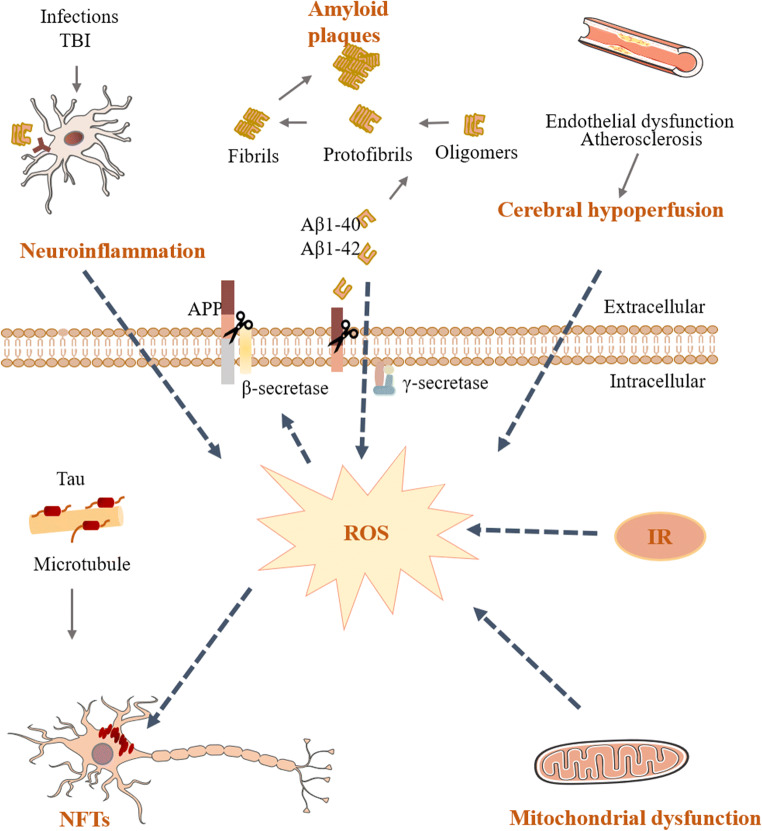
“Over the ensuing decades, this hypothesis has evolved from a neuron-centric linear cascade, which postulates that Aβ results in hyperphosphorylated tau and neurodegeneration, to an integrative model that also involves feedback and feedforward responses of impaired vasculature, oxidative stress (OS), microgliosis, and…”
BackgroundGibson, G. R., Hutkins, R., Sanders, M. E., Prescott, S. L., Reimer, R. A., Salminen, S. J., Scott, K., Stanton, C., Swanson, K. S., Cani, P. D., et al. (2017) · Nature Reviews Gastroenterology & Hepatology · doi:10.1038/nrgastro.2017.75 · Cited by 5,634
Cryan, J. F., O'Riordan, K. J., Cowan, C. S. M., Sandhu, K. V., Bastiaanssen, T. F. S., Boehme, M., Codagnone, M. G., Cussotto, S., Fulling, C., Golubeva, A. V., et al. (2019) · Physiological Reviews · doi:10.1152/physrev.00018.2018 · Cited by 5,286 · cited 8×
“Gut microbiota also produces a remarkably complex array of proinflammatory neurotoxins that can cross the BBB and are pathogenic and highly detrimental to the homeostatic function of neurons in the CNS [16].”
BackgroundInfluentialDominguez-Bello, M. G., Costello, E. K., Contreras, M., Magris, M., Hidalgo, G., Fierer, N., & Knight, R. (2010) · Proceedings of the National Academy of Sciences · doi:10.1073/pnas.1002601107 · Cited by 4,774 · cited 1×
“Importantly, the gut microbiota of vaginally born infants closely resembles the microbial compositions of the mothers’ vagina, while newborns delivered via cesarean section are enriched with microbes found on human skin and in the surrounding environment [25].”
BackgroundHost-gut microbiota metabolic interactions
Nicholson, J. K., Holmes, E., Kinross, J., Burcelin, R., Gibson, G., Jia, W., & Pettersson, S. (2012) · Science · doi:10.1126/science.1223813 · Cited by 4,760 · cited 1×
“The ability of bacteria to produce bioactive products provides a mechanistic basis to understand the role of gut microbiota in modulating central physiological and pathological processes [36].”
Background
Cited by
Items 301–400 of 514
The gut as a central hub for multi-organ crosstalk in aging
Zhang, X., Li, R., Gao, Y., Zhang, W., Ni, T., & Liu, Y. (2026) · Cellular and Molecular Life Sciences · doi:10.1007/s00018-026-06129-w · Cited by 9
IMD signaling in the gut and the brain modulates Amyloid-beta-induced deficits in Drosophila
Hsieh, T., & Chiang, H. (2023) · Life Sciences · doi:10.1016/j.lfs.2023.122118 · Cited by 8
Herbal medicines in Alzheimer’s disease and the involvement of gut microbiota
Liu, M., Li, T., Liang, H., & Zhong, P. (2024) · Frontiers in Pharmacology · doi:10.3389/fphar.2024.1416502 · Cited by 11
Implications of the Gut Microbiome in Alzheimer’s Disease: A Narrative Review
Mroke, P., Goit, R., Rizwan, M., Tariq, S., Rizwan, A. W., Umer, M., Nassar, F. F., Sarria, A. J. T., Singh, D., & Baig, I. (2024) · Cureus · doi:10.7759/cureus.73681 · Cited by 9
Dysbiosis: A Potential Precursor to the Development of a Depressive Disorder
Chung, S.-Y., Kostev, K., & Tanislav, C. (2022) · Healthcare · doi:10.3390/healthcare10081503 · Cited by 12
Human metabolism and body composition: prospects for novel studies
Pontes‐Silva, A., Lopes, A. L., Maciel, É. D. S., Quaresma, F. R. P., & Dibai‐Filho, A. V. (2023) · Nutrition Reviews · doi:10.1093/nutrit/nuad040 · Cited by 7
Niu, H., Zhang, M., Zhang, K., Aishan, S., Li, H., & Wu, W. (2025) · Metabolites · doi:10.3390/metabo15020093 · Cited by 5
“Studies have shown that the development of AD interferes with a variety of endogenous metabolite biomarkers [28].”
Kenneth, M. J., Chen, J., Fang, C., Tsai, H., Wu, C., Hsu, T.-K., Chen, C., & Hsu, B. (2025) · International Journal of Antimicrobial Agents · doi:10.1016/j.ijantimicag.2025.107585 · Cited by 8
Zou, Z., Lei, D., Wang, X., Yin, Y., Li, H., Di, X., & Li, X. (2025) · Food Science & Nutrition · doi:10.1002/fsn3.71117 · Cited by 7
Nogueira, L. M., Meurer, E. C., & Pileggi, M. (2026) · Biotechnology Advances · doi:10.1016/j.biotechadv.2026.108818 · Cited by 5
Eraqi, W. A., El‐Sabbagh, W. A., Aziz, R. K., Elshahed, M. S., Youssef, N. H., & Elkenawy, N. M. (2024) · Animal Microbiome · doi:10.1186/s42523-024-00320-9 · Cited by 5
Yehualashet, A. S., Melaku, E. E., Shenkute, D., Wassie, T. A., & Yitayew, B. (2025) · Discover Medicine · doi:10.1007/s44337-025-00220-0 · Cited by 6
“These products are active regulators of the gut brain axis and considered to be a potential therapeutic target in AD [39].”
Gut bacterial metabolite imidazole propionate potentiates Alzheimer’s disease pathology
Vemuganti, V., Kang, J. W., Zhang, Q., McGregor, E. R., Hilser, J. R., Aquino-Martinez, R., Harding, S., Harpt, J. L., Beck, K. R., Bussan, H., et al. (2026) · Nature Communications · doi:10.1038/s41467-026-74744-z · Cited by 11
Dietary sugar intake, genetic susceptibility, and risk of dementia: A prospective cohort study
An, Y., Cao, L., Zheng, G., Liu, Y., Yang, H., Chen, L., Zhao, Y., Zhang, X., & Xia, Y. (2025) · The Journal of Prevention of Alzheimer s Disease · doi:10.1016/j.tjpad.2025.100312 · Cited by 6
“…roles in physiological homeostasis and metabolism, promoting the development of the immune system, vitamin production, and nutrient absorption, and have been demonstrated to be involved in the onset of neurodegenerative diseases (such as glucose and fat metabolism and insulin sensitivity) [15,16].”
Kiecka, A., & Szczepanik, M. (2025) · Pharmacological Reports · doi:10.1007/s43440-025-00800-y · Cited by 6
“For example, elevated levels of pro-inflammatory cytokines such as interleukin-6 (IL-6) and tumor necrosis factor-α (TNF-α), commonly linked to gut dysbiosis in Alzheimer’s disease, have also been reported in ALS patients and may accelerate disease progression [ 20, 21].”
Heart Failure and Cognitive Impairment Through the Lens of the Gut Microbiome: A Narrative Review
Rahmani, A. R., Madani, S. A., Aminov, E., Gogokhia, L., Bench, T. J., & Kalogeropoulos, A. P. (2025) · Journal of Personalized Medicine · doi:10.3390/jpm15120595 · Cited by 4
“Rather than viewing dysbiosis and barrier dysfunction as secondary consequences of advanced disease, this vision suggests that microbiome alterations may precede, drive, or amplify both cardiac and cognitive pathology at an early stage [19,124].”
Durairajan, S. S. K., Singh, A. K., Sulaiman, S. M., Patnaik, S., Krishnamoorthi, S., Iyaswamy, A., Vellingiri, B., Yang, C.-B., & Williams, L. L. (2025) · World Journal of Gastroenterology · doi:10.3748/wjg.v31.i48.111301 · Cited by 9
Kumar, A., Ramesh, M., Bhoi, J., & Govindaraju, T. (2025) · Journal of Medicinal Chemistry · doi:10.1021/acs.jmedchem.5c03360 · Cited by 4
Epigenetics and the gut–brain axis: Insights into DNA methylation, aging, and Alzheimer disease
Kumar, V., Shukla, R., Gangani, S., Joseph, R., Jain, S., & Yadav, H. (2026) · Journal of Pharmacology and Experimental Therapeutics · doi:10.1016/j.jpet.2026.104299 · Cited by 6
Shajahan, S. R., Hamid, N., Okunsai, B., Shari, N. B., & Ramli, M. D. C. (2026) · Biomedicines · doi:10.3390/biomedicines14040860 · Cited by 5
“Germ-free and antibiotic-treated mouse models consistently show reduced amyloid plaque burden, while recolonization with AD-derived microbiota restores A β pathology, providing strong causal evidence [58].”
Pleiotropic modulation of the gut-brain-lung axis by ketamine and its enantiomers
Zhao, X., Zhang, X., Yuan, S., Hashimoto, K., & Zhang, J. (2026) · Molecular Psychiatry · doi:10.1038/s41380-026-03590-8 · Cited by 6
“In Alzheimer ’ s disease (AD), altered microbial communities promote β -amyloid aggregation and tau hyperphosphorylation, driving systemic and central in fl ammation [112].”
The Gut Microbiota as a Mediator Linking the MIND Diet to Alzheimer’s Disease
Ramezani, F., Herfeh, S. S., & Burke, E. (2026) · Nutrients · doi:10.3390/nu18091445 · Cited by 5
“Mechanistically, disruptions in gut microbiota composition may contribute to AD pathogenesis by promoting neuroinflammatory responses [38].”
InfluentialZhang, J., Liu, Y., & Zhao, K. (2026) · Behavioural Brain Research · doi:10.1016/j.bbr.2026.116268 · Cited by 6
Cheng, J., Li, W., Wang, L., Gao, Y., Ma, Y., Zhou, M., Yang, T., Yue, C., Long, Y., & Lyu, Y. (2024) · Journal of Inflammation Research · doi:10.2147/jir.s479899 · Cited by 6
Chen, Y., Peng, Y., Niu, Q., Jiang, Y., Ni, H., Chen, L., & Lin, Y. (2025) · European Journal of Pharmacology · doi:10.1016/j.ejphar.2025.177326 · Cited by 9
Fan, X., Diao, W., Wang, H., Yin, X., & Qian, W. (2025) · International Journal of Molecular Sciences · doi:10.3390/ijms26072906 · Cited by 7
“…pattern low in animal products and rich in anti-inflammatory and low glycemic load foods [26]; consuming more natural products such as fruits, vegetables, herbs, nuts, tea, and macro fungi [27]; regulating the gut microbiota through probiotic supplementation [28]; and other related interventions.”
The rise of probiotics as adjuvant therapeutics in Alzheimer’s disease
Noreña, C. P. Z., & Brandelli, A. (2025) · Discover Food · doi:10.1007/s44187-025-00523-2 · Cited by 6
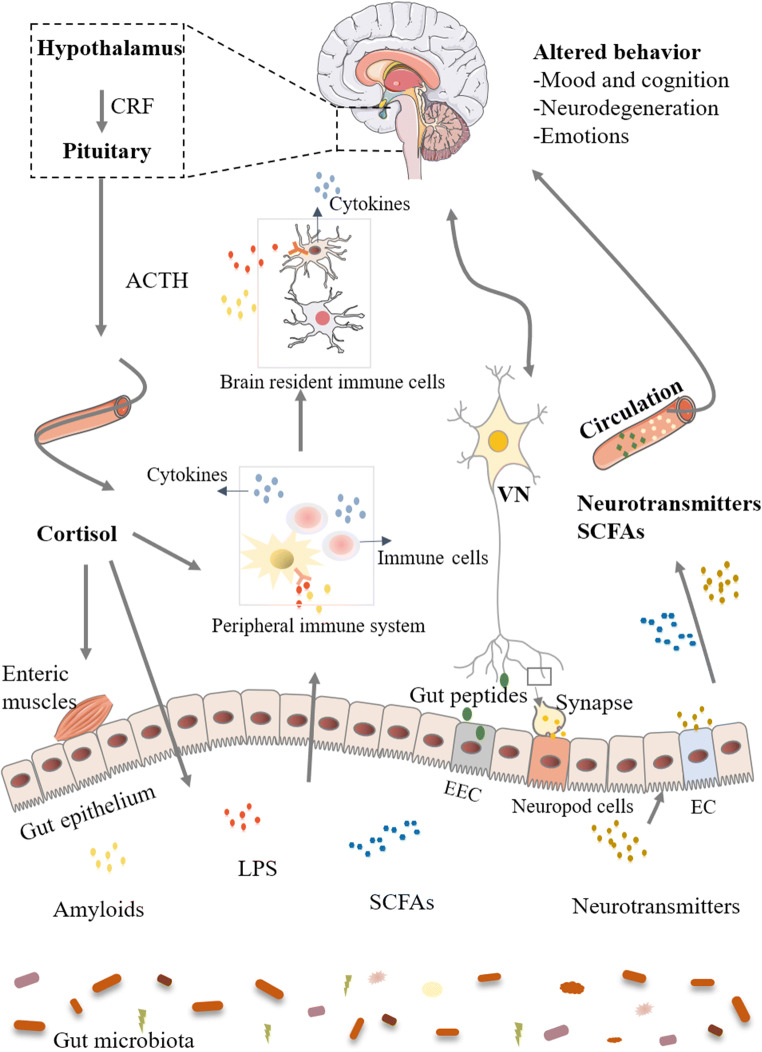
“…and the connection between the CNS and intestine requires the autonomic nervous system (comprises parasympathetic and sympathetic subsystems), neuroendocrine system (hypothalamic-pituitary-adrenal axis), immune system (intestinal and neural-immune systems), and metabolic pathways [26, 54, 55].”
Exploring LRP-1 in the liver-brain axis: implications for Alzheimer’s disease
Sharma, V. (2025) · Molecular Biology Reports · doi:10.1007/s11033-025-10980-8 · Cited by 7
Lu, H., Liu, S., Zhang, S., Chen, J., & Chen, Q. (2025) · International Journal of Biological Macromolecules · doi:10.1016/j.ijbiomac.2025.141048 · Cited by 8
Self-citationKlebsiella pneumoniae infection increases risk of Alzheimer's disease in the UK Biobank cohort
Lehrer, S. P., & Rheinstein, P. H. (2025) · Psychogeriatrics · doi:10.1111/psyg.70013 · Cited by 4
“…in fl ammation and oxidative stress, further contributing to the neurodegenerative processes involved in Alzheimer ’ s. 4 Molecular mimicry and immune system activation: K. pneumoniae , like many pathogens, can produce antigens that resemble human proteins, leading to an autoimmune response.”
Research progress of cell senescence in Alzheimer's disease: mechanisms and therapy
Cai, J., Yang, L. C., Xu, Y., Wang, L., Zhang, M., Qiao, J., Qian, X., Zhu, H., & Cai, M. (2025) · European Journal of Pharmacology · doi:10.1016/j.ejphar.2025.177697 · Cited by 6
Treating Chronic Diseases by Regulating the Gut Microbiota
Hong, B., & Jiang, J. (2021) · Engineering · doi:10.1016/j.eng.2021.08.015 · Cited by 4
Zhang, K., Ma, X., Zhang, R., Liu, Z., Jiang, L., Qin, Y., Zhang, D., Tian, P., Gao, Z., Zhang, N., et al. (2022) · Journal of Alzheimer s Disease · doi:10.3233/jad-220101 · Cited by 4
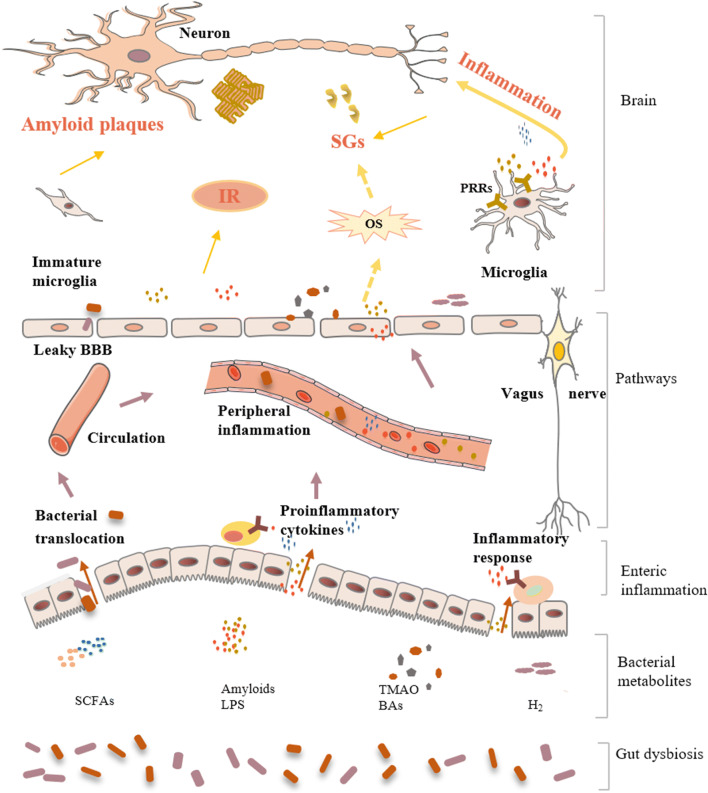
“The intestinal microbiota and its metabolites may participate in the onset and progression of AD via regulating microglia activation, neuroinflammation, oxidative stress, amyloid-beta aggregation, and blood–brain barrier permeability [33–35].”
Bali, P., Lal, P., Sivapuram, M. S., Kutikuppala, L. V. S., Avti, P., Chanana, A., Kumar, S., & Anand, A. (2024) · Neuroepidemiology · doi:10.1159/000538416 · Cited by 5
“The scarcity of GM and dysbiosis producing abnormal bacterial products such as amyloids and lipopolysac-charides may contribute signi fi cantly to the development of AD, contributing to the pathological features of AD [211].”
Teng, T., Clarke, G. A., Wu, J., Wu, Q., Maes, M. H. J., Wang, J., Wu, H., Yin, B., Jiang, Y., Li, X., et al. (2023) · Journal of Advanced Research · doi:10.1016/j.jare.2023.04.010 · Cited by 5
RetractedA Deep Insight into the Correlation Between Gut Dysbiosis and Alzheimer’s Amyloidopathy
Kondaveeti, S. N., Thekkekkara, D., Lakshmi Narayanan, T., Manjula, S. N., Tausif, Y. M., Babu, A., & Meheronnisha, S. K. (2022) · Journal of Pharmacology and Pharmacotherapeutics · doi:10.1177/0976500x221150310 · Cited by 3
Recent Insights on the Prospective role of Phytocompounds in Modulating Gut-Brain Axis
Kumari, N., Anand, S., Shah, K., & Chauhan, N. S. (2024) · Current Pharmacology Reports · doi:10.1007/s40495-024-00364-0 · Cited by 3
Wang, T., Ju, M., Zhang, X., Feng, W., Wang, L., Hao, L. Y., Yu, H., & Xiao, R. (2025) · GeroScience · doi:10.1007/s11357-025-01628-3 · Cited by 4
High-amylose diet ameliorates LPS-induced cognitive impairment and depression-like phenotype
Takura, K., Wei, R., Takayanagi, R., Sakai, Y., Hattori, M., & Ohshima, T. (2025) · Neuroscience Letters · doi:10.1016/j.neulet.2025.138295 · Cited by 3
“The effects of dysbiosis and CNS disruption by the gut microbial composition have been associated with changes in the immunological, hormonal, neural, and metabolic pathways [67].”
Bae, H. J., Kim, S.-I., Kim, S.-Y., Cho, Y. E., Sung, S., Lim, S., Cho, K., Park, S. J., & Lim, S. (2025) · Frontiers in Microbiology · doi:10.3389/fmicb.2025.1672153 · Cited by 3
“In addition, increasing evidence suggests that chronic systemic inflammation resulting from impaired gut barrier function significantly contributes to AD pathology by promoting neuroinflammation and accelerating cognitive decline (Xie et al., 2021; Liu et al., 2020).”
Can Beetroot (Beta vulgaris) Support Brain Health? A Perspective Review on Alzheimer’s Disease
Kimble, R., & Shannon, O. M. (2025) · Nutrients · doi:10.3390/nu17233790 · Cited by 4
“Moreover, emerging evidence suggests that oral and gut microbiome dysbiosis may contribute to AD via systemic inflammation, mi‑ crobial metabolites, blood–brain barrier disruption, and altered immune signalling [13,14].”
Banerjee, A., Goswami, A., & Choudhury, A. (2025) · BioNanoScience · doi:10.1007/s12668-025-02276-9 · Cited by 3
“The gut microbiota, a diverse community of microorganisms in the gastrointestinal system, influences not only gut disorders but also central nervous system conditions like AD [ 115].”
Exploring the Gut-Brain Connection: The Role of Microbiota in Alzheimer’s Disease Pathogenesis
Rahi, A., Jafari, E., Azizian, R., Mohammadi, M. R., Razmfarsa, A., Hosseinabad, S. S., & Hamidi, M. (2026) · Dementia and Neurocognitive Disorders · doi:10.12779/dnd.2026.25.1.1 · Cited by 4
“7 Anaerobic oral pathogens such as Prevotella intermedia are disproportionately represented in AD patients and may contribute to neuroinflammation by activating TLR-4/ NF-κ B signaling pathways.”
InfluentialEffects of bile acids and gut microbiota interactions on neurological and psychiatric disorders
Pei, X., Wang, X., Lu, H., Wu, J., Xu, L., Chen, X., Deng, L., & Xu, H. (2026) · Genes & Diseases · doi:10.1016/j.gendis.2026.102069 · Cited by 4
The complex of gut microbial metabolites and sex hormones in Alzheimer’s disease
Bahar, A., Khazaei, M., & Tahmasebi, H. (2026) · Seminars in Immunopathology · doi:10.1007/s00281-026-01076-x · Cited by 5
Zaongo, S. D., Harypursat, V., Rashid, F., Dahourou, D. L., Ouédraogo, A., & Chen, Y. (2023) · Frontiers in Behavioral Neuroscience · doi:10.3389/fnbeh.2023.1261784 · Cited by 3
“These SCFA, including butyrate (produced by SCFA-producing bacteria which are significantly reduced after HIV infection), are considered to have a beneficial influence on many neurodegenerative conditions (Liu et al., 2020).”
BackgroundThe role of Gut-Microbiome-Brain-axis in Alzheirmer's disease
Rocha, V. M. N., Rocha, V. M. N., Gomes, G. F., Galvão, S. L., de Paula, L. Z. M., Oliveira, M. E., Oliveira, I. D., da Silva, L. A., Freitas, V. H. M., Sales, C. R., et al. (2024) · Brazilian Journal of Clinical Medicine and Review · doi:10.52600/2965-0968.bjcmr.2023.2.3.22-28 · Cited by 3
“In another study, Liu et al. [3] showed in mice that probiotic treatment can increase the expression of claudins and occludins, cell junction proteins crucial for maintaining intestinal permeability and the blood-brain barrier [3].”
BackgroundHan, S., Li, Z., Shi, Y., Cui, Y., Huang, J., Frost, D. C., Rey, F. E., Liu, R., & Li, L. (2024) · Analytical Chemistry · doi:10.1021/acs.analchem.3c05327 · Cited by 3
The intratumor microbiota and thyroid cancer: a review
Liu, S., Xiong, X., Hao, T., Shi, X., & Zhao, Y. (2025) · Frontiers in Endocrinology · doi:10.3389/fendo.2025.1536155 · Cited by 6
Self-citationElberry, D. A., Gamal, M., Gawish, Z., Hegazy, E., Hosny, S. A., Rashed, L. A., Mehesen, M. N., & ShamsEldeen, A. M. (2025) · Future Journal of Pharmaceutical Sciences · doi:10.1186/s43094-025-00836-0 · Cited by 6
“According to the findings of Liu and colleagues, CB may preserve the intestinal barrier function by enhancing the production of TJ-related proteins, such as claudin-1, which was detected by increasing the mean area % of Claudin-1 immunoreactivity [78].”
Ghosson, A., Soufan, F., Kaddoura, H., Fares, E., & Uwishema, O. (2025) · Health Science Reports · doi:10.1002/hsr2.70975 · Cited by 5
“Modulating gut microbiota could potentially improve insulin sensitivity and mitigate AD progression [75].”
InfluentialAssad, A., Jonhson, S. L., & Reichard, R. A. (2025) · Cureus · doi:10.7759/cureus.89302 · Cited by 7
Yan, Y., Pan, Y., Lu, S., Kou, J., Chen, X., Zeng, W., Luo, D., Qiu, L., Zhang, H., & Chen, D. (2025) · Journal of Alzheimer s Disease · doi:10.1177/13872877251372945 · Cited by 4
Self-citationCheng, X., Wang, H., Zheng, Z., Feng, K., Tang, S., Liu, Y., Chen, K., Bi, C., Gao, M., & Ji, L. (2021) · Medicine · doi:10.1097/md.0000000000028462 · Cited by 4
Exploring Inflammasome Complex as a Therapeutic Approach in Inflammatory Diseases
Sultana, S., Viet, T. D., Oishy, T. A., Kazi, E., Micolucci, L., Mollah, A. K. M. M., Akhtar, M. M., & Islam, M. S. (2023) · Future Pharmacology · doi:10.3390/futurepharmacol3040048 · Cited by 3
Liu, J., Jiang, G., Zhang, H., Zhang, H., Jia, X., Gan, Z., & Yu, H. (2024) · Animals · doi:10.3390/ani14101498 · Cited by 3
“The gut microbiota is deemed to be a major factor influencing health [2], as its metabolic products significantly impact the host’s metabolism [3], immune function [4], nervous system [5], energy balance [6], and other aspects related to body health.”
BackgroundSelf-citationThe Association of the Oral Microbiota with Cognitive Functioning in Adolescence
Naumova, O. Y., Dobrynin, P. V., Khafizova, G. V., & Grigorenko, E. L. (2024) · Genes · doi:10.3390/genes15101263 · Cited by 4
“…gut microbiota has been associated with lower executive function [61] and has been observed in cognitive impairment groups, e.g., older adults with poor cognitive functioning in late life [62], and in patients with insomnia [63], Mild Cognitive Impairment (MCI) [64,65], AD, and dementia [66,67].”
BackgroundHuman microbiota in dengue infection: A narrative review
Romani, F. E., Luvira, V., Chancharoenthana, W., Albanese, M., Maddaloni, L., Branda, F., D’Amelio, S., Gabrielli, S., Scagnolari, C., Mastroianni, C. M., et al. (2025) · Microbial Pathogenesis · doi:10.1016/j.micpath.2025.107643 · Cited by 3
Multi-pathogen Infections and Alzheimer’s DiseasePreprint
Damborský, J., Vigašová, D., Nemergut, M., & Lišková, B. (2021) · Preprints.org · doi:10.20944/preprints202101.0184.v1 · Cited by 4
Grabrucker, S., Marizzoni, M., Silajdžić, E., Lopizzo, N., Mombelli, E., Nicolas, S., Dohm-Hansen, S., Scassellati, C., Moretti, D. V., Rosa, M., et al. (2022) · bioRxiv (Cold Spring Harbor Laboratory) · doi:10.1101/2022.11.04.515189 · Cited by 3
A seed and soil model of gut dysbiosis in Alzheimer’s disease
Hung, C.-C., Crowe-White, K. M., & McDonough, I. M. (2023) · Aging · doi:10.18632/aging.204840 · Cited by 4
Georgiou, A. N., Zanos, P., & Onisiforou, A. (2025) · bioRxiv · doi:10.1101/2025.03.14.643306 · Cited by 2
“…to AD progression by promoting amyloid-beta accumulation, triggering inflammation, increasing oxidative damage, and impairing insulin signaling 28,61 , these findings highlight a potential modulation of gut-brain axis may be a key mechanism underlying the cognitive benefits of dual-action…”
Jakubiec, J., Gmitrzuk, J., Malinka, Z., Wiśniewska, K., Jachymek, A., Opatowska, M., Kucharski, T., & Piotrowska, M. (2024) · Quality in Sport · doi:10.12775/qs.2024.15.52004 · Cited by 3
“[35] Gut Microbiota in Alzheimer’s: The gut microbiota of AD patients is characterized by reduced microbial diversity and altered microbial composition, which promotes the induction of inflammation.”
BackgroundSolorzano, C. S., Festari, C., Mirabelli, P., Mombelli, E., Coppola, L., Luongo, D., Naviglio, D., Soricelli, A., Quattrini, G., Salvatore, M., et al. (2025) · Frontiers in Cellular Neuroscience · doi:10.3389/fncel.2025.1550333 · Cited by 6
“The increase in sCAMs is strictly related with systemic inflammation and the disruption of the blood–brain barrier’s integrity, which ultimately might lead to neuroinflammation and loss of neurons (Cryan et al., 2019; Liu et al., 2020; Loh et al., 2024).”
Gut Dysbiosis in Alzheimer’s Disease Pathogenesis and Therapeutic Implications
Nadeem, I. (2025) · Premier Journal of Neuroscience · doi:10.70389/pjn.100007 · Cited by 2
Shen, M., Yu, X., Wu, S., Qiu, J., Wang, R., Li, K., & Zhang, Q. (2025) · Trends in Food Science & Technology · doi:10.1016/j.tifs.2025.105182 · Cited by 3
Nabizadeh, A., Rafati, A., Karbalaei, N., Namavar, M. R., Hosseinzadeh, S., Jahromi, H. M., Rahimi, A., & Naseh, M. (2025) · Brain Structure and Function · doi:10.1007/s00429-025-03003-6 · Cited by 3
“…the insulin signaling pathway and promoting apoptosis with increased oxidative stress, decreased activity of antioxidant enzymes, decreased insu - lin-degrading enzyme concentration, and elevated hyper-phosphorylated tau protein (Baltaci et al. 2022a; Liu et al. 2020b; Akhtar et al. 2020a).”
Rahman, M. U., Ilyas, M., Atta, A., Alioui, Y., Ali, S., Ullah, H., Ali, M., Deng, T., Farooqui, N. A., Ma, R., et al. (2025) · Frontiers in Nutrition · doi:10.3389/fnut.2025.1651499 · Cited by 4
“Dysbiosis, an imbalance in gut microbes, is linked to health issues such as neuropsychiatric disorders, diabetes, and cancer including difficulties in diagnosis (76–80).”
Shaikh, A. A., Wilkhoo, H. S., Pillai, A., Thomas, S., Singh, B., & Nair, N. (2025) · Exploration of Neuroprotective Therapy · doi:10.37349/ent.2025.1004120 · Cited by 3
Immunomodulatory Effects of Microbiome-Derived Therapies
Ghosh, K., & Sands, D. I. (2025) · Interdisciplinary biotechnological advances · doi:10.1007/978-981-95-2104-3_4 · Cited by 4
Singh, G., & Aran, K. R. (2026) · Biogerontology · doi:10.1007/s10522-025-10384-y · Cited by 3
“A shift toward neurotoxic BAs often produced from gut microbial dysbiosis or hepatic dysfunction may over-whelm compensatory capacity in the AD, especially within highly susceptible regions like the hippocampus and prefrontal cortex (Liu et al. 2020).”
Peng, L., Zhang, Z., Hu, Y., Chen, H., Tian, Y., & Ling, H. (2026) · Frontiers in Immunology · doi:10.3389/fimmu.2026.1706811 · Cited by 2
Georgiou, A. N., Zanos, P., & Onisiforou, A. (2026) · Communications Medicine · doi:10.1038/s43856-026-01471-3 · Cited by 9
“…to AD progression by promoting amyloid-beta accumulation, triggering in fl ammation, increasing oxidative damage, and impairing insulin signaling 45,82 , these fi ndings highlight the possibility that modulation of gut-brain axis may be a key mechanism underlying the cognitive bene fi ts of…”
Muraleedharan, A., Rangavajhula, K., & Ray, S. K. (2026) · Cells · doi:10.3390/cells15050422 · Cited by 3
Peng, T., Zhang, Z., Ding, N., & Zhang, J. (2026) · Neural Plasticity · doi:10.1155/np/6718671 · Cited by 2
“Preclinical studies indicate that ABX – induced microbiota perturbation can attenuate cerebral A β accumulation and alter microglial activation in male mice [71 – 73].”
Krüger, K., van der Veen, H., Beigy, M., O’Donovan, S. D., van Riel, N. A. W., Remie, L. B., Aarts, E., Steegenga, W. T., Smeets, P. A. M., van Trijp, M. P. H., et al. (2026) · Frontiers in Nutrition · doi:10.3389/fnut.2026.1738622 · Cited by 4
Salerno, S., Fabbri, G., Paolo, M. L. D., Piazzola, F., Piccarducci, R., Costa, B., Castellano, S., Via, L. D., Taliani, S., & Settimo, F. D. (2026) · European Journal of Medicinal Chemistry · doi:10.1016/j.ejmech.2026.118893 · Cited by 2
Decoding neuroinflammation: the critical role of NLRP3 inflammasome in Alzheimer’s disease
Chaudhary, B. N., Kumari, S., Sharma, P., Dhapola, R., Paidlewar, M., Vellingiri, B., Medhi, B., & HariKrishnaReddy, D. (2026) · Inflammopharmacology · doi:10.1007/s10787-026-02274-7 · Cited by 2
“Pro-inflammatory cytokines, especially IL-1β, are produced when the peripheral immune cells’ NLRP3 inflammasome is activated by these circulating microbial signals (Liu et al. 2020).”
Liu, C., Zhu, Z., Lin, H., Bush, W. S., Jenq, R. R., Cominelli, F., Pillai, J. A., Haines, J. L., Zhu, X., Xu, R., et al. (2026) · Frontiers in Molecular Biosciences · doi:10.3389/fmolb.2026.1735332 · Cited by 2
“The gut-brain axis (GBA) offers a particularly relevant framework through which such exposures may influence neuroinflammation, barrier dysfunction, amyloid-beta ( Aβ ) aggregation, and cognitive decline (Liu et al., 2020; Qu et al., 2024; Leblhuber et al., 2021; Conn et al., 2024).”
Hajra, D., Kirthivasan, N., & Chakravortty, D. (2024) · ACS Infectious Diseases · doi:10.1021/acsinfecdis.3c00554 · Cited by 2
Chang, X., Xue, S., Li, R., & Zhang, Y. (2024) · Frontiers in Microbiology · doi:10.3389/fmicb.2023.1308393 · Cited by 2
“10.3389/fmicb.2023.1308393 Frontiers in Microbiology 11 frontiersin.org oxidative stress, and insulin resistance in the pathogenesis of Alzheimer’s disease (AD; Liu et al., 2020).”
BackgroundInfluentialThe Gut Microbiome and the Central Nervous System (CNS)
Vijay, A., Ahmad, F., Sudesh, R., & Balakrishnan, A. (2024) · Springer eBooks · doi:10.1007/978-981-99-8803-7_3 · Cited by 2
Infection, Neuroinflammation and Interventions for Healthy Brain and Longevity
Fülöp, T., Ramassamy, C., Lacombe, G., Frost, E. H., Cohen, A. A., Rodrigues, S., Desroches, M., Hirokawa, K., Laurent, B., & Witkowski, J. M. (2024) · Healthy ageing and longevity · doi:10.1007/978-3-031-68513-2_12 · Cited by 2
Mora-Ortiz, M., García-Fernández, H., Pérez‐Martínez, P., & Camargo, A. (2024) · Open Research Europe · doi:10.12688/openreseurope.18568.1 · Cited by 2
Establishment of a type 2 diabetes-tumor mouse model and analysis of its intestinal flora
Kang, J., ChunQing, L. I., Gao, X., Hui-bin, X., Chen, C., & Luo, D. (2021) · Scientia Sinica Vitae · doi:10.1360/ssv-2021-0186 · Cited by 6
da Fonseca, E. N., Piedade, A. B. T., & da Silva, M. C. (2022) · Research Society and Development · doi:10.33448/rsd-v11i16.38185 · Cited by 11
Bhratee, A., Kumar, M., Alam, M. R., Anand, P., & Singh, S. (2023) · Current Pharmacology Reports · doi:10.1007/s40495-023-00325-z · Cited by 2
“Glc, glucose; IR, insulin-like receptor; PPARγ, peroxisome proliferator-activated receptor gamma; PI3K/Akt, phosphoinositide 3-kinase/protein kinase-B; GSK3β, glycogen synthase kinase-3 beta; LPS, lipopolysaccharide; TNF-α, tumor necrosis factor alpha; IL1β, interleukin-1beta; UCP2, uncoupling protein 2; ROS, reactive…”
BackgroundInfluentialSex Bias in Preclinical Studies: The Case of Gut Microbiota on Alzheimer’s Disease
Vinardell, M. P. (2021) · Archives in Neurology & Neuroscience · doi:10.33552/ann.2021.11.000752 · Cited by 2
“But unfortunately, most preclinical animal studies end up with unexpected failures during clinical transition due to unidentified reasons [14].”
BackgroundHomolak, J., Perhoč, A. B., Knezović, A., Barilar, J. O., Koç, F., Stanton, C., Ross, R. P., & Šalković‐Petrišić, M. (2021) · bioRxiv (Cold Spring Harbor Laboratory) · doi:10.1101/2021.04.22.440947 · Cited by 2
“The maintenance of the functional GI barrier prevents the intestinal luminal microorganisms, inflammatory mediators, and Aβ from entering into the circulation and triggering inflammatory processes driving systemic inflammation, metabolic dysfunction, the permeability of the blood-brain barrier (BBB), and neurodegenera…”
BackgroundThe Role of the Gut-Brain Axis in Alzheimer's Disease: A Narrative Review
Karout, L. (2022) · PDXScholar (Portland State University) · doi:10.15760/honors.1271 · Cited by 2
“GABA, serotonin (5-HT), and dopamine are all major examples of bacterial products that are involved in mood, behavior, and cognitive function as neurotransmitters (Table 1) (Liu et al., 2020).”
BackgroundInfluentialBhattacharya, I., Bhattacharya, T., Sahu, A., Das, P., Sarkar, S., Prasanna, V. S., Sreed, R., Ravichandiran, V., & Arumugam, S. (2024) · Research Square · doi:10.21203/rs.3.rs-4667019/v1 · Cited by 2
The Biomolecular Basis of Gut Microbiome on Neurological Diseases
Anaya‐Prado, R., Cárdenas-Fregoso, A. P., Reyes-Perez, A. M., Ortiz-Hernandez, D. M., Quijano-Ortiz, M., Delgado-Martinez, M. V., Pelayo-Romo, A. S., Anaya-Fernández, R., Anaya-Fernandez, M. M., Azcona-Ramirez, C. C., et al. (2024) · OBM Neurobiology · doi:10.21926/obm.neurobiol.2403232 · Cited by 1
Зв’язок між мікробіомом кишечника та розвитком нейродегенеративних захворювань (огляд)
Широбоков, В. П., & Димент, Г. С. (2024) · Visnik Nacional noi academii nauk Ukrai ni · doi:10.15407/visn2024.07.077 · Cited by 2
2-es típusú cukorbetegség és Alzheimer-kór − közös mikrobiális gyökerek?
Fekete, C., Schandl, L., Tomasics, G., Egey, A., Kis, J. T., & Winkler, G. (2024) · Orvosi Hetilap · doi:10.1556/650.2024.33128 · Cited by 1
Chen, R., Li, R., Jiang, J., Zhou, L., Zhao, S., Zhang, Y., Xia, Q., & Yang, Z. (2025) · Frontiers in Nutrition · doi:10.3389/fnut.2025.1585640 · Cited by 2
Adherence to Life’s Essential 8 enhances gut microbiota diversity and cognitive performance
Wadop, Y. N., Muhammad, J. A. S., Bernal, R., Satizábal, C. L., Beiser, A., Vasan, R. S., Xavier, R. J., Kautz, T. F., Seshadri, S. S., Himali, J. J., et al. (2025) · Frontiers in Microbiomes · doi:10.3389/frmbi.2025.1592023 · Cited by 2
“Dysbiosis has been implicated in cognitive impairment through mechanisms involving systemic in fl ammation, oxidative stress, and altered neurochemical signaling (Liu et al., 2020; Shandilya et al., 2022).”
Intelligent Biomaterials and Microfluidic Technology
Tan, C. S., He, M., Guo, Y., & Fu, J. (2025) · Springer eBooks · doi:10.1007/978-981-96-8646-9_10 · Cited by 1
Alvarez, K. L. F., Ortiz-Manrique, M. M., Dávila-Del-Carpio, G., Peralta-Mestas, A., & Cardenas, C. L. L. (2025) · Neuroscience · doi:10.1016/j.neuroscience.2025.07.037 · Cited by 1
Suthivanich, P., Vongseenin, S., Auvichayapat, V., Supronsinchai, W., Tumwasorn, S., Chayanupatkul, M., & Bongsebandhu‐phubhakdi, S. (2025) · Scientific Reports · doi:10.1038/s41598-025-24928-2 · Cited by 1
Deng, Q.-Y., Tang, M., Gao, J., & Liang, P. (2025) · BMC Anesthesiology · doi:10.1186/s12871-025-03521-0 · Cited by 2
“Further studies have suggested that an imbalance in the intestinal flora may contribute to neuroinflammation and oxidative stress, leading to the development of AD [10].”
Self-citation
Metadata
- Authors
- Liu, S., Gao, J., Zhu, M., Liu, K., & Zhang, H.-L.
- Affiliations
- Jilin University (CN)
- Mayo Clinic (US)
- Corresponding author
- Liu, Kangding
- Venue
- Molecular Neurobiology
- Published
- 2020-08-23
- Volume
- 57
- Issue
- 12
- Pages
- 5026-5043
- ISSN
- 0893-7648 (ISSN-L)
- 1559-1182
- PMC
- PMC7541367
- OpenAlex
- W3080830493
- Semantic Scholar
- c1c305deb6388641b3da3e3e7dd5ceb7471ddaec
- Cited by
- 516
- References
- 173
- Citations by year
- 2026: 87 · 2025: 136 · 2024: 108 · 2023: 77 · 2022: 62 · 2021: 42 · 2020: 4
- FWCI
- 4.43
- Type
- journal article
- Language
- en
- Open access
- hybrid
- doi.org
- Licence
- cc-by
- creativecommons.org/licenses/by/4.0 (tdm)
- creativecommons.org/licenses/by/4.0 (vor)
- Locations
- Molecular Neurobiology (publishedVersion, cc-by)
- PubMed Central (publishedVersion, cc-by)
- PubMed (publishedVersion)
- Funders
- National Natural Science Foundation of China (81771299)
- Topics
- Life Sciences › Biochemistry, Genetics and Molecular Biology › Molecular Biology › Gut microbiota and health
- Life Sciences › Neuroscience › Cellular and Molecular Neuroscience › Alzheimer's disease research and treatments
- Health Sciences › Medicine › Gastroenterology › Gastrointestinal motility and disorders
- Keywords
- gut microbiota, dysbiosis, Alzheimer's disease, microbiota-gut-brain axis, amyloid-beta aggregation, neuroinflammation, oxidative stress, insulin resistance, Alzheimer's disease pathogenesis, Alzheimer's disease treatment, neuropsychiatric disorders
- MeSH terms
- Gastrointestinal Microbiome, Alzheimer Disease, Animals, Brain, Humans, Insulin Resistance, Oxidative Stress, Dysbiosis
About these checks
Registry, retraction, Cites and statistics results are computed, not judged, with one exception: a printed reference that no index lists is read once by a model before it counts as a citation error. Claims are extracted by a model and kept only when their quote appears verbatim in the text; each cited source is then checked, with a model’s help, for whether it says what the claim relies on. Those verdicts can be wrong — read the claim’s quote and the cited source before relying on one.
Statistics and arithmetic are recomputed, not judged.
Confidence bands are shown only for fields calibrated on our annotated test set. None is calibrated yet, so no band is shown.
What counts as a claim ›How we measure confidence ›How we check this ›
Are you an author, or do you see a problem with this page? Request a review
Data sources
Bibliographic data: Semantic Scholar, OpenAlex, Crossref.
Contains information from the Semantic Scholar Academic Graph Datasets, made available under the ODC Attribution License (ODC-BY 1.0).
Semantic Scholar’s data is described in: Kinney, R., et al. (2023). The Semantic Scholar Open Data Platform. arXiv:2301.10140.
