

Pharmacokinetics, Pharmacodynamics, and Safety of Canagliflozin in Japanese Patients with Type 2 Diabetes Mellitus
Open accessThe DOI matches its Crossref record; 29 of the 30 references it cites were found in a registry or an index.
Abstract
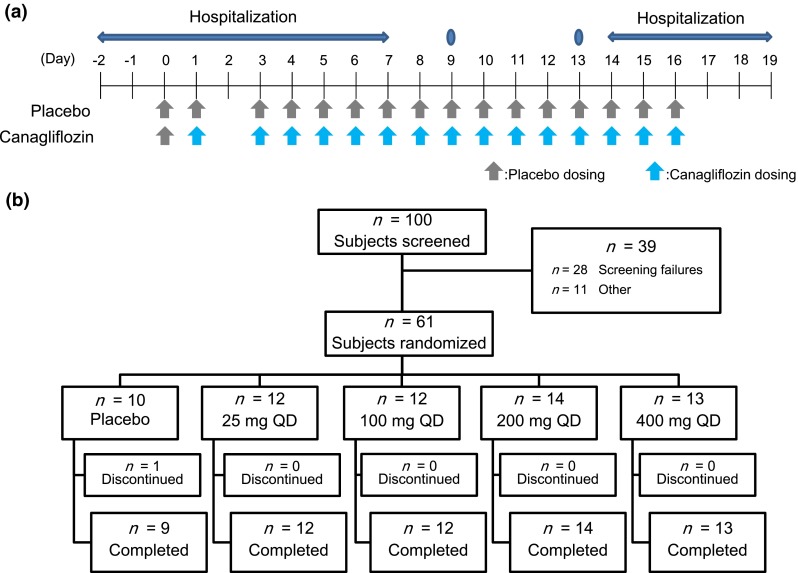
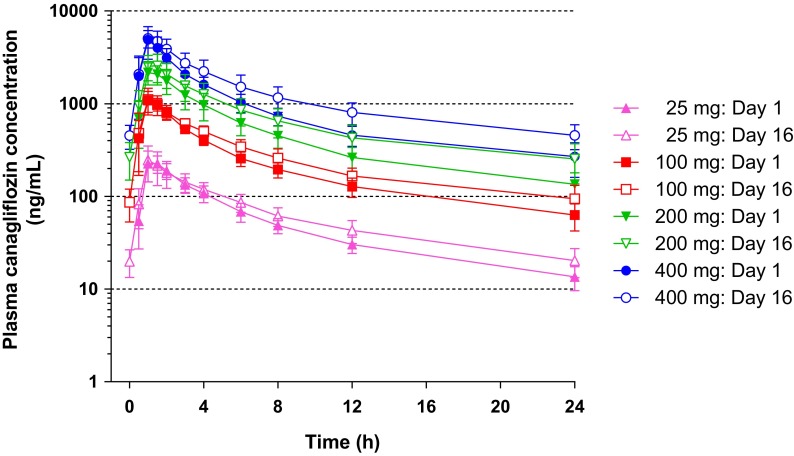
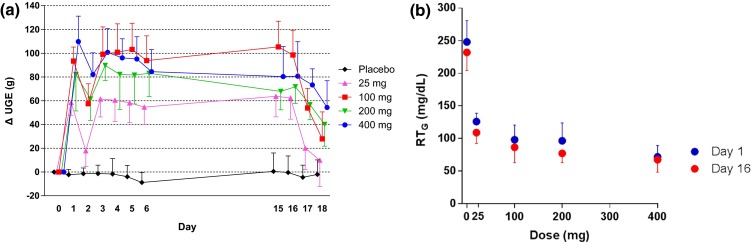
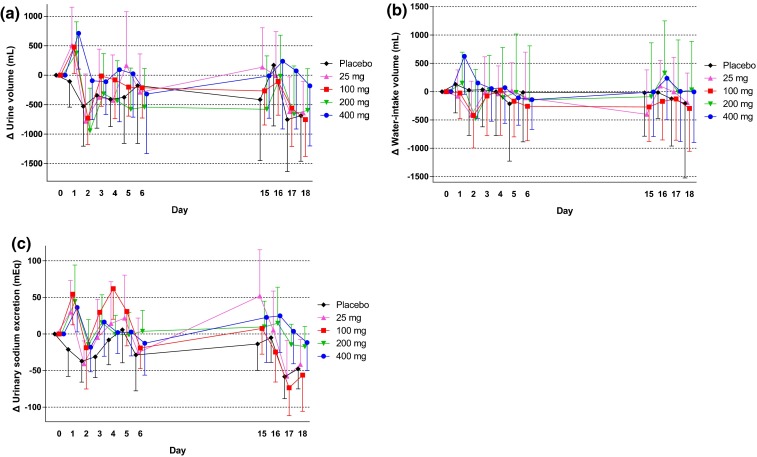
INTRODUCTION: Canagliflozin is a sodium glucose co-transporter 2 inhibitor approved worldwide for the treatment of patients with type 2 diabetes mellitus (T2DM). The present study evaluated pharmacokinetics, pharmacodynamics, and safety of canagliflozin in Japanese patients with T2DM. METHODS: Canagliflozin, at doses of 25, 100, 200, or 400 mg, was administered as a single dose and, after a washout of 1 day, in repeated doses for 14 consecutive days to 61 subjects in a randomized, double-blind, placebo-controlled study. Plasma concentrations of canagliflozin and urinary glucose excretion (UGE) were measured, and renal threshold for glucose excretion (RTG) was calculated. Safety was evaluated on the basis of adverse event (AE) reports, blood and urine laboratory parameters, and vital signs. RESULTS: Plasma canagliflozin maximum concentration and area under the concentration-time curve (AUC) values increased in a dose-dependent manner with the time to maximum concentration (t max) of 1.0 h and elimination half-life (t 1/2) of 10.22-13.26 h on Day 1. No significant changes in t max and t 1/2 were observed after multiple-dose administration. The linearity factors, as calculated from the ratios of AUC0-24h on Day 16 to AUC0-∞ on Day 1, were close to 1 in all canagliflozin groups. Canagliflozin increased UGE0-24h (80-110 g/day with canagliflozin ≥100 mg) and decreased RTG from the first day of treatment; these effects were sustained during the entire period of multiple administration. No significant AEs were noted. Urine volume was slightly increased on Day 1, but subsequent changes after repeated doses for 14 days were small. Urinary sodium tended to be higher in the early treatment period, whereas no particular change was observed in serum osmolality and hematocrit. CONCLUSION: Canagliflozin increased UGE, decreased RTG, and was well tolerated throughout the entire period of multiple administrations in Japanese patients with T2DM. FUNDING: Mitsubishi Tanabe Pharma Corporation. TRIAL REGISTRATION: ClinicalTrials.gov#NCT00707954.
Overview
The claims and statistics of this paper haven’t been checked yet.
Free: it reads the open-access text and checks the first 5 claims that cite a source we can check. Create a free account to check every claim.
Integrity signals
Registry
Cites
Statistics
Figures
Verification
Claims the paper makes
The claims and statistics of this paper haven’t been checked yet.
Free: it reads the open-access text and checks the first 5 claims that cite a source we can check. Create a free account to check every claim.
Claims other papers make about this one
Each is checked against this paper’s own text: does it say what the citing paper says it does?
The cited source doesn’t support the claim as written.
In the citing paper
“Although clinical studies demonstrated natriuretic/osmotic diuretic effects of SGLT2 inhibitors, it should be mentioned that these studies did not record or standardize sodium intake (Tanaka et al., 2017; Iijima et al., 2015; Wilcox et al., 2018; Mordi et al., 2020; Griffin et al., 2020).”
From A kidney perspective on the mechanism of action of sodium glucose co-transporter 2 inhibitors (2021) · cites this paper as Iijima et al., 2015
Checked by a reasoning model — may be wrong.
Experimental — accuracy not yet measured
Self-check
Percentages, sums and reported differences re-computed from the paper’s own numbers.
The self-check needs the paper’s full text.
Citations
Cites
Stearne, M. R., Palmer, S. L., Hammersley, M. S., Franklin, S. L., Spivey, R. S., Lévy, J., Tidy, C. R., Bell, N. J., Steemson, J., Barrow, B. A., et al. (1998) · UCL Discovery (University College London) · Cited by 6,090
Report of the Committee on the Classification and Diagnostic Criteria of Diabetes Mellitus
The Committee of the Japan Diabetes Society on the Diagnostic Criteria of Diabetes Mellitus, Seino, Y., Nanjo, K., Tajima, N., Kadowaki, T., Kashiwagi, A., Araki, E., Ito, C., Inagaki, N., Iwamoto, Y., et al. (2010) · Journal of Diabetes Investigation · doi:10.1111/j.2040-1124.2010.00074.x · Cited by 1,772 · cited 1×
“As JDS issued a recommendation to use HbA1c (NGSP) instead of HbA1c (JDS) after study completion [23], HbA1c (JDS) values were converted to HbA1c”
Self-citationReduction in Weight and Cardiovascular Disease Risk Factors in Individuals With Type 2 Diabetes
The Look AHEAD Research Group (2007) · Diabetes Care · doi:10.2337/dc07-0048 · Cited by 1,522 · cited 1×
“In addition to blood glucose control, the management of body weight and blood pressure is critical for the prevention of diabetic complications [7, 8].”
Kinaan, M., Ding, H., & Triggle, C. R. (2015) · Medical Principles and Practice · doi:10.1159/000381643 · Cited by 1,515
Dapagliflozin a glucose-regulating drug with diuretic properties in subjects with type 2 diabetes
Lambers Heerspink, H. J., de Zeeuw, D., Wie, L., Leslie, B., & List, J. (2013) · Diabetes, Obesity and Metabolism · doi:10.1111/dom.12127 · Cited by 837 · cited 2×
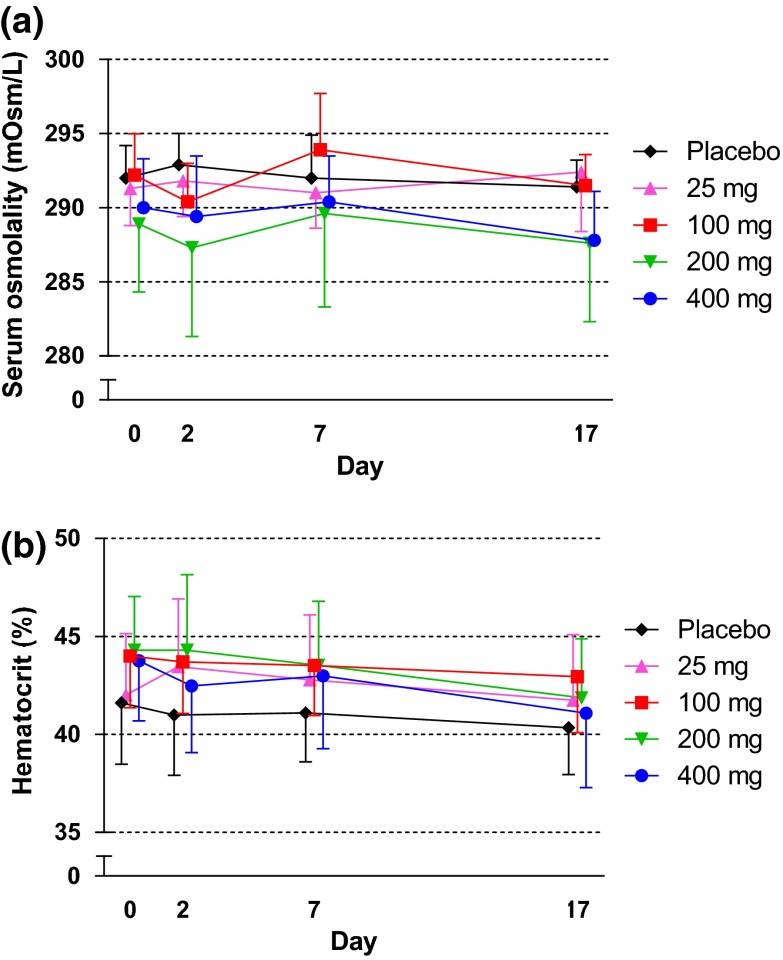
“Volume-related parameters, including mean hematocrit values and serum osmolality, were not markedly changed in the present study although some SGLT2 inhibitors have been reported to increase hematocrit values and transiently decrease body fluid volumes [5, 9, 10].”
BackgroundGerich, J. E. (2010) · Diabetic Medicine · doi:10.1111/j.1464-5491.2009.02894.x · Cited by 633 · cited 3×
“90% of filtered glucose is reabsorbed by the sodium glucose co-transporter (SGLT) 2 in the S1 segment of proximal tubules, and the residual glucose is reabsorbed by SGLT1 in the S2 and S3 segments [1].”
Scheen, A. J. (2015) · Drugs · doi:10.1007/s40265-014-0337-y · Cited by 554 · cited 2×
“These pharmacodynamic profiles of canagliflozin in Japanese patients were also similar to those in studies with non-Japanese patients [3, 20, 22, 24].”
Baker, W. L., Smyth, L. R., Riche, D. M., Bourret, E. M., Chamberlin, K. W., & White, W. B. (2014) · Journal of the American Society of Hypertension · doi:10.1016/j.jash.2014.01.007 · Cited by 452 · cited 2×
“Furthermore, some SGLT2 inhibitors have shown antihypertensive effects because of their diuretic action [5, 6].”
BackgroundNomura, S., Sakamaki, S., Hongu, M., Kawanishi, E., Koga, Y., Sakamoto, T., Yamamoto, Y., Ueta, K., Kimata, H., Nakayama, K., et al. (2010) · Journal of Medicinal Chemistry · doi:10.1021/jm100332n · Cited by 385 · cited 1×
“Canagliflozin is an SGLT2 inhibitor available for the treatment of T2DM in many countries, including Japan [11–18].”
Cited by
Donnan, J. R., Grandy, C. A., Chibrikov, E., Marra, C. A., Aubrey-Bassler, K., Johnston, K., Swab, M., Hache, J., Curnew, D., Nguyen, H., et al. (2019) · BMJ Open · doi:10.1136/bmjopen-2018-022577 · Cited by 222
Ansary, T. M., Nakano, D., & Nishiyama, A. (2019) · International Journal of Molecular Sciences · doi:10.3390/ijms20030629 · Cited by 174
“In type 2 diabetic patients, increased urinary sodium excretion has been observed during the early phase of treatment with canagliflozin [16,18,19] and empagliflozin [24].”
BackgroundUmino, H., Hasegawa, K., Minakuchi, H., Muraoka, H., Kawaguchi, T., Kanda, T., Tokuyama, H., Wakino, S., & Itoh, H. (2018) · Scientific Reports · doi:10.1038/s41598-018-25054-y · Cited by 162
A kidney perspective on the mechanism of action of sodium glucose co-transporter 2 inhibitors
Sen, T., & Heerspink, H. J. L. (2021) · Cell Metabolism · doi:10.1016/j.cmet.2021.02.016 · Cited by 161
Tanaka, H., Takano, K., Iijima, H., Kubo, H., Maruyama, N., Hashimoto, T., Arakawa, K., Togo, M., Inagaki, N., & Kaku, K. (2017) · Advances in Therapy · doi:10.1007/s12325-016-0457-8 · Cited by 140
“We performed correlation and multiple regression analyses using the data of present and previous studies [19].”
BackgroundMethodResultSelf-citationScholtes, R. A., Muskiet, M. H. A., van Baar, M. J. B., Hesp, A. C., Greasley, P. J., Karlsson, C., Hammarstedt, A., Arya, N., van Raalte, D. H., & Heerspink, H. J. L. (2021) · Diabetes Care · doi:10.2337/dc20-2604 · Cited by 125
“studies in patients with type 2 diabetes reported that SGLT2 inhibitors induce transient increases in urine volume (8,9,19,20) and natriuresis (8–11).”
BackgroundPerry, R. J., & Shulman, G. I. (2020) · Journal of Biological Chemistry · doi:10.1074/jbc.rev120.008387 · Cited by 147
Effects of Sodium-Glucose Cotransporter 2 Inhibitors on Water and Sodium Metabolism
Tang, J., Ye, L., Yan, Q., Zhang, X., & Wang, L. (2022) · Frontiers in Pharmacology · doi:10.3389/fphar.2022.800490 · Cited by 120
Ohgaki, R., Wei, L., Yamada, K., Hara, T., Kuriyama, C., Okuda, S., Ueta, K., Shiotani, M., Nagamori, S., & Kanai, Y. (2016) · Journal of Pharmacology and Experimental Therapeutics · doi:10.1124/jpet.116.232025 · Cited by 102
“The administration of canagliflozin at a clinical dosage to patients with type 2 diabetesmellitus inducesurinary glucose excretionat∼100g/day, which would not increase the risk of hypoglycemia (Devineni et al., 2012, 2013; Iijima et al., 2015).”
BackgroundYasui, A., Lee, G., Hirase, T., Kaneko, T., Kaspers, S., von Eynatten, M., & Okamura, T. (2018) · Diabetes Therapy · doi:10.1007/s13300-018-0385-5 · Cited by 75
“canagliflozin on day 1; this effect disappeared as early as day 2 [11].”
BackgroundAlba, M., Xie, J., Fung, A., & Desai, M. (2016) · Current Medical Research and Opinion · doi:10.1080/03007995.2016.1174841 · Cited by 68
Delanaye, P., & Scheen, A. J. (2021) · Diabetes & Metabolism · doi:10.1016/j.diabet.2021.101285 · Cited by 70
Rahman, A., Hitomi, H., & Nishiyama, A. (2017) · Hypertension Research · doi:10.1038/hr.2016.193 · Cited by 50
Sen, T., Scholtes, R. A., Greasley, P. J., Cherney, D. Z. I., Dekkers, C. C. J., Vervloet, M. G., Danser, A. H. J., Barbour, S. J., Karlsson, C., Hammarstedt, A., et al. (2022) · Diabetes Obesity and Metabolism · doi:10.1111/dom.14729 · Cited by 43
“In the present study, we extend these findings to patients with CKD without T2D.”
ResultInfluentialBlevins, T. C., & Farooki, A. (2017) · Postgraduate Medicine · doi:10.1080/00325481.2017.1256747 · Cited by 38
Donnan, J. R., Grandy, C., Chibrikov, E., Marra, C. A., Aubrey‐Bassler, K., Johnston, K., Swab, M., Haché, J., Curnew, D., Nguyen, H. V., et al. (2018) · CMAJ Open · doi:10.9778/cmajo.20180111 · Cited by 42
Palanisamy, S., Yien, E. L. H., Shi, L., Yi, L., Qi, S. H., Soon, L., Lun, T. W., & Chen, Y. N. (2018) · Pharmacy · doi:10.3390/pharmacy6030057 · Cited by 51
Matsuba, I., Kanamori, A., Takihata, M., Takai, M., Maeda, H., Kubota, A., Iemitsu, K., Umezawa, S., Obana, M., Kaneshiro, M., et al. (2020) · Diabetes Technology & Therapeutics · doi:10.1089/dia.2019.0372 · Cited by 34
Dias, B. C. L., Fachi, M. M., de Campos, M. L., Degaut, F. L. D., Peccinini, R. G., & Pontarolo, R. (2019) · Biomedical Chromatography · doi:10.1002/bmc.4663 · Cited by 33
SGLT2 inhibitors, sodium and off-target effects: an overview
Pascalis, A. D., Cianciolo, G., Capelli, I., Brunori, G., & Manna, G. L. (2020) · Journal of Nephrology · doi:10.1007/s40620-020-00845-7 · Cited by 32
Ansary, T. M., Fujisawa, Y., Rahman, A., Nakano, D., Hitomi, H., Kobara, H., Masaki, T., Titze, J. M., Kitada, K., & Nishiyama, A. (2017) · Scientific Reports · doi:10.1038/s41598-017-09352-5 · Cited by 31
Zügner, E., Yang, H., Kotzbeck, P., Boulgaropoulos, B., Sourij, H., Hagvall, S., Elmore, C. S., ESTERLINE, R. L., Moosmang, S., Oscarsson, J., et al. (2022) · International Journal of Molecular Sciences · doi:10.3390/ijms23147966 · Cited by 35
“The maximal plasma concentration (Cmax) of cana at daily therapeutic dose of 300 mg at steady state is approximately 10 μM (4445 ng/mL) [61,62], Cmax of dapa at daily therapeutic dose of 10 mg at steady state is about 0.”
BackgroundDong, S., Niu, H., Wu, Y., Jiang, J.-L., Li, Y., Jiang, K., Wang, X., Zhang, M., Han, M., & Meng, S. (2018) · Molecules · doi:10.3390/molecules23051229 · Cited by 28
Masuda, T., & Nagata, D. (2023) · Hypertension Research · doi:10.1038/s41440-023-01220-2 · Cited by 20
Isshiki, M., Sakuma, I., Hayashino, Y., Sumita, T., Hara, K., Takahashi, K., Shiojima, I., Satoh‐Asahara, N., Kitazato, H., Ito, D., et al. (2020) · Endocrine Journal · doi:10.1507/endocrj.ej20-0222 · Cited by 20
Oka, K., Masuda, T., Ohara, K., Miura, M., Morinari, M., Misawa, K., Miyazawa, Y., Akimoto, T., Shimada, K., & Nagata, D. (2023) · Frontiers in Medicine · doi:10.3389/fmed.2023.1287066 · Cited by 23
Sawamura, T., Karashima, S., Nagase, S., Nambo, H., Shimizu, E., Higashitani, T., Aono, D., Ohbatake, A., Kometani, M., Demura, M., et al. (2020) · BMC Endocrine Disorders · doi:10.1186/s12902-020-00656-8 · Cited by 18
Chen, L., Xue, Q., Yan, C., Tang, B., Wang, L., Zhang, B., & Zhao, Q. (2023) · Frontiers in Endocrinology · doi:10.3389/fendo.2023.1256548 · Cited by 24
Asakura, M., Masuda, T., Oka, K., Ohara, K., Miura, M., Morinari, M., Misawa, K., Miyazawa, Y., Akimoto, T., Shimada, K., et al. (2024) · Diagnostics · doi:10.3390/diagnostics14111194 · Cited by 19
Inagaki, N., Harashima, S., & Iijima, H. (2018) · Expert Opinion on Pharmacotherapy · doi:10.1080/14656566.2018.1473378 · Cited by 18
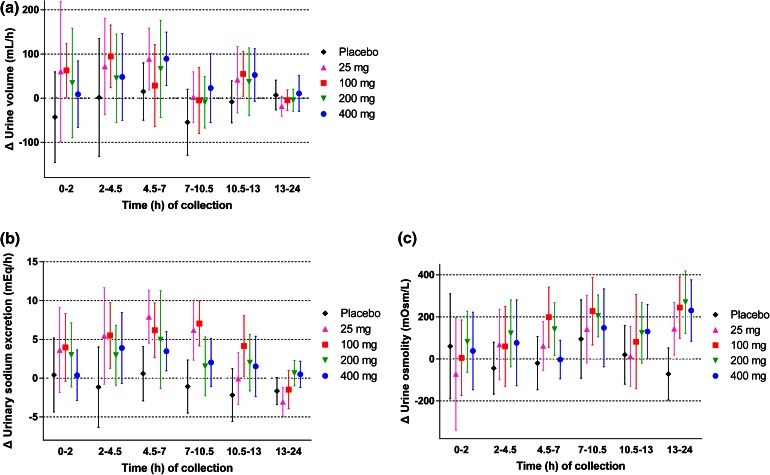
“increased urine volume and urine sodium excretion on day 1, but changes after repeated doses were small, with no statistically significant differences [40,42].”
BackgroundMethodInfluentialSelf-citationHasan, A., Zerin, F., Menon, S. N., Alam, M. A., & Hasan, R. (2022) · Journal of Pharmacological Sciences · doi:10.1016/j.jphs.2022.09.004 · Cited by 15
Manosroi, W., Danpanichkul, P., & Atthakomol, P. (2022) · Scientific Reports · doi:10.1038/s41598-022-24280-9 · Cited by 18
Matsuba, I., Takihata, M., Takai, M., Maeda, H., Kubota, A., Iemitsu, K., Umezawa, S., Obana, M., Kaneshiro, M., Kawata, T., et al. (2021) · Diabetes Obesity and Metabolism · doi:10.1111/dom.14508 · Cited by 16
Pleiotropic effect of sodium-glucose cotransporter 2 inhibitors on blood pressure
Kao, T., & Huang, C. (2022) · Frontiers in Cardiovascular Medicine · doi:10.3389/fcvm.2022.1086672 · Cited by 14
“A pharmacodynamic study showed that canagliflozin led to higher urine sodium levels at earlier phases of treatment (21).”
BackgroundYadav, J., Ahsan, F., Panda, P., Mahmood, T., Ansari, V. A., & Shamim, A. (2024) · Current Diabetes Reviews · doi:10.2174/0115733998271026231127051545 · Cited by 13
Huang, Q., Shi, W., Wang, M., Zhang, L., Zhang, Y., Hu, Y. F., Pan, S., Ling, B., Zhu, H., Xiao, W., et al. (2024) · iScience · doi:10.1016/j.isci.2024.110429 · Cited by 11
Scholtes, R. A., Mosterd, C. M., Hesp, A. C., Smits, M. M., Heerspink, H. J. L., & van Raalte, D. H. (2022) · Diabetes Obesity and Metabolism · doi:10.1111/dom.14864 · Cited by 14
van Ruiten, C. C., Hesp, A. C., & van Raalte, D. H. (2022) · European Journal of Internal Medicine · doi:10.1016/j.ejim.2022.03.031 · Cited by 11
Mori, K., Inoue, T., Machiba, Y., Uedono, H., Nakatani, S., Ishikawa, M., Taniuchi, S., Katayama, Y., Yamamoto, A., Kobayashi, N., et al. (2024) · Frontiers in Endocrinology · doi:10.3389/fendo.2024.1451671 · Cited by 9
Beernink, J. M., Jongs, N., Mosterd, C. M., Scholtes, R. A., Caldwell‐McGee, A., Casillas, D. I., Driscoll, L. M., Greasley, P. J., Karlsson, C., Hammarstedt, A., et al. (2025) · Diabetes Obesity and Metabolism · doi:10.1111/dom.16478 · Cited by 11
Fujita, H., Otomo, H., Takahashi, Y., & Yamada, Y. (2022) · Biochemical and Biophysical Research Communications · doi:10.1016/j.bbrc.2022.10.034 · Cited by 10
VanDerStad, L. R., Wyatt, E. C., & Vaughan, R. A. (2023) · Diabetic Medicine · doi:10.1111/dme.15271 · Cited by 9
“First, we only used one concentration of CANA, and though it was based on physiologically attainable CANA blood levels, 14–16 it could be that the effects of CANA are dose-dependent and require higher concentrations.”
MethodInfluentialTanaka, A., Imai, T., Toyoda, S., Sugimoto, K., Yoshida, R., Furuta, M., Node, K., & the PROTECT Investigators (2023) · Diabetology & Metabolic Syndrome · doi:10.1186/s13098-023-01129-3 · Cited by 8
“Although an increase in the urine volume is generally transient after the initiation of SGLT2 inhibitor therapy [10, 16], the chronic inhibition of SGLT2 may favorably alter the hemodynamic status via several mechanisms, such as improved cardiovascular function and enhanced erythropoiesis [17–19], followed by long-ter…”
BackgroundKasama, S., Masuyama, T., Uemura, S., Sato, Y., Hiramitsu, S., Masuda, I., Yamamoto, K., Komatsu, S., Anzai, T., Nishimura, K., et al. (2019) · Circulation Reports · doi:10.1253/circrep.cr-19-0049 · Cited by 8
“21 , 22 This suggests that canagliflozin may reduce fluid load by immediate natriuresis and persistent osmotic diuresis.”
Guo, G., Ke, M., Xu, J., Wu, W., Chen, J., Ke, C., Huang, P., & Lin, C. (2025) · Frontiers in Pharmacology · doi:10.3389/fphar.2025.1520268 · Cited by 9
Forouzanmehr, B., Hedayati, A. H., Gholami, E., Hemmati, M. A., Maleki, M., Butler, A. E., Jamialahmadi, T., Kesharwani, P., Yaribeygi, H., & Sahebkar, A. (2024) · Cellular Signalling · doi:10.1016/j.cellsig.2024.111335 · Cited by 8
Kuhre, R. E., Deacon, C. F., Albrechtsen, N. J. W., & Holst, J. J. (2021) · Diabetes Obesity and Metabolism · doi:10.1111/dom.14422 · Cited by 8
In nondiabetic C57BL/6J mice, canagliflozin affects the skeleton in a sex- and age-dependent manner
Chlebek, C., McAndrews, C., Costa, S., DeMambro, V., Yakar, S., & Rosen, C. J. (2024) · JBMR Plus · doi:10.1093/jbmrpl/ziae128 · Cited by 7
Baufays, C., Cumps, J., Dufeys, C., Ginion, A., Bertrand, L., Horman, S., Beauloye, C., & Marino, A. (2025) · International Journal of Molecular Sciences · doi:10.3390/ijms262010098 · Cited by 5
“Based on their daily therapeutic doses, the peak plasma concentrations of canagliflozin, empagliflozin, and dapagliflozin in patients are approximately 10 µ M, 1 µ M, and 0.5 µ M, respectively, where the maximal percentage of the drug is bound to protein (Supplemental Figure S1) [4,39–43].”
Influentialvan der Hoek, S., Willemsen, A. T. M., Visser, T. J., Heeres, A., Mulder, D. J., Bokkers, R. P. H., Slart, R. H. J. A., Elsinga, P. H., Heerspink, H. J. L., & Stevens, J. (2023) · Clinical Pharmacology & Therapeutics · doi:10.1002/cpt.2886 · Cited by 4
Nakagaito, M., Imamura, T., Joho, S., Ushijima, R., Nakamura, M., & Kinugawa, K. (2021) · International Heart Journal · doi:10.1536/ihj.20-764 · Cited by 4
“16) The present study consistently observed that urine sodium excretion remained unchanged in patients with uncontrolled T2DM during one-week SGLT2 therapy.”
Exploring SGLT2 Inhibitors' Activity in Breast Cancer: An Overview
Bhole, R. P., Maldhure, G. S., Kapare, H. S., Labhade, S., & Gurav, S. S. (2025) · Current Topics in Medicinal Chemistry · doi:10.2174/0115680266371287250402051235 · Cited by 4
Umezawa, M., Fujii, Y., Orito, K., & YOSHIMOTO, R. (2025) · Journal of Veterinary Medical Science · doi:10.1292/jvms.25-0040 · Cited by 7
“These results have been published elsewhere [ 60 ].”
Empagliflozin and fluid balance: results from the SiRENA project
Nielsen, S. F., Duus, C. L., Buus, N. H., Bech, J. N., & Mose, F. H. (2025) · Clinical Kidney Journal · doi:10.1093/ckj/sfaf262 · Cited by 3
“Previous studies have found acute effects of SGLT2i on both natriuresis and urinary volume [10 ,11 ,14 ].”
Canagliflozin: A Comprehensive Review of Advances in Preclinical Research
Imran, B., Ahsan, F., Mahmood, T., Khan, M. M. U., Bano, S., Zaidi, S. M. H., Ansari, J. A., & Singh, A. (2025) · Drug Research · doi:10.1055/a-2577-1899 · Cited by 4
Population Pharmacokinetic Modeling of Canagliflozin in Advanced Chronic Kidney Disease
John, E. E., Mavrakanas, T. A., Gritsas, A., Suri, R. S., & Marsot, A. (2025) · Clinical Pharmacokinetics · doi:10.1007/s40262-025-01571-8 · Cited by 1
Clinical pharmacokinetics on canagliflozin: a systematic review of in-vitro and in-vivo studies
Eden, N. E., Zamir, A., Saeed, H., Alqahtani, F., & Rasool, M. F. (2025) · Expert Review of Clinical Pharmacology · doi:10.1080/17512433.2025.2597512 · Cited by 2
Salt and chronic kidney disease
Murray, J., Marsman, R. F. J., Engberink, R. O., & Vogt, L. (2026) · Nature Reviews Nephrology · doi:10.1038/s41581-026-01076-y · Cited by 5
“In some, but not all, clinical studies, a short-term natriuretic effect and a modest antihypertensive effect of SGLT2 inhibitors has been observed, further reducing GFR regulatory demand 75–81 .”
大史, 福., 健, 蛯., 昭久, 小., 丈太郎, 舘., 裕司, 小., & 順, 織. (2023) · Nihon Kyukyu Igakukai Zasshi Journal of Japanese Association for Acute Medicine · doi:10.1002/jja2.12805 · Cited by 2
Mechanisms of SGLT2 inhibition in the kidney: from mechanism towards biomarker guided therapy
Sen, T. (2023) · University of Groningen research database (University of Groningen / Centre for Information Technology) · doi:10.33612/diss.659987622
Using PET imaging as tool to unravel drug response variability in type 2 diabetes
van der Hoek, S. (2023) · University of Groningen research database (University of Groningen / Centre for Information Technology) · doi:10.33612/diss.845383131
Sawamura, T., Karashima, S., Nagase, S., Nambo, H., Shimizu, E., Higashitani, T., Aono, D., Ohbatake, A., Kometani, M., Demura, M., et al. (2020) · Figshare · doi:10.6084/m9.figshare.13310965
Tanaka, A., Imai, T., Toyoda, S., Sugimoto, K., Yoshida, R., Furuta, M., & Node, K. (2023) · Figshare · doi:10.6084/m9.figshare.23639976
Sawamura, T., Karashima, S., Nagase, S., Nambo, H., Shimizu, E., Higashitani, T., Aono, D., Ohbatake, A., Kometani, M., Demura, M., et al. (2020) · Figshare · doi:10.6084/m9.figshare.13310953
Sawamura, T., Karashima, S., Nagase, S., Nambo, H., Shimizu, E., Higashitani, T., Aono, D., Ohbatake, A., Kometani, M., Demura, M., et al. (2020) · Figshare · doi:10.6084/m9.figshare.13310959
Sawamura, T., Karashima, S., Nagase, S., Nambo, H., Shimizu, E., Higashitani, T., Aono, D., Ohbatake, A., Kometani, M., Demura, M., et al. (2020) · Figshare · doi:10.6084/m9.figshare.13310950
Xiong, R., yang, Y., Li, Y., & Zhang, H. (2026) · Frontiers in Endocrinology · doi:10.3389/fendo.2026.1785329
Uedono, H., Mori, K., Inoue, T., Machiba, Y., Morioka, F., Nakatani, S., Tsuda, A., Okada, H., & Emoto, M. (2026) · Frontiers in Clinical Diabetes and Healthcare · doi:10.3389/fcdhc.2026.1733806
Sun, X., Wang, Z., Chen, J., Zhang, J., & Li, X. (2026) · AACE Endocrinology and Diabetes · doi:10.1016/j.aed.2026.09.010
Hilger, A., Adick, A., Putze, J., von Vietinghoff, S., & Dobrindt, U. (2026) · Scientific Reports · doi:10.1038/s41598-026-72071-3
Metadata
- Authors
- Iijima, H., Kifuji, T., Maruyama, N., & Inagaki, N.
- Affiliations
- Tanabe Pharma Corporation (Japan) (JP)
- Kyoto University (JP)
- Corresponding author
- Iijima, Hiroaki
- Venue
- Advances in Therapy
- Published
- 2015-08
- Volume
- 32
- Issue
- 8
- Pages
- 768-782
- ISSN
- 0741-238X (ISSN-L)
- 1865-8652
- PMC
- PMC4569680
- OpenAlex
- W1867144247
- Cited by
- 70
- References
- 30
- Citations by year
- 2026: 5 · 2025: 9 · 2024: 6 · 2023: 10 · 2022: 9 · 2021: 5 · 2020: 10 · 2019: 4 · 2018: 6 · 2017: 2 · 2016: 4
- FWCI
- 3.47
- Type
- journal article
- Language
- en
- Open access
- hybrid
- doi.org
- Licence
- cc-by-nc
- Locations
- Advances in Therapy (publishedVersion, cc-by-nc)
- PubMed Central (publishedVersion, cc-by-nc)
- PubMed (publishedVersion)
- Funders
- Mitsubishi Tanabe Pharma Corporation
- Topics
- Health Sciences › Medicine › Endocrinology, Diabetes and Metabolism › Diabetes Treatment and Management
- Health Sciences › Medicine › Endocrinology, Diabetes and Metabolism › Diabetes Management and Research
- Health Sciences › Medicine › Pharmacology (medical) › Pharmacology and Obesity Treatment
- Keywords
- canagliflozin, SGLT2 inhibitors, type 2 diabetes, pharmacokinetics, pharmacodynamics, urinary glucose excretion, renal glucose threshold, repeated dosing, drug safety, Japanese patients, dose dependence, adverse events, urinary sodium, serum osmolality, hematocrit, urine output, elimination half-life, bioavailability
- MeSH terms
- Canagliflozin, Sodium-Glucose Transporter 2 Inhibitors, Adult, Aged, Blood Glucose, Diabetes Mellitus, Type 2, Dose-Response Relationship, Drug, Double-Blind Method, Drug Administration Schedule, Female, Half-Life, Humans, Hypoglycemic Agents, Male, Middle Aged, Treatment Outcome, Drug Monitoring, Asian People
About these checks
Registry, retraction, Cites and statistics results are computed, not judged, with one exception: a printed reference that no index lists is read once by a model before it counts as a citation error. Claims are extracted by a model and kept only when their quote appears verbatim in the text; each cited source is then checked, with a model’s help, for whether it says what the claim relies on. Those verdicts can be wrong — read the claim’s quote and the cited source before relying on one.
Statistics and arithmetic are recomputed, not judged.
Confidence bands are shown only for fields calibrated on our annotated test set. None is calibrated yet, so no band is shown.
What counts as a claim ›How we measure confidence ›How we check this ›
Are you an author, or do you see a problem with this page? Request a review
Data sources
Bibliographic data: Semantic Scholar, OpenAlex, Crossref.
Contains information from the Semantic Scholar Academic Graph Datasets, made available under the ODC Attribution License (ODC-BY 1.0).
Semantic Scholar’s data is described in: Kinney, R., et al. (2023). The Semantic Scholar Open Data Platform. arXiv:2301.10140.
