

Natural Quinone Dyes: A Review on Structure, Extraction Techniques, Analysis and Application Potential
Open accessThe DOI matches its Crossref record; 202 of the 205 references it cites were found in a registry or an index; 19 of the 181 sources its claims cite were checked for support.
Abstract
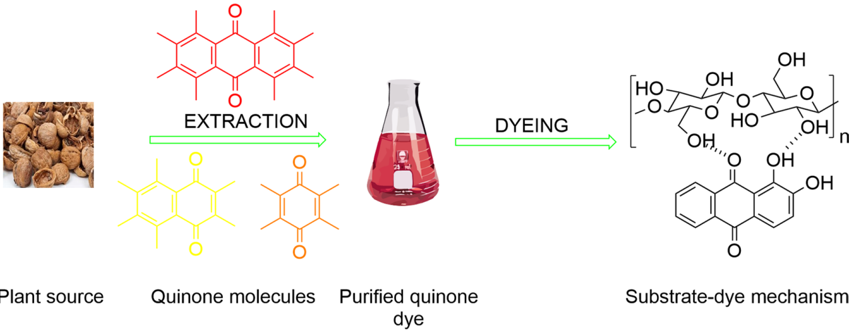
Abstract Synthetic dyes are by far the most widely applied colourants in industry. However, environmental and sustainability considerations have led to an increasing efforts to substitute them with safer and more sustainable equivalents. One promising class of alternatives is the natural quinones; these are class of cyclic organic compounds characterized by a saturated (C6) ring that contains two oxygen atoms that are bonded to carbonyls and have sufficient conjugation to show color. Therefore, this study looks at the potential of isolating and applying quinone dye molecules from a sustainable source as a possible replacement for synthetic dyes. It presents an in-depth description of the three main classes of quinoid compounds in terms of their structure, occurrence biogenesis and toxicology. Extraction and purification strategies, as well as analytical methods, are then discussed. Finally, current dyeing applications are summarised. The literature review shows that natural quinone dye compounds are ubiquitous, albeit in moderate quantities, but all have a possibility of enhanced production. They also display better dyeability, stability, brightness and fastness compared to other alternative natural dyes, such as anthocyanins and carotenoids. Furthermore, they are safer for the environment than are many synthetic counterparts. Their extraction, purification and analysis are simple and fast, making them potential substitutes for their synthetic equivalents. Graphic Abstract
Overview
CoChat Summary
TL;DR
This review argues that natural quinone dyes—benzoquinones, naphthoquinones, and anthraquinones—are promising, more sustainable alternatives to synthetic dyes because they are widely occurring, biodegradable, and can dye natural and synthetic textiles. It synthesizes their structures, sources, extraction/purification methods, analytical detection, toxicity, and application potential.
Key findings
- Quinones are ubiquitous but usually present at limited concentrations; the review reports over 700 known anthraquinone sources, over 120 naphthoquinone sources, and a limited number of benzoquinones, with flowering plants the main source.
- Extraction efficiency varies strongly by method and solvent: Soxhlet gave the highest total quinone yield from *Diospyros anisandra* stem bark at 11.5 mg/g dw, versus 5 mg/g dw for dynamic maceration, 4.5 mg/g dw for ultrasound-assisted, and 3.75 mg/g dw for static maceration. Reflux was most efficient for *R. emodi* at 77.9% recovery, compared with sublimation 53.32%, ultrasonication 51.79%, and maceration 37.31%.
- Solvent polarity affects yield: for alizarin, yields decreased from methanol (0.15%) to ethanol (0.03%), ethyl ether (0.018%), and acetone (0.018%); for naphthoquinones, methanol gave 0.06%, chloroform 0.0146%, and ethyl acetate 0.009%. Benzoquinone was obtained in high quantity (1.45%) with chloroform, while alcohol-water mixtures gave higher glycoside values (2.63–4.6%).
- Natural quinones are not automatically harmless: anthraquinones from *Rumex patientia* can cause pathological effects at high doses (≥4000 mg/kg), and some natural anthraquinones may have genotoxic effects at ≥1000 mg/kg over at least 2 weeks, despite low bioavailability (<0.1). Compared with synthetic dyes, however, natural quinone effluents are described as more easily degradable.
Methods
- Narrative literature review covering structure, occurrence, biogenesis, toxicology, extraction, purification, chemical analysis, and dyeing applications of natural quinones.
- Literature searched in Web of Science and Google Scholar using phrases such as “quinone dyes,” “natural quinone,” “natural dyes,” “quinone compound,” “natural anthraquinone,” “natural naphthoquinone,” and “natural benzoquinone,” within the period 1998–2019.
- The review synthesizes reported extraction methods, analytical techniques, and dyeing results, including tables of sources, concentrations, analytical conditions, and application outcomes.
Limitations
- The paper states that TLC has slow speed, poor separation quality, and difficult scalability; titrimetric methods have declined due to numerous limitations; GC-MS requires derivatisation and can give biased quantification; MS and CE require ionisation, complicating procedures.
- It states that many purification techniques are analytical rather than large-scale, so further purification to a pure component would be an industrial challenge, especially given quinone complexity.
- It notes that natural quinones are not without risk and should not automatically be considered “green” and harmless; high-temperature, long-duration extraction with methanol or ethanol can form colour-modifying artefacts. Evident from the text: this is a narrative review, not a systematic review or meta-analysis, and the search was limited to 1998–2019 and two databases.
Model-written summary. Check it against the paper before relying on it.
Integrity signals
Registry
Cites
Statistics
Figures



Verification
Claims the paper makes
15 Valid · 7 Not valid · 111 Not checked · 66 Own results and interpretations
Some cited sources support this claim and some don’t — read each source’s verdict below.
In the paper
“Anthraquinone pigments have been isolated in concentrations in excess of 30 mg/(g dw) (dw: dry weight) from Morinda citrifolia, R. emodi, Rheum undulatum, Rubia cardigolia and Tectona grandis [38,41,42].”
§ Natural Quinone Dyes: A Review on Structure, Extraction Techniques, Analysis and Application Potential > Occurrence
What the sources say
- Partly supportedcites [38] 38. Aditya, A.U., Pereira, G.R., Laddha, K.S.: Assessment of con- ventional and novel extraction techniqueson extraction efficiency of five anthraquinones from Rheum emodi. J. Food Sci. Technol. 52, 6574-6582 (2015) sourceExperimental — accuracy not yet measured
The Extraction by SE section reports 58.58 mg/g of total anthraquinones from native Rheum emodi samples, supporting the claim for that species. The paper does not report concentrations above 30 mg/g for the other four named species; its mention of Morinda citrifolia concerns an earlier extraction method. Passage page numbers are not available in our copy. (LLM, conf=0.90)
- Disputedcites [41] 41. Kosikowska, U., Smolarz, H.D., Malm, A.: Antimicrobial activ- ity and total content of polyphenols of Rheum L. species growing in Poland. Cent. Eur. J. Biol. 5(6), 814-820 (2010) sourceExperimental — accuracy not yet measured
Of the five species the claim lists, our copy studies only Rheum undulatum, and its Results (p. ~3) state that the total content of anthracene derivatives and anthraquinones in R. undulatum 'did not exceed 20.4 and 18.1 ... mg/g' of dry weight (Table 1: 20.4 ± 0.60 and 18.1 ± 0.80 mg/g) — i.e. well below the claimed threshold of >30 mg/g dw. The only >30 mg/g figure in the paper belongs to R. palmatum (36.3 mg/g anthracene derivatives including 34.0 ± 1.2 mg/g anthraquinones, Results and Table 1), a species absent from the claim's list. Morinda citrifolia, Rheum emodi, Rubia cordifolia and Tectona grandis are not mentioned anywhere in our copy (searched: those names, and mg/g anthraquinone content), so nothing there supports the claim for them. (LLM, conf=0.68)
Checked by a reasoning model — may be wrong.
- Not checked — no full text of the sourcecites [42] 42. Bhuyan, R., Saikia, C.N.: Isolation of colour components from native dye-bearing plants in northeastern India. Biores. Technol. 96(3), 363-372 (2005). https:// doi. org/ 10. 1016/j. biort ech. 2004. 02. 032 source
plain- Asserted: passes — The authors put it forward as true.
- Checkable: passes — It can be checked against evidence.
- Load-bearing: unclear — It is unclear whether the paper’s conclusions depend on it.
- Based: passes — The paper gives a reason why it holds.
- Partly supported
The cited sources support only part of this claim — read each source’s verdict below.
In the paper
“However, cellulosic fibres have low substantivity to the natural quinone colorants resulting in poor dye affinity [29].”
§ Natural Quinone Dyes: A Review on Structure, Extraction Techniques, Analysis and Application Potential > Cellulose-Based Fibres
What the sources say
- Partly supportedcites [29] 29. Zakaria, R.M., Nizam, E.H., Al Mamun, H., Yousuf, A., Ali, R., Rahman, L., Miah, R.: Dyeing of S/J cotton knit fabric with natural dye extracts from green walnut shells: assessment of mor- danting effect on fastness properties. J. Text. Sci. Technol. 3, 17-30 (2017) sourceExperimental — accuracy not yet measured
The Introduction (page unavailable) says natural dyes generally require a mordant, and §2.5.4 says mordanting increased walnut dye’s affinity for cotton knit fabric. These passages support an affinity concern, but the paper does not state that cellulosic fibres have low substantivity to natural quinone colorants or establish that as the cause of poor affinity. (LLM, conf=0.78)
states a cause- Asserted: passes — The authors put it forward as true.
- Checkable: passes — It can be checked against evidence.
- Load-bearing: unclear — It is unclear whether the paper’s conclusions depend on it.
- Based: passes — The paper gives a reason why it holds.
- Partly supported
The cited sources support only part of this claim — read each source’s verdict below.
In the paper
“Conversely, benzoquinone was obtained in a high quantity (1.45%) when chloroform was used as the extraction solvent [109] while alcohol-water mixtures gave higher values for glycosides (2.63-4.6%)[104].”
§ Natural Quinone Dyes: A Review on Structure, Extraction Techniques, Analysis and Application Potential > Extraction Parameters
What the sources say
- Partly supportedcites [104] 103. Zhe, W., Pei, M., Lijia, X., Chunnian, H., Yong, P., Peigen, X.: Evaluation of the content variation of anthraquinone glycosides in rhubarb by UPLC-PDA. Chem. Cent. J. (2013). https:// doi. org/ 10. 1186/ 1752-153X-7-170 105. sourceExperimental — accuracy not yet measured
In Results and discussion, the extraction-optimization section says 80% methanol gave the best glycoside extraction efficiency among the solvents tested. The comparison-of-content section reports species means of 26.30–46.21 mg/g, equivalent to about 2.63–4.62%, using that extraction method. The paper does not establish that alcohol–water mixtures generally gave higher values across that percentage range; the range reflects differences between species. (LLM, conf=0.84)
plainstates a cause- Asserted: passes — The authors put it forward as true.
- Checkable: passes — It can be checked against evidence.
- Load-bearing: unclear — It is unclear whether the paper’s conclusions depend on it.
- Based: passes — The paper gives a reason why it holds.
- Partly supported
The cited sources support only part of this claim — read each source’s verdict below.
In the paper
“The synthetic Reactive Blue 19 dye, in comparison, would take 46 years at pH 7 and 25 °C [92].”
§ Natural Quinone Dyes: A Review on Structure, Extraction Techniques, Analysis and Application Potential > Toxicity of Natural Quinones
What the sources say
- Partly supportedcites [92] 92. Carmen, Z., Daniela, S.: Textile organic dyes-characteristics, polluting effects and separation/elimination procedures from industrial effluents-a critical overview. In: Puzyn, T., Mostrag, A. (eds.) Organic pollutants ten years after the stockholm con- vention-environmental and analytical update. InTech, London (2012) sourceExperimental — accuracy not yet measured
The Introduction reports a 46-year half-life at pH 7 and 25 °C, but specifies hydrolysed Reactive Blue 19. A half-life is not the time required for the dye to degrade completely, and the citing sentence omits the hydrolysed qualifier. (LLM, conf=0.88)
hedged- Asserted: passes — The authors put it forward as true.
- Checkable: passes — It can be checked against evidence.
- Load-bearing: passes — The paper’s conclusions depend on it.
- Based: passes — The paper gives a reason why it holds.
- Partly supported
The cited sources support only part of this claim — read each source’s verdict below.
In the paper
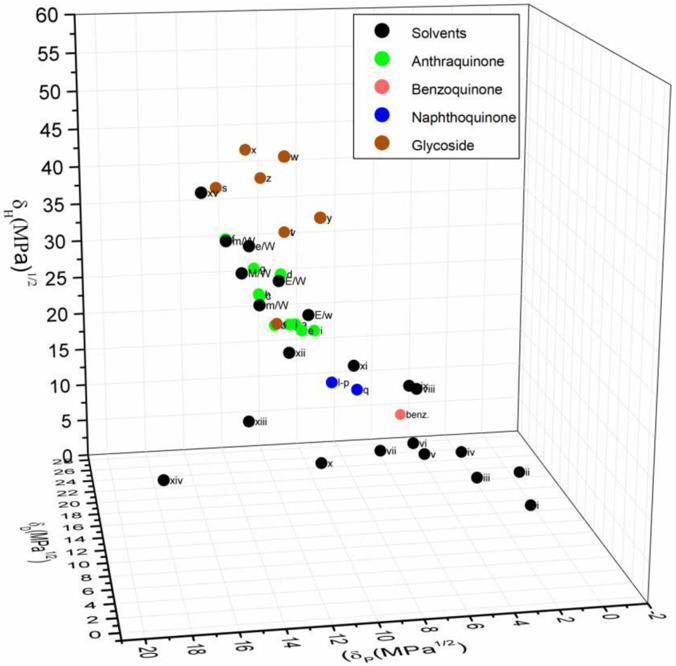
“These predictions are supported by the findings listed in Table 3, which shows that alcohol-water based extracts, having lower relative energy differences (≤ 1), generates higher anthraquinone yields (about twofold) compared to solvents such as water, ethanol or benzene that all have higher relative energy differences (> 1) [104,105].”
§ Natural Quinone Dyes: A Review on Structure, Extraction Techniques, Analysis and Application Potential > Extraction Parameters
What the sources say
- Partly supportedcites [104] 103. Zhe, W., Pei, M., Lijia, X., Chunnian, H., Yong, P., Peigen, X.: Evaluation of the content variation of anthraquinone glycosides in rhubarb by UPLC-PDA. Chem. Cent. J. (2013). https:// doi. org/ 10. 1186/ 1752-153X-7-170 105. sourceExperimental — accuracy not yet measured
The Results and discussion section (Optimization of quantitative analysis; page not supplied) reports that 80% methanol extracted six anthraquinone glycosides more efficiently than pure methanol or the other methanol–water mixtures tested. It does not report relative energy differences, an approximately twofold yield, or comparisons with water, ethanol, or benzene. (LLM, conf=0.87)
- Not matchedcites [105] 104. Bhuyan, R., Saikia, C.N.: Extraction of natural colourants from of Marinda angustifolia Roxb.: their identification and studies of dyeing characteristics on wool. Indian J. Chem. Technol. 10, 131-136 (2003) 106.
Its entry has no title and year that we can search by.
plainstates a cause- Asserted: passes — The authors put it forward as true.
- Checkable: passes — It can be checked against evidence.
- Load-bearing: passes — The paper’s conclusions depend on it.
- Based: passes — The paper gives a reason why it holds.
- Partly supported
67 more claims · 2 with their cited sources checked
Create a free account to see all 199 claims and to verify the 36 references still open.
- Probably not a substantial claim. 64
- It may state two separate claims as one. 83
Self-check
Percentages, sums and reported differences re-computed from the paper’s own numbers.
Each contradiction between two passages listed here was confirmed by an independent check.
Rated minor: it would not touch a result — a value no result rests on, a p-value that stays on the same side of the significance level, or a conflict that is clerical, resolved elsewhere in the paper, or outside its own findings.
In the paper
§ Natural Quinone Dyes: A Review on Structure, Extraction Techniques, Analysis and Application Potential > Abstract
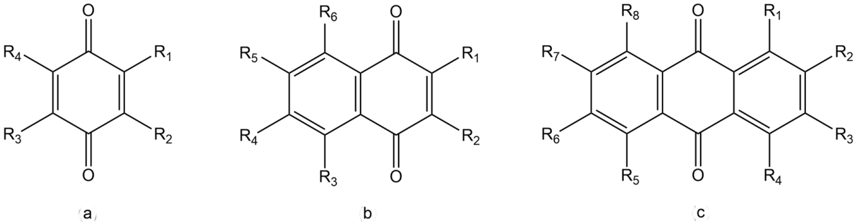
“a saturated (C6) ring that contains two oxygen atoms that are bonded to carbonyls and have sufficient conjugation to show color”
§ Natural Quinone Dyes: A Review on Structure, Extraction Techniques, Analysis and Application Potential > Structure
“a basic benzoquinone chromophore (Fig. 1a) consisting of two carbonyl groups with two carbon-carbon double bonds”
Rated minor: it would not touch a result — a value no result rests on, a p-value that stays on the same side of the significance level, or a conflict that is clerical, resolved elsewhere in the paper, or outside its own findings.
In the paper
§ Natural Quinone Dyes: A Review on Structure, Extraction Techniques, Analysis and Application Potential > UV-Vis Spectroscopy
“all coloured anthraquinones typically show four to five peaks within the visible region; one peak above 430 nm and the rest below 300 nm”
§ Natural Quinone Dyes: A Review on Structure, Extraction Techniques, Analysis and Application Potential > UV-Vis Spectroscopy
“one peak above 430 nm and the rest below 300 nm”
Citations
Cites
(1971) · Elsevier eBooks · doi:10.1016/b978-0-12-689650-3.x5001-4 · Cited by 1,275 · cited 10×
“However, it has been reported to occur in flowering plants, in fungi, in lichens, and in insects like beetles, millipedes and other arthropods capable of synthesising benzoquinone and its derivatives [20].”
BackgroundInfluential(2012) · doi:10.5772/32373 · Cited by 640 · cited 1×
“The synthetic Reactive Blue 19 dye, in comparison, would take 46 years at pH 7 and 25 °C [92].”
BackgroundCurrent approaches toward production of secondary plant metabolites
Hussain, M. S., Fareed, S., Ansari, S., Rahman, M. A., Ahmad, I., & Saeed, M. (2012) · Journal of Pharmacy And Bioallied Sciences · doi:10.4103/0975-7406.92725 · Cited by 636
Current approaches and challenges for the metabolite profiling of complex natural extracts
Wolfender, J.-L., Marti, G., Thomas, A., & Bertrand, S. (2015) · Journal of Chromatography A · doi:10.1016/j.chroma.2014.10.091 · Cited by 635
Natural Colorants: Historical, Processing and Sustainable Prospects
Yusuf, M., Shabbir, M., & Mohammad, F. (2017) · Natural Products and Bioprospecting · doi:10.1007/s13659-017-0119-9 · Cited by 597 · cited 4×
“On this basis, natural dyes are further grouped as indigoids, pyridine-based, carotenoids, quinoids, flavonoids, betalains, tannins and dihydropyrans [4, 5].”
BackgroundMethodInfluential(2007) · Pharmacognosy Reviews/Bioinformatics Trends/Pharmacognosy review · Cited by 522
Cox, L. R., Thomas, E. J., & Clayden, J. (2007) · Cited by 496
Fabrication of “Roll-off” and “Sticky” Superhydrophobic Cellulose Surfaces via Plasma Processing
Balu, B., Breedveld, V., & Hess, D. W. (2008) · Langmuir · doi:10.1021/la703766c · Cited by 495 · cited 1×
“Other surface treatment methods, including UV-irradiation [204], oxygen plasma treatment [205], enzyme pretreatment [206] and biomimetic procedures [207] have been used mostly to improve substantivity, dye strength, dye uptake and colour fastness to washing, rubbing and light.”
BackgroundUpdate on natural food pigments - A mini-review on carotenoids, anthocyanins, and betalains
Rodriguez-Amaya, D. B. (2019) · Food Research International · doi:10.1016/j.foodres.2018.05.028 · Cited by 463
(2009) · Cited by 418
Research works printed but not linked: 32
- 2. Rao, C.R., Wasif, A.I., Patil, P.: Natural dyes making their way back to a golden age. Text. Asia 43, 28-31 (2012)
- 12. Bruna de Campos, V.-C., Marin-Morales, M.A.: Azo dyes: characterization and toxicity-a review. Text. Light Ind. Sci. Technol. (TLIST) 2(2), 85-103 (2013)
- 14. Enviromental Control, I.: Anthraquinone dye toxicological profiles, vol. 198312. Consumer Product Safety Commission, Rockville (1981)
- 31. Leistner, E.: Biosynthesis of plants quinones. In: Biochemistry of plants, vol. 3, pp. 403-420. Academic Press inc., Bonn (1981)
- 32. Harborne, J.B.: Phytochemical methods: a guide to modern tech- niques of plant nalysis. Chapman and Hall, New York (1998)
- 45. Basant, T., Jahan, S.: Process development of silk dyeing with natural dye extracted from plumbago zeylanica roots. Man-Made Text. India 42(4), 137-139 (2014)
- 60. Vinay, P., Ashawat, M.S., Verma, C.P.S.: Pattern of anth- raquinone derivatives in some Cassia species: qualitative and quantitative estimantion. World J. Pharm. Pharm. Sci. 5(11), 1067-1096 (2016)
- 61. Gritsanapan, W., Aurapa, S.: Determination of anthroquinone glycoside content in Cassia fistula leaf extract for alternative source of luxative drug. Indian J. Pharm. Sci. 3(1), 42-45 (2009)
- 68. Boonyapranai, K., Tungpradit, R., Lhieochaiphant, S., Phutra- kul, S.: Optimization of submerged culture for the production of naphthoquinones pigment by Fusarium verticillioides. Chi- ang Mai J. Sci 35(3), 457-466 (2008)
- 73. Mussak, R., Thomas, B.: Handbook of natural colourants. Wiley, Chichester (2009)
- 82. Samanta, A.K., Konar, A.: Dyeing of textiles with natural dyes. In: Perrin, E., Kumbasar, A. (eds.) Natural dyes, pp. 30-56. Fon- tana, InTech (2011)
- 84. Dananjaya, S.H.S., Edussuriya, M., Dissanayake, A.S.: Inhibition action of lawsome on the corrosion of mild steel. Online J. Sci. Technol. 2(2), 32-36 (2012)
- 93. Environmental, Protection, Agency: Anthraquinone (122701) Fact sheet. In. Office of pesticide programs, 1200 Pennsylvania Avenue, NW, Washington, D.C. 20460, pp. 1-7 (1998)
- 94. Commission, E.: Public consultation on the proposed ban on the use of 49 cosmetic substances in hair dye products. In: Direc- torate-general enterprise and industry unit F/3, C.a.M.D. (ed.). Brussels, Belgium, pp. 1-7 (2007)
- 100. Dhandapani, S.R., Sankar, A.K.: Antibacterial activity and UV property of shikonin on silk substrate. J. Text. Appar. Technol. Manage. 5(4), 1-7 (2007) 101.
- Salman, R.K., Salih, J.M.: A new approach to estimate Hansen solubility using maple software. Int. J. Appl. Eng. Res. 12(15), 4858–4863 (2017)
- 110. Ford, L.L: Chemical analysis and elucidation of anthraquinone and flavonoid type compounds with applications to historical artefactsand sustainability. Ph. D. thesis. The University of Leeds, (2017) 112.
- 116. Kang, J., Zhang, P., Gao, Z., Zhang, J., Yan, Z., Wang, H., Chen, R.: Naphthohydroquinones, naphthoquinones, anthraquinones, and a naphthohydroquinone dimer isolated from the aerial parts of Morinda parvifolia and their cytotoxic effects through up- regulation of p53. Phytochemistry 130, 144-151 (2016). https:// doi. org/ 10. 1016/j. phyto chem. 2016. 04. 001 118. · DOI
- 126. Rocio, B.-A., Andres, U.-C., Carlos, Q.-N., Gonzalo, C.-E., Mirb- ela, C.: Fafrin: a selective chemical method for the separation of quinones from the stem bark of Diospiros anisandra. Int. J. Curr. Pharm. Res. 5(4), 13-17 (2013) 128.
- 130. Nandini, S., Partha, G., Sharma, U.K., Swati, S., Sinha, K., Arvind, G.: Microwave-assisted efficient extraction and stability of juglone in different solvents from juglans regia: quantification of six phenolic constituents by validated RP-HPLC and evalu- ation of antimicrobial activity. Anal. Lett. 42(16), 2592-2609 (2009). https:// doi. org/ 10. 1080/ 00032 71090 32020 55 132 · DOI
- 145. El-Najjar, N., Gali-Muhtasib, H., Ketola, R.A., Vuorela, P., Urtti, A., Vuorela, H.: The chemical and biological activities of quinones: overview and implications in analytical detection. Phytochem. Rev. 10(3), 353 (2011). https:// doi. org/ 10. 1007/ s11101-011-9209-1 148. · DOI · Paper page
- 156. Hulanicki, A., Maj-Żurica, M., Glab, S.: Ttrimetry | potentiom- etry. In: Reedjk, J. (ed.) Reference module in chemistry, molec- ular sciences and chemical engineering, molecular sciences and chemical engineering, pp. 114-121. Elsevier, Amsterdam (2013) 159.
- 160. Jiying, P., Yinghui, W., Kefu, Y.: Sensitive determination of qui- nones by high-performance liquid chromatography-electroscopy ionization-tandem with methanol derivatization. Jpn. Soc. Anal. Chem. 32, 335-340 (2018) 163.
- 177. Roy, S., Jayanta, M.: Identification of quinones and coumarins in Swietenia macrophylla leaf. In: Proceedings: Recent trends and experimental approaches in science, technology,and nature, Jodhpur, India, pp 302-305 (2016) 180.
- 180. Bhuyan, R., Saikia, C.N.: Isolation of colour components from native dye-bearing plants in nothern India. Bioresour. Technol. 96, 365-372 (2005) 183. · DOI · Paper page
- 190. Son, E.J., Kim, J.H., Kim, K., Park, C.B.: Quinone and its derivatives for energy harvesting and storage materials. J. Mater. Chem. A 4(29), 11179-11202 (2016). https:// doi. org/ 10. 1039/ C6TA0 3123D 193. · DOI · Paper page
- 191. Khattak, S., Rafique, S., Hussain, T., Inayat, F., Bashir, A.: Colour fastness and tensile strength of ccotton fabric dyed with natural extracts of Alkanna tinctoria by continuous dye- ing technique. J. Chem. Soc. Pak. 37, 903-909 (2015) 194.
- 195. Bukhari, M.N., Shabbir, M., Rather, L.J., Shahid, M., Singh, U., Khan, M.A., Mohammad, F.: Dyeing studies and fastness properties of brown naphtoquinone colorant extracted from Juglans regia L. on natural protein fibre using different meta salt mordants. Text. Cloth. Sustain. (2017). https:// doi. org/ 10. 1186/ s40689-016-0025-2 198. · DOI · Paper page
- 197. Vankar, P.S., Shanker, R., Mahanta, D., Tiwari, S.C.: Ecof- riendly sonicator dyeing of cotton with Rubia cordifolia Linn. using biomordant. Dyes Pigments 76(1), 207-212 (2008). https:// doi. org/ 10. 1016/j. dyepig. 2006. 08. 023 200. · DOI · Paper page
- 198. Malomo, D., Abimbade, S.A., Oluwaseun, A.K., Ghareba, O.E.: Likely mechanism of dye adhesion on fabrics. Int. J. Adv. Sci. Eng. Technol. 5(3), 1-7 (2017) 201.
- 206. Broadbent, A.D.: Basic principles of textile colouration. Soci- ety of Dyers and Colourists, Sherbrooke (2001) 209.
- 210. Shahin, M.F., Ahmed, R.M., Marie, M.M.: Optimizing the dye- ing process of alkali-treated polyester fabric with dolu natural dye. Int. J. Eng. Res. Appl. 4(6), 35-40 (2014) 213.
Cited by
Extraction of eco-friendly natural dyes and biomordants for textile coloration: A critical review
Pranta, A. D., & Rahaman, M. T. (2024) · Nano-Structures & Nano-Objects · doi:10.1016/j.nanoso.2024.101243 · Cited by 190
Tang, Q., Li, Z., Chen, N., Luo, X., & Zhao, Q. L. (2024) · Plant Biotechnology Journal · doi:10.1111/pbi.14522 · Cited by 83
“…MBC, 4-methoxy-2,2 0 -bipyrrole-5-carbaldehyde; DDEA, cis-dodec-3en-1-amine (Paul et al ., 2022; Picott et al ., 2020; Tanaka et al ., 2011). compounds exhibit colours ranging from yellow to red, with occasional variations observed in shades of green, brown, or violet (Dulo et al ., 2021).”
Adjuvant Properties of Caffeic Acid in Cancer Treatment
Cortez, N., Villegas, C., Burgos, V., Cabrera‐Pardo, J. R., Ortíz, L., González‐Chavarría, I., Nchiozem‐Ngnitedem, V., & Paz, C. (2024) · International Journal of Molecular Sciences · doi:10.3390/ijms25147631 · Cited by 64
Recent advances in photocatalytic oxidation techniques for decontamination of water
Saad, I., Ralha, N., Abukhadra, M. R., Zoubi, W. A., & Ko, Y. G. (2023) · Journal of Water Process Engineering · doi:10.1016/j.jwpe.2023.103572 · Cited by 65
Electrochemically Induced CO 2 Capture Enabled by Aqueous Quinone Flow Chemistry
Jing, Y., Amini, K., Xi, D., Jin, S., Alfaraidi, A. M., Kerr, E. F., Gordon, R. G., & Aziz, M. J. (2024) · ACS Energy Letters · doi:10.1021/acsenergylett.4c01235 · Cited by 63
Sousa, C. C. S. (2022) · Foods · doi:10.3390/foods11131924 · Cited by 65
Recent Advancements in Natural Plant Colorants Used for Hair Dye Applications: A Review
Cui, H., Xie, W., Hua, Z., Cao, L., Xiong, Z., Tang, Y., & Yuan, Z. (2022) · Molecules · doi:10.3390/molecules27228062 · Cited by 72
“Rubia cordifolia (madder) is a common source of the anthraquinone dye alizarin for dyeing purposes [53].”
BackgroundInfluentialCO 2 Capture via Electrochemical pH-Mediated Systems
Ozden, A. (2025) · ACS Energy Letters · doi:10.1021/acsenergylett.5c00200 · Cited by 62
Pasdaran, A., Zare, M., Hamedi, A., & Hamedi, A. (2023) · Chemistry & Biodiversity · doi:10.1002/cbdv.202300561 · Cited by 47
Aqueous Redox Flow Batteries: Small Organic Molecules for the Positive Electrolyte Species
Cannon, C. G., Klusener, P. A. A., Brandon, N. P., & Kucernak, A. R. (2023) · ChemSusChem · doi:10.1002/cssc.202300303 · Cited by 40
Hayat, T., Adeel, S., Fazal‐ur‐Rehman, Batool, F., Amin, N., Ahmad, T., & Özomay, M. (2021) · Environmental Science and Pollution Research · doi:10.1007/s11356-021-17341-5 · Cited by 44
“Light fastness depends upon mode of interaction as between –OH of colorant and amido linkage (–CO, –NH2) of silk and nature of metal used (Dulo et al. 2021; Hosen et al. 2021).”
BackgroundFaizan, S., Mohsen, M. M. A., Amarakanth, C., Justin, A., Rahangdale, R. R., Hariharapura, R. C., & Kumar, B. R. P. (2024) · Results in Chemistry · doi:10.1016/j.rechem.2024.101432 · Cited by 48
Andrés, C. M. C., de la Lastra, J. M. P., Munguira, E. B., Andrés, C., Plou, F. J., & Lebeña, E. P. (2024) · International Journal of Molecular Sciences · doi:10.3390/ijms25063521 · Cited by 35
“…such as anthracenediones and the anthracycline family of chemotherapeutics [207], use in papermaking, with 9,10-anthraquinone serving as a fermenter additive in the production of alkaline paper pulp [209], use in hydrogen peroxide production (a large industrial application of anthraquinones is…”
BackgroundInfluentialProgress on the Extraction, Separation, Biological Activity, and Delivery of Natural Plant Pigments
Lu, X., Li, W., Wang, Q., Wang, J., & Qin, S. (2023) · Molecules · doi:10.3390/molecules28145364 · Cited by 33
“Quinones are primarily derived from traditional Chinese medicines, such as the rhubarb of Polygonaceae, Polygonum multiflorum, Polygonum cuspidatum, Rubiaceae, Leguminosae cassia seeds, Senna, and Liliaceae aloe [84].”
BackgroundQuinones as Promising Compounds against Respiratory Viruses: A Review
Chan‐Zapata, I., Borges-Argáez, R., & Ayora‐Talavera, G. (2023) · Molecules · doi:10.3390/molecules28041981 · Cited by 30
“In nature, benzoquinones are found in flowering plants, fungi, lichens, and insects [83].”
BackgroundNatural deep eutectic solvent: A novel and green mordant for the natural dye
Jiang, Z., Zheng, G., Cui, Y., Wang, W., Shang, X., Wei, Y., Zhou, M., Wang, P., Yu, Y., & Wang, Q. (2023) · Chemical Engineering Journal · doi:10.1016/j.cej.2023.148319 · Cited by 30
Aqueous two-phase systems for the extraction, separation, and recovery of synthetic dyes
Fideles, R. A., Mageste, A. B., Nascimento, L. L. B. S., Ferreira, G. M. D., Neves, H. P., de Lemos, L. R., Rodrigues, G. D., & Ferreira, G. M. D. (2024) · TrAC Trends in Analytical Chemistry · doi:10.1016/j.trac.2024.117652 · Cited by 29
Batool, F., Adeel, S., Iqbal, N., et al. (2022) · Environmental Science and Pollution Research · doi:10.1007/s11356-021-17803-w · Cited by 26
“These issues are due to the textile effluent loads (Dulo et al. 2021).”
BackgroundDyeing properties of natural Gardenia on the lyocell fabric pretreated with tannic acid
Ke, G., Mulla, M. S., Peng, F., & Chen, S. (2022) · Cellulose · doi:10.1007/s10570-022-04896-w · Cited by 26
“A considerable research on extraction and dyeing of natural dyes have been developed all around the world (Dulo et al. 2021; Kurinjimalar et al. 2022; Bhuiyan et al. 2017), since natural dyes Abstract With the enhancement of awareness of environmental protection, the green natural dyes gradually come into people’s vie…”
BackgroundNtui, T. N., Oyo-Ita, E. E., Agwupuye, J. A., Benjamin, I., Eko, I. J., Ubana, E. I., Etiowo, K. M., Eluwa, E. C., & Imojara, A. (2022) · Chemistry Africa · doi:10.1007/s42250-022-00544-9 · Cited by 24
“As many azo polymers are highly photoresponsive and used in dye-sensitizing solar cells and electro-optical activities, light absorption and electronic excitation are distinguishing characteristics of the azo cores [6].”
BackgroundKumar, J. E., & Sahoo, M. K. (2025) · Sustainable Chemistry for the Environment · doi:10.1016/j.scenv.2025.100274 · Cited by 36
The potentials of plant-based colorants for sustainable textile dyeing industry
Nambela, L. (2023) · Research Journal of Textile and Apparel · doi:10.1108/rjta-04-2023-0043 · Cited by 30
Nassar, M. F., Abdulmalek, E., Ismail, M., & Ahmad, S. A. A. (2024) · International Journal of Electrochemical Science · doi:10.1016/j.ijoes.2024.100715 · Cited by 25
Dai, Y., Li, H., Wan, J., et al. (2023) · Industrial Crops and Products · doi:10.1016/j.indcrop.2023.117871 · Cited by 23
Langa-Lomba, N., Sánchez‐Hernández, E., Buzón-Durán, L., García, V. G., Casanova-Gascón, J., Martín‐Gil, J., & Martín‐Ramos, P. (2021) · Plants · doi:10.3390/plants10081527 · Cited by 25
“Although the geographical location, time of year and age of the plant are known to influence the composition [15], the observed differences should be mainly ascribed to differences in both the extractive chemicals and in the extraction process (nature of the alcoholic solvent, alcohol:water ratio and mechanical enhanc…”
MethodZengin, G., Nilofar, N., Yıldıztugay, E., Bouyahya, A., Çavuşoğlu, H., Gevrenova, R., & Zheleva‐Dimitrova, D. (2023) · Antioxidants · doi:10.3390/antiox12101842 · Cited by 27
Nicomel, N. R., Li, L. Y., Mohamed, B. A., & Ramim, S. S. (2022) · Journal of Environmental Management · doi:10.1016/j.jenvman.2022.115263 · Cited by 23
Electrochemical Sensing Strategies for Synthetic Orange Dyes
Wu, D., Zhu, J., Zheng, Y., & Fu, L. (2024) · Molecules · doi:10.3390/molecules29215026 · Cited by 22
Azam, F., Ahmad, F., Ahmad, S., & Hajı, A. (2023) · Textile science and clothing technology · doi:10.1007/978-3-031-49479-6_4 · Cited by 29
Solid-State-Electrolyte Reactor: New Opportunity for Electrifying Manufacture
Liu, C., Ji, Y., Zheng, T., & Xia, C. (2025) · JACS Au · doi:10.1021/jacsau.4c01183 · Cited by 20
Ree, J., Kim, J. I., Lee, C. W., Lee, J., Kim, H. J., Kim, S. C., Sohng, J. K., & Park, Y. I. (2021) · Life Sciences · doi:10.1016/j.lfs.2021.120131 · Cited by 18
Sustainable Dyeing and Functional Finishing of Cotton Fabric by Rosa canina Extracts
Atakan, R., Martínez-González, I., Diaz-García, P., & Bonet-Aracil, M. (2023) · Sustainability · doi:10.3390/su16010227 · Cited by 20
Kumar, S., Singh, G., Tittal, R. K., et al. (2023) · Journal of Molecular Structure · doi:10.1016/j.molstruc.2023.137142 · Cited by 15
Rubiadin exerts an acute and chronic anti-inflammatory effect in rodents
Chitsaz, R., Zarezadeh, A., Asgarpanah, J., et al. (2021) · Brazilian Journal of Biology · doi:10.1590/1519-6984.243775 · Cited by 14
Melanin: Nature's 4th bioorganic polymer
Motovilov, K. A., & Mostert, A. B. (2024) · Soft Matter · doi:10.1039/d4sm00491d · Cited by 18
Naphthoquinoneoxime-Sensitized Titanium Dioxide Photoanodes: Photoelectrochemical Properties
Beedri, N. I., Mokashi, V., Mahadik, S. A., Pathan, H. M., & Salunke‐Gawali, S. (2022) · ACS Omega · doi:10.1021/acsomega.2c05334 · Cited by 14
Rahaman, M. T., Khan, M. S. H., & Mamun, M. A. A. (2025) · Materials Circular Economy · doi:10.1007/s42824-025-00168-7 · Cited by 16
“By employing particular solvents that specifically target and dissolve the binder material, chemical solvent extraction is a technique used to separate and remove binders from a variety of substrates, including textiles (Dulo et al. 2021; Ribul 2023).”
Scope of Natural Dyes and Biomordants in Textile Industry for Cleaner Production
Balachandran, B., & Sabumon, P. C. (2023) · Sustainable textiles · doi:10.1007/978-3-031-35451-9_4 · Cited by 15
Arciva, S., Ma, L., Mavis, C., Guzman, C., & Anastasio, C. (2024) · Atmospheric chemistry and physics · doi:10.5194/acp-24-4473-2024 · Cited by 18
“Additionally, the formation of quinones, which can contain extensive conjugated pi-electrons, might explain our observation of increased aqSOA light absorption at longer wavelengths (Dulo et al., 2021).”
BackgroundAsah-Asante, R., Tang, L., Gong, X., Fan, S., Yan, C., Asante, J. O., & Zeng, Q. (2025) · World Journal of Microbiology and Biotechnology · doi:10.1007/s11274-025-04379-7 · Cited by 14
“Due to their high reactivity, these organic compounds are extensively employed as dyes, with colors spanning from yellow to red (Dulo et al. 2021).”
Oliveira, J. C., Abreu, B. U., Paz, E. R. S., Almeida, R. G., Honorato, J., Souza, C. P., Fantuzzi, F., Ramos, V. F. S., Menna‐Barreto, R. F. S., Araújo, M. H., et al. (2024) · Chemistry - An Asian Journal · doi:10.1002/asia.202400757 · Cited by 12
Koumpoura, C. L., Nguyen, M., Bijani, C., Vendier, L., Salina, E. G., Buroni, S., Degiacomi, G., Cojean, S., Loiseau, P. M., Benoit‐Vical, F., et al. (2022) · ACS Omega · doi:10.1021/acsomega.2c03421 · Cited by 13
Łazicka, M., & Garstka, M. (2025) · Planta · doi:10.1007/s00425-025-04880-1 · Cited by 18
“They play the role of pigments, antioxidants, proton/ electron carriers and signaling molecules (Dulo et al. 2021; Bolton et al. 2018; Laohavisit et al. 2020).”
Do, K. L., Mushtaq, A., Zhao, F. W., & Su, M. (2023) · Coloration Technology · doi:10.1111/cote.12711 · Cited by 16
Quinones: Biosynthesis, Characterization of 13C Spectroscopical Data and Pharmacological Activities
de Carvalho, N. K. G., Mendes, J. W. D. S., & da Costa, J. G. M. (2023) · Chemistry & Biodiversity · doi:10.1002/cbdv.202301365 · Cited by 16
Mohanty, S. S., & Kumar, A. (2025) · Frontiers in Environmental Engineering · doi:10.3389/fenve.2025.1553712 · Cited by 20
Fujita, T., Terayama, K., Sumita, M., Tamura, R., Nakamura, Y., Naito, M., & Tsuda, K. (2022) · Science and Technology of Advanced Materials · doi:10.1080/14686996.2022.2075240 · Cited by 14
Avbelj, M., Horvat, M., Petković, H., Gorjanc, M., & Iskra, J. (2024) · Journal of Natural Fibers · doi:10.1080/15440478.2024.2445579 · Cited by 11
“By contrast, E-H can form only van der Waals forces and hydrogen bonds (which have a lower relative strength) with polyester and cotton (Dulo et al. 2021; Grishanov 2011; Rattee 1964).”
Nasreen, H., Adeel, S., Yameen, M., Amin, N., Özomay, M., & Qayyum, M. A. (2023) · Textile & Leather Review · doi:10.31881/tlr.2022.67 · Cited by 11
Do, K. L., Ahsan, T., Wahab, A., Tayyab, M., Yin, X., Pan, N., Huang, T., Mushtaq, A., & Su, M. (2024) · Pharmaceutics · doi:10.3390/pharmaceutics16121510 · Cited by 13
“Most anthraquinones, such as alizarin, emodin, purpurin, rubiadin, and morindone, are generated from the parental structure of 9,10-dioxoanthracene and create a range of red-to-brown shades [6].”
Wang, J., Chang, R., Chen, Q., & Li, Y. (2024) · Environmental Pollution · doi:10.1016/j.envpol.2024.123953 · Cited by 12
The Encapsulation of Natural Organic Dyes on TiO2 for Photochromism Control
Lee, H. J., Shim, J., Lee, J. J., & Lee, W. J. (2023) · International Journal of Molecular Sciences · doi:10.3390/ijms24097860 · Cited by 11
“We demonstrate that introducing three different natural organic dyes, including (1) purpurin (1,2,4Trihydroxyanthraquinone) [34], (2) curcumin (Curcuma longa), and (3) safflower (Carthamus tinctorius) [35], effectively mitigates photochromism and increases the dispersing ability of TiO2 in the fabrication process of c…”
BackgroundPillar[5]arene-Based Visual Planar Chirality Switches with Variable Color Expression
Xiao, M., LIU, Z. ‐., Tan, S., et al. (2025) · Journal of the American Chemical Society · doi:10.1021/jacs.5c14161 · Cited by 11
Micheletti, G., Boga, C., Zalambani, C., et al. (2022) · Molecules · doi:10.3390/molecules27175645 · Cited by 10
“For example, they can find application in natural and synthetic dyes [4,5], and biopesticides and bioherbicides [6,7] and play important roles in many biochemical processes, being involved in cellular respiration [8,9], photosynthesis [10], and cellular defense [11,12].”
BackgroundMehnati, P., Khoshsima, H., Zakerhamidi, M. S., kian, R., & Sahrai, M. (2024) · Journal of Molecular Structure · doi:10.1016/j.molstruc.2024.138317 · Cited by 11
Barkaat, S., Matiha, Adeel, S., Habib, N., Jabli, M., Imran, M., & Mia, R. (2025) · Results in Engineering · doi:10.1016/j.rineng.2025.107211 · Cited by 14
CADD Methods for Developing Novel Compounds Synthesized to Inhibit Tyrosine Kinase Receptors
Bouribab, A., Errougui, A., & Chtita, S. (2024) · Current Topics in Medicinal Chemistry · doi:10.2174/0115680266312422240712053821 · Cited by 10
Yellow dyes in archaeological textiles: Sources, locations, identification, and challenges
Abu‐Ghosh, S., Sukenik, N., Amar, Z., & Iluz, D. (2023) · Journal of Archaeological Science Reports · doi:10.1016/j.jasrep.2023.104030 · Cited by 12
Guha, S., Prabakar, T., & Sen, S. (2022) · The Journal of Organic Chemistry · doi:10.1021/acs.joc.2c01972 · Cited by 9
Natural dyes and pigments in protective and healthcare textiles
Danila, A. (2023) · Elsevier eBooks · doi:10.1016/b978-0-443-15213-9.00006-5 · Cited by 12
Agurla, V., Sharma, M., Pawase, P. A., Shams, R., Ingale, O. S., & Dash, K. K. (2024) · Measurement Food · doi:10.1016/j.meafoo.2024.100185 · Cited by 12
Lou, J., Sun, R., Yuan, J., et al. (2024) · Cellulose · doi:10.1007/s10570-024-05859-z · Cited by 8
“NPCs are used in the textile industry for coloration, resistance to oxidation by free radicals, prevention of aging, and resistance to ultraviolet (UV) light (Dulo et al. 2021; Garg et al. 2023; Rahman et al. 2022).”
Mechanism of Action and Implication of Naphthoquinone as Potent Anti-trypanosomal Drugs
Rani, R., Sethi, K., Gupta, S., Varma, R. S., & Kumar, R. (2022) · Current Topics in Medicinal Chemistry · doi:10.2174/1568026622666220912101332 · Cited by 10
Ring Forming Approaches to para-Quinones: Toward a General Diels–Alder Disconnection
Newton, C. G., & Budwitz, J. E. (2022) · Synlett · doi:10.1055/s-0041-1737966 · Cited by 7
Kappen, J., Manurung, J., Fuchs, T., Vemulapalli, S. P. B., Schmitz, L. M., Frolov, A., Agusta, A., Muellner-Riehl, A. N., Griesinger, C., Franke, K., et al. (2023) · Marine Drugs · doi:10.3390/md21040242 · Cited by 10
“Supplementary Materials: The following supporting information can be downloaded at: https:// www.mdpi.com/article/10.3390/md21040242/s1, Figure S1: TLC after Bornträger reaction, Figure S2: The 1D and 2D NMR spectra of compound 1, Figure S3: The 1D and 2D NMR spectra of compound 5, Figure S4: The 1D and 2D NMR spectra…”
BackgroundInfluentialAlkhoury, R., & Alkhatib, R. (2024) · Jordan Journal of Pharmaceutical Sciences · doi:10.35516/jjps.v17i4.2448 · Cited by 7
Applications of Fungi Secondary Metabolites in the Food Industry
Moura, M. A. F. E., Gomes, D. C., & Takahashi, J. A. (2023) · Springer eBooks · doi:10.1007/978-3-031-18587-8_24 · Cited by 6
Koske, M. C., Kiprop, A. K., Chepkwony, S. C., et al. (2022) · Journal of Natural Fibers · doi:10.1080/15440478.2022.2107143 · Cited by 6
“Quinones such as carthamine and anthraquinone including alizarin and purpurin have bright colors, they have been isolated from Rubia tinctorum and are known for dyeing (Dulo et al. 2021), however, their solubility in water is low (Adeel et al.”
BackgroundPonnambalam, S., Unpaprom, Y., & Ramaraj, R. (2023) · Waste and Biomass Valorization · doi:10.1007/s12649-022-02030-2 · Cited by 6
Classification of Natural Dyes for Sustainable Exploitation
Jabar, J. M. (2023) · Sustainable textiles · doi:10.1007/978-3-031-47471-2_8 · Cited by 8
Quinones as potential therapeutic agents for metabolic disorders
Mumtaz, S. M., Shahrukh, M., Bhardwaj, G., & Altamish, M. (2024) · Elsevier eBooks · doi:10.1016/b978-0-443-24126-0.00010-x · Cited by 6
Unveiling Anthraquinones: Diverse Health Benefits of an Essential Secondary Metabolite
Khatoon, M., Dubey, A., & Janhvi, K. (2024) · Recent Patents on Biotechnology · doi:10.2174/0118722083301761240628083511 · Cited by 8
The natural herbicide rhein targets photosystem I
Twitty, A., Barnes, H., Levy, N., Mizrahi, Y., Geva, Y., Phillip, Y., & Dayan, F. E. (2024) · Scientific Reports · doi:10.1038/s41598-024-83891-6 · Cited by 7
Minireview: recent efforts toward upgrading lignin-derived phenols in continuous flow
Brown, E. E. (2022) · Journal of Flow Chemistry · doi:10.1007/s41981-022-00248-8 · Cited by 5
“Their electrophilic and redox properties facilitate application as colorful dyes [39], oxidants [40] (e.”
BackgroundWater-Based Microwave-Assisted Extraction of Pigments from Madder Optimized by a Box–Behnken Design
Chambaud, M., Colas, C., & Destandau, É. (2023) · Separations · doi:10.3390/separations10080433 · Cited by 7
“Conventionally, madder pigments are extracted by Soxhlet extraction using hydroalcoholic solvents [6,10].”
MethodBreloy, L., Elian, C., Alphonse, V., et al. (2024) · RSC Applied Polymers · doi:10.1039/d4lp00271g · Cited by 5
“40 The design of high-performing antibacterial materials has also been a burning topic for decades.”
In-silico color prediction process for natural dyes in Madder
Tran, T. H. L., Berraud‐Pache, R., & Jaber, M. (2025) · Dyes and Pigments · doi:10.1016/j.dyepig.2025.112701 · Cited by 5
Csonka, K., Lukács, P., & Ösz, K. (2025) · Reaction Kinetics Mechanisms and Catalysis · doi:10.1007/s11144-025-02810-6 · Cited by 5
“These studies were often motivated by the biochemical relevance of the structural motif: quinone parts appear in ubiquinone [15], vitamin K [16], and the natural dyes alizarin and lawson [17].”
Ma, G., Cui, Y., Li, Q., Chen, Y., Guo, P., Feng, D., & Zhao, T. (2025) · Food and Chemical Toxicology · doi:10.1016/j.fct.2025.115410 · Cited by 7
A route to dihydrofuran fused naphthoquinones via gold-catalyzed oxyarylation of alkenes
Nichinde, C. B., Diogo, E. B. T., Almeida, R. G., et al. (2025) · Tetrahedron Letters · doi:10.1016/j.tetlet.2025.155755 · Cited by 4
Natural Colorants—Quinoid, Naphthoquinoid, and Anthraquinoid Dyes
Derksen, G. C. H., & Bechtold, T. (2023) · Wiley eBooks · doi:10.1002/9781119811749.ch13 · Cited by 5
Isolation and characterization of natural dyes and pigments
Das, S., Bhattacharya, A., & Maulik, S. R. (2023) · Elsevier eBooks · doi:10.1016/b978-0-443-15213-9.00007-7 · Cited by 8
Cannabielsoin (CBE), a CBD Oxidation Product, Is a Biased CB1 Agonist
Haghdoost, M., Young, S., Roberts, M., Krebs, C., & Bonn‐Miller, M. O. (2024) · Biomedicines · doi:10.3390/biomedicines12071551 · Cited by 4
“Due to the highly colored nature of quinones [5], measuring the oxidation level by color change is deceiving since quinones are not a major CBD oxidation product.”
BackgroundAnti-tumour signalling pathways and molecular targets of 1,4-naphthoquinone-based natural dyes
Mahmoud, I. S., Hyari, H., Esawi, E., & Alshaer, W. (2025) · Natural Product Research · doi:10.1080/14786419.2025.2533422 · Cited by 4
Organometallic‐Free Approches to the Direct Arylation of Benzoquinones and Naphthoquinones
Martins, D. D. L., Silva, N. A. D. A. E., Hiller, N. D. J., da Silva, F. D. C., & Ferreira, V. F. (2024) · European Journal of Organic Chemistry · doi:10.1002/ejoc.202400416 · Cited by 4
Yang, R., Zheng, Y., Inta, A., Li, J., & Yang, L. (2025) · Cleaner Engineering and Technology · doi:10.1016/j.clet.2025.101050 · Cited by 6
Naphthoquinone disperse dyes and their dyeing application to polyethylene terephthalate fabrics
Deniz, N. G., Iscan, A., Sayil, C., Avinç, O., & Kalaycı, E. (2023) · Journal of the Textile Institute · doi:10.1080/00405000.2023.2271667 · Cited by 4
“There are synthetic and natural dyes in the industry while synthetic dyes can be derived from petrochemical sources, and natural colorants are acquired from nature (plants, animals, micro-organisms, etc.) (Dulo et al., 2021).”
Quinones from African medicinal plants as potential anticancer pharmaceuticals
Kuete, J. R. N., Omosa, L. K., & Kuete, V. (2024) · Advances in botanical research · doi:10.1016/bs.abr.2024.02.005 · Cited by 3
Antifungal Activity of Crude Extracts of Tectona grandis L.f. against Wood Decay Fungi
C醨camo-Ibarra, E., Martínez-Pacheco, M. M., Munro-Rojas, A., Ambriz-Parra, J. E., & Velázquez-Becerra, C. (2022) · Phyton · doi:10.32604/phyton.2022.020578 · Cited by 6
Biocompatibility Analysis of Biomass-Based Cosmetics for Human
Juliadmi, D., Nuswantoro, N. F., & Okselni, T. (2024) · Springer eBooks · doi:10.1007/978-981-97-1908-2_19 · Cited by 3
Microbial Colorants for Sustainable Dyeing and Printing of Textiles
Haque, M. M., Islam, T., Anannya, I. A., Annesha, N., & Islam, M. T. (2025) · Wiley eBooks · doi:10.1002/9781394287888.ch19 · Cited by 3
Parvin, S. I., Mohammad, M., Singh, S., Gopi, P., Khan, M. R., Parvej, H., Halder, U. C., Islam, M. M., Pandya, P., & Gazi, H. A. R. (2025) · Journal of Biomolecular Structure and Dynamics · doi:10.1080/07391102.2025.2474060 · Cited by 3
“The active component responsible for the dyeing effect in henna is Lawsone (2-hydroxy-1,4-naphthoquinone), a molecule present in within the henna plant’s leaves (Dulo et al., 2021; Figure 1).”
Nagappan, D., Sivaraj, M., Periyasamy, S., Kamalanathan, A., Gnanavel, B., & Chinnappan, B. (2024) · Shanlax International Journal of Arts Science and Humanities · doi:10.34293/sijash.v12i1.7699 · Cited by 4
Yang, J., Park, A., Kwon, T., et al. (2024) · Journal of Materials Chemistry A · doi:10.1039/d3ta07180d · Cited by 3
Purpurin as a promising anticancer agent: A review of preclinical evidence
Voon, F., Lee, Y. Z., Ooi, X. Y., Tay, C. Z. E., Tan, J. W., Tham, C. L., Ho, Y., & Lee, M. T. (2025) · Fitoterapia · doi:10.1016/j.fitote.2025.107052 · Cited by 4
Vlasenko, M. P., Pozharskii, A. F., Демидов, О. П., et al. (2023) · Mendeleev Communications · doi:10.1016/j.mencom.2023.02.015 · Cited by 2
Takemoto, K., Murakami, M., Tabuchi, M., & Ohta, T. (2023) · Journal of Structural Biology · doi:10.1016/j.jsb.2023.107944 · Cited by 2
The apple of discord: can spider cocoons be equipped with antimicrobial factors?—a systematic review
Glenszczyk, M., Lis, A., Porc, W., Pacwa-Płociniczak, M., & Babczyńska, A. I. (2025) · Frontiers in Zoology · doi:10.1186/s12983-025-00563-5 · Cited by 4
“They are documented for a broad range of bioactivity, including antimicrobial capability [36, 135].”
Variyana, Y., Alvita, L. R., Meutia, N. A., Putri, A. L. E., & Mahfud, M. (2024) · Jurnal Teknik Kimia · doi:10.36706/jtk.v30i1.1604 · Cited by 2
“…the unsaturated organic substances in colorant formation consist of aromatic compounds such as aromatic hydrocarbons and their derivatives, phenols and their derivatives, as well as hydrocarbon compounds containing nitrogen (Dulo et al., 2021; Kumar Gupta, 2020; Ustin and Jacquemoud, 2020).”
Background
Metadata
- Authors
- Dulo, B., Phan, K., Githaiga, J., Raes, K., & De Meester, S.
- Affiliations
- Ghent University (BE)
- Moi University (KE)
- Venue
- Waste and Biomass Valorization
- Published
- 2021-05-10
- Volume
- 12
- Issue
- 12
- Pages
- 6339-6374
- ISSN
- 1877-2641 (ISSN-L)
- 1877-265X
- OpenAlex
- W3161009214
- Cited by
- 181
- References
- 205
- Citations by year
- 2026: 24 · 2025: 45 · 2024: 47 · 2023: 39 · 2022: 22 · 2021: 4
- FWCI
- 12.83
- Type
- journal article
- Language
- en
- Open access
- hybrid
- doi.org
- Licence
- cc-by
- creativecommons.org/licenses/by/4.0 (tdm)
- creativecommons.org/licenses/by/4.0 (vor)
- Locations
- Waste and Biomass Valorization (publishedVersion, cc-by)
- Ghent University Academic Bibliography (Ghent University) (publishedVersion, other-oa)
- Ghent University Academic Bibliography (Ghent University) (submittedVersion, cc-by)
- Greater South Information System
- Funders
- VLIR-UOS (KE2018TEA464A103)
- Topics
- Physical Sciences › Materials Science › Polymers and Plastics › Dyeing and Modifying Textile Fibers
- Health Sciences › Medicine › Pathology and Forensic Medicine › Biological Stains and Phytochemicals
- Life Sciences › Biochemistry, Genetics and Molecular Biology › Biotechnology › Microbial Metabolism and Applications
- Keywords
- natural dyes, synthetic dye alternatives, dye extraction, dye purification, structure-activity relationship, dye toxicity, dye fastness, anthocyanins, carotenoids
About these checks
Registry, retraction, Cites and statistics results are computed, not judged, with one exception: a printed reference that no index lists is read once by a model before it counts as a citation error. Claims are extracted by a model and kept only when their quote appears verbatim in the text; each cited source is then checked, with a model’s help, for whether it says what the claim relies on. Those verdicts can be wrong — read the claim’s quote and the cited source before relying on one.
The claim verdicts this report counts are experimental: their accuracy is not yet measured.
A language model drew the claims from the paper on 2026-10-10, under version 3 of the claim definition (model deepseek-v4.1-flash, prompt extract-v3).
A second model labelled each claim on 2026-10-10 (model jev-1.13-20260917, definition revision gold-guideline-v0.2).
Cited sources are checked with a language model’s help (gpt-6-sol and qwen3.8-omni-flash).
Statistics and arithmetic are recomputed, not judged.
Confidence bands are shown only for fields calibrated on our annotated test set. None is calibrated yet, so no band is shown.
What counts as a claim ›How we measure confidence ›How we check this ›
Are you an author, or do you see a problem with this page? Request a review
Data sources
Bibliographic data: Semantic Scholar, OpenAlex, Crossref.
Contains information from the Semantic Scholar Academic Graph Datasets, made available under the ODC Attribution License (ODC-BY 1.0).
Semantic Scholar’s data is described in: Kinney, R., et al. (2023). The Semantic Scholar Open Data Platform. arXiv:2301.10140.
