

Teaching Mindfulness to Teachers: a Systematic Review and Narrative Synthesis
Open accessThe DOI matches its Crossref record; 66 of the 66 references it cites were found in a registry or an index; 2 of the 108 sources its claims cite were checked for support.
Abstract
School teachers report high levels of stress which impact on their engagement with pupils and effectiveness as a teacher. Early intervention or prevention approaches may support teachers to develop positive coping and reduce the experience and impact of stress. This article reviews research on one such approach: mindfulness-based interventions (MBIs) for school teachers. A systematic review and narrative synthesis were conducted for quantitative and qualitative studies that report the effects of MBIs for teachers of children aged 5-18 years on symptoms of stress and emotion regulation and self-efficacy. Twelve independent publications were identified meeting the inclusion criteria and these gave a total of 13 samples. Quality appraisal of the identified articles was carried out. The effect sizes and proportion of significant findings are reported for relevant outcomes. The quality of the literature varied, with main strengths in reporting study details, and weaknesses including sample size considerations. A range of MBIs were employed across the literature, ranging in contact hours and aims. MBIs showed strongest promise for intermediary effects on teacher emotion regulation. The results of the review are discussed in the context of a model of teacher stress. Teacher social and emotional competence has implications for pupil wellbeing through teacher-pupil relationships and effective management of the classroom. The implications for practice and research are considered.
Overview
CoChat Summary
TL;DR
This systematic review and narrative synthesis examined 12 publications (13 samples) of mindfulness-based interventions (MBIs) for teachers of children aged 5–18 years. MBIs showed strongest promise for improving teacher emotion regulation, with mixed evidence for reducing stress and increasing self-efficacy.
Key findings
- Across 12 publications and 13 samples, data came from 589 participants, mostly qualified teachers in mainstream settings, mostly in the USA with some Canada and UK studies. Quality varied; strengths included reporting study details, while weaknesses included limited consideration of sample size and analytical reliability.
- For stress, 49 effect sizes ranged from 0.01 to 2.12; 44% of anxiety/depression effects were significant, 60% of general/occupation-specific stress results were significant, and 50% of burnout results across three studies were significant. For example, Beshai et al. (2016) reported a significant stress reduction (PSS: t(48) = 6.32, p < 0.001), and Jennings et al. (2013) reported significant improvement in physical symptoms (F(1, 47) = 10.2, p = 0.002).
- For emotion regulation, four quantitative studies produced eight effect sizes ranging from 0.43 to 1.56, with 63% significant. Jennings et al. (2013) found a significant effect on ERQ reappraisal (F(1, 47) = 10.9, p = 0.002), and Taylor et al. (2016) found significant improvement in efficacy for regulating emotions (F(1, 54) = 7.06, p < 0.05).
- For self-efficacy, five studies produced effect sizes from 0.07 to 0.87, with 29% significant; Jennings et al. (2013) found significant effects on student engagement (F(1, 47) = 10.3, p = 0.002) and instruction (F(1, 47) = 11.6, p = 0.001), and Poulin et al. (2008) found a significant overall self-efficacy effect (F = 4.88, p < 0.05). Mindfulness/self-compassion effect sizes ranged from 0.04 to 1.77, with 39% significant.
Methods
- Systematic search conducted in September 2015 from 1966 onward across PsycINFO, Web of Science, and ERIC, combining mindfulness intervention terms with teacher/school terms, plus hand and citation searches. Database searches returned 607 papers and manual searches 18; after duplicates, 600 titles/abstracts were screened, 17 full texts assessed, 5 excluded, and 12 papers included.
- Inclusion criteria covered MBIs delivered to qualified or trainee teachers of children aged 5–18 in mainstream or special provision, assessing teacher stress, self-efficacy, or emotion regulation; quantitative, qualitative, and mixed-methods designs were eligible. Exclusions included higher education or pre-school teachers, single-session mindfulness studies, and interventions with large components of related therapies.
- Quality was appraised independently by two researchers using QATSDD, with initial agreement of 91.6% by Cohen’s kappa. Effect sizes (Cohen’s d) were computed from published data; because of the small number of studies and heterogeneity, no meta-analysis was conducted and findings were narratively synthesised.
Limitations
- The paper states that the search strategy may have introduced selection bias, identified studies mainly from developed English-speaking countries (mostly the USA), excluded grey/unpublished literature, and left publication bias unknown, though the authors argue publication bias was unlikely to have meaningfully affected effect sizes.
- The paper states that the literature had small sample sizes, insufficient statistical power, absence of active controls, non-blind and self-selecting teachers, only three studies with fidelity checks, no follow-up comparisons of emotion regulation beyond 3 months, and little data on classroom or pupil outcomes.
- Evident from the text: the reviewed MBIs varied in aims, content, duration, and delivery, and outcome measures differed across studies, making it difficult to isolate mindfulness-specific effects from additional emotion-management instruction or to compare findings directly.
Model-written summary. Check it against the paper before relying on it.
Integrity signals
Registry
Cites
Statistics
Figures
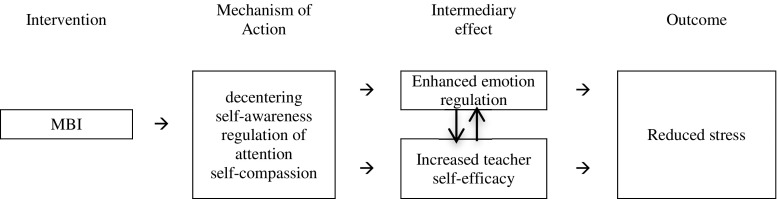
Verification
Claims the paper makes
1 Valid · 2 Not valid · 71 Not checked · 69 Own results and interpretations
A result the paper reports from its own data — it cites no other source for it, so there is none to check. The quote shows it is in the paper.
In the paper
“The quality assessment of the literature suggested that strengths lie in the reporting of study details, including aims, recruitment and data collection procedures.”
§ Teaching Mindfulness to Teachers: a Systematic Review and Narrative Synthesis > Results
hedged- Asserted: passes — The authors put it forward as true.
- Checkable: passes — It can be checked against evidence.
- Load-bearing: unclear — It is unclear whether the paper’s conclusions depend on it.
- Based: passes — The paper gives a reason why it holds.
In the paper
“On the whole, the body of literature was weakened by little consideration of sample size in terms of analysis, or the reliability of the analytical process (with the exception of Taylor et al. 2016).”
§ Teaching Mindfulness to Teachers: a Systematic Review and Narrative Synthesis > Results
What the sources say
- Not checked yetcites Taylor et al. 2016 matched to “Examining Ways That a Mindfulness-Based Intervention Reduces Stress in Public School Teachers: a Mixed-Methods Study” (2016) source
plain- Asserted: passes — The authors put it forward as true.
- Checkable: passes — It can be checked against evidence.
- Load-bearing: unclear — It is unclear whether the paper’s conclusions depend on it.
- Based: passes — The paper gives a reason why it holds.
None of the sources cited for this claim have been checked yet.
In the paper
“In addition, only studies by Jennings et al. (2011, 2013) included user involvement (i.e. feedback from teachers on the intervention) in the design.”
§ Teaching Mindfulness to Teachers: a Systematic Review and Narrative Synthesis > Results
What the sources say
- Not checked yetcites Jennings et al. 2011
- Not checked yetcites Jennings et al. 2013 matched to “Improving classroom learning environments by Cultivating Awareness and Resilience in Education (CARE): Results of a randomized controlled trial.” (2013) source
plain- Asserted: passes — The authors put it forward as true.
- Checkable: passes — It can be checked against evidence.
- Load-bearing: unclear — It is unclear whether the paper’s conclusions depend on it.
- Based: passes — The paper gives a reason why it holds.
A result the paper reports from its own data — it cites no other source for it, so there is none to check. The quote shows it is in the paper.
In the paper
“Forty-nine effect sizes, ranging from 0.01 to 2.12, were generated on the effects of a MBI on teacher stress, including psychological and physical symptoms, perceived stress and/or burnout (see Table 2).”
§ Teaching Mindfulness to Teachers: a Systematic Review and Narrative Synthesis > Results > Effects of MBIs
plain- Asserted: passes — The authors put it forward as true.
- Checkable: passes — It can be checked against evidence.
- Load-bearing: passes — The paper’s conclusions depend on it.
- Based: passes — The paper gives a reason why it holds.
None of the sources cited for this claim have been checked yet.
In the paper
“Eight-week programmes based on MBSR and/or MBCT were examined in six studies (Beshai et al. 2016; Flook et al. 2013; Frank et al. 2015; Gold et al. 2010; Napoli 2004; Poulin et al. 2008).”
§ Teaching Mindfulness to Teachers: a Systematic Review and Narrative Synthesis > Results > Mindfulness Programmes
plain- Asserted: passes — The authors put it forward as true.
- Checkable: passes — It can be checked against evidence.
- Load-bearing: unclear — It is unclear whether the paper’s conclusions depend on it.
- Based: passes — The paper gives a reason why it holds.
55 more claims
Create a free account to see all 143 claims and to verify the 106 references still open.
- It may state two separate claims as one. 63
- Probably not a substantial claim. 26
- The quote only partly states this claim. 1
Claims other papers make about this one
Each is checked against this paper’s own text: does it say what the citing paper says it does?
The cited source says what the claim attributes to it.
In the citing paper
“Other systematic reviews and meta-analyses have also provided promising results for mindfulness-based programs (Emerson et al., 2017; Hwang et al., 2017; Klingbeil & Renshaw, 2018; Lomas et al., 2017; Zarate et al., 2019)”
From Intervention Programs Targeting the Mental Health, Professional Burnout, and/or Wellbeing of School Teachers: Systematic Review and Meta-Analyses (2023) · cites this paper as Emerson et al., 2017
The cited source says what the claim attributes to it.
In the citing paper
“Five reviews have used a formal tool to assess risk of bias in included studies; four concluded that the overall quality of studies assessing mindfulness interventions were varied (Emerson et al., 2017; Hwang et al., 2017; Lomas et al., 2017; Zarate et al., 2019)”
From Intervention Programs Targeting the Mental Health, Professional Burnout, and/or Wellbeing of School Teachers: Systematic Review and Meta-Analyses (2023) · cites this paper as Emerson et al., 2017
In the citing paper
“While it connects teacher well-being with student development, it primarily emphasizes program delivery rather than organizational integration”
From Mapping the landscape of mindfulness research in educational workplaces: a bibliometric and conceptual analysis (2020–2024) (2026) · cites this paper as Emerson et al., 2017
Statistics that don’t add up
Each reported p-value recomputed from its test statistic and degrees of freedom, each partial η² from its F, and each ratio, mean difference or B printed with a p checked against its own confidence interval.
Rated minor: it would not touch a result — a value no result rests on, a p-value that stays on the same side of the significance level, or a conflict that is clerical, resolved elsewhere in the paper, or outside its own findings.
In the paper
“t(33) = 3.71, p = 0.03”
§ Teaching Mindfulness to Teachers: a Systematic Review and Narrative Synthesis > Results > Effects of MBIs
Reported p = .03 · recomputed p < .001
Rated minor: it would not touch a result — a value no result rests on, a p-value that stays on the same side of the significance level, or a conflict that is clerical, resolved elsewhere in the paper, or outside its own findings.
In the paper
“t(23) = 2.66, p = 0.03”
§ Teaching Mindfulness to Teachers: a Systematic Review and Narrative Synthesis > Results > Effects of MBIs
Reported p = .03 · recomputed p = .014
Rated minor: it would not touch a result — a value no result rests on, a p-value that stays on the same side of the significance level, or a conflict that is clerical, resolved elsewhere in the paper, or outside its own findings.
In the paper
“t(33) = 4.36, p = 0.02”
§ Teaching Mindfulness to Teachers: a Systematic Review and Narrative Synthesis > Results > Effects of MBIs
Reported p = .02 · recomputed p < .001
Rated minor: it would not touch a result — a value no result rests on, a p-value that stays on the same side of the significance level, or a conflict that is clerical, resolved elsewhere in the paper, or outside its own findings.
In the paper
“t (33) = 1.10, p = 0.40”
§ Teaching Mindfulness to Teachers: a Systematic Review and Narrative Synthesis > Results > Effects of MBIs
Reported p = .4 · recomputed p = .279
Statistics recomputed
Every reported test result, recomputed from its test statistic and degrees of freedom. A result shows as not adding up only once an independent check has confirmed it.
- Doesn’t add upt(33) = 3.71reported p = .03 · recomputed p < .001
“t(33) = 3.71, p = .03”
- Doesn’t add upt(33) = 4.36reported p = .02 · recomputed p < .001
“t(33) = 4.36, p = .02”
- Doesn’t add upt(33) = 1.1reported p = .4 · recomputed p = .279
“t (33) = 1.10, p = .40”
- Doesn’t add upt(23) = 2.66reported p = .03 · recomputed p = .014
“t(23) = 2.66, p = .03”
- Not confirmedF(1, 53) = 7.11reported p < .01 · recomputed p = .010
“F(1, 53) = 7.11, p < .01”
27 more recomputed tests
Create a free account to see every test the Stats check recomputed.
Self-check
Percentages, sums and reported differences re-computed from the paper’s own numbers.
Each contradiction between two passages listed here was confirmed by an independent check.
Rated minor: it would not touch a result — a value no result rests on, a p-value that stays on the same side of the significance level, or a conflict that is clerical, resolved elsewhere in the paper, or outside its own findings.
In the paper
§ Teaching Mindfulness to Teachers: a Systematic Review and Narrative Synthesis > Introduction
“The traditional format for delivery of a MBI is eight weekly 2.5-h sessions”
§ Teaching Mindfulness to Teachers: a Systematic Review and Narrative Synthesis > Results > Mindfulness Programmes
“shorter sessions (75–120 min rather than 180 min standard)”
Rated minor: it would not touch a result — a value no result rests on, a p-value that stays on the same side of the significance level, or a conflict that is clerical, resolved elsewhere in the paper, or outside its own findings.
In the paper
§ Teaching Mindfulness to Teachers: a Systematic Review and Narrative Synthesis > Results > Effects of MBIs
“All quantitative studies reported the influence of MBIs for teachers on measures of mindfulness and self-compassion (Table 5).”
§ Teaching Mindfulness to Teachers: a Systematic Review and Narrative Synthesis > Results > Measures
“In addition, mindfulness was measured in eight studies, using one of two measures: the Five Facet Mindfulness Questionnaire (n = 7; FFMQ) or the original form, the Kentucky Inventory of Mindfulness Skills (n = 1; KIMS). Data for teachers’ self-compassion was available for three studies”
Rated minor: it would not touch a result — a value no result rests on, a p-value that stays on the same side of the significance level, or a conflict that is clerical, resolved elsewhere in the paper, or outside its own findings.
In the paper
§ Teaching Mindfulness to Teachers: a Systematic Review and Narrative Synthesis > Results > Effects of MBIs
“consistently reported medium–large and significant effects on the ‘observe’ (Flook et al. 2013; Frank et al. 2015; Jennings et al. 2011—study 1; Jennings et al. 2013; Poulin et al. 2008)”
§ Teaching Mindfulness to Teachers: a Systematic Review and Narrative Synthesis > Results > Effects of MBIs
“Significant increase in mindfulness (describe subscale: t(9) = 2.53, p = 0.032) and self-compassion (SCS humanity: t(9) = 3.42, p = 0.008) in intervention group.”
Rated minor: it would not touch a result — a value no result rests on, a p-value that stays on the same side of the significance level, or a conflict that is clerical, resolved elsewhere in the paper, or outside its own findings.
In the paper
§ Teaching Mindfulness to Teachers: a Systematic Review and Narrative Synthesis > Results > Effects of MBIs
“Frank et al. (2015) reported significant changes from within-group analyses for the intervention group on subscales ‘acknowledgement’, ‘remaining calm’, and ‘present moment focus’”
§ Teaching Mindfulness to Teachers: a Systematic Review and Narrative Synthesis > Results > Effects of MBIs
“Significant differences between intervention and control groups on change scores (post-pre) indicated intervention effect for self-efficacy in acknowledgement”
Citations
Cites
Statistical Power Analysis for the Behavioral Sciences
Muller, K. (1989) · Technometrics · doi:10.1080/00401706.1989.10488618 · Cited by 99,167
Statistical power analysis for the behavioral sciences
(1990) · Computers, Environment and Urban Systems · doi:10.1016/0198-9715(90)90050-4 · Cited by 65,269
Statistical Power Analysis for the Behavioral Sciences (2nd ed.).
Lachenbruch, P. A., & Cohen, J. (1989) · Journal of the American Statistical Association · doi:10.2307/2290095 · Cited by 37,395
Gross, J. J., & John, O. P. (2003) · Journal of Personality and Social Psychology · doi:10.1037/0022-3514.85.2.348 · Cited by 11,929 · cited 3×
“(2013) reported a large and significant effect on one of two subscales on a general measure of emotion regulation (Emotion Regulation Questionnaire, ERQ; Gross and John 2003); changes on the ‘reappraisal’ subscale reflected teachers’ ability to regulate their emotions and consequently reappraise stressful situations i…”
BackgroundInfluential(2008) · Medical Entomology and Zoology · Cited by 7,477
Mindfulness: A proposed operational definition.
Bishop, S. R., Lau, M., Shapiro, S., Carlson, L., Anderson, N. D., Carmody, J., Segal, Z. V., Abbey, S., Speca, M., Velting, D., et al. (2004) · Clinical Psychology: Science and Practice · doi:10.1093/clipsy.bph077 · Cited by 7,234
Teacher efficacy: capturing an elusive construct
Tschannen-Moran, M., & Hoy, A. W. (2001) · Teaching and Teacher Education · doi:10.1016/s0742-051x(01)00036-1 · Cited by 6,839 · cited 1×
“Similarly, when delivered across occupational settings, there have been reported positive effects of MBIs on stress and wellbeing (health care providers, Escuriex and Labbé 2011; health care professionals, Irving et al. 2009; working adults, Virgili 2013).”
BackgroundThe Development and Validation of a Scale to Measure Self-Compassion
NEFF, K. D. (2003) · Self and Identity · doi:10.1080/15298860309027 · Cited by 6,436 · cited 2×
“Data for teachers’ selfcompassion was available for three studies (Beshai et al. 2016; Flook et al. 2013; Roeser et al. 2013) using a version of the Self-compassion Scale (SCS, Neff 2003).”
BackgroundMethodPositive Psychology Progress: Empirical Validation of Interventions.
Seligman, M. E. P., Steen, T. A., Park, N., & Peterson, C. (2005) · American Psychologist · doi:10.1037/0003-066x.60.5.410 · Cited by 5,947 · cited 1×
“This is routine in psychological interventions (and in MBIs) where the readiness for intervention, and the personal decision to engage, is deemed important to outcomes as well as reflecting ethical practice (Lyubomirsky et al. 2011; Seligman et al. 2006; Seligman et al. 2005).”
BackgroundMethods of Meta-Analysis: Correcting Error and Bias in Research Findings
Schmidt, F. L., & Hunter, J. E. (2015) · doi:10.4135/9781483398105 · Cited by 5,542
Research works printed but not linked: 4
- Bricheno P Brown S Lubansky R Teacher wellbeing: a review of the evidence 2009 London Teacher Support Network
- Derogatis LR SCL-90-R (Symptom Checklist-90-R): administration, scoring, and procedures manual 1994 Minnetonka, MN National Computer Systems
- Midgley C Maehr ML Hruda LZ Anderman E Anderman L Freeman KE Manual for the Patterns of Adaptive Learning Scales (PALS) 2000 Ann Arbor, MI University of Michigan
- National Association of Schoolmasters Union of Women Teachers (NASUWT Teachers’ satisfaction and wellbeing in the workplace 2013 London ComRes
Cited by
Harrison, R., Jones, B., Gardner, P., & Lawton, R. (2021) · BMC Health Services Research · doi:10.1186/s12913-021-06122-y · Cited by 480
Bardach, L., Klassen, R. M., & Perry, N. E. (2022) · Educational Psychology Review · doi:10.1007/s10648-021-09614-9 · Cited by 242
Mindfulness-based interventions for teachers: a meta-analysis of the emerging evidence base.
Klingbeil, D. A., & Renshaw, T. L. (2018) · School Psychology Quarterly · doi:10.1037/spq0000291 · Cited by 207
Jennings, P. A., Doyle, S., Oh, Y., Rasheed, D., Frank, J. L., & Brown, J. L. (2019) · Journal of School Psychology · doi:10.1016/j.jsp.2019.07.009 · Cited by 186
Oliveira, S., Roberto, M. S., Pereira, N. S., Marques-Pinto, A., & Veiga-Simão, A. M. (2021) · Frontiers in Psychology · doi:10.3389/fpsyg.2021.677217 · Cited by 171
Lomas, T., Medina, J. C., Ivtzan, I., Rupprecht, S., & Eiroa-Orosa, F. J. (2019) · Mindfulness · doi:10.1007/s12671-018-1062-5 · Cited by 152
Stress in teaching professionals across Europe
Redín, C. I., & Erro‐Garcés, A. (2020) · International Journal of Educational Research · doi:10.1016/j.ijer.2020.101623 · Cited by 206
Mindfulness interventions in schools: Integrity and feasibility of implementation
Emerson, L.-M., de Diaz, N. N., Sherwood, A., Waters, A., & Farrell, L. (2020) · International Journal of Behavioral Development · doi:10.1177/0165025419866906 · Cited by 117
“The potential impact of the practice of mindfulness on teachers’ own well-being (Emerson et al., 2017), and the interaction with student engagement with any MBI, needs to be considered.”
BackgroundSelf-citationBeames, J. R., Spanos, S., Roberts, A., McGillivray, L., Li, S., Newby, J. M., O’Dea, B., & Werner-Seidler, A. (2023) · Educational Psychology Review · doi:10.1007/s10648-023-09720-w · Cited by 109
Roeser, R. W., Mashburn, A. J., Skinner, E. A., Choles, J. R., Taylor, C., Rickert, N. P., Pinela, C., Robbeloth, J., Saxton, E., Weiss, E., et al. (2022) · Journal of Educational Psychology · doi:10.1037/edu0000675 · Cited by 103
Cultivating Teacher Resilience: International Approaches, Applications and Impact
Mansfield, C. F. (2020) · Springer eBooks · doi:10.1007/978-981-15-5963-1 · Cited by 235
Interventions to Teacher Well-Being and Burnout A Scoping Review
Avola, P., Soini, T., Jyrkiäinen, A., & Pentikäinen, V. (2025) · Educational Psychology Review · doi:10.1007/s10648-025-09986-2 · Cited by 184
Birchinall, L., Spendlove, D., & Buck, R. W. (2019) · Teaching and Teacher Education · doi:10.1016/j.tate.2019.102919 · Cited by 126
Mindfulness and Compassion as Key Factors in Improving teacher’s Well Being
Tarrasch, R., Berger, R., & Grossman, D. (2020) · Mindfulness · doi:10.1007/s12671-020-01304-x · Cited by 111
A brief mindfulness-based intervention (bMBI) to reduce teacher stress and burnout
Taylor, S. G., Roberts, A. M., & Zarrett, N. R. (2021) · Teaching and Teacher Education · doi:10.1016/j.tate.2021.103284 · Cited by 120
Britton, W. B., Desbordes, G., Acabchuk, R., Peters, S., Lindahl, J. R., Canby, N. K., Vago, D. R., Dumais, T., Lipsky, J., Kimmel, H., et al. (2021) · Frontiers in Psychology · doi:10.3389/fpsyg.2021.730972 · Cited by 80
Guidetti, G., Viotti, S., Badagliacca, R., Colombo, L., & Converso, D. (2019) · PLoS ONE · doi:10.1371/journal.pone.0214935 · Cited by 106
Mindfulness meditation for workplace wellness: An evidence map
Hilton, L. G., Marshall, N. J., Motala, A., Taylor, S. L., Miake-Lye, I. M., Baxi, S., Shanman, R. M., Solloway, M. R., Beroesand, J. M., & Hempel, S. (2019) · Work · doi:10.3233/wor-192922 · Cited by 77
“A second review showed unclear evidence for teacher functioning [171] and the third described positive results for teacher well-being and performance but did not provide a summary estimate [167].”
BackgroundWang, X. (2023) · Frontiers in Psychology · doi:10.3389/fpsyg.2023.1301786 · Cited by 182
Mindfulness-based interventions for stress and burnout in teachers: A systematic review
Hidajat, T. J., Edwards, E. J., Wood, R., & Campbell, M. A. (2023) · Teaching and Teacher Education · doi:10.1016/j.tate.2023.104303 · Cited by 132
Wang, H., & Hall, N. C. (2021) · Journal of School Psychology · doi:10.1016/j.jsp.2021.03.005 · Cited by 84
Fabbro, A., Fabbro, F., Capurso, V., D’Antoni, F., & Crescentini, C. (2020) · Perceptual and Motor Skills · doi:10.1177/0031512520908708 · Cited by 94
“While many studies have shown the efficacy of mindfulness interventions for enhancing teachers’ well-being (Emerson et al., 2017; Hwang et al., 2017; Lomas, Medina, Ivtzan, Rupprecht, & Eiroa-Orosa, 2017), to our knowledge, there have been no investigations of the effects of MM on teachers’ self-reported personality p…”
BackgroundJanz, P., Dawe, S., & Wyllie, M. (2019) · Frontiers in Psychology · doi:10.3389/fpsyg.2019.02052 · Cited by 87
Ko, C. M., Grace, F., Chavez, G. N., Grimley, S. J., Dalrymple, E. R., & Olson, L. E. (2018) · Journal of American College Health · doi:10.1080/07448481.2018.1431913 · Cited by 55
“Teachers who practice meditation and mindfulness can benefit psychosocially from engaging in this practice.(72,73) In addition, this can encourage them to make pedagogi-”
BackgroundMindfulness and contemplative approaches in education
Weare, K. (2019) · Current Opinion in Psychology · doi:10.1016/j.copsyc.2019.06.001 · Cited by 44
Montero-Marin, J., Taylor, L., Crane, C., Greenberg, M. T., Ford, T. J., Williams, J. M. G., García-Campayo, J., Sonley, A., Lord, L., Dalgleish, T., et al. (2021) · Journal of Educational Psychology · doi:10.1037/edu0000542 · Cited by 49
Waddell, A., Kunstler, B., Lennox, A., Pattuwage, L., Grundy, E. A. C., Tsering, D., Olivier, P. L., & Bragge, P. (2023) · Scandinavian Journal of Work Environment & Health · doi:10.5271/sjweh.4087 · Cited by 84
Carroll, A., O’Connor, E. S., Forrest, K., Fynes‐Clinton, S., York, A., Ziaei, M., Flynn, L. M., Bower, J., & Reutens, D. C. (2021) · Mindfulness · doi:10.1007/s12671-021-01777-4 · Cited by 72
“With regard to stress, measures of perceived stress returned the strongest effects, and this appeared to occur via improvements in emotion regulation (Emerson et al., 2017).”
BackgroundInfluentialCheng, X., Zhang, H., Cao, J., & Ma, Y. (2022) · Early Childhood Education Journal · doi:10.1007/s10643-021-01254-6 · Cited by 65
Hine, R. H., Patrick, P., Berger, E., Diamond, Z. M., Hammer, M., Morris, Z. A., Fathers, C., & Reupert, A. (2022) · Teaching and Teacher Education · doi:10.1016/j.tate.2022.103727 · Cited by 56
Wimmer, L., von Stockhausen, L., & Bellingrath, S. (2019) · Brain and Behavior · doi:10.1002/brb3.1390 · Cited by 41
“…Positive and Negative Affect Schedule; RSQ, Response Style Questionnaire. previous meta‐analyses, both for the general population and in‐ser‐ vice teachers (Emerson et al., 2017; Hofmann et al., 2010; Hwang et al., 2017; Klingbeil & Renshaw, 2018; Lomas et al., 2017), were largely replicated.”
BackgroundKeleynikov, M., Benatov, J., & Berger, R. (2022) · International Journal of Environmental Research and Public Health · doi:10.3390/ijerph19052645 · Cited by 54
“Mindfulness-based interventions (MBIs) have been shown to have positive effects on teachers’ mental health including the enhancement of well-being, self-compassion, emotional awareness in the classroom, and reduction in stress, burnout, and depression (for a review see [37]).”
BackgroundFactors influencing teacher wellbeing and burnout in schools: A scoping review1
Sohail, M. M., Baghdady, A., Choi, J., Huynh, H. V., Whetten, K., & Proeschold‐Bell, R. J. (2023) · Work · doi:10.3233/wor-220234 · Cited by 131
“Mindfulness-based practices tend to be the most effective means of those studied for maintaining and enhancing mental health and general wellbeing among teachers [18].”
Moyano, N., Perez-Yus, M. C., Herrera-Mercadal, P., Navarro-Gil, M., Valle, S., & Montero-Marin, J. (2023) · Current Psychology · doi:10.1007/s12144-021-02433-9 · Cited by 38
“These findings are aligned with previous evidence for which mindfulness training for teachers has been proven efficacious in reducing occupational stress and burnout, anxiety and depressive symptoms, and in improving well-being, classroom organization, focused attention, mindfulness, and self-compassion, among others…”
BackgroundBrown, J. L., Jennings, P. A., Rasheed, D. S., Cham, H., Doyle, S. L., Frank, J. L., Davis, R., & Greenberg, M. T. (2025) · Applied Developmental Science · doi:10.1080/10888691.2023.2268327 · Cited by 38
“…garnered recent national attention as a training mechanism to improve educators’ teaching quality by improving teacher well-being and stress management, which in turn can improve their interactions with their students (Emerson et al., 2017; Jennings, 2019; Roeser et al., 2012; Zarate et al., 2019).”
Bonde, E. H., Fjorback, L. O., Frydenberg, M., & Juul, L. (2022) · European Journal of Public Health · doi:10.1093/eurpub/ckab223 · Cited by 57
He, J., Iskhar, S., Yan, Y., & Moldobaeva, A. (2023) · Frontiers in Psychology · doi:10.3389/fpsyg.2023.1241335 · Cited by 61
“Mindfulness involves being fully present and engaged in the current moment, cultivating awareness and non-judgmental acceptance (Bishop et al., 2004; Emerson et al., 2017).”
BackgroundNielsen, B. L., Laursen, H. D., Réol, L. A., Jensen, H. B., Kozina, A., Vidmar, M., Rasmusson, M., Marušić, I., Denk, A., Roczen, N., et al. (2019) · European Journal of Teacher Education · doi:10.1080/02619768.2019.1604670 · Cited by 73
“Many of the reviewed studies refer to particular SEL programs for students, including the CARE program (Emerson et al. 2017; Jennings et al. 2011, 2014, 2017; Schussler et al. 2016), the RULER approach (Brackett et al.”
BackgroundLiu, D., & Du, R. (2024) · Frontiers in Psychology · doi:10.3389/fpsyg.2024.1351912 · Cited by 62
Hugh‐Jones, S., Rose, S., Koutsopoulou, G. Z., & Simms‐Ellis, R. (2017) · Mindfulness · doi:10.1007/s12671-017-0790-2 · Cited by 51
Self-citationSuárez-García, Z., Álvarez-García, D., García‐Redondo, P., & Rodríguez, C. (2020) · International Journal of Environmental Research and Public Health · doi:10.3390/ijerph17072447 · Cited by 61
“Firstly, the initial training sessions for teachers might have a certain positive effect on their wellbeing [22], mainly through improvements in their capacity for emotion regulation and a reduction of stress [23].”
BackgroundAn Integrative Review on the Research Progress of Mindfulness and Its Implications at the Workplace
Panditharathne, P. N. K. W., & Chen, Z. (2021) · Sustainability · doi:10.3390/su132413852 · Cited by 54
Impact of mindfulness training on the well-being of educators.
Dave, D. J., McClure, L. A., Rojas, S. R., De Lavalette, O., & Lee, D. J. (2020) · The Journal of Alternative and Complementary Medicine · doi:10.1089/acm.2019.0451 · Cited by 34
“14 The authors are encouraged by the favorable pre-to post-test findings in the three burnout subscales.”
Moldavan, A. M., Edwards-Leis, C., & Murray, J. (2022) · Teaching and Teacher Education · doi:10.1016/j.tate.2022.103732 · Cited by 62
Tsang, K. K. Y., Shum, K. K., Chan, W. W. L., Li, S. X., Kwan, H. W., Su, M. R., Wong, B. P., & Lam, S. (2021) · Mindfulness · doi:10.1007/s12671-021-01750-1 · Cited by 50
Exploring Mindfulness Benefits for Students and Teachers in Three German High Schools
Luong, M. T., Gouda, S., Bauer, J., & Schmidt, S. (2019) · Mindfulness · doi:10.1007/s12671-019-01231-6 · Cited by 30
Ferrari, M., & Kim, J. J. (2019) · Cambridge University Press eBooks · doi:10.1017/9781108568272.017 · Cited by 35
Teachers and Mindful Colouring to Tackle Burnout and Increase Mindfulness, Resiliency and Wellbeing
Czerwinski, N., Egan, H., Cook, A., & Mantzios, M. (2021) · Contemporary School Psychology · doi:10.1007/s40688-020-00279-9 · Cited by 29
Exploring the stress management and well-being needs of pre-service teachers
Zito, S., Petrovic, J., Böke, B. N., Sadowski, I., Carsley, D., & Heath, N. L. (2024) · Teaching and Teacher Education · doi:10.1016/j.tate.2024.104805 · Cited by 62
Juul, L., Brorsen, E., Gøtzsche, K., Nielsen, B. L., & Fjorback, L. O. (2021) · Frontiers in Psychology · doi:10.3389/fpsyg.2021.722771 · Cited by 40
‘Mindful teaching’: a construct for developing awareness and compassion
Schussler, D. L. (2020) · Reflective Practice · doi:10.1080/14623943.2020.1798918 · Cited by 32
Garro, A., Janal, M., Kondroski, K., Stillo, G. C., & Vega, V. (2023) · Contemporary School Psychology · doi:10.1007/s40688-022-00446-0 · Cited by 35
Why should teachers cultivate resilience through mindfulness?
Neumann, M. M., & Tillott, S. (2022) · Journal of Psychologists and Counsellors in Schools · doi:10.1017/jgc.2021.23 · Cited by 33
“Mindfulness involves the capacity of being present in the moment and intentionally paying close attention to a situation in a nonjudgmental and nonreactive way, while holding a curious and strong sense of self-awareness of the body and mind (Emerson et al., 2017; Jennings et al., 2013; Kabat-Zinn, 1994; Kerr et al., 2…”
BackgroundInfluentialCochran, L. M., & Peters, M. P. (2022) · Teaching and Teacher Education · doi:10.1016/j.tate.2022.103986 · Cited by 42
Emotional intelligence training for pre-service primary school teachers: a mixed methods research
Cihan, M. Ö., & Dılekmen, M. (2024) · Frontiers in Psychology · doi:10.3389/fpsyg.2024.1326082 · Cited by 68
“It is seen that these results have also been revealed through meta-analysis/systematic review (Emerson et al., 2017; Hwang et al., 2017; Oliveira et al., 2021) and scoping review (Turner and Stough, 2020) studies.”
ResultSong, X., Zheng, M., Zhao, H., Yang, T., Ge, X., Li, H., & Lou, T. (2020) · Frontiers in Psychology · doi:10.3389/fpsyg.2020.01298 · Cited by 38
Mihić, J., Oh, Y., Greenberg, M. T., & Kranželić, V. (2020) · Mindfulness · doi:10.1007/s12671-020-01446-y · Cited by 31
School Counselor Consultation Effects on Teachers’ Mindfulness, Stress, and Relationships
Molina, C. E., Lemberger‐Truelove, M. E., & Zieher, A. K. (2022) · Professional School Counseling · doi:10.1177/2156759x221086749 · Cited by 30
“Other researchers have used the FFMQ-15 with teachers in at least seven studies, showing acceptable reliability for the subscales (Emerson et al., 2017).”
MethodWilson, D., de Oliveira, D. R., Palace‐Berl, F., Ponteciano, B. D. M., Rissatti, L. F., Pollizi, V. P., de Miranda, F. S., D’Almeida, V., & Demarzo, M. (2022) · Brain Behavior & Immunity - Health · doi:10.1016/j.bbih.2022.100427 · Cited by 27
“, 2013), specifically focusing on mechanisms such as emotional self-regulation and decentering (Emerson et al., 2017; Gawrysiak et al., 2018), attention regulation, body awareness and change in perspective on the self (Carver, 2004; H€ olzel et al.”
BackgroundTodd, C., Cooksey, R., Davies, H. A., McRobbie, C., & Brophy, S. T. (2019) · BMJ Open · doi:10.1136/bmjopen-2018-025686 · Cited by 30
“While this study did not specifically set out to explore mechanisms by which each programme may work in lowering stress, many of these perceived impacts resonate with the stages of change proposed from mindfulness interventions(28) Furthermore, managing emotional reactivity is a key part of emotion regulation, which m…”
BackgroundBraun, S. S., Roeser, R. W., & Mashburn, A. J. (2020) · Pilot and Feasibility Studies · doi:10.1186/s40814-020-00718-7 · Cited by 32
“Results from the present study add to the emerging body of research suggesting that mindfulness-based programs can positively impact teachers and their classroom practice [15].”
BackgroundResultInfluentialThe Impact of Delivering Mindfulness-Based Programmes in Schools: A Qualitative Study
Norton, K. R., & Griffith, G. M. (2020) · Journal of Child and Family Studies · doi:10.1007/s10826-020-01717-1 · Cited by 35
Hirshberg, M. J., Flook, L., Moss, E. E., Enright, R. D., & Davidson, R. J. (2022) · Journal of School Psychology · doi:10.1016/j.jsp.2021.12.002 · Cited by 32
Dyer, N. L., Borden, S., Dusek, J. A., & Khalsa, S. B. S. (2020) · Complementary Therapies in Medicine · doi:10.1016/j.ctim.2020.102470 · Cited by 24
Garro, A., Giordano, K., Gubi, A. A., & Shortway, K. M. (2019) · Contemporary School Psychology · doi:10.1007/s40688-019-00258-9 · Cited by 24
Mindful practice for teachers: Relieving stress and enhancing positive mindsets
Carroll, A., Hepburn, S., & Bower, J. (2022) · Frontiers in Education · doi:10.3389/feduc.2022.954098 · Cited by 34
“Mindfulness has been previously linked to the development of interpersonal skills such as perspective taking and compassion (Emerson et al., 2017).”
BackgroundMindfulness in education: the case of Singapore
Khng, K. H. (2018) · Learning Research and Practice · doi:10.1080/23735082.2018.1428120 · Cited by 24
“…et al., 2017), selfesteem, self-efficacy, classroom management, teacher–student relationships and instructional strategies (Albrecht et al., 2012) – some, if not all of which, also have cascading effects on classroom climate/environment, and student well-being and outcomes (Emerson et al., 2017).”
BackgroundHatton‐Bowers, H., Smith, M. H., Huynh, T., Bash, K. L., Durden, T. R., Anthony, C., Foged, J., & Lodl, K. A. (2019) · Early Childhood Education Journal · doi:10.1007/s10643-019-01007-6 · Cited by 28
Mindfulness in Education: Insights Towards an Integrative Paradigm
Sheinman, N., & Russo‐Netzer, P. (2021) · Springer eBooks · doi:10.1007/978-3-030-64537-3_24 · Cited by 35
Profiles of Well-Being Among Early Childhood Educators
Roberts, A., Daro, A. M., & Gallagher, K. C. (2023) · Early Education and Development · doi:10.1080/10409289.2023.2173463 · Cited by 21
“Research suggests that individuals who experienced ACEs may feel a personal calling to human services professions, including early care and education (Authors, 2018; Esaki & Larkin, 2018).”
BackgroundTrent, N. L., Borden, S., Miraglia, M., Pasalis, E., Dusek, J. A., & Khalsa, S. B. S. (2019) · Global Advances in Health and Medicine · doi:10.1177/2164956119856856 · Cited by 19
Poli, A., Maremmani, A. G. I., Gemignani, A., & Miccoli, M. (2022) · Behavioral Sciences · doi:10.3390/bs12030074 · Cited by 17
“The mindfulness program was originally conceived and conducted according to the protocols described in the literature [30,31] and is described in detail in Supplementary Table S1 [38,39].”
MethodThe Intervention Effects on Teacher Well-being: A Three-Level Meta-Analysis
Li, Y., Xiang, W., Chen, J., Lee, J. C., Yan, Z., & Li, J. (2024) · Educational Psychology Review · doi:10.1007/s10648-024-09966-y · Cited by 24
“However, most of these literature reviews utilized a narrative synthesis (e.g., Emerson et al., 2017), a scoping review (Corbett et al., 2022), or traditional systematic analysis (e.g., Vo & Allen, 2022).”
InfluentialOlitsky, S. (2019) · Cultural Studies of Science Education · doi:10.1007/s11422-019-09965-4 · Cited by 22
Psychometric characteristics of the mindfulness in teaching scale in Chinese preschool teachers
Ma, Y., You, Y., Yang, H., Wang, F., Cheng, X., & Li, J. (2021) · Current Psychology · doi:10.1007/s12144-021-01602-0 · Cited by 14
Tarrasch, R., & Berger, R. (2022) · Mindfulness · doi:10.1007/s12671-022-01955-y · Cited by 13
Schwind, J., Beanlands, H. J., McCay, E. A., Wang, A. H., Binder, M., Aksenchuk, S., & Martin, J. M. (2021) · Journal of Further and Higher Education · doi:10.1080/0309877x.2021.1895092 · Cited by 16
Zhang, H., Cheng, X., & Ai, Y. (2024) · Early Childhood Education Journal · doi:10.1007/s10643-024-01695-9 · Cited by 16
“Approaches that promote teacher efficacy and job satisfaction have also shown potential (Crain et al., 2017; Emerson et al., 2017).”
Emotional schemas in relation to educators’ social and emotional competencies to promote student SEL
Jennings, P. A., Álamos, P., Baelen, R. N., Jeon, L., & Nicholas-Hoff, P. Y. (2024) · Social and Emotional Learning Research Practice and Policy · doi:10.1016/j.sel.2024.100064 · Cited by 27
Xu, Y., & Wang, J. (2024) · Humanities and Social Sciences Communications · doi:10.1057/s41599-024-03694-y · Cited by 23
“As a countermeasure, the practice of mindfulness has emerged as a promising tool for promoting teacher resilience and improving educational outcomes (Emerson et al. 2017; Hwang et al. 2017).”
Schussler, D. L., Harris, A. R., & Greenberg, M. T. (2020) · Psychology in the Schools · doi:10.1002/pits.22374 · Cited by 20
Azadi, F., Dayri, S., Kordbagheri, A., & Kordbagheri, M. (2024) · Mindfulness · doi:10.1007/s12671-024-02428-0 · Cited by 14
“Their stress levels and chance of burnout decreased as a result (Emerson et al., 2017).”
Hoppe-Herfurth, A.-C., Burkhardt, B., John, N., & Bilz, L. (2021) · Health Education · doi:10.1108/he-06-2021-0091 · Cited by 13
Teachers' anti-black biases in disciplinary decisions: The role of mindfulness
Ash, T. L., Helminen, E. C., Yamashita, S., & Felver, J. C. (2022) · Journal of School Psychology · doi:10.1016/j.jsp.2022.11.003 · Cited by 20
Mindfulness-Based Workplace Interventions for Wellness Promotion
King, A. P. J. (2019) · Integrating psychiatry and primary care · doi:10.1007/978-3-030-04266-0_13 · Cited by 20
Validation of a Scale for Assessing Social Validity in Mindfulness-Based Educational Programs
López-González, L., Herrero‐Fernández, D., Amutio, A., Santamaría, T., & Gordon, W. V. (2019) · Mindfulness · doi:10.1007/s12671-019-01138-2 · Cited by 16
Using a 10‐day mindfulness‐based app intervention to reduce burnout in special educators
Russell, A., & Smyth, S. (2023) · Journal of Research in Special Educational Needs · doi:10.1111/1471-3802.12599 · Cited by 15
Psychometric Properties of the Mindfulness in Teaching Scale in a Sample of Portuguese Teachers
Barata‐Gonçalves, M., Pires, L., Carona, C., Damas, C. A. M. D. C. E., Coimbra, D. D. C., de Lima, M. P., Frank, J. L., & de Oliveira, A. L. (2024) · Mindfulness · doi:10.1007/s12671-023-02283-5 · Cited by 15
“In fact, teachers participating in mindfulness training report gains in mindfulness and self-compassion leading to more effective emotion regulation and increased self-efficacy, thus reducing their levels of stress and risk of burnout (Emerson et al., 2017).”
Hao, S., Yu, D., & Fu, L. (2024) · Frontiers in Psychology · doi:10.3389/fpsyg.2024.1287703 · Cited by 20
“…in teaching can help teachers focus on the present moment, and teachers no longer need additional energy to cope with adverse external circumstances or negative internal feelings and emotions in their classroom teaching, management, and relationships with children (Emerson et al., 2017).”
BackgroundMindfulness-based stress reduction for elementary school teachers: a randomized controlled trial
Lensen, J. H., Stoltz, S. E. M. J., Kleinjan, M., Kraiss, J. T., Scholte, R. H. J., & Speckens, A. E. M. (2024) · Frontiers in Education · doi:10.3389/feduc.2024.1385375 · Cited by 27
Present-Moment Awareness and the Prosocial Classroom: Educators’ Lived Experience of Mindfulness
Mackenzie, E. R., Fegley, S. G., Stutesman, M. G., & Mills, J. (2020) · Mindfulness · doi:10.1007/s12671-020-01483-7 · Cited by 22
“Mindfulness-based interventions (MBIs) have shown promise to alleviate stress, promote well-being and resiliency, and build social-emotional competence, all of which benefit teacher efficacy (Emerson et al. 2017; Hwang et al. 2017; Roeser et al. 2013).”
BackgroundDesign of a mindfulness-based intervention to support teachers’ emotional regulation behaviors
Kennedy, D., Haley, A. C., & Evans, R. (2022) · Current Psychology · doi:10.1007/s12144-022-02696-w · Cited by 16
“Similar to studies on youth, interventions for educators lack reporting about fidelity and intervention components (Emerson et al., 2017; Hwang et al., 2017; Klingbeil et al., 2017; Lomas et al., 2017).”
BackgroundResultCastro, L., Serrão, C., Rodrigues, A. R., Marina, S., dos Santos, J. P. M., Amorim-Lopes, T. S., Miguel, C., Teixeira, A., & Duarte, I. (2023) · Frontiers in Psychology · doi:10.3389/fpsyg.2023.1271004 · Cited by 17
Initiatives for promoting educator wellbeing: a Delphi study
Patrick, P., Reupert, A., Berger, E., Morris, Z., Diamond, Z. M., Hammer, M., Hine, R., & Fathers, C. (2024) · BMC Psychology · doi:10.1186/s40359-024-01724-7 · Cited by 21
“Such interventions deliver training to educators to manage the adverse physiological and psychological effects of stress, with a focus, for example, on mindfulness, adaptive coping, or yoga [52–54].”
BackgroundLitvak‐Hirsch, T., & Lazar, A. (2020) · International Journal of Environmental Research and Public Health · doi:10.3390/ijerph17114096 · Cited by 15
“This finding echoes those previously discussed noting the positive impact of mindfulness training on these aspects of conduct [14,15].”
BackgroundMendelson, T., Webb, L., Artola, A., Molinaro, M. E., & Sibinga, E. M. (2023) · Mindfulness · doi:10.1007/s12671-023-02142-3 · Cited by 16
“Mindfulness-based interventions may offer promise as a way to improve stress management for teachers (Emerson et al., 2017; Hwang et al., 2017; Jennings & Greenberg, 2009; Klingbeil & Renshaw, 2018; Lomas et al., 2017).”
BackgroundAddressing challenges at the intersection of early intervention and child welfare
Munger, K. F., Stegenga, S. M., Storie, S., & Kinavey, E. (2022) · Child Abuse & Neglect · doi:10.1016/j.chiabu.2022.105852 · Cited by 26
Rucinski, C. L., Mandalaywala, T. M., & Tropp, L. R. (2023) · Social Psychology of Education · doi:10.1007/s11218-023-09822-x · Cited by 10
“Interventions shown to promote emotion regulation and reduce implicit bias (e.g., Emerson et al., 2017; Hirshberg et al., 2019) may allow teachers to interpret students’ behaviors more deliberately (Godsil et al., 2017 ), thereby reducing the influence of implicit bias in their practice.”
Fostering humanization in education: a scoping review on mindfulness and teacher education
Soares, F., Lopes, A., Serrão, C., & Ferreira, E. (2024) · Frontiers in Education · doi:10.3389/feduc.2024.1373500 · Cited by 19
Dyer, N. L., Borden, S., Dusek, J. A., & Khalsa, S. B. S. (2020) · EXPLORE · doi:10.1016/j.explore.2020.08.018 · Cited by 12
Metadata
- Authors
- Emerson, L.-M., Leyland, A., Hudson, K., Rowse, G., Hanley, P., & Hugh-Jones, S.
- Affiliations
- University of Sheffield (GB)
- University of Leeds (GB)
- University of Huddersfield (GB)
- Corresponding author
- Emerson, Lisa-Marie
- Venue
- Mindfulness
- Published
- 2017-02-23
- Volume
- 8
- Issue
- 5
- Pages
- 1136-1149
- ISSN
- 1868-8527 (ISSN-L)
- 1868-8535
- PMC
- PMC5605579
- OpenAlex
- W2590774814
- Cited by
- 258
- References
- 66
- Citations by year
- 2026: 22 · 2025: 42 · 2024: 37 · 2023: 27 · 2022: 25 · 2021: 38 · 2020: 27 · 2019: 28 · 2018: 11 · 2017: 1
- FWCI
- 2.81
- Type
- journal article
- Language
- en
- Open access
- hybrid
- doi.org
- Locations
- Mindfulness (publishedVersion, cc-by)
- Europe PMC (PubMed Central) (publishedVersion, cc-by)
- PubMed Central (publishedVersion, cc-by)
- PubMed (publishedVersion)
- University of Huddersfield Repository (University of Huddersfield) (acceptedVersion)
- White Rose Research Online (University of Leeds, The University of Sheffield, University of York) (acceptedVersion)
- Huddersfield Research Portal (University of Huddersfield) (submittedVersion, cc-by)
- Griffith Research Online (submittedVersion, cc-by)
- Funders
- University of Sheffield
- Topics
- Social Sciences › Psychology › Clinical Psychology › Mindfulness and Compassion Interventions
- Health Sciences › Medicine › Public Health, Environmental and Occupational Health › Occupational Health and Burnout
- Social Sciences › Psychology › Developmental and Educational Psychology › Student Stress and Coping
- Keywords
- mindfulness-based interventions, teacher stress, school teachers, emotion regulation, teacher self-efficacy, teacher well-being, teacher-student relationship, classroom management, socioemotional skills
About these checks
Registry, retraction, Cites and statistics results are computed, not judged, with one exception: a printed reference that no index lists is read once by a model before it counts as a citation error. Claims are extracted by a model and kept only when their quote appears verbatim in the text; each cited source is then checked, with a model’s help, for whether it says what the claim relies on. Those verdicts can be wrong — read the claim’s quote and the cited source before relying on one.
The claim verdicts this report counts are experimental: their accuracy is not yet measured.
A language model drew the claims from the paper on 2026-10-05, under version 3 of the claim definition (model deepseek-v4.1-flash, prompt extract-v3).
A second model labelled each claim on 2026-10-05 (model jev-1.13-20260917, definition revision gold-guideline-v0.2).
Statistics and arithmetic are recomputed, not judged.
Confidence bands are shown only for fields calibrated on our annotated test set. None is calibrated yet, so no band is shown.
What counts as a claim ›How we measure confidence ›How we check this ›
Are you an author, or do you see a problem with this page? Request a review
Data sources
Bibliographic data: Semantic Scholar, OpenAlex, Crossref.
Contains information from the Semantic Scholar Academic Graph Datasets, made available under the ODC Attribution License (ODC-BY 1.0).
Semantic Scholar’s data is described in: Kinney, R., et al. (2023). The Semantic Scholar Open Data Platform. arXiv:2301.10140.
