

The DOI matches its Crossref record; 8 of the 8 references it cites were found in a registry or an index.
Histone deacetylase (HDAC) inhibitors in recent clinical trials for cancer therapy
Overview
The claims and statistics of this paper haven’t been checked yet.
Run the check — free, no account needed. It reads the open-access text and checks the sources it cites.
Integrity signals
Registry
Cites
Statistics
Figures
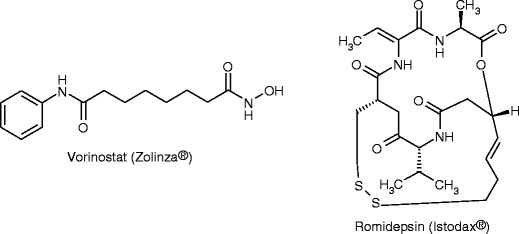
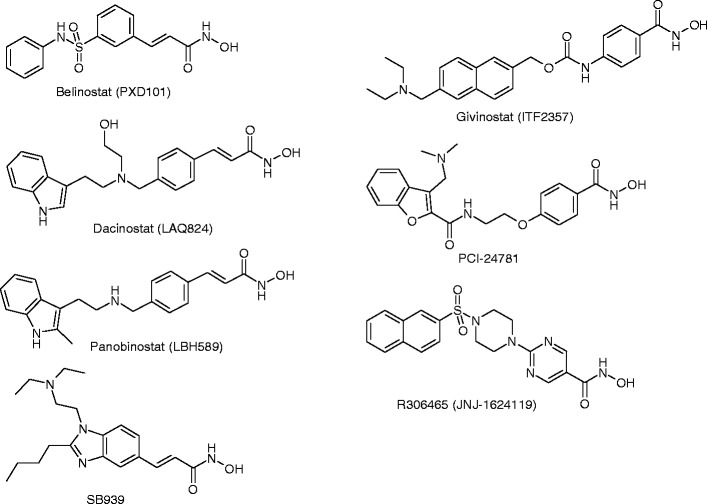
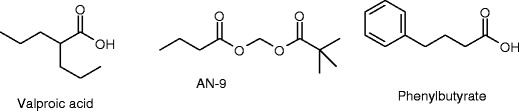
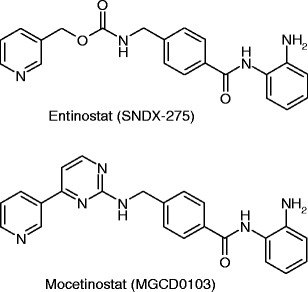
Verification
Claims the paper makes
The claims and statistics of this paper haven’t been checked yet.
Run the check — free, no account needed. It reads the open-access text and checks the sources it cites.
Claims other papers make about this one
Each is checked against this paper’s own text: does it say what the citing paper says it does?
The cited source says what the claim attributes to it.
In the citing paper
“Conversely, blood-related adverse effects have been reported in clinical trials with various HDACis, including anemia, thrombocytopenia, neutropenia, and lymphopenia (69), which suggests that the HDACi affects hematopoietic lineage differentiation.”
From Histone deacetylase 1 activates PU.1 gene transcription through regulating TAF9 deacetylation and transcription factor IID assembly (2017) · cites this paper as [69]
Self-check
Percentages, sums and reported differences re-computed from the paper’s own numbers.
The self-check needs the paper’s full text.
Citations
Cites
Genome-wide mapping of HATs and HDACs reveals distinct functions in active and inactive genes
Wang, Z., Zang, C., Cui, K., Schones, D. E., Barski, A., Peng, W., & Zhao, K. (2009) · Cell · doi:10.1016/j.cell.2009.06.049 · Cited by 1,344
Bali, P., Pranpat, M., Bradner, J., Balasis, M., Fiskus, W., Guo, F., Rocha, K., Kumaraswamy, S., Boyapalle, S., Atadja, P., et al. (2005) · Journal of Biological Chemistry · doi:10.1074/jbc.c500186200 · Cited by 755
Chemical phylogenetics of histone deacetylases
Bradner, J. E., West, N., Grachan, M. L., Greenberg, E. F., Haggarty, S. J., Warnow, T., & Mazitschek, R. (2010) · Nature Chemical Biology · doi:10.1038/nchembio.313 · Cited by 720
Chemoproteomics profiling of HDAC inhibitors reveals selective targeting of HDAC complexes
Bantscheff, M., Hopf, C., Savitski, M. M., Dittmann, A., Grandi, P., Michon, A.-M., Schlegl, J., Abraham, Y., Becher, I., Bergamini, G., et al. (2011) · Nature Biotechnology · doi:10.1038/nbt.1759 · Cited by 659
HDAC inhibitors in cancer biology: emerging mechanisms and clinical applications
Khan, O., & La Thangue, N. B. (2012) · Immunology & Cell Biology · doi:10.1038/icb.2011.100 · Cited by 450
Munster, P. N., Thurn, K. T., Thomas, S., Raha, P., Lacevic, M., Miller, A., Melisko, M., Ismail-Khan, R., Rugo, H., Moasser, M., et al. (2011) · British Journal of Cancer · doi:10.1038/bjc.2011.156 · Cited by 391
Exploration of the HDAC2 foot pocket: Synthesis and SAR of substituted N-(2-aminophenyl)benzamides
Bressi, J. C., Jennings, A. J., Skene, R., Wu, Y., Melkus, R., Jong, R. D., O’Connell, S., Grimshaw, C. E., Navre, M., & Gangloff, A. R. (2010) · Bioorganic & Medicinal Chemistry Letters · doi:10.1016/j.bmcl.2010.03.091 · Cited by 261 · cited 1×
“Recently, Bressi et al. (2010) could finally show that the amino anilide group indeed also acts as a zinc-chelating moiety.”
BackgroundERα and ERβ expression and transcriptional activity are differentially regulated by HDAC inhibitors
Duong, V, Licznar, A., Margueron, R., Boulle, N., Busson, M., Lacroix, M., Katzenellenbogen, B. S., Cavaillès, V, & Lazennec, G. (2006) · Oncogene · doi:10.1038/sj.onc.1209102 · Cited by 75
Research works printed but not linked: 130
- Arts J et al (2007) R306465 is a novel potent inhibitor of class I HDACs with broad-spectrum antitumoral activity against solid and haematological malignancies. Br J Cancer 97:1344–1353 · DOI
- Atjada P (2009) Delvelopment of the pan-DAC inhibitor Panobinostat (LBH589): successes and challenges. Cancer Lett 280:233–241 · DOI
- Badros A et al (2009) Phase I study of Vorinostat in combination with bortezomib for relapsed and refractory multiple myeloma. Clin Cancer Res 16:5250–5257 · DOI
- Bhatia R et al (2009) A phase 1 study of the HDAC inhibitor LBH589 in combination with imatinib for patients with CML in cytogenetic remission with residual disease detectable by qPCR. Blood 114:2194 · DOI
- Berenson JR et al (2009a) A phase 2 study of a 1-hour infusion of Romidepsin combined with bortezomib for multiple myeloma (MM) in patients with relapsed or refractory disease. J Clin Oncol 27:e19508 · DOI
- Berenson JR et al (2009b) A phase 1 study of oral Melphalan combined with LBH589 for patients with relapsed or refractory multiple myeloma (MM). Blood 114:1855 · DOI
- Bolden JE et al (2006) Anticancer activities of histone deacetylase inhibitors. Nat Rev Drug Discov 5:769–784 · DOI · Paper page
- Bonfils C et al (2008) Evaluation of the pharmacodynamic effects of MGCD0103 from preclinical models to human using a novel HDAC enzyme assay. Clin Cancer Res 14:3441–3449 · DOI
- Blum KA et al (2009) Phase II study of the histone deacetylase inhibitor MGCD0103 in patients with previously treated chronic lymphocytic leukaemia. Br J Haematol 147:507–514 · DOI
- Bradley D et al (2009) Vorinostat in advanced prostate cancer patients progressing on prior chemotherapy (National Cancer Institute Trial 6862). Cancer 115:5541–5549 · DOI
- Buchwald M et al (2009) HDACi - Targets beyond chromatin. Cancer Lett 280:160–167 · DOI
- Budde LE et al (2009) A phase 1 study of Vorinostat (V) in combination with rituximab, ifosphamide, carboplatin and etoposide (ICE) for patients with relapsed or refractory lymphoid malignancies or untreated T-or mantle cell lymphoma. Blood 114:3696 · DOI
- Burgess A et al (2004) Histone deacetylase inhibitors specifically kill nonproliferating tumour cells. Oncogene 23:66963–67001 · DOI
- Catley L et al (2003) NVP-LAQ824 is a potent novel histone deacetylase inhibitor with significant activity against multiple myeloma. Blood 102:2615–2622 · DOI
- Chen L et al (2002) Rad23 promotes the targeting of proteolytic substrates to the proteasome. Mol Cell Biol 22:4902–4913 · DOI
- Chen L et al (2009) Ubiquitin-associated (UBA) domains in Rad23 bind ubiquitin and promote inhibition of multi-ubiquitin chain assembly. EMBO Rep 2:933–938 · DOI
- Chung EJ et al (2006) Assays for the pharmacodynamic analysis of histone deacetylase inhibitors. Exp Opin Drug Metab Toxicol 2:213–230 · DOI
- Conte P et al (2009) Phase 1 trial of Panobinostat (LBH589) in combination with trastuzumab in pretreated HER2-positive metastatic breast cancer (mBC): preliminary safety and tolerability results. J Clin Oncol 27(Suppl):15 s
- Daud AI et al (2009) Potentiation of a topoisomerase I inhibitor, karenitecin, by the histone deacetylase inhibitor valproic acid in melanoma: translational and phase I/II clinical trial. Clin Cancer Res 15:2479–2487 · DOI
- DeAngelo DJ et al (2009) Activity of oral Panobinostat (LBH589) in patients with myelofibrosis. Blood 114:2898 · DOI
- Deroanne CF et al (2002) Histone deacetylases inhibitors as anti-angiogenic agents altering vascular endothelial growth factor signaling. Oncogene 21:427–436 · DOI · Paper page
- Fakih MG et al (2009) A phase I, pharmacokinetic and pharmacodynamic study on Vorinostat in combination with 5-fluorouracil, leucovorin, and oxaliplatin in patients with refractory colorectal cancer. Clin Cancer Res 15:3189–3195 · DOI
- Fandy TE et al (2009) Early epigenetic changes and DNA damage do not predict clinical response in an overlapping schedule of 5-azacytidine and entinostat in patients with myeloid malignancies. Blood 114:2764–2773 · DOI
- Fantin VR et al (2008) Constitutive activation of signal transducers and activators of transcription predicts Vorinostat resistance in cutaneous T-cell lymphoma. Cancer Res 68:3785–3794 · DOI
- Fotheringham S et al (2009) Genome-wide loss-of-function screen reveals an important role for the proteasome in HDAC inhibitor-induced apoptosis. Cancer Cell 15:57–66 · DOI · Paper page
- Fournel A et al (2008) MGCD0103, a novel isotype-selective histone deacetylase inhibitor, has broad spectrum antitumor activity in vitro and in vivo. Mol Cancer Ther 7:759–768 · DOI
- Fujiwara Y et al (2009) Phase I and pharmacokinetic study of Vorinostat (suberoylanilide hydroxamic acid) in Japanese patients with solid tumors. Cancer Sci 100:1728–1734 · DOI
- Furumai R et al (2002) FK228 (depsipeptide) as a natural prodrug that inhibits class I HDACs. Cancer Res 62:4916–4921
- Galanis E et al (2009) Phase II trial of Vorinostat in recurrent glioblastoma multiforme: a North Central Cancer Treatment Group study. J Clin Oncol 27:2052–2058 · DOI
- Galli M et al (2010) A phase II multiple dose clinical trial of histone deacetylase inhibitor ITF2357 in patients with relapsed or progressive multiple myeloma. Ann Hematol 89:185–190 · DOI
- Ganesan A et al (2009) Epigenetic therapy; histone acetylation, DNA-methylation and anti-cancer drug discovery. Curr Cancer Drug Targets 9:963–981 · DOI
- Garcia-Manero G et al (2008) Phase 1 study of the histone deacetylase inhibitor Vorinostat (suberoylanilide hydroxamic acid [SAHA]) in patients with advanced leukemias and myelodysplastic syndromes. Blood 111:1060–1066 · DOI
- Garcia-Manero G et al (2009) Phase 2 study of Vorinostat in combination with idarubicin (Ida) and cytarabine (ara-C) as front line therapy in acute myelogenous leukemia or higher risk myelodysplastic syndromes (MDS). Blood 114:1055 · DOI
- Giaccone G et al (2009) Phase 2 study of the histone deacetylase inhibitor Belinostat in thymic malignancies. J Clin Oncol 27:7589 · DOI
- Glozak MA et al (2005) Acetylation and deacetylation of non-histone proteins. Gene 363:15–23 · DOI · Paper page
- Göttlicher M et al (2001) Valproic acid defines a novel class of HDAC inhibitors inducing differentiation of transformed cells. EMBO J 20:6969–6978 · DOI
- Gojo I et al (2007) Phase 1 and pharmacologic study of MS-275, a histone deacetylase inhibitor, in adults with refractory and relapsed acute leukemias. Blood 109:2781–2790 · DOI
- Golay J et al (2007) The histone deacetylase inhibitor ITF2357 has anti-leukemic activity in vitro and in vivo and inhibits IL-6 and VEGF production by stromal cells. Leukemia 21:1892–1900 · DOI
- Haberland M et al (2009) The many roles of histone deacetylases in development and physiology: implications for disease and therapy. Nat Rev Genet 10:32–42 · DOI
- Hauschild A et al (2008) Multicenter phase II trial of the histone deacetylase inhibitor pyridylmethyl-N-{4-[(2-aminophenyl)-carbamoyl]-benzyl}-carbamate in pretreated metastatic melanoma. Melanoma Res 8:274–278 · DOI
- Heltweg B et al (2003) Nonisotopic substrate for assaying both human zinc and NAD+-dependent histone deacetylases. Anal Biochem 319:42–48 · DOI
- Hess-Stump H et al (2007) MS-275, a potent orally available inhibitor of histone deacetylases—the development of an anticancer agent. Int J BiochemCell Biol 39:1388–1405 · DOI
- Hirokawa Y et al (2005) Signal therapy of breast cancers by the HDAC inhibitor FK228 that blocks the activation of PAK1 and abrogates the tamoxifen-resistance. Cancer Biol Ther 4:956–960 · DOI
- Hodges-Gallagher L et al (2006) Inhibition of histone deacetylase enhances the antiproliferative action of antiestrogens on breast cancer cells and blocks tamoxifen-induced proliferation of uterine cells. Breast Cancer Res Treat 105:297–309 · DOI
- Hoffmann K et al (1999) A non-isotopic assay for histone deacetylase activity. Nucleic Acids Res 27:2057–2058 · DOI
- Hu Y et al (2010) Overcoming resistance to histone deacetylase inhibitors in human leukemia with the redox modulating compound ²-phenylethyl isothiocyanate. Blood (in press) · DOI
- Jang ER et al (2004) The histone deacetylase inhibitor trichostatin A sensitizes estrogen receptor α negative breast cancer cells to tamoxifen. Oncogene 23:1724–1736 · DOI
- Jones P (2009) Histone deacetylase inhibitors. In: Sippl W, Jung M (eds) Epigenetic targets in drug discovery. Wiley VCH, New York, pp 185–223 · DOI
- Jones PA, Baylin SB (2007) The epigenomics of cancer. Cell 128:683–692 · DOI · Paper page
- Kazantsev A et al (2008) Therapeutic application of histone deacetylase inhibitors for central nervous system disorders. Nat Rev Drug Discovery 7:854–868 · DOI
- Khan O et al (2010) HR23B is a biomarker for tumor sensitivity to HDAC inhibitor-based therapy. Proc Natl Acad Sci USA 107:6532–6537 · DOI
- Kelly WK et al (2009) Final results of a phase 1 study of oral Belinostat (PXD101) in patients with solid tumours. J Clin Oncol 27:3531 · DOI
- Kilgore M et al (2010) Inhibitors of class 1 histone deacetylases reverse contextual memory deficits in a mouse model of Alzheimer’s disease. Neuropsychopharmacology 35:870–880 · DOI · Paper page
- Kim Y et al (2008a) Clinically significant responses achieved with Romidepsin in treatment-refractory cutaneous T-cell lymphoma: final results from a phase 2b, international, multicenter, registration study. Blood 112:263 · DOI
- Kim YK et al (2008b) Histone deacetylase inhibitor apicidin-mediated drug resistance: involvement of P-glycoprotein. Biochem Biophys Res Commun 368:959–964 · DOI
- Kirschbaum M et al (2009) Vorinostat in combination with decitabine for the treatment of relapsed or newly diagnosed acute myelogenous leukemia (AML) or myelodysplastic syndrome (MDS): a phase 1 dose-escalation study. Blood 114:2089 · DOI
- La Bonte MJ et al. (2009) DNA microarray profiling of genes differentially regulated by the histone deacetylase inhibitors Vorinostat and LBH589 in colon cancer cell lines. BMC Med Genomics 67 · DOI · Paper page
- Lafon-Hughes L et al (2008) Chromatin-remodelling mechanisms in cancer. Mutat Res 658:191–214 · DOI
- Leder A et al (1975) Differentiation of erythroleukemic cells in the presence of inhibitors of DNA synthesis. Science 190:893–894 · DOI
- Lin et al (2009) A phase I dose-finding study of 5-azacytidine in combination with sodium phenylbutyrate in patients with refractory solid tumors. Clin Cancer Res 15:6241–6249 · DOI
- Liu LT et al (2003) Histone deacetylase inhibitor up-regulates RECK to inhibit MMP-2 activation and cancer cell invasion. Cancer Res 12:3069–3072
- Ma X et al (2009) Histone deacetylase inhibitors current status and overview of recent clinical trials. Drugs 69:1911–1934 · DOI
- Mackay HJ et al (2010) Phase II trial of the histone deacetylase inhibitor Belinostat in women with platinum resistant epithelial ovarian cancer and micropapillary (LMP) ovarian tumours. Eur J Cancer 46:1573–1579 · DOI
- Magner WJ et al (2000) Activation of MHC class I, II and CD40 gene expression by histone deacetylase inhibitors. J Immunol 165:7017–7024 · DOI · Paper page
- Mascarenhas J et al (2009) A phase 1 study of LBH589, a novel histone deacetylase inhibitor in patients with primary myelofibrosis (PMF) and post-polycythemia/essential thrombocythemia myelofibrosis (post-PV/ET MF). Blood 114:308 · DOI
- Mazières J et al (2007) Epigenetic regulation of RhoB loss of expression in lung cancer. BMC Cancer 7:220 · DOI
- Michaelis M et al (2004) Valproic acid inhibits angiogenesis in vitro and in vivo. Mol Pharmacol 65:520–527 · DOI
- Minucci S, Pelicci PG (2006) Histone deacetylase inhibitors and the promise of epigenetic (and more) treatments for cancer. Nat Rev Cancer 6:38–51 · DOI
- Molife LR et al (2010) Phase II, two-stage, single-arm trial of the histone deacetylase inhibitor (HDACi) Romidepsin in metastatic castration-resistant prostate cancer (CRPC). Ann Oncol 1:109–113 · DOI
- Monks A et al (2009) Gene expression-signature of Belinostat in cell lines is specific for histone deacetylase inhibitor treatment, with a corresponding signature in xenografts. Anticancer Drugs 20:682–692 · DOI
- Mudduluru G et al (2004) Expression profiling of sodium butyrate (NaB)-treated cells: identification of regulation of genes related to cytokine signalling and cancer metastasis by NaB. Oncogene 37:6304–6315
- Munster PN et al (2009a) Phase I trial of Vorinostat and doxorubicin in solid tumours: histone deacetylase 2 expression as a predictive marker. Br J Cancer 101:1044–1050 · DOI
- Munster PN et al (2009b) Clinical and biological effects of valproic acid as a histone deacetylase inhibitor on tumor and surrogate tissues: phase 1/2 trial of valproic acid and epirubicin/FEC. Clin Cancer Res 15:2488–2496 · DOI
- Munster PN et al (2009c) Phase 2 trial of the histone deacetylase inhibitor, Vorinostat, to restore hormone sensitivity to the antiestrogen tamoxifen in patients with advanced breast cancer who progressed on prior hormone therapy. J Clin Oncol 27:1075 · DOI
- Ninan JA et al (2009) A phase 1 study of Vorinostat in combination with bortezomib in refractory solid tumours. J Clin Oncol 27:2531 · DOI
- Novoty-Diermayr V et al (2010) SB939, a novel potent and orally active histone deacetylase inhibitor with high tumor exposure and efficacy in mouse models of colorectal cancer. Mol Cancer Ther 9:642–652 · DOI
- Pandolfi PP (2001) Histone deacetylases and transcriptional therapy with their inhibitors. Cancer Chemother Pharmacol 48(Suppl1):S17–S19 · DOI
- Parsons PG et al (1997) Tumour selectivity and transcriptional activation by azelaic bishydroxamic acid in human melanocytic cells. Biochem Pharmacol 53:1719–1724 · DOI
- Pasqualucci L et al (2003) Molecular pathogenesis of non-Hodgkin’s lymphoma: the role of Bcl-6. Leuk Lymphoma 44(suppl 3):S5–S12 · DOI
- Piekarz RL et al (2009a) Phase 2 multi-institutional trial of the histone deacetylase inhibitor Romidepsin as monotherapy for patients with cutaneous T-cell lymphoma. J Clin Oncol 32:5410–5417 · DOI
- Piekarz RL et al (2009b) Final results of a phase 2 NCI multicenter study of Romidepsin in patients with relapsed peripheral T-cell lymphoma (PTCL). Blood 114:1657 · DOI
- Plumb JA et al (2003) Pharmacodynamic response and inhibition of growth of human tumor xenografts by the novel histone deacetylase inhibitor PXD101. Mol Cancer Ther 2:721–728
- Pohlmann B et al (2009) Final results of a phase 2 trial of Belinostat (PXD101) in patients with recurrent or refractory peripheral or cutaneous T-cell lymphoma. Blood 114:920 · DOI
- Qui L et al (1999) Anti-tumour activity in vitro and in vivo of selective differentiating agents containing hydroxamate. Br J Cancer 80:1252–1258 · DOI
- Raffoux E et al (2010) Phase 2 clinical trial of 5-azacytidine, valproic acid and all-trans retinoic acid in patients with high-risk acute myeloid leukemia or myelodysplastic syndrome. Oncotarget 1:34–42 · DOI · Paper page
- Ramalingam SS et al (2009) Phase II study of Belinostat (PXD101), a histone deacetylase inhibitor, for second line therapy of advanced malignant pleural mesothelioma. J Thorac Oncol 4:97–101 · DOI
- Ramalingam S et al (2010) Carboplatin and paclitaxel in combination with either Vorinostat or placebo for first-line therapy of advanced non-small cell lung cancer. J Clin Oncol 1:56–62 · DOI
- Rathkopf D et al (2010) A phase 1 study of oral Panobinostat alone and in combination with docetaxel in patients with castration-resistant prostate cancer. Cancer Chemother Pharmacol 66:181–189 · DOI
- Reddy P et al (2004) Histone deacetylase inhibitor suberoylanilide hydroxamic acid reduces graft-versus-host disease and preserves graft-versus-leukemia effect. Proc Natl Acad Sci USA 101:3921–3926 · DOI
- Ree A et al (2010) Vorinostat, a histone deacetylase inhibitor, combined with pelvic palliative radiotherapy for gastrointestinal carcinoma: the pelvic radiation and Vorinostat (PRAVO) phase 1 study. Lancet Oncol 11:459–464 · DOI
- Reguart N et al (2009) Phase 1 trial of Vorinostat in combination with erlotinib in advanced non-small cell lung cancer (NSCLC) in patients with EGFR mutations after erlotinib progression. J Clin Oncol 27:e19057 · DOI
- Reid G et al (2005) Multiple mechanisms induce transcriptional silencing of a subset of genes, including oestrogen receptor a, in response to deacetylase inhibition by valproic acid and trichostatin A. Oncogene 24:4894–4907 · DOI
- Rephaeli A et al (2000) Prodrugs of butyric acid from bench to bedside: synthetic design, mechanisms of action, and clinical applications. Drug Dev Res 50:379–391 · DOI
- Revill P et al (2007) Panobinostat. Drugs future 32:315–322 · DOI
- Richon VM et al (1998) A class of hybrid polar inducers of transformed cell differentiation inhibits histone deacetylases. Proc Natl Acad Sci USA 95:3003–3007 · DOI · Paper page
- Richon VM et al (2000) Histone deacetylase inhibitors selectively induces p21WAF1 expression and gene-associated histone acetylation. Proc Natl Acad Sci USA 97:10014–10019 · DOI · Paper page
- Rocha W et al (2005) Opposite effects of histone deacetylase inhibitors on glucocorticoid and estrogen signaling in human endometrial Ishikawa cells. Mol Pharmacol 68:1852–1862 · DOI
- Rocca A et al (2009) A phase I–II study of the histone deacetylase inhibitor valproic acid plus chemoimmunotherapy in patients with advanced melanoma. Br J Cancer 100:28–36 · DOI
- Rössig L et al (2002) Inhibitors of histone deacetylation downregulate the expression of endothelial nitric oxide synthase and compromise endothelial cell function in vasorelaxation and angiogenesis. Circ Res 91:837–844 · DOI
- Saito A et al (1999) A synthetic inhibitor of HDAC, MS-27-275, with marked in vivo antitumor activity against human tumours. Proc Natl Acad Sci USA 96:4592–4597 · DOI
- San-Miguel JF et al (2009) A phase 1b, multi center, open-label dose-escalation study of oral Panobinostat (LBH589) and i.v. bortezomib in patients with relapsed multiple myeloma. Blood 114:3852 · DOI
- Santos-Rosa H, Caldas C (2005) Chromatin modifier enzymes, the histone code and cancer. Eur J Cancer 41:2381–2402 · DOI
- Sauve AA et al (2006) The biochemistry of sirtuins. Annu Rev Biochem 75:435–465 · DOI · Paper page
- Schäfer EW et al (2009) A phase 2 study of Vorinostat in acute myeloid leukemia. Haematologica 94:1375–1382 · DOI
- Schneider BJ et al (2009) Phase 1 study of Vorinostat plus doxetacel in patients with solid tumour malignancies. J Clin Oncol 27:2528 · DOI
- Scott GK et al (2008) Destabilization of ERBB2 transcripts by targeting 3′ untranslated region messenger RNA associated HuR and histone deacetylase-6. Mol Cancer Res 6:1250–1258 · DOI
- Siegel D et al (2009) Combined Vorinostat, lenalidomide and dexamethasone therapy in patients with relapsed or refractory multiple myeloma: a phase 1 study. Blood 114:305 · DOI
- Spencer A et al (2009) Panobinostat plus lenalidomide and dexamethasone phase 1 trial in multiple myeloma (MM). Blood 114:8542
- Stimson L et al (2009) Biomarkers for predicting clinical responses to HDAC inhibitors. Cancer Lett 280:177–183 · DOI
- Suzuki T et al (1999) Synthesis and histone deacetylase inhibitory activity of new benzamide derivatives. J Med Chem 42:3001–3003 · DOI
- Tabe Y et al (2006) Up-regulation of MDR1 and induction of doxorubicin resistance by histone deacetylase inhibitor depsipeptide (FK228) and ATRA in acute promyelocytic leukemia cells. Blood 107:1546–1554 · DOI
- Thomas EA et al (2008) The HDAC inhibitor 4b ameliorates the disease phenotype and transcriptional abnormalities in Huntington’s disease transgenic mice. Proc Natl Acad Sci USA 105:15564–15569 · DOI
- Trédaniel J et al (2009) Vorinostat in combination with gemcitabine and cisplatinum in patients with advanced non-small cell lung cancer (NSCLC): a phase 1 dose-escalation study. J Clin Oncol 27:8049 · DOI
- Van Lint C et al (1996) The expression of a small fraction of cellular gene is changed in response to histone hyperacetylation. Gene Expr 5:245–254
- Verdin E et al (2003) Class II histone deacetylases: versatile regulators. Trends Genet 19:286–293 · DOI · Paper page
- Verdin E et al (2004) Measurement of mammalian histone deacetylase activity. Meth Enzymol 377:180–196 · DOI
- Voorhees PM et al (2009) Vorinostat in combination with pegylated liposomal doxorubicine and bortezomib for patients with relapsed/refractory multiple myeloma: results from a phase 1 study. Blood 114:306 · DOI
- Voso MT et al (2009) Valproic acid at therapeutic plasma levels may increase 5-azacytidine efficacy in higher risk myelodysplastic syndromes. Clin Cancer Res 15:5002–5007 · DOI
- Warrell et al (1998) Therapeutic targeting of transcription in acute promyelocytic leukemia by use of an inhibitor of histone deacetylase. J Natl Cancer Inst 90:1621–1625 · DOI · Paper page
- Watanabe T et al (2010) Potential efficacy of the oral histone deacetylase inhibitor Vorinostat in a phase I trial in follicular and mantle cell lymphoma. Cancer Sci 101:196–200 · DOI
- Weichert W (2009) HDAC expression and clinical prognosis in human malignancies. Cancer Lett 280:168–176 · DOI
- Whitehead RP et al (2009) Phase 2 trial of Romidepsin (NSC-630176) in previously treated colorectal cancer patients with advanced disease: a Southwest Oncology Group study (S0336). Invest New Drugs 5:469–475 · DOI
- Wilson PM et al (2010) A phase I/II trial of Vorinostat in combination with 5-fluorouracil in patients with metastatic colorectal cancer who previously failed 5-FU-based chemotherapy. Cancer Chemother Pharmacol 2010:979–988 · DOI
- Yang X et al (2001) Synergistic activation of functional estrogen receptor (ER)-α by DNA methyltransferase and histone deacetylase inhibition in human ER-α negative breast cancer cells. Cancer Res 61:7025–7029
- Yoo CB, Jones PA (2006) Epigenetic therapy of cancer: past, present and future. Nat Rev Drug Discov 5:37–50 · DOI
- Younes A et al (2009) Efficacy of Panobinostat in phase 2 study in patients with relapsed/refractory Hodgekin lymphoma (HL) after high-dose chemotherapy with autologous stem cell transplant. Blood 114:923 · DOI
- Zain JM et al (2009) Final results of a phase 1 study of oral Belinostat (PXD101) in patients with lymphoma. J Clin Oncol 27:8580 · DOI
- Zhang Y et al (2006) Two catalytic domains are required for protein deacetylation. J Biol Chem 281:2401–2404 · DOI
- Zhang B et al (2010) Effective targeting of quiescent chronic myelogenous leukemia stem cells by histone deacetylase inhibitors in combination with Imatinib mesylate. Cancer Cell 17:427–442 · DOI
- Zhou Q et al (2007) Histone deacetylase inhibitor LBH589 reactivates silenced estrogen receptor α (ER) gene expression without loss of DNA hypermethylation. Cancer Biol Ther 6:64–69 · DOI
Cited by
Sorted by citations
Structure of Hdac3 Bound to Co-Repressor and Inositol Tetraphosphate
Watson, P. J., Fairall, L., Santos, G. M., & Schwabe, J. W. R. (2012) · Nature · doi:10.1038/nature10728 · Cited by 505
“Several HDAC inhibitors are at various stages in clinical trials, and two drugs, vorinostat and romidepsin, have been approved for the treatment of cutaneous T-cell lymphoma”
BackgroundDelcuve, G. P., Khan, D. H., & Davie, J. R. (2012) · Clinical Epigenetics · doi:10.1186/1868-7083-4-5 · Cited by 505
Modulators of Protein–Protein Interactions
Milroy, L.-G., Grossmann, T. N., Hennig, S., Brunsveld, L., & Ottmann, C. (2014) · Chemical Reviews · doi:10.1021/cr400698c · Cited by 497
The epigenetic effects of butyrate: potential therapeutic implications for clinical practice
Berni Canani, R., Di Costanzo, M., & Leone, L. (2012) · Clinical Epigenetics · doi:10.1186/1868-7083-4-4 · Cited by 431
Insights into the activation mechanism of class I HDAC complexes by inositol phosphates
Watson, P. J., Millard, C. J., Riley, A. M., Robertson, N. S., Wright, L. C., Godage, H. Y., Cowley, S. M., Jamieson, A. G., Potter, B. V. L., & Schwabe, J. W. R. (2016) · Nature Communications · doi:10.1038/ncomms11262 · Cited by 244
Pazolli, E., Alspach, E., Milczarek, A., Prior, J., Piwnica-Worms, D., & Stewart, S. A. (2012) · Cancer Research · doi:10.1158/0008-5472.can-11-3386 · Cited by 192
Targeting Class I Histone Deacetylases in a “Complex” Environment
Millard, C. J., Watson, P. J., Fairall, L., & Schwabe, J. W. R. (2017) · Trends in Pharmacological Sciences · doi:10.1016/j.tips.2016.12.006 · Cited by 180
Role of Epigenetics in Inflammation-Associated diseases
Shanmugam, M. K., & Sethi, G. (2013) · Subcellular Biochemistry · doi:10.1007/978-94-007-4525-4_27 · Cited by 141
Heimburg, T., Kolbinger, F. R., Zeyen, P., Ghazy, E., Herp, D., Schmidtkunz, K., Melesina, J., Shaik, T. B., Erdmann, F., Schmidt, M., et al. (2017) · Journal of Medicinal Chemistry · doi:10.1021/acs.jmedchem.7b01447 · Cited by 92
Self-citationThe Rpd3/Hda1 family of histone deacetylases regulates azole resistance in Candida albicans
Li, X., Cai, Q., Mei, H., Zhou, X., Shen, Y., Li, D., & Liu, W. (2015) · Journal of Antimicrobial Chemotherapy · doi:10.1093/jac/dkv070 · Cited by 64
Inhibition of histone deacetylases in melanoma—a perspective from bench to bedside
Hornig, E., Heppt, M. V., Graf, S. A., Ruzicka, T., & Berking, C. (2016) · Experimental Dermatology · doi:10.1111/exd.13089 · Cited by 50
Jian, W., Yan, B., Huang, S., & Qiu, Y. (2017) · The FASEB Journal · doi:10.1096/fj.201700022r · Cited by 23
Metadata
- Authors
- Wagner, J. M., Hackanson, B., Lübbert, M., & Jung, M.
- Venue
- Clinical Epigenetics
- Published
- 2010-11-09
- Volume
- 1
- Issue
- 3-4
- Pages
- 117-136
- ISSN
- 1868-7075
- 1868-7083
- PMC
- PMC3020651
- Cited by
- 338
- References
- 8
- Language
- en
About these checks
Registry, retraction, Cites and statistics results are computed, not judged, with one exception: a printed reference that no index lists is read once by a model before it counts as a citation error. Claims are extracted by a model and kept only when their quote appears verbatim in the text; each cited source is then checked, with a model’s help, for whether it says what the claim relies on. Those verdicts can be wrong — read the claim’s quote and the cited source before relying on one.
Statistics and arithmetic are recomputed, not judged.
Confidence bands are shown only for fields calibrated on our annotated test set. None is calibrated yet, so no band is shown.
What counts as a claim ›How we measure confidence ›How we check this ›
Are you an author, or do you see a problem with this page? Request a review
