

Real-World Variability in the Prediction of Intracranial Aneurysm Wall Shear Stress: The 2015 International Aneurysm CFD Challenge
Open accessThe DOI matches its Crossref record; 50 of the 50 references it cites were found in a registry or an index.
Abstract
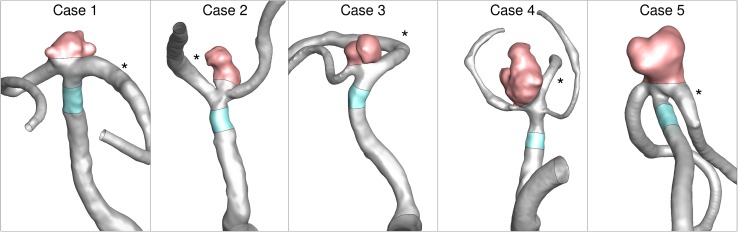
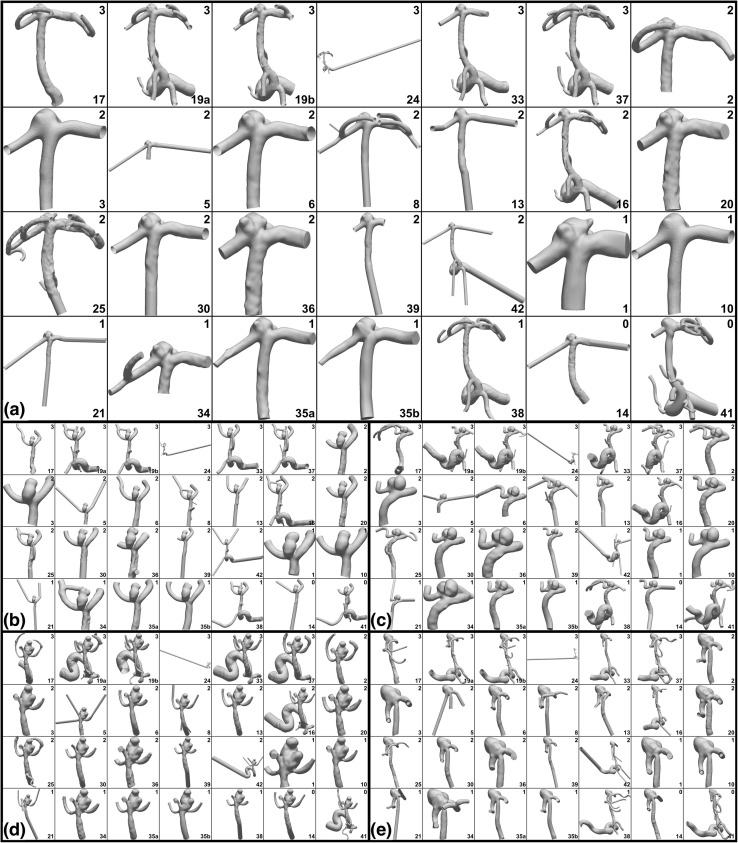
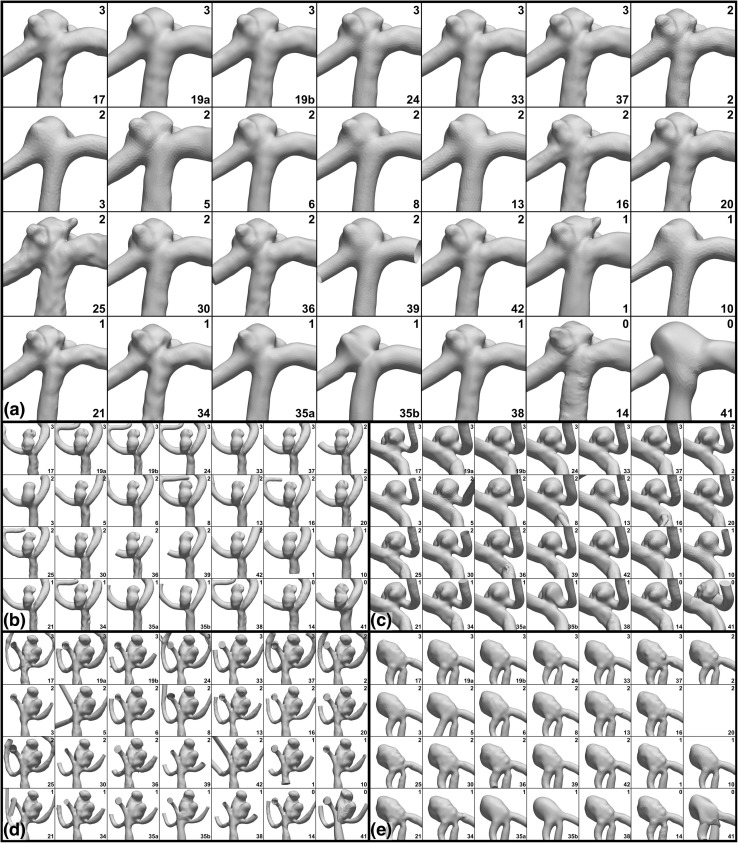
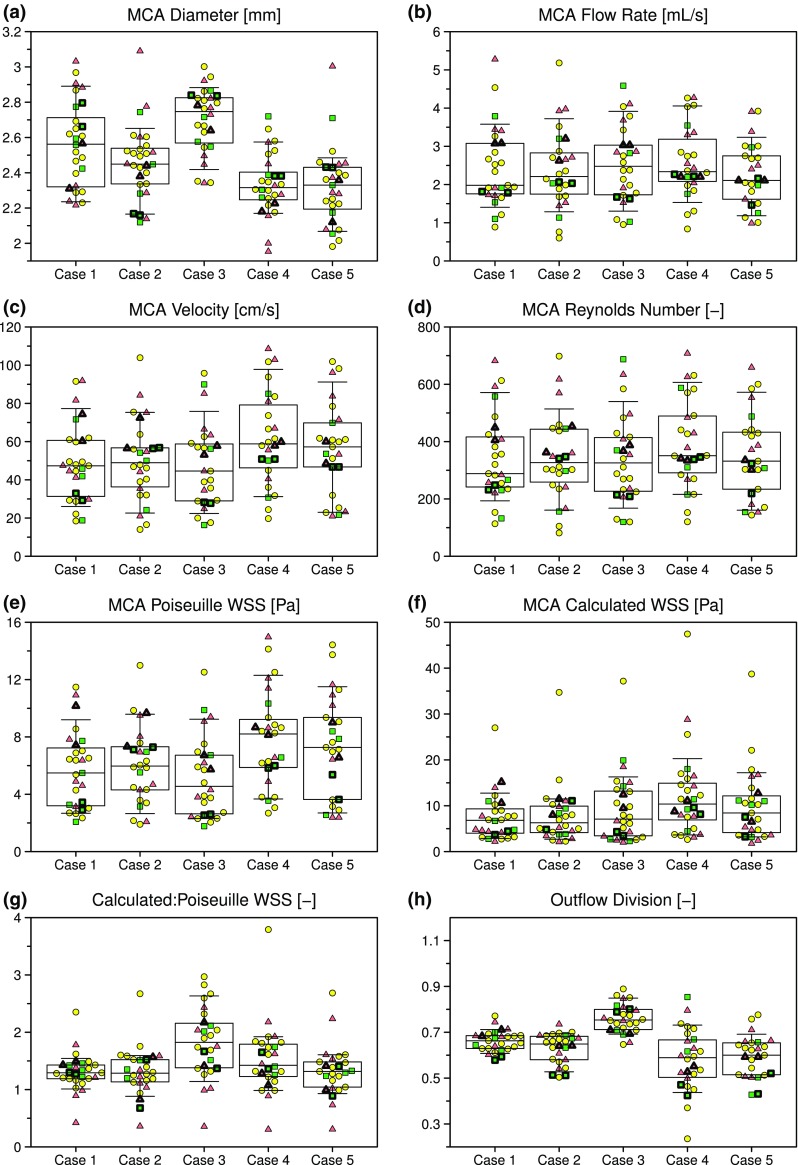
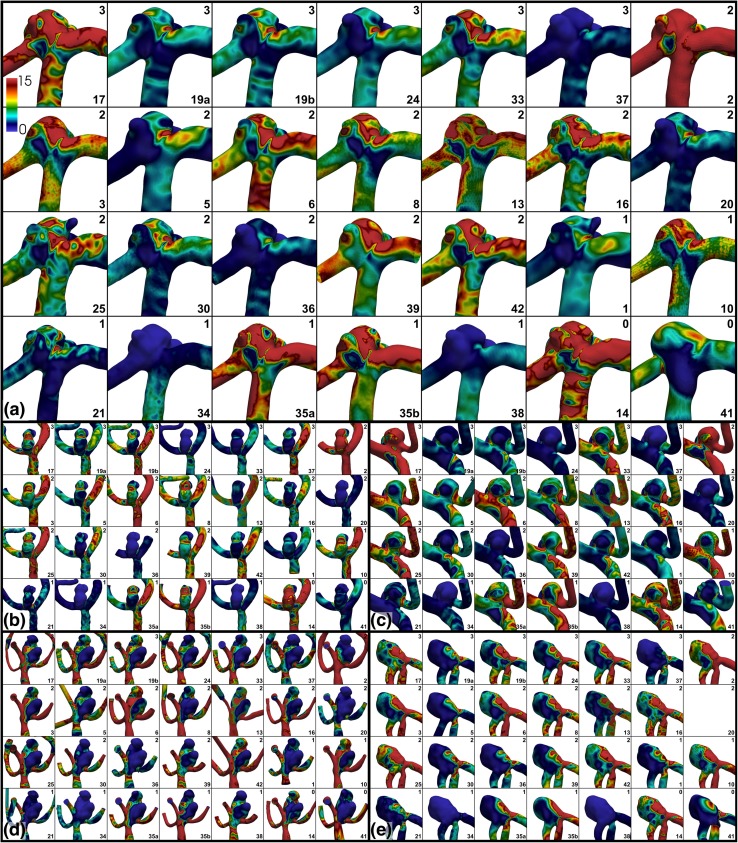
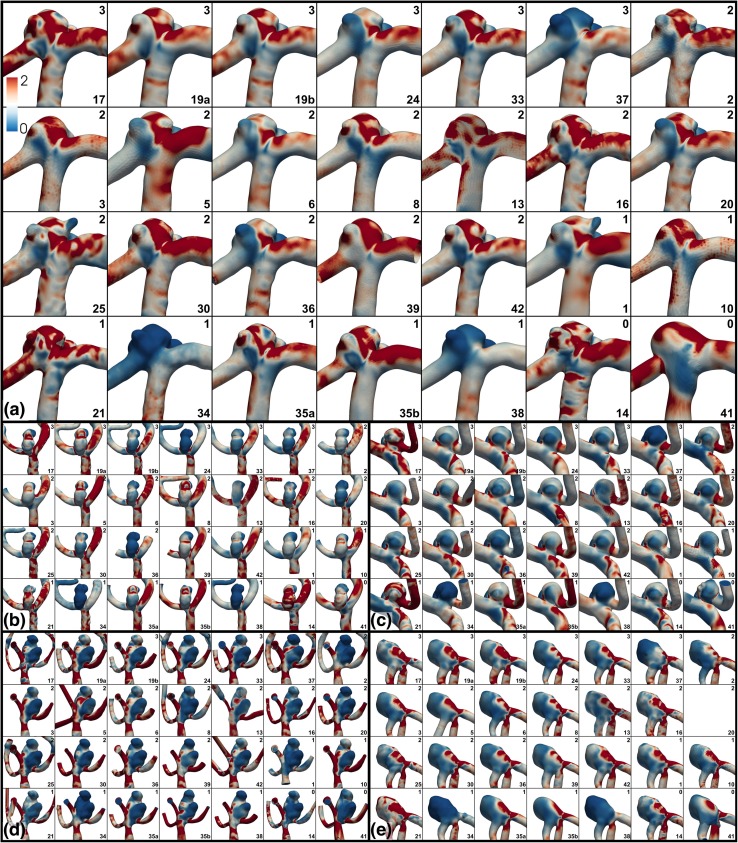
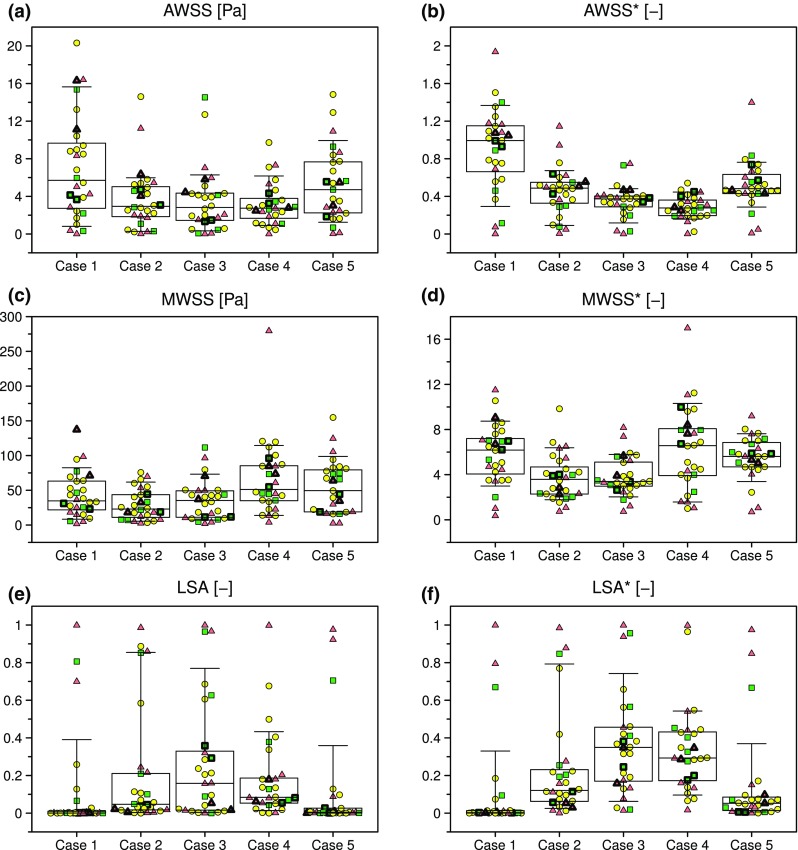
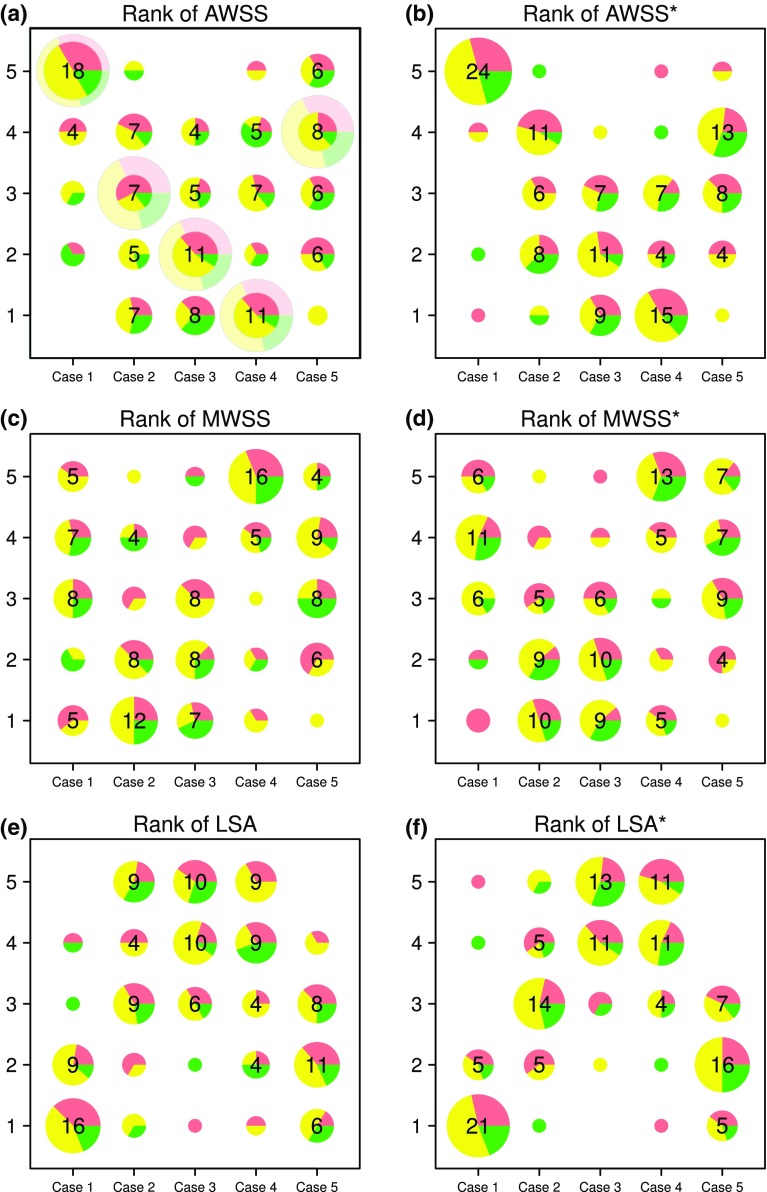
PURPOSE: Image-based computational fluid dynamics (CFD) is widely used to predict intracranial aneurysm wall shear stress (WSS), particularly with the goal of improving rupture risk assessment. Nevertheless, concern has been expressed over the variability of predicted WSS and inconsistent associations with rupture. Previous challenges, and studies from individual groups, have focused on individual aspects of the image-based CFD pipeline. The aim of this Challenge was to quantify the total variability of the whole pipeline. METHODS: 3D rotational angiography image volumes of five middle cerebral artery aneurysms were provided to participants, who were free to choose their segmentation methods, boundary conditions, and CFD solver and settings. Participants were asked to fill out a questionnaire about their solution strategies and experience with aneurysm CFD, and provide surface distributions of WSS magnitude, from which we objectively derived a variety of hemodynamic parameters. RESULTS: A total of 28 datasets were submitted, from 26 teams with varying levels of self-assessed experience. Wide variability of segmentations, CFD model extents, and inflow rates resulted in interquartile ranges of sac average WSS up to 56%, which reduced to < 30% after normalizing by parent artery WSS. Sac-maximum WSS and low shear area were more variable, while rank-ordering of cases by low or high shear showed only modest consensus among teams. Experience was not a significant predictor of variability. CONCLUSIONS: Wide variability exists in the prediction of intracranial aneurysm WSS. While segmentation and CFD solver techniques may be difficult to standardize across groups, our findings suggest that some of the variability in image-based CFD could be reduced by establishing guidelines for model extents, inflow rates, and blood properties, and by encouraging the reporting of normalized hemodynamic parameters.
Overview
The claims and statistics of this paper haven’t been checked yet.
Free: it reads the open-access text and checks the first 5 claims that cite a source we can check. Create a free account to check every claim.
Integrity signals
Registry
Cites
Statistics
Figures
Verification
Claims the paper makes
The claims and statistics of this paper haven’t been checked yet.
Free: it reads the open-access text and checks the first 5 claims that cite a source we can check. Create a free account to check every claim.
Claims other papers make about this one
Each is checked against this paper’s own text: does it say what the citing paper says it does?
The source backs part of the claim, not all of it — or backs it for a different population, condition or comparison.
In the citing paper
“Studies where multiple modeling groups attempt to solve the same pre-specified problem have been useful in various fields for code verification and, more generally, for scientific reproducibility [48–50].”
From Credibility assessment of in silico clinical trials for medical devices (2024) · cites this paper as [48]
Experimental — accuracy not yet measured
Self-check
Percentages, sums and reported differences re-computed from the paper’s own numbers.
The self-check needs the paper’s full text.
Citations
Cites
Hemodynamic shear stress and its role in atherosclerosis
Malek, A. M. (1999) · JAMA · doi:10.1001/jama.282.21.2035 · Cited by 3,650
Meng, H., Tutino, V. M., Xiang, J., & Siddiqui, A. (2014) · American Journal of Neuroradiology · doi:10.3174/ajnr.a3558 · Cited by 955
Hemodynamic–Morphologic Discriminants for Intracranial Aneurysm Rupture
Xiang, J., Natarajan, S. K., Tremmel, M., Ma, D., Mocco, J., Hopkins, L. N., Siddiqui, A. H., Levy, E. I., & Meng, H. (2011) · Stroke · doi:10.1161/strokeaha.110.592923 · Cited by 782
Cebral, J. R., Castro, M. A., Appanaboyina, S., Putman, C. M., Millan, D., & Frangi, A. F. (2005) · IEEE Transactions on Medical Imaging · doi:10.1109/tmi.2005.844159 · Cited by 545
Cebral, J. R., Mut, F., Weir, J., & Putman, C. (2011) · American Journal of Neuroradiology · doi:10.3174/ajnr.a2419 · Cited by 470
Image-based computational simulation of flow dynamics in a giant intracranial aneurysm.
Steinman, D. A., Milner, J. S., Norley, C. J. D., Lownie, S. P., & Holdsworth, D. W. (2003) · PubMed · Cited by 468
Self-citationBlood Flow Distribution in Cerebral Arteries
Zarrinkoob, L., Ambarki, K., Wåhlin, A., Birgander, R., Eklund, A., & Malm, J. (2015) · Journal of Cerebral Blood Flow & Metabolism · doi:10.1038/jcbfm.2014.241 · Cited by 365
A Framework for Geometric Analysis of Vascular Structures: Application to Cerebral Aneurysms
Piccinelli, M., Veneziani, A., Steinman, D. A., Remuzzi, A., & Antiga, L. (2009) · IEEE Transactions on Medical Imaging · doi:10.1109/tmi.2009.2021652 · Cited by 346
Self-citationCastro, M. A., Putman, C. M., & Cebral, J. R. (2006) · PubMed Central · Cited by 263
Bazilevs, Y., Hsu, M.-C., Zhang, Y., Wang, W., Kvamsdal, T., Hentschel, S., & Isaksen, J. G. (2010) · Biomechanics and Modeling in Mechanobiology · doi:10.1007/s10237-010-0189-7 · Cited by 244
Cited by
Berg, P., Saalfeld, S., Voß, S., Beuing, O., & Janiga, G. (2019) · Neurosurgical FOCUS · doi:10.3171/2019.4.focus19181 · Cited by 103
Self-citationLiu, H., Lan, L., Abrigo, J., Ip, H. L., Soo, Y. O. Y., Zheng, D., Wong, K. S., Wang, D., Shi, L., Leung, T. W. H., et al. (2021) · Frontiers in Physiology · doi:10.3389/fphys.2021.718540 · Cited by 93
Multiple aneurysms anatomy challenge 2018 (MATCH): phase I: segmentation
Berg, P., Voß, S., Saalfeld, S., Janiga, G., Bergersen, A. W., Valen-Sendstad, K., Bruening, J., Goubergrits, L., Spuler, A., Cancelliere, N. M., et al. (2018) · Cardiovascular Engineering and Technology · doi:10.1007/s13239-018-00376-0 · Cited by 79
Self-citationSteinman, D. A., & Pereira, V. M. (2019) · Neurosurgical FOCUS · doi:10.3171/2019.4.focus19123 · Cited by 73
Self-citationSteinman, D. A., & Migliavacca, F. (2018) · Cardiovascular Engineering and Technology · doi:10.1007/s13239-018-00393-z · Cited by 71
Self-citation
Metadata
- Authors
- Valen-Sendstad, K., Bergersen, A. W., Shimogonya, Y., Goubergrits, L., Bruening, J., Pallares, J., Cito, S., Piskin, S., Pekkan, K., Geers, A. J., Larrabide, I., Rapaka, S., Mihalef, V., Fu, W., Qiao, A., Jain, K., Roller, S., Mardal, K.-A., Kamakoti, R., Spirka, T., Ashton, N., Revell, A., Aristokleous, N., Houston, J. G., Tsuji, M., Ishida, F., Menon, P. G., Browne, L. D., Broderick, S., Shojima, M., Koizumi, S., Barbour, M., Aliseda, A., Morales, H. G., Lefèvre, T., Hodis, S., Al-Smadi, Y. M., Tran, J. S., Marsden, A. L., Vaippummadhom, S., Einstein, G. A., Brown, A. G., Debus, K., Niizuma, K., Rashad, S., Sugiyama, S.-I., Owais Khan, M., Updegrove, A. R., Shadden, S. C., Cornelissen, B. M. W., Majoie, C. B. L. M., Berg, P., Saalfield, S., Kono, K., & Steinman, D. A.
- Affiliations
- University of Oslo (NO)
- Nihon University (JP)
- Charité – Universitätsmedizin Berlin (DE)
- Universitat Rovira i Virgili (ES)
- Koç University (TR)
- Universitat Pompeu Fabra (ES)
- Universidad Nacional del Centro de la Provincia de Buenos Aires (AR)
- Siemens Healthcare (United States) (US)
- Beijing Union University (CN)
- Beijing University of Technology (CN)
- University of Zurich (CH)
- University of Siegen (DE)
- Simpleware (United Kingdom) (GB)
- University of Oxford (GB)
- University of Manchester (GB)
- University of Limerick (IE)
- University of Dundee (GB)
- Mie Chuo Medical Center (JP)
- University of Pittsburgh (US)
- The University of Tokyo (JP)
- University of Washington (US)
- Philips (France) (FR)
- Texas A&M University – Kingsville (US)
- Jordan University of Science and Technology (JO)
- Stanford University (US)
- Tohoku University (JP)
- Kohnan Hospital (JP)
- University of California, Berkeley (US)
- Amsterdam UMC Location University of Amsterdam (NL)
- Otto-von-Guericke-Universität Magdeburg (DE)
- Wakayama Rosai Hospital (JP)
- University of Toronto (CA)
- Corresponding author
- Steinman, David A.
- ORCID
- Bergersen, Aslak W.
- Shimogonya, Yuji
- Goubergrits, Leonid
- Cito, Salvatore
- Pekkan, Kerem
- Geers, Arjan J.
- Larrabide, Ignacio
- Rapaka, Saikiran
- Mihalef, Viorel
- Fu, Wenyu
- Qiao, Aike
- Jain, Kartik
- Roller, Sabine
- Ashton, Neil
- Revell, Alistair
- Aristokleous, Nicolas
- Tsuji, Masanori
- Ishida, Fujimaro
- Menon, Prahlad G.
- Browne, Leonard D.
- Shojima, Masaaki
- Koizumi, Satoshi
- Barbour, Michael
- Aliseda, Alberto
- Morales, Hernán G.
- Hodis, Simona
- Al-Smadi, Yahia M.
- Marsden, Alison L.
- Niizuma, Kuniyasu
- Rashad, Sherif
- Sugiyama, Shin-ichiro
- Updegrove, Adam R.
- Shadden, Shawn C.
- Cornelissen, Bart M. W.
- Majoie, Charles B. L. M.
- Berg, Philipp
- Kono, Kenichi
- Steinman, David A.
- Venue
- Cardiovascular Engineering and Technology
- Published
- 2018-09-10
- Volume
- 9
- Issue
- 4
- Pages
- 544-564
- ISSN
- 1869-408X (ISSN-L)
- 1869-4098
- PMC
- PMC6290689
- OpenAlex
- W2890609830
- Cited by
- 128
- References
- 50
- Citations by year
- 2026: 12 · 2025: 19 · 2024: 22 · 2023: 12 · 2022: 10 · 2021: 26 · 2020: 13 · 2019: 12 · 2018: 2
- FWCI
- 9.00
- Type
- journal article
- Language
- en
- Open access
- hybrid
- doi.org
- Licence
- cc-by
- creativecommons.org/licenses/by/4.0 (tdm)
- Locations
- Cardiovascular Engineering and Technology (publishedVersion, cc-by)
- Europe PMC (PubMed Central) (publishedVersion, cc-by)
- PubMed Central (publishedVersion, cc-by)
- PubMed (publishedVersion)
- Research Explorer (The University of Manchester) (publishedVersion, cc-by)
- University of Limerick Institutional Repository (University of Limerick) (acceptedVersion, other-oa)
- Data Archiving and Networked Services (DANS) (submittedVersion)
- Arrow@dit (Dublin Institute of Technology) (submittedVersion, cc-by-nc-sa)
- Discovery Research Portal (University of Dundee) (submittedVersion, cc-by)
- Figshare (submittedVersion, cc-by-nc-sa)
- Institutional Repositories DataBase (IRDB) (submittedVersion)
- Pure Amsterdam UMC (submittedVersion, other-oa)
- CONICET Digital (CONICET) (submittedVersion, cc-by)
- Funders
- Heart and Stroke Foundation of Canada (MC7455)
- Norges Forskningsråd (179578, 203489/O30, 262827)
- Topics
- Health Sciences › Medicine › Clinical Neurology › Intracranial Aneurysms: Treatment and Complications
- Health Sciences › Medicine › Surgery › Aortic aneurysm repair treatments
- Health Sciences › Medicine › Cardiology and Cardiovascular Medicine › Cerebrovascular and Carotid Artery Diseases
- Keywords
- intracranial aneurysm, wall shear stress, image-based computational fluid dynamics, aneurysm rupture risk, interobserver variability, middle cerebral artery aneurysm, 3D rotational angiography, segmentation variability, hemodynamic parameters
- MeSH terms
- Blood Flow Velocity, Intracranial Aneurysm, Cerebral Angiography, Cerebrovascular Circulation, Hemodynamics, Humans, Models, Cardiovascular, Predictive Value of Tests, Prognosis, Radiographic Image Interpretation, Computer-Assisted, Regional Blood Flow, Stress, Mechanical, Reproducibility of Results, Middle Cerebral Artery, Imaging, Three-Dimensional, Patient-Specific Modeling
About these checks
Registry, retraction, Cites and statistics results are computed, not judged, with one exception: a printed reference that no index lists is read once by a model before it counts as a citation error. Claims are extracted by a model and kept only when their quote appears verbatim in the text; each cited source is then checked, with a model’s help, for whether it says what the claim relies on. Those verdicts can be wrong — read the claim’s quote and the cited source before relying on one.
Statistics and arithmetic are recomputed, not judged.
Confidence bands are shown only for fields calibrated on our annotated test set. None is calibrated yet, so no band is shown.
What counts as a claim ›How we measure confidence ›How we check this ›
Are you an author, or do you see a problem with this page? Request a review
How to cite
Cite CoChat for the checks on this page, and the paper for its own findings.
- This page
- CoChat. (2026). Citation check: Real-World Variability in the Prediction of Intracranial Aneurysm Wall Shear Stress: The 2015 International Aneurysm CFD Challenge. https://app.cochat.ai/papers/10.1007/s13239-018-00374-2
- The paper
- Valen-Sendstad, K., Bergersen, A. W., Shimogonya, Y., Goubergrits, L., Bruening, J., Pallares, J., Cito, S., Piskin, S., Pekkan, K., Geers, A. J., Larrabide, I., Rapaka, S., Mihalef, V., Fu, W., Qiao, A., Jain, K., Roller, S., Mardal, K.-A., Kamakoti, R., . . . Steinman, D. A. (2018). Real-World Variability in the Prediction of Intracranial Aneurysm Wall Shear Stress: The 2015 International Aneurysm CFD Challenge. Cardiovascular Engineering and Technology. https://doi.org/10.1007/s13239-018-00374-2
Data sources
Bibliographic data: Semantic Scholar, OpenAlex, Crossref.
Contains information from the Semantic Scholar Academic Graph Datasets, made available under the ODC Attribution License (ODC-BY 1.0).
Semantic Scholar’s data is described in: Kinney, R., et al. (2023). The Semantic Scholar Open Data Platform. arXiv:2301.10140.
