

Polyethylene and biodegradable mulches for agricultural applications: a review
Open accessThe DOI matches its Crossref record; 249 of the 252 references it cites were found in a registry or an index.
Abstract
The use of plastic mulch in agriculture has increased dramatically in the last 10 years throughout the world. This increase is due to benefits such as increase in soil temperature, reduced weed pressure, moisture conservation, reduction of certain insect pests, higher crop yields, and more efficient use of soil nutrients. However, disposing of used plastic films, which cause pollution, has led to development of photodegradable and biodegradable mulches. Here we review the use of plastic mulches in agriculture, with special reference to biodegradable mulches. Major topics discussed are (1) history of plastic mulch and impact on crop yield and pest management, (2) limitations of polyethylene mulches and potential alternatives, (3) biodegradable and photodegradable plastic mulches, (4) field performance of biodegradable mulches, and (5) use of biodegradable plastic mulches in organic production. We found that (1) despite multiple benefits, removal and disposal of conventional polyethylene mulches remains a major agronomic, economic, and environmental constraint; (2) early use of photodegradable plastic mulch during the 1970s and 1980s, wrongly named biodegradable mulch films, discouraged adoption of new biodegradable mulch films because they were too expensive and their breakdown was unpredictable; (3) biodegradable plastic films are converted through microbial activity in the soil to carbon dioxide, water, and natural substances; (4) polymers such as poly(lactic acid), poly(butylene adipate-coterephthalate), poly(ε-caprolactone), and starch-based polymer blends or copolymers can degrade when exposed to bioactive environments such as soil and compost; (5) with truly biodegradable materials obtained from petroleum and natural resources, opportunity for using biodegradable polymers as agricultural mulch films has become more viable; and (6) the source of polymer and additives may limit use of some biodegradable mulches in organic production. More knowledge is needed on the effect of biodegradable mulches on crop growth, microclimate modifications, soil biota, soil fertility, and yields.
Overview
The claims and statistics of this paper haven’t been checked yet.
Free: it reads the open-access text and checks the first 5 claims that cite a source we can check. Create a free account to check every claim.
Integrity signals
Registry
Cites
Statistics
Figures
Verification
Claims the paper makes
The claims and statistics of this paper haven’t been checked yet.
Free: it reads the open-access text and checks the first 5 claims that cite a source we can check. Create a free account to check every claim.
Self-check
Percentages, sums and reported differences re-computed from the paper’s own numbers.
The self-check needs the paper’s full text.
Citations
Cites
An Overview of Polylactides as Packaging Materials
Auras, R., Harte, B., & Selke, S. (2004) · Macromolecular Bioscience · doi:10.1002/mabi.200400043 · Cited by 3,454 · cited 2×
“…throughout its cross section, since water can diffuse through the polymer in the amorphous regions and cause hydrolysis reactions that cleave the polymer main chain and reduce the size of the polymer molecule, causing rapid reduction in molecular weight in an early stage (Auras et al. 2004).”
BackgroundBiological degradation of plastics: A comprehensive review
Shah, A. A., Hasan, F., Hameed, A., & Ahmed, S. (2008) · Biotechnology Advances · doi:10.1016/j.biotechadv.2007.12.005 · Cited by 2,765 · cited 2×
“Nowadays, materials such as polylactic acid, PBS, polycaprolactone, or polybutylene adipate/terephthalate (commercially supplied by BASF under the trade name Ecoflex®) are being adopted as biodegradable mulch sheets (Kyrikou and Briassoulis 2007; Shah et al. 2008).”
BackgroundAcute Respiratory Effects of Particulate Air Pollution
Dockery, D. W., & Pope, C. A. (1994) · Annual Review of Public Health · doi:10.1146/annurev.pu.15.050194.000543 · Cited by 2,177
Biodegradable Polymers for the Environment
Gross, R. A., & Kalra, B. (2002) · Science · doi:10.1126/science.297.5582.803 · Cited by 1,981
Chandra, R. (1998) · Progress in Polymer Science · doi:10.1016/s0079-6700(97)00039-7 · Cited by 1,462
Microbial Ecology: Fundamentals and Applications
Atlas, R. M., & Bartha, R. (1978) · Cited by 1,255
Microbial Ecology: Fundamentals and Applications.
Swift, M. J., Atlas, R. M., & Bartha, R. (1982) · The Journal of Ecology · doi:10.2307/2259932 · Cited by 1,100
Edible Films and Coatings: Tomorrow's Packagings: A Review
Debeaufort, F., Quezada-Gallo, J.-A., & Voilley, A. (1998) · Critical Reviews in Food Science and Nutrition · doi:10.1080/10408699891274219 · Cited by 726 · cited 2×
“may satisfy growing needs to find an alternative to petroleum-based products (Debeaufort et al. 1998; Guilbert et al. 1996) and to reduce labor cost to remove the mulch products after use.”
BackgroundBiodegradation of polyurethane: a review
Howard, G. T. (2002) · International Biodeterioration & Biodegradation · doi:10.1016/s0964-8305(02)00051-3 · Cited by 711 · cited 1×
“…Penicillium simplicissimum YK Yamada-Onodera et al. (2001) Comamonas acidovorans TB-35 Akutsu et al. (1998) Curvularia senegalensis Howard (2002) Fusarium solani Aureobasidium pullulans Cladosporium sp. Pseudomonas chlororaphis Zheng et al. (2005) Polyvinyl chloride Pseudomonas…”
BackgroundHandbook of Biodegradable Polymers
(1998) · CRC Press eBooks · doi:10.1201/9780367802219 · Cited by 702
The mechanism of biodegradation of polyethylene
Albertsson, A.-C., Andersson, S. O., & Karlsson, S. (1987) · Polymer Degradation and Stability · doi:10.1016/0141-3910(87)90084-x · Cited by 660 · cited 3×
“…in production and lack of biodegradability of commercial polymers, particularly commodity plastics used in agriculture and packaging industry, focused public attention on a potentially huge environmental accumulation and pollution problem that could persist for centuries (Albertsson et al. 1987).”
BackgroundBiodegradation of polyethylene by the thermophilic bacterium Brevibacillus borstelensis
Hadad, D., Geresh, S., & Sivan, A. (2005) · Journal of Applied Microbiology · doi:10.1111/j.1365-2672.2005.02553.x · Cited by 653 · cited 1×
“Polyethylene Brevibacillus borstelensis Hadad et al. (2005) Rhodococcus rubber Sivan et al. (2006); Gilan et al. (2004) Polyurethane Penicillium simplicissimum YK Yamada-Onodera et al. (2001) Comamonas acidovorans TB-35 Akutsu et al. (1998) Curvularia senegalensis Howard (2002) Fusarium…”
BackgroundBiodegradation of Agricultural Plastic Films: A Critical Review
Kyrikou, I., & Briassoulis, D. (2007) · Journal of Polymers and the Environment · doi:10.1007/s10924-007-0053-8 · Cited by 627
Shimao, M. (2001) · Current Opinion in Biotechnology · doi:10.1016/s0958-1669(00)00206-8 · Cited by 611 · cited 2×
“wide to the extent of approximately 140 million tons/year, and remarkable amounts of these polymers are introduced in the ecosystem as industrial waste products (Shimao 2001).”
BackgroundPolymer Degradation: Principles and Practical Applications
Schnabel, W. (1981) · De Gruyter eBooks · doi:10.1515/9783112784037 · Cited by 601
Handbook of Polymer Degradation
Hamid, S. H. (2000) · CRC Press eBooks · doi:10.1201/9781482270181 · Cited by 593
A Review of Plastic Waste Biodegradation
Zheng, Y., Yanful, E. K., & Bassi, A. S. (2005) · Critical Reviews in Biotechnology · doi:10.1080/07388550500346359 · Cited by 552 · cited 1×
“…TB-35 Akutsu et al. (1998) Curvularia senegalensis Howard (2002) Fusarium solani Aureobasidium pullulans Cladosporium sp. Pseudomonas chlororaphis Zheng et al. (2005) Polyvinyl chloride Pseudomonas putida AJ Anthony et al. (2004) Ochrobactrum TD Pseudomonas fluorescens B-22 Mogilnitskii et al.…”
BackgroundColonization, biofilm formation and biodegradation of polyethylene by a strain of Rhodococcus ruber
(Orr), I. G., Hadar, Y., & Sivan, A. (2004) · Applied Microbiology and Biotechnology · doi:10.1007/s00253-004-1584-8 · Cited by 539 · cited 1×
“Polyethylene Brevibacillus borstelensis Hadad et al. (2005) Rhodococcus rubber Sivan et al. (2006); Gilan et al. (2004) Polyurethane Penicillium simplicissimum YK Yamada-Onodera et al. (2001) Comamonas acidovorans TB-35 Akutsu et al. (1998) Curvularia senegalensis Howard (2002) Fusarium…”
BackgroundProlongation of the Shelf-life of Perishable Food Products using Biodegradable Films and Coatings
Guilbert, S., Gontard, N., & Gorris, L. G. M. (1996) · LWT - Food Science and Technology · doi:10.1006/fstl.1996.0002 · Cited by 529 · cited 1×
“The use of biodegradable or photodegradable mulch films may satisfy growing needs to find an alternative to petroleum-based products (Debeaufort et al. 1998; Guilbert et al. 1996) and to reduce labor cost to remove the mulch products after use.”
BackgroundBacterial and other biological systems for polyester production
Steinbüchel, A., & Füchtenbusch, B. (1998) · Trends in Biotechnology · doi:10.1016/s0167-7799(98)01194-9 · Cited by 518 · cited 1×
“With material properties similar to those of conventional plastics (Hocking and Marchessault 1994; Steinbuchel and Fuchtenbusch 1998), biodegradable plastics (polyesters) have been developed successfully over the last few years.”
BackgroundBiodegradation of polyesters containing aromatic constituents
Müller, R.-J., Kleeberg, I., & Deckwer, W.-D. (2001) · Journal of Biotechnology · doi:10.1016/s0168-1656(00)00407-7 · Cited by 497 · cited 1×
“Currently, it is used as a sheet, fiber, and modifier for plastics (Muller et al. 2001).”
BackgroundHoitink, H. A. J., & Keener, H. M. (1993) · Ohio State University eBooks · Cited by 466
Polymer degradation : principles and practical applications
Schnabel, W. (1981) · Medical Entomology and Zoology · Cited by 458
Degradation of polyethylene by a fungus, Penicillium simplicissimum YK
Yamada-Onodera, K., Mukumoto, H., Katsuyaya, Y., Saiganji, A., & Tani, Y. (2001) · Polymer Degradation and Stability · doi:10.1016/s0141-3910(01)00027-1 · Cited by 442 · cited 1×
“…borstelensis Hadad et al. (2005) Rhodococcus rubber Sivan et al. (2006); Gilan et al. (2004) Polyurethane Penicillium simplicissimum YK Yamada-Onodera et al. (2001) Comamonas acidovorans TB-35 Akutsu et al. (1998) Curvularia senegalensis Howard (2002) Fusarium solani Aureobasidium…”
BackgroundBacterial polyhydroxyalkanoates
Lee, S. Y. (1996) · Biotechnology and Bioengineering · doi:10.1002/(sici)1097-0290(19960105)49:1<1::aid-bit1>3.3.co;2-1 · Cited by 434
Mueller, R.-J. (2006) · Process Biochemistry · doi:10.1016/j.procbio.2006.05.018 · Cited by 428 · cited 2×
“Plastics are resistant against microbial attack, since during their relatively short time of presence in nature, evolution has not yet design new enzyme structures capable of degrading synthetic polymers (Mueller 2006).”
BackgroundBiodegradable Plastics and Polymers
DOI, Y. (1994) · Journal of Pesticide Science · doi:10.1584/jpestics.19.s11 · Cited by 421
Biodegradability of polylactide bottles in real and simulated composting conditions
Kale, G., Auras, R., Singh, S. P., & Narayan, R. (2007) · Polymer Testing · doi:10.1016/j.polymertesting.2007.07.006 · Cited by 421 · cited 2×
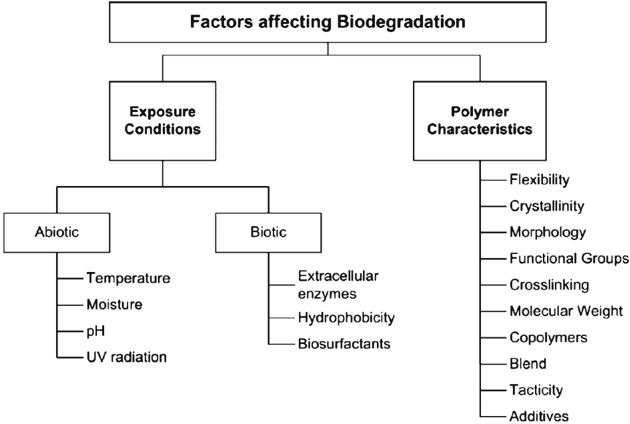
“Biodegradability of these biodegradable polymers in composting conditions and soil burial conditions is affected by two factors, exposure conditions (biotic or abiotic) and polymer characteristics (Kale et al. 2007; Stevens 2003).”
BackgroundBiofilm development of the polyethylene-degrading bacterium rhodococcus ruber
Sivan, A., Szanto, M., & Pavlov, V. (2006) · Applied Microbiology and Biotechnology · doi:10.1007/s00253-005-0259-4 · Cited by 415 · cited 1×
“Polyethylene Brevibacillus borstelensis Hadad et al. (2005) Rhodococcus rubber Sivan et al. (2006); Gilan et al. (2004) Polyurethane Penicillium simplicissimum YK Yamada-Onodera et al. (2001) Comamonas acidovorans TB-35 Akutsu et al. (1998) Curvularia senegalensis Howard (2002) Fusarium…”
BackgroundBiodegradation of Aliphatic and Aromatic Polycarbonates
Artham, T., & Doble, M. (2008) · Macromolecular Bioscience · doi:10.1002/mabi.200700106 · Cited by 403 · cited 1×
“The polymer characteristics such as its mobility, tacticity, crystallinity, molecular weight, type of functional groups and substituents present in its structure, and plasticizers or additives added to the polymer all play an important role in its degradation (Artham and Doble 2008; Gu et al. 2000).”
BackgroundPLastic Films for Agricultural Applications
Espí, E., Salmerón, A., Fontecha, A., García, Y., & Real, A. I. (2006) · Journal of Plastic Film & Sheeting · doi:10.1177/8756087906064220 · Cited by 395 · cited 2×
“The world consumption of low-density polyethylene mulching films in horticulture is at present around 700,000 tons/year (Espi et al. 2006).”
BackgroundPlastics: Modifying the Microclimate for the Production of Vegetable Crops
Lamont, W. J. (2005) · HortTechnology · doi:10.21273/horttech.15.3.0477 · Cited by 391 · cited 9×
“incinerated to produce heat or electricity (Hemphill 1993; Lamont 2005).”
BackgroundInfluentialInfluence of amylose content on starch films and foams
Lourdin, D., Valle, G. D., & Colonna, P. (1995) · Carbohydrate Polymers · doi:10.1016/0144-8617(95)00071-2 · Cited by 370 · cited 4×
“High amylose content in starch is known to lead to strong and flexible films (Wolff et al. 1951; Moore and Robinson 1968; Lourdin et al. 1995; Palviainen et al. 2001) because of its strong gelation properties and helical linear polymer structure (Juliano 1985; Elliasson et al.”
BackgroundInfluentialChemistry and Technology of Biodegradable Polymers
(1994) · Springer eBooks · doi:10.1007/978-94-011-1330-4 · Cited by 343 · cited 1×
“With material properties similar to those of conventional plastics (Hocking and Marchessault 1994; Steinbuchel and Fuchtenbusch 1998), biodegradable plastics (polyesters) have been developed successfully over the last few years.”
BackgroundBiodegradation of Agricultural Plastic Films: A Critical Review
Kyrikou, I., & Briassoulis, D. (2007) · Journal of Polymers and the Environment · doi:10.1007/s10924-007-0063-6 · Cited by 343 · cited 6×
“Nowadays, materials such as polylactic acid, PBS, polycaprolactone, or polybutylene adipate/terephthalate (commercially supplied by BASF under the trade name Ecoflex®) are being adopted as biodegradable mulch sheets (Kyrikou and Briassoulis 2007; Shah et al. 2008).”
BackgroundMethodInfluentialBiodegradable Polymers and Plastics
(2003) · Springer eBooks · doi:10.1007/978-1-4419-9240-6 · Cited by 337
Microclimate Modification with Plastic Mulch
Tarara, J. M. (2000) · HortScience · doi:10.21273/hortsci.35.2.169 · Cited by 331 · cited 2×
“Plastic mulches alter the crop microclimate by changing the soil energy balance (Liakatas et al. 1986; Tarara 2000).”
BackgroundPolythene and plastic-degrading microbes in an Indian mangrove soil.
Kathiresan, K. (2003) · PubMed · Cited by 323
Biodegradation of Degradable Plastic Polyethylene by Phanerochaete and Streptomyces Species
Lee, B., Pometto, A. L., Fratzke, A., & Bailey, T. B. (1991) · Applied and Environmental Microbiology · doi:10.1128/aem.57.3.678-685.1991 · Cited by 322 · cited 2×
“Starch/polyethylene Aspergillus niger Lee et al. (1991) Penicillium funiculosm Phanerochaete chrysosporium Starch/polyester Streptomyces sp. Lee et al. (1991) isolated bacterial strain Stenotrophomonas maltophilia YB-6, which itself does not show PBS-degrading activity.”
BackgroundDegradable polymers : principles and applications
SCOTT, G., & Gilead, D. (1995) · Cited by 315
The Degradation of Poly(ethylene terephthalate)
Buxbaum, L. H. (1968) · Angewandte Chemie International Edition in English · doi:10.1002/anie.196801821 · Cited by 313 · cited 1×
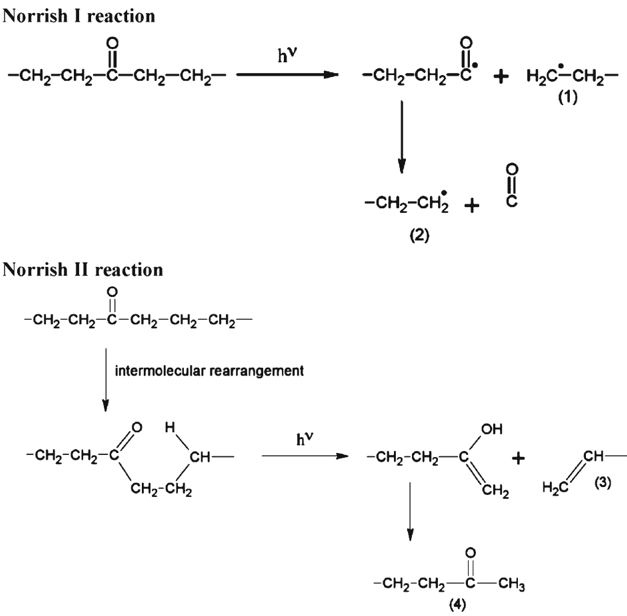
“Second, photodegradation can cause crosslinking within the film, due to the recombination of generated free radicals from Norrish I (Rivaton and Gardette 1998; Buxbaum 1968; Kijchavengkul et al. 2008a).”
BackgroundBiodegradation of maleated linear low-density polyethylene and starch blends
Chandra, R., & Rustgi, R. (1997) · Polymer Degradation and Stability · doi:10.1016/s0141-3910(96)00212-1 · Cited by 306 · cited 1×
“Chandra and Rustgi (1997) obtained similar results for the biodegradation of maleated linear low-density polyethylene starch blends in a soil environment composed of a mixed fungal inoculum consisting of Aspergillus niger, Penicillium funiculom, Chaetomium globosum, Gliocladium virens, and…”
ResultProduction of Polyhydroxyalkanoates, a bacterial biodegradable polymer
Ojumu, T. V., Yu, J., & Solomon, B. O. (2004) · African Journal of Biotechnology · doi:10.5897/ajb2004.000-2004 · Cited by 306 · cited 2×
“(Ojumu et al. 2004; Lee 1996).”
BackgroundEffects of air pollutants on acute stroke mortality.
Hong, Y.-C., Lee, J.-T., Kim, H., Ha, E.-H., Schwartz, J., & Christiani, D. C. (2002) · Environmental Health Perspectives · doi:10.1289/ehp.02110187 · Cited by 305 · cited 2×
“decreased lung function, respiratory diseases, and premature death (Dockery and Pope 1994; Hong et al. 2002).”
BackgroundInfluentialBiodegradable Polymers and Plastics
(2004) · Chemistry International -- Newsmagazine for IUPAC · doi:10.1515/ci.2004.26.2.30b · Cited by 293
Polylactide Degradation by an Amycolatopsis sp
Pranamuda, H., Tokiwa, Y., & Tanaka, H. (1997) · Applied and Environmental Microbiology · doi:10.1128/aem.63.4.1637-1640.1997 · Cited by 287
Optical Properties of Plastic Mulches Affect the Field Temperature Regime
Ham, J. M., Kluitenberg, G. J., & Lamont, W. J. (1993) · Journal of the American Society for Horticultural Science · doi:10.21273/jashs.118.2.188 · Cited by 277 · cited 1×
“Black and clear mulches have shown the greatest soil warming potential among the various mulch colors (Ham et al. 1993).”
BackgroundKim, H.-S., Kim, H.-J., Lee, J.-W., & Choi, I.-G. (2006) · Polymer Degradation and Stability · doi:10.1016/j.polymdegradstab.2005.07.002 · Cited by 271 · cited 1×
“PBS is one of the commercially used biodegradable plastics with a range of desirable properties, including good mechanical properties, the ability to be melt-processed, biodegradability, and environmental compatibility (Kim et al. 2006).”
BackgroundLi, F.-M., Song, Q.-H., Jjemba, P. K., & Shi, Y.-C. (2004) · Soil Biology and Biochemistry · doi:10.1016/j.soilbio.2004.04.040 · Cited by 269 · cited 2×
“1998) and increase microbial biomass C in semi-arid soil under wheat (Li et al. 2004).”
BackgroundAkutsu, Y., Nakajima-Kambe, T., Nomura, N., & Nakahara, T. (1998) · Applied and Environmental Microbiology · doi:10.1128/aem.64.1.62-67.1998 · Cited by 243 · cited 2×
“Polyethylene Brevibacillus borstelensis Hadad et al. (2005) Rhodococcus rubber Sivan et al. (2006); Gilan et al. (2004) Polyurethane Penicillium simplicissimum YK Yamada-Onodera et al. (2001) Comamonas acidovorans TB-35 Akutsu et al. (1998) Curvularia senegalensis Howard (2002) Fusarium solani Aureobasidium pullulans…”
BackgroundOtey, F. H., Westhoff, R. P., & Doane, W. M. (1980) · Industrial & Engineering Chemistry Product Research and Development · doi:10.1021/i360076a021 · Cited by 241 · cited 1×
“Starch-based polyethylene films were formulated (Otey et al. 1980, 1987) and consisted of up to 40% starch, urea, ammonia, and various portions of low-density polyethylene and poly(ethylene-co-acrylic acid).”
BackgroundJayasekara, R., Harding, I., Bowater, I., & Lonergan, G. (2005) · Journal of Polymers and the Environment · doi:10.1007/s10924-005-4758-2 · Cited by 239 · cited 2×
“addition, the burning of polyvinylchloride plastics produces persistent organic pollutants known as furans and dioxins (Jayasekara et al. 2005).”
BackgroundProcessing, performance and biodegradability of a thermoplastic aliphatic polyester/starch system
Ratto, J. A., Stenhouse, P. J., Auerbach, M., Mitchell, J., & Farrell, R. (1999) · Polymer · doi:10.1016/s0032-3861(99)00014-2 · Cited by 232 · cited 1×
“It has been shown that the addition of starch filler significantly improved the rate of degradation of the Bionolle™ component (Ratto et al. 1999).”
BackgroundThe second green revolution? Production of plant-based biodegradable plastics
Mooney, B. P. (2009) · Biochemical Journal · doi:10.1042/bj20081769 · Cited by 227 · cited 1×
“Biodegradable plastics, as defined by the American Society for Testing and Materials, are “degrad-able plastic in which the degradation results from the action of naturally occurring microorganisms such as bacteria, fungi and algae” (Mooney 2009).”
BackgroundSynthesis of copoly(d,l-lactic acid) with relatively low molecular weight and in vitro degradation
Fukuzaki, H., Yoshida, M., Asano, M., & Kumakura, M. (1989) · European Polymer Journal · doi:10.1016/0014-3057(89)90131-6 · Cited by 216 · cited 2×
“…acetobutylicum Polycaprolactone Fusarium solani Benedict et al. (1983) Polylactic acid Fusarium moniliforme Torres et al. (1996) Penicillium roquefort Pranamuda et al. (1997) Amycolatopsis sp. Pranamuda and Tokiwa (1999) Bacillus brevis Tomita et al. (1999) Rhizopus delemer Fukuzaki et al. (1989)”
BackgroundMethodAssessment of aliphatic–aromatic copolyester biodegradable mulch films. Part I: Field study
Kijchavengkul, T., Auras, R., Rubino, M., Ngouajio, M., & Fernandez, R. T. (2008) · Chemosphere · doi:10.1016/j.chemosphere.2007.10.074 · Cited by 213 · cited 7×
“Consequently, under such conditions, the biodegradation process is inhibited after the film is plowed into the soil (Kijchavengkul et al. 2008a).”
BackgroundMethodInfluentialSelf-citationKleeberg, I., Hetz, C., Kroppenstedt, R. M., Müller, R.-J., & Deckwer, W.-D. (1998) · Applied and Environmental Microbiology · doi:10.1128/aem.64.5.1731-1735.1998 · Cited by 213 · cited 1×
“…chloride Pseudomonas putida AJ Anthony et al. (2004) Ochrobactrum TD Pseudomonas fluorescens B-22 Mogilnitskii et al. (1987) Aspergillus niger van Tieghem F-1119 Plasticized polyvinyl chloride Aureobasidium pullulans Webb et al. (2000) BTA-copolyester Thermomonspora fusca Kleeberg et al. (1998)”
BackgroundFungal Colonization and Biodeterioration of Plasticized Polyvinyl Chloride
Webb, J. S., Nixon, M., Eastwood, I. M., Greenhalgh, M., Robson, G. D., & Handley, P. S. (2000) · Applied and Environmental Microbiology · doi:10.1128/aem.66.8.3194-3200.2000 · Cited by 213 · cited 1×
“…chloride Pseudomonas putida AJ Anthony et al. (2004) Ochrobactrum TD Pseudomonas fluorescens B-22 Mogilnitskii et al. (1987) Aspergillus niger van Tieghem F-1119 Plasticized polyvinyl chloride Aureobasidium pullulans Webb et al. (2000) BTA-copolyester Thermomonspora fusca Kleeberg et al. (1998)”
BackgroundWitt, U., Müller, R. J., & Deckwer, W. D. (1997) · Journal of environmental polymer degradation · doi:10.1007/bf02763591 · Cited by 210 · cited 1×
“Biodegradable plastics opened the way for new considerations of waste management strategies since these materials are designed to degrade under environmental conditions or in municipal and industrial biological waste treatment facilities (Augusta et al. 1992; Witt et al. 1997).”
BackgroundBiodegradable Polymers: Past, Present, and Future
Kolybaba, M., Tabil, L. G., Panigrahi, S., Crerar, W. J., Powell, T., & Wang, B. (2003) · ASABE/CSBE North Central Intersectional Meeting · doi:10.13031/2013.41300 · Cited by 201 · cited 1×
“North American researchers, including those at the University of Saskatchewan, are also interested in biopolymer development, as the agricultural industry will benefit from the potential value added processing (Kolybaba et al. 2003).”
BackgroundKijchavengkul, T., & Auras, R. (2008) · Polymer International · doi:10.1002/pi.2420 · Cited by 193
Biodegradable plastics: A review
Huang, J., Shetty, A. S., & Wang, M. (1990) · Advances in Polymer Technology · doi:10.1002/adv.1990.060100103 · Cited by 186 · cited 1×
“One example is the reaction with silane to improve its dispersion in polyethylene (Huang et al. 1990).”
BackgroundMass‐Balance Analysis of Anaerobically Decomposed Refuse
Barlaz, M. A., Ham, R. K., & Schaefer, D. M. (1989) · Journal of Environmental Engineering · doi:10.1061/(asce)0733-9372(1989)115:6(1088 · Cited by 183
Scott, G. (1999) · Royal Society of Chemistry eBooks · doi:10.1039/9781847551726 · Cited by 180
Assessment of Environmental Biodegradation of Synthetic Polymers
Andrady, A. L. (1994) · Journal of Macromolecular Science, Part C: Polymer Reviews · doi:10.1080/15321799408009632 · Cited by 179 · cited 1×
“This is in fact the basis of virtually all standard biodegradation tests in which the amount of produced CO2 (or CH4 under anaerobic conditions) is monitored (Andrady, 1994).”
BackgroundColored Plastic Film Mulches Affect Tomato Growth and Yield Via Changes in Root-zone Temperature
Díaz-Pérez, J. C., & Batal, K. D. (2002) · Journal of the American Society for Horticultural Science · doi:10.21273/jashs.127.1.127 · Cited by 177 · cited 3×
“Additional studies also show that, depending on the crop species, geographical region, or time of the year, plastic mulches create high zone-temperature conditions that may be deleterious to growth and yield of vegetables (Dıaz-Perez and Batal 2002; Ibarra-Jimenez et al. 2008; Lamont 2005).”
BackgroundKapanen, A., Schettini, E., Vox, G., & Itävaara, M. (2008) · Journal of Polymers and the Environment · doi:10.1007/s10924-008-0091-x · Cited by 175 · cited 1×
“Because biodegradable materials do not produce wastes that require disposal, they could represent a sustainable ecological alternative to low-density polyethylene films (Immirzi et al. 2003; Russo et al. 2004, 2005; Kapanen et al. 2008).”
BackgroundMeasurements of the heat balance under plastic mulches. Part I. Radiation balance and soil heat flux
Liakatas, A., Clark, J. A., & Monteith, J. L. (1986) · Agricultural and Forest Meteorology · doi:10.1016/0168-1923(86)90037-7 · Cited by 174 · cited 4×
“Plastic mulches alter the crop microclimate by changing the soil energy balance (Liakatas et al. 1986; Tarara 2000).”
BackgroundInfluentialTesting of polyvinyl alcohol and starch mixtures as biodegradable polymeric materials
Tudorachi, N., Cascaval, C. N., Rusu, M., & Pruteanu, M. (2000) · Polymer Testing · doi:10.1016/s0142-9418(99)00049-5 · Cited by 174 · cited 1×
“Several such blends have been developed and tested for biodegradable packaging applications and appear to have potential for use as agricultural mulch film (Tudorachi et al. 2000).”
BackgroundHocking, P. J., & MARCHESSAULT, R. H. (1994) · Springer eBooks · doi:10.1007/978-94-011-1330-4_4 · Cited by 172
(2020) · Green Plastics · doi:10.2307/j.ctv10crf29.7 · Cited by 171
de Graaf, R. A., Karman, A. P., & Janssen, L. P. B. M. (2003) · Starch - Stärke · doi:10.1002/star.200390020 · Cited by 170
Protected Cultivation of Horticultural Crops Worldwide
Wittwer, S. H., & Castilla, N. (1995) · HortTechnology · doi:10.21273/horttech.5.1.6 · Cited by 170 · cited 1×
“Glasshouses in Northern Europe that were used for vegetable production prior to the 1950s underwent a shift to production of high value ornamental crops such as flowers and potted plants (Wittwer and Castilla 1995).”
BackgroundMulch Surface Color Affects Yield of Fresh-market Tomatoes
Decoteau, D. R., Kasperbauer, M. J., & Hunt, P. G. (1989) · Journal of the American Society for Horticultural Science · doi:10.21273/jashs.114.2.216 · Cited by 165 · cited 1×
“Reflected energy not only affects plant growth and development but reportedly influences the behavior of insects surrounding the plants (Csizinszky et al. 1995; Decoteau et al. 1989; Schalk et al. 1989).”
BackgroundHandbook of polymer degradation
Al-Malaika, S. (1993) · Materials & Design · doi:10.1016/0261-3069(93)90071-3 · Cited by 164
Thomas, D. J., & Atwell, W. A. (1999) · AACC International eBooks · doi:10.1094/1891127012 · Cited by 159
in vitro Evaluation of Biodegradable Poly(butylene succinate) as a Novel Biomaterial
Li, H., Chang, J., Cao, A., & Wang, J. (2005) · Macromolecular Bioscience · doi:10.1002/mabi.200400183 · Cited by 158
Starch-Based Biodegradable Materials Suitable for Thermoforming Packaging
Averous, L., Fringant, C., & Moro, L. (2001) · Starch - Stärke · doi:10.1002/1521-379x(200108)53:8<368::aid-star368>3.0.co;2-w · Cited by 158
Microbial Changes Associated with Residue Management with Reduced Tillage
Doran, J. W. (1980) · Soil Science Society of America Journal · doi:10.2136/sssaj1980.03615995004400030016x · Cited by 157 · cited 1×
“Natural mulches help in maintaining soil organic matter and tilth (Tindall et al. 1991) and provide food and shelter for earthworms and other desirable soil biota (Doran 1980).”
BackgroundSCOTT, G., & Gilead, D. (1995) · Springer eBooks · doi:10.1007/978-94-011-0571-2 · Cited by 156
Imam, S. H., Cinelli, P., Gordon, S. H., & Chiellini, E. (2005) · Journal of Polymers and the Environment · doi:10.1007/s10924-004-1215-6 · Cited by 155 · cited 1×
“4.2 Biodegradable plastic mulch Suitable alternative methods for the disposal of plastic films include the use of biodegradable materials (Malinconico et al. 2002, 2008; Imam et al. 2005; Kyrikou and Briassoulis 2007; Tzankova Dintcheva and La Mantia 2007; Kijchavengkul et al. 2008a, b).”
MethodInfluentialColor Mulches Influence Yield and Insect Pest Populations in Tomatoes
Csizinszky, A. A., Schuster, D. J., & Kring, J. B. (1995) · Journal of the American Society for Horticultural Science · doi:10.21273/jashs.120.5.778 · Cited by 154 · cited 2×
“Since many insects use visual cues to find host plants, interference with these cues can cause increased attraction or repulsion to the plastic mulched fields and, thus, crops contained within those fields (Csizinszky et al. 1995).”
BackgroundBiodegradation of poly(butylene succinate) in compost
Zhao, J., Wang, X., Zeng, J., Yang, G., Shi, F.-H., & Yan, Q. Y. (2005) · Journal of Applied Polymer Science · doi:10.1002/app.22009 · Cited by 152 · cited 1×
“The biodegradability of PBS has been demonstrated in a liquid culture (Pranamuda et al. 1995; Li et al. 2005), in compost (Yang et al. 2004 and Zhao et al. 2005), and in soil (Bahari et al. 1998; Suhartini et al. 2002).”
BackgroundThermoplastic and biodegradable polymers of cellulose
Simon, J., Müller, H., Koch, R., & Müller, V. E. (1998) · Polymer Degradation and Stability · doi:10.1016/s0141-3910(97)00151-1 · Cited by 152 · cited 2×
“In 1990, the German government published a call for research and development of biodegradable thermoplastics (Grigat et al. 1998).”
BackgroundWheat dwarf virus, a geminivirus of graminaceous plants needs splicing for replication.
Schalk, H.-J., Matzeit, V., Schiller, B., Schell, J., & Gronenborn, B. (1989) · The EMBO Journal · doi:10.1002/j.1460-2075.1989.tb03385.x · Cited by 146 · cited 1×
“Reflected energy not only affects plant growth and development but reportedly influences the behavior of insects surrounding the plants (Csizinszky et al. 1995; Decoteau et al. 1989; Schalk et al. 1989).”
BackgroundPolycaprolactone degradation by mixed and pure cultures of bacteria and a yeast
Benedict, C. V., Cameron, J. A., & Huang, S. J. (1983) · Journal of Applied Polymer Science · doi:10.1002/app.1983.070280129 · Cited by 146 · cited 1×
“…acetobutylicum Polycaprolactone Clostridium botulinum Abou-Zeid et al. (2001) Clostridium acetobutylicum Polycaprolactone Fusarium solani Benedict et al. (1983) Polylactic acid Fusarium moniliforme Torres et al. (1996) Penicillium roquefort Pranamuda et al. (1997) Amycolatopsis sp.…”
BackgroundKijchavengkul, T., Auras, R. A., Rubino, M. I., Ngouajio, M., & Fernandez, R. T. (2008) · Chemosphere · doi:10.1016/j.chemosphere.2008.01.037 · Cited by 143 · cited 7×
“Consequently, under such conditions, the biodegradation process is inhibited after the film is plowed into the soil (Kijchavengkul et al. 2008a).”
BackgroundMethodInfluentialSelf-citationIn vivo UHMWPE biodegradation of retrieved prosthesis
Costa, L., Cortemiglia, M. P. L. D., Trossarelli, L., Prever, E. M. B. D., Crova, M., & GALLINARO, P. (1998) · Biomaterials · doi:10.1016/s0142-9612(98)00013-1 · Cited by 142 · cited 1×
“Many sources clearly indicate that polyethylene is not directly oxidizable (Costa et al. 1998; Maaroufi 1993) or is inert (Albertsson et al. 1987) and not biodegradable (Arnaud et al. 1994).”
BackgroundGelatin-Based Blends and Composites. Morphological and Thermal Mechanical Characterization
Chiellini, E., Cinelli, P., Fernandes, E. G., Kenawy, E., & Lazzeri, A. (2001) · Biomacromolecules · doi:10.1021/bm015519h · Cited by 141 · cited 4×
“Ongoing research cooperation between USDA laboratories and the University of Pisa, Italy has yielded several composite blends of polyvinyl alcohol and lignocellulosic fibers derived from the wastes from industrially processed sugarcane, apple, and oranges (Chiellini et al. 2001).”
BackgroundInfluentialEvaluation of Mulches for Use in the Home Garden
Ashworth, S., & Harrison, H. C. (1983) · HortScience · doi:10.21273/hortsci.18.2.180 · Cited by 140 · cited 1×
“Black mulches are more effective for weed control, but typically provide less soil warming than clear mulch (Ashworth and Harrison 1983).”
BackgroundOtey, F. H., Westhoff, R. P., & Doane, W. M. (1987) · Industrial & Engineering Chemistry Research · doi:10.1021/ie00068a027 · Cited by 139
Natural and artificial weathering of polymers
Kockott, D. (1989) · Polymer Degradation and Stability · doi:10.1016/s0141-3910(89)81007-9 · Cited by 137 · cited 1×
“Physical forces, such as heating/cooling, freezing/thawing, or wetting/ drying, can cause mechanical damage such as the cracking of polymeric materials (Kamal and Huang 1992).”
BackgroundTorres, A., Li, S. M., Roussos, S., & Vert, M. (1996) · Applied and Environmental Microbiology · doi:10.1128/aem.62.7.2393-2397.1996 · Cited by 136 · cited 2×
“There have been reports on the degradation of polylactic acid oligomers (molecular weight ∼1,000) by Fusarium moniliforme and Penicillium roquefort (Torres et al. 1996) and the degradation of polylactic acid by Amycolatopsis sp. (Pranamuda et al. 1997; Pranamuda and Tokiwa 1999) and by Bacillus…”
BackgroundInvolvement of Linear Plasmids in Aerobic Biodegradation of Vinyl Chloride
Danko, A. S., Luo, M., Bagwell, C. E., Brigmon, R. L., & Freedman, D. L. (2004) · Applied and Environmental Microbiology · doi:10.1128/aem.70.10.6092-6097.2004 · Cited by 136 · cited 1×
“…Fusarium solani Aureobasidium pullulans Cladosporium sp. Pseudomonas chlororaphis Zheng et al. (2005) Polyvinyl chloride Pseudomonas putida AJ Anthony et al. (2004) Ochrobactrum TD Pseudomonas fluorescens B-22 Mogilnitskii et al. (1987) Aspergillus niger van Tieghem F-1119 Plasticized…”
BackgroundBiodegradable Films from Starch and Ethylene-Acrylic Acid Copolymer
Otey, F. H., Westhoff, R. P., & Russell, C. R. (1977) · Product R&D · doi:10.1021/i360064a009 · Cited by 133 · cited 1×
“Starch has been widely used as a raw material in film production because of increasing prices and decreasing availability of conventional film-forming resins (Otey et al. 1977).”
BackgroundPreparation of Films from Amylose
Wolff, I. A., Davis, H. A., Cluskey, J. E., Gundrum, L. J., & Rist, C. E. (1951) · Industrial & Engineering Chemistry · doi:10.1021/ie50496a039 · Cited by 128 · cited 4×
“High amylose content in starch is known to lead to strong and flexible films (Wolff et al. 1951; Moore and Robinson 1968; Lourdin et al. 1995; Palviainen et al. 2001) because of its strong gelation properties and helical linear polymer structure (Juliano 1985; Elliasson et al.”
BackgroundInfluentialPlastic mulch color effects on reflected light and tomato plant growth
Decoteau, D. R., Kasperbauer, M. J., Daniels, D. D., & Hunt, P. G. (1988) · Scientia Horticulturae · doi:10.1016/0304-4238(88)90089-1 · Cited by 127 · cited 3×
“A controversial benefit, challenged by some researchers, is the improvement of plant development, yields, and fruit ripening due to the reflective properties of particular plastics (Decoteau et al. 1988; Lee et al. 1996).”
BackgroundInfluentialA review of the biodegradability and utility of poly(caprolactone)
Goldberg, D. (1995) · Journal of Polymers and the Environment · doi:10.1007/bf02067481 · Cited by 126 · cited 1×
“Synthetic polymers, such as polycaprolactone (Toncheva et al. 1996; Jun et al. 1994), are also depolymerized by microbial enzymes, after which themonomers are absorbed intomicrobial cells and biodegraded (Goldberg 1995).”
BackgroundLiu, X. J., Wang, J., Lu, S. H., Zhang, F. S., Zeng, X., Ai, Y., Peng, S., & Christie, P. (2003) · Field Crops Research · doi:10.1016/s0378-4290(03)00079-0 · Cited by 126 · cited 3×
“Plastic film mulching can increase soil temperature (Liu et al. 2003; Peng et al. 1999), and higher temperatures can favor not only N mineralization (Wilson and Jefferies 1996) but also plant N uptake (Liu et al. 2003).”
BackgroundSchonbeck, M. W., & Evanylo, G. K. (1998) · Journal of Sustainable Agriculture · doi:10.1300/j064v13n01_06 · Cited by 126
Developing Biodegradable Mulch Films from Starch-Based Polymers
Halley, P., Rutgers, R., Coombs, S., Kettels, J., Gralton, J., Christie, G., Jenkins, M., Beh, H., Griffin, K., Jayasekara, R., et al. (2001) · Starch - Stärke · doi:10.1002/1521-379x(200108)53:8<362::aid-star362>3.0.co;2-j · Cited by 126
Starch-Based Film for Degradable Agricultural Mulch
Otey, F. H., Mark, A. M., Mehltretter, C. L., & Russell, C. R. (1974) · Product R&D · doi:10.1021/i360049a018 · Cited by 124 · cited 3×
“Otey et al. (1974) in a study on starch-based films found that a starch polyvinyl alcohol film could be coated with a thin layer of water-resistant polymer to produce a degradable agricultural mulching film.”
BackgroundInfluentialFilm‐forming Characteristics of Starches
Liu, Z., & Han, J. H. (2005) · Journal of Food Science · doi:10.1111/j.1365-2621.2005.tb09034.x · Cited by 124
Breakdown of plastics and polymers by microorganisms
Kawai, F. (1995) · Advances in biochemical engineering, biotechnology · doi:10.1007/bfb0102319 · Cited by 123 · cited 2×
“This has raised growing concern about degradable polymers and promoted research activity worldwide to either modify current products to promote degradability or to develop new alternatives that are degradable by any or all of the following mechanisms: biodegradation, photodegradation, environmental erosion, and therma…”
BackgroundPhotooxidation and biodegradation of commercial photodegradable polyethylenes
Arnaud, R., Dabin, P., Lemaire, J., Al‐Malaika, S., Chohan, S., Coker, M., SCOTT, G., Fauve, A., & Maaroufi, A. (1994) · Polymer Degradation and Stability · doi:10.1016/0141-3910(94)90053-1 · Cited by 123 · cited 1×
“Many sources clearly indicate that polyethylene is not directly oxidizable (Costa et al. 1998; Maaroufi 1993) or is inert (Albertsson et al. 1987) and not biodegradable (Arnaud et al. 1994).”
BackgroundMulch Effect on Soil Properties and Tomato Growth Using Micro‐Irrigation
Tindall, J. A., Beverly, R. B., & Radcliffe, D. E. (1991) · Agronomy Journal · doi:10.2134/agronj1991.00021962008300060019x · Cited by 122 · cited 2×
“Natural mulches help in maintaining soil organic matter and tilth (Tindall et al. 1991) and provide food and shelter for earthworms and other desirable soil biota (Doran 1980).”
BackgroundPranamuda, H., Tokiwa, Y., & Tanaka, H. (1995) · Applied and Environmental Microbiology · doi:10.1128/aem.61.5.1828-1832.1995 · Cited by 122 · cited 2×
“The biodegradability of PBS has been demonstrated in a liquid culture (Pranamuda et al. 1995; Li et al. 2005), in compost (Yang et al.”
BackgroundIsolation of thermophiles degrading poly(l-lactic acid)
Tomita, K., Kuroki, Y., & Nagai, K. (1999) · Journal of Bioscience and Bioengineering · doi:10.1016/s1389-1723(99)80148-0 · Cited by 119 · cited 2×
“…acetobutylicum Polycaprolactone Fusarium solani Benedict et al. (1983) Polylactic acid Fusarium moniliforme Torres et al. (1996) Penicillium roquefort Pranamuda et al. (1997) Amycolatopsis sp. Pranamuda and Tokiwa (1999) Bacillus brevis Tomita et al. (1999) Rhizopus delemer Fukuzaki et al. (1989)”
BackgroundRivard, C. J., Moens, L. J., Roberts, K., Brigham, J. S., & Kelley, S. S. (1995) · Enzyme and Microbial Technology · doi:10.1016/0141-0229(94)00120-g · Cited by 119 · cited 2×
“The widespread applications of plastics are not only due to their favorable mechanical and thermal properties but also mainly due to the stability and durability (Rivard et al. 1995).”
BackgroundDegradation of poly(L-lactide) by strains belonging to genus Amycolatopsis
Pranamuda, H., & Tokiwa, Y. (1999) · Biotechnology Letters · doi:10.1023/a:1005547326434 · Cited by 118 · cited 2×
“…acetobutylicum Polycaprolactone Fusarium solani Benedict et al. (1983) Polylactic acid Fusarium moniliforme Torres et al. (1996) Penicillium roquefort Pranamuda et al. (1997) Amycolatopsis sp. Pranamuda and Tokiwa (1999) Bacillus brevis Tomita et al. (1999) Rhizopus delemer Fukuzaki et al. (1989)”
BackgroundEffect of Biodegradable Mulch Materials on Weed Control in Processing Tomatoes
Anzalone, A., Cirujeda, A., Aibar, J., Pardo, G., & Zaragoza, C. (2010) · Weed Technology · doi:10.1614/wt-09-020.1 · Cited by 112 · cited 1×
“Anzalone et al. (2010) evaluated the weed control efficiency of several biodegradable mulches as alternatives to black polyethylene mulch.”
BackgroundBAR 1095 and BAK 2195: completely biodegradable synthetic thermoplastics
Grigat, E., Koch, R., & Timmermann, R. (1998) · Polymer Degradation and Stability · doi:10.1016/s0141-3910(97)00174-2 · Cited by 112 · cited 1×
“In 1990, the German government published a call for research and development of biodegradable thermoplastics (Grigat et al. 1998).”
BackgroundEdible films and coatings from starches
Liu, Z. (2005) · Elsevier eBooks · doi:10.1016/b978-012311632-1/50051-6 · Cited by 110 · cited 1×
“Starch-based mulch films have become popular in current research because starch is an inexpensive and abundant natural polymer that can produce a film structure (Liu 2005; Guilbert and Gontard 2005).”
BackgroundGreer, L., & Dole, J. M. (2003) · HortTechnology · doi:10.21273/horttech.13.2.0276 · Cited by 106 · cited 3×
“Degradation is also slower in areas that receive less solar radiation (Greer and Dole 2003).”
BackgroundGuilbert, S., & Gontard, N. (2005) · Elsevier eBooks · doi:10.1016/b978-012311632-1/50048-6 · Cited by 100 · cited 1×
“Starch-based mulch films have become popular in current research because starch is an inexpensive and abundant natural polymer that can produce a film structure (Liu 2005; Guilbert and Gontard 2005).”
BackgroundElbanna, K., Lütke‐Eversloh, T., Jendrossek, D., Luftmann, H., & Steinb�chel, A. (2004) · Archives of Microbiology · doi:10.1007/s00203-004-0715-z · Cited by 100 · cited 2×
“Poly(3-hydroxybutyrate-co-3-mercaptopropionate) Schlegelella thermodepolymerans Elbanna et al. (2004) Poly(3-hydroxybutyrate) Pseudomonas lemoignei Jendrossek et al. (1995) Poly(3-hydroxybutyrate-co-3-mercaptopropionate) Pseudomonas indica K2 Elbanna et al. (2004) Poly(3-hydroxybutyrate)…”
BackgroundRice, P. J., McConnell, L. L., Heighton, L. P., Sadeghi, A. M., Isensee, A. R., Teasdale, J. R., Abdul‐Baki, A. A., Harman‐Fetcho, J. A., & Hapeman, C. J. (2001) · Journal of Environmental Quality · doi:10.2134/jeq2001.3051808x · Cited by 99 · cited 1×
“According to Durham (2003) and Rice et al. (2001), plastic mulch films increase the runoff of water after rainfall or irrigation, which means that more of the pesticides and other chemicals applied over the plastic mulch films run off the field to surface waters, such as nearby river or lake, or…”
BackgroundKijchavengkul, T., Auras, R. A., Rubino, M. I., Ngouajio, M., & Fernandez, R. T. (2006) · Polymer Testing · doi:10.1016/j.polymertesting.2006.06.008 · Cited by 99 · cited 2×
“Laboratory tests with corn starch as a control confirmed the biodegradability of the films (Kijchavengkul et al. 2006, 2008a).”
MethodSelf-citationC. Plastic mulching: principles and benefits.
Waggoner, P. E., Miller, P. M., & Roo, H. C. D. (1960) · Cited by 98
Degradation of Polyethylene Designed for Agricultural Purposes
Feuilloley, P., César, G., Benguigui, L., Grohens, Y., Pillin, I., Bewa, H., Lefaux, S., & Jamal, M. (2005) · Journal of Polymers and the Environment · doi:10.1007/s10924-005-5529-9 · Cited by 95 · cited 6×
“Early attempts to develop plastic mulches that breakdown in the field after crop harvest have shown that degradable polymers may produce micro fragments that remain in the soil for a long period of time (Feuilloley et al. 2005).”
BackgroundMethodInfluentialKwabiah, A. B. (2004) · Scientia Horticulturae · doi:10.1016/j.scienta.2004.01.007 · Cited by 94 · cited 1×
“Kwabiah (2004) reported maximum air temperatures up to 20°F (11°C) higher under plastic mulch than on bare soil plots.”
BackgroundPolyethylene Mulch Stimulates Early Root Growth and Nutrient Uptake of Transplanted Tomatoes
Wien, H. C., Minotti, P. L., & Grubinger, V. P. (1993) · Journal of the American Society for Horticultural Science · doi:10.21273/jashs.118.2.207 · Cited by 93 · cited 2×
“The benefits of polyethylene mulch to crop production are well documented and include greater root growth and nutrient uptake (Wein et al. 1993), earlier ripening and a higher yield of fruit (Abdul-Baki et al. 1992), and improved fruit quality and a lower incidence of viral diseases (Singh 1992)…”
BackgroundInternational arachis newsletter
Program, L. (1987) · Medical Entomology and Zoology · Cited by 93
Weed Seed and Seedling Reductions by Soil Solarization by Transparent Polyethylene Sheets
Egley, G. H. (1983) · Weed Science · doi:10.1017/s0043174500069253 · Cited by 93 · cited 1×
“Plastic mulch reduced weed emergence by 64% to 98% during the growing season (Egley 1983).”
BackgroundPlant Photomorphogenesis in Canopies, Crop Growth, and Yield
Ballaré, C. L., Scopel, A. L., & Sánchez, R. A. (1995) · HortScience · doi:10.21273/hortsci.30.6.1172 · Cited by 91 · cited 1×
“Changes in light availability and spectral distribution can activate photosynthetic and photo-morphogenetic mechanisms to alter plant growth and development, improving marketable fruit quality and yields (Ballare et al. 1995).”
BackgroundDelay in Mosaic Virus Onset and Aphid Vector Reduction in Summer Squash Grown on Reflective Mulches
Brown, J. E., Dangler, J. M., Woods, F. M., Tilt, K. M., Henshaw, M. D., Griffey, W. A., & West, M. S. (1993) · HortScience · doi:10.21273/hortsci.28.9.895 · Cited by 90 · cited 2×
“repulsion to other colors, such as silver (Webb et al. 1994; Brown et al. 1993; Barro 1991).”
BackgroundDegradation of Polydimethylsiloxanes (Silicones) as Influenced by Clay Minerals
Xu, S., Lehmann, R. G., Miller, J. R., & Chandra, G. (1998) · Environmental Science & Technology · doi:10.1021/es9708676 · Cited by 89 · cited 1×
“…1998) like polycarboxylates (Winursito andMatsumura, 1996), poly(ethylene terephthalate) (Heidary and Gordon 1994), polylactic acid and their copolymers (Hiltunen et al. 1997; Nakayama et al. 1996), poly (α-glutamic acids) (Fan et al. 1996), and polydimethylsiloxanes, or silicones (Xu et al. 1998).”
BackgroundTomato Response to Trickle Irrigation and Black Polyethylene Mulch
Bhella, H. S. (1988) · Journal of the American Society for Horticultural Science · doi:10.21273/jashs.113.4.543 · Cited by 89 · cited 2×
“Plastic film mulch promotes early yields and reduces N leaching (Bhella 1988).”
BackgroundSynthetic polymers and the living environment
Griffin, G. J. L. (1980) · Pure and Applied Chemistry · doi:10.1351/pac198052020399 · Cited by 87 · cited 1×
“The growth of many fungi can also cause small-scale swelling and bursting, as the fungi penetrate the polymer solids (Griffin 1980).”
BackgroundPolymers from Agricultural Coproducts
Fishman, M. L., Friedman2, R. B., & Huang3, S. J. (1994) · ACS symposium series · doi:10.1021/bk-1994-0575 · Cited by 87 · cited 2×
“as an alternative to petroleum-derived chemical (Fishman et al. 1994; Bozell 2001).”
BackgroundSpectral efficiency of the western flower thrips, Frankliniella occidentalis
Matteson, N. A., Terry, I. L., ASCOLI‐CHRISTENSEN, A., & Gilbert, C. (1992) · Journal of Insect Physiology · doi:10.1016/0022-1910(92)90122-t · Cited by 86 · cited 4×
“Greater numbers of western flower thrips (Franklinielh occidentalis) are attracted to low UV reflective white, blue, and yellow colors (Matteson et al. 1992).”
BackgroundInfluentialNitrogen Mineralization, Plant Growth and Goose Herbivory in an Arctic Coastal Ecosystem
Wilson, D. J., & Jefferies, R. L. (1996) · Journal of Ecology · doi:10.2307/2960556 · Cited by 86 · cited 2×
“1999), and higher temperatures can favor not only N mineralization (Wilson and Jefferies 1996) but also plant N uptake (Liu et al.”
BackgroundMicrobial degradation of poly(butylene succinate) by Fusarium solani in soil environments
Abe, M., Kobayashi, K., Honma, N., & Nakasaki, K. (2009) · Polymer Degradation and Stability · doi:10.1016/j.polymdegradstab.2009.11.042 · Cited by 85 · cited 1×
“Abe et al. (2010) isolated a microorganism possessing the ability to degrade one of the promising biodegradable plastics, PBS, and investigated the degradation characteristics of the microorganism in soil environments.”
BackgroundStarch-Filled Polyvinyl Chloride Plastics-Preparation and Evaluation
Westhoff, R. P., Otey, F. H., Mehltretter, C. L., & Russell, C. R. (1974) · Product R&D · doi:10.1021/i360050a008 · Cited by 83 · cited 1×
“Three techniques were used to incorporate large amounts of starch as filler into disposable polyvinyl chloride plastics (Westhoff et al. 1974).”
MethodRadiation crosslinked poly(butylene succinate) foam and its biodegradation
Bahari, K., Mitomo, H., Enjoji, T., Yoshii, F., & Makuuchi, K. (1998) · Polymer Degradation and Stability · doi:10.1016/s0141-3910(98)00041-x · Cited by 82 · cited 2×
“The biodegradability of PBS has been demonstrated in a liquid culture (Pranamuda et al. 1995; Li et al. 2005), in compost (Yang et al. 2004 and Zhao et al. 2005), and in soil (Bahari et al. 1998; Suhartini et al. 2002).”
BackgroundMabrouk, M. E. M., & Sabry, S. A. (2001) · Microbiological Research · doi:10.1078/0944-5013-00115 · Cited by 82
Photo-oxidation of aromatic polymers
Rivaton, A., & Gardette, J. (1998) · Die Angewandte Makromolekulare Chemie · doi:10.1002/(sici)1522-9505(19981201)261-262:1<173::aid-apmc173>3.0.co;2-o · Cited by 82 · cited 1×
“Second, photodegradation can cause crosslinking within the film, due to the recombination of generated free radicals from Norrish I (Rivaton and Gardette 1998; Buxbaum 1968; Kijchavengkul et al. 2008a).”
BackgroundJendrossek, D., Backhaus, M., & Andermann, M. (1995) · Canadian Journal of Microbiology · doi:10.1139/m95-183 · Cited by 82
Romen, F., Reinhardt, S., & Jendrossek, D. (2004) · Archives of Microbiology · doi:10.1007/s00203-004-0684-2 · Cited by 80 · cited 1×
“…Comamonas acidovorans Poly(3-hydroxybutyrate) Alcaligenes faecalis Kita et al. (1997) Poly(3-hydroxybutyrate) Schlegelella thermodepolymerans Romen et al. (2004) Caenibacterium thermophilum Poly(3-hydroxybutyrate-co-3-hydroxyvalerate) Clostridium botulinum Abou-Zeid et al. (2001)…”
BackgroundCorn Starches as Film Formers in Aqueous-Based Film Coating
Palviainen, P., Heinämäki, J., Myllärinen, P., Lahtinen, R., Yliruusi, J. K., & Forssell, P. (2001) · Pharmaceutical Development and Technology · doi:10.1081/pdt-100002617 · Cited by 77 · cited 4×
“High amylose content in starch is known to lead to strong and flexible films (Wolff et al. 1951; Moore and Robinson 1968; Lourdin et al. 1995; Palviainen et al. 2001) because of its strong gelation properties and helical linear polymer structure (Juliano 1985; Elliasson et al.”
BackgroundInfluentialChemicals and Materials from Renewable Resources
Bozell, J. J. (2001) · ACS symposium series · doi:10.1021/bk-2001-0784 · Cited by 76 · cited 2×
“as an alternative to petroleum-derived chemical (Fishman et al. 1994; Bozell 2001).”
BackgroundINTRODUCTION to polymer science and technology
Kaufman, H. S., Falcetta, J. J., & Rahmayani, A. (1977) · Cited by 76
Polymer Science Before and After 1899: Notable Developments During the Lifetime of Maurits Dekker
Seymour, R. B. (1989) · Journal of Macromolecular Science: Part A - Chemistry · doi:10.1080/00222338908052032 · Cited by 75 · cited 1×
“The basic materials used for making plastics are extracted from oil, coal, and natural gas (Seymour 1989).”
BackgroundEvaluation of biodegradable mulches for production of warm-season vegetable crops
Waterer, D. (2010) · Canadian Journal of Plant Science · doi:10.4141/cjps10031 · Cited by 75 · cited 2×
“Waterer (2010) studied the field performance of several colors of corn-starch-based biodegradable mulches for the production of warm season vegetable crops (sweet corn, zucchini, cantaloupe, pepper, and eggplant) over three cropping seasons.”
BackgroundSubrahmaniyan, K., & Zhou, W. (2008) · Journal of Sustainable Agriculture · doi:10.1080/10440040802394927 · Cited by 74 · cited 2×
“Natural mulch harbors pests such as termites, slugs, snails, earwigs, etc. Natural mulches are reported to reduce soil temperature and evaporation, but do not invariably cause higher yields (Kwon 1988; Subrahmaniyan and Zhou 2008).”
BackgroundKita, K., Mashiba, S.-I., Nagita, M., Ishimaru, K., Okamoto, K., Yanase, H., & Kato, N. (1997) · Biochimica et Biophysica Acta (BBA) - Gene Structure and Expression · doi:10.1016/s0167-4781(97)00011-0 · Cited by 73 · cited 2×
“…Pseudomonas stutzeri Poly(ethylene succinate) Poly(ethylene adipate) Comamonas acidovorans Poly(3-hydroxybutyrate) Alcaligenes faecalis Kita et al. (1997) Poly(3-hydroxybutyrate) Schlegelella thermodepolymerans Romen et al. (2004) Caenibacterium…”
BackgroundAspects of biodeterioration of inert and degradable polymers
Albertsson, A., & Karlsson, S. (1993) · International Biodeterioration & Biodegradation · doi:10.1016/0964-8305(93)90002-j · Cited by 73 · cited 1×
“However, the rate of degradation of starch-filled polyethylene depended on the starch content and was very sensitive to the environmental conditions and other ingredients in the formulation (Albertsson and Karlsson 1993).”
BackgroundSustainable Consumption and Production of Plastics?
Mulder, K. F. (1998) · Technological Forecasting and Social Change · doi:10.1016/s0040-1625(97)00129-7 · Cited by 71 · cited 1×
“As Mulder (1998) discovered, in underdeveloped countries, plastics are almost completely recycled, as the return on investment is positive in their economic situation.”
BackgroundNgouajio, M., Auras, R. A., Fernandez, R. T., Rubino, M. I., Counts, J. W., & Kijchavengkul, T. (2008) · HortTechnology · doi:10.21273/horttech.18.4.605 · Cited by 71
Self-citationBiodegradable Polymers, Their Present State and Future Prospects
Fomin, V. A., & Гузеев, В. В. (2001) · Progress in Rubber and Plastics Technology · doi:10.1177/147776060101700303 · Cited by 69
Polymers as Solid Waste in Municipal Landfills
Hamilton, J. D., Reinert, K. H., Hagan, J. V., & Lord, W. V. (1995) · Journal of the Air & Waste Management Association · doi:10.1080/10473289.1995.10467364 · Cited by 67 · cited 1×
“When the end products are CO2, H2O, or CH4, the degradation is called mineralization (Frazer 1994; Hamilton et al. 1995).”
BackgroundSummers, C. G., & Stapleton, J. J. (2002) · Crop Protection · doi:10.1016/s0261-2194(02)00067-4 · Cited by 66 · cited 2×
“Reflective plastic mulch can be used to manage silver leaf whitefly populations equal to that provided by treatment with imidacloprid (Summers and Stapleton 2002).”
BackgroundAnderson, D. F., Garisto, M.-A., Bourrut, J.-C., Schonbeck, M. W., Jaye, R., Wurzberger, A., & DeGregorio, R. E. (1996) · Journal of Sustainable Agriculture · doi:10.1300/j064v07n01_05 · Cited by 66 · cited 1×
“Paper mulches have been considered as an alternative to plastic but suffer from very rapid degradation and usually begin to break apart just a few weeks after exposure to soil, rain, and wind (Anderson et al. 1995; Shogren 1999, 2000).”
BackgroundHormonal and Physiological Responses of Gerbera jamesonii to Flooding Stress
Olivella, C., Biel, C., Savé, R., & Vendrell, M. (2000) · HortScience · doi:10.21273/hortsci.35.2.222 · Cited by 66
Cho, H., Chung, S., Kim, H., & Kim, K.-O. (2005) · Journal of Food Science · doi:10.1111/j.1365-2621.2005.tb11530.x · Cited by 65
Aroma of Fresh Strawberries Is Enhanced by Ripening over Red versus Black Mulch
Loughrin, J. H., & Kasperbauer, M. J. (2001) · Journal of Agricultural and Food Chemistry · doi:10.1021/jf010950j · Cited by 65 · cited 2×
“Strawberries that ripened over red plastic mulch were significantly higher in aroma and flavor compounds (Loughrin and Kasperbauer 2002).”
BackgroundLight Transmission Through Colored Polyethylene Mulches Affects Weed Populations
Ngouajio, M., & Ernest, J. (2004) · HortScience · doi:10.21273/hortsci.39.6.1302 · Cited by 65 · cited 1×
“Another strategy for reducing plastic mulch waste has been double cropping, which allows growing two (or more) crops on the same mulch (Ngouajio and Ernest 2004).”
BackgroundSelf-citationO-Demethylation and Other Transformations of Aromatic Compounds by Acetogenic Bacteria
Frazer, A. C. (1994) · Springer eBooks · doi:10.1007/978-1-4615-1777-1_17 · Cited by 64 · cited 1×
“When the end products are CO2, H2O, or CH4, the degradation is called mineralization (Frazer 1994; Hamilton et al. 1995).”
BackgroundBiodegradable Mulches from Renewable Resources
Shogren, R. L. (2000) · Journal of Sustainable Agriculture · doi:10.1300/j064v16n04_05 · Cited by 64 · cited 3×
“Newspaper mulches represent an available and cost-effective resource and have been frequently trialed (Shogren 2000).”
BackgroundDegradable polymers in a living environment: where do you end up?
Vert, M., Santos, I. D., Ponsart, S., Alauzet, N., Morgat, J. L., Coudane, J., & Garreau, H. (2002) · Polymer International · doi:10.1002/pi.903 · Cited by 63 · cited 1×
“A truly biodegradable material should be destroyed by soil microorganisms, bioassimilated, or mineralized (Feuilloley et al. 2005; Gross and Kalra 2002; Vert et al. 2002).”
BackgroundDurability of a starch-based biodegradable polymer
Dintcheva, N. T., & Mantia, F. P. L. (2007) · Polymer Degradation and Stability · doi:10.1016/j.polymdegradstab.2007.01.003 · Cited by 62
Black Polyethylene Mulch Doubled Yield of Fresh-market Field Tomatoes
Abdul‐Baki, A. A., Spence, C. O., & Hoover, R. M. (1992) · HortScience · doi:10.21273/hortsci.27.7.787 · Cited by 61 · cited 2×
“1993), earlier ripening and a higher yield of fruit (Abdul-Baki et al. 1992), and improved fruit quality and a lower incidence of viral diseases (Singh 1992) than plants grown without mulch.”
BackgroundDegradable Polymers, Recycling, and Plastics Waste Management
Albertsson (1995) · CRC Press eBooks · doi:10.1201/9780585400013 · Cited by 60 · cited 2×
“2003), since they are broken down by the action of humidity and microorganisms, decomposing completely into CO2 and water (Albertsson and Huang 1995).”
BackgroundAgricultural Plastics as Solid Waste: What are the Options for Disposal?
Hemphill, D. D. (1993) · HortTechnology · doi:10.21273/horttech.3.1.70 · Cited by 60 · cited 4×
“Polyethylene mulches contain nearly as much potential energy per unit weight as oil (20,000 Btu/lb) and could be incinerated to produce heat or electricity (Hemphill 1993; Lamont 2005).”
BackgroundInfluentialDetermination of the aerobic biodegradability of polymeric material in aquatic batch tests
Pagga, U., Schäfer, A., Müller, R., & Pantke, M. (2001) · Chemosphere · doi:10.1016/s0045-6535(00)00069-2 · Cited by 59 · cited 1×
“A study of the biodegradation of cellulose, a polycaprolactone starch blend, and an aliphatic– aliphatic copolyester was undertaken in a ring test (Pagga et al. 2001) involving several laboratories using standards like ISO 14951.”
MethodEffects of storage of a mature compost on its potential for biodegradation of plastics
Yang, H.-S., Yoon, J., & Kim, M.-N. (2004) · Polymer Degradation and Stability · doi:10.1016/j.polymdegradstab.2004.01.014 · Cited by 59 · cited 1×
“The biodegradability of PBS has been demonstrated in a liquid culture (Pranamuda et al. 1995; Li et al. 2005), in compost (Yang et al. 2004 and Zhao et al. 2005), and in soil (Bahari et al. 1998; Suhartini et al. 2002).”
BackgroundOlsen, J. K., & Gounder, R. K. (2001) · Australian Journal of Experimental Agriculture · doi:10.1071/ea00077 · Cited by 57 · cited 6×
“At worst, disposal at landfills will be completely banned and illegal dumpingwill attract massive fines (Olsen and Gounder 2001).”
BackgroundInfluentialBiodegradable Polymers, Their Present State and Future Prospects
Fomin, V. A., & Гузеев, В. В. (2001) · International Polymer Science and Technology · doi:10.1177/0307174x0102801120 · Cited by 55 · cited 1×
“Germany aims to better that level, as they set tier goal in 2001 for a 60% incorporation of recycled plastics into new packaging materials (Fomin 2001).”
BackgroundJun, H. S., Kim, B. O., Kim, Y. C., Chang, H. N., & Woo, S. I. (1994) · Journal of Polymers and the Environment · doi:10.1007/bf02073482 · Cited by 54 · cited 1×
“Synthetic polymers, such as polycaprolactone (Toncheva et al. 1996; Jun et al. 1994), are also depolymerized by microbial enzymes, after which themonomers are absorbed intomicrobial cells and biodegraded (Goldberg 1995).”
BackgroundWeed suppression with hydramulch, a biodegradable liquid paper mulch in development
Warnick, J. P., Chase, C. A., Rosskopf, E. N., Simonne, E. H., Scholberg, J. M. S., Koenig, R. L., & Roe, N. E. (2006) · Renewable Agriculture and Food Systems · doi:10.1079/raf2006154 · Cited by 52 · cited 3×
“These include foam mulches, hydraulic mulches, and hydramulch (Warnick et al. 2006).”
BackgroundMethodMechanisms of Polymer Degradation and Elimination
Gqpferich, A. (1998) · CRC Press eBooks · doi:10.1201/9781420049367.ch22 · Cited by 52
Wang, Y., Yang, K., Wang, X., Zhou, Q., Zheng, C.-Y., & Chen, Z. (2003) · Journal of Polymers and the Environment · doi:10.1023/b:jooe.0000003122.71316.8e · Cited by 49 · cited 1×
“The photo-biodegradable polyethylene films buried in soil have also good degradability (Wang et al. 2004).”
BackgroundHussain, I., & Hamid, H. S. (2003) · Wiley eBooks · doi:10.1002/0471721557.ch5 · Cited by 48
BIODEGRADABLE MULCHING IN AN ORGANIC TOMATO PRODUCTION SYSTEM
Martin-Closas, L., Bach, M. A., & Pelacho, A. M. (2008) · Acta Horticulturae · doi:10.17660/actahortic.2008.767.28 · Cited by 48 · cited 1×
“These results showed that the biodegradable mulch tested was a good alternative to polyethylene and paper mulches for organic tomato production (Martin-Closas et al. 2008).”
BackgroundComparisons of Shredded Newspaper and Wheat Straw as Crop Mulches
Munn, D. A. (1992) · HortTechnology · doi:10.21273/horttech.2.3.361 · Cited by 48 · cited 2×
“Munn (1992) reported increased yields with shredded news-”
BackgroundREFLECTIVE MULCH TO ENHANCE BERRY QUALITY IN ONTARIO WINE GRAPES
Coventry, J., Fisher, K. H., Strommer, J. N., & Reynolds, A. G. (2005) · Acta Horticulturae · doi:10.17660/actahortic.2005.689.7 · Cited by 48 · cited 1×
“Coventry et al. (2003) found that reflective mulch increased soluble solids content, total phenolics (aromatic compounds which serve as anti-microbial protection), flavanols, and anthocyanins (water-soluble pigments related to flavonoids properties) content in Ontario wine grapes.”
BackgroundMalinconico, M., Immirzi, B., Massenti, S., Mantia, F. P. L., Mormile, P., & Petti, L. (2002) · Journal of Materials Science · doi:10.1023/a:1021058810774 · Cited by 45 · cited 1×
“4.2 Biodegradable plastic mulch Suitable alternative methods for the disposal of plastic films include the use of biodegradable materials (Malinconico et al. 2002, 2008; Imam et al. 2005; Kyrikou and Briassoulis 2007; Tzankova Dintcheva and La Mantia 2007; Kijchavengkul et al. 2008a, b).”
MethodInfluentialColor of Light Reflected to Leaves Modifies Nutrient Content of Carrot Roots
Antonious, G. F., & Kasperbauer, M. J. (2002) · Crop Science · doi:10.2135/cropsci2002.1211 · Cited by 45 · cited 1×
“Antonious and Kasperbauer (2002) found that the use of yellow and black mulches resulted in higher concentrations of phenolics in carrot.”
BackgroundNewspaper Mulches for Suppressing Weeds for Organic High-tunnel Cucumber Production
Sánchez, E. S., Lamont, W. J., & Orzolek, M. D. (2008) · HortTechnology · doi:10.21273/horttech.18.1.154 · Cited by 45 · cited 1×
“Recently, Sanchez et al. (2008) reported success when using shredded newspapers as weed-suppressing mulch in organic high-tunnel cucumber production.”
BackgroundFan, K., Gonzales, D., & Sevoian, M. (1996) · Journal of Polymers and the Environment · doi:10.1007/bf02070694 · Cited by 44 · cited 1×
“…1998) like polycarboxylates (Winursito andMatsumura, 1996), poly(ethylene terephthalate) (Heidary and Gordon 1994), polylactic acid and their copolymers (Hiltunen et al. 1997; Nakayama et al. 1996), poly (α-glutamic acids) (Fan et al. 1996), and polydimethylsiloxanes, or silicones (Xu et al. 1998).”
BackgroundBiodegradable Mulch Films for Weed Suppression in the Establishment Year of Matted-row Strawberries
Weber, C. A. (2003) · HortTechnology · doi:10.21273/horttech.13.4.0665 · Cited by 43 · cited 1×
“Benefits of mulching on growth and yield of annual and perennial crops have long been recognized (Magistad et al. 1935; Shonbeck and Evanylo 1998; Weber 2003).”
BackgroundJones, R. A. (1991) · Annals of Applied Biology · doi:10.1111/j.1744-7348.1991.tb06087.x · Cited by 42 · cited 1×
“The use of reflective mulch greatly reduced the number of aphid vectors and delayed the spread of bean yellowmosaic virus and cucumber mosaic virus (Jones 1991).”
BackgroundKerber, R. (1983) · Berichte der Bunsengesellschaft für physikalische Chemie · doi:10.1002/bbpc.19830870933 · Cited by 42
Russo, R., Giuliani, A., Immirzi, B., Malinconico, M., & Romano, G. (2004) · Macromolecular Symposia · doi:10.1002/masy.200451425 · Cited by 41 · cited 1×
“Because biodegradable materials do not produce wastes that require disposal, they could represent a sustainable ecological alternative to low-density polyethylene films (Immirzi et al. 2003; Russo et al. 2004, 2005; Kapanen et al. 2008).”
BackgroundSchettini, E., Vox, G., & Lucia, B. D. (2007) · Scientia Horticulturae · doi:10.1016/j.scienta.2007.01.013 · Cited by 41 · cited 1×
“The residue biodegraded in almost 1 month for the spray coating and in about 12 months for the biodegradable film (Schettini et al. 2007).”
BackgroundRice properties and processing
Juliano, B. O. (1985) · Food Reviews International · doi:10.1080/87559128509540778 · Cited by 40 · cited 3×
“2001) because of its strong gelation properties and helical linear polymer structure (Juliano 1985; Elliasson et al. 2001; Liu and Han 2005).”
BackgroundPrisco, N. D., Immirzi, B., Malinconico, M., Mormile, P., Petti, L., & Gatta, G. (2002) · Journal of Applied Polymer Science · doi:10.1002/app.10912 · Cited by 40 · cited 1×
“Because of the high costs related to the regular process of gathering and discarding films and the recycling process, plastic films are often discarded in a dump or burned with the subsequent emission of toxic substances both to the atmosphere and to the soil (De Prisco et al. 2002).”
BackgroundRecycling Agricultural Plastics in New York State
Levitan, L. C., & de Barros, A. (2003) · eCommons (Cornell University) · Cited by 39
Hydrolyzable poly(ethylene terephthalate)
Heidary, S., & Gordon, B. (1994) · Journal of Polymers and the Environment · doi:10.1007/bf02073483 · Cited by 39 · cited 1×
“…environmental degradation of synthetic polymers (Gopferich 1998) like polycarboxylates (Winursito andMatsumura, 1996), poly(ethylene terephthalate) (Heidary and Gordon 1994), polylactic acid and their copolymers (Hiltunen et al. 1997; Nakayama et al. 1996), poly (α-glutamic acids) (Fan et al.…”
BackgroundDegradable polymers, recycling, and plastics waste management
Albertsson, A., & Huang, S. J. (1995) · Medical Entomology and Zoology · Cited by 39
Zhang, Y., Han, J. H., & Kim, G. N. (2008) · Communications in Soil Science and Plant Analysis · doi:10.1080/00103620801925448 · Cited by 38 · cited 2×
“which are manufactured with petroleum-based ingredients, to degrade into carbon dioxide and water has been questioned (Zhang et al. 2008).”
BackgroundTemperature and strain rate dependence of the tensile yield stress of PVC
Povolo, F., Schwartz, G. A., & Hermida, É. B. (1996) · Journal of Applied Polymer Science · doi:10.1002/(sici)1097-4628(19960705)61:1<71::aid-app8>3.0.co;2-r · Cited by 37 · cited 2×
“Particularly, polyvinyl alcohol is well suited for blends with natural polymers since it is highly polar and can also be manipulated in water solutions (Lahalih et al. 1987; Coffin et al. 1996; Chiellini et al. 2001).”
BackgroundNishioka, M., Tuzuki, T., Wanajyo, Y., Oonami, H., & Horiuchi, T. (1994) · Studies in polymer science · doi:10.1016/b978-0-444-81708-2.50069-5 · Cited by 36
Effect of mulches on bacterial populations and enzyme activity in soil and vegetable yields
Hankin, L., Hill, D. E., & Stephens, G. R. (1982) · Plant and Soil · doi:10.1007/bf02184250 · Cited by 36 · cited 1×
“Constant moisture content, higher temperature, and better aeration of the soil all tend to favor higher microbial biomass in the soil thus ensuring more complete nitrification (Hankin et al. 1982).”
BackgroundPhysical behavior of biodegradable alginate–poly(vinyl alcohol) blend films
Russo, R., Malinconico, M., Petti, L., & Romano, G. (2005) · Journal of Polymer Science Part B: Polymer Physics · doi:10.1002/polb.20413 · Cited by 34 · cited 1×
“Because biodegradable materials do not produce wastes that require disposal, they could represent a sustainable ecological alternative to low-density polyethylene films (Immirzi et al. 2003; Russo et al. 2004, 2005; Kapanen et al. 2008).”
BackgroundSynthesis and biodegradation of poly(γ-butyrolactone-co-l-lactide)
Nakayama, A., Kawasaki, N., Arvanitoyannis, I., Aiba, S., & Yamamoto, N. (1996) · Journal of Polymers and the Environment · doi:10.1007/bf02067454 · Cited by 34 · cited 1×
“…1998) like polycarboxylates (Winursito andMatsumura, 1996), poly(ethylene terephthalate) (Heidary and Gordon 1994), polylactic acid and their copolymers (Hiltunen et al. 1997; Nakayama et al. 1996), poly (α-glutamic acids) (Fan et al. 1996), and polydimethylsiloxanes, or silicones (Xu et al. 1998).”
BackgroundBiologisch abbaubare Kunststoffe: Testverfahren und Beurteilungskriterien
Augusta, J., Müller, R., & Widdecke, H. (1992) · Chemie Ingenieur Technik · doi:10.1002/cite.330640504 · Cited by 32 · cited 1×
“Biodegradable plastics opened the way for new considerations of waste management strategies since these materials are designed to degrade under environmental conditions or in municipal and industrial biological waste treatment facilities (Augusta et al. 1992; Witt et al. 1997).”
BackgroundWebb, S., Kok‐Yokomi, M. L., & Voegtlin, D. J. (1994) · Florida Entomologist · doi:10.2307/3495881 · Cited by 32 · cited 2×
“repulsion to other colors, such as silver (Webb et al. 1994; Brown et al. 1993; Barro 1991).”
Backgroundnon-medical biodegradable polymers: Environmentally Degradable Polymers
Swift, G. (1998) · CRC Press eBooks · doi:10.1201/9781420049367.ch23 · Cited by 31 · cited 1×
“The initial breakdown of a polymer can result from a variety of physical and biological forces (Swift 1997).”
Background
Research works printed but not linked: 73
- ASTM (2004) ASTM D6400-04 standard specification for compostable plastics. ASTM International, West Conshohocken
- 36. Bastioli C, Bellotti V, Gilli G (1990) The use of agricultural commodities as a source of new plastic materials. Proc. Biodegradable packagings and agricultural films. APRIA Conference. Paris, France, 10-11 May, p.1-36
- 46. Byrdson JA (1970) Plastic materials, 2nd edn. Illiffe Books, London, p 597
- 47. Cannington F, Duggings RB, Roan RG (1975) Florida vegetable production using plastic film mulch with drip irrigation. Proc Nat Agr Plastics Congr 12:11-15
- 48. Carnell D (1978) Photodegradable plastic mulch in agriculture. Proc Nat Agr Plastics Congr 14:143-148
- 49. Carnell D (1980) Photodegradable mulch eliminates costly removal steps. Proc Natl Agr Plastics Congr 15:94-96
- 50. CEPA (Commonwealth Environment Protection Agency) (1992) National waste minimisation and recycling strategy. Commonwealth Govern- ment, Canberra, p 14
- 54. Chen XS, Guo SF, Wang JK, Zhang J (1998) Effect of mulching cultivation with plastic film on soil microbial population and biological activity. Chin J Appl Ecol 9:435-439
- 58. Clarke AD (1987) Some plastic industry developments, their impact on plastic film for agricultural application. Plasticulture 74:15-26
- 60. Clough GH, Reed GL (1989) Durability and efficiency of photode- gradable mulches in drip-irrigated vegetable production systems. Proc Natl Agr Plastics Congr 21:42-45
- 62. Cooper AJ (1973) Root temperature and plant growth: a review. Commonwealth Agriculture Bureaux, Slough
- 63. Corbin A, Miles CA, Hayes D, Dorgan J, Roozen J (2009) Suitability of biodegradable plastic mulches in certified organic production. HortSci 44:1040-1041
- 66. Csizinszky AA, Martin FG (1988) Relation of hollow-stem in broccoli (Brassica oleracea L. Italica Group) to N and K rates in plastic mulch culture. HortSci 23(3):827
- 68. De Carsalade B (1986) Plastics and mulching of crops. Plasticulture 72:31-36
- 76. Doi Y (1990) Microbial polyesters. VCH, New York
- 83. Emmert EM (1954) University of Kentucky builds a greenhouse covered with polyethylene. Ag News Letter 22:92-93
- 85. Emmert EM (1956) Plastic row covering. Kentucky Farm and Home Science. Spring 2(2):6-7
- 86. Emmert EM (1957) Black polyethylene for mulching vegetables. Proc Amer Soc Hort Sci 69:464-469
- 87. Ennis RS (1987) Plastigone, a new time controlled photodegradable plastic mulch film. Proc Natl Agr Plastics Congr 20:83-90
- EPA (2006) An inventory of sources and environmental releases of dioxin-like compounds in the United States for the years 1987, 1995, and 2000. National Center for Environmental Assessment, Washington, DC
- EPC (2006) An inventory of agricultural film plastics for the central coast recycling market development zone. Environmental Planning Consultant, San Jose
- 95. Fishman ML, Friedman R, Huang SJ (eds) (1994) Polymers from agricultural coproducts. ACS Symp Ser 575, Washington, DC FLDEP (2005) Open burning, Florida Department of Environmental Protection. Chapter 62-256 of Florida Administrative Code
- 96. Fleck-Arnold JE (2000) Plastic mulch films-additives and their effects. Proc Natl Agr Plast Congr 29:310-314
- 101. Garnaud JC (1974) The intensification of horticultural crop production in the Mediterranean basin by protected cultivation. FAO of the United Nations, Rome
- 102. Garthe J (2004) Managing used agricultural plastics. In: Lamont W (ed) Production of vegetables, strawberries, and cut flowers using plasticulture. Natural Resource, Agriculture, and Engineering Service (NRAES), Ithaca
- 113. Gu JD, Ford TE, Mitton DB, Mitchell R (2000) Microbial degradation and deterioration of polymeric materials. In: Revie W (ed) The Uhlig corrosion handbook, 2nd edn. Wiley, New York, pp 439-460
- 122. Han YX, Wan X (1995) A preliminary analysis on agricultural effects of cotton field mulched with plastic film. Gansu Agric Sci Tech 8:14-16
- 126. Hill DE, Hankin L, Stephens GR (1982) Mulches: their effect on fruit set, timing and yields of vegetables. Connecticut Agric Exp Sta Bull 805:15
- 129. Hogg P (2001) Plastics, rubber, and composites at Queen Mary. Plastics, Rubber, and Composites 30(5):193-194
- 136. Ibarra-Jimenez L, Quezada-Martin R, Cedeno-Rubalcava B, Rio AJD, de la RosaIbarra M (2006) Watermelon response to plastic mulch and row covers. Eur J Hortic Sci 71:262-266
- 137. Ibarra-Jimenez, Zermeno-Gonzalez A, Lozano-Del Rio J, Cedeno- Rubalcava B, Ortega-Ortiz H (2008) Changes in soil temper- ature, yield and photosynthetic response of potato (Solanum tuberosum L.) under coloured plastic mulch. Agrochimica 52:263-272
- 141. Jaworski CA, Johnson AW, Chalfant RB, Sumner DR (1974) A system approach for production of high value vegetables on southeastern coastal plain soils. Georgia Agric Res 16(2):12-15
- 144. Jensen MH (2004) Plasticulture in the global community-view of the past and future. American Society for Plasticulture, Bellefonte
- 146. Johnson H (1989) Plastigone photodegradable film performance in California. Proc Natl Agr Plastics Congr 21:1-6
- 155. Kathiresan K (2003) Polythene and plastics-degrading microbes from the mangrove soil. Rev Biol Trop 51:3-4
- 158. Kijchavengkul T (2010) Design of biodegradable aliphatic aromatic polyester films for agricultural applications using response surface methodology. Ph.D. dissertation, Michigan State University
- 167. Kohlmunzer S (1993) Farmakognozja. PZWL, Warszawa (in Polish)
- 169. Kostewicz SR, Stall WM (1989) Degradable mulches with waterme- lons under north Florida conditions. Proc Natl Agr Plastics Congr 21:17-21
- 172. Kwon (1988) The effect of different mulching materials on soil con- ditions with reference to red pepper production. ASPAC Food Fertilizer technology centre Extn Bulletin 277:11-24
- 177. Lamont W (2004b) Plasticulture: an overview. In: Lamont W (ed) Production of vegetables, strawberries, and cut flowers using plasticulture. Natural Resource, Agriculture, and Engineering Service (NRAES), Ithaca
- 176. Lamont W (2004a) Plastic mulches. In: Lamont W (ed) Production of vegetables, strawberries, and cut flowers using plasticulture. Nat- ural Resource, Agriculture, and Engineering Service (NRAES), Ithaca
- 179. Lamont WJ, Marr CW (1990) Muskmelons, honeydews and watermelons on conventional and photodegradable plastic mulches with drip irrigation in Kansas. Proc Natl Agr Plastics Congr 22:33-39
- Lamont W, Orzolek M (2004) Plasticulture glossary of terms. The American Society for Plasticulture, Bellefonte
- 181. Le Moine B (2003) Mulch films: towards a new generation of rapidly decaying plastics. Plasticulture 122:7-103
- 190. Lippert LF, Takatori FH, Wilding FL (1964) Soil moisture under bands of petroleum and polyethylene mulches. Proc Amer Soc Hort Sci 85:541-546
- 197. Luo JJ (1992) A study on effects of radiation, temperature and soil water of corn planted outside plastic film cover. Gansu Agric Sci Tech 2:6-9
- 201. Malinconico M, Immirzi B, Santagata G, Schettini E, Vox G, Scarascia Mugnozza G (2008) Chapter 3: an overview on innovative biode- gradable materials for agricultural applications. In: Moeller HW (ed) Progress in polymer degradation and stability research. Nova Science, New York, pp 69-114
- 204. Martín-Closas L, Soler J, Pelacho AM (2003) Effect of different biodegradable mulch materials on an organic tomato production system. In: Biodegradable materials and natural fiber composites. KTBL Darmstadt Schrift 414:78-85
- 202. Martin-Closas L, Soler J, Pelacho AM (2003) Effect of different biodegradable mulch materials on an organic tomato production system. Ktbl schrift 414:78-85
- 205. Masey PH, Jr (1972) Current utilization and new developments in agri- cultural plastics in U.S.A. In Proc. 5th Internat. Coll. Budapest, Hungary
- 210. Mitrus M, (2004) Influence of barothermal treatment on physical properties of biodegradable starchy biopolymers. Ph.D. thesis, Lublin Agricultural University, Poland
- 218. Munguia J, Quezada R, Zermeno A, Pena V (1998) Plastic mulch effect on the special distribution of solutes and water in the soil profile and relationship with growth and yield of muskmelon crop. Proc Natl Agr Plast Congr 27:173-177
- 222. Narayan R (2001) Drivers for biodegradable/compostable plastics and role of composting waste management and sustainable agriculture. ORBIT 2001 Conference, Seville, Spain, Spanish Waste Club
- 224. Ngouajio M, Goldy R, Zandstra B, Warncke D (2007) Plasticulture for Michigan Vegetable Production. Extension Bulletin E-2980 January 2007. Michigan State University, East Lansing, p 20
- ORDEQ (2006) Oregon open burning guide. States of Oregon Department of Environmental Quality, Portland
- 231. Otey FH, Westoff RP (1980) Biodegradable starch-based plastic films for agricultural applications. Proc Natl Agr Plastics Congr 15:90-93
- 233. Otey FH, Westhoff RP, Russell CR (1975) Starch based plastics and films. Proc. Tech. Symp. Nonwoven Product Technol. International Nonwoven Disposables Association, Miami Beach, FL, March 1975
- 240. Peng S, Shen K, Wang X, Liu J, Luo X, Wu L (1999) A new rice cultivation technology: plastic film mulching. Int Rice Res Newsl 24:9-10
- 245. Quezada R, De La Rosa M, Munguia J, Ibarra L, Cedeno B (2003) Differences in the degradation of padded photodegradable films, caused by the management of melon cultivation (Cucumis melo L.). Phyton, Intl J Exp Bot 72:135-142
- 250. Reemmer J (2009) Advances in the synthesis and extraction of biode- gradable poly-hydroxyalkanoates in plant systems-a review. Basic Biotechnology 5:44-49
- 254. Rivise CW (1929) Mulch paper. Paper Trade J 89:55-57
- 262. Sanders DC, Prince CA, David PP (1989) Photodegradable plastics in North Carolina. Proc Natl Agr Plastics Congr 21:11-16
- 263. Schales FD (1989) Survey results on plastic mulch use in the United States. Proc Nat Agr Plastics Congr 21:95-101
- 264. Schales FD, Sheldrake R (1963) Mulch effects on soil conditions and tomato plant response. Proc Natl Agr Plast Congr 4:78-90
- 268. Schonbeck MW (1995) Mulching practices and innovations for warm season vegetables in Virginia and neighboring states. 1. An informal survey of growers. VA Assoc. Biol. Farming, Blacksburg, 24 pp
- 270. Schultz W (1983) Matching mulches. Org Gard 30(6):50
- 273. Selin FJ (2002) Lactic acid formed into biodegradable polymer. Adv Mater Process 160(5):13
- 274. Selke S (1996) Biodegradation and packaging (2nd ed.). Pira International Reviews Seymour RB (1989) Polymer science before & after 1989: notable developments during the lifetime of Maurtis Dekker. J Macromol Sci Chem 26:1023-1032
- 281. Singh SP (1992) Studies on mulching of vegetable crops-a review. Advances in Horticulture and Forestry 2:115-143
- 286. Stevens ES (2003) What makes green plastics green? Biocycle 24:24-27
- 308. Warp H (1971) Historical development of plastics for agriculture. Proc Nat Agr Plastics Cong 10:1-7
- 310. WDEQ (2005) Smoke management. Air Quality Division Standards and Regulations, Wyoming Department of Environmental Quality, Cheyenne
- 326. Zhang CE, Liang YL, He XB (2002) Effect of plastic film cover cultivation on soil microbial biomass. Acta Ecol Sin 22:508- 512
Cited by
Horton, A. A., Walton, A., Spurgeon, D. J., Lahive, E., & Svendsen, C. (2017) · Science of The Total Environment · doi:10.1016/j.scitotenv.2017.01.190 · Cited by 3,756
Plastic and Human Health: A Micro Issue?
Wright, S. L., & Kelly, F. J. (2017) · Environmental Science & Technology · doi:10.1021/acs.est.7b00423 · Cited by 3,413
Steinmetz, Z., Wollmann, C., Schaefer, M., Buchmann, C., David, J., Tröger, J., Muñoz, K., Frör, O., & Schaumann, G. E. (2016) · Science of The Total Environment · doi:10.1016/j.scitotenv.2016.01.153 · Cited by 1,551
“The majority of recent reviews published on agricultural plastic mulching strongly focuses on the feasibility or efficacy assessments of biodegradable films (Brodhagen et al., 2015; Kasirajan and Ngouajio, 2012) which have, however, so far been hardly accepted as a functional alternative to PE.”
BackgroundPoly(lactic acid)—Mass production, processing, industrial applications, and end of life
Castro-Aguirre, E., Iñiguez-Franco, F., Samsudin, H., Fang, X., & Auras, R. (2016) · Advanced Drug Delivery Reviews · doi:10.1016/j.addr.2016.03.010 · Cited by 1,329
Qi, Y., Yang, X., Pelaez, A. M., Huerta Lwanga, E., Beriot, N., Gertsen, H., Garbeva, P., & Geissen, V. (2018) · Science of The Total Environment · doi:10.1016/j.scitotenv.2018.07.229 · Cited by 1,216
“Any attempts to recycle the plastic residues have been hampered by practical difficulties and high costs (Brodhagen et al., 2017; Kasirajan and Ngouajio, 2012; Steinmetz et al., 2016).”
Background
Metadata
- Authors
- Kasirajan, S., & Ngouajio, M.
- Affiliations
- Michigan State University (US)
- Corresponding author
- Ngouajio, Mathieu
- Venue
- Agronomy for Sustainable Development
- Published
- 2012-01-12
- Volume
- 32
- Issue
- 2
- Pages
- 501-529
- ISSN
- 1773-0155 (ISSN-L)
- 1774-0746
- OpenAlex
- W2007066242
- Cited by
- 1,353
- References
- 252
- Citations by year
- 2026: 112 · 2025: 151 · 2024: 152 · 2023: 151 · 2022: 182 · 2021: 132 · 2020: 140 · 2019: 101 · 2018: 52 · 2017: 62 · 2016: 41 · 2015: 30 · 2014: 25 · 2013: 17 · 2012: 2
- FWCI
- 13.48
- Type
- journal article
- Language
- en
- Open access
- hybrid
- doi.org
- Licence
- cc-by-nc
- Locations
- Agronomy for Sustainable Development (publishedVersion, cc-by-nc)
- HAL (submittedVersion, other-oa)
- Funders
- Fulbright Program
- Michigan State University
- College of Engineering, Michigan State University
- Topics
- Life Sciences › Agricultural and Biological Sciences › Agronomy and Crop Science › Polymer-Based Agricultural Enhancements
- Physical Sciences › Materials Science › Biomaterials › biodegradable polymer synthesis and properties
- Life Sciences › Agricultural and Biological Sciences › Soil Science › Irrigation Practices and Water Management
- Keywords
- plastic mulch, biodegradable mulch, polyethylene mulch, biodegradable polymers, polylactic acid, poly(butylene adipate-co-terephthalate), polycaprolactone, organic production, soil temperature, weed suppression, crop yield, pest control, soil organisms, soil fertility
About these checks
Registry, retraction, Cites and statistics results are computed, not judged, with one exception: a printed reference that no index lists is read once by a model before it counts as a citation error. Claims are extracted by a model and kept only when their quote appears verbatim in the text; each cited source is then checked, with a model’s help, for whether it says what the claim relies on. Those verdicts can be wrong — read the claim’s quote and the cited source before relying on one.
Statistics and arithmetic are recomputed, not judged.
Confidence bands are shown only for fields calibrated on our annotated test set. None is calibrated yet, so no band is shown.
What counts as a claim ›How we measure confidence ›How we check this ›
Are you an author, or do you see a problem with this page? Request a review
Data sources
Bibliographic data: Semantic Scholar, OpenAlex, Crossref.
Contains information from the Semantic Scholar Academic Graph Datasets, made available under the ODC Attribution License (ODC-BY 1.0).
Semantic Scholar’s data is described in: Kinney, R., et al. (2023). The Semantic Scholar Open Data Platform. arXiv:2301.10140.
