

Interpretable Machine Learning for Early Prediction of Prognosis in Sepsis: A Discovery and Validation Study
Open accessThe DOI matches its Crossref record; 29 of the 29 references it cites were found in a registry or an index.
Abstract
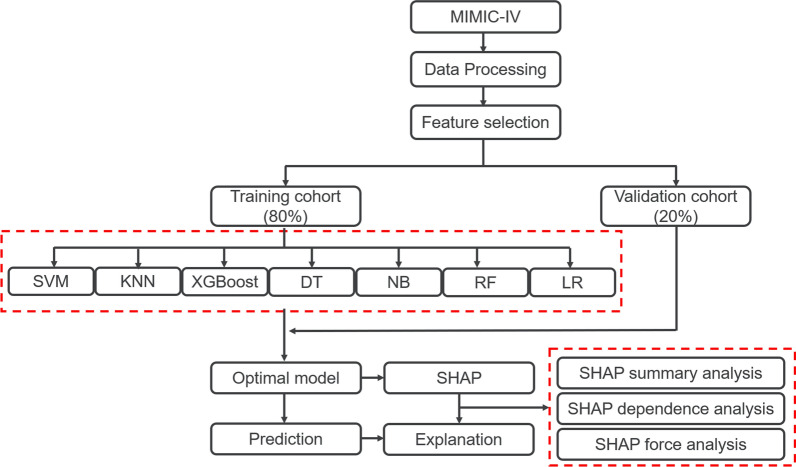
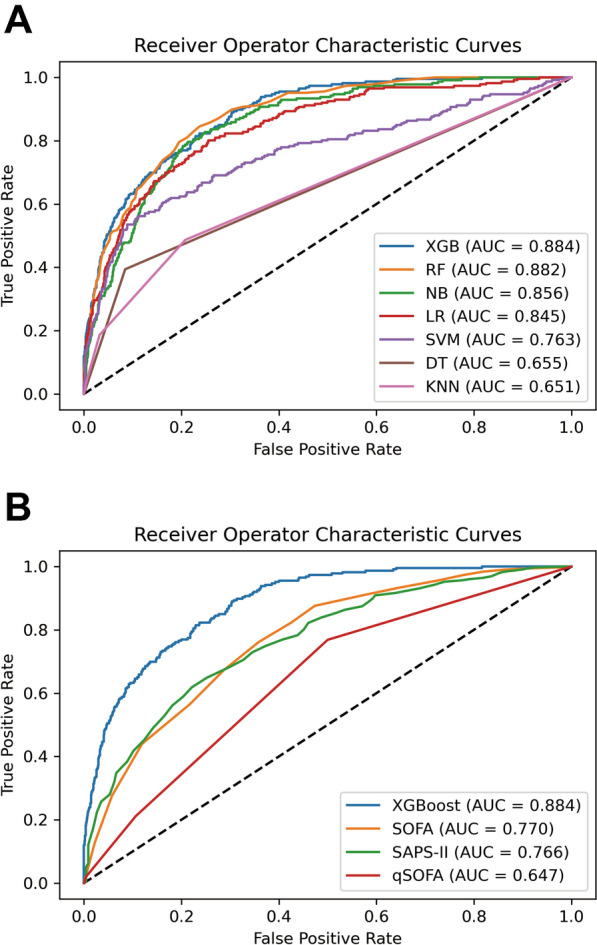
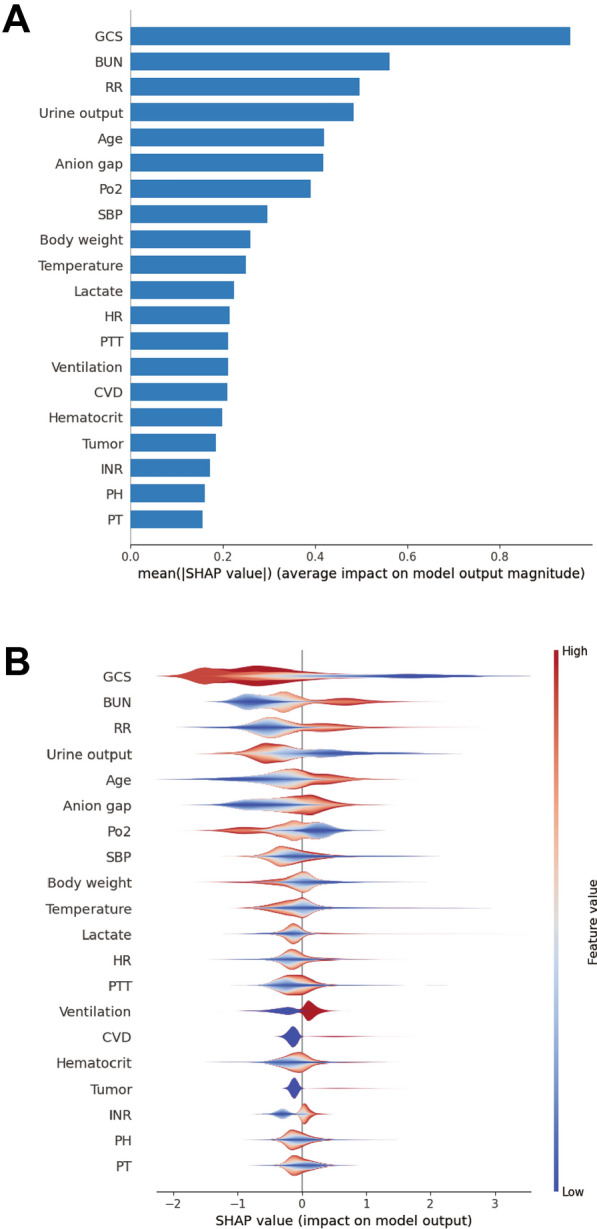
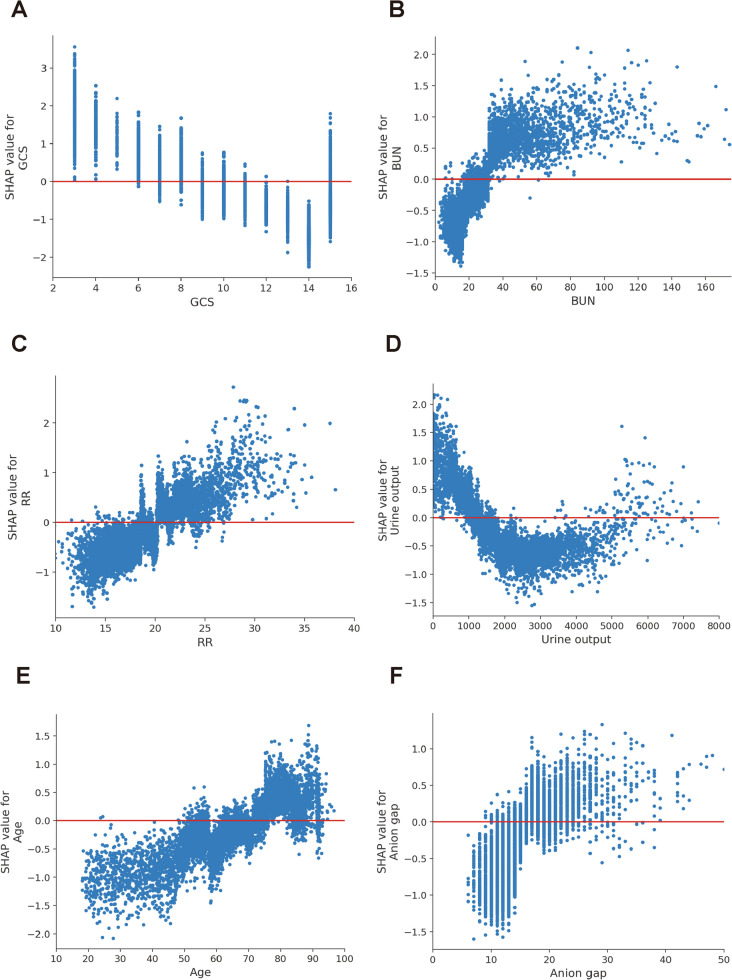
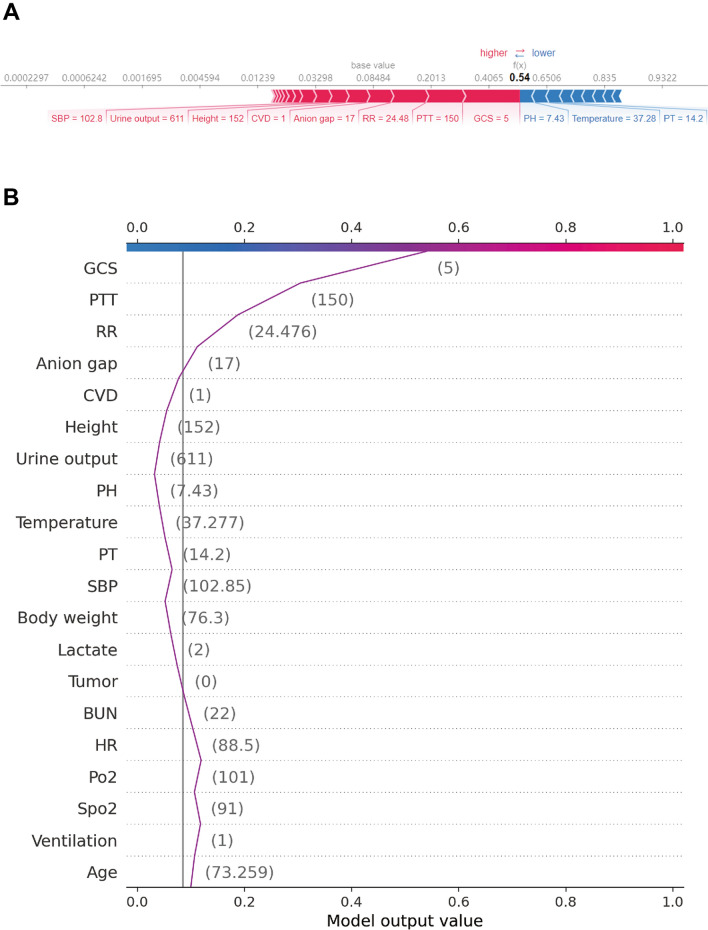
INTRODUCTION: This study aimed to develop and validate an interpretable machine-learning model based on clinical features for early predicting in-hospital mortality in critically ill patients with sepsis. METHODS: We enrolled all patients with sepsis in the Medical Information Mart for Intensive Care IV (MIMIC-IV, v.1.0) database from 2008 to 2019. Lasso regression was used for feature selection. Seven machine-learning methods were applied to develop the models. The best model was selected based on its accuracy and area under curve (AUC) in the validation cohort. Furthermore, we employed the SHapley Additive exPlanations (SHAP) method to illustrate the effects of the features attributed to the model, and to analyze how the individual features affect the output of the model, and to visualize the Shapley value for a single individual. RESULTS: In total, 8,817 patients with sepsis were eligible for participation, the median age was 66.8 years (IQR, 55.9-77.1 years), and 3361 of 8817 participants (38.1%) were women. After selection, 25 of a total 57 clinical parameters collected on day 1 after ICU admission remained associated with prognosis and were used for developing the machine-learning models. Among seven constructed models, the eXtreme Gradient Boosting (XGBoost) model achieved the best performance with an AUC of 0.884 and an accuracy of 89.5% in the validation cohort. Feature importance analysis showed that Glasgow Coma Scale (GCS) score, blood urea nitrogen, respiratory rate, urine output, and age were the top 5 features of the XGBoost model with the greatest impact. Furthermore, SHAP force analysis illustrated how the constructed model visualized the individualized prediction of death. CONCLUSIONS: We have demonstrated the potential of machine-learning approaches for predicting outcome early in patients with sepsis. The SHAP method could improve the interpretability of machine-learning models and help clinicians better understand the reasoning behind the outcome.
Overview
The claims and statistics of this paper haven’t been checked yet.
Free: it reads the open-access text and checks the first 5 claims that cite a source we can check. Create a free account to check every claim.
Integrity signals
Registry
Cites
Statistics
Figures
Verification
Claims the paper makes
The claims and statistics of this paper haven’t been checked yet.
Free: it reads the open-access text and checks the first 5 claims that cite a source we can check. Create a free account to check every claim.
Claims other papers make about this one
Each is checked against this paper’s own text: does it say what the citing paper says it does?
The source backs part of the claim, not all of it — or backs it for a different population, condition or comparison.
In the citing paper
“Furthermore, multi-centre validation and prospective testing remain rare [12, 13, 18], making it difficult to identify which interpretability techniques are most reliable in real-world practice.”
From Explainable AI for critical care: a systematic review of interpretable models for sepsis and ICU mortality prediction (2026) · cites this paper as [13]
Experimental — accuracy not yet measuredThe source backs part of the claim, not all of it — or backs it for a different population, condition or comparison.
In the citing paper
“Moreover, comprehensive comparisons of different XAI approaches across diverse ICU datasets are lacking [12, 13, 18].”
From Explainable AI for critical care: a systematic review of interpretable models for sepsis and ICU mortality prediction (2026) · cites this paper as [13]
Experimental — accuracy not yet measuredThe source backs part of the claim, not all of it — or backs it for a different population, condition or comparison.
In the citing paper
“Most models reported AUC values exceeding 0.84, with some attaining up to 0.89 for early sepsis prediction [7, 12, 13, 17, 19, 22].”
From Explainable AI for critical care: a systematic review of interpretable models for sepsis and ICU mortality prediction (2026) · cites this paper as [13]
Experimental — accuracy not yet measuredThe source backs part of the claim, not all of it — or backs it for a different population, condition or comparison.
In the citing paper
“These interpretability strategies enabled the identification of key physiological variables driving model predictions, such as respiratory rate (RR), Glasgow Coma Scale, mean arterial pressure (MAP), lactate, creatinine, heart rate (HR), blood urea nitrogen (BUN), body temperature, platelet count, and urine output [7, 12–18, 22, 24, 25, 39].”
From Explainable AI for critical care: a systematic review of interpretable models for sepsis and ICU mortality prediction (2026) · cites this paper as [13]
Experimental — accuracy not yet measuredThe cited source says what the claim attributes to it.
In the citing paper
“Explainable AI addresses this need by providing human-interpretable outputs and highlighting clinically important features that drive model decisions [4–6, 11–13].”
From Explainable AI for critical care: a systematic review of interpretable models for sepsis and ICU mortality prediction (2026) · cites this paper as [13]
3 more claims about this paper
Create a free account to see every claim other papers make about this one.
Self-check
Percentages, sums and reported differences re-computed from the paper’s own numbers.
The self-check needs the paper’s full text.
Citations
Cites
The third international consensus definitions for sepsis and septic shock (Sepsis-3).
Singer, M., Deutschman, C. S., Seymour, C. W., Shankar-Hari, M., Annane, D., Bauer, M., Bellomo, R., Bernard, G. R., Chiche, J.-D., Coopersmith, C. M., et al. (2016) · JAMA · doi:10.1001/jama.2016.0287 · Cited by 28,250
Vincent, J. L., Moreno, R., Takala, J., Willatts, S., De Mendonça, A., Bruining, H., Reinhart, C. K., Suter, P. M., & Thijs, L. G. (1996) · Intensive Care Medicine · doi:10.1007/bf01709751 · Cited by 11,674 · cited 5×
“The illness severity scoring systems including SOFA, SAPS-II, and qSOFA were assessed to predict the risk of death and were compared with our final model in validation cohort.”
MethodInfluentialFrom local explanations to global understanding with explainable AI for trees
Lundberg, S. M., Erion, G., Chen, H., DeGrave, A., Prutkin, J. M., Nair, B., Katz, R., Himmelfarb, J., Bansal, N., & Lee, S.-I. (2020) · Nature Machine Intelligence · doi:10.1038/s42256-019-0138-9 · Cited by 10,551 · cited 1×
“Fortunately, a new interpretation model in ML, called the SHapley Additive exPlanations (SHAP), was first articulated by Lundberg and Lee to explain individual predictions for both kernel-based approaches and tree-based models [14].”
MethodMIMIC-III, a freely accessible critical care database
Johnson, A. E. W., Pollard, T. J., Shen, L., Lehman, L.-W. H., Feng, M., Ghassemi, M., Moody, B., Szolovits, P., Anthony Celi, L., & Mark, R. G. (2016) · Scientific Data · doi:10.1038/sdata.2016.35 · Cited by 8,141
Rajkomar, A., Dean, J., & Kohane, I. (2019) · New England Journal of Medicine · doi:10.1056/nejmra1814259 · Cited by 4,579
Collins, G. S., Reitsma, J. B., Altman, D. G., & Moons, K. G. M. (2015) · BMJ · doi:10.1136/bmj.g7594 · Cited by 4,388
Collins, G. S., Reitsma, J. B., Altman, D. G., & Moons, K. G. M. (2015) · British Journal of Cancer · doi:10.1038/bjc.2014.639 · Cited by 3,293
Epidemiology of acute kidney injury in critically ill patients: the multinational AKI-EPI study
Hoste, E. A. J., Bagshaw, S. M., Bellomo, R., Cely, C. M., Colman, R., Cruz, D. N., Edipidis, K., Forni, L. G., Gomersall, C. D., Govil, D., et al. (2015) · Intensive Care Medicine · doi:10.1007/s00134-015-3934-7 · Cited by 3,061
Cecconi, M., Evans, L., Levy, M., & Rhodes, A. (2018) · The Lancet · doi:10.1016/s0140-6736(18)30696-2 · Cited by 2,254
Explainable machine-learning predictions for the prevention of hypoxaemia during surgery
Lundberg, S. M., Nair, B., Vavilala, M. S., Horibe, M., Eisses, M. J., Adams, T., Liston, D. E., Low, D. K.-W., Newman, S.-F., Kim, J., et al. (2018) · Nature Biomedical Engineering · doi:10.1038/s41551-018-0304-0 · Cited by 1,967
Cited by
Investigation on explainable machine learning models to predict chronic kidney diseases
Ghosh, S. K., & Khandoker, A. H. (2024) · Scientific Reports · doi:10.1038/s41598-024-54375-4 · Cited by 184
Prediction of sepsis mortality in ICU patients using machine learning methods
Gao, J., Lu, Y., Ashrafi, N., Domingo, I., Alaei, K., & Pishgar, M. (2024) · BMC Medical Informatics and Decision Making · doi:10.1186/s12911-024-02630-z · Cited by 146
Hu, C., Li, L., Li, Y., Wang, F., Hu, B., & Peng, Z. (2022) · Infectious Diseases and Therapy · doi:10.1007/s40121-022-00671-3 · Cited by 63
“This result is partly in agreement with our earlier observations, which showed that GCS score, BUN and cumulative urine output on day 1 were the key factors contributing to the XGBoost model in predicting mortality among patients with sepsis [22].”
BackgroundResultInfluentialSelf-citationMachine learning for the prediction of sepsis-related death: a systematic review and meta-analysis
Zhang, Y., Xu, W., Yang, P. C., & Zhang, A. (2023) · BMC Medical Informatics and Decision Making · doi:10.1186/s12911-023-02383-1 · Cited by 75
Hu, C., Tan, Q., Zhang, Q., Li, Y., Wang, F., Zou, X., & Peng, Z. (2022) · Computational and Structural Biotechnology Journal · doi:10.1016/j.csbj.2022.06.003 · Cited by 57
Self-citationZhang, G., Shao, F., Wei, Y., Wu, J., Qi, X., Gao, J., Shao, R., Tang, Z., & Wang, T. (2024) · European journal of medical research · doi:10.1186/s40001-024-01756-0 · Cited by 79
Moulaei, K., Afshari, L., Moulaei, R., Sabet, B., Mousavi, S. M., & Afrash, M. R. (2024) · Scientific Reports · doi:10.1038/s41598-024-82931-5 · Cited by 80
Machine learning-based prediction of in-ICU mortality in pneumonia patients
Jeon, E., Lee, H. J., Park, T. Y., Jin, K. N., Ryu, B., Lee, H. W., & Kim, D. H. (2023) · Scientific Reports · doi:10.1038/s41598-023-38765-8 · Cited by 56
Liu, X., Xie, Z., Zhang, Y., Huang, J., Kuang, L., Li, X., Li, H., Zou, Y., Xiang, T., Yin, N., et al. (2024) · Cardiovascular Diabetology · doi:10.1186/s12933-024-02503-9 · Cited by 60
Artificial Intelligence Drives Advances in Multi-Omics Analysis and Precision Medicine for Sepsis
Shen, Y., Zhang, P., Luo, J., Chen, S., Gu, S., Lin, Z., & Tang, Z. (2026) · Biomedicines · doi:10.3390/biomedicines14020261 · Cited by 45
Deep learning-based prediction of in-hospital mortality for sepsis
Yong, L., & Zhenzhou, L. (2024) · Scientific Reports · doi:10.1038/s41598-023-49890-9 · Cited by 48
Zubair, M., Din, I., Sarwar, N., Boltayevich, E. B., Mаkhmudov, S., & Trabelsi, Z. (2025) · BMC Infectious Diseases · doi:10.1186/s12879-025-11423-2 · Cited by 49
Wang, Y., Gao, Z., Zhang, Y., Lu, Z., & Sun, F. (2025) · Internal and Emergency Medicine · doi:10.1007/s11739-024-03732-2 · Cited by 29
AI Advances in ICU with an Emphasis on Sepsis Prediction: An Overview
Stylianides, C., Nicolaou, A., Sulaiman, W. A., Alexandropoulou, C.-A., Panagiotopoulos, I., Karathanasopoulou, K., Dimitrakopoulos, G., Kleanthous, S., Politi, E., Ntalaperas, D., et al. (2025) · Machine Learning and Knowledge Extraction · doi:10.3390/make7010006 · Cited by 28
Application of Machine Learning for Clinical Subphenotype Identification in Sepsis
Hu, C., Li, Y., Wang, F., & Peng, Z. (2022) · Infectious Diseases and Therapy · doi:10.1007/s40121-022-00684-y · Cited by 36
Self-citationShen, M., Zhang, Y., Zhan, R., Du, T., Shen, P., Lu, X., Liu, S., Guo, R., & Shen, X. (2024) · Ecotoxicology and Environmental Safety · doi:10.1016/j.ecoenv.2024.117570 · Cited by 29
Ramakrishnaiah, Y., Maćešić, N., Webb, G. I., Peleg, A. Y., & Tyagi, S. (2025) · International Journal of Medical Informatics · doi:10.1016/j.ijmedinf.2025.105816 · Cited by 39
Explainable machine learning in outcome prediction of high-grade aneurysmal subarachnoid hemorrhage
Shu, L., Yan, H., Wu, Y., Yan, T., Yang, L., Zhang, S., Chen, Z., Liao, Q., Yang, L., Xiao, B., et al. (2024) · Aging · doi:10.18632/aging.205621 · Cited by 29
Li, S., Dou, R., Song, X., Lui, K., Xu, J., Guo, Z., Hu, X., Guan, X., & Cai, C. (2023) · Journal of Clinical Medicine · doi:10.3390/jcm12030915 · Cited by 25
“Researchers have already developed ML-based predictive approaches in critically ill patients with sepsis [13,14], influenza [15], cerebral hemorrhage [16], etc.”
BackgroundMethodLim, J., Li, J., Feng, X., Feng, L., Xiao, X., Xia, Y.-M., Wang, Y., Qian, L., Yang, H., & Xu, Z. (2023) · European Journal of Integrative Medicine · doi:10.1016/j.eujim.2023.102311 · Cited by 30
Lei, M., Feng, T., Chen, M., Shen, J., Liu, J., Chang, F., Chen, J., Sun, X., Mao, Z., Li, Y., et al. (2024) · International Journal of Surgery · doi:10.1097/js9.0000000000001599 · Cited by 27
Self-citationMoulaei, K., Afrash, M. R., Parvin, M., Shadnia, S., Rahimi, M., Mostafazadeh, B., Evini, P. E. T., Sabet, B., Vahabi, S. M., Soheili, A., et al. (2024) · Scientific Reports · doi:10.1038/s41598-024-66481-4 · Cited by 41
Evaluating machine learning models for stroke prediction based on clinical variables
Akinwumi, P. O., Ojo, S., Nathaniel, T. I., Wanliss, J. A., Karunwi, O., & Sulaiman, M. (2025) · Frontiers in Neurology · doi:10.3389/fneur.2025.1668420 · Cited by 38
Machine learning for early prediction of sepsis-associated acute brain injury
Ge, C., Deng, F., Chen, W., Ye, Z., Zhang, L., Ai, Y., Zou, Y., & Peng, Q. (2022) · Frontiers in Medicine · doi:10.3389/fmed.2022.962027 · Cited by 24
Yang, M., Chen, H., Hu, W., Mischi, M., Shan, C., Li, J., Long, X., & Liu, C. (2024) · Journal of Medical Internet Research · doi:10.2196/50369 · Cited by 37
Zhuang, J., Huang, H., Jiang, S., Liang, J., Liu, Y., & Yu, X. (2023) · BMC Medical Informatics and Decision Making · doi:10.1186/s12911-023-02279-0 · Cited by 28
Hou, J., Li, Y., Liu, M., Qu, Z., Du, Z., An, Y., Yang, F., & Yao, Y. (2024) · Journal of Hazardous Materials · doi:10.1016/j.jhazmat.2024.136587 · Cited by 23
Li, X., Wang, Z., Zhao, W., Shi, R., Zhu, Y., Pan, H., & Wang, D. (2024) · Renal Failure · doi:10.1080/0886022x.2024.2315298 · Cited by 26
Three-dimensional label-free morphology of CD8 + T cells as a sepsis biomarker
Sung, M., Kim, J. H., Min, H., Jang, S., Hong, J., Choi, B. K., Shin, J., Chung, K. S., & Park, Y. R. (2023) · Light Science & Applications · doi:10.1038/s41377-023-01309-w · Cited by 23
Hu, C., Gao, C., Li, T., Liu, C., & Peng, Z. (2024) · Postgraduate Medical Journal · doi:10.1093/postmj/qgad144 · Cited by 23
Self-citationLi, X., Zhu, Y., Zhao, W., Shi, R., Wang, Z., Pan, H., & Wang, D. (2023) · Renal Failure · doi:10.1080/0886022x.2023.2212790 · Cited by 19
Mao, B., Ling, L., Pan, Y., Zhang, R., Zheng, W., Shen, Y., Lu, W., Lu, Y., Xu, S., Wu, J., et al. (2024) · Scientific Reports · doi:10.1038/s41598-024-65128-8 · Cited by 23
Ke, L., Lu, Y., Gao, H., Hu, C., Zhang, J., Zhao, Q., Sun, Z., & Peng, Z. (2023) · Computational and Structural Biotechnology Journal · doi:10.1016/j.csbj.2023.03.034 · Cited by 19
Self-citationLiu, Z., Petinrin, O. O., Toseef, M., Chen, N., & Wong, K. (2023) · Biochemical Genetics · doi:10.1007/s10528-023-10516-4 · Cited by 22
Application of machine learning algorithms to identify people with low bone density
Xu, R., Chen, Y., Yao, Z., Wu, W., Cui, J., Wang, R., Diao, Y., Jin, C., Hong, Z., & Li, X. (2024) · Frontiers in Public Health · doi:10.3389/fpubh.2024.1347219 · Cited by 24
Aguirre, U., & Urrechaga, E. (2023) · Clinical Chemistry and Laboratory Medicine (CCLM) · doi:10.1515/cclm-2022-0713 · Cited by 17
Zhao, W., Sun, P., Li, W., & Shang, L. (2025) · Infection and Drug Resistance · doi:10.2147/idr.s459830 · Cited by 22
Interpretable machine learning model for predicting acute kidney injury in critically ill patients
Li, X., Wang, P., Zhu, Y., Zhao, W., Pan, H., & Wang, D. (2024) · BMC Medical Informatics and Decision Making · doi:10.1186/s12911-024-02537-9 · Cited by 19
Huang, L., Dou, Z., Fang, F., Zhou, B., Zhang, P., & Jiang, R. (2025) · Computers in Biology and Medicine · doi:10.1016/j.compbiomed.2024.109635 · Cited by 16
Li, J., Sun, Y., Ren, J., Wu, Y., & He, Z. (2024) · Journal of Cardiothoracic and Vascular Anesthesia · doi:10.1053/j.jvca.2024.12.016 · Cited by 20
He, B., & Qiu, Z. H. (2024) · Frontiers in Artificial Intelligence · doi:10.3389/frai.2024.1348907 · Cited by 22
Nikravangolsefid, N., Reddy, S., Truong, H. H., Charkviani, M., Ninan, J., Prokop, L. J., Suppadungsuk, S., Singh, W., KASHANI, K. B., & Garces, J. P. D. (2024) · Journal of Critical Care · doi:10.1016/j.jcrc.2024.154889 · Cited by 15
Gündoğdu, S., & Elbir, T. (2024) · Environmental Research Communications · doi:10.1088/2515-7620/ad352d · Cited by 16
Oh, N., Cha, W. C., Seo, J., Choi, S.-G., Kim, J. M., Chung, C. R., Suh, G. Y., Lee, S. Y., Oh, D. K., Park, M. H., et al. (2024) · Healthcare Informatics Research · doi:10.4258/hir.2024.30.3.266 · Cited by 22
Dai, L., Yin, J., Xin, X., Yao, C., Tang, Y., Xia, X., Chen, Y., Lai, S., Lu, G., Huang, J., et al. (2025) · Cancer Imaging · doi:10.1186/s40644-025-00855-3 · Cited by 13
Zhao, T., Guo, Y. H., & Li, J. (2024) · Frontiers in Immunology · doi:10.3389/fimmu.2024.1336839 · Cited by 12
Yang, C. C., Wang, C. F., Lin, W. M., Chen, S. W., & Hu, H. (2024) · Digital Health · doi:10.1177/20552076241257014 · Cited by 16
Athukorala, V. S., & Ilmini, W. M. K. S. (2026) · BMC Medical Informatics and Decision Making · doi:10.1186/s12911-026-03344-0 · Cited by 10
“For the Predictors domain, several studies (e.g. [13, 15, 16, 18]), exhibited an unclear or moderate risk of bias.”
InfluentialLiu, J., Duan, X., Duan, M., Jiang, Y. L., Mao, W., Wang, L., & Liu, G. (2024) · Scientific Reports · doi:10.1038/s41598-024-77798-5 · Cited by 10
Self-citationZhang, S., Ding, H., Shen, Y., Shao, B., Gu, Y.-Y., Chen, Q., Zhang, H., Pei, Y., & Jiang, H. (2025) · BMC Medical Informatics and Decision Making · doi:10.1186/s12911-025-02976-y · Cited by 18
Cheng, Y., Kuo, P., Chen, S.-H., Kuo, Y., Liu, T.-L., Chan, W.-S., Chan, K., & Yeh, Y. (2023) · Journal of Clinical Monitoring and Computing · doi:10.1007/s10877-023-01108-z · Cited by 10
Chen, Y., Zong, C., Zou, L., Zhang, Z., Yang, T., Zong, J., & Wan, X. (2024) · Heliyon · doi:10.1016/j.heliyon.2024.e33337 · Cited by 13
McFadden, B. R., Reynolds, M. A., & Inglis, T. J. J. (2023) · Frontiers in Digital Health · doi:10.3389/fdgth.2023.1260602 · Cited by 11
Liu, W., Yu, X., Chen, J., Chen, W., & Wu, Q. (2024) · PLoS ONE · doi:10.1371/journal.pone.0313132 · Cited by 9
Wei, J., Cao, H., Peng, M., Zhang, Y., Li, S., Ma, W., & Li, Y. (2025) · PLoS ONE · doi:10.1371/journal.pone.0316526 · Cited by 8
Intelligent Control Mechanisms for Renewable Energy Integration Using Machine Learning Models
Chahar, S., Kaur, K., Kaswan, K. S., & Malik, K. (2025) · International Conference on Pervasive Computational Technologies (ICPCT) · doi:10.1109/icpct64145.2025.10940347 · Cited by 8
Dai, X., Liu, A., Liu, J., Zhan, M., Liu, Y., Ke, W., Shi, L., Huang, X., Chen, H., Deng, Z., et al. (2024) · Journal of Imaging Informatics in Medicine · doi:10.1007/s10278-023-00956-0 · Cited by 8
Self-citationShin, J., Lee, D. A., Kim, J., Lim, C., & Choi, B. (2024) · Health Care Management Science · doi:10.1007/s10729-024-09676-5 · Cited by 19
Kang, B.-Y., Qiao, Y., Zhu, J., Hu, B., Zhang, Z.-C., Li, J., & Pei, Y.-J. (2025) · World Journal of Gastroenterology · doi:10.3748/wjg.v31.i19.105283 · Cited by 16
Self-citationZheng, F., Wang, L., Pang, Y., Chen, Z., Lu, Y., Yang, Y., & Wu, J. (2023) · Biomedical Signal Processing and Control · doi:10.1016/j.bspc.2023.105146 · Cited by 8
Zhang, K., Han, Y., Yu, G., Gu, F. M., Cai, T., Gu, Z. X., Yu, Z. J., Gao, M., Gao, Y. F., Hu, R. M., et al. (2024) · Frontiers in Endocrinology · doi:10.3389/fendo.2024.1354614 · Cited by 8
An Overview of Explainable AI Studies in the Prediction of Sepsis Onset and Sepsis Mortality
Nicolaou, A., Stylianides, C., Sulaiman, W. A., Antoniou, Z. C., Palazis, L., Vavlitou, A., Pattichis, C. S., & Panayides, A. S. (2024) · Studies in health technology and informatics · doi:10.3233/shti240534 · Cited by 16
Tian, X., Li, H., Li, F., Herrera, M., Ren, Y., & Shang, H. (2024) · Supportive Care in Cancer · doi:10.1007/s00520-024-09127-5 · Cited by 14
Russian registry of Surgical OutcomeS — RuSOS: study protocol
Zabolotskikh, I. B., Belkin, A. A., Grigoryev, E. V., Grigoryev, S. V., Gritsan, A. I., Вадимович, Д. П., Ershov, V. I., Кirov, М. Y., Kuzovlev, A. N., Kulikov, A. V., et al. (2024) · Annals of critical care · doi:10.21320/1818-474x-2024-1-158-167 · Cited by 11
Celepli, S., Bigat, I., Karakas, B., Tezcan, H. M., Yar, M. D., Celepli, P., Aksahin, M. F., Hancerliogullari, O., Yilmaz, Y. F., & Erogul, O. (2025) · Diagnostics · doi:10.3390/diagnostics15162065 · Cited by 6
“This approach has been successfully applied in sepsis prognosis models to help clinicians understand decision processes at the patient level [14].”
InfluentialHu, X., Zhi, S., Yang, L., Cheng, Y., Fan, H., Li, H., Meng, Z., Xie, J., Tang, S. G., & Li, W. (2025) · BMC Medical Informatics and Decision Making · doi:10.1186/s12911-025-03020-9 · Cited by 8
Sun, Q., Zhang, K., Xu, Y., Luo, M., Yang, Z., Liu, Q., Liu, S., & Liu, A. (2025) · BMC Infectious Diseases · doi:10.1186/s12879-025-11998-w · Cited by 6
Petrović, I., Broggi, S., Killer‐Oberpfalzer, M., Pfaff, J. A. R., Griessenauer, C. J., Milosavljević, I., Balenović, A., Mutzenbach, J. S., & Pikija, S. (2024) · Diagnostics · doi:10.3390/diagnostics14141531 · Cited by 6
Sun, L., Zhang, C., Song, P., Zhong, X., Xie, B., Huang, Y., Yuanjia, H., Xu, X., & Lei, X. (2024) · Heart & Lung · doi:10.1016/j.hrtlng.2024.11.020 · Cited by 12
A sepsis diagnosis method based on Chain-of-Thought reasoning using Large Language Models
Zhang, W., Wu, M., Zhou, L., Shao, M., Wang, C., & Wang, Y. (2025) · Journal of Applied Biomedicine · doi:10.1016/j.bbe.2025.04.002 · Cited by 9
Yao, Y., Wu, S., Liu, C., Zhou, C., Zhu, J., Chen, T., Huang, C., Feng, S., Zhang, B., Wu, S., et al. (2023) · Annals of Medicine · doi:10.1080/07853890.2023.2249004 · Cited by 6
Petrović, I., Njegovan, S., Tomašević, O., Vlahović, D., Rajic, S. L., Živanović, Ž., Milosavljević, I., Balenović, A., & Jorgovanović, N. (2025) · Stroke Research and Treatment · doi:10.1155/srat/3561616 · Cited by 6
Optimizing sepsis mortality prediction using hybrid federated learning and explainable AI framework
Fuzail, M. Z., Din, I. U., Ahmed, S., Alhumam, A., & Khan, A. H. (2026) · Scientific Reports · doi:10.1038/s41598-026-36245-3 · Cited by 9
Zeng, Z., Liu, Y., Yao, S., Liu, J., Xiao, B., Liu, C., & Gong, X. (2023) · Digital Health · doi:10.1177/20552076231171482 · Cited by 8
Self-citationLee, N., Jeon, K., Park, M.-J., Song, W., & Jeong, S. (2024) · Frontiers in Cellular and Infection Microbiology · doi:10.3389/fcimb.2024.1397297 · Cited by 5
Bu, Z., Bai, S., Yang, C., Lu, G., Lei, E., Su, Y., Han, Z., Liu, M., Li, J., Wang, L., et al. (2025) · Acta cardiologica. Supplementum · doi:10.1080/00015385.2025.2481662 · Cited by 6
Self-citationArtificial intelligence-empowered assessment of bile duct stone removal challenges
Wang, Z., Yuan, H., Lin, K., Zhang, Y., Xue, Y., Liu, P., Chen, Z., & Wu, M. (2024) · Expert Systems with Applications · doi:10.1016/j.eswa.2024.125146 · Cited by 6
Gao, L., Liu, Z.-X., & Wang, J. (2025) · World Journal of Diabetes · doi:10.4239/wjd.v16.i7.104789 · Cited by 8
An, S., Ye, Z., Che, W., Gao, Y., Li, J., & Zheng, J. (2025) · BMC Infectious Diseases · doi:10.1186/s12879-025-11949-5 · Cited by 9
Cheng, C.-Y., Hsu, T.-H., Hung, Y.-L., Hsu, T.-Y., Cheng, F.-J., Pan, H.-Y., Lin, C. R., & Chiu, I.-M. (2026) · BMC Emergency Medicine · doi:10.1186/s12873-025-01464-w · Cited by 7
Guo, J., Zhang, J., Zhang, J., Xu, C., Wang, X., & Liu, C. (2025) · Urolithiasis · doi:10.1007/s00240-025-01828-8 · Cited by 4
Hao, Q., Li, L., Fang, J., Pei, T.-W., Li, A., Ding, Z., & Chen, T. (2025) · World Neurosurgery · doi:10.1016/j.wneu.2025.124399 · Cited by 4
Self-citationLin, Z., Huang, X., & Shan, X. (2022) · Annals of Palliative Medicine · doi:10.21037/apm-22-646 · Cited by 4
Wang, M., Shi, Y., Pan, X., Wang, B., Lu, B., & Ouyang, J. (2023) · Infection and Drug Resistance · doi:10.2147/idr.s427790 · Cited by 4
Exploring the Potentials of Artificial Intelligence in Sepsis Management in the Intensive Care Unit
Riahi, A., Yazdani, M. S., Eshraghi, R., Houyeh, M. K., Bahrami, A., Khoshdooz, S., Amini, M., Behzadi, E., Khalaji, A., Taba, S. M. M., et al. (2025) · Critical Care Research and Practice · doi:10.1155/ccrp/9031137 · Cited by 6
CISepsis: a causal inference framework for early sepsis detection
Li, Q., Li, D., He, J., Wu, Z., & Nie, W. (2024) · Frontiers in Cellular and Infection Microbiology · doi:10.3389/fcimb.2024.1488130 · Cited by 9
Su, W., Wang, X., Jia, H., Chang, W., Jiang, S., Ge, H., Dong, S., Yu, J., Ma, G., & Meng, Y. (2025) · BMC Surgery · doi:10.1186/s12893-025-03071-9 · Cited by 3
Hsieh, Y.-C., Chen, S., Tsao, S.-Y., Hu, J., Hsu, W., & Lee, C. (2025) · Frontiers in Medical Technology · doi:10.3389/fmedt.2025.1621158 · Cited by 4
Zhai, Y., Lan, D., Lv, S., & Mo, L. (2024) · Frontiers in Medicine · doi:10.3389/fmed.2024.1399527 · Cited by 3
Mai, H., Lu, Y., Fu, Y., Luo, T., Li, X., Zhang, Y., Liu, Z., Zhang, Y., Zhou, S., & Chen, C. (2024) · Journal of Medical Internet Research · doi:10.2196/57486 · Cited by 4
Efficient sepsis detection using deep learning and residual convolutional networks
Almasoud, A. S., Elhessewi, G. M. S., Arasi, M. A., Yahya, A. E., Alshammeri, M., Badawood, D. Y., Nafie, F. M., & Assiri, M. (2025) · PeerJ Computer Science · doi:10.7717/peerj-cs.2958 · Cited by 2
Duval, L., Villié, A., Zheng, F., Terraz, G., Blein, S., Duperchy, E., Everett, M. J., Frieling, J. T. M., Llitjos, J., & Bodinier, M. (2025) · BMC Medical Informatics and Decision Making · doi:10.1186/s12911-025-03274-3 · Cited by 6
Interpretable Early Prediction of Sepsis Based on Counterfactual Inference
Xie, S., Kiong, L. C., Xu, L., & Hui, C. S. (2023) · Procedia Computer Science · doi:10.1016/j.procs.2023.12.033 · Cited by 2
Wu, Z., Xu, P., Zhai, Y., Mahe, J., Guo, K., Olawole, W., Zhu, J., Han, J., Bai, G., & Zhang, L. (2025) · Depression and Anxiety · doi:10.1155/da/8865176 · Cited by 2
Guo, J., Zhang, J., Zhang, J., Xu, C., Wang, X., & Liu, C. (2025) · Urolithiasis · doi:10.1007/s00240-025-01792-3 · Cited by 2
Li, J., Sun, Y., Ren, J., Wu, Y., & He, Z. (2024) · Research Square · doi:10.21203/rs.3.rs-3834698/v1 · Cited by 2
Zhang, M., Wang, D., He, J., & Peng, J. (2025) · Balkan Medical Journal · doi:10.4274/balkanmedj.galenos.2025.2025-2-49 · Cited by 1
Li, L., Li, H., Jiang, M., Fang, J., Ma, N., Yan, J., & Zhou, C. (2025) · Annals of Biomedical Engineering · doi:10.1007/s10439-025-03838-4 · Cited by 1
Self-citationZhong, Z., He, H., & Lin, Z. (2025) · Shock · doi:10.1097/shk.0000000000002721 · Cited by 1
Shao, Y., Wang, K., & Ma, Y. (2025) · EngMedicine · doi:10.1016/j.engmed.2025.100118 · Cited by 2
Metadata
- Authors
- Hu, C., Li, L., Huang, W., Wu, T., Xu, Q., Liu, J., & Hu, B.
- Affiliations
- Zhongnan Hospital of Wuhan University (CN)
- Wuhan University (CN)
- Corresponding author
- Liu, Juan
- Hu, Bo
- Venue
- Infectious Diseases and Therapy
- Published
- 2022-04-10
- Volume
- 11
- Issue
- 3
- Pages
- 1117-1132
- ISSN
- 2193-6382 (ISSN-L)
- 2193-8229
- PMC
- PMC9124279
- OpenAlex
- W4223567832
- Cited by
- 160
- References
- 29
- Citations by year
- 2026: 34 · 2025: 43 · 2024: 56 · 2023: 20 · 2022: 7
- FWCI
- 22.74
- Type
- journal article
- Language
- en
- Open access
- gold
- doi.org
- Licence
- cc-by-nc
- creativecommons.org/licenses/by-nc/4.0 (tdm)
- creativecommons.org/licenses/by-nc/4.0 (vor)
- Locations
- Infectious Diseases and Therapy (publishedVersion, cc-by-nc)
- PubMed Central (publishedVersion, cc-by-nc)
- PubMed (publishedVersion)
- Funders
- Chinese Medical Information and Big Data Association (Z-2019-1-003)
- Translational Medicine and Interdisciplinary Research Joint Fund of Zhongnan Hospital of Wuhan University (ZNJC202011)
- Topics
- Health Sciences › Medicine › Critical Care and Intensive Care Medicine › Sepsis Diagnosis and Treatment
- Physical Sciences › Computer Science › Artificial Intelligence › Machine Learning in Healthcare
- Health Sciences › Medicine › Nephrology › Acute Kidney Injury Research
- Keywords
- sepsis, in-hospital mortality prediction, early prognosis, model interpretability, SHAP, XGBoost, clinical features, Glasgow Coma Scale, MIMIC-IV, intensive care unit patients, feature importance
About these checks
Registry, retraction, Cites and statistics results are computed, not judged, with one exception: a printed reference that no index lists is read once by a model before it counts as a citation error. Claims are extracted by a model and kept only when their quote appears verbatim in the text; each cited source is then checked, with a model’s help, for whether it says what the claim relies on. Those verdicts can be wrong — read the claim’s quote and the cited source before relying on one.
Statistics and arithmetic are recomputed, not judged.
Confidence bands are shown only for fields calibrated on our annotated test set. None is calibrated yet, so no band is shown.
What counts as a claim ›How we measure confidence ›How we check this ›
Are you an author, or do you see a problem with this page? Request a review
Data sources
Bibliographic data: Semantic Scholar, OpenAlex, Crossref.
Contains information from the Semantic Scholar Academic Graph Datasets, made available under the ODC Attribution License (ODC-BY 1.0).
Semantic Scholar’s data is described in: Kinney, R., et al. (2023). The Semantic Scholar Open Data Platform. arXiv:2301.10140.
