

Pharmacological Treatment of Methamphetamine/Amphetamine Dependence: A Systematic Review
Open accessThe DOI matches its Crossref record; 85 of the 85 references it cites were found in a registry or an index.
Abstract
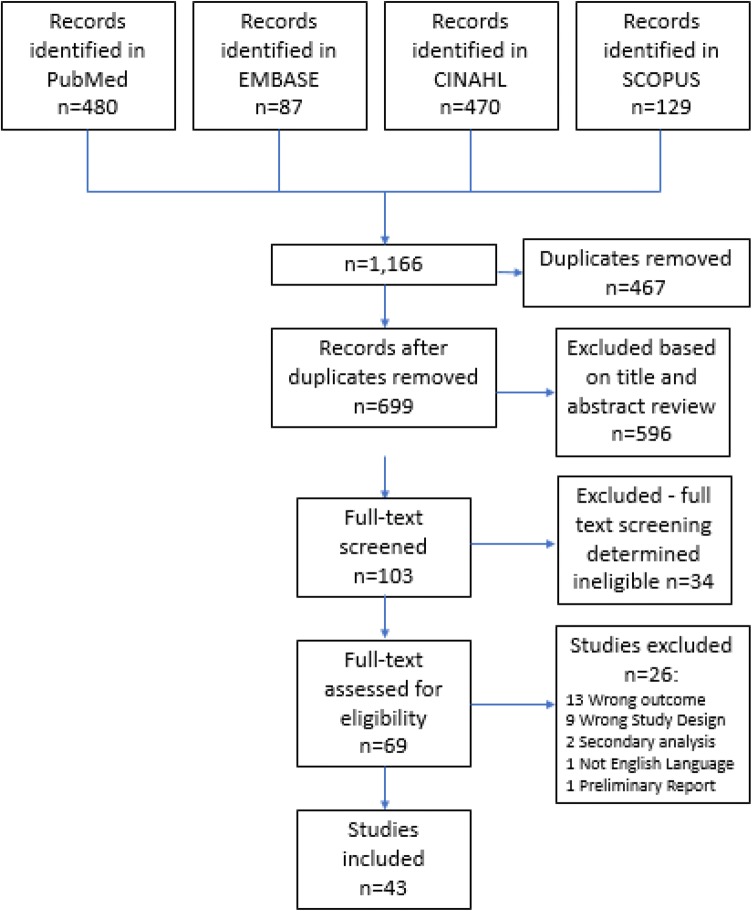
BACKGROUND: Stimulant drugs are second only to cannabis as the most widely used class of illicit drug globally, accounting for 68 million past-year consumers. Dependence on amphetamines (AMPH) or methamphetamine (MA) is a growing global concern. Yet, there is no established pharmacotherapy for AMPH/MA dependence. A comprehensive assessment of the research literature on pharmacotherapy for AMPH/MA dependence may inform treatment guidelines and future research directions. METHODS: We systematically reviewed the peer-reviewed literature via the electronic databases PubMed, EMBASE, CINAHL and SCOPUS for randomised controlled trials reported in the English language examining a pharmacological treatment for AMPH/MA dependence or use disorder. We included all studies published to 19 June 2019. The selected studies were evaluated for design; methodology; inclusion and exclusion criteria; sample size; pharmacological and (if included) psychosocial interventions; length of follow-up and follow-up schedules; outcome variables and measures; results; overall conclusions and risk of bias. Outcome measures were any reported impact of treatment related to AMPH/MA use. RESULTS: Our search returned 43 studies that met our criteria, collectively enrolling 4065 participants and reporting on 23 individual pharmacotherapies, alone or in combination. Disparate outcomes and measures (n = 55 for the primary outcomes) across studies did not allow for meta-analyses. Some studies demonstrated mixed or weak positive signals (often in defined populations, e.g. men who have sex with men), with some variation in efficacy signals dependent on baseline frequency of AMPH/MA use. The most consistent positive findings have been demonstrated with stimulant agonist treatment (dexamphetamine and methylphenidate), naltrexone and topiramate. Less consistent benefits have been shown with the antidepressants bupropion and mirtazapine, the glutamatergic agent riluzole and the corticotropin releasing factor (CRF-1) antagonist pexacerfont; whilst in general, antidepressant medications (e.g. selective serotonin reuptake inhibitors [SSRIs], tricyclic antidepressants [TCAs]) have not been effective in reducing AMPH/MA use. CONCLUSIONS: No pharmacotherapy yielded convincing results for the treatment of AMPH/MA dependence; mostly studies were underpowered and had low treatment completion rates. However, there were positive signals from several agents that warrant further investigation in larger scale studies; agonist therapies show promise. Common outcome measures should include change in use days. Future research must address the heterogeneity of AMPH/MA dependence (e.g. coexisting conditions, severity of disorder, differences between MA and AMPH dependence) and the role of psychosocial intervention.
Overview
The claims and statistics of this paper haven’t been checked yet.
Free: it reads the open-access text and checks the first 5 claims that cite a source we can check. Create a free account to check every claim.
Integrity signals
Registry
Cites
Statistics
Figures
Verification
Claims the paper makes
The claims and statistics of this paper haven’t been checked yet.
Free: it reads the open-access text and checks the first 5 claims that cite a source we can check. Create a free account to check every claim.
Claims other papers make about this one
Each is checked against this paper’s own text: does it say what the citing paper says it does?
The source backs part of the claim, not all of it — or backs it for a different population, condition or comparison.
In the citing paper
“Bupropion has been shown to reduce nicotine/tobacco use in patients who smoke cigarettes or use other nicotine/tobacco products.109”
From The ASAM/AAAP Clinical Practice Guideline on the Management of Stimulant Use Disorder (2024) · cites this paper as [109]
Experimental — accuracy not yet measuredThe source backs part of the claim, not all of it — or backs it for a different population, condition or comparison.
In the citing paper
“the current body of evidence supporting prescription stimulants for treating stimulant use disorders remains inconclusive [58,66,67,68,69].”
From Navigating the Complex Intersection of Substance Use and Psychiatric Disorders: A Comprehensive Review (2024) · cites this paper as [66]
Experimental — accuracy not yet measuredThe source backs part of the claim, not all of it — or backs it for a different population, condition or comparison.
In the citing paper
“Demand for treatment is increasing globally [4]; however, there are currently no approved pharmacotherapies, despite extensive research investigating potential candidates [6][7][8].”
From Psilocybin‐assisted psychotherapy for methamphetamine use disorder: A pilot open‐label safety and feasibility study. (2025) · cites this paper as [8]
Experimental — accuracy not yet measuredThe cited source says what the claim attributes to it.
In the citing paper
“There are no robustly effective pharmacotherapies available (6)”
From Psilocybin-assisted psychotherapy for methamphetamine dependence: a case report involving daily methamphetamine use (2024) · cites this paper as [6]
The cited source says what the claim attributes to it.
In the citing paper
“which is encouraging, given the dropout rates of around 40% in prior studies of MAUD treatments [8].”
From Psilocybin‐assisted psychotherapy for methamphetamine use disorder: A pilot open‐label safety and feasibility study. (2025) · cites this paper as [8]
1 more claim about this paper
Create a free account to see every claim other papers make about this one.
Self-check
Percentages, sums and reported differences re-computed from the paper’s own numbers.
The self-check needs the paper’s full text.
Citations
Cites
Diagnostic and Statistical Manual of Mental Disorders
Williams, J. B. W., & First, M. (2013) · Encyclopedia of Social Work · doi:10.1093/acrefore/9780199975839.013.104 · Cited by 109,519
Preferred Reporting Items for Systematic Reviews and Meta-Analyses: the PRISMA statement
Moher, D., Liberati, A., Tetzlaff, J., Altman, D. G., & for the PRISMA Group (2009) · BMJ · doi:10.1136/bmj.b2535 · Cited by 83,823
Preferred Reporting Items for Systematic Reviews and Meta-Analyses: The PRISMA Statement
Moher, D., Liberati, A., Tetzlaff, J., Altman, D. G., & The PRISMA Group (2009) · PLoS Medicine · doi:10.1371/journal.pmed.1000097 · Cited by 64,042
Preferred reporting items for systematic reviews and meta-analyses: the PRISMA Statement.
(2009) · PubMed Central · Cited by 44,859
CONSORT 2010 Statement: updated guidelines for reporting parallel group randomised trials
the CONSORT Group, Schulz, K. F., Altman, D. G., & Moher, D. (2010) · BMC Medicine · doi:10.1186/1741-7015-8-18 · Cited by 13,371
Diagnostic and Statistical Manual of Mental Disorders (DSM-IV)
Hu, R. J. (2003) · Encyclopedia of the Neurological Sciences · doi:10.1016/b0-12-226870-9/01070-4 · Cited by 9,117
CONSORT 2010 statement: updated guidelines for reporting parallel group randomized trials
Schulz, K. F., Altman, D. G., Moher, D., & for the CONSORT Group* (2010) · Annals of Internal Medicine · doi:10.7326/0003-4819-152-11-201006010-00232 · Cited by 3,824
Neurobiology of addiction: a neurocircuitry analysis
Koob, G. F., & Volkow, N. D. (2016) · The Lancet Psychiatry · doi:10.1016/s2215-0366(16)00104-8 · Cited by 3,698
International Statistical Classification of Diseases and Related Health Problems
Eisfeld, J. (2014) · TSQ: Transgender Studies Quarterly · doi:10.1215/23289252-2399740 · Cited by 3,570
White, J. M. L., Kita, M., Krpelanová, E., Alsokhn, C., Costa, M. L., Fibbe, W., Gaebel, W., Reed, G. M., Lokuhetty, D., Woolf, A., et al. (2026) · Bulletin of the World Health Organization · doi:10.2471/blt.25.294650 · Cited by 834
Research works printed but not linked: 5
- World Health Organization ICD-11: International classification of diseases for mortality and morbidity statistics: 11th rev 2018 Geneva World Health Organisation
- United Nations Office on Drugs and Crime Treatment of stimulant use disorder: Current practices and promising perspectives 2019 Vienna United Nations Office on Drugs and Crime
- Covidence systematic review software, Veritas Health Innovation, Melbourne, Australia. www.covidence.org.
- Center for Behavioral Health Statistics and Quality Results from the 2016 national survey on drug use and health: detailed tables 2017 Rockville Substance Abuse and Mental Health Services Administration
- Australian Institute of Health and Welfare National drug strategy household survey 2016: detailed findings 2017 Canberra Australian Institute of Health and Welfare
Cited by
Bupropion and naltrexone in methamphetamine use disorder
Trivedi, M. H., Walker, R., Ling, W., dela Cruz, A., Sharma, G., Carmody, T., Ghitza, U. E., Wahle, A., Kim, M., Shores-Wilson, K., et al. (2021) · New England Journal of Medicine · doi:10.1056/nejmoa2020214 · Cited by 281
Berríos‐Cárcamo, P., Quezada, M., Quintanilla, M. E., Morales, P., Ezquer, M., Herrera‐Marschitz, M., Israel, Y., & Ezquer, F. E. (2020) · Antioxidants · doi:10.3390/antiox9090830 · Cited by 121
“Treatments against the abuse of other drugs have been shown to be ineffective [11] or inconclusive [12].”
BackgroundPharmacotherapeutic strategies for treating cocaine use disorder—what do we have to offer?
Brandt, L., Chao, T. W.-C., Comer, S. D., & LEVIN, F. R. (2020) · Addiction · doi:10.1111/add.15242 · Cited by 95
Bahji, A. (2024) · Journal of Clinical Medicine · doi:10.3390/jcm13040999 · Cited by 83
“However, unlike the decades of evidence supporting various forms of opioid agonist therapy for treating opioid use disorder, the current body of evidence supporting prescription stimulants for treating stimulant use disorders remains inconclusive [58,66–69].”
BackgroundTurner, D., Briken, P., Grubbs, J., Malandain, L., Mestre-Bach, G., Potenza, M. N., & Thibaut, F. (2022) · Dialogues in Clinical Neuroscience · doi:10.1080/19585969.2022.2134739 · Cited by 86
The ASAM/AAAP Clinical Practice Guideline on the Management of Stimulant Use Disorder
(2024) · Journal of Addiction Medicine · doi:10.1097/adm.0000000000001299 · Cited by 78
Pilarinos, A., Bromberg, D. J., & Karamouzian, M. (2021) · Archives of Pediatrics and Adolescent Medicine · doi:10.1001/jamapediatrics.2021.4606 · Cited by 70
The Past, Present, and Future of PrEP implementation Among People Who Use Drugs
Biello, K. B., Mimiaga, M. J., Valente, P. K., Saxena, N., & Bazzi, A. R. (2021) · Current HIV/AIDS Reports · doi:10.1007/s11904-021-00556-z · Cited by 60
Heikkinen, M., Taipale, H. T., Tanskanen, A. J., Mittendorfer‐Rutz, E., Lähteenvuo, M., & Tiihonen, J. (2022) · JAMA Psychiatry · doi:10.1001/jamapsychiatry.2022.3788 · Cited by 58
Naji, L., Dennis, B. B., Rosic, T., Wiercioch, W., Paul, J., Worster, A., Thabane, L., & Samaan, Z. (2022) · Drug and Alcohol Dependence · doi:10.1016/j.drugalcdep.2022.109295 · Cited by 49
Acheson, L. S., Williams, B. H., Farrell, M., McKetin, R., Ezard, N., & Siefried, K. J. (2022) · Drug and Alcohol Review · doi:10.1111/dar.13511 · Cited by 52
“The AWQ data was reported for the purposes of this review, as the AWQ is the most common measure used for withdrawal severity in similar studies not included in the scope of this review [61].”
MethodSelf-citationStrathdee, S. A., Kuo, I. C., El‐Bassel, N., Hodder, S., Smith, L. R., & Springer, S. A. (2020) · AIDS · doi:10.1097/qad.0000000000002673 · Cited by 50
“hampered by the lack of an established pharmacologic treatment [85].”
BackgroundWhat Obstetrician–Gynecologists Should Know About Substance Use Disorders in the Perinatal Period
Smid, M. C., & Terplan, M. (2022) · Obstetrics and Gynecology · doi:10.1097/aog.0000000000004657 · Cited by 50
HADI, H. A., Lai, C.-H., Agurokpon, D. C., de Oliveira, H. C. B., & Louis, H. (2023) · Diamond and Related Materials · doi:10.1016/j.diamond.2023.110722 · Cited by 38
Jiang, P., Sun, J., Zhou, X., Lu, L., Li, L., Huang, X., Li, J., Kendrick, K. M., & Gong, Q. (2021) · Human Brain Mapping · doi:10.1002/hbm.25439 · Cited by 36
Psychosocial interventions for stimulant use disorder
Minozzi, S., Saulle, R., Amato, L., Traccis, F., & Agabio, R. (2024) · Cochrane Database of Systematic Reviews · doi:10.1002/14651858.cd011866.pub3 · Cited by 32
Zlebnik, N. E., Holtz, N. A., Lepak, V. C., Saykao, A. T., Zhang, Y., & Carroll, M. E. (2021) · Drug and Alcohol Dependence · doi:10.1016/j.drugalcdep.2021.108719 · Cited by 30
Sharafi, H., Bakouni, H., McAnulty, C., Drouin, S., Coronado‐Montoya, S., Bahremand, A., Bach, P., Ezard, N., Foll, B. L., Schütz, C. G., et al. (2023) · Addiction · doi:10.1111/add.16347 · Cited by 37
Self-citationWinter, R., Holmes, J. A., Papaluca, T., & Thompson, A. J. V. (2022) · Viruses · doi:10.3390/v14030497 · Cited by 29
“Significant proportions of people in prison report the regular injection of methamphetamine [64], and there are currently no pharmacological interventions considered effective treatments [65].”
BackgroundMaldonado, R. J., Calvé, P., García‐Blanco, A., Domingo‐Rodriguez, L., Senabre, E., & Martín‐García, E. (2021) · Neuropharmacology · doi:10.1016/j.neuropharm.2021.108466 · Cited by 39
“Topiramate eventually decreases the activity of the mesocorticolimbic dopaminergic system and is currently used with limited efficacy in the treatment of alcohol (Kranzler and Soyka, 2018), cocaine (Kampman, 2019), and methamphetamine/amphetamine (Siefried et al., 2020) use disorder.”
InfluentialPharmacotherapy treatment of stimulant use disorder
Liu, M. T. (2021) · Mental Health Clinician · doi:10.9740/mhc.2021.11.347 · Cited by 26
Goofballing of Opioid and Methamphetamine: The Science Behind the Deadly Cocktail
Hazani, H. M., Mohamed, I. N., Mustapha, M., Mohamed, W. M. Y., Yahaya, M. F., Teoh, S. L., Mohamed, R. M. P., Isa, M. F. M., Abdulrahman, S. M., Ramadah, R., et al. (2022) · Frontiers in Pharmacology · doi:10.3389/fphar.2022.859563 · Cited by 30
Mellentin, A. I., Finn, S. W., Skøt, L., Thaysen‐Petersen, D., Mistarz, N. T., Fink‐Jensen, A., & Nielsen, D. G. (2023) · Neuroscience & Biobehavioral Reviews · doi:10.1016/j.neubiorev.2023.105185 · Cited by 31
Ezard, N., Clifford, B., Dunlop, A. J., Bruno, R., Carr, A., Liu, Z., Siefried, K. J., & Lintzeris, N. (2021) · BMJ Open · doi:10.1136/bmjopen-2020-044696 · Cited by 27
“5%]) to complete the protocol to the highest dose is also promising, given studies in this population are typically challenged by low recruitment and low retention (8).”
BackgroundSelf-citationMenglu, S., Ruiwen, L., Yang, S., & Zhu, D. H. (2021) · Frontiers in Psychiatry · doi:10.3389/fpsyt.2021.653229 · Cited by 32
Havens, J. R., Knudsen, H. K., Strickland, J. C., Young, A. M., Babalonis, S. L., Lofwall, M. R., & WALSH, S. L. (2022) · Frontiers in Psychiatry · doi:10.3389/fpsyt.2021.805002 · Cited by 32
“While there are several medications currently under study, no FDA-approved pharmacologic treatments exist for MUD (28, 29).”
Bakouni, H., Sharafi, H., Bahremand, A., Drouin, S., Ziegler, D., Bach, P., Foll, B. L., Schütz, C. G., Tardelli, V. S., Ezard, N., et al. (2023) · Drug and Alcohol Dependence · doi:10.1016/j.drugalcdep.2023.111018 · Cited by 26
Self-citationChemsex: review of the current literature and treatment guidelines
Malandain, L., & Thibaut, F. (2023) · Current Addiction Reports · doi:10.1007/s40429-023-00488-1 · Cited by 31
“[62] came to the conclusion that while no pharmaceutical treatment had produced conclusive outcomes, some compounds such as methylphenidate, dexamphetamine [63], naltrexone, mirtazapine, or topiramate might however be interesting.”
Ware, O. D., Manuel, J. I., & Huhn, A. S. (2021) · Frontiers in Psychiatry · doi:10.3389/fpsyt.2021.784229 · Cited by 22
Clifford, B., Gordon, K. V., Magee, F., Malone, V., Siefried, K. J., Graham, D., & Ezard, N. (2023) · BMC Health Services Research · doi:10.1186/s12913-023-09125-z · Cited by 25
“Evidence-based therapies for methamphetamine use disorder include psychosocial interventions such as Cognitive Behavioural Therapy (CBT) [7] with ongoing work to develop adjunct pharmacotherapies [8].”
BackgroundSelf-citationChun-Hung, L., Guan-Hsiung, L., Wu-Chuan, Y., & Yu-Hsin, L. (2023) · Frontiers in Psychiatry · doi:10.3389/fpsyt.2023.1159399 · Cited by 21
Brener, L., Caruana, T., Broady, T. R., Cama, E. J., Ezard, N., Madden, A., & Treloar, C. (2021) · Addictive Behaviors Reports · doi:10.1016/j.abrep.2021.100398 · Cited by 21
Self-citationAcheson, L. S., Ezard, N., Lintzeris, N., Dunlop, A. J., Brett, J., Rodgers, C., Gill, A., Christmass, M. A., McKetin, R., Farrell, M., et al. (2022) · Drug and Alcohol Dependence · doi:10.1016/j.drugalcdep.2022.109692 · Cited by 23
Self-citationPalis, H., Macdonald, S., Jun, J., & Oviedo‐Joekes, E. (2021) · Harm Reduction Journal · doi:10.1186/s12954-021-00500-9 · Cited by 20
“Furthermore, beyond dextroamphetamine, other stimulants show modest effects in the treatment of stimulant use disorder, including methylphenidate (Ritalin®) [21, 37, 42] and other treatments are being tested within specific populations.”
BackgroundInfluentialSimpson, S. A., Wolf, C., Loh, R. M., Camfield, K., & Rylander, M. (2022) · Journal of Addiction Medicine · doi:10.1097/adm.0000000000001037 · Cited by 18
Daldegan‐Bueno, D., Maia, L. O., Glass, M., Jutras‐Aswad, D., & Fischer, B. (2021) · Psychopharmacology · doi:10.1007/s00213-021-05960-2 · Cited by 19
Li, M. Y., Alba, G. A., Mitton, J. A., & Bearnot, B. I. (2021) · Addiction Science & Clinical Practice · doi:10.1186/s13722-021-00267-1 · Cited by 22
“There are currently no FDA-approved pharmacologic therapies for methamphetamine use disorder (MUD), though there have been single and multisite clinical trials conducted for a range of pharmacologic agents including antidepressants, anticonvulsants, stimulants and opioid antagonists [22, 23].”
BackgroundExploring psilocybin-assisted psychotherapy in the treatment of methamphetamine use disorder
Brett, J., Knock, E., Korthuis, P. T., Liknaitzky, P., Murnane, K. S., Nicholas, C. R., Patterson, J. C., & Stauffer, C. S. (2023) · Frontiers in Psychiatry · doi:10.3389/fpsyt.2023.1123424 · Cited by 16
Palis, H., Marchand, K., Peachey, G. “. S., Westfall, J., Lock, K., Macdonald, S., Jun, J., Bojanczyk-Shibata, A., Harrison, S., Marsh, D. C., et al. (2021) · Substance Abuse Treatment Prevention and Policy · doi:10.1186/s13011-021-00399-2 · Cited by 22
“For example, a systematic review concluded that abstinence as a primary study endpoint may not reflect patient treatment goals for patients with stimulant use disorder and therefore does not reflect a sensitive marker of clinically meaningful change in substance use [12].”
BackgroundHe, H., Zhou, S., Peng, C., Wang, R., Tong, S., Hong, L., Cai, F., Jin, W., Jiang, Y., Li, M., et al. (2022) · BMC Psychiatry · doi:10.1186/s12888-022-04041-8 · Cited by 25
“The effectiveness of pharmacological interventions to treat METH addiction and the resulting symptoms seems to be limited [23, 24].”
BackgroundLeyde, S. E., Abbs, E., Suen, L. W., Martín, M., Mitchell, A., Davis, J. D., & Azari, S. (2022) · Journal of Addiction Medicine · doi:10.1097/adm.0000000000001110 · Cited by 17
Barber, C. M., & Terplan, M. (2023) · Frontiers in Pediatrics · doi:10.3389/fped.2023.1045745 · Cited by 19
Targeting mGlu5 for Methamphetamine Use Disorder
Petzold, J., Szumlinski, K. K., & London, E. D. (2021) · Pharmacology & Therapeutics · doi:10.1016/j.pharmthera.2021.107831 · Cited by 16
Immunopharmacotherapeutic advancements in addressing methamphetamine abuse
Lee, J. C., & Janda, K. D. (2020) · RSC Chemical Biology · doi:10.1039/d0cb00165a · Cited by 15
Oxytocin, a Novel Treatment for Methamphetamine Use Disorder
Edinoff, A. N., Thompson, E., Merriman, C. E., Alvarez, M. R., Alpaugh, E. S., Cornett, E. M., Murnane, K. S., Kozinn, R. L., Shah-Bruce, M., Kaye, A. M., et al. (2022) · Neurology International · doi:10.3390/neurolint14010015 · Cited by 15
“However, most of these studies have been limited to small clinical trials, and there are currently non-FDA-approved medications to treat cocaine or methamphetamine addiction [4,35].”
BackgroundInfluentialChoi, N. G., DiNitto, D. M., Marti, C. N., & Choi, B. Y. (2021) · Drug and Alcohol Dependence · doi:10.1016/j.drugalcdep.2021.109256 · Cited by 15
Continuing Increase in Stimulant Dependence – Time to Implement Medical Treatment
Bisaga, A. M., Tardelli, V. S., Gerra, G., Busse, A., Campello, G., Kashino, W., Sáenz, E., & Fidalgo, T. M. (2022) · The Canadian Journal of Psychiatry · doi:10.1177/07067437221083505 · Cited by 16
“Several medications have been tested for PSUD and some were found to have clinical utility, including topiramate and naltrexone.(6) Mirtazapine has shown promise in the treatment of MUD for selected subgroups, but warrants further research to elucidate its true potential.”
BackgroundPilarinos, A., Kwa, Y., Joe, R. S., Dong, H., Grant, C. C., Fast, D., Buxton, J. A., & DeBeck, K. (2022) · The Canadian Journal of Psychiatry · doi:10.1177/07067437221136468 · Cited by 17
Risk of psychosis in illicit amphetamine users: a 10 year retrospective cohort study
Huang, C., Tsai, I., & Lee, C. W. (2022) · Evidence-Based Mental Health · doi:10.1136/ebmental-2021-300300 · Cited by 14
Methamphetamine dependence in Australia–why is ‘ice’ (crystal meth) so addictive?
Scott, R. J. (2023) · Psychiatry Psychology and Law · doi:10.1080/13218719.2023.2206870 · Cited by 17
“A recent systematic review of 43 studies found that none yielded convincing results, and most studies were underpowered and had low treat-ment completion rates (Siefried et al., 2020).”
Xu, C., Zhang, Z., Hou, D., Wang, G., Li, C., Ma, X., Wang, K., Luo, H., & Zhu, M. J. (2024) · Frontiers in Psychiatry · doi:10.3389/fpsyt.2024.1402533 · Cited by 23
Ezard, N., Clifford, B., Siefried, K. J., Ali, R. L., Dunlop, A. J., McKetin, R., Bruno, R., Carr, A., Ward, J. S., Farrell, M., et al. (2024) · Addiction · doi:10.1111/add.16730 · Cited by 22
Self-citationElison-Davies, S., Newsome, J., Jones, A., Davies, G., & Ward, J. (2022) · Health & Justice · doi:10.1186/s40352-022-00190-w · Cited by 13
Duncan, Z., Ward, B., Kippen, R. J., Dietze, P., & Sutton, K. (2024) · Addictive Behaviors · doi:10.1016/j.addbeh.2024.107988 · Cited by 17
Imperio, C. G., LEVIN, F. R., & Martínez, D. (2024) · American Journal of Psychiatry · doi:10.1176/appi.ajp.20231023 · Cited by 18
Evaluation of the health status outcome among inpatients treated for Amphetamine Addiction
Alharbi, R. S., Alhowail, A. H., Alharbi, A. G., & Emara, A. M. (2021) · Saudi Journal of Biological Sciences · doi:10.1016/j.sjbs.2021.11.025 · Cited by 16
Tsai, T.-Y., Wang, T., Tseng, H., Chen, K. C., Chiu, C., Chen, P. S., & Yang, Y. K. (2022) · Scientific Reports · doi:10.1038/s41598-022-11901-6 · Cited by 12
Petzold, J., Dean, A. C., Pochon, J.-B. F., Ghahremani, D. G., Garza, R. D. L., & London, E. D. (2022) · Addiction Biology · doi:10.1111/adb.13205 · Cited by 13
Khalili, M., Sadeghirad, B., Bach, P., Crabtree, A., Javadi, S., Sadeghi, E., Moradi, S., Fashami, F. M., Nakhaeizadeh, M., Salehi, S., et al. (2024) · International Journal of Mental Health and Addiction · doi:10.1007/s11469-024-01379-w · Cited by 20
“…for management of MA/A use disorders, but almost all have important limitations, including failure to generate accurate pooled effect estimates (Siefried et al., 2020; Stuart et al., 2020); failure to assess the comparative effectiveness of management strategies (Apuy et al., 2023; Bhatt et…”
Beck, A. K., Larance, B., Manning, V., Hides, L. M., Baker, A., Deane, F. P., Shakeshaft, A. P., Raftery, D., & Kelly, P. J. (2022) · Drug and Alcohol Review · doi:10.1111/dar.13544 · Cited by 14
“effect sizes from psychological interventions [3, 4].”
BackgroundPeters, M. S., Park, C. H. J., Turner, A., Guerin, A. A., & Kim, J. H. (2023) · Addiction Neuroscience · doi:10.1016/j.addicn.2023.100064 · Cited by 11
Davis, J. D., Bepo, L., Suen, L. W., Mclaughlin, M. M., Adamo, M., Abbs, E., Lemke, G., & Azari, S. (2023) · Journal of Cardiac Failure · doi:10.1016/j.cardfail.2023.10.481 · Cited by 15
Neural correlates of impulsivity in amphetamine use disorder
Kaboodvand, N., Shabanpour, M., & Guterstam, J. (2024) · Psychiatry Research Neuroimaging · doi:10.1016/j.pscychresns.2024.111860 · Cited by 11
“…single-dose of naltrexone on impulsivity-related FC. Naltrexone is an opioid receptor antagonist mainly used for the treat-ment of alcohol and opioid use disorder, while there is mixed evidence for its efficacy in amphetamine use disorder (Jayaram-Lindstr ¨ om et al., 2008; Siefried et al., 2020).”
Ru, Q., Tian, X., Xiong, Q., Xu, C., Chen, L., & Wu, Y. (2021) · Frontiers in Pharmacology · doi:10.3389/fphar.2021.756822 · Cited by 11
“As one of the most commonly abused psychostimulants in the world (Siefried et al., 2020), methamphetamine (METH) abuse results in various severe complications systemically affecting multiple organs, especially the brain (Casaletto et al.”
BackgroundSubstance abuse and neurotransmission
Davis, S. E., & Zhu, J. (2022) · Advances in pharmacology · doi:10.1016/bs.apha.2021.10.007 · Cited by 18
Zeng, Q. L., Xiong, Q., Lin, K., Zheng, L., Zhou, M., Tian, X., Xu, C., & Ru, Q. (2022) · Brain Research Bulletin · doi:10.1016/j.brainresbull.2022.04.002 · Cited by 12
Tardelli, V. S., Berro, L. F., Gerra, G., Tadonio, L., Bisaga, A. M., & Fidalgo, T. M. (2023) · Addiction Biology · doi:10.1111/adb.13271 · Cited by 17
“trials.(9,64) Similar to many treatment trials in substance use disorders, most of the trials using PPs for cocaine use disorder excluded individuals with significant psychiatric comorbidities, which compromises the”
ResultXu, K. Y., Mintz, C. M., Presnall, N. J., Bierut, L. J., & Grucza, R. A. (2022) · The Journal of Clinical Psychiatry · doi:10.4088/jcp.21m14112 · Cited by 12
Housing Instability Associated with Return to Stimulant Use among Previously Abstaining Women
Mehtani, N. J., Chuku, C. C., Meacham, M. C., Vittinghoff, E., Dilworth, S. E., & Riley, E. D. (2023) · International Journal of Environmental Research and Public Health · doi:10.3390/ijerph20196830 · Cited by 11
“Notwithstanding a large body of research investigating potential therapeutic interventions, existing evidence-based treatments for stimulant use disorder have been sub-optimal in scope, accessibility, and/or efficacy [24–26].”
BackgroundWang, M., Xu, L., Zhao, D., Wang, W., Xu, L., Cao, Y., Meng, F., Liu, J., Li, C., & Jiang, S. (2024) · Journal of Affective Disorders · doi:10.1016/j.jad.2024.11.053 · Cited by 10
Pham, T., Tinajero, Y., Mo, L., Schulkin, J. A., Schmidt, L., Wakeman, B., & Kremer, M. E. (2020) · American Journal of Obstetrics & Gynecology MFM · doi:10.1016/j.ajogmf.2020.100195 · Cited by 10
Cheng, Y.-J., Deng, Y.-Z., Deng, D., Wu, M., Chai, J., Wang, Y., Liu, J., & Zhao, M. (2023) · Addiction Biology · doi:10.1111/adb.13323 · Cited by 13
Yan, C., Yang, X., Yang, R., Yang, W., Luo, J., Tang, F., Huang, S., & Liu, J. (2021) · Frontiers in Psychiatry · doi:10.3389/fpsyt.2021.583950 · Cited by 11
Siefried, K. J., Ezard, N., Christmass, M. A., Haber, P., & Ali, R. L. (2021) · Drug and Alcohol Review · doi:10.1111/dar.13350 · Cited by 9
“NCCRED conducted this study in tandem with a systematic review examining pharmacotherapy options for methamphetamine use disorder [38] and a review of Australian clinical guidelines for methamphetamine use disorder [39].”
Self-citationNavigating Evidence, Challenges, and Caution in the Treatment of Stimulant Use Disorders
Bahji, A., Danilewitz, M., & Crockford, D. (2023) · Brain Sciences · doi:10.3390/brainsci13101416 · Cited by 9
“While it is postulated that prescription stimulants may help reduce cravings, the evidence remains inconclusive [17,18,29,47].”
BackgroundA systematic review of the effect of ovarian sex hormones on stimulant use in females
Arunogiri, S., Crossin, R., Rizzo, D., Walker, L. C., Ridley, K., & Gurvich, C. (2021) · Addiction Biology · doi:10.1111/adb.13079 · Cited by 10
Leidl, D. M., Takhar, P., & Li, H. (2023) · International Journal of Mental Health Nursing · doi:10.1111/inm.13144 · Cited by 10
Rafful, C. M., Orozco, R., Peralta, D., Jiménez-Rivagorza, L., Medina‐Mora, M. E., Gutiérrez, N., & Morales, M. (2024) · Harm Reduction Journal · doi:10.1186/s12954-024-01020-y · Cited by 9
Apuy, L. F. M., Barreto, M., & Merino, L. A. H. (2023) · Brazilian Journal of Psychiatry · doi:10.47626/1516-4446-2022-2979 · Cited by 13
Knock, E., Siefried, K. J., Bedi, G., Albert, S., Day, R. O., Ezard, N., Ross, M., Liknaitzky, P., & Brett, J. (2025) · Addiction · doi:10.1111/add.70187 · Cited by 9
Self-citationBrett, J., Knock, E., Watson, K., Albert, S., Siefried, K. J., & Guss, J. (2024) · Frontiers in Psychiatry · doi:10.3389/fpsyt.2024.1490907 · Cited by 7
“Pharmacotherapy alone and psychosocial therapy alone have shown poor results in terms of lasting treatment effects (6, 8).”
Self-citationWang, C. Q. S., Yang, Y., Wang, K., Sun, L., Liu, S. Q., & Luo, J. (2025) · Addiction Science & Clinical Practice · doi:10.1186/s13722-025-00639-x · Cited by 11
Black, E., Mammen, K., Deacon, R. M., Ezard, N., Mills, L., Dunlop, A. J., Montebello, M. E., Reid, D., Childs, S., Bruno, R., et al. (2022) · Drug and Alcohol Review · doi:10.1111/dar.13588 · Cited by 7
“, see [11, 12] for reviews), or relied upon information available in the routine NMDS collected by publicly funded AOD treatment services [7, 8, 13].”
BackgroundSelf-citationOrjiakor, C. T., Eze, J. I., Ugwu, C. M., Ezenwa, M. O., Orjiakor, I. P., Onwujekwe, O. E., & Palamar, J. J. (2023) · Addiction Research & Theory · doi:10.1080/16066359.2023.2167982 · Cited by 9
Wen, Y., Hao, X., Chen, X., Qiao, S., Li, Q., Winkler, M. H., Wang, F., Yan, X., Wang, F., Wang, L., et al. (2022) · Frontiers in Psychiatry · doi:10.3389/fpsyt.2022.903242 · Cited by 8
The Role of Chinese Herbal Therapy in Methamphetamine Abuse and its Induced Psychiatric Symptoms
Chen, L., Ru, Q., Xiong, Q., Zhou, M., Yue, K., & Wu, Y. (2021) · Frontiers in Pharmacology · doi:10.3389/fphar.2021.679905 · Cited by 9
“The ‘incentivesensitization theory’ of addiction is the most widely recognized classical theory about METH-induced behavioral hypersensitization and rewarding (Siefried et al., 2020).”
BackgroundInfluentialBeck, A. K., Larance, B., Deane, F. P., Baker, A., Manning, V., Hides, L. M., Shakeshaft, A. P., Argent, A., & Kelly, P. J. (2021) · Drug and Alcohol Dependence · doi:10.1016/j.drugalcdep.2021.108814 · Cited by 8
Haile, C. N., Varner, K. J., Huijing, X., Arora, R., Orson, F. M., Kosten, T. R., & Kosten, T. A. (2022) · Vaccines · doi:10.3390/vaccines10091508 · Cited by 7
Gao, Z., Winhusen, T. M., Gorenflo, M. P., Dorney, I., Ghitza, U. E., Kaelber, D. C., & Xu, R. (2024) · Addiction · doi:10.1111/add.16715 · Cited by 8
Therapeutic targeting of neuroinflammation in methamphetamine use disorder
Jeffery, N., Mock, P. Y., Yang, K., Tham, C. L., Israf, D. A., Li, H., Wang, X., & Lam, K. W. (2024) · Future Medicinal Chemistry · doi:10.1080/17568919.2024.2447226 · Cited by 8
Impact of long-acting buprenorphine injection on methamphetamine use: A retrospective cohort study
Raza, M., Abeysundera, H., & Branjerdporn, G. (2023) · Australasian Psychiatry · doi:10.1177/10398562231190211 · Cited by 6
“Despite MA’s global concerns and burden, there is no established pharmacotherapy for AMPH/MA dependence.(1) Transmucosal formulation of buprenorphine (BNP) is an effective treatment for OUD with the additional potential benefits for MA use as noticed in smaller studies.”
BackgroundWilson, E. C., Baguso, G. N., Quintana, J., Suprasert, B., & Arayasirikul, S. (2024) · BMC Women s Health · doi:10.1186/s12905-024-02885-8 · Cited by 8
“Different from opioids, there is currently no established pharmacotherapy for the treatment of amphetamine or methamphetamine [43].”
BackgroundSong, S.-H., Kim, S., Jang, W., Ryu, I. S., Jeong, C., & Lee, S. (2024) · Scientific Reports · doi:10.1038/s41598-024-73247-5 · Cited by 9
Case Report: Unusual oral cavity changes associated with methamphetamine abuse
Скрипник, М. І., Skrypnyk, R. І., Петрушанко, Т. О., Skikevych, M., Petrushanko, V., & Скрипник, І. М. (2025) · Frontiers in Public Health · doi:10.3389/fpubh.2025.1473584 · Cited by 8
The application of harm reduction to methamphetamine use during pregnancy: a call to arms
Wakeman, B., Kremer, M. E., & Schulkin, J. A. (2021) · American Journal of Obstetrics & Gynecology MFM · doi:10.1016/j.ajogmf.2021.100418 · Cited by 8
Johnstone, R., Khalil, N., Shojaei, E., Puka, K., Bondy, L., Koivu, S. L., & Silverman, M. (2022) · Open Heart · doi:10.1136/openhrt-2021-001930 · Cited by 6
Nickel, N. C., Enns, J. E., Freier, A., McCulloch, S., Chartier, M., Casidsid, H. J. M., Balogun, O. D., Mulhall, D., Drăgan, R., Sarkar, J., et al. (2022) · BMJ Open · doi:10.1136/bmjopen-2022-062127 · Cited by 9
Professional stigma towards clients with methamphetamine use disorder – a qualitative study
Makki, A., Day, C., & Chaar, B. B. (2024) · Journal of Pharmaceutical Policy and Practice · doi:10.1080/20523211.2024.2306869 · Cited by 7
“However, promising studies assessing e ff ectiveness of pharmacotherapies for the treatment of MUD are currently underway (Leidl et al., 2023; Siefried et al., 2020).”
BackgroundWang, W., Li, C., Sun, G., Qiu, C., Fan, J., Jin, Y., Liu, K., & Sun, P. (2024) · Scientific Reports · doi:10.1038/s41598-024-81921-x · Cited by 6
Adams, J. A., Elton‐Marshall, T., Shojaei, E., & Silverman, M. (2022) · The American Journal of Medicine · doi:10.1016/j.amjmed.2022.02.021 · Cited by 5
Metadata
- Authors
- Siefried, K. J., Acheson, L. S., Lintzeris, N., & Ezard, N.
- Affiliations
- UNSW Sydney (AU)
- St Vincent's Hospital Sydney (AU)
- The University of Sydney (AU)
- Corresponding author
- Siefried, Krista J.
- Venue
- CNS Drugs
- Published
- 2020-03-17
- Volume
- 34
- Issue
- 4
- Pages
- 337-365
- ISSN
- 1172-7047 (ISSN-L)
- 1179-1934
- PMC
- PMC7125061
- OpenAlex
- W3010839704
- Semantic Scholar
- c6abc4f20be8eb30ef85f0d999db84d5387a80c2
- Cited by
- 194
- References
- 84
- Citations by year
- 2026: 17 · 2025: 42 · 2024: 32 · 2023: 29 · 2022: 38 · 2021: 31 · 2020: 5
- FWCI
- 3.76
- Type
- journal article
- Language
- en
- Open access
- hybrid
- doi.org
- Licence
- cc-by-nc
- creativecommons.org/licenses/by-nc/4.0 (tdm)
- creativecommons.org/licenses/by-nc/4.0 (vor)
- Locations
- CNS Drugs (publishedVersion, cc-by-nc)
- Europe PMC (PubMed Central) (publishedVersion, cc-by-nc)
- PubMed Central (publishedVersion, cc-by-nc)
- PubMed (publishedVersion)
- UNSWorks (University of New South Wales, Sydney, Australia) (submittedVersion, cc-by-nc-nd)
- Funders
- Department of Health, Australian Government
- Topics
- Health Sciences › Medicine › Epidemiology › Substance Abuse Treatment and Outcomes
- Health Sciences › Medicine › Public Health, Environmental and Occupational Health › Opioid Use Disorder Treatment
- Life Sciences › Neuroscience › Cellular and Molecular Neuroscience › Neurotransmitter Receptor Influence on Behavior
- Keywords
- methamphetamine dependence, amphetamine dependence, pharmacotherapy, d-amphetamine, methylphenidate, naltrexone, topiramate, bupropion, mirtazapine, riluzole, antidepressants, selective serotonin reuptake inhibitors, tricyclic antidepressants, men who have sex with men
- MeSH terms
- Amphetamine, Central Nervous System Stimulants, Animals, Humans, Methamphetamine, Substance-Related Disorders, Amphetamine-Related Disorders
About these checks
Registry, retraction, Cites and statistics results are computed, not judged, with one exception: a printed reference that no index lists is read once by a model before it counts as a citation error. Claims are extracted by a model and kept only when their quote appears verbatim in the text; each cited source is then checked, with a model’s help, for whether it says what the claim relies on. Those verdicts can be wrong — read the claim’s quote and the cited source before relying on one.
Statistics and arithmetic are recomputed, not judged.
Confidence bands are shown only for fields calibrated on our annotated test set. None is calibrated yet, so no band is shown.
What counts as a claim ›How we measure confidence ›How we check this ›
Are you an author, or do you see a problem with this page? Request a review
Data sources
Bibliographic data: Semantic Scholar, OpenAlex, Crossref.
Contains information from the Semantic Scholar Academic Graph Datasets, made available under the ODC Attribution License (ODC-BY 1.0).
Semantic Scholar’s data is described in: Kinney, R., et al. (2023). The Semantic Scholar Open Data Platform. arXiv:2301.10140.
