

Pharmacological Treatment of Methamphetamine/Amphetamine Dependence: A Systematic Review
Open accessThe DOI matches its Crossref record; 85 of the 85 references it cites were found in a registry or an index.
Abstract
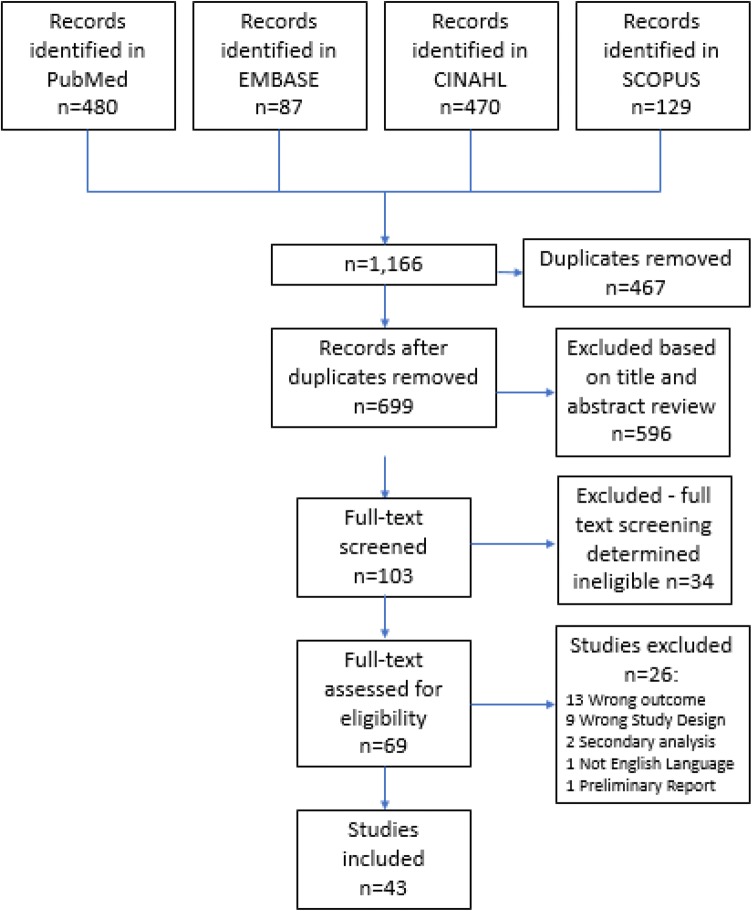
BACKGROUND: Stimulant drugs are second only to cannabis as the most widely used class of illicit drug globally, accounting for 68 million past-year consumers. Dependence on amphetamines (AMPH) or methamphetamine (MA) is a growing global concern. Yet, there is no established pharmacotherapy for AMPH/MA dependence. A comprehensive assessment of the research literature on pharmacotherapy for AMPH/MA dependence may inform treatment guidelines and future research directions. METHODS: We systematically reviewed the peer-reviewed literature via the electronic databases PubMed, EMBASE, CINAHL and SCOPUS for randomised controlled trials reported in the English language examining a pharmacological treatment for AMPH/MA dependence or use disorder. We included all studies published to 19 June 2019. The selected studies were evaluated for design; methodology; inclusion and exclusion criteria; sample size; pharmacological and (if included) psychosocial interventions; length of follow-up and follow-up schedules; outcome variables and measures; results; overall conclusions and risk of bias. Outcome measures were any reported impact of treatment related to AMPH/MA use. RESULTS: Our search returned 43 studies that met our criteria, collectively enrolling 4065 participants and reporting on 23 individual pharmacotherapies, alone or in combination. Disparate outcomes and measures (n = 55 for the primary outcomes) across studies did not allow for meta-analyses. Some studies demonstrated mixed or weak positive signals (often in defined populations, e.g. men who have sex with men), with some variation in efficacy signals dependent on baseline frequency of AMPH/MA use. The most consistent positive findings have been demonstrated with stimulant agonist treatment (dexamphetamine and methylphenidate), naltrexone and topiramate. Less consistent benefits have been shown with the antidepressants bupropion and mirtazapine, the glutamatergic agent riluzole and the corticotropin releasing factor (CRF-1) antagonist pexacerfont; whilst in general, antidepressant medications (e.g. selective serotonin reuptake inhibitors [SSRIs], tricyclic antidepressants [TCAs]) have not been effective in reducing AMPH/MA use. CONCLUSIONS: No pharmacotherapy yielded convincing results for the treatment of AMPH/MA dependence; mostly studies were underpowered and had low treatment completion rates. However, there were positive signals from several agents that warrant further investigation in larger scale studies; agonist therapies show promise. Common outcome measures should include change in use days. Future research must address the heterogeneity of AMPH/MA dependence (e.g. coexisting conditions, severity of disorder, differences between MA and AMPH dependence) and the role of psychosocial intervention.
Overview
The claims and statistics of this paper haven’t been checked yet.
Free: it reads the open-access text and checks the first 5 claims that cite a source we can check. Create a free account to check every claim.
Integrity signals
Registry
Cites
Statistics
Figures
Verification
Claims the paper makes
The claims and statistics of this paper haven’t been checked yet.
Free: it reads the open-access text and checks the first 5 claims that cite a source we can check. Create a free account to check every claim.
Claims other papers make about this one
Each is checked against this paper’s own text: does it say what the citing paper says it does?
The source backs part of the claim, not all of it — or backs it for a different population, condition or comparison.
In the citing paper
“Bupropion has been shown to reduce nicotine/tobacco use in patients who smoke cigarettes or use other nicotine/tobacco products.109”
From The ASAM/AAAP Clinical Practice Guideline on the Management of Stimulant Use Disorder (2024) · cites this paper as [109]
Experimental — accuracy not yet measuredThe source backs part of the claim, not all of it — or backs it for a different population, condition or comparison.
In the citing paper
“the current body of evidence supporting prescription stimulants for treating stimulant use disorders remains inconclusive [58,66,67,68,69].”
From Navigating the Complex Intersection of Substance Use and Psychiatric Disorders: A Comprehensive Review (2024) · cites this paper as [66]
Experimental — accuracy not yet measuredThe source backs part of the claim, not all of it — or backs it for a different population, condition or comparison.
In the citing paper
“Demand for treatment is increasing globally [4]; however, there are currently no approved pharmacotherapies, despite extensive research investigating potential candidates [6][7][8].”
From Psilocybin‐assisted psychotherapy for methamphetamine use disorder: A pilot open‐label safety and feasibility study. (2025) · cites this paper as [8]
Experimental — accuracy not yet measuredThe cited source says what the claim attributes to it.
In the citing paper
“There are no robustly effective pharmacotherapies available (6)”
From Psilocybin-assisted psychotherapy for methamphetamine dependence: a case report involving daily methamphetamine use (2024) · cites this paper as [6]
The cited source says what the claim attributes to it.
In the citing paper
“which is encouraging, given the dropout rates of around 40% in prior studies of MAUD treatments [8].”
From Psilocybin‐assisted psychotherapy for methamphetamine use disorder: A pilot open‐label safety and feasibility study. (2025) · cites this paper as [8]
1 more claim about this paper
Create a free account to see every claim other papers make about this one.
Self-check
Percentages, sums and reported differences re-computed from the paper’s own numbers.
The self-check needs the paper’s full text.
Citations
Cites
Diagnostic and Statistical Manual of Mental Disorders
Williams, J. B. W., & First, M. (2013) · Encyclopedia of Social Work · doi:10.1093/acrefore/9780199975839.013.104 · Cited by 109,519
Preferred Reporting Items for Systematic Reviews and Meta-Analyses: the PRISMA statement
Moher, D., Liberati, A., Tetzlaff, J., Altman, D. G., & for the PRISMA Group (2009) · BMJ · doi:10.1136/bmj.b2535 · Cited by 83,823
Preferred Reporting Items for Systematic Reviews and Meta-Analyses: The PRISMA Statement
Moher, D., Liberati, A., Tetzlaff, J., Altman, D. G., & The PRISMA Group (2009) · PLoS Medicine · doi:10.1371/journal.pmed.1000097 · Cited by 64,042
Preferred reporting items for systematic reviews and meta-analyses: the PRISMA Statement.
(2009) · PubMed Central · Cited by 44,859
CONSORT 2010 Statement: updated guidelines for reporting parallel group randomised trials
the CONSORT Group, Schulz, K. F., Altman, D. G., & Moher, D. (2010) · BMC Medicine · doi:10.1186/1741-7015-8-18 · Cited by 13,371
Diagnostic and Statistical Manual of Mental Disorders (DSM-IV)
Hu, R. J. (2003) · Encyclopedia of the Neurological Sciences · doi:10.1016/b0-12-226870-9/01070-4 · Cited by 9,117
CONSORT 2010 statement: updated guidelines for reporting parallel group randomized trials
Schulz, K. F., Altman, D. G., Moher, D., & for the CONSORT Group* (2010) · Annals of Internal Medicine · doi:10.7326/0003-4819-152-11-201006010-00232 · Cited by 3,824
Neurobiology of addiction: a neurocircuitry analysis
Koob, G. F., & Volkow, N. D. (2016) · The Lancet Psychiatry · doi:10.1016/s2215-0366(16)00104-8 · Cited by 3,698
International Statistical Classification of Diseases and Related Health Problems
Eisfeld, J. (2014) · TSQ: Transgender Studies Quarterly · doi:10.1215/23289252-2399740 · Cited by 3,570
White, J. M. L., Kita, M., Krpelanová, E., Alsokhn, C., Costa, M. L., Fibbe, W., Gaebel, W., Reed, G. M., Lokuhetty, D., Woolf, A., et al. (2026) · Bulletin of the World Health Organization · doi:10.2471/blt.25.294650 · Cited by 834
Research works printed but not linked: 5
- World Health Organization ICD-11: International classification of diseases for mortality and morbidity statistics: 11th rev 2018 Geneva World Health Organisation
- United Nations Office on Drugs and Crime Treatment of stimulant use disorder: Current practices and promising perspectives 2019 Vienna United Nations Office on Drugs and Crime
- Covidence systematic review software, Veritas Health Innovation, Melbourne, Australia. www.covidence.org.
- Center for Behavioral Health Statistics and Quality Results from the 2016 national survey on drug use and health: detailed tables 2017 Rockville Substance Abuse and Mental Health Services Administration
- Australian Institute of Health and Welfare National drug strategy household survey 2016: detailed findings 2017 Canberra Australian Institute of Health and Welfare
Cited by
Items 101–194 of 194
Is there a therapeutic potential in combining bupropion and naltrexone in schizophrenia?
Hayek, S. E., Shatila, M., Adnan, J. A., Geagea, L., Kobeissy, F. H., & Talih, F. R. (2022) · Expert Review of Neurotherapeutics · doi:10.1080/14737175.2022.2124369 · Cited by 6
“attention-deficit hyperactivity disorder [29] and substance use disorders (SUDs) as it was found to help maintain abstinence in cocaine use disorder [30] and, albeit less effectively, in methamphetamine and amphetamine dependence [31].”
BackgroundKidd, J. D., Smiley, S. L., Coffin, P. O., Carmody, T. J., LEVIN, F. R., Nunes, E. V., SHOPTAW, S. J., & Trivedi, M. H. (2023) · Drug and Alcohol Dependence · doi:10.1016/j.drugalcdep.2023.110899 · Cited by 5
Guida, C. R., Maia, J. M., Ferreira, L. F. R., Rahdar, A., Branco, L. G. S., & Soriano, R. N. (2024) · Progress in Neuro-Psychopharmacology and Biological Psychiatry · doi:10.1016/j.pnpbp.2024.111070 · Cited by 7
Acheson, L. S., Ezard, N., Lintzeris, N., Dunlop, A. J., Brett, J., Rodgers, C., Gill, A., Christmass, M. A., McKetin, R., Farrell, M., et al. (2022) · PLoS ONE · doi:10.1371/journal.pone.0275371 · Cited by 8
Self-citationLopera, S. D., O’Kane, V. M., Goldhirsh, J. L., & Piper, B. J. (2023) · Journal of Attention Disorders · doi:10.1177/10870547231177467 · Cited by 5
“Methamphetamine is available in many different forms, such as in crystalline hydrochloride salt form, referred to as crystal meth, or as a prescription drug in tablet form (Siefried et al., 2020).”
BackgroundGarcía‐Cabrerizo, R., Bis‐Humbert, C., & García-Fuster, M. J. (2021) · NeuroToxicology · doi:10.1016/j.neuro.2021.08.008 · Cited by 6
Differentiation of Therapeutic and Illicit Drug Use via Metabolite Profiling
Stoeva, S., Hvarchanova, N., Gancheva, S., Eftimov, M., Georgiev, K., & Radeva-Ilieva, M. P. (2025) · Metabolites · doi:10.3390/metabo15110745 · Cited by 7
Hossain, M. I., Yi, D. K., & Kim, S. (2026) · Applied Sciences · doi:10.3390/app16020693 · Cited by 8
Saadh, M. J., Mohealdeen, S. M., Hsu, C., Jumanazarov, U. A., Maaliw, R. R., III, Mirzaei, M., Da'i, M., & Harismah, K. (2023) · Chemical Physics Impact · doi:10.1016/j.chphi.2023.100373 · Cited by 3
Identifying and Managing Eating Disorders in Persons Presenting for Addiction Treatment
Norris, T., Dahl, P., Jericho, M., & Crockford, D. N. (2021) · The Canadian Journal of Addiction · doi:10.1097/cxa.0000000000000129 · Cited by 5
Perelló, R., Losada, A., Qin, J. C., Supervía, A., Salgado, E., Smithson, À., Xipell, M., Inciarte, A., & Vallecillo, G. (2022) · HIV Medicine · doi:10.1111/hiv.13365 · Cited by 6
“The effects of chronic and regular high-dose amphetamine use are more complex than with occasional use and may lead to the development of a substance use disorder [42].”
BackgroundDeng, Z.-Q., Si, X.-C., Song, J., Li, J., Sun, L., Dang, X., Zhao, M., Feng, Y.-C., & Liu, F.-X. (2025) · Frontiers in Neuroscience · doi:10.3389/fnins.2025.1544311 · Cited by 4
Acheson, L. S., Clay, S., McKetin, R., Lintzeris, N., Dunlop, A. J., Brett, J., Christmass, M. A., Rodgers, C., SHOPTAW, S. J., Farrell, M., et al. (2024) · International Journal of Drug Policy · doi:10.1016/j.drugpo.2024.104383 · Cited by 5
Self-citationHuang, Q., Chen, X., Tang, Y., Wang, X., Wang, W., Chao, L., Nie, Y., Peng, S., Zhao, L., Shen, H., et al. (2025) · BMC Psychiatry · doi:10.1186/s12888-025-06986-y · Cited by 5
“The prevalence is particularly concerning given that Methampheta-mine Use Disorder (MUD) is characterized by its chronic nature and high relapse rates, with current research indicating post-treatment relapse rates ranging from 61 to 69% [2, 3].”
Esmaili‐Shahzade‐Ali‐Akbari, P., Bozorgnia, A., Shaterian, M., Jandaghian, S., & Shahri, S. M. (2025) · European Journal of Neuroscience · doi:10.1111/ejn.70197 · Cited by 3
“Amphetamines include both amphetamine and methamphetamine (structurally similar to amphetamine) (Siefried et al. 2020).”
SIPD or psychotic disorder with stimulant use
Lecomte, T., Lang, D. J., Potvin, S., Diotte, F., Livet, A., Cimaglia, M., Abdel‐Baki, A., Villeneuve, M., Jutras‐Aswad, D., & Spidel, A. (2024) · Schizophrenia Research Cognition · doi:10.1016/j.scog.2024.100332 · Cited by 3
Siefried, K. J., Bascombe, F., Clifford, B., Liu, Z., Middleton, P., KAY‐LAMBKIN, F. J., Freestone, J., Herman, D., Millard, M., Steele, M., et al. (2024) · JMIR mhealth and uhealth · doi:10.2196/55663 · Cited by 5
“Psychosocial therapies are the primary mode of treatment for methamphetamine use disorder [4], especially as no pharmacotherapy has yet been shown to be effective [5].”
BackgroundSelf-citationRoxburgh, A., Buskirk, J. V., Roberts, D. M., Stoove, M. A., Raubenheimer, J., Dietze, P., Reid, S. E., Haber, P., & Day, C. A. (2024) · Journal of Substance Use and Addiction Treatment · doi:10.1016/j.josat.2024.209588 · Cited by 4
How does drug abuse affect outcomes after trauma? A trauma quality improvement program study
Rafieezadeh, A., Prabhakaran, K., Kirsch, J. M., Jose, A. M., & Zangbar, B. (2025) · The American Journal of Surgery · doi:10.1016/j.amjsurg.2025.116332 · Cited by 3
McKetin, R., Kim, J. H., Turner, A., & Berk, M. (2025) · CNS Drugs · doi:10.1007/s40263-025-01214-3 · Cited by 4
“Of the 23 individual phar-macotherapies that have been trialled [9], none have yet provided clear and replicable signals.”
Chalabianloo, F., Fadnes, L. T., Mordal, J., Spigset, O., Løberg, E., Halmøy, A., Lid, T. G., Andersen, C. D., Daltveit, J. T., Aßmus, J., et al. (2025) · BMJ Open · doi:10.1136/bmjopen-2024-095383 · Cited by 2
Self-citationFallahi, S., Zangbar, H. S., Ghiasi, R., Mohaddes, G., & Farajdokht, F. (2025) · Neuropharmacology · doi:10.1016/j.neuropharm.2025.110790 · Cited by 3
Central nervous system stimulants promote nerve cell death under continuous hypoxia
Ikeda, K., Ikeda, T., Watanabe, M., Tani, N., & Ishikawa, T. (2022) · Human Cell · doi:10.1007/s13577-022-00734-0 · Cited by 2
Bascombe, F., Siefried, K. J., Clifford, B., Child, S., Loos, R., Sgouras, H., Stevens, L., Wilson, H., & Ezard, N. (2023) · Drug and Alcohol Review · doi:10.1111/dar.13719 · Cited by 2
“Methamphetamine dependence and regular use in Australia has increased in the past decade [1, 2], yet the evidence base for treatments and interventions for meth-amphetamine use disorder is still emerging [3, 4].”
BackgroundSelf-citationNash, E., Dawson, A. H., Haber, P., Gribble, R., & Volovets, A. (2024) · Internal Medicine Journal · doi:10.1111/imj.16336 · Cited by 2
“23,25 We found a high rate of substance use disorders in this cohort and these episodes may be used as teachable moments to engage patients in treatment.”
BackgroundUludağ, K., Jadhav, A., & Kara, F. (2024) · Advances in bioinformatics and biomedical engineering book series · doi:10.4018/979-8-3693-4439-2.ch007 · Cited by 2
Disorders due to Substance Use: Stimulants
Sevarino, K. A., & Farrell, M. (2024) · Springer eBooks · doi:10.1007/978-3-030-51366-5_26 · Cited by 4
Screening test for drug abuse among blood donors in the North of West Bank, a cross-sectional study
Abed, S., Khatatbeh, M., Matar, M., Awad, A., Hunjul, M., Maali, Y., Dwikat, M., & Damiri, B. (2025) · Journal of Ethnicity in Substance Abuse · doi:10.1080/15332640.2025.2511834 · Cited by 2
Methamphetamine use and consequences in context of drug situation in the Czech Republic
Mravčík, V., Chomynová, P., Janíková, B., Grohmannová, K., & Orlíková, B. (2021) · Profese online · doi:10.5507/pol.2021.007 · Cited by 2
“Zatímco u uživatelů opioidů se substituční léčba od roku 2000 stala v ČR standardní léčebnou modalitou (43), pro rutinní zavedení substituční léčby stimulancií dosud neexistuje dostatek důkazů (44).”
Lopera, S. D., O’Kane, V. M., Goldhirsh, J. L., & Piper, B. J. (2022) · medRxiv · doi:10.1101/2022.05.23.22275471 · Cited by 2
“Methamphetamine is available in many different forms, such as in crystalline hydrochloride salt form, referred to as crystal meth, or as a prescription drug in tablet form [5].”
BackgroundSiefried, K. J., Acheson, L. S., Clifford, B., Moller, C. I., Brett, J., Christmass, M. A., Dunlop, A. J., Haber, P., Jutras‐Aswad, D., Lintzeris, N., et al. (2025) · BMJ Open · doi:10.1136/bmjopen-2024-092032 · Cited by 3
Self-citationFletcher, K., Ezard, N., Siefried, K. J., Macdonald, H., Acheson, L. S., Bedi, G., Guerin, A. A., Knock, E., Millard, M., May, R., et al. (2025) · BMJ Open · doi:10.1136/bmjopen-2024-092504 · Cited by 3
Self-citationLin, C.-T., Wang, T., Tsai, T.-Y., Tseng, H., Chen, K. C., Lee, I. H., Chen, P. S., Yang, Y. K., & Lu, R. (2025) · Clinical Psychopharmacology and Neuroscience · doi:10.9758/cpn.24.1248 · Cited by 2
“” [36].”
Afifi, S. Y., Aly, H. M., & Elsheikh, H. A. E. (2025) · International Journal of Mental Health and Addiction · doi:10.1007/s11469-025-01462-w · Cited by 1
Increased risk of cardiomyopathy in individuals with methamphetamine related disorders in Taiwan
Yu, P.-C., Hsin, H., Lin, W.-T., Huang, Y.-C., Huang, S.-H., Weng, T., Wang, B., Chung, C.-H., Fann, L.-Y., Chien, W., et al. (2025) · Scientific Reports · doi:10.1038/s41598-025-94591-0 · Cited by 3
“Some studies suggest that early identification and cessation of Methamphetamine use may improve outcomes, while others find that long-term prognosis for these patients remains poor even with aggressive drug treatment 31,32 .”
van der Helder, S., Siefried, K. J., Acheson, L. S., Steele, M., Harrod, M. E., & Brett, J. (2025) · Journal of Psychedelic Studies · doi:10.1556/2054.2025.00422 · Cited by 1
Self-citationAtoui, Z., Egan, D., Jha, M. K., Hartwell, K. J., Toll, R. T., Sonne, S. C., Brunner-Jackson, B. M., Subramaniam, G., McCauley, J. L., Trivedi, M. H., et al. (2025) · Addiction Science & Clinical Practice · doi:10.1186/s13722-025-00567-w · Cited by 3
“This decision was primarily driven to optimize data collection from a traditionally difficult-to-retain patient population [45, 46], as well as COVID-19 restrictions during the earlier stages of the trial.”
Danesh, E., Saghafi, M., Mozafari, R., Mesgar, S., & Haghparast, A. (2025) · Pharmacology Biochemistry and Behavior · doi:10.1016/j.pbb.2025.174094 · Cited by 2
Matsuda, K., Kitanaka, N., Hall, F. S., Hamana, T., Nakai, M., Yuze, S., Tomita, K., Igarashi, K., Sato, T., Uhl, G. R., et al. (2025) · Behavioural Pharmacology · doi:10.1097/fbp.0000000000000853 · Cited by 1
Nam, K.-A., Oh, I., & Park, S. (2025) · Drugs Education Prevention and Policy · doi:10.1080/09687637.2025.2569526 · Cited by 3
“As current pharmacological options for stimulant-related conditions remain limited (Siefried et al., 2020), structured educational programmes, such as NCEPs, could serve as supportive components of early intervention efforts (Farrell et al., 2019).”
Fakhri, A., Norouzi, S., Baghaei, S., Bitaraf, S., Amini, P., Mousavi, S., & Kasaei, M. H. S. (2025) · Jundishapur Journal of Natural Pharmaceutical Products · doi:10.5812/jjnpp-167514 · Cited by 1
Cognitive effects of methamphetamine and amphetamine withdrawal in rodents: a systematic review
Poorvii, R., Mohamed, I. N., Yahaya, M. F., Azmi, N., Lin, T. S., Mohamed, R. M. P., Ugusman, A., Shanmugam, P. K., & Kumar, J. (2026) · Frontiers in Psychology · doi:10.3389/fpsyg.2026.1729722 · Cited by 1
“While crystalline METH is generally more potent, AMPH also exhibits a strong association with dependency, often leading to dosage escalation and prolonged use (Siefried et al., 2020).”
Manning, V., Whelan, D., Piercy, H., Hopwood, M., Maloney, M., Kotler, E., Okedara, G., Lubman, D. I., Arunogiri, S., & Garfield, J. B. B. (2026) · Drug and Alcohol Review · doi:10.1111/dar.70151 · Cited by 1
Amphetamine und Crystal Meth: Epidemiologie, Symptomatik und Therapie konsumassoziierter Störungen
Quednow, B. B., & Dürsteler, K. M. (2022) · PSYCH up2date · doi:10.1055/a-1505-7708 · Cited by 2
Treating stimulant use disorders: still searching for signals
Price, L. H. (2023) · The Brown University Psychopharmacology Update · doi:10.1002/pu.30987 · Cited by 1
Rosen, A. D., Javanbakht, M., SHOPTAW, S. J., Seamans, M. J., Lloyd‐Smith, J. O., & Gorbach, P. M. (2023) · Journal of Substance Use and Addiction Treatment · doi:10.1016/j.josat.2023.209228 · Cited by 2
Zhang, L., Sun, Y., Wang, J., Zhang, M., Wang, Q., Xie, B., Yu, F., Wen, D., & Ma, C. (2024) · Progress in Neuro-Psychopharmacology and Biological Psychiatry · doi:10.1016/j.pnpbp.2024.110971 · Cited by 2
Mephentermine dependence induced psychosis: A case report and a review of literature
Roshan, T. M., Upadhyay, S., & Rehman, S. (2024) · Psychiatry Research Case Reports · doi:10.1016/j.psycr.2024.100214 · Cited by 2
Addictions and Substance Misuse
(2021) · Wiley eBooks · doi:10.1002/9781119870203.mpg004 · Cited by 1
Zhou, S., Ran, W., Peng, C., Tong, S., Hong, L., Cai, F., Jin, W., Jiang, Y., Li, M., Wang, X., et al. (2022) · Research Square · doi:10.21203/rs.3.rs-1209591/v1 · Cited by 1
Bahji, A., Danilewitz, M., George, T. P., Dhaliwal, A., & Crockford, D. N. (2023) · Canadian Medical Association Journal · doi:10.1503/cmaj.149222-l · Cited by 1
Bisaga, A. M. (2025) · Addiction · doi:10.1111/add.70058 · Cited by 1
Substance Use, Misuse, and Dependence
Lemsky, C. M., & Bogner, J. A. (2025) · Oxford University Press eBooks · doi:10.1093/oxfordhb/9780197525456.013.0013 · Cited by 1
Jiménez, J. C., Miranda-Barrientos, J. A., Becerra-Díaz, M., & Miranda, F. (2021) · bioRxiv (Cold Spring Harbor Laboratory) · doi:10.1101/2021.04.20.440661
Consequences of Neurotoxin-Induced Dopamine Loss on Striatal Synaptic Plasticity
Gibson, A. S., & Keefe, K. A. (2021) · Springer eBooks · doi:10.1007/978-3-030-71519-9_243-1
Consequences of Neurotoxin-Induced Dopamine Loss on Striatal Synaptic Plasticity
Gibson, A. S., & Keefe, K. A. (2022) · Springer eBooks · doi:10.1007/978-3-031-15080-7_243
Marshall, B., & Reese, T. R. (2023) · Evidence-Based Practice · doi:10.1097/ebp.0000000000002006
Disorders Due to Substance Use: Stimulants
Sevarino, K. A., & Farrell, M. (2023) · Springer eBooks · doi:10.1007/978-3-030-42825-9_26-1 · Cited by 1
(2024) · Oxford University Press eBooks · doi:10.1093/med/9780192844088.003.0015
Catena, A. M., Locatelli, M., Perrucci, M., Laurenzi, V. D., Ali, I., Miccolis, L., Mazzatenta, A., Savini, F., & D’Ovidio, C. (2024) · Journal of Chromatography Open · doi:10.1016/j.jcoa.2024.100153
Nam, K.-A., Oh, I., & Park, S. (2024) · Research Square · doi:10.21203/rs.3.rs-4748630/v1
Pharmacists’ perspectives on methamphetamine use disorder in the Australian community setting
Makki, A., Day, C., & Chaar, B. B. (2024) · Pharmacy Education · doi:10.46542/pe.2024.241.772781
Hechanova, M. R. M., Co, T. A. C., & Egusquiza, F. R. (2025) · Journal of Ethnicity in Substance Abuse · doi:10.1080/15332640.2025.2450454 · Cited by 3
“However, studies suggests that pharmacologic interventions are not effective for marijuana (Kondo et al., 2020) and methamphetamine abuse (Siefried et al., 2020).”
Ciências Forenses: Aplicações Científicas na Criminalística
Testoni, S. A., de Pereira, C. M. P., & Ortiz, R. S. (2025) · Revista Brasileira de Criminalística · doi:10.15260/rbc.v14i1.945
Emerging Therapeutic Applications for Treating Methamphetamine Use Disorder
Boonlue, T. (2025) · IntechOpen eBooks · doi:10.5772/intechopen.1010002
Addictions and Substance Misuse
(2025) · Wiley eBooks · doi:10.1002/9781119870203.mpg004.pub2
Bach, P., Foll, B. L., Davidson, S., de Kiewit, A., Bakouni, H., Poulin, G., Ghosh, M., & Jutras‐Aswad, D. (2025) · Contemporary Clinical Trials · doi:10.1016/j.cct.2025.107916
Bahceci, D., Siefried, K. J., Steele, M., Harrod, M., Bell, G., Barratt, M. J., Nicholas, C. R. N., Rodgers, A., Hendricks, P. S., Stauffer, C. S., et al. (2025) · Drug and Alcohol Dependence · doi:10.1016/j.drugalcdep.2025.112699 · Cited by 1
Self-citation(2025) · Wiley eBooks · doi:10.1002/9781118941430.refs
Yerton, M., McCabe, C. J., Iles-Shih, M., Tsui, J. I., & Hallgren, K. A. (2025) · Addiction Science & Clinical Practice · doi:10.1186/s13722-025-00593-8
“The primary outcome measures were electronic health record orders for medications with preliminary evidence of effectiveness for AT-StUDs [4–6] that were conditionally recommended in the 2023 ASAM and AAAP clinical guidelines [8].”
InfluentialAmphetamine und Crystal Meth: Epidemiologie, Symptomatik und Therapie konsumassoziierter Störungen
Quednow, B. B., & Dürsteler, K. M. (2025) · Suchttherapie · doi:10.1055/a-2451-0277
Mehtani, N. J., Anderson, B. T., Alexander, I., Hendricks, P. S., Mitchell, J., Coffin, P. O., & Johnson, M. O. (2025) · BMJ Open · doi:10.1136/bmjopen-2025-100775 · Cited by 1
Knebel, J., & Chapa, S. (2025) · Journal of the American Pharmacists Association · doi:10.1016/j.japh.2025.102950
Kampman, K. M. (2025) · American Psychiatric Association Publishing eBooks · doi:10.1176/appi.books.9798894550862.lg06
Clifford, B., Bruno, R., Acheson, L. S., Cecilio, M. E., Siefried, K. J., Freestone, J., Cornelisse, V. J., Crozier, B., Bath, N., & Ezard, N. (2025) · Addiction · doi:10.1111/add.70253
“The HIV Risk-taking Behaviour subscale of the Opiate Treatment Index (OTI-HRBS) measures HIV transmission risk behaviours in the context of substance use [12] and is widely used in substance use clinical research [13].”
Self-citationRitual to Relief: Ethical Frontiers in Repurposing Psychoactive Substances
O’Leary, E., Dodd, S., & Stahl, S. M. (2025) · Cambridge University Press eBooks · doi:10.1017/9781009585330.003
Insomnia is associated with psychological distress in individuals with methamphetamine dependence
Matepi, Q. G. J., Clifford, B., Acheson, L. S., McKetin, R., Montebello, M. E., Siefried, K. J., Chan, D. K. E., Olsen, N., May, R., & Ezard, N. (2025) · Australasian Psychiatry · doi:10.1177/10398562251406035 · Cited by 1
“22,23 For the variables related to concomitant medications, we de fi ned sedating medications as benzodiazepines, non-benzodiazepine hypnotics (Z-drugs), and antipsychotics with sedative properties.”
Self-citationBerquist, M. D., Gunnell, M. G., Henry, R. L., Gentry, W. B., & Stevens, M. W. (2025) · Psychopharmacology · doi:10.1007/s00213-025-06959-9 · Cited by 1
“There are no FDA-approved medications for MUD or small molecule treatments that produce clinically significant improvements (Chan et al. 2019; Siefried et al. 2020 ).”
He, H., Zhou, S., Peng, C., Ran, W., Tong, S., Hong, L., Cai, F., Jin, W., Jiang, Y., Li, M., et al. (2022) · Figshare · doi:10.6084/m9.figshare.20115737
Brett, J., Lea, T., Knock, E., Albert, S. M., Acheson, L. S., Siefried, K. J., & Job, S. (2025) · Addiction · doi:10.1111/add.70284 · Cited by 2
Self-citationBurrows, K., McNaughton, B. A., Yakshin, A. K., Coussa, V., Kuplicki, R., Aupperle, R. L., Savitz, J. B., Paulus, M. P., Stewart, J. L., & Figueroa‐Hall, L. K. (2026) · Brain Behavior and Immunity · doi:10.1016/j.bbi.2026.106261
Digital health interventions for people who use methamphetamine: a scoping review
Fletcher, K., Freestone, J., Clifford, B., Ezard, N., Kershaw, S., Acheson, L. S., Karavasilis, T., & Siefried, K. J. (2026) · Frontiers in Psychiatry · doi:10.3389/fpsyt.2025.1658021 · Cited by 3
“With no regulatory-approved medications for MAUD (44), and psychotherapy providing only modest and short-lived bene fi ts (13, 45), further research into digital health approaches is essential.”
Self-citationWei, S., Li, B. M., Tsai, D. H., Hu, H.-Y., Lin, S.-Y., Lin, S.-J., Su, C., Pan, C., & Lai, E. C. (2026) · Harm Reduction Journal · doi:10.1186/s12954-026-01427-9
“Although there are medications for treating opioid use disorder, despite intensive research in the past decade [4, 5], no pharmacotherapy has yielded conclusive results for the treatment of nonopioid substance use, such as cocaine [6], methamphetamine [7], or cannabis [8].”
Jiménez, J. C., Miranda-Barrientos, J. A., Becerra-Díaz, M., Ruíz-García, R. I., Cedillo, L. N., & Miranda, F. (2026) · Pharmacology Biochemistry and Behavior · doi:10.1016/j.pbb.2026.174197 · Cited by 1
Chen, S. X., Lyu, Z. X., Hao, Z. J., Tang, Q., & Li, W. J. (2026) · Frontiers in Public Health · doi:10.3389/fpubh.2026.1788887
“…systemic damage: on the physical level, it causes skeletal muscle microdamage, chronic inflammation, decreased motor function, and sleep disorders (5); on the psychological level, it induces anxiety, depression, and intense drug cravings, which are key factors leading to relapse (6); on the…”
Chu, Z., Fan, X., Du, L., Cao, Y., Liu, J., Meng, F., Zhao, D., Wang, W., Zhang, M., Wang, D., et al. (2026) · Biochemical Pharmacology · doi:10.1016/j.bcp.2026.118075
Fletcher, K., Ezard, N., Siefried, K. J., van der Helder, S., Freestone, J., Brett, J., May, R., Acheson, L. S., & Clifford, B. (2026) · Frontiers in Psychiatry · doi:10.3389/fpsyt.2026.1873497
“Pharmacological treatments are limited (30), and psychosocial interventions, while fi rst-line, show modest and time-limited effects (31).”
Self-citationde la Peña, I., Row, J., & Shi, W.-X. (2026) · Expert Opinion on Pharmacotherapy · doi:10.1080/14656566.2026.2697064
Moghaddam, M. S., Mihan, R., Hosseinzadeh, S., & Sadighi, G. (2026) · Journal of Addiction Medicine · doi:10.1097/adm.0000000000001743
Co-occurring Psychiatric Disorders
Maruti, S. (2026) · Springer eBooks · doi:10.1007/978-3-032-24174-0_22
Treating addiction with an addictive drug: the ketamine paradox revisited
Hakami, A. Y. (2026) · Frontiers in Psychiatry · doi:10.3389/fpsyt.2026.1866092
“For methamphetamine/amphetamine use disorder, multiple agents (including stimulants, antidepressants, anticonvulsants, naltrexone, and varenicline) have been tested, but no medication has shown suf fi cient, consistent bene fi t to achieve regulatory approval (24 – 29).”
Duan, Y., Xiong, L., 赵英欣, Hu, C., Li, X. J., & Chen, Y. (2026) · Substance Use & Misuse · doi:10.1080/10826084.2026.2690610
Alhifany, A. A., Shahbar, A. N., Alzahrani, M., Dighriri, I. M., Alatawi, Y. M., Hamdan, S., Eldaous, A. M., Almahroqi, A. A., Alnuhait, M., & Althobaiti, Y. S. (2026) · Journal of Substance Use · doi:10.1080/14659891.2026.2725088
Greenwald, M. K., Grasser, L. R., & Winston, J. R. (2026) · Frontiers in Psychiatry · doi:10.3389/fpsyt.2026.1899599
“Several pharmacological agents have been evaluated for stimulant withdrawal suppression across settings, and recent literature reviews have uniformly concluded these agents have minimal or no ef fi cacy (6, 16 – 18).”
Metadata
- Authors
- Siefried, K. J., Acheson, L. S., Lintzeris, N., & Ezard, N.
- Affiliations
- UNSW Sydney (AU)
- St Vincent's Hospital Sydney (AU)
- The University of Sydney (AU)
- Corresponding author
- Siefried, Krista J.
- Venue
- CNS Drugs
- Published
- 2020-03-17
- Volume
- 34
- Issue
- 4
- Pages
- 337-365
- ISSN
- 1172-7047 (ISSN-L)
- 1179-1934
- PMC
- PMC7125061
- OpenAlex
- W3010839704
- Semantic Scholar
- c6abc4f20be8eb30ef85f0d999db84d5387a80c2
- Cited by
- 194
- References
- 84
- Citations by year
- 2026: 17 · 2025: 42 · 2024: 32 · 2023: 29 · 2022: 38 · 2021: 31 · 2020: 5
- FWCI
- 3.76
- Type
- journal article
- Language
- en
- Open access
- hybrid
- doi.org
- Licence
- cc-by-nc
- creativecommons.org/licenses/by-nc/4.0 (tdm)
- creativecommons.org/licenses/by-nc/4.0 (vor)
- Locations
- CNS Drugs (publishedVersion, cc-by-nc)
- Europe PMC (PubMed Central) (publishedVersion, cc-by-nc)
- PubMed Central (publishedVersion, cc-by-nc)
- PubMed (publishedVersion)
- UNSWorks (University of New South Wales, Sydney, Australia) (submittedVersion, cc-by-nc-nd)
- Funders
- Department of Health, Australian Government
- Topics
- Health Sciences › Medicine › Epidemiology › Substance Abuse Treatment and Outcomes
- Health Sciences › Medicine › Public Health, Environmental and Occupational Health › Opioid Use Disorder Treatment
- Life Sciences › Neuroscience › Cellular and Molecular Neuroscience › Neurotransmitter Receptor Influence on Behavior
- Keywords
- methamphetamine dependence, amphetamine dependence, pharmacotherapy, d-amphetamine, methylphenidate, naltrexone, topiramate, bupropion, mirtazapine, riluzole, antidepressants, selective serotonin reuptake inhibitors, tricyclic antidepressants, men who have sex with men
- MeSH terms
- Amphetamine, Central Nervous System Stimulants, Animals, Humans, Methamphetamine, Substance-Related Disorders, Amphetamine-Related Disorders
About these checks
Registry, retraction, Cites and statistics results are computed, not judged, with one exception: a printed reference that no index lists is read once by a model before it counts as a citation error. Claims are extracted by a model and kept only when their quote appears verbatim in the text; each cited source is then checked, with a model’s help, for whether it says what the claim relies on. Those verdicts can be wrong — read the claim’s quote and the cited source before relying on one.
Statistics and arithmetic are recomputed, not judged.
Confidence bands are shown only for fields calibrated on our annotated test set. None is calibrated yet, so no band is shown.
What counts as a claim ›How we measure confidence ›How we check this ›
Are you an author, or do you see a problem with this page? Request a review
Data sources
Bibliographic data: Semantic Scholar, OpenAlex, Crossref.
Contains information from the Semantic Scholar Academic Graph Datasets, made available under the ODC Attribution License (ODC-BY 1.0).
Semantic Scholar’s data is described in: Kinney, R., et al. (2023). The Semantic Scholar Open Data Platform. arXiv:2301.10140.
