

Obesity: a gender-view
Open accessThe DOI matches its Crossref record; 64 of the 64 references it cites were found in a registry or an index.
Abstract
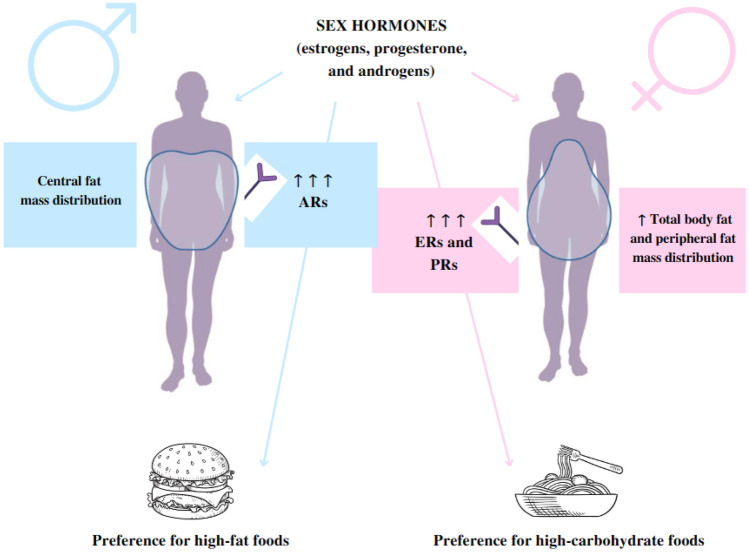
PURPOSE: There is a growing awareness of the importance of understanding gender differences in obesity. The aim of this short review was to revise the current evidence on anthropometric characteristics and nutritional and pharmacological aspects of obesity from a gender perspective. METHODS: A literature search within PubMed was performed. Selected publications related to obesity and gender differences were reviewed. RESULTS: The prevalence of obesity among men is higher than in women, but women have a higher percentage of body fat content compared to men, and gender appears to be an important factor in the manifestation of central (android) or peripheral (gynoid) obesity. In addition, while in most clinical trials, women are still underrepresented, in clinical registration trials of anti-obesity drugs, women are commonly up-represented and gender-specific analysis is uncommon. Considering that adipose tissue is one of the factors affecting the volume of distribution of many drugs, mainly lipophilic drugs, gender differences might be expected in the pharmacokinetics and pharmacodynamics of anti-obesity drugs. Indeed, although Liraglutide 3 mg, a long-acting glucagon-like peptide-1 receptor agonist, and naltrexone/bupropion display lipophilic properties, currently, a gender-dose adjustment for both these drugs administration is not recommended. In addition, despite that predicted responders to treatment offer substantial opportunities for efficient use, especially of expensive new therapies, such as anti-obesity drugs, data on gender differences to identify early responders to both these have not yet been investigated. Finally, bariatric surgery gender disparity reflects healthcare practices. Weight loss similar, but differing effects: women need more correction and face psychology challenges; men have worse physiology and fewer comorbidity improvements. CONCLUSION: Gender differences exist in obesity prevalence and phenotype, body fat distribution, drug efficacy, clinical trial representation, and different secondary effects of bariatric surgery. Gender is an important variable in obesity analysis.
Overview
The claims and statistics of this paper haven’t been checked yet.
Free: it reads the open-access text and checks the first 5 claims that cite a source we can check. Create a free account to check every claim.
Integrity signals
Registry
Cites
Statistics
Figures
Verification
Claims the paper makes
The claims and statistics of this paper haven’t been checked yet.
Free: it reads the open-access text and checks the first 5 claims that cite a source we can check. Create a free account to check every claim.
Claims other papers make about this one
Each is checked against this paper’s own text: does it say what the citing paper says it does?
In the citing paper
“However, a higher proportion of women participate in weight-loss clinical trials [106].”
From Symptomatic Adverse Events and Quality of Life Related to Incretin-Based Medicines for Obesity: A Systematic Review Involving >400,000 Subjects (2025) · cites this paper as [106]
Self-check
Percentages, sums and reported differences re-computed from the paper’s own numbers.
The self-check needs the paper’s full text.
Citations
Cites
Trends in Obesity Among Adults in the United States, 2005 to 2014
Flegal, K. M., Kruszon-Moran, D., Carroll, M. D., Fryar, C. D., & Ogden, C. L. (2016) · JAMA · doi:10.1001/jama.2016.6458 · Cited by 2,803 · cited 1×
“According to the National Health and Nutrition Examination Survey (NHANES) 2005–2014, the prevalence of obesity among women is higher than among man, at 40% versus 35%, respectively [1].”
BackgroundObesity and Kidney Disease: Hidden Consequences of the Epidemic
Kovesdy, C. P., Furth, S. L., Zoccali, C., & on behalf of the World Kidney Day Steering Committee (2017) · American Journal of Nephrology · doi:10.1159/000458467 · Cited by 2,217
Gender differences in food choice: The contribution of health beliefs and dieting
Wardle, J., Haase, A. M., Steptoe, A., Nillapun, M., Jonwutiwes, K., & Bellisie, F. (2004) · Annals of Behavioral Medicine · doi:10.1207/s15324796abm2702_5 · Cited by 1,358 · cited 2×
“Dieting and the need for a healthier diet represented the main drivers behind women’s preferences [42].”
BackgroundResultPeterli, R., Wölnerhanssen, B. K., Peters, T., Vetter, D., Kröll, D., Borbély, Y., Schultes, B., Beglinger, C., Drewe, J., Schiesser, M., et al. (2018) · JAMA · doi:10.1001/jama.2017.20897 · Cited by 1,267 · cited 1×
“Regarding outcomes, there are minimal differences in weight loss between men and women after bariatric surgery [58, 63, 64].”
BackgroundSex differences in human adipose tissues – the biology of pear shape
Karastergiou, K., Smith, S. R., Greenberg, A. S., & Fried, S. K. (2012) · Biology of Sex Differences · doi:10.1186/2042-6410-3-13 · Cited by 1,109 · cited 2×
“It has been shown that, given the same BMI, women have a 10% higher fat mass compared to men [34].”
BackgroundSex differences in metabolic regulation and diabetes susceptibility
Tramunt, B., Smati, S., Grandgeorge, N., Lenfant, F., Arnal, J.-F., Montagner, A., & Gourdy, P. (2020) · Diabetologia · doi:10.1007/s00125-019-05040-3 · Cited by 923 · cited 2×
“It seems that female sex has a favorable effect on insulin sensitivity, despite women having higher adiposity relative to men [5].”
BackgroundThe sexual dimorphism of obesity
Palmer, B. F., & Clegg, D. J. (2015) · Molecular and Cellular Endocrinology · doi:10.1016/j.mce.2014.11.029 · Cited by 919 · cited 1×
“Therefore, in women, the increased estrogen levels activate the sympathetic system and downregulate androgen receptor expression in the SAT, favoring fat deposition [28].”
BackgroundSuppressive effects of androgens on the immune system
Trigunaite, A., Dimo, J., & Jørgensen, T. N. (2015) · Cellular Immunology · doi:10.1016/j.cellimm.2015.02.004 · Cited by 551 · cited 2×
“Testosterone is suppressive of both the adaptive and innate immune responses [10], whereas estrogen may promote inflammatory responses [9].”
BackgroundSex Differences in Body Composition
Bredella, M. A. (2017) · Advances in Experimental Medicine and Biology · doi:10.1007/978-3-319-70178-3_2 · Cited by 523 · cited 2×
“Estrogen reduction during menopause is associated with the shift from gluteofemoral to central adipose tissue accumulation in women [30].”
BackgroundModulation of appetite by gonadal steroid hormones
Asarian, L., & Geary, N. (2006) · Philosophical Transactions of the Royal Society B: Biological Sciences · doi:10.1098/rstb.2006.1860 · Cited by 514 · cited 2×
“Conversely, gonadectomized males reduce food intake [38].”
Background
Cited by
Items 101–200 of 209
Body Composition, Emotional Dysregulation, and Suicide Risk in College Students
Arevalo, N. C., Aramburú-Navarro, C., Sandoval-Obando, E., Navarrete, F. C., Arriagada-Hernández, C., Etchegaray-Pezo, P., & Fuentes-Vilugrón, G. (2026) · Psychiatry International · doi:10.3390/psychiatryint7010035 · Cited by 1
“One study indicates that women tend to have about 10% more fat mass than men [31].”
Wu, H.-P., Lan, H.-Y., Tsai, Y.-L., Chen, Y.-T., Huang, H.-S., Liaw, J., & Chang, Y.-C. (2026) · BMC Public Health · doi:10.1186/s12889-026-26810-w · Cited by 1
“Body composition is strongly influenced by biological sex, especially after puberty, when hormonal regulation leads to pronounced sexual dimorphism [14, 15].”
InfluentialHussain, W. G., Akbar, A., Shehzad, F., & Sharif, M. F. (2023) · Journal of Sports Medicine and Therapy · doi:10.29328/journal.jsmt.1001098 · Cited by 1
“Recognising these gender and socioeconomic nuances is imperative for designing tailored intervention strategies that address both biological predispositions and sociocultural factors [50-52].”
Piovani, D., Figlioli, G., Nikolopoulos, G. K., Tsilidis, K. K., Aghemo, A., Hassan, C., Repici, A., Bretthauer, M., & Bonovas, S. (2026) · BMC Medicine · doi:10.1186/s12916-026-04858-0 · Cited by 1
“This disparity reflects a combination of biological and sociocultural factors [188– 191].”
Ho, D., Won, H. Y., Kim, Y., & Lim, W. (2026) · Advances in experimental medicine and biology · doi:10.1007/978-981-95-6872-7_12 · Cited by 1
Chen, H., Hu, P., Yang, X., & Li, Y. (2026) · Nutrients · doi:10.3390/nu18091460 · Cited by 1
“Similar variability in waist-related outcomes has been reported in previous studies [40], particularly in samples with mixed BMI classifications [41,42].”
Management kardiovaskulärer Erkrankungen bei Adipositas
Baessler, A., Zurkan, D., Bischoff, G., Esefeld, K., Hümmelgen, M., Aberle, J., Wienbergen, H., Blüher, M., Werner, N., Müller, O. J., et al. (2026) · Die Kardiologie · doi:10.1007/s12181-026-00813-8 · Cited by 1
Abdominal Fat Measures Are Associated With Sex-Specific Prothrombotic Changes in Middle-Aged Adults
Verlaan, J. P. L., Scheres, L. J. J., Rosendaal, F. R., Gerdes, V. E. A., Lamb, H. J., Morelli, V. M., Lisman, T., de Mutsert, R., Cannegieter, S. C., & Vlieg, A. V. H. (2026) · Arteriosclerosis Thrombosis and Vascular Biology · doi:10.1161/atvbaha.125.324252 · Cited by 1
Galiano, Á., & Notario-Pérez, F. (2026) · Journal of Computer-Aided Molecular Design · doi:10.1007/s10822-026-00836-z · Cited by 1
Chen, Y., Wang, H., Liu, C., Liu, Y., Zhu, Q., Tian, M., Tang, Z., & Yu, L. (2026) · Frontiers in Nutrition · doi:10.3389/fnut.2026.1803824 · Cited by 1
Selçuk, K. T., & Arslan, S. (2026) · Postgraduate Medicine · doi:10.1080/00325481.2026.2683173 · Cited by 1
“Additionally, literature suggests that sex is an important variable in obesity research, as men and women exhibit notable hormone-based differences in body composition, fat distribution, and metabolism [23].”
Monami, M., Bertoli, S., Ciudin, A., McGowan, B. M., & Mannucci, E. (2026) · Diabetes Obesity and Metabolism · doi:10.1111/dom.70956 · Cited by 1
“Women and men differ in fat distribution, adipose tissue biology, hormonal regulation and energy metabolism [13].”
Yousif, A. B., Mudarres, M. F., Yousef, M. F., Badawi, A., & Hassan, E. A. (2024) · Yemen Journal of Medicine · doi:10.18231/j.yjom.2024.005 · Cited by 2
“18 Furthermore, variations in pharmacokinetics based on gender could further affect these outcomes.”
Kailer, H. D. F., Stein, E., Forlin, M. H., Caldas, E. F., Gomes, E. C. Z., Guareschi, Z. M. N. D. C., Urrutia, M. A. D., de Souza, S. P., Daudt, B. M., Siqueira, B. S., et al. (2024) · Medical Research Archives · doi:10.18103/mra.v12i10.5770 · Cited by 1
Jung, S., & Cho, S. (2025) · Asian Nursing Research · doi:10.1016/j.anr.2025.09.001 · Cited by 2
Kumari, S., Sohail, H., Mal, K., Bhagia, K., Rahman, J. U., Kumar, R., Farooq, F., Adab, R., Jalil, B., Mughal, K. A., et al. (2025) · Pakistan Heart Journal · doi:10.47144/phj.v58i3.2894 · Cited by 1
Babu, N. A., Nedunchezhian, A. M., Rajesh, E., & Mathangi, R. (2025) · Biomedical and Biotechnology Research Journal (BBRJ) · doi:10.4103/bbrj.bbrj_212_25 · Cited by 1
Chen, Y., Lin, Y., Wang, L., Lee, C. L., Su, S., Lu, C.-H., Li, P., Huang, C., Ho, L.-J., Lin, M., et al. (2026) · Nutrition and Diabetes · doi:10.1038/s41387-026-00422-0 · Cited by 1
“Whereas gluteal fat depot may play a role in stabilizing carbohydrate-enriched diets induced hyperglycemia via exhibiting enhanced steady glucose uptake ( GLUT1 expression) and de novo lipogenesis (ChREBP protein and ACLY expression) following a feeding period of 3 – 6 h.”
Influence of Dietary Habit on Obesity Development Among Nigerian AdultsPreprint
Segun, A., Adeniyi, R. A., Ndow, B., Mandlate, A. E. D. G., Jallow, C. H., & Barrow, L. F. (2024) · Research Square · doi:10.21203/rs.3.rs-4728785/v1 · Cited by 1
Xiao, S., Kaushik, P., Du, G., Liu, B., Hosawi, S. B. I., Hastoy, B., Argentieri, M. A., Winchester, L. M., Nevado‐Holgado, A. J., Kaddurah‐Daouk, R., et al. (2025) · medRxiv · doi:10.1101/2025.10.30.25339071 · Cited by 1
Song, Y., Li, X., Hu, B., Chen, Y., Cui, P., Liang, Y., He, X., Yang, G., & Li, J. (2024) · Journal of Adolescence · doi:10.1002/jad.12369
Pratista, D., Sartika, R. A. D., & Putri, P. N. (2024) · Gizi Indonesia · doi:10.36457/gizindo.v47i2.1056 · Cited by 1
Miller, C. H. (2024) · Carleton University's Institutional Repository (MacOdrum Library, Carleton University) · doi:10.22215/etd/2024-16291 · Cited by 4
Prévalence de la dyslipidémie chez les femmes adultes en zone rurale de Nador, Maroc
Benyaich, A., Aksissou, M., Assou, A., Hormi, A., Elkhattabi, L., & Fait, S. (2025) · Médecine des Maladies Métaboliques · doi:10.1016/j.mmm.2025.01.002
Parveen, H. S., Said, S. N. M., Roose, A. R. M., Fernandez, J. A., & Nurshazwani, B. N. (2025) · Journal of Cognitive Sciences and Human Development · doi:10.33736/jcshd.8692.2025
Hassan, H., Murtaza, M. A., Nadeem, M. S., & Karim, A. (2025) · Pakistan Armed Forces Medical Journal · doi:10.51253/pafmj.v75isuppl-4.12663
PERAN EDUKASI GIZI DAN PEMERIKSAAN KOMPOSISI TUBUH DALAM STRATEGI PENCEGAHAN OBESITAS DI CENGKARENG
Santoso, A. H., Destra, E., Lumintang, V. G., & Amertha, A. A. N. P. (2025) · Jurnal Pengabdian Kolaborasi dan Inovasi IPTEKS · doi:10.59407/jpki2.v3i3.2576 · Cited by 1
An anthropometric approach to the problem of diagnostics of excess weight in children
kyzy, K. Z., Клочкова, С. В., Alexeeva, N. Т., Соколов, Д. А., & Anokhina, Z. A. (2025) · Сибирский научный медицинский журнал · doi:10.18699/ssmj20250302
Bora, N., Sinha, M. K., & Vaishali, K. (2025) · European Journal of Physiotherapy · doi:10.1080/21679169.2025.2537438
“…concerns about gender norms related to regular physical activity engagement. these may arise from variances in exercise types, comfort levels, or community beliefs [22]. safety concerns were also reported in few studies [24,26,27]. societal factors were observed to be different for men and women.”
Ekerette, N. N., Yetunde, E. A., & Ediomo, E. U. (2025) · Journal of Food Innovation, Nutrition, and Environmental Sciences · doi:10.70851/jfines.2025.2(3).146.154
Cheema, A. A. A., Raza, K., Khan, R. M. U., Tariq, A., Waseh, A., Khan, M., Javed, A. Y., Kumar, A., Khan, T. I., Tahir, F., et al. (2025) · SSRN Electronic Journal · doi:10.2139/ssrn.5352770
Amro, B. K., Ahmad, M. N., & Ahmad, M. N. (2025) · International Journal of Environmental Sciences · doi:10.64252/9ydtre61
Longitudinal Medical Costs and Hospitalization Risk Associated With Sustained Obesity
Kompaniyets, L., Roy, K., Freedman, D. S., Belay, B., Pierce, S. L., Blanck, H. M., & Goodman, A. B. (2025) · American Journal of Health Promotion · doi:10.1177/08901171251371474
“…found that women have more adipose tissue than men and a peripheral distribution of fat mass, while men have a central distribution of fat mass. 28 Another review suggested that higher levels of visceral adipose tissue, combined with the absence of estrogen ’ s potential protective role, may…”
Igarashi, Y., Akazawa, N., & Maeda, S. (2025) · Obesity Research & Clinical Practice · doi:10.1016/j.orcp.2025.10.004
Hou, M., Xu, J., Chen, G., Wei, X., Ma, K., Qiao, W., Xu, Y., & Lin, B. (2025) · European Journal of Radiology · doi:10.1016/j.ejrad.2025.112550
Rethinking Obesity Metrics in STE-ACS: Beyond BMI to Central Adiposity
Rauf, M. A. (2025) · Pakistan Heart Journal · doi:10.47144/phj.v58i3.3339
Obesity associated low back pain and knee osteoarthritis: a cross-sectional hospital-based study
Aliyu, N. A., Bello, A. G., Ajiboye, L. O., Mukhtar, A., Abimbola, A. L., Lawal, K., Okezie, C. K., Ibrahim, A., & Mustapha, N. (2025) · Journal of Multidisciplinary Orthopaedic Surgery · doi:10.64575/4gjjme02
“This is in contrast with a recent study that refutes this and reported higher obesity prevalence among men than women, indicating that in obesity, there is a difference in body fat distribution or lean body mass proportion between the 2 genders [15].”
Oktarina, N. H., Kurniawan, L. B., Nurahmi, N., Patellongi, I. J., HUSAINI, H., & Widaningsih, Y. (2025) · Gazzetta Medica Italiana Archivio per le Scienze Mediche · doi:10.23736/s0393-3660.24.05761-9
Ide, N., Shibata, R., Sako, K.-I., & Maeda, T. (2025) · Drug Discoveries & Therapeutics · doi:10.5582/ddt.2025.01096
Duman, E., & Aydın, R. Z. (2025) · Online Türk Sağlık Bilimleri Dergisi · doi:10.26453/otjhs.1754717
Hur ska jag träna? : Effekter av träning hos patienter med typ 2 diabetes
Salehian Dardashti, R., & Tufvesson, J. (2024) · DiVA at Umeå University (Umeå University)
Weiss, F. (2025) · Electronic Theses and Dissertations Repository (University of Pisa)
Adrissi, A. (2024) · ePrints Soton (University of Southampton) · Cited by 1
LABELLA, N. (2025) · Electronic Theses and Dissertations Repository (University of Pisa)
The effects of exercise training DVDs on the self-esteem of primary school students with obesity
Rohmansyah, N. A., & Hiruntrakul, A. (2026) · Retos · doi:10.47197/retos.v75.117597
“Previous studies have found that girls are more likely than boys to suffer from disorders associated with overweight or obesity (Muscogiuri et al., 2024).”
The Rising Tide of Diabetes and Obesity in Pakistan: A Call to Action
Khan, M. I. (2025) · Annals of King Edward Medical University · doi:10.21649/akemu.v31i4.6309
Seker, B. N., KOCATEPE, N., Bayraktar, D. Z., & Avuk, H. S. (2026) · Frontiers in Nutrition · doi:10.3389/fnut.2026.1728715
“Research indicates that compared to men, women generally possess more accurate body image perceptions but also experience higher body dissatisfaction, leading to a stronger inclination to attempt weight loss (35).”
Weight loss by ketogenic diet among overweight and obese Kurds-Kurdistan region of Iraq
Abdulwahid-Kurdi, S. J., Shoro, Z. Z., Ahmed, C. H., & Bahram, A. (2026) · Research Society and Development · doi:10.33448/rsd-v15i2.50497 · Cited by 1
Comparison of body composition in female college students with different degrees of obesity
Chen, S., Liu, H., Wen, Q., Chen, J., & Zhou, H. (2026) · Scientific Reports · doi:10.1038/s41598-026-36837-z
Faizan, A., Ahmad, F., Fatima, E., Tariq, Z., Rehman, F. K. U., & Nashwan, A. J. (2026) · Journal of Diabetes & Metabolic Disorders · doi:10.1007/s40200-026-01893-9
“A higher proportion of men are obese than women [33], making them a high-risk population.”
A New Mathematical Model to Index Body Weight in Healthy Chinese Han Adults
Zhang, Q., Yao, G., Chen, X., Zhang, M., Zeng, X., Wang, S., Zhang, C., & Zhang, Y. (2026) · MedComm · doi:10.1002/mco2.70649
“Recent studies have also reported similar findings, showing that BMI tends to overestimate body fat in men and underestimate it in women, resulting in gender disparities in overweight diagnosis [ 36 ].”
InfluentialCroce, L., Chytiris, S., Teliti, M., Chiardi, I., Coperchini, F., Businaro, L. L., Magri, F., Dorji, T., & Rotondi, M. (2026) · Endocrine · doi:10.1007/s12020-026-04565-z
“Nevertheless, since, at least in Italy, BMI tends to be higher among males [30], this could possibly be a factor involved in the higher risk of ND among male subjects.”
Han, P., Zhang, X., Han, K. H., & He, M. (2026) · The FASEB Journal · doi:10.1096/fj.202504899r
“Stratified analysis of “greens and beans” confirmed inverse association across most subgroups, with stronger effects in females and non-obese individuals, aligning with reports of sex-specific dietary responses and obesity-related metabolic modulation [41, 42].”
Ahmed, R. E., & Al-Lami, M. Q. (2026) · AIP conference proceedings · doi:10.1063/5.0322849
Siregar, J., Fikri, M., & Indriyany, I. A. (2026) · Presidensial · doi:10.62383/presidensial.v3i1.1563
Sex-related differences in psoriatic arthritis (PsA) treatment outcomes
Tran, A., & Eder, L. (2026) · Best Practice & Research Clinical Rheumatology · doi:10.1016/j.berh.2026.102132 · Cited by 1
Povazay, I., Burgard, L. C., Herrmann, H. J., Neurath, M. F., Eyüpoglu, I. Y., & Zopf, Y. (2026) · Nutrients · doi:10.3390/nu18071051
“Increased fat intake without adequate protein or total energy may promote adiposity without preserving lean mass, which could adversely affect prognosis [25,26].”
Nagai, T., Kasai, F., Sugiyama, M., Okano, I., Tani, S., Tsuchiya, K., Ishikawa, K., Inagaki, K., Sakamoto, K., Kudo, Y., et al. (2026) · Scientific Reports · doi:10.1038/s41598-026-43802-3
Application of Causal Inference Techniques to Examine the Determinants and Outcomes of ObesityPreprint
Asare, I. O., Mensah, A. C., & Ayembilla, J. A. (2026) · Research Square · doi:10.21203/rs.3.rs-9142567/v1
Ertürk, N. E. (2026) · Sağlık Bilimleri Üniversitesi Hemşirelik Dergisi · doi:10.48071/sbuhemsirelik.1864419
Suárez, R., Celi, M., Ontaneda, K., Gavilanes, D. J., & Matos, A. (2026) · Frontiers in Nutrition · doi:10.3389/fnut.2026.1807557
López-Cancel, A. A., Navas-Rosado, J., Vélez-Maldonado, D. A., Aguirre-Hernández, J. M., Rodríguez-Torruella, D., Motta-Pagán, J. L., Derieux-Cruz, J., Rosario-Maldonado, F. J., Torres-Ruiz, W., Rodríguez-Rodríguez, D., et al. (2026) · Obesities · doi:10.3390/obesities6030026
Ebrahimi, E., Khezeli, M., & Mardani‐Hamooleh, M. (2026) · Discover Public Health · doi:10.1186/s12982-026-01685-9
Molecular and Cellular Mechanisms of Anti‐Obesity Agents: An Integrative Review
Kaur, H., Kaushik, D., Rasane, P., Oz, F., Proestos, C., & Kumar, M. S. A. K. (2026) · The FASEB Journal · doi:10.1096/fj.202600683r
“These factors include hormonal, genetic, epigenetic, social, and environmental influences, which predispose individuals to obesity and its associated health risks [9, 10].”
Pratomo, A. (2026) · Jurnal Ekonomi Manajemen Pariwisata dan Perhotelan · doi:10.55606/jempper.v5i2.6773
Tian, B., Liu, Y., Su, K.-J., Jiang, L., Lin, X., Qiu, C., Luo, Z., Tian, Q., Shen, J., Shen, H., et al. (2026) · Journal of Applied Microbiology · doi:10.1093/jambio/lxag117
Xiong, N., Mi, L., Wang, X., Zhang, T., Zhang, G., Chen, Y., Mo, D., Peng, J., Yao, H., Li, S., et al. (2026) · European Journal of Pharmacology · doi:10.1016/j.ejphar.2026.178942
Holistic Perspectives on Quality of Life: Social, Psychological, and Physical Aspects of Obesity
Demircioğlu, A., Şahin, Ü. K., & Dağ, O. (2026) · Ergoterapi ve Rehabilitasyon Dergisi · doi:10.30720/ered.1790819
Khan, S., Abbas, F., Hassan, M., Hussain, M., Ahmed, M., Ahsan, A., Qureshi, S., Khalid, N., Sajjad, A., Baig, M., et al. (2026) · Journal of Thrombosis and Thrombolysis · doi:10.1007/s11239-026-03281-9
Cerqueira, M. C. N., Pereira, P. M., de Oliveira, L. M. N., & Landim, L. A. D. S. R. (2026) · Revista Tópicos · doi:10.70773/revistatopicos/779587746
Romero-Morelos, P., Bandala, C., Montiel-Flores, E., Hernández-Rodríguez, J., & Herrera-López, E. (2026) · Research Square · doi:10.21203/rs.3.rs-9089586/v1
Tian, Y., Tian, W. Q., Zhang, P. F., Yu, N., Liu, C., Liu, X., & Lu, H. (2026) · Medicine · doi:10.1097/md.0000000000049042
“[25,26] Other studies have shown that visceral fat (visceral adipose tissue and intrahepatic and intramyocellular lipids) was positively correlated with metabolic risk, whereas lower limb fat was negatively correlated with cardiometabolic risk.”
Cell Type-Specific Fatty Acid Signalling and Its Sex Dependence
Masterson, E. (2026) · STARS (University of Central Florida)
Wan, X., Mullins, E., Mullins, E., Song, F., Woodward, M., & Pinho‐Gomes, A. (2026) · Environmental Research · doi:10.1016/j.envres.2026.125053
Notz, S., Egberts, M., Stüben, B.-O., Stern, L., Gerullies, J., Roser, P., Hackert, T., Izbicki, J. R., Busch, P., Weber, D. G., et al. (2026) · Surgery for Obesity and Related Diseases · doi:10.1016/j.soard.2026.06.016
Novák, A., Téglás, T., & Lantos, Z. T. (2026) · Medycyna Pracy · doi:10.13075/mp.5893.01743
“These findings are broadly in line with previous studies suggesting that sex-specific biological and metabolic factors may shape responses to diet-and exercise-related interventions [9–12 ,17,19,20].”
Reguła, J., & Kasprzak, Z. (2026) · Pediatria Polska · doi:10.5114/polp.2026.162936
Azam, M. H., Azam, M. H., Sachdev, D. S., Aminpoor, H., Ahmed, T., Aamir, T., Azam, D. M. T., Dalir, N., & Ahmed, F. (2026) · Frontiers in Cardiovascular Medicine · doi:10.3389/fcvm.2026.1772415
Wiencke, K., Zimmermann, R., Gentz, A., Clever, S., Oddsson, S. J., Hasenberg, T., Arnar, D. O., & Grannell, A. (2026) · Obesities · doi:10.3390/obesities6040051
“The driver of this phenomenon is thought to be due to differences in attitudes and beliefs about weight with men less likely to view themselves as living with excess weight whilst concomitantly being less likely to present with weight dissatisfaction or perceive a need for weight management [53,54].”
Rivero, G., Rodríguez, A., Catalán, V., Ramírez, B., Carbone, F., Montecucco, F., Gómez‐Ambrosi, J., Frühbeck, G., & Becerril, S. (2026) · Current Obesity Reports · doi:10.1007/s13679-026-00740-5
“Additionally, women have a higher probability of being screened regarding metabolic-bariatric surgery since they are checked and counselled about weight-man-agement techniques more regularly [ 90 ].”
Sim, Y. Y., Chan, D. J. Q., Phang, Y. X., Liem, M. S. L., & Yeung, M. T. L. (2026) · Frontiers in Physiology · doi:10.3389/fphys.2026.1875461
“However, utilizing BMI as the sole metric of physical health, despite its ease of calculation, fails to account for variations in body composition (Muscogiuri et al., 2023).”
Kaewsanmung, S., Sapbamrer, R., Shi, W., & Kiratipaisarl, W. (2026) · BMC Public Health · doi:10.1186/s12889-026-28727-w
“Moreover, the literature suggested that men are more likely to develop obesity than women; important sex-specific differences in body composition, adipose tissue distribution, and metabolism may influence these associations [85].”
Khan, Y., Patil, P., Tendulkar, P., Joshi, R., Singh, P., Patil, R., Meena, M., Awasthi, M., & Singh, S. (2026) · Journal of Diabetology · doi:10.4103/jod.jod_1_26
Emese, M., & Ghanem, A. S. (2026) · Egészségfejlesztés · doi:10.24365/ef.20661
Beyond Obesity: Sex-Specific Associations of Vaspin with Metabolic Dysfunction
Sperling, M., Czyżewska, K., Pelczyńska, M., Bogdański, P., Formanowicz, D., Mądry, E., & Grzelak, T. (2026) · Journal of Clinical Medicine · doi:10.3390/jcm15166284
“Visceral adipose tissue, which is generally more abundant in men, exhibits greater metabolic and pro-inflammatory activity than subcutaneous adipose tissue and is more strongly associated with insulin resistance, endothelial dysfunction, and cardiovascular complications [18,52–55].”
Angelini, L., Azzali, I., Carlini, A., Andrisano, V., Montanari, S., Dall’Agata, M., Simonetti, G., Bochicchio, M. T., Paganelli, M., Valenti, V., et al. (2026) · Frontiers in Pain Research · doi:10.3389/fpain.2026.1834786
“Although previous studies have reported sex-related differences in fentanyl PK, potentially reflecting higher CYP3A4 activity in females and differences in body composition (29, 30), our data do not allow firm conclusions regarding the role of sex in analgesic response.”
Farias-Valenzuela, C., Hernández, P. A. F., Henríquez, M., Kons, R. L., de Souza-Lima, J., García-Carrillo, E., Espinoza-Salinas, A., Castillo-Paredes, A., Poblete-Aro, C., & Ferrari, G. (2026) · Scientific Reports · doi:10.1038/s41598-026-66588-w
“%) than in boys (21.2%), a pattern that previous reports have tentatively attributed to female hormonal influences (e.g., estrogens), genetic factors, and early adipose tissue distribution variations 34,35 .”
InfluentialDynamic change in body fat percentage and the risk of diabetes mellitus: a longitudinal analysis
Son, M. K., Park, H.-Y., & Lim, J.-Y. (2026) · Scientific Reports · doi:10.1038/s41598-026-67856-5
Sex- and age-specific effects of fat distribution on bone mineral density
Lin, X., Yang, J., Huang, B., Wang, P.-X., Liu, Z., Xu, F., Li, F., Zhou, S., Wang, Y., Sheng, Z., et al. (2026) · Experimental Gerontology · doi:10.1016/j.exger.2026.113301
Molecular Distinctions, Diagnosis, and Mechanism-Based Therapies in Lipedema and Obesity
Güney, Y. E., Demiralay, S. Ç., & Keser, İ. (2026) · Current Issues in Molecular Biology · doi:10.3390/cimb48090892
“…is not limited to weight gain alone; it is also closely linked to a complex interaction of genetic predisposition [19], inflammatory processes [20,21] and environmental factors [22], as well as cardiometabolic risk factors [23,24], hormonal imbalances [25,26] and sex-based differences [27,28].”
Sabà, R. C., Camacho‐Barcia, L., Munguía, L., Micali, N., Jansen, E., Baenas, I., Juul, A., Holmboe, S. A., Damholt, M. B., Hueg, T. K., et al. (2026) · Reviews in Endocrine and Metabolic Disorders · doi:10.1007/s11154-026-10083-0
Wei, M., Li, M., & Yang, Z. (2026) · Frontiers in Public Health · doi:10.3389/fpubh.2026.1905131
“%) than in men (28.2 ± 4.1%), which is consistent with previous studies showing that although men have a higher prevalence of obesity, women tend to have a higher percentage of body fat (8).”
InfluentialParamatatya, L. R., Prasetyaningrum, E. S., Andini, M., & Handayani, N. S. N. (2026) · Indonesian Journal of Life Sciences · doi:10.54250/ijls.v8i02.302
“In the general population, its frequency is reported to be 2% in Pakistan and 4% globally (Muscogiuri et al. , 2024).”
Warong, E. D., Porajow, Z. C. J. G., & Kuhon, F. V. (2025) · Jurnal Kedokteran Komunitas dan Tropik · doi:10.35790/jkkt.v13i1.59651
Passarelli-Araújo, H., Siviero, P. C. L., Souza, L. G., & Machado, C. J. (2026) · Revista Latinoamericana de Población · doi:10.31406/relap2026.v20.e202563
“…more frequently exposed to harmful health behaviors (e.g., smoking, excessive alcohol consumption) and tend to make less use of health services, further increasing their vulnerability to premature mortality (Case & Paxson, 2005; Erik, Çoban, & Özcebe, 2025; Muscogiuri et al., 2024; Nobile, 2007).”
Asosiasi Usia Dengan Tingkat Aktivitas Fisik pada Mahasiswi
Pratiwi, D. A., & Tristian, D. (2025) · Gudang Jurnal Ilmu Kesehatan
Four-year trends in health findings among hospital staff an ecological time-series study 2022–2025
Zhang, D., Xing, R., Wu, Y., Zhang, J., Lv, Z., Wang, F., 王瑞英, & Gao, F. (2026) · Frontiers in Public Health · doi:10.3389/fpubh.2026.1890585
Metadata
- Authors
- Muscogiuri, G., Verde, L., Vetrani, C., Barrea, L., Savastano, S., & Colao, A.
- Affiliations
- University of Naples Federico II (IT)
- Federico II University Hospital (IT)
- Corresponding author
- Muscogiuri, G.
- Venue
- Journal of Endocrinological Investigation
- Published
- 2023-09-23
- Volume
- 47
- Issue
- 2
- Pages
- 299-306
- ISSN
- 0391-4097 (ISSN-L)
- 1720-8386
- PMC
- PMC10859324
- OpenAlex
- W4386982751
- Semantic Scholar
- 546a1413b23a170081b88c5992513d5d1be0ba3a
- Cited by
- 164
- References
- 64
- Citations by year
- 2026: 63 · 2025: 66 · 2024: 34 · 2023: 1
- FWCI
- 5.96
- Type
- journal article
- Language
- en
- Open access
- hybrid
- doi.org
- Licence
- cc-by
- creativecommons.org/licenses/by/4.0 (tdm)
- creativecommons.org/licenses/by/4.0 (vor)
- Locations
- Journal of Endocrinological Investigation (publishedVersion, cc-by)
- PubMed Central (publishedVersion, cc-by)
- PubMed (publishedVersion)
- Funders
- Università degli Studi di Napoli Federico II
- Topics
- Health Sciences › Medicine › Pharmacology (medical) › Pharmacology and Obesity Treatment
- Health Sciences › Medicine › Public Health, Environmental and Occupational Health › Obesity, Physical Activity, Diet
- Health Sciences › Medicine › Public Health, Environmental and Occupational Health › Obesity and Health Practices
- Keywords
- obesity, gender differences, body fat distribution, android obesity, gynoid obesity, anti-obesity drugs, pharmacokinetics, pharmacodynamics, liraglutide, naltrexone/bupropion, GLP-1 receptor agonists, bariatric surgery outcomes, obesity prevalence
- MeSH terms
- Liraglutide, Female, Humans, Male, Obesity, Weight Loss, Anti-Obesity Agents, Bariatric Surgery
About these checks
Registry, retraction, Cites and statistics results are computed, not judged, with one exception: a printed reference that no index lists is read once by a model before it counts as a citation error. Claims are extracted by a model and kept only when their quote appears verbatim in the text; each cited source is then checked, with a model’s help, for whether it says what the claim relies on. Those verdicts can be wrong — read the claim’s quote and the cited source before relying on one.
Statistics and arithmetic are recomputed, not judged.
Confidence bands are shown only for fields calibrated on our annotated test set. None is calibrated yet, so no band is shown.
What counts as a claim ›How we measure confidence ›How we check this ›
Are you an author, or do you see a problem with this page? Request a review
Data sources
Bibliographic data: Semantic Scholar, OpenAlex, Crossref.
Contains information from the Semantic Scholar Academic Graph Datasets, made available under the ODC Attribution License (ODC-BY 1.0).
Semantic Scholar’s data is described in: Kinney, R., et al. (2023). The Semantic Scholar Open Data Platform. arXiv:2301.10140.
