

Unlocking the potential of banana peel bioactives: extraction methods, benefits, and industrial applications
Open accessThe DOI matches its Crossref record; 125 of the 125 references it cites were found in a registry or an index; 42 of the 106 sources its claims cite were checked for support.
Abstract
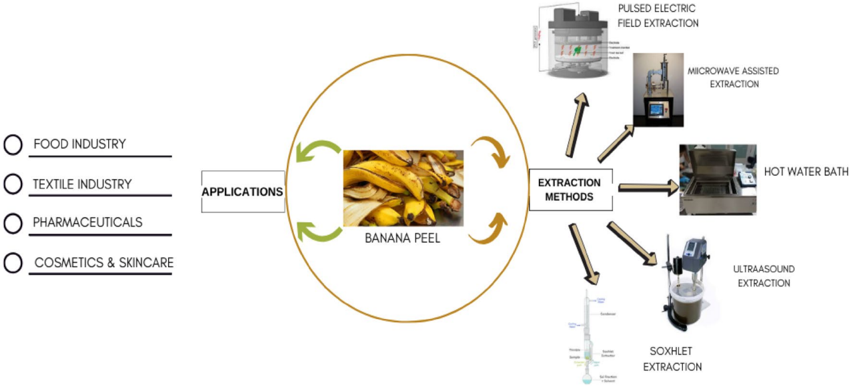
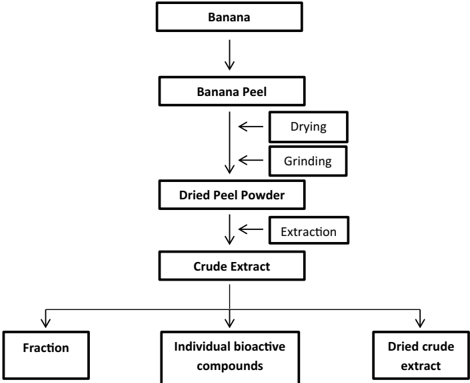
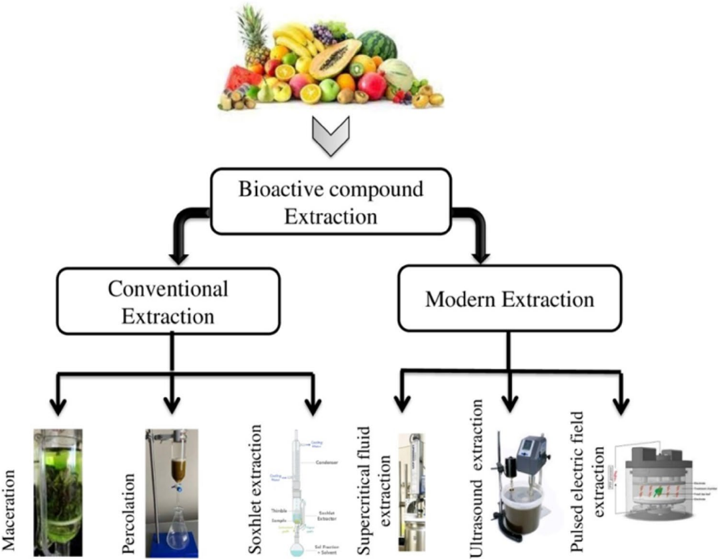
Banana peels, accounting for approximately one-third of the fruit's total weight, are often discarded as waste in the food industry. However, they have long been recognized for their medicinal properties. The bioactive compounds in banana peels are associated with numerous health benefits. This review provides a comprehensive analysis of the valorization of banana peel bioactives, emphasizing extraction methods, bioactive composition, and diverse applications. Extraction techniques, including conventional methods like solvent extraction and maceration, as well as novel technologies such as pulsed electric field (PEF), enzymatic extraction, microwave-assisted extraction, and ultrasound-assisted extraction, are discussed. The review highlights their efficiency in extracting bioactive compounds such as phenolics, flavonoids, carotenoids, and dietary fibers from banana peels. The bioactive composition of banana peels and its health-promoting properties, including antioxidant, antimicrobial, anti-inflammatory, and anticancer activities, are thoroughly examined. Additionally, the review explores various applications of banana peel bioactives in functional foods, nutraceuticals, pharmaceuticals, cosmetics, and agriculture, emphasizing their potential for waste valorization and sustainable development. Therefore, this review offers valuable insights into the utilization of banana peel bioactives, serving as a foundation for further research and industrial implementation across various sectors.
Overview
CoChat Summary
TL;DR
This review compiles banana peel bioactive composition, conventional and novel extraction methods, and food/industrial applications, arguing that banana peel waste can be valorized into functional ingredients. It reports that novel techniques such as PEF, MAE, and EAE can improve recovery of phenolics, flavonoids, antioxidants, and dietary fiber, while noting remaining optimization, characterization, and scalability challenges.
Key findings
- Banana peels account for roughly 30–40% of the whole fruit and are rich in bioactives: about 40 phenolic compounds totaling 47 mg GAE/g dry matter, total dietary fiber of 40–50% w/w, vitamin C of 6.9–10 mg/100 g at ripening, and amino acids totaling 86.71 g/100 g protein in one table.
- Novel extraction methods improved yields: PEF increased antioxidant yield by 20% and flavonoid yield by 35% versus conventional extraction; MAE produced 50.5 mg phenols under optimized conditions; EAE gave optimal TPC 25.37 mg GAE/g DM, TFC 13.99 mg QE/g DM, DPPH 81.59%, ABTS 88.25%, and α-glycosidase inhibition 74.67%.
- Food applications showed functional benefits: chapati with banana peel powder had higher flavonoids and total phenolics, with DPPH radical scavenging peaking at 68.3% at 20% banana peel incorporation; pasta with 5–10% BPP increased fiber content by 35.7% and 71.4%, respectively; yoghurt, jelly, and noodles improved texture, fiber, or bioactive content.
- The review concludes banana peel bioactives have antioxidant, antimicrobial, anti-inflammatory, and anticancer activities with potential in functional foods, nutraceuticals, pharmaceuticals, cosmetics, and agriculture, but optimization, characterization, and scalability remain to be addressed.
Methods
- Narrative review covering banana peel composition, conventional extraction methods (Soxhlet, maceration, hydrodistillation) and novel methods (MAE, UAE, EAE, PEF, PLE, SFE), plus food and industrial applications.
- No datasets were generated or analyzed; the work synthesizes published literature, tables, and figures.
- No systematic review protocol, meta-analysis, or primary experimental design is described.
Limitations
- Stated: challenges remain in optimization of extraction processes, comprehensive characterization of bioactive compounds, and scalability of applications.
- Evident: as a narrative review, it relies on cited studies and does not present primary experimental data; the paper states no datasets were generated or analyzed.
- Evident: several extraction examples and quantitative parameters are drawn from other fruit peels or non-banana matrices (e.g., citrus, carob, Ciriguela), so some banana-peel-specific conclusions are indirect.
Model-written summary. Check it against the paper before relying on it.
Integrity signals
Registry
Cites
Statistics
Figures
Verification
Claims the paper makes
34 Valid · 11 Not valid · 65 Not checked · 16 Own results and interpretations
At least one cited source doesn’t support this claim or points to a different paper, and none confirmed it — see the verdicts below.
In the paper
“In one study, cookies enriched with banana peel flours exhibited greater mineral levels, except for zinc, compared to cookies made from wheat flour.”
§ Unlocking the potential of banana peel bioactives: extraction methods, benefits, and industrial applications > 5.6 Cookies
What the sources say
- Disputedcites [104] Igbabul BD, Iorliam BM, Umana EN. Physicochemical and sensory properties of cookies produced from composite flours of wheat, Cocoyam and African Yam Beans. J Food Res. 2015;4(2):150. https://doi.org/10.5539/jfr.v4n2p150. sourceExperimental — accuracy not yet measured
The formulation table (reproduced in the Conclusion; page unavailable) identifies the study’s enriched cookies as blends of wheat, fermented cocoyam and African yam bean flours, not banana peel flour. Section 3.1 reports increased ash content but does not report the claimed mineral-by-mineral comparison or a zinc exception. (LLM, conf=0.87)
Checked by a reasoning model — may be wrong.
plainstates a cause- Asserted: passes — The authors put it forward as true.
- Checkable: passes — It can be checked against evidence.
- Load-bearing: unclear — It is unclear whether the paper’s conclusions depend on it.
- Based: passes — The paper gives a reason why it holds.
- Disputed
The cited sources support only part of this claim — read each source’s verdict below.
In the paper
“A study by Seremet et al. [18] identified dopamine as the key component responsible for the antioxidant properties of banana peels.”
§ Unlocking the potential of banana peel bioactives: extraction methods, benefits, and industrial applications > 1 Introduction
What the sources say
- Partly supportedcites [18] 18. El Barnossi A, Moussaid F, Housseini AI. Journl Pre of. Biotechnol Reports. 2021. https:// doi. org/ 10. 1016/j. btre. 2020. e00574. sourceExperimental — accuracy not yet measured
The review’s ‘TPW, PPW and BPW characterization’ section lists dopamine among compounds in banana peels, and its broader characterization discussion calls dopamine an antioxidant in bananas. It does not identify dopamine as the key component responsible for banana-peel antioxidant properties or report a finding by Seremet et al.; the cited paper is a review, not that study. No page numbers are available in our copy. (LLM, conf=0.86)
plainstates a cause- Asserted: passes — The authors put it forward as true.
- Checkable: passes — It can be checked against evidence.
- Load-bearing: unclear — It is unclear whether the paper’s conclusions depend on it.
- Based: passes — The paper gives a reason why it holds.
- Partly supported
Every source the paper cites for this claim was checked and supports it.
In the paper
“Furthermore, clinical studies have shown that linolenic acid reduces obesity-related inflammation [31].”
§ Unlocking the potential of banana peel bioactives: extraction methods, benefits, and industrial applications > 2.2 Fatty acids
What the sources say
- Supportedcites [31] 31. Teshome E, et al. Fruit by-products and their industrial applications for nutritional benefits and health promotion: a comprehensive review. Sustain. 2023;15(10):1-27. https:// doi. org/ 10. 3390/ su151 07840. source
Section 5.1, “Health Benefits of Banana By-Products” (page not provided), states that clinical research has shown an anti-inflammatory effect of α-linolenic acid on obesity. This supports the citing sentence’s paraphrase. (LLM, conf=0.94)
plainstates a cause- Asserted: passes — The authors put it forward as true.
- Checkable: passes — It can be checked against evidence.
- Load-bearing: unclear — It is unclear whether the paper’s conclusions depend on it.
- Based: passes — The paper gives a reason why it holds.
- Supported
The cited sources support only part of this claim — read each source’s verdict below.
In the paper
“Among the many beneficial nutrients found in banana peels-including dietary fibers, proteins, potassium, and polyunsaturated fatty acids-amino acids stand out as vital bioactives due to their valuable nutritional profile [17].”
§ Unlocking the potential of banana peel bioactives: extraction methods, benefits, and industrial applications > 2.1 Amino acids
What the sources say
- Partly supportedcites [17] 17. S. Gomes, B. Vieira, C. Barbosa, and R. Pinheiro, "Evaluation of mature banana peel flour on physical , chemical , and texture proper- ties of a gluten-free Rissol. 2021. https:// doi. org/ 10. 1111/ jfpp. 14441. sourceExperimental — accuracy not yet measured
The Introduction (page not available in our copy) says banana peels contain protein, fat, and fiber, supporting part of the sentence’s nutrient list. It does not identify amino acids as banana-peel bioactives or describe their nutritional profile; the passages retrieved for those terms also do not substantiate that central claim. (LLM, conf=0.78)
plain- Asserted: passes — The authors put it forward as true.
- Checkable: passes — It can be checked against evidence.
- Load-bearing: unclear — It is unclear whether the paper’s conclusions depend on it.
- Based: passes — The paper gives a reason why it holds.
- Partly supported
The cited sources support only part of this claim — read each source’s verdict below.
In the paper
“Dietary fructo-oligosaccharides are active food ingredients that are usually obtained from banana peel [33].”
§ Unlocking the potential of banana peel bioactives: extraction methods, benefits, and industrial applications > 2.3 Dietary fibre
What the sources say
- Partly supportedcites [33] 33. Zou F, Tan C, Zhang B, Wu W, Shang N. The valorization of banana by-products: nutritional composition, bioactivities, applications, and future development. 2022. Foods. https:// doi. org/ 10. 3390/ foods 11203 170. sourceExperimental — accuracy not yet measured
Section 4.1.4 (Dietary Fiber; page not provided) identifies fructo-oligosaccharides as a type of soluble dietary fiber and describes banana peel as a source of dietary fiber. Section 4.3 describes food applications for extracted banana-peel fiber. Neither section says fructo-oligosaccharides specifically are usually obtained from banana peel; that frequency claim is unsupported. (LLM, conf=0.86)
plain- Asserted: passes — The authors put it forward as true.
- Checkable: passes — It can be checked against evidence.
- Load-bearing: unclear — It is unclear whether the paper’s conclusions depend on it.
- Based: passes — The paper gives a reason why it holds.
- Partly supported
50 more claims · 14 with their cited sources checked
Create a free account to see all 126 claims and to verify the 2 references still open.
- Probably not a substantial claim. 16
- It may state two separate claims as one. 61
- Borderline: one of the tests for a substantial claim is unclear. 1
Self-check
Percentages, sums and reported differences re-computed from the paper’s own numbers.
Each contradiction between two passages listed here was confirmed by an independent check.
Rated minor: it would not touch a result — a value no result rests on, a p-value that stays on the same side of the significance level, or a conflict that is clerical, resolved elsewhere in the paper, or outside its own findings.
In the paper
§ Unlocking the potential of banana peel bioactives: extraction methods, benefits, and industrial applications > 1 Introduction
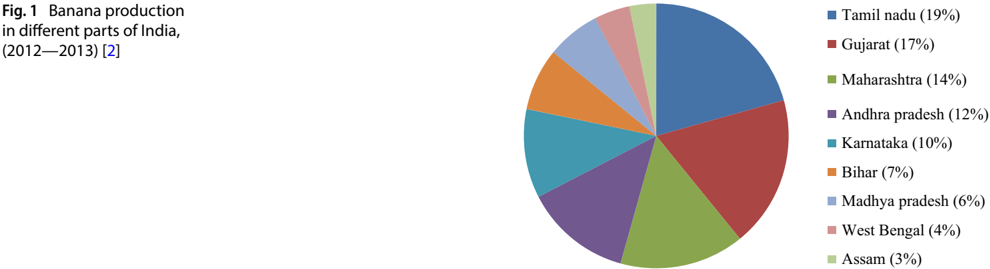
“India is the world's largest producer of bananas, with an estimated 29.2 million tons produced annually [2].”
§ Unlocking the potential of banana peel bioactives: extraction methods, benefits, and industrial applications > Vol.:(0123456789)
“In 2023, global banana production reached an estimated 19.3 million tons, driven largely by leading producers in Asia, Latin America, and Africa.”
Rated minor: it would not touch a result — a value no result rests on, a p-value that stays on the same side of the significance level, or a conflict that is clerical, resolved elsewhere in the paper, or outside its own findings.
In the paper
§ Unlocking the potential of banana peel bioactives: extraction methods, benefits, and industrial applications > 2.1 Amino acids
“12 Amino acids 86.71% [23]”
§ Unlocking the potential of banana peel bioactives: extraction methods, benefits, and industrial applications > 2.2 Fatty acids
“Amino acids Banana peel (g/100 g protein)”
Rated minor: it would not touch a result — a value no result rests on, a p-value that stays on the same side of the significance level, or a conflict that is clerical, resolved elsewhere in the paper, or outside its own findings.
In the paper
§ Unlocking the potential of banana peel bioactives: extraction methods, benefits, and industrial applications > 4.2.1 Microwave assisted extraction (MAE)
“Similarly, Quiles-Carrillo et al. [65] investigated the effectiveness of microwave-assisted extraction (MAE) in recovering Total phenolic content (TPC) and antioxidant activity (AA) from carob fruit skin.”
§ Unlocking the potential of banana peel bioactives: extraction methods, benefits, and industrial applications > References
“65. C. Mellinas, M. C. Garrigos, and R. Balart. Optimization of Microwave-Assisted Extraction of Phenolic Compounds with Antioxidant Activ- ity from Carob Pods, " pp. 2480-2490, 2019.”
Rated minor: it would not touch a result — a value no result rests on, a p-value that stays on the same side of the significance level, or a conflict that is clerical, resolved elsewhere in the paper, or outside its own findings.
In the paper
§ Unlocking the potential of banana peel bioactives: extraction methods, benefits, and industrial applications > 6 Conclusions
“In a study conducted by Phuong et al. [67], the authors demonstrated that UAE significantly increased the extraction yield of bioactive compounds from banana peel compared to conventional extraction methods.”
§ Unlocking the potential of banana peel bioactives: extraction methods, benefits, and industrial applications > References
“67. Phuong NNM, Le TT, Dang MQ, Van Camp J, Raes K. Selection of extraction conditions of phenolic compounds from rambutan (Nephelium lappaceum L.) peel.”
Rated minor: it would not touch a result — a value no result rests on, a p-value that stays on the same side of the significance level, or a conflict that is clerical, resolved elsewhere in the paper, or outside its own findings.
In the paper
§ Unlocking the potential of banana peel bioactives: extraction methods, benefits, and industrial applications > 4.2.3 Pressurized liquid extraction (PLE)
“In another study, Wang et al. [85] explored the extraction of antioxidants, including phenolic compounds and flavonoids, from banana peel using PLE.”
§ Unlocking the potential of banana peel bioactives: extraction methods, benefits, and industrial applications > References
“85. Barrales FM, et al. Recovery of phenolic compounds from citrus by-products using pressurized liquids-an application to orange peel.”
4 more findings
Create a free account to see every finding of this check.
Citations
Cites
Techniques for extraction of bioactive compounds from plant materials: A review
Azmir, J., Zaidul, I. S. M., Rahman, M. M., Sharif, K. M., Mohamed, A., Sahena, F., Jahurul, M. H. A., Ghafoor, K., Norulaini, N. A. N., & Omar, A. K. M. (2013) · Journal of Food Engineering · doi:10.1016/j.jfoodeng.2013.01.014 · Cited by 2,870
Pressurized liquid extraction as a green approach in food and herbal plants extraction: A review
Mustafa, A., & Turner, C. (2011) · Analytica Chimica Acta · doi:10.1016/j.aca.2011.07.018 · Cited by 1,104
Kaufmann, B., & Christen, P. (2002) · Phytochemical Analysis · doi:10.1002/pca.631 · Cited by 831
Supercritical fluid extraction of bioactive compounds
da Silva, R. P. F. F., Rocha-Santos, T. A. P., & Duarte, A. C. (2016) · TrAC Trends in Analytical Chemistry · doi:10.1016/j.trac.2015.11.013 · Cited by 704
Microwave-Assisted Extraction of Flavonoids: A Review
Routray, W., & Orsat, V. (2012) · Food and Bioprocess Technology · doi:10.1007/s11947-011-0573-z · Cited by 676 · cited 2×
“The flavonoid—Naringenin and its derivatives have been affirmed with antifungal and antibacterial properties [40].”
InfluentialPhenolic-Compound-Extraction Systems for Fruit and Vegetable Samples
Garcia-Salas, P., Morales-Soto, A., Segura-Carretero, A., & Fernández-Gutiérrez, A. (2010) · Molecules · doi:10.3390/molecules15128813 · Cited by 623
Ultrasound-assisted extraction of soy isoflavones
Rostagno, M. A., Palma, M., & Barroso, C. G. (2003) · Journal of Chromatography A · doi:10.1016/s0021-9673(03)01184-1 · Cited by 563
Bioactive compounds in banana and their associated health benefits – A review
Singh, B., Singh, J. P., Kaur, A., & Singh, N. (2016) · Food Chemistry · doi:10.1016/j.foodchem.2016.03.033 · Cited by 531 · cited 1×
“Flavonols and total phenolic compounds are present in high concentrations in bananas [6].”
Innovative natural functional ingredients from microalgae
Plaza, M., Herrero, M., Cifuentes, A., & Ibáñez, E. (2009) · Journal of Agricultural and Food Chemistry · doi:10.1021/jf901070g · Cited by 509
Happi Emaga, T., Andrianaivo, R. H., Wathelet, B., Tchango, J. T., & Paquot, M. (2007) · Food Chemistry · doi:10.1016/j.foodchem.2006.09.006 · Cited by 502
Essential fatty acids as functional components of foods- a review
Kaur, N., Chugh, V., & Gupta, A. K. (2014) · Journal of Food Science and Technology · doi:10.1007/s13197-012-0677-0 · Cited by 490 · cited 1×
“Furthermore, EFAs have been shown to decrease the risk of major diseases, such as diabetes, cardiovascular disease, osteoporosis and cancer [30].”
Phenolic compounds within banana peel and their potential uses: A review
Vu, H. T., Scarlett, C. J., & Vuong, Q. V. (2018) · Journal of Functional Foods · doi:10.1016/j.jff.2017.11.006 · Cited by 381 · cited 2×
“In a study conducted by Vu et al.[19], a total of 40 distinct phenolic compounds have been identified in BP, with a total quantity of 47 mg of gallic acid equivalent (GAE) per gram of dry matter (DM).”
InfluentialCompressed fluids for the extraction of bioactive compounds
Herrero, M., Castro-Puyana, M., Mendiola, J. A., & Ibañez, E. (2013) · TrAC Trends in Analytical Chemistry · doi:10.1016/j.trac.2012.12.008 · Cited by 351
Sulaiman, S. F., Yusoff, N. A. M., Eldeen, I. M., Seow, E. M., Sajak, A. A. B., Supriatno, & Ooi, K. L. (2011) · Journal of Food Composition and Analysis · doi:10.1016/j.jfca.2010.04.005 · Cited by 323 · cited 2×
“Banana peels are rich in antioxidants like vitamin C, which can help combat free radicals in the body and reduce the risk of chronic diseases [7].”
Ranjha, M. M. A. N., Kanwal, R., Shafique, B., Arshad, R. N., Irfan, S., Kieliszek, M., Kowalczewski, P. Ł., Irfan, M., Khalid, M. Z., Roobab, U., et al. (2021) · Molecules · doi:10.3390/molecules26164893 · Cited by 316
Combination of emerging technologies for the extraction of bioactive compounds
Wen, L., Zhang, Z., Sun, D.-W., Sivagnanam, S. P., & Tiwari, B. K. (2020) · Critical Reviews in Food Science and Nutrition · doi:10.1080/10408398.2019.1602823 · Cited by 309 · cited 1×
“The extraction of bioactives from plants and their by-products is an essential process [8].”
More, P. R., Jambrak, A. R., & Arya, S. S. (2022) · Trends in Food Science & Technology · doi:10.1016/j.tifs.2022.08.016 · Cited by 284
Banana peels as a bioactive ingredient and its potential application in the food industry
Mohd Zaini, H., Roslan, J., Saallah, S., Munsu, E., Sulaiman, N. S., & Pindi, W. (2022) · Journal of Functional Foods · doi:10.1016/j.jff.2022.105054 · Cited by 259
Response surface optimization of ultrasound assisted extraction of pectin from pomegranate peel
Moorthy, I. G., Maran, J. P., Surya, S. M. @., Naganyashree, S., & Shivamathi, C. S. (2015) · International Journal of Biological Macromolecules · doi:10.1016/j.ijbiomac.2014.10.037 · Cited by 256
What is a Bioactive Compound? A Combined Definition for a Preliminary Consensus
GUAADAOUI, A., BENAICHA, S., ELMAJDOUB, N., BELLAOUI, M., & HAMAL, A. (2014) · International Journal of Nutrition and Food Sciences · doi:10.11648/j.ijnfs.20140303.16 · Cited by 247
Bioactive compounds in banana fruits and their health benefits
Sidhu, J. S., & Zafar, T. A. (2018) · Food Quality and Safety · doi:10.1093/fqsafe/fyy019 · Cited by 230 · cited 3×
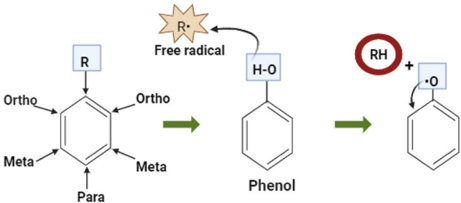
“The antioxidant effect of phenolic compounds is believed to limit the generation of reactive oxygen species (ROS), scavenge ROS directly, and induce antioxidant enzymes [29].”
InfluentialGhafoor, K., Park, J., & Choi, Y.-H. (2010) · Innovative Food Science & Emerging Technologies · doi:10.1016/j.ifset.2010.01.013 · Cited by 221
Review on the Extraction of Bioactive Compounds and Characterization of Fruit Industry By-Products
Patra, A., Abdullah, S., & Pradhan, R. C. (2022) · Bioresources and Bioprocessing · doi:10.1186/s40643-022-00498-3 · Cited by 213 · cited 1×
“Furthermore, fruits, nuts, roots, herbs, spices, and vegetables are abundant in bioactive components like polyphenols and non-starch polysaccharides [3].”
Microwave assisted extraction of pectin from waste Citrullus lanatus fruit rinds
Prakash Maran, J., Sivakumar, V., Thirugnanasambandham, K., & Sridhar, R. (2014) · Carbohydrate Polymers · doi:10.1016/j.carbpol.2013.09.062 · Cited by 211 · cited 2×
“Among these extraction techniques, MAE stands out as a promising and potent alternative to traditional extraction methods due to its unique heating mechanism and reasonable capital expenditure [11].”
Traditional and innovative approaches for the extraction of bioactive compounds
Usman, I., Hussain, M., Imran, A., Afzaal, M., Saeed, F., Javed, M., Afzal, A., Ashfaq, I., Al Jbawi, E., & A. Saewan, S. (2022) · International Journal of Food Properties · doi:10.1080/10942912.2022.2074030 · Cited by 209
Kumari, B., Tiwari, B. K., Hossain, M. B., Brunton, N. P., & Rai, D. K. (2018) · Food and Bioprocess Technology · doi:10.1007/s11947-017-1961-9 · Cited by 206
Tangerine, banana and pomegranate peels valorisation for sustainable environment: A review
El Barnossi, A., Moussaid, F., & Iraqi Housseini, A. (2021) · Biotechnology Reports · doi:10.1016/j.btre.2020.e00574 · Cited by 178
Barrales, F. M., Silveira, P., Barbosa, P. D. P. M., Ruviaro, A. R., Paulino, B. N., Pastore, G. M., Macedo, G. A., & Martinez, J. (2018) · Food and Bioproducts Processing · doi:10.1016/j.fbp.2018.08.006 · Cited by 170
Zia, S., Khan, M. R., Shabbir, M. A., Aslam Maan, A., Khan, M. K. I., Nadeem, M., Khalil, A. A., Din, A., & Aadil, R. M. (2022) · Food Reviews International · doi:10.1080/87559129.2020.1772283 · Cited by 170
Studies on mould growth and biomass production using waste banana peel
Essien, J. P., Akpan, E. J., & Essien, E. P. (2005) · Bioresource Technology · doi:10.1016/j.biortech.2004.12.004 · Cited by 163
Banana Peels: A Waste Treasure for Human Being
Hikal, W. M., Said-Al Ahl, H. A. H., Bratovcic, A., Tkachenko, K. G., Sharifi-Rad, J., Kačániová, M., Elhourri, M., & Atanassova, M. (2022) · Evidence-Based Complementary and Alternative Medicine · doi:10.1155/2022/7616452 · Cited by 158 · cited 2×
“These phenolic compounds exhibit antithrombotic, antimicrobial, antiarthritic, antiulcer, antiangiogenic, anticancer, protein kinase inhibitor, antiviral, anti-inflammatory, antiallergenic, vasodilatory and antibacterial properties [14].”
Pattnaik, M., Pandey, P., Martin, G. J. O., Mishra, H. N., & Ashokkumar, M. (2021) · Foods · doi:10.3390/foods10020279 · Cited by 146
Hernández-Carranza, P., Ávila-Sosa, R., Guerrero-Beltrán, J. A., Navarro-Cruz, A. R., Corona-Jiménez, E., & Ochoa-Velasco, C. E. (2016) · Journal of Food Processing and Preservation · doi:10.1111/jfpp.12588 · Cited by 142 · cited 2×
“Currently, a range of solvent-based extraction methods is employed for this purpose, with hot water bath extraction and Soxhlet extraction being among the most widely used techniques [9].”
InfluentialPerez-Vazquez, A., Carpena, M., Barciela, P., Cassani, L., Simal‐Gándara, J., & Prieto, M. A. (2023) · Antioxidants · doi:10.3390/antiox12030612 · Cited by 141
Valorization of potato peel: a biorefinery approach
Pathak, P. D., Mandavgane, S. A., Puranik, N. M., Jambhulkar, S. J., & Kulkarni, B. D. (2018) · Critical Reviews in Biotechnology · doi:10.1080/07388551.2017.1331337 · Cited by 140
Oyeyinka, B. O., & Afolayan, A. J. (2019) · Plants · doi:10.3390/plants8120598 · Cited by 136 · cited 1×
“On the other hand, copper (0.51), zinc (0.033), manganese (7.20), and potassium (4.39) are present in very minute quantities, measured in mg/100 g [16].”
InfluentialOptimization of continuous and intermittent microwave extraction of pectin from banana peels
Swamy, G. J., & Muthukumarappan, K. (2017) · Food Chemistry · doi:10.1016/j.foodchem.2016.09.197 · Cited by 127
Tomasi, I. T., Santos, S. C. R., Boaventura, R. A. R., & Botelho, C. M. S. (2023) · Journal of Cleaner Production · doi:10.1016/j.jclepro.2023.136452 · Cited by 126
Development of banana peel jelly and its antioxidant and textural properties
Lee, E.-H., Yeom, H.-J., Ha, M.-S., & Bae, D.-H. (2010) · Food Science and Biotechnology · doi:10.1007/s10068-010-0063-5 · Cited by 124
Kala, H. K., Mehta, R., Sen, K. K., Tandey, R., & Mandal, V. (2016) · TrAC Trends in Analytical Chemistry · doi:10.1016/j.trac.2016.09.007 · Cited by 119 · cited 1×
“[35].”
Hanafy, S. M., El-Shafea, Y. M. A., Saleh, W. D., & Fathy, H. M. (2021) · Journal of Genetic Engineering and Biotechnology · doi:10.1186/s43141-021-00151-0 · Cited by 116
Supercritical fluid extraction of bioactives from fruit waste and its therapeutic potential
Ray, A., Dubey, K. K., Marathe, S. J., & Singhal, R. S. (2023) · Food Bioscience · doi:10.1016/j.fbio.2023.102418 · Cited by 113
Plantain peel - a potential source of antioxidant dietary fibre for developing functional cookies
Arun, K. B., Persia, F., Aswathy, P. S., Chandran, J., Sajeev, M. S., Jayamurthy, P., & Nisha, P. (2015) · Journal of Food Science and Technology · doi:10.1007/s13197-015-1727-1 · Cited by 109
Extraction of bioactives from fruit and vegetables: State of the art and perspectives
Renard, C. M. G. C. (2018) · LWT · doi:10.1016/j.lwt.2018.03.063 · Cited by 108
‘Aqilah, N. M. N., Rovina, K., Felicia, W. X. L., & Vonnie, J. M. (2023) · Molecules · doi:10.3390/molecules28062631 · Cited by 108
(2016) · Journal of chemical and pharmaceutical research · Cited by 106
Bioactive profile and functional food applications of banana in food sectors and health: a review
Afzal, M. F., Khalid, W., Akram, S., Khalid, M. A., Zubaır, M., Kauser, S., Mohamedahmed, K. A., Aziz, A., & Siddiqui, S. A. (2022) · International Journal of Food Properties · doi:10.1080/10942912.2022.2130940 · Cited by 105
Tambun, R., Alexander, V., & Ginting, Y. (2021) · IOP Conference Series Materials Science and Engineering · doi:10.1088/1757-899x/1122/1/012095 · Cited by 101 · cited 1×
“However, it involves a significantly longer extraction time [53].”
Zaini, H. B. M., Sintang, M. D. B., & Pindi, W. (2020) · Food Science & Nutrition · doi:10.1002/fsn3.1847 · Cited by 99
Extraction of Bioactive Compounds from Mango Peels Using Green Technology
Tunchaiyaphum, S., Eshtiaghi, M. N., & Yoswathana, N. (2013) · International Journal of Chemical Engineering and Applications · doi:10.7763/ijcea.2013.v4.293 · Cited by 96 · cited 2×
“The optimum phenolic content corresponds to 25.13 mg GAE/gram of dry weight for the duration of 4 h extraction time [52].”
InfluentialRecovery of bioactive components from avocado peels using microwave-assisted extraction
Araújo, R. G., Rodríguez‐Jasso, R. M., Ruíz, H. A., Govea‐Salas, M., Pintado, M., & Aguilar, C. N. (2021) · Food and Bioproducts Processing · doi:10.1016/j.fbp.2021.02.015 · Cited by 96
Jin, E. Y., Lim, S., Kim, S. O., Park, Y.-S., Jang, J. K., Chung, M.-S., Park, H., Shim, K.-S., & Choi, Y. J. (2011) · Food Science and Biotechnology · doi:10.1007/s10068-011-0238-8 · Cited by 93
Vu, H. T., Scarlett, C. J., & Vuong, Q. V. (2019) · Journal of Food Science and Technology · doi:10.1007/s13197-019-03610-2 · Cited by 90
Zou, F., Tan, C., Zhang, B., Wu, W., & Shang, N. (2022) · Foods · doi:10.3390/foods11203170 · Cited by 90 · cited 2×
“Antioxidant action is attributed to phenolic compounds, which are essential plant elements with redox characteristics [33].”
Doulabi, M., Golmakani, M., & Ansari, S. (2020) · Journal of Food Processing and Preservation · doi:10.1111/jfpp.14853 · Cited by 87
Formulation of yogurt with banana peel extracts to enhance storability and bioactive properties
Kabir, M. R., Hasan, M. M., Islam, M. R., Haque, A. R., & Hasan, S. M. K. (2021) · Journal of Food Processing and Preservation · doi:10.1111/jfpp.15191 · Cited by 87 · cited 1×
“Thereby, these findings suggest that banana peels represent a promising source of antioxidants [48].”
Putra, N. R., Fajriah, S., Qomariyah, L., Dewi, A. S., Rizkiyah, D. N., Irianto, I., Rusmin, D., Melati, M., Trisnawati, W., Darwati, I., et al. (2023) · South African Journal of Chemical Engineering · doi:10.1016/j.sajce.2023.11.017 · Cited by 83
Melgar, B., Días, M. I., Barros, L., Ferreira, I. C. F. R., Rodríguez-López, A. D., & Garcia-Castello, E. M. (2019) · Molecules · doi:10.3390/molecules24193618 · Cited by 81
Islam, M. R., Kamal, M. M., Kabir, M. R., Hasan, M. M., Haque, A. R., & Hasan, S. M. K. (2023) · Measurement: Food · doi:10.1016/j.meafoo.2023.100085 · Cited by 79 · cited 3×
“They include lignocelluloses, proteins, fibers, vital minerals, and other materials [4].”
InfluentialFunctional, thermal and structural properties of fractionated protein from waste banana peel
Deb, S., Kumar, Y., & Saxena, D. C. (2022) · Food Chemistry X · doi:10.1016/j.fochx.2022.100205 · Cited by 79
Kurhade, A., Patil, S., Sonawane, S. K., Waghmare, J. S., & Arya, S. S. (2016) · Journal of Food Measurement and Characterization · doi:10.1007/s11694-015-9273-0 · Cited by 76
Teshome, E., Teka, T. A., Nandasiri, R., Rout, J. R., Harouna, D. V., Astatkie, T., & Urugo, M. M. (2023) · Sustainability · doi:10.3390/su15107840 · Cited by 76 · cited 1×
“Furthermore, clinical studies have shown that linolenic acid reduces obesity-related inflammation [31].”
Nadar, S. S., & Rathod, V. K. (2019) · Biocatalysis and Agricultural Biotechnology · doi:10.1016/j.bcab.2018.12.015 · Cited by 73
Costa, P., Grosso, C., Gonçalves, S., Andrade, P. B., Valentão, P., Gabriela Bernardo-Gil, M., & Romano, A. (2012) · Food Chemistry · doi:10.1016/j.foodchem.2012.04.108 · Cited by 73
Anal, A. K., Jaisanti, S., & Noomhorm, A. (2014) · Journal of Food Science and Technology · doi:10.1007/s13197-012-0793-x · Cited by 72 · cited 2×
“Additionally, in the study conducted by Anal et al. [36], the authors optimized the extraction parameters of UAE, including ultrasound power, extraction temperature, and solvent-to-solid ratio, to maximize the extraction efficiency of bioactive compounds from banana peels.”
Development of cellulose-based prebiotic fiber from banana peel by enzymatic hydrolysis
Phirom-on, K., & Apiraksakorn, J. (2021) · Food Bioscience · doi:10.1016/j.fbio.2021.101083 · Cited by 70
Martins, A. N. A., Pasquali, M. A. D. B., Schnorr, C. E., Martins, J. J. A., de Araújo, G. T., & Rocha, A. P. T. (2019) · Journal of Food Science and Technology · doi:10.1007/s13197-019-03999-w · Cited by 65 · cited 2×
“…highest antioxidant activity compared to other solvents tested, with a factor ranging from 1.3 to 1.9 (methanol) and 25–35 (acetone) for the DPPH assay, and a factor ranging from 2 to 4 (methanol) and approximately 10–35 (acetone and water and ethanol, acetone, and water) for the ABTS assay [47].”
InfluentialSelection of extraction conditions of phenolic compounds from rambutan (Nephelium lappaceum L.) peel
Phuong, N. N. M., Le, T. T., Dang, M. Q., Van Camp, J., & Raes, K. (2020) · Food and Bioproducts Processing · doi:10.1016/j.fbp.2020.05.008 · Cited by 64 · cited 1×
“…yield of bioactive (TPC, TFC, DPPH, ABTS, and α-glycosidase inhibitory activity as 25.37 mg GAE/g DM, 13.99 mg QE/g DM, 81.59%, 88.25%, and 74.67% scavenging ability, respectively) as 1.0% enzyme concentration, 9hr extraction time, 55 °C extraction temperature, and a solute-liquid ratio of…”
InfluentialRedox Homeostasis and Natural Dietary Compounds: Focusing on Antioxidants of Rice (Oryza sativa L.)
Rungratanawanich, W., Memo, M., & Uberti, D. L. (2018) · Nutrients · doi:10.3390/nu10111605 · Cited by 62
Quiles-Carrillo, L., Mellinas, C., Garrigos, M. C., Balart, R., & Torres-Giner, S. (2019) · Food Analytical Methods · doi:10.1007/s12161-019-01596-3 · Cited by 59
Silva Júnior, M. E., Araújo, M. V. R. L., Santana, A. A., Silva, F. L. H., & Maciel, M. I. S. (2021) · Arabian Journal of Chemistry · doi:10.1016/j.arabjc.2021.103260 · Cited by 58
Bioactive, antioxidant, industrial, and nutraceutical applications of banana peel
Bhavani, M., Morya, S., Saxena, D., & Awuchi, C. G. (2023) · International Journal of Food Properties · doi:10.1080/10942912.2023.2209701 · Cited by 57 · cited 3×
“India is the world’s largest producer of bananas, with an estimated 29.2 million tons produced annually [2].”
InfluentialEfficacy of ultrasound-assisted extraction of bioactive constituents from Psidium guajava leaves
Wani, K. M., & Uppaluri, R. V. S. (2022) · Applied Food Research · doi:10.1016/j.afres.2022.100096 · Cited by 56
Self-citationElectrofluidic pretreatment for enhancing essential oil extraction from citrus fruit peel waste
Wu, F., Jin, Y., Xu, X., & Yang, N. (2017) · Journal of Cleaner Production · doi:10.1016/j.jclepro.2017.05.010 · Cited by 53
Roselli, V., Pugliese, G., Leuci, R., Brunetti, L., Gambacorta, L., Tufarelli, V., & Piemontese, L. (2024) · Molecules · doi:10.3390/molecules29112682 · Cited by 53
Putra, N. R., Aziz, A. H. A., Faizal, A. N. M., & Che Yunus, M. A. (2022) · Sustainability · doi:10.3390/su141710571 · Cited by 52 · cited 1×
“Hydrodistillation is a popular approach for the recovery of bioactive compounds from plants, although it does not guard against hydrolysis reactions that might break down thermolabile compounds [56, 57].”
Valorization of banana peel: a biorefinery approach
Pathak, P. D., Mandavgane, S. A., & Kulkarni, B. D. (2016) · Reviews in Chemical Engineering · doi:10.1515/revce-2015-0063 · Cited by 49 · cited 1×
“Due to their high fiber content and low tannin levels, banana peels are highly effective as organic fertilizers and animal feed [5].”
Wani, K. M., & Uppaluri, R. V. S. (2022) · Applied Food Research · doi:10.1016/j.afres.2022.100178 · Cited by 49 · cited 1×
“In this context, a number of novel extraction techniques, such as pressurized liquid extraction (PLE), ultrasound-assisted extraction (UAE), supercritical fluid extraction (SFE), and microwave-assisted extraction (MAE), are being employed to extract important bioactive compounds [10].”
Self-citationGomes, S., Vieira, B., Barbosa, C., & Pinheiro, R. (2022) · Journal of Food Processing and Preservation · doi:10.1111/jfpp.14441 · Cited by 47
Krzyżostan, M., Wawrzyńczak, A., & Nowak, I. (2024) · Sustainability · doi:10.3390/su16072757 · Cited by 47
Exploration of the Potential Application of Banana Peel for Its Effective Valorization: A Review
Bishnoi, S., Sharma, S., & Agrawal, H. (2023) · Indian Journal of Microbiology · doi:10.1007/s12088-023-01100-w · Cited by 45 · cited 2×
“…particular, is rich in amino acids such as aspartic acid, glutamic acid, glycine, serine, threonine, cysteine, isoleucine, methionine, alanine, valine, and proline, as presented in Table 2 [15, 23, 26], while the concentration of amino acids in banana peels may not be as high as in the fruit pulp.”
Intensified DES mediated ultrasound extraction of tannic acid from onion peel
Sukor, N. F., Selvam, V. P., Jusoh, R., Kamarudin, N. S., & Rahim, S. A. (2020) · Journal of Food Engineering · doi:10.1016/j.jfoodeng.2020.110437 · Cited by 45
Regolo, L., Giampieri, F., Battino, M. A., Díaz, Y. A., Mezzetti, B., Elexpuru-Zabaleta, M., Pérez-Oleaga, C. M., Pifarré, K. T., & Mazzoni, L. (2024) · Frontiers in Nutrition · doi:10.3389/fnut.2024.1083759 · Cited by 43
Luo, M., Zhou, D.-D., Shang, A., Gan, R., & Li, H. (2021) · Foods · doi:10.3390/foods10061432 · Cited by 41
Nayana, P., & Wani, K. M. (2024) · Journal of Food Measurement & Characterization · doi:10.1007/s11694-024-02779-1 · Cited by 40
Self-citationIgbabul, B. D., Iorliam, B. M., & Umana, E. N. (2015) · Journal of Food Research · doi:10.5539/jfr.v4n2p150 · Cited by 39
Safdari, Y., Vazifedoost, M., Didar, Z., & Hajirostamloo, B. (2021) · International Journal of Food Science · doi:10.1155/2021/5230882 · Cited by 39
Chumnanpaisont, N., Niamnuy, C., & Devahastin, S. (2014) · Chemical Engineering Science · doi:10.1016/j.ces.2014.05.010 · Cited by 38 · cited 1×
“Additionally, MAE serves as appealing alternative extraction technique as it is a relatively controllable process that involves volumetric heating [12].”
Puri, M. (2017) · Springer eBooks · doi:10.1007/978-3-319-51639-4 · Cited by 38
Proximate, Minerals, and Amino Acid Compositions of Banana and Plantain Peels
(2021) · BIOMED natural and applied science · doi:10.53858/bnas01013242 · Cited by 38 · cited 2×
“…particular, is rich in amino acids such as aspartic acid, glutamic acid, glycine, serine, threonine, cysteine, isoleucine, methionine, alanine, valine, and proline, as presented in Table 2 [15, 23, 26], while the concentration of amino acids in banana peels may not be as high as in the fruit pulp.”
Exploring muskmelon peel as a novel source of pectin: Extraction methods and applications
Drishya, C., & Wani, K. M. (2024) · Food and Humanity · doi:10.1016/j.foohum.2024.100331 · Cited by 38
Self-citationBanana Powder as an Additive to Common Wheat Pasta
Biernacka, B., Dziki, D., Różyło, R., & Gawlik-Dziki, U. (2020) · Foods · doi:10.3390/foods9010053 · Cited by 37
Manzoor, A., & Ahmad, S. (2021) · ACS Food Science & Technology · doi:10.1021/acsfoodscitech.1c00235 · Cited by 36
Rodríguez-Padrón, D., Zhao, D., Garín Ortega, R. N., Len, C., Balu, A. M., García, A., & Luque, R. (2020) · ACS Sustainable Chemistry & Engineering · doi:10.1021/acssuschemeng.9b06002 · Cited by 33 · cited 1×
“MAE has proven effective in the recovery of phenolic compounds from the skins and shells of many fruits and nuts [13].”
Bacterial cellulose-natural fiber composites produced by fibers extracted from banana peel waste
Naeem, M. A., Siddiqui, Q., Khan, M. R., Mushtaq, M., Wasim, M., Farooq, A., Naveed, T., & Weı, Q. (2020) · Journal of Industrial Textiles · doi:10.1177/1528083720925848 · Cited by 33
Abera, W. G., Kasirajan, R., & Majamo, S. L. (2023) · Biomass Conversion and Biorefinery · doi:10.1007/s13399-023-04207-8 · Cited by 33
Jadhav, H., Jadhav, A., Morabiya, Y., Takkalkar, P., Qureshi, S. S., Baloch, A. G., Nizamuddin, S., Mazari, S. A., Abro, R., & Mubarak, N. M. (2020) · Waste and Biomass Valorization · doi:10.1007/s12649-020-01031-3 · Cited by 30
Banana Peel as a Source of Nutraceuticals
Adetuyi, B. O., Ogundipe, A. E., Ogunlana, O. O., Egbuna, C., Estella, O. U., Mishra, A. P., Akram, M., & Achar, R. R. (2022) · Food and Agricultural Byproducts as Important Source of Valuable Nutraceuticals · doi:10.1007/978-3-030-98760-2_17 · Cited by 30
Wani, K. M., & Uppaluri, R. V. S. (2023) · Biomass Conversion and Biorefinery · doi:10.1007/s13399-023-03956-w · Cited by 29 · cited 1×
“Additionally, they serve to safeguard food from oxidation, presenting a viable substitute for synthetic antioxidants, which are subject to strict regulation due to potential health hazards [141].”
Self-citationWani, K. M., & Uppaluri, R. V. S. (2022) · Biomass Conversion and Biorefinery · doi:10.1007/s13399-022-03513-x · Cited by 29
Self-citationSaid, F. M., Gan, J. Y., & Sulaiman, J. (2020) · Engineering Science and Technology, an International Journal · doi:10.1016/j.jestch.2019.12.005 · Cited by 27 · cited 1×
“Said et al. [44] detected gallocatechin at a concentration of 160 mg per 100 g of dry weight.”
Mahdi, A. A., Al-Ansi, W., Ahmed, M. I., Xiaoyun, C., Mohammed, J. K., Sulieman, A. A., Mushtaq, B. S., Harimana, Y., & Wang, H. (2020) · Journal of Food Measurement and Characterization · doi:10.1007/s11694-019-00290-6 · Cited by 27 · cited 1×
“Additionally, carotenoids like β-carotene, α-carotene, and other xanthophylls have been identified, with concentrations measured at 300–400 μg lutein equivalents per 100 g [45].”
Hashim, M., Akbar, A., Gul, Z., Sadiq, M. B., Achakzai, J. K., & Khan, N. A. (2024) · Heliyon · doi:10.1016/j.heliyon.2024.e36095 · Cited by 22
Teshome, E., Teka, T. A., Nandasiri, R., et al. (2023) · Preprints.org · doi:10.20944/preprints202302.0481.v1 · Cited by 22
Banana (Musa spp.) as a Source of Bioactive Compounds for Health Promotion
Lopes, S., Borges, C. V., de Sousa Cardoso, S. M., de Almeida Pereira da Rocha, M. F., & Maraschin, M. (2020) · Handbook of Banana Production, Postharvest Science, Processing Technology, and Nutrition · doi:10.1002/9781119528265.ch12 · Cited by 20 · cited 1×
“Notably, banana peels are rich in various phenolic compounds such as gallic acid, catechin, epicatechin, tannins, and anthocyanins, underscoring their significance as valuable secondary metabolites [43].”
Alsmairat, N., Engelgau, P., & Beaudry, R. (2018) · Journal of the American Society for Horticultural Science · doi:10.21273/jashs04476-18 · Cited by 19
Extraction of Phenol and Antioxidant Compounds from Kepok Banana Skin with PEF Pre-Treatment
Hendrawan, Y., Larasati, R., Wibisono, Y., Umam, C., Sutan, S. M., & Choviya Hawa, L. (2019) · IOP Conference Series: Earth and Environmental Science · doi:10.1088/1755-1315/305/1/012065 · Cited by 19
Song, H., Chen, F., Cao, Y., Wang, F., Wang, L., Xiong, L. H., & Shen, X. (2024) · Journal of Agricultural and Food Chemistry · doi:10.1021/acs.jafc.4c06586 · Cited by 19
Extraction and characterization of phenolic compounds and dietary fibres from banana peel
Zhang, J. W., Wang, J. H., Wang, G. H., Wang, C. C., & Huang, R. Q. (2019) · Acta Alimentaria · doi:10.1556/066.2019.48.4.14 · Cited by 18 · cited 2×
“In human health, phenolic compounds are renowned for their antioxidant properties, which help neutralize harmful free radicals, potentially reducing the risk of chronic diseases such as cardiovascular disease, diabetes, and certain cancers [34].”
Pasha, I., Basit, A., Ahsin, M., & Ahmad, F. (2022) · Food Production, Processing and Nutrition · doi:10.1186/s43014-022-00100-5 · Cited by 16
Tran, T. H., Quyen, N. T. C., Linh, H. T. K., Ngoc, T. T. L., Quan, P. M., & Toàn, T. Q. (2019) · Diffusion and defect data, solid state data. Part B, Solid state phenomena/Solid state phenomena · doi:10.4028/www.scientific.net/ssp.298.100 · Cited by 15
Formulation and evaluation of semisolid jelly produced by Musa acuminata Colla (AAA Group) peels
Mohd Rasidek, N. A., Mad Nordin, M. F., & Shameli, K. (2016) · Asian Pacific Journal of Tropical Biomedicine · doi:10.1016/j.apjtb.2015.09.025 · Cited by 14
Gaur, S. S., Dhar, P., Wani, K. M., Srivastava, M., Sakurai, S., Kumar, A., & Katiyar, V. (2020) · Journal of Colloid and Interface Science · doi:10.1016/j.jcis.2020.12.012 · Cited by 14
Self-citationLikittrakulwong, W., Chanburee, S., Kitpot, T., Ninjiaranai, P., & Pongpamorn, P. (2023) · Natural and Life Sciences Communications · doi:10.12982/nlsc.2023.021 · Cited by 13 · cited 1×
“Using 95% ethanol, Likitrakulwong et al. [54] carried out the extraction of bioactives from banana peel using maceration technique.”
Anuar, M. S., Tahir, S. M., Najeeb, M. I., & Ahmad, S. (2019) · Advances in Materials and Processing Technologies · doi:10.1080/2374068x.2018.1545201 · Cited by 11 · cited 2×
“Studies have proved the faster ability of this compound to eliminate free radicals, surpassing catechin and resembling potent antioxidants like gallocatechin gallate and ascorbic acid in efficacy [46].”
Banana Peels and their Prospects for Industrial Utilization
Khawas, P., Das, A. J., & Deka, S. C. (2017) · Food Processing By‐Products and their Utilization · doi:10.1002/9781118432921.ch9 · Cited by 11
Bilhman, S., Ramanathan, S., Dumjun, K., Wunnoo, S., Lethongkam, S., Waen-ngoen, T., Kaewnopparat, N., Paosen, S., & Voravuthikunchai, S. P. (2023) · Waste and Biomass Valorization · doi:10.1007/s12649-022-01969-6 · Cited by 11 · cited 1×
“Gallocatechin was identified as, the predominant monomer, accounting for a concentration of (158 mg/100 g DM), which is five times higher than in the banana pulp [39].”
(2019) · Egyptian journal of dairy science · Cited by 10
Nataraj, G., Velmurgan, P., Jagadeesan, G., Manoharan, A. L., & Thangaraj, P. (2024) · Biomass Conversion and Biorefinery · doi:10.1007/s13399-023-04515-z · Cited by 9 · cited 2×
“The Soxhlet extraction method has been widely used for more than a century and is still considered the key benchmark for evaluating the efficiency of novel leaching processes [49].”
Extraction of protein from banana by-product and its characterization
Budhalakoti, N. (2021) · Journal of Food Measurement & Characterization · doi:10.1007/s11694-020-00803-8 · Cited by 8
Kurtulbaş, E., & Şahin, S. (2022) · Biomass Conversion and Biorefinery · doi:10.1007/s13399-022-03150-4 · Cited by 6
Adeoye, B. O., Comfort, B. D., Elizabeth, A. F., Akinnawo, O. O., Celine, A. H., Temitope, A. B., Chibundo, O. C., & Sá, A. L. B. (2024) · EAS Journal of Nutrition and Food Sciences · doi:10.36349/easjnfs.2024.v06i06.005 · Cited by 4
Application Of Genetic Technology And Fruit Extracts To Improve Yogurt
Chen, S., Huang, Y., Liu, G., & Tang, J. (2022) · Highlights in Science, Engineering and Technology · doi:10.54097/hset.v11i.1384
Bilhman, S., Paosen, S., Ramanathan, S., Wunnoo, S., Lethongkam, S., Dumjun, K., Waen‐ngoen, T., Kaewnopparat, N., & Voravuthikunchai, S. P. (2022) · Research Square · doi:10.21203/rs.3.rs-1585791/v1
(2011) · doi:10.5897/jmpr.9000641
Research works printed but not linked: 14
- 15. Mohd Zaini H, Roslan J, Saallah S, Munsu E, Sulaiman NS, Pindi W. Banana peels as a bioactive ingredient and its potential applica- tion in the food industry. J Functional Foods. 2022. https:// doi. org/ 10. 1016/j. jff. 2022. 105054. · DOI · Paper page
- 27. Widjastuti T, Hernawan E. Utilizing of banana peel (Musa sapientum) in the ratión and ints influencce on final body weight, percen- tahe of carcass and abdominal fat on broilers under heat stress condition. Lucr Ştiinţifice -Ser Zooteh. 2012;57:104-9. Vol:.(1234567890) Review Discover Food (2025) 5:8 | https://doi.org/10.1007/s44187-025-00276-y
- 32. Wachirasiri P, Julakarangka S, Wanlapa S. The effects of banana peel preparations on the properties of banana peel dietary fibre concentrate. Songklanakarin J Sci Technol. 2009;31(6):219.
- 51. Dhobi M. Optimization of microwave assisted extraction of bioactive flavonolignan-silybinin. J Chem Metrol. 2009;1:13-23.
- 55. N. G. Dar, A. Hussain, G. M. Paracha, and S. Akhter. 2015. Evaluation of Different Techniques for Extraction of Antioxidants as Bioactive Compounds from Citrus Peels (Industrial by Products). https:// doi. org/ 10. 5829/ idosi. aejaes. 2015. 15.4. 12604. · doi:10.5829/idosi.aejaes.2015.15.4.12604
- 92. M. Nurul Aida and M. Lisnurjannah. Effect of Banana Peel Flour Substitution on Physical characteristic of Yellow noodles, " no. February, pp. 978-967, 2018.
- 94. Ramli S, Alkarkhi AFM, Shin Y, Min-tze L, Easa AMAT. Effect of banana pulp and peel flour on physicochemical properties and in vitro starch digestibility of yellow alkaline noodles. J Food Sci Nutr. 2006;60:326-40.
- 96. Gopalakrishnan K, Sharma N, Shahada C. Utilization of banana peel waste and its application : a review. Pharma Innov J. 2023;12(5):2544-8.
- Lee EH, Yeom HJ, Ha MS, Bae DH. Development of banana peel jelly and its antioxidant and textural properties. Food Sci Biotechnol. 2010;19(449):455.
- 99. Abdalla AK, Ahmed ZFR. Physicochemical and sensory properties of yoghurt supplemented with green banana flour. Egypt J Dairy Sci. 2019;47(1):1-9. 100. Chen S, Huang Y, Liu G, Tang J. Application of genetic technology and fruit extracts to improve yogurt. Highlights Sci Eng Technol. 2022;11(264):273. 101. A. Economics and D. Library, "This document is discoverable and free to researchers across the globe due to the work of AgEcon Search . 102. Puraikalan Y. Current research in nutrition and food science characterization of proximate phytochemical and antioxidant analysis of Banana (Musa sapientum)peels/skins and objective evaluation of ready to eat/cook product made with banana peels. Curr Res Nutr Food Sci. 2018. https:// doi. org/ 10. 1944/ CRNFSJ. 6.2. 13. 103. · doi:10.1944/crnfsj.6.2.13
- 104. Lee E-H, Yeom H-J, Ha M-S, Bae D-H. Development of banana peel jelly and its antioxidant and textural properties. Food Science and Biotechnology. 2010;19:449-55. 120. Gomes S, Vieira B, Barbosa C, Pinheiro R. Evaluation of mature banana peel flour on physical, chemical, and texture properties of a gluten- free Rissol. J Food Process Preserv. 2022;46(8): e14441. Vol.:(0123456789) Discover Food (2025) 5:8 | https://doi.org/10.1007/s44187-025-00276-y Review 121. · DOI · Paper page
- 109. Regolo L, Giampieri F, Battino M, Armas Diaz Y, Mezzetti B, Elexpuru-Zabaleta M, Mazzoni L. From by-products to new application oppor- tunities: the enhancement of the leaves deriving from the fruit plants for new potential healthy products. Front Nutr. 2024;11:1083759. 126. Phirom-on K, Apiraksakorn J. Development of cellulose-based prebiotic fiber from banana peel by enzymatic hydrolysis. Food Biosci. 2021;41: 101083. 127. Hashim M, Akbar A, Gul Z, Sadiq MB, Achakzai JK, Khan NA. Fermentation impact: a comparative study on the functional and biological properties of Banana peel waste. Heliyon. 2024;10(16):10. 128. Kandasamy P, Shanmugapriya C. Medicinal and nutritional characteristics of fruits in human health. J Med Plants Stud. 2015;4(4):124-31. 129.
- Rawat, N., Das, S., Ab Waheed Wani, K. J., & Qureshi, S. N. Antioxidant potential and bioactive compounds in banana peel: A review.
- Meghwal M, Divyashree K, Kumar N. Fruits, vegetables, and grains: their peels and fiber for better human health. State-Art Technol Food Sci Human Health Emerg Issues Spec Topics. 2018;3:10.
Cited by
Banana waste valorisation and the development of biodegradable biofilms
Kumari, S., Debbarma, R., Habibi, M., Haque, S., & Suprasanna, P. (2025) · Waste Management Bulletin · doi:10.1016/j.wmb.2025.100213 · Cited by 42
Wani, K. M., & Patidar, R. (2025) · Sustainable Chemistry for the Environment · doi:10.1016/j.scenv.2025.100223 · Cited by 34
Self-citationQiu, G., Xu, Z., Wu, J., et al. (2025) · Food Hydrocolloids · doi:10.1016/j.foodhyd.2025.111292 · Cited by 18
Jayan, L. S., Rajan, S. S., Mujahid, S. M., Sharma, S., & Wani, K. M. (2025) · Food Production Processing and Nutrition · doi:10.1186/s43014-025-00321-4 · Cited by 15
“Bioactive compounds are naturally occurring, non-nutritional constituents found in food usually in minimal quantities (Wani & Dhanya, 2025).”
Self-citationLin, Y., Geng, H., Guo, Z., Wang, Z., Ban, Q., & Wang, N. (2025) · Food Hydrocolloids · doi:10.1016/j.foodhyd.2025.111434 · Cited by 19
Metadata
- Authors
- Wani, K. M., & Dhanya, M.
- Affiliations
- Lovely Professional University (IN)
- Corresponding author
- Wani, Khalid Mehmood
- ORCID
- Wani, Khalid Mehmood
- Venue
- Discover Food
- Published
- 2025-01-10
- Volume
- 5
- Issue
- 1
- ISSN
- 2731-4286 (ISSN-L)
- OpenAlex
- W4406235820
- Semantic Scholar
- 3ac3fbead9edd56fc477470e9bba18e508fa6631
- Cited by
- 51
- References
- 119
- Citations by year
- 2026: 29 · 2025: 22
- FWCI
- 27.88
- Type
- journal article
- Language
- en
- Open access
- gold
- doi.org
- Licence
- cc-by-nc-nd
- creativecommons.org/licenses/by-nc-nd/4.0 (tdm)
- creativecommons.org/licenses/by-nc-nd/4.0 (vor)
- Locations
- Discover Food (publishedVersion, cc-by-nc-nd)
- DOAJ (DOAJ: Directory of Open Access Journals) (submittedVersion, cc-by-sa)
- Funders
- Lovely Professional University
- Topics
- Health Sciences › Medicine › Biochemistry (medical) › Phytochemicals and Antioxidant Activities
- Life Sciences › Agricultural and Biological Sciences › Food Science › Agricultural and Biological Research
- Life Sciences › Agricultural and Biological Sciences › Plant Science › Medicinal Plant Research
- Keywords
- banana peel, bioactive compounds, extraction methods, food waste valorization, phenolic compounds, flavonoids, carotenoids, dietary fiber, antioxidant activity, antimicrobial activity, anti-inflammatory activity, anticancer activity, functional foods, nutraceuticals, pharmaceutical applications, cosmetics, agricultural applications, pulsed electric field, enzymatic extraction, microwave-assisted extraction, ultrasound-assisted extraction
About these checks
Registry, retraction, Cites and statistics results are computed, not judged, with one exception: a printed reference that no index lists is read once by a model before it counts as a citation error. Claims are extracted by a model and kept only when their quote appears verbatim in the text; each cited source is then checked, with a model’s help, for whether it says what the claim relies on. Those verdicts can be wrong — read the claim’s quote and the cited source before relying on one.
The claim verdicts this report counts are experimental: their accuracy is not yet measured.
A language model drew the claims from the paper on 2026-10-07, under version 3 of the claim definition (model deepseek-v4.1-flash, prompt extract-v3).
A second model labelled each claim on 2026-10-07 (model jev-1.13-20260917, definition revision gold-guideline-v0.2).
Cited sources are checked with a language model’s help (gpt-6-sol).
Statistics and arithmetic are recomputed, not judged.
Confidence bands are shown only for fields calibrated on our annotated test set. None is calibrated yet, so no band is shown.
What counts as a claim ›How we measure confidence ›How we check this ›
Are you an author, or do you see a problem with this page? Request a review
Data sources
Bibliographic data: Semantic Scholar, OpenAlex, Crossref.
Contains information from the Semantic Scholar Academic Graph Datasets, made available under the ODC Attribution License (ODC-BY 1.0).
Semantic Scholar’s data is described in: Kinney, R., et al. (2023). The Semantic Scholar Open Data Platform. arXiv:2301.10140.
