

The DOI matches its Crossref record; 45 of the 48 references it cites were found in a registry or an index.
Peripheral Inflammation is Associated with Altered Substantia Nigra Activity and Psychomotor Slowing in Humans
Open accessAbstract
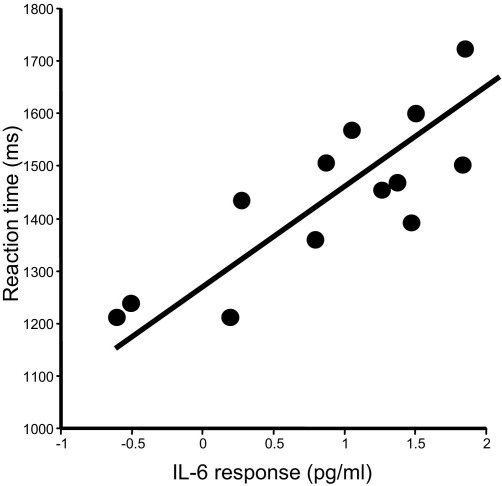
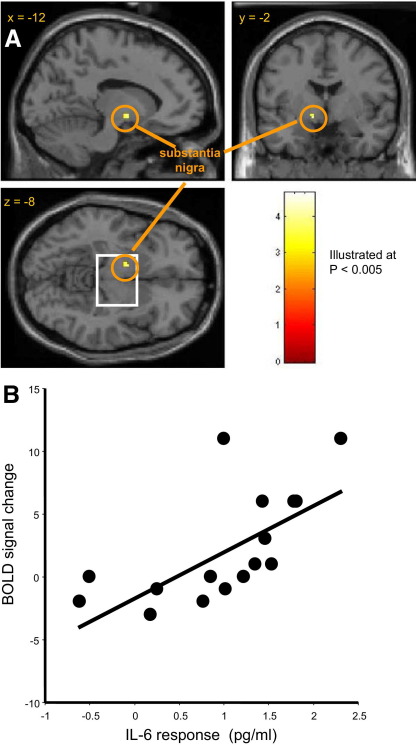
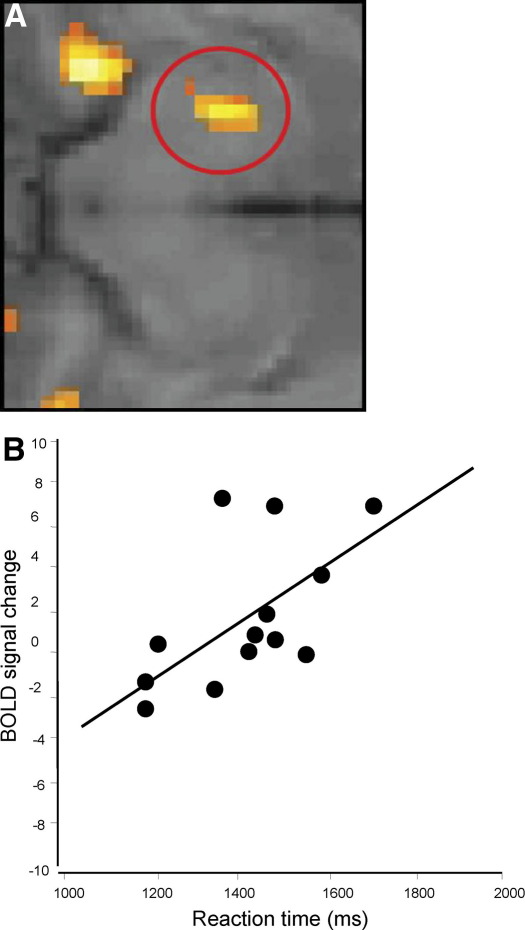
BackgroundSystemic infections commonly cause sickness symptoms including psychomotor retardation. Inflammatory cytokines released during the innate immune response are implicated in the communication of peripheral inflammatory signals to the brain.MethodsWe used functional magnetic resonance brain imaging (fMRI) to investigate neural effects of peripheral inflammation following typhoid vaccination in 16 healthy men, using a double-blind, randomized, crossover-controlled design.ResultsVaccination had no global effect on neurovascular coupling but markedly perturbed neural reactivity within substantia nigra during low-level visual stimulation. During a cognitive task, individuals in whom typhoid vaccination engendered higher levels of circulating interleukin-6 had significantly slower reaction time responses. Prolonged reaction times and larger interleukin-6 responses were associated with evoked neural activity within substantia nigra.ConclusionsOur findings provide mechanistic insights into the interaction between inflammation and neurocognitive performance, specifically implicating circulating cytokines and midbrain dopaminergic nuclei in mediating the psychomotor consequences of systemic infection. Systemic infections commonly cause sickness symptoms including psychomotor retardation. Inflammatory cytokines released during the innate immune response are implicated in the communication of peripheral inflammatory signals to the brain. We used functional magnetic resonance brain imaging (fMRI) to investigate neural effects of peripheral inflammation following typhoid vaccination in 16 healthy men, using a double-blind, randomized, crossover-controlled design. Vaccination had no global effect on neurovascular coupling but markedly perturbed neural reactivity within substantia nigra during low-level visual stimulation. During a cognitive task, individuals in whom typhoid vaccination engendered higher levels of circulating interleukin-6 had significantly slower reaction time responses. Prolonged reaction times and larger interleukin-6 responses were associated with evoked neural activity within substantia nigra. Our findings provide mechanistic insights into the interaction between inflammation and neurocognitive performance, specifically implicating circulating cytokines and midbrain dopaminergic nuclei in mediating the psychomotor consequences of systemic infection.
Overview
The claims and statistics of this paper haven’t been checked yet.
Run the check — free, no account needed. It reads the open-access text and checks the sources it cites.
Integrity signals
Registry
Cites
Statistics
Figures
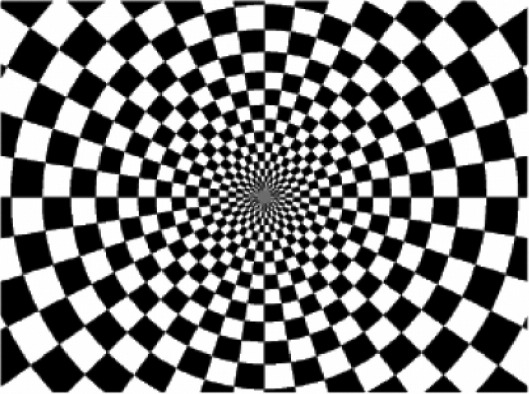
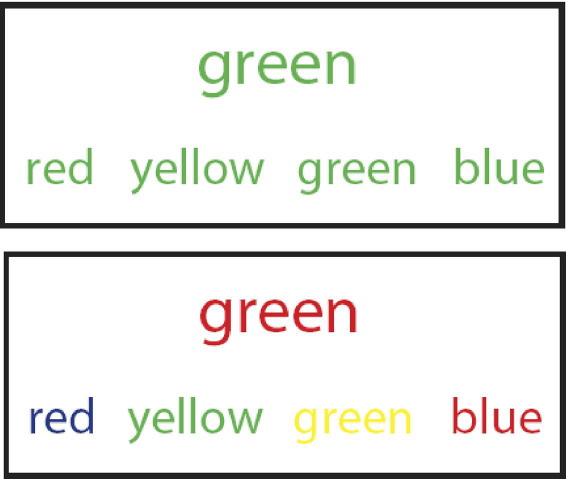
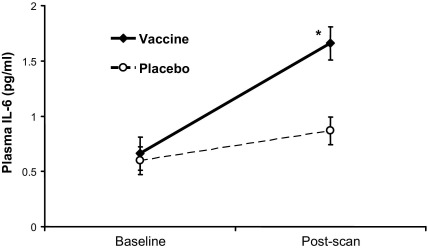
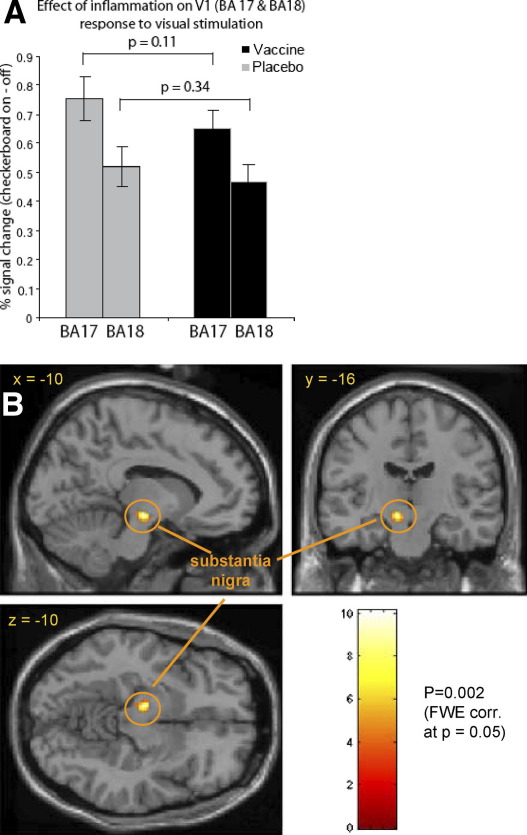
Verification
Claims the paper makes
The claims and statistics of this paper haven’t been checked yet.
Run the check — free, no account needed. It reads the open-access text and checks the sources it cites.
Claims other papers make about this one
Each is checked against this paper’s own text: does it say what the citing paper says it does?
The cited source says what the claim attributes to it.
In the citing paper
“typhoid vaccination has been associated with altered neural activity in the substantia nigra, a part of the basal ganglia that is involved in motor planning and reward seeking”
From From stress to inflammation and major depressive disorder: A social signal transduction theory of depression. (2014) · cites this paper as Brydon, Harrison, Walker, Steptoe, & Critchley, 2008
In the citing paper
“Brydon et al. (2008) examined Stroop performance after typhoid vaccination, and found that individuals with higher vaccine-induced IL-6 levels had significantly slower reaction times across both incongruent and congruent trials.”
From The role of inflammation in core features of depression: Insights from paradigms using exogenously-induced inflammation. (2018) · cites this paper as Brydon et al., 2008
In the citing paper
“Thus, inflammation did not impair inhibitory control, but rather led to an overall psychomotor slowing and/or decrease in motivation (Brydon et al., 2008).”
From The role of inflammation in core features of depression: Insights from paradigms using exogenously-induced inflammation. (2018) · cites this paper as Brydon et al., 2008
In the citing paper
“Studies across the endotoxin, typhoid vaccination, and IFN-α paradigms have consistently shown that exogenous stimulation of proinflammatory cytokines leads to reports of increased fatigue (Brydon et al., 2008; Capuron et al., 2002; Dowell et al., 2016; Eisenberger et al., 2010a; Grigoleit et al., 2011; Harrison et al., 2009; Moieni et al., 2015) and decreases in ratings of vigor (Dowell et al., 2”
From The role of inflammation in core features of depression: Insights from paradigms using exogenously-induced inflammation. (2018) · cites this paper as Brydon et al., 2008
In the citing paper
“Further, greater IL-6 following typhoid vaccination was associated with slower response times on all trials of a color-word Stroop task (both congruent and incongruent trials) (Brydon et al., 2008).”
From The role of inflammation in core features of depression: Insights from paradigms using exogenously-induced inflammation. (2018) · cites this paper as Brydon et al., 2008
In the citing paper
“Notably, increases in IL-6 and decreases in motor speed were both associated with altered activation patterns (enhanced activation) in the substantia nigra (Brydon et al., 2008).”
From The role of inflammation in core features of depression: Insights from paradigms using exogenously-induced inflammation. (2018) · cites this paper as Brydon et al., 2008
In the citing paper
“This is exemplified by typhoid vaccine studies which can lead to increases in fatigue within 2–3 hours despite eliciting only mild, acute increases in inflammation (Brydon et al., 2008).”
From The role of inflammation in core features of depression: Insights from paradigms using exogenously-induced inflammation. (2018) · cites this paper as Brydon et al., 2008
In the citing paper
“Mild, short-term increases in inflammation are sufficient to cause somatic symptoms, particularly fatigue.”
From The role of inflammation in core features of depression: Insights from paradigms using exogenously-induced inflammation. (2018) · cites this paper as Brydon et al., 2008
In the citing paper
“depression and fatigue are the main side effects of treatment with IFN-α (111, 112).”
From Cytokine Research in Depression: Principles, Challenges, and Open Questions (2019) · cites this paper as [111]
Self-check
Percentages, sums and reported differences re-computed from the paper’s own numbers.
The self-check needs the paper’s full text.
Citations
Cites
Dopamine, learning and motivation.
Wise, R. A. (2004) · Nature Reviews Neuroscience · doi:10.1038/nrn1406 · Cited by 3,379 · cited 2×
“gonists that potentiate dopaminergic neurotransmission imrove the speed of motor responses in animals, whereas striatal opamine depletion and selective blockade of dopamine D1 or 2 receptors significantly impair performance on reaction time asks (13,16,17).”
Biological basis of the behavior of sick animals
Hart, B. L. (1988) · Neuroscience & Biobehavioral Reviews · doi:10.1016/s0149-7634(88)80004-6 · Cited by 2,223
Cytokine-Associated Emotional and Cognitive Disturbances in Humans
Reichenberg, A., Yirmiya, R., Schuld, A., Kraus, T., Haack, M., Morag, A., & Pollmächer, T. (2001) · Archives of General Psychiatry · doi:10.1001/archpsyc.58.5.445 · Cited by 1,365
Systemic infections and inflammation affect chronic neurodegeneration
Perry, V. H., Cunningham, C., & Holmes, C. (2007) · Nature Reviews Immunology · doi:10.1038/nri2015 · Cited by 1,027
Kim, W., Mohney, R. P., Wilson, B. C., Jeohn, G., Liu, B., & Hong, J. (2000) · Journal of Neuroscience · doi:10.1523/jneurosci.20-16-06309.2000 · Cited by 881
Optimized EPI for fMRI studies of the orbitofrontal cortex
Deichmann, R., Gottfried, J. A., Hutton, C., & Turner, R. (2003) · NeuroImage · doi:10.1016/s1053-8119(03)00073-9 · Cited by 821
Maes, M., Bosmans, E., De Jongh, R., Kenis, G., Vandoolaeghe, E., & Neels, H. (1997) · Cytokine · doi:10.1006/cyto.1997.0238 · Cited by 728
Gao, H., Jiang, J., Wilson, B. C., Zhang, W., Hong, J., & Liu, B. (2002) · Journal of Neurochemistry · doi:10.1046/j.1471-4159.2002.00928.x · Cited by 690
Kim, Y. S., & Joh, T. H. (2006) · Experimental & Molecular Medicine · doi:10.1038/emm.2006.40 · Cited by 655
Acute Systemic Inflammation Impairs Endothelium-Dependent Dilatation in Humans
Hingorani, A. D., Cross, J. M., Kharbanda, R. K., Mullen, M. J., Bhagat, K., Taylor, M., Donald, A. E., Palacios‐Callender, M., Griffin, G. E., Deanfield, J. E., et al. (2000) · Circulation · doi:10.1161/01.cir.102.9.994 · Cited by 605
Cited by
Sorted by citations
Items 201–300 of 379
Genetic biomarkers of depression
Tamatam, A., Bawa, A. S., & Khanum, F. (2012) · Indian journal of human genetics · doi:10.4103/0971-6866.96639 · Cited by 32
“[121] In both cases, symptom severity correlated with increases in peripheral blood cytokine concentrations.”
Associations of number and severity of depressive episodes with C-reactive protein and Interleukin-6
Jeenger, J., Sharma, M. S., Mathur, D. M., & Amandeep, A. (2017) · Asian Journal of Psychiatry · doi:10.1016/j.ajp.2017.02.016 · Cited by 28
Inflammatory cytokines and callosal white matter microstructure in adolescents
Ho, T. C., Kulla, A., Teresi, G. I., Sisk, L. M., Rosenberg‐Hasson, Y., Maecker, H. T., & Gotlib, I. H. (2021) · Brain Behavior and Immunity · doi:10.1016/j.bbi.2021.12.003 · Cited by 30
“…matter connections appear to be sensitive to peripheral inflammation, consistent with previous work in functional MRI examining associations be-tween inflammation and reward-related activation in the striatum (Brydon et al., 2008; Capuron et al., 2012; Eisenberger et al. 2010; Miller et al., 2021).”
ResultCvejic, E., Lemon, J., Hickie, I. B., Lloyd, A. R., & Vollmer-Conna, U. S. (2013) · Brain Behavior and Immunity · doi:10.1016/j.bbi.2013.11.002 · Cited by 27
“…associated with immune activation, both experimentally by administration of bacterial endotoxin or IFN-a in otherwise healthy human subjects (Brydon et al., 2008; Cohen et al., 2003; Grigoleit et al., 2010, 2011; Krabbe et al., 2005; Reichenberg et al., 2001; Smith et al., 1988) and during…”
Frank, P., Ajnakina, O., Steptoe, A., & Cadar, D. (2020) · Translational Psychiatry · doi:10.1038/s41398-020-0815-9 · Cited by 29
Self-citationGoldsmith, D. R., Massa, N., Pearce, B. D., Wommack, E. C., Alrohaibani, A., Goel, N., Cuthbert, B. N., Fargotstein, M., Felger, J. C., Haroon, E., et al. (2020) · Schizophrenia · doi:10.1038/s41537-020-0098-4 · Cited by 29
Jolink, T. A., Fendinger, N. J., Alvarez, G., Feldman, M. J., Gaudier‐Diaz, M. M., & Muscatell, K. A. (2021) · Brain Behavior and Immunity · doi:10.1016/j.bbi.2021.10.019 · Cited by 28
Psychoneuroimmunology: the example of psoriasis.
Moynihan, J. A., Rieder, E. A., & Tausk, F. (2010) · PubMed · Cited by 27
Selective effects of acute low-grade inflammation on human visual attention
Balter, L. J. T., Bosch, J. A., Aldred, S., Drayson, M. T., Zanten, J. V., Higgs, S., Raymond, J. E., & Mazaheri, A. (2019) · NeuroImage · doi:10.1016/j.neuroimage.2019.116098 · Cited by 24
“Similarly, Brydon et al. (2008) reported no effect on putative attention measures using vaccination against Salmonella typhi as a low-grade inflammatory stimulus.”
BackgroundResultSergeeva, M. G., Rech, J., Schett, G. A., & Heß, A. (2015) · Arthritis Research & Therapy · doi:10.1186/s13075-015-0783-2 · Cited by 26
“This phenomenon has been well described and implicates, depending on the severity of the disturbance, such symptoms as fatigue, psychomotor slowing [22, 29], anxiety, anhedonia [51], cognitive dysfunction [52] (for review of the role of cytokines in maintaining the normal cognitive function see [53]), social withdrawa…”
Biobehavioral Approaches to Pain
Moore, R. J. (2009) · Springer eBooks · doi:10.1007/978-0-387-78323-9 · Cited by 26
Astrocytic TNFα regulates the behavioral response to antidepressants
Duseja, R., Heir, R., Lewitus, G. M., Altimimi, H. F., & Stellwagen, D. (2015) · Brain Behavior and Immunity · doi:10.1016/j.bbi.2014.09.012 · Cited by 25
Impact of neuroinflammation on brain glutamate and dopamine signalling in schizophrenia: an update
Nayak, U. Y., Manikkath, J., Arora, D. S., & Mudgal, J. (2025) · Metabolic Brain Disease · doi:10.1007/s11011-025-01548-3 · Cited by 29
“A clinical study concluded that innate immune activation and the release of inflammatory cytokine IL-6 following typhoid vaccination affects reward circuits and substantia nigra function, thus showing significant psychomotor con - sequences (Brydon et al. 2008).”
Inflammation Mediates Body Weight and Ageing Effects on Psychomotor Slowing
Balter, L. J. T., Higgs, S., Aldred, S., Bosch, J. A., & Raymond, J. E. (2019) · Scientific Reports · doi:10.1038/s41598-019-52062-3 · Cited by 25
Aging as a Context for the Role of Inflammation in Depressive Symptoms
Straka, K., Tran, M.-L. M., Millwood, S. N., Swanson, J., & Kuhlman, K. R. (2021) · Frontiers in Psychiatry · doi:10.3389/fpsyt.2020.605347 · Cited by 26
Dopamine Transmission Imbalance in Neuroinflammation: Perspectives on Long-Term COVID-19
Mancini, M., Natoli, S., Gardoni, F., Luca, M. D., & Pisani, A. (2023) · International Journal of Molecular Sciences · doi:10.3390/ijms24065618 · Cited by 24
Halaris, A. E., & Cook, J. T. (2023) · Advances in experimental medicine and biology · doi:10.1007/978-981-19-7376-5_21 · Cited by 27
Inflammatory markers and incident depression: evidence in a population-based prospective study
Shi, R., Gwee, X., Chua, D. Q., Tan, C. T., Yap, K. B., Larbi, A., Lu, Y., & Ng, T. P. (2022) · Psychoneuroendocrinology · doi:10.1016/j.psyneuen.2022.105806 · Cited by 23
Liu, Q., Ely, B. A., Simkovic, S. J., Tao, A., Wolchok, R. E., Alonso, C. M., & Gabbay, V. (2020) · Brain Behavior & Immunity - Health · doi:10.1016/j.bbih.2020.100153 · Cited by 23
“In addition, typhoid vaccination in healthy volunteers has been shown to alter activity in the substantia nigra in relation to psychomotor slowing (Brydon et al., 2008).”
BackgroundChen, K., Jones, H. M., & Gill, K. L. (2022) · Drug Metabolism and Disposition · doi:10.1124/dmd.122.000926 · Cited by 23
“Vaccination also causes a significant transient increase in IL-6 and other cytokine concentrations (Tsai et al., 2005; Wright et al., 2005; Brydon et al., 2008; Harrison et al., 2009; Herrin et al., 2014; Sharpley et al., 2016; Kuhlman et al., 2018).”
Systemic inflammation alters central 5-HT function as determined by pharmacological MRI
Couch, Y., Martin, C. J., Howarth, C., Raley, J., Khrapitchev, A. A., Stratford, M. R. L., Sharp, T., Sibson, N. R., & Anthony, D. C. (2013) · NeuroImage · doi:10.1016/j.neuroimage.2013.02.046 · Cited by 22
“This finding is in accord with human fMRI studies, which show that changes in neuronal activity may be altered by states of heightened immune compromise (Brydon et al., 2008).”
InfluentialLittrell, J. L. (2012) · Frontiers in Psychology · doi:10.3389/fpsyg.2012.00297 · Cited by 22
“Following typhoid protein inoculation, levels of IL-6 correlate with altered activity in the substantia nigra and behavioral measures of slower reaction times (Brydon et al., 2008).”
BackgroundInflammation and Mood Disorders: Proinflammatory Cytokines and the Pathogenesis of Depression
Currier, M. B., & Nemeroff, C. B. (2010) · Anti-Inflammatory & Anti-Allergy Agents in Medicinal Chemistry · doi:10.2174/1871523011009030212 · Cited by 21
Nicholson, W., Kempf, M., Moneyham, L. D., & Vance, D. (2017) · Neuropsychiatric Disease and Treatment · doi:10.2147/ndt.s136065 · Cited by 19
“32,33 The cytokine-induced CAP disruption compromises the prefrontal cortex and its functional capacity to maintain executive function, attention, memory, and adaptive social behaviors.”
Ji, C., Yan, Y., Yuan, F., Cao, J., Li, S., Eickhoff, S. B., & Zhang, J. (2018) · Brain Behavior and Immunity · doi:10.1016/j.bbi.2018.11.020 · Cited by 20
Association of sudden sensorineural hearing loss with dementia: a nationwide cohort study
Tai, S., Shen, C.-T., Wang, L., & Chien, C. (2021) · BMC Neurology · doi:10.1186/s12883-021-02106-x · Cited by 22
“These associations between systemic inflammation and cognitive impairment have been found in all age groups— young [46], middle-aged [47], and older [48] adults.”
BackgroundReviewing the neurobiology of electroconvulsive therapy on a micro- meso- and macro-level
Belge, J.-B., Mulders, P. C. R., van Diermen, L., Sienaert, P. A., Sabbe, B., Abbott, C., Tendolkar, I., Schrijvers, D. L., & van Eijndhoven, P. (2023) · Progress in Neuro-Psychopharmacology and Biological Psychiatry · doi:10.1016/j.pnpbp.2023.110809 · Cited by 21
Lucido, M. J., & Dunlop, B. W. (2025) · Brain Sciences · doi:10.3390/brainsci15020161 · Cited by 20
“There is an extensive literature on the induction of depressive symptoms by the administration of inflammatory cytokines such as interferon (IFN)- α [174,175] as well as vaccines and endotoxins [176–178] with significant phenotypic overlap with otherwise healthy depressed individuals [179].”
Paine, N. J., Bosch, J. A., Ring, C., Drayson, M. T., & Zanten, J. V. (2014) · Psychophysiology · doi:10.1111/psyp.12360 · Cited by 19
Yu, Y., Zhu, W., Liang, Q., Jing, L. I. U., Yang, X., & Sun, G. (2018) · Journal of Neuroimmunology · doi:10.1016/j.jneuroim.2018.05.001 · Cited by 19
Salivary Bioscience, Immunity, and Inflammation
Riis, J. L., Byrne, M., Hernández, L. M., & Robles, T. (2020) · Springer eBooks · doi:10.1007/978-3-030-35784-9_9 · Cited by 13
Zhou, C., Chen, J., Tang, X., Feng, X., Yu, M., Sha, W., Wang, X., Zhang, X., Yi, H., & Zhang, X. (2018) · Psychiatry Research · doi:10.1016/j.psychres.2018.06.067 · Cited by 18
Kuhlman, K. R., Cole, S. W., Irwin, M. R., Craske, M. G., Fuligni, A. J., & Bower, J. E. (2023) · Brain Behavior and Immunity · doi:10.1016/j.bbi.2023.01.004 · Cited by 19
Sæther, L. S., Szabó, A., Akkouh, I. A., Haatveit, B. C., Mohn, C., Vaskinn, A., Aukrust, P., Ormerod, M. B. E. G., Steen, N. E., Melle, I. S., et al. (2024) · Brain Behavior and Immunity · doi:10.1016/j.bbi.2024.03.014 · Cited by 18
Sun, Y., Jia, T., Barker, E. D., Chen, D., Zhang, Z., Xu, J., Chang, S., Zhou, G., Liu, Y., Tay, N., et al. (2022) · Biological Psychiatry · doi:10.1016/j.biopsych.2022.06.012 · Cited by 18
Ben-Shaanan, T. L., Schiller, M., & Rolls, A. (2016) · Brain Behavior and Immunity · doi:10.1016/j.bbi.2016.11.024 · Cited by 16
Madison, A. A., Andridge, R., Kantaras, A. H., Renna, M. E., Bennett, J. M., Alfano, C. M., Povoski, S. P., Agnese, D. M., Lustberg, M. B., Wesolowski, R., et al. (2023) · Cancers · doi:10.3390/cancers15174414 · Cited by 16
“The typhoid vaccine can affect cognition [33], so only data from the placebo visit were used (162 study visits).”
MethodBelge, J.-B., van Diermen, L., Sabbe, B., Moens, J., Morrens, M., Coppens, V., de Timary, P., Constant, E., Vansteelandt, K., Sienaert, P. A., et al. (2020) · Progress in Neuro-Psychopharmacology and Biological Psychiatry · doi:10.1016/j.pnpbp.2020.110146 · Cited by 18
Harper, J. A., South, C. C., Trivedi, M. H., & Toups, M. S. P. (2017) · General Hospital Psychiatry · doi:10.1016/j.genhosppsych.2017.07.005 · Cited by 16
Inflammation Through a Psychoneuroimmunological Lens
Bennett, J. M., Gillie, B. L., Lindgren, M. E., Fagundes, C. P., & Kiecolt-Glaser, J. K. (2013) · Handbook of Systems and Complexity in Health · doi:10.1007/978-1-4614-4998-0_19 · Cited by 15
Inflammation and Depression: the Neuroimmune Connection
Toups, M. S. P. (2018) · Current Treatment Options in Psychiatry · doi:10.1007/s40501-018-0157-x · Cited by 13
Gepner, Y., Hoffman, J. R., Hoffman, M. W., Zelicha, H., Cohen, H., & Ostfeld, I. (2018) · Journal of the Royal Army Medical Corps · doi:10.1136/jramc-2018-001084 · Cited by 9
Radin, A. S., Kuhlman, K. R., Boyle, C. C., Haydon, M. D., & Bower, J. E. (2021) · Brain Behavior & Immunity - Health · doi:10.1016/j.bbih.2021.100239 · Cited by 13
Rodriguez‐Zas, S. L., Nixon, S. E., Lawson, M. A., McCusker, R. H., Southey, B. R., O’Connor, J. C., Dantzer, R., & Kelley, K. W. (2014) · Brain Behavior and Immunity · doi:10.1016/j.bbi.2014.09.018 · Cited by 14
“Likewise, depressive phenotypes were observed in response to bacterial challenge (Brydon et al., 2008).”
Neuroendocrine–Immune Interactions: Implications for Health and Behavior
Pace, T. W. W., Raison, C. L., & Miller, A. H. (2009) · Elsevier eBooks · doi:10.1016/b978-008088783-8.00083-8 · Cited by 15
Giollabhui, N. M., Mischoulon, D., Dunlop, B. W., Kinkead, B. L., Schettler, P. J., Liu, R. T., Okereke, O. I., Lamon‐Fava, S., D, M. F. M., & Rapaport, M. H. (2023) · Brain Behavior & Immunity - Health · doi:10.1016/j.bbih.2023.100666 · Cited by 14
Bekhbat, M., Block, A. M., Dickinson, S. Y., Tharpd, G. K., Bosinger, S. E., & Felger, J. C. (2025) · Brain Behavior and Immunity · doi:10.1016/j.bbi.2025.01.010 · Cited by 13
Mental Effort: Brain and Autonomic Correlates in Health and Disease
Radulescu, E., Nagai, Y., & Critchley, H. (2014) · Springer eBooks · doi:10.1007/978-1-4939-1236-0_16 · Cited by 13
Self-citationPlatt, B. J., Schulenberg, J., Klee, N., Nizami, M., & Clark, J. A. (2012) · Psychopharmacology · doi:10.1007/s00213-012-2923-6 · Cited by 15
Irwin, M. R., Boyle, C. C., Cho, H. J., Piber, D., Breen, E. C., Sadeghi, N., Castillo, D., Smith, M. T., Eisenberger, N. I., & Olmstead, R. (2023) · Brain Behavior & Immunity - Health · doi:10.1016/j.bbih.2023.100601 · Cited by 13
Sharma, A., & Goel, A. (2023) · Current Topics in Medicinal Chemistry · doi:10.2174/1568026623666230915095151 · Cited by 13
Alzarea, S. I., Khan, A., Ronan, P. J., Lutfy, K., & Rahman, S. (2024) · Brain Sciences · doi:10.3390/brainsci14030290 · Cited by 12
Goldsmith, D. R., Ning, C. S., Strauss, G. P., Gross, R. E., Cooper, J. A., Wommack, E. C., Haroon, E., Felger, J. C., Walker, E. F., Treadway, M. T., et al. (2025) · Neuropsychopharmacology · doi:10.1038/s41386-025-02114-2 · Cited by 12
Cytokines as Neuromodulators: Insights From Experimental Studies With Humans and Nonhuman Primates
Martins, D., & Harrison, N. A. (2025) · Biological Psychiatry · doi:10.1016/j.biopsych.2025.06.037 · Cited by 16
Self-citationNeurocognitive Performance in Depressed Patients with low-grade inflammation and somatic symptoms
Kaşer, M., Foley, É. M., & Khandaker, G. M. (2021) · Brain Behavior & Immunity - Health · doi:10.1016/j.bbih.2021.100409 · Cited by 12
“Evidence from experimentally induced inflammation via typhoid vaccine (Brydon et al., 2008) suggests that vaccinated participants have drastic”
BackgroundWhale, R., Fialho, R., Rolt, M., Eccles, J., Pereira, M., Keller, M., File, A., Haq, I., & Tibble, J. A. (2015) · Journal of Psychosomatic Research · doi:10.1016/j.jpsychores.2015.06.003 · Cited by 12
Swanepoel, T., Harvey, B. H., Harden, L. M., Laburn, H. P., & Mitchell, D. (2011) · Brain Behavior and Immunity · doi:10.1016/j.bbi.2011.05.008 · Cited by 11
La inflamación y sus desencantos: papel de las citocinas en la fisiopatología de la depresión mayor
Miller, A. H., Maletic, V., & Raison, C. L. (2010) · Psiquiatría Biológica · doi:10.1016/j.psiq.2010.04.001 · Cited by 16
Oriolo, G., Blanco‐Hinojo, L., Navinés, R., Mariñó, Z., Martín‐Hernández, D., Cavero, M., Giménez, M. D., Caso, J. R., Capuron, L., Forns, X., et al. (2019) · Brain Behavior and Immunity · doi:10.1016/j.bbi.2019.03.008 · Cited by 14
“Moreover, several neuroimaging studies have suggested that disrupted connectivity between the basal ganglia and putamen elicits behavioral changes following inflammatory challenges (Brydon et al., 2008; Felger and Miller, 2012).”
BackgroundSleep disturbances in chronic liver disease
Busebee, B. T., Watt, K. D. S., Dupuy-McCauley, K. L., & DuBrock, H. M. (2024) · Liver Transplantation · doi:10.1097/lvt.0000000000000369 · Cited by 11
Chandra, A., Miller, B. J., & Goldsmith, D. R. (2023) · Brain Behavior and Immunity · doi:10.1016/j.bbi.2023.08.001 · Cited by 11
Handke, A. E., Axelsson, J., Benson, S., Boy, K., Weskamp, V., Hasenberg, T., Remy, M., Hebebrand, J., Föcker, M., Brinkhoff, A., et al. (2020) · Brain Behavior & Immunity - Health · doi:10.1016/j.bbih.2020.100130 · Cited by 11
Effects of upper respiratory tract illnesses and stress on alertness and reaction time
Smith, A. P. (2013) · Psychoneuroendocrinology · doi:10.1016/j.psyneuen.2013.03.012 · Cited by 12
Mekhora, C., Lamport, D. J., & Spencer, J. P. E. (2024) · Nutrition and Healthy Aging · doi:10.3233/nha-240006 · Cited by 10
Mahanti, S., Majhi, A., Chongdar, S., Kundu, K., Dutta, K., Basu, A., & Bishayi, B. (2012) · Brain Behavior and Immunity · doi:10.1016/j.bbi.2012.11.001 · Cited by 10
“Levels of IL-6 correlate with altered activity in the substantia nigra and behavioral measures of slower reaction times (Brydon et al., 2008).”
Are sick people really more impulsive?: Investigating inflammation-driven impulsivity
Madison, A. A., & Kiecolt‐Glaser, J. K. (2022) · Psychoneuroendocrinology · doi:10.1016/j.psyneuen.2022.105763 · Cited by 10
Role of Inflammation in Psychiatric Disease
Raison, C. L., Rook, G. A. W., Miller, A. H., & Begay, T. K. (2014) · Elsevier eBooks · doi:10.1016/b978-0-12-398270-4.00026-4 · Cited by 10
Stress-induced immunosuppression and physical performance
Miyazaki, H., & Kinoshita, M. (2015) · The Journal of Physical Fitness and Sports Medicine · doi:10.7600/jpfsm.4.295 · Cited by 10
Xue, T., Zhou, Y., Wang, Z., Wang, L., Xia, T., Yan, M., & Chang, Q. (2024) · Behavioural Brain Research · doi:10.1016/j.bbr.2024.115142 · Cited by 10
Critchley, H., & Patchitt, J. (2024) · Current topics in behavioral neurosciences · doi:10.1007/7854_2024_518 · Cited by 9
Self-citationLipopolysaccharide Effects on Neurotransmission: Understanding Implications for Depression
Batey, L., Baumberger, B., Khoshbouei, H., & Hashemi, P. (2024) · ACS Chemical Neuroscience · doi:10.1021/acschemneuro.4c00591 · Cited by 9
Debs, S. R., Rothmond, D. A., Zhu, Y., Weickert, C. S., & Purves-Tyson, T. D. (2024) · Journal of Psychiatric Research · doi:10.1016/j.jpsychires.2024.07.004 · Cited by 9
Mohammad, T. A. M., Mohammad, T. A. M., & Shawis, T. N. (2024) · Brain Research Bulletin · doi:10.1016/j.brainresbull.2024.111047 · Cited by 8
“Hyper-inflammation cytokines have been demonstrated to cause psychomotor slowness, anhedonia, and reduced basal ganglia activity (Capuron et al., 2012; Eisenberger et al., 2010; Brydon et al., 2008).”
BackgroundSayed, S. Z., Hassan, Z. O., Abdelraheem, W. M., Refaat, R. S., & Abuelela, I. S. (2024) · BMC Pediatrics · doi:10.1186/s12887-024-05254-4 · Cited by 9
“Accordingly, cytokines can alter cognitive processes such as response time and memory consolidation [29], which can be disrupted in ADHD.”
Wu, J., Huang, Y., Lu, H., Li, H., Zhou, S., Zhang, Z., Zhang, Z., Feng, S., Liu, C., Fong, L. M., et al. (2026) · BMC Psychiatry · doi:10.1186/s12888-026-07782-y · Cited by 8
Conflicts hurt: social stress predicts elevated pain and sadness after mild inflammatory increases
Madison, A. A., Renna, M. E., Andridge, R., Peng, J., Shrout, M. R., Sheridan, J. F., Lustberg, M. B., Ramaswamy, B., Wesolowski, R., Williams, N. O., et al. (2023) · Pain · doi:10.1097/j.pain.0000000000002894 · Cited by 8
Dao, L., Cai, Z., Wu, J., & Zhang, Y. (2019) · Neurological Research · doi:10.1080/01616412.2019.1565649 · Cited by 8
“Studies have demonstrated that both acute and chronic administration of cytokines or its inducers lipopolysaccharide and vaccination can cause the expression of depression-like behavior [39,40].”
BackgroundChat, I. K.-Y., Giollabhui, N. M., Bart, C. P., Graham, A. A., Coe, C. L., Abramson, L. Y., Olino, T. M., & Alloy, L. B. (2023) · Brain Behavior and Immunity · doi:10.1016/j.bbi.2023.02.016 · Cited by 8
Petra, C. V., Visu‐Petra, L., Buta, M., Tămaș, M. M., Bengà, O., & Rednic, S. (2020) · Psychology Research and Behavior Management · doi:10.2147/prbm.s261312 · Cited by 8
Additive effects of depression and obesity on neural correlates of inhibitory control
Kaufmann, L., Custers, E., Vreeken, D., Snabel, J. M., Morrison, M. C., Kleemann, R., Wiesmann, M., Hazebroek, E. J., Aarts, E., & Kiliaan, A. J. (2024) · Journal of Affective Disorders · doi:10.1016/j.jad.2024.06.093 · Cited by 7
Potential Neuroimmunological Targets in the Treatment of Anxiety Disorders
Hou, R. H., Tang, Z., & Baldwin, D. S. (2013) · Modern trends in psychiatry · doi:10.1159/000351965 · Cited by 7
Hunter, C. L., & Shields, G. S. (2021) · Cognitive Development · doi:10.1016/j.cogdev.2021.101140 · Cited by 9
“Greater inflammatory activity, in turn, impairs cognitive functioning (Brydon, Harrison, Walker, Steptoe, & Critchley, 2008; Harrison, Doeller, Voon, Burgess, & Critchley, 2014; Shields, Moons, & Slavich, 2017), and a recent theoretical model has contended that inflammatory activity may impair…”
BackgroundRegional brain structural alterations in reward and salience networks in asthma
Carrol, D., Busse, W. W., Frye, C. J., Klaus, D. R., Bach, J. C., Floerke, H. L., Bendlin, B. B., Zetterberg, H., Blennow, K., Heslegrave, A., et al. (2025) · Brain Behavior and Immunity · doi:10.1016/j.bbi.2025.01.028 · Cited by 6
“Vaccination-induced acute inflammation, which often results in affective symptoms that resemble those of depressed patients, also alters basal ganglia activity, the extent of which is moderated by the IL-6 response to vaccine (Brydon et al., 2008).”
Suchting, R., Razouq, D., Jose, L., Nascimento, F., Wardle, M. C., Soares, J. C., Teixeira, A. L., & Selvaraj, S. (2023) · Journal of Psychiatric Research · doi:10.1016/j.jpsychires.2023.03.019 · Cited by 7
Felger, J. C. (2023) · Advances in neurobiology · doi:10.1007/978-3-031-21054-9_16 · Cited by 6
Developing translational animal models of cancer-related fatigue
Meagher, M. W. (2010) · Cambridge University Press eBooks · doi:10.1017/cbo9780511780868.016 · Cited by 5
Çetin, S., Uysal, S., Girgin, D., Alp, A., Kiliç, E., & Çıray, R. O. (2025) · Neuroglia · doi:10.3390/neuroglia6030034 · Cited by 4
“High levels of pro-in fl ammatory cytokines may a ff ect synaptic plasticity and neurogenesis [200] and impair cognitive processes like working memory and reaction time, which are often a ff ected in ADHD [201].”
Psychosocial predictors of the innate immune response to influenza vaccination
Kuhlman, K. R., Radin, A. S., Cole, S. W., & Bower, J. E. (2024) · Psychoneuroendocrinology · doi:10.1016/j.psyneuen.2024.106989 · Cited by 5
Zhao, S., & Liu, Z. (2020) · Journal of Affective Disorders · doi:10.1016/j.jad.2020.05.013 · Cited by 5
Effect of Severe External Airborne Agents’ Exposure on Dementia
Lee, S., Choi, J. Y., Yoon, J., & Lee, W. (2020) · Journal of Clinical Medicine · doi:10.3390/jcm9124069 · Cited by 5
“The high level of neuroinflammation has been known to cause hippocampal atrophy [30,31] and abnormal substantia nigra activity [32].”
BackgroundExperimental Human Endotoxemia, Sickness Behavior, and Neuropsychiatric Diseases
Grigoleit, J., Engler, H., & Schedlowski, M. (2015) · Current topics in neurotoxicity · doi:10.1007/978-3-319-13602-8_4 · Cited by 5
Developing interferon-β as a safe in vivo experimental-medicine model of human inflammation
Periche-Tomas, E., Underwood, J., MacIver, C., Leach, H., Bone, C., Guy, C., Triantafilou, K., Szomolay, B., Jones, S. A., & Harrison, N. A. (2025) · Brain Behavior and Immunity · doi:10.1016/j.bbi.2025.106173 · Cited by 4
Self-citationAn Overview of Machine Learning Applications in Mood Disorders
Topolski, N., Jeong, S. H., & Mwangi, B. (2021) · Cambridge University Press eBooks · doi:10.1017/9781108623018.017 · Cited by 4
Inflammation, Sickness Behaviour and Depression
Khandaker, G. M., Colasanti, A., & Harrison, N. A. (2021) · Cambridge University Press eBooks · doi:10.1017/9781108539623.008 · Cited by 5
Self-citationKullmann, J. S., Grigoleit, J.-S., & Schedlowski, M. (2011) · Zeitschrift für Medizinische Psychologie · doi:10.3233/zmp-2011-2024 · Cited by 3
Hills, C., Hernandez, C. A., Gabbay, V., & Berman, J. W. (2026) · Cells · doi:10.3390/cells15050399 · Cited by 3
“Characterizing the processes underlying inflammation, BBB disruption, and HIV-associated depression pathogenesis may identify biomarkers of depression risk or severity in PWH and lead to development of more targeted therapies for treating or preventing depression in this population.”
Alvarez, G., Jolink, T. A., West, T. N., Cardenas, M. N., Feldman, M. J., Cohen, J. R., & Muscatell, K. A. (2024) · Brain Behavior and Immunity · doi:10.1016/j.bbi.2024.09.010 · Cited by 3
Jolink, T. A., Feldman, M. J., Antenucci, N. M., Cardenas, M. N., West, T. N., Nakamura, Z. M., & Muscatell, K. A. (2025) · Brain Behavior and Immunity · doi:10.1016/j.bbi.2025.04.018 · Cited by 3
Treatments to Combat Opiate Dependence
Venkataraman, S. S. (2020) · Journal of Psychiatry Research Reviews & Reports · doi:10.47363/jpsrr/2020(2)108 · Cited by 2
(2021) · Cambridge University Press eBooks · doi:10.1017/9781108623018 · Cited by 3
Metadata
- Authors
- Brydon, L., Harrison, N. A., Walker, C., Steptoe, A., & Critchley, H. D.
- Affiliations
- UCL Queen Square Institute of Neurology (GB)
- Wellcome Centre for Human Neuroimaging (GB)
- Brighton and Sussex Medical School (GB)
- Corresponding author
- Brydon, Lena
- Venue
- Biological Psychiatry
- Publisher
- Elsevier BV
- Published
- 2008-06
- Volume
- 63
- Issue
- 11
- Pages
- 1022-1029
- ISSN
- 0006-3223 (ISSN-L)
- PMC
- PMC2885493
- OpenAlex
- W2059416963
- Cited by
- 381
- References
- 48
- Citations by year
- 2026: 5 · 2025: 20 · 2024: 23 · 2023: 22 · 2022: 16 · 2021: 41 · 2020: 25 · 2019: 20 · 2018: 26 · 2017: 15 · 2016: 35 · 2015: 26 · 2014: 17 · 2013: 19 · 2012: 25
- FWCI
- 5.12
- Type
- journal article
- Language
- en
- Open access
- hybrid
- doi.org
- Licence
- Locations
- Biological Psychiatry (publishedVersion, cc-by)
- PubMed Central (publishedVersion, cc-by)
- PubMed (publishedVersion)
- Sussex Research Online (University of Sussex) (submittedVersion)
- UCL Discovery (University College London) (submittedVersion)
- Figshare (submittedVersion, cc-by)
- ORCA Online Research @Cardiff (Cardiff University) (submittedVersion)
- Funders
- Wellcome Trust
- British Heart Foundation
- Topics
- Life Sciences › Neuroscience › Biological Psychiatry › Tryptophan and brain disorders
- Life Sciences › Neuroscience › Neurology › Neuroinflammation and Neurodegeneration Mechanisms
- Life Sciences › Neuroscience › Behavioral Neuroscience › Stress Responses and Cortisol
- Keywords
- peripheral inflammation, substantia nigra, psychomotor retardation, typhoid vaccination, interleukin-6, sickness behavior, neuroinflammation, dopaminergic midbrain, reaction time, neurovascular coupling, systemic infection, cytokines
- MeSH terms
- Adolescent, Adult, Brain Mapping, Double-Blind Method, Humans, Image Processing, Computer-Assisted, Inflammation, Magnetic Resonance Imaging, Male, Neuropsychological Tests, Oxygen, Photic Stimulation, Psychomotor Performance, Reaction Time, Substantia Nigra, Typhoid Fever, Vaccination, Interleukin-6, Cross-Over Studies, Motor Skills Disorders
About these checks
Registry, retraction, Cites and statistics results are computed, not judged, with one exception: a printed reference that no index lists is read once by a model before it counts as a citation error. Claims are extracted by a model and kept only when their quote appears verbatim in the text; each cited source is then checked, with a model’s help, for whether it says what the claim relies on. Those verdicts can be wrong — read the claim’s quote and the cited source before relying on one.
Statistics and arithmetic are recomputed, not judged.
Confidence bands are shown only for fields calibrated on our annotated test set. None is calibrated yet, so no band is shown.
What counts as a claim ›How we measure confidence ›How we check this ›
Are you an author, or do you see a problem with this page? Request a review
