

The DOI matches its Crossref record; 41 of the 41 references it cites were found in a registry or an index.
Anxiety and depression in adult cancer patients: ESMO Clinical Practice Guideline
Open accessAbstract
•Anxiety and depressive disorders are common in patients with cancer.•A higher prevalence seen in patients with cancer than the general population is often underrecognised.•Psychotherapy, cognitive behavioural therapy and mindfulness-based therapies are effective treatments.•Psychopharmacological treatments have been shown to be effective treatments of anxiety and depressive disorders.
Overview
The claims and statistics of this paper haven’t been checked yet.
Run the check — free, no account needed. It reads the open-access text and checks the sources it cites.
Integrity signals
Registry
Cites
Statistics
Figures
Verification
Claims the paper makes
The claims and statistics of this paper haven’t been checked yet.
Run the check — free, no account needed. It reads the open-access text and checks the sources it cites.
Claims other papers make about this one
Each is checked against this paper’s own text: does it say what the citing paper says it does?
The source backs part of the claim, not all of it — or backs it for a different population, condition or comparison.
In the citing paper
“Uncertainty, fear of recurrence or progression, symptoms, functional disruption, and financial strain can contribute to distress, anxiety, depression, sleep disturbance, and unmet psychosocial needs”
From Mapping Technologies, Support Functions, Evaluation Outcomes, and Safety Governance Related to Conversational AI Agents for Psychological Support of Patients With Cancer: Scoping Review (2026) · cites this paper as [2]
Experimental — accuracy not yet measuredThe source backs part of the claim, not all of it — or backs it for a different population, condition or comparison.
In the citing paper
“Psychological distress and unmet psychosocial needs are common across the cancer continuum.”
From Mapping Technologies, Support Functions, Evaluation Outcomes, and Safety Governance Related to Conversational AI Agents for Psychological Support of Patients With Cancer: Scoping Review (2026) · cites this paper as [2]
Experimental — accuracy not yet measured
Self-check
Percentages, sums and reported differences re-computed from the paper’s own numbers.
The self-check needs the paper’s full text.
Citations
Cites
The Hospital Anxiety and Depression Scale
Zigmond, A. S., & Snaith, R. P. (1983) · Acta Psychiatrica Scandinavica · doi:10.1111/j.1600-0447.1983.tb09716.x · Cited by 47,139
The PHQ-9: Validity of a brief depression severity measure
Kroenke, K., Spitzer, R. L., & Williams, J. B. W. (2001) · Journal of General Internal Medicine · doi:10.1046/j.1525-1497.2001.016009606.x · Cited by 44,910
A Brief Measure for Assessing Generalized Anxiety Disorder: The GAD-7
Spitzer, R. L., Kroenke, K., Williams, J. B. W., & Löwe, B. (2006) · Archives of Internal Medicine · doi:10.1001/archinte.166.10.1092 · Cited by 31,765
Depression and quality of life in older persons: A review
Sivertsen, H., Bjørkløf, G. H., Engedal, K., Selbæk, G., & Helvik, A.-S. (2015) · Dementia and Geriatric Cognitive Disorders · doi:10.1159/000437299 · Cited by 14,152
Santomauro, D. F., Mantilla Herrera, A. M., Shadid, J., Zheng, P., Ashbaugh, C., Pigott, D. M., Abbafati, C., Adolph, C., Amlag, J. O., Aravkin, A. Y., et al. (2021) · The Lancet · doi:10.1016/s0140-6736(21)02143-7 · Cited by 5,444
Mitchell, A. J., Chan, M., Bhatti, H., Halton, M., Grassi, L., Johansen, C., & Meader, N. (2011) · The Lancet Oncology · doi:10.1016/s1470-2045(11)70002-x · Cited by 2,449
Self-citationAntidepressant Drug Effects and Depression Severity: A Patient-Level Meta-analysis
Fournier, J. C., DeRubeis, R. J., Hollon, S. D., Dimidjian, S., Amsterdam, J. D., Shelton, R. C., & Fawcett, J. (2010) · JAMA · doi:10.1001/jama.2009.1943 · Cited by 2,009
Case-finding instruments for depression: Two questions are as good as many
Whooley, M. A., Avins, A. L., Miranda, J., & Browner, W. S. (1997) · Journal of General Internal Medicine · doi:10.1046/j.1525-1497.1997.00076.x · Cited by 1,826
Fear of cancer recurrence in adult cancer survivors: a systematic review of quantitative studies
Simard, S., Thewes, B., Humphris, G., Dixon, M., Hayden, C., Mireskandari, S., & Ozakinci, G. (2013) · Journal of Cancer Survivorship · doi:10.1007/s11764-013-0272-z · Cited by 1,217
Faller, H., Schuler, M., Richard, M., Heckl, U., Weis, J., & Küffner, R. (2013) · Journal of Clinical Oncology · doi:10.1200/jco.2011.40.8922 · Cited by 912
Research works printed but not linked: 79
- Wang, 2020, Depression and anxiety in relation to cancer incidence and mortality: a systematic review and meta-analysis of cohort studies, Mol Psychiatry, 25, 1487, 10.1038/s41380-019-0595-x · DOI · Paper page
- Caruso, 2017, Depressive spectrum disorders in cancer: prevalence, risk factors and screening for depression: a critical review, Acta Oncol, 56, 146, 10.1080/0284186X.2016.1266090 · DOI · Paper page
- Herrman, 2019, Reducing the global burden of depression: a Lancet-World Psychiatric Association Commission, Lancet, 393, e42, 10.1016/S0140-6736(18)32408-5 · DOI
- Friedrich, 2017, Depression is the leading cause of disability around the world, JAMA, 317, 1517
- Grassi, 2018, Screening for emotional disorders in patients with cancer using the Brief Symptom Inventory (BSI) and the BSI-18 versus a standardized psychiatric interview (the World Health Organization Composite International Diagnostic Interview), Cancer, 124, 2415, 10.1002/cncr.31340 · DOI
- Passik, 1998, Oncologists’ recognition of depression in their patients with cancer, J Clin Oncol, 16, 1594, 10.1200/JCO.1998.16.4.1594 · DOI
- Keller, 2004, Recognition of distress and psychiatric morbidity in cancer patients: a multi-method approach, Ann Oncol, 15, 1243, 10.1093/annonc/mdh318 · DOI
- Kissane, 2014, Unrecognised and untreated depression in cancer care, Lancet Psychiatry, 1, 320, 10.1016/S2215-0366(14)70345-1 · DOI
- Grassi, 2020, Cancer and severe mental illness: bi-directional problems and potential solutions, Psychooncology, 29, 1445, 10.1002/pon.5534 · DOI
- Walker, 2014, Prevalence, associations, and adequacy of treatment of major depression in patients with cancer: a cross-sectional analysis of routinely collected clinical data, Lancet Psychiatry, 1, 343, 10.1016/S2215-0366(14)70313-X · DOI · Paper page
- Zabora, 2001, The prevalence of psychological distress by cancer site, Psychooncology, 10, 19, 10.1002/1099-1611(200101/02)10:1<19::AID-PON501>3.0.CO;2-6 · DOI · Paper page
- Linden, 2012, Anxiety and depression after cancer diagnosis: prevalence rates by cancer type, gender, and age, J Affect Disord, 141, 343, 10.1016/j.jad.2012.03.025 · DOI · Paper page
- Lebel, 2016, From normal response to clinical problem: definition and clinical features of fear of cancer recurrence, Support Care Cancer, 24, 3265
- Soleimani, 2020, Death anxiety in patients with cancer: a systematic review and meta-analysis, Eur J Oncol Nurs, 48, 10.1016/j.ejon.2020.101803 · DOI
- Grossman, 2018, Death anxiety interventions in patients with advanced cancer: a systematic review, Palliat Med, 32, 172, 10.1177/0269216317722123 · DOI · Paper page
- Hartung, 2017, The risk of being depressed is significantly higher in cancer patients than in the general population: prevalence and severity of depressive symptoms across major cancer types, Eur J Cancer, 72, 46, 10.1016/j.ejca.2016.11.017 · DOI · Paper page
- Grassi, 2016, Demoralization syndrome: new insights in psychosocial cancer care, Cancer, 122, 2130, 10.1002/cncr.30022 · DOI
- Tecuta, 2015, Demoralization: a systematic review on its clinical characterization, Psychol Med, 45, 673, 10.1017/S0033291714001597 · DOI
- Tang, 2015, A systematic review and meta-analysis of demoralization and depression in patients with cancer, Psychosomatics, 56, 634, 10.1016/j.psym.2015.06.005 · DOI
- Arrieta, 2013, Association of depression and anxiety on quality of life, treatment adherence, and prognosis in patients with advanced non-small cell lung cancer, Ann Surg Oncol, 20, 1941, 10.1245/s10434-012-2793-5 · DOI
- Lebel, 2017, Current state and future prospects of research on fear of cancer recurrence, Psychooncology, 26, 424, 10.1002/pon.4103 · DOI
- Yang, 2017, The relationship between cancer patient’s fear of recurrence and chemotherapy: a systematic review and meta-analysis, J Psychosom Res, 98, 55, 10.1016/j.jpsychores.2017.05.002 · DOI
- Yang, 2017, The relationship between cancer patient’s fear of recurrence and radiotherapy: a systematic review and meta-analysis, Psychooncology, 26, 738, 10.1002/pon.4224 · DOI
- Walker, 2013, Prevalence of depression in adults with cancer: a systematic review, Ann Oncol, 24, 895, 10.1093/annonc/mds575 · DOI
- Ahmad, 2021, Pathophysiological implications of neuroinflammation mediated HPA axis dysregulation in the prognosis of cancer and depression, Mol Cell Endocrinol, 520, 10.1016/j.mce.2020.111093 · DOI
- McFarland, 2021, Clinical implications of cancer related inflammation and depression: a critical review, Clin Pract Epidemiol Ment Health, 17, 287, 10.2174/1745017902117010287 · DOI
- Rebello, 2019, Anxiety and fear-related disorders in the ICD-11: results from a global case-controlled field study, Arch Med Res, 50, 490, 10.1016/j.arcmed.2019.12.012 · DOI
- Belvederi Murri, 2020, The relationship between demoralization and depressive symptoms among patients from the general hospital: network and exploratory graph analysis, J Affect Disord, 276, 137, 10.1016/j.jad.2020.06.074 · DOI
- Bruera, 1991, The Edmonton Symptom Assessment System (ESAS): a simple method for the assessment of palliative care patients, J Palliat Care, 7, 6, 10.1177/082585979100700202 · DOI
- Mitchell, 2010, Short screening tools for cancer-related distress: a review and diagnostic validity meta-analysis, J Natl Compr Canc Netw, 8, 487, 10.6004/jnccn.2010.0035 · DOI
- Mattsson, 2019, Identification of anxiety and depression symptoms in patients with cancer: comparison between short and long web-based questionnaires, J Med Internet Res, 21, 10.2196/11387 · DOI
- Andersen, 2014, Screening, assessment, and care of anxiety and depressive symptoms in adults with cancer: an American Society of Clinical Oncology guideline adaptation, J Clin Oncol, 32, 1605, 10.1200/JCO.2013.52.4611 · DOI · Paper page
- Butow, 2015, Clinical pathway for the screening, assessment and management of anxiety and depression in adult cancer patients: Australian guidelines, Psychooncology, 24, 987, 10.1002/pon.3920 · DOI
- Vodermaier, 2011, Accuracy of the Hospital Anxiety and Depression Scale as a screening tool in cancer patients: a systematic review and meta-analysis, Support Care Cancer, 19, 1899
- Ripamonti, 2014, The Edmonton Symptom Assessment System (ESAS) as a screening tool for depression and anxiety in non-advanced patients with solid or haematological malignancies on cure or follow-up, Support Care Cancer, 22, 783
- Thewes, 2015, The Concerns About Recurrence Questionnaire: validation of a brief measure of fear of cancer recurrence amongst Danish and Australian breast cancer survivors, J Cancer Surviv, 9, 68, 10.1007/s11764-014-0383-1 · DOI
- Hinz, 2015, Fear of progression in patients 6 months after cancer rehabilitation-a- validation study of the fear of progression questionnaire FoP-Q-12, Support Care Cancer, 23, 1579
- Lloyd-Williams, 2021, Socio-economic deprivation and symptom burden in UK hospice patients with advanced cancer-findings from a longitudinal study, Cancers (Basel), 13, 2537, 10.3390/cancers13112537 · DOI
- Ripamonti, 2020, The validation of the Italian version of the COmprehensive Score for financial Toxicity (COST), Support Care Cancer, 28, 4477
- Ryan, 2012, Sensitivity and specificity of the Distress Thermometer and a two-item depression screen (Patient Health Questionnaire-2) with a ‘help’ question for psychological distress and psychiatric morbidity in patients with advanced cancer, Psychooncology, 21, 1275, 10.1002/pon.2042 · DOI · Paper page
- Warmenhoven, 2012, The Beck Depression Inventory (BDI-II) and a single screening question as screening tools for depressive disorder in Dutch advanced cancer patients, Support Care Cancer, 20, 319
- Christensen, 2009, Prevalence and risk of depressive symptoms 3-4 months post-surgery in a nationwide cohort study of Danish women treated for early stage breast-cancer, Breast Cancer Res Treat, 113, 339, 10.1007/s10549-008-9920-9 · DOI
- Mitchell, 2012, Meta-analysis of screening and case finding tools for depression in cancer: evidence based recommendations for clinical practice on behalf of the Depression in Cancer Care consensus group, J Affect Disord, 140, 149, 10.1016/j.jad.2011.12.043 · DOI · Paper page
- Rayner, 2009, The detection of depression in palliative care, Curr Opin Support Palliat Care, 3, 55, 10.1097/SPC.0b013e328326b59b · DOI
- Thekkumpurath, 2011, Screening for major depression in cancer outpatients: the diagnostic accuracy of the 9-item patient health questionnaire, Cancer, 117, 218, 10.1002/cncr.25514 · DOI
- Lloyd-Williams, 2007, The development of the Brief Edinburgh Depression Scale (BEDS) to screen for depression in patients with advanced cancer, J Affect Disord, 99, 259, 10.1016/j.jad.2006.09.015 · DOI
- Rodriguez-Mayoral, 2021, Comparing the hospital anxiety and depression scale to the Brief Edinburgh Depression Scale for identifying cases of major depressive disorder in advanced cancer palliative patients, Palliat Support Care, 19, 170, 10.1017/S1478951520000760 · DOI
- Hartung, 2017, The Hospital Anxiety and Depression Scale (HADS) and the 9-item Patient Health Questionnaire (PHQ-9) as screening instruments for depression in patients with cancer, Cancer, 123, 4236, 10.1002/cncr.30846 · DOI
- Rankin, 2015, Everybody wants it done but nobody wants to do it: an exploration of the barrier and enablers of critical components towards creating a clinical pathway for anxiety and depression in cancer, BMC Health Serv Res, 15, 28, 10.1186/s12913-015-0691-9 · DOI
- Caruso, 2017, Depressive spectrum disorders in cancer: diagnostic issues and intervention. A critical review, Curr Psychiatry Rep, 19, 33, 10.1007/s11920-017-0785-7 · DOI
- Trevino, 2014, Patient-oncologist alliance as protection against suicidal ideation in young adults with advanced cancer, Cancer, 120, 2272, 10.1002/cncr.28740 · DOI
- Trevino, 2013, Patient-oncologist alliance, psychosocial well-being, and treatment adherence among young adults with advanced cancer, J Clin Oncol, 31, 1683, 10.1200/JCO.2012.46.7993 · DOI
- Caruso, 2013, Psychopharmacology in psycho-oncology, Curr Psychiatry Rep, 15, 393, 10.1007/s11920-013-0393-0 · DOI
- Fitzgerald, 2015, The relationship between depression and physical symptom burden in advanced cancer, BMJ Support Palliat Care, 5, 381, 10.1136/bmjspcare-2012-000380 · DOI · Paper page
- 2017, Psychotherapy for major depressive disorder and generalized anxiety disorder: a health technology assessment, Ont Health Technol Assess Ser, 17, 1
- Martinez, 2017, ‘Dignity therapy’, a promising intervention in palliative care: a comprehensive systematic literature review, Palliat Med, 31, 492, 10.1177/0269216316665562 · DOI · Paper page
- Breitbart, 2018, Individual meaning-centered psychotherapy for the treatment of psychological and existential distress: a randomized controlled trial in patients with advanced cancer, Cancer, 124, 3231, 10.1002/cncr.31539 · DOI · Paper page
- Grassi, 2014, Efficacy and safety of pharmacotherapy in cancer-related psychiatric disorders across the trajectory of cancer care: a review, Int Rev Psychiatry, 26, 44, 10.3109/09540261.2013.842542 · DOI
- Heron-Speirs, 2013, Moderators of psycho-oncology therapy effectiveness: meta-analysis of therapy characteristics, J Psychosoc Oncol, 31, 617, 10.1080/07347332.2013.835022 · DOI
- Tauber, 2019, Effect of psychological intervention on fear of cancer recurrence: a systematic review and meta-analysis, J Clin Oncol, 37, 2899, 10.1200/JCO.19.00572 · DOI · Paper page
- Salt, 2017, Drug therapy for symptoms associated with anxiety in adult palliative care patients, Cochrane Database Syst Rev, 5, CD004596
- Panjwani, 2021, Recent trends in the management of depression in persons with cancer, Curr Opin Psychiatry, 34, 448, 10.1097/YCO.0000000000000727 · DOI
- Thom, 2019, Major depressive disorder in medical illness: a review of assessment, prevalence, and treatment options, Psychosom Med, 81, 246, 10.1097/PSY.0000000000000678 · DOI
- Ng, 2014, Rapid response to methylphenidate as an add-on therapy to mirtazapine in the treatment of major depressive disorder in terminally ill cancer patients: a four-week, randomized, double-blinded, placebo-controlled study, Eur Neuropsychopharmacol, 24, 491, 10.1016/j.euroneuro.2014.01.016 · DOI · Paper page
- Grassi, 2018, The use of antidepressants in oncology: a review and practical tips for oncologists, Ann Oncol, 29, 101, 10.1093/annonc/mdx526 · DOI
- Bradbury, 2022, Time to update evidence-based guideline recommendations about concurrent tamoxifen and antidepressant use? A systematic review, Clin Breast Cancer, 22, e362, 10.1016/j.clbc.2021.10.003 · DOI
- Johnson, 2018, A research study review of effectiveness of treatments for psychiatric conditions common to end-stage cancer patients: needs assessment for future research and an impassioned plea, BMC Psychiatry, 18, 85, 10.1186/s12888-018-1651-9 · DOI
- Ostuzzi, 2015, Efficacy and acceptability of antidepressants on the continuum of depressive experiences in patients with cancer: systematic review and meta-analysis, Cancer Treat Rev, 41, 714, 10.1016/j.ctrv.2015.06.003 · DOI
- Ziegler, 2011, Identifying psychological distress at key stages of the cancer illness trajectory: a systematic review of validated self-report measures, J Pain Symptom Manage, 41, 619, 10.1016/j.jpainsymman.2010.06.024 · DOI
- Bravery, 2020, Depression treatment research in people with cancer does not reflect cancer prevalence: findings from a systematic review, Evid Based Ment Health, 23, 155, 10.1136/ebmental-2020-300145 · DOI
- Donovan, 2020, Advancing the science of distress screening and management in cancer care, Epidemiol Psychiatr Sci, 29, e85, 10.1017/S2045796019000799 · DOI · Paper page
- Clover, 2015, Why do oncology outpatients who report emotional distress decline help?, Psychooncology, 24, 812, 10.1002/pon.3729 · DOI · Paper page
- Tondorf, 2018, Focusing on cancer patients’ intentions to use psychooncological support: a longitudinal, mixed-methods study, Psychooncology, 27, 1656, 10.1002/pon.4735 · DOI
- Meggiolaro, 2021, From distress screening to uptake: an Italian multicenter study of cancer patients, Cancers (Basel), 13, 3761, 10.3390/cancers13153761 · DOI
- Partridge, 2015, Challenges to standardizing the care for adult cancer survivors: highlighting ASCO’s fatigue and anxiety and depression guidelines, Am Soc Clin Oncol Educ Book, 35, 188, 10.14694/EdBook_AM.2015.35.188 · DOI
- Frey Nascimento, 2019, Oncologist recommendation matters!-Predictors of psycho-oncological service uptake in oncology outpatients, Psychooncology, 28, 351, 10.1002/pon.4948 · DOI
- McCarter, 2018, Interventions to improve screening and appropriate referral of patients with cancer for psychosocial distress: systematic review, BMJ Open, 8, 10.1136/bmjopen-2017-017959 · DOI
- Zebrack, 2015, Psychosocial distress screening implementation in cancer care: an analysis of adherence, responsiveness, and acceptability, J Clin Oncol, 33, 1165, 10.1200/JCO.2014.57.4020 · DOI
- Dykewicz, 2001, Summary of the guidelines for preventing opportunistic infections among hematopoietic stem cell transplant recipients, Clin Infect Dis, 33, 139, 10.1086/321805 · DOI
Cited by
Sorted by citations
Items 201–283 of 283
Karakullukcu, H., Aygun, H., Kalın, M., Karakullukcu, M., Arslan, A., Gül, S. S., Özkan, Ö., & Ercan, G. (2026) · Biomedicines · doi:10.3390/biomedicines14071468
“This characteristic may render agomelatine particularly attractive as a dual-purpose adjunctive agent in oncology patients who frequently experience circadian disruption, anxiety, and depressive symptoms [20–22].”
Quansah, A. G., & Wu, Q. (2026) · Patient Education and Counseling · doi:10.1016/j.pec.2026.109753
He, Y., & Tong, L.-Y. (2026) · Psycho-Oncologie · doi:10.18282/po5742
Hassan, J., Muliira, J. K., Lazarus, E. R., Qadire, M. I. A., Khalil, A. S. M., & Alsinawi, S. S. (2026) · European Journal of Oncology Nursing · doi:10.1016/j.ejon.2026.103244
Depression and breast cancer: research progress and prospects from an interdisciplinary perspective
He, K., Tang, H., Mai, C., Li, Y., & Yu, D. (2026) · Frontiers in Immunology · doi:10.3389/fimmu.2026.1760846
“Breast cancer patients commonly experience Fear of Cancer Recurrence or Progression (FCR) throughout their disease trajectory (93), a signi fi cant psychosocial factor that can induce or exacerbate depressive symptoms.”
Psychological State of Breast Cancer Patients Pre-Surgery
Mathew, B., Ballal, D. S., Zaveri, S. S., Hemanth, G. N., Manjunath, S., Manjunath, N. M. L., & Basavan, I. (2026) · Indian Journal of Surgical Oncology · doi:10.1007/s13193-026-02630-7
Ajele, K. W., Ramonkga, B. N., Olasupo, M. O., Chidebe, R., Ndetei, D., Lwaleed, B., & Armitage, C. J. (2026) · npj Mental Health Research · doi:10.1038/s44184-026-00216-3
“…bene fi t. Health systems should invest in workforce training for group CBT, develop brief MBI curricula suited to low-intensity rollouts, embed homework and booster strategies in CBT pathways, and implement routine outcome monitoring to ensure programs deliver expected bene fi ts at scale 16 – 19 .”
Zhou, J. M., Hu, Y., Chaonan, Z., Zou, L., Dong, J., Fu, X., Huang, W., & Zheng, X. B. (2026) · BMC Geriatrics · doi:10.1186/s12877-026-07650-0
“Also, with body image disorders or hypoimmunity, they choose to withdraw and distance themselves from others to avoid misunderstanding, discrimination and some unfavorable health condition [46].”
Amin, S. M., Abdelaliem, S. M. F., Alabdullah, A. A. S., Alasqah, I., El-Feshawy, N. I., Ali, H. S. I., Khedr, M. A., El-Kholy, E. A., Atta, M. H. R., El‐Monshed, A. H., et al. (2026) · Scientific Reports · doi:10.1038/s41598-026-53124-z
Jørgensen, K., Scredi, M. E., Ougaard, K. H., Hansen, H. E. B., Heine, K. J., Schuster, S., Pappot, H., & Piil, K. (2026) · Journal of Clinical Nursing · doi:10.1111/jocn.70367
“International studies have shown that stigma, diagnostic over-shadowing and structural barriers may contribute to delayed presentation, reduced participation in screening programmes and lower access to timely cancer investigation and treatment (Grassi et al. 2023; Vass et al. 2025).”
Birling, Y., Bhuyan, D., Feng, F., Jia, M., Liu, J., Zhang, H., Rahimi, M., Yu, W.-Y., Carlson, L. E., Boge, H. B., et al. (2026) · Current Oncology Reports · doi:10.1007/s11912-026-01790-7
Distress und Krankheitsverarbeitung von Krebspatient*innen
Köditz, A., & Ernst, J. (2026) · Forum · doi:10.1007/s12312-026-01567-w
Llaneza, D. H., Correa-Fernández, V., Arbona, C., Fan, W., Allan, B., & Kozlov, E. (2026) · Journal of Psychosocial Oncology · doi:10.1080/07347332.2026.2666541
“3,44,45 53 Psychosocial support was significantly associated with psychological distress among cancer survivors.”
Association between frailty and depressive symptoms in patients with cancer: A meta-analysis
Gao, L., Yang, J., Song, M., Xu, K.-S., Ren, L.-Y., Zhang, L.-F., & Li, D. (2026) · Journal of Geriatric Oncology · doi:10.1016/j.jgo.2026.102961
Zeng, B., Chen, J., Wang, H., Kong, Z., Dong, N., & Xie, J. (2026) · Psycho-Oncology · doi:10.1002/pon.70479
Ji, H., & Lee, J. Y. (2026) · Asia-Pacific Journal of Oncology Nursing · doi:10.1016/j.apjon.2026.100981
Tay, D. L., Dubose, K., Young, A., Fadlullah, M. Z. H., Chipman, J., Tan, C. J., Stone, S., Hardikar, S. S., Guo, J., Alekhina, N., et al. (2026) · Psycho-Oncology · doi:10.1002/pon.70490
Hajivalizadeh, S., Farahmand, K., Kazemzadeh, K., Hajivalizadeh, G., & Shamabadi, A. (2026) · Cancer Reports · doi:10.1002/cnr2.70587
Prakash, G., D, S. K., Arun, V., Pk, K., Yadav, D., Gopi, A., & M., R. (2026) · Journal of Oncology Pharmacy Practice · doi:10.1177/10781552261443469
Dong, R., & Yu, J. (2026) · Medicine · doi:10.1097/md.0000000000048166
“[10] However, evidence regarding their association on “hard” oncological endpoints is less consistent.”
InfluentialVerbesserung der Früherkennung psychischer Belastungen bei Krebs
Spitzhüttl, J., Ribi, K., Aebersold, D. M., Nannen, T., Kaufmann-Schopfer, S., Bernhard, J., & Wünsch, A. (2026) · Psychotherapie-Wissenschaft · doi:10.30820/1664-9583-2026-1-25
“In klinischen Leitlinien wird daher empfohlen, Krebserkrankte nach deren Belastung zu befragen, vorzugsweise mithilfe eines systematischen Screenings (Andersen et al., 2023; Grassi et al., 2023; Pirl et al., 2014).”
Robinson, M. D., Yan, R., Smith, A., Morley, H., Carter, L., Graham, D., Krebs, M., Thistlethwaite, F., & Cook, N. (2026) · Psycho-Oncology · doi:10.1002/pon.70446
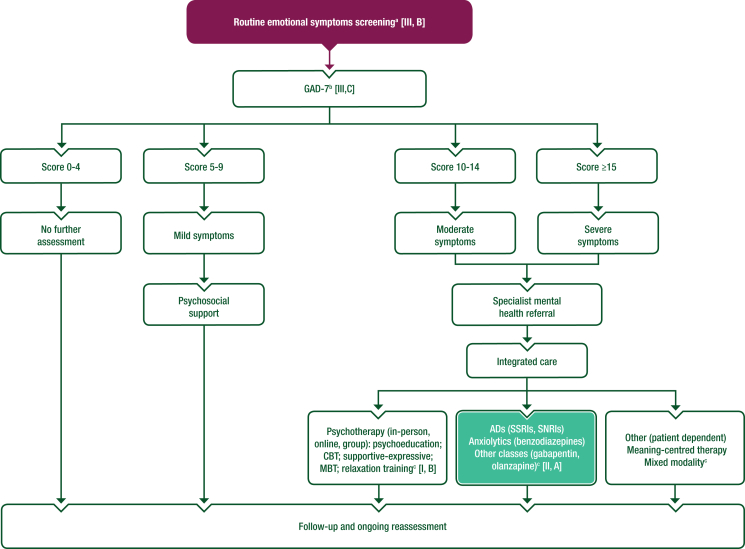
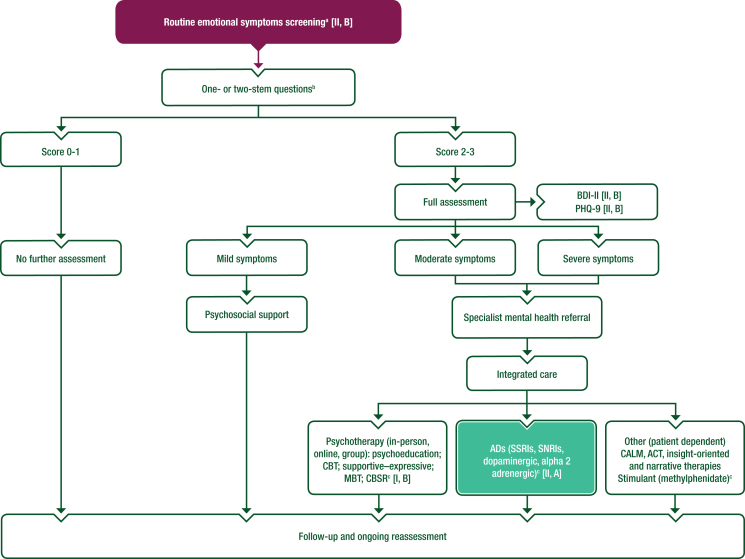
“…Society for Medical Oncology advises that the generalized anxiety disorder questionnaire (GAD‐7) and hospital anxiety and depression scale (HADS) are appropriate tools to screen for anxiety, along with Beck's depressive inventory, and the patient health questionnaire (PHQ‐9) for depression [8].”
Gireesh, G. R., & Chacko, L. K. (2026) · Journal of Health and Allied Sciences NU · doi:10.25259/jhasnu_201_2025
Sun, B., Park, Y., Im, C. R., & Rhee, H. (2026) · Cancer Nursing · doi:10.1097/ncc.0000000000001562
Nuaimi, Z. A., Abualrub, N., Amr, D. A., Abuhalima, D., Salameh, H., Al-Jabi, S. W., & Zyoud, S. H. (2026) · Scientific Reports · doi:10.1038/s41598-026-44663-6
“It is possible that psychosocial distress, anxiety, or fatigue related to cancer diagnosis and treatment heightened symptom perception and self-reports, thereby contributing to the higher proportion of severe SDE observed in our cohort 28,29 .”
A preclinical mouse model mimicking the ovarian cancer‐induced estrogen deficiency‐depression axis
Liu, J., Yang, Y., Liu, C.-X., Wen, D.-T., Zhao, T.-Y., Xie, P., & Xiao, J. (2026) · Animal Models and Experimental Medicine · doi:10.1002/ame2.70161
“8,9 Depression impairs treatment response, increases recurrence risk, accelerates disease progression, and significantly worsens survival.”
Hernandez, M. A., Cubeddu, L. X., & Juan, P. (2026) · Supportive Care in Cancer · doi:10.1007/s00520-026-10560-x
Scheiner, R., Burner-Fritsch, I., Fegg, M. J., Feddersen, B., & Bausewein, C. (2026) · BMC Palliative Care · doi:10.1186/s12904-026-02041-z
“To accurately and comprehensively identify and treat the wide range of symptoms and experienced distress in accordance with guidelines, the integration of palliative psychology expertise into multiprofessional palliative care teams (MPCT) is essential and highly recommended [13, 18–20].”
Çavuşoğlu, E., Duru, H. A., Eser, K., Sezer, E., Erçolak, V., & Kılıç, Ü. (2026) · European Journal of Integrative Medicine · doi:10.1016/j.eujim.2026.102654
Vanlaer, N., Testaferrata, C., Decabooter, L., Dirven, I., Bertels, C., Stas, L., Van Eycken, S., Hein, M., Neyns, B., & Rogiers, A. (2026) · Cancers · doi:10.3390/cancers18050785
Compassion-Focused Therapy for a Young Adult Post-Treatment for Cancer: Case Study
Batchelor, R., & Storch, C. (2026) · Clinical Case Studies · doi:10.1177/15346501261429430
“Clinical guidelines recommend that people with cancer have routine access to psychological support (Grassi et al., 2023; National Institute for Health and Care Excellence [NICE], 2004).”
Haag, H. N., Lambrecht-Stock, E., Brown, C. G., Dawson, E. L., Giglio, P., Sinnott, L. T., Flora, L. K., O’Malley, R., & Arthur, E. K. (2026) · Supportive Care in Cancer · doi:10.1007/s00520-026-10492-6
Illness perception and symptom burden among cancer patients: cross-sectional study
Kridis, W. B., Sakka, D., & Khanfir, A. (2026) · BMJ Supportive & Palliative Care · doi:10.1136/spcare-2025-005998
Magnani, L., Ghirotto, L., Fesce, F., Re, T., Tanzi, S., Amerio, A., & Costanza, A. (2026) · BMJ Supportive & Palliative Care · doi:10.1136/spcare-2025-005689
Zhang, J.-Y., Li, L., Lai, F., Guo, D.-X., & Tian, L. (2026) · Supportive Care in Cancer · doi:10.1007/s00520-026-10435-1
Zhou, L., Yuan, X., Li, Y., Li, S., Guo, F., Song, C., Chen, Y., & Xiong, X. (2026) · Frontiers in Psychology · doi:10.3389/fpsyg.2026.1741088
“Major oncology societies emphasize integrating QoL assessment and improvement throughout cancer treatment (Andersen et al., 2014; Grassi et al., 2023).”
Risk Factors and Prognostic Impact of Depression and Anxiety in Gastric Cancer: A Systematic Review
Renaldi, K., & William, A. (2026) · F1000Research · doi:10.12688/f1000research.171310.1
Anxiety, Depression, and Suicidality Among Testicular Cancer Survivors
Meagher, M., Riviere, P., Nelson, T., Morgan, K., Puri, D., Pandit, K., Yodkhunnatham, N., Yuen, K., Taylor, J., Herchenhorn, D., et al. (2026) · Cancer Medicine · doi:10.1002/cam4.71602
Sung, T.-H., Shen, Y.-C., Yen, C.-J., Shan, Y.-S., & Chen, P.-S. (2026) · BioPsychoSocial Medicine · doi:10.1186/s13030-026-00350-6
“Recent clinical guidelines indicate that approximately 25% of cancer patients develop depressive disorders, markedly exceeding the 4% prevalence in the general population [7].”
Nikkhah, N., Karbasforooshan, H., Sales, S. S., Hosseini, S., Akhlaghi, S., Tehranizadeh, Z. A., & Elyasi, S. (2026) · Anti-Cancer Drugs · doi:10.1097/cad.0000000000001804
Barbosa, M. E. D. S., & Sanita, G. D. C. (2026) · Revista Foco · doi:10.54751/revistafoco.v19n1-051
Sacks, S., & Mo, B. (2026) · SAGE Open Medical Case Reports · doi:10.1177/2050313x261438390
Karimi, N., Razavi, M., Khodadost, M., Kalyani, M. N., & Bazrafshan, M.-R. (2026) · Mental Illness · doi:10.1155/mij/6742269
Fujisawa, D., Yoshikawa, E., Fujimori, M., 幸子, 荒., Kobayakawa, M., Kurata, A., Kayano, A., Ichikura, K., Igarashi, Y., Otani, H., et al. (2025) · Japanese Journal of Clinical Oncology · doi:10.1093/jjco/hyaf209
Savaş, E., Gündoğmuş, İ., Kınık, Ç., Kubilay, D., Kavakçı, Ö., & Yaşar, A. B. (2025) · Current Psychology · doi:10.1007/s12144-025-08723-w
“Numerous studies on cancer patients highlight a marked increase in anxiety, depression, and traumatic stress, alongside a significant decline in qual - ity of life (Andersen et al., 2023 ; Grassi et al., 2023 ; Ryan et al., 2007).”
Shi, T., Gong, L., Hang, W., Zhu, M., & Zhang, L. (2025) · Wideochirurgia i inne techniki maloinwazyjne = Videosurgery and other miniinvasive techniques · doi:10.20452/wiitm.2025.17998
Infusion of Sound: Personalized Receptive Music-Based Intervention (rMBI) During Infusion Sessions
Khatri, I. S., Wang, D., Lin, C., Schiffman, F., & Guyer, D. (2025) · Journal of Palliative Medicine · doi:10.1177/10966218251406793
Chen, S., Huang, G., Lei, S., & Lin, X. (2025) · Frontiers in Psychiatry · doi:10.3389/fpsyt.2025.1655599
Jing, Y., Lai, J., Chen, L., Zheng, Y.-H., Yin, L., Zhang, R., & Lyu, J. (2025) · Systematic Reviews · doi:10.1186/s13643-025-03007-7
“…various physical, psychological and social burdens, including physical discomforts such as pain [5], cancer-related fatigue [6], and body image disorder [7], as well as psychological and social distress such as anxiety and depression [8], disease stigmatization [9], and economic toxicity [10].”
Hove, K. M., Tarberg, A. S., Vasset, F. P., & Solberg, M. (2025) · BMC Health Services Research · doi:10.1186/s12913-025-13831-1
“Two participants were formally enrolled in the CPH initiative (IDs 6, 14), while others experienced key components of the model, with four having contact with cancer coordinators (IDs 4, 5, 11, 12), and three receiving care through existing municipal structures like homecare nurses (IDs 1, 5, 8).”
InfluentialSun, L., & Fan, L. (2025) · Journal of Radiation Research and Applied Sciences · doi:10.1016/j.jrras.2025.101998
Zhu, B., Gao, C., Chen, P., Zhang, L., Liu, L., & Zhang, L. (2025) · Nutrition and Cancer · doi:10.1080/01635581.2025.2591494
“Mechanisms likely include structural impediments to swallowing (e.g. esophageal or pharyngeal compromise), systemic inflammation and cancer-related catabolism, and psychological distress (47,48) that negatively affects appetite and intake (49,50).”
Durnin, R., Flood, T., & McGirr, L. (2025) · Radiography · doi:10.1016/j.radi.2025.103246
Percepção de qualidade de vida, sintomas de ansiedade e depressão entre pessoas com câncer
Philippsen, M., Cavassin, M. G., Mazzetti, J. M., & de Oliveira, G. G. (2025) · Revista da SBPH · doi:10.57167/rev-sbph.2025.v28.805
“Como resposta, devem ser elaborados planos terapêuticos ajustados à realidade e singularidade de cada paciente, podendo abranger estratégias farmacológicas, psicoterapêuticas e sociais (Grassi et al., 2023).”
Exploring referrals to a specialist NHS cancer psychology service: a retrospective audit
Boughey, H., & Lobley, K. (2025) · Cancer Nursing Practice · doi:10.7748/cnp.2025.e1902
Psycho-Oncology: Living With Cancer
Ozturan, D. D., & Karapınar, D. (2025) · Journal of Consultation Liaison Psychiatry · doi:10.71350/jclp.7
“In general, selective serotonin reuptake inhibitors (SSRIs) are considered to have a favorable side-effect profile, and there is broad consensus regarding their safety [31].”
Liu, X., Wen, X., & Liang, P. (2025) · Psycho-Oncology · doi:10.1002/pon.70308
“Grassi et al. [29] noted in their clinical guidelines that regardless of cancer stage, site, or treatment phase, most patients experience varying degrees of anxiety and depression, with prevalence rates significantly higher than in the general population.”
Demigné, J.-B., Sylvestre, V., Bruyat, D., Fazzolari, C., Proux, A., Gravis, G., & Géraud, A. (2025) · Bulletin du Cancer · doi:10.1016/j.bulcan.2025.08.006
Wei, F., Zhou, Y., Li, Z.-Y., Zhang, X., Zheng, L.-F., Li, H.-X., Yang, H., & Hao, J. (2025) · Journal of Thoracic Disease · doi:10.21037/jtd-2025-1395
“As a contributor to European Society for Medical Oncology clinical practice guidelines (30) , he has emphasized the importance of addressing not only cancer itself but also the patient’s psychosocial well-being.”
PanSupport: a community model of cancer supportive care provision
Regan, M., & Larsen, A. (2025) · Supportive Care in Cancer · doi:10.1007/s00520-025-09962-0
Li, W., Li, X., Liang, X., Huang, L., & Yang, X. (2025) · Psycho-Oncologie · doi:10.18282/po4504
Psychological stress and nursing inventions in patients with digestive system tumors
Gao, J., Yang, X., Gao, Y., Wang, Y., Du, X., Hu, W., Xu, Q., Sun, J., & Yang, L. (2025) · Psycho-Oncologie · doi:10.18282/po4155
Gürbüz, M. S., Erzincan, E., Izci, F., & Beştepe, E. E. (2025) · Neuropsychiatric Investigation · doi:10.5152/neuropsychiatricinvest.2025.24051
“These findings suggest that panic-agoraphobic symptoms are closely related to the severity of depression and anxiety 21.”
Freitas, K., Tsai, C.-L., & Wang, S. (2025) · Journal of Nursing Care Quality · doi:10.1097/ncq.0000000000000911
Risk prediction models for depression in cancer survivors: A systematic review and meta-analysis
Xu, H., Tang, W., Liang, Y., Gan, K., Liu, X., Yang, X., & Du, X. (2025) · Medicine · doi:10.1097/md.0000000000043978 · Cited by 1
“[6] Therefore, analyzing risk factors for depression in cancer patients and implementing proper management are of great significance for their care.”
Aumaitre, A., Gagnayre, R., & Foucaut, A.-M. (2025) · Bulletin du Cancer · doi:10.1016/j.bulcan.2025.04.010
Gomes, A., Silva, B., Lírio, C. D. S., Silva, D., Pereira, J., Costa, N., & Mota, L. (2025) · Athena Health & Research Journal · doi:10.62741/ahrj.v2i2.43
Qu, Y., Yang, Y., Yan, H., He, Y., Gao, J., Deng, C., & Gu, L. (2025) · Discover Oncology · doi:10.1007/s12672-025-02747-1
“These symptoms not only affect quality of life but also may negatively impact treatment outcomes and prognosis [26].”
Tareen, M. (2025) · Illness Crisis & Loss · doi:10.1177/10541373241302536 · Cited by 1
“Furthermore, based on ESMO (European Society for Medical Oncology) guidelines states that the ESAS can be utilized as a short screening tool as the “ fi rst stage ” to identify those with depression or anxiety (Grassi et al., 2023).”
A depressed patient in outpatient settings
Пизова, Н. В., & Pizov, A. V. (2024) · Meditsinskiy sovet = Medical Council · doi:10.21518/ms2024-533 · Cited by 1
Ghaleie, P. K., Hooman, F., Naderi, F., Shoushtari, M. T., & Gatezadeh, A. (2024) · Jundishapur journal of health sciences · doi:10.5812/jjhs-150036
Salduz, M., Suiçmez, T. U., & Uncu, D. (2024) · Journal of Psychosocial Oncology Research and Practice · doi:10.1097/or9.0000000000000145 · Cited by 1
Guo, S., Yan, X.-Y., Wang, Y., Han, J., Zhao, J., Huang, S., & Wang, J.-G. (2024) · Explore · doi:10.1016/j.explore.2024.103071
Kerna, N. A., Pruitt, K. D., Carsrud, N. D. V., Ngwu, D. C., Kadivi, K., Holets, H. M., Flores, J. V., Alozie, U. G., Senat, A. J. B., Azi, C. I., et al. (2024) · European Journal of Medical and Health Research · doi:10.59324/ejmhr.2024.2(5).02
Efektifitas Akupresur terhadap Kelelahan dan Kecemasan Pasien Kanker
Malau, M. C., Novieastari, E., & Gayatri, D. (2024) · Journal of Telenursing (JOTING) · doi:10.31539/joting.v6i1.9524
“Bila kondisi ini tidak memperoleh intervensi maka kecemasan dapat mempengaruhi kualitas hidup pasien kanker, ketidakpatuhan dalam pengobatan dan bahkan peningkatan resiko bunuh diri pada pasien kanker (Grassi et al., 2023).”
BackgroundSurvivorship – the situation room
Dalton, S., & Johansen, C. (2023) · Acta oncologica · doi:10.1080/0284186x.2023.2245563
“Treatment of depression in cancer is not a specific treatment and depression in cancer patients may be treated along the guidelines applied in most countries for treatment of depression, in general [8].”
BackgroundCheng, M. (2026) · Journal of Clinical Personalized Medicine · doi:10.12677/jcpm.2026.53210
Advances in Non-Surgical Management of Neuroendocrine Neoplasms
Kou, N. (2025) · Advances in Clinical Medicine · doi:10.12677/acm.2025.1541263
Cho, M., Hyun, I., & Lee, J. (2025) · Asian Oncology Nursing · doi:10.5388/aon.2025.25.2.75
Una aproximación a la relación entre el sueño y el cáncer
del Rosario, U., Carreño-Garcés, C., Palacios-Sánchez, L., Universidad del Rosario, Valle-Martínez, Z. A., Muñiz, I. N. D. P. R. D. L. F., Palacios‐Espinosa, X., & del Rosario, U. (2025) · IATREIA · doi:10.17533/udea.iatreia.351
Interacción entre la psiconeuroinmunología, el estrés y el cáncer en adultos
Henao, Y. V. G., Restrepo, S., & Agudelo, P. V. S. (2025) · Revista de Psicología Universidad de Antioquia · doi:10.17533/udea.rp.e354500
A Bioethical Consideration of Broadening the Consensus Legal Eligibility Paradigm for Assisted DyingPreprint
Ball, J. (2024) · SSRN Electronic Journal · doi:10.2139/ssrn.4779846
Characteristics of anxiety in oncological diseases
Mozgova, G. (2024) · Humanitarian studios: pedagogics, psychology, philosophy · doi:10.31548/hspedagog15(1).2024.97-110
Metadata
- Authors
- Grassi, L., Caruso, R., Riba, M. B., Lloyd-Williams, M., Kissane, D., Rodin, G., McFarland, D., Campos-Ródenas, R., Zachariae, R., Santini, D., & Ripamonti, C. I.
- Affiliations
- University of Ferrara (IT)
- University of Michigan (US)
- Monash Medical Centre (AU)
- Princess Margaret Cancer Centre (CA)
- University of Rochester Medicine (US)
- Aarhus University (DK)
- Sapienza University of Rome (IT)
- Fondazione IRCCS Istituto Nazionale dei Tumori (IT)
- Venue
- ESMO Open
- Publisher
- Elsevier BV
- Published
- 2023-04
- Volume
- 8
- Issue
- 2
- Pages
- 101155
- ISSN
- 2059-7029 (ISSN-L)
- PMC
- PMC10163167
- OpenAlex
- W4324143593
- Cited by
- 316
- References
- 125
- Citations by year
- 2026: 128 · 2025: 106 · 2024: 76 · 2023: 6
- FWCI
- 38.54
- Type
- journal article
- Language
- en
- Open access
- gold
- doi.org
- Licence
- Locations
- ESMO Open (publishedVersion, cc-by-nc-nd)
- PubMed Central (publishedVersion, cc-by-nc-nd)
- PubMed (publishedVersion)
- Institutional Research Information System (Università degli Studi di Brescia) (submittedVersion, other-oa)
- Institutional Research Information System University of Ferrara (University of Ferrara) (submittedVersion, cc-by-nc-nd)
- IRIS Research product catalog (Sapienza University of Rome) (submittedVersion, cc-by-nc-nd)
- Liverpool John Moores University (submittedVersion)
- Zaguan (Universidad de Zaragoza) (submittedVersion, cc-by-nc-nd)
- Institutional Research Information System University of Ferrara (University of Ferrara) (submittedVersion, other-oa)
- Funders
- European Society for Medical Oncology
- Topics
- Health Sciences › Medicine › Oncology › Cancer survivorship and care
- Health Sciences › Medicine › Psychiatry and Mental health › Mental Health Treatment and Access
- Social Sciences › Psychology › Experimental and Cognitive Psychology › Anxiety, Depression, Psychometrics, Treatment, Cognitive Processes
- Keywords
- anxiety, depression, cancer patients, psycho-oncology, cognitive behavioral therapy, mindfulness-based interventions, psychopharmacological treatment, prevalence of mental disorders
- MeSH terms
- Adult, Anxiety, Depression, Humans, Neoplasms
About these checks
Registry, retraction, Cites and statistics results are computed, not judged, with one exception: a printed reference that no index lists is read once by a model before it counts as a citation error. Claims are extracted by a model and kept only when their quote appears verbatim in the text; each cited source is then checked, with a model’s help, for whether it says what the claim relies on. Those verdicts can be wrong — read the claim’s quote and the cited source before relying on one.
Statistics and arithmetic are recomputed, not judged.
Confidence bands are shown only for fields calibrated on our annotated test set. None is calibrated yet, so no band is shown.
What counts as a claim ›How we measure confidence ›How we check this ›
Are you an author, or do you see a problem with this page? Request a review
