

The DOI matches its Crossref record; 241 of the 241 references it cites were found in a registry or an index.
Mathematical framework for large-scale brain network modeling in The Virtual Brain
Open accessAbstract
In this article, we describe the mathematical framework of the computational model at the core of the tool The Virtual Brain (TVB), designed to simulate collective whole brain dynamics by virtualizing brain structure and function, allowing simultaneous outputs of a number of experimental modalities such as electro- and magnetoencephalography (EEG, MEG) and functional Magnetic Resonance Imaging (fMRI). The implementation allows for a systematic exploration and manipulation of every underlying component of a large-scale brain network model (BNM), such as the neural mass model governing the local dynamics or the structural connectivity constraining the space time structure of the network couplings. Here, a consistent notation for the generalized BNM is given, so that in this form the equations represent a direct link between the mathematical description of BNMs and the components of the numerical implementation in TVB. Finally, we made a summary of the forward models implemented for mapping simulated neural activity (EEG, MEG, sterotactic electroencephalogram (sEEG), fMRI), identifying their advantages and limitations.
Overview
The claims and statistics of this paper haven’t been checked yet.
Run the check — free, no account needed. It reads the open-access text and checks the sources it cites.
Integrity signals
Registry
Cites
Statistics
Figures
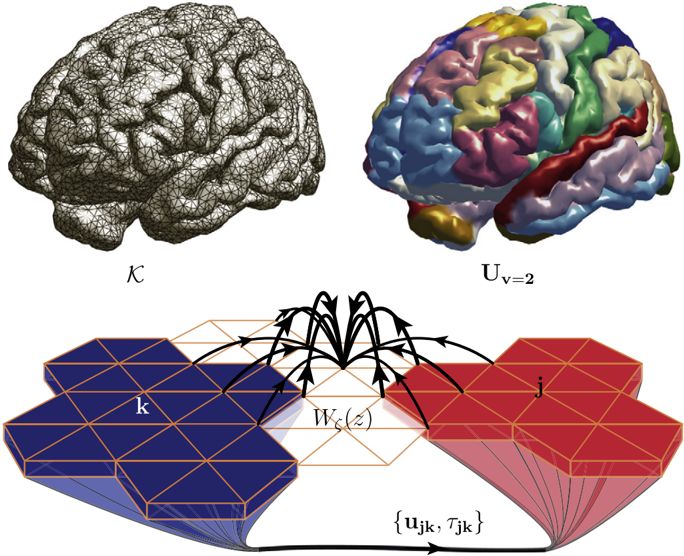
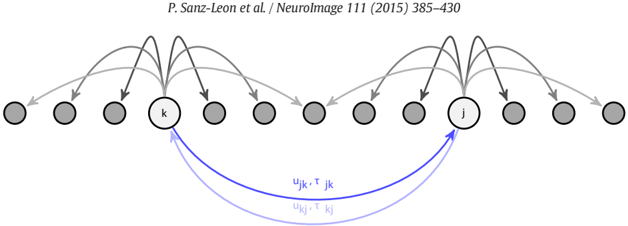
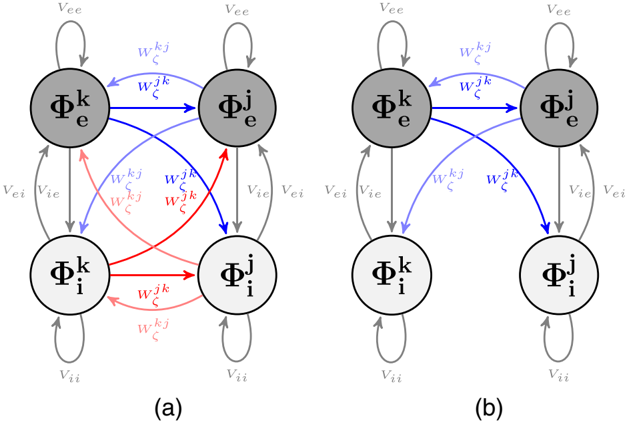
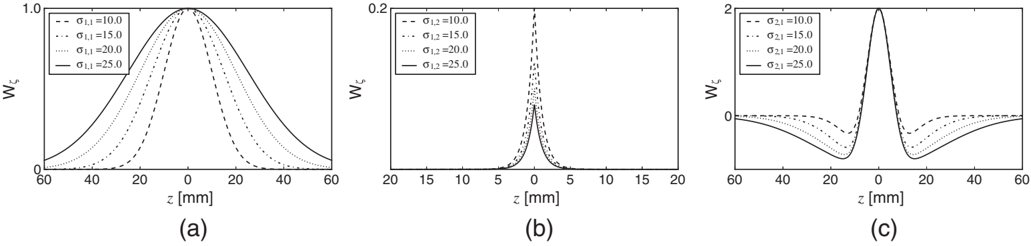
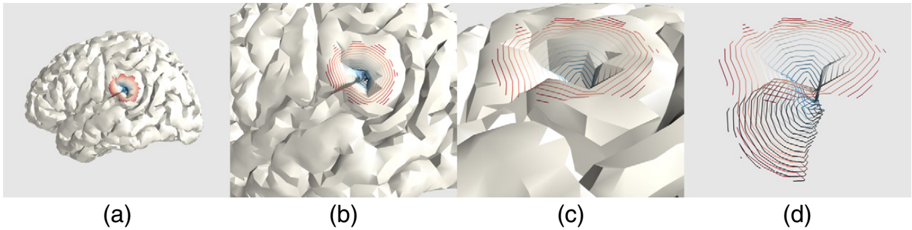
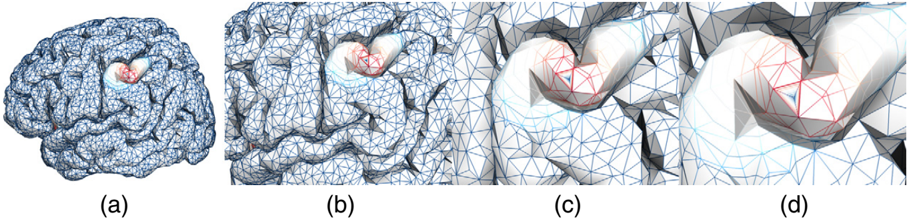
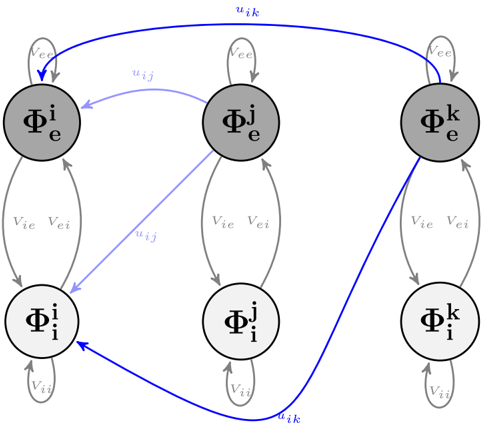
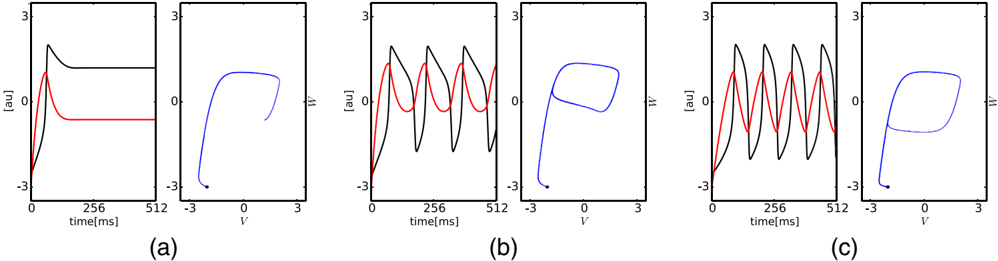
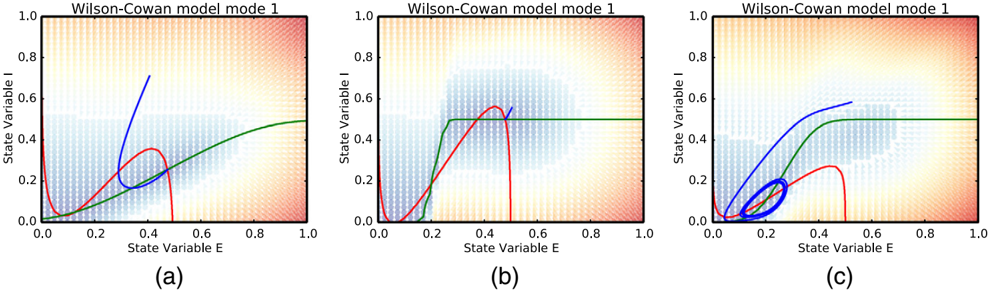
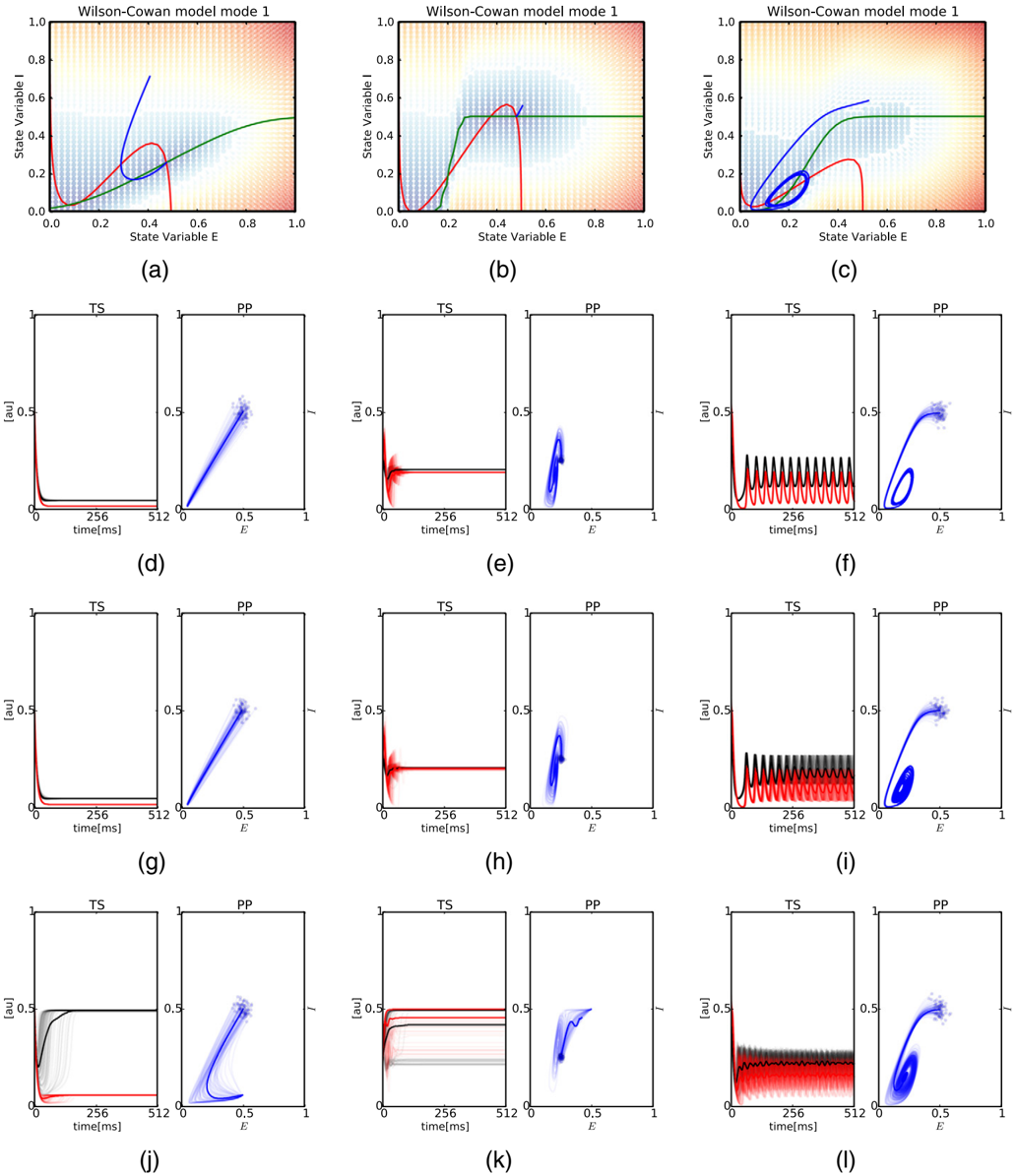
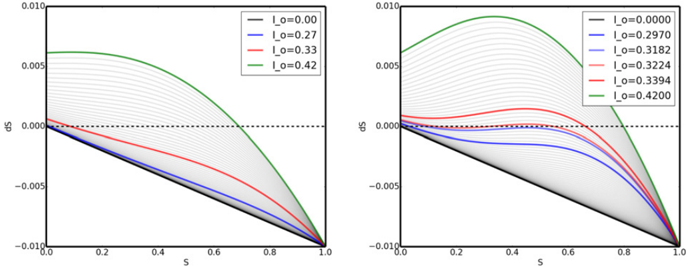
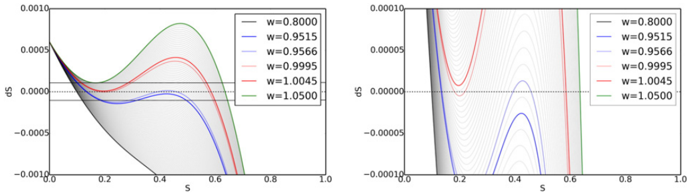
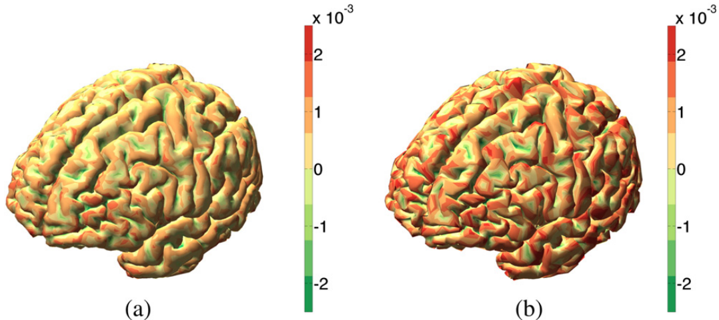
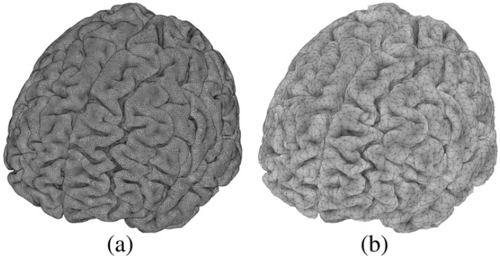
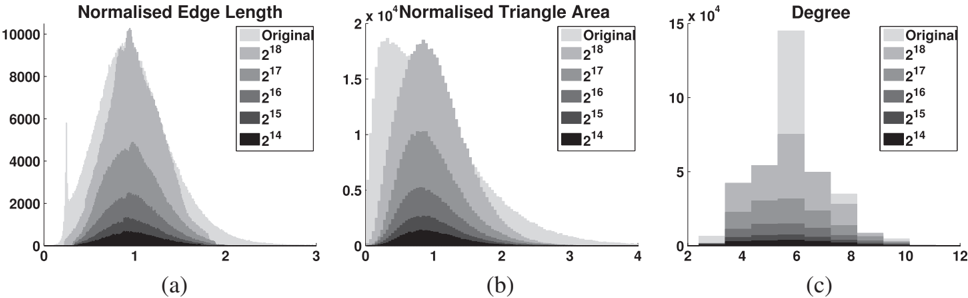
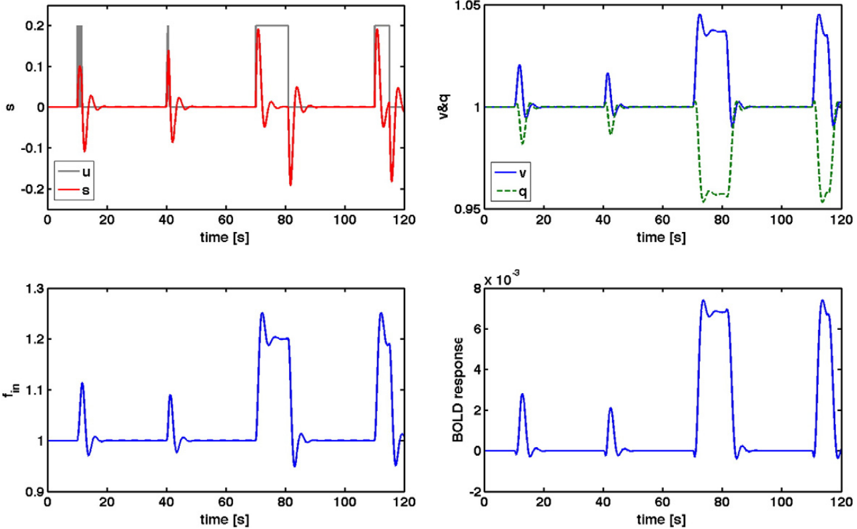
Verification
Claims the paper makes
The claims and statistics of this paper haven’t been checked yet.
Run the check — free, no account needed. It reads the open-access text and checks the sources it cites.
Claims other papers make about this one
Each is checked against this paper’s own text: does it say what the citing paper says it does?
In the citing paper
“Models can involve highly parameterized simulations of regional activity (Hansen et al., 2015; Messe et al., 2014; Sanz-Leon et al., 2015), or sparser analytic predictions of FC using graph metrics of mutual communication (Goni et al., 2014; Grayson et al., 2016) (although, both approaches appear to be comparably effective; see Figure 1D).”
From Development of large-scale functional networks from birth to adulthood: A guide to the neuroimaging literature (2017) · cites this paper as Sanz-Leon et al., 2015
Self-check
Percentages, sums and reported differences re-computed from the paper’s own numbers.
The self-check needs the paper’s full text.
Citations
Cites
Tzourio-Mazoyer, N., Landeau, B., Papathanassiou, D., Crivello, F., Etard, O., Delcroix, N., Mazoyer, B., & Joliot, M. (2002) · NeuroImage · doi:10.1006/nimg.2001.0978 · Cited by 16,319
Desikan, R. S., Ségonne, F., Fischl, B., Quinn, B. T., Dickerson, B. C., Blacker, D., Buckner, R. L., Dale, A. M., Maguire, R. P., Hyman, B. T., et al. (2006) · NeuroImage · doi:10.1016/j.neuroimage.2006.01.021 · Cited by 13,324
Cortical Surface-Based Analysis
Dale, A. M., Fischl, B., & Sereno, M. I. (1999) · NeuroImage · doi:10.1006/nimg.1998.0395 · Cited by 10,910
Oostenveld, R., Fries, P., Maris, E., & Schoffelen, J.-M. (2011) · Computational Intelligence and Neuroscience · doi:10.1155/2011/156869 · Cited by 10,323
Functional connectivity in the motor cortex of resting human brain using echo‐planar mri
Biswal, B., Zerrin Yetkin, F., Haughton, V. M., & Hyde, J. S. (1995) · Magnetic Resonance in Medicine · doi:10.1002/mrm.1910340409 · Cited by 9,812
Statistical parametric maps in functional imaging: A general linear approach
Friston, K. J., Holmes, A. P., Worsley, K. J., Poline, J. ‐., Frith, C. D., & Frackowiak, R. S. J. (1994) · Human Brain Mapping · doi:10.1002/hbm.460020402 · Cited by 9,688
The organization of the human cerebral cortex estimated by intrinsic functional connectivity
Thomas Yeo, B. T., Krienen, F. M., Sepulcre, J., Sabuncu, M. R., Lashkari, D., Hollinshead, M., Roffman, J. L., Smoller, J. W., Zöllei, L., Polimeni, J. R., et al. (2011) · Journal of Neurophysiology · doi:10.1152/jn.00338.2011 · Cited by 9,182
The organization of the human cerebellum estimated by intrinsic functional connectivity
Buckner, R. L., Krienen, F. M., Castellanos, A., Diaz, J. C., & Yeo, B. T. T. (2011) · Journal of Neurophysiology · doi:10.1152/jn.00339.2011 · Cited by 7,304
Spontaneous fluctuations in brain activity observed with functional magnetic resonance imaging
Fox, M. D., & Raichle, M. E. (2007) · Nature Reviews Neuroscience · doi:10.1038/nrn2201 · Cited by 6,700
Brain magnetic resonance imaging with contrast dependent on blood oxygenation.
Ogawa, S., Lee, T. M., Kay, A. R., & Tank, D. W. (1990) · Proceedings of the National Academy of Sciences · doi:10.1073/pnas.87.24.9868 · Cited by 6,483
Research works printed but not linked: 1
- Spiegler, 2015, The critical brain: dissipation and restin-state networks, PNAS
Cited by
Sorted by citations
Items 201–300 of 355
Kashyap, A., & Keilholz, S. D. (2020) · Network Neuroscience · doi:10.1162/netn_a_00129 · Cited by 7
Spatiotemporal brain complexity quantifies consciousness outside of perturbation paradigmsPreprint
Breyton, M., Fousek, J., Rabuffo, G., Sorrentino, P., Kusch, L., Massimini, M., Petkoski, S., & Jirsa, V. (2024) · eLife · doi:10.7554/elife.98920 · Cited by 15
“To explore the relationship between resting state dynamics and brain responsiveness, we used a large-scale brain network model(22).”
Self-citationRegion-specific mean field models enhance simulations of local and global brain dynamics
Lorenzi, R. M., Palesi, F., Casellato, C., Wheeler‐Kingshott, C. A. M. G., & D'Angelo, E. U. (2025) · npj Systems Biology and Applications · doi:10.1038/s41540-025-00543-9 · Cited by 7
The influence of accuracy constraints on bimanual and unimanual sequence learning
Kennedy, D. M., Wang, C., Wang, Y., et al. (2021) · Neuroscience Letters · doi:10.1016/j.neulet.2021.135812 · Cited by 6
Discrete spectral eigenmode-resonance network of brain dynamics and connectivity
Robinson, P. A. (2021) · Physical review. E · doi:10.1103/physreve.104.034411 · Cited by 6
Understanding the effect of white matter delays on large scale brain synchrony
Şaylı, M., & Coombes, S. (2023) · Communications in Nonlinear Science and Numerical Simulation · doi:10.1016/j.cnsns.2023.107803 · Cited by 6
Zhao, K., Lin, J., Dyrba, M., Wang, D., Che, T., Wu, H., Wang, J., Liu, Y., & Li, S. (2022) · Network Neuroscience · doi:10.1162/netn_a_00271 · Cited by 6
“…can be investigated using methods ranging from simple approaches, such as statistical models (Messé et al., 2014; Mišić et al., 2016), to more complex ones, such as communicationmodels (Goñi et al., 2014; Mišić et al., 2015) or biophysical models (Breakspear, 2017; Sanz-Leon et al., 2015).”
MethodSreenivasan, V., Menon, S. N., & Sitabhra Sinha, A. (2017) · Scientific Reports · doi:10.1038/s41598-017-01670-y · Cited by 6
Homeodynamic feedback inhibition control in whole-brain simulations
Stasinski, J., Taher, H., Meier, J. M., Schirner, M., Perdikis, D., & Ritter, P. (2024) · PLoS Computational Biology · doi:10.1371/journal.pcbi.1012595 · Cited by 5
“The Virtual Brain (TVB; thevirtualbrain.org) offers a multi-functional platform for running individualized brain simulations using BNMs [1–3].”
Opportunities and pitfalls of data contextualization in neuroimaging
Royer, J., Paquola, C., Larivière, S., Hansen, J. Y., Valk, S. L., Mišić, B., Leech, R., Smallwood, J., & Bernhardt, B. C. (2026) · Nature reviews. Neuroscience · doi:10.1038/s41583-026-01038-0 · Cited by 7
“Tools leveraging generative models such as the Virtual Brain 181 (a personalized, system-level model of an individual’s brain) are well positioned for this purpose, allowing investigations of which structural parameters are involved in the generation of functional features of interest 178,179 .”
Interplay of synchronization and cortical input in models of brain networks
Sawicki, J., & Schöll, E. (2024) · Europhysics Letters (EPL) · doi:10.1209/0295-5075/ad438e · Cited by 5
“…there is no synchrony between the clusters), and solitary states (in which isolated nodes form single-node clusters), and chimera states (spontaneously symmetry-breaking states with partially synchronized (spatially coherent) and partially desynchronized (spatially incoherent) dynamics [24–27]).”
BackgroundSalvatici, G., Pellegrino, G., Perulli, M., Danieli, A., Bonanni, P., & Duma, G. M. (2024) · NeuroImage Clinical · doi:10.1016/j.nicl.2024.103703 · Cited by 6
Using an ordinary differential equation model to separate rest and task signals in fMRI
Kashyap, A., Geenjaar, E., Bey, P., Dhindsa, K., Glomb, K., Plis, S., Keilholz, S. D., & Ritter, P. (2025) · Nature Communications · doi:10.1038/s41467-025-62491-6 · Cited by 6
“…F such as a linear or a sigmoidal function, as well as using multiple variables to express neural mass activity X , such as in the Wilson Cowan model or the Jansen Rit model that uses multiple excitatory and inhibitory populations to represent the dynamics of a single brain region 17,31,68,69 .”
InfluentialCourson, J., Quoy, M., Timofeeva, Y., & Manos, T. (2024) · Frontiers in Computational Neuroscience · doi:10.3389/fncom.2024.1360009 · Cited by 5
Anticorrelations between Active Brain Regions: An Agent-Based Model Simulation Study
Parente, F., & Colosimo, A. (2018) · Neural Plasticity · doi:10.1155/2018/6815040 · Cited by 5
“Different models have been proposed [5] to approximate the collective activity of neurons such as the conductancebased biophysical model [6–8] or the FitzHugh-Nagumo model [9, 10], by the mean-field [11] or mass action [12] formalisms.”
MethodNeuroimaging: Structural, Functional, Pharmacological, Bioelementology and Nutritionology
Pyatin, V. F., Maslova, O., Romanchuk, N., Volobuev, A. N., Bulgakova, S. V., Romanov, D. V., & Sirotko, I. I. (2021) · Bulletin of Science and Practice · doi:10.33619/2414-2948/71/18 · Cited by 5
Epistemic Challenges of Digital Twins & Virtual Brains: Perspectives from Fundamental Neuroethics
Evers, K., & Salles, A. (2021) · SCIO: Revista de Filosofía · doi:10.46583/scio_2021.21.846 · Cited by 9
Neurological Biomarkers and Neuroinformatics
Solodkin, A., Zimmermann, J., McIntosh, A. R., Stefanovski, L., & Ritter, P. (2018) · Elsevier eBooks · doi:10.1016/b978-0-12-804078-2.00001-5 · Cited by 6
On the Global Dynamics of an Electroencephalographic Mean Field Model of the Neocortex
Shirani, F., Haddad, W. M., & de la Llave, R. (2017) · SIAM Journal on Applied Dynamical Systems · doi:10.1137/16m1098577 · Cited by 5
“on and interaction between cortical and subcortical components of the brain; and eventually, to the behavioral and cognitive level dealing with the integrated mental activity and the creation of mind [1,15,22,29,30,46,48,55]. As an effective methodology for developing models at the population and network level, mean fie…”
MethodBrain Modelling as a Service: The Virtual Brain on EBRAINSPreprint
Schirner, M., Domide, L., Perdikis, D., Triebkorn, P., Stefanovski, L., Pai, R. K., Popa, P., Valean, B., Palmer, J., Langford, C., et al. (2021) · arXiv (Cornell University) · doi:10.48550/arxiv.2102.05888 · Cited by 6
Self-citationStenroos, P., Guillemain, I., Tesler, F., Montigon, O., Collomb, N., Stupar, V., Alain Destexhe, A., Coizet, V., Olivier David, A., & Barbier, E. (2023) · eLife · doi:10.7554/elife.90318.1 · Cited by 5
The role of inhibition in resting-state fMRI negative correlationsPreprint
Harita, S., Momi, D., Wang, Z., Bastiaens, S. P., & Griffiths, J. D. (2024) · bioRxiv (Cold Spring Harbor Laboratory) · doi:10.1101/2024.03.01.583030 · Cited by 5
“Here we developed a connectome-based brain network model employing the reduced Wong-Wang (RWW) neural mass model, as implemented in The Virtual Brain (TVB) software library [28], to study the role of inhibition in generation of rs-fMRI FC NCs.”
MethodSpatiotemporal brain complexity quantifies consciousness outside of perturbation paradigmsPreprint
Breyton, M., Fousek, J., Rabuffo, G., Sorrentino, P., Kusch, L., Massimini, M., Petkoski, S., & Jirsa, V. (2024) · eLife · doi:10.7554/elife.98920.1 · Cited by 8
Self-citationBiophysically inspired mean-field model of neuronal populations driven by ion exchange mechanismsPreprint
Rabuffo, G., Bandyopadhyay, A., Calabrese, C., Gudibanda, K., Depannemaecker, D., Takarabe, L. M., Chatterjee, S., Saggio, M. L., Desroches, M., Ivanov, A., et al. (2025) · eLife · doi:10.7554/elife.104249.1 · Cited by 6
Self-citationDialogue mechanisms between astrocytic and neuronal networks: A whole-brain modelling approach
Ali, O. B. K., Vidal, A. C., Grova, C., & Benali, H. (2025) · PLoS Computational Biology · doi:10.1371/journal.pcbi.1012683 · Cited by 8
“This approach underscores the potential of compart-mental modeling to capture the multifaceted aspects of whole-brain activity in a coherent and convenient manner [83,84].”
Gadwal, A. N., Cerdas, M. G., Khan, A., Khan, Z., Carluccio, M. D., Nimmagadda, S. P., Rizvi, S., Aljallawi, S. M., Jaryal, S., Tasgaonkar, N., et al. (2025) · Cureus · doi:10.7759/cureus.79409 · Cited by 5
“Personalized brain network modeling employs neural mass models derived from structural imaging data, optimizing surgical strategies and predicting therapeutic outcomes for specific diseases [57-60].”
Azilinon, M., Wang, H., Makhalova, J., Zaaraoui, W., Ranjeva, J., Bartoloméi, F., Guye, M., & Jirsa, V. (2024) · Network Neuroscience · doi:10.1162/netn_a_00371 · Cited by 4
“In TVB (Sanz-Leon et al., 2015), neural masses represent activity of a single brain region, linked through the structural connectivity, forming a complete brain network model.”
Self-citationA Whole-Brain Model of the Aging Brain During Slow Wave Sleep
Lupi, E., Antonio, G. D., Angiolelli, M., Sacha, M., Kayabas, M. A., Alboré, N., Leone, R., Kanbi, K. E., Alain Destexhe, A., & Fousek, J. (2024) · eNeuro · doi:10.1523/eneuro.0180-24.2024 · Cited by 5
“Connectome-based whole-brain modeling frameworks, such as The Virtual Brain (TVB) (Sanz-Leon et al., 2015; Schirner et al., 2022), can create personalized virtual brain models (Ghosh et al., 2008; Deco and Corbetta, 2011), that can integrate individual structural brain imaging data and, based on the mean fi eld model (…”
Network structure and time delays shape synchronization patterns in brain network models
Pinder, I., Nelson, M. R., & Crofts, J. J. (2024) · Chaos An Interdisciplinary Journal of Nonlinear Science · doi:10.1063/5.0228813 · Cited by 4
Learning in Wilson-Cowan Model for Metapopulation
Marino, R., Buffoni, L., Chicchi, L., Patti, F. D., Febbe, D., Giambagli, L., & Fanelli, D. (2025) · Neural Computation · doi:10.1162/neco_a_01744 · Cited by 7
Amato, L. G., Vergani, A. A., Lassi, M., Carpaneto, J., Mazzeo, S., Moschini, V., Burali, R., Salvestrini, G., Fabbiani, C., Giacomucci, G., et al. (2025) · Alzheimer s Research & Therapy · doi:10.1186/s13195-025-01718-6 · Cited by 4
“In the network connectivity matrix, each pair of nodes is characterized by a connective weight C weight that mathematically transcribes the coupling between brain regions, derived from high-fidelity imaging data [43].”
InfluentialGriffiths, J. D., & Lefebvre, J. (2019) · Springer series in cognitive and neural systems · doi:10.1007/978-3-030-18830-6_18 · Cited by 4
Phenomenological Mesoscopic Models for Seizure Activity
Saggio, M. L., & Jirsa, V. (2022) · Cambridge University Press eBooks · doi:10.1017/9781108582285.004 · Cited by 4
Self-citationKashyap, A., Plis, S., Schirner, M., Ritter, P., & Keilholz, S. D. (2023) · Frontiers in Neuroscience · doi:10.3389/fnins.2023.1159914 · Cited by 4
“Brain Network Models (BNMs) represent whole brain activity as the coordination of many distinct neural populations that are connected via a structural network consisting of longdistance white matter tracts (Sanz-Leon et al., 2015; Breakspear, 2017).”
BackgroundMethodGaglioti, G., Nieus, T. R., Massimini, M., & Sarasso, S. (2024) · Applied Sciences · doi:10.3390/app14020890 · Cited by 4
Stenroos, P., Guillemain, I., Tesler, F., et al. (2024) · eLife · doi:10.7554/elife.90318.4 · Cited by 4
Kusch, L., Depannemaecker, D., Alain Destexhe, A., & Jirsa, V. (2025) · Neural Computation · doi:10.1162/neco_a_01758 · Cited by 4
Self-citationGerster, M., Taher, H., Škoch, A., Hlinka, J., Guye, M., Bartoloméi, F., Jirsa, V., Zakharova, A., & Olmi, S. (2021) · bioRxiv (Cold Spring Harbor Laboratory) · doi:10.1101/2021.01.15.426839 · Cited by 4
Self-citationFeng, G., Wang, Y., Huang, W., Chen, H., Cheng, J., & Shu, N. (2023) · bioRxiv (Cold Spring Harbor Laboratory) · doi:10.1101/2023.09.11.557107 · Cited by 4
“Second, Second, although we observed SC-FC coupling across development by integrating intra-and extracortical SC to predict FC, it is worth noting that combining deep learning models[2], biophysical models[5, 17], or dynamic coupling[3, 13] perspectives may provide complementary insights.”
BackgroundMovahedin, A., Landsmeer, L. P. L., & Strydis, C. (2025) · ACM/SIGDA International Symposium on Field-Programmable Gate Arrays (FPGA) · doi:10.1145/3706628.3708875 · Cited by 3
“Functions 𝑝𝑟𝑒 ∈ ( R , R ) → R and 𝐾 𝑝𝑜𝑠𝑡 ∈ R → R are pre-and post-synapse functions respectively which scale the signals from other centers to more realistically represent their strength when reaching the receiving center [24].”
A Python toolbox for neural circuit parameter inference
Valero, A. O., Rodríguez-González, V., Montobbio, N., Casal, M. A., Tlaie, A., Pelayo, F. J., Morillas, C. A., Poza, J., Gómez, C., & Martínez‐Cañada, P. (2025) · npj Systems Biology and Applications · doi:10.1038/s41540-025-00527-9 · Cited by 3
“These dynamics are explicitly incorporated in other modelingframeworks,suchasmean-fi eldorneuralmassmodels 53,54,92 – 94 .”
Beyond networks: Toward adaptive models of biological complexity
Pessoa, L. (2025) · Physics of Life Reviews · doi:10.1016/j.plrev.2025.11.007 · Cited by 5
“Neural mass models represent a mesoscopic approach to understanding brain network dynamics by abstracting the collective behavior of neural populations into mathematical descriptions of their mean-field (collective) dynamics ([10,27–29]; see also [30]).”
The role of connectivity for the degeneracy of the brain’s resting state dynamics
Gudibanda, K., Fousek, J., Petkoski, S., & Jirsa, V. (2026) · Journal of Computational Neuroscience · doi:10.1007/s10827-025-00919-0 · Cited by 3
“The description of the simulation of the BNM is detailed in the methods section, while the BOLD signals were obtained by converting the simulated neural activity with the Bal-loon-Windkessel model (Friston et al., 2003) of The Virtual Brain (Sanz-Leon et al., 2015) and the resulting time-series network topology, and t…”
InfluentialSelf-citationWang, M., Zheng, K., Xin, Y., Chen, X., Liu, Y., Luo, H., Tang, J., Yuan, T., Wen, H., Wei, P., et al. (2026) · Journal of Neural Engineering · doi:10.1088/1741-2552/ae4d8d · Cited by 3
Bridging the epistemological divide in neuroscience to improve ontological clarity
Baracchini, G., Müller, E. J., & Shine, J. M. (2025) · Aperture Neuro · doi:10.52294/001c.138841 · Cited by 3
Hoheisel, L., Hacker, H., Fink, G. R., Daun, S., & Kambeitz, J. P. (2025) · Frontiers in Computational Neuroscience · doi:10.3389/fncom.2025.1525785 · Cited by 4
“…using a set of equations with variable parameters governing excitation-inhibition balance and the integration of long-range input from other regions, while empirical SC determines the strength and timing of signals exchanged between regions (Deco et al., 2014, 2017; Sanz-Leon et al., 2015).”
TVB C++: A Fast and Flexible Back‐End for The Virtual Brain
Martín, I., Zamora‐López, G., Fousek, J., Schirner, M., Ritter, P., Jirsa, V., Deco, G., & Patow, G. (2025) · Advanced Science · doi:10.1002/advs.202406440 · Cited by 4
“With TVB, creating personalized virtual brains is possible [10,29], as well as studying the intricate multi-scale neural mechanisms within the brain [30].”
Self-citationSugiono, S., Nugroho, W. S., Rahayudi, B., Lintangsari, A. P., & Lustyana, A. T. (2023) · EUREKA Physics and Engineering · doi:10.21303/2461-4262.2023.002652 · Cited by 3
Gaillard-Bigot, F., Zendjidjian, X., Kheloufi, F., Cassé‐Perrot, C., Guilhaumou, R., Micallef, J., Fakra, É., Azorin, J., & Blin, O. J. (2018) · L Encéphale · doi:10.1016/s0013-7006(19)30077-6 · Cited by 3
MEG and Multimodal Integration
Ahlfors, S. P. (2019) · Springer eBooks · doi:10.1007/978-3-030-00087-5_7 · Cited by 3
Ulloa, A., & Horwitz, B. (2018) · Brain Connectivity · doi:10.1089/brain.2018.0620 · Cited by 3
“TVB software (Sanz Leon et al., 2013; Sanz-Leon et al., 2015) is a simulator of primarily RS brain activity that combines (1) white matter structural connections among brain regions to simulate long-range connections and (2) a given neuronal population model to simulate local brain activity.”
BackgroundMethodInfluentialA key role of astrocytic calcium dynamics to link neuronal activity with the BOLD signalPreprint
Tesler, F., Linne, M., & Alain Destexhe, A. (2021) · bioRxiv (Cold Spring Harbor Laboratory) · doi:10.1101/2021.04.23.441146 · Cited by 3
Subject-specific features of excitation/inhibition profiles in neurodegenerative diseasesPreprint
Monteverdi, A., Palesi, F., Costa, A. C., Vitali, P., Pichiecchio, A., Ramusino, M. C., Bernini, S., Jirsa, V., Wheeler‐Kingshott, C. A. M. G., & D'Angelo, E. U. (2021) · bioRxiv (Cold Spring Harbor Laboratory) · doi:10.1101/2021.12.23.473997 · Cited by 3
Self-citationFast and Easy Whole-Brain Network Model Parameter Estimation with Automatic DifferentiationPreprint
Pille, M., Martin, L., Richter, E., Perdikis, D., Schirner, M., & Ritter, P. (2025) · bioRxiv (Cold Spring Harbor Laboratory) · doi:10.1101/2025.11.18.689003 · Cited by 4
The fluctuations of alpha power: Bimodalities, connectivity, and neural mass models
Cabrera-Álvarez, J., del Cerro‐León, A., Carvajal, B. P., Carrasco-Gómez, M., Alexandersen, C. G., Bruña, R., Maestú, F., & Susi, G. (2025) · Imaging Neuroscience · doi:10.1162/imag.a.64 · Cited by 2
How to Probe Dynamics of Brain Function: A Narrative Review
Pushkarskaya, H., Krishnaswamy, S., & Pittenger, C. (2025) · Biological Psychiatry · doi:10.1016/j.biopsych.2025.11.023 · Cited by 2
Hater, T., Courson, J., Lu, H., Diaz-Pier, S., & Manos, T. (2026) · Frontiers in Computational Neuroscience · doi:10.3389/fncom.2025.1731161 · Cited by 4
Tartarini, L., Triebkorn, P., Kusch, L., Solinas, S. M. G., Wang, H. E., Gandolfi, D., Jirsa, V., & Mapelli, J. (2026) · Journal of Computational Neuroscience · doi:10.1007/s10827-026-00925-w · Cited by 5
“…the NEST (based on NEST 3.8.0-post0.dev0; see Supplementary materials) framework (Gewaltig & Diesmann, 2007 ; Graber et al., n.d. ), with macroscopic whole-brain dynamics simulated using The Virtual Brain (TVB; tvb-library 2.3; See supple - mentary materials) platform (Sanz-Leon et al., 2015 ).”
InfluentialSelf-citationRosetta stone of neural mass models
Castaldo, F., Aristides, R. P., Clusella, P., García‐Ojalvo, J., & Ruffini, G. (2026) · Physics Reports · doi:10.1016/j.physrep.2026.05.004 · Cited by 3
Sasaki, K. (2022) · Humanities and Social Sciences · doi:10.11648/j.hss.20221002.14 · Cited by 2
Dynamic brain network models: How interactions in the structural connectome shape brain dynamics
Cabral, J., & Griffiths, J. D. (2024) · Elsevier eBooks · doi:10.1016/b978-0-443-13480-7.00001-6 · Cited by 2
Cai, T., Lin, Y., Wang, G., et al. (2024) · Frontiers in Neurology · doi:10.3389/fneur.2024.1402004 · Cited by 2
SEEG4D: a tool for 4D visualization of stereoelectroencephalography data
Evans, J. L., Bramlet, M. T., Davey, C. R., et al. (2024) · Frontiers in Neuroinformatics · doi:10.3389/fninf.2024.1465231 · Cited by 2
Stylianou, O., Susi, G., Hoffmann, M., Suárez‐Méndez, I., López‐Sanz, D., Schirner, M., & Ritter, P. (2024) · Frontiers in Neuroscience · doi:10.3389/fnins.2024.1422085 · Cited by 2
MEG and Multimodal Integration
Ahlfors, S. P. (2014) · Springer eBooks · doi:10.1007/978-3-642-33045-2_7 · Cited by 2
Functional Requirements of Small- and Large-Scale Neural Circuitry Connectome Models
Carlson, K. W., Shils, J. L., Mei, L., et al. (2020) · Springer eBooks · doi:10.1007/978-3-030-45623-8_14 · Cited by 2
Gilson, M., Zamora‐López, G., Pallarés, V., Adhikari, M. H., Senden, M., Campo, A. T., Mantini, D., Corbetta, M., Deco, G., & Insabato, A. (2019) · bioRxiv (Cold Spring Harbor Laboratory) · doi:10.1101/531830 · Cited by 2
Stefanovski, L., Meier, J. M., Pai, R. K., Triebkorn, P., Lett, T. A. P., Martin, L., Bülau, K., Hofmann‐Apitius, M., Solodkin, A., McIntosh, A. R., et al. (2020) · PsyArXiv (OSF Preprints) · doi:10.31234/osf.io/4t5qa · Cited by 2
On the topochronic map of the human brain dynamicsPreprint
Sorrentino, P., Petkoski, S., Sparaco, M., Lopez, E. T., Signoriello, E., Baselice, F., Bonavita, S., Pirozzi, M. A., Quarantelli, M., Sorrentino, G., et al. (2021) · bioRxiv (Cold Spring Harbor Laboratory) · doi:10.1101/2021.07.01.447872 · Cited by 2
Self-citationWang, H., Woodman, M., Triebkorn, P., et al. (2022) · medRxiv · doi:10.1101/2022.01.19.22269404 · Cited by 2
Self-citationBrain Inspired Computing: A Systematic Survey and Future TrendsPreprint
Li, G., Deng, L., Tang, H., Pan, G., Tian, Y., Roy, K., & Maass, W. (2023) · doi:10.36227/techrxiv.21837027 · Cited by 2
Ziaeemehr, A., Woodman, M., Domide, L., Petkoski, S., Jirsa, V., & Hashemi, M. (2025) · eLife · doi:10.7554/elife.106194.1 · Cited by 2
Self-citationIntermodal Consistency of Whole‐Brain Connectivity and Signal Propagation Delays
Jedynak, M., Lopez, E. T., Romano, A., et al. (2025) · Human Brain Mapping · doi:10.1002/hbm.70093 · Cited by 1
Self-citationMonteverdi, A., Ramusino, M. C., Conca, F., et al. (2026) · Scientific Reports · doi:10.1038/s41598-026-56387-8 · Cited by 1
Sawicki, J. (2025) · Current research in systematic musicology · doi:10.1007/978-3-031-97003-0_5 · Cited by 1
The role of structural connectivity on brain function through a Markov model of signal transmission
Razban, R. M., Banerjee, A., Mujica-Parodi, L. R., & Bahar, İ. (2025) · PLoS ONE · doi:10.1371/journal.pone.0331085 · Cited by 1
“In the Supplement, we corroborate our results with the Wilson-Cowan model [40,41], a more complicated (24 parameters, S1 [42] to output a signal similar to that of a fMRI blood oxygenation level-dependent (BOLD) signal.”
Probabilistic inference of social presence across brain scales reveals enhanced synaptic efficacy
Esmaeili, A., Demolliens, M., Viersen, M., Ziaeemehr, A., Isbaine, F., Huguet, P., Zaal, F. T. J. M., Jirsa, V., Boussaoud, D., & Hashemi, M. (2025) · Communications Biology · doi:10.1038/s42003-025-08971-3 · Cited by 1
Self-citationSiu, P. H., Karoly, P. J., Sina Mansour, L., Soto-Breceda, A., Kuhlmann, L., Cook, M. J., & Grayden, D. B. (2026) · Advanced Science · doi:10.1002/advs.202516802 · Cited by 1
Berger, A., Latypov, T. H., Suresh, H., Mithani, K., Danthine, V., Wong, S. M., Coleman, S. C., Rutka, J. T., Weiss, S. K., Sham, L., et al. (2026) · Neuromodulation Technology at the Neural Interface · doi:10.1016/j.neurom.2026.03.009 · Cited by 1
Self-citationA neural mass modelling framework for evaluating EEG source localisation of seizure activity
Siu, P. H., Karoly, P. J., Sina Mansour, L., Soto-Breceda, A., Kuhlmann, L., Cook, M. J., & Grayden, D. B. (2026) · Journal of Neural Engineering · doi:10.1088/1741-2552/ae80fb · Cited by 1
Comprehensive profiling of brain dynamics during anesthesia across phylogeny
Luppi, A. I., Uhrig, L., Tasserie, J., Shafiei, G., Légaré, A., Muta, K., Hata, J., Okano, H., Golkowski, D., Ranft, A., et al. (2026) · Nature Neuroscience · doi:10.1038/s41593-026-02460-4 · Cited by 6
Efficient sparse matrix-delayed vector multiplication for discretized neural field model
Fousek, J. (2017) · The Journal of Supercomputing · doi:10.1007/s11227-017-2194-4 · Cited by 1
“The Virtual Brain [17,23,25] is an open-source neuroinformatics platform for fullbrain simulations implementing also the discretized neural field model.”
BackgroundMethodInfluentialTama, I. P., Hardiningtyas, D., Sudiarno, A., et al. (2024) · Eastern-European Journal of Enterprise Technologies · doi:10.15587/1729-4061.2024.302286 · Cited by 1
Formation of brain-wide neural geometry during visual item recognition in monkeys
Chen, H., Kunimatsu, J., Oya, T., Imaizumi, Y., Hori, Y., Matsumoto, M., Tsubo, Y., Hikosaka, O., Minamimoto, T., Naya, Y., et al. (2025) · iScience · doi:10.1016/j.isci.2025.111936 · Cited by 1
“We used the regression coefficients (i.e., the regression table in the case of ANOVA) described in Equations 9, 10, 11, and 12 to identify how the dimensions of the neural population signals were composed of information related to the item and location (Exp. 1), item and scene (Exp. 2), delay and…”
Exploring dynamical whole-brain models in high-dimensional parameter spaces
Wischnewski, K. J., Jarre, F., Eickhoff, S. B., & Popovych, O. V. (2025) · PLoS ONE · doi:10.1371/journal.pone.0322983 · Cited by 1
“Data-driven dynamical models equip the structural data with dynamical features [9] and can therewith shed light onto the mechanisms underlying the emergence of resting-state brain dynamics [2,10–13].”
Hofsähs, T., Pille, M., Kern, L., Negi, A., Meier, J. M., & Ritter, P. (2026) · Imaging Neuroscience · doi:10.1162/imag.a.1147 · Cited by 1
“The open-source software ‘The Virtual Brain’ (TVB, ( Ritter et al., 2013; Sanz-Leon et al., 2015)) provides a framework to perform whole-brain simulations for various applications, for example, to explore physiological brain-network mechanisms ( Koller et al., 2024; Schirner et al., 2023),…”
Dutta, S., Roy, D., & Banerjee, A. (2019) · New Journal of Physics · doi:10.1088/1367-2630/ab2a8f · Cited by 1
Finotelli, P., Cabinio, M., Dipasquale, O., Cercignani, M., Baglio, F., & Dulio, P. (2019) · Biomedical Signal Processing and Control · doi:10.1016/j.bspc.2019.101570 · Cited by 1
Semigroups for flows on limits of graphs
Budde, C. (2021) · Universitatis Iagellonicae Acta Mathematica/Zeszyty Naukowe Uniwersytetu Jagiellońskiego. Universitatis Iagellonicae Acta Mathematica · doi:10.4467/20843828am.21.001.14982 · Cited by 1
“, social networks [5, 3] or brain connections [27], just to name a few.”
BackgroundReduced Phase Models of Oscillatory Neural Networks
Pietras, B., & Daffertshofer, A. (2021) · Understanding complex systems · doi:10.1007/978-3-030-59805-1_3 · Cited by 1
Coupling and stochasticity in mesoscopic brain dynamics
Jedynak, M. (2017) · doi:10.5821/dissertation-2117-105831 · Cited by 1
The Virtual Brain (TVB): Simulation Environment for Large-Scale Brain Networks
Jirsa, V., Woodman, M., & Domide, L. (2020) · Encyclopedia of Computational Neuroscience · doi:10.1007/978-1-4614-7320-6_100682-1 · Cited by 1
Self-citationThe Virtual Brain (TVB): Simulation Environment for Large-Scale Brain Networks
Jirsa, V., Woodman, M., & Domide, L. (2022) · Encyclopedia of Computational Neuroscience · doi:10.1007/978-1-0716-1006-0_100682 · Cited by 1
Self-citationBrain structure-function relationships across the human lifespan based on network eigenmodesPreprint
Yang, Y., Tang, S., Wang, X., Zhen, Y., Zheng, Y., Zheng, H., Liu, L., & Zheng, Z. (2023) · bioRxiv (Cold Spring Harbor Laboratory) · doi:10.1101/2023.03.08.531719 · Cited by 1
Stenroos, P., Guillemain, I., Tesler, F., et al. (2023) · bioRxiv (Cold Spring Harbor Laboratory) · doi:10.1101/2023.07.26.550701 · Cited by 1
Probabilistic Inference on Virtual Brain Models of DisordersPreprint
Hashemi, M., Ziaeemehr, A., Woodman, M., Petkoski, S., & Jirsa, V. (2024) · bioRxiv · doi:10.1101/2024.02.21.581243 · Cited by 1
“…models commonly used to analyze functional neuroimaging modalities, such as fMRI, MEG, and EEG, is the class of connectome-based models (Ghosh et al., 2008; Sanz-Leon et al., 2015; Bassett and Sporns, 2017), also known as Virtual Brain Models (VBMs; Sanz Leon et al. (2013); Jirsa et al. (2023)).”
BackgroundMethodSelf-citationFeng, G., Wang, Y., Huang, W., Chen, H., Cheng, J., & Shu, N. (2024) · eLife · doi:10.7554/elife.93325.2 · Cited by 1
Biophysically inspired mean-field model of neuronal populations driven by ion-exchange mechanismsPreprint
Rabuffo, G., Bandyopadhyay, A., Calabrese, C., Gudibanda, K., Depannemaecker, D., Takarabe, L. M., Chatterjee, S., Saggio, M. L., Desroches, M., Ivanov, A., et al. (2025) · eLife · doi:10.7554/elife.104249 · Cited by 1
“Until now, mean-field models used in large-scale network simulations, like the Virtual Brain ( Sanz-Leon et al., 2015 ), did not take into consideration the extracellular space.”
InfluentialSelf-citationGudibanda, K., Fousek, J., Petkoski, S., & Jirsa, V. (2025) · bioRxiv (Cold Spring Harbor Laboratory) · doi:10.1101/2025.02.10.637533 · Cited by 1
Self-citationZiaeemehr, A., Woodman, M., Domide, L., Petkoski, S., Jirsa, V., & Hashemi, M. (2025) · eLife · doi:10.7554/elife.106194.2 · Cited by 1
Self-citation
Metadata
- Authors
- Sanz-Leon, P., Knock, S. A., Spiegler, A., & Jirsa, V. K.
- Affiliations
- QIMR Berghofer Medical Research Institute (AU)
- Inserm (FR)
- Corresponding author
- Jirsa, Viktor K.
- Venue
- NeuroImage
- Publisher
- Elsevier BV
- Published
- 2015-05
- Volume
- 111
- Pages
- 385-430
- ISSN
- 1053-8119 (ISSN-L)
- OpenAlex
- W2074725578
- Semantic Scholar
- 23be65f2b2fee15432e3086c0d98a6610709848f
- Cited by
- 356
- References
- 240
- Citations by year
- 2026: 27 · 2025: 53 · 2024: 41 · 2023: 34 · 2022: 37 · 2021: 36 · 2020: 29 · 2019: 23 · 2018: 25 · 2017: 21 · 2016: 15 · 2015: 13
- FWCI
- 14.82
- Type
- journal article
- Language
- en
- Open access
- hybrid
- doi.org
- Licence
- Locations
- NeuroImage (publishedVersion, cc-by-nc-nd)
- PubMed (publishedVersion)
- Funders
- James S. McDonnell Foundation (FP7-ICT BrainScales - 2009-6)
- Topics
- Life Sciences › Neuroscience › Cognitive Neuroscience › Neural dynamics and brain function
- Life Sciences › Neuroscience › Cognitive Neuroscience › Functional Brain Connectivity Studies
- Health Sciences › Medicine › Radiology, Nuclear Medicine and Imaging › Advanced Neuroimaging Techniques and Applications
- Keywords
- The Virtual Brain, whole-brain dynamics, neural mass model, structural connectivity, forward model, EEG, MEG, functional MRI, stereoelectroencephalography, mathematical notation, computational neuroscience simulation
- MeSH terms
- Brain, Humans, Models, Neurological, Nerve Net, Functional Neuroimaging
About these checks
Registry, retraction, Cites and statistics results are computed, not judged, with one exception: a printed reference that no index lists is read once by a model before it counts as a citation error. Claims are extracted by a model and kept only when their quote appears verbatim in the text; each cited source is then checked, with a model’s help, for whether it says what the claim relies on. Those verdicts can be wrong — read the claim’s quote and the cited source before relying on one.
Statistics and arithmetic are recomputed, not judged.
Confidence bands are shown only for fields calibrated on our annotated test set. None is calibrated yet, so no band is shown.
What counts as a claim ›How we measure confidence ›How we check this ›
Are you an author, or do you see a problem with this page? Request a review
