

The DOI matches its Crossref record; 82 of the 83 references it cites were found in a registry or an index.
Principles of signaling pathway modulation for enhancing human naive pluripotency induction
Open accessPublished version of a preprint
Abstract
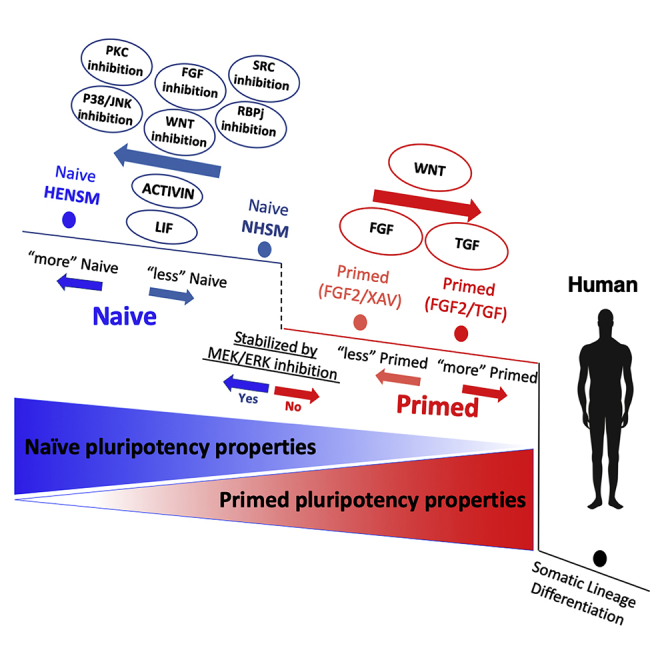
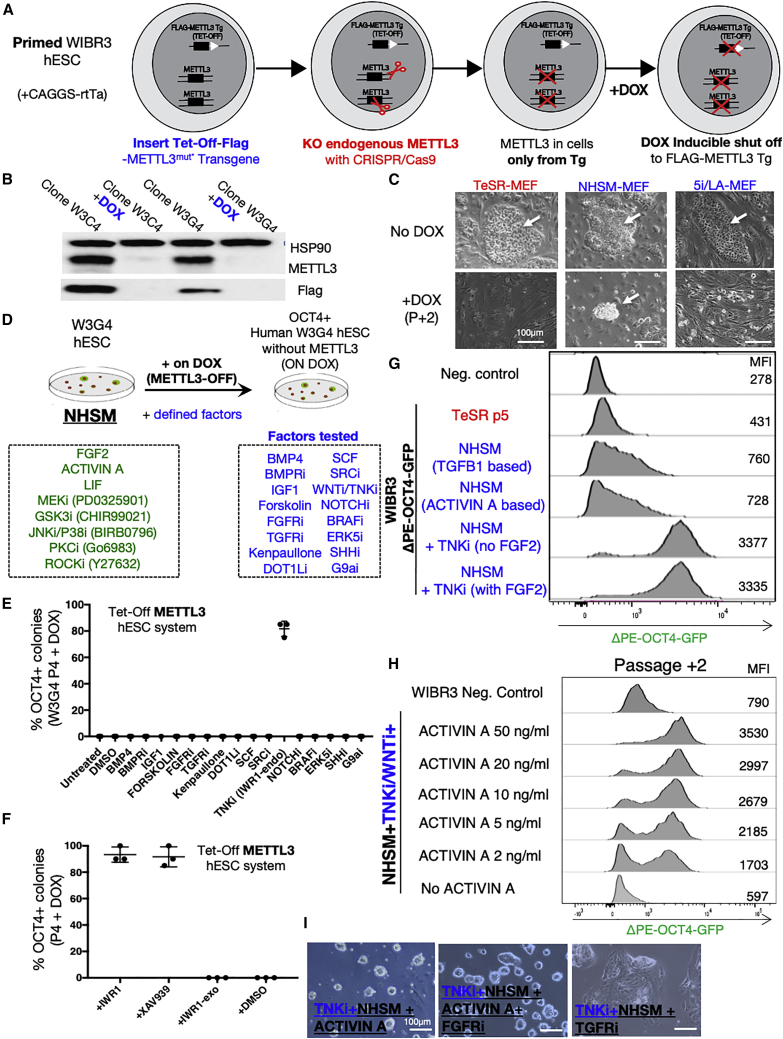
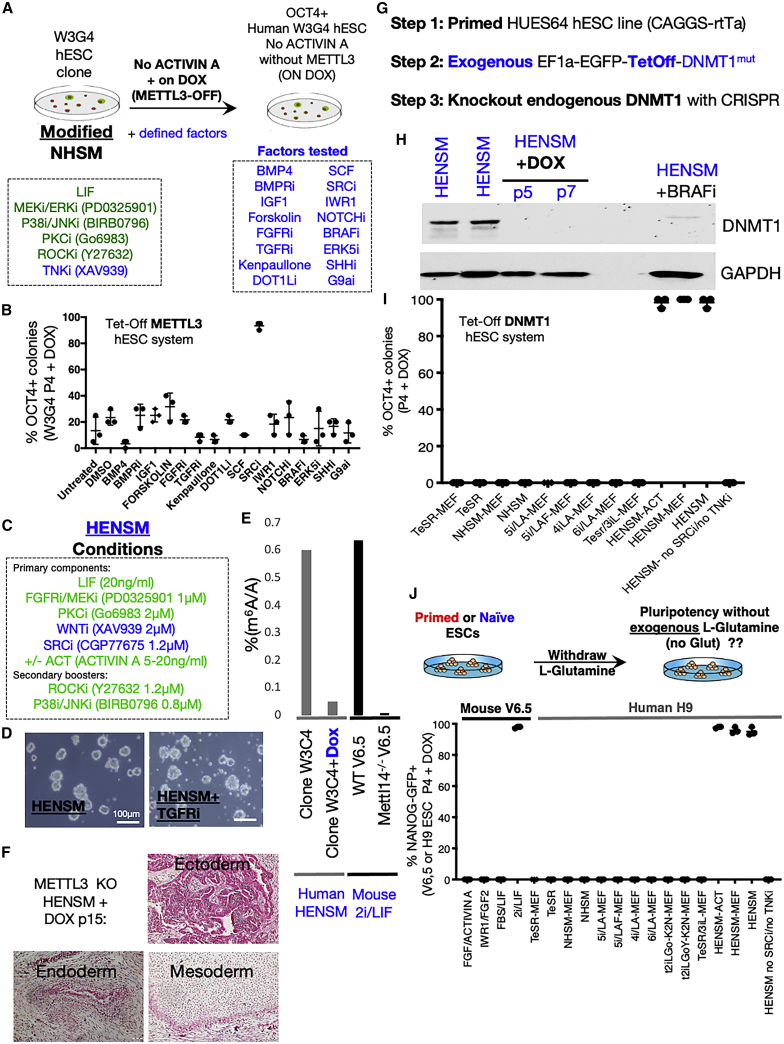
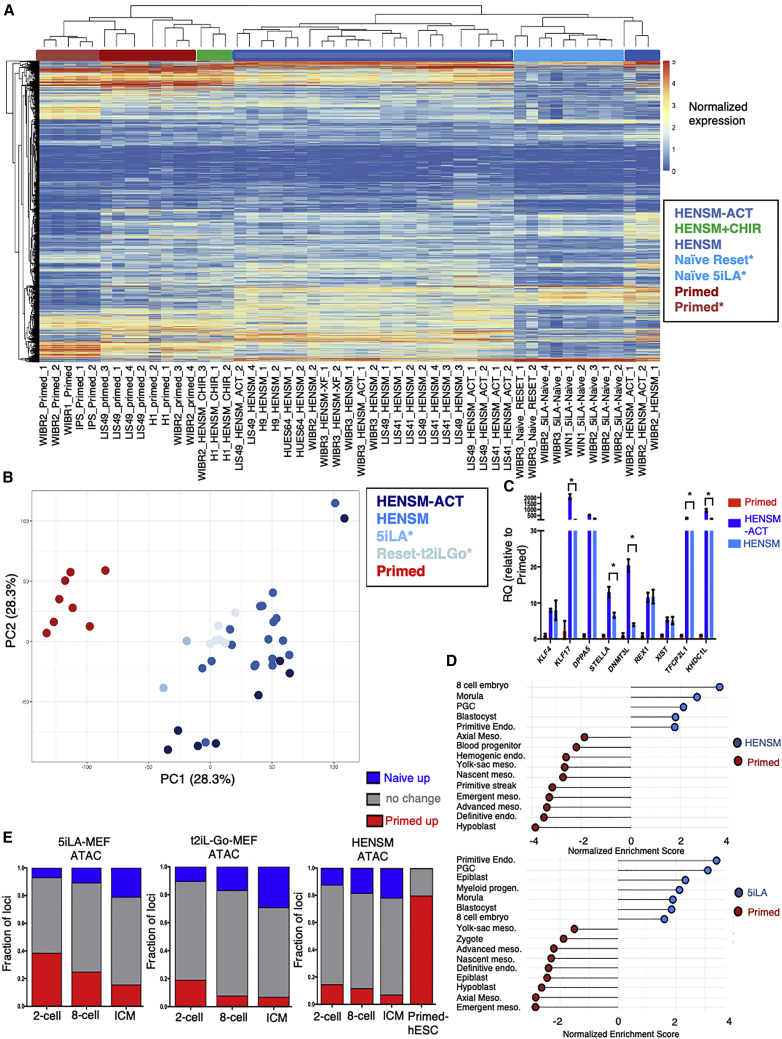
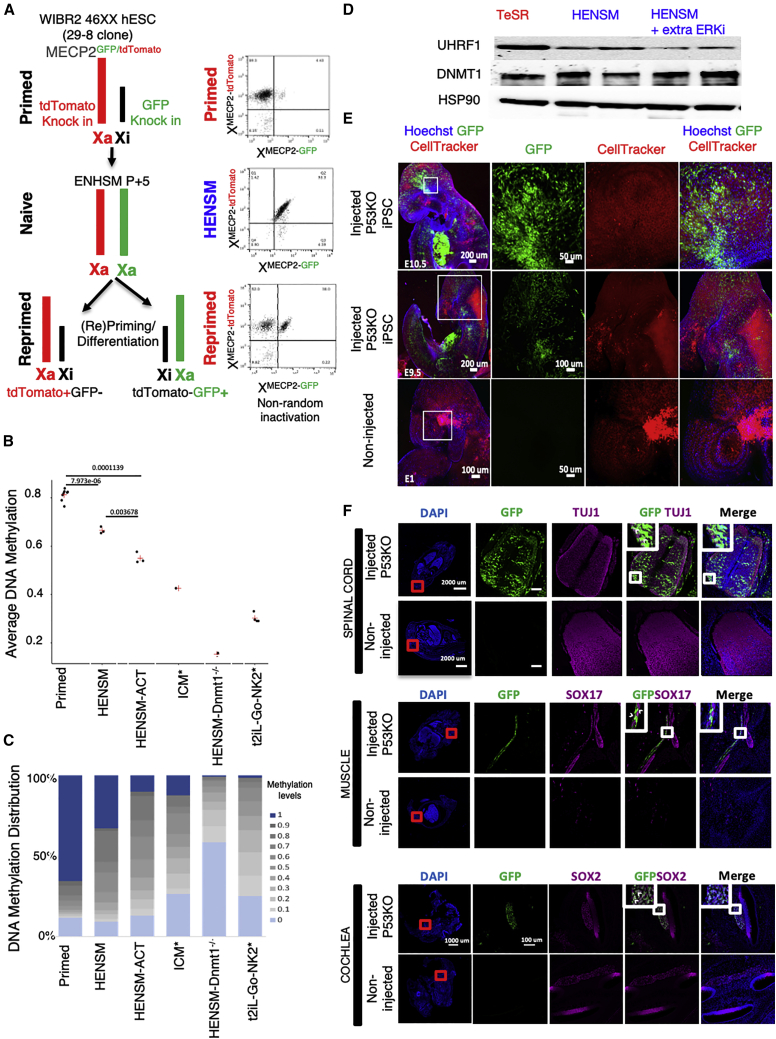
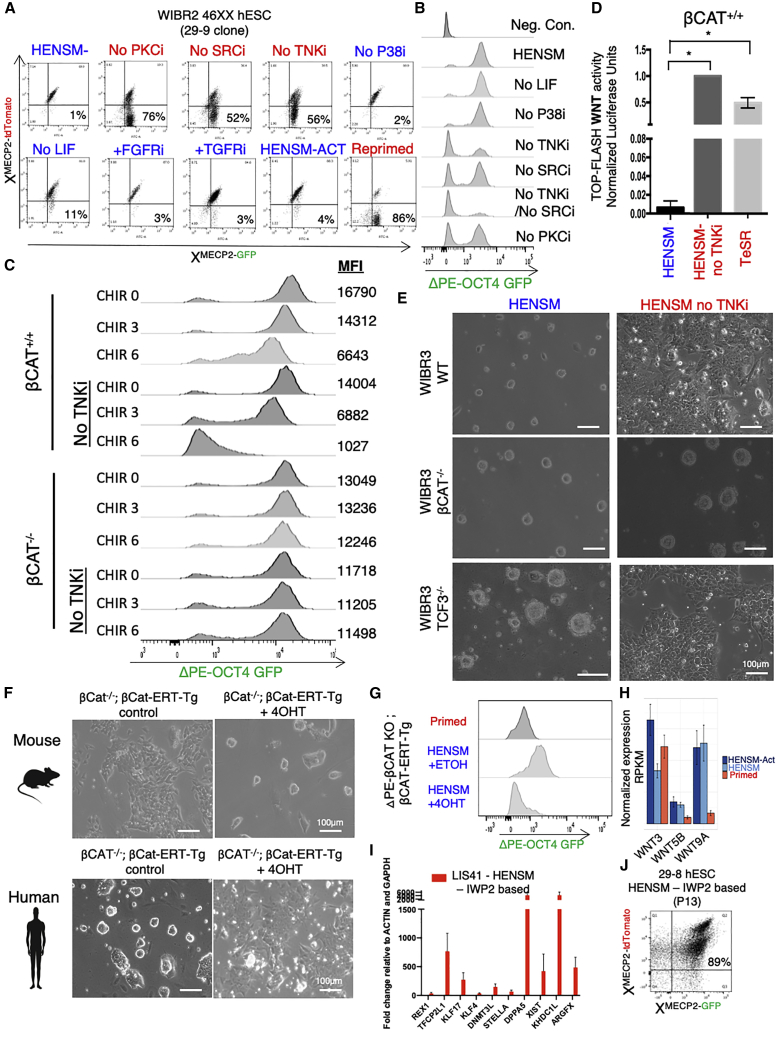
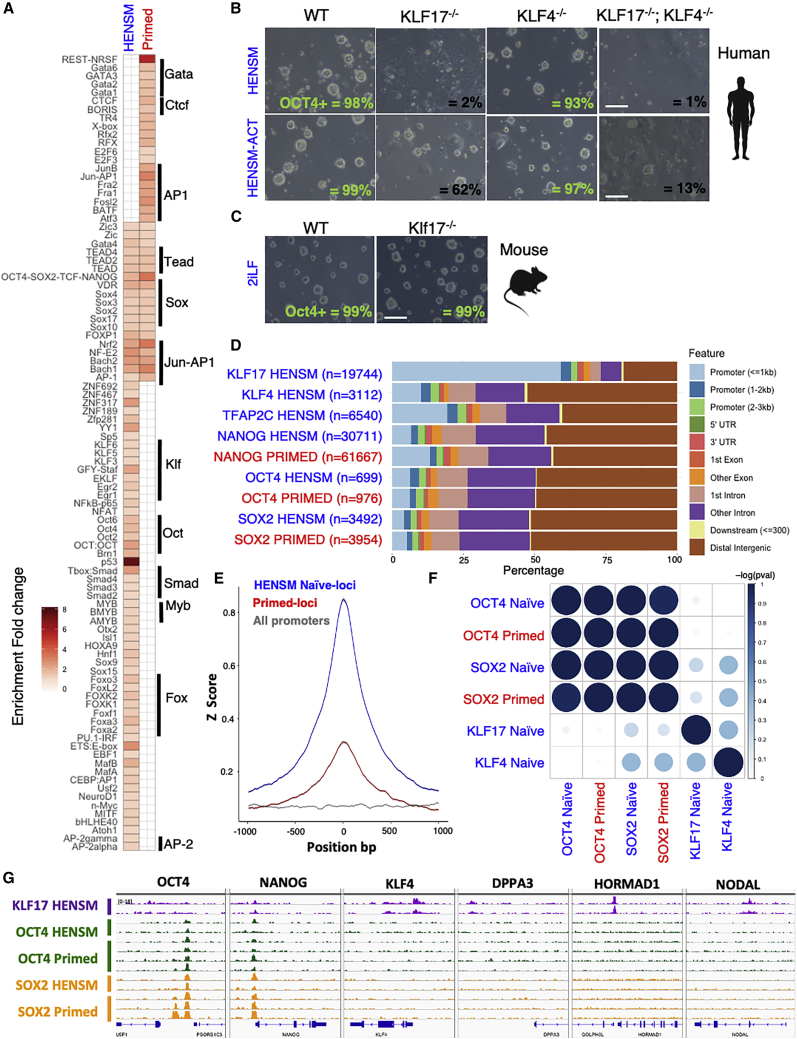
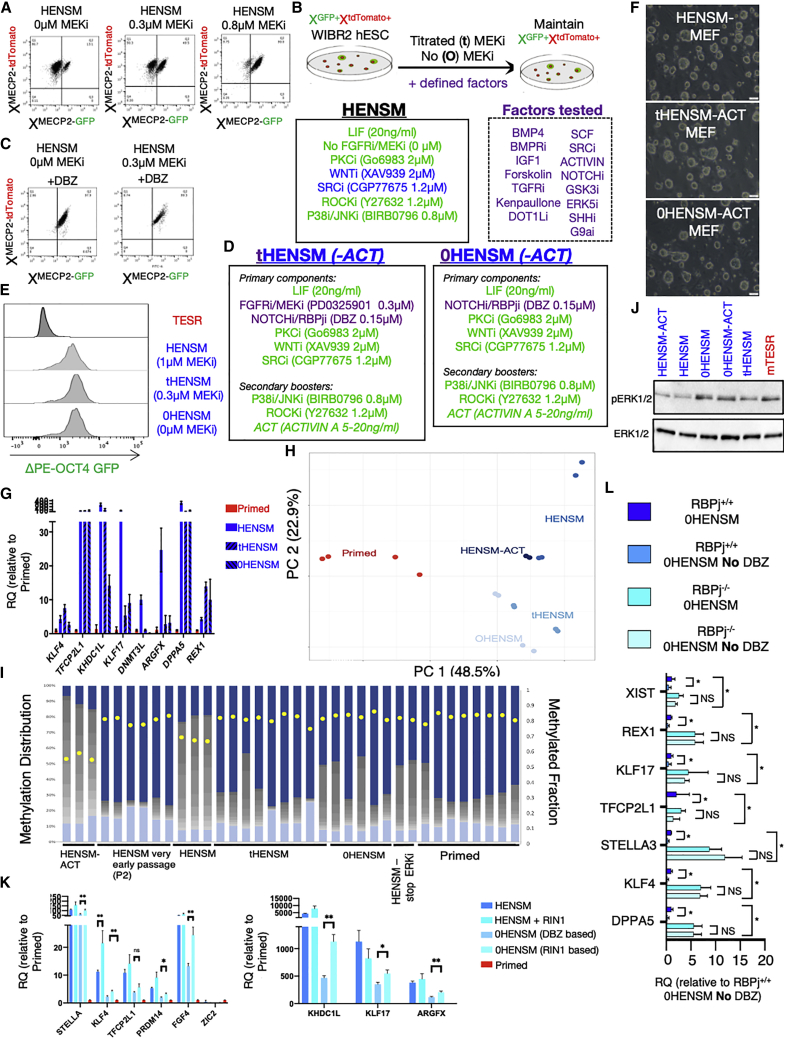
Abstract Different conditions have been devised to isolate MEK/ERK signalling independent human naïve pluripotent stem cells (PSCs) that are distinct from conventional primed PSCs and better correspond to pre-implantation developmental stages. While the naïve conditions described thus far endow human PSCs with different extents of naivety features, isolating human pluripotent cells that retain characteristics of ground state pluripotency while maintaining differentiation potential and genetic integrity, remains a major challenge. Here we engineer reporter systems that allow functional screening for conditions that can endow both the molecular and functional features expected from human naive pluripotency. We establish that simultaneous inhibition of SRC-NFκB, WNT/ßCATENIN and PKC signalling pathways is essential for enabling expansion of teratoma competent fully naïve human PSCs in defined or xeno-free conditions. Divergent signalling and transcriptional requirements for maintaining naïve pluripotency were found between mouse and human. Finally, we establish alternative naïve conditions in which MEK/ERK inhibition is substituted with inhibition for NOTCH/RBPj signalling, which allow obtaining alternative human naïve PSCs with diminished risk for loss of imprinting and deleterious global DNA hypomethylation. Our findings set a framework for the signalling foundations of human naïve pluripotency and may advance its utilization in future translational applications. Highlights of key findings Combined inhibition of SRC, WNT and PKC signaling consolidates human naïve pluripotency Stable expansion of DNA/RNA methylation-independent and TGF/ACTIVIN-independent human naïve PSCs Opposing roles for ACTIVIN and WNT/ßCATENIN signaling on mouse vs. human naive pluripotency 2i and MEK/ERKi independent alternative human naïve PSC conditions via inhibiting NOTCH/RBPj signaling
Overview
The claims and statistics of this paper haven’t been checked yet.
Run the check — free, no account needed. It reads the open-access text and checks the sources it cites.
Integrity signals
Registry
Cites
Statistics
Figures
Verification
Claims the paper makes
The claims and statistics of this paper haven’t been checked yet.
Run the check — free, no account needed. It reads the open-access text and checks the sources it cites.
Claims other papers make about this one
Each is checked against this paper’s own text: does it say what the citing paper says it does?
In the citing paper
“TCA cycle activity also varies with PSC identity in human ESCs, which display glutamine independence and increased mitochondrial respiration upon conversion to a more naïve state (215, 216).”
From Regulation and function of the mammalian tricarboxylic acid cycle (2023) · cites this paper as [215]
Self-check
Percentages, sums and reported differences re-computed from the paper’s own numbers.
The self-check needs the paper’s full text.
Citations
Cites
The ground state of embryonic stem cell self-renewal
Ying, Q.-L., Wray, J., Nichols, J., Batlle-Morera, L., Doble, B., Woodgett, J., Cohen, P., & Smith, A. (2008) · Nature · doi:10.1038/nature06968 · Cited by 3,442
Tankyrase inhibition stabilizes axin and antagonizes Wnt signalling
Huang, S.-M. A., Mishina, Y., Liu, S.-M., Cheung, A. K., Stegmeier, F., Michaud, G., Charlat, O., Wiellette, E., Zhang, Y., Wiessner, S., et al. (2009) · Nature · doi:10.1038/nature08356 · Cited by 2,077
Derivation of pluripotent epiblast stem cells from mammalian embryos
Brons, I. G. M., Smithers, L. E., Trotter, M. W. B., Rugg‐Gunn, P. J., Sun, B., Lopes, S. M. C. D. S., Howlett, S., Clarkson, A., Ährlund‐Richter, L., Pedersen, R. A., et al. (2007) · Nature · doi:10.1038/nature05950 · Cited by 2,007
Naive and Primed Pluripotent States
Nichols, J., & Smith, A. G. (2009) · Cell stem cell · doi:10.1016/j.stem.2009.05.015 · Cited by 1,835
Single-cell RNA-Seq profiling of human preimplantation embryos and embryonic stem cells
Yan, L., Yang, M., Guo, H., Yang, L., Wu, J., Li, R., Liu, P., Lian, Y., Zheng, X., Yan, J., et al. (2013) · Nature Structural & Molecular Biology · doi:10.1038/nsmb.2660 · Cited by 1,740
m 6 A mRNA methylation facilitates resolution of naïve pluripotency toward differentiation
Geula, S., Moshitch-Moshkovitz, S., Dominissini, D., Mansour, A. A., Kol, N., Salmon‐Divon, M., Hershkovitz, V., Peer, E., Mor, N., Manor, Y. S., et al. (2015) · Science · doi:10.1126/science.1261417 · Cited by 1,583
Reconstitution of the Mouse Germ Cell Specification Pathway in Culture by Pluripotent Stem Cells
Hayashi, K., Ohta, H., Kurimoto, K., Aramaki, S., & Saitou, M. (2011) · Cell · doi:10.1016/j.cell.2011.06.052 · Cited by 1,413
Single-Cell RNA-Seq Reveals Lineage and X Chromosome Dynamics in Human Preimplantation Embryos
Petropoulos, S., Edsgärd, D., Reinius, B., Deng, Q., Panula, S. P., Codeluppi, S., Plaza Reyes, A., Linnarsson, S., Sandberg, R., & Lanner, F. (2016) · Cell · doi:10.1016/j.cell.2016.03.023 · Cited by 1,063
Derivation of novel human ground state naive pluripotent stem cells
Gafni, O., Weinberger, L., Mansour, A. A., Manor, Y. S., Chomsky, E., Ben‐Yosef, D., Kalma, Y., Viukov, S. V., Maza, I., Zviran, A., et al. (2013) · Nature · doi:10.1038/nature12745 · Cited by 1,058
Intracellular α-ketoglutarate maintains the pluripotency of embryonic stem cells
Carey, B. W., Finley, L. W. S., Cross, J. R., Allis, C. D., & Thompson, C. B. (2015) · Nature · doi:10.1038/nature13981 · Cited by 1,007
A unique regulatory phase of DNA methylation in the early mammalian embryo
Smith, Z. D., Chan, M. M., Mikkelsen, T. S., Gu, H., Gnirke, A., Regev, A., & Meissner, A. (2012) · Nature · doi:10.1038/nature10960 · Cited by 1,005
Resetting Transcription Factor Control Circuitry toward Ground-State Pluripotency in Human
Takashima, Y., Guo, G., Loos, R., Nichols, J., Ficz, G., Krueger, F., Oxley, D., Santos, F., Clarke, J., Mansfield, W. M., et al. (2014) · Cell · doi:10.1016/j.cell.2014.08.029 · Cited by 959
The DNA methylation landscape of human early embryos
Guo, H., Zhu, P., Yan, L., Li, R., Hu, B., Lian, Y., Yan, J., Ren, X., Lin, S., Li, J., et al. (2014) · Nature · doi:10.1038/nature13544 · Cited by 942
Derivation of Human Trophoblast Stem Cells
Okae, H., Toh, H., Sato, T., Hiura, H., Takahashi, S., Shirane, K., Kabayama, Y., Suyama, M., Sasaki, H., & Arima, T. (2017) · Cell stem cell · doi:10.1016/j.stem.2017.11.004 · Cited by 915
Theunissen, T. W., Powell, B. E., Wang, H., Mitalipova, M., Faddah, D. A., Reddy, J., Fan, Z. P., Maetzel, D., Ganz, K., Shi, L., et al. (2014) · Cell stem cell · doi:10.1016/j.stem.2014.07.002 · Cited by 888
The Transcriptional and Epigenomic Foundations of Ground State Pluripotency
Marks, H., Kalkan, T., Menafra, R., Denissov, S., Jones, K., Hofemeister, H., Nichols, J., Kranz, A., Stewart, A. F., Smith, A. G., et al. (2012) · Cell · doi:10.1016/j.cell.2012.03.026 · Cited by 870
Hanna, J. H., Cheng, A. W., Saha, K., Kim, J., Lengner, C. J., Soldner, F., Cassady, J. P., Muffat, J., Carey, B. W., & Jaenisch, R. (2010) · Proceedings of the National Academy of Sciences · doi:10.1073/pnas.1004584107 · Cited by 840
SOX17 Is a Critical Specifier of Human Primordial Germ Cell Fate
Irie, N., Weinberger, L., Tang, W. W. C., Kobayashi, T., Viukov, S. V., Manor, Y. S., Dietmann, S., Hanna, J. H., & Surani, M. A. (2014) · Cell · doi:10.1016/j.cell.2014.12.013 · Cited by 839
Pluripotency and Cellular Reprogramming: Facts, Hypotheses, Unresolved Issues
Hanna, J. H., Saha, K., & Jaenisch, R. (2010) · Cell · doi:10.1016/j.cell.2010.10.008 · Cited by 714
Dynamic stem cell states: Naive to primed pluripotency in rodents and humans
Weinberger, L., Ayyash, M., Novershtern, N., & Hanna, J. H. (2016) · Nature Reviews Molecular Cell Biology · doi:10.1038/nrm.2015.28 · Cited by 622
Wray, J. P., Kalkan, T., Gómez‐López, S., Eckardt, D., Cook, A. S., Kemler, R., & Smith, A. G. (2011) · Nature Cell Biology · doi:10.1038/ncb2267 · Cited by 525
Deterministic direct reprogramming of somatic cells to pluripotency
Rais, Y., Zviran, A., Geula, S., Gafni, O., Chomsky, E., Viukov, S., Mansour, A. A., Caspi, I., Krupalnik, V., Zerbib, M., et al. (2013) · Nature · doi:10.1038/nature12587 · Cited by 522
Self-citationMolecular Criteria for Defining the Naive Human Pluripotent State
Theunissen, T. W., Friedli, M., He, Y., Planet, E., O’Neil, R. C., Markoulaki, S., Pontis, J., Wang, H., Iouranova, A., Imbeault, M., et al. (2016) · Cell stem cell · doi:10.1016/j.stem.2016.06.011 · Cited by 516
Interspecies Chimerism with Mammalian Pluripotent Stem Cells
Wu, J., Platero-Luengo, A., Sakurai, M., Sugawara, A., Gil, M. A., Yamauchi, T., Suzuki, K., Bogliotti, Y. S., Cuello, C., Valencia, M. M., et al. (2017) · Cell · doi:10.1016/j.cell.2016.12.036 · Cited by 513
Derivation of Pluripotent Stem Cells with In Vivo Embryonic and Extraembryonic Potency
Yang, Y., Liu, B., Xu, J., Wang, J., Wu, J., Shi, C., Xu, Y., Dong, J., Wang, C., Lai, W., et al. (2017) · Cell · doi:10.1016/j.cell.2017.02.005 · Cited by 508
Targeted disruption of DNMT1, DNMT3A and DNMT3B in human embryonic stem cells
Liao, J., Karnik, R., Gu, H., Ziller, M. J., Clement, K., Tsankov, A. M., Akopian, V., Gifford, C. A., Donaghey, J., Galonska, C., et al. (2015) · Nature Genetics · doi:10.1038/ng.3258 · Cited by 497
Single-cell transcriptomic characterization of a gastrulating human embryo
Tyser, R. C. V., Mahammadov, E., Nakanoh, S., Vallier, L., Scialdone, A., & Srinivas, S. (2021) · Nature · doi:10.1038/s41586-021-04158-y · Cited by 491
Defining the three cell lineages of the human blastocyst by single-cell RNA-seq
Blakeley, P., Fogarty, N. M. E., del Valle, I., Wamaitha, S. E., Hu, T. X., Elder, K. T., Snell, P., Christie, L., Robson, P., & Niakan, K. K. (2015) · Development · doi:10.1242/dev.123547 · Cited by 484
Embryonic stem cells require Wnt proteins to prevent differentiation to epiblast stem cells
ten Berge, D., Kurek, D., Blauwkamp, T. A., Koole, W., Maas, A., Eroğlu, E., Siu, R. K., & Nusse, R. (2011) · Nature Cell Biology · doi:10.1038/ncb2314 · Cited by 481
Regulatory Principles of Pluripotency: From the Ground State Up
Hackett, J. A., & Surani, M. A. (2014) · Cell stem cell · doi:10.1016/j.stem.2014.09.015 · Cited by 425
Sperber, H., Mathieu, J., Wang, Y., Ferreccio, A., Hesson, J., Xu, Z., Fischer, K. A., Devi, A., Detraux, D., Gu, H., et al. (2015) · Nature Cell Biology · doi:10.1038/ncb3264 · Cited by 421
Angeles, A. D. L., Ferrari, F., Xi, R., Fujiwara, Y., Benvenisty, N., Deng, H., Hochedlinger, K., Jaenisch, R., Lee, S., Leitch, H. G., et al. (2015) · Nature · doi:10.1038/nature15515 · Cited by 413
Esrrb Is a Pivotal Target of the Gsk3/Tcf3 Axis Regulating Embryonic Stem Cell Self-Renewal
Martello, G., Sugimoto, T., Diamanti, E., Joshi, A., Hannah, R., Ohtsuka, S., Göttgens, B., Niwa, H., & Smith, A. G. (2012) · Cell stem cell · doi:10.1016/j.stem.2012.06.008 · Cited by 400
The SMAD2/3 interactome reveals that TGFβ controls m6A mRNA methylation in pluripotency
Bertero, A., Brown, S. E., Madrigal, P., Osnato, A., Ortmann, D., Yiangou, L., Kadiwala, J., Hubner, N. C., Mozos, I. R. D. L., Sadée, C., et al. (2018) · Nature · doi:10.1038/nature25784 · Cited by 396
Chan, Y.-S., Göke, J., Ng, J.-H., Lu, X., Gonzales, K. A. U., Tan, C.-P., Tng, W. J., Hong, Z.-Z., Lim, Y. S., & Ng, H. (2013) · Cell stem cell · doi:10.1016/j.stem.2013.11.015 · Cited by 392
Defining an essential transcription factor program for naïve pluripotency
Dunn, S.-J., Martello, G., Yordanov, B., Emmott, S., & Smith, A. G. (2014) · Science · doi:10.1126/science.1248882 · Cited by 370
Erosion of Dosage Compensation Impacts Human iPSC Disease Modeling
Mekhoubad, S., Bock, C., de Boer, A. S., Kiskinis, E., Meissner, A., & Eggan, K. C. (2012) · Cell stem cell · doi:10.1016/j.stem.2012.02.014 · Cited by 366
Naive Pluripotent Stem Cells Derived Directly from Isolated Cells of the Human Inner Cell Mass
Guo, G., von Meyenn, F., Santos, F., Chen, Y., Reik, W., Bertone, P., Smith, A. G., & Nichols, J. (2016) · Stem Cell Reports · doi:10.1016/j.stemcr.2016.02.005 · Cited by 362
Chromatin analysis in human early development reveals epigenetic transition during ZGA
Wu, J., Xu, J., Liu, B., Yao, G., Wang, P., Lin, Z., Huang, B., Wang, X., Li, T., Shi, S., et al. (2018) · Nature · doi:10.1038/s41586-018-0080-8 · Cited by 351
Betschinger, J., Nichols, J., Dietmann, S., Corrin, P. D., Paddison, P. J., & Smith, A. G. (2013) · Cell · doi:10.1016/j.cell.2013.03.012 · Cited by 335
Metastable Pluripotent States in NOD-Mouse-Derived ESCs
Hanna, J. H., Markoulaki, S., Mitalipova, M. M., Cheng, A. W., Cassady, J. P., Staerk, J., Carey, B. W., Lengner, C. J., Foreman, R. K., Love, J. A., et al. (2009) · Cell stem cell · doi:10.1016/j.stem.2009.04.015 · Cited by 326
Epigenetic resetting of human pluripotency
Guo, G., von Meyenn, F., Rostovskaya, M., Clarke, J., Dietmann, S., Baker, D., Sahakyan, A., Myers, S., Bertone, P., Reik, W., et al. (2017) · Development · doi:10.1242/dev.146811 · Cited by 324
Defining the three cell lineages of the human blastocyst by single-cell RNA-seq
Blakeley, P., Fogarty, N. M. E., del Valle, I., Wamaitha, S. E., Hu, T. X., Elder, K. T., Snell, P., Christie, L., Robson, P., & Niakan, K. K. (2015) · Development · doi:10.1242/dev.131235 · Cited by 316
Kojima, Y., Kaufman‐Francis, K., Studdert, J. B., Steiner, K. A., Power, M., Loebel, D. A. F., Jones, V. J., Hor, A. C. C., de Alencastro, G., Logan, G. J., et al. (2013) · Cell stem cell · doi:10.1016/j.stem.2013.09.014 · Cited by 303
Establishment of mouse expanded potential stem cells
Yang, J. P., Ryan, D. J., Wang, W., Tsang, J. C.-H., Lan, G., Masaki, H., Gao, X., Antunes, L., Yu, Y., Zhu, Z., et al. (2017) · Nature · doi:10.1038/nature24052 · Cited by 301
Pontis, J., Planet, E., Offner, S., Turelli, P., Duc, J., Coudray, A., Theunissen, T. W., Jaenisch, R., & Trono, D. (2019) · Cell stem cell · doi:10.1016/j.stem.2019.03.012 · Cited by 294
Pastor, W. A., Chen, D., Liu, W., Kim, R., Sahakyan, A., Lukianchikov, A., Plath, K., Jacobsen, S. E., & Clark, A. T. (2016) · Cell stem cell · doi:10.1016/j.stem.2016.01.019 · Cited by 284
Prolonged Mek1/2 suppression impairs the developmental potential of embryonic stem cells
Choi, J., Huebner, A. J., Clement, K., Walsh, R. M., Savol, A. J., Lin, K., Gu, H., Stefano, B. D., Brumbaugh, J., Kim, S. Y., et al. (2017) · Nature · doi:10.1038/nature23274 · Cited by 281
Induction of Pluripotency in Adult Unipotent Germline Stem Cells
Ko, K., Tàpia, N., Wu, G., Kim, J. B., Araúzo-Bravo, M. J., Sasse, P., Glaser, T., Ruau, D., Han, D., Greber, B., et al. (2009) · Cell stem cell · doi:10.1016/j.stem.2009.05.025 · Cited by 262
Dynamic binding of RBPJ is determined by Notch signaling statusPreprint
Castel, D., Mourikis, P., Bartels, S. J. J., Brinkman, A. B., Tajbakhsh, S., & Stunnenberg, H. G. (2013) · Genes & Development · doi:10.1101/gad.211912.112 · Cited by 256
Human Naive Pluripotent Stem Cells Model X Chromosome Dampening and X Inactivation
Sahakyan, A., Kim, R., Chronis, C., Sabri, S., Bonora, G., Theunissen, T. W., Kuoy, E., Langerman, J., Clark, A. T., Jaenisch, R., et al. (2016) · Cell stem cell · doi:10.1016/j.stem.2016.10.006 · Cited by 256
An alternative pluripotent state confers interspecies chimaeric competency
Wu, J., Okamura, D., Li, M., Suzuki, K., Luo, C., Ma, L., He, Y., Li, Z., Benner, C. W., Tamura, I., et al. (2015) · Nature · doi:10.1038/nature14413 · Cited by 250
von Meyenn, F., Iurlaro, M., Habibi, E., Liu, N. Q., Salehzadeh‐Yazdi, A., Santos, F., Petrini, E., Milagre, I., Yu, M., Xie, Z., et al. (2016) · Molecular Cell · doi:10.1016/j.molcel.2016.04.025 · Cited by 236
Single-Cell RNA-Seq Reveals Lineage and X Chromosome Dynamics in Human Preimplantation Embryos
Sophie Petropoulos, A., Edsgärd, D., Reinius, B., Deng, Q., Panula, S., Codeluppi, S., Reyes, Á. P., Linnarsson, S., Sandberg, R., & Lanner, F. (2016) · Cell · doi:10.1016/j.cell.2016.08.009 · Cited by 227
Lluis, J. M., Buricchi, F., Chiarugi, P., Morales, A., & Fernández-Checa, J. C. (2007) · Cancer Research · doi:10.1158/0008-5472.can-07-0515 · Cited by 218
Derivation of ground-state female ES cells maintaining gamete-derived DNA methylation
Yagi, M., Kishigami, S., Tanaka, A., Semi, K., Mizutani, E., Wakayama, S., Wakayama, T., Yamamoto, T., & Yamada, Y. (2017) · Nature · doi:10.1038/nature23286 · Cited by 199
TFAP2C regulates transcription in human naive pluripotency by opening enhancers
Pastor, W. A., Liu, W., Chen, D., Ho, J., Kim, R., Hunt, T. J., Lukianchikov, A., Liu, X., Polo, J. M., Jacobsen, S. E., et al. (2018) · Nature Cell Biology · doi:10.1038/s41556-018-0089-0 · Cited by 188
Collier, A. J., Panula, S., Schell, J. P., Chovanec, P., Reyes, Á. P., Sophie Petropoulos, A., Corcoran, A. E., Walker, R. V., Douagi, I., Lanner, F., et al. (2017) · Cell stem cell · doi:10.1016/j.stem.2017.02.014 · Cited by 178
Kim, H., Wu, J., Ye, S., Tai, C.-I., Zhou, X., Yan, H., Li, P., Pera, M. F., & Ying, Q.-L. (2013) · Nature Communications · doi:10.1038/ncomms3403 · Cited by 173
Liu, X., Nefzger, C. M., Rossello, F. J., Chen, J., Knaupp, A. S., Firas, J., Ford, E., Pflueger, J., Paynter, J. M., Chy, H. S., et al. (2017) · Nature Methods · doi:10.1038/nmeth.4436 · Cited by 168
Linneberg-Agerholm, M., Wong, Y. F., Herrera, J. A. R., Monteiro, R. S., Anderson, K. G. V., & Brickman, J. M. (2019) · Development · doi:10.1242/dev.180620 · Cited by 168
Torres, J., & Watt, F. M. (2008) · Nature Cell Biology · doi:10.1038/ncb1680 · Cited by 151
A Call to Standardize Teratoma Assays Used to Define Human Pluripotent Cell Lines
Müller, F.-J., Goldmann, J. E., Löser, P., & Loring, J. F. (2010) · Cell stem cell · doi:10.1016/j.stem.2010.04.009 · Cited by 145
Capacitation of human naïve pluripotent stem cells for multi-lineage differentiation
Rostovskaya, M., Stirparo, G. G., & Smith, A. G. (2019) · Development · doi:10.1242/dev.172916 · Cited by 139
Complementary Activity of ETV5, RBPJ, and TCF3 Drives Formative Transition from Naive Pluripotency
Kalkan, T., Bornelöv, S., Mulas, C., Diamanti, E., Lohoff, T., Ralser, M., Middelkamp, S., Lombard, P., Nichols, J., & Smith, A. G. (2019) · Cell stem cell · doi:10.1016/j.stem.2019.03.017 · Cited by 119
Wnt Inhibition Facilitates RNA-Mediated Reprogramming of Human Somatic Cells to Naive Pluripotency
Bredenkamp, N., Yang, J. P., Clarke, J., Stirparo, G. G., von Meyenn, F., Dietmann, S., Baker, D., Drummond, R., Ren, Y., Li, D., et al. (2019) · Stem Cell Reports · doi:10.1016/j.stemcr.2019.10.009 · Cited by 119
Stem Cells: A Renaissance in Human Biology Research
Wu, J., & Belmonte, J. C. I. (2016) · Cell · doi:10.1016/j.cell.2016.05.043 · Cited by 111
Cell competition constitutes a barrier for interspecies chimerism
Zheng, C., Hu, Y., Sakurai, M., Pinzón-Arteaga, C. A., Li, J., Wei, Y., Okamura, D., Ravaux, B., Barlow, H. R., Yu, L., et al. (2021) · Nature · doi:10.1038/s41586-021-03273-0 · Cited by 105
Bredenkamp, N., Stirparo, G. G., Nichols, J., Smith, A. G., & Guo, G. (2019) · Stem Cell Reports · doi:10.1016/j.stemcr.2019.03.014 · Cited by 104
Large-Scale Analysis of Loss of Imprinting in Human Pluripotent Stem Cells
Bar, S., Schachter, M., Eldar‐Geva, T., & Benvenisty, N. (2017) · Cell Reports · doi:10.1016/j.celrep.2017.04.020 · Cited by 96
Lee, H. S., Moon, C., Lee, H. W., Park, E., Cho, M.-S., & Kang, J. L. (2007) · The Journal of Immunology · doi:10.4049/jimmunol.179.10.7001 · Cited by 90
Tankyrase inhibition promotes a stable human naïve pluripotent state with improved functionality
Zimmerlin, L., Park, T. S., Huo, J. S., Verma, K., Pather, S. R., Talbot, C. C., Agarwal, J. R., Steppan, D. A., Zhang, Y. W., Considine, M., et al. (2016) · Development · doi:10.1242/dev.138982 · Cited by 82
Safeguards for Cell Cooperation in Mouse Embryogenesis Shown by Genome-Wide Cheater Screen
Déjosez, M., Ura, H., Brandt, V. L., & Zwaka, T. P. (2013) · Science · doi:10.1126/science.1241628 · Cited by 75
Notch inhibition allows oncogene-independent generation of iPS cells
Ichida, J. K., Julia, T. C. W., Williams, L. A., Carter, A. C., Shi, Y., Moura, M. T., Ziller, M. J., Singh, S., Amabile, G., Bock, C., et al. (2014) · Nature Chemical Biology · doi:10.1038/nchembio.1552 · Cited by 75
Global Characterization of X Chromosome Inactivation in Human Pluripotent Stem Cells
Bar, S., Seaton, L. R., Weissbein, U., Eldar‐Geva, T., & Benvenisty, N. (2019) · Cell Reports · doi:10.1016/j.celrep.2019.03.019 · Cited by 64
Disruption of NOTCH signaling by a small molecule inhibitor of the transcription factor RBPJ
Hurtado, C., Safarova, A. G., Smith, M. P., Chung, R., Bruyneel, A. A. N., Gomez‐Galeno, J., Oswald, F., Larson, C. J., Cashman, J. R., Ruiz‐Lozano, P., et al. (2019) · Scientific Reports · doi:10.1038/s41598-019-46948-5 · Cited by 58
Theunissen, T. W., Powell, B. E., Wang, H., Mitalipova, M., Faddah, D. A., Reddy, J., Fan, Z. P., Maetzel, D., Ganz, K., Shi, L., et al. (2014) · Cell stem cell · doi:10.1016/j.stem.2014.08.002 · Cited by 52
Structural Basis for the SOX-Dependent Genomic Redistribution of OCT4 in Stem Cell Differentiation
Merino, F., Ng, C. K. L., Veerapandian, V., Schöler, H. R., Jauch, R., & Cojocaru, V. (2014) · Structure · doi:10.1016/j.str.2014.06.014 · Cited by 51
An, C., Feng, G., Zhang, J., Cao, S., Wang, Y., Wang, N., Lu, F., Zhou, Q., & Wang, H. (2020) · Cell stem cell · doi:10.1016/j.stem.2020.06.002 · Cited by 50
von Meyenn, F., Iurlaro, M., Habibi, E., Liu, N. Q., Salehzadeh‐Yazdi, A., Santos, F., Petrini, E., Milagre, I., Yu, M., Xie, Z., et al. (2016) · Molecular Cell · doi:10.1016/j.molcel.2016.06.005 · Cited by 48
A spatially resolved single cell atlas of human gastrulation
Estermann, M. A. (2020) · doi:10.1242/prelights.24536 · Cited by 19
Reduced MEK inhibition preserves genomic stability in naïve human ES cells
Stefano, B. D., Stefano, B. D., & Hochedlinger, K. (2018) · Protocol Exchange · doi:10.1038/protex.2018.062 · Cited by 2
Cited by
Sorted by citations
Regulation and function of the mammalian tricarboxylic acid cycle
Arnold, P. K., & Finley, L. W. S. (2023) · Journal of Biological Chemistry · doi:10.1016/j.jbc.2022.102838 · Cited by 535
“TCA cycle activity also varies with PSC identity in human ESCs, which display glutamine independence and increased mitochondrial respiration upon conversion to a more naïve state (215, 216).”
BackgroundRolling back human pluripotent stem cells to an eight-cell embryo-like stage
Mazid, M. A., Ward, C., Luo, Z., Liu, C., Li, Y., Lai, Y., Wu, L. L., Li, J., Jia, W., Jiang, Y., et al. (2022) · Nature · doi:10.1038/s41586-022-04625-0 · Cited by 259
Post-gastrulation synthetic embryos generated ex utero from mouse naive ESCs
Tarazi, S., Aguilera-Castrejon, A., Joubran, C., Ghanem, N., Ashouokhi, S., Roncato, F., Wildschutz, E., Haddad, M., Oldak, B., Gomez-Cesar, E., et al. (2022) · Cell · doi:10.1016/j.cell.2022.07.028 · Cited by 246
Complete human day 14 post-implantation embryo models from naive ES cells
Oldak, B., Wildschutz, E., Bondarenko, V., Comar, M.-Y., Zhao, C., Aguilera-Castrejon, A., Tarazi, S., Viukov, S. V., Pham, T. X. A., Ashouokhi, S., et al. (2023) · Nature · doi:10.1038/s41586-023-06604-5 · Cited by 232
WNT and NOTCH signaling in human trophoblast development and differentiation
Dietrich, B., Haider, S., Meinhardt, G., Pollheimer, J., & Knöfler, M. (2022) · Cellular and Molecular Life Sciences · doi:10.1007/s00018-022-04285-3 · Cited by 141
Metadata
- Authors
- Bayerl, J., Ayyash, M., Shani, T., Manor, Y. S., Gafni, O., Massarwa, R., Kalma, Y., Aguilera-Castrejon, A., Zerbib, M., Amir, H., Sheban, D., Geula, S., Mor, N., Weinberger, L., Naveh Tassa, S., Krupalnik, V., Oldak, B., Livnat, N., Tarazi, S., Tawil, S., Wildschutz, E., Ashouokhi, S., Lasman, L., Rotter, V., Hanna, S., Ben-Yosef, D., Novershtern, N., Viukov, S., & Hanna, J. H.
- Affiliations
- Weizmann Institute of Science (IL)
- Tel Aviv University (IL)
- Rambam Health Care Campus (IL)
- Corresponding author
- Bayerl, Jonathan
- Novershtern, Noa
- Hanna, Jacob H.
- ORCID
- Venue
- Cell stem cell
- Publisher
- Elsevier BV
- Published
- 2021-09
- Volume
- 28
- Issue
- 9
- Pages
- 1549-1565.e12
- ISSN
- 1875-9777 (ISSN-L)
- 1934-5909
- PMC
- PMC8423434
- OpenAlex
- W3159163097
- Cited by
- 165
- References
- 83
- Citations by year
- 2026: 24 · 2025: 36 · 2024: 29 · 2023: 39 · 2022: 26 · 2021: 9
- FWCI
- 8.08
- Type
- journal article
- Language
- en
- Open access
- hybrid
- doi.org
- Licence
- Locations
- Cell stem cell (publishedVersion, cc-by-nc-nd)
- bioRxiv (Cold Spring Harbor Laboratory) (acceptedVersion, cc-by-nc-nd)
- PubMed Central (publishedVersion, cc-by-nc-nd)
- PubMed (publishedVersion)
- Funders
- Israel Cancer Research Fund
- Flight Attendant Medical Research Institute
- Minerva Foundation
- Israel Science Foundation
- New York Stem Cell Foundation
- BSF
- European Research Council (ERC-CoG-2016 726497)
- Topics
- Life Sciences › Biochemistry, Genetics and Molecular Biology › Molecular Biology › Pluripotent Stem Cells Research
- Life Sciences › Biochemistry, Genetics and Molecular Biology › Molecular Biology › Developmental Biology and Gene Regulation
- Life Sciences › Biochemistry, Genetics and Molecular Biology › Molecular Biology › Epigenetics and DNA Methylation
- Keywords
- naive pluripotency, human pluripotent stem cells, MEK/ERK signaling, Wnt/β-catenin signaling, protein kinase C signaling, Src signaling, trophoblast stem cells, extraembryonic endoderm, p53, DNA hypomethylation
- MeSH terms
- Animals, Cell Differentiation, Embryo, Mammalian, Humans, Trophoblasts, Signal Transduction, Pluripotent Stem Cells, Mice
About these checks
Registry, retraction, Cites and statistics results are computed, not judged, with one exception: a printed reference that no index lists is read once by a model before it counts as a citation error. Claims are extracted by a model and kept only when their quote appears verbatim in the text; each cited source is then checked, with a model’s help, for whether it says what the claim relies on. Those verdicts can be wrong — read the claim’s quote and the cited source before relying on one.
Statistics and arithmetic are recomputed, not judged.
Confidence bands are shown only for fields calibrated on our annotated test set. None is calibrated yet, so no band is shown.
What counts as a claim ›How we measure confidence ›How we check this ›
Are you an author, or do you see a problem with this page? Request a review
