

The DOI matches its Crossref record; 117 of the 121 references it cites were found in a registry or an index.
The Structure and Function of DNA G-Quadruplexes
Open accessAbstract
Guanine-rich DNA sequences can fold into four-stranded, noncanonical secondary structures called G-quadruplexes (G4s). G4s were initially considered a structural curiosity, but recent evidence suggests their involvement in key genome functions such as transcription, replication, genome stability, and epigenetic regulation, together with numerous connections to cancer biology. Collectively, these advances have stimulated research probing G4 mechanisms and consequent opportunities for therapeutic intervention. Here, we provide a perspective on the structure and function of G4s with an emphasis on key molecules and methodological advances that enable the study of G4 structures in human cells. We also critically examine recent mechanistic insights into G4 biology and protein interaction partners and highlight opportunities for drug discovery.
Overview
The claims and statistics of this paper haven’t been checked yet.
Run the check — free, no account needed. It reads the open-access text and checks the sources it cites.
Integrity signals
Registry
Cites
Statistics
Figures
Verification
Claims the paper makes
The claims and statistics of this paper haven’t been checked yet.
Run the check — free, no account needed. It reads the open-access text and checks the sources it cites.
Claims other papers make about this one
Each is checked against this paper’s own text: does it say what the citing paper says it does?
The source backs part of the claim, not all of it — or backs it for a different population, condition or comparison.
In the citing paper
“Lastly, more serious DNA damages, such as double-strand breaks associated with non-B DNA structures like G4s, and the subsequent DNA repair can be mutagenic (7,27).”
From G-quadruplex-mediated genomic instability drives SNVs in cancer (2024) · cites this paper as [7]
Experimental — accuracy not yet measured
Self-check
Percentages, sums and reported differences re-computed from the paper’s own numbers.
The self-check needs the paper’s full text.
Citations
Cites
1 retracted
Zhang, S., Sun, H., Wang, L., Liu, Y., Chen, H., Li, Q., Guan, A., Liu, M., & Tang, Y. (2018) · Nucleic Acids Research · doi:10.1093/nar/gky665 · Cited by 158
RetractedHallmarks of Cancer: The Next Generation
Hanahan, D., & Weinberg, R. A. (2011) · Cell · doi:10.1016/j.cell.2011.02.013 · Cited by 66,590 · cited 2×
“achieve unlimited proliferation by protecting ends of chromosomes [23].”
BackgroundMolecular Structure of Nucleic Acids: A Structure for Deoxyribose Nucleic Acid
WATSON, J. D., & CRICK, F. H. C. (1953) · Nature · doi:10.1038/171737a0 · Cited by 13,584 · cited 1×
“The most widely recognised DNA structure is that of the classical DNA double helix [1], which defines a structural basis for the genetic code via defined base-pairing.”
BackgroundQuadruplex DNA: sequence, topology and structure
Burge, S., Parkinson, G. N., Hazel, P., Todd, A. K., & Neidle, S. (2006) · Nucleic Acids Research · doi:10.1093/nar/gkl655 · Cited by 2,404 · cited 1×
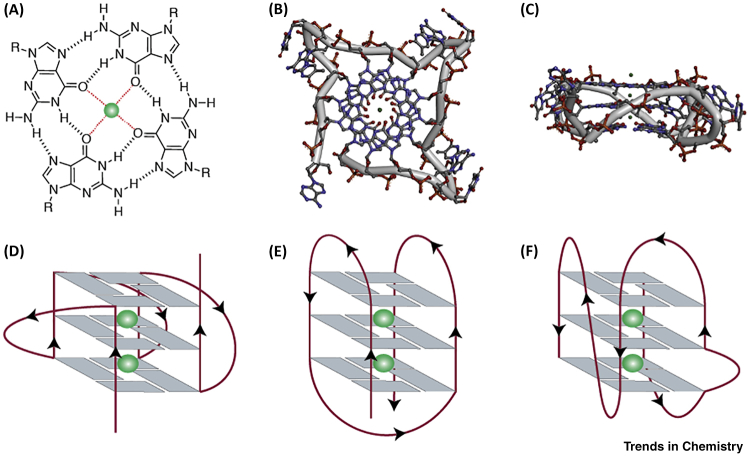
“ogies arising from different combinations of strand direction (Figure 1D–F), as well as length and loop composition [9,10].”
BackgroundSiddiqui-Jain, A., Grand, C. L., Bearss, D. J., & Hurley, L. H. (2002) · Proceedings of the National Academy of Sciences · doi:10.1073/pnas.182256799 · Cited by 2,274 · cited 9×
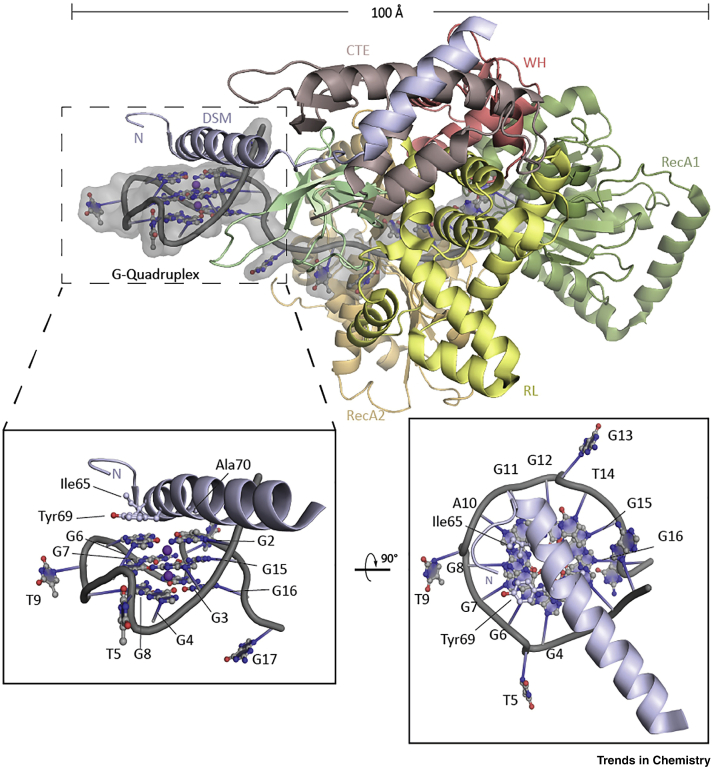
“A cocrystal structure of bos taurus DHX36 helicase bound to the MYC promoter G4 revealed a mode of binding in which the G4 makes contacts with a DHX36-specificmotif (DSM) and the C terminal OB-fold domain (Figure 4) [73].”
BackgroundInfluentialQuantitative visualization of DNA G-quadruplex structures in human cells
Biffi, G., Tannahill, D., McCafferty, J., & Balasubramanian, S. (2013) · Nature Chemistry · doi:10.1038/nchem.1548 · Cited by 2,173 · cited 3×
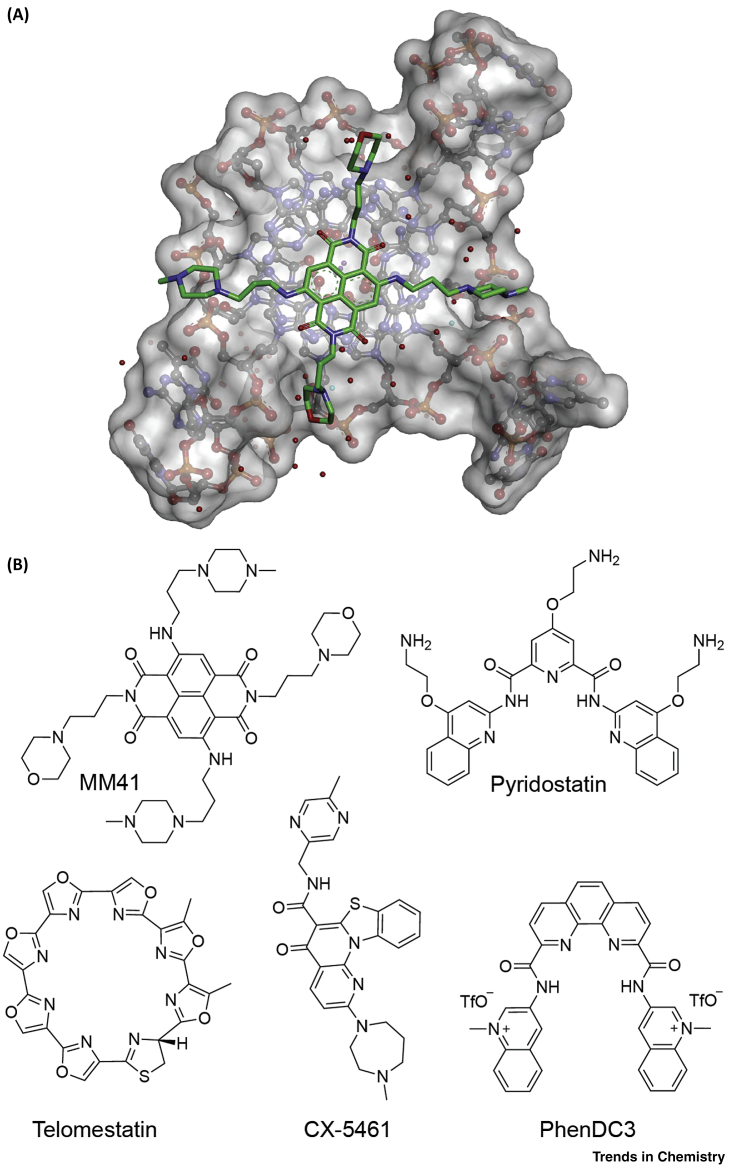
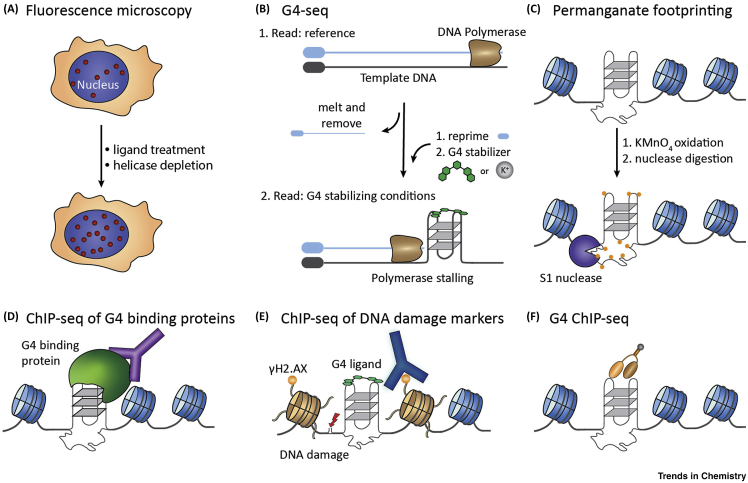
“structures in human cell lines upon ligand treatment together with depletion of the G4 resolving helicase FANCJ [41,42], to reveal increased numbers of G4 foci staining in nuclei after pyridostatin [41] or telomestatin ligand treatment and FANCJ depletion in chicken DT40 cells [42].”
BackgroundSelf-citationSen, D., & Gilbert, W. (1988) · Nature · doi:10.1038/334364a0 · Cited by 1,866 · cited 1×
“The finding that G4-rich telomeric repeats form G4 structures [6] suggested a mechanistic link with telomerase-mediated extension of telomeres, prompting an exploration of G4 stabilising ligands that may inhibit the growth of cancer cells by interfering with telomere maintenance (reviewed in [89]).”
BackgroundCrystal structure of parallel quadruplexes from human telomeric DNA
Parkinson, G., Lee, M. P. H., & Neidle, S. (2002) · Nature · doi:10.1038/nature755 · Cited by 1,863 · cited 1×
“Structural studies using X-ray crystallography and NMR spectroscopy have provided detailed insights into the structure of DNA G4s primarily based on the human telomeric repeat (Figure 1B,C) [11] or sequences derived from the promoter regions of certain human genes such as MYC or KIT [12,13].”
BackgroundPrevalence of quadruplexes in the human genome
Huppert, J. L., & Balasubramanian, S. (2005) · Nucleic Acids Research · doi:10.1093/nar/gki609 · Cited by 1,795 · cited 2×
“Based on biophysical studies on different G4 structures, algorithms using sequence motifs such as GR3NxGR3NxGR3NxGR3 were developed and deployed to predict putative G4 structures in genomic DNA [14,15].”
BackgroundMethodSelf-citationHelix formation by guanylic acid.
Gellert, M., Lipsett, M., & Davies, D. R. (1962) · Proceedings of the National Academy of Sciences of the United States of America · doi:10.1073/pnas.48.12.2013 · Cited by 1,430
Research works printed but not linked: 4
- Bang, 1910, Untersuchungen über die Guanylsäure, Biochem. Z., 26, 293
- Testorelli, 2003, Telomerase and cancer, J. Exp. Clin. Cancer Res., 22, 165
- Anders, 2014, Genome-wide localization of small molecules, Nat. Biotechnol., 32, 92, 10.1038/nbt.2776 · DOI
- Pagano, 2015, Identification of novel interactors of human telomeric G-quadruplex DNA, Chem. Commun., 51, 2964, 10.1039/C4CC07231F · DOI
Cited by
Sorted by citations
G-quadruplexes: a promising target for cancer therapy
Kosiol, N., Juranek, S., Brossart, P., Heine, A., & Paeschke, K. (2021) · Molecular Cancer · doi:10.1186/s12943-021-01328-4 · Cited by 561
“The physiological relevance of G4 structures is further supported by the existence of proteins that are able to bind and unfold G4 structures [11, 12, 26].”
BackgroundKrämer, J., Kang, R., Grimm, L., Cola, L. D., Picchetti, P., & Biedermann, F. (2022) · Chemical Reviews · doi:10.1021/acs.chemrev.1c00746 · Cited by 464
DNA G-quadruplex structures: more than simple roadblocks to transcription?
Robinson, J., Raguseo, F., Nuccio, S. P., Liano, D., & Antonio, M. D. (2021) · Nucleic Acids Research · doi:10.1093/nar/gkab609 · Cited by 321
G-quadruplex, Friend or Foe: The Role of the G-quartet in Anticancer Strategies.
Carvalho, J., Mergny, J., Salgado, G., Queiroz, J., & Cruz, C. (2020) · Trends in Molecular Medicine · doi:10.1016/j.molmed.2020.05.002 · Cited by 224
Alternative approaches to target Myc for cancer treatment
Wang, C., Zhang, J., Yin, J., Gan, Y., Xu, S., Gu, Y., & Huang, W. (2021) · Signal Transduction and Targeted Therapy · doi:10.1038/s41392-021-00500-y · Cited by 251
“The quadruplex motifs are frequently over-represented in genes, which promote tumorigenesis.(21) Interestingly, the experimental data have shown that the Alternative approaches to target Myc for cancer treatment Wang et al.”
BackgroundInfluentialMolecular Crowding: The History and Development of a Scientific Paradigm
Alfano, C., Fichou, Y., Huber, K. P., Weiß, M., Spruijt, E., Ebbinghaus, S., Luca, G. D., Morando, M. A., Vetri, V., Temussi, P. A., et al. (2024) · Chemical Reviews · doi:10.1021/acs.chemrev.3c00615 · Cited by 230
Molecular photoswitches in aqueous environments
Volarić, J., Szymański, W., Simeth, N. A., & Feringa, B. L. (2021) · Chemical Society Reviews · doi:10.1039/d0cs00547a · Cited by 452
Seneff, S., Nigh, G., Kyriakopoulos, A. M., & McCullough, P. A. (2022) · Food and Chemical Toxicology · doi:10.1016/j.fct.2022.113008 · Cited by 182
Chemical profiling of DNA G-quadruplex-interacting proteins in live cells
Zhang, X., Spiegel, J., Cuesta, S. M., Adhikari, S., & Balasubramanian, S. (2021) · Nature Chemistry · doi:10.1038/s41557-021-00736-9 · Cited by 161
“1a) 14,15 .”
Self-citationProperties and biological impact of RNA G-quadruplexes: from order to turmoil and back
Kharel, P., Becker, G., Цветков, В. Б., & Ivanov, P. V. (2020) · Nucleic Acids Research · doi:10.1093/nar/gkaa1126 · Cited by 152
“Subsequently, non-conventional G4s with longer loop lengths and discontinuities in G-stretches causing bulges were observed (11,12) leading to alternative predictive models (13,14).”
BackgroundG-quadruplex DNA: a novel target for drug design
Teng, F., Jiang, Z., Guo, M., Tan, X., Chen, F., Xi, X., & Xu, Y. (2021) · Cellular and Molecular Life Sciences · doi:10.1007/s00018-021-03921-8 · Cited by 136
Nishio, M., Tsukakoshi, K., & Ikebukuro, K. (2021) · Biosensors and Bioelectronics · doi:10.1016/j.bios.2021.113030 · Cited by 145
Chen, L., Dickerhoff, J., Sakai, S., & Yang, D. (2022) · Accounts of Chemical Research · doi:10.1021/acs.accounts.2c00337 · Cited by 155
Recent progress in non-native nucleic acid modifications
McKenzie, L. K., El-Khoury, R., Thorpe, J. D., Damha, M. J., & Hollenstein, M. (2021) · Chemical Society Reviews · doi:10.1039/d0cs01430c · Cited by 306
G-quadruplex–R-loop interactions and the mechanism of anticancer G-quadruplex binders
Miglietta, G., Russo, M. V., & Capranico, G. (2020) · Nucleic Acids Research · doi:10.1093/nar/gkaa944 · Cited by 132
“G4 structures are heterogenous and many distinct conformations have been reported (1,2,11,84), however their roles in the mechanism of action of G4 binders is not known.”
BackgroundStatic lung storage at 10°C maintains mitochondrial health and preserves donor organ function
Ali, A., Wang, A., Ribeiro, R. V. P., Beroncal, E. L., Baciu, C., Galasso, M., Gomes, B., Mariscal, A., Hough, O., Brambate, E., et al. (2021) · Science Translational Medicine · doi:10.1126/scitranslmed.abf7601 · Cited by 144
G-Quadruplexes and Their Ligands: Biophysical Methods to Unravel G-Quadruplex/Ligand Interactions
Santos, T. A. B. D., Salgado, G. F. J., Cabrita, E. J., & Cruz, C. (2021) · Pharmaceuticals · doi:10.3390/ph14080769 · Cited by 143
Li, J., Gao, X., Zhang, Z., Lai, Y., Lin, X., Lin, B., Ma, M., Liang, X., Li, X., Lv, W., et al. (2021) · Molecular Cancer · doi:10.1186/s12943-021-01444-1 · Cited by 113
“The C-Myc-targeting strategy can be summarized as follows: 1) Targeting C-Myc transcription: stabilization of G-quadruplexes with small molecules such as QN-1 [33].”
BackgroundLigand-induced native G-quadruplex stabilization impairs transcription initiationPreprint
Li, C., Wang, H., Yin, Z., Fang, P., Xiao, R., Xiang, Y., Wang, W., Li, Q., Huang, B., Huang, J., et al. (2021) · Genome Research · doi:10.1101/gr.275431.121 · Cited by 115
“However, this evidence is largely based on computationally predicted G4 motifs, correlations between G4 and gene expression, or manipulation of G4 structures on individual genes in plasmid constructs (Spiegel et al. 2020; Varshney et al. 2020).”
BackgroundTargeting MYCN in Pediatric and Adult Cancers
Liu, Z., Chen, S. S., Clarke, S., Veschi, V., & Thiele, C. J. (2021) · Frontiers in Oncology · doi:10.3389/fonc.2020.623679 · Cited by 95
Telomerase Regulation: A Role for Epigenetics
Doğan, F., & Forsyth, N. R. (2021) · Cancers · doi:10.3390/cancers13061213 · Cited by 107
Origin, Diversity, and Evolution of Telomere Sequences in Plants
Peška, V., & Garcia, S. (2020) · Frontiers in Plant Science · doi:10.3389/fpls.2020.00117 · Cited by 109
Viral G-quadruplexes: New frontiers in virus pathogenesis and antiviral therapy
Ruggiero, E., & Richter, S. (2020) · Annual Reports in Medicinal Chemistry · doi:10.1016/bs.armc.2020.04.001 · Cited by 89
“the large flat aromatic core that stacks on the G quartet, increasing discrimination among different G4s; high-molecular weights and positivecharged side chains, which guarantee loops and grooves interaction to the detriment of cellular uptake.(83) Indeed, low selectivity and poor drug-”
BackgroundZanin, I., Ruggiero, E., Nicoletto, G., Lago, S., Maurizio, I., Gallina, I., & Richter, S. N. (2023) · Nucleic Acids Research · doi:10.1093/nar/gkad626 · Cited by 103
How to untie G-quadruplex knots and why?
Lejault, P., Mitteaux, J., Sperti, F. R., & Monchaud, D. (2021) · Cell chemical biology · doi:10.1016/j.chembiol.2021.01.015 · Cited by 96
G4-quadruplex-binding proteins: review and insights into selectivity
Meier‐Stephenson, V. (2022) · Biophysical Reviews · doi:10.1007/s12551-022-00952-8 · Cited by 99
Xu, H., & Hurley, L. H. (2022) · Bioorganic & Medicinal Chemistry Letters · doi:10.1016/j.bmcl.2022.129016 · Cited by 84
Wang, R.-X., Ou, Y., Chen, Y., Ren, T., Yuan, L., & Zhang, X. (2024) · Journal of the American Chemical Society · doi:10.1021/jacs.3c13851 · Cited by 113
BODIPY based metal-organic macrocycles and frameworks: Recent therapeutic developments
Gupta, G., Sun, Y., Das, A. K., Stang, P. J., & Lee, C. Y. (2021) · Coordination Chemistry Reviews · doi:10.1016/j.ccr.2021.214308 · Cited by 111
Multimeric G-quadruplexes: A review on their biological roles and targeting
Frasson, I., Pirota, V., Richter, S. N., & Doria, F. (2022) · International Journal of Biological Macromolecules · doi:10.1016/j.ijbiomac.2022.01.197 · Cited by 90
G-quadruplex DNA: A Longer Story
Monsen, R. C., Trent, J. O., & Chaires, J. B. (2022) · Accounts of Chemical Research · doi:10.1021/acs.accounts.2c00519 · Cited by 84
Identifying G-Quadruplex-DNA-Disrupting Small Molecules
Mitteaux, J., Lejault, P., Wojciechowski, F., Joubert, A., Boudon, J., Desbois, N., Gros, C. P., Hudson, R. H. E., Boulé, J.-B., Granzhan, A., et al. (2021) · Journal of the American Chemical Society · doi:10.1021/jacs.1c04426 · Cited by 111
G-Quadruplex-Binding Proteins: Promising Targets for Drug Design
Shu, H., Zhang, R., Xiao, K., Yang, J., & Sun, X. S. (2022) · Biomolecules · doi:10.3390/biom12050648 · Cited by 89
“In particular, the G4s in the promoter regions of the proto-oncogenes have been most intensively studied so far [2].”
BackgroundInfluentialStructural Basis of Pyridostatin and Its Derivatives Specifically Binding to G-Quadruplexes
Liu, L., Ma, T., Zeng, Y., Liu, W., & Mao, Z. (2022) · Journal of the American Chemical Society · doi:10.1021/jacs.2c04775 · Cited by 93
Targeting c-MYC G-Quadruplexes for Cancer Treatment with Small Molecules
Prasanth, T., Nand, S., Prajapati, C., Ramakrishna, K., & Singh, S. K. (2025) · Scientia Pharmaceutica · doi:10.3390/scipharm93010006 · Cited by 72
“Most of these molecules contain extended aromatic structures with planar and electron-deficient ring systems for π - π stacking with a G-quartet platform instead of intercalating among the stacked base pairs of the DNA, as known for many duplex DNA-binding ligands (Figure 2) [22,23].”
Treatment of Ovarian Cancer Beyond PARP Inhibition: Current and Future Options
Garg, V., & Oza, A. M. (2023) · Drugs · doi:10.1007/s40265-023-01934-0 · Cited by 71
“G4 unwinding proteins/helicases remove these G4 structures in normal cells [161, 162].”
BackgroundRecent advances on G-quadruplex for biosensing, bioimaging and cancer therapy
Xu, J., Jiang, R., He, H.-L., Ma, C.-B., & Tang, Z.-W. (2021) · TrAC Trends in Analytical Chemistry · doi:10.1016/j.trac.2021.116257 · Cited by 69
On the Road to Fight Cancer: The Potential of G-Quadruplex Ligands as Novel Therapeutic Agents
Alessandrini, I., Recagni, M., Zaffaroni, N., & Folini, M. (2021) · International Journal of Molecular Sciences · doi:10.3390/ijms22115947 · Cited by 83
“, antibodies; fluorescent probes, aptamers) for cellular imaging [25], together with the ever growing repertoire of identified G4-interacting proteins [25,33], have undoubtedly represented an important step towards a better and more accurate characterization of G4 structures and their possible interaction with ligands…”
BackgroundReplication stress as a driver of cellular senescence and aging
Herr, L. M., Schaffer, E. D., Fuchs, K. F., Datta, A., & Brosh, R. M. (2024) · Communications Biology · doi:10.1038/s42003-024-06263-w · Cited by 72
Metal Ion Signaling in Biomedicine
Rodriguez, R., Müller, S., Colombeau, L., Solier, S., Sindikubwabo, F., & Cañeque, T. (2025) · Chemical Reviews · doi:10.1021/acs.chemrev.4c00577 · Cited by 67
Long, W., Zheng, B.-X., Li, Y., Huang, X.-H., Lin, D.-M., Chen, C.-C., Hou, J.-Q., Ou, T.-M., Wong, W.-L., Zhang, K., et al. (2022) · Nucleic Acids Research · doi:10.1093/nar/gkac090 · Cited by 60
“The lateral loop and flanking bases are in the 5′ or 3′-terminal (13).”
Nucleic Acids and Their Analogues for Biomedical Applications
Wang, F., Li, P., Chu, H. C., & Lo, P. K. (2022) · Biosensors · doi:10.3390/bios12020093 · Cited by 84
“G-rich DNA strands can form G-quadruplex in the presence of cations and then dissociate by adding the ion-chelating ligands [28].”
BackgroundThe Relevance of G-Quadruplexes for DNA Repair
Linke, R., Limmer, M., Juranek, S., Heine, A., & Paeschke, K. (2021) · International Journal of Molecular Sciences · doi:10.3390/ijms222212599 · Cited by 70
“Treatment with G4 ligands can induce DNA damage, micronuclei formation, DNA replication pausing, telomere defects and/or transcriptional changes (reviewed in [49]).”
BackgroundAffinity Sensors for the Diagnosis of COVID-19
Drobysh, M., Ramanavičienė, A., Viter, R., & Ramanavičius, A. (2021) · Micromachines · doi:10.3390/mi12040390 · Cited by 75
“These structures take part in crucial genome functions such as transcription, replication, and genome stability [81].”
BackgroundLiu, H., Lu, Y., Paul, T., Periz, G., Banco, M. T., Ferré-D’Amaré, A. R., Rothstein, J. D., Hayes, L. R., Myong, S., & Wang, J. (2021) · Journal of the American Chemical Society · doi:10.1021/jacs.1c00131 · Cited by 62
Roles of the RGG Domain and RNA Recognition Motif of Nucleolin in G-Quadruplex Stabilization
Masuzawa, T., & Oyoshi, T. (2020) · ACS Omega · doi:10.1021/acsomega.9b04221 · Cited by 66
Wang, K., Liu, Y., Li, J., Xiao, C., Wang, Y., Gu, W., Li, Y., Xia, Y., Yan, T., Yang, M.-H., et al. (2022) · Nature Communications · doi:10.1038/s41467-022-33761-4 · Cited by 64
Interactions of HMGB Proteins with the Genome and the Impact on Disease
Voong, C. K., Goodrich, J., & Kugel, J. F. (2021) · Biomolecules · doi:10.3390/biom11101451 · Cited by 54
“G4 structures form through the self-association of guanines to form stacked tetrads and could serve to regulate cellular processes that occur on the genome [79,80].”
BackgroundThe beginning and the end: flanking nucleotides induce a parallel G-quadruplex topology
Chen, J., Cheng, M., Salgado, G. F. J., Stadlbauer, P., Zhang, X., Amrane, S., Guédin, A., He, F., Šponer, J., Ju, H., et al. (2021) · Nucleic Acids Research · doi:10.1093/nar/gkab681 · Cited by 59
“The topology of the G4 core may be parallel, antiparallel or hybrid, which provides a basis for the specific recognition by ligands and functional regulation, but also complicates structural and biophysical predictions (3,5).”
BackgroundMechanical Properties of DNA Hydrogels: Towards Highly Programmable Biomaterials
Bush, J., Hu, C.-H., & Veneziano, R. (2021) · Applied Sciences · doi:10.3390/app11041885 · Cited by 59
Chem-map profiles drug binding to chromatin in cells
Yu, Z., Spiegel, J., Melidis, L., Hui, W. W. I., Zhang, X., Radzevičius, A., & Balasubramanian, S. (2023) · Nature Biotechnology · doi:10.1038/s41587-022-01636-0 · Cited by 64
Self-citationOnaş, A. M., Dascalu, C., Raicopol, M., & Pilan, L. (2022) · Biosensors · doi:10.3390/bios12100816 · Cited by 51
Corroles at work: a small macrocycle for great applications.
di Natale', C., Gros, C., & Paolesse, R. (2022) · Chemical Society Reviews · doi:10.1039/d1cs00662b · Cited by 51
2'-Fluoro-arabinonucleic Acid (FANA): A Versatile Tool for Probing Biomolecular Interactions.
El-Khoury, R., & Damha, M. (2021) · Accounts of Chemical Research · doi:10.1021/acs.accounts.1c00125 · Cited by 51
Zhao, L., Ahmed, F., Zeng, Y., Xu, W.-Q., & Xiong, H. (2022) · ACS Sensors · doi:10.1021/acssensors.2c00992 · Cited by 50
Quadruplex Ligands in Cancer Therapy
Sánchez-Martín, V., Soriano, M., & Garcia-Salcedo, J. A. (2021) · Cancers · doi:10.3390/cancers13133156 · Cited by 60
“Altogether this evidence suggests that quadruplexes are involved in the regulation of different biological pathways such as replication, transcription, translation, and genome instability [23] (Figure 2A).”
BackgroundAhmed, A., Angell, R., Oxenford, S., Worthington, J., Williams, N., Barton, N., Fowler, T. G., O'Flynn, D. E., Sunose, M., McConville, M., et al. (2020) · ACS Medicinal Chemistry Letters · doi:10.1021/acsmedchemlett.0c00317 · Cited by 50
An, J., Yin, M., Yin, J., Wu, S., Selby, C. P., Yang, Y., Sancar, A., Xu, G.-L., Qian, M., & Hu, J. (2021) · Nucleic Acids Research · doi:10.1093/nar/gkab1022 · Cited by 49
“A G4 is a four-stranded noncanonical DNA secondary structure formed in G-rich regions such as telomeres and promoters (17).”
Advances in Functional Nucleic Acid SERS Sensing Strategies.
Shi, L., Liu, Y.-K., Li, X., Zhang, H.-J., Wang, Z., He, S., Fan, D., Huang, X., Zi, Y., Han, Y.-P., et al. (2025) · ACS Sensors · doi:10.1021/acssensors.4c02611 · Cited by 48
G-Quadruplexes in c-MYC Promoter as Targets for Cancer Therapy
Bahls, B., Aljnadi, I. M., Emídio, R. M., Mendes, E., & Paulo, A. (2023) · Biomedicines · doi:10.3390/biomedicines11030969 · Cited by 48
Savva, L., & Georgiades, S. N. (2021) · Molecules · doi:10.3390/molecules26040841 · Cited by 57
“The stabilization of a G-quadruplex in the human telomere induces telomere shortening and apoptosis or senescence of tumor cells [106], consistent with telomerase function impairment [107].”
BackgroundCRISPR-Cas12a trans-cleaves DNA G-quadruplexes.
Li, Y., Li, T., Liu, B.-F., Hu, R., Zhu, J., He, T., Zhou, X., Li, C.-N., Yang, Y.-H., & Liu, M. (2020) · Chemical Communications · doi:10.1039/d0cc05540a · Cited by 48
Identification and targeting of G-quadruplex structures in MALAT1 long non-coding RNA
Mou, X., Liew, S. W., & Kwok, C.-K. (2021) · bioRxiv · doi:10.1093/nar/gkab1208 · Cited by 46
Detection of alternative DNA structures and its implications for human disease
Matos-Rodrigues, G. E., Hisey, J. A., Nussenzweig, A., & Mirkin, S. M. (2023) · Molecular Cell · doi:10.1016/j.molcel.2023.08.018 · Cited by 66
Folding dynamics of polymorphic G‐quadruplex structures
Grün, J. T., & Schwalbe, H. (2021) · Biopolymers · doi:10.1002/bip.23477 · Cited by 54
Zhang, R., Xiao, K., Gu, Y., Liu, H., & Sun, X. S. (2020) · Frontiers in Genetics · doi:10.3389/fgene.2020.587829 · Cited by 50
Major Achievements in the Design of Quadruplex-Interactive Small Molecules
Mendes, E., Aljnadi, I. M., Bahls, B., Victor, B., & Paulo, A. (2022) · Pharmaceuticals · doi:10.3390/ph15030300 · Cited by 43
“Since then, G4s were shown to form not only in vitro but also in cells [6,7], in the entire genome, even though quadruplex-forming sequences are particularly enriched in telomeres, gene promoters, and other untranslated regions of the genome [8].”
BackgroundInteractions of small molecules with DNA junctions
McQuaid, K. T., Pipier, A., Cardin, C. J., & Monchaud, D. (2022) · Nucleic Acids Research · doi:10.1093/nar/gkac1043 · Cited by 54
Programmable DNA hydrogels construction with functional regulations for biosensing applications
Yan, C., Hua, Y., Guo, J., & Miao, P. (2024) · TrAC Trends in Analytical Chemistry · doi:10.1016/j.trac.2024.117628 · Cited by 47
Sánchez-Martín, V., Plaza‐Calonge, M. D. C., Soriano‐Lerma, A., Ortiz-González, M., Linde-Rodríguez, Á., Pérez‐Carrasco, V., Ramírez-Macías, I., Cuadros, M., Fernández, J. G., Murciano‐Calles, J., et al. (2022) · Cancers · doi:10.3390/cancers14112648 · Cited by 43
“G4s are four-stranded, noncanonical secondary structures formed via Hoogsteen hydrogenbonding of four guanines in planar quartets thatself-stack [9].”
BackgroundBeyond the double helix: DNA structural diversity and the PDB
Neidle, S. (2021) · Journal of Biological Chemistry · doi:10.1016/j.jbc.2021.100553 · Cited by 41
Laspata, N., Muoio, D., & Fouquerel, E. (2023) · Journal of Molecular Biology · doi:10.1016/j.jmb.2023.168207 · Cited by 40
Takahashi, S., & Sugimoto, N. (2020) · Chemical Society Reviews · doi:10.1039/d0cs00594k · Cited by 80
Intricate 3D architecture of a DNA mimic of GFP
Passalacqua, L. F. M., Banco, M., Moon, J., Li, X., Jaffrey, S., & Ferré-D'Amaré, A. (2023) · Nature · doi:10.1038/s41586-023-06229-8 · Cited by 39
Amato, J., Miglietta, G., Morigi, R., Iaccarino, N., Locatelli, A., Leoni, A., Novellino, E., Pagano, B., Capranico, G., & Randazzo, A. (2020) · Journal of Medicinal Chemistry · doi:10.1021/acs.jmedchem.9b01866 · Cited by 44
DNA folds threaten genetic stability and can be leveraged for chemotherapy
Zell, J., Sperti, F. R., Britton, S., & Monchaud, D. (2020) · RSC Chemical Biology · doi:10.1039/d0cb00151a · Cited by 59
DeepG4: A deep learning approach to predict cell-type specific active G-quadruplex regions
Rocher, V., Genais, M., Nassereddine, E., & Mourad, R. (2021) · PLoS Computational Biology · doi:10.1371/journal.pcbi.1009308 · Cited by 52
“G4 can be formed of DNA [5] or RNA [6].”
BackgroundMetal-Based G-Quadruplex Binders for Cancer Theranostics
Palma, E., Carvalho, J., Cruz, C., & Paulo, A. (2021) · Pharmaceuticals · doi:10.3390/ph14070605 · Cited by 45
“reported a series of Re(I)–tricarbonyl complexes containing the facially coordinated [1,4,7]-triazacyclononane (TACN) ligand, which was covalently linked to a porphyrin scaffold that can act as a photosensitizer (PS) and also as a π-stacking core to achieve G4 selectivity [151].”
BackgroundWater spines and networks in G-quadruplex structures
Li, K., Yatsunyk, L., & Neidle, S. (2020) · Nucleic Acids Research · doi:10.1093/nar/gkaa1177 · Cited by 37
Phthalocyanines for G-quadruplex aptamers binding.
Lopes-Nunes, J., Carvalho, J., Figueiredo, J., Ramos, C., Lourenço, L. M. O., Tomé, J. P. C., Neves, M., Mergny, J., Queiroz, J., Salgado, G., et al. (2020) · Bioorganic chemistry (Print) · doi:10.1016/j.bioorg.2020.103920 · Cited by 37
G-quadruplex–stalled eukaryotic replisome structure reveals helical inchworm DNA translocation
Batra, S., Allwein, B., Kumar, C., Devbhandari, S., Brüning, J.-G., Bahng, S., Lee, C. M., Marians, K. J., Hite, R. K., & Remus, D. (2025) · Science · doi:10.1126/science.adt1978 · Cited by 42
G-quadruplexes in cancer-related gene promoters: from identification to therapeutic targeting
Romano, F., Porzio, A. D., Iaccarino, N., Riccardi, G., Lorenzo, R. D., Laneri, S., Pagano, B., Amato, J., & Randazzo, A. (2023) · Expert Opinion on Therapeutic Patents · doi:10.1080/13543776.2023.2271168 · Cited by 43
“Among these non-canonical DNA conformations, G4s are by far the most extensively investigated structures due to their role in peculiar regions of the genome [6].”
BackgroundInfluentialCurrent Developments of N-Heterocyclic Carbene Au(I)/Au(III) Complexes toward Cancer Treatment
Tialiou, A., Chin, J. M., Keppler, B. K., & Reithofer, M. R. (2022) · Biomedicines · doi:10.3390/biomedicines10061417 · Cited by 40
Global mapping of RNA G-quadruplexes (G4-RNAs) using G4RP-seq
Yang, S. Y. C., Monchaud, D., & Wong, J. M. Y. (2022) · Nature Protocols · doi:10.1038/s41596-021-00671-6 · Cited by 39
“(2) Cells are cross-linked using formaldehyde.”
ONQUADRO: a database of experimentally determined quadruplex structures
Zok, T., Kraszewska, N., Miskiewicz, J., Pielacinska, P., Zurkowski, M., & Szachniuk, M. (2021) · Nucleic Acids Res. · doi:10.1093/nar/gkab1118 · Cited by 36
“A complete G4 is assembled from at least two G-tetrads stacked one above another, and is stabilised by monovalent cations located in the ion channel (5,9).”
Cellular Visualization of G-Quadruplex RNA via Fluorescence- Lifetime Imaging Microscopy
Robinson, J., Stenspil, S. G., Maleckaitė, K., Bartlett, M., di Antonio, M., Vilar, R., & Kuimova, M. (2023) · bioRxiv · doi:10.1021/jacs.3c11908 · Cited by 35
Predicting Genetic Disorder and Types of Disorder Using Chain Classifier Approach
Raza, A., Rustam, F., Siddiqui, H. U. R., Díez, I. D. L. T., García-Zapirain, B., Lee, E., & Ashraf, I. (2022) · Genes · doi:10.3390/genes14010071 · Cited by 46
“There are several genetic disorders: single gene inheritance disorders [4], chromosomal disorders or mitochondrial genetic inheritance disorders [5], and complex disorders or multifactorial genetic inheritance disorders [6] and they are examined based on the DNA structure [7].”
BackgroundChaudhuri, R., Prasanth, T., & Dash, J. (2022) · Angewandte Chemie · doi:10.1002/anie.202215245 · Cited by 35
Zuo1 supports G4 structure formation and directs repair toward nucleotide excision repair
Magis, A. D., Götz, S., Hajikazemi, M., Fekete-Szücs, E., Caterino, M., Juranek, S., & Paeschke, K. (2020) · Nature Communications · doi:10.1038/s41467-020-17701-8 · Cited by 55
Pathogenic variants in SLF2 and SMC5 cause segmented chromosomes and mosaic variegated hyperploidy
Grange, L., Reynolds, J., Ullah, F., Isidor, B., Shearer, R. F., Latypova, X., Baxley, R. M., Oliver, A., Ganesh, A., Cooke, S., et al. (2022) · Nature Communications · doi:10.1038/s41467-022-34349-8 · Cited by 34
Frasson, I., Soldà, P., Nadai, M., Lago, S., & Richter, S. N. (2021) · Communications Biology · doi:10.1038/s42003-021-02035-y · Cited by 38
Rotaxanes as cages to control DNA binding, cytotoxicity and cellular uptake of a small molecule.
Kench, T., Summers, P. A., Kuimova, M., Lewis, J. E., & Vilar, R. (2020) · Angewandte Chemie · doi:10.26434/chemrxiv.13249643.v1 · Cited by 34
Overview of the materials design and sensing strategies of nanopore devices
Liang, L., Qin, F., Wang, S., Wu, J., Li, R., Wang, Z., Ren, M., Liu, D., Wang, D., & Astruc, D. (2022) · Coordination Chemistry Reviews · doi:10.1016/j.ccr.2022.214998 · Cited by 40
Antariksa, N. F., & Antonio, M. D. (2024) · Accounts of Chemical Research · doi:10.1021/acs.accounts.4c00574 · Cited by 38
PENGUINN: Precise Exploration of Nuclear G-Quadruplexes Using Interpretable Neural Networks
Klimentová, E., Poláček, J., Šimeček, P., & Alexiou, P. (2020) · Frontiers in Genetics · doi:10.3389/fgene.2020.568546 · Cited by 42
“G4s are known to play important roles in several biological processes, such as DNA replication, damage response, RNA transcription and processing, transcriptional and translational regulation and others (Spiegel et al., 2020).”
BackgroundPal, S., & Paul, S. (2020) · The Journal of Physical Chemistry B · doi:10.1021/acs.jpcb.0c00644 · Cited by 38
DNA Sequence and Length Dictate the Assembly of Nucleic Acid Block Copolymers.
Rizzuto, F., Dore, M. D., Rafique, M. G., Luo, X., & Sleiman, H. (2022) · Journal of the American Chemical Society · doi:10.1021/jacs.2c03506 · Cited by 31
Structural Unfolding of G-Quadruplexes: From Small Molecules to Antisense Strategies
Fracchioni, G., Vailati, S., Grazioli, M., & Pirota, V. (2024) · Molecules · doi:10.3390/molecules29153488 · Cited by 30
“…strands have the same direction and the fourth is oriented oppositely ( Moreover, G4 structures can be intramolecular, originating from a single nucleotide sequence, or bimolecular or tetramolecular, involving the intermolecular interaction of two or four nucleotide filaments, respectively [8].”
BackgroundUnraveling the Complexity of DNA Radiation Damage Using DNA Nanotechnology
Ameixa, J., & Bald, I. (2024) · Accounts of Chemical Research · doi:10.1021/acs.accounts.4c00121 · Cited by 30
Telomere-specific regulation of TERRA and its impact on telomere stability
Rivosecchi, J., Juríková, K., & Cusanelli, E. (2023) · Seminars in Cell and Developmental Biology · doi:10.1016/j.semcdb.2023.11.001 · Cited by 37
Metadata
- Authors
- Spiegel, J., Adhikari, S., & Balasubramanian, S.
- Affiliations
- Cancer Research UK (GB)
- University of Cambridge (GB)
- Corresponding author
- Balasubramanian, Shankar
- Venue
- Trends in Chemistry
- Publisher
- Elsevier BV
- Published
- 2020-02
- Volume
- 2
- Issue
- 2
- Pages
- 123-136
- ISSN
- 2589-5974 (ISSN-L)
- PMC
- PMC7472594
- OpenAlex
- W2966334511
- Cited by
- 920
- References
- 121
- Citations by year
- 2026: 111 · 2025: 157 · 2024: 158 · 2023: 144 · 2022: 151 · 2021: 122 · 2020: 74
- FWCI
- 7.73
- Type
- journal article
- Language
- en
- Open access
- hybrid
- doi.org
- Licence
- Locations
- Trends in Chemistry (publishedVersion, cc-by-nc-nd)
- PubMed Central (publishedVersion, cc-by-nc-nd)
- PubMed (publishedVersion)
- Apollo (University of Cambridge) (submittedVersion, cc-by-nc-nd)
- Apollo
- Funders
- Wellcome Trust
- Cancer Research UK
- Horizon 2020 Framework Programme
- Topics
- Life Sciences › Biochemistry, Genetics and Molecular Biology › Molecular Biology › DNA and Nucleic Acid Chemistry
- Life Sciences › Biochemistry, Genetics and Molecular Biology › Molecular Biology › Advanced biosensing and bioanalysis techniques
- Health Sciences › Medicine › Oncology › Metal complexes synthesis and properties
- Keywords
- G-quadruplex, guanine-rich DNA, genome stability, transcription, DNA replication, epigenetic regulation, cancer, G-quadruplex-binding proteins
About these checks
Registry, retraction, Cites and statistics results are computed, not judged, with one exception: a printed reference that no index lists is read once by a model before it counts as a citation error. Claims are extracted by a model and kept only when their quote appears verbatim in the text; each cited source is then checked, with a model’s help, for whether it says what the claim relies on. Those verdicts can be wrong — read the claim’s quote and the cited source before relying on one.
Statistics and arithmetic are recomputed, not judged.
Confidence bands are shown only for fields calibrated on our annotated test set. None is calibrated yet, so no band is shown.
What counts as a claim ›How we measure confidence ›How we check this ›
Are you an author, or do you see a problem with this page? Request a review
