

The DOI matches its Crossref record; 117 of the 121 references it cites were found in a registry or an index.
The Structure and Function of DNA G-Quadruplexes
Open accessAbstract
Guanine-rich DNA sequences can fold into four-stranded, noncanonical secondary structures called G-quadruplexes (G4s). G4s were initially considered a structural curiosity, but recent evidence suggests their involvement in key genome functions such as transcription, replication, genome stability, and epigenetic regulation, together with numerous connections to cancer biology. Collectively, these advances have stimulated research probing G4 mechanisms and consequent opportunities for therapeutic intervention. Here, we provide a perspective on the structure and function of G4s with an emphasis on key molecules and methodological advances that enable the study of G4 structures in human cells. We also critically examine recent mechanistic insights into G4 biology and protein interaction partners and highlight opportunities for drug discovery.
Overview
The claims and statistics of this paper haven’t been checked yet.
Run the check — free, no account needed. It reads the open-access text and checks the sources it cites.
Integrity signals
Registry
Cites
Statistics
Figures
Verification
Claims the paper makes
The claims and statistics of this paper haven’t been checked yet.
Run the check — free, no account needed. It reads the open-access text and checks the sources it cites.
Claims other papers make about this one
Each is checked against this paper’s own text: does it say what the citing paper says it does?
The source backs part of the claim, not all of it — or backs it for a different population, condition or comparison.
In the citing paper
“Lastly, more serious DNA damages, such as double-strand breaks associated with non-B DNA structures like G4s, and the subsequent DNA repair can be mutagenic (7,27).”
From G-quadruplex-mediated genomic instability drives SNVs in cancer (2024) · cites this paper as [7]
Experimental — accuracy not yet measured
Self-check
Percentages, sums and reported differences re-computed from the paper’s own numbers.
The self-check needs the paper’s full text.
Citations
Cites
1 retracted
Zhang, S., Sun, H., Wang, L., Liu, Y., Chen, H., Li, Q., Guan, A., Liu, M., & Tang, Y. (2018) · Nucleic Acids Research · doi:10.1093/nar/gky665 · Cited by 158
RetractedHallmarks of Cancer: The Next Generation
Hanahan, D., & Weinberg, R. A. (2011) · Cell · doi:10.1016/j.cell.2011.02.013 · Cited by 66,590 · cited 2×
“achieve unlimited proliferation by protecting ends of chromosomes [23].”
BackgroundMolecular Structure of Nucleic Acids: A Structure for Deoxyribose Nucleic Acid
WATSON, J. D., & CRICK, F. H. C. (1953) · Nature · doi:10.1038/171737a0 · Cited by 13,584 · cited 1×
“The most widely recognised DNA structure is that of the classical DNA double helix [1], which defines a structural basis for the genetic code via defined base-pairing.”
BackgroundQuadruplex DNA: sequence, topology and structure
Burge, S., Parkinson, G. N., Hazel, P., Todd, A. K., & Neidle, S. (2006) · Nucleic Acids Research · doi:10.1093/nar/gkl655 · Cited by 2,404 · cited 1×
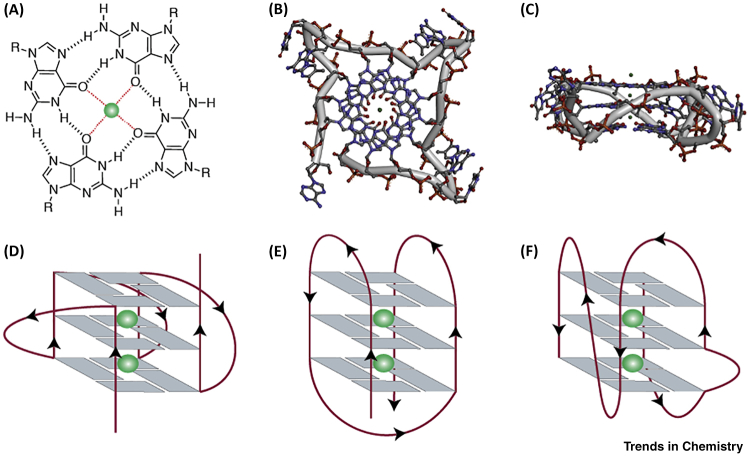
“ogies arising from different combinations of strand direction (Figure 1D–F), as well as length and loop composition [9,10].”
BackgroundSiddiqui-Jain, A., Grand, C. L., Bearss, D. J., & Hurley, L. H. (2002) · Proceedings of the National Academy of Sciences · doi:10.1073/pnas.182256799 · Cited by 2,274 · cited 9×
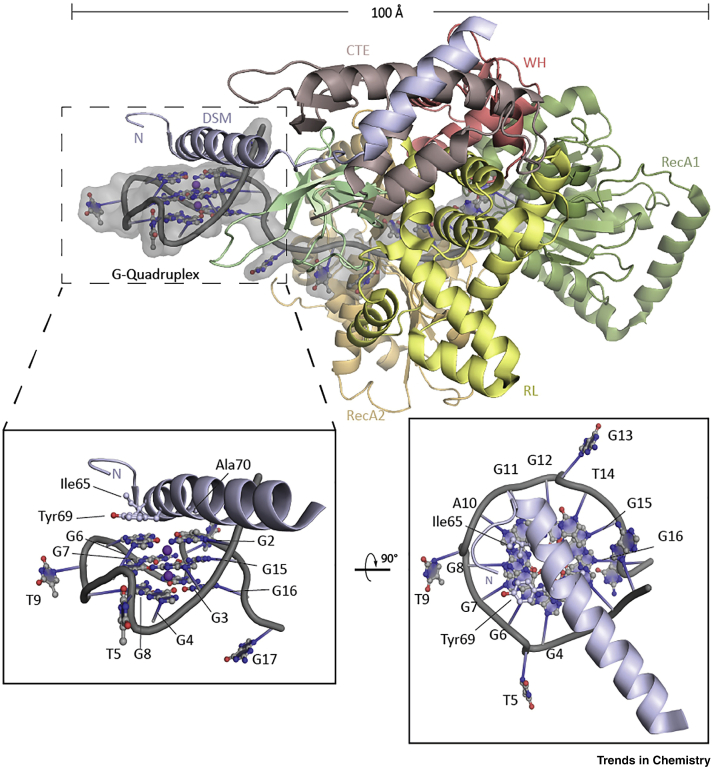
“A cocrystal structure of bos taurus DHX36 helicase bound to the MYC promoter G4 revealed a mode of binding in which the G4 makes contacts with a DHX36-specificmotif (DSM) and the C terminal OB-fold domain (Figure 4) [73].”
BackgroundInfluentialQuantitative visualization of DNA G-quadruplex structures in human cells
Biffi, G., Tannahill, D., McCafferty, J., & Balasubramanian, S. (2013) · Nature Chemistry · doi:10.1038/nchem.1548 · Cited by 2,173 · cited 3×
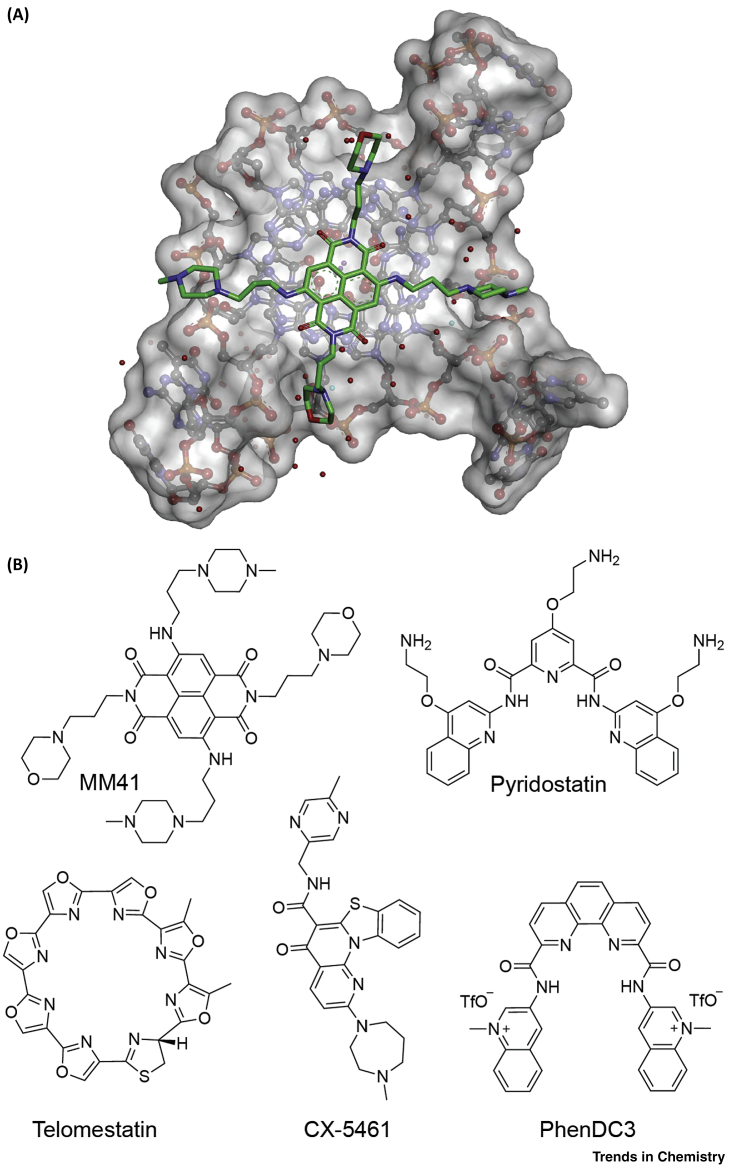
“structures in human cell lines upon ligand treatment together with depletion of the G4 resolving helicase FANCJ [41,42], to reveal increased numbers of G4 foci staining in nuclei after pyridostatin [41] or telomestatin ligand treatment and FANCJ depletion in chicken DT40 cells [42].”
BackgroundSelf-citationSen, D., & Gilbert, W. (1988) · Nature · doi:10.1038/334364a0 · Cited by 1,866 · cited 1×
“The finding that G4-rich telomeric repeats form G4 structures [6] suggested a mechanistic link with telomerase-mediated extension of telomeres, prompting an exploration of G4 stabilising ligands that may inhibit the growth of cancer cells by interfering with telomere maintenance (reviewed in [89]).”
BackgroundCrystal structure of parallel quadruplexes from human telomeric DNA
Parkinson, G., Lee, M. P. H., & Neidle, S. (2002) · Nature · doi:10.1038/nature755 · Cited by 1,863 · cited 1×
“Structural studies using X-ray crystallography and NMR spectroscopy have provided detailed insights into the structure of DNA G4s primarily based on the human telomeric repeat (Figure 1B,C) [11] or sequences derived from the promoter regions of certain human genes such as MYC or KIT [12,13].”
BackgroundPrevalence of quadruplexes in the human genome
Huppert, J. L., & Balasubramanian, S. (2005) · Nucleic Acids Research · doi:10.1093/nar/gki609 · Cited by 1,795 · cited 2×
“Based on biophysical studies on different G4 structures, algorithms using sequence motifs such as GR3NxGR3NxGR3NxGR3 were developed and deployed to predict putative G4 structures in genomic DNA [14,15].”
BackgroundMethodSelf-citationHelix formation by guanylic acid.
Gellert, M., Lipsett, M., & Davies, D. R. (1962) · Proceedings of the National Academy of Sciences of the United States of America · doi:10.1073/pnas.48.12.2013 · Cited by 1,430
G-quadruplexes in promoters throughout the human genome
Huppert, J. L., & Balasubramanian, S. (2006) · Nucleic Acids Research · doi:10.1093/nar/gkl1057 · Cited by 1,392
Self-citationHigh-throughput sequencing of DNA G-quadruplex structures in the human genome
Chambers, V. S., Marsico, G., Boutell, J. M., Antonio, M. D., Smith, G. P., & Balasubramanian, S. (2015) · Nature Biotechnology · doi:10.1038/nbt.3295 · Cited by 1,261 · cited 4×
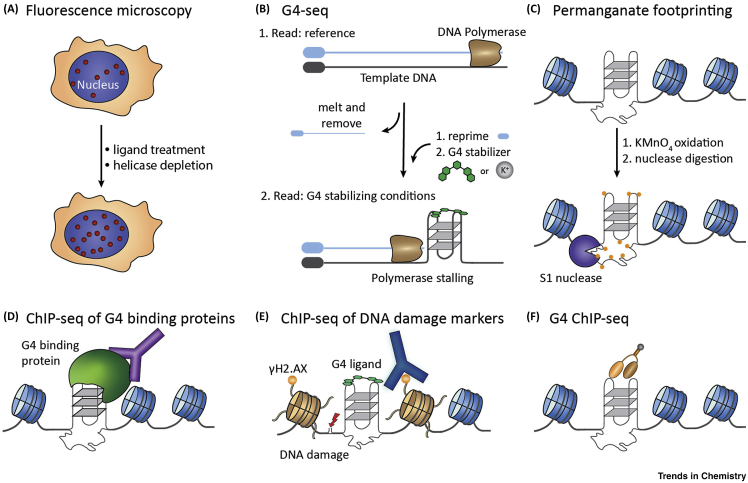
“merase stalling sites during next-generation whole genome sequencing (G4-seq, see Figure 3B) [51].”
BackgroundInfluentialSelf-citationInhibition of telomerase by G-quartet DMA structures
Zahler, A. M., Williamson, J. R., Cech, T. R., & Prescott, D. M. (1991) · Nature · doi:10.1038/350718a0 · Cited by 1,164 · cited 1×
“Telomeric G4s had originally been suggested to impair telomerase function [91], but might also be important for telomerase recruitment [43].”
BackgroundHighly prevalent putative quadruplex sequence motifs in human DNA
Todd, A. K. (2005) · Nucleic Acids Research · doi:10.1093/nar/gki553 · Cited by 1,002 · cited 1×
“Based on biophysical studies on different G4 structures, algorithms using sequence motifs such as GR3NxGR3NxGR3NxGR3 were developed and deployed to predict putative G4 structures in genomic DNA [14,15].”
MethodG-quadruplex structures mark human regulatory chromatin
Hänsel-Hertsch, R., Beraldi, D., Lensing, S. V., Marsico, G., Zyner, K., Parry, A., Di Antonio, M., Pike, J., Kimura, H., Narita, M., et al. (2016) · Nature Genetics · doi:10.1038/ng.3662 · Cited by 964 · cited 6×
“In addition, G4s were particularly enriched at promoters of highly transcribed genes [59].”
BackgroundInfluentialSelf-citationRitchie, T. J., & Macdonald, S. J. F. (2009) · Drug Discovery Today · doi:10.1016/j.drudis.2009.07.014 · Cited by 930 · cited 1×
“optimal for a small molecule with good pharmacokinetic properties [34,35].”
BackgroundTelomeric DNA dimerizes by formation of guanine tetrads between hairpin loops
Sundquist, W., & Klug, A. (1989) · Nature · doi:10.1038/342825a0 · Cited by 868
A hitchhiker's guide to G-quadruplex ligands
Monchaud, D., & Teulade‐Fichou, M. (2007) · Organic & Biomolecular Chemistry · doi:10.1039/b714772b · Cited by 808 · cited 1×
“with G-tetrads, a positive charge or basic groups to bind to loops or grooves of the G4, and steric bulk to prevent intercalation with double-stranded DNA [33].”
BackgroundInhibition of Human Telomerase by a G-Quadruplex-Interactive Compound
Sun, D., Thompson, B., Cathers, B. E., Salazar, M., Kerwin, S. M., Trent, J. O., Jenkins, T. C., Neidle, S., & Hurley, L. H. (1997) · Journal of Medicinal Chemistry · doi:10.1021/jm970199z · Cited by 794 · cited 1×
“cules that sequester telomeric ends as stable, liganded G4 structures, which are thought to render telomeric ends inaccessible for telomerase-mediated extension [25].”
BackgroundPrinciples for targeting RNA with drug-like small molecules
Warner, K. D., Hajdin, C. E., & Weeks, K. M. (2018) · Nature Reviews Drug Discovery · doi:10.1038/nrd.2018.93 · Cited by 762 · cited 1×
“ments, it has previously been realised that increased planarity and strongly p-stacking compounds leads to off-target activity and that these molecules are generally difficult to improve via further medicinal chemistry [37].”
BackgroundSmall-molecule–induced DNA damage identifies alternative DNA structures in human genes
Rodriguez, R., Miller, K. M., Forment, J. V., Bradshaw, C. R., Nikan, M., Britton, S., Oelschlaegel, T., Xhemalce, B., Balasubramanian, S., & Jackson, S. P. (2012) · Nature Chemical Biology · doi:10.1038/nchembio.780 · Cited by 741 · cited 2×
“lated protein that marks stand break sites, and is found to occur predominantly at predicted G4 regions of the cellular genome (Figure 3D) [47].”
Self-citationA sodium-potassium switch in the formation of four-stranded G4-DNA
Sen, D., & Gilbert, W. (1990) · Nature · doi:10.1038/344410a0 · Cited by 730 · cited 1×
“Stacks of G-quartets are stabilised by cations centrally coordinated to O6 of the guanines with stabilising preference for monovalent cations in the order K > Na > Li (Figure 1A) [8].”
BackgroundRe-evaluation of G-quadruplex propensity with G4Hunter
Bedrat, A., Lacroix, L., & Mergny, J. (2016) · Nucleic Acids Research · doi:10.1093/nar/gkw006 · Cited by 693
Cogoi, S., & Xodo, L. (2006) · Nucleic Acids Research · doi:10.1093/nar/gkl286 · Cited by 687 · cited 4×
“However, hnRNP A1 and MAZ were shown to bind and unfold the KRAS and HRAS promoter G4 in vitro, respectively [80,81].”
BackgroundInfluentialAmbrus, A., Chen, D., Dai, J., Jones, R. A., & Yang, D. (2005) · Biochemistry · doi:10.1021/bi048242p · Cited by 622
Schaffitzel, C., Berger, I., Postberg, J., Hanes, J., Lipps, H., & Plückthun, A. (2001) · Proceedings of the National Academy of Sciences of the United States of America · doi:10.1073/pnas.141229498 · Cited by 610 · cited 1×
“telomeric G4 structure formation was observed to be dynamically controlled through protein interactions in a cell cycle-dependent manner [39,40].”
BackgroundCX-5461 is a DNA G-quadruplex stabilizer with selective lethality in BRCA1/2 deficient tumours
Xu, H., Antonio, M. D., McKinney, S. E., Mathew, V., Ho, B., O’Neil, N. J., Santos, N. D., Silvester, J., Wei, V., Garcia, J., et al. (2017) · Nature Communications · doi:10.1038/ncomms14432 · Cited by 601 · cited 1×
“Indeed G4 ligand, CX-5461 is currently in human clinical trials for breast cancer patients with BRCA1/2 germline aberrations [57].”
BackgroundSelf-citationQuadruplex Nucleic Acids as Novel Therapeutic Targets
Neidle, S. (2016) · Journal of Medicinal Chemistry · doi:10.1021/acs.jmedchem.5b01835 · Cited by 587 · cited 1×
“and X-ray crystallography of small molecule-G4 complexes have since been reported [27].”
BackgroundPaeschke, K., Capra, J. A., & Zakian, V. A. (2011) · Cell · doi:10.1016/j.cell.2011.04.015 · Cited by 566 · cited 1×
“for a-thalassemia mental retardation X-linked (ATR-X) [53] and for the XPB and XPD helicases [54], yeast telomere binding protein RAP1-interacting factor 1 (Rif) [55], and yeast PIF1 helicase [56].”
BackgroundDetection of G-quadruplex DNA in mammalian cells
Henderson, A. R., Wu, Y., Huang, Y. C., Chavez, E. A., Platt, J. M., Johnson, F. B., Brosh, R. M., Sen, D., & Lansdorp, P. M. (2013) · Nucleic Acids Research · doi:10.1093/nar/gkt957 · Cited by 504
Pif1 family helicases suppress genome instability at G-quadruplex motifs
Paeschke, K., Bochman, M. L., Garcia, P. D., Ćejka, P., Friedman, K. L., Kowalczykowski, S. C., & Zakian, V. A. (2013) · Nature · doi:10.1038/nature12149 · Cited by 492 · cited 2×
“instability and prevent DNA strand breaks [92,93].”
BackgroundRTEL1 Dismantles T Loops and Counteracts Telomeric G4-DNA to Maintain Telomere Integrity
Vannier, J., Pavicic-Kaltenbrunner, V., Petalcorin, M. I. R., Ding, H., & Boulton, S. J. (2012) · Cell · doi:10.1016/j.cell.2012.03.030 · Cited by 491 · cited 1×
“(RTEL1) was shown to maintain telomere integrity by unwinding telomeric G4s [90].”
BackgroundGupta, R., Somyajit, K., Narita, T., Maskey, E., Stanlie, A., Kremer, M., Typas, D., Lammers, M., Mailand, N., Nussenzweig, A., et al. (2018) · Cell · doi:10.1016/j.cell.2018.03.050 · Cited by 480 · cited 1×
“Approaches that can reveal the composition and dynamics of chromatin-associated protein complexes [87,88] will be needed to uncover details of the proteins that”
BackgroundI-motif DNA structures are formed in the nuclei of human cells
Zeraati, M., Langley, D., Schofield, P., Moye, A. L., Rouet, R., Hughes, W. E., Bryan, T., Dinger, M., & Christ, D. (2018) · Nature Chemistry · doi:10.1038/s41557-018-0046-3 · Cited by 475 · cited 1×
“experiments have used an i-motif-specific antibody to image i-motifs in the nuclei of fixed human cells [113].”
MethodBesnard, E., Babled, A., Lapasset, L., Milhavet, O., Parrinello, H., Dantec, C., Marin, J., & Lemaı̂tre, J.-M. (2012) · Nature Structural & Molecular Biology · doi:10.1038/nsmb.2339 · Cited by 468 · cited 1×
“lines uncovered enrichment of predicted G4s sequences, suggesting G4s may support initiation of DNA replication [105].”
BackgroundShultz, M. D. (2018) · Journal of Medicinal Chemistry · doi:10.1021/acs.jmedchem.8b00686 · Cited by 466 · cited 1×
“optimal for a small molecule with good pharmacokinetic properties [34,35].”
BackgroundLaw, M. J., Lower, K. M., Voon, H. P. J., Hughes, J. R., Garrick, D., Viprakasit, V., Mitson, M., Gobbi, M. D., Marra, M. A., Morris, A. P., et al. (2010) · Cell · doi:10.1016/j.cell.2010.09.023 · Cited by 461
Whole genome experimental maps of DNA G-quadruplexes in multiple species
Marsico, G., Chambers, V. S., Sahakyan, A. B., McCauley, P., Boutell, J. M., Antonio, M. D., & Balasubramanian, S. (2019) · Nucleic Acids Research · doi:10.1093/nar/gkz179 · Cited by 435 · cited 1×
“absent in the other organisms studied [52].”
Self-citationi-Motif DNA: structural features and significance to cell biology
Assi, H. A., Garavís, M., González, C., & Damha, M. J. (2018) · Nucleic Acids Research · doi:10.1093/nar/gky735 · Cited by 431 · cited 1×
“Intercalatedmotif (i-motif) structures can be formed via stacks of intercalating hemiprotonated C-neutral C base pairs (C:C), and are generally stabilised in slightly acidic pH [112].”
BackgroundHuman POT1 disrupts telomeric G-quadruplexes allowing telomerase extension in vitro.
Zaug, A., Podell, E., & Cech, T. (2005) · Proceedings of the National Academy of Sciences of the United States of America · doi:10.1073/pnas.0504744102 · Cited by 398 · cited 1×
“For instance, POT1 [75] and RPA [76], two components of the shelterin complex, as well as the human CST complex [77], are able to bind and unwind telomeric G4 structures and assist the action of telomerase.”
BackgroundRibeyre, C., Lopes, J., Boulé, J., Piazza, A., Guédin, A., Zakian, V., Mergny, J., & Nicolas, A. (2009) · PLoS Genetics · doi:10.1371/journal.pgen.1000475 · Cited by 367 · cited 1×
“instability and prevent DNA strand breaks [92,93].”
Oxidative DNA damage is epigenetic by regulating gene transcription via base excision repair
Fleming, A. M., Ding, Y., & Burrows, C. J. (2017) · Proceedings of the National Academy of Sciences · doi:10.1073/pnas.1619809114 · Cited by 364
Structural basis of G-quadruplex unfolding by the DEAH/RHA helicase DHX36
Chen, M. C., Tippana, R., Demeshkina, N., Murat, P., Balasubramanian, S., Myong, S., & Ferré-D’Amaré, A. R. (2018) · Nature · doi:10.1038/s41586-018-0209-9 · Cited by 339
Self-citationHänsel‐Hertsch, R., Spiegel, J., Marsico, G., Tannahill, D., & Balasubramanian, S. (2018) · Nature Protocols · doi:10.1038/nprot.2017.150 · Cited by 334 · cited 2×
“Mapping G4 landscapes in three other cancer cell lines revealed only moderate overlap, indicating a strong cell-type specificity [60].”
BackgroundSelf-citationIdentification and Characterization of Nucleolin as a c-myc G-quadruplex-binding Protein
González, V., Guo, K., Hurley, L. H., & Sun, D. (2009) · Journal of Biological Chemistry · doi:10.1074/jbc.m109.018028 · Cited by 333
G‐quadruplex‐induced instability during leading‐strand replication
Lopes, J., Piazza, A., Bermejo, R., Kriegsman, B. A., Colosio, A., Teulade‐Fichou, M., Foiani, M., & Nicolas, A. G. (2011) · The EMBO Journal · doi:10.1038/emboj.2011.316 · Cited by 330 · cited 1×
“G4 structures can act as an obstacle to replication fork progression when helicases are disrupted [93,102].”
BackgroundBulges in G-Quadruplexes: Broadening the Definition of G-Quadruplex-Forming Sequences
Mukundan, V. T., & Phan, A. T. (2013) · Journal of the American Chemical Society · doi:10.1021/ja310251r · Cited by 321
DNA G-quadruplex structures mold the DNA methylome
Mao, S.-Q., Ghanbarian, A. T., Spiegel, J., Cuesta, S. M., Beraldi, D., Antonio, M. D., Marsico, G., Hänsel‐Hertsch, R., Tannahill, D., & Balasubramanian, S. (2018) · Nature Structural & Molecular Biology · doi:10.1038/s41594-018-0131-8 · Cited by 274 · cited 4×
“endogenous G4s in human K562 leukaemia cells identified using ChIP-seq and G4 ChIP-seq, respectively, revealed that at CpG islands most G4s occur where DNMT1 is bound, leading to a proposal that G4s regulate DNA methylation by sequestering DNMTs [84].”
BackgroundInfluentialSelf-citationX-ray fiber diffraction and model-building study of polyguanylic acid and polyinosinic acid.
Zimmerman, S. B., Cohen, G., & Davies, D. R. (1975) · Journal of Molecular Biology · doi:10.1016/0022-2836(75)90222-3 · Cited by 273
Telomeric G-quadruplexes are a substrate and site of localization for human telomerase
Moye, A. L., Porter, K. C., Cohen, S. B., Phan, T., Zyner, K. G., Sasaki, N., Lovrecz, G. O., Beck, J. L., & Bryan, T. M. (2015) · Nature Communications · doi:10.1038/ncomms8643 · Cited by 268 · cited 2×
“Telomeric G4s had originally been suggested to impair telomerase function [91], but might also be important for telomerase recruitment [43].”
Targeting BRCA1 and BRCA2 Deficiencies with G-Quadruplex-Interacting Compounds
Zimmer, J., Tacconi, E. M. C., Folio, C., Badie, S., Porru, M., Klare, K., Tumiati, M., Markkanen, E., Halder, S., Ryan, A., et al. (2016) · Molecular Cell · doi:10.1016/j.molcel.2015.12.004 · Cited by 261 · cited 5×
“G4 ligands such as pyridostatin and RHPS4 cause DNA double-strand breaks in cancer cells and activate DNA repair pathways [47,117].”
BackgroundInfluentialKang, H.-J., Kendrick, S. L., Hecht, S. M., & Hurley, L. H. (2014) · Journal of the American Chemical Society · doi:10.1021/ja4109352 · Cited by 258 · cited 1×
“rich opposite strand may be single stranded and potentially complexed with single-stranded binding proteins [110,111].”
BackgroundStructures for polyinosinic acid and polyguanylic acid.
Arnott, S., Chandrasekaran, R., & Marttila, C. M. (1974) · Biochemical Journal · doi:10.1042/bj1410537 · Cited by 241
Shivalingam, A., Izquierdo, M. A., Marois, A. L., Vyšniauskas, A., Suhling, K., Kuimova, M. K., & Vilar, R. (2015) · Nature Communications · doi:10.1038/ncomms9178 · Cited by 234 · cited 1×
“G4 ligand pyridostatin have been monitored in living cells via fluorescence microscopy [49,50].”
MethodA non-canonical DNA structure is a binding motif for the transcription factor SP1 in vitro
Raiber, E., Kranaster, R., Lam, E. Y. N., Nikan, M., & Balasubramanian, S. (2011) · Nucleic Acids Research · doi:10.1093/nar/gkr882 · Cited by 233 · cited 1×
“Other approaches involve computational analysis of genomic protein binding sites to assess the enrichment of predicted G4 motifs within these binding sites [54,66], or meta-analysis, in which shared structural features of G4-binding protein”
BackgroundSelf-citationPreferential binding of a G-quadruplex ligand to human chromosome ends
Granotier, C., Pennarun, G., Riou, L., Hoffschir, F., Gauthier, L., de Cian, A., Gomez, D., Mandine, E., Riou, J., Mergny, J., et al. (2005) · Nucleic Acids Research · doi:10.1093/nar/gki722 · Cited by 232 · cited 1×
“diolabelled G4 ligands also showed localisation at telomeres [46].”
BackgroundElevated Levels of G-Quadruplex Formation in Human Stomach and Liver Cancer Tissues
Biffi, G., Tannahill, D., Miller, J., Howat, W. J., & Balasubramanian, S. (2014) · PLoS ONE · doi:10.1371/journal.pone.0102711 · Cited by 223 · cited 2×
“Subsequently, G4s were visualised in human cells [41–44] and cancer tissue [45].”
BackgroundSelf-citationG quadruplexes are genomewide targets of transcriptional helicases XPB and XPD
Graybuck, L. T., Vallur, A. C., Eddy, J., & Maizels, N. (2014) · Nature Chemical Biology · doi:10.1038/nchembio.1475 · Cited by 217 · cited 3×
“tion via a G4-associated mechanism [54].”
BackgroundKouzine, F., Wójtowicz, D., Baranello, L., Yamane, A., Nelson, S., Resch, W., Kieffer-Kwon, K.-R., Benham, C. J., Casellas, R. C., Przytycka, T. M., et al. (2017) · Cell Systems · doi:10.1016/j.cels.2017.01.013 · Cited by 215 · cited 2×
“stranded, non-B DNA, was performed in mouse B cells and combined with computational analysis to discern the type and enrichment of different non-B DNA structures (Figure 3E) [58].”
BackgroundMethodStructure of the first parallel DNA quadruplex-drug complex.
Clark, G., Pytel, P., Squire, C., & Neidle, S. (2003) · Journal of the American Chemical Society · doi:10.1021/ja0297988 · Cited by 200 · cited 4×
“An X-ray structure of the small molecule daunomycin in complex with the G4 formed by four strands of d(TGGGGT) confirmed stacking of small molecules on a terminal G-quartet [26].”
BackgroundInfluentialMicco, M., Collie, G. W., Dale, A. G., Ohnmacht, S. A., Pazitna, I., Gunaratnam, M., Reszka, A. P., & Neidle, S. (2013) · Journal of Medicinal Chemistry · doi:10.1021/jm301899y · Cited by 189
Wang, Y., Yang, J., Wild, A. T., Wu, W. H., Shah, R., Danussi, C., Riggins, G. J., Kannan, K., Sulman, E. P., Chan, T. A., et al. (2019) · Nature Communications · doi:10.1038/s41467-019-08905-8 · Cited by 184 · cited 2×
“Genomic binding sites of the chromatin remodelling protein ATR-X are enriched at GC-rich tandem repeats and CpG islands with the potential to fold G4 structures, and ATR-X loss is implicated with G4-dependent replication stress, DNA damage, and copy number alterations [53,82].”
BackgroundG-quadruplex unwinding helicases and their function in vivo
Sauer, M., & Paeschke, K. (2017) · Biochemical Society Transactions · doi:10.1042/bst20170097 · Cited by 179
Human replication protein A unfolds telomeric G-quadruplexes
Salas, T. R., Petruseva, I. O., Lavrik, O. I., Bourdoncle, A., Mergny, J., Favre, A., & Saintomé, C. (2006) · Nucleic Acids Research · doi:10.1093/nar/gkl564 · Cited by 177 · cited 1×
“For instance, POT1 [75] and RPA [76], two components of the shelterin complex, as well as the human CST complex [77], are able to bind and unwind telomeric G4 structures and assist the action of telomerase.”
BackgroundG-Quadruplex DNA as a Molecular Target for Induced Synthetic Lethality in Cancer Cells
McLuckie, K. I. E., Antonio, M. D., Zecchini, H. I., Xian, J., Caldas, C., Krippendorff, B., Tannahill, D., Lowe, C., & Balasubramanian, S. (2013) · Journal of the American Chemical Society · doi:10.1021/ja404868t · Cited by 177 · cited 5×
“G4 ligands such as pyridostatin and RHPS4 cause DNA double-strand breaks in cancer cells and activate DNA repair pathways [47,117].”
BackgroundInfluentialSelf-citationThakur, R. K., Kumar, P., Halder, K., Verma, A., Kar, A., Parent, J., Basundra, R., Kumar, A., & Chowdhury, S. (2008) · Nucleic Acids Research · doi:10.1093/nar/gkn919 · Cited by 174 · cited 1×
“recognise and unwind the MYC promoter G4 [78].”
BackgroundG4LDB: a database for discovering and studying G-quadruplex ligands
Li, Q., Xiang, J., Yang, Q., Sun, H., Guan, A., & Tang, Y. (2012) · Nucleic Acids Research · doi:10.1093/nar/gks1101 · Cited by 168 · cited 1×
“org/) [32], with some examples of widely used ligands”
Marchetti, C., Zyner, K. G., Ohnmacht, S. A., Robson, M. P., Haider, S. M., Morton, J. P., Marsico, G., Vo, T. D., Laughlin, S., Ahmed, A. A., et al. (2018) · Journal of Medicinal Chemistry · doi:10.1021/acs.jmedchem.7b01781 · Cited by 168 · cited 3×
“perspective, it is noteworthy that a G4 ligand that lacks traditional ‘drug-like’ properties has shown significant accumulation and efficacy in tumour xenografts of human cancers [29].”
BackgroundInfluentialSelf-citationThe dynamic response of upstream DNA to transcription-generated torsional stress
Kouzine, F., Liu, J.-H., Sanford, S., Chung, H.-J., & Levens, D. (2004) · Nature Structural &Molecular Biology · doi:10.1038/nsmb848 · Cited by 165 · cited 1×
“upstream to mechanically perturb DNA structure [115] and it was suggested that a G4 and an i-motif can each be bound and stabilised by different specialised proteins to play opposite roles in the control of MYC gene transcription [116].”
BackgroundCogoi, S., Paramasivam, M., Spolaore, B., & Xodo, L. (2008) · Nucleic Acids Research · doi:10.1093/nar/gkn120 · Cited by 158
Replication of G Quadruplex DNA
Lerner, L. K., & Sale, J. E. (2019) · Genes · doi:10.3390/genes10020095 · Cited by 156 · cited 1×
“Various models have been postulated for the biological role of G4 structures during DNA replication [100,101].”
BackgroundPapachristou, E. K., Kishore, K., Holding, A. N., Harvey, K., Roumeliotis, T. I., Chilamakuri, C. S. R., Omarjee, S., Chia, K. M., Swarbrick, A., Lim, E., et al. (2018) · Nature Communications · doi:10.1038/s41467-018-04619-5 · Cited by 155 · cited 1×
“Approaches that can reveal the composition and dynamics of chromatin-associated protein complexes [87,88] will be needed to uncover details of the proteins that”
BackgroundMachine learning model for sequence-driven DNA G-quadruplex formation
Sahakyan, A. B., Chambers, V. S., Marsico, G., Santner, T., di Antonio, M., & Balasubramanian, S. (2017) · Scientific Reports · doi:10.1038/s41598-017-14017-4 · Cited by 154 · cited 1×
“availability of large datasets on G4 formation has enabled the application of machine learning to predict G4 forming propensity [19].”
BackgroundSelf-citationJohnson, J. E., Cao, K.-J., Ryvkin, P., Wang, L.-S., & Johnson, F. B. (2009) · Nucleic Acids Research · doi:10.1093/nar/gkp1103 · Cited by 154 · cited 1×
“in their promoter region, corroborating a link between G4s and transcription [107,108].”
BackgroundParamasivam, M., Membrino, A., Cogoi, S., Fukuda, H., Nakagama, H., & Xodo, L. E. (2009) · Nucleic Acids Research · doi:10.1093/nar/gkp138 · Cited by 154 · cited 1×
“and HRAS promoter G4 in vitro, respectively [80,81].”
BackgroundWei, D., Parkinson, G. N., Reszka, A. P., & Neidle, S. (2012) · Nucleic Acids Research · doi:10.1093/nar/gks023 · Cited by 149 · cited 1×
“Structural studies using X-ray crystallography and NMR spectroscopy have provided detailed insights into the structure of DNA G4s primarily based on the human telomeric repeat (Figure 1B,C) [11] or sequences derived from the promoter regions of certain human genes such as MYC or KIT [12,13].”
BackgroundG-Quadruplexes in DNA Replication: A Problem or a Necessity?
Valton, A.-L., & Prioleau, M.-N. (2016) · Trends in Genetics · doi:10.1016/j.tig.2016.09.004 · Cited by 149 · cited 1×
“Various models have been postulated for the biological role of G4 structures during DNA replication [100,101].”
BackgroundPaeschke, K., Juranek, S., Simonsson, T., Hempel, A., Rhodes, D., & Lipps, H. J. (2008) · Nature Structural & Molecular Biology · doi:10.1038/nsmb.1422 · Cited by 148 · cited 1×
“telomeric G4 structure formation was observed to be dynamically controlled through protein interactions in a cell cycle-dependent manner [39,40].”
BackgroundClick chemistry enables preclinical evaluation of targeted epigenetic therapies
Tyler, D. S., Vappiani, J., Cañeque, T., Lam, E. Y. N., Ward, A., Gilan, O., Chan, Y.-C., Hienzsch, A., Rutkowska, A., Werner, T., et al. (2017) · Science · doi:10.1126/science.aal2066 · Cited by 146 · cited 1×
“The central hypothesis would be strengthened bymore explicit evidence for G4 ligands actually engaging with G4 structures in the promoters of affected genes in cells, for instance, by employing methods that enable the genome-wide mapping of ligand binding sites in native chromatin [30,31].”
BackgroundFleming, A., Zhou, J., Wallace, S., & Burrows, C. (2015) · ACS Central Science · doi:10.1021/acscentsci.5b00202 · Cited by 143
Cogoi, S., Ferino, A., Miglietta, G., Pedersen, E. B., & Xodo, L. E. (2017) · Nucleic Acids Research · doi:10.1093/nar/gkx1142 · Cited by 143
Cogoi, S., Paramasivam, M., Membrino, A., Yokoyama, K., & Xodo, L. (2010) · Journal of Biological Chemistry · doi:10.1074/jbc.m110.101923 · Cited by 137 · cited 1×
“Similarly, pull-down and chromatin immunoprecipitation experiments showed that Myc-associated zinc finger (MAZ) and poly(ADP-ribose) polymerase 1 (PARP-1) proteins bind the G4 structure found upstream of the KRAS transcription start site [79].”
BackgroundRif1 binds to G quadruplexes and suppresses replication over long distances
Kanoh, Y., Matsumoto, S., Fukatsu, R., Kakusho, N., Kono, N., Renard-Guillet, C., Masuda, K., Iida, K., Nagasawa, K., Shirahige, K., et al. (2015) · Nature Structural &Molecular Biology · doi:10.1038/nsmb.3102 · Cited by 135 · cited 1×
“for a-thalassemia mental retardation X-linked (ATR-X) [53] and for the XPB and XPD helicases [54], yeast telomere binding protein RAP1-interacting factor 1 (Rif) [55], and yeast PIF1 helicase [56].”
BackgroundNguyen, G. H., Tang, W., Robles, A. I., Beyer, R. P., Graybuck, L. T., Welsh, J. A., Schetter, A. J., Kumamoto, K., Wang, X. W., Hickson, I. D., et al. (2014) · Proceedings of the National Academy of Sciences · doi:10.1073/pnas.1404807111 · Cited by 132 · cited 1×
“in their promoter region, corroborating a link between G4s and transcription [107,108].”
BackgroundLiu, H., Zhao, Q., Zhang, T., Wu, Y., Xiong, Y., Wang, S., Ge, Y., He, J., Lv, P., Ou, T., et al. (2016) · Cell chemical biology · doi:10.1016/j.chembiol.2016.08.013 · Cited by 128 · cited 1×
“G4 signals were found at transcription start sites, in introns and intergenic regions [44].”
BackgroundPARP1 is activated at telomeres upon G4 stabilization: possible target for telomere-based therapy
Salvati, E., Scarsella, M., Porru, M., Rizzo, A., Iachettini, S., Tentori, L., Graziani, G., D’Incalci, M., Stevens, M. F. G., Orlandi, A., et al. (2010) · Oncogene · doi:10.1038/onc.2010.344 · Cited by 123
BLM helicase suppresses recombination at G-quadruplex motifs in transcribed genes
van Wietmarschen, N., Merzouk, S., Halsema, N., Spierings, D. C. J., Guryev, V., & Lansdorp, P. M. (2018) · Nature Communications · doi:10.1038/s41467-017-02760-1 · Cited by 118 · cited 1×
“Moreover, BLM-mutated cells derived from Bloom syndrome patients show high rates of sister chromatid exchange at sites of G4 motifs in transcribed genes [109].”
BackgroundSutherland, C., Cui, Y.-X., Mao, H., & Hurley, L. (2016) · Journal of the American Chemical Society · doi:10.1021/jacs.6b09196 · Cited by 114 · cited 1×
“upstream to mechanically perturb DNA structure [115] and it was suggested that a G4 and an i-motif can each be bound and stabilised by different specialised proteins to play opposite roles in the control of MYC gene transcription [116].”
BackgroundHuang, Z.-L., Dai, J., Luo, W.-H., Wang, X., Tan, J., Chen, S.-B., & Huang, Z. (2018) · Journal of the American Chemical Society · doi:10.1021/jacs.8b09329 · Cited by 110 · cited 1×
“domains were compared to predict new putative G4 interactors [67,68].”
BackgroundLacroix, L. (2000) · Nucleic Acids Research · doi:10.1093/nar/28.7.1564 · Cited by 107
Single-molecule imaging reveals a common mechanism shared by G-quadruplex–resolving helicases
Tippana, R., Hwang, H. H., Opresko, P. L., Bohr, V. A., & Myong, S. (2016) · Proceedings of the National Academy of Sciences · doi:10.1073/pnas.1603724113 · Cited by 106
Cui, Y.-X., Kong, D.-M., Ghimire, C., Xu, C.-X., & Mao, H. (2016) · Biochemistry · doi:10.1021/acs.biochem.6b00016 · Cited by 104 · cited 1×
“dencies or even be mutually exclusive [114].”
G4IPDB: A database for G-quadruplex structure forming nucleic acid interacting proteins
Mishra, S., Tawani, A., Mishra, A., & Kumar, A. (2016) · Scientific Reports · doi:10.1038/srep38144 · Cited by 102
Local epigenetic reprogramming induced by G-quadruplex ligands
Guilbaud, G., Murat, P., Recolin, B., Campbell, B. C., Maiter, A., Sale, J. E., & Balasubramanian, S. (2017) · Nature Chemistry · doi:10.1038/nchem.2828 · Cited by 101 · cited 1×
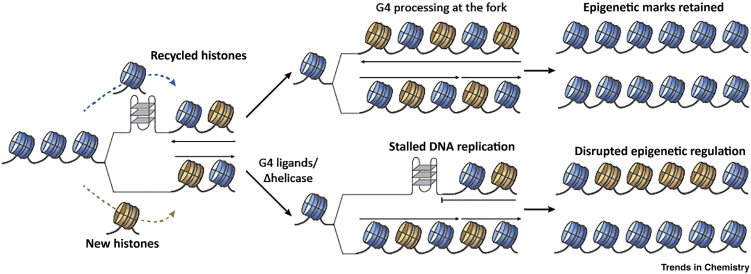
“of G4 structures induced replication-dependent loss of epigenetic information showing that G4s can serve as obstacles to the replicationmachinery [104].”
BackgroundSelf-citationCogoi, S., Shchekotikhin, A., & Xodo, L. (2014) · Nucleic Acids Research · doi:10.1093/nar/gku574 · Cited by 100 · cited 1×
“and HRAS promoter G4 in vitro, respectively [80,81].”
BackgroundByrd, A. K., Zybailov, B. L., Maddukuri, L., Gao, J., Marecki, J. C., Jaiswal, M., Bell, M. R., Griffin, W. C., Reed, M. R., Chib, S., et al. (2016) · Journal of Biological Chemistry · doi:10.1074/jbc.m116.718478 · Cited by 99
Impact of Oxidative Lesions on the Human Telomeric G-Quadruplex
Bielskutė, S., Plavec, J., & Podbevšek, P. (2019) · Journal of the American Chemical Society · doi:10.1021/jacs.8b12748 · Cited by 92
Bhattacharjee, A., Wang, Y.-Y., Diao, J.-J., & Price, C. M. (2017) · Nucleic Acids Research · doi:10.1093/nar/gkx878 · Cited by 90 · cited 1×
“For instance, POT1 [75] and RPA [76], two components of the shelterin complex, as well as the human CST complex [77], are able to bind and unwind telomeric G4 structures and assist the action of telomerase.”
BackgroundConfined space facilitates G-quadruplex formation
Shrestha, P., Jonchhe, S., Emura, T., Hidaka, K., Endo, M., Sugiyama, H., & Mao, H. (2017) · Nature Nanotechnology · doi:10.1038/nnano.2017.29 · Cited by 90 · cited 1×
“Further considerations include the effects of molecular crowding [20] and DNA base modifications, such as cytosine methylation [21] and guanine oxida-”
BackgroundMakowski, M. M., Gräwe, C., Foster, B. M., Nguyen, N. V., Bartke, T., & Vermeulen, M. (2018) · Nature Communications · doi:10.1038/s41467-018-04084-0 · Cited by 79 · cited 1×
“consensus sequences for hundreds of nuclear proteins in parallel [69].”
BackgroundHardin, C. C., Corregan, M., Brown, B. A., & Frederick, L. N. (1993) · Biochemistry · doi:10.1021/bi00073a021 · Cited by 76 · cited 1×
“Further considerations include the effects of molecular crowding [20] and DNA base modifications, such as cytosine methylation [21] and guanine oxida-”
BackgroundMolecular mechanisms by which oxidative DNA damage promotes telomerase activity
Lee, H.-T., Bose, A., Lee, C.-Y., Opresko, P. L., & Myong, S. (2017) · Nucleic Acids Research · doi:10.1093/nar/gkx789 · Cited by 76 · cited 1×
“[98] and to promote telomerase activity [99].”
Nucleotide Pool Depletion Induces G-Quadruplex-Dependent Perturbation of Gene Expression
Papadopoulou, C., Guilbaud, G., Schiavone, D., & Sale, J. E. (2015) · Cell Reports · doi:10.1016/j.celrep.2015.11.039 · Cited by 71 · cited 1×
“Additional replication stress due to nucleotide pool depletion decoupled the replication machinery from restoration of the parental histones, ultimately leading to altered gene expression [103].”
BackgroundBrázda, V., Červeň, J., Bartas, M., Mikysková, N., Coufal, J., & Pečínka, P. (2018) · Molecules · doi:10.3390/molecules23092341 · Cited by 69
Tri-G-quadruplex: controlled assembly of a G-quadruplex structure from three G-rich strands.
Zhou, J., Bourdoncle, A., Rosu, F., Gabélica, V., & Mergny, J. (2012) · Angewandte Chemie · doi:10.1002/anie.201205390 · Cited by 65 · cited 1×
“ogies arising from different combinations of strand direction (Figure 1D–F), as well as length and loop composition [9,10].”
BackgroundStructure of a (3+1) hybrid G-quadruplex in the PARP1 promoter
Sengar, A., Vandana, J. J., Chambers, V. S., Antonio, M. D., Winnerdy, F. R., Balasubramanian, S., & Phan, A. T. (2018) · Nucleic Acids Research · doi:10.1093/nar/gky1179 · Cited by 61 · cited 1×
“Subsequently, several G4 structures with longer loop lengths and discontinuities in G-stretches causing bulges were observed [16,17], leading to alternative predictive models [18].”
BackgroundSelf-citationG-quadruplexes in promoters throughout the human genome
Huppert, J., & Balasubramanian, S. (2007) · Nucleic Acids Research · doi:10.1093/nar/gkm109 · Cited by 58 · cited 1×
“genome, of which a general enrichment was observed in regions associated with genome regulation, such as telomeres, promoters, and 50 untranslated regions [14,38].”
BackgroundSelf-citationLefebvre, J., Guetta, C., Poyer, F., Mahuteau‐Betzer, F., & Teulade‐Fichou, M. (2017) · Angewandte Chemie International Edition · doi:10.1002/anie.201703783 · Cited by 58
DNA G‐quadruplexes show strong interaction with DNA methyltransferases in vitro
Cree, S. L., Fredericks, R., Miller, A. L., Pearce, F. G., Filichev, V. V., Fee, C. J., & Kennedy, M. A. (2016) · FEBS Letters · doi:10.1002/1873-3468.12331 · Cited by 57 · cited 1×
“The DNA methyltransferase enzymes (DNMTs), which catalyse the formation of 5-methylcytosine at CpG dinucleotides in mammalian cells, bind to G4 structures with subnanomolar affinity in vitro [83,84].”
BackgroundA guanine-flipping and sequestration mechanism for G-quadruplex unwinding by RecQ helicases
Voter, A. F., Qiu, Y., Tippana, R., Myong, S., & Keck, J. L. (2018) · Nature Communications · doi:10.1038/s41467-018-06751-8 · Cited by 55 · cited 1×
“Werner (WRN) helicases, albeit with different substrate specificity, and showed the capacity to displace G4-stabilising ligands [71,72].”
BackgroundDNA damage processing at telomeres: The ends justify the means
Fouquerel, E., Parikh, D., & Opresko, P. L. (2016) · DNA repair · doi:10.1016/j.dnarep.2016.05.022 · Cited by 50 · cited 1×
“The finding that G4-rich telomeric repeats form G4 structures [6] suggested a mechanistic link with telomerase-mediated extension of telomeres, prompting an exploration of G4 stabilising ligands that may inhibit the growth of cancer cells by interfering with telomere maintenance (reviewed in [89]).”
BackgroundTsukakoshi, K., Saito, S., Yoshida, W., Goto, S., & Ikebukuro, K. (2018) · Molecules · doi:10.3390/molecules23040944 · Cited by 46 · cited 1×
“methylation can influence G4 topology [85] and may modulate binding by other G4-associated proteins.”
BackgroundChen, W.-F., Réty, S., Guo, H.-L., Dai, Y., Wu, W., Liu, N.-N., Auguin, D., Liu, Q.-W., Hou, X.-M., Dou, S.-X., et al. (2018) · Structure · doi:10.1016/j.str.2018.01.008 · Cited by 42
Li, P., Wang, Z., Chu, I.-T., Kuan, Y.-M., Li, M., Huang, M.-C., Chiang, P.-C., Chang, T., & Chen, C. (2017) · Journal of Biological Chemistry · doi:10.1074/jbc.m117.808022 · Cited by 40
The Helicase PIF1 Facilitates Resection over Sequences Prone to Forming G4 Structures.
Jimeno, S., Camarillo, R., Mejías-Navarro, F., Fernández-Ávila, M. J., Soria-Bretones, I., Prados-Carvajal, R., & Huertas, P. (2018) · Cell Reports · doi:10.1016/j.celrep.2018.12.029 · Cited by 39
Detection of G-quadruplex DNA in mammalian cells
Henderson, A., Wu, Y.-L., Huang, Y.-C., Chavez, E., Platt, J., Johnson, F., Brosh, R., Sen, D., & Lansdorp, P. (2017) · Nucleic Acids Research · doi:10.1093/nar/gkx300 · Cited by 31
Xanthine and 8-oxoguanine in G-quadruplexes: formation of a G·G·X·O tetrad
Cheong, V. V., Heddi, B., Lech, C., & Phan, A. (2015) · Nucleic Acids Research · doi:10.1093/nar/gkv826 · Cited by 31 · cited 1×
“tion [22], on the stability of G4 structures.”
Background
Research works printed but not linked: 4
- Bang, 1910, Untersuchungen über die Guanylsäure, Biochem. Z., 26, 293
- Testorelli, 2003, Telomerase and cancer, J. Exp. Clin. Cancer Res., 22, 165
- Anders, 2014, Genome-wide localization of small molecules, Nat. Biotechnol., 32, 92, 10.1038/nbt.2776 · DOI
- Pagano, 2015, Identification of novel interactors of human telomeric G-quadruplex DNA, Chem. Commun., 51, 2964, 10.1039/C4CC07231F · DOI
Cited by
Sorted by citations
G-quadruplexes: a promising target for cancer therapy
Kosiol, N., Juranek, S., Brossart, P., Heine, A., & Paeschke, K. (2021) · Molecular Cancer · doi:10.1186/s12943-021-01328-4 · Cited by 561
“The physiological relevance of G4 structures is further supported by the existence of proteins that are able to bind and unfold G4 structures [11, 12, 26].”
BackgroundKrämer, J., Kang, R., Grimm, L., Cola, L. D., Picchetti, P., & Biedermann, F. (2022) · Chemical Reviews · doi:10.1021/acs.chemrev.1c00746 · Cited by 464
DNA G-quadruplex structures: more than simple roadblocks to transcription?
Robinson, J., Raguseo, F., Nuccio, S. P., Liano, D., & Antonio, M. D. (2021) · Nucleic Acids Research · doi:10.1093/nar/gkab609 · Cited by 321
G-quadruplex, Friend or Foe: The Role of the G-quartet in Anticancer Strategies.
Carvalho, J., Mergny, J., Salgado, G., Queiroz, J., & Cruz, C. (2020) · Trends in Molecular Medicine · doi:10.1016/j.molmed.2020.05.002 · Cited by 224
Alternative approaches to target Myc for cancer treatment
Wang, C., Zhang, J., Yin, J., Gan, Y., Xu, S., Gu, Y., & Huang, W. (2021) · Signal Transduction and Targeted Therapy · doi:10.1038/s41392-021-00500-y · Cited by 251
“The quadruplex motifs are frequently over-represented in genes, which promote tumorigenesis.(21) Interestingly, the experimental data have shown that the Alternative approaches to target Myc for cancer treatment Wang et al.”
BackgroundInfluential
Metadata
- Authors
- Spiegel, J., Adhikari, S., & Balasubramanian, S.
- Affiliations
- Cancer Research UK (GB)
- University of Cambridge (GB)
- Corresponding author
- Balasubramanian, Shankar
- Venue
- Trends in Chemistry
- Publisher
- Elsevier BV
- Published
- 2020-02
- Volume
- 2
- Issue
- 2
- Pages
- 123-136
- ISSN
- 2589-5974 (ISSN-L)
- PMC
- PMC7472594
- OpenAlex
- W2966334511
- Cited by
- 920
- References
- 121
- Citations by year
- 2026: 111 · 2025: 157 · 2024: 158 · 2023: 144 · 2022: 151 · 2021: 122 · 2020: 74
- FWCI
- 7.73
- Type
- journal article
- Language
- en
- Open access
- hybrid
- doi.org
- Licence
- Locations
- Trends in Chemistry (publishedVersion, cc-by-nc-nd)
- PubMed Central (publishedVersion, cc-by-nc-nd)
- PubMed (publishedVersion)
- Apollo (University of Cambridge) (submittedVersion, cc-by-nc-nd)
- Apollo
- Funders
- Wellcome Trust
- Cancer Research UK
- Horizon 2020 Framework Programme
- Topics
- Life Sciences › Biochemistry, Genetics and Molecular Biology › Molecular Biology › DNA and Nucleic Acid Chemistry
- Life Sciences › Biochemistry, Genetics and Molecular Biology › Molecular Biology › Advanced biosensing and bioanalysis techniques
- Health Sciences › Medicine › Oncology › Metal complexes synthesis and properties
- Keywords
- G-quadruplex, guanine-rich DNA, genome stability, transcription, DNA replication, epigenetic regulation, cancer, G-quadruplex-binding proteins
About these checks
Registry, retraction, Cites and statistics results are computed, not judged, with one exception: a printed reference that no index lists is read once by a model before it counts as a citation error. Claims are extracted by a model and kept only when their quote appears verbatim in the text; each cited source is then checked, with a model’s help, for whether it says what the claim relies on. Those verdicts can be wrong — read the claim’s quote and the cited source before relying on one.
Statistics and arithmetic are recomputed, not judged.
Confidence bands are shown only for fields calibrated on our annotated test set. None is calibrated yet, so no band is shown.
What counts as a claim ›How we measure confidence ›How we check this ›
Are you an author, or do you see a problem with this page? Request a review
