

The DOI matches its Crossref record; 117 of the 121 references it cites were found in a registry or an index.
The Structure and Function of DNA G-Quadruplexes
Open accessAbstract
Guanine-rich DNA sequences can fold into four-stranded, noncanonical secondary structures called G-quadruplexes (G4s). G4s were initially considered a structural curiosity, but recent evidence suggests their involvement in key genome functions such as transcription, replication, genome stability, and epigenetic regulation, together with numerous connections to cancer biology. Collectively, these advances have stimulated research probing G4 mechanisms and consequent opportunities for therapeutic intervention. Here, we provide a perspective on the structure and function of G4s with an emphasis on key molecules and methodological advances that enable the study of G4 structures in human cells. We also critically examine recent mechanistic insights into G4 biology and protein interaction partners and highlight opportunities for drug discovery.
Overview
The claims and statistics of this paper haven’t been checked yet.
Run the check — free, no account needed. It reads the open-access text and checks the sources it cites.
Integrity signals
Registry
Cites
Statistics
Figures
Verification
Claims the paper makes
The claims and statistics of this paper haven’t been checked yet.
Run the check — free, no account needed. It reads the open-access text and checks the sources it cites.
Claims other papers make about this one
Each is checked against this paper’s own text: does it say what the citing paper says it does?
The source backs part of the claim, not all of it — or backs it for a different population, condition or comparison.
In the citing paper
“Lastly, more serious DNA damages, such as double-strand breaks associated with non-B DNA structures like G4s, and the subsequent DNA repair can be mutagenic (7,27).”
From G-quadruplex-mediated genomic instability drives SNVs in cancer (2024) · cites this paper as [7]
Experimental — accuracy not yet measured
Self-check
Percentages, sums and reported differences re-computed from the paper’s own numbers.
The self-check needs the paper’s full text.
Citations
Cites
1 retracted
Zhang, S., Sun, H., Wang, L., Liu, Y., Chen, H., Li, Q., Guan, A., Liu, M., & Tang, Y. (2018) · Nucleic Acids Research · doi:10.1093/nar/gky665 · Cited by 158
RetractedHallmarks of Cancer: The Next Generation
Hanahan, D., & Weinberg, R. A. (2011) · Cell · doi:10.1016/j.cell.2011.02.013 · Cited by 66,590 · cited 2×
“achieve unlimited proliferation by protecting ends of chromosomes [23].”
BackgroundMolecular Structure of Nucleic Acids: A Structure for Deoxyribose Nucleic Acid
WATSON, J. D., & CRICK, F. H. C. (1953) · Nature · doi:10.1038/171737a0 · Cited by 13,584 · cited 1×
“The most widely recognised DNA structure is that of the classical DNA double helix [1], which defines a structural basis for the genetic code via defined base-pairing.”
BackgroundQuadruplex DNA: sequence, topology and structure
Burge, S., Parkinson, G. N., Hazel, P., Todd, A. K., & Neidle, S. (2006) · Nucleic Acids Research · doi:10.1093/nar/gkl655 · Cited by 2,404 · cited 1×
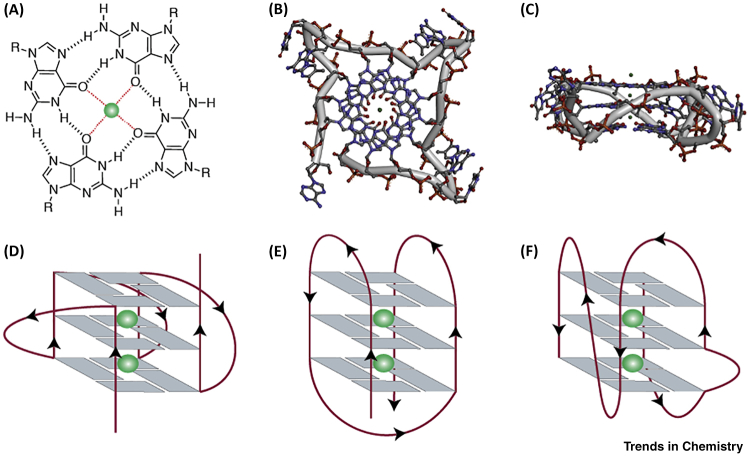
“ogies arising from different combinations of strand direction (Figure 1D–F), as well as length and loop composition [9,10].”
BackgroundSiddiqui-Jain, A., Grand, C. L., Bearss, D. J., & Hurley, L. H. (2002) · Proceedings of the National Academy of Sciences · doi:10.1073/pnas.182256799 · Cited by 2,274 · cited 9×
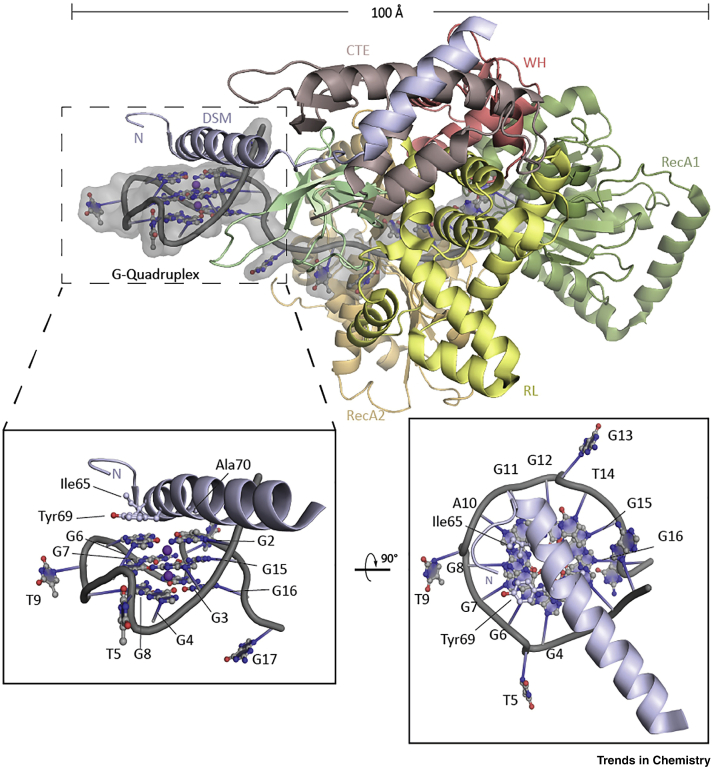
“A cocrystal structure of bos taurus DHX36 helicase bound to the MYC promoter G4 revealed a mode of binding in which the G4 makes contacts with a DHX36-specificmotif (DSM) and the C terminal OB-fold domain (Figure 4) [73].”
BackgroundInfluentialQuantitative visualization of DNA G-quadruplex structures in human cells
Biffi, G., Tannahill, D., McCafferty, J., & Balasubramanian, S. (2013) · Nature Chemistry · doi:10.1038/nchem.1548 · Cited by 2,173 · cited 3×
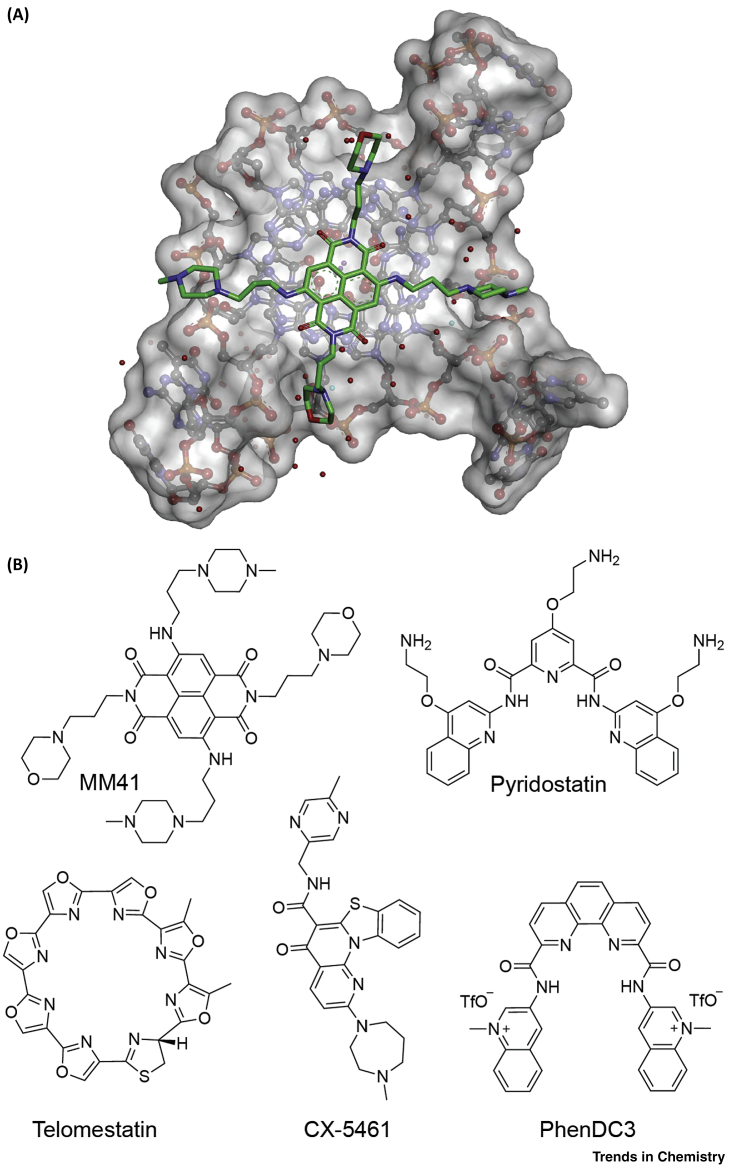
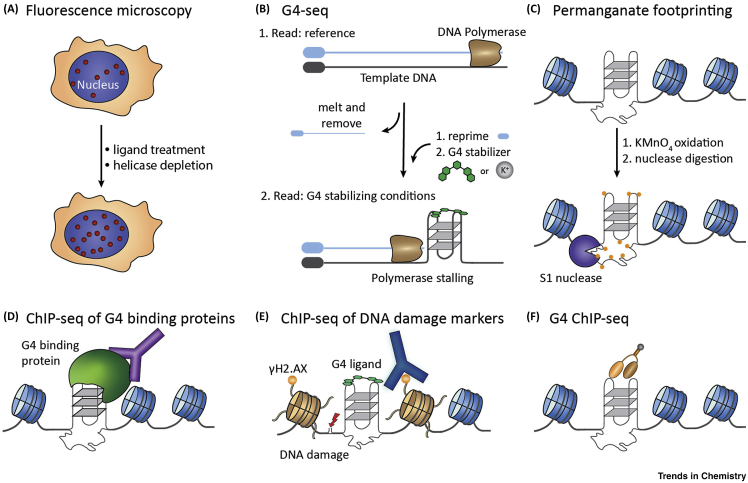
“structures in human cell lines upon ligand treatment together with depletion of the G4 resolving helicase FANCJ [41,42], to reveal increased numbers of G4 foci staining in nuclei after pyridostatin [41] or telomestatin ligand treatment and FANCJ depletion in chicken DT40 cells [42].”
BackgroundSelf-citationSen, D., & Gilbert, W. (1988) · Nature · doi:10.1038/334364a0 · Cited by 1,866 · cited 1×
“The finding that G4-rich telomeric repeats form G4 structures [6] suggested a mechanistic link with telomerase-mediated extension of telomeres, prompting an exploration of G4 stabilising ligands that may inhibit the growth of cancer cells by interfering with telomere maintenance (reviewed in [89]).”
BackgroundCrystal structure of parallel quadruplexes from human telomeric DNA
Parkinson, G., Lee, M. P. H., & Neidle, S. (2002) · Nature · doi:10.1038/nature755 · Cited by 1,863 · cited 1×
“Structural studies using X-ray crystallography and NMR spectroscopy have provided detailed insights into the structure of DNA G4s primarily based on the human telomeric repeat (Figure 1B,C) [11] or sequences derived from the promoter regions of certain human genes such as MYC or KIT [12,13].”
BackgroundPrevalence of quadruplexes in the human genome
Huppert, J. L., & Balasubramanian, S. (2005) · Nucleic Acids Research · doi:10.1093/nar/gki609 · Cited by 1,795 · cited 2×
“Based on biophysical studies on different G4 structures, algorithms using sequence motifs such as GR3NxGR3NxGR3NxGR3 were developed and deployed to predict putative G4 structures in genomic DNA [14,15].”
BackgroundMethodSelf-citationHelix formation by guanylic acid.
Gellert, M., Lipsett, M., & Davies, D. R. (1962) · Proceedings of the National Academy of Sciences of the United States of America · doi:10.1073/pnas.48.12.2013 · Cited by 1,430
Research works printed but not linked: 4
- Bang, 1910, Untersuchungen über die Guanylsäure, Biochem. Z., 26, 293
- Testorelli, 2003, Telomerase and cancer, J. Exp. Clin. Cancer Res., 22, 165
- Anders, 2014, Genome-wide localization of small molecules, Nat. Biotechnol., 32, 92, 10.1038/nbt.2776 · DOI
- Pagano, 2015, Identification of novel interactors of human telomeric G-quadruplex DNA, Chem. Commun., 51, 2964, 10.1039/C4CC07231F · DOI
Cited by
Sorted by citations
Items 301–400 of 706
Roy, S., Pramanik, P., & Bhattacharya, S. (2025) · Biochimie · doi:10.1016/j.biochi.2025.04.004 · Cited by 10
Sultan, M., Razzaq, M., Lee, J., Das, S., Kannappan, S., Subramani, V. K., Yoo, W., Kim, T., Lee, H.-R., Chaurasia, A., et al. (2025) · Journal of Biomedical Sciences · doi:10.1186/s12929-024-01109-3 · Cited by 8
“G4s can fold or stack into four-stranded secondary structures [11] and are abundantly present in all domains of life including viruses [12], bacteria [13], parasites [14–16], and humans [17].”
DHX36-mediated G-quadruplexes unwinding is essential for oocyte and early embryo development in mice
Jiao, Y.-X., Bu, G., Wu, Y.-W., Wu, Y.-K., Chen, B., She, M., Zhang, Y., Lu, Y., & Fan, H. (2025) · 中国科学通报:英文版 · doi:10.1016/j.scib.2025.02.017 · Cited by 8
A comprehensive study of Z-DNA density and its evolutionary implications in birds
Wang, Y.-R., Chang, S.-M., Lin, J.-J., Chen, H.-C., Lee, L.-T., Tsai, D.-Y., Lee, S.-D., Lan, C., Chang, C.-R., Chen, C.-F., et al. (2024) · BMC Genomics · doi:10.1186/s12864-024-11039-x · Cited by 8
Cross-Effects in Folding and Phase Transitions of hnRNP A1 and C9Orf72 RNA G4 In Vitro
Vedekhina, T., Svetlova, J., Pavlova, I. I., Barinov, N., Alieva, S., Malakhova, E., Rubtsov, P., Shtork, A., Klinov, D. D. V., & Varizhuk, A. (2024) · Molecules · doi:10.3390/molecules29184369 · Cited by 8
“Their contribution The unique properties of C9Orf72 RNA are typically attributed to its folding into G-quadruplex (G4)–planar arrangements of guanine tetrads [38].”
BackgroundComptdaer, T., Tardivel, M., Schirmer, C., Buée, L., & Galas, M. (2024) · Brain Pathology · doi:10.1111/bpa.13262 · Cited by 8
Sun, R., Sun, H.-X., Ye, X., Yang, D., Zhang, B., Liu, Y., Bai, R.-Y., Zhong, F., Yao, L., & Tang, Y.-L. (2024) · Sensors and Actuators B: Chemical · doi:10.1016/j.snb.2024.135524 · Cited by 8
G-quadruplex is critical to epigenetic activation of the lncRNA HOTAIR in cancer cells
Qu, X., Lin, Z., Jayawickramarajah, J., Alsager, J. S., Schmidt, E., Nephew, K., Fang, F., Balasubramanian, S., & Shan, B. (2023) · iScience · doi:10.1016/j.isci.2023.108559 · Cited by 8
“38,39 The HOTAIR-N CpG island was enriched with G4 SEQ reads and peaks as illustrated in Figure 5E. Similarly, the BG4 ChIP reads were enriched in the HOTAIR-N CpG island in the immortalized keratinocytes HACAT (Figure 5F) and the BG4 ChIP signals were further increased by Entinostat, an inhibitor…”
BackgroundSelf-citationWang, Z., Qin, F., Wu, J., Ma, W.-H., Li, R.-S., Weng, T., Yin, B.-H., Wang, L., Wang, D.-Q., & Liang, L.-Y. (2023) · Chemical Engineering Journal · doi:10.1016/j.cej.2023.145311 · Cited by 8
WebTetrado: a webserver to explore quadruplexes in nucleic acid 3D structures
Adamczyk, B., Zurkowski, M., Szachniuk, M., & Zok, T. (2023) · Nucleic Acids Res. · doi:10.1093/nar/gkad346 · Cited by 8
Lab-on-a-DNA origami: nanoengineered single-molecule platforms
Kogikoski, S., Ameixa, J., Mostafa, A., & Bald, I. (2023) · Chemical Communications · doi:10.1039/d3cc00718a · Cited by 8
Anticancer activity of G4-targeting phenoxazine derivatives in vitro
Lizunova, S. A., Цветков, В. Б., Skvortsov, D. A., Kamzeeva, P. N., Ivanova, O. M., Vasilyeva, L. A., Chistov, A. A., Belyaev, E. S., Khrulev, A. A., Vedekhina, T., et al. (2022) · Biochimie · doi:10.1016/j.biochi.2022.07.001 · Cited by 11
Identification of Sugar-Containing Natural Products that Interact with i-Motif DNA.
Chikhale, R., Guneri, D., Yuan, R., Morris, C., & Waller, Z. (2022) · Bioorganic & Medicinal Chemistry Letters · doi:10.1016/j.bmcl.2022.128886 · Cited by 8
Toma, I., Porfire, A. S., Tefas, L. R., Berindan‐Neagoe, I., & Tomuță, I. (2022) · Pharmaceutics · doi:10.3390/pharmaceutics14071482 · Cited by 12
“The classical DNA double helix defines a structural basis for the genetic code via defined base-pairing [15].”
BackgroundDeePromClass: Delineator for Eukaryotic Core Promoters Employing Deep Neural Networks
Kari, H., Bandi, S. M. S., Kumar, A., & Yella, V. R. (2022) · IEEE/ACM Transactions on Computational Biology & Bioinformatics · doi:10.1109/tcbb.2022.3163418 · Cited by 8
“They also contain unique structural signals and non-canonical promoter structural motifs, namely, low stability regions, A-tracts, and non-B-DNA motifs [2], [8], [9], [10], [11], [12], [13].”
BackgroundG-Quadruplex Matters in Tissue-Specific Tumorigenesis by BRCA1 Deficiency
Kim, S., & Hwang, S. (2022) · Genes · doi:10.3390/genes13030391 · Cited by 8
Huang, Z.-P., Wang, Z.-H., Niu, Y., Deng, G., Bai, A.-M., Li, X.-Y., & Hu, Y.-J. (2022) · Bioorganic chemistry (Print) · doi:10.1016/j.bioorg.2022.105698 · Cited by 8
Stefos, G., Theodorou, G., & Politis, I. (2021) · bioRxiv · doi:10.1101/2021.12.13.472480 · Cited by 8
Ruiz, N., Jarošová, P., Táborský, P., & Gargallo, R. (2021) · Biophysical Chemistry · doi:10.1016/j.bpc.2021.106715 · Cited by 8
APOBEC mutagenesis is low in most types of non-B DNA structures
Ponomarev, G. V., Fatykhov, B., Nazarov, V., Abasov, R., Shvarov, E., Landik, N.-V., Denisova, A. A., Chervova, A., Gelfand, M., & Kazanov, M. (2021) · bioRxiv · doi:10.1016/j.isci.2022.104535 · Cited by 8
Ribaudo, G., Ongaro, A., Oselladore, E., Memo, M., & Gianoncelli, A. (2021) · Journal of Medicinal Chemistry · doi:10.1021/acs.jmedchem.1c00962 · Cited by 11
Enhancing Gonadotrope Gene Expression Through Regulatory lncRNAs
Refael, T., & Melamed, P. (2021) · Endocrinology · doi:10.1210/endocr/bqab116 · Cited by 6
Yasuda, M., Ma, Y., Okabe, S., Wakabayashi, Y., Su, D., Chang, Y., Seimiya, H., Tera, M., & Nagasawa, K. (2020) · Chemical Communications · doi:10.1039/d0cc04957c · Cited by 25
Zhu, Y., Hou, J., Huang, X., Zhong, D., Long, W. S., Liu, W., Lu, Y., Zhang, K., & Wong, W. (2020) · Journal of Luminescence · doi:10.1016/j.jlumin.2020.117488 · Cited by 10
Non-B DNA structures and their contributions to genetic diversity, aging, and disease
Bochalis, E., Dereki, I., Wang, G., Sgourou, A., Vásquez, K. M., & Georgakopoulos‐Soares, I. (2026) · Nucleic Acids Research · doi:10.1093/nar/gkag084 · Cited by 7
Ji, D., Zhang, K., Yarshova, M., & Kwok, C. K. (2025) · Accounts of Chemical Research · doi:10.1021/acs.accounts.5c00468 · Cited by 8
Simoes‐Sousa, S., Amin, N., Lane, K. A., Harrod, A., Pedersen, M., Pardo, M., Rasetti‐Escargueil, C., Kozik, Z., Begg, K., Ribeiro, A., et al. (2025) · Cell Reports · doi:10.1016/j.celrep.2025.116277 · Cited by 7
Cellular modulation of a G-quadruplex structure found in the lung cancer-related microRNA-3196.
Alexandre, D., Polido, J., Miranda, A., Hudson, R., Monchaud, D., Baptista, P., & Cruz, C. (2025) · International Journal of Biological Macromolecules · doi:10.1016/j.ijbiomac.2025.145263 · Cited by 7
Chen, Y., Lv, B., Wang, W.-Z., Wu, Y.-P., & Li, D.-W. (2025) · International Journal of Biological Macromolecules · doi:10.1016/j.ijbiomac.2025.142410 · Cited by 7
Parsons, A. M., Byrne, S., Kooistra, J., Dewey, J., Zebolsky, A. L., Alvarado, G., Bouma, G. J., Heuvel, G. V. V., & Larson, E. D. (2025) · Nature Communications · doi:10.1038/s41467-024-55684-y · Cited by 7
“G4 DNA is a biologically active structure that is well-known to regulate programmed recombination and gene expression 19 – 21, 32 , so it is likely that the Based on the model (Fig.”
InfluentialHug, E., Renaud, Y., Guiton, R., Sassi, M. B., Marcaillou, C., Moazamian, A., Gharagozloo, P., Drevet, J. R., & Saez, F. (2024) · Antioxidants · doi:10.3390/antiox13121520 · Cited by 5
“Indirect effects may include the alleviation of oxidative stress through the non-specific prevention of 8-OHdG formation, which affects DNA secondary structures, such as G-quadruplexes [30], and also impacts 8-OHdG’s role as an independent epigenetic regulator [31].”
Walker, J. E. (2024) · Journal of Inherited Metabolic Disease · doi:10.1002/jimd.12818 · Cited by 7
“66,67 Currently, it is not known whether the genes for citrin and aralar harbor such features.”
Parveen, S., Chaurasia, N., Gupta, S., Vidyarthi, S., Gupta, N., Pandey, P., Pant, B., Srivastava, K. R., Kumar, N., & Goel, A. (2024) · ACS Applied Bio Materials · doi:10.1021/acsabm.4c00940 · Cited by 7
Pirota, V., Rey, F., Esposito, L., Fantini, V., Pandini, C., Maghraby, E., Gerlando, R. D., Doria, F., Mella, M., Pansarasa, O., et al. (2024) · bioRxiv · doi:10.1101/2024.02.09.579657 · Cited by 7
“[ 15-18] Under physiological conditions, four guanine bases can self-associate via Hoogsteen-type hydrogen bonds base-pairing generating square-planar guanine quartets, known as G-tetrads.”
BackgroundOn Water Arrangements in Right- and Left-Handed DNA Structures
Yatsunyk, L., & Neidle, S. (2024) · Molecules · doi:10.3390/molecules29020505 · Cited by 7
Yeast transcription factor Msn2 binds to G4 DNA
Dương, D. L., & Kim, N. (2023) · Nucleic Acids Research · doi:10.1093/nar/gkad684 · Cited by 7
Hu, W., Jing, H.-T., Fu, W.-Z., Wang, Z., Zhou, J., & Zhang, N. (2023) · Journal of the American Chemical Society · doi:10.1021/jacs.3c05617 · Cited by 7
Han, Z., & Wen, L. (2023) · World Journal of Gastrointestinal Oncology · doi:10.4251/wjgo.v15.i7.1149 · Cited by 8
G4-DNA formation and chromatin remodelling are interdependent in human cells
Lawler, N. B., Ou, A., King, J. J., Evans, C. W., Iyer, K. S., & Smith, N. M. (2023) · Chemical Science · doi:10.1039/d3sc02533k · Cited by 10
Polymorphism and Ligand Binding Modulate Fast Dynamics of Human Telomeric G-Quadruplexes
Bertini, L., Libera, V., Ripanti, F., Natali, F., Paolantoni, M., Orecchini, A., Nucara, A., Petrillo, C., Comez, L., & Paciaroni, A. (2023) · International Journal of Molecular Sciences · doi:10.3390/ijms24054280 · Cited by 8
Zhang, L., Lu, Y., Ma, X., Xing, Y., Sun, J., & Jia, Y. (2022) · Frontiers in Molecular Biosciences · doi:10.3389/fmolb.2022.965924 · Cited by 11
“Both DNA and RNA can fold into G-quadruplex in GC-rich regions, such as protomer regions, telomere regions, or UTR regions, and increasing shreds of evidence demonstrate the involvement of G-quadruplexes in different biological pathways (Spiegel et al., 2020; Varshney et al., 2020).”
BackgroundLlewellyn, S., Parak, W., Hühn, J., Burgum, M., Evans, S. J., Chapman, K. E., Jenkins, G., Doak, S., & Clift, M. (2022) · Nanotoxicology · doi:10.1080/17435390.2022.2030823 · Cited by 7
“Telomeric regions consist of non-coding tandem DNA repeats, TTAGGG, which form a lariat-like molecular Tloop structure and act as a protective cap to prevent chromosome degradation, inter-chromosomal fusion, and preserve genetic integrity (Shammas 2011; Spiegel, Adhikari, and Balasubramanian 2020).”
BackgroundDetecting the formation of human c-KIT oncogene promoter G-Quadruplex by Taylor dispersion analysis.
Yang, Y.-H., Yang, Y., Wang, S.-S., Li, H.-H., & Chen, D. D. Y. (2021) · Talanta: The International Journal of Pure and Applied Analytical Chemistry · doi:10.1016/j.talanta.2021.122533 · Cited by 7
Bloom helicase explicitly unwinds 3′-tailed G4DNA structure in prostate cancer cells
Zhu, X., Sun, B., Luo, M., Yu, J. H., Zhang, Y., Xu, H., & Luo, H. (2021) · International Journal of Biological Macromolecules · doi:10.1016/j.ijbiomac.2021.03.060 · Cited by 6
The Expression of Human DNA Helicase B Is Affected by G-Quadruplexes in the Promoter
Zafar, M. K., Hazeslip, L., Chauhan, M. Z., & Byrd, A. K. (2020) · Biochemistry · doi:10.1021/acs.biochem.0c00218 · Cited by 9
Cao, Y.-W., Li, W., Gao, T., Ding, P., & Pei, R. (2020) · Chemistry · doi:10.1002/chem.202001462 · Cited by 7
G-quadruplex stabilization via small molecules as a potential anti-cancer strategy
Li, C., Liu, J., & Wang, R. (2026) · Cellular & Molecular Biology Letters · doi:10.1186/s11658-026-00890-3 · Cited by 6
Opposing roles of two R-loop associated G-quadruplexes in tuning transcription activity
Yang, L.-Y., Lee, C.-Y., Paul, T., & Myong, S. (2025) · Nucleic Acids Research · doi:10.1093/nar/gkaf930 · Cited by 6
“G-quadruplexes (G4s) and R-loops are non-canonical nucleic acid structures involved in cellular processes such as DNA replication, transcription, and translation [ 1–4 ] with implications for diseases including cancer [ 5–7 ] and neurological disorders [ 8 , 9 ].”
Cui, H., Wang, Y., Fu, Y., Yu, X., Li, W., Lin, F., & Han, W. (2025) · Journal of Chemical Information and Modeling · doi:10.1021/acs.jcim.5c01372 · Cited by 6
Cortolezzis, Y., Othman, Z., Agostini, F., Ibrahim, I., Picco, R., Salgado, G. F. J., Giorgio, E. D., & Xodo, L. E. (2025) · Nucleic Acids Research · doi:10.1093/nar/gkaf886 · Cited by 5
“Over the last two decades, considerable efforts have been made to decipher the intricate role of G-quadruplex (G4) structures in cellular processes [ 1 , 2 ].”
Puyo-Fourtine, J., Zgarbová, M., Kantin, L., Jurečka, P., & Duboué-Dijon, É. (2025) · Journal of Chemical Theory and Computation · doi:10.1021/acs.jctc.5c01262 · Cited by 8
Ghosh, T., Mehraj, I., Rit, T., Bhowmik, S., Patidar, M., Sanghvi, Y., Ahmad, S. M., Bhat, S. S., & Das, A. K. (2025) · Chemical Engineering Journal · doi:10.1016/j.cej.2025.167632 · Cited by 6
Wang, X.-D., Nie, Q.-W., & Hu, M.-H. (2025) · Journal of Biological Chemistry · doi:10.1016/j.jbc.2025.110647 · Cited by 6
“It is believed that G4s play significant regulatory roles in a variety of diseases, mainly cancers and neurodegenerative disorders (22, 23).”
Bartosik, A. R., Hou, P.-C., Vaughn, J. P., Smaldino, P. J., Ratan, A., Mayo, M. W., & Yuh-Hwa, W. (2025) · bioRxiv · doi:10.1101/2025.01.03.631217 · Cited by 6
Bouz, G., Žádný, J., Storch, J., & Vacek, J. (2025) · Biotechnology Advances · doi:10.1016/j.biotechadv.2024.108513 · Cited by 6
Seth, P., Xing, E., Hendrickson, A. D., Li, K., Monsen, R. C., Chaires, J., Neidle, S., & Yatsunyk, L. (2024) · Nucleic Acids Research · doi:10.1093/nar/gkae1208 · Cited by 6
Protocol for cellular RNA G-quadruplex profiling using G4RP.v2
Mitteaux, J., & Monchaud, D. (2024) · STAR Protocols · doi:10.1016/j.xpro.2024.103480 · Cited by 5
Sensitization of melanoma cells to standard chemotherapy: G-quadruplex binders as synergistic agents
Persico, C., Iaccarino, N., Romano, F., Giustiniano, M., Russo, C., Laneri, S., Lorenzo, R. D., Aiello, I., Abate, S., Izzo, L., et al. (2024) · NAR Cancer · doi:10.1093/narcan/zcae042 · Cited by 7
“Among those mentioned above, G4s stand out as the most broadly studied alternative structures of DNA ( 5 ).”
BackgroundBadugu, S. B., Dhyani, K. M., Thakur, M., & Muniyappa, K. (2024) · eLife · doi:10.7554/elife.96933 · Cited by 4
“Furthermore, G-quadruplex structures modulate diverse cellular processes, including DNA replication, transcription, translation, and are associated with certain diseases, characterized by high rates of chromosomal instability ( Rhodes and Lipps, 2015 ; Spiegel et al., 2020 ).”
Zhao, L., Yin, Y., Xiao, S., Qiu, Y., Wang, S., & Dong, Y.-Y. (2024) · Analytica Chimica Acta · doi:10.1016/j.aca.2024.343254 · Cited by 6
Nocentini, A., Porzio, A. D., Bonardi, A., Bazzicalupi, C., Petreni, A., Biver, T., Bua, S., Marzano, S., Amato, J., Pagano, B., et al. (2024) · Journal of Enzyme Inhibition and Medicinal Chemistry · doi:10.1080/14756366.2024.2366236 · Cited by 8
“FRet melting analysis was used to further estimate the GQ over duplex selectivity of the selected compounds 53 . the GQ-forming oligonucleotide c-Kit1 labelled with FaM and taMRa ( F-c-Kit1-T ) was employed because, among the parallel GQs used in this study ( c-Kit1 and c-Myc ), it was the only one with a lower T 1/2…”
BackgroundMethodInfluentialSmall molecule telomerase inhibitors are also potent inhibitors of telomeric C-strand synthesis
Johnson, K., Seidel, J. M., & Cech, T. R. (2024) · RNA · doi:10.1261/rna.080043.124 · Cited by 8
“…DNA sequences, including the repeating human telomeric sequence (TTAGGG) n , are capable of forming G-quadruplexes (GQs), structures in which four guanines interact to form a tetrad or “ G-quartet, ” and several such quartets stack to form a quadruplex (Williamson et al. 1989; Spiegel et al. 2020).”
BackgroundGuanosine-based hydrogel as a supramolecular scaffold for template-assisted macrocyclization.
Lala, B., Chaudhuri, R., Prasanth, T., Burkhart, I., Schwalbe, H., & Dash, J. (2024) · Chemical Communications · doi:10.1039/d4cc00129j · Cited by 6
Hydrophobic Interaction-Induced Topology-Independent Destabilization of G-Quadruplex.
Bisoi, A., Sarkar, S., & Singh, P. C. (2023) · Biochemistry · doi:10.1021/acs.biochem.3c00585 · Cited by 6
Le, N. B. T., Tu, A. T. T., Zhao, D., Yoshikawa, C., Kawakami, K., Kaizuka, Y., & Yamazaki, T. (2023) · Biomolecules · doi:10.3390/biom13111639 · Cited by 8
“This is characterized by the stacking of planar arrangements of four guanines, called G-quartets [14–17].”
BackgroundN-methyl mesoporphyrin IX (NMM) as electrochemical probe for detection of guanine quadruplexes.
Dobrovodsky, D., Daňhel, A., Renčiuk, D., Mergny, J., & Fojta, M. (2023) · Bioelectrochemistry · doi:10.1016/j.bioelechem.2023.108611 · Cited by 6
Peptides and Peptide Derivatives as G‐Quadruplex Targeting Ligands: A Brief Review
Basak, S., Biswas, S., & Naskar, J. (2023) · ChemistrySelect · doi:10.1002/slct.202302177 · Cited by 7
Khurana, S., Kukreti, S., & Kaushik, M. (2023) · International Journal of Biological Macromolecules · doi:10.1016/j.ijbiomac.2023.126835 · Cited by 8
A liquid crystal world for the origins of life
Jia, T. Z., Bellini, T., Clark, N. A., & Fraccia, T. P. (2022) · Emerging Topics in Life Sciences · doi:10.1042/etls20220081 · Cited by 12
Yang, C., Chu, X.-L., Zeng, L., Rhouati, A., Abbas, F., Cui, S.-N., & Lin, D.-Q. (2022) · Biosensors · doi:10.3390/bios12060423 · Cited by 6
“The G-quadruplex is a unique secondary structure of DNA folding from a single-strand or several strands of DNA sequences rich in guanine with a highly ordered and diverse structure [4,5].”
BackgroundZhou, W.-B., Cheng, Y., Song, B., Hao, J., Miao, W., Jia, G., & Li, C. (2021) · Biochemistry · doi:10.1021/acs.biochem.1c00557 · Cited by 6
A CpG island promoter drives the CXXC5 gene expression
Yaşar, P., Kars, G., Yavuz, K., Ayaz, G., Oğuztüzün, Ç., Bilgen, E., Suvacı, Z., Çetinkol, Ö. P., Can, T., & Muyan, M. (2021) · Scientific Reports · doi:10.1038/s41598-021-95165-6 · Cited by 6
Pirota, V., Lunghi, E., Benassi, A., Crespan, E., Freccero, M., & Doria, F. (2021) · Molecules · doi:10.3390/molecules26165025 · Cited by 6
“Nucleic acid (NA) sequences rich in guanine-basis (Gs) can fold into four-stranded higher-order supramolecular structures known as G-quadruplexes (G4s) [1,2].”
BackgroundCraven, H. M., Bonsignore, R., Lenis, V., Santi, N., Berrar, D., Swain, M., Whiteland, H., Casini, A., & Hoffmann, K. (2020) · bioRxiv · doi:10.1371/journal.pntd.0008770 · Cited by 6
Molecular engineering of a D-A type fluorescent probe with AIE properties for c-MYC G-quadruplex DNA
Li, J.-Z., Liu, L., Chen, H., Gao, L.-F., Li, L.-Y., Li, Z.-K., & Wang, M.-Q. (2025) · Dyes and pigments · doi:10.1016/j.dyepig.2025.112814 · Cited by 6
Marzano, S., Ferraro, M., Grasso, N., Buono, R., Arciuolo, V., Iazzetti, F., Piccolo, M., Passarelli, A., D'Aria, F., Merlino, F., et al. (2026) · European Journal of Pharmaceutical Sciences · doi:10.1016/j.ejps.2026.107428 · Cited by 5
Enhancing G‐Quadruplex Binding: Rational Design and Biophysical Evaluation of Dimeric Ligands
Giannangeli, M., Ponte, N. D., Anyanwu, M., Romanello, M. B., Mucenji, E., Rigo, R., Ribaudo, G., Sissi, C., & Gianoncelli, A. (2025) · Chemistry · doi:10.1002/chem.202503128 · Cited by 5
Degradation of G‐Quadruplex‐Binding Proteins by G4L‐PROTAC via Quaternary Complex Formation
Nohara, R., Tanaya, Y., Sheikhi, M. J., Chaudhary, P., Sharma, G., Mao, H., Nagasawa, K., & Tera, M. (2025) · Angewandte Chemie International Edition · doi:10.1002/anie.202515045 · Cited by 5
Molecular Tools for Precision Targeting and Detection of G-Quadruplex Structures
Esposito, D., Locatelli, A., & Morigi, R. (2025) · Molecules · doi:10.3390/molecules30204099 · Cited by 5
“However, the dynamic environment that surrounds the nucleic acid and that builds up the genomic machinery is responsible for variations in the coiling and its conformation, making possible the observation of different secondary structures [3].”
Takahashi, S., Ghosh, S., Trajkovski, M., Ohyama, T., Plavec, J., & Sugimoto, N. (2025) · Nucleic Acids Research · doi:10.1093/nar/gkaf500 · Cited by 8
Iwano, N., Oyama, T., Tomizawa, M., Inaba, S., Mori, R., Nakazawa, Y., Sode, K., Tsukakoshi, K., Nakano, T., & Ikebukuro, K. (2025) · Small · doi:10.1002/smll.202501336 · Cited by 5
Waisertreiger, I. S.-R., Ayele, K., Elshaikh, M. H., & Barlow, J. H. (2025) · Proceedings of the National Academy of Sciences · doi:10.1073/pnas.2506939122 · Cited by 6
Turcotte, M.-A., & Perreault, J. (2025) · ACS Bio & Med Chem Au · doi:10.1021/acsbiomedchemau.5c00004 · Cited by 7
Connelly, R. P., Fonseca, V., & Gerasimova, Y. V. (2025) · DNA · doi:10.3390/dna5010012 · Cited by 5
“…vitro , G4s have been shown to serve as structural motifs of aptamers—nucleic acid-based functional analogs of formation of G4s has been suggested to have a regulatory role in vivo in telomere maintenance, DNA replication, gene expression, and translation [5,6]. a The deox-yribozyme a [11,13–19].”
Yu, Y., Cen, C., Shao, Z., Wang, C., Wang, Y., Miao, Z., Sun, M., Wang, C., Xu, Q., Liang, K., et al. (2025) · iScience · doi:10.1016/j.isci.2025.112275 · Cited by 4
“48,49 It remains possible that the discrepancy between these results may arise from the diverse regulation of KRAS in different tumor models.”
Interactions between heme and G-quadruplex DNA involve the oxygen of guanine
Chiura, T., Pham, M. N., Baum, D. A., & Mak, P. J. (2025) · Journal of Inorganic Biochemistry · doi:10.1016/j.jinorgbio.2025.112843 · Cited by 6
Asymmetric distribution of G-quadruplex forming sequences in genomes of retroviruses
Kledus, F., Dobrovolná, M., Mergny, J., & Brázda, V. (2025) · Scientific Reports · doi:10.1038/s41598-024-82613-2 · Cited by 5
Li, X., Dubins, D., Völker, J., & Chalikian, T. (2024) · Journal of Physical Chemistry B · doi:10.1021/acs.jpcb.4c06355 · Cited by 5
Interlocking G-Quadruplexes Using a G-Triad•G Connection: Implications for G-Wire Assembly.
Singh, A., Winnerdy, F., Avila, C. A., Nogues, C., Phan, A., & Heddi, B. (2024) · Journal of the American Chemical Society · doi:10.1021/jacs.4c05713 · Cited by 5
Translating G-quadruplex ligands from bench to bedside: a Stephen Neidle’s legacy
Monchaud, D. (2024) · Medicinal Chemistry Research · doi:10.1007/s00044-024-03310-3 · Cited by 8
“Undoubtedly, his research had the strongest impact on the fi eld of G-quadruplex (G4) nucleic acids [4, 5], both G4 DNA [6, 7] and RNA [8 – 10].”
Nakata, M., Kosaka, N., Kawauchi, K., & Miyoshi, D. (2024) · ACS Omega · doi:10.1021/acsomega.4c05008 · Cited by 5
Interaction of dinuclear Co(III) cylinders with higher-order DNA structures.
Malina, J., Crowley, J. D., & Brabec, V. (2024) · Chemico-Biological Interactions · doi:10.1016/j.cbi.2024.111031 · Cited by 5
TMPRSS2 isoform 1 downregulation by G-quadruplex stabilization induces SARS-CoV-2 replication arrest
Magis, A. D., Schult, P., Schönleber, A., Linke, R., Ludwig, K. U., Kümmerer, B. M., & Paeschke, K. (2024) · BMC Biology · doi:10.1186/s12915-023-01805-w · Cited by 4
“Since the first demonstration in vitro [1], growing evidence confirmed the formation and the biological function of G4s in vivo [3].”
BackgroundBignon, E., Spinello, A., Miclot, T., D’Anna, L., Ducani, C., Grandemange, S., Barone, G., Monari, A., & Terenzi, A. (2023) · The Journal of Physical Chemistry Letters · doi:10.1021/acs.jpclett.3c00765 · Cited by 8
Mapping and characterization of G‐quadruplexes in monkeypox genomes
Pereira, H. S., Gemmill, D. L., Siddiqui, M. Q., Vasudeva, G., & Patel, T. (2023) · Journal of Medical Virology · doi:10.1002/jmv.28783 · Cited by 5
“G‐quadruplexes (G4s) are noncanonical DNA and RNA structures formed by guanine‐rich sequences that fold into two or more consecutive quartets.(10) A G‐quartet refers to four planar guanines”
BackgroundPlatella, C., Criscuolo, A., Riccardi, C., Gaglione, R., Arciello, A., Musumeci, D., DellaGreca, M., & Montesarchio, D. (2023) · International Journal of Molecular Sciences · doi:10.3390/ijms24097765 · Cited by 5
“DNA secondary structures, such as G-quadruplexes, are promising targets for anticancer strategies in the context of targeted therapies [1,2].”
BackgroundG-quadruplex landscape and its regulation revealed by a new antibody capture method
Datta, S., Patel, M., Sathyaseelan, C., Ghosh, C., Mudgal, A., Patel, D., Rathinavelan, T., & Singh, U. (2023) · bioRxiv · doi:10.18632/oncotarget.28564 · Cited by 5
“More recently, regulatory functions have been attributed to quadruplex structures [8, 18–20].”
Lei, W., Hu, J. J., Chen, H., & Xu, J. (2022) · Analytical Chemistry · doi:10.1021/acs.analchem.2c04099 · Cited by 5
Functional Downregulation of PD-L1 and PD-L2 by CpG and non-CpG Oligonucleotides in Melanoma Cells
Kleemann, J., Steinhorst, K., König, V., Zöller, N., Cinatl, J., Ozistanbullu, D., Kaufmann, R., Meissner, M., & Kippenberger, S. (2022) · Cancers · doi:10.3390/cancers14194698 · Cited by 5
“In particular, the formation of successive G-tetrads (G4) of Hoogsteen hydrogen-bonded guanine bases has been shown to have an impact on genome functions such as transcription, replication and epigenetic regulation [42].”
BackgroundTelomere G-triplex lights up Thioflavin T for RNA detection: new wine in an old bottle
Qin, S., Chen, X., Xu, Z., Li, T., Zhao, S., Hu, R., Zhu, J., Li, Y., Yang, Y.-H., & Liu, M. (2022) · Analytical and Bioanalytical Chemistry · doi:10.1007/s00216-022-04180-7 · Cited by 5
Metadata
- Authors
- Spiegel, J., Adhikari, S., & Balasubramanian, S.
- Affiliations
- Cancer Research UK (GB)
- University of Cambridge (GB)
- Corresponding author
- Balasubramanian, Shankar
- Venue
- Trends in Chemistry
- Publisher
- Elsevier BV
- Published
- 2020-02
- Volume
- 2
- Issue
- 2
- Pages
- 123-136
- ISSN
- 2589-5974 (ISSN-L)
- PMC
- PMC7472594
- OpenAlex
- W2966334511
- Cited by
- 920
- References
- 121
- Citations by year
- 2026: 111 · 2025: 157 · 2024: 158 · 2023: 144 · 2022: 151 · 2021: 122 · 2020: 74
- FWCI
- 7.73
- Type
- journal article
- Language
- en
- Open access
- hybrid
- doi.org
- Licence
- Locations
- Trends in Chemistry (publishedVersion, cc-by-nc-nd)
- PubMed Central (publishedVersion, cc-by-nc-nd)
- PubMed (publishedVersion)
- Apollo (University of Cambridge) (submittedVersion, cc-by-nc-nd)
- Apollo
- Funders
- Wellcome Trust
- Cancer Research UK
- Horizon 2020 Framework Programme
- Topics
- Life Sciences › Biochemistry, Genetics and Molecular Biology › Molecular Biology › DNA and Nucleic Acid Chemistry
- Life Sciences › Biochemistry, Genetics and Molecular Biology › Molecular Biology › Advanced biosensing and bioanalysis techniques
- Health Sciences › Medicine › Oncology › Metal complexes synthesis and properties
- Keywords
- G-quadruplex, guanine-rich DNA, genome stability, transcription, DNA replication, epigenetic regulation, cancer, G-quadruplex-binding proteins
About these checks
Registry, retraction, Cites and statistics results are computed, not judged, with one exception: a printed reference that no index lists is read once by a model before it counts as a citation error. Claims are extracted by a model and kept only when their quote appears verbatim in the text; each cited source is then checked, with a model’s help, for whether it says what the claim relies on. Those verdicts can be wrong — read the claim’s quote and the cited source before relying on one.
Statistics and arithmetic are recomputed, not judged.
Confidence bands are shown only for fields calibrated on our annotated test set. None is calibrated yet, so no band is shown.
What counts as a claim ›How we measure confidence ›How we check this ›
Are you an author, or do you see a problem with this page? Request a review
