

A Mouse Model of Hepatocellular Carcinoma
Open accessThe DOI matches its Crossref record, with a small difference in title or year; 71 of the 77 references it cites were found in a registry or an index.
Abstract
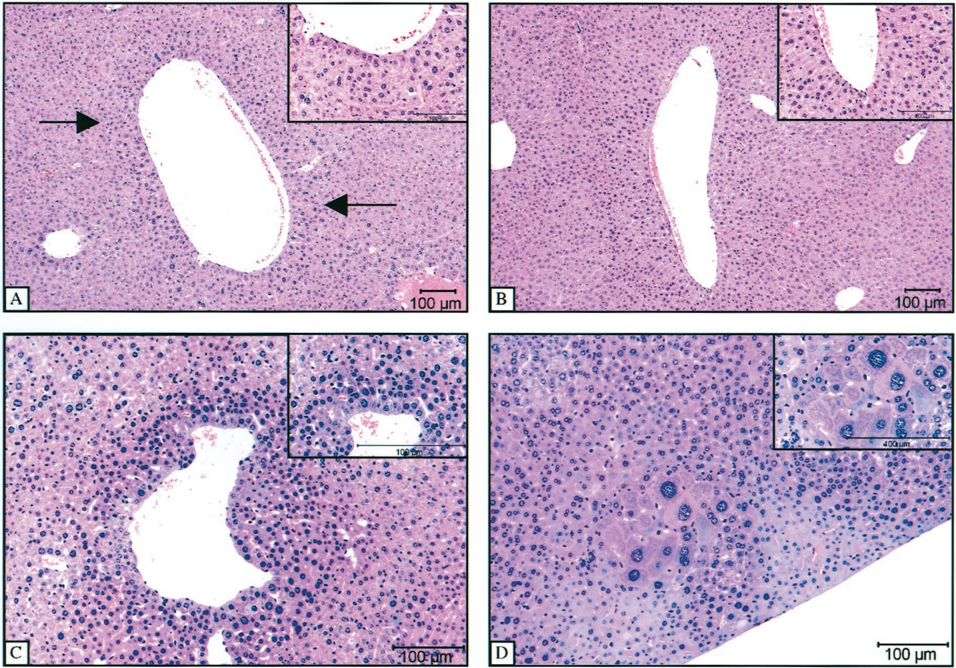
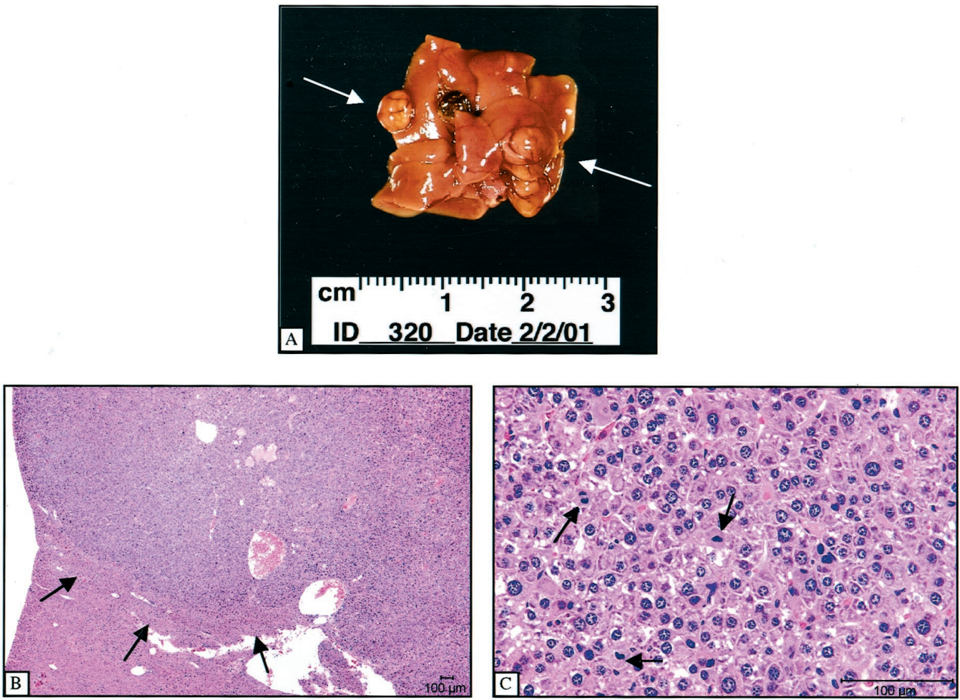
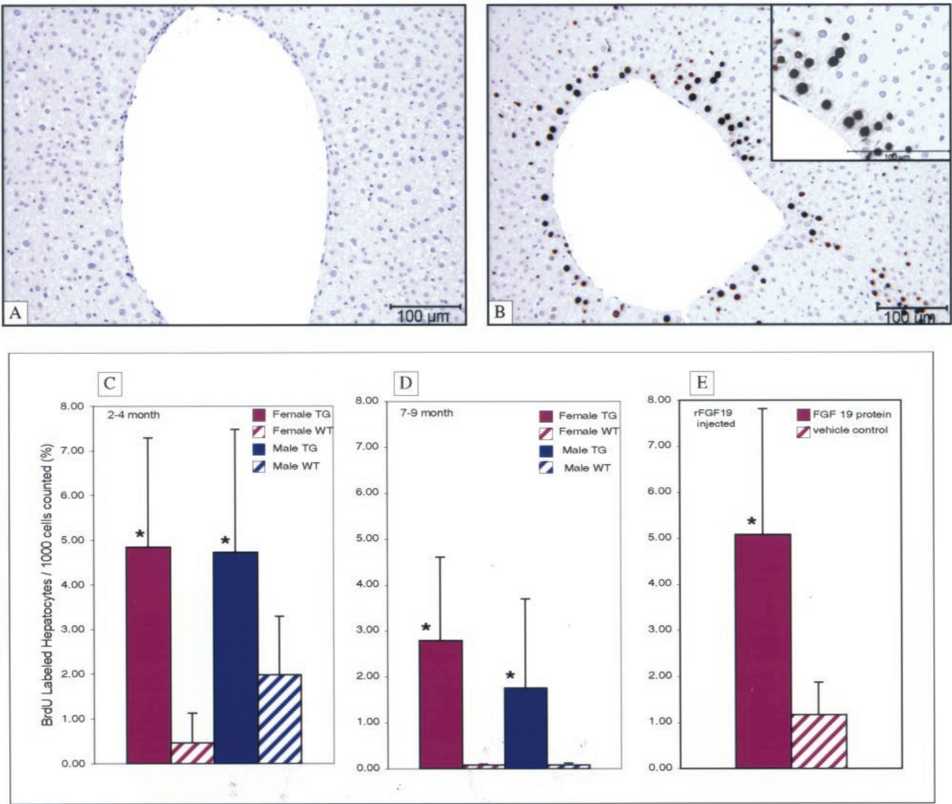
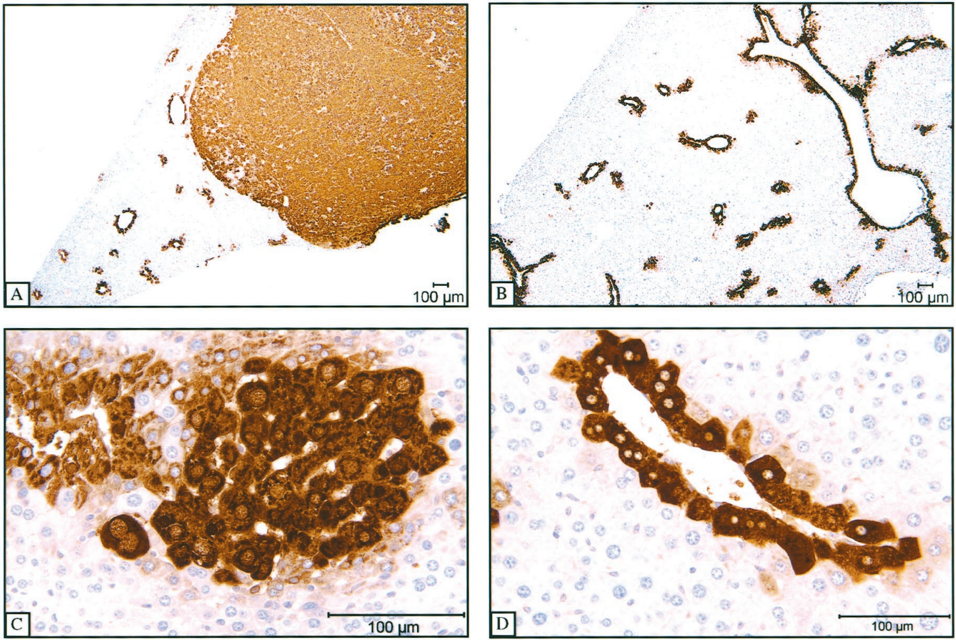
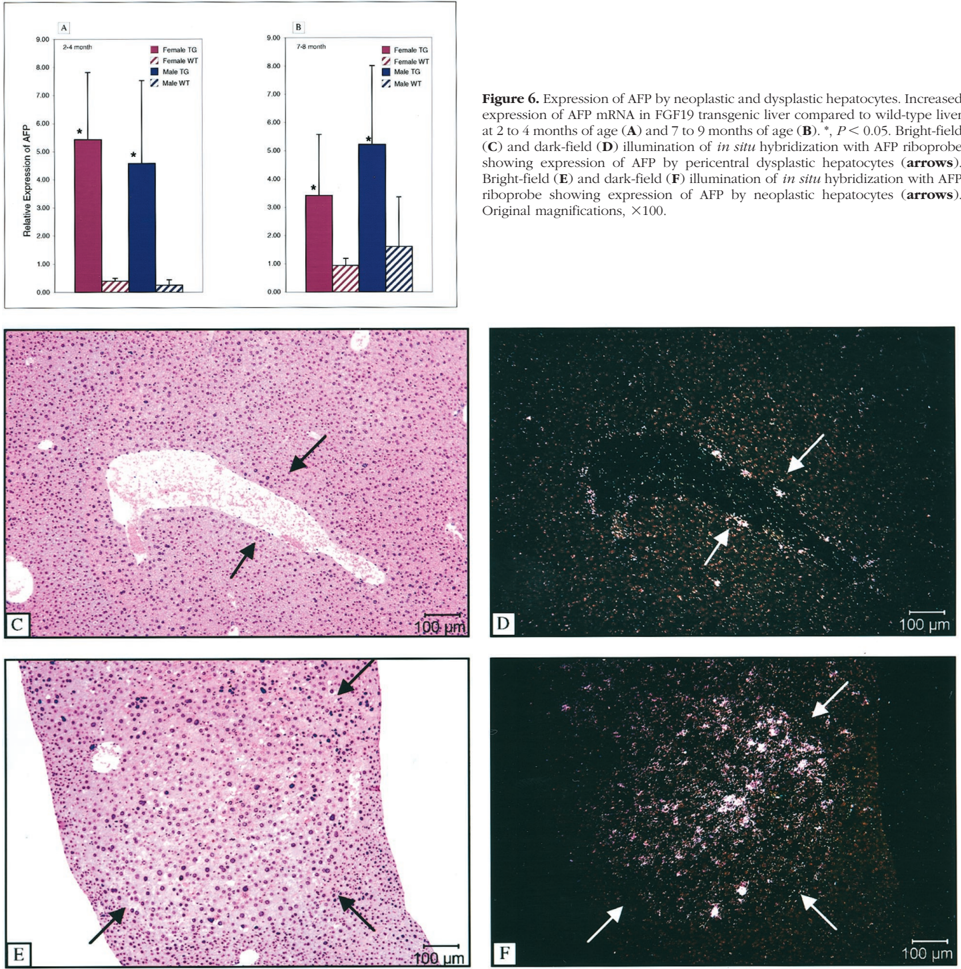
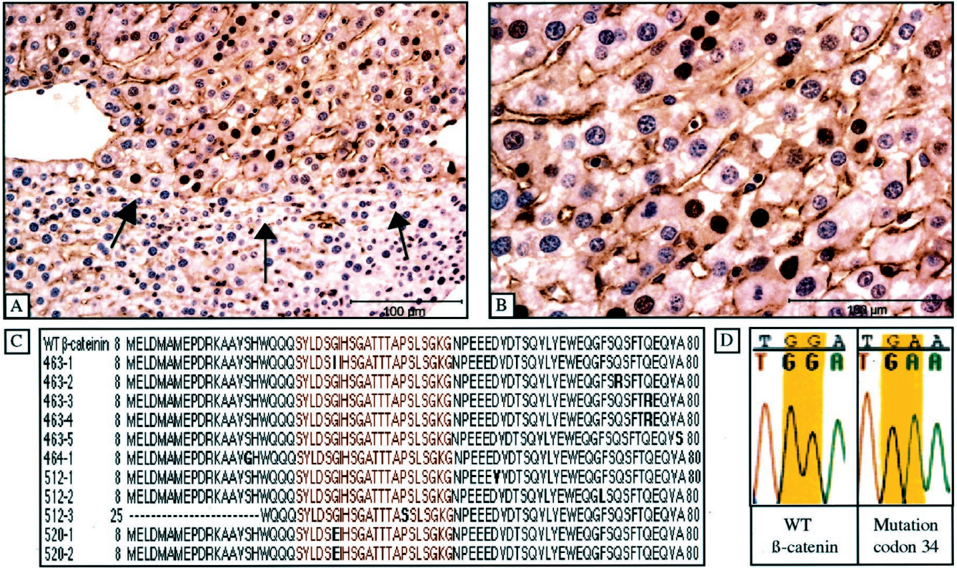
Most mouse models of hepatocellular carcinoma have expressed growth factors and oncogenes under the control of a liver-specific promoter. In contrast, we describe here the formation of liver tumors in transgenic mice overexpressing human fibroblast growth factor 19 (FGF19) in skeletal muscle. FGF19 transgenic mice had elevated hepatic alpha-fetoprotein mRNA as early as 2 months of age, and hepatocellular carcinomas were evident by 10 months of age. Increased proliferation of pericentral hepatocytes was demonstrated by 5-bromo-2'-deoxyuridine incorporation in the FGF19 transgenic mice before tumor formation and in nontransgenic mice injected with recombinant FGF19 protein. Areas of small cell dysplasia were initially evident pericentrally, and dysplastic/neoplastic foci throughout the hepatic lobule were glutamine synthetase-positive, suggestive of a pericentral origin. Consistent with chronic activation of the Wingless/Wnt pathway, 44% of the hepatocellular tumors from FGF19 transgenic mice had nuclear staining for beta-catenin. Sequencing of the tumor DNA encoding beta-catenin revealed point mutations that resulted in amino acid substitutions. These findings suggest a previously unknown role for FGF19 in hepatocellular carcinomas.
Overview
The claims and statistics of this paper haven’t been checked yet.
Free: it reads the open-access text and checks the first 5 claims that cite a source we can check. Create a free account to check every claim.
Integrity signals
Registry
Cites
Statistics
Figures
Verification
Claims the paper makes
The claims and statistics of this paper haven’t been checked yet.
Free: it reads the open-access text and checks the first 5 claims that cite a source we can check. Create a free account to check every claim.
Claims other papers make about this one
Each is checked against this paper’s own text: does it say what the citing paper says it does?
The cited source says what the claim attributes to it.
In the citing paper
“However, the therapeutic potential of FGF19 has been hindered by its effect on potential occurrence of HCC, since mice expressing an FGF19 transgene developed liver tumors while tumor FGF19 hepatic mRNA expression was an independent prognostic factor for overall and disease-free survival [259,260].”
From Gut-pancreas-liver Axis as a target for treatment of NAFLD/NASH (2020) · cites this paper as [259]
The cited source says what the claim attributes to it.
In the citing paper
“Given that mice expressing a FGF19 transgene develop hepatocellular carcinomas,14 the potential risk of tumorigenicity in patients treated with FXR agonists may need to be monitored.”
From NGM282 for Treatment of Patients With Primary Biliary Cholangitis: A Multicenter, Randomized, Double‐Blind, Placebo‐Controlled Trial (2018) · cites this paper as [14]
The check wasn’t confident either way, so it gives no verdict — never disputed.
In the citing paper
“However, the therapeutic potential of FGF19 has been hindered by its effect on potential occurrence of HCC, since mice expressing an FGF19 transgene developed liver tumors while tumor FGF19 hepatic mRNA expression was an independent prognostic factor for overall and disease-free survival [259,260].”
From Gut-pancreas-liver Axis as a target for treatment of NAFLD/NASH (2020) · cites this paper as [259]
Experimental — accuracy not yet measuredIn the citing paper
“However, the therapeutic potential of FGF19 is limited by concerns about tumorigenicity, as ectopic overexpression of FGF19 in mice results in the development of hepatocellular carcinoma.14”
From NGM282 for Treatment of Patients With Primary Biliary Cholangitis: A Multicenter, Randomized, Double‐Blind, Placebo‐Controlled Trial (2018) · cites this paper as [14]
In the citing paper
“Similarly, expression of fibroblast growth factor 19 (FGF19) by skeletal muscle cells has been shown to induce hepatocellular carcinomas, which acquire somatic mutations in β-catenin (Ctnnb1).53”
From Paracrine roles of cellular senescence in promoting tumourigenesis (2018) · cites this paper as [53]
Self-check
Percentages, sums and reported differences re-computed from the paper’s own numbers.
The self-check needs the paper’s full text.
Citations
Cites
Mortality by cause for eight regions of the world: Global Burden of Disease Study
Murray, C. J., & Lopez, A. D. (1997) · The Lancet · doi:10.1016/s0140-6736(96)07493-4 · Cited by 4,043 · cited 1×
“Primary cancer of the liver, or HCC, is the third most frequent cause of death by cancer in the world.(15) Consistent with the observation that oncogenes, growth factors, or viral genes are frequently up-regulated in human HCC, it is not surprising that overexpression of these genes in the liver also causes HCC in tra…”
Backgroundβ-catenin is a target for the ubiquitin–proteasome pathway
Aberle, H., Bauer, A., Stappert, J., Kispert, A., & Kemler, R. (1997) · The EMBO Journal · doi:10.1093/emboj/16.13.3797 · Cited by 2,529
Ornitz, D. M., & Itoh, N. (2001) · Genome biology · doi:10.1186/gb-2001-2-3-reviews3005 · Cited by 2,305
Estimates of the worldwide incidence of 25 major cancers in 1990
Parkin, Pisani, P., & Ferlay, J. (1999) · International Journal of Cancer · doi:10.1002/(sici)1097-0215(19990315)80:6<827::aid-ijc6>3.0.co;2-p · Cited by 2,037
Smit, J. J. M., Schinkel, A. H., Elferink, R. P. J. O., Groen, A. K., Wagenaar, E., van Deemter, L., Mol, C. A. A. M., Ottenhoff, R., van der Lugt, N. M. T., van Roon, M. A., et al. (1993) · Cell · doi:10.1016/0092-8674(93)90380-9 · Cited by 1,456 · cited 1×
“Inflammation is also prominent in mice lacking the mdr2 gene that results in failure to transport phosphatidyl choline into the bile and inability to emulsify biliary components leading to inflammation, hepatocellular proliferation, and HCC by 18 months of age.(30) Similarly, mice lacking peroxisomal fatty acyl-CoA ox…”
BackgroundMichael, M. D., Kulkarni, R. N., Postic, C., Previs, S. F., Shulman, G. I., Magnuson, M. A., & Kahn, C. R. (2000) · Molecular Cell · doi:10.1016/s1097-2765(05)00015-8 · Cited by 1,296
Yost, C., Torres, M., Miller, J. R., Huang, E., Kimelman, D., & Moon, R. T. (1996) · Genes & Development · doi:10.1101/gad.10.12.1443 · Cited by 1,165
Somatic mutations of the β-catenin gene are frequent in mouse and human hepatocellular carcinomas
Coste, A. D. L., Romagnolo, B., Billuart, P., Renard, C.-A., Buendia, M.-A., Soubrane, O., Fabre, M., Chelly, J., Beldjord, C., Kahn, A., et al. (1998) · Proceedings of the National Academy of Sciences · doi:10.1073/pnas.95.15.8847 · Cited by 1,121
Fausto, N. (2000) · Journal of Hepatology · doi:10.1016/s0168-8278(00)80412-2 · Cited by 1,022
Distribution of methyl and ethyl adducts following alkylation with monofunctional alkylating agents
Beranek, D. T. (1990) · Mutation Research - Fundamental and Molecular Mechanisms of Mutagenesis · doi:10.1016/0027-5107(90)90173-2 · Cited by 899 · cited 2×
“For example, diethylnitrosamine induces pericentral foci of small dysplastic hepatocytes(55,56) and acts by ethylating nucleophilic sites in DNA.(57) Diethylnitrosamine-induced HCCs are also glutamine synthetase-positive suggesting that the neoplasFigure 5.”
BackgroundOlmo, J. A. D., Peña, A., Serra, M. A., Wassel, A. H., Benages, A., & Rodrigo, J. M. (2000) · Journal of Hepatology · doi:10.1016/s0168-8278(01)68827-5 · Cited by 895
Jhappan, C., Stahle, C., Harkins, R. N., Fausto, N., Smith, G. H., & Merlino, G. T. (1990) · Cell · doi:10.1016/0092-8674(90)90076-q · Cited by 710
Molecular pathogenesis of hepatocellular carcinoma in hepatitis B virus transgenic mice
Chisari, F. V., Klopchin, K., Moriyama, T., Pasquinelli, C., Dunsford, H. A., Sell, S., Pinkert, C. A., Brinster, R. L., & Palmiter, R. D. (1989) · Cell · doi:10.1016/0092-8674(89)90770-8 · Cited by 697 · cited 1×
“For example, transgenic mice overexpressing the hepatitis B virus large envelope protein develop focal hepatocellular necrosis because of excessive accumulation of protein within the endoplasmic reticulum, followed by inflammation that precedes tumor formation.(28,29) Inflammation is also prominent in mice lacking the…”
BackgroundHolcomb, I. N., Kabakoff, R. C., Chan, B., Baker, T. W., Gurney, A., Henzel, W., Nelson, C., Lowman, H. B., Wright, B. D., Skelton, N. J., et al. (2000) · The EMBO Journal · doi:10.1093/emboj/19.15.4046 · Cited by 661 · cited 1×
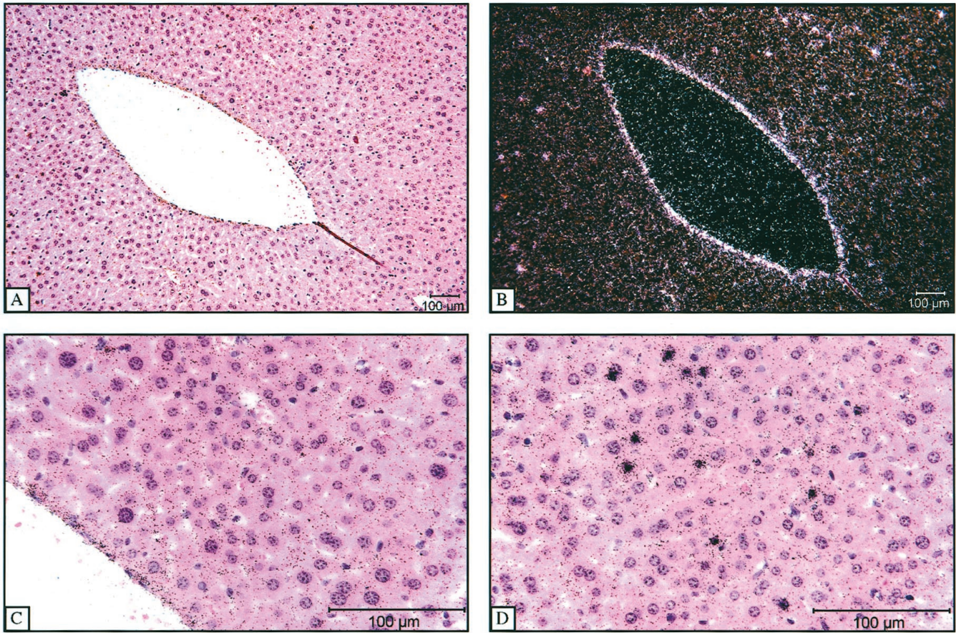
“Sections were deparaffinized, deproteinated in 4 g/ml of proteinase K for 30 minutes at 37°C, and further processed for in situ hybridization as previously described.(44) (33)P-UTP labeled sense and antisense probes were hybridized to the sections at 55°C overnight.”
MethodSelf-citationSignal transduction through beta-catenin and specification of cell fate during embryogenesis.
Miller, J. R., & Moon, R. T. (1996) · Genes & Development · doi:10.1101/gad.10.20.2527 · Cited by 656 · cited 1×
“-catenin is involved in cell adhesion and transmission of the proliferating signal of the Wingless/Wnt pathway.(66,67) Mutations in the gene encoding -catenin typically affect the phosphorylation site thereby inhibiting GSK-3B phosphorylation of -catenin that prevents ubiquitination and degradation.”
BackgroundTomlinson, E., Fu, L., John, L., Hultgren, B., Huang, X., Renz, M., Stephan, J. P., Tsai, S. P., Powell-Braxton, L., French, D., et al. (2002) · Endocrinology · doi:10.1210/endo.143.5.8850 · Cited by 576 · cited 3×
“Construction of the FGF19 transgenic mice was previously described.(40) Briefly, the human FGF19 cDNA(14) was ligated 3 to the pRK splice donor/acceptor site that was preceded by the myosin light chain.”
BackgroundMethodInfluentialSelf-citationCadherins, catenins and APC protein: interplay between cytoskeletal complexes and signaling pathways
Barth, A. I., Näthke, I. S., & Nelson, W. J. (1997) · Current Opinion in Cell Biology · doi:10.1016/s0955-0674(97)80122-6 · Cited by 537 · cited 1×
“-catenin is involved in cell adhesion and transmission of the proliferating signal of the Wingless/Wnt pathway.(66,67) Mutations in the gene encoding -catenin typically affect the phosphorylation site thereby inhibiting GSK-3B phosphorylation of -catenin that prevents ubiquitination and degradation.”
BackgroundFan, C.-Y., Pan, J., Usuda, N., Yeldandi, A. V., Rao, M. S., & Reddy, J. K. (1998) · Journal of Biological Chemistry · doi:10.1074/jbc.273.25.15639 · Cited by 343 · cited 1×
“Similarly, mice lacking peroxisomal fatty acyl-CoA oxidase develop hepatitis followed by hepatocellular regeneration then hepatocellular tumors by 15 months of age.(31) Alternatively, in the absence of inflammation, increased hepatocellular proliferation and subsequent transformation can result from genomic alteration.”
BackgroundKnekt, J�rvinen, R., Dich, J., & Hakulinen, T. (1999) · International Journal of Cancer · doi:10.1002/(sici)1097-0215(19990315)80:6<852::aid-ijc9>3.0.co;2-s · Cited by 321
FGF-19, A NOVEL FIBROBLAST GROWTH FACTOR WITH UNIQUE SPECIFICITY FOR FGFR4
Xie, M.-H., Holcomb, I., Deuel, B., Dowd, P., Huang, A., Vagts, A., Foster, J., Liang, J., Brush, J., Gu, Q., et al. (1999) · Cytokine · doi:10.1006/cyto.1999.0485 · Cited by 301 · cited 4×
“FGF19 was previously shown to selectively bind with high affinity to FGFR4.(14) Although FGFR4 expression has been Figure 1.”
BackgroundInfluentialSelf-citationChesi, M., Brents, L. A., Ely, S. A., Bais, C., Robbiani, D. F., Mesri, E. A., Kuehl, W. M., & Bergsagel, P. L. (2001) · Blood · doi:10.1182/blood.v97.3.729 · Cited by 289
High-level expression of hepatitis B virus HBx gene and hepatocarcinogenesis in transgenic mice
Koike, K., Moriya, K., Iino, S., Yotsuyanagi, H., Endo, Y., Miyamura, T., & Kurokawa, K. (1994) · Hepatology · doi:10.1002/hep.1840190403 · Cited by 287
Jang, J., Shin, K., & Park, J.-G. (2001) · PubMed · Cited by 273
Oncogene-induced liver neoplasia in transgenic mice.
Sandgren, E. P., Quaife, C. J., Pinkert, C. A., Palmiter, R. D., & Brinster, R. L. (1989) · PubMed · Cited by 267
Murakami, H., Sanderson, N. D., Nagy, P., Marino, P. A., Merlino, G. T., & Thorgeirsson, S. S. (1993) · PubMed · Cited by 262
Frequent activation of N-myc genes by hepadnavirus insertion in woodchuck liver tumours
Fourel, G., Trepo, C., Bougueleret, L., Henglein, B., Ponzetto, A., Tiollais, P., & Buendia, M.-A. (1990) · Nature · doi:10.1038/347294a0 · Cited by 249
Stark, K. L., McMahon, J. A., & McMahon, R. P. (1991) · Development · doi:10.1242/dev.113.2.641 · Cited by 228
Hepatocarcinogenesis due to chronic liver cell injury in hepatitis B virus transgenic mice.
Dunsford, H. A., Sell, S., & Chisari, F. V. (1990) · PubMed · Cited by 198
Activation of c-myc by woodchuck hepatitis virus insertion in hepatocellular carcinoma
Hsu, T.-Y., Möröy, T., Etiemble, J., Louise, A., Trépo, C., Tiollais, P., & Buendia, M.-A. (1988) · Cell · doi:10.1016/0092-8674(88)90221-8 · Cited by 192
Factor, V. M., Kiss, A., Woitach, J. T., Wirth, P. J., & Thorgeirsson, S. S. (1998) · Journal of Biological Chemistry · doi:10.1074/jbc.273.25.15846 · Cited by 172
FGF-10 disrupts lung morphogenesis and causes pulmonary adenomas in vivo
Clark, J. C., Tichelaar, J. W., Wert, S. E., Itoh, N., Perl, A.-K. T., Stahlman, M. T., & Whitsett, J. A. (2001) · American Journal of Physiology-Lung Cellular and Molecular Physiology · doi:10.1152/ajplung.2001.280.4.l705 · Cited by 165 · cited 1×
“Transgenic mice overexpressing FGF8 under control of the mouse mammary tumor virus promoter develop breast tumors,(9) and transgenic mice overexpressing FGF10 under the control of a lung-specific promoter form pulmonary adenomas.(10) Mutations or overexpression of FGF receptors have also been implicated in neoplastic…”
BackgroundDORKIN, T. J., Robinson, M. C., Marsh, C., Bjartell, A., Neal, D. E., & Leung, H. Y. (1999) · Oncogene · doi:10.1038/sj.onc.1202624 · Cited by 152
Most tumors in transgenic mice with human c-Ha-ras gene contained somatically activated transgenes.
Saitoh, A., Kimura, M., Takahashi, R., Yokoyama, M., Nomura, T., Izawa, M., Sekiya, T., Nishimura, S., & Katsuki, M. (1990) · PubMed · Cited by 151
Kan, M., Wu, X., Wang, F., & McKeehan, W. L. (1999) · Journal of Biological Chemistry · doi:10.1074/jbc.274.22.15947 · Cited by 149
Development of liver tumors in transforming growth factor alpha transgenic mice.
Lee, G., Merlino, G. T., & Fausto, N. (1992) · PubMed · Cited by 149
Factor, V. M., Laskowska, D., Jensen, M. R., Woitach, J. T., Popescu, N. C., & Thorgeirsson, S. S. (2000) · Proceedings of the National Academy of Sciences · doi:10.1073/pnas.040428797 · Cited by 148 · cited 4×
“This concept has precedence in the TGF- /c-myc double-transgenic mouse model of HCC in which an environment of oxidative stress is present before tumor formation(59) and treatment with vitamin E, a potent free-radical scavenging antioxidant, prevents progression to HCC.(60) We have previously described an increased me…”
BackgroundInfluentialKunz, M., Toksoy, A., Goebeler, M., Engelhardt, E., Br�cker, E.-B., & Gillitzer, R. (1999) · The Journal of Pathology · doi:10.1002/(sici)1096-9896(199912)189:4<552::aid-path469>3.0.co;2-i · Cited by 139
Sandgren, E. P., Luetteke, N., Qiu, T. H., Palmiter, R. D., Brinster, R. L., & Lee, D. C. (1993) · Molecular and Cellular Biology · doi:10.1128/mcb.13.1.320-330.1993 · Cited by 135
Terris, B., Pineau, P., Brégeaud, L., Valla, D. C., Belghiti, J., Tiollais, P., Degott, C., & Dejean, A. (1999) · Oncogene · doi:10.1038/sj.onc.1203051 · Cited by 131
Santoni‐Rugiu, E., Nagy, P., Jensen, M. R., Factor, V. M., & Thorgeirsson, S. S. (1996) · Europe PMC (PubMed Central) · Cited by 120
Calvisi, D. F., Factor, V. M., Loi, R., & Thorgeirsson, S. S. (2001) · PubMed · Cited by 113
Mouse Liver Tumorigenesis: Models, Mechanisms, and Relevance to Human Disease
Fausto, N. (1999) · Seminars in Liver Disease · doi:10.1055/s-2007-1007114 · Cited by 109 · cited 3×
“Several studies investigating the pathogenesis of HCCs reveal that constitutive hepatocellular proliferation is a prerequisite for transformation.(27) Hepatocellular proliferation leading to transformation may be initiated by inflammation.”
BackgroundMethodResultInfluentialSepulveda, A. R., Finegold, M. J., Smith, B., Slagle, B. L., DeMayo, J. L., Shen, R. F., Woo, S. L. C., & Butel, J. S. (1989) · PubMed · Cited by 99
Takagi, H., Sharp, R., Hammermeister, C. L., Goodrow, T. L., Bradley, M. O., Fausto, N., & Merlino, G. T. (1992) · PubMed · Cited by 89
Increased expression of fibroblast growth factor 8 in human breast cancer
Marsh, S. K., Bansal, G., Zammit, C., Barnard, R. C., Coope, R. C., Roberts-Clark, D., Gomm, J. J., Coombes, R. C., & Johnston, C. L. (1999) · Oncogene · doi:10.1038/sj.onc.1202392 · Cited by 88
Tissue-specific expression of rat myosin light-chain 2 gene in transgenic mice
Shani, M. (1985) · Nature · doi:10.1038/314283a0 · Cited by 85 · cited 1×
“Briefly, the human FGF19 cDNA(14) was ligated 3 to the pRK splice donor/acceptor site that was preceded by the myosin light chain.(41) The FGF19 cDNA was also followed by the splice donor/acceptor sites present between the fourth and fifth exons of the human growth hormone gene.”
MethodSandgren, E. P., Luetteke, N., Qiu, T. H., et al. (1993) · Molecular and Cellular Biology · doi:10.1128/mcb.13.1.320 · Cited by 79
Valve, E. M., Nevalainen, M. T., Nurmi, M. J., Laato, M. K., MARTIKAINEN, P. M., & HARKONEN, P. (2001) · Laboratory Investigation · doi:10.1038/labinvest.3780291 · Cited by 70
Hepatic Preneoplasia in Hepatitis B Virus Transgenic Mice
Toshkov, I., Chisari, F. V., & Bannasch, P. (1994) · Hepatology · doi:10.1002/hep.1840200510 · Cited by 68
Goldfarb, S., Pugh, T. D., Koen, H., & He, Y. Z. (1983) · Environmental Health Perspectives · doi:10.1289/ehp.8350149 · Cited by 67
Daphna-Iken, D., Shankar, D. B., Lawshé, A., Ornitz, D. M., Shackleford, G. M., & MacArthur, C. A. (1998) · Oncogene · doi:10.1038/sj.onc.1202212 · Cited by 67
FGF-8b increases angiogenic capacity and tumor growth of androgen-regulated S115 breast cancer cells
Mattila, M., Ruohola, J. K., Valve, E. M., Tasanen, M. J., Seppänen, J., & Härkönen, P. L. (2001) · Oncogene · doi:10.1038/sj.onc.1204430 · Cited by 67
Ruohola, J. K., Viitanen, T. P., Valve, E. M., Seppänen, J., Loponen, N., Keskitalo, J. J., Lakkakorpi, P. T., & Härkönen, P. L. (2001) · PubMed · Cited by 65
aFGF immunoreactivity in prostate cancer and its co-localization with bFGF and FGF8
DORKIN, T. J., Robinson, M., Marsh, C., Neal, D. E., & Leung, H. Y. (1999) · The Journal of Pathology · doi:10.1002/(sici)1096-9896(199912)189:4<564::aid-path480>3.0.co;2-1 · Cited by 62
Peng, S., Hsu, H., Lai, P., Tsung, P.-T., Chu, J.-S., Lee, P., & Chen, D. (1993) · Hepatology · doi:10.1002/hep.1840170108 · Cited by 61
Peng, S., Lai, P. L., Chu, J. S., et al. (1993) · PubMed · Cited by 60
Ogawa, K., Yamada, Y., Kishibe, K., Ishizaki, K., & Tokusashi, Y. (1999) · PubMed · Cited by 59
Role of increased DNA replication in the carcinogenic risk of nonmutagenic chemical carcinogens
Cunningham, M. L. (1996) · Mutation Research/Reviews in Genetic Toxicology · doi:10.1016/s0165-1110(96)90012-3 · Cited by 58
Gebhardt, R., Tanaka, T., & Williams, G. M. (1989) · Carcinogenesis · doi:10.1093/carcin/10.10.1917 · Cited by 48
Schirmacher, P., Held, W. A., Yang, D., Biempica, L., & Rogler, C. E. (1991) · PubMed · Cited by 46
Glutamine synthetase and hepatocarcinogenesis
Rolf, G., & Williams, G. M. (1995) · Carcinogenesis · doi:10.1093/carcin/16.8.1673 · Cited by 42
FGF-2 abnormalities in B cell chronic lymphocytic and chronic myeloid leukemias
Krejčí, P., Dvořáková, D., Krahulcová, E., Pacherník, J., Mayer, J., Hampl, A., & Dvořák, P. (2001) · Leukemia · doi:10.1038/sj.leu.2402012 · Cited by 42 · cited 1×
“In addition, elevated circulating levels of FGF2 were demonstrated in patients with B-cell chronic lymphocytic leukemia and chronic myeloid leukemia.(8) Mouse models overexpressing FGFs further implicate FGF family members in the pathogenesis of cancer.”
BackgroundExpression of FGFR-4 mRNA in developing mouse tissues
Korhonen, J., Partanen, J. M., & Alitalo, K. K. (1992) · The International Journal of Developmental Biology · doi:10.1387/ijdb.1326315 · Cited by 39
Stewart, T. A., Clift, S., Pitts-Meek, S., Martin, L., Terrell, T. G., Liggitt, D., & Oakley, H. (1992) · Endocrinology · doi:10.1210/endo.130.1.1727714 · Cited by 37 · cited 1×
“The FGF19 cDNA was also followed by the splice donor/acceptor sites present between the fourth and fifth exons of the human growth hormone gene.(42) The entire expression fragment was purified free from contaminating vector sequences and injected into one-cell mouse eggs derived from FVB FVB matings.”
MethodSelf-citationAn Optimized Protocol for In Situ Hybridization Using PCR-Generated 33P-Labeled Riboprobes
Lu, L. H., & Gillett, N. A. (1996) · Birkhäuser Boston eBooks · doi:10.1007/978-1-4612-4166-9_8 · Cited by 28 · cited 1×
“Primers included extensions encoding 27-nucleotide T7 or T3 RNA polymerase initiation sites to allow in vitro transcription of sense or anti-sense probes, respectively, from the amplified products.(43) Sections were deparaffinized, deproteinated in 4 g/ml of proteinase K for 30 minutes at 37°C, and further processed f…”
MethodRosa, S. L., Sessa, F., Colombo, L., Tibiletti, M. G., Furlan, D., & Capella, C. (2001) · Journal of Clinical Pathology · doi:10.1136/jcp.54.1.37 · Cited by 27
Integration of hepatitis virus DNA near c-myc in woodchuck hepatocellular carcinoma
Hsu, T.-Y., Fourel, G., Étiemble, J., Tiollais, P., & Buendia, M. (1990) · Gastroenterologia Japonica · doi:10.1007/bf02779927 · Cited by 22
Centrilobular distribution of diethylnitrosamine-induced hepatocellular foci in the mouse.
Koen, H., Pugh, T. D., & Goldfarb, S. (1983) · PubMed · Cited by 20
Araki, K., Hino, O., Miyazaki, J., & Yamamura, K. (1991) · Carcinogenesis · doi:10.1093/carcin/12.11.2059 · Cited by 15 · cited 1×
“Tumor induction without preceding inflammation or necrosis also occurs in transgenic mice overexpressing TGF,(19,20,35,36) c-myc,(20) c-Ha-ras,(21) or SV40 large T antigen.(37,38) The results of this study indicate that tumors arise from pericentral hepatocytes after increased proliferation and dysplasia.”
BackgroundChemically induced cell proliferation as a criterion in selecting doses for long-term bioassays.
Swenberg, J. A., & Maronpot, R. R. (1991) · PubMed · Cited by 11
Hepatocarcinogenesis in transgenic mice.
Sandgren, E. P., & Merlino, G. T. (1995) · PubMed · Cited by 5
Research works printed but not linked: 1
- 54. Harada T, Enomoto A, Boorman GA, Maronpot RR: Liver and Gallbladder. Pathology of the Mouse. Edited by RR Maronpot, GA Boorman, BW Gaul. Vienna, Cache River Press, 1999, pp 119-183
Cited by
Fibroblast growth factor signalling: from development to cancer
Turner, N., & Grose, R. (2010) · Nature Reviews Cancer · doi:10.1038/nrc2780 · Cited by 2,693
FGF-21 as a novel metabolic regulator
Kharitonenkov, A., Shiyanova, T. L., Koester, A., Ford, A. M., Micanovic, R., Galbreath, E. J., Sandusky, G. E., Hammond, L. J., Moyers, J. S., Owens, R. A., et al. (2005) · Journal of Clinical Investigation · doi:10.1172/jci23606 · Cited by 2,125
“Furthermore, wild-type mice that were injected with FGF-19 for 6 days had an increase in hepatocellular proliferation (26).”
BackgroundThe FGF family: biology, pathophysiology and therapy
Beenken, A., & Mohammadi, M. (2009) · Nature Reviews Drug Discovery · doi:10.1038/nrd2792 · Cited by 1,945
Fibroblast growth factor 15 functions as an enterohepatic signal to regulate bile acid homeostasis
Inagaki, T., Choi, M., Moschetta, A., Peng, L., Cummins, C. L., McDonald, J. G., Luo, G., Jones, S. A., Goodwin, B., Richardson, J. A., et al. (2005) · Cell Metabolism · doi:10.1016/j.cmet.2005.09.001 · Cited by 1,865
Genetic landscape and biomarkers of hepatocellular carcinoma
Zucman-Rossi, J., Villanueva, A., Nault, J.-C., & Llovet, J. M. (2015) · Gastroenterology · doi:10.1053/j.gastro.2015.05.061 · Cited by 1,325
Metadata
- Authors
- Nicholes, K., Guillet, S., Tomlinson, E., Hillan, K., Wright, B., Frantz, G. D., Pham, T. A., Dillard-Telm, L., Tsai, S. P., Stephan, J.-P., Stinson, J., Stewart, T., & French, D. M.
- Affiliations
- Genentech (US)
- ORCID
- Tsai, Siao Ping
- Venue
- The American Journal of Pathology
- Publisher
- Elsevier BV
- Published
- 2002-06
- Volume
- 160
- Issue
- 6
- Pages
- 2295-2307
- ISSN
- 0002-9440 (ISSN-L)
- PMC
- PMC1850847
- OpenAlex
- W1539520316
- Cited by
- 359
- References
- 77
- Citations by year
- 2026: 7 · 2025: 9 · 2024: 18 · 2023: 14 · 2022: 21 · 2021: 24 · 2020: 30 · 2019: 29 · 2018: 29 · 2017: 22 · 2016: 18 · 2015: 29 · 2014: 16 · 2013: 14 · 2012: 24
- FWCI
- 1.39
- Type
- journal article
- Language
- en
- Open access
- green
- www.ncbi.nlm.nih.gov
- Licence
- www.elsevier.com/tdm/userlicense/1.0/ (tdm)
- Locations
- American Journal Of Pathology (publishedVersion)
- PubMed Central (publishedVersion)
- PubMed (publishedVersion)
- Topics
- Life Sciences › Biochemistry, Genetics and Molecular Biology › Molecular Biology › Fibroblast Growth Factor Research
- Health Sciences › Medicine › Hepatology › Hepatocellular Carcinoma Treatment and Prognosis
- Health Sciences › Medicine › Hepatology › Liver physiology and pathology
- Keywords
- hepatocellular carcinoma, FGF19, transgenic mice, alpha-fetoprotein, hepatocyte proliferation, glutamine synthetase, β-catenin, Wnt signaling, CTNNB1 mutation, tumor origin
- MeSH terms
- Amino Acid Sequence, Animals, Bromodeoxyuridine, Cell Division, Cytoskeletal Proteins, Disease Models, Animal, DNA, Neoplasm, Enzyme-Linked Immunosorbent Assay, Fibroblast Growth Factors, Humans, Immunohistochemistry, Liver, Liver Neoplasms, Experimental, Mice, Transgenic, Molecular Sequence Data, Mutation, Proto-Oncogene Proteins, Recombinant Proteins, Trans-Activators, Receptors, Fibroblast Growth Factor, Muscle, Skeletal, Amino Acid Substitution, Zebrafish Proteins, Wnt Proteins, beta Catenin, Mice, Receptor, Fibroblast Growth Factor, Type 4
About these checks
Registry, retraction, Cites and statistics results are computed, not judged, with one exception: a printed reference that no index lists is read once by a model before it counts as a citation error. Claims are extracted by a model and kept only when their quote appears verbatim in the text; each cited source is then checked, with a model’s help, for whether it says what the claim relies on. Those verdicts can be wrong — read the claim’s quote and the cited source before relying on one.
Statistics and arithmetic are recomputed, not judged.
Confidence bands are shown only for fields calibrated on our annotated test set. None is calibrated yet, so no band is shown.
What counts as a claim ›How we measure confidence ›How we check this ›
Are you an author, or do you see a problem with this page? Request a review
Data sources
Bibliographic data: Semantic Scholar, OpenAlex, Crossref.
Contains information from the Semantic Scholar Academic Graph Datasets, made available under the ODC Attribution License (ODC-BY 1.0).
Semantic Scholar’s data is described in: Kinney, R., et al. (2023). The Semantic Scholar Open Data Platform. arXiv:2301.10140.
