

Control of urinary bladder function with devices: successes and failures
The DOI matches its Crossref record; 197 of the 197 references it cites were found in a registry or an index.
Abstract
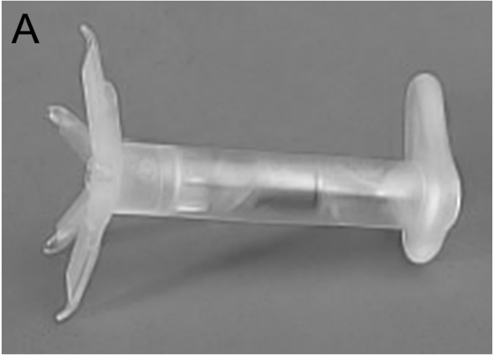
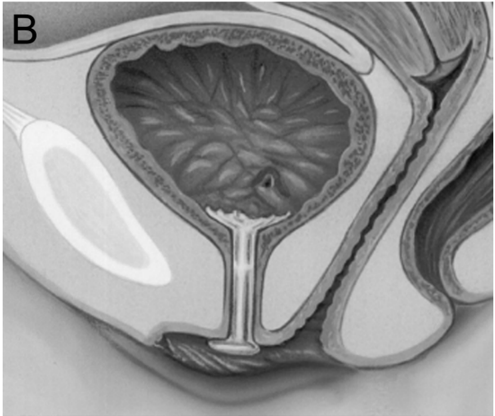
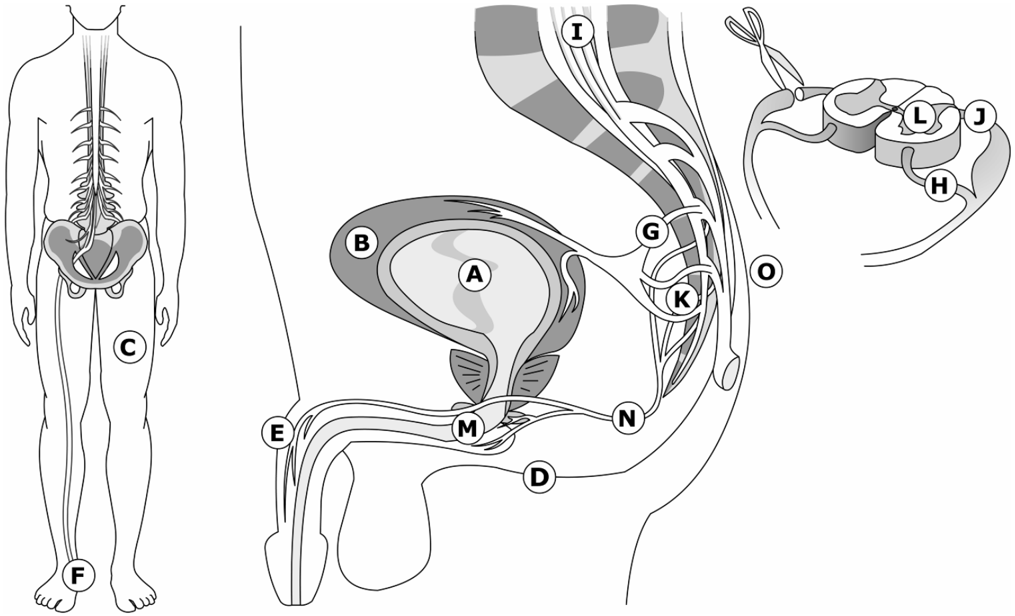
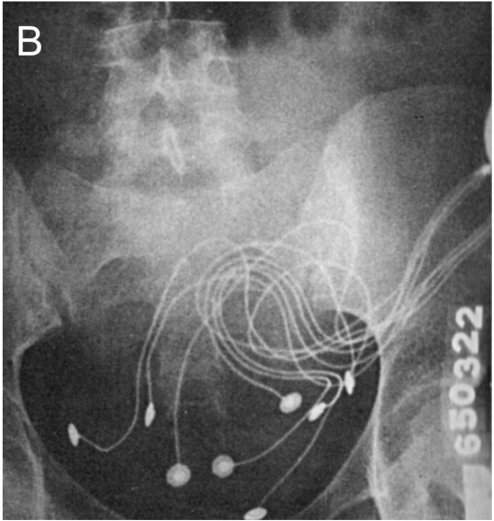
The management of urinary tract dysfunction is crucial for the health and well-being of people with spinal cord injury. Devices, specifically catheters, play an important role in the daily regime of bladder management for most people with spinal cord injury. However, the high incidence of complications associated with the use of catheters, and the fact that the spinal segments involved in lower urinary tract control remain intact in most cord-injured people, continue to motivate research into devices that could harness the nervous system to provide greater control over lower urinary tract function. Mechanical devices discussed in this review include catheters, artificial urethral sphincters, urethral stents and intraurethral pumps. Additionally, many attempts to restore control of the lower urinary tract with electrical stimulation have been made. Stimulation sites have included: inside the bladder, bladder wall, thigh, pelvic floor, dorsal penile nerve, pelvic nerve, tibial nerve, sacral roots, sacral nerves and spinal cord. Catheters and sacral root stimulators are two techniques whose efficacy is well established. Some approaches have proven less successful and others are still in the development stage. Modifications to sacral root stimulation including posterior root stimulation, anodal blockade and high-frequency blockade as well as new techniques including intraspinal microstimulation, urethral afferent stimulation and injectable microstimulators are also discussed. No…
Overview
The claims and statistics of this paper haven’t been checked yet.
Free: it reads the open-access text and checks the first 5 claims that cite a source we can check. Create a free account to check every claim.
Integrity signals
Registry
Cites
Statistics
Figures
Verification
Claims the paper makes
The claims and statistics of this paper haven’t been checked yet.
Free: it reads the open-access text and checks the first 5 claims that cite a source we can check. Create a free account to check every claim.
Self-check
Percentages, sums and reported differences re-computed from the paper’s own numbers.
The self-check needs the paper’s full text.
Citations
Cites
Targeting Recovery: Priorities of the Spinal Cord-Injured Population
Anderson, K. D. (2004) · Journal of Neurotrauma · doi:10.1089/neu.2004.21.1371 · Cited by 2,094 · cited 2×
“In addition to these clinical considerations, effective management of lower urinary tract dysfunction is generally outranked in its importance to patients only by the desire for hand function in people with quadriplegia and sex function in people with paraplegia (Anderson, 2004).”
BackgroundMcDonald, J. W., & Sadowsky, C. (2002) · The Lancet · doi:10.1016/s0140-6736(02)07603-1 · Cited by 1,799
Clean, Intermittent Self-Catheterization in the Treatment of Urinary Tract Disease
Lapides, J., Diokno, A. C., Silber, S. J., & Lowe, B. S. (1972) · Journal of Urology · doi:10.1016/s0022-5347(17)61055-3 · Cited by 1,127
Clean, Intermittent Self-Catheterization in the Treatment of Urinary Tract Disease
Lapides, J., Diokno, A. C., Silber, S. J., & Lowe, B. S. (2017) · Journal of Urology · doi:10.1016/j.juro.2016.10.097 · Cited by 1,011
Charge density and charge per phase as cofactors in neural injury induced by electrical stimulation
McCreery, D. B., Agnew, W. F., Yuen, T. G. H., & Bullara, L. (1990) · IEEE Transactions on Biomedical Engineering · doi:10.1109/10.102812 · Cited by 708 · cited 1×
“Depending on the currents required, long duration pulses can lead to irreversible electrochemical reactions at the electrodes and eventual nerve damage (McCreery et al., 1990).”
BackgroundCo-activation of the abdominal and pelvic floor muscles during voluntary exercises
Sapsford, R. R., Hodges, P. W., Richardson, C. A., Cooper, D. H., Markwell, S. J., & Jull, G. A. (2001) · Neurourology and Urodynamics · doi:10.1002/1520-6777(2001)20:1<31::aid-nau5>3.0.co;2-p · Cited by 506
Nervous Control of Micturition
Kuru, M. (1965) · Physiological Reviews · doi:10.1152/physrev.1965.45.3.425 · Cited by 495
Spinal Cord Injury: Clinical Outcomes from the Model Systems
Stover, S. L., DeLisa, J. A., & Whiteneck, G. G. (1995) · Medical Entomology and Zoology · Cited by 463
Long-term survival in spinal cord injury: a fifty year investigation
Frankel, H. L., Coll, J. R., Charlifue, S. W., Whiteneck, G. G., Gardner, B. P., Jamous, M. A., Krishnan, K. R., Nuseibeh, I., Savic, G., & Sett, P. (1998) · Spinal Cord · doi:10.1038/sj.sc.3100638 · Cited by 449 · cited 3×
“This used to be the leading cause of death after spinal cord injury, but has dropped to fourth position in recent decades (Frankel et al., 1998) with improved treatment methods (Jamil, 2001).”
BackgroundElectrical Stimulation in the Clinical Management of the Neurogenic Bladder
Tanagho, E. A., & Schmidt, R. A. (1988) · Journal of Urology · doi:10.1016/s0022-5347(17)42038-6 · Cited by 425 · cited 3×
“In the early 1980’s, Tanagho and Schmidt began implanting extradural sacral root stimulators in patients (Tanagho and Schmidt, 1988; Tanagho et al., 1989).”
Background
Research works printed but not linked: 4
- Benda, B.J., Houdayer, T., Creasey, G., Betz, R.R., Smith, B.T., Johnston, T.E., Davis, R. (2003) The Praxis FES system and bladder/bowel management in patients with spinal cord injury. In: Meadows, P. (Ed.). IFESS Conference Proceedings. Brisbane, Australia.
- Prochazka, A., Gaunt, R.G., Mushahwar, V., Downie, J.W., Shefchyk, S.J. (2003a) Functional microstimulation of the lumbosacral spinal cord: Quarterly Report #6. NIH-NINDS contract N01-NS-2-2342.
- Prochazka, A., Mushahwar, V., Downie, J.W., Shefchyk, S.J. (2002a) Functional microstimulation of the lumbosacral spinal cord: Quarterly Report #1. NIH-NINDS contract N01-NS-2-2342.
- Prochazka, A., Mushahwar, V., Downie, J.W., Shefchyk, S.J., Gaunt, R.G. (2003b) Functional microstimulation of the lumbosacral spinal cord: Quarterly Report #5. NIH-NINDS contract N01-NS-2-2342.
Cited by
Early sacral neuromodulation prevents urinary incontinence after complete spinal cord injury
Sievert, K., Amend, B., Gakis, G., Toomey, P., Badke, A., Kaps, H.-P., & Stenzl, A. (2009) · Annals of Neurology · doi:10.1002/ana.21814 · Cited by 217
Functional Electrical Stimulation and Spinal Cord Injury
Ho, C. H., Triolo, R. J., Elias, A. L., Kilgore, K. L., DiMarco, A. F., Bogie, K., Vette, A. H., Audu, M. L., Kobetic, R., Chang, S. R., et al. (2014) · Physical Medicine and Rehabilitation Clinics of North America · doi:10.1016/j.pmr.2014.05.001 · Cited by 203
“FES offers a means to restore LUT function by activating the bladder and inhibiting the urethral sphincter to produce voiding or by inhibiting the bladder to provide urinary continence and reduce triggers for AD and restore LUT function.(73) The Brindley approach was the first widely clinically available FES system fo…”
BackgroundSteuer, I., & Guertin, P. A. (2018) · Reviews in the Neurosciences · doi:10.1515/revneuro-2017-0102 · Cited by 126
Neuroprosthetic technology for individuals with spinal cord injury
Collinger, J. L., Foldes, S. T., Bruns, T. M., Wodlinger, B., Gaunt, R. A., & Weber, D. J. (2013) · Journal of Spinal Cord Medicine · doi:10.1179/2045772313y.0000000128 · Cited by 100
Self-citationNon-invasive Neuromodulation of Spinal Cord Restores Lower Urinary Tract Function After Paralysis
Gad, P. N., Kreydin, E. I., Zhong, H., Latack, K. R., & Edgerton, V. R. (2018) · Frontiers in Neuroscience · doi:10.3389/fnins.2018.00432 · Cited by 97
“Several neuromodulation systems have been previously developed to improve LUT function after SCI (Gaunt and Prochazka, 2006).”
BackgroundElectrical stimulation for the treatment of lower urinary tract dysfunction after spinal cord injury
McGee, M. J., Amundsen, C. L., & Grill, W. M. (2015) · The Journal of Spinal Cord Medicine · doi:10.1179/2045772314y.0000000299 · Cited by 80
Intraspinal microstimulation for the recovery of function following spinal cord injury
Bamford, J. A., & Mushahwar, V. K. (2011) · Progress in brain research · doi:10.1016/b978-0-444-53815-4.00004-2 · Cited by 89
“Therefore, some have concluded that employing it to restore lower urinary tract function after SCI in humans may not be worth the risks associated with long-term implantation (Gaunt and Prochazka, 2006).”
BackgroundGaunt, R. A., & Procházka, A. (2008) · Neurorehabilitation and neural repair · doi:10.1177/1545968308328723 · Cited by 82
“Numerous devices and techniques have been proposed to modify bladder and sphincter function after SCI.4 However, very few of these devices have been successful.”
BackgroundSelf-citationMicrochannels as Axonal Amplifiers
FitzGerald, J. J., Lacour, S. P., McMahon, S. B., & Fawcett, J. W. (2008) · IEEE Transactions on Biomedical Engineering · doi:10.1109/tbme.2007.909533 · Cited by 76
“Functional electrical stimulation (FES) has been successfully used at various sites including the peroneal nerve (treatment of foot drop) [3], phrenic nerve (restoration of breathing in tetraplegic patients) [4], and anterior sacral roots (treatment of bladder dysfunction in paraplegia) [ 5 ].”
MethodTranslating promising strategies for bowel and bladder management in spinal cord injury
Wheeler, T. L., de Groat, W., Eisner, K., Emmanuel, A. V., French, J., Grill, W. M., Kennelly, M., Krassioukov, A. V., Santacruz, B. G., Biering‐Sørensen, F., et al. (2018) · Experimental Neurology · doi:10.1016/j.expneurol.2018.05.006 · Cited by 73
“This device showed positive results in over 2000 users worldwide (Gaunt and Prochazka, 2006), many of whom reported experiencing benefits to defecation, as well.”
BackgroundImproved focalization of electrical microstimulation using microelectrode arrays: a modeling study
Joucla, S., & Yvert, B. (2009) · PLoS ONE · doi:10.1371/journal.pone.0004828 · Cited by 68
“Currently, peripheral nerve, deep brain, and spinal cord stimulation paradigms are also used routinely for clinical restoration of lost motor function [1] and treatments of neurological disorders such as neuropathic pain [2], movement disorders, Parkinson disease [3], or epilepsy [4].”
BackgroundTator, C. H., Minassian, K., & Mushahwar, V. K. (2012) · Handbook of clinical neurology · doi:10.1016/b978-0-444-52137-8.00018-8 · Cited by 65
A 3D Printed Implantable Device for Voiding the Bladder Using Shape Memory Alloy (SMA) Actuators
Hassani, F. A., Peh, W. Y. X., Gammad, G. G. L., Mogan, R. P., Ng, T. K., Kuo, T. L. C., Ng, L. G., Luu, P., Yen, S., & Lee, C. (2017) · Advanced Science · doi:10.1002/advs.201700143 · Cited by 62
Possover, M., Schurch, B., & Henle, K.-P. (2010) · Neurourology and Urodynamics · doi:10.1002/nau.20897 · Cited by 56
“Other electrical stimulation techniques currently under investigation also show promise,(2) but until now, no clinical device can be said to have solved the problem of bladder control as low-pressure physiological emptying cannot be reproduced yet, and no device has successfully incorporated methods to produce both em…”
MethodRajagopalan, S., Sawan, M., Ghafar‐Zadeh, E., Savadogo, O., & Chodavarapu, V. P. (2008) · Sensors · doi:10.3390/s8085081 · Cited by 55
Microchannel Electrodes for Recording and Stimulation:In Vitro Evaluation
FitzGerald, J. J., Lacour, S. P., McMahon, S. B., & Fawcett, J. W. (2009) · IEEE Transactions on Biomedical Engineering · doi:10.1109/tbme.2009.2013960 · Cited by 45
“Nerve cuffs may be regarded as the most mature technology as they have reached clinical use in diverse applications including phrenic nerve stimulation for diaphragmatic pacing [3], peroneal nerve stimulation for foot drop [4], sacral root stimulation for bladder control in paraplegia [5], and vagus nerve stimulation…”
BackgroundSelective extracellular stimulation of individual neurons in ganglia
Lu, H., Chestek, C. A., Shaw, K. M., & Chiel, H. J. (2008) · Journal of Neural Engineering · doi:10.1088/1741-2560/5/3/003 · Cited by 49
“…in order to restore function, e.g. visual perception (Mokwa 2007, Winter et al 2007), auditory perception (Spelman 2006, Lenarz et al 2006), control of micturition (Gaunt and Prochazka 2006, Jezernik et al 2002) and spinal and motor cortical function (Barbeau et al 1999, Cioni et al 2007).”
Nanostructured Coatings for Improved Charge Delivery to Neurons
Kozai, T. D. Y., Alba, N. A., Zhang, H., Kotov, N. A., Gaunt, R. A., & Cui, X. T. (2014) · Springer eBooks · doi:10.1007/978-1-4899-8038-0_4 · Cited by 48
“FES has been applied to aid in standing, walking, and basic handgrips and for restoring bowel and bladder function [13–15].”
MethodSelf-citationBrain-controlled muscle stimulation for the restoration of motor function
Éthier, C., & Miller, L. E. (2014) · Neurobiology of Disease · doi:10.1016/j.nbd.2014.10.014 · Cited by 46
“…or restoremotor function in patients, enabling them to improve their gait (Daly et al., 2011;Granat et al., 1993; Thrasher et al., 2005), grasp objects (Alon and McBride, 2003; Peckham et al., 1980, 2001; Popovic et al., 2002), and to augment bowel and bladder function (Gaunt and Prochazka, 2006).”
Fascicle specific targeting for selective peripheral nerve stimulation
Overstreet, C. K., Cheng, J., & Keefer, E. W. (2019) · Journal of Neural Engineering · doi:10.1088/1741-2552/ab4370 · Cited by 44
Bladder Monitoring Systems: State of the Art and Future Perspectives
Semproni, F., Iacovacci, V., & Menciassi, A. (2022) · IEEE Access · doi:10.1109/access.2022.3221816 · Cited by 42
“Catheters and urinary prostheses: (a) Indwelling/Intermittent Urinary catheters [26], Copyright 2016, Springer Science Business Media Dordrecht, (b) External impedance pump (called URODEA) (provided by the courtesy of URODEA), and (c) Intraurethral valve pump for women (called InFlow) [249], Copyright 2009, American C…”
MethodVariable Patterned Pudendal Nerve Stimuli Improves Reflex Bladder Activation
Bruns, T. M., Bhadra, N., & Gustafson, K. J. (2008) · IEEE Transactions on Neural Systems and Rehabilitation Engineering · doi:10.1109/tnsre.2007.914460 · Cited by 41
“in loss of reflex erection and defecation [4], [5].”
BackgroundNeurophysiology and neural engineering: a review
Procházka, A. (2017) · Journal of Neurophysiology · doi:10.1152/jn.00149.2017 · Cited by 40
Bîrlea, S. I., Breen, P. P., Corley, G. J., Bîrlea, N. M., Quondamatteo, F., & OLaighin, G. M. (2014) · Physiological Measurement · doi:10.1088/0967-3334/35/2/231 · Cited by 38
“…standing or walking (Lyons et al 2002b, Mushahwar et al 2007, Popović et al 2008), upper-limb motor restoration following stroke (Mangold et al 2009, Chan et al 2009, Chan et al 2006) and control of respiratory (Gollee et al 2008) and bladder function (Gaunt and Prochazka 2006, Sawan et al 2008).”
BackgroundInfluentialMcGee, M. J., & Grill, W. M. (2013) · Neurourology and Urodynamics · doi:10.1002/nau.22474 · Cited by 36
Low-cost carbon thick-film strain sensors for implantable applications
Gutierrez, C. A., & Meng, E. F. (2010) · Journal of Micromechanics and Microengineering · doi:10.1088/0960-1317/20/9/095028 · Cited by 36
Novel Neurostimulation of Autonomic Pelvic Nerves Overcomes Bladder-Sphincter Dyssynergia
Peh, W. Y. X., Mogan, R. P., Thow, X. Y., Chua, S. M., Rusly, A., Thakor, N. V., & Yen, S.-C. (2018) · Frontiers in Neuroscience · doi:10.3389/fnins.2018.00186 · Cited by 35
“Implantation of a neuromodulation device is a possible alternative when neither non-surgical bladder management options (such as intermittent catheterization, which may not be suitable for patients who are physically unable to perform the procedure themselves, or have psychological barriers to performing the procedure…”
BackgroundFlexible epineural strip electrode for recording in fine nerves
Lee, S., Yen, S.-C., Sheshadri, S., Martinez, I. D., Xue, N., Xiang, Z., Thakor, N. V., & Lee, C. (2016) · IEEE Transactions on Biomedical Engineering · doi:10.1109/tbme.2015.2466442 · Cited by 33
Microstimulation of afferents in the sacral dorsal root ganglia can evoke reflex bladder activity
Bruns, T. M., Weber, D. J., & Gaunt, R. A. (2014) · Neurourology and Urodynamics · doi:10.1002/nau.22514 · Cited by 32
“This is an undesirable effect when the stimulation objective is to empty the bladder, which is a frequently investigated yet elusive goal for people with spinal cord injury.(2) Activation of these opposing functions may be avoided if appropriate populations of afferent fibers within individual pudendal nerve branches…”
BackgroundSelf-citationEvaluation of high-density, multi-contact nerve cuffs for activation of grasp muscles in monkeys
Brill, N. A., Naufel, S. N., Polasek, K., Ethier, C., Cheesborough, J., Agnew, S., Miller, L. E., & Tyler, D. J. (2018) · Journal of Neural Engineering · doi:10.1088/1741-2552/aa8735 · Cited by 28
“FES has been used to assist or restore gait [5]–[7], the ability to grasp objects [4], [8]–[11] and to augment bowel and bladder function [12].”
MethodMeeting Proceedings for SCI 2020: Launching a Decade of Disruption in Spinal Cord Injury Research
Morse, L. R., Field-Fote, E. C., Contreras-Vidal, J. L., Noble‐Haeusslein, L. J., Rodreick, M., SCI 2020 Working Group, Shields, R. K., Sofroniew, M. V., Wudlick, R., Zanca, J. M., et al. (2020) · Journal of Neurotrauma · doi:10.1089/neu.2020.7174 · Cited by 29
“102 Studies of sacral modulation show improvements in continence, urinary retention, and spontaneous voiding.”
Design and testing of a 96-channel neural interface module for the Networked Neuroprosthesis system
Bullard, A. J., Nason, S. R., Irwin, Z. T., Nu, C. S., Smith, B., Campean, A., Peckham, P. H., Kilgore, K. L., Willsey, M. S., Patil, P. G., et al. (2019) · Bioelectronic Medicine · doi:10.1186/s42234-019-0019-x · Cited by 24
Hysteretic behavior of bladder afferent neurons in response to changes in bladder pressure
Ross, S. E., Sperry, Z. J., Mahar, C., & Bruns, T. M. (2016) · BMC Neuroscience · doi:10.1186/s12868-016-0292-5 · Cited by 23
“Another study has shown a proof of concept closed-loop model using direct pressure monitoring as the feedback signal [53], but this requires a reliable way to directly measure bladder pressure that comes with its own challenges [54].”
The mechanism of action of neuromodulation in the treatment of overactive bladder
Krhút, J., Kobberø, H., Kanaan, R., Fode, M. M., Poulsen, M. H., & Zvara, P. (2024) · Nature Reviews Urology · doi:10.1038/s41585-024-00967-8 · Cited by 23
“This neuromodulatory aspect was pursued and techniques for accessing the sacral nerves through the sacral foramina were developed, improving the speed and invasiveness of the implant procedure 63 .”
Decoding neural activity to predict rat locomotion using intracortical and epidural arrays
Barroso, F. O., Yoder, B., Tentler, D. P., Wallner, J. J., Kinkhabwala, A. A., Jantz, M., Flint, R. D., Tostado-Marcos, P., Pei, E., Satish, A. D. R., et al. (2019) · Journal of Neural Engineering · doi:10.1088/1741-2552/ab0698 · Cited by 21
“FES has been used in a variety of clinical applications, including footdrop, hand use, and control of the bowel and bladder function (Peckham et al 1980, 2001, Granat et al 1993, Popovic et al 2002, 2006, Alon and McBride 2003, Gaunt and Prochazka 2006, Daly et al 2011).”
MethodPikov, V., McCreery, D. B., & Han, M. (2020) · Journal of Neural Engineering · doi:10.1088/1741-2552/abca13 · Cited by 21
Ahmed, Z. (2017) · Journal of Neural Engineering · doi:10.1088/1741-2552/aa76f2 · Cited by 20
Kim, M. K., Kim, H., Jung, Y. S., Adem, K. A., Bawazir, S. S., Stefanini, C., & Lee, H. J. (2017) · Annual International Conference of the IEEE Engineering in Medicine and Biology Society (EMBC) · doi:10.1109/embc.2017.8037177 · Cited by 20
“However, the current bladder monitoring systems still suffer from various limitations, such as discomfort, short monitoring time, inaccuracy due to indirect estimation, and invasiveness [2-5].”
BackgroundFunctional segregation within the pelvic nerve of male rats: a meso‐ and microscopic analysis
Bertrand, M. M., Korajkic, N., Osborne, P. B., & Keast, J. R. (2020) · Journal of Anatomy · doi:10.1111/joa.13221 · Cited by 18
“…the vagus regulates abdominal and thoracic organs, the pelvic organs are instead primarily innervated by more caudal neural circuits that have also become a focus of neuromodulation (Gaunt and Prochazka, 2006; Liberman et al. 2017; Abello and Das, 2018; Kessler et al. 2019; Moore et al. 2019).”
BackgroundMinimizing Stimulus Current in a Wearable Pudendal Nerve Stimulator Using Computational Models
Shiraz, A. N., Craggs, M. D., Leaker, B. R., & Demosthenous, A. (2015) · IEEE Transactions on Neural Systems and Rehabilitation Engineering · doi:10.1109/tnsre.2015.2480755 · Cited by 18
“However, the troublesome side effects of the drugs and frequent episodes of LUT infection due to catheterization demonstrate the need for alternative forms of treatment and management [3].”
BackgroundInternational spinal research trust research strategy. III: A discussion document
Adams, M. S., Carlstedt, T. P., Cavanagh, J., Lemon, R., McKernan, R. M., Priestley, J. V., Raisman, G., & Verhaagen, J. (2006) · Spinal Cord · doi:10.1038/sj.sc.3101963 · Cited by 18
Noninvasive neurophysiological mapping of the lower urinary tract in adult and aging rhesus macaques
Gad, P. N., Kokikian, N., Christe, K. L., Edgerton, V. R., & Havton, L. A. (2018) · Journal of Neurophysiology · doi:10.1152/jn.00840.2017 · Cited by 17
“A potential limitation for all forms of neuromodulation using electrical stimulation to activate the LUT is detrusor-sphincter dyssynergia (Gaunt and Prochazka 2006).”
BackgroundProcházka, A. (2018) · Comprehensive physiology · doi:10.1002/cphy.c180006 · Cited by 17
Closed-loop stimulation of the pelvic nerve for optimal micturition
Peh, W. Y. X., Raczkowska, M. N., Teh, Y., Alam, M., Thakor, N. V., & Yen, S.-C. (2018) · Journal of Neural Engineering · doi:10.1088/1741-2552/aadee9 · Cited by 15
Possover, M., Baekelandt, J. F., Kaufmann, A., & Chiàntera, V. (2007) · Spinal Cord · doi:10.1038/sj.sc.3102065 · Cited by 15
“A number of techniques based on different kinds of stimulation are being investigated to accomplish this, but until now, no clinical device can be said to have solved the bladder control problem”
BackgroundWong, Y. T., Ahnood, A., Maturana, M. I., Kentler, W. G., Ganesan, K., Grayden, D. B., Meffin, H., Prawer, S., Ibbotson, M. R., & Burkitt, A. N. (2018) · Frontiers in Bioengineering and Biotechnology · doi:10.3389/fbioe.2018.00085 · Cited by 14
“, 2015), and urinary bladder function (Gaunt and Prochazka, 2006).”
Miniature Implantable System Dedicated to Bi-Channel Selective Neurostimulation
Mounaïm, F., & Sawan, M. (2007) · IEEE International Symposium on Circuits and Systems proceedings · doi:10.1109/iscas.2007.378506 · Cited by 13
McGee, M. J., Swan, B. D., Danziger, Z. C., Amundsen, C. L., & Grill, W. M. (2017) · Urology · doi:10.1016/j.urology.2017.07.041 · Cited by 13
“Electrical stimulation is an alternative approach for restoration of bladder function that avoids these side effects [3].”
BackgroundMariano, T. Y., Bhadra, N., & Gustafson, K. J. (2009) · Neurourology and Urodynamics · doi:10.1002/nau.20717 · Cited by 11
“Urinary neuroprostheses can improve voiding (Gaunt and Prochazka, 2006) and reduce the costs of post-SCI bladder care (Creasey and Dahlberg, 2001), but often require irreversible dorsal rhizotomy that causes undesirable side effects (Creasey et al.”
BackgroundA wireless, battery-free device for electrical neuromodulation of bladder contractions
Li, J., Deng, G., Li, X., Yin, L., Yuan, C., Shao, W., Xia, X., Yan, J., & Yao, J. (2024) · Materials Today Bio · doi:10.1016/j.mtbio.2024.101233 · Cited by 10
“Previous studies have shown that bladder emptying can be achieved by stimulating the sacral anterior/ventral roots that dominate the bladder muscle[42 – 44].”
BackgroundBuchwalder, S., Hersberger, M., Rebl, H., Seemann, S., Kram, W., Hogg, A., Tvedt, L. G. W., Clausen, I., & Burger, J. (2023) · Polymers · doi:10.3390/polym15173559 · Cited by 10
Nosocomial Urinary Tract Infections
Hooton, T. M. (2010) · Elsevier eBooks · doi:10.1016/b978-0-443-06839-3.00304-0 · Cited by 9
McCoin, J. L., Bhadra, N., Brose, S. W., & Gustafson, K. J. (2014) · Neurourology and Urodynamics · doi:10.1002/nau.22545 · Cited by 8
“All of these are destructive, irreversible procedures that can reduce or eliminate sphincter spasms that inhibit bladder emptying, but they are largely undesirable for patients.(2,3) Sensory stimulation can modulate spinal reflex pathways and affect lower urinary tract function in individuals with SCI.”
BackgroundPhysical Sensors and Measurement
Wang, P., & Liu, Q. (2011) · Advanced topics in science and technology in China · doi:10.1007/978-3-642-19525-9_3 · Cited by 8
Feasibility of Using the Utah Array for Long-Term Fully Implantable Neuroprosthesis Systems
Bullard, A. J. (2019) · Deep Blue (University of Michigan) · Cited by 8
Li, J., Deng, G., Li, X., Yin, L., Yuan, C., Shao, W., Chen, Y., Yao, J., & Yan, J. (2024) · Scientific Reports · doi:10.1038/s41598-024-76499-3 · Cited by 7
“Previous studies have demonstrated a direct neural connection between the MPG and bladder muscle 18 and electrical stimulation of the MPG can induce bladder muscle contraction 10,19,20 .”
BackgroundBruns, T. M., Gustafson, K. J., & Bhadra, N. (2008) · Annual International Conference of the IEEE Engineering in Medicine and Biology Society (EMBC) · doi:10.1109/iembs.2008.4649774 · Cited by 7
Wang, Y., Zhang, X., Liu, M., Pei, W., Wang, K., & Chen, H. (2014) · IEICE Transactions on Information and Systems · doi:10.1587/transinf.2013edp7395 · Cited by 7
Neural stimulation technologies
Andersen, T., Bó, A. P. L., Watkins, G. D., Mohammad, S. S., & McEwan, A. L. (2021) · Elsevier eBooks · doi:10.1016/b978-0-12-820594-5.00011-3 · Cited by 6
Nosocomial Urinary Tract Infections
Hooton, T. M. (2015) · Elsevier eBooks · doi:10.1016/b978-1-4557-4801-3.00304-0 · Cited by 6
Jarrett, L. (2009) · City Research Online (City University London) · Cited by 6
Impaired Motor Function: Functional Electrical Stimulation
(2012) · Springer eBooks · doi:10.1007/springerreference_143732 · Cited by 6
van der Lely, S., Liechti, M. D., Popp, W., Schmidhalter, M. R., Kessler, T. M., & Mehnert, U. (2019) · PLoS ONE · doi:10.1371/journal.pone.0217503 · Cited by 5
100 Jahre Urologie in Deutschland
Pannek, J., Braun, P. M., Diederichs, W., Hohenfellner, M., Junemann, K. P., Madersbacher, H. G., Reitz, A., Schumacher, S., & Stohrer, M. (2006) · Der Urologe · doi:10.1007/s00120-006-1141-4 · Cited by 5
“Eventuell stellen Weiterentwicklungen eine begrenzte Alternative zum intermittierenden Katheterismus dar [16].”
BackgroundImpaired Motor Function: Functional Electrical Stimulation
Stein, R. B., & Procházka, A. (2009) · Springer eBooks · doi:10.1007/978-3-540-69960-6_184 · Cited by 5
Effect of contacts configuration and location on selective stimulation of cuff electrode
Farshi, H. T., Frounchi, J., Ahmadiasl, N., Shahabi, P., & Salekzamani, Y. (2015) · Bio-Medical Materials and Engineering · doi:10.3233/bme-151281 · Cited by 5
“…mature technology as they have reached clinical use in diverse applications including phrenic nerve stimulation for diaphragmatic pacing [2], peroneal nerve stimulation for foot drop [3], sacral root stimulation for bladder control in paraplegia [4] and vagus nerve stimulation for epilepsy [5].”
Furness, J. B., Shafton, A. D., Hirst, G. D. S., & O’Connell, H. E. (2010) · Neurourology and Urodynamics · doi:10.1002/nau.20835 · Cited by 4
Ojha, R., Singh, A., George, J., & Chandy, B. R. (2023) · Journal of Neurosciences in Rural Practice · doi:10.25259/jnrp_27_2023 · Cited by 3
“[10,11] Many researchers have used percutaneous tibial nerve (PTN) stimulation technique with a needle electrode, as anode, is inserted posterior to the medial malleolus and a surface electrode, as cathode, over the ipsilateral calcaneus with maximum current strength of 10 mA was used.”
Das, A., Deb, A., Basak, T. K., & Saha, A. (2015) · International Journal of Biomedical Engineering and Technology · doi:10.1504/ijbet.2015.066974 · Cited by 3
100 Jahre Urologie in Deutschland: Neuro-Urologie
Pannek, J., Braun, P. M., Diederichs, W., Hohenfellner, M., Junemann, K. P., Madersbacher, H. G., Reitz, A., Schumacher, S., & Stohrer, M. (2006) · Urologe A · Cited by 3
433 MHz implantable wireless stimulation of spinal nerves
Carmo, J. P., Ribeiro, J. C., Ribeiro, J. F., Silva, M. F., Mendes, P. M., & Correia, J. H. (2010) · IEEE International Conference on Electronics, Circuits and Systems (ICECS) · doi:10.1109/icecs.2010.5724494 · Cited by 3
Jen, E., Lin, C., Hsieh, T.-H., Chiu, Y.-C., Lu, T.-C., Chen, S.-C., Chen, M.-C., & Peng, C. (2017) · Journal of Medical and Biological Engineering · doi:10.1007/s40846-017-0326-1 · Cited by 3
The stimulus router system: A novel neural prosthesis
Gan, L. S. (2010) · ERA: Education and Research Archive (University of Alberta) · doi:10.7939/r3c98d · Cited by 3
Functional Electrical Stimulation
Stein, R. B. (2009) · Elsevier eBooks · doi:10.1016/b978-008045046-9.01313-9 · Cited by 3
Bauer, S., Grassner, L., Maier, D. D., Aigner, L., Lusuardi, L., Peters, J., Mach, O., Roider, K., Beyerer, E., Kleindorfer, M., et al. (2025) · Journal of Clinical Medicine · doi:10.3390/jcm14031031 · Cited by 2
Selective stimulation of peripheral motor nerve using a flexible split-ring electrode
Lee, S., Sheshadri, S., Xue, N., Sun, T., Lee, C., Thakor, N. V., Yen, S., & Delgado-Martínez, I. (2015) · International IEEE/EMBS Conference on Neural Engineering · doi:10.1109/ner.2015.7146657 · Cited by 2
“Other foreseeable applications would be in neurotherapeutic applications such as the functional restoration of visceral nerves, phrenic nerve in bladder dysfunctions [13] or the vagus nerve for cardiac or enteric control [14].”
BackgroundRe-innervation of smooth muscle that is transplanted to provide urethral sphincter augmentation
Furness, J. B., Pontell, L. J., Ferens, D. M., Bramich, N. J., McKeon, B., & O’Connell, H. E. (2010) · Autonomic Neuroscience · doi:10.1016/j.autneu.2010.08.006 · Cited by 2
“Numerous methods to deal with the problem have been developed, including slings (most commonly pubovaginal slings for female incontinence), mechanical devices, such as the artificial urinary sphincter (AUS), bulking agents and catheterisation to collect urine (Anger et al., 2007; Catti et al., 2008; Gaunt and Prochazk…”
Neural Prostheses for Neurotrauma
Procházka, A. (2016) · Springer eBooks · doi:10.1007/978-1-4899-7654-3_24 · Cited by 2
Rehabilitation of Individuals With Cancer
Mayer, R. S. (2020) · Elsevier eBooks · doi:10.1016/b978-0-323-47674-4.00048-7 · Cited by 2
Translating Electric KHFAC and DC Nerve Block from Research to Application
Franke, M. (2014) · OhioLink ETD Center (Ohio Library and Information Network) · doi:10.13140/rg.2.1.4496.1445 · Cited by 2
Geisler, F. H., & Coleman, W. P. (2009) · Springer eBooks · doi:10.1007/978-0-387-77893-8_14 · Cited by 3
Rech, F., & Civit, T. (2015) · EMC - Aparato Locomotor · doi:10.1016/s1286-935x(15)72892-3 · Cited by 2
Bladder Volume Decoding from Afferent Neural Activity
Méndez, A. (2013) · PolyPublie (École Polytechnique de Montréal) · Cited by 2
Mounaïm, F. (2013) · PolyPublie (École Polytechnique de Montréal) · Cited by 2
Modulating and Monitoring Autonomic Nerves for Glycemic Control
Jiman, A. A. (2020) · Deep Blue (University of Michigan) · Cited by 2
Effects and Mechanisms of Patterned Electrical Stimulation of Pudendal Afferents for Bladder Control
McGee, M. J. (2015) · DukeSpace (Duke University) · Cited by 2
Impact of Neurogenic Lower Urinary Tract Dysfunction on Bowel Symptoms
Burton, C., Khorsandi, S., & Comiter, C. V. (2023) · Current Bladder Dysfunction Reports · doi:10.1007/s11884-023-00702-w · Cited by 1
Mechanism to translation: Neural prostheses for the lower urinary tract
Jantz, M., & Gaunt, R. A. (2025) · Current Opinion in Biomedical Engineering · doi:10.1016/j.cobme.2025.100590 · Cited by 1
Self-citationZhao, X.-T., Wang, Z., & Lv, X. (2013) · Progress In Electromagnetics Research B · doi:10.2528/pierb13082806 · Cited by 1
“Currently, peripheral nerve, deep brain, and spinal cord stimulation paradigms are also used routinely for clinical restoration of lost motor function [1] and treatments of neurological disorders such as neuropathic pain [2], movement disorders, Parkinson disease [3], or epilepsy [4].”
Early Sacral Neuromodulation in Spinal Cord Injury—Can It Regenerate Nerves?
Cohn, J. A., Kaufman, M. R., Dmochowski, R. R., Kowalik, C. G., Milam, D. F., & Reynolds, W. M. (2016) · Current Bladder Dysfunction Reports · doi:10.1007/s11884-016-0382-3 · Cited by 1
McCoin, J. L. (2013) · OhioLink ETD Center (Ohio Library and Information Network) · Cited by 1
Shiraz, A. N., Leaker, B. R., & Demosthenous, A. (2018) · InTech eBooks · doi:10.5772/intechopen.76673 · Cited by 1
“Bladder augmentation, an operation in which a section of the intestine is used to increase the bladder volume, can be used to partially suppress the NDO [43].”
BackgroundMethodInfluentialGordon, D. J., Kabarriti, A. E., & Weiss, J. P. (2023) · Elsevier eBooks · doi:10.1016/b978-0-12-822455-7.00004-0 · Cited by 1
Soft silicone-based neural interface to improve bladder function
Kumar, R. (2023) · D-Scholarship@Pitt (University of Pittsburgh) · Cited by 1
Methodologies for the Restoration of Bladder and Bowel Functions
McGee, M. J., & Grill, W. M. (2015) · Springer eBooks · doi:10.1007/978-1-4614-6675-8_589 · Cited by 1
A new implantable wireless microsystem to induce mictrition in spinal injury patients
Carmo, J. P., Silva, M. F., Ribeiro, J. F., Mendes, P. M., & Correia, J. H. (2010) · IEEE Mediterranean Electrotechnical Conference (MELECON) · doi:10.1109/melcon.2010.5476251 · Cited by 1
“The available space in this region 6 varies between 3 mm and 9 mm [3].”
BackgroundRousseau, L., Joucla, S., Lissorgues, G., & Yvert, B. (2009) · Journal of Micromechanics and Microengineering · doi:10.1088/0960-1317/19/7/074010 · Cited by 1
Lemay, M. A., & Giszter, S. F. (2015) · Springer eBooks · doi:10.1007/978-1-4614-6675-8_594 · Cited by 1
UWOMJ Volume 79, No 2, Fall 2010
Western University (2010) · Scholarship@Western (Western University) · Cited by 1
AFFERENT STIMULATION FOR EXCITING REFLEX MICTURITION CIRCUITS
Bruns, T. M. (2009) · OhioLink ETD Center (Ohio Library and Information Network)
Metadata
- Authors
- Gaunt, R. A., & Prochazka, A.
- Affiliations
- University of Alberta (CA)
- ORCID
- Gaunt, Robert A.
- Venue
- Progress in Brain Research
- Publisher
- Elsevier
- Published
- 2006
- Volume
- 152
- Pages
- 163-194
- ISSN
- 0079-6123 (ISSN-L)
- OpenAlex
- W1480874625
- Cited by
- 105
- References
- 197
- Citations by year
- 2025: 2 · 2024: 4 · 2023: 5 · 2022: 4 · 2021: 1 · 2020: 5 · 2019: 5 · 2018: 9 · 2017: 7 · 2016: 3 · 2015: 10 · 2014: 9 · 2013: 5 · 2012: 2
- FWCI
- 13.77
- Type
- book chapter
- Language
- en
- Open access
- closed
- Locations
- Progress in brain research (publishedVersion)
- PubMed (publishedVersion)
- Funders
- National Institute of Neurological Disorders and Stroke (N01-NS-2-2342)
- Topics
- Health Sciences › Medicine › Urology › Urinary Bladder and Prostate Research
- Health Sciences › Medicine › Clinical Neurology › Spinal Cord Injury Research
- Life Sciences › Neuroscience › Cellular and Molecular Neuroscience › Neuroscience and Neural Engineering
- Keywords
- bladder dysfunction, spinal cord injury, urinary catheter, artificial urethral sphincter, urethral stent, sacral root stimulation, sacral neuromodulation, electrical stimulation, intraspinal microstimulation
- MeSH terms
- Urinary Bladder, Catheterization, Electric Stimulation Therapy, Humans, Microelectrodes, Sacrum, Spinal Cord, Spinal Cord Injuries, Urination, Urination Disorders, Stents, Urinary Sphincter, Artificial, Treatment Outcome, Recovery of Function
About these checks
Registry, retraction, Cites and statistics results are computed, not judged, with one exception: a printed reference that no index lists is read once by a model before it counts as a citation error. Claims are extracted by a model and kept only when their quote appears verbatim in the text; each cited source is then checked, with a model’s help, for whether it says what the claim relies on. Those verdicts can be wrong — read the claim’s quote and the cited source before relying on one.
Statistics and arithmetic are recomputed, not judged.
Confidence bands are shown only for fields calibrated on our annotated test set. None is calibrated yet, so no band is shown.
What counts as a claim ›How we measure confidence ›How we check this ›
Are you an author, or do you see a problem with this page? Request a review
Data sources
Bibliographic data: Semantic Scholar, OpenAlex, Crossref.
Contains information from the Semantic Scholar Academic Graph Datasets, made available under the ODC Attribution License (ODC-BY 1.0).
Semantic Scholar’s data is described in: Kinney, R., et al. (2023). The Semantic Scholar Open Data Platform. arXiv:2301.10140.
