

Congenital adrenal hyperplasia
Open accessThe DOI matches its Crossref record; 59 of the 162 references it cites were found in a registry or an index, and 13 are not checked yet; 18 of the 107 sources its claims cite were checked for support.
Abstract
Congenital adrenal hyperplasia is a group of autosomal recessive disorders encompassing enzyme deficiencies in the adrenal steroidogenesis pathway that lead to impaired cortisol biosynthesis. Depending on the type and severity of steroid block, patients can have various alterations in glucocorticoid, mineralocorticoid, and sex steroid production that require hormone replacement therapy. Presentations vary from neonatal salt wasting and atypical genitalia, to adult presentation of hirsutism and irregular menses. Screening of neonates with elevated 17-hydroxyprogesterone concentrations for classic (severe) 21-hydroxylase deficiency, the most common type of congenital adrenal hyperplasia, is in place in many countries, however cosyntropin stimulation testing might be needed to confirm the diagnosis or establish non-classic (milder) subtypes. Challenges in the treatment of congenital adrenal hyperplasia include avoidance of glucocorticoid overtreatment and control of sex hormone imbalances. Long-term complications include abnormal growth and development, adverse effects on bone and the cardiovascular system, and infertility. Novel treatments aim to reduce glucocorticoid exposure, improve excess hormone control, and mimic physiological hormone patterns.
Verified 2026-10-06 · 13 references not checked yet
Overview
CoChat Summary
TL;DR
Congenital adrenal hyperplasia (CAH) is a group of rare autosomal recessive disorders of cortisol biosynthesis, most commonly caused by 21-hydroxylase deficiency, leading to glucocorticoid/mineralocorticoid deficiency and androgen excess. This Lancet seminar reviews genetics, pathophysiology, diagnosis, management, long-term complications, and emerging therapies.
Key findings
- CAH comprises seven autosomal recessive enzyme defects; over 95% is due to 21-hydroxylase deficiency. Classic 21OH deficiency incidence is 1:10,000 to 1:20,000, while nonclassic is about 1:1,000. Neonatal screening is performed in over 40 countries, including all 50 US states since 2009, but not yet in the UK.
- Diagnosis of 21OH deficiency relies on 17OHP: neonatal screening uses dried blood spots; after infancy, early morning 17OHP above 1,000 ng/dL (30 nmol/L) is diagnostic, and less than 200 ng/dL (6 nmol/L) usually excludes nonclassic CAH if measured in the follicular phase. Cosyntropin stimulation is often needed for nonclassic diagnosis.
- Management centers on chronic glucocorticoid therapy, fludrocortisone for salt-wasting forms, stress-dose glucocorticoids, and sex steroid replacement in rare forms; anti-hypertensives may be needed in 11βOH and 17OH deficiency. Genital surgery, prenatal dexamethasone, and bilateral adrenalectomy remain controversial.
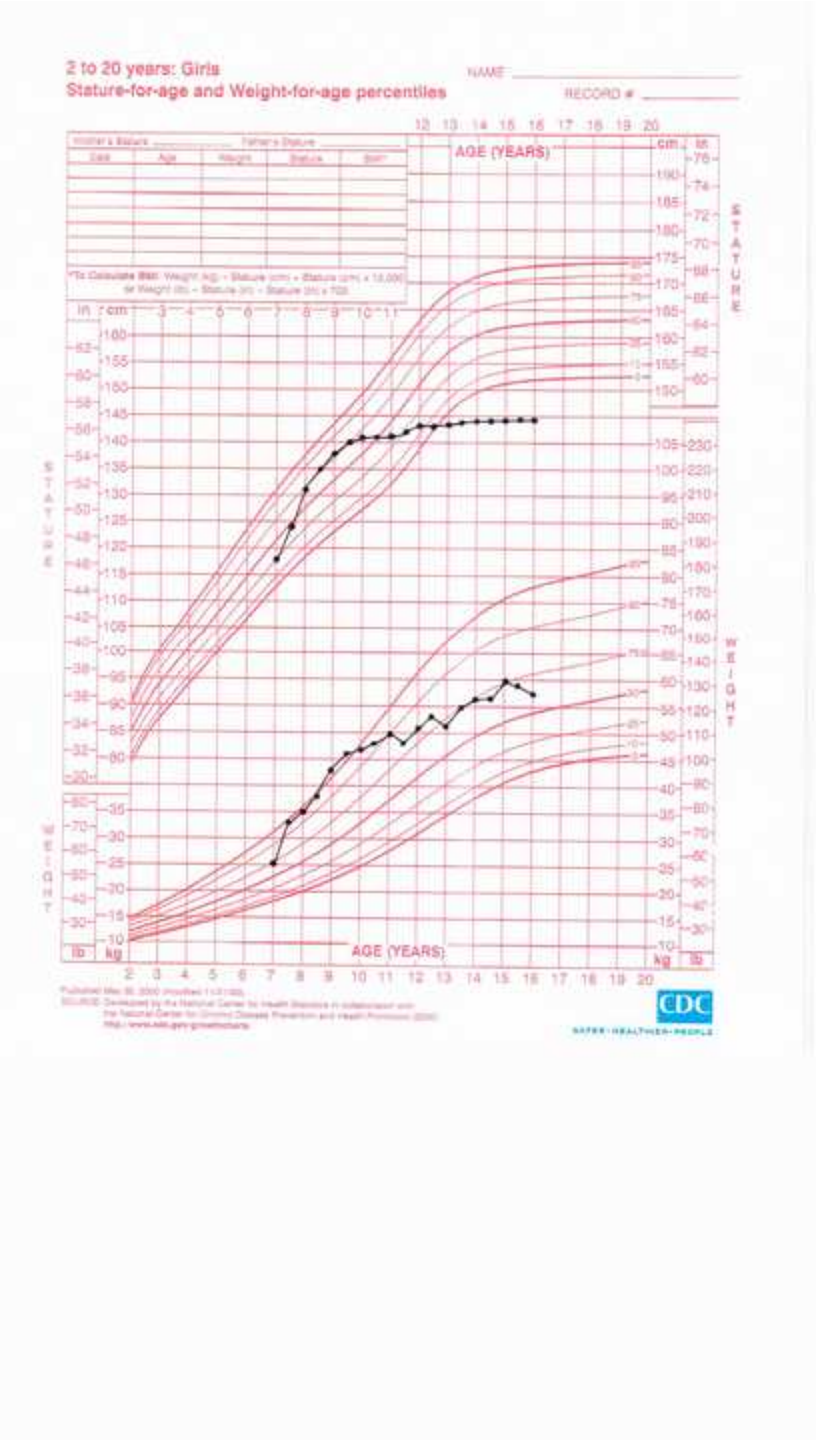
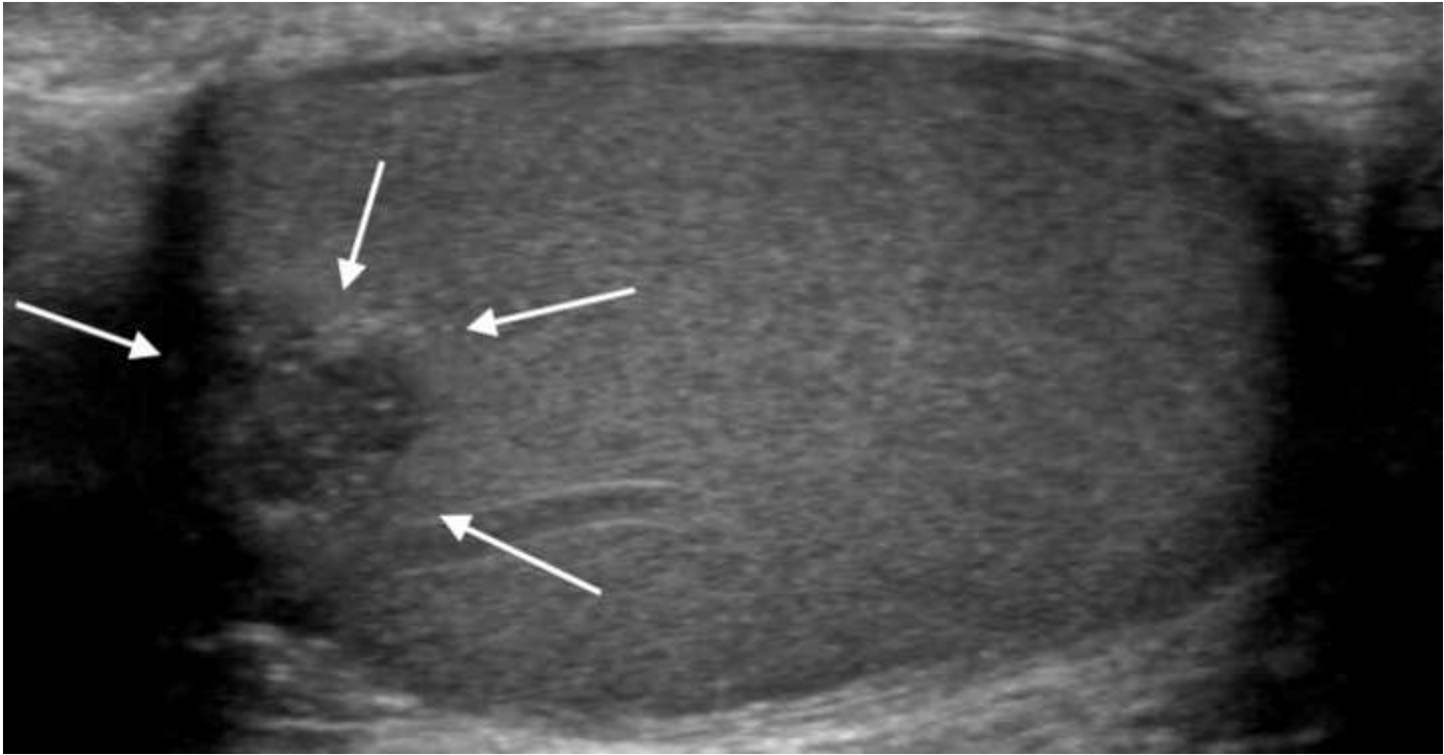
- Long-term complications include short stature (meta-analysis of 35 studies: average final height 1.38 SD below population norm in classic 21OH deficiency), excess mortality from adrenal crises in a Swedish cohort of 588 patients, testicular adrenal rest tissue in 44–94% of men and 21–33% of boys with classic 21OH deficiency, and low BMD prevalence of 37–81%. Emerging therapies include Chronocort in 16 patients, a CRF1 antagonist lowering ACTH/17OHP in 6 of 8 females, abiraterone normalizing androstenedione in 5 of 6 women, and anti-androgen/aromatase inhibition with reduced hydrocortisone normalizing growth over 2 years in 28 prepubertal children.
Methods
- Narrative review/Lancet Seminar; no systematic search strategy, formal quality appraisal, or meta-analysis methods are described.
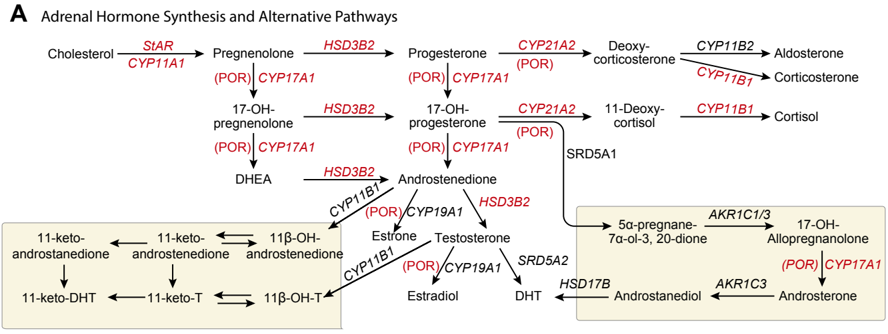
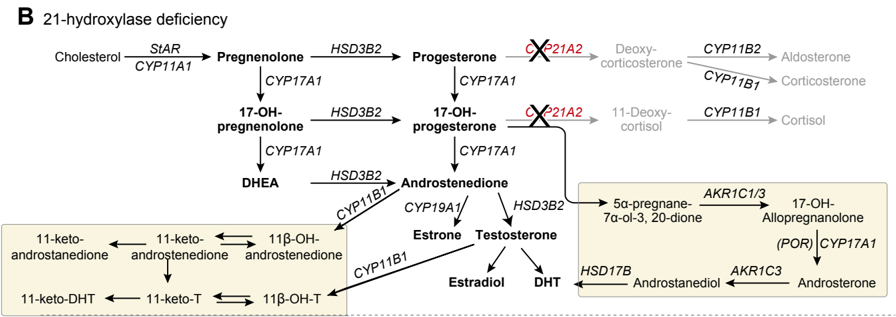
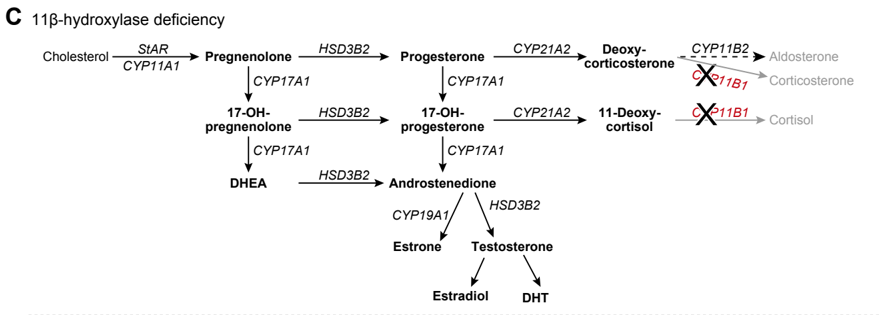
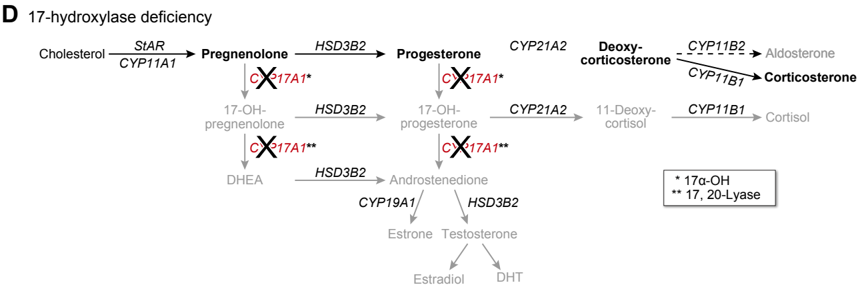
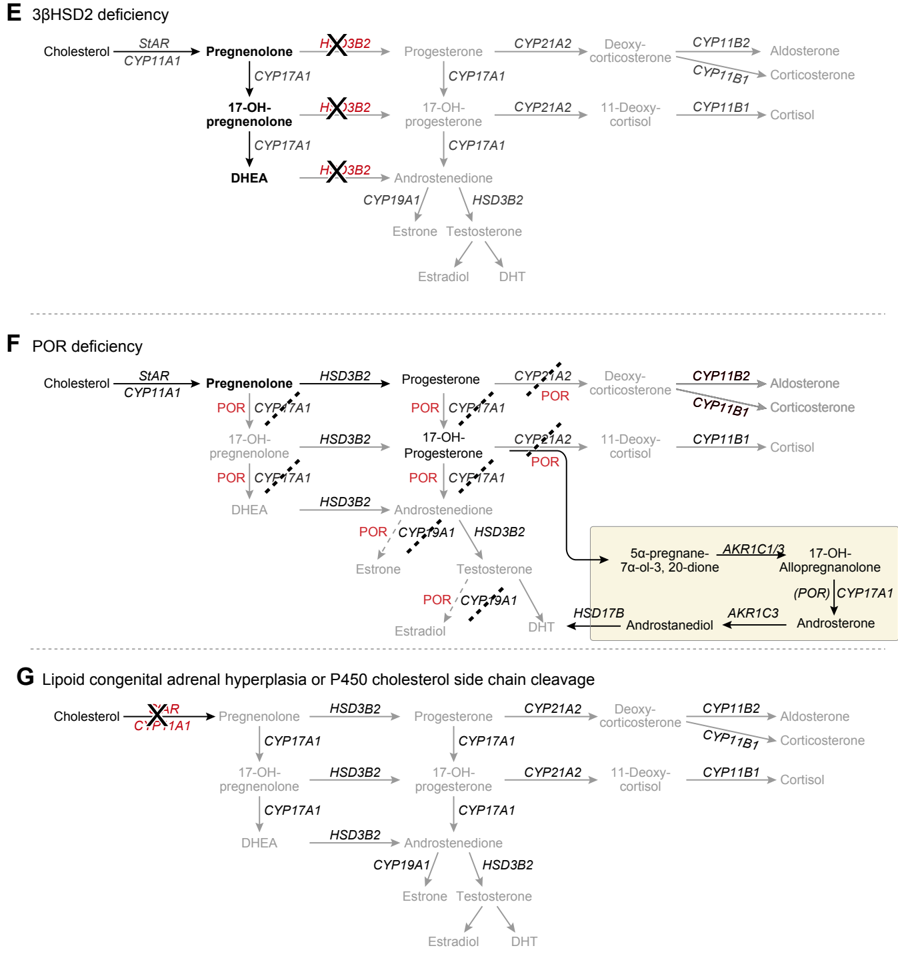
- Synthesizes literature, clinical practice guidelines, cohort studies, trials, and case reports across the seven main forms of CAH: 21OH, 11βOH, 17OH, 3βHSD2, POR, lipoid CAH/StAR, and SCC/CYP11A1 deficiency.
- Reports selected quantitative data from cited studies, including incidences, hormone cutoffs, cohort prevalences, and early-phase trial results, but presents no primary data collection or original analysis.
Limitations
- Stated: long-term effects of prenatal dexamethasone exposure are unknown; genital surgery outcomes are imperfect, and newer surgical approaches lack long enough follow-up to assess outcomes.
- Stated: bilateral adrenalectomy carries increased adrenal crisis risk and about one-third develop adrenal rest tissue if glucocorticoid dose is too low; many novel therapies are early-phase or small studies.
- Evident: as a narrative seminar, it lacks systematic search and formal evidence grading, relying on cited literature and expert synthesis; some statements, such as screening implementation status, are time-sensitive.
Model-written summary. Check it against the paper before relying on it.
Integrity signals
Registry
Cites
Statistics
Figures
Verification
Claims the paper makes
8 Valid · 7 Not valid · 58 Not checked · 21 Own results and interpretations
At least one cited source doesn’t support this claim or points to a different paper, and none confirmed it — see the verdicts below.
In the paper
“Most patients are compound heterozygotes, meaning they have different mutations in the two alleles.”
§ Congenital Adrenal Hyperplasia: The Lancet Seminar Series > Genetics and Pathophysiology of the Various Forms of CAH
What the sources say
- Not checked yetcites [24]
- Disputedcites [25] matched to “Rare causes of primary adrenal insufficiency: genetic and clinical characterization of a large nationwide cohort” (2016) sourceExperimental — accuracy not yet measured
The Results report the opposite pattern in this study’s children with primary adrenal insufficiency: 62 of 77 were homozygous, and only one was compound heterozygous. The cohort is not a survey of CAH patients generally, so these figures do not establish the frequency in CAH; they contradict the claim if it is attributed to this study’s patients. (LLM, conf=0.84)
Checked by a reasoning model — may be wrong.
plain- Asserted: passes — The authors put it forward as true.
- Checkable: passes — It can be checked against evidence.
- Load-bearing: unclear — It is unclear whether the paper’s conclusions depend on it.
- Based: passes — The paper gives a reason why it holds.
The cited sources that could be checked couldn’t confirm or dispute this claim.
In the paper
“A meta-analysis of 35 studies of classic 21OH deficiency showed an average final height of 1.38 standard deviations below the population norm.72”
§ Congenital Adrenal Hyperplasia: The Lancet Seminar Series > Long-term Complications
What the sources say
- Could not verifycites [72] matched to “Gender identity, gender assignment and reassignment in individuals with disorders of sex development: a major of dilemma” (2016) sourceExperimental — accuracy not yet measured
The 46,XX DSD section discusses 21-hydroxylase deficiency and gender-related outcomes, but does not report final height. Searches for the 35-study meta-analysis, final height, and 1.38 standard deviations found no passage addressing the claimed result in our copy. (LLM, conf=0.74)
plain- Asserted: passes — The authors put it forward as true.
- Checkable: passes — It can be checked against evidence.
- Load-bearing: unclear — It is unclear whether the paper’s conclusions depend on it.
- Based: passes — The paper gives a reason why it holds.
- Could not verify
The cited sources that could be checked couldn’t confirm or dispute this claim.
In the paper
“Mineralocorticoid, in the form of fludrocortisone, is given to achieve a plasma renin activity in the normal range in the salt-wasting forms of CAH (Panel) 20 .”
§ Congenital Adrenal Hyperplasia: The Lancet Seminar Series > Mineralocorticoid replacement
What the sources say
- Could not verifycites [20] matched to “Mutations in CYP11B1 and congenital adrenal hyperplasia in Moroccan Jews” (2005) sourceExperimental — accuracy not yet measured
The introductory discussion of 11β-hydroxylase deficiency (p. 5463) says patients may develop salt loss during glucocorticoid replacement therapy. Our copy does not state that fludrocortisone is given for salt-wasting CAH or that treatment aims to normalize plasma renin activity; searches for those terms and mineralocorticoid treatment found no such passage. (LLM, conf=0.75)
plainstates a cause- Asserted: passes — The authors put it forward as true.
- Checkable: passes — It can be checked against evidence.
- Load-bearing: passes — The paper’s conclusions depend on it.
- Based: passes — The paper gives a reason why it holds.
- Could not verify
The cited sources that could be checked couldn’t confirm or dispute this claim.
In the paper
“A level of less than 200 ng/dL (6 nmol/L) usually excludes nonclassic CAH if measured during the follicular phase of a reproductive-age woman.64”
§ Congenital Adrenal Hyperplasia: The Lancet Seminar Series > Screening for 21OH deficiency after infancy relies on measuring early morning (before 8 am)
What the sources say
- Could not verifycites [64] matched to “Fertility in women with nonclassical congenital adrenal hyperplasia due to 21-hydroxylase deficiency” (2010) sourceExperimental — accuracy not yet measured
The Patients section gives a diagnostic criterion of post-ACTH 17OHP above 10 ng/mL, and Hormone determinations says hormone levels were measured during the follicular phase. Neither passage addresses whether a basal 17OHP level below 200 ng/dL usually excludes nonclassic CAH; searches for that threshold and screening rule found no such passage in our copy. (LLM, conf=0.73)
hedged- Asserted: passes — The authors put it forward as true.
- Checkable: passes — It can be checked against evidence.
- Load-bearing: unclear — It is unclear whether the paper’s conclusions depend on it.
- Based: passes — The paper gives a reason why it holds.
- Could not verify
The cited sources that could be checked couldn’t confirm or dispute this claim.
In the paper
“Cell-free fetal DNA obtained from the mother's plasma as early as 5 weeks gestation has correctly identified fetal CAH status in 14 families.85”
§ Congenital Adrenal Hyperplasia: The Lancet Seminar Series > Prenatal treatment
What the sources say
- Could not verifycites [85] matched to “Positive fertility outcomes in a female with classic congenital adrenal hyperplasia following bilateral adrenalectomy” (2016) sourceExperimental — accuracy not yet measured
The Background and Case presentation (pages unavailable) discuss CAH and one patient’s diagnosis and fertility treatment, not prenatal testing with maternal plasma. Searches for cell-free fetal DNA, testing at five weeks, and results in 14 families found no passage addressing the claim. (LLM, conf=0.76)
plainstates a causen = 14- Asserted: passes — The authors put it forward as true.
- Checkable: passes — It can be checked against evidence.
- Load-bearing: passes — The paper’s conclusions depend on it.
- Based: passes — The paper gives a reason why it holds.
- Could not verify
41 more claims · 3 with their cited sources checked
Create a free account to see all 94 claims and to verify the 89 references still open.
- Probably not a substantial claim. 8
- It may state two separate claims as one. 43
Claims other papers make about this one
Each is checked against this paper’s own text: does it say what the citing paper says it does?
The cited source says what the claim attributes to it.
In the citing paper
“More than 90% of CAH cases are caused by mutant 21-hydroxylase (CYP21A2) (10), a key enzyme in glucocorticoid and mineralocorticoid biosynthesis (Fig. 1);”
From Steroid Metabolome Analysis in Disorders of Adrenal Steroid Biosynthesis and Metabolism (2019) · cites this paper as [10]
In the citing paper
“The variants of congenital adrenal hyperplasia (CAH) comprise five autosomal recessive inborn disorders defined by glucocorticoid deficiency resulting from inactivating mutations in enzymes involved in adrenal steroidogenesis (10).”
From Steroid Metabolome Analysis in Disorders of Adrenal Steroid Biosynthesis and Metabolism (2019) · cites this paper as [10]
Self-check
Percentages, sums and reported differences re-computed from the paper’s own numbers.
Each contradiction between two passages listed here was confirmed by an independent check.
Rated minor: it would not touch a result — a value no result rests on, a p-value that stays on the same side of the significance level, or a conflict that is clerical, resolved elsewhere in the paper, or outside its own findings.
In the paper
§ Congenital Adrenal Hyperplasia: The Lancet Seminar Series > References
“21OH=12-hydroxylase.”
§ Congenital Adrenal Hyperplasia: The Lancet Seminar Series > Introduction
“21-hydroxylase (21OH)”
Citations
Cites
1 retracted
Wallensteen, L., Zimmermann, M., Sandberg, M. T., Gezelius, A., Nordenström, A., Hirvikoski, T., & Lajić, S. (2016) · Hormones and Behavior · doi:10.1016/j.yhbeh.2016.06.011 · Cited by 6
RetractedThe Molecular Biology, Biochemistry, and Physiology of Human Steroidogenesis and Its Disorders
Miller, W. L., & Auchus, R. J. (2011) · Endocrine Reviews · doi:10.1210/er.2010-0013 · Cited by 2,458
Bornstein, S. R., Allolio, B., Arlt, W., Barthel, A., Don-Wauchope, A., Hammer, G. D., Husebye, E. S., Merke, D. P., Murad, M. H., Stratakis, C. A., et al. (2016) · The Journal of Clinical Endocrinology & Metabolism · doi:10.1210/jc.2015-1710 · Cited by 1,769
Self-citationSpeiser, P. W., Azziz, R., Baskin, L. S., Ghizzoni, L., Hensle, T. W., Merke, D. P., Meyer-Bahlburg, H. F. L., Miller, W. L., Montori, V. M., Oberfield, S. E., et al. (2010) · The Journal of Clinical Endocrinology & Metabolism · doi:10.1210/jc.2009-2631 · Cited by 1,468
Self-citationCongenital Adrenal Hyperplasia
(1987) · New England Journal of Medicine · doi:10.1056/nejm198711263172211 · Cited by 1,409
Congenital adrenal hyperplasia
Speiser, P. W., & White, P. C. (2003) · New England Journal of Medicine · doi:10.1056/nejmra021561 · Cited by 1,405
Role of steroidogenic acute regulatory protein in adrenal and gonadal steroidogenesis
Lin, D., Sugawara, T., Strauss, J. F., Clark, B. J., Stocco, D. M., Saenger, P., Rogol, A., & Miller, W. L. (1995) · Science · doi:10.1126/science.7892608 · Cited by 1,030
The pathophysiology and genetics of congenital lipoid adrenal hyperplasia
Bose, H. S., Sugawara, T., Strauss, J. F., & Miller, W. L. (1996) · New England Journal of Medicine · doi:10.1056/nejm199612193352503 · Cited by 676
Genotyping steroid 21-hydroxylase deficiency: hormonal reference data
NEW, M. I., LORENZEN, F., LERNER, A. J., KOHN, B., OBERFIELD, S. E., POLLACK, M. S., DUPONT, B., STONER, E., LEVY, D. J., PANG, S., et al. (1983) · The Journal of Clinical Endocrinology & Metabolism · doi:10.1210/jcem-57-2-320 · Cited by 624
17-Hydroxylation deficiency in man
Biglieri, E. G., Herron, M. A., & Brust, N. (1966) · Journal of Clinical Investigation · doi:10.1172/jci105499 · Cited by 561 · cited 7×
“Molecular endocrinology (Baltimore, Md) 1988; 2(6): 564-70.”
Influential
Research works printed but not linked: 1
- White PC, Curnow KM, Pascoe L. Disorders of steroid 11 beta-hydroxylase isozymes. Endocr Rev 1994; 15(4): 421-38.
Cited by
The Molecular Biology, Biochemistry, and Physiology of Human Steroidogenesis and Its Disorders
Miller, W. L., & Auchus, R. J. (2011) · Endocrine Reviews · doi:10.1210/er.2010-0013 · Cited by 2,458
Circulating Testosterone as the Hormonal Basis of Sex Differences in Athletic Performance
Handelsman, D. J., Hirschberg, A. L., & Bermon, S. (2018) · Endocrine Reviews · doi:10.1210/er.2018-00020 · Cited by 594
Congenital Adrenal Hyperplasia—Current Insights in Pathophysiology, Diagnostics, and Management
Claahsen - van der Grinten, H. L., Speiser, P. W., Ahmed, S. F., Arlt, W., Auchus, R. J., Falhammar, H., Flück, C. E., Guasti, L., Huebner, A., Kortmann, B. B. M., et al. (2022) · Endocrine Reviews · doi:10.1210/endrev/bnab016 · Cited by 556
Self-citationHealth status of adults with congenital adrenal hyperplasia: a cohort study of 203 patients
Arlt, W., Willis, D. S., Wild, S. H., Krone, N., Doherty, E. J., Hahner, S., Han, T. S., Carroll, P. V., Conway, G. S., Rees, D. A., et al. (2010) · The Journal of Clinical Endocrinology & Metabolism · doi:10.1210/jc.2010-0917 · Cited by 506
Self-citationHypokalemia: a clinical update
Kardalas, E., Paschou, S. A., Anagnostis, P., Muscogiuri, G., Siasos, G., & Vryonidou, A. (2018) · Endocrine Connections · doi:10.1530/ec-18-0109 · Cited by 362
Husebye, E. S., Pearce, S. H., Krone, N. P., & Kämpe, O. (2021) · The Lancet · doi:10.1016/s0140-6736(21)00136-7 · Cited by 378
Congenital adrenal hyperplasia due to 21-hydroxylase deficiency
Merke, D. P., & Auchus, R. J. (2020) · New England Journal of Medicine · doi:10.1056/nejmra1909786 · Cited by 341
Self-citationClinical characteristics of a cohort of 244 patients with congenital adrenal hyperplasia
Finkielstain, G. P., Kim, M. S., Sinaii, N., Nishitani, M., Van Ryzin, C., Hill, S. C., Reynolds, J. C., Hanna, R. M., & Merke, D. P. (2012) · The Journal of Clinical Endocrinology & Metabolism · doi:10.1210/jc.2012-2102 · Cited by 313
Self-citationSex and gender differences in pain
(2022) · International Review of Neurobiology · doi:10.1016/bs.irn.2022.06.013 · Cited by 259
Role of insulin and insulin resistance in androgen excess disorders
Unluhizarci, K., Karaca, Z., & Kelestimur, F. (2021) · World Journal of Diabetes · doi:10.4239/wjd.v12.i5.616 · Cited by 184
Management of 46,XY Differences/Disorders of Sex Development (DSD) Throughout Life
Wisniewski, A. B., Batista, R. L., Costa, E. M. F., Finlayson, C., Sircili, M. H. P., Dénes, F. T., Domenice, S., & Mendonca, B. B. (2019) · Endocrine Reviews · doi:10.1210/er.2019-00049 · Cited by 169
Mallappa, A., Sinaii, N., Kumar, P., Whitaker, M. J., Daley, L.-A., Digweed, D., Eckland, D. J. A., Van Ryzin, C., Nieman, L. K., Arlt, W., et al. (2015) · The Journal of Clinical Endocrinology & Metabolism · doi:10.1210/jc.2014-3809 · Cited by 167
Self-citationEngels, M., Span, P. N., van Herwaarden, A. E., Sweep, F. C. G. J., Stikkelbroeck, N. M. M. L., & Claahsen-van der Grinten, H. L. (2019) · Endocrine Reviews · doi:10.1210/er.2018-00258 · Cited by 163
Inflammatory Markers in Women with Polycystic Ovary Syndrome
Rudnicka, E., Kunicki, M., Suchta, K., Machura, P., Grymowicz, M., & Smolarczyk, R. (2020) · BioMed Research International · doi:10.1155/2020/4092470 · Cited by 153
“When serum 17-OHP was between 2 and 10mg/l, an adrenocorticotropic hormone (ACTH) stimulating test was performed for excluding nonclassic adrenal hyperplasia (21-hydroxylase deficiency) [1, 16].”
BackgroundClinical perspectives in congenital adrenal hyperplasia due to 11β-hydroxylase deficiency
Bulsari, K., & Falhammar, H. (2016) · Endocrine · doi:10.1007/s12020-016-1189-x · Cited by 150
Steroid Metabolome Analysis in Disorders of Adrenal Steroid Biosynthesis and Metabolism
Storbeck, K.-H., Schiffer, L., Baranowski, E. S., Chortis, V., Prete, A., Barnard, L., Gilligan, L. C., Taylor, A. E., Idkowiak, J., Arlt, W., et al. (2019) · Endocrine Reviews · doi:10.1210/er.2018-00262 · Cited by 141
Self-citationHines, M., Pasterski, V., Spencer, D., Neufeld, S., Patalay, P., Hindmarsh, P. C., Hughes, I. A., & Acerini, C. L. (2016) · Philosophical Transactions of the Royal Society B Biological Sciences · doi:10.1098/rstb.2015.0125 · Cited by 136
Falhammar, H., & Nordenström, A. (2015) · Endocrine · doi:10.1007/s12020-015-0656-0 · Cited by 127
“0 nmol/L in adults has been suggested to exclude CAH [6, 31].”
BackgroundInfluentialVerma, S., VanRyzin, C., Sinaii, N., Kim, M. S., Nieman, L. K., Ravindran, S., Calis, K. A., Arlt, W., Ross, R. J., & Merke, D. P. (2010) · Clinical Endocrinology · doi:10.1111/j.1365-2265.2009.03636.x · Cited by 126
Self-citationTamhane, S., Rodriguez-Gutierrez, R., Iqbal, A. M., Prokop, L. J., Bancos, I., Speiser, P. W., & Murad, M. H. (2018) · The Journal of Clinical Endocrinology & Metabolism · doi:10.1210/jc.2018-01862 · Cited by 123
Clark, R. V., Wald, J. A., Swerdloff, R. S., Wang, C., Wu, F. C. W., Bowers, L. D., & Matsumoto, A. M. (2019) · Clinical Endocrinology · doi:10.1111/cen.13840 · Cited by 103
Modified-Release Hydrocortisone in Congenital Adrenal Hyperplasia
Merke, D. P., Mallappa, A., Arlt, W., Brac de la Perriere, A., Lindén Hirschberg, A., Juul, A., Newell-Price, J., Perry, C. G., Prete, A., Rees, D. A., et al. (2021) · The Journal of Clinical Endocrinology & Metabolism · doi:10.1210/clinem/dgab051 · Cited by 109
Self-citationTurcu, A. F., Mallappa, A., Elman, M. S., Avila, N. A., Marko, J., Rao, H., Tsodikov, A., Auchus, R. J., & Merke, D. P. (2017) · The Journal of Clinical Endocrinology & Metabolism · doi:10.1210/jc.2016-3989 · Cited by 107
Self-citationGestational Hyperandrogenism in Developmental Programming
Hakim, C., Padmanabhan, V., & Vyas, A. K. (2017) · Endocrinology · doi:10.1210/en.2016-1801 · Cited by 97
Treatment and health outcomes in adults with congenital adrenal hyperplasia
Han, T. S., Walker, B. R., Arlt, W., & Ross, R. J. (2014) · Nature Reviews Endocrinology · doi:10.1038/nrendo.2013.239 · Cited by 102
Self-citationMolecular basis of normal and pathological puberty: from basic mechanisms to clinical implications
Argente, J., Dunkel, L., Kaiser, U. B., Latronico, A. C., Lomniczi, A., Soriano‐Guillén, L., & Tena‐Sempere, M. (2023) · The Lancet Diabetes & Endocrinology · doi:10.1016/s2213-8587(22)00339-4 · Cited by 116
Concolino, P., & Costella, A. (2018) · Molecular Diagnosis & Therapy · doi:10.1007/s40291-018-0319-y · Cited by 96
Riepe, F. G., & Sippell, W. G. (2007) · Reviews in Endocrine and Metabolic Disorders · doi:10.1007/s11154-007-9053-1 · Cited by 109
Nella, A. A., Mallappa, A., Perritt, A. F., Gounden, V., Kumar, P., Sinaii, N., Daley, L.-A., Ling, A., Liu, C.-Y., Soldin, S. J., et al. (2016) · The Journal of Clinical Endocrinology & Metabolism · doi:10.1210/jc.2016-1916 · Cited by 91
Self-citationWhittle, E., & Falhammar, H. (2019) · Journal of the Endocrine Society · doi:10.1210/js.2019-00136 · Cited by 87
“Although hydrocortisone in divided doses is a common treatment option, once- or twice-daily preparations of long-acting glucocorticoids are also used, including prednisolone and dexamethasone [1, 2, 4].”
BackgroundPractical Approach to Hyperandrogenism in Women
Sharma, A. R., & Welt, C. K. (2021) · Medical Clinics of North America · doi:10.1016/j.mcna.2021.06.008 · Cited by 101
Primary adrenal insufficiency in children: Diagnosis and management
Kırkgöz, T., & Güran, T. (2018) · Best Practice & Research Clinical Endocrinology & Metabolism · doi:10.1016/j.beem.2018.05.010 · Cited by 95
Comprehensive analysis of congenital adrenal hyperplasia using long-read sequencing
Liu, Y., Chen, M., Liu, J., Mao, A., Teng, Y., Yan, H., Zhu, H., Li, Z., Liang, D., & Wu, L. (2022) · Clinical Chemistry · doi:10.1093/clinchem/hvac046 · Cited by 80
Biochemical and genetic diagnosis of 21-hydroxylase deficiency
Falhammar, H., Wedell, A., & Nordenström, A. (2015) · Endocrine · doi:10.1007/s12020-015-0731-6 · Cited by 80
“serious conditions and in their most severe forms are lethal without glucocorticoid replacement [1–4].”
BackgroundInfluentialPost-finasteride syndrome and post-SSRI sexual dysfunction: two sides of the same coin?
Giatti, S., Diviccaro, S., Panzica, G., & Melcangi, R. C. (2018) · Endocrine · doi:10.1007/s12020-018-1593-5 · Cited by 82
Monogenic disorders of adrenal steroidogenesis
Baranowski, E. S., Arlt, W., & Idkowiak, J. (2018) · Hormone Research in Paediatrics · doi:10.1159/000488034 · Cited by 79
Self-citationSex/gender differences in cognitive abilities
Kheloui, S., Jacmin-Park, S., Larocque, O., Kerr, P., Rossi, M., Cartier, L., & Juster, R.-P. (2023) · Neuroscience & Biobehavioral Reviews · doi:10.1016/j.neubiorev.2023.105333 · Cited by 78
Transplantation of bovine adrenocortical cells encapsulated in alginate
Balyura, M., Gelfgat, E., Ehrhart-Bornstein, M., Ludwig, B., Gendler, Z., Barkai, U., Zimerman, B., Rotem, A., Block, N. L., Schally, A. V., et al. (2015) · Proceedings of the National Academy of Sciences · doi:10.1073/pnas.1500242112 · Cited by 77
Al Alawi, A. M., Nordenström, A., & Falhammar, H. (2019) · Endocrine · doi:10.1007/s12020-018-01835-3 · Cited by 77
Microneedle‐Mediated Cell Therapy
Gao, Z., Sheng, T., Zhang, W., Feng, H., Yu, J., Gu, Z., & Zhang, Y. (2023) · Advanced Science · doi:10.1002/advs.202304124 · Cited by 86
Do anabolic-androgenic steroids have performance-enhancing effects in female athletes?
Huang, G. T.-W., & Basaria, S. S. (2017) · Molecular and Cellular Endocrinology · doi:10.1016/j.mce.2017.07.010 · Cited by 84
Glucocorticoids and cognitive function: a walkthrough in endogenous and exogenous alterations
Alcubierre, D. D., Ferrari, D., Mauro, G. C. D., Isidori, A. M., Tomlinson, J., & Pofi, R. (2023) · Journal of Endocrinological Investigation · doi:10.1007/s40618-023-02091-7 · Cited by 79
Newborn Screening for Congenital Adrenal Hyperplasia: Review of Factors Affecting Screening Accuracy
Held, P. K., Bird, I. M., & Heather, N. L. (2020) · International Journal of Neonatal Screening · doi:10.3390/ijns6030067 · Cited by 79
“Older children have reduced requirements for mineralocorticoid, although fludrocortisone may still be given as a glucocorticoid-sparing agent [1,9].”
BackgroundPhase 3 Trial of Crinecerfont in Adult Congenital Adrenal Hyperplasia
Auchus, R. J., Hamidi, O., Pivonello, R., Bancos, I., Russo, G., Witchel, S. F., Isidori, A. M., Rodien, P., Srirangalingam, U., Kiefer, F. W., et al. (2024) · New England Journal of Medicine · doi:10.1056/nejmoa2404656 · Cited by 79
Self-citationEmotional and psychological trauma in refugees arriving in Germany in 2015
Ullmann, E., Barthel, A., Taché, S., Bornstein, A., Licinio, J., & Bornstein, S. R. (2015) · Molecular Psychiatry · doi:10.1038/mp.2015.164 · Cited by 74
The Adaptive Sex in Stressful Environments
Geffroy, B., & Douhard, M. (2019) · Trends in Ecology & Evolution · doi:10.1016/j.tree.2019.02.012 · Cited by 85
Pofi, R., & Tomlinson, J. (2019) · Obstetric Medicine · doi:10.1177/1753495x19847832 · Cited by 77
“The risk-benefit analysis must consider the need to treat multiple unaffected fetuses.(47) Dexamethasone must be initiated by the seventh week of gestation (ideally at sixth, the presumed date of genital sensitivity to androgens) or nine weeks after the last menstrual period and continued until birth to ensure its eff…”
Broadening the Spectrum of Ehlers Danlos Syndrome in Patients With Congenital Adrenal Hyperplasia
Morissette, R., Chen, W., Perritt, A. F., Dreiling, J. L., Arai, A. E., Sachdev, V., Hannoush, H., Mallappa, A., Xu, Z., McDonnell, N. B., et al. (2015) · The Journal of Clinical Endocrinology & Metabolism · doi:10.1210/jc.2015-2232 · Cited by 68
Self-citationHirschberg, A. L., Gidlöf, S., Falhammar, H., Frisén, L., Almqvist, C., Nordenskjöld, A., & Nordenström, A. (2021) · The Journal of Clinical Endocrinology & Metabolism · doi:10.1210/clinem/dgaa801 · Cited by 65
Ruiz-Babot, G., Balyura, M., Hadjidemetriou, I., Ajodha, S. J., Taylor, D. R., Ghataore, L., Taylor, N. F., Schubert, U., Ziegler, C. G., Storr, H. L., et al. (2018) · Cell Reports · doi:10.1016/j.celrep.2018.01.003 · Cited by 65
Diagnostic approach to low‐renin hypertension
Monticone, S., Losano, I., Tetti, M., Buffolo, F., Veglio, F., & Mulatero, P. (2018) · Clinical Endocrinology · doi:10.1111/cen.13741 · Cited by 74
Testicular Adrenal Rest Tumors in Boys and Young Adults with Congenital Adrenal Hyperplasia
Kim, M. S., Goodarzian, F., Keenan, M. F., Geffner, M. E., Koppin, C. M., De Filippo, R. E., & Kokorowski, P. J. (2017) · Journal of Urology · doi:10.1016/j.juro.2016.09.072 · Cited by 63
“The classic saltwasting form, which occurs in 67% of individuals with classic CAH, is characterized by a severe decrease in 21-hydroxylase activity, leading to almost complete deficiencies of cortisol and aldosterone, presentation at or soon after birth with ambiguous genitalia in females and the risk of early adrenal…”
BackgroundApproach to Investigation of Hyperandrogenism in a Postmenopausal Woman
Hirschberg, A. L. (2022) · The Journal of Clinical Endocrinology & Metabolism · doi:10.1210/clinem/dgac673 · Cited by 77
Disorders of Sex Development of Adrenal Origin
Finkielstain, G. P., Vieites, A., Bergadá, I., & Rey, R. A. (2021) · Frontiers in Endocrinology · doi:10.3389/fendo.2021.770782 · Cited by 67
“org 6 The estimated incidence, based on neonatal screening programs, ranges between 1/14,000 to 1/18,000 live births (14).”
BackgroundInfluentialBaronio, F., Ortolano, R., Menabò, S., Cassio, A., Baldazzi, L., Natale, V. D., Tonti, G., Vestrucci, B., & Balsamo, A. (2019) · International Journal of Molecular Sciences · doi:10.3390/ijms20184605 · Cited by 60
Phase 3 Trial of Crinecerfont in Pediatric Congenital Adrenal Hyperplasia
Sarafoglou, K., Kim, M. S., Lodish, M. B., Felner, E. I., Martinerie, L., Nokoff, N., Clemente, M., Fechner, P. Y., Vogiatzi, M. G., Speiser, P., et al. (2024) · New England Journal of Medicine · doi:10.1056/nejmoa2404655 · Cited by 62
Bilateral Adrenalectomy in Congenital Adrenal Hyperplasia: A Systematic Review and Meta-Analysis
MacKay, D., Nordenström, A., & Falhammar, H. (2018) · The Journal of Clinical Endocrinology & Metabolism · doi:10.1210/jc.2018-00217 · Cited by 59
Rangaswamaiah, S., Gangathimmaiah, V., Nordenstrom, A., & Falhammar, H. (2020) · Frontiers in Endocrinology · doi:10.3389/fendo.2020.00493 · Cited by 59
“The balance between replacing deficient hormones and preventing hyperandrogenism can be difficult to achieve without overtreatment and its attendant risk of growth retardation and other clinical metabolic manifestations of glucocorticoid excess such as obesity, insulin resistance, diabetes, and hypertension (3, 4, 11,…”
BackgroundClinical advances in the pharmacotherapy of congenital adrenal hyperplasia
Prete, A., Auchus, R. J., & Ross, R. J. (2021) · European Journal of Endocrinology · doi:10.1530/eje-21-0794 · Cited by 62
Genetic control of typical and atypical sex development
Reyes, A. P., León, N. Y., Frost, E. R., & Harley, V. R. (2023) · Nature Reviews Urology · doi:10.1038/s41585-023-00754-x · Cited by 66
Isolation and characterization of adrenocortical progenitors involved in the adaptation to stress
Steenblock, C., de Celis, M. F. R., Delgadillo-Silva, L. F., Pawolski, V., Brennand, A., Werdermann, M., Berger, I., Santambrogio, A., Peitzsch, M., Andoniadou, C. L., et al. (2018) · Proceedings of the National Academy of Sciences · doi:10.1073/pnas.1814072115 · Cited by 62
Sicard, F., Ehrhart‐Bornstein, M., Corbeil, D., Sperber, S., Krug, A. W., Ziegler, C. G., Rettori, V., McCann, S. M., & Bornstein, S. R. (2007) · Proceedings of the National Academy of Sciences · doi:10.1073/pnas.0610898104 · Cited by 59
Gupta, D. K., Shilpa, S., Amini, A. C., Gupta, M., Aggarwal, G., Gupta, D., & Kamlesh, K. (2006) · Pediatric Surgery International · doi:10.1007/s00383-006-1765-x · Cited by 62
Mukherjee, S., Rani, U., Chandra, G., & Pal, S. (2025) · Organic & Biomolecular Chemistry · doi:10.1039/d5ob00997a · Cited by 59
Sexual Orientation in Individuals With Congenital Adrenal Hyperplasia: A Systematic Review
Daae, E., Feragen, K. B., Waehre, A., Nermoen, I., & Falhammar, H. (2020) · Frontiers in Behavioral Neuroscience · doi:10.3389/fnbeh.2020.00038 · Cited by 50
“Traditionally, classical CAH is divided into salt wasting (SW) and simple virilizing (SV), based on the severity of aldosterone deficiency (El-Maouche et al., 2017).”
BackgroundAuchus, R. J., Sarafoglou, K., Fechner, P. Y., Vogiatzi, M. G., Imel, E. A., Davis, S. M., Giri, N., Sturgeon, J., Roberts, E., Chan, J. L., et al. (2022) · The Journal of Clinical Endocrinology & Metabolism · doi:10.1210/clinem/dgab749 · Cited by 55
Drug-Induced Endocrine and Metabolic Disorders
Ronald, C. W., Kong, A. P. S., Chan, N. N., Tong, P. C. Y., & Chan, J. C. N. (2007) · Drug Safety · doi:10.2165/00002018-200730030-00005 · Cited by 57
Working memory performance is reduced in children with congenital adrenal hyperplasia
Browne, W. V., Hindmarsh, P. C., Pasterski, V., Hughes, I. A., Acerini, C. L., Spencer, D., Neufeld, S., & Hines, M. (2015) · Hormones and Behavior · doi:10.1016/j.yhbeh.2014.11.014 · Cited by 54
“In over 90% of cases, the deficient enzyme is 21-hydroxylase, and this deficiency results in low levels of the glucocorticoid cortisol and in high levels of adrenal androgens, including testosterone, starting at about the seventh week of gestation (Merke and Bornstein, 2005; Speiser and White, 2003; White and Speiser,…”
Debono, M., Mallappa, A., Gounden, V., Nella, A. A., Harrison, R. F., Crutchfield, C. A., Backlund, P. S., Soldin, S. J., Ross, R. J., & Merke, D. P. (2015) · European Journal of Endocrinology · doi:10.1530/eje-15-0064 · Cited by 53
Self-citationPofi, R., Prete, A., Thornton-Jones, V., Bryce, J., Ali, S. R., Faisal Ahmed, S., Balsamo, A., Baronio, F., Cannuccia, A., Guven, A., et al. (2020) · The Journal of Clinical Endocrinology & Metabolism · doi:10.1210/clinem/dgz055 · Cited by 53
“mutations in genes encoding enzymes in pathways critical for adrenal steroid biosynthesis (6).”
BackgroundSelf-citationSalpietro, V., Polizzi, A., Rosa, G. D., Romeo, A. C., Dipasquale, V., Morabito, P., Chirico, V., Arrigo, T., & Ruggieri, M. (2014) · International Journal of Endocrinology · doi:10.1155/2014/282489 · Cited by 64
A Diagnostic Approach to Adrenocortical Tumors
Hodgson, A., Pakbaz, S., & Mete, Ö. (2019) · Surgical pathology clinics · doi:10.1016/j.path.2019.08.005 · Cited by 52
Recent Update on the Molecular Mechanisms of Gonadal Steroids Action in Adipose Tissue
Wawrzkiewicz–Jałowiecka, A., Lalik, A., & Soveral, G. (2021) · International Journal of Molecular Sciences · doi:10.3390/ijms22105226 · Cited by 52
Tildacerfont in Adults With Classic Congenital Adrenal Hyperplasia: Results from Two Phase 2 Studies
Sarafoglou, K., Barnes, C. N., Huang, M., Imel, E. A., Madu, I.-J., Merke, D. P., Moriarty, D., Nakhle, S., Newfield, R. S., Vogiatzi, M. G., et al. (2021) · The Journal of Clinical Endocrinology & Metabolism · doi:10.1210/clinem/dgab438 · Cited by 46
Self-citationNon-Classical Congenital Adrenal Hyperplasia in Childhood
Kurtoğlu, S., & Hatipoğlu, N. (2017) · Journal of Clinical Research in Pediatric Endocrinology · doi:10.4274/jcrpe.3378 · Cited by 51
Mallappa, A., Nella, A. A., Sinaii, N., Rao, H., Gounden, V., Perritt, A. F., Kumar, P., Ling, A., Liu, C., Soldin, S. J., et al. (2018) · Clinical Endocrinology · doi:10.1111/cen.13813 · Cited by 45
Self-citationDaae, E., Feragen, K. B., Nermoen, I., & Falhammar, H. (2018) · Endocrine · doi:10.1007/s12020-018-1723-0 · Cited by 45
The management of congenital adrenal hyperplasia during preconception, pregnancy, and postpartum
Maher, J. Y., Gomez‐Lobo, V., & Merke, D. P. (2022) · Reviews in Endocrine and Metabolic Disorders · doi:10.1007/s11154-022-09770-5 · Cited by 48
Self-citationHyperandrogenism and Cardiometabolic Risk in Pre- and Postmenopausal Women—What Is the Evidence?
Hirschberg, A. L. (2023) · The Journal of Clinical Endocrinology & Metabolism · doi:10.1210/clinem/dgad590 · Cited by 47
Ullmann, E., Barthel, A., Petrowski, K., Stalder, T., Kirschbaum, C., & Bornstein, S. R. (2016) · Scientific Reports · doi:10.1038/srep25842 · Cited by 50
Vigil, P., Ana, C. L. D., Flores, B., Rioseco, H., & Serrano, F. G. (2017) · The Linacre Quarterly · doi:10.1080/00243639.2017.1394053 · Cited by 52
Yıldız, M., Işık, E., Abalı, Z. Y., Keskın, M., Özbek, M. N., Baş, F., Uçaktürk, S. A., Büyükinan, M., Önal, H., Kara, C., et al. (2021) · The Journal of Clinical Endocrinology & Metabolism · doi:10.1210/clinem/dgab225 · Cited by 48
Challenges in treatment of patients with non-classic congenital adrenal hyperplasia
Adriaansen, B. P. H., Schröder, M. A. M., Span, P. N., Sweep, F. C. G. J., van Herwaarden, A. E., & der Grinten, H. L. C. (2022) · Frontiers in Endocrinology · doi:10.3389/fendo.2022.1064024 · Cited by 51
“In more rare cases, CAH is due to a deficiency of other enzymes such as 11b-hydroxylase, 17ahydroxylase, or 3b-hydroxysteroid dehydrogenase (2).”
BackgroundJohnston, Z. C., Bellingham, M., Filis, P., Soffientini, U., Hough, D., Bhattacharya, S., Simard, M., Hammond, G. L., King, P., O’Shaughnessy, P. J., et al. (2018) · BMC Medicine · doi:10.1186/s12916-018-1009-7 · Cited by 44
Schaeffer, T. L., Tryggestad, J. B., Mallappa, A., Hanna, A., Krishnan, S., Chernausek, S. D., Chalmers, L. J., Reiner, W. G., Kropp, B. P., & Wisniewski, A. B. (2010) · International Journal of Pediatric Endocrinology · doi:10.1155/2010/692439 · Cited by 45
Dean, B., Chrisp, G. L., Quartararo, M., Maguire, A. M., Hameed, S., King, B. R., Munns, C. F., Torpy, D. J., Falhammar, H., & Rushworth, R. L. (2020) · The Journal of Clinical Endocrinology & Metabolism · doi:10.1210/clinem/dgz255 · Cited by 43
Bramble, M. S., Lipson, A., Vashist, N., & Vilain, E. (2017) · Journal of Neuroscience Research · doi:10.1002/jnr.23832 · Cited by 42
Bendicho‐Lavilla, C., Rodríguez‐Pombo, L., Januskaite, P., Rial, C., Alvarez‐Lorenzo, C., Basit, A. W., & Goyanes, Á. (2024) · Journal of Drug Delivery Science and Technology · doi:10.1016/j.jddst.2024.105337 · Cited by 42
“In clinical practice, the hydrocortisone dose is calculated based on the patient ’ s body surface area and is commonly 8 – 10 mg/m 2 /day, administered between 2 and 4 times a day [58].”
BackgroundUslar, T., Olmos, R. I., Martínez‐Aguayo, A., & Baudrand, R. (2023) · Journal of Clinical Medicine · doi:10.3390/jcm12093128 · Cited by 53
Management of Childhood Congenital Adrenal Hyperplasia—An Integrative Review of the Literature
Fleming, L., Riper, M. L. V., & Knafl, K. A. (2017) · Journal of Pediatric Health Care · doi:10.1016/j.pedhc.2017.02.004 · Cited by 48
Reisch, N. (2019) · Experimental and Clinical Endocrinology & Diabetes · doi:10.1055/a-0820-2085 · Cited by 36
Gender Identity in Patients with Congenital Adrenal Hyperplasia
Razzaghy‐Azar, M., Karimi, S., & Shirazi, E. (2017) · Intern J Endocrinol Metab · doi:10.5812/ijem.12537 · Cited by 44
Beyond Pink and Blue: The Complexity of Early Androgen Effects on Gender Development
Berenbaum, S. A. (2018) · Child Development Perspectives · doi:10.1111/cdep.12261 · Cited by 36
Genes and Pseudogenes: Complexity of the RCCX Locus and Disease
Carrozza, C., Foca, L., De Paolis, E., & Concolino, P. (2021) · Frontiers in Endocrinology · doi:10.3389/fendo.2021.709758 · Cited by 37
“21-hydroxylase enzyme is responsible for the conversion of 17-hydroxyprogesterone to 11-deoxycortisol and progesterone to deoxycorticosterone (35, 36).”
BackgroundNewfield, R. S., Sarafoglou, K., Fechner, P. Y., Nokoff, N., Auchus, R. J., Vogiatzi, M. G., Jeha, G. S., Giri, N., Roberts, E., Sturgeon, J., et al. (2023) · The Journal of Clinical Endocrinology & Metabolism · doi:10.1210/clinem/dgad270 · Cited by 39
Guidelines for diagnosis and treatment of 21-hydroxylase deficiency (2014 revision)
Ishii, T., Anzo, M., Adachi, M., Onigata, K., Kusuda, S., Nagasaki, K., Harada, S., Horikawa, R., Minagawa, M., Minamitani, K., et al. (2015) · Clinical Pediatric Endocrinology · doi:10.1297/cpe.24.77 · Cited by 44
Pregnancy in Congenital Adrenal Hyperplasia
Reisch, N. (2019) · Endocrinology and Metabolism Clinics of North America · doi:10.1016/j.ecl.2019.05.011 · Cited by 36
Navarro-Zambrana, A. N., & Sheets, L. (2022) · Hormone Research in Paediatrics · doi:10.1159/000526401 · Cited by 42
Bacila, I., Freeman, N., Daniel, E., Sandrk, M., Bryce, J., Ali, S. R., Yavas Abali, Z., Atapattu, N., Bachega, T. A., Balsamo, A., et al. (2021) · European Journal of Endocrinology · doi:10.1530/eje-20-1249 · Cited by 36
Bachelot, A., Vialon, M., Baptiste, A., Tejedor, I., Elie, C., Polak, M., Touraine, P., & _, _. (2017) · Endocrine Connections · doi:10.1530/ec-17-0094 · Cited by 34
Metadata
- Authors
- El-Maouche, D., Arlt, W., & Merke, D. P.
- Affiliations
- University of Birmingham (GB)
- Eunice Kennedy Shriver National Institute of Child Health and Human Development (US)
- Corresponding author
- Merke, Deborah P
- Venue
- The Lancet
- Publisher
- Elsevier BV
- Published
- 2017-11
- Volume
- 390
- Issue
- 10108
- Pages
- 2194-2210
- ISSN
- 0099-5355 (ISSN-L)
- 0140-6736
- OpenAlex
- W2103673171
- Semantic Scholar
- bc74f5f4130d1014de0433f4792f449968364c4c
- Cited by
- 669
- References
- 162
- Citations by year
- 2026: 31 · 2025: 43 · 2024: 92 · 2023: 89 · 2022: 85 · 2021: 91 · 2020: 66 · 2019: 58 · 2018: 46 · 2017: 20
- FWCI
- 4.87
- Type
- journal article
- Language
- en
- Open access
- Licence
- cc-by-nc-nd
- www.elsevier.com/tdm/userlicense/1.0/ (tdm)
- Locations
- The Lancet (publishedVersion)
- PubMed (publishedVersion)
- University of Birmingham Research Portal (University of Birmingham) (submittedVersion, cc-by-nc-nd)
- Topics
- Health Sciences › Medicine › Endocrinology, Diabetes and Metabolism › Sexual Differentiation and Disorders
- Health Sciences › Medicine › Endocrinology, Diabetes and Metabolism › Adrenal Hormones and Disorders
- Life Sciences › Biochemistry, Genetics and Molecular Biology › Clinical Biochemistry › Metabolism and Genetic Disorders
- Keywords
- congenital adrenal hyperplasia, 21-hydroxylase deficiency, adrenal steroidogenesis, cortisol production, hormone replacement therapy, newborn screening, 17-hydroxyprogesterone, ACTH stimulation test, salt wasting, ambiguous genitalia, hirsutism, infertility, sex hormone imbalance, late complications
- MeSH terms
- Adrenal Hyperplasia, Congenital, Combined Modality Therapy, Dose-Response Relationship, Drug, Female, Follow-Up Studies, Glucocorticoids, Humans, Infant, Newborn, Male, Severity of Illness Index, Neonatal Screening, Treatment Outcome, Risk Assessment, Genetic Predisposition to Disease, Hormone Replacement Therapy, Rare Diseases
About these checks
Registry, retraction, Cites and statistics results are computed, not judged, with one exception: a printed reference that no index lists is read once by a model before it counts as a citation error. Claims are extracted by a model and kept only when their quote appears verbatim in the text; each cited source is then checked, with a model’s help, for whether it says what the claim relies on. Those verdicts can be wrong — read the claim’s quote and the cited source before relying on one.
The claim verdicts this report counts are experimental: their accuracy is not yet measured.
A language model drew the claims from the paper on 2026-10-06, under version 3 of the claim definition (model deepseek-v4.1-flash, prompt extract-v3).
A second model labelled each claim on 2026-10-06 (model jev-1.13-20260917, definition revision gold-guideline-v0.2).
Cited sources are checked with a language model’s help (gpt-6-sol).
Statistics and arithmetic are recomputed, not judged.
Confidence bands are shown only for fields calibrated on our annotated test set. None is calibrated yet, so no band is shown.
What counts as a claim ›How we measure confidence ›How we check this ›
Are you an author, or do you see a problem with this page? Request a review
Data sources
Bibliographic data: Semantic Scholar, OpenAlex, Crossref.
Contains information from the Semantic Scholar Academic Graph Datasets, made available under the ODC Attribution License (ODC-BY 1.0).
Semantic Scholar’s data is described in: Kinney, R., et al. (2023). The Semantic Scholar Open Data Platform. arXiv:2301.10140.
