

The DOI matches its Crossref record; 271 of the 274 references it cites were found in a registry or an index.
High-quality health systems in the Sustainable Development Goals era: time for a revolution
Open accessAbstract
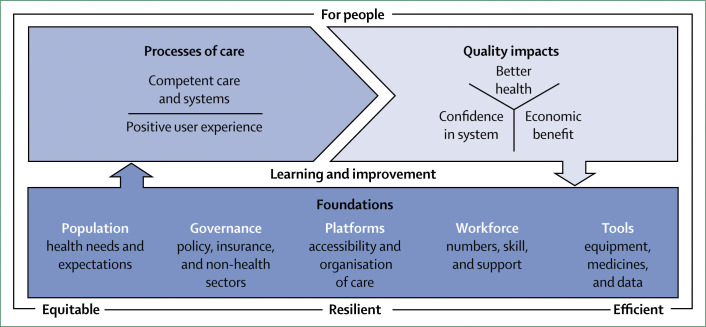
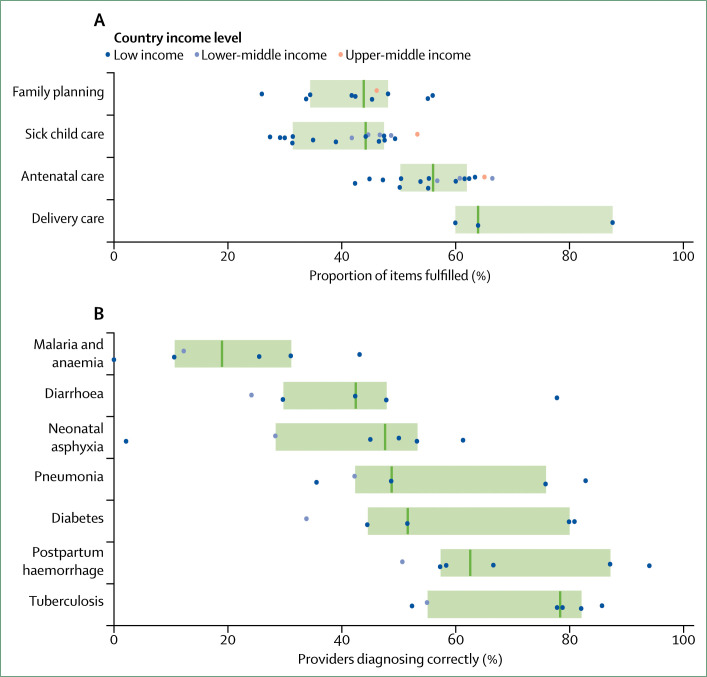
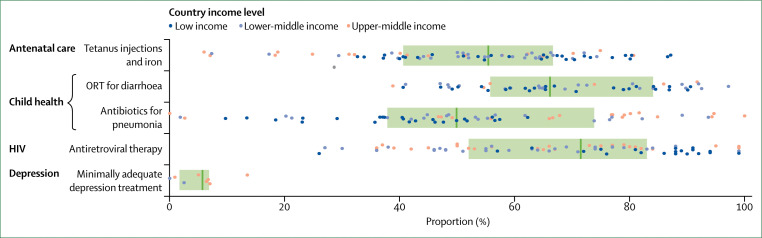
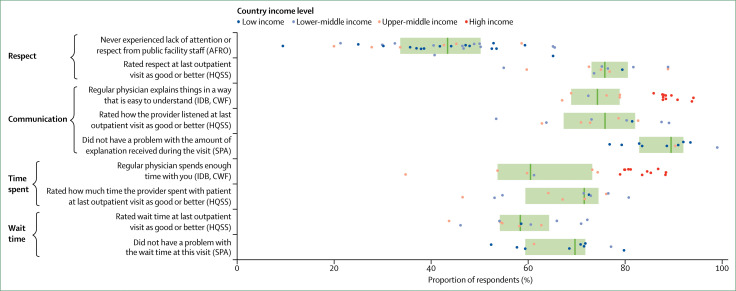
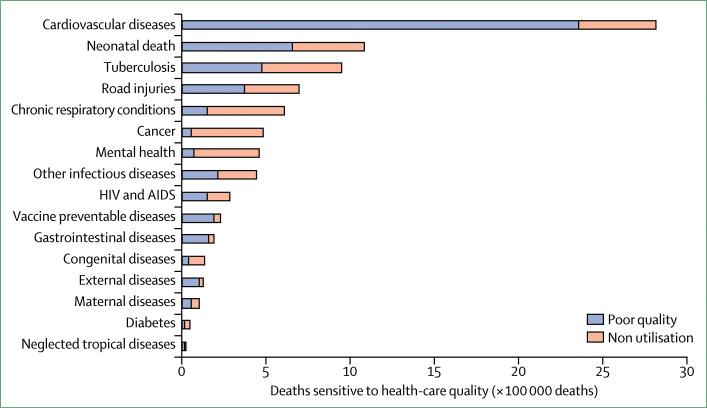
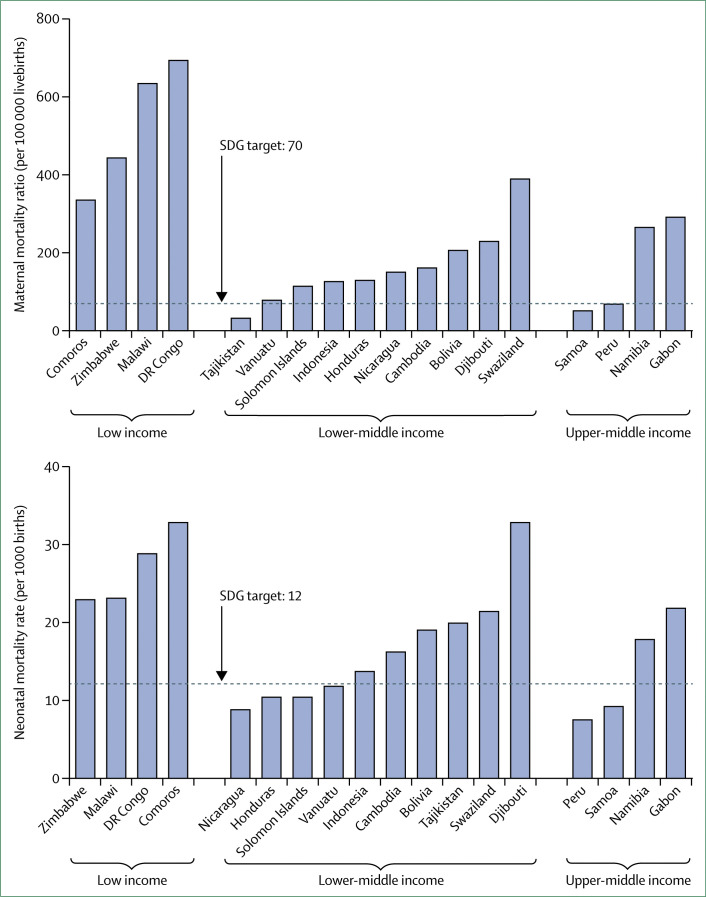
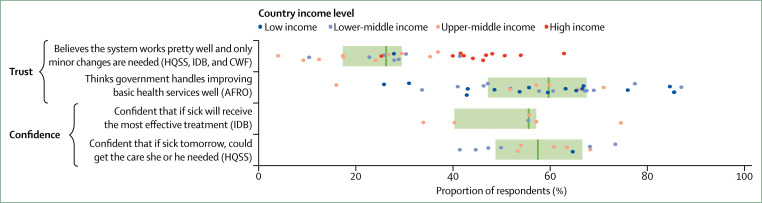
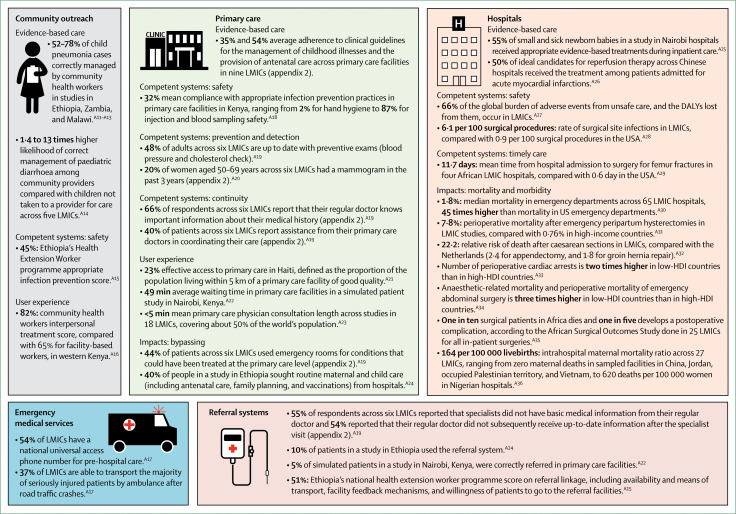
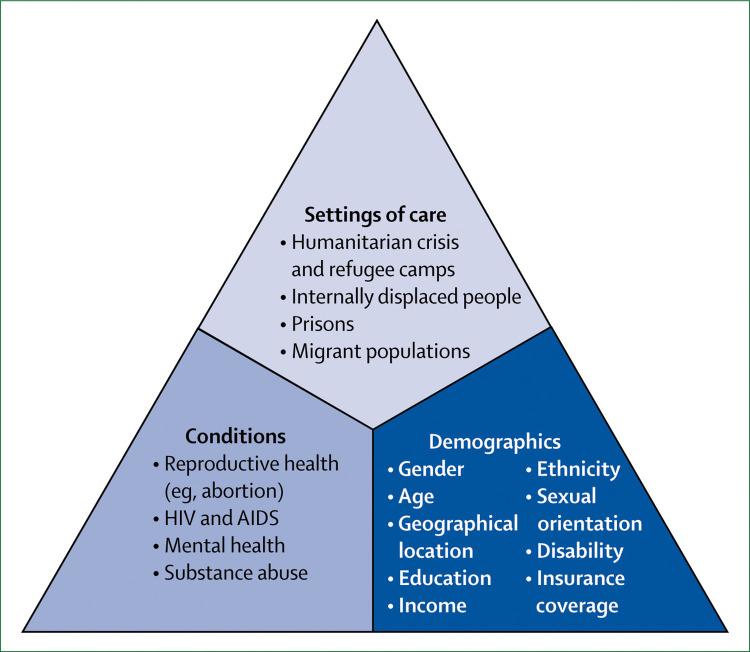
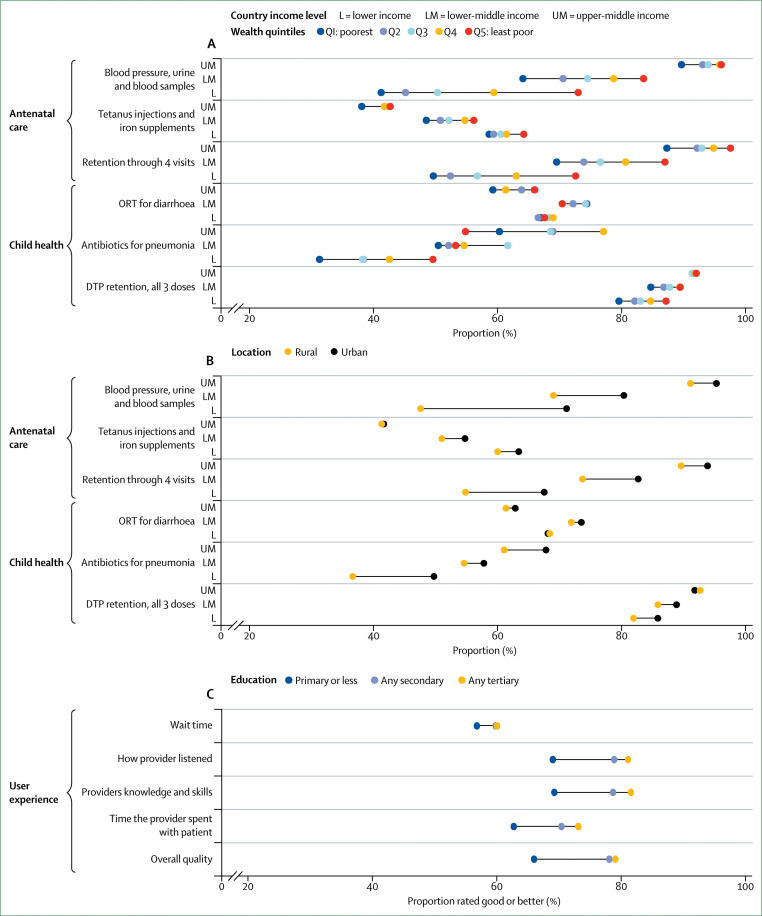
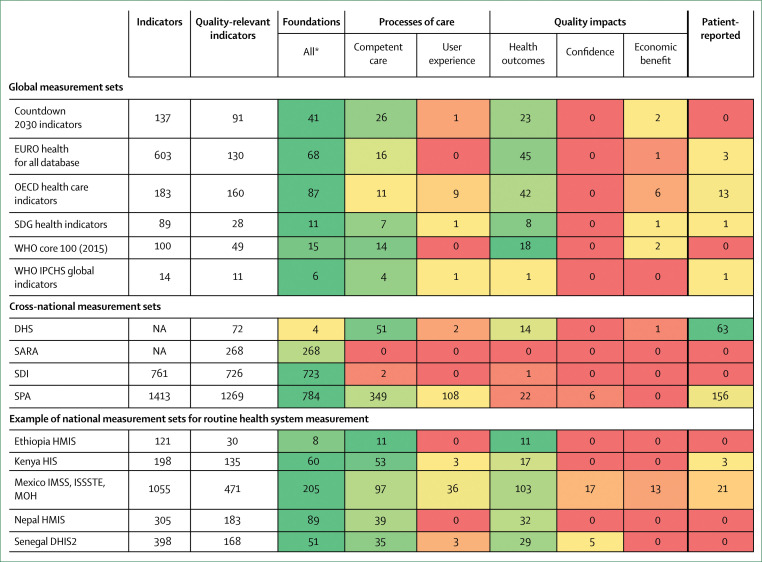
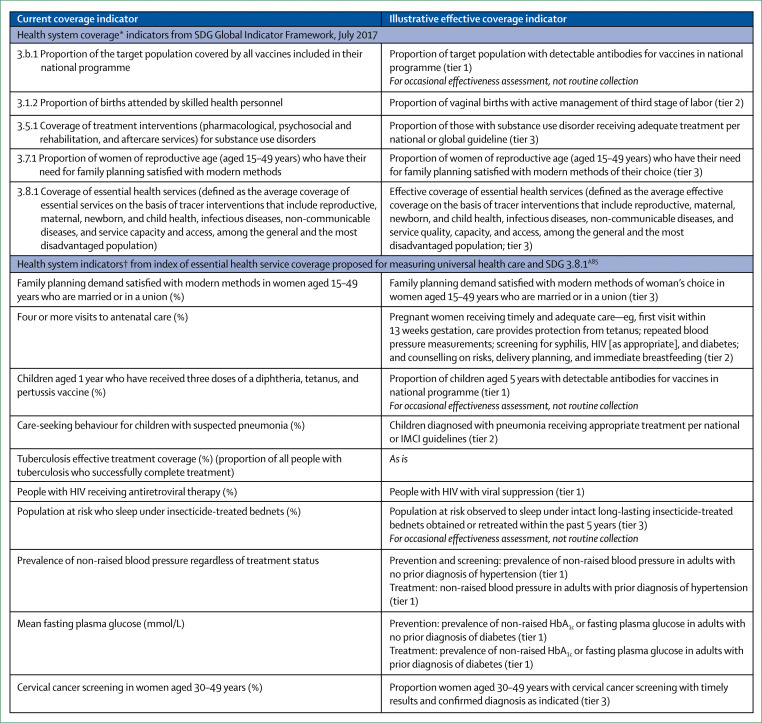
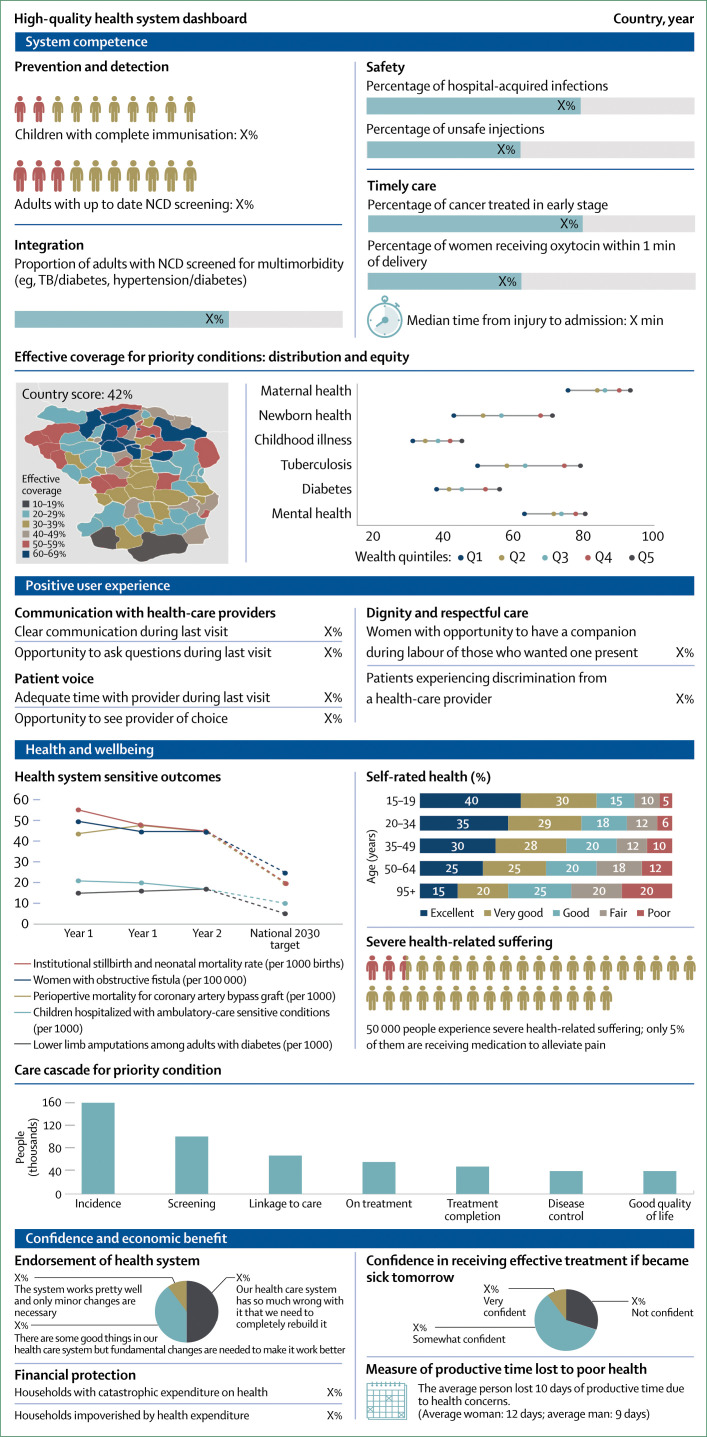
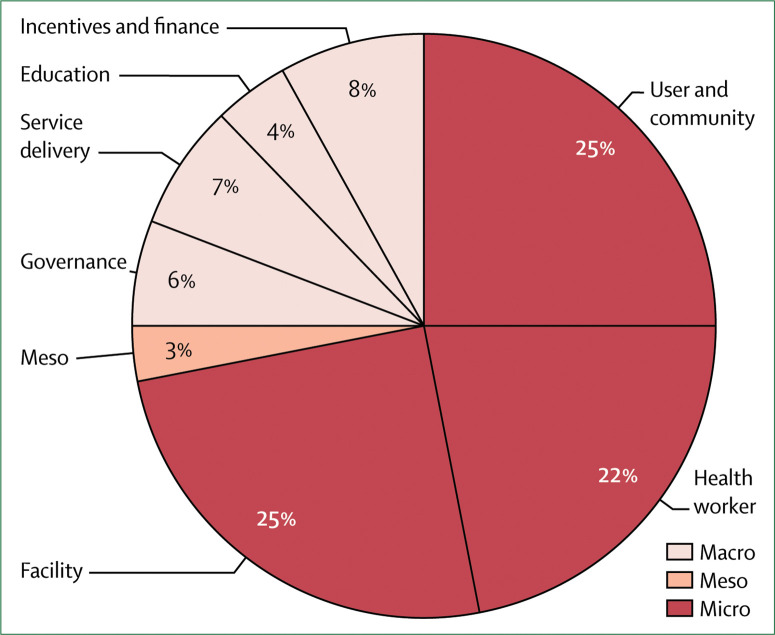
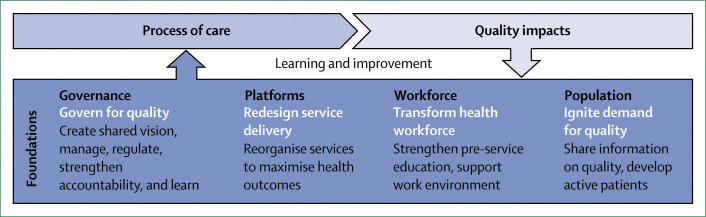
deaths from cardio vascular disease, 1 million newborn deaths, 900 000 deaths from tubercu losis, and half of all maternal deaths each year.Quality of care will become an even larger driver of population health as utilisation of health systems increases and as the burden of disease shifts to more complex conditions.The high mortality rates in LMICs for treatable causes, such as injuries and surgical con ditions, maternal and newborn complications, cardio vascular disease, and vaccine preventable diseases, illustrate the breadth and depth of the healthcare quality challenge.Poor-quality care can lead to other adverse outcomes, including un necessary health-related suffering, persistent symptoms, loss of function, and a lack of trust and confidence in health systems.Waste of resources and catastrophic expenditures are economic side effects of poor-quality health systems.As a result of this, only one-quarter of people in LMICs believe that their health systems work well. Health systems should measure and report what matters most to people, such as competent care, user experience, health outcomes, and confidence in the systemMeasurement is key to accountability and improvement, but available measures do not capture many of the processes and outcomes that matter most to people.At the same time, data systems generate many metrics that produce inadequate insight at a substantial cost in funds and health workers' time.For example, although inputs such as medicines and equipment are commonly counted in surveys, these are weakly related to the quality of care that people receive.Indicators such as proportion of births with skilled attendants do not reflect quality of childbirth care and might lead to false complacency about progress in maternal and newborn health.This Commission calls for fewer, but better, measures of health system quality to be generated and used at national and subnational levels.Countries should report health system performance to the public annually by use of a dashboard of key metrics (eg, health outcomes, people's confidence in the system, system competence, and user experience) along with measures of financial protection and equity.Robust vital registries and trust worthy routine health information systems are prerequi sites for good performance assessment.Countries need agile new surveys and real-time measures of health facilities and populations that reflect the health systems of today and not those of the past.To generate and interpret data, countries need to invest in national institutions and professionals with strong quantitative and analytical skills.Global develop ment partners can support the generation and testing of public goods for health system measurement (civil and vital registries, routine data systems, and routine health system surveys) and promote national and regional institutions and the training and mentoring of scientists. New research is crucial for the transformation of low-quality health systems to high-quality onesData on care quality in LMICs do not reflect the current disease burden.In many of these countries, we know little about quality of care for respiratory diseases, cancer, mental health, injuries, and surgery, as well as the care of adolescents and elderly people.There are vast blind spots in areas such as user experience, system competence, confidence in the system, and the wellbeing of people, including patient-reported outcomes.Measuring the quality of the health system as a whole and across the care continuum is essential, but not done.Filling in these gaps will require not only better routine health information systems for monitoring, but also new research, as proposed in the research agenda of this Commission.For example, research will be needed to rigorously evaluate the effects and costs of recommended improvement approaches on health, patient experience, and financial protection.Implementation science studies can help discern the contextual factors that promote or hinder reform.New data collection and research should be explicitly designed to build national and regional research capacity. Improving quality of care will require system-wide actionTo address the scale and range of quality deficits we documented in this Commission, reforming the foundations of the health system is required.Because health systems are complex adaptive systems that function at multiple interconnected levels, fixes at the micro-level (ie, health-care provider or clinic) alone are unlikely to alter the underlying performance of the whole system.However, we found that interventions aimed at changing provider behaviour dominate the improvement field, even though many of these interventions have a modest effect on provider performance and are difficult to scale and sustain over time.Achieving high-quality health systems requires expanding the space for improvement to structural reforms that act on the foundations of the system.This Commission endorses four universal actions to
Overview
The claims and statistics of this paper haven’t been checked yet.
Run the check — free, no account needed. It reads the open-access text and checks the sources it cites.
Integrity signals
Registry
Cites
Statistics
Figures
Verification
Claims the paper makes
The claims and statistics of this paper haven’t been checked yet.
Run the check — free, no account needed. It reads the open-access text and checks the sources it cites.
Claims other papers make about this one
Each is checked against this paper’s own text: does it say what the citing paper says it does?
The source backs part of the claim, not all of it — or backs it for a different population, condition or comparison.
In the citing paper
“Evidence has shown that a robust PHC system can improve population health outcomes, reduce all-cause mortality and is cost-effective in achieving UHC in LMICs [44–46].”
From Assessment of the compliance with minimum quality standards by public primary healthcare facilities in Nigeria (2024) · cites this paper as [46]
Experimental — accuracy not yet measuredThe cited source says what the claim attributes to it.
In the citing paper
“On the one hand, this sector is essential to the achievement of the United Nations Sustainable Development Goal (UNSDG) “Good health and well-being” and related goals [9].”
From Towards Green and Sustainable Healthcare: A Literature Review and Research Agenda for Green Leadership in the Healthcare Sector (2023) · cites this paper as [9]
The cited source says what the claim attributes to it.
In the citing paper
“The use of available health services results from the confluence of both demand (patient) and supply (health service) side factors [5].”
From Community and facility-level barriers to achieving UHC in Kono District, Sierra Leone and Maryland County, Liberia (2023) · cites this paper as [5]
In the citing paper
“Actions to promote and measure health system quality could be readily aligned and embedded within a modular approach.134”
From Global health 2050: the path to halving premature death by mid-century (2024) · cites this paper as [134]
In the citing paper
“However, changes in health care needs owing to increased mortality from complex NCDs require high-quality, longitudinal, and integrated care (6).”
From Artificial intelligence for global health (2019) · cites this paper as [6]
Self-check
Percentages, sums and reported differences re-computed from the paper’s own numbers.
The self-check needs the paper’s full text.
Citations
Cites
1 retracted
Li, J., Li, X., Wang, Q., Hu, S., Wang, Y., Masoudi, F. A., Spertus, J. A., Krumholz, H. M., & Jiang, L. (2014) · The Lancet · doi:10.1016/s0140-6736(14)60921-1 · Cited by 432
Self-citationRetractedInstitute of Medicine (2000) · National Academies Press eBooks · doi:10.17226/9728 · Cited by 14,390
Lozano, R., Naghavi, M., Foreman, K., Lim, S., Shibuya, K., Aboyans, V., Abraham, J., Adair, T., Aggarwal, R., Ahn, S. Y., et al. (2012) · The Lancet · doi:10.1016/s0140-6736(12)61728-0 · Cited by 14,070
Nudge: improving decisions about health, wealth, and happiness
(2008) · Choice Reviews Online · doi:10.5860/choice.46-0977 · Cited by 11,624
Crossing the Quality Chasm: A New Health System for the 21st Century
Baker, A. (2001) · BMJ · doi:10.1136/bmj.323.7322.1192 · Cited by 10,779
Allemani, C., Matsuda, T., Di Carlo, V., Harewood, R., Matz, M., Nikšić, M., Bonaventure, A., Valkov, M., Johnson, C. J., Estève, J., et al. (2018) · The Lancet · doi:10.1016/s0140-6736(17)33326-3 · Cited by 6,145
Evaluating the quality of medical care
DONABEDIAN, A. (2005) · The Milbank Quarterly · doi:10.1111/j.1468-0009.2005.00397.x · Cited by 6,102
Frenk, J., Chen, L., Bhutta, Z. A., Cohen, J., Crisp, N., Evans, T., Fineberg, H., Garcia, P., Ke, Y., Kelley, P., et al. (2010) · The Lancet · doi:10.1016/s0140-6736(10)61854-5 · Cited by 5,960
Porter, M. E. (2010) · New England Journal of Medicine · doi:10.1056/nejmp1011024 · Cited by 5,084
Evaluating the Quality of Medical Care
Donabedian, A. (1966) · The Milbank Memorial Fund Quarterly · doi:10.2307/3348969 · Cited by 4,418
Research works printed but not linked: 3
- Cisneros-González, 2016, Índice de amputaciones de extremidades inferiores en pacientes con diabetes, Rev Med Inst Mex Seguro Soc, 54, 472
- Jordan K, Marten R, Gureje O, Daelmans B, Kruk ME. Where is quality in health systems policy? A commentary on global policy documents. Lancet Glob Health (in press).
- Akhtar, 2011, Health care regulation in low-and middle income countries: a review of the literature, Health Policy and Health Finance Knowledge Hub: Working Paper Series
Cited by
Sorted by citations
Items 1,001–1,003 of 1,003
Higgins, J., JEROME, J. G., Boima, F., Dally, E., Krangar, L., Boley, E. J., Toussaint, S., Dibba, Y., Kachimanga, C., Mhango, M., et al. (2023) · PLOS Global Public Health · doi:10.1371/journal.pgph.0002045 · Cited by 4
Surendran, S., Nampoothiri, V., Dhar, P., Holmes, A., Singh, S., & Charani, E. (2024) · JAC-Antimicrobial Resistance · doi:10.1093/jacamr/dlae105 · Cited by 3
Chauhan, A., Goyal, A., Masih, R., Kaur, G., Kumar, L., Neha, ., Rastogi, H., Kumar, S., Singh, B. L., Syal, P., et al. (2025) · JMIR Formative Research · doi:10.2196/67047 · Cited by 3
Metadata
- Authors
- Kruk, M. E., Gage, A. D., Arsenault, C., Jordan, K., Leslie, H. H., Roder-DeWan, S., Adeyi, O., Barker, P., Daelmans, B., Doubova, S. V., English, M., García-Elorrio, E., Guanais, F., Gureje, O., Hirschhorn, L. R., Jiang, L., Kelley, E., Lemango, E. T., Liljestrand, J., Malata, A., Marchant, T., Matsoso, M. P., Meara, J. G., Mohanan, M., Ndiaye, Y., Norheim, O. F., Reddy, K. S., Rowe, A. K., Salomon, J. A., Thapa, G., Twum-Danso, N. A. Y., & Pate, M.
- Affiliations
- Harvard University (US)
- New York University (US)
- World Bank (US)
- Institute for Healthcare Improvement (US)
- World Health Organization (CH)
- Mexican Social Security Institute (MX)
- Kenya Medical Research Institute (KE)
- Inter-American Development Bank (US)
- University of Ibadan (NG)
- Northwestern University (US)
- Federal Ministry of Health (ET)
- Gates Foundation (US)
- Malawi University of Science and Technology (MW)
- London School of Hygiene & Tropical Medicine (GB)
- Department of Health (ZA)
- Duke University (US)
- Ministère de la Santé Publique et Action Sociale (SN)
- University of Bergen (NO)
- Public Health Foundation of India (IN)
- Centers for Disease Control and Prevention (US)
- Stanford Medicine (US)
- Government of Nepal (NP)
- Corresponding author
- Kruk, Margaret E
- ORCID
- Kruk, Margaret E
- Gage, Anna D
- Arsenault, Catherine
- Jordan, Keely
- Leslie, Hannah H
- Adeyi, Olusoji
- Barker, Pierre
- Daelmans, Bernadette
- Doubova, Svetlana V
- English, Mike
- Guanais, Frederico
- Gureje, Oye
- Hirschhorn, Lisa R
- Jiang, Lixin
- Malata, Address
- Marchant, Tanya
- Meara, John G
- Mohanan, Manoj
- Norheim, Ole F
- Reddy, K Srinath
- Rowe, Alexander K
- Salomon, Joshua A
- Pate, Muhammad
- Venue
- The Lancet Global Health
- Publisher
- Elsevier BV
- Published
- 2018-11
- Volume
- 6
- Issue
- 11
- Pages
- e1196-e1252
- ISSN
- 2214-109X (ISSN-L)
- PMC
- PMC7734391
- OpenAlex
- W2891125414
- Semantic Scholar
- 13a6473d422ee5503822377a9c9072bceafe7270
- Cited by
- 4,057
- References
- 274
- Citations by year
- 2026: 704 · 2025: 696 · 2024: 682 · 2023: 600 · 2022: 408 · 2021: 394 · 2020: 329 · 2019: 213 · 2018: 28
- FWCI
- 44.62
- Type
- journal article
- Language
- en
- Open access
- gold
- doi.org
- Licence
- Locations
- The Lancet Global Health (publishedVersion, cc-by)
- PubMed Central (publishedVersion, cc-by)
- PubMed (publishedVersion)
- LSHTM Research Online (London School of Hygiene and Tropical Medicine) (acceptedVersion)
- Minerva Access (University of Melbourne) (submittedVersion, cc-by)
- CONICET Digital (CONICET) (submittedVersion, cc-by)
- Greater South Information System
- Funders
- Wellcome Trust
- Medical Research Council
- Bill and Melinda Gates Foundation
- Topics
- Health Sciences › Medicine › Public Health, Environmental and Occupational Health › Healthcare Quality and Management
- Health Sciences › Medicine › Public Health, Environmental and Occupational Health › Healthcare Systems and Reforms
- Health Sciences › Medicine › Public Health, Environmental and Occupational Health › Healthcare Systems and Practices
- Keywords
- health system quality, Sustainable Development Goals, low- and middle-income countries, health indicators, health outcomes, user experience, health system accountability, health information systems, health facility survey, healthcare workers, health care financing, health equity, health system transformation, health professions education, health workforce recruitment, health workforce distribution
- MeSH terms
- Sustainable Development, Delivery of Health Care, Developing Countries, Goals, Humans, Quality of Health Care
About these checks
Registry, retraction, Cites and statistics results are computed, not judged, with one exception: a printed reference that no index lists is read once by a model before it counts as a citation error. Claims are extracted by a model and kept only when their quote appears verbatim in the text; each cited source is then checked, with a model’s help, for whether it says what the claim relies on. Those verdicts can be wrong — read the claim’s quote and the cited source before relying on one.
Statistics and arithmetic are recomputed, not judged.
Confidence bands are shown only for fields calibrated on our annotated test set. None is calibrated yet, so no band is shown.
What counts as a claim ›How we measure confidence ›How we check this ›
Are you an author, or do you see a problem with this page? Request a review
