

Hypoxia and aging
Open accessThe DOI matches its Crossref record; 139 of the 140 references it cites were found in a registry or an index.
Abstract
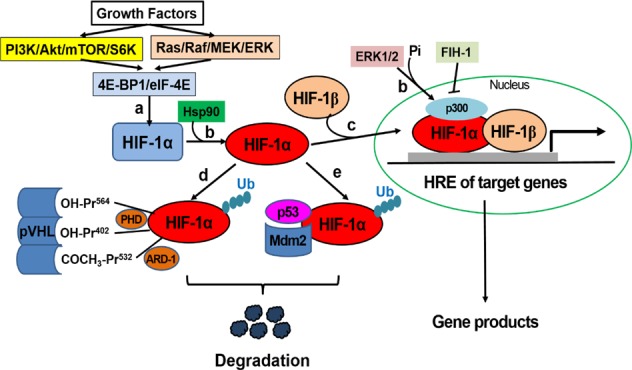
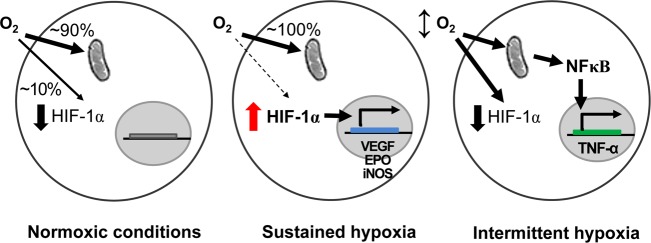
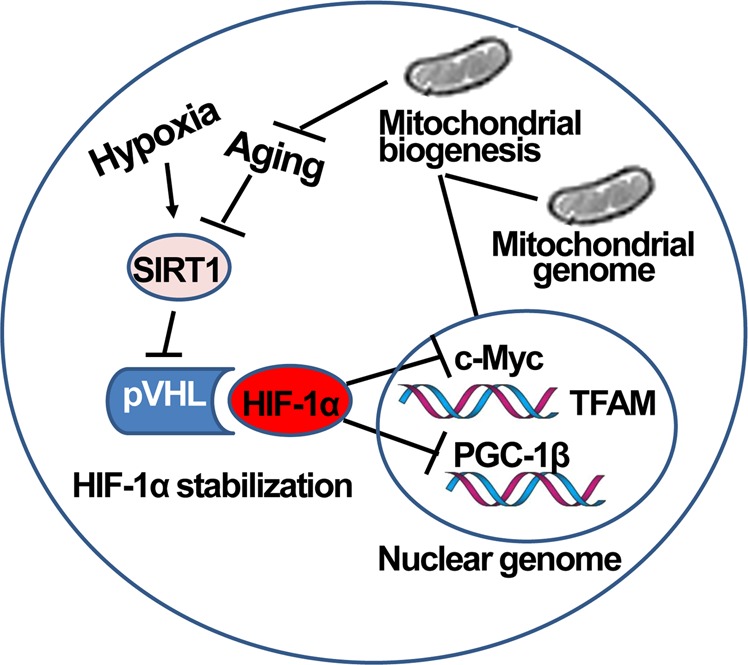
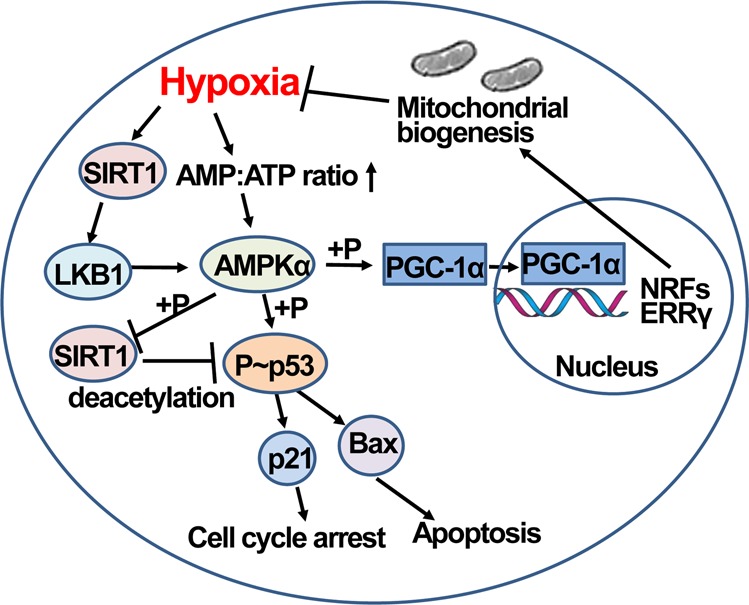
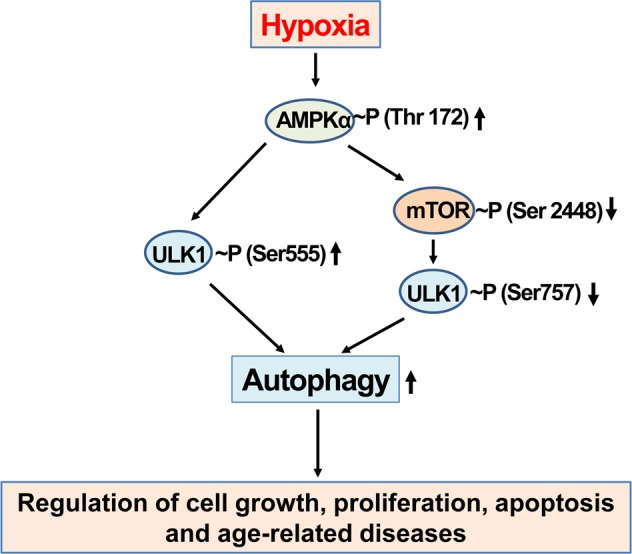
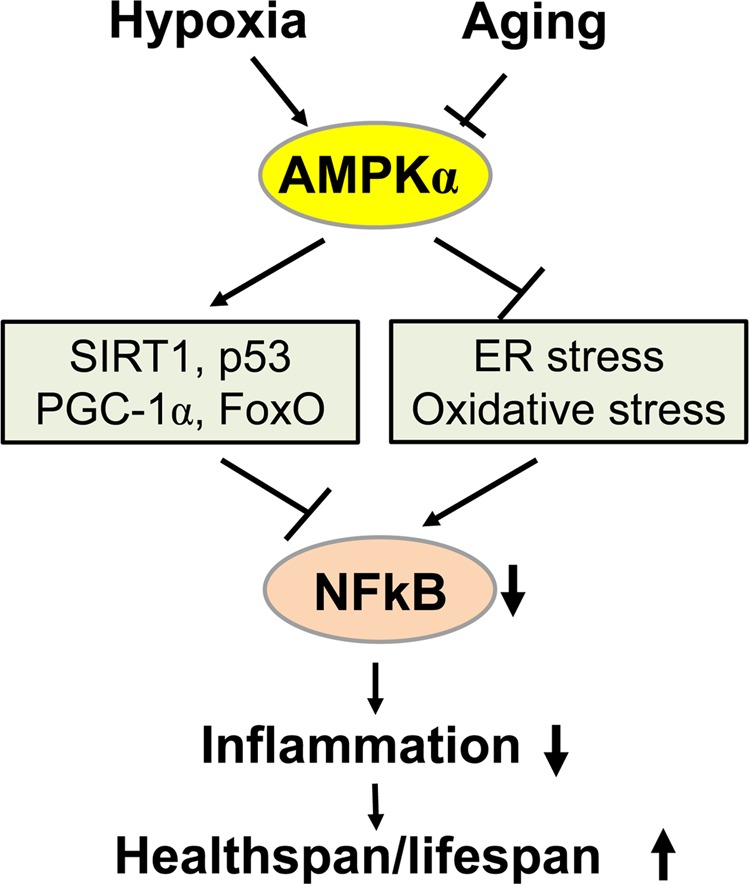
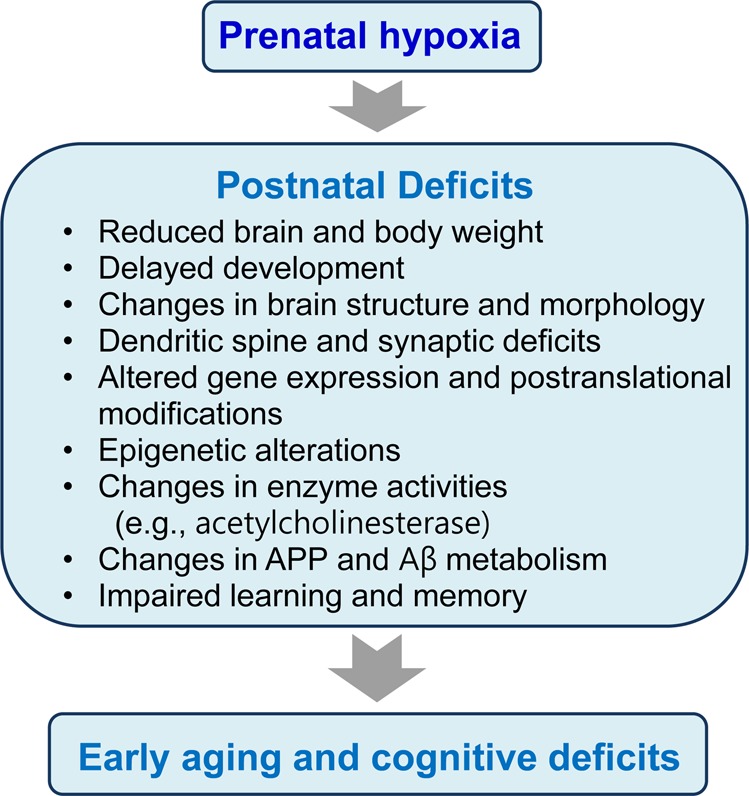
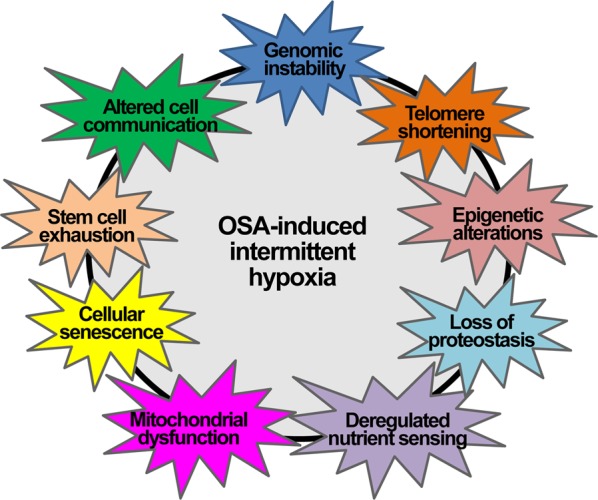
Eukaryotic cells require sufficient oxygen (O2) for biological activity and survival. When the oxygen demand exceeds its supply, the oxygen levels in local tissues or the whole body decrease (termed hypoxia), leading to a metabolic crisis, threatening physiological functions and viability. Therefore, eukaryotes have developed an efficient and rapid oxygen sensing system: hypoxia-inducible factors (HIFs). The hypoxic responses are controlled by HIFs, which induce the expression of several adaptive genes to increase the oxygen supply and support anaerobic ATP generation in eukaryotic cells. Hypoxia also contributes to a functional decline during the aging process. In this review, we focus on the molecular mechanisms regulating HIF-1α and aging-associated signaling proteins, such as sirtuins, AMP-activated protein kinase, mechanistic target of rapamycin complex 1, UNC-51-like kinase 1, and nuclear factor κB, and their roles in aging and aging-related diseases. In addition, the effects of prenatal hypoxia and obstructive sleep apnea (OSA)-induced intermittent hypoxia have been reviewed due to their involvement in the progression and severity of many diseases, including cancer and other aging-related diseases. The pathophysiological consequences and clinical manifestations of prenatal hypoxia and OSA-induced chronic intermittent hypoxia are discussed in detail. Deficient oxygen supplies to the body’s tissues and a reduced ability to deal with the cellular stress of low oxygen availability both contribute to the ageing process. Eui-Ju Yeo from Gachon University in Incheon, South Korea, reviews the links between insufficient oxygen, a condition known as hypoxia, and the functional decline associated with getting old. Yeo highlights the role that the oxygen-sensing proteins known as hypoxia-inducible factors (HIFs) play in facilitating oxygen supply and regulating energy production under limited oxygen conditions. HIFs also interact with a series of signaling proteins that, when abnormally activated, contribute to many aging-associated diseases. Yeo singles out two hypoxia-related health problems, prenatal hypoxia during early brain development and obstructive sleep apnea, and discusses how they can accelerate aging in various ways.
Overview
The claims and statistics of this paper haven’t been checked yet.
Free: it reads the open-access text and checks the first 5 claims that cite a source we can check. Create a free account to check every claim.
Integrity signals
Registry
Cites
Statistics
Figures
Verification
Claims the paper makes
The claims and statistics of this paper haven’t been checked yet.
Free: it reads the open-access text and checks the first 5 claims that cite a source we can check. Create a free account to check every claim.
Claims other papers make about this one
Each is checked against this paper’s own text: does it say what the citing paper says it does?
The source backs part of the claim, not all of it — or backs it for a different population, condition or comparison.
In the citing paper
“Hypoxia blocks the ubiquitination and proteasome degradation of HIF1, which is shuttled to the nucleus and induces the transcription of more than 100 genes involved in adaptive processes that increase oxygen supply and support anaerobic ATP generation, such as angiogenesis, erythropoiesis, anaerobic glycolytic metabolism, pH regulation, cell proliferation, cell survival, inflammation, and immunity”
From Proteomics in aging research: A roadmap to clinical, translational research (2021) · cites this paper as Yeo, 2019
Experimental — accuracy not yet measuredThe source backs part of the claim, not all of it — or backs it for a different population, condition or comparison.
In the citing paper
“Interestingly, HIF1α downregulates mitochondrial biogenesis, thereby reducing ATP production, and possibly further contributing to the oxidative stress that triggers the nuclear factor κB (NFkB)‐mediated production of cytokines (Yeo, 2019).”
From Proteomics in aging research: A roadmap to clinical, translational research (2021) · cites this paper as Yeo, 2019
Experimental — accuracy not yet measuredThe cited source says what the claim attributes to it.
In the citing paper
“Finally, the HIF1 pathway cross‐talks with other pathways that are relevant for aging, including sirtuins, AMP‐activated protein kinase (AMPK), mechanistic target of rapamycin complex 1 (mTORC1), UNC‐51‐like kinase 1 (ULK1), NFκB pathways, suggesting that chronic or episodic hypoxia may be connected to biological aging (Beek et al., 2019; Yeo, 2019).”
From Proteomics in aging research: A roadmap to clinical, translational research (2021) · cites this paper as Yeo, 2019
In the citing paper
“There is extensive evidence that dysregulation of HIF1 occurs with aging and is involved in the pathogenesis of many age‐related chronic conditions, including cancer growth and metastasis, cardiac disease, pulmonary disease, liver disease, and kidney disease (Yeo, 2019).”
From Proteomics in aging research: A roadmap to clinical, translational research (2021) · cites this paper as Yeo, 2019
Self-check
Percentages, sums and reported differences re-computed from the paper’s own numbers.
The self-check needs the paper’s full text.
Citations
Cites
AMPK and mTOR regulate autophagy through direct phosphorylation of Ulk1
Kim, J., Kundu, M., Viollet, B., & Guan, K.-L. (2011) · Nature Cell Biology · doi:10.1038/ncb2152 · Cited by 7,227
Targeting HIF-1 for cancer therapy
Semenza, G. L. (2003) · Nature Reviews Cancer · doi:10.1038/nrc1187 · Cited by 6,717
Wang, G. L., Jiang, B. H., Rue, E. A., & Semenza, G. L. (1995) · Proceedings of the National Academy of Sciences · doi:10.1073/pnas.92.12.5510 · Cited by 6,212
Jaakkola, P., Mole, D. R., Tian, Y.-M., Wilson, M. I., Gielbert, J., Gaskell, S. J., Kriegsheim, A. V., Hebestreit, H. F., Mukherji, M., Schofield, C. J., et al. (2001) · Science · doi:10.1126/science.1059796 · Cited by 5,535
HIFα Targeted for VHL-Mediated Destruction by Proline Hydroxylation: Implications for O 2 Sensing
Ivan, M., Kondo, K., Yang, H., Kim, W., Valiando, J., Ohh, M., Salic, A., Asara, J. M., Lane, W. S., & Kaelin Jr., W. G. (2001) · Science · doi:10.1126/science.1059817 · Cited by 4,735
AMPK: a nutrient and energy sensor that maintains energy homeostasis
Hardie, D. G., Ross, F. A., & Hawley, S. A. (2012) · Nature Reviews Molecular Cell Biology · doi:10.1038/nrm3311 · Cited by 4,602
mTOR: from growth signal integration to cancer, diabetes and ageing
Zoncu, R., Efeyan, A., & Sabatini, D. M. (2011) · Nature Reviews Molecular Cell Biology · doi:10.1038/nrm3025 · Cited by 3,941
TSC2 Mediates Cellular Energy Response to Control Cell Growth and Survival
Inoki, K., Zhu, T., & Guan, K.-L. (2003) · Cell · doi:10.1016/s0092-8674(03)00929-2 · Cited by 3,914
AMPK Phosphorylation of Raptor Mediates a Metabolic Checkpoint
Gwinn, D. M., Shackelford, D. B., Egan, D. F., Mihaylova, M. M., Mery, A., Vasquez, D. S., Turk, B. E., & Shaw, R. J. (2008) · Molecular Cell · doi:10.1016/j.molcel.2008.03.003 · Cited by 3,849
Comprehensive molecular characterization of clear cell renal cell carcinoma
The Cancer Genome Atlas Research Network (2013) · Nature · doi:10.1038/nature12222 · Cited by 3,485
Cited by
Pathophysiological mechanisms and therapeutic approaches in obstructive sleep apnea syndrome
Lv, R., Liu, X., Zhang, Y., Dong, N., Wang, X., He, Y., Yue, H., & Yin, Q. (2023) · Signal Transduction and Targeted Therapy · doi:10.1038/s41392-023-01496-3 · Cited by 477
HIF-1α promotes SARS-CoV-2 infection and aggravates inflammatory responses to COVID-19
Tian, M., Liu, W., Li, X., Zhao, P., Shereen, M. A., Zhu, C., Huang, S., Liu, S., Yu, X., Yue, M., et al. (2021) · Signal Transduction and Targeted Therapy · doi:10.1038/s41392-021-00726-w · Cited by 253
Hadanny, A., & Efrati, S. (2020) · Biomolecules · doi:10.3390/biom10060958 · Cited by 204
“The decreased level of SIRT1, in both transcriptional and posttranscriptional stages during aging is considered to be a major metabolic pathway that attenuates mitochondrial biogenesis and causes aging-related diseases [14].”
BackgroundCell Senescence, DNA Damage, and Metabolism
Shmulevich, R., & Krizhanovsky, V. (2021) · Antioxidants & Redox Signaling · doi:10.1089/ars.2020.8043 · Cited by 157
“2) senescence (25, 45, 95).”
Proteomics in aging research: A roadmap to clinical, translational research
Moaddel, R., Ubaida‐Mohien, C., Tanaka, T., Lyashkov, A., Basisty, N., Schilling, B., Semba, R. D., Franceschi, C., Gorospe, M., & Ferrucci, L. (2021) · Aging Cell · doi:10.1111/acel.13325 · Cited by 139
“…that are relevant for aging, including sirtuins, AMP- activated protein kinase (AMPK), mechanistic target of rapamycin complex 1 (mTORC1), UNC- 51- like kinase 1 (ULK1), NFκB pathways, suggesting that chronic or episodic hypoxia may be connected to biological aging (Beek et al., 2019; Yeo, 2019).”
BackgroundInfluentialMolecular pathways involved in COVID-19 and potential pathway-based therapeutic targets
Farahani, M., Niknam, Z., Amirabad, L. M., Dashatan, N. A., Koushki, M., Nemati, M., Pouya, F. D., Rezaei–Tavirani, M., Rasmi, Y., & Tayebi, L. (2021) · Biomedicine & Pharmacotherapy · doi:10.1016/j.biopha.2021.112420 · Cited by 137
“Molecular pathways associated with HIF interact with the pathways involved in mitochondrial biogenesis, inflammation, oncogenic cells, and ageing process [224].”
The role of Hypoxia-Inducible Factor-1alpha and its signaling in melanoma
Malekan, M., Ebrahimzadeh, M. A., & Sheida, F. (2021) · Biomedicine & Pharmacotherapy · doi:10.1016/j.biopha.2021.111873 · Cited by 134
Scassellati, C., Galoforo, A. C., Bonvicini, C., Esposito, C., & Ricevuti, G. (2020) · Ageing Research Reviews · doi:10.1016/j.arr.2020.101138 · Cited by 130
The Role of HIF1α-PFKFB3 Pathway in Diabetic Retinopathy
Min, J., Zeng, T., Roux, M., Lazar, D., Chen, L., & Tudzarova, S. (2021) · The Journal of Clinical Endocrinology & Metabolism · doi:10.1210/clinem/dgab362 · Cited by 135
“HIFs are the transcription factors that control many aspects of the survival of tissue exposed to hypoxia, such as angiogenesis, aerobic glycolysis, cell proliferation, and inflammation (107).”
BackgroundInfluentialBisht, A., Tewari, D., Kumar, S., & Chandra, S. (2023) · Molecular Diversity · doi:10.1007/s11030-023-10684-w · Cited by 147
Fecal Microbiota and Gut Microbe-Derived Extracellular Vesicles in Colorectal Cancer
Park, J., Kim, N.-E., Yoon, H., Shin, C. M., Kim, N., Lee, D. H., Park, J. Y., Choi, C. H., Kim, J. G., Kim, Y., et al. (2021) · Frontiers in Oncology · doi:10.3389/fonc.2021.650026 · Cited by 113
Metabolic Communication and Healthy Aging: Where Should We Focus Our Energy?
Smith, H. J., Sharma, A., & Mair, W. B. (2020) · Developmental Cell · doi:10.1016/j.devcel.2020.06.011 · Cited by 84
Hypoxia-Inducible Factor-1α: The Master Regulator of Endothelial Cell Senescence in Vascular Aging
Alique, M., Sánchez-López, E., Bodega, G., Giannarelli, C., Carracedo, J., & Ramírez, R. (2020) · Cells · doi:10.3390/cells9010195 · Cited by 83
“This study characterized some of the features of senescent cells and described an increase in pro-inflammatory mediators, including NF-κB signaling-dependent mediators, but a decrease in eNOS.”
BackgroundInfluentialWu, Z., Uhl, B., Gires, O., & Reichel, C. A. (2023) · Journal of Biomedical Science · doi:10.1186/s12929-023-00915-5 · Cited by 86
“Among these pro-tumorigenic signaling pathways, hypoxia and Notch signaling pathways have not only been shown to be associated with tumor progression, but also represent important regulators of endothelial cell senescence [45, 58].”
BackgroundRegulatory mechanism of HIF-1α and its role in liver diseases: a narrative review
Chu, Q., Gu, X., Zheng, Q., & Zhu, H. (2022) · Annals of Translational Medicine · doi:10.21037/atm-21-4222 · Cited by 96
“erythropoiesis; pH regulation; and others (51-55).”
Impact of skin tone on photoacoustic oximetry and tools to minimize bias
Mantri, Y., & Jokerst, J. V. (2022) · Biomedical Optics Express · doi:10.1364/boe.450224 · Cited by 75
“Hypoxemia is an abnormal decrease in partial pressure of oxygen in the blood – a key parameter in clinical decision making in diseases including cancer, [10–12] COVID, [13,14] wound care, [15–17] chronic kidney disease, [18,19] aging, [20,21] etc.”
BackgroundNicaise, A. M., Willis, C. M., Crocker, S. J., & Pluchino, S. (2020) · Frontiers in Aging Neuroscience · doi:10.3389/fnagi.2020.00247 · Cited by 73
“Numerous mouse models of aging have been established and extensively reviewed (Yeoman et al., 2012; Heng et al., 2017; Folgueras et al., 2018).”
BackgroundAn Overview of the Recent Development of Anticancer Agents Targeting the HIF-1 Transcription Factor
Shirai, Y., Chow, C. C. T., Kambe, G., Suwa, T., Kobayashi, M., Takahashi, I., Harada, H., & Nam, J. (2021) · Cancers · doi:10.3390/cancers13112813 · Cited by 79
Hyperbaric oxygen therapy for healthy aging: From mechanisms to therapeutics
Fu, Q., Duan, R., Sun, Y., & Li, Q. (2022) · Redox Biology · doi:10.1016/j.redox.2022.102352 · Cited by 84
“1, antagonizes the promoting effect of SIRT1 on mitochondrial biogenesis [86].”
BackgroundHypoxia in Aging and Aging-Related Diseases: Mechanism and Therapeutic Strategies
Wei, Y., Giunta, S., & Xia, S. (2022) · International Journal of Molecular Sciences · doi:10.3390/ijms23158165 · Cited by 81
“However, the activation capacity of AMPK signaling decreases with age, which impairs the maintenance of cellular homeostasis and accelerates the aging process, thus triggering a variety of aging-related diseases [72,73].”
BackgroundNeuroprotective Metabolites of Hericium erinaceus Promote Neuro-Healthy Aging
Roda, E., Priori, E. C., Ratto, D., Luca, F. D., Iorio, C. D., Angelone, P., Locatelli, C., Desiderio, A., Goppa, L., Savino, E., et al. (2021) · International Journal of Molecular Sciences · doi:10.3390/ijms22126379 · Cited by 76
“To integrate the study of the inflammatory pathway, based on the notion that hypoxia-inducible factors (HIFs) play as essential regulators of inflammation [62,63], we investigated the expression of HIF1α, which is regulated at protein level in an oxygen-sensitive manner, and is known as a critical transcription factor…”
BackgroundVähätupa, M., Järvinen, T. A. H., & Uusitalo‐Järvinen, H. (2020) · Frontiers in Pharmacology · doi:10.3389/fphar.2020.00873 · Cited by 63
“These soluble growth factors direct the sprouting of the new blood vessel, i.e., angiogenesis, to deliver oxygen and address the hypoxia in the tissue (Lee et al., 2019; Yeo, 2019; Liao and Zhang, 2020).”
BackgroundAnemia and Its Connections to Inflammation in Older Adults: A Review
Wacka, E., Nicikowski, J., Jarmużek, P., & Zembroń-Łacny, A. (2024) · Journal of Clinical Medicine · doi:10.3390/jcm13072049 · Cited by 88
“Accumulating damage to telomeres leads to aging of the mitochondria and the increased production of reactive oxygen species (ROS), which results in generalized hypoxia as a consequence [37,38].”
BackgroundResearch Opportunities in Autonomic Neural Mechanisms of Cardiopulmonary Regulation
Mehra, R., Tjurmina, O., Ajijola, O. A., Arora, R., Bolser, D. C., Chapleau, M. W., Chen, P., Clancy, C. E., Delisle, B. P., Gold, M. R., et al. (2022) · JACC Basic to Translational Science · doi:10.1016/j.jacbts.2021.11.003 · Cited by 69
“The interactions of hypoxia with the cardiorespiratory system and ANS, however, are complex, reflecting multiple molecular sensing and transduction pathways, including arterial chemoreceptor stimulation and secondary neurotransmitter release, reactive oxygen species generation in the mitochondria, hypoxic inducible fa…”
BackgroundCancer Stem Cell-Associated Pathways in the Metabolic Reprogramming of Breast Cancer
El‐Sahli, S., & Wang, L. (2020) · International Journal of Molecular Sciences · doi:10.3390/ijms21239125 · Cited by 53
“Over the last decade, HIF-1 has been shown to be stimulated by a multitude of different pathways that control HIF-1α, leading to the upregulation of HIF-1-mediated gene expression [79].”
BackgroundHypoxia Signaling in Parkinson’s Disease: There Is Use in Asking “What HIF?”
Pinilla, L. L., Ugun‐Klusek, A., Rutella, S., & Girolamo, L. A. D. (2021) · Biology · doi:10.3390/biology10080723 · Cited by 60
Bisht, K. K., Fukao, T., Chiron, M., Richardson, P. G. G., Atanackovic, D., Chini, E. N., Chng, W. J., de Velde, H. J. V., & Malavasi, F. (2023) · Cancer Medicine · doi:10.1002/cam4.6619 · Cited by 57
“…in acquiring 1q21 copy number gain in myeloma is not known, but 1q21 + and hypoxic BM environment together can contribute to ADO production through both HIF-1-mediated CD73 upregulation, 67,69 and through the CD38/CD203a/TRACP pathway, and thus contribute to NK-cell dysfunction in MM. 32,50,65”
BackgroundLiu, J., Huang, X., Liu, D., Ji, K., Tao, C., Zhang, R., & Chen, J. (2021) · Phytomedicine · doi:10.1016/j.phymed.2021.153678 · Cited by 52
Garcia-Rojas, E. Y. L., Villanueva, C., & Bond, R. A. (2021) · Frontiers in Cardiovascular Medicine · doi:10.3389/fcvm.2021.709509 · Cited by 56
“Oxygen, therefore, plays a fundamental role in metabolism, and respiration of CV and all other tissues (5).”
BackgroundLi, G., Liu, J., Guo, M., Gu, Y., Guan, Y., Shao, Q., Ma, W., & Ji, X. (2022) · Cell Death Discovery · doi:10.1038/s41420-022-01260-6 · Cited by 47
“Chronic hypoxia is common in life and includes environmental hypoxia, such as altitude exposure, and hypoxia of the body or organs during aging and disease [21].”
BackgroundHypoxia: Role of SIRT1 and the protective effect of resveratrol in ovarian function
Nishigaki, A., Tsubokura, H., Tsuzuki‐Nakao, T., & Okada, H. (2021) · Reproductive Medicine and Biology · doi:10.1002/rmb2.12428 · Cited by 43
Hydrogen sulfide in longevity and pathologies: Inconsistency is malodorous
Sokolov, A. S., Nekrasov, P. V., Shaposhnikov, M. V., & Moskalev, A. (2021) · Ageing Research Reviews · doi:10.1016/j.arr.2021.101262 · Cited by 45
Turkiewicz, S., Ditmer, M., Sochal, M., Białasiewicz, P., Strzelecki, D., & Gabryelska, A. (2021) · International Journal of Molecular Sciences · doi:10.3390/ijms222212536 · Cited by 47
Aging and putative frailty biomarkers are altered by spaceflight
Camera, A., Tabetah, M., Castañeda, V., Kim, J., Galsinh, A. S., Haro-Vinueza, A., Salinas, I., Seylani, A., Arif, S., Das, S., et al. (2024) · Scientific Reports · doi:10.1038/s41598-024-57948-5 · Cited by 50
“Hypoxia Inducible Factor (HIF) is a key regulator of immune cell function 42 , and its dysregulation could alter immune response.”
BackgroundGuo, M., Ji, X., & Liu, J. (2022) · Frontiers in Aging Neuroscience · doi:10.3389/fnagi.2022.919343 · Cited by 41
“Hypoxia occurs when oxygen levels in local or systemic tissues decrease and are insufficient to maintain normal metabolism, sometimes even making it difficult to survive (Yeo, 2019).”
BackgroundSkeletal Muscle in Hypoxia and Inflammation: Insights on the COVID-19 Pandemic
Girolamo, F. G. D., Fiotti, N., Sisto, U. G., Nunnari, A., Colla, S., Mearelli, F., Vinci, P., Schincariol, P., & Biolo, G. (2022) · Frontiers in Nutrition · doi:10.3389/fnut.2022.865402 · Cited by 44
“Moreover, HIF-1α is also involved in the regulation of the aging process (78).”
BackgroundObstructive Sleep Apnea-hypopnea Syndrome as a Novel Potential Risk for Aging
Li, Y., & Wang, Y. (2021) · Aging and Disease · doi:10.14336/ad.2020.0723 · Cited by 40
“inducible factor-1 (HIF-1) activates genes, playing a significant role in vascular function, including vascular endothelial growth factor (VEGF), erythropoietin (EPO), and inducible nitric oxide synthase (iNOS) [85, 86].”
BackgroundChang, X., Zhao, Z., Zhang, W., Liu, D., Ma, C., Zhang, T., Meng, Q., Yan, P., Zou, L., & Ming, Z. (2021) · Oxidative Medicine and Cellular Longevity · doi:10.1155/2021/6620677 · Cited by 35
“O2 plays an important role in the regulation of metabolism, energy production, and internal homeostasis [71].”
BackgroundRetractedHercog, K., Štampar, M., Štern, A., Filipič, M., & Žegura, B. (2020) · Environmental Pollution · doi:10.1016/j.envpol.2020.114965 · Cited by 37
Role of Exercise Intensity on Th1/Th2 Immune Modulations During the COVID-19 Pandemic
Supriya, R., Gao, Y., Gu, Y., & Baker, J. S. (2021) · Frontiers in Immunology · doi:10.3389/fimmu.2021.761382 · Cited by 39
“We must also be aware that even in obesity (125), elderly (126), with other comorbidities (127, 128) and even COVID-19 survivors (129), HIF-1a has been reported to be upregulated compared to normal populations.”
BackgroundBehrendt, T., Bielitzki, R., Behrens, M., Glazachev, O. S., & Schega, L. (2022) · Frontiers in Physiology · doi:10.3389/fphys.2022.899096 · Cited by 42
“…intermittent hypoxic exposure has gained considerable popularity as an effective non-pharmacological approach to increase the efficiency of physical training and thus to treat various age-related changes in humans (Verges et al., 2015; Millet et al., 2016; Serebrovskaya and Xi, 2016; Yeo, 2019).”
BackgroundLin, Y., Wang, M.-J., Xiao, Z., & Jiang, Z. (2021) · Life Sciences · doi:10.1016/j.lfs.2021.119432 · Cited by 35
Li, G., Wu, Q., Wang, C., Deng, P., Li, J., Zhai, Z., & Li, Y. (2025) · Scientific Reports · doi:10.1038/s41598-024-82571-9 · Cited by 40
Vanderplow, A. M., Kermath, B. A., Bernhardt, C. R., Gums, K. T., Seablom, E. N., Radcliff, A. B., Ewald, A. C., Jones, M. V., Baker, T. L., Watters, J. J., et al. (2022) · PLoS Biology · doi:10.1371/journal.pbio.3001502 · Cited by 34
Liu, W., Zhu, P., Li, M., Li, Z., Yu, Y., Liu, G., Du, J., Wang, X., Yang, J., Tian, R., et al. (2023) · The EMBO Journal · doi:10.15252/embj.2022112740 · Cited by 35
Viafara-García, S. M., Khan, M. S., Haidar, Z. S., & Acevedo, J. P. (2023) · Nanomaterials · doi:10.3390/nano13233060 · Cited by 30
Influence of height on endothelial maintenance activity: a narrative review
Shimizu, Y., & Maeda, T. (2021) · Environmental Health and Preventive Medicine · doi:10.1186/s12199-021-00941-5 · Cited by 32
“Aging is a process that increases hypoxia, which contributes to functional decline [46].”
BackgroundSenolytic-facilitated Reversal of End-Organ Dysfunction in a Murine Model of Obstructive Sleep Apnea
Badran, M., Puech, C., Khalyfa, A., Cortese, R., Cataldo, K., Qiao, Z., & Gozal, D. (2024) · American Journal of Respiratory and Critical Care Medicine · doi:10.1164/rccm.202306-1101oc · Cited by 30
Xiao, J., Guo, X., & Wang, Z. (2024) · Frontiers in Immunology · doi:10.3389/fimmu.2024.1385907 · Cited by 36
“However, hypoxia arises when oxygen supply falls short of demand, resulting in subnormal levels, often under 5% oxygen partial pressure (23, 25).”
BackgroundHypoxia and aging: molecular mechanisms, diseases, and therapeutic targets
Nisar, A., Khan, S., Li, W., Hu, L., Samarawickrama, P. N., Gold, N. M., Zi, M., Mehmood, S. A., Miao, J., & He, Y. (2024) · MedComm · doi:10.1002/mco2.786 · Cited by 38
“12–”
BackgroundSuda, Y., Nakashima, T., Matsumoto, H., Sato, D., Nagano, S., Mikata, H., Yoshida, S., Tanaka, K., Hamada, Y., Kuzumaki, N., et al. (2021) · Biochemical and Biophysical Research Communications · doi:10.1016/j.bbrc.2020.12.086 · Cited by 31
Yang, Z., Hong, W., Zheng, K., Feng, J., Hu, C., Tan, J., Zhong, Z., & Zheng, Y. (2022) · Oxidative Medicine and Cellular Longevity · doi:10.1155/2022/4247042 · Cited by 40
Oxidative Stress in Obstructive Sleep Apnea Syndrome: Putative Pathways to Hearing System Impairment
Mastino, P., Rosati, D., de Soccio, G., Romeo, M., Pentangelo, D., Venarubea, S., Fiore, M., Meliante, P. G., Petrella, C., Barbato, C., et al. (2023) · Antioxidants · doi:10.3390/antiox12071430 · Cited by 36
“Intermittent hypoxia seems to cause less stability of HIF-α, leading to the activation of NF-kB, probably due to oxidative stress [64].”
BackgroundLocalized molecular chaperone synthesis maintains neuronal dendrite proteostasis
Alecki, C., Rizwan, J., Le, P., Jacob‐Tomas, S., Comaduran, M. F., Verbrugghe, M., Xu, J. M. S., Minotti, S., Lynch, J., Biswas, J., et al. (2024) · Nature Communications · doi:10.1038/s41467-024-55055-7 · Cited by 28
“…injury (1% O 2 for 3 h and 4 h reoxygenation ) , which generatesreactiveoxygenspeciesresultinginproteinmisfolding 93 and brain damage 94,95 or neuronal exposure to 500nM of oligomeric amyloid-β peptides for 24 h (oA β 1-42 ) 96,97 , which accumulate in the hippocampus in Alzheimer ’ s…”
Respiratory muscle senescence in ageing and chronic lung diseases
Gea, J., Ausín, P., Martínez‐Llorens, J., & Barreiro, E. (2020) · European Respiratory Review · doi:10.1183/16000617.0087-2020 · Cited by 33
Intermittent Hypoxia as a Therapeutic Tool to Improve Health Parameters in Older Adults
Timón, R., González-Custodio, A., Vasquez-Bonilla, A. A., Olcina, G. J., & Leal, A. (2022) · International Journal of Environmental Research and Public Health · doi:10.3390/ijerph19095339 · Cited by 27
“In addition, sustained hypoxia contributes to functional decline during the aging process [5].”
BackgroundZhou, Z., Zhao, Q., Huang, Y., Meng, S., Chen, X., Zhang, G., Chi, Y., Xu, D., Yin, Z., Jiang, H., et al. (2024) · Journal of Cellular and Molecular Medicine · doi:10.1111/jcmm.18407 · Cited by 28
Cheng, H., & Li, D. (2021) · Sleep Medicine · doi:10.1016/j.sleep.2021.05.031 · Cited by 33
Proteomics and Epidemiological Models of Human Aging
Ubaida‐Mohien, C., Moaddel, R., Moore, A. Z., Kuo, P., Faghri, F., Tharakan, R., Tanaka, T., Nalls, M. A., & Ferrucci, L. (2021) · Frontiers in Physiology · doi:10.3389/fphys.2021.674013 · Cited by 24
“mitochondrial biogenesis, thereby reducing ATP production, and potentially contributing to the oxidative stress that triggers the nuclear factor κB (NFkB)-mediated production of cytokines (Yeo, 2019).”
BackgroundThe hypoxia adaptation of small mammals to plateau and underground burrow conditions
Li, M., Pan, D., Sun, H. Q., Zhang, L., Cheng, H., Shao, T., & Wang, Z. (2021) · Animal Models and Experimental Medicine · doi:10.1002/ame2.12183 · Cited by 28
Tang, H., He, Y., Liang, Z., Li, J., Dong, Z., & Liao, Y. (2022) · Stem Cell Research & Therapy · doi:10.1186/s13287-022-02952-7 · Cited by 29
Špaková, I., Rabajdová, M., Mičková, H., Graier, W. F., & Mareková, M. (2021) · Scientific Reports · doi:10.1038/s41598-021-89792-2 · Cited by 23
Xu, Y., Chang, L., Chen, Y., Zhou, D., Zhou, L., Tang, J., Deng, L., Tang, G., & Li, C. (2024) · Advanced Science · doi:10.1002/advs.202406428 · Cited by 27
Kooman, J. P., Stenvinkel, P., Shiels, P. G., Feelisch, M., Canaud, B., & Kotanko, P. (2020) · American Journal of Physiology-Renal Physiology · doi:10.1152/ajprenal.00540.2020 · Cited by 20
Longevity Humans Have Youthful Erythrocyte Function and Metabolic Signatures
Yu, F., Chen, C., Liu, W., Zhao, Z., Fan, Y., Li, Z., Huang, W., Xie, T., Luo, C., Yao, Z., et al. (2025) · Aging Cell · doi:10.1111/acel.14482 · Cited by 21
“However, why longevity individuals have a better energy metabolism and more antioxidants to cope with inflammation, oxidative stress metabolic impairment, and healthier aging (Yeo 2019; Liu et al. 2023) remains a mystery.”
Arabzadeh, E., Kamareh, M. N., Ramírez‐Campillo, R., Mirnejad, R., Masti, Y., & Shirvani, H. (2022) · Journal of Food Biochemistry · doi:10.1111/jfbc.14397 · Cited by 18
Järvinen, T. A. H., & Pemmari, T. (2020) · Nanomaterials · doi:10.3390/nano10020226 · Cited by 22
“When the cells experience hypoxia, it stabilizes the transcription factor hypoxia inducible factor‐1α (HIF‐1α), which accumulates in the cell nucleus to direct gene expression towards helping one to address hypoxia [24,25].”
BackgroundHealthy Aging at Moderate Altitudes: Hypoxia and Hormesis
Burtscher, J., & Samaja, M. (2024) · Gerontology · doi:10.1159/000541216 · Cited by 20
Walking the fine line between OSA and aging
Antonaglia, C., Fabozzi, A., Steffanina, A., Ture, R., Palange, P., & Confalonieri, M. (2025) · Sleep And Breathing · doi:10.1007/s11325-025-03343-x · Cited by 20
Shimizu, Y., Arima, K., Noguchi, Y., Yamanashi, H., Kawashiri, S., Nobusue, K., Nonaka, F., Aoyagi, K., Nagata, Y., & Maeda, T. (2022) · Scientific Reports · doi:10.1038/s41598-022-09486-1 · Cited by 18
The interplay of NAD and hypoxic stress and its relevance for ageing
Burtscher, J., Denti, V., Gostner, J. M., Weiss, A. K., Strasser, B., Hüfner, K., Burtscher, M., Paglia, G., Kopp, M., & Dünnwald, T. (2024) · Ageing Research Reviews · doi:10.1016/j.arr.2024.102646 · Cited by 21
Loss of ARNT in skeletal muscle limits muscle regeneration in aging
Endo, Y., Baldino, K., Li, B., Zhang, Y., Sakthivel, D., MacArthur, M. R., Panayi, A. C., Kip, P., Spencer, D. J., Jasuja, R., et al. (2020) · The FASEB Journal · doi:10.1096/fj.202000761rr · Cited by 18
Szabó, L. G., Molnár, R., Tomesz, A., Deutsch, A., Darago, R., Varjas, T., Ritter, Z., Szentpéteri, J. L., Andreidesz, K., Máthé, D., et al. (2022) · Nutrients · doi:10.3390/nu14040908 · Cited by 16
“According to published results C-MYC gene expression—which is also important in carcinogenesis— increased with aging due to the hypomethylation of the promoter region in both the spleen and the liver of mice—and this may also cause downregulation of P53, which protects against aging through treating DNA damage [44–46].”
BackgroundInfluentialWang, R., Yang, Y., & Chang, H.-C. (2022) · International Journal of Molecular Sciences · doi:10.3390/ijms23031780 · Cited by 19
“HIF-1α is mainly a gene regulatory factor stimulated by hypoxia, which can regulate at least 100 genes related to promoting cell survival [46].”
BackgroundZhang, J., Su, Q., Loudon, W. G., Lee, K. L., Luo, J., Dethlefs, B. A., & Li, S. C. (2019) · Journal of Functional Morphology and Kinesiology · doi:10.3390/jfmk4040071 · Cited by 15
“in local tissues or the whole-body (termed hypoxia) causes the metabolic crisis, affecting physiological functions and viability [19].”
BackgroundWu, Y., Ma, Y., Li, J., Xue-Lin, Z. H. O. U., Li, L., Xu, P., Li, X., & Xue, M. (2021) · Chinese Journal of Natural Medicines · doi:10.1016/s1875-5364(21)60043-2 · Cited by 22
Snyder, B., Wu, H., Tillman, B., & Floyd, T. F. (2022) · Cells · doi:10.3390/cells11030423 · Cited by 13
“Adaptive homeostasis, including the HIF-α pathway, declines with age across species [15,89].”
BackgroundFukunaga, T., Mori, S., Omura, T., Noda, Y., Fujita, Y., Ohsawa, I., & Shigemoto, K. (2021) · Biochemical and Biophysical Research Communications · doi:10.1016/j.bbrc.2020.11.071 · Cited by 14
Hypoxia Induces Alterations in the Circadian Rhythm in Patients with Chronic Respiratory Diseases
Castillejos-López, M. D. J., Romero, Y., Varela-Ordoñez, A., Flores‐Soto, E., Romero-Martínez, B. S., Velázquez‐Cruz, R., Vázquez-Pérez, J. A., Ruiz, V., Gómez-Verján, J. C., Rivero-Segura, N. A., et al. (2023) · Cells · doi:10.3390/cells12232724 · Cited by 14
“Moreover, hypoxia is a deleterious mechanism involved in the pathological processes of aging through the activity of HIF-1 α as well as nuclear factor κβ (NF-κ B) [48].”
BackgroundThe role of mTOR signalling pathway in hypoxia-induced cognitive impairment
Qaid, E. Y. A., Zulkipli, N. N., Zakaria, R., Ahmad, A. H., Othman, Z., Muthuraju, S., & Sasongko, T. H. (2020) · International Journal of Neuroscience · doi:10.1080/00207454.2020.1746308 · Cited by 13
Functional glutamate transporters are expressed in the carotid chemoreceptor
Li, C., Huang, L., Jia, X., Zhao, B., Chen, L., & Liu, Y. (2020) · Respiratory Research · doi:10.1186/s12931-020-01468-z · Cited by 13
“Previous reporters demonstrated the differences of cellular responses to chronic sustained hypoxia (CSH) and CIH [39, 40], which might be due to the inhibition of mitochondrial function reversing the hypoxia-induced signal pathway [39, 41].”
BackgroundHIV Promotes Neurocognitive Impairment by Damaging the Hippocampal Microvessels
Sharma, A. L., Wang, H., Zhang, Z., Millien, G., Tyagi, M., & Hongpaisan, J. (2022) · Molecular Neurobiology · doi:10.1007/s12035-022-02890-8 · Cited by 13
“Although TFAM expression is inhibited by HIF-1α in the small microvessels [42, 83], the TFAM is not different between HIV and control microvessels larger than 40 μm diameter, possibly due to the recovery of strong oxidative DNA damage and associated with an increase in MnSOD.”
BackgroundInfluentialHemoglobin and adult height loss among Japanese workers: A retrospective study
Shimizu, Y., Hayakawa, H., Takada, M., Okada, T., & Kiyama, M. (2021) · PLoS ONE · doi:10.1371/journal.pone.0256281 · Cited by 12
“Aging is process that is strongly associated with increasing hypoxia and oxidative stress [2,3].”
BackgroundMillien, G., Wang, H., Zhang, Z., Alkon, D. L., & Hongpaisan, J. (2022) · Frontiers in Aging Neuroscience · doi:10.3389/fnagi.2022.836634 · Cited by 12
“…receptor-gamma coactivator 1β (PGC-1β) activity, resulting in the downregulation of mitochondrial genes and MnSOD (Lu et al., 2010; Yeo, 2019). c-Myc activity is also inhibited upon its interaction with HIF-1α. c-Myc targets generegulating processes required for cell growth,…”
BackgroundRetractedCao, Y., Cao, S., Ge, R., Bao, H., Mou, Y., & Ji, W. (2023) · Frontiers in Aging Neuroscience · doi:10.3389/fnagi.2023.1268230 · Cited by 12
“Prior studies have found that hypoxia may lead to premature aging of the body (Yeo, 2019), but there are also studies showing that intermittent hypoxia training can improve cerebrovascular function, thereby slowing down the decline of brain function (Manukhina et al.”
BackgroundSohn, J. Y., Kwak, H.-J., Rhim, J. H., & Yeo, E. (2022) · Aging · doi:10.18632/aging.203825 · Cited by 11
“The molecular mechanism of age-related changes in AMPK activation capacity is poorly understood, but its dephosphorylation on Thr(172) by phosphatases and inhibitory phosphorylation by kinases in the upstream signaling pathways might also play a role in the modulation of AMPK activation [34, 38].”
BackgroundSelf-citationYang, J., Zhang, M., Du, Y., Ji, X.-L., & Qu, Y.-Q. (2022) · International Journal of COPD · doi:10.2147/copd.s374684 · Cited by 11
“HIF-1 signaling pathway can interact with multiple pathways involved in cell senescence, including the SIRT1 pathway.(29) Hence, we predict that SRGs may participate COPD pathogenesis via the HIF-1 signaling pathway.”
BackgroundXu, J., Ding, X., Fu, Y., Meng, Q., Wang, L., Zhang, M., Xu, C., Chen, S., Aliper, A., Ren, F., et al. (2024) · Journal of Medicinal Chemistry · doi:10.1021/acs.jmedchem.3c01932 · Cited by 12
Calejo, I., Costa‐Almeida, R., Reis, R. L., & Gomes, M. E. (2020) · Journal of Cellular Physiology · doi:10.1002/jcp.30138 · Cited by 12
“Nevertheless, oxygen variations have also been correlated with tissue degeneration phenomena, including aging (Yeo, 2019; Yuan et al., 2016) and tumor progression (Carmeliet et al., 1998; Reiterer et al., 2019; Ryan et al., 1998).”
BackgroundVähätupa, M., Salonen, N., Uusitalo‐Järvinen, H., & Järvinen, T. A. H. (2021) · Pharmaceutics · doi:10.3390/pharmaceutics13111932 · Cited by 11
“The genes that the active HIF-1 signaling triggers in hypoxic cells include large number of angiogenic growth factors, of which VEGF is the most important one [4,5,7].”
BackgroundDonkor, N., Gardner, J. J., Bradshaw, J. L., Cunningham, R. L., & Inman, D. M. (2024) · Antioxidants · doi:10.3390/antiox13070878 · Cited by 12
“…Supplementary figures of electropherograms for capillary electrophoresis (Supplementary Figures S1–S6), as well as negative controls (Supplementary Figure S7) and positive controls (Supplementary Figures S8–S11 Informed Consent Statement: Not applicable.”
BackgroundProteomic Analysis of Hypoxia-Induced Senescence of Human Bone Marrow Mesenchymal Stem Cells
Mai, L., He, G., Chen, J., Zhu, J.-N., Chen, S., Hou, X., Yang, H., Zhang, M., Wu, Y., Lin, Q., et al. (2021) · Stem Cells International · doi:10.1155/2021/5555590 · Cited by 11
“One of the most important modulated senescent factors is the oxygen level present in the tissues [14].”
BackgroundEkwudo, M. N., Malek, M. C., Anderson, C. E., & Yampolsky, L. Y. (2022) · Ecology and Evolution · doi:10.1002/ece3.9319 · Cited by 9
“Hypoxia- mediated responses are controlled by a family of heterodimeric transcription factors, the hypoxia- inducible factors (HIFs), which directly or indirectly activate numerous regulatory pathways and are conserved across Metazoa (Yeo, 2019).”
BackgroundChang, H.-C., Yang, Y., & Wang, R. (2020) · Brain Research · doi:10.1016/j.brainres.2020.147097 · Cited by 11
Role of the telomeric factor TRF2 in post-hypoxic brain damages
Gao, S., Huang, S., Xu, Y., Wang, B., Cheng, P., Lu, Y., Gilson, É., & Ye, J. (2024) · Redox Biology · doi:10.1016/j.redox.2024.103278 · Cited by 9
“Post-hypoxic stress elicits various damaging processes including ischemia-reperfusion, obstructive sleep apnea, pulmonary hypertension, ischemic heart failure as well as global and focal cerebral ischemia [1].”
Pei, C., Shen, Z., Wu, Y., Zhao, S., Wang, Y., Shi, S., Huang, D., Jia, N., Liu, J., Wang, X., et al. (2024) · Phytotherapy Research · doi:10.1002/ptr.8333 · Cited by 9
Yousef, E. H., Gayar, A. M. E., & El‐Magd, N. F. A. (2024) · Naunyn-Schmiedeberg s Archives of Pharmacology · doi:10.1007/s00210-024-03530-9 · Cited by 10
“…the expression of a large number of genes that are related to several biological processes, including erythropoiesis, pH regulation, anaerobic glycolytic metabolism, angiogenesis, inflammation and immunity, cell proliferation and survival, and cancer metastasis (Yeo 2019; Ikeda and Kakeya 2021).”
Luo, H., Yan, J., Gong, R., Zhang, D., Zhou, X., & Wang, X. (2024) · BMC Pulmonary Medicine · doi:10.1186/s12890-024-02921-1 · Cited by 9
“C ROC analysis of HSP90AA1 protein in COVID and OSA contributes to the development of various diseases, including cancer, cardiovascular disease, and Alzheimer’s disease [48–51].”
BackgroundArnhold, J. (2025) · Biomolecules · doi:10.3390/biom15040547 · Cited by 8
“Hypoxia is a key factor affecting metabolic routes in elderly persons [134–136].”
Change in physical and mental health due to aging: future perspective
Baig, S. (2023) · Futurity Medicine. · doi:10.57125/fem.2023.03.30.02 · Cited by 12
Metadata
- Authors
- Yeo, E.-J.
- Affiliations
- Gachon University (KR)
- Corresponding author
- Yeo, Eui-Ju
- ORCID
- Yeo, Eui-Ju
- Venue
- Experimental & Molecular Medicine
- Published
- 2019-06
- Volume
- 51
- Issue
- 6
- Pages
- 1-15
- ISSN
- 1226-3613 (ISSN-L)
- 2092-6413
- PMC
- PMC6586788
- OpenAlex
- W2953255246
- Cited by
- 175
- References
- 140
- Citations by year
- 2026: 8 · 2025: 27 · 2024: 27 · 2023: 24 · 2022: 30 · 2021: 36 · 2020: 21 · 2019: 1
- FWCI
- 2.11
- Type
- journal article
- Language
- en
- Open access
- gold
- doi.org
- Licence
- cc-by
- creativecommons.org/licenses/by/4.0 (tdm)
- creativecommons.org/licenses/by/4.0 (vor, 19 d)
- Locations
- Experimental & Molecular Medicine (publishedVersion, cc-by)
- PubMed Central (publishedVersion, cc-by)
- PubMed (publishedVersion)
- DOAJ (DOAJ: Directory of Open Access Journals) (submittedVersion, cc-by-sa)
- Funders
- National Research Foundation of Korea (2017R1D1A1B03033499)
- Topics
- Life Sciences › Biochemistry, Genetics and Molecular Biology › Cancer Research › Cancer, Hypoxia, and Metabolism
- Life Sciences › Biochemistry, Genetics and Molecular Biology › Aging › Genetics, Aging, and Longevity in Model Organisms
- Life Sciences › Biochemistry, Genetics and Molecular Biology › Cell Biology › Autophagy in Disease and Therapy
- Keywords
- hypoxia, aging, hypoxia-inducible factor, HIF-1α, oxygen sensing, sirtuins, AMPK, mTORC1, NF-κB, age-related diseases, prenatal hypoxia, obstructive sleep apnea, intermittent hypoxia, cancer, brain development
- MeSH terms
- Mechanistic Target of Rapamycin Complex 1, Aging, Animals, Hypoxia, Humans, Signal Transduction, Cell Hypoxia, Sirtuins, Hypoxia-Inducible Factor 1, alpha Subunit, AMP-Activated Protein Kinases
About these checks
Registry, retraction, Cites and statistics results are computed, not judged, with one exception: a printed reference that no index lists is read once by a model before it counts as a citation error. Claims are extracted by a model and kept only when their quote appears verbatim in the text; each cited source is then checked, with a model’s help, for whether it says what the claim relies on. Those verdicts can be wrong — read the claim’s quote and the cited source before relying on one.
Statistics and arithmetic are recomputed, not judged.
Confidence bands are shown only for fields calibrated on our annotated test set. None is calibrated yet, so no band is shown.
What counts as a claim ›How we measure confidence ›How we check this ›
Are you an author, or do you see a problem with this page? Request a review
Data sources
Bibliographic data: Semantic Scholar, OpenAlex, Crossref.
Contains information from the Semantic Scholar Academic Graph Datasets, made available under the ODC Attribution License (ODC-BY 1.0).
Semantic Scholar’s data is described in: Kinney, R., et al. (2023). The Semantic Scholar Open Data Platform. arXiv:2301.10140.
