

Hypoxia and aging
Open accessThe DOI matches its Crossref record; 139 of the 140 references it cites were found in a registry or an index.
Abstract
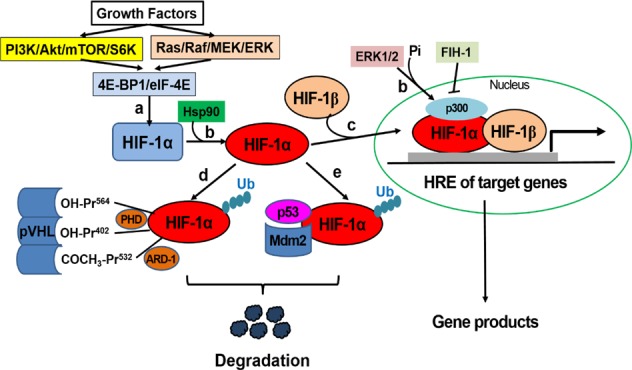
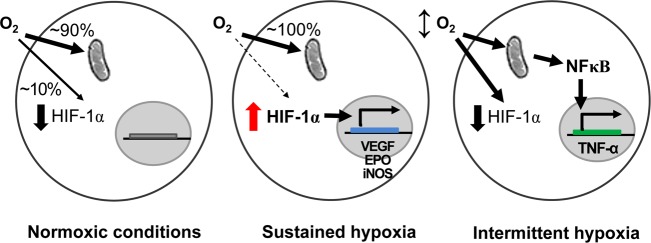
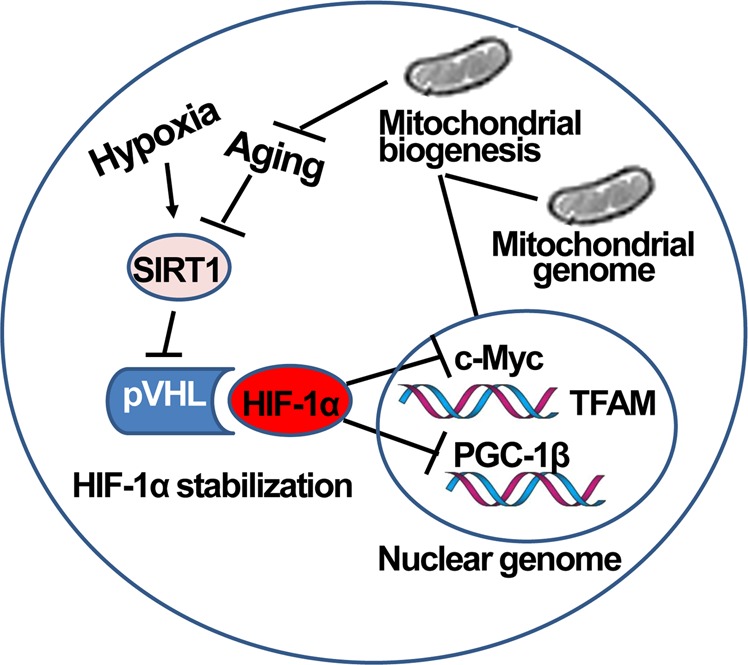
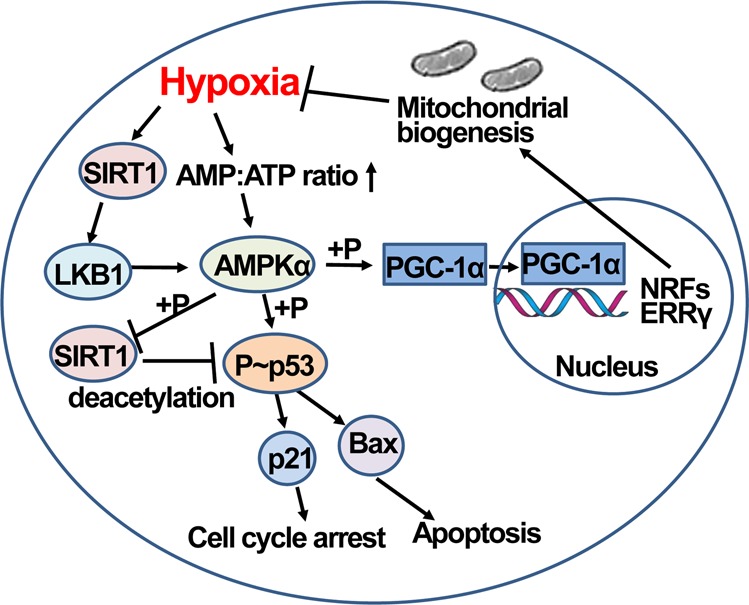
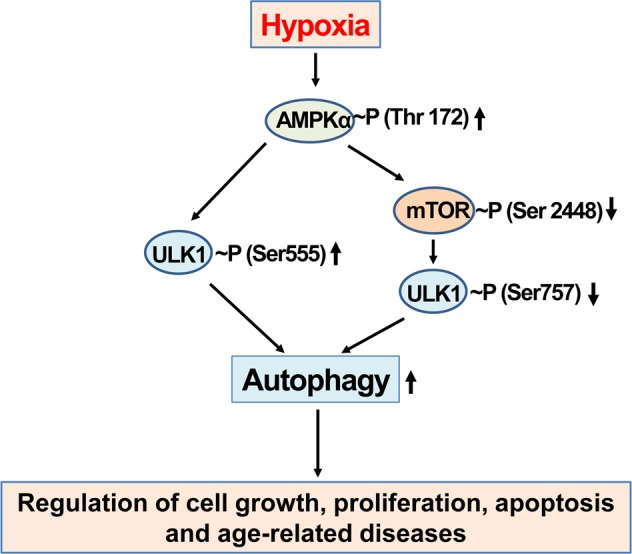
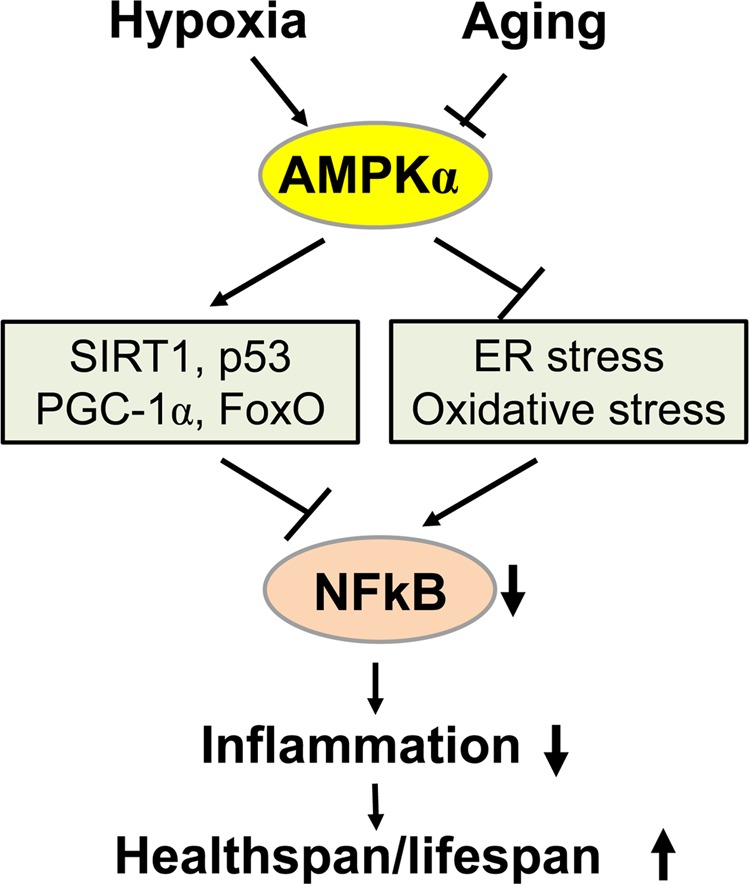
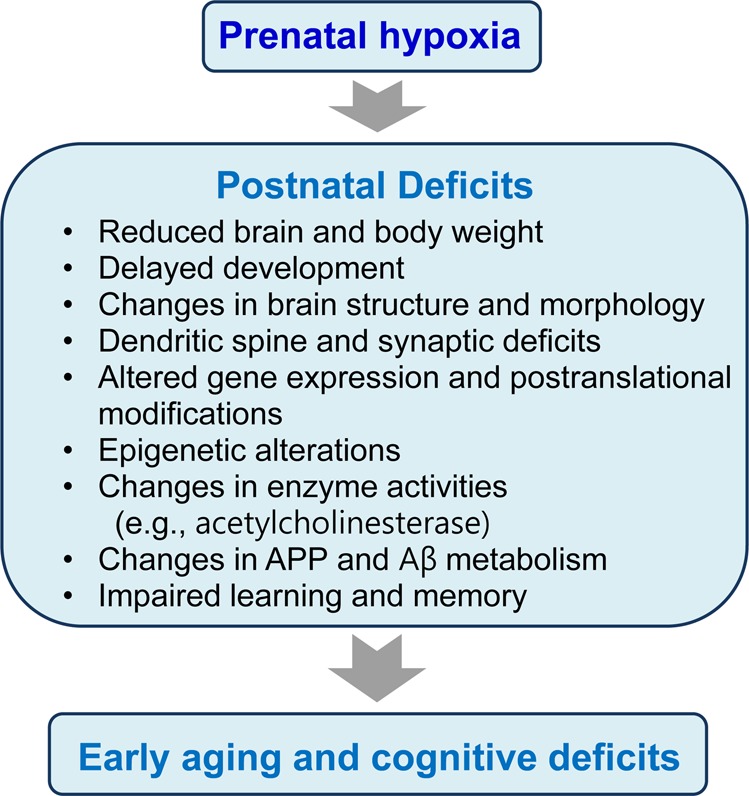
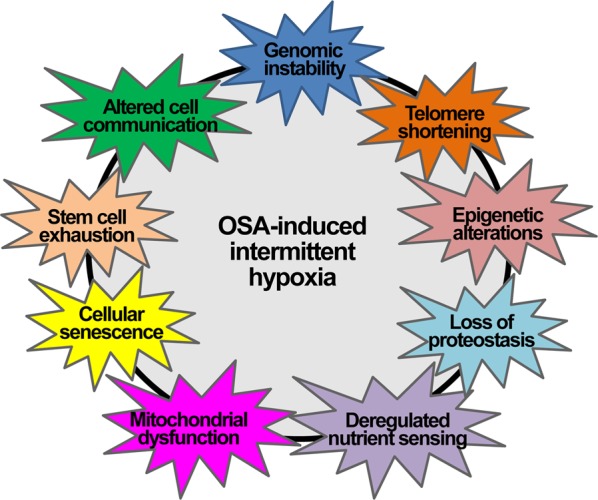
Eukaryotic cells require sufficient oxygen (O2) for biological activity and survival. When the oxygen demand exceeds its supply, the oxygen levels in local tissues or the whole body decrease (termed hypoxia), leading to a metabolic crisis, threatening physiological functions and viability. Therefore, eukaryotes have developed an efficient and rapid oxygen sensing system: hypoxia-inducible factors (HIFs). The hypoxic responses are controlled by HIFs, which induce the expression of several adaptive genes to increase the oxygen supply and support anaerobic ATP generation in eukaryotic cells. Hypoxia also contributes to a functional decline during the aging process. In this review, we focus on the molecular mechanisms regulating HIF-1α and aging-associated signaling proteins, such as sirtuins, AMP-activated protein kinase, mechanistic target of rapamycin complex 1, UNC-51-like kinase 1, and nuclear factor κB, and their roles in aging and aging-related diseases. In addition, the effects of prenatal hypoxia and obstructive sleep apnea (OSA)-induced intermittent hypoxia have been reviewed due to their involvement in the progression and severity of many diseases, including cancer and other aging-related diseases. The pathophysiological consequences and clinical manifestations of prenatal hypoxia and OSA-induced chronic intermittent hypoxia are discussed in detail. Deficient oxygen supplies to the body’s tissues and a reduced ability to deal with the cellular stress of low oxygen availability both contribute to the ageing process. Eui-Ju Yeo from Gachon University in Incheon, South Korea, reviews the links between insufficient oxygen, a condition known as hypoxia, and the functional decline associated with getting old. Yeo highlights the role that the oxygen-sensing proteins known as hypoxia-inducible factors (HIFs) play in facilitating oxygen supply and regulating energy production under limited oxygen conditions. HIFs also interact with a series of signaling proteins that, when abnormally activated, contribute to many aging-associated diseases. Yeo singles out two hypoxia-related health problems, prenatal hypoxia during early brain development and obstructive sleep apnea, and discusses how they can accelerate aging in various ways.
Overview
The claims and statistics of this paper haven’t been checked yet.
Free: it reads the open-access text and checks the first 5 claims that cite a source we can check. Create a free account to check every claim.
Integrity signals
Registry
Cites
Statistics
Figures
Verification
Claims the paper makes
The claims and statistics of this paper haven’t been checked yet.
Free: it reads the open-access text and checks the first 5 claims that cite a source we can check. Create a free account to check every claim.
Claims other papers make about this one
Each is checked against this paper’s own text: does it say what the citing paper says it does?
The source backs part of the claim, not all of it — or backs it for a different population, condition or comparison.
In the citing paper
“Hypoxia blocks the ubiquitination and proteasome degradation of HIF1, which is shuttled to the nucleus and induces the transcription of more than 100 genes involved in adaptive processes that increase oxygen supply and support anaerobic ATP generation, such as angiogenesis, erythropoiesis, anaerobic glycolytic metabolism, pH regulation, cell proliferation, cell survival, inflammation, and immunity”
From Proteomics in aging research: A roadmap to clinical, translational research (2021) · cites this paper as Yeo, 2019
Experimental — accuracy not yet measuredThe source backs part of the claim, not all of it — or backs it for a different population, condition or comparison.
In the citing paper
“Interestingly, HIF1α downregulates mitochondrial biogenesis, thereby reducing ATP production, and possibly further contributing to the oxidative stress that triggers the nuclear factor κB (NFkB)‐mediated production of cytokines (Yeo, 2019).”
From Proteomics in aging research: A roadmap to clinical, translational research (2021) · cites this paper as Yeo, 2019
Experimental — accuracy not yet measuredThe cited source says what the claim attributes to it.
In the citing paper
“Finally, the HIF1 pathway cross‐talks with other pathways that are relevant for aging, including sirtuins, AMP‐activated protein kinase (AMPK), mechanistic target of rapamycin complex 1 (mTORC1), UNC‐51‐like kinase 1 (ULK1), NFκB pathways, suggesting that chronic or episodic hypoxia may be connected to biological aging (Beek et al., 2019; Yeo, 2019).”
From Proteomics in aging research: A roadmap to clinical, translational research (2021) · cites this paper as Yeo, 2019
In the citing paper
“There is extensive evidence that dysregulation of HIF1 occurs with aging and is involved in the pathogenesis of many age‐related chronic conditions, including cancer growth and metastasis, cardiac disease, pulmonary disease, liver disease, and kidney disease (Yeo, 2019).”
From Proteomics in aging research: A roadmap to clinical, translational research (2021) · cites this paper as Yeo, 2019
Self-check
Percentages, sums and reported differences re-computed from the paper’s own numbers.
The self-check needs the paper’s full text.
Citations
Cites
AMPK and mTOR regulate autophagy through direct phosphorylation of Ulk1
Kim, J., Kundu, M., Viollet, B., & Guan, K.-L. (2011) · Nature Cell Biology · doi:10.1038/ncb2152 · Cited by 7,227
Targeting HIF-1 for cancer therapy
Semenza, G. L. (2003) · Nature Reviews Cancer · doi:10.1038/nrc1187 · Cited by 6,717
Wang, G. L., Jiang, B. H., Rue, E. A., & Semenza, G. L. (1995) · Proceedings of the National Academy of Sciences · doi:10.1073/pnas.92.12.5510 · Cited by 6,212
Jaakkola, P., Mole, D. R., Tian, Y.-M., Wilson, M. I., Gielbert, J., Gaskell, S. J., Kriegsheim, A. V., Hebestreit, H. F., Mukherji, M., Schofield, C. J., et al. (2001) · Science · doi:10.1126/science.1059796 · Cited by 5,535
HIFα Targeted for VHL-Mediated Destruction by Proline Hydroxylation: Implications for O 2 Sensing
Ivan, M., Kondo, K., Yang, H., Kim, W., Valiando, J., Ohh, M., Salic, A., Asara, J. M., Lane, W. S., & Kaelin Jr., W. G. (2001) · Science · doi:10.1126/science.1059817 · Cited by 4,735
AMPK: a nutrient and energy sensor that maintains energy homeostasis
Hardie, D. G., Ross, F. A., & Hawley, S. A. (2012) · Nature Reviews Molecular Cell Biology · doi:10.1038/nrm3311 · Cited by 4,602
mTOR: from growth signal integration to cancer, diabetes and ageing
Zoncu, R., Efeyan, A., & Sabatini, D. M. (2011) · Nature Reviews Molecular Cell Biology · doi:10.1038/nrm3025 · Cited by 3,941
TSC2 Mediates Cellular Energy Response to Control Cell Growth and Survival
Inoki, K., Zhu, T., & Guan, K.-L. (2003) · Cell · doi:10.1016/s0092-8674(03)00929-2 · Cited by 3,914
AMPK Phosphorylation of Raptor Mediates a Metabolic Checkpoint
Gwinn, D. M., Shackelford, D. B., Egan, D. F., Mihaylova, M. M., Mery, A., Vasquez, D. S., Turk, B. E., & Shaw, R. J. (2008) · Molecular Cell · doi:10.1016/j.molcel.2008.03.003 · Cited by 3,849
Comprehensive molecular characterization of clear cell renal cell carcinoma
The Cancer Genome Atlas Research Network (2013) · Nature · doi:10.1038/nature12222 · Cited by 3,485
Epstein, A. C. R., Gleadle, J. M., McNeill, L. A., Hewitson, K. S., O'Rourke, J., Mole, D. R., Mukherji, M., Metzen, E., Wilson, M. I., Dhanda, A., et al. (2001) · Cell · doi:10.1016/s0092-8674(01)00507-4 · Cited by 3,333
Phosphorylation of ULK1 (hATG1) by AMP-Activated Protein Kinase Connects Energy Sensing to Mitophagy
Egan, D. F., Shackelford, D. B., Mihaylova, M. M., Gelino, S., Kohnz, R. A., Mair, W., Vasquez, D. S., Joshi, A., Gwinn, D. M., Taylor, R., et al. (2011) · Science · doi:10.1126/science.1196371 · Cited by 2,600
A conserved family of prolyl-4-hydroxylases that modify HIF
Bruick, R. K., & McKnight, S. L. (2001) · Science · doi:10.1126/science.1066373 · Cited by 2,549
AMP-activated protein kinase (AMPK) action in skeletal muscle via direct phosphorylation of PGC-1α
Jäger, S., Handschin, C., St.-Pierre, J., & Spiegelman, B. M. (2007) · Proceedings of the National Academy of Sciences · doi:10.1073/pnas.0705070104 · Cited by 2,491
Cellular and developmental control of O 2 homeostasis by hypoxia-inducible factor 1α
Iyer, N. V., Kotch, L. E., Agani, F., Leung, S. W., Laughner, E., Wenger, R. H., Gassmann, M., Gearhart, J. D., Lawler, A. M., Yu, A. Y., et al. (1998) · Genes & Development · doi:10.1101/gad.12.2.149 · Cited by 2,476
The LKB1-AMPK pathway: metabolism and growth control in tumour suppression
Shackelford, D. B., & Shaw, R. J. (2009) · Nature Reviews Cancer · doi:10.1038/nrc2676 · Cited by 1,943
Regulation of Mammalian O 2 Homeostasis by Hypoxia-Inducible Factor 1
Semenza, G. L. (1999) · Annual Review of Cell and Developmental Biology · doi:10.1146/annurev.cellbio.15.1.551 · Cited by 1,914
Rheb GTPase is a direct target of TSC2 GAP activity and regulates mTOR signaling
Inoki, K., Li, Y., Xu, T., & Guan, K.-L. (2003) · Genes & Development · doi:10.1101/gad.1110003 · Cited by 1,911
HIF-1α pathway: role, regulation and intervention for cancer therapy
Masoud, G. N., & Li, W. (2015) · Acta Pharmaceutica Sinica B · doi:10.1016/j.apsb.2015.05.007 · Cited by 1,871
HIF-1: mediator of physiological and pathophysiological responses to hypoxia
Semenza, G. L. (2000) · Journal of Applied Physiology · doi:10.1152/jappl.2000.88.4.1474 · Cited by 1,822
Shaw, R. J., Kosmatka, M., Bardeesy, N., Hurley, R. L., Witters, L. A., DePinho, R. A., & Cantley, L. C. (2004) · Proceedings of the National Academy of Sciences · doi:10.1073/pnas.0308061100 · Cited by 1,797
Adult obstructive sleep apnoea
Jordan, A. S., McSharry, D. G., & Malhotra, A. (2014) · The Lancet · doi:10.1016/s0140-6736(13)60734-5 · Cited by 1,735
Mutations of the VHL tumour suppressor gene in renal carcinoma
Gnarra, J. R., Tory, K., Weng, Y., Schmidt, L., Wei, M. H., Li, H., Latif, F., Liu, S., Chen, F., Duh, F.-M., et al. (1994) · Nature Genetics · doi:10.1038/ng0594-85 · Cited by 1,730
mTOR is a key modulator of ageing and age-related disease
Johnson, S. C., Rabinovitch, P. S., & Kaeberlein, M. (2013) · Nature · doi:10.1038/nature11861 · Cited by 1,676
AMP-activated protein kinase induces a p53-dependent metabolic checkpoint
Jones, R. G., Plas, D. R., Kubek, S., Buzzai, M., Mu, J., Xu, Y., Birnbaum, M. J., & Thompson, C. B. (2005) · Molecular Cell · doi:10.1016/j.molcel.2005.03.027 · Cited by 1,619
Silencing of the VHL tumor-suppressor gene by DNA methylation in renal carcinoma.
Herman, J. G., Latif, F., Weng, Y., Lerman, M. I., Zbar, B., Liu, S., Samid, D., Duan, D. S., Gnarra, J. R., & Linehan, W. M. (1994) · Proceedings of the National Academy of Sciences · doi:10.1073/pnas.91.21.9700 · Cited by 1,529
Gomes, A. P., Price, N. L., Ling, A. J. Y., Moslehi, J. J., Montgomery, M. K., Rajman, L., White, J. P., Teodoro, J. S., Wrann, C. D., Hubbard, B. P., et al. (2013) · Cell · doi:10.1016/j.cell.2013.11.037 · Cited by 1,482
Obstructive Sleep Apnea: Implications for Cardiac and Vascular Disease
Shamsuzzaman, A. S. M., Gersh, B. J., & Somers, V. K. (2003) · JAMA · doi:10.1001/jama.290.14.1906 · Cited by 1,188
Hypoxia-inducible factor (HIF-1)α: its protein stability and biological functions
Lee, J.-W., Bae, S.-H., Jeong, J.-W., Kim, S.-H., & Kim, K.-W. (2004) · Experimental & Molecular Medicine · doi:10.1038/emm.2004.1 · Cited by 1,117
Dimerization, DNA Binding, and Transactivation Properties of Hypoxia-inducible Factor 1
Jiang, B.-H., Rue, E., Wang, G. L., Roe, R., & Semenza, G. L. (1996) · Journal of Biological Chemistry · doi:10.1074/jbc.271.30.17771 · Cited by 1,106
The role of the Atg1/ULK1 complex in autophagy regulation
Mizushima, N. (2010) · Current Opinion in Cell Biology · doi:10.1016/j.ceb.2009.12.004 · Cited by 1,062
HIF-1 and tumor progression: pathophysiology and therapeutics
Semenza, G. L. (2002) · Trends in Molecular Medicine · doi:10.1016/s1471-4914(02)02317-1 · Cited by 1,060
Masson, N., Willam, C., Maxwell, P. H., Pugh, C. W., & Ratcliffe, P. J. (2001) · The EMBO Journal · doi:10.1093/emboj/20.18.5197 · Cited by 1,014
Ryan, S., Taylor, C. T., & McNicholas, W. T. (2005) · Circulation · doi:10.1161/circulationaha.105.556746 · Cited by 970
Hydroxylation of HIF-1: Oxygen Sensing at the Molecular Level
Semenza, G. L. (2004) · Physiology · doi:10.1152/physiol.00001.2004 · Cited by 905
AMPK and SIRT1: a long-standing partnership?
Ruderman, N. B., Julia Xu, X., Nelson, L., Cacicedo, J. M., Saha, A. K., Lan, F., & Ido, Y. (2010) · American Journal of Physiology-Endocrinology and Metabolism · doi:10.1152/ajpendo.00745.2009 · Cited by 903
Salminen, A., Hyttinen, J. M. T., & Kaarniranta, K. (2011) · Journal of Molecular Medicine · doi:10.1007/s00109-011-0748-0 · Cited by 866
AMP-Activated Protein Kinase (AMPK) Controls the Aging Process via an Integrated Signaling Network
Salminen, A., & Kaarniranta, K. (2012) · Ageing Research Reviews · doi:10.1016/j.arr.2011.12.005 · Cited by 860
Structure of an HIF-1α-pVHL Complex: Hydroxyproline Recognition in Signaling
Min, J.-H., Yang, H., Ivan, M., Gertler, F., Kaelin, W. G., & Pavletich, N. P. (2002) · Science · doi:10.1126/science.1073440 · Cited by 765
Structural basis for the recognition of hydroxyproline in HIF-1α by pVHL
Hon, W.-C., Wilson, M. I., Harlos, K., Claridge, T. D. W., Schofield, C. J., Pugh, C. W., Maxwell, P. H., Ratcliffe, P. J., Stuart, D. I., & Jones, E. Y. (2002) · Nature · doi:10.1038/nature00767 · Cited by 751
Satoh, A., Brace, C. S., Rensing, N., Cliften, P., Wozniak, D. F., Herzog, E. D., Yamada, K. A., & Imai, S.-I. (2013) · Cell Metabolism · doi:10.1016/j.cmet.2013.07.013 · Cited by 732
Regulation of hypoxia-inducible factor-1α by NF-κB
van Uden, P., Kenneth, N. S., & Rocha, S. (2008) · Biochemical Journal · doi:10.1042/bj20080476 · Cited by 729
Regulation and Destabilization of HIF-1α by ARD1-Mediated Acetylation
Jeong, J.-W., Bae, M.-K., Ahn, M.-Y., Kim, S.-H., Sohn, T.-K., Bae, M.-H., Yoo, M.-A., Song, E. J., Lee, K.-J., & Kim, K.-W. (2002) · Cell · doi:10.1016/s0092-8674(02)01085-1 · Cited by 716
Tumour suppression by the human von Hippel-Lindau gene product
Iliopoulos, O., Kibel, A., Gray, S., & Kaelin, W. G. (1995) · Nature Medicine · doi:10.1038/nm0895-822 · Cited by 703
Lavie, L. (2015) · Sleep Medicine Reviews · doi:10.1016/j.smrv.2014.07.003 · Cited by 681
Regulation of SIRT1 in cellular functions: Role of polyphenols
Chung, S., Yao, H., Caito, S., Hwang, J.-W., Arunachalam, G., & Rahman, I. (2010) · Archives of Biochemistry and Biophysics · doi:10.1016/j.abb.2010.05.003 · Cited by 650
Prabhakar, N. R., & Semenza, G. L. (2012) · Physiological Reviews · doi:10.1152/physrev.00030.2011 · Cited by 641
Yuan, Y., Hilliard, G., Ferguson, T., & Millhorn, D. E. (2003) · Journal of Biological Chemistry · doi:10.1074/jbc.m300463200 · Cited by 638
Transactivation and Inhibitory Domains of Hypoxia-inducible Factor 1α
Jiang, B.-H., Zheng, J. Z., Leung, S. W., Roe, R., & Semenza, G. L. (1997) · Journal of Biological Chemistry · doi:10.1074/jbc.272.31.19253 · Cited by 629
Reactive Oxygen Species Activate the HIF-1α Promoter Via a Functional NFκB Site
Bonello, S., Zähringer, C., BelAiba, R. S., Djordjevic, T., Hess, J., Michiels, C., Kietzmann, T., & Görlach, A. (2007) · Arteriosclerosis, Thrombosis, and Vascular Biology · doi:10.1161/01.atv.0000258979.92828.bc · Cited by 628
SUMO-Specific Protease 1 Is Essential for Stabilization of HIF1α during Hypoxia
Cheng, J., Kang, X., Zhang, S., & Yeh, E. T. H. (2007) · Cell · doi:10.1016/j.cell.2007.08.045 · Cited by 624
Tissue oxygen tension and brain sensitivity to hypoxia
Erecińska, M., & Silver, I. A. (2001) · Respiration Physiology · doi:10.1016/s0034-5687(01)00306-1 · Cited by 615
HIF1 and oxygen sensing in the brain
Sharp, F. R., & Bernaudin, M. (2004) · Nature Reviews Neuroscience · doi:10.1038/nrn1408 · Cited by 568
Metabolic adaptations through the PGC‐1α and SIRT1 pathways
Rodgers, J. T., Lerin, C., Gerhart-Hines, Z., & Puigserver, P. (2008) · FEBS Letters · doi:10.1016/j.febslet.2007.11.034 · Cited by 561
Akt activates the mammalian target of rapamycin by regulating cellular ATP level and AMPK activity
Hahn-Windgassen, A., Nogueira, V., Chen, C.-C., Skeen, J. E., Sonenberg, N., & Hay, N. (2005) · Journal of Biological Chemistry · doi:10.1074/jbc.m502876200 · Cited by 539
Gowans, G. J., Hawley, S. A., Ross, F. A., & Hardie, D. G. (2013) · Cell Metabolism · doi:10.1016/j.cmet.2013.08.019 · Cited by 531
Shang, L., Chen, S., Du, F., Li, S., Zhao, L., & Wang, X. (2011) · Proceedings of the National Academy of Sciences · doi:10.1073/pnas.1100844108 · Cited by 517
AMPK at the Nexus of Energetics and Aging
Burkewitz, K., Zhang, Y., & Mair, W. B. (2014) · Cell Metabolism · doi:10.1016/j.cmet.2014.03.002 · Cited by 483
YC-1: A Potential Anticancer Drug Targeting Hypoxia-Inducible Factor 1
Yeo, E.-J., Chun, Y.-S., Cho, Y.-S., Kim, J., Lee, J.-C., Kim, M.-S., & Park, J.-W. (2003) · JNCI Journal of the National Cancer Institute · doi:10.1093/jnci/95.7.516 · Cited by 476
Self-citationInduction of HIF–1α in response to hypoxia is instantaneous
Jewell, U. R., Kvietikova, I., Scheid, A., Bauer, C., Wenger, R. H., & Gassmann, M. (2001) · The FASEB Journal · doi:10.1096/fj.00-0732fje · Cited by 444
In VivoExpression of mRNAs Encoding Hypoxia-Inducible Factor 1
Wiener, C. M., Booth, G., & Semenza, G. L. (1996) · Biochemical and Biophysical Research Communications · doi:10.1006/bbrc.1996.1199 · Cited by 410
Hypoxia, Hypoxia-inducible Transcription Factors, and Renal Cancer
Schödel, J., Grampp, S., Maher, E. R., Moch, H., Ratcliffe, P. J., Russo, P., & Mole, D. R. (2016) · European Urology · doi:10.1016/j.eururo.2015.08.007 · Cited by 405
AMPK As a Metabolic Tumor Suppressor: Control of Metabolism and Cell Growth
Luo, Z., Zang, M., & Guo, W. (2010) · Future Oncology · doi:10.2217/fon.09.174 · Cited by 383
Seven sirtuins for seven deadly diseases ofaging
Morris, B. J. (2013) · Free Radical Biology and Medicine · doi:10.1016/j.freeradbiomed.2012.10.525 · Cited by 377
Gray, M. J., Zhang, J., Ellis, L. M., Semenza, G. L., Evans, D. B., Watowich, S. S., & Gallick, G. E. (2005) · Oncogene · doi:10.1038/sj.onc.1208513 · Cited by 372
HIF-1 regulation: not so easy come, easy go
Koh, M. Y., Spivak-Kroizman, T. R., & Powis, G. (2008) · Trends in Biochemical Sciences · doi:10.1016/j.tibs.2008.08.002 · Cited by 339
Kaelin, W. G. (2007) · Annual Review of Pathology: Mechanisms of Disease · doi:10.1146/annurev.pathol.2.010506.092049 · Cited by 336
Hypoxia induces type II NOS gene expression in pulmonary artery endothelial cells via HIF-1
Palmer, L. A., Semenza, G. L., Stoler, M. H., & Johns, R. A. (1998) · American Journal of Physiology-Lung Cellular and Molecular Physiology · doi:10.1152/ajplung.1998.274.2.l212 · Cited by 331
Carbia-Nagashima, A., Gerez, J., Perez-Castro, C., Paez-Pereda, M., Silberstein, S., Stalla, G. K., Holsboer, F., & Arzt, E. (2007) · Cell · doi:10.1016/j.cell.2007.07.044 · Cited by 318
Mottet, D., Dumont, V., Deccache, Y., Demazy, C., Ninane, N., Raes, M., & Michiels, C. (2003) · Journal of Biological Chemistry · doi:10.1074/jbc.m300763200 · Cited by 316
Role of HIF-1 in Cancer Progression: Novel Insights. A Review
Pezzuto, A., & Carico, E. (2019) · Current Molecular Medicine · doi:10.2174/1566524018666181109121849 · Cited by 305
Wang, Y., Zhao, X., Lotz, M., Terkeltaub, R., & Liu‐Bryan, R. (2015) · Arthritis & Rheumatology · doi:10.1002/art.39182 · Cited by 299
Regulation of SIRT1 in aging: Roles in mitochondrial function and biogenesis
Yuan, Y., Cruzat, V. F., Newsholme, P., Cheng, J., Chen, Y., & Lu, Y. (2016) · Mechanisms of Ageing and Development · doi:10.1016/j.mad.2016.02.003 · Cited by 299
Mitochondria and cellular oxygen sensing in the HIF pathway
Taylor, C. T. (2008) · Biochemical Journal · doi:10.1042/bj20071249 · Cited by 298
Drager, L. F., Lopes, H. F., Maki-Nunes, C., Trombetta, I. C., Toschi-Dias, E., Alves, M. J. N. N., Fraga, R. F., Jun, J. C., Negrão, C. E., Krieger, E. M., et al. (2010) · PLoS ONE · doi:10.1371/journal.pone.0012065 · Cited by 284
RNA-Binding Proteins HuR and PTB Promote the Translation of Hypoxia-Inducible Factor 1α
Galbán, S., Kuwano, Y., Pullmann, R., Martindale, J. L., Kim, H. H., Lal, A., Abdelmohsen, K., Yang, X., Dang, Y., Liu, J. O., et al. (2008) · Molecular and Cellular Biology · doi:10.1128/mcb.00973-07 · Cited by 279
Okoshi, R., Ozaki, T., Yamamoto, H., Ando, K., Koida, N., Ono, S., Koda, T., Kamijo, T., Nakagawara, A., & Kizaki, H. (2008) · Journal of Biological Chemistry · doi:10.1074/jbc.m705232200 · Cited by 277
Sleep apnoea and the brain: a complex relationship
Rosenzweig, I., Glasser, M., Polsek, D., Leschziner, G. D., Williams, S. C. R., & Morrell, M. J. (2015) · The Lancet Respiratory Medicine · doi:10.1016/s2213-2600(15)00090-9 · Cited by 277
Regulation of mitochondrial biogenesis and PGC-1α under cellular stress
Wenz, T. (2013) · Mitochondrion · doi:10.1016/j.mito.2013.01.006 · Cited by 256
Dual control of mitochondrial biogenesis by sirtuin 1 and sirtuin 3
Brenmoehl, J., & Hoeflich, A. (2013) · Mitochondrion · doi:10.1016/j.mito.2013.04.002 · Cited by 242
Progressive loss of SIRT1 with cell cycle withdrawal
Sasaki, T., Maier, B., Bartke, A., & Scrable, H. (2006) · Aging Cell · doi:10.1111/j.1474-9726.2006.00235.x · Cited by 236
Hypoxia-dependent regulation of inflammatory pathways in immune cells
Taylor, C. T., Doherty, G., Fallon, P. G., & Cummins, E. P. (2016) · Journal of Clinical Investigation · doi:10.1172/jci84433 · Cited by 220
Amat, R., Planavila, A., Chen, S. L., Iglesias, R., Giralt, M., & Villarroya, F. (2009) · Journal of Biological Chemistry · doi:10.1074/jbc.m109.022749 · Cited by 218
AMPK Promotes p53 Acetylation via Phosphorylation and Inactivation of SIRT1 in Liver Cancer Cells
Lee, C.-W., Wong, L. L.-Y., Tse, E. Y.-T., Liu, H.-F., Leong, V. Y.-L., Lee, J. M.-F., Hardie, D. G., Ng, I. O.-L., & Ching, Y.-P. (2012) · Cancer Research · doi:10.1158/0008-5472.can-12-0429 · Cited by 215
Key proteins and pathways that regulate lifespan
Pan, H., & Finkel, T. (2017) · Journal of Biological Chemistry · doi:10.1074/jbc.r116.771915 · Cited by 215
Li, N., Muthusamy, S., Liang, R., Sarojini, H., & Wang, E. (2011) · Mechanisms of Ageing and Development · doi:10.1016/j.mad.2010.12.004 · Cited by 211
Salminen, A., Kaarniranta, K., & Kauppinen, A. (2016) · Ageing Research Reviews · doi:10.1016/j.arr.2016.04.003 · Cited by 209
Pugh, C. W., & Ratcliffe, P. J. (2003) · Seminars in Cancer Biology · doi:10.1016/s1044-579x(02)00103-7 · Cited by 201
Sleep Apnea and Cancer: Analysis of a Nationwide Population Sample
Gozal, D., Ham, S. A., & Mokhlesi, B. (2016) · Sleep · doi:10.5665/sleep.6004 · Cited by 199
Lee, H.-C., & Wei, Y.-H. (2012) · Advances in Experimental Medicine and Biology · doi:10.1007/978-94-007-2869-1_14 · Cited by 191
Leeuwenburgh, C., Pamplona, R., & Sanz, A. (2011) · Journal of Aging Research · doi:10.4061/2011/782946 · Cited by 187
Role of Prenatal Hypoxia in Brain Development, Cognitive Functions, and Neurodegeneration
Nalivaeva, N. N., Turner, A. J., & Zhuravin, I. A. (2018) · Frontiers in Neuroscience · doi:10.3389/fnins.2018.00825 · Cited by 181
Niu, G., Briggs, J., Deng, J., Ma, Y., Lee, H., Kortylewski, M., Kujawski, M., Kay, H., Cress, W. D., Jove, R., et al. (2008) · Molecular Cancer Research · doi:10.1158/1541-7786.mcr-07-2177 · Cited by 177
The Human Hypoxia-Inducible Factor 1α Gene:HIF1AStructure and Evolutionary Conservation
Iyer, N. V., Leung, S. W., & Semenza, G. L. (1998) · Genomics · doi:10.1006/geno.1998.5416 · Cited by 176
Hippel-Lindau disease: MR imaging.
Sato, Y., Waziri, M., Smith, W., Frey, E., Yuh, W. T., Hanson, J., & Franken, E. A. (1988) · Radiology · doi:10.1148/radiology.166.1.3336687 · Cited by 166
Hypoxia-inducible factor-1α is regulated at the post-mRNA level
Wenger, R. H., Kvietiko, I., Rolfs, A., Gassmann, M., & Marti, H. H. (1997) · Kidney International · doi:10.1038/ki.1997.79 · Cited by 163
The ways and means that fine tune Sirt1 activity
Revollo, J. R., & Li, X. (2013) · Trends in Biochemical Sciences · doi:10.1016/j.tibs.2012.12.004 · Cited by 160
E2-EPF UCP targets pVHL for degradation and associates with tumor growth and metastasis
Jung, C., Hwang, K., Yoo, J., Cho, W.-K., Kim, J., Kim, W. H., & Im, D. (2006) · Nature Medicine · doi:10.1038/nm1440 · Cited by 155
Liu, Y. V., Hubbi, M. E., Pan, F., McDonald, K. R., Mansharamani, M., Cole, R. N., Liu, J. O., & Semenza, G. L. (2007) · Journal of Biological Chemistry · doi:10.1074/jbc.m705015200 · Cited by 148
Xiao, H., Gu, Z.-Y., Wang, G., & Zhao, T. (2013) · International Journal of Medical Sciences · doi:10.7150/ijms.5630 · Cited by 140
Minet, E., Ernest, I., Michel, G., Roland, I., Remacle, J., Raes, M. J., & Michiels, C. (1999) · Biochemical and Biophysical Research Communications · doi:10.1006/bbrc.1999.0995 · Cited by 134
The Phosphoinositide-3-Kinase-Akt-mTOR Pathway as a Therapeutic Target in Breast Cancer
Lauring, J. D., Park, B. H., & Wolff, A. C. (2013) · Journal of the National Comprehensive Cancer Network · doi:10.6004/jnccn.2013.0086 · Cited by 126
von Hippel-Lindau Tumor Suppressor Protein and Hypoxia-Inducible Factor in Kidney Cancer
Maynard, M. A., & Ohh, M. (2004) · American Journal of Nephrology · doi:10.1159/000075346 · Cited by 123
TOR‐mediated regulation of metabolism in aging
Antikainen, H., Driscoll, M., Haspel, G., & Dobrowolski, R. (2017) · Aging Cell · doi:10.1111/acel.12689 · Cited by 122
Obstructive Sleep Apnea and Hallmarks of Aging
Gaspar, L. S., Álvaro, A. R., Moita, J. J., & Cavadas, C. (2017) · Trends in Molecular Medicine · doi:10.1016/j.molmed.2017.06.006 · Cited by 114
HIF-1α Activation by Intermittent Hypoxia Requires NADPH Oxidase Stimulation by Xanthine Oxidase
Nanduri, J., Vaddi, D. R., Khan, S. A., Wang, N., Makarenko, V. V., Semenza, G. L., & Prabhakar, N. R. (2015) · PLoS ONE · doi:10.1371/journal.pone.0119762 · Cited by 106
Hong, S., Zhao, B., Lombard, D. B., Fingar, D. C., & Inoki, K. (2014) · Journal of Biological Chemistry · doi:10.1074/jbc.m113.520734 · Cited by 98
PPAR.BETA./.DELTA. regulates the human SIRT1 gene transcription via Sp1
Okazaki, M., Iwasaki, Y., Nishiyama, M., Taguchi, T., Tsugita, M., Nakayama, S., Kambayashi, M., Hashimoto, K., & Terada, Y. (2010) · Endocrine Journal · doi:10.1507/endocrj.k10e-004 · Cited by 97
Hypoxia induces cell damage via oxidative stress in retinal epithelial cells
Cervellati, F., Cervellati, C., Romani, A., Cremonini, E., Sticozzi, C., Belmonte, G., Pessina, F., & Valacchi, G. (2014) · Free Radical Research · doi:10.3109/10715762.2013.867484 · Cited by 96
Gui, D., Cui, Z., Zhang, L., Yu, C., Yao, D., Xu, M., Chen, M., Wu, P., Li, G., Wang, L., et al. (2017) · BMC Pulmonary Medicine · doi:10.1186/s12890-017-0477-4 · Cited by 96
Salminen, A., Kaarniranta, K., & Kauppinen, A. (2016) · Biogerontology · doi:10.1007/s10522-016-9655-7 · Cited by 95
The polypyrimidine tract-binding protein stimulates HIF-1 IRES-mediated translation during hypoxia
Schepens, B. (2005) · Nucleic Acids Research · doi:10.1093/nar/gki1000 · Cited by 87
Taylor, C. T., Kent, B. D., Crinion, S. J., McNicholas, W. T., & Ryan, S. (2014) · Biochemical and Biophysical Research Communications · doi:10.1016/j.bbrc.2014.04.062 · Cited by 86
Obstructive sleep apnea and chronic intermittent hypoxia: a review.
Chiang, A. A.-P. (2006) · PubMed · Cited by 85
Faa, G., Marcialis, M., Ravarino, A., Piras, M., Pintus, M., & Fanos, V. (2014) · Current Medicinal Chemistry · doi:10.2174/0929867321666140601163658 · Cited by 85
Mitochondrial quality control and age-associated arterial stiffening
LaRocca, T. J., Hearon, C. M., Henson, G. D., & Seals, D. R. (2014) · Experimental Gerontology · doi:10.1016/j.exger.2014.07.008 · Cited by 81
Cerebral Hypoxia and Ischemia: The Forensic Point of View: A Review
Oechmichen, M., & Meißner, C. (2006) · Journal of Forensic Sciences · doi:10.1111/j.1556-4029.2006.00174.x · Cited by 78
Airway Chemotransduction: From Oxygen Sensor to Cellular Effector
Kemp, P. J., Lewis, A., Hartness, M. E., Searle, G. J., Miller, P., O'Kelly, I., & Peers, C. (2002) · American Journal of Respiratory and Critical Care Medicine · doi:10.1164/rccm.2206009 · Cited by 75
Ikhlas, S., & Ahmad, M. (2017) · Life Sciences · doi:10.1016/j.lfs.2017.07.029 · Cited by 72
Baek, J. H., Liu, Y. V., McDonald, K. R., Wesley, J. B., Zhang, H., & Semenza, G. L. (2007) · Journal of Biological Chemistry · doi:10.1074/jbc.m705627200 · Cited by 70
Ladoux, A., & Frelin, C. (1997) · Biochemical and Biophysical Research Communications · doi:10.1006/bbrc.1997.7708 · Cited by 55
Prevalence of depression in patients referred with snoring and obstructive sleep apnoea
Douglas, N., Young, A., Roebuck, T., Ho, S., Miller, B. R., Kee, K., Dabscheck, E. J., & Naughton, M. T. (2013) · Internal Medicine Journal · doi:10.1111/imj.12108 · Cited by 52
Kerridge, C., Kozlova, D. I., Nalivaeva, N. N., & Turner, A. J. (2015) · Frontiers in Neuroscience · doi:10.3389/fnins.2015.00426 · Cited by 52
Partial Reversal of Skeletal Muscle Aging by Restoration of Normal NAD + Levels
Mendelsohn, A. R., & Larrick, J. W. (2014) · Rejuvenation Research · doi:10.1089/rej.2014.1546 · Cited by 48
Vasilev, D. S., Dubrovskaya, N. M., Tumanova, N. L., & Zhuravin, I. A. (2016) · Frontiers in Neuroscience · doi:10.3389/fnins.2016.00126 · Cited by 44
Cobalt triggers necrotic cell death and atrophy in skeletal C2C12 myotubes
Rovetta, F., Stacchiotti, A., Faggi, F., Catalani, S., Apostoli, P., Fanzani, A., & Aleo, M. F. (2013) · Toxicology and Applied Pharmacology · doi:10.1016/j.taap.2013.05.005 · Cited by 43
Antiulcer activity of hypertonic solutions in the rat: Possible role of prostaglandins
Danon, A., & Assouline, G. (1979) · European Journal of Pharmacology · doi:10.1016/0014-2999(79)90313-3 · Cited by 39
Park, E., Lee, Y.-M., Oh, T.-I., Kim, B. M., Lim, B. O., & Lim, J.-H. (2017) · International Journal of Molecular Sciences · doi:10.3390/ijms18030532 · Cited by 39
Wang, J., Zhong, C., Wang, F., Qu, F., & Ding, J. (2013) · Biochemical Journal · doi:10.1042/bj20121863 · Cited by 36
Dong, Z., Wan, L., Wang, R., Shi, Y., Liu, G., Zheng, S., Hou, H., Han, W., & Hai, X. (2017) · Cellular Physiology and Biochemistry · doi:10.1159/000475396 · Cited by 31
Do we age because we have mitochondria?
Bereiter‐Hahn, J. (2013) · PROTOPLASMA · doi:10.1007/s00709-013-0515-x · Cited by 28 · cited 1×
“Two well-known theories, the “free radical theory of aging” and “mitochondrial theory of aging” (Bereiter-Hahn, 2014), claim that mitochondria-induced oxidative damage results in detrimental effects on mitochondrial function, leading to ROS production and inflicting further injury71,72.”
BackgroundPeyronnet, J., Roux, J., Mamet, J., Perrin, D., Lachuer, J., Péquignot, J.-M., & Dalmaz, Y. (2007) · European Journal of Neuroscience · doi:10.1111/j.1460-9568.2007.05884.x · Cited by 22
Lahiri, D. K., Ghosh, C., & GE, Y. ‐. (2003) · Annals of the New York Academy of Sciences · doi:10.1196/annals.1299.118 · Cited by 19
Epigenetic Regulation of Carotid Body Oxygen Sensing: Clinical Implications
Nanduri, J., & Prabhakar, N. R. (2015) · Advances in experimental medicine and biology · doi:10.1007/978-3-319-18440-1_1 · Cited by 19
Obstructive Sleep Apnea and Cancer: Effects of Intermittent Hypoxia?
Kukwa, W., Migacz, E., Druc, K., Grzesiuk, E., & Czarnecka, A. M. (2015) · Future Oncology · doi:10.2217/fon.15.216 · Cited by 19
Gross, J., Burgoyne, R. D., & Rose, S. P. R. (1981) · Journal of Neurochemistry · doi:10.1111/j.1471-4159.1981.tb05313.x · Cited by 17
Munkácsy, G., Sztupinszki, Z. M., Herman, P. G., Bán, B., Pénzváltó, Z., Szarvas, N., & Győrffy, B. (2016) · Molecular Therapy — Nucleic Acids · doi:10.1038/mtna.2016.66 · Cited by 14
Caravagna, C., & Seaborn, T. (2016) · Lung · doi:10.1007/s00408-016-9908-x · Cited by 10
Role of Substance P in Neutral Endopeptidase Modulation of Hypoxic Response of the Carotid Body
Kumara, G. K., Ru-Koub, Y., Overholtb, J. L., & Prabhakarb, N. R. (2002) · Advances in experimental medicine and biology · doi:10.1007/0-306-46825-5_70 · Cited by 9
Cited by
Pathophysiological mechanisms and therapeutic approaches in obstructive sleep apnea syndrome
Lv, R., Liu, X., Zhang, Y., Dong, N., Wang, X., He, Y., Yue, H., & Yin, Q. (2023) · Signal Transduction and Targeted Therapy · doi:10.1038/s41392-023-01496-3 · Cited by 477
HIF-1α promotes SARS-CoV-2 infection and aggravates inflammatory responses to COVID-19
Tian, M., Liu, W., Li, X., Zhao, P., Shereen, M. A., Zhu, C., Huang, S., Liu, S., Yu, X., Yue, M., et al. (2021) · Signal Transduction and Targeted Therapy · doi:10.1038/s41392-021-00726-w · Cited by 253
Hadanny, A., & Efrati, S. (2020) · Biomolecules · doi:10.3390/biom10060958 · Cited by 204
“The decreased level of SIRT1, in both transcriptional and posttranscriptional stages during aging is considered to be a major metabolic pathway that attenuates mitochondrial biogenesis and causes aging-related diseases [14].”
BackgroundCell Senescence, DNA Damage, and Metabolism
Shmulevich, R., & Krizhanovsky, V. (2021) · Antioxidants & Redox Signaling · doi:10.1089/ars.2020.8043 · Cited by 157
“2) senescence (25, 45, 95).”
Proteomics in aging research: A roadmap to clinical, translational research
Moaddel, R., Ubaida‐Mohien, C., Tanaka, T., Lyashkov, A., Basisty, N., Schilling, B., Semba, R. D., Franceschi, C., Gorospe, M., & Ferrucci, L. (2021) · Aging Cell · doi:10.1111/acel.13325 · Cited by 139
“…that are relevant for aging, including sirtuins, AMP- activated protein kinase (AMPK), mechanistic target of rapamycin complex 1 (mTORC1), UNC- 51- like kinase 1 (ULK1), NFκB pathways, suggesting that chronic or episodic hypoxia may be connected to biological aging (Beek et al., 2019; Yeo, 2019).”
BackgroundInfluential
Metadata
- Authors
- Yeo, E.-J.
- Affiliations
- Gachon University (KR)
- Corresponding author
- Yeo, Eui-Ju
- ORCID
- Yeo, Eui-Ju
- Venue
- Experimental & Molecular Medicine
- Published
- 2019-06
- Volume
- 51
- Issue
- 6
- Pages
- 1-15
- ISSN
- 1226-3613 (ISSN-L)
- 2092-6413
- PMC
- PMC6586788
- OpenAlex
- W2953255246
- Cited by
- 175
- References
- 140
- Citations by year
- 2026: 8 · 2025: 27 · 2024: 27 · 2023: 24 · 2022: 30 · 2021: 36 · 2020: 21 · 2019: 1
- FWCI
- 2.11
- Type
- journal article
- Language
- en
- Open access
- gold
- doi.org
- Licence
- cc-by
- creativecommons.org/licenses/by/4.0 (tdm)
- creativecommons.org/licenses/by/4.0 (vor, 19 d)
- Locations
- Experimental & Molecular Medicine (publishedVersion, cc-by)
- PubMed Central (publishedVersion, cc-by)
- PubMed (publishedVersion)
- DOAJ (DOAJ: Directory of Open Access Journals) (submittedVersion, cc-by-sa)
- Funders
- National Research Foundation of Korea (2017R1D1A1B03033499)
- Topics
- Life Sciences › Biochemistry, Genetics and Molecular Biology › Cancer Research › Cancer, Hypoxia, and Metabolism
- Life Sciences › Biochemistry, Genetics and Molecular Biology › Aging › Genetics, Aging, and Longevity in Model Organisms
- Life Sciences › Biochemistry, Genetics and Molecular Biology › Cell Biology › Autophagy in Disease and Therapy
- Keywords
- hypoxia, aging, hypoxia-inducible factor, HIF-1α, oxygen sensing, sirtuins, AMPK, mTORC1, NF-κB, age-related diseases, prenatal hypoxia, obstructive sleep apnea, intermittent hypoxia, cancer, brain development
- MeSH terms
- Mechanistic Target of Rapamycin Complex 1, Aging, Animals, Hypoxia, Humans, Signal Transduction, Cell Hypoxia, Sirtuins, Hypoxia-Inducible Factor 1, alpha Subunit, AMP-Activated Protein Kinases
About these checks
Registry, retraction, Cites and statistics results are computed, not judged, with one exception: a printed reference that no index lists is read once by a model before it counts as a citation error. Claims are extracted by a model and kept only when their quote appears verbatim in the text; each cited source is then checked, with a model’s help, for whether it says what the claim relies on. Those verdicts can be wrong — read the claim’s quote and the cited source before relying on one.
Statistics and arithmetic are recomputed, not judged.
Confidence bands are shown only for fields calibrated on our annotated test set. None is calibrated yet, so no band is shown.
What counts as a claim ›How we measure confidence ›How we check this ›
Are you an author, or do you see a problem with this page? Request a review
Data sources
Bibliographic data: Semantic Scholar, OpenAlex, Crossref.
Contains information from the Semantic Scholar Academic Graph Datasets, made available under the ODC Attribution License (ODC-BY 1.0).
Semantic Scholar’s data is described in: Kinney, R., et al. (2023). The Semantic Scholar Open Data Platform. arXiv:2301.10140.
