

On the origin and evolution of SARS-CoV-2
Open accessThe DOI matches its Crossref record; 66 of the 66 references it cites were found in a registry or an index.
Abstract
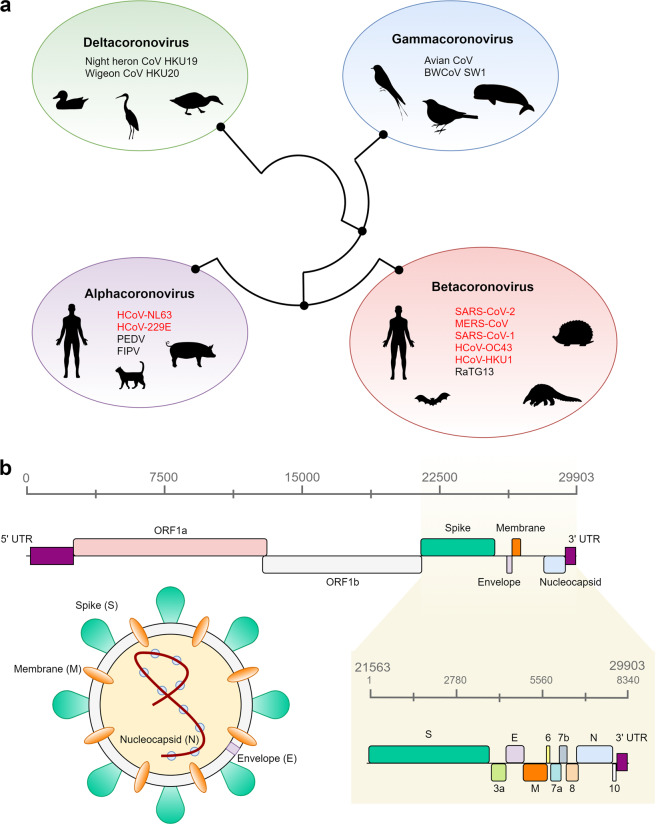
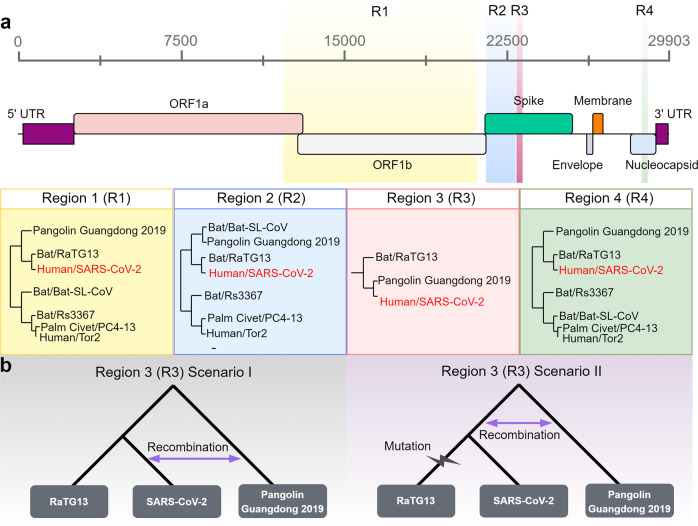
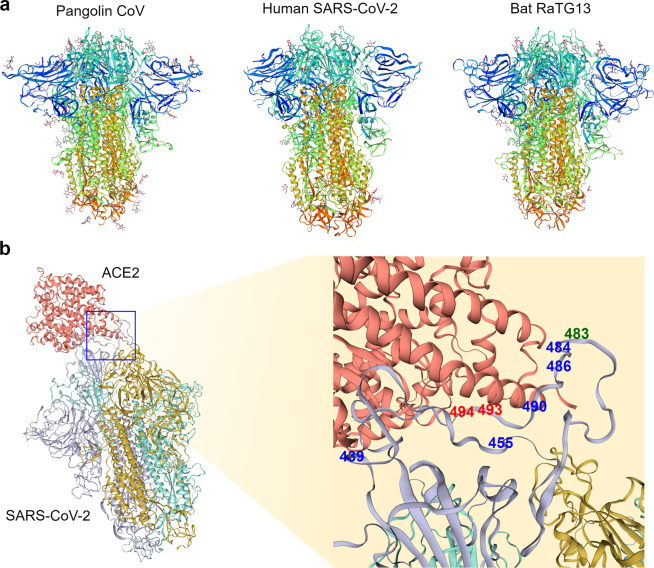
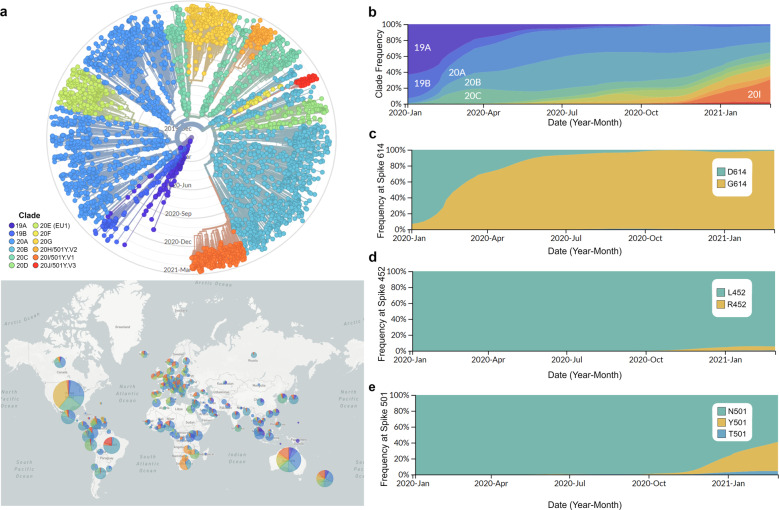
The severe acute respiratory syndrome coronavirus 2 (SARS-CoV-2) is responsible for the ongoing global outbreak of a coronavirus disease (herein referred to as COVID-19). Other viruses in the same phylogenetic group have been responsible for previous regional outbreaks, including SARS and MERS. SARS-CoV-2 has a zoonotic origin, similar to the causative viruses of these previous outbreaks. The repetitive introduction of animal viruses into human populations resulting in disease outbreaks suggests that similar future epidemics are inevitable. Therefore, understanding the molecular origin and ongoing evolution of SARS-CoV-2 will provide critical insights for preparing for and preventing future outbreaks. A key feature of SARS-CoV-2 is its propensity for genetic recombination across host species boundaries. Consequently, the genome of SARS-CoV-2 harbors signatures of multiple recombination events, likely encompassing multiple species and broad geographic regions. Other regions of the SARS-CoV-2 genome show the impact of purifying selection. The spike (S) protein of SARS-CoV-2, which enables the virus to enter host cells, exhibits signatures of both purifying selection and ancestral recombination events, leading to an effective S protein capable of infecting human and many other mammalian cells. The global spread and explosive growth of the SARS-CoV-2 population (within human hosts) has contributed additional mutational variability into this genome, increasing opportunities for future recombination.
Overview
The claims and statistics of this paper haven’t been checked yet.
Free: it reads the open-access text and checks the first 5 claims that cite a source we can check. Create a free account to check every claim.
Integrity signals
Registry
Cites
Statistics
Figures
Verification
Claims the paper makes
The claims and statistics of this paper haven’t been checked yet.
Free: it reads the open-access text and checks the first 5 claims that cite a source we can check. Create a free account to check every claim.
Claims other papers make about this one
Each is checked against this paper’s own text: does it say what the citing paper says it does?
The source backs part of the claim, not all of it — or backs it for a different population, condition or comparison.
In the citing paper
“The mutations in the spike protein such as deletions, substitutions, and recombinations mainly in RBD can virtually create a highly lethal variant to a highly transmissible one, possibly due to the alteration in ACE-2 binding affinity [34].”
From Waves and variants of SARS-CoV-2: understanding the causes and effect of the COVID-19 catastrophe (2022) · cites this paper as [34]
Experimental — accuracy not yet measured
Self-check
Percentages, sums and reported differences re-computed from the paper’s own numbers.
The self-check needs the paper’s full text.
Citations
Cites
1 retracted
Woo, P. C. Y., Lau, S. K. P., Lam, C. S. F., Tsang, A. K. L., Hui, S., Fan, R. Y. Y., Martelli, P. R., & Yuen, K. (2013) · Journal of Virology · doi:10.1128/jvi.02351-13 · Cited by 177
RetractedA pneumonia outbreak associated with a new coronavirus of probable bat origin
Zhou, P., Yang, X.-L., Wang, X.-G., Hu, B., Zhang, L., Zhang, W., Si, H.-R., Zhu, Y., Li, B., Huang, C.-L., et al. (2020) · Nature · doi:10.1038/s41586-020-2012-7 · Cited by 21,969
Hoffmann, M., Kleine-Weber, H., Schroeder, S., Krüger, N., Herrler, T., Erichsen, S., Schiergens, T. S., Herrler, G., Wu, N.-H., Nitsche, A., et al. (2020) · Cell · doi:10.1016/j.cell.2020.02.052 · Cited by 20,286
Molecular Evolutionary Genetics
Nei, M. (1987) · Columbia University Press eBooks · doi:10.7312/nei-92038 · Cited by 15,271
SWISS-MODEL: homology modelling of protein structures and complexes
Waterhouse, A., Bertoni, M., Bienert, S., Studer, G., Tauriello, G., Gumienny, R., Heer, F. T., de Beer, T. A. P., Rempfer, C., Bordoli, L., et al. (2018) · Nucleic Acids Research · doi:10.1093/nar/gky427 · Cited by 13,067
Lu, R., Zhao, X., Li, J., Niu, P., Yang, B., Wu, H., Wang, W., Song, H., Huang, B., Zhu, N., et al. (2020) · The Lancet · doi:10.1016/s0140-6736(20)30251-8 · Cited by 11,907
Cryo-EM structure of the 2019-nCoV spike in the prefusion conformation
Wrapp, D., Wang, N., Corbett, K. S., Goldsmith, J. A., Hsieh, C.-L., Abiona, O., Graham, B. S., & McLellan, J. S. (2020) · Science · doi:10.1126/science.abb2507 · Cited by 8,897
Angiotensin-converting enzyme 2 is a functional receptor for the SARS coronavirus
Li, W., Moore, M. J., Vasilieva, N., Sui, J., Wong, S. K., Berne, M. A., Somasundaran, M., Sullivan, J. L., Luzuriaga, K., Greenough, T. C., et al. (2003) · Nature · doi:10.1038/nature02145 · Cited by 5,923
Origin and evolution of pathogenic coronaviruses
Cui, J., Li, F., & Shi, Z.-L. (2019) · Nature Reviews Microbiology · doi:10.1038/s41579-018-0118-9 · Cited by 5,515
The proximal origin of SARS-CoV-2
Andersen, K. G., Rambaut, A., Lipkin, W. I., Holmes, E. C., & Garry, R. F. (2020) · Nature Medicine · doi:10.1038/s41591-020-0820-9 · Cited by 5,081
Research works printed but not linked: 2
- Ge X-Y Isolation and characterization of a bat SARS-like coronavirus that uses the ACE2 receptor Nature 2013 503 535 538 24172901 PMC5389864 · DOI · Paper page
- Almeida J Virology: coronaviruses Nature 1968 220 650 650
Cited by
Items 101–200 of 324
Human Coronavirus Cell Receptors Provide Challenging Therapeutic Targets
López-Cortés, G. I., Palacios-Pérez, M., Hernández-Aguilar, M. M., Veledíaz, H. F., & José, M. V. (2023) · Vaccines · doi:10.3390/vaccines11010174 · Cited by 10
“HCoV-229 E Alphacoronavirus 1965 Bats Hipposideros and camelids ANPEP/CD13 [1,5,6] HCoV-OC43 Betacoronavirus 1967 Rodents and swine Sialic acid [7] SARS-CoV Betacoronavirus 2002 Bat Rhinolophus and civet ACE2 [8] HCoV-NL63 Alphacoronavirus 2004 Bats Triaenops ACE2 [6] HCoV-HKU1 Betacoronavirus 2005 Rodents Sialic acid…”
MethodEarly mutational signatures and transmissibility of SARS-CoV-2 Gamma and Lambda variants in Chile
Oróstica, K., Mohr, S., Dehning, J., Bauer, S., Medina-Ortiz, D., Iftekhar, E. N., Mujica, K., Covarrubias, P. C., Ulloa, S., Castillo, A., et al. (2024) · Scientific Reports · doi:10.1038/s41598-024-66885-2 · Cited by 10
COVID‑19: Main findings after a year and half of unease and the proper scientific progress (Review)
Leretter, M. T., Vulcănescu, D. D., Horhat, F. G., Matichescu, A., Riviș, M., Rusu, L. C., Roi, A., Racea, R. C., Badea, I., Dehelean, C. A., et al. (2022) · Experimental and Therapeutic Medicine · doi:10.3892/etm.2022.11350 · Cited by 10
“Coronavirus genomes are able to accumulate new variants by recombination between divergent strains living in different host species (4).”
BackgroundAsthana, A., Corona, A., Shin, W.-J., Kwak, M.-J., Gaughan, C., Tramontano, E., Jung, J. U., Schobert, R., Jha, B. K., Silverman, R. H., et al. (2023) · Viruses · doi:10.3390/v15071539 · Cited by 9
Boon, S. S., Xia, C., Wang, M. H., Yip, K. L., Luk, H. Y., Li, S., Ng, R. W. Y., Lai, C. K. C., Chan, P. K. S., & Chen, Z. (2021) · mBio · doi:10.1128/mbio.02687-21 · Cited by 9
Okeke, E. S., Olovo, C. V., Nkwoemeka, N. E., Okoye, C. O., Nwankwo, C. E. I., & Onu, C. (2022) · Heliyon · doi:10.1016/j.heliyon.2022.e09449 · Cited by 9
“Singh and Soojin (2021) suggest that the quick recombination and mutation, especially in the spike (S) proteins, of the SARS-CoV-2, is key to its infectivity and severity.”
InfluentialSARS-CoV2 mutations and impact on mortality: observational study in a sub-saharan Africa hospital
Makulo, J.-R. R., Wumba, R., Mandina, M. N., Kingebeni, P. M., Amuri-Aziza, A., Nlandu, Y. M., Kabwe, B., Mangala, D. S., Bepouka, B. I., Odio, J. O., et al. (2023) · Virology Journal · doi:10.1186/s12985-023-02014-1 · Cited by 9
“Some changes do not impact the properties of the virus, however other changes can affect the virus’s properties, such as how easily it spreads, the disease severity, the performance of vaccines, the effectiveness of the drugs used, and the laboratory diagnostic tools [1, 2].”
BackgroundReview of the mechanism of infection induced cerebral small vessel disease
Song, J., Wang, Y., Xie, Z., Wei, J., & Wang, J. (2025) · Frontiers in Immunology · doi:10.3389/fimmu.2025.1594891 · Cited by 8
“Coronavirus genomic architecture enables novel mutations via cross-species recombination in diverse hosts, leading to sustained human health impacts, particularly severe neurological consequences that demand urgent attention (61).”
Odigie, A. E., Capozza, P., Tempesta, M., Decaro, N., & Pratelli, A. (2024) · Research in Veterinary Science · doi:10.1016/j.rvsc.2024.105289 · Cited by 8
Prevalence of skin manifestations in patients with COVID-19: a systematic review and meta-analysis
de Aguiar, B. R. L., Ferreira, E. B., Canto, G. D. L., Guerra, E. N. S., & dos Reis, P. E. D. (2024) · Frontiers in Medicine · doi:10.3389/fmed.2024.1390775 · Cited by 8
“The most common symptoms are fever, dry cough, and, in some cases, shortness of breath (3, 4).”
BackgroundStone, S., Elsharkawy, A., Burleson, J. D., Hauser, M. J., Domi, A., Kumari, P., Nabi, Z., Natekar, J. P., Porto, M., Backstedt, B. T., et al. (2025) · Vaccines · doi:10.3390/vaccines13040411 · Cited by 8
“With unprecedented speed and scale, severe acute respiratory syndrome coronavirus 2 (SARS-CoV-2) caused a deadly global pandemic [1].”
Bareiß, A., Uzun, G., Mikus, M., Becker, M., Althaus, K., Schneiderhan‐Marra, N., Fürstberger, A., Schwab, J. D., Kestler, H. A., Holderried, M., et al. (2022) · Viruses · doi:10.3390/v15010065 · Cited by 8
“After identifying the first case of COVID-19 in China in 2019, the disease started to spread at a very high rate among humans in various parts of the globe, mainly through tiny droplets in the air that occur as a result of sneezing and coughing [4].”
BackgroundUpdated analysis to reject the laboratory-engineering hypothesis of SARS-CoV-2
Wu, F. (2023) · Environmental Research · doi:10.1016/j.envres.2023.115481 · Cited by 8
“Understanding the origin of SARS-CoV-2 is important for the reconstruction of viral transmission routes and preparing for future zoonotic outbreaks (Bloom et al., 2021; Singh and Yi, 2021; Vineis and Salmaso, 2021).”
Emergence of Genomic Diversity in the Spike Protein of the “Omicron” Variant
Basak, S., Kayet, P., Ghosh, M., Chatterjee, J., & Dutta, S. (2023) · Viruses · doi:10.3390/v15102132 · Cited by 8
Integrating Fréchet distance and AI reveals the evolutionary trajectory and origin of SARS‐CoV‐2
Wang, A. (2024) · Journal of Medical Virology · doi:10.1002/jmv.29557 · Cited by 7
“The evolutionary trajectory of the SARS ‐ CoV ‐ 2 genome has been widely regarded as one of the most crucial topics in SARS ‐ CoV ‐ 2 studies, 5,6,8,34 yet it remains undisclosed.”
BackgroundDhawan, M. K., Thakur, N., Sharma, M. K., & Rabaan, A. A. (2025) · Biomedicine & Pharmacotherapy · doi:10.1016/j.biopha.2025.117936 · Cited by 7
Professional Student Education and Training During the COVID-19 Pandemic
Philpott, M., O’Reilly, K. L., Bermudez, L. E., de Morais, H., & Filtz, T. M. (2022) · Applied Biosafety · doi:10.1089/apb.2022.0017 · Cited by 7
“15,16 Early on in the pandemic, reports began to appear of the virus infecting and causing illness in various species of animals.”
Paulino-Ramírez, R., López, P. L., Mueses, S., Cuevas, P., Jabier, M., & Rivera‐Amill, V. (2023) · International Journal of Environmental Research and Public Health · doi:10.3390/ijerph20085503 · Cited by 7
Panja, A., Roy, J., Mazumder, A., & Choudhury, S. M. (2023) · VirusDisease · doi:10.1007/s13337-023-00823-0 · Cited by 7
“The additional mutational variability leads to enhance the opportunities for future recombination [41].”
BackgroundDeciphering the rule of antigen-antibody amino acid interaction
Jiang, M., Fang, C., & Ma, Y. (2023) · Frontiers in Immunology · doi:10.3389/fimmu.2023.1269916 · Cited by 7
“For instance, SARS-CoV-2 has high genetic variability and rapid evolution (10, 11).”
BackgroundSun, X., Belser, J. A., Pulit-Penaloza, J. A., Brock, N., Kieran, T. J., Pappas, C., Zeng, H., Tumpey, T. M., & Maines, T. R. (2024) · Journal of Virology · doi:10.1128/jvi.00928-24 · Cited by 7
Suarez, G. D., Tang, Y. Y. K., Bayer, S., Cheung, P. P., & Nagl, S. (2025) · Microchimica Acta · doi:10.1007/s00604-025-06996-3 · Cited by 7
“The impact of infectious diseases is underscored by the coronavirus disease 2019 (COVID-19) pandemic, presumably caused by the zoonotic transmission of a novel coronavirus, severe acute respiratory syndrome coronavirus 2 (SARS-CoV-2) [7–9].”
Inhibition of coronavirus HCoV-OC43 by targeting the eIF4F complex
Feng, Y., Grotegut, S., Jovanović, P., Gandin, V., Olson, S. H., Murad, R., Beall, A. E., Colayco, S., DeJesus, P., Chanda, S. K., et al. (2022) · Frontiers in Pharmacology · doi:10.3389/fphar.2022.1029093 · Cited by 7
“Both SARS and MERS-like coronaviruses were detected in bat reservoirs and shown to replicate in cultured human lung cells (Singh and Yi, 2021; Zhang et al., 2021).”
BackgroundBedada, F. B., Gorfu, G., Teng, S., & Neita, M. E. (2022) · Frontiers in Molecular Medicine · doi:10.3389/fmmed.2022.917201 · Cited by 6
“These mutations have a direct in fl uence on viral infection rate by enhancing the af fi nity of RBD for the ACE2 receptor (Akkiz, 2021; Grubaugh et al., 2020; Gomez et al., 2021; Lauring and Hodcroft, 2021; Singh and Yi, 2021) and (Figures 3, 4).”
BackgroundInfluentialSiniavin, A. E., Gushchin, V. А., Шастина, Н. С., Darnotuk, E. S., Луйксаар, С. И., Russu, L. I., Inshakova, A. M., Shidlovskaya, E. V., Vasina, D. V., Kuznetsova, N. A., et al. (2024) · Antiviral Research · doi:10.1016/j.antiviral.2024.105871 · Cited by 6
Pal, A., Dobhal, S., Dey, K. K., Sharma, A. K., Savani, V., & Negi, V. S. (2021) · Computational Biology and Chemistry · doi:10.1016/j.compbiolchem.2021.107594 · Cited by 6
“Previous studies on SARS-CoV-2 with other coronaviruses reported strong and global purifying selection along with some sitespecific (localized) positive selections (Singh and Yi, 2021).”
Ghanem, M., Drachmann, D., Münter, L., Faber, N. H. R., Eliasen, B., Fullilove, R. E., & Sørensen, K. (2022) · Elsevier eBooks · doi:10.1016/b978-0-12-821318-6.00004-9 · Cited by 6
Rodrigues, T. S., & Zamboni, D. S. (2025) · Immunological Reviews · doi:10.1111/imr.70003 · Cited by 6
FEREZ, J. A., Cuevas‐Ferrando, E., Nicolás, M. A.-S., Andreu, P. J. S., López, R., Truchado, P., Sánchez, G., & Allende, A. (2023) · Viruses · doi:10.3390/v15071499 · Cited by 6
--, N., Ramin, Ramezani, A., Farokhnia, M., & Sarvari, J. (2023) · Mediterranean Journal of Hematology and Infectious Diseases · doi:10.4084/mjhid.2023.042 · Cited by 6
“SARS-CoV-2 RdRp is the prime constituent of the replication/transcription machinery prone to mutation.(14) RdRp is a primary target for antiviral inhibitors like Remdesivir,(15) Favipiravir, Galidesivir, and Ribavirin,(16) as well as some other potential drugs such as Filibuvir, Cepharanthine, Simeprevir, and Tegobuvi…”
BackgroundAn Investigation on Use of Traditional Medicine during COVID-19 and Post-COVID-19
Kamoka, H. M. E., & Elengoe, A. (2024) · International Journal of Advancement in Life Sciences Research · doi:10.31632/ijalsr.2024.v07i01.010 · Cited by 6
Recentering evolution for sustainability science
Vázquez‐Domínguez, E., Kassen, R., Schroer, S., Meester, L. D., & Johnson, M. T. J. (2024) · Global Sustainability · doi:10.1017/sus.2024.5 · Cited by 6
“Rapid genome sequencing of viral isolates shared through public repositories allows tracking the evolution of the virus in near real time (Singh & Yi, 2021), providing insight into emerging variants of concern that can be used to support public-health decision making (see, e.g. https://covarr-net.…”
BackgroundThe human microbiota is a beneficial reservoir for SARS-CoV-2 mutations
Cao, B., Wang, X., Yin, W., Gao, Z., & Xia, B. (2024) · mBio · doi:10.1128/mbio.03187-23 · Cited by 6
“There is evidence to support the theory that SARS-CoV-2 has a high potential for acquiring advantageous mutations (6, 18).”
BackgroundZheng, J., Zeng, J., Long, H., Chen, J., Liu, K., Chen, Y., & Du, X. (2024) · Journal of Medical Virology · doi:10.1002/jmv.29825 · Cited by 6
“43 Moreover, influenza viruses are known for reassortment, particularly involving hemagglutinin (HA) and neuraminidase (NA) genes, leading to major antigenic shifts and pandemic potential.”
Coronaviral Main Protease Induces LPCAT3 Cleavage and Endoplasmic Reticulum (ER) Stress
Wang, J., Zhang, M., Ding, Y., Lin, Y., Xue, Y., Wang, X., & Wang, X. (2023) · Viruses · doi:10.3390/v15081696 · Cited by 6
“Because of the phylogenetic conservation and the evolutionary history of coronaviruses, animal coronaviruses share many common features with human coronaviruses [43,44].”
BackgroundInfectious Diseases Surveillance System in Nigeria: Lesson From COVID‐19 Pandemic
Ogunniyi, T. J., Precious, B. D. U., Turzin, J. K., & Paul‐Worika, P. N. (2025) · Public Health Challenges · doi:10.1002/puh2.70057 · Cited by 5
Fu, C., Ren, W., Pagani‐Núñez, E., Han, Y., Yang, J., Qiao, H., & Li, Z. (2025) · Biological Conservation · doi:10.1016/j.biocon.2025.111511 · Cited by 5
Featherstone, A. B., Brown, A. C., & Dass, S. C. (2023) · PLoS ONE · doi:10.1371/journal.pone.0286659 · Cited by 5
Viral Environmental Warfare: Technology Bill of Rights Critically Needed
Herndon, J. M., & Whiteside, M. (2021) · Advances in Social Sciences Research Journal · doi:10.14738/assrj.811.11200 · Cited by 5
Zhang, Y., Zhang, X., Zheng, H., & Liu, L. (2022) · Biomolecules · doi:10.3390/biom12111680 · Cited by 5
“SARS-CoV-2 viral genome structure consists of a genomic RNA (gRNA) and nine subgenomic RNAs (sgRNAs) [20,21].”
BackgroundDesign, structure and plasma binding of ancestral β-CoV scaffold antigens
Hueting, D., Schriever, K., Sun, R., Vlachiotis, S., Zuo, F., Du, L., Persson, H., Hofström, C., Ohlin, M., Wallden, K., et al. (2023) · Nature Communications · doi:10.1038/s41467-023-42200-x · Cited by 5
Sohrab, S. S., Alsaqaf, F., Hassan, A. M., Tolah, A. M., Bajrai, L. H., & Azhar, E. I. (2024) · Biology · doi:10.3390/biology13040282 · Cited by 5
da Silva, A. C. V. F., Silva, C. A. O., de Sousa, G. F., Coelho, V. A. G. S., da Cunha, L. T., Paes, A. N., Pozzobon, A. P. B., dos Santos, D. D. G., Carpes, R. D. M., Costa, E. P., et al. (2024) · Frontiers in Microbiology · doi:10.3389/fmicb.2024.1386271 · Cited by 5
“Phylogenetic comparisons with other coronavirus strains, as well as previously reported recombination events between coronavirus strains, suggest that SARS-CoV-2 has undergone complex recombination events during its evolution (Singh and Yi, 2021).”
BackgroundResultA novel immunofluorescent test system for SARS-CoV-2 detection in infected cells
Rak, A. Y., Matyushenko, V., Prokopenko, P., Kostromitina, A. D., Polyakov, D. S., Av, S., Георгиевна, Р. Л., & Isakova–Sivak, I. (2024) · PLoS ONE · doi:10.1371/journal.pone.0304534 · Cited by 5
Taghia, J., Kulyk, V., İckin, S., Folkesson, M., Nyström, C., Ȧgren, K., Brezicka, T., Vingare, T., Karlsson, J., Fritzell, I., et al. (2022) · Scientific Reports · doi:10.1038/s41598-022-22350-6 · Cited by 5
“(6) Ŷt = (1− g(αt))f (Xt), ∀t Figure 10.”
Ali, K. M., Rashid, P. M. A., Ali, K. M., Mahmood, K. I., & Rostam, H. M. (2024) · Central European Journal of Immunology · doi:10.5114/ceji.2024.136382 · Cited by 5
“The contagious nature of the virus and its ability to spread through respiratory droplets contributed to the global spread of COVID-19 [3].”
BackgroundAkçeşme, F. B., Köprülü, T. K., Çam, B. E., İş, Ş., Keskin, B. C., Akçeşme, B., Baydili, K. N., Gezer, B., Balkan, J., Uçar, B., et al. (2024) · Biochemical Genetics · doi:10.1007/s10528-024-10962-8 · Cited by 5
“So far, many genome analyzes have been conducted to study the evolution of SARS-CoV-2 (Khailany et al. 2020; Phan 2020; Vankadari 2020; Bajaj and Purohit 2020; Singh and Yi 2021).”
Chen, Z., Zhang, X., Yu, W., & Luo, Q. (2025) · bioRxiv (Cold Spring Harbor Laboratory) · doi:10.1101/2025.03.11.642719 · Cited by 5
“In addition, studies have shown that important evolutionary traits could appear in loop or other flexible non-compact regions (45).”
SARS-CoV-2 N protein interacts with SLC7A11 to cause ferroptosis in acute lung injury
Liu, Y., Tang, H., Xu, P., Zhou, X., & Li, S. (2025) · Allergologia et Immunopathologia · doi:10.15586/aei.v53i3.1340 · Cited by 4
Adaptation of plateau frog peptide: From antimicrobial to angiogenic and proliferative functions
Cao, K., Zhang, L., Yang, M., Gao, J., Deng, C., Huang, X., Chen, Q., Lu, Q., Cheng, Y., Gao, S., et al. (2025) · Journal of Advanced Research · doi:10.1016/j.jare.2025.06.013 · Cited by 4
“The efficacy of purification selection in efficiently excluding potentially deleterious changes to amino acids in protein sequences is a key factor in this process [75].”
Khamto, N., Boontawee, P., Choommongkol, V., Pruksaphon, K., Patnin, S., Suree, N., Prangkio, P., & Meepowpan, P. (2025) · International Journal of Molecular Sciences · doi:10.3390/ijms26199742 · Cited by 4
“First identified in late 2019 in Wuhan, Hubei Province, China [1,2], SARS-CoV-2 infection causes symptoms resembling pneumonia, known as severe acute respiratory syndrome (SARS), which later came to be recognized as coronavirus disease 2019 (COVID-19) [3].”
da Conceição, O. D. S., de Souza, U. J. B., Cardoso, F. D. P., Gabev, E. E., Ribeiro, B. M., dos Santos, G. R., Filho, R. N. D. A., da Silva, M. G., Spilki, F. R., & Campos, F. S. (2025) · Viruses · doi:10.3390/v17111521 · Cited by 4
Omer, E. A., Abdelfatah, S., Shahhamzehei, N., Guthart, A., Sutter, K., Sperber, H. S., Schwarzer, R., & Efferth, T. (2025) · Biomedicine & Pharmacotherapy · doi:10.1016/j.biopha.2025.118246 · Cited by 4
Murugadoss, K., Niesen, M. J. M., Raghunathan, B., Lenehan, P. J., Ghosh, P., Feener, T., Anand, P., Simsek, S., Suratekar, R., Hughes, T. K., et al. (2022) · PNAS Nexus · doi:10.1093/pnasnexus/pgac018 · Cited by 4
“SARS-CoV-2, like other viruses, evolves via the introduction of mutations in its genome (5).”
BackgroundSekaran, K., Varghese, R. P., Ramanathan, G., Karthik, G., Ramya, I., & Doss, C. G. P. (2022) · Cell Biochemistry and Function · doi:10.1002/cbf.3769 · Cited by 4
“world have made it one of the most renowned pandemics in the history of humanity.(2) With constant dissemination cycles happening around the world, the variants of SARS‐CoV‐2 have emerged with mutations all through its genome.”
BackgroundLiu, Z., Li, Y., Tian, Z., Zhao, Y., Cheung, T. C. C., Su, Z., Chen, P., Ng, C. H., An, F., & Xiang, Y. (2023) · Frontiers in Psychology · doi:10.3389/fpsyg.2023.1218747 · Cited by 4
“After the peak of the first COVID-19 wave in China in February of 2020, subsequent waves have occurred due to the rapid mutation of the virus and the waning of antibodies resulting from previous infections or vaccinations (Singh and Yi, 2021).”
BackgroundPiewbang, C., Poonsin, P., Lohavicharn, P., Punyathi, P., Kesdangsakonwut, S., Kasantikul, T., & Techangamsuwan, S. (2023) · Acta Tropica · doi:10.1016/j.actatropica.2023.107070 · Cited by 4
Fan, C., Wu, C., Luan, L., Chen, J., & Sun, T. (2024) · Journal of Molecular Structure · doi:10.1016/j.molstruc.2024.139208 · Cited by 4
A Bacterial Cell-Based Assay To Study SARS-CoV-2 Protein-Protein Interactions
Springstein, B. L., Deighan, P., Grabe, G. J., & Hochschild, A. (2021) · mBio · doi:10.1128/mbio.02936-21 · Cited by 4
Lim, H. G.-M., Hsiao, S.-H., & Lee, Y.-C. G. (2021) · Biology · doi:10.3390/biology10101023 · Cited by 4
SARS-CoV-2 Pandemic Tracing in Italy Highlights Lineages with Mutational Burden in Growing Subsets
Boccia, A. S., Tufano, R., Ferrucci, V., Sepe, L., Bianchi, M., Pascarella, S., Zollo, M., & Paolella, G. (2022) · International Journal of Molecular Sciences · doi:10.3390/ijms23084155 · Cited by 4
“SARS-CoV-2 belongs to the genus betacoronavirus, together with SARS-CoV and MERS-CoV (with 80% and 50% homology, respectively) [2,3].”
BackgroundBhagat, A. K., Kelam, L. M., Samanta, N., & Sobhia, M. E. (2025) · In Silico Pharmacology · doi:10.1007/s40203-025-00409-2 · Cited by 3
“The causative agent was identified as a novel coro - navirus, SARS-CoV-2, a member of coronaviridae family (Li 2016; Shereen et al. 2020 ; Li et al. 2021 ; Singh and Yi 2021 ).”
Izhari, M. A., Alghamdi, F., Alodeani, E. A., Salem, A., Almontasheri, A. H. A., Dardari, D. M. M., Hadadi, M. A. A., Gosady, A. R. A., Alghamdi, W. A., Alzahrani, B. A., et al. (2025) · Biomedicines · doi:10.3390/biomedicines13102450 · Cited by 3
“One of the most dominant global variants evolved just because of a single SNP (D614G) with enhanced infectivity, highlighting the significance of even a single SNP in the hot spot in the evolutionary process [1].”
InfluentialNature’s role in national security
Cardinale, B. J., Duffy, J. E., & Schoonover, R. (2026) · Nature-Based Solutions · doi:10.1016/j.nbsj.2026.100330 · Cited by 4
Vassilaki, N., Papadimitriou, K., Ioannidis, A., Papandreou, N. C., Milona, R. S., Iconomidou, V. A., & Chatzipanagiotou, S. (2022) · Microorganisms · doi:10.3390/microorganisms10071430 · Cited by 3
“Viral genome evolution during the first wave of the pandemic has been characterized by the emergence of sets of substitutions that led to the establishment of more than one new viral strain [115,116].”
BackgroundPassive antibody therapy in emerging infectious diseases
Yang, X. (2023) · Frontiers of Medicine · doi:10.1007/s11684-023-1021-y · Cited by 3
Silva, P. V., & Nobre, C. N. (2024) · Computers in Biology and Medicine · doi:10.1016/j.compbiomed.2024.108264 · Cited by 3
Phosphorylation of G3BP1 is involved in the regulation of PDCoV-induced inflammatory response
Zhang, B., Li, S., Chen, Z., Fan, L., Wang, W., Guo, R., Fan, B., Li, B., & Li, B. (2024) · Veterinary Microbiology · doi:10.1016/j.vetmic.2024.110070 · Cited by 3
Cui, Y., Li, S., Xu, W., Xie, J., Wang, D., Hou, L., Zhou, J., Feng, X., & Liu, J. (2024) · Frontiers in Immunology · doi:10.3389/fimmu.2024.1332444 · Cited by 3
“Recombination increases virus genetic diversity and may contribute to the adaptation of a new host (79, 80), and circoviruses have a high frequency of homologous DNA recombination possibly mediated by random template switching during genome replication thought to be mediated by a ‘ copy choice ’…”
Fomicheva, A. A., Николаевич, П. Н., Komarova, S. V., Urtikov, A., Nn, T., Proshkina, A. A., Silva, S. H. R. D., Vlasenko, A. E., Strelkova, D. A., Nekludova, G. V., et al. (2024) · Journal Infectology · doi:10.22625/2072-6732-2024-16-3-45-55 · Cited by 3
AltaiR: a C toolkit for alignment-free and temporal analysis of multi-FASTA data
Silva, J. M., Pinho, A. J., & Pratas, D. (2024) · GigaScience · doi:10.1093/gigascience/giae086 · Cited by 3
“T hese mutations may be driven by the err or-pr one natur e of RNA-dependent RNA pol ymer ase, whic h is r esponsible for vir al r eplication [ 80–82 ].”
Marine Origin vs. Synthesized Compounds: In Silico Screening for a Potential Drug Against SARS-CoV-2
Osmanović, A., Salihović, M., Veljović, E., Hindija, L., Pazalja, M., Malenica, M., Selmanagić, A., & Špirtović‐Halilović, S. (2024) · Scientia Pharmaceutica · doi:10.3390/scipharm93010002 · Cited by 3
“However, due to frequent changes in the virus’s genome, many different types of the virus began to emerge [11,12].”
Archiving time series sewage samples as biological records of built environments
Thaler, D. S., & Sakmar, T. P. (2021) · BMC Infectious Diseases · doi:10.1186/s12879-021-06268-4 · Cited by 4
Носков, А. К., Андреевна, П. О., Водопьянов, А. С., Писанов, Р. В., Ковалев, Е. В., Penkovskaya, N. A., Slis, S. S., Yanovich, E. G., Kuznetsova, D. A., Водопьянов, С. О., et al. (2021) · Medical Herald of the South of Russia · doi:10.21886/2219-8075-2021-12-3-62-71 · Cited by 3
Kapoor, D., Suryawanshi, R. K., Patil, C. D., & Shukla, D. (2022) · Elsevier eBooks · doi:10.1016/b978-0-323-99596-2.00015-7 · Cited by 3
Genetic diversity of SARS-CoV-2 Omicron variants’ spike gene in Vietnam
(2022) · International Journal of Biosciences (IJB) · doi:10.12692/ijb/21.3.166-176 · Cited by 3
Variation Analysis of SARS-CoV-2 Complete Sequences from Iran
Moradi, J., Moradi, P., Alvandi, A., Abiri, R., & Moghoofei, M. (2022) · Future Virology · doi:10.2217/fvl-2021-0056 · Cited by 3
An ACE2-Based Decoy Inhibitor Effectively Neutralizes SARS-CoV-2 Omicron BA.5 Variant
Zhang, H., Hu, B., Lv, P., Liu, Y., Guo, M., Wu, Z., Zhou, K., Dai, M., Xiao, Y., Liu, Z., et al. (2022) · Viruses · doi:10.3390/v14112387 · Cited by 3
“SARS-CoV-2 is a positive-sense single-stranded RNA virus that belongs to the Beta-CoVs genus of the Coronaviridae family [3] and is a zoonotic pathogen that can cause severe respiratory diseases in humans [4].”
BackgroundRamasamy, R. (2023) · International Journal of Microbiology Research · doi:10.4103/ijmr.ijmr_2591_22 · Cited by 3
“The estimated mutation rate in SARS-CoV-2 variants is reportedly 10-30 non-synonymous nucleotide substitutions in the genome per year 24,25 .”
BackgroundNanoLuciferase technology-based detection of TMPRSS2 as attempt to develop anti-coronavirus agents
Chen, Y., Li, Y., Zhao, Y., Pei, L., Zhang, L., & Zou, D. (2024) · Biochemistry and Biophysics Reports · doi:10.1016/j.bbrep.2024.101783 · Cited by 2
“More-over, the continuous evolution of viruses through genetic mutations poses additional challenges, necessitating the need for sustained research efforts to monitor and respond to emerging infectious threats [2].”
BackgroundIn-vitro and in-silico evaluation of rue herb for SARS-CoV-2 treatment
Minu, M. K., Talukder, M. E. K., Mothana, R. A., Islam, S. I., Alanzi, A. R., Hasson, S., Sadique, M. I., Chowdhury, M. A. R., Khan, M. S., Ahammad, F., et al. (2024) · International Immunopharmacology · doi:10.1016/j.intimp.2024.113318 · Cited by 2
Matryoshka Dolls of Virus Evolution: The Internal Forces That Shape Viral Fate
Yin, J. (2025) · Integrative and Comparative Biology · doi:10.1093/icb/icaf063 · Cited by 2
Babar, Q. A., Saeed, A., Bashir, M., Niaz, K., Rafiq, M., Waqas, M. Y., Tahir, M. F., Aqib, A. I., Dilawar, M., & Nisar, M. F. (2025) · BENTHAM SCIENCE PUBLISHERS eBooks · doi:10.2174/9789815322194125010006 · Cited by 2
Haltom, J., Trovão, N. S., Guarnieri, J. W., Pan, V., Singh, U., Tsoy, S., O’Leary, C. A., Bram, Y., Widjaja, G. A., Cen, Z., et al. (2025) · Molecular Biology and Evolution · doi:10.1093/molbev/msaf211 · Cited by 2
Predicting Variant Fitness of SARS-COV-2 from Full Viral Genome Sequences
Annan, R., Nkonu, U., Hatami, P., Pantho, M. J., Qingge, L., & Qin, H. (2025) · Proceedings of the AAAI Symposium Series · doi:10.1609/aaaiss.v7i1.36915 · Cited by 2
“SARS-CoV-2 belongs to the Betacoronavirus group; the same phylogenetic group as the SARS and MERS viruses, which have previously resulted in widespread disease outbreaks (Singh and Yi 2021).”
Nawa, H., & Murakami, M. (2025) · Neuropsychopharmacology Reports · doi:10.1002/npr2.12520 · Cited by 2
Musculoskeletal pain in patients with COVID-19
Bogdanova, S. (2022) · Rheumatology (Bulgaria) · doi:10.35465/30.2.2022.pp3-17 · Cited by 2
“Only 7 representatives of the coronavirus family are known to be pathogenic to humans [4].”
Yamaguchi, K., Anzai, I., Maeda, R., Moriguchi, M., Watanabe, T., Imura, A., Takaori‐Kondo, A., & Inoue, T. (2022) · The Journal of Biochemistry · doi:10.1093/jb/mvac096 · Cited by 2
Molecular Diagnostic Tools against SARS-CoV-2 in Poland in 2022
Fuławka, Ł., & Kuzan, A. (2022) · Biomedicines · doi:10.3390/biomedicines10123259 · Cited by 2
“Even a singlenucleotide substitution can cause a change in virulence properties relative to the parent virus variance [21].”
BackgroundGenomic Tracking of SARS-CoV-2 Variants in Myanmar
Oo, K. Z., Htun, Z. W., Aung, N. M., Win, K. K., Linn, K. Z., Htoo, S. P., Aung, P. K., Oo, T. W., Zaw, M. T., Ko, L. Y., et al. (2022) · Vaccines · doi:10.3390/vaccines11010006 · Cited by 2
“Genetic drift caused a high rate of a specific variant without selective advantage [11].”
BackgroundOverview of diagnostic tools and nano-based therapy of SARS-CoV-2 infection
Bhattacharjee, B., Rynjah, D., Ahmed, A. B., Newar, A., Sengupta, S., Chakrabarty, S., Sahu, R. K., & Khan, J. (2024) · Chemical Papers · doi:10.1007/s11696-023-03271-8 · Cited by 2
“SARS-CoV-2 is structurally similar to SARS-CoV, middle respiratory syndrome coronavirus (MERS-CoV), and other coronaviruses of living organisms (Singh and Yi 2021).”
SARS-CoV-2 Delta variant remains viable in environmental biofilms found in meat packaging plants
Featherstone, A. B., Mathijssen, A. J. T. M., Brown, A. C., & Dass, S. C. (2024) · PLoS ONE · doi:10.1371/journal.pone.0304504 · Cited by 2
The historical aspects of the SARS-CoV-2 virus and the ensuing pandemic
Nasrin, T., Hassan, M. S., Samanta, A., Hoque, M., & Ali, S. (2024) · Elsevier eBooks · doi:10.1016/b978-0-323-95650-5.00035-5 · Cited by 2
Jiang, D., Ma, Z., Zhang, J., Sun, Y., Bai, T., Liu, R., Wang, Y., Guan, L., Fu, S., Sun, Y., et al. (2024) · Vaccines · doi:10.3390/vaccines12111214 · Cited by 2
“When they are in close contact with the exchange virus, the coronavirus undergoes recombination, leading to diversification and the evolution of highly effective strains that are susceptible to human infection [49].”
Chitosan as Tools to Combat COVID-19
Zia, K. M. (2025) · Smart nanomaterials technology · doi:10.1007/978-981-96-2629-8_10 · Cited by 2
Neisi, N., Beigi, Z., Parsanahad, M., Pirmoradi, R., & Nashibi, R. (2025) · Jundishapur Journal of Microbiology · doi:10.5812/jjm-161962 · Cited by 2
“SARS-CoV-2 shares 80% phylogenetic similarity with SARS-CoV and 50% with MERS-CoV, all belonging to the beta coronaviruses genus (5, 6).”
Bonacci, P. G., Bivona, D. A., Bongiorno, D., Stracquadanio, S., Massimino, M., Bonomo, C., Stracuzzi, A., Pennisi, P., Musso, N., & Stefani, S. (2021) · Diagnostics · doi:10.3390/diagnostics11122286 · Cited by 2
“Sequencing and computing consensus sequences or genomes from RNA viruses such as the SARS-CoV-2 present challenges due to their evolution rate, which is considerably higher than that of their hosts [8].”
BackgroundPeters, M. H. (2022) · Scientific Reports · doi:10.1038/s41598-022-20656-z · Cited by 2
Seong, D. Y., Park, J., Yi, K., & Hong, D. (2023) · Viruses · doi:10.3390/v15030692 · Cited by 2
Hamadalla, M., janabi, A. A., & Ghazzay, H. (2023) · Al-Kitab Journal for Pure Sciences · doi:10.32441/kjps.07.02.p4 · Cited by 2
“Its genome consists of a linear single-stranded RNA, positive-sense with a length of about 29,800 base pairs, with 2⁄3 encoding non-structural proteins and one-third encoding structural proteins, including membrane (M), envelope (E), nucleocapsid (N), and spike (S) proteins [1].”
Metadata
- Authors
- Singh, D., & Yi, S. V.
- Affiliations
- Georgia Institute of Technology (US)
- Corresponding author
- Yi, Soojin V.
- Venue
- Experimental & Molecular Medicine
- Published
- 2021-04
- Volume
- 53
- Issue
- 4
- Pages
- 537-547
- ISSN
- 1226-3613 (ISSN-L)
- 2092-6413
- PMC
- PMC8050477
- OpenAlex
- W3154308199
- Semantic Scholar
- 82d4ec7ef6f25fbc560f6bc99a147bbf46c6b256
- Cited by
- 281
- References
- 64
- Citations by year
- 2026: 4 · 2025: 37 · 2024: 55 · 2023: 71 · 2022: 83 · 2021: 30
- FWCI
- 6.99
- Type
- journal article
- Language
- en
- Open access
- gold
- doi.org
- Licence
- cc-by
- creativecommons.org/licenses/by/4.0 (tdm)
- creativecommons.org/licenses/by/4.0 (vor, 15 d)
- Locations
- Experimental & Molecular Medicine (publishedVersion, cc-by)
- PubMed Central (publishedVersion, cc-by)
- PubMed (publishedVersion)
- Funders
- National Science Foundation (2021635)
- National Institute of Mental Health (R01MH103517)
- Topics
- Health Sciences › Medicine › Infectious Diseases › SARS-CoV-2 and COVID-19 Research
- Life Sciences › Biochemistry, Genetics and Molecular Biology › Genetics › Evolution and Genetic Dynamics
- Life Sciences › Agricultural and Biological Sciences › Animal Science and Zoology › Animal Virus Infections Studies
- Keywords
- SARS-CoV-2, COVID-19 pandemic, viral origin, viral evolution, zoonotic transmission, genetic recombination, purifying selection, spike protein, SARS, MERS, epidemic preparedness
- MeSH terms
- COVID-19, SARS-CoV-2, Animals, Biological Evolution, Humans, Mutation, Phylogeny, Recombination, Genetic, Selection, Genetic, Genome, Viral, Coronavirus, Spike Glycoprotein, Coronavirus
About these checks
Registry, retraction, Cites and statistics results are computed, not judged, with one exception: a printed reference that no index lists is read once by a model before it counts as a citation error. Claims are extracted by a model and kept only when their quote appears verbatim in the text; each cited source is then checked, with a model’s help, for whether it says what the claim relies on. Those verdicts can be wrong — read the claim’s quote and the cited source before relying on one.
Statistics and arithmetic are recomputed, not judged.
Confidence bands are shown only for fields calibrated on our annotated test set. None is calibrated yet, so no band is shown.
What counts as a claim ›How we measure confidence ›How we check this ›
Are you an author, or do you see a problem with this page? Request a review
Data sources
Bibliographic data: Semantic Scholar, OpenAlex, Crossref.
Contains information from the Semantic Scholar Academic Graph Datasets, made available under the ODC Attribution License (ODC-BY 1.0).
Semantic Scholar’s data is described in: Kinney, R., et al. (2023). The Semantic Scholar Open Data Platform. arXiv:2301.10140.
