

The DOI matches its Crossref record; 73 of the 73 references it cites were found in a registry or an index.
Increased virulence of the oral microbiome in oral squamous cell carcinoma revealed by metatranscriptome analyses
Open accessAbstract
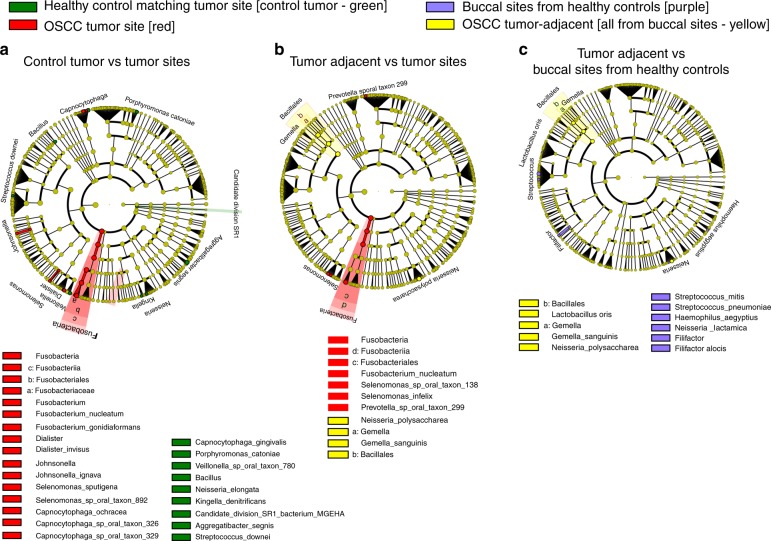
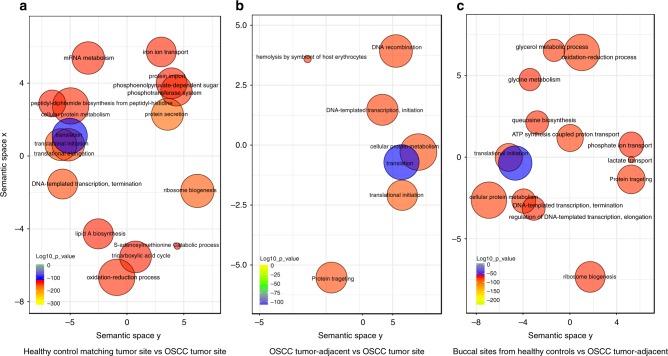
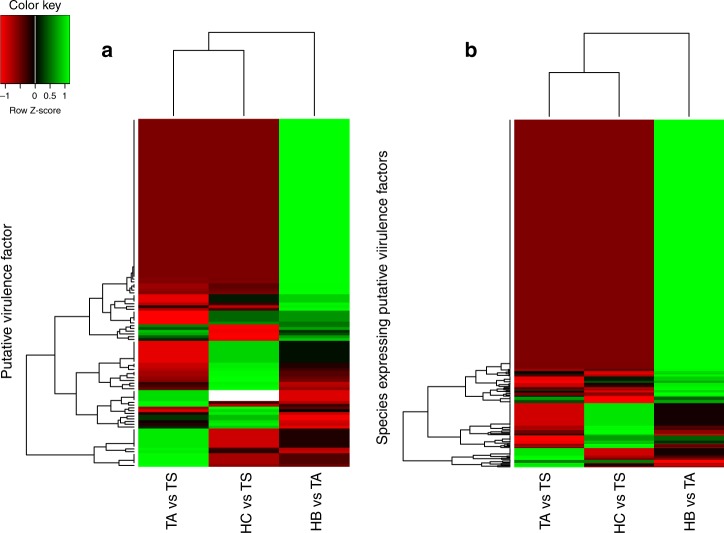
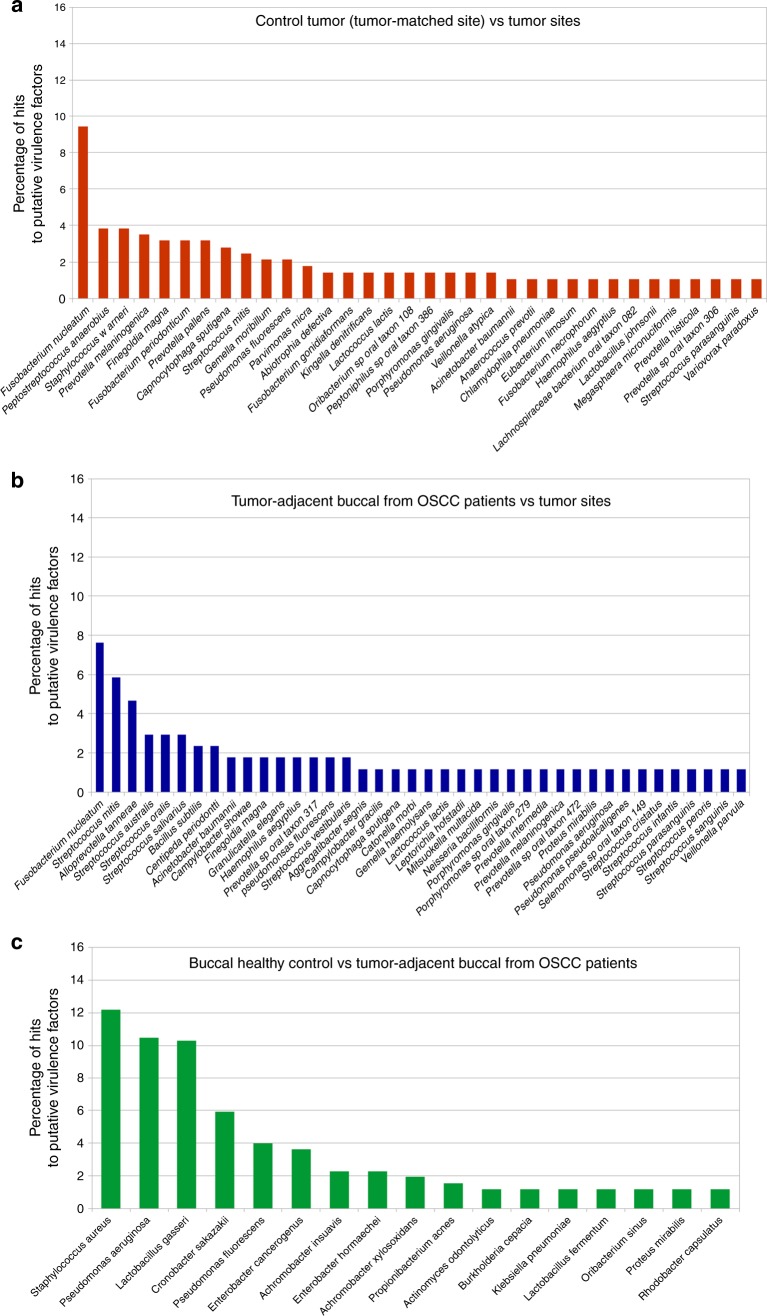
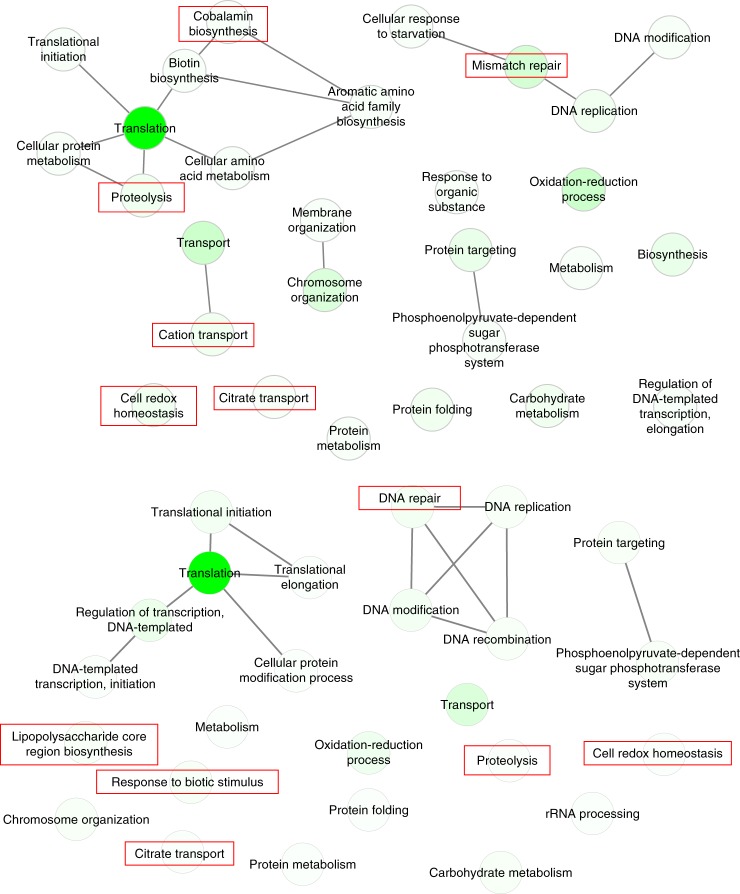
Oral squamous cell carcinoma (OSCC) is the most prevalent and most commonly studied oral cancer. However, there is a void regarding the role that the oral microbiome may play in OSCC. Although the relationship between microbial community composition and OSCC has been thoroughly investigated, microbial profiles of the human microbiome in cancer are understudied. Here we performed a small pilot study of community-wide metatranscriptome analysis to profile mRNA expression in the entire oral microbiome in OSCC to reveal molecular functions associated with this disease. Fusobacteria showed a statistically significantly higher number of transcripts at tumour sites and tumour-adjacent sites of cancer patients compared to the healthy controls analysed. Regardless of the community composition, specific metabolic signatures were consistently found in disease. Activities such as iron ion transport, tryptophanase activity, peptidase activities and superoxide dismutase were over-represented in tumour and tumour-adjacent samples when compared to the healthy controls. The expression of putative virulence factors in the oral communities associated with OSCC showed that activities related to capsule biosynthesis, flagellum synthesis and assembly, chemotaxis, iron transport, haemolysins and adhesins were upregulated at tumour sites. Moreover, activities associated with protection against reactive nitrogen intermediates, chemotaxis, flagellar and capsule biosynthesis were also upregulated in non-tumour sites of cancer patients. Although they are preliminary, our results further suggest that Fusobacteria may be the leading phylogenetic group responsible for the increase in expression of virulence factors in the oral microbiome of OSCC patients. A search of the oral microbiome has revealed a group of bacteria closely associated with the most common type of oral cancer, and whose activity may play a role in its development. Oral squamous cell carcinoma (OSCC) has been linked to tobacco and alcohol consumption, but there’s increasing interest in the role bacteria might play in its initiation and growth. To better understand the behaviour of the various microbes present in the mouths of healthy people and those with OSCC, Jorge Frias-Lopez at the University of Florida in Gainesville and his colleagues carried out a metatranscriptome analysis, which identifies the most actively expressed genes. This revealed significant differences in their microbial communities, with Fusidobacteria particularly enriched and hyperactive in patients with OSCC. The team also identified microbial activities that were consistently associated with cancer.
Overview
The claims and statistics of this paper haven’t been checked yet.
Run the check — free, no account needed. It reads the open-access text and checks the sources it cites.
Integrity signals
Registry
Cites
Statistics
Figures
Verification
Claims the paper makes
The claims and statistics of this paper haven’t been checked yet.
Run the check — free, no account needed. It reads the open-access text and checks the sources it cites.
Claims other papers make about this one
Each is checked against this paper’s own text: does it say what the citing paper says it does?
In the citing paper
“This is demonstrated by the association of various disease states with the oral microbiome, including not only caries and periodontal disease but also oral, esophageal, pancreatic, and colorectal cancers, cardiovascular disease, and inflammatory bowel disease.147, 148, 149, 150, 151, 152, 153”
From The oral microbiome: Role of key organisms and complex networks in oral health and disease (2021) · cites this paper as [147]
Self-check
Percentages, sums and reported differences re-computed from the paper’s own numbers.
The self-check needs the paper’s full text.
Citations
Cites
Controlling the False Discovery Rate: A Practical and Powerful Approach to Multiple Testing
Benjamini, Y., & Hochberg, Y. (1995) · Journal of the Royal Statistical Society Series B: Statistical Methodology · doi:10.1111/j.2517-6161.1995.tb02031.x · Cited by 109,482
The Sequence Alignment/Map format and SAMtools
Li, H., Handsaker, B., Wysoker, A., Fennell, T., Ruan, J., Homer, N., Marth, G., Abecasis, G., Durbin, R., & 1000 Genome Project Data Processing Subgroup (2009) · Bioinformatics · doi:10.1093/bioinformatics/btp352 · Cited by 62,041
Cytoscape: A software Environment for integrated models of biomolecular interaction networks
Shannon, P., Markiel, A., Ozier, O., Baliga, N. S., Wang, J. T., Ramage, D., Amin, N., Schwikowski, B., & Ideker, T. (2003) · Genome Research · doi:10.1101/gr.1239303 · Cited by 51,888
Cancer incidence and mortality worldwide: Sources, methods and major patterns in GLOBOCAN 2012
Ferlay, J., Soerjomataram, I., Dikshit, R., Eser, S., Mathers, C., Rebelo, M., Parkin, D. M., Forman, D., & Bray, F. (2015) · International Journal of Cancer · doi:10.1002/ijc.29210 · Cited by 28,766
BEDTools: a flexible suite of utilities for comparing genomic features
Quinlan, A. R., & Hall, I. M. (2010) · Bioinformatics · doi:10.1093/bioinformatics/btq033 · Cited by 27,437
Metagenomic biomarker discovery and explanation
Segata, N., Izard, J., Waldron, L., Gevers, D., Miropolsky, L., Garrett, W. S., & Huttenhower, C. (2011) · Genome Biology · doi:10.1186/gb-2011-12-6-r60 · Cited by 16,192
Siegel, R. L., Miller, K. D., & Jemal, A. (2016) · CA: A Cancer Journal for Clinicians · doi:10.3322/caac.21332 · Cited by 16,003
Gene ontology analysis for RNA-seq: accounting for selection bias
Young, M. D., Wakefield, M. J., Smyth, G. K., & Oshlack, A. (2010) · Genome Biology · doi:10.1186/gb-2010-11-2-r14 · Cited by 7,107
REVIGO summarizes and visualizes long lists of gene ontology terms
Supek, F., Bošnjak, M., Škunca, N., & Šmuc, T. (2011) · PLoS ONE · doi:10.1371/journal.pone.0021800 · Cited by 6,264
Ecologically meaningful transformations for ordination of species data
Legendre, P., & Gallagher, E. D. (2001) · Oecologia · doi:10.1007/s004420100716 · Cited by 5,556
Cited by
Sorted by citations
Oral squamous cell carcinomas: state of the field and emerging directions
Tan, Y., Wang, Z., Xu, M., Li, B., Huang, Z., Qin, S., Nice, E. C., Tang, J., & Huang, C. (2023) · International Journal of Oral Science · doi:10.1038/s41368-023-00249-w · Cited by 988
The oral microbiome: Role of key organisms and complex networks in oral health and disease
Sedghi, L., DiMassa, V., Harrington, A., Lynch, S. V., & Kapila, Y. L. (2021) · Periodontology 2000 · doi:10.1111/prd.12393 · Cited by 755
The Oral Microbiota May Have Influence on Oral Cancer
Zhang, L., Liu, Y., Zheng, H., & Zhang, C. P. (2020) · Frontiers in Cellular and Infection Microbiology · doi:10.3389/fcimb.2019.00476 · Cited by 410
“nucleatum was the most active bacterium expressing putative virulence factors in the tumor sites (Yost et al., 2018).”
BackgroundThe Oral Microbiome and Cancer
Irfan, M., Delgado, R. Z. R., & Frias-Lopez, J. (2020) · Frontiers in Immunology · doi:10.3389/fimmu.2020.591088 · Cited by 341
“Moreover, when looking at tumor signatures of the oral microbiome, metabolic activities such as iron ion transport, tryptophanase activity, peptidase activities, and superoxide dismutase were overrepresented in tumor samples when compared to the healthy controls (169).”
BackgroundSelf-citationIntratumoural microbiota: a new frontier in cancer development and therapy
Cao, Y., Xia, H., Tan, X., Shi, C., Ma, Y., Meng, D., Zhou, M., Lv, Z., Wang, S., & Jin, Y. (2024) · Signal Transduction and Targeted Therapy · doi:10.1038/s41392-023-01693-0 · Cited by 269
“228 Moreover, Sun et al. found that F. nucleatum promoted glucose transporter 1 (GLUT1) upregulation and lactic acid accumulation by triggering GalNAc-Autophagy-TBC1D5 signalling, leading to OSCC progression.”
BackgroundOral microbiome: possible harbinger for children’s health
Xiao, J., Fiscella, K. A., & Gill, S. R. (2020) · International Journal of Oral Science · doi:10.1038/s41368-020-0082-x · Cited by 223
Chronic Inflammation as a Link between Periodontitis and Carcinogenesis
Hoare, A., Soto, C., Rojas-Celis, V., & Bravo, D. (2019) · Mediators of Inflammation · doi:10.1155/2019/1029857 · Cited by 219
“nucleatum showed a significant difference in transcriptional activity, as shown by linear discriminant analysis effect size (LefSe) analysis [144].”
MethodFusobacterium nucleatum and oral cancer: a critical review
McIlvanna, E., Linden, G. J., Craig, S. G., Lundy, F. T., & James, J. A. (2021) · BMC Cancer · doi:10.1186/s12885-021-08903-4 · Cited by 219
“upregulation of virulence factors in the oral microbiome of OSCC patients [62].”
BackgroundInflammatory Networks Linking Oral Microbiome with Systemic Health and Disease
Kleinstein, S. E., Nelson, K. E., & Freire, M. (2020) · Journal of Dental Research · doi:10.1177/0022034520926126 · Cited by 176
“healthy tissue), but microbial communities also expressed clear metabolic signatures in disease (including enrichment of chemotaxis, iron update, and protease activities), regardless of composition (Yost et al. 2018).”
BackgroundZhang, S., Li, C., Liu, J., Geng, F., Shi, X., Li, Q., Lu, Z., & Pan, Y. (2020) · FEBS Journal · doi:10.1111/febs.15233 · Cited by 165
The Role of Fusobacterium nucleatum in Oral and Colorectal Carcinogenesis
Pignatelli, P., Nuccio, F., Piattelli, A., & Curia, M. C. (2023) · Microorganisms · doi:10.3390/microorganisms11092358 · Cited by 169
More Than Just a Periodontal Pathogen –the Research Progress on Fusobacterium nucleatum
Chen, Y., Huang, Z., Tang, Z., Huang, Y., Huang, M., Liu, H., Ziebolz, D., Schmalz, G., Jia, B., & Zhao, J. (2022) · Frontiers in Cellular and Infection Microbiology · doi:10.3389/fcimb.2022.815318 · Cited by 154
Role of Porphyromonas gingivalis in oral and orodigestive squamous cell carcinoma
Lamont, R. J., Fitzsimonds, Z. R., Wang, H., & Gao, S. (2022) · Periodontology 2000 · doi:10.1111/prd.12425 · Cited by 148
The microbiome and cancer for clinicians
Picardo, S. L., Coburn, B. A., & Hansen, A. R. (2019) · Critical Reviews in Oncology/Hematology · doi:10.1016/j.critrevonc.2019.06.004 · Cited by 141
Metatranscriptomics for the Human Microbiome and Microbial Community Functional Profiling
Zhang, Y., Thompson, K. N., Branck, T. A., Yan, Y., Nguyen, L. H., Franzosa, E. A., & Huttenhower, C. (2021) · Annual Review of Biomedical Data Science · doi:10.1146/annurev-biodatasci-031121-103035 · Cited by 150
Periodontitis and risk of cancer: Mechanistic evidence
Baima, G., Minoli, M., Michaud, D. S., Aimetti, M., Sanz, M., Loos, B. G., & Romandini, M. (2023) · Periodontology 2000 · doi:10.1111/prd.12540 · Cited by 131
Association of oral dysbiosis with oral cancer development (Review)
Rosa, G. R. M. L., Gattuso, G., Pedull�, E., Rapisarda, E., Nicolosi, D., & Salmeri, M. (2020) · Oncology Letters · doi:10.3892/ol.2020.11441 · Cited by 129
“In addition, Yost et al (117) performed a preliminary meta-transcriptomic study in order to analyze the oral microbiome in oral squamous cell carcinoma patients and establish the connection with the molecular features of this tumor.”
InfluentialDysbiosis of Oral Microbiota During Oral Squamous Cell Carcinoma Development
Sarkar, P., Malik, S., Laha, S., Das, S., Bunk, S., Ray, J. G., Chatterjee, R., & Saha, A. (2021) · Frontiers in Oncology · doi:10.3389/fonc.2021.614448 · Cited by 121
“using metatranscriptomic analyses suggested importance of these pathways for OSCC development (71), so far there are no robust studies that directly linked microbes with these pathways in a tumor microenvironment.”
BackgroundFusobacteria modulate oral carcinogenesis and promote cancer progression
Harrandah, A. M., Chukkapalli, S. S., Bhattacharyya, I., Progulske‐Fox, A., & Chan, E. K. L. (2020) · Journal of Oral Microbiology · doi:10.1080/20002297.2020.1849493 · Cited by 112
“Biofilms on OSCCs are also reported to be rich with anaerobic bacteria associated with periodontal disease [13,14].”
BackgroundUnderstanding human health through metatranscriptomics
Ojala, T., Kankuri, E. M., & Kankainen, M. (2023) · Trends in Molecular Medicine · doi:10.1016/j.molmed.2023.02.002 · Cited by 113
Sami, A., Elimairi, I., Stanton, C., Ross, R. P., & Ryan, C. A. (2020) · International Journal of Molecular Sciences · doi:10.3390/ijms21218061 · Cited by 110
“Metatranscriptomic analysis of the OSCC-associated microbiome or “oncobiome” has shown the specific activities that are undertaken by these bacteria such as increased metal ion transport and nitrous oxide reductase, as well as tryptophanase and protease activity [38].”
BackgroundResultBiological biomarkers of oral cancer
Radaic, A., Kamarajan, P., Cho, A., Wang, S., Hung, G., Najarzadegan, F., Wong, D. T., Ton‐That, H., Wang, C., & Kapila, Y. L. (2023) · Periodontology 2000 · doi:10.1111/prd.12542 · Cited by 99
The Microbiome of Oral Squamous Cell Carcinomas: a Functional Perspective
Al-Hebshi, N. N., Borgnakke, W. S., & Johnson, N. W. (2019) · Current Oral Health Reports · doi:10.1007/s40496-019-0215-5 · Cited by 93
Association or Causation? Exploring the Oral Microbiome and Cancer Links
Teles, F., Alawi, F., CASTILHO, R. M., & Wang, Y. (2020) · Journal of Dental Research · doi:10.1177/0022034520945242 · Cited by 90
“Fusobacteria may be the leading phylogenetic group responsible for the increase in expression of virulence actors in the oral microbiome of OSCC patients (Yost et al. 2018).”
BackgroundThe Human Microbiome in Relation to Cancer Risk: A Systematic Review of Epidemiologic Studies
Huybrechts, I., Zouiouich, S., Loobuyck, A., Vandenbulcke, Z., Vogtmann, E., Pisanu, S., Iguacel, I., Scalbert, A., Indave, I., Smelov, V., et al. (2020) · Cancer Epidemiology, Biomarkers & Prevention · doi:10.1158/1055-9965.epi-20-0288 · Cited by 80
The Oral Mouse Microbiome Promotes Tumorigenesis in Oral Squamous Cell Carcinoma
Stashenko, P., Yost, S. C., Choi, Y., Danciu, T., Chen, T., Yoganathan, S., Kressirer, C. A., Ruiz-Tourrella, M., Das, B., Kokaras, A. S., et al. (2019) · mSystems · doi:10.1128/msystems.00323-19 · Cited by 84
“In a pilot study comparing the metatranscriptomes of healthy versus OSCC-associated microbiomes in human cancer, we also found that metabolic activities associated with antioxidant systems were enriched in the tumor sites (16).”
BackgroundSelf-citationOral Microbial Species and Virulence Factors Associated with Oral Squamous Cell Carcinoma
Torralba, M., Aleti, G., Li, W., Moncera, K. J., Lin, Y.-H., Yu, Y., Masternak, M. M., Golusiński, W., Golusiński, P., Lamperska, K. M., et al. (2020) · Microbial Ecology · doi:10.1007/s00248-020-01596-5 · Cited by 75
“More recent transcriptomics analysis by Yost et al. (2018) supports the role that Fusobacterium may have in the development of OSCC, showing a higher number of fusobacterial transcripts in tumor adjacent samples [39].”
BackgroundFrom Beyond the Pale to the Pale Riders: The Emerging Association of Bacteria with Oral Cancer
Fitzsimonds, Z. R., Hernandez, C. J. R., Bagaitkar, J., & Lamont, R. J. (2020) · Journal of Dental Research · doi:10.1177/0022034520907341 · Cited by 80
“OSCC tumors found metabolic activities better correlated with disease than did community microbial composition (Yost et al. 2018), and a comparison of microbiotas associated with OSCC in different countries revealed functional rather than compositional similarities (Perera et al.”
BackgroundOral cavity cancer in young, non-smoking, and non-drinking patients: A contemporary review
Tran, Q., Maddineni, S., Arnaud, E. H., Divi, V., Megwalu, U. C., Topf, M. C., & Sunwoo, J. B. (2023) · Critical Reviews in Oncology/Hematology · doi:10.1016/j.critrevonc.2023.104112 · Cited by 73
Liu, W., Cui, Y., Wei, J., Sun, J., Zheng, L., & Xie, J. (2020) · International Journal of Oral Science · doi:10.1038/s41368-020-0086-6 · Cited by 73
Metabolites of the oral microbiome: important mediators of multikingdom interactions
Barbour, A., Elebyary, O., Fine, N. A., Oveisi, M., & Glogauer, M. (2021) · FEMS Microbiology Reviews · doi:10.1093/femsre/fuab039 · Cited by 73
Pathogenesis of periodontitis – A potential role for epithelial-mesenchymal transition
Saliem, S. S., Bede, S. Y. H., Cooper, P. R., Abdulkareem, A. A., Milward, M. R., & Abdullah, B. H. (2022) · Japanese Dental Science Review · doi:10.1016/j.jdsr.2022.09.001 · Cited by 75
“Phosphorylation of Akt, and its consequent activation, also induces NF-κB signaling which increases the transcription of several anti-apoptotic genes in GECs [177].”
MethodInfluentialThe Mechanisms of Probiotics, Prebiotics, Synbiotics, and Postbiotics in Oral Cancer Management
Fuad, A. S. M., Amran, N. A., Nasruddin, N. S., Burhanudin, N. A., Dashper, S. G., & Arzmi, M. H. (2022) · Probiotics and Antimicrobial Proteins · doi:10.1007/s12602-022-09985-7 · Cited by 69
“This finding is also suggestive that Fusobacteria virulence factors play a role in oral cancer pathogenesis [56].”
BackgroundRole of oral microbiome in oral oncogenesis, tumor progression, and metastasis
Li, R., Li, X., Gong, T., Liu, J., Li, Y., Zhou, X., Li, Y., & Zheng, X. M. (2022) · Molecular Oral Microbiology · doi:10.1111/omi.12403 · Cited by 66
Saliva – a new opportunity for fluid biopsy
Huang, Z., Yang, X., Huang, Y., Tang, Z., Chen, Y., Liu, H., Huang, M., Qing, L., Li, L., Wang, Q. L., et al. (2022) · Clinical Chemistry and Laboratory Medicine (CCLM) · doi:10.1515/cclm-2022-0793 · Cited by 54
Granato, D. C., Neves, L. X., Trino, L. D., Carnielli, C. M., Busso-Lopes, A. F., Yokoo, S., Pauletti, B. A., Domingues, R. R., SÁ, J. D. O., Persinoti, G., et al. (2021) · Biochimica et Biophysica Acta (BBA) - Proteins and Proteomics · doi:10.1016/j.bbapap.2021.140659 · Cited by 53
Oral Microbiota—A New Frontier in the Pathogenesis and Management of Head and Neck Cancers
Metsäniitty, M., Hasnat, S., Salo, T. A., & Salem, A. (2021) · Cancers · doi:10.3390/cancers14010046 · Cited by 50
“[28] RNA amplification Oral swab samples 15 (4 OSCC; 11 OSCC-free sites/healthy individuals) Active communities in tumor/tumorfree areas Illumina adapter-specific primers were used to amplify the cDNA generated from mRNA”
MethodA Literature Review of the Potential Diagnostic Biomarkers of Head and Neck Neoplasms
Konings, H., Stappers, S., Geens, M., Winter, B. Y. D., Lamote, K., van Meerbeeck, J. P., Specenier, P. M., Vanderveken, O. M., & Ledeganck, K. J. (2020) · Frontiers in Oncology · doi:10.3389/fonc.2020.01020 · Cited by 46
Wei, W., Li, J., Shen, X., Lyu, J., Yan, C., Tang, B., Ma, W., Xie, H., Жао, Л., Cheng, L., et al. (2022) · mSystems · doi:10.1128/msystems.00469-22 · Cited by 47
Saxena, R., K., V. P. P., Gupta, S., Gupta, S., Waiker, P., Samaiya, A., Sharma, A. K., & Sharma, V. K. (2022) · Frontiers in Cellular and Infection Microbiology · doi:10.3389/fcimb.2022.841465 · Cited by 41
Triarico, S., Agresti, P., Rinninella, E., Mele, M. C., Romano, A., Attinà, G., Maurizi, P., Mastrangelo, S., & Ruggiero, A. (2022) · Pathogens · doi:10.3390/pathogens11040448 · Cited by 43
“In patients with cancer, the microbial host homeostasis may be disrupted by cancer itself, by the bactericidal effect of chemotherapy and antibacterial agents adopted against secondary infections, but also by the immunodeficiency induced by chemotherapy [37].”
BackgroundGugnacki, P., & Sierko, E. (2021) · Cancers · doi:10.3390/cancers13235902 · Cited by 39
Singh, D., Khan, M. A., & Siddique, H. R. (2021) · Life Sciences · doi:10.1016/j.lfs.2021.120008 · Cited by 37
Lou, F., Yan, L., Luo, S., Dong, Y., Xu, J., Kang, N., Wang, H., Liu, Y., Pu, J., Yang, B., et al. (2025) · Gut · doi:10.1136/gutjnl-2024-333479 · Cited by 39
Zhou, J., Wang, L., Yuan, R., Yu, X., Chen, Z., Yang, F., Sun, G., & Dong, Q. (2020) · Cancer Management and Research · doi:10.2147/cmar.s251021 · Cited by 35
The Application of High-Throughput Technologies for the Study of Microbiome and Cancer
Wei, L., Cheong, I. H., Yang, G., Li, X. G., Kozlakidis, Z., Ding, L., Liu, N. N., & Wang, H. (2021) · Frontiers in Genetics · doi:10.3389/fgene.2021.699793 · Cited by 38
Salivary Microbiota Composition in Patients with Oral Squamous Cell Carcinoma: A Systematic Review
Mauceri, R., Coppini, M., Vacca, D., Bertolazzi, G., Panzarella, V., Fede, O. D., Tripodo, C., & Campisi, G. (2022) · Cancers · doi:10.3390/cancers14215441 · Cited by 35
“Besides saliva, some authors have also analysed subgingival plaque, healthy, and tumour tissue [28,29,38].”
BackgroundMethodPeriodontal Pathogens: A Crucial Link Between Periodontal Diseases and Oral Cancer
Li, T., Hao, Y., Tang, Y., & Liang, X. (2022) · Frontiers in Microbiology · doi:10.3389/fmicb.2022.919633 · Cited by 41
“These metabolic activities include iron acquisition, response to oxidative stress, and peptidase activity (Yost et al., 2018).”
BackgroundKhan, M. M., Frustino, J. L., Villa, A., Nguyen, B.-C., Woo, S., Johnson, W. E., Varelas, X., Kukuruzinska, M. A., & Monti, S. (2023) · Human Genomics · doi:10.1186/s40246-023-00519-y · Cited by 33
“For instance, Fusobacterium —a gram-negative bacterium significantly more abundant in PML and OSCC than in control in our series (Additional file 1: Figure S5C and Additional file 3: Table S2)—has been shown to be abundant in patients diagnosed with oral cancer [27, 31].”
BackgroundResultSelf-citationMuñoz, C., Vidal, M., Rojas, T., Ferrada, L., Zuñiga, F. A., Vera, A. A., Sanhueza, S. A., Quiroga, R. A., Cabrera, C., Antilef, B., et al. (2025) · International Journal of Oral Science · doi:10.1038/s41368-024-00326-8 · Cited by 33
“Through the advent of high-throughput, next-generation sequencing (NGS), several studies have assessed to bacterial pro fi les associated with OSCC, detecting a group of periodontitis-related species enriched on tumoral tissues compared to controls samples 16 – 18 .”
Burcher, K. M., Burcher, J. T., Inscore, L., Bloomer, C. H., Furdui, C. M., & Porosnicu, M. (2022) · Cancers · doi:10.3390/cancers14174116 · Cited by 34
Liao, K., Wen, J., Liu, Z., Zhang, B., Zhang, X., Fu, Y., Zhang, W., Hu, H., Ai, K., Zhu, W., et al. (2025) · Ageing Research Reviews · doi:10.1016/j.arr.2025.102820 · Cited by 34
Bacteriome and mycobiome dysbiosis in oral mucosal dysplasia and oral cancer
Belibasakis, G. N., Seneviratne, C. J., Jayasinghe, R. D., Vo, P. T., Bostancı, N., & Choi, Y. (2024) · Periodontology 2000 · doi:10.1111/prd.12558 · Cited by 30
Self-citationAlterations of the Oral Microbiota Profiles in Chinese Patient With Oral Cancer
Li, Z., Chen, G., Wang, P., Sun, M., Zhao, J., Li, A., & Sun, Q. (2021) · Frontiers in Cellular and Infection Microbiology · doi:10.3389/fcimb.2021.780067 · Cited by 30
Constantin, M., Chifiriuc, M. C., Mihăescu, G., Vrâncianu, C. O., Dobre, E.-G., Cristian, R.-E., Bleoţu, C., Bertesteanu, S. V., Grigore, R., Şerban, B., et al. (2023) · Frontiers in Oncology · doi:10.3389/fonc.2023.1273516 · Cited by 29
“The presence of P. gingivalis in the oral cavity tend to be associated with higher mortality rates (61, 72, 73).”
BackgroundMicrobiomes, Their Function, and Cancer: How Metatranscriptomics Can Close the Knowledge Gap
Aitmanaitė, L., Širmonaitis, K., & Russo, G. (2023) · International Journal of Molecular Sciences · doi:10.3390/ijms241813786 · Cited by 28
“For example, shotgun metagenomics suggests that there are three main families of pathways that bacteria take advantage of in order to thrive in a tumour environment: oxidative stress, small molecule transport, and malfunctioning DNA repair [47,51,60,67,70,73,74,77,105,106].”
BackgroundInfluentialPotential role of epithelial–mesenchymal transition induced by periodontal pathogens in oral cancer
Ma, Y., Yu, Y., Yin, Y., Wang, L., Yang, H., Luo, S., Zheng, Q., Pan, Y., & Zhang, D. (2023) · Journal of Cellular and Molecular Medicine · doi:10.1111/jcmm.18064 · Cited by 26
“30 Noticeably, the results of different studies are not completely consistent.”
Zhou, W., Zuomin, L., Wu, Z., Suyama, T., & Zhang, W. (2021) · Journal of the Science of Food and Agriculture · doi:10.1002/jsfa.11105 · Cited by 26
Li, R., Hou, M., Yu, L., Luo, W., Liu, R., & Wang, H. (2023) · British Journal of Oral and Maxillofacial Surgery · doi:10.1016/j.bjoms.2023.05.004 · Cited by 25
Radaic, A., Shamir, E. R., Jones, K., Villa, A., Garud, N. R., Tward, A. D., Kamarajan, P., & Kapila, Y. L. (2023) · Microorganisms · doi:10.3390/microorganisms11092250 · Cited by 24
Oral microbiome and oral cancer – The probable nexus
Deo, P. N., & Deshmukh, R. S. (2020) · Journal of Oral and Maxillofacial Pathology · doi:10.4103/jomfp.jomfp_20_20 · Cited by 23
“for functional characterization of complex microbial communities.[54]”
Spirito, F. D., Palo, M. P. D., Folliero, V., Cannatà, D., Franci, G., Martina, S., & Amato, M. (2023) · Cancers · doi:10.3390/cancers15235540 · Cited by 23
Heterogeneous lineage-specific arginine deiminase expression within dental microbiome species
Mann, A. E., Chakraborty, B., O’Connell, L. M., Nascimento, M. M., Burne, R. A., & Richards, V. P. (2024) · Microbiology Spectrum · doi:10.1128/spectrum.01445-23 · Cited by 22
“We chose this isolation kit as it is designed to efficiently isolate small RNAs ( 200 nt), as well as total RNA, which play a crucial role in regulating bacterial global gene expression and are routinely used for microbiome studies (74–76).”
MethodChiscuzzu, F., Crescio, C., Varrucciu, S., Rizzo, D., Sali, M., Delogu, G., & Bussu, F. (2025) · Cancers · doi:10.3390/cancers17020171 · Cited by 22
“In 2018, Yost et al. carried out a meta-transcriptome analysis to profile mRNA expression in the oral microbiome in OSCC [68].”
Dysbiosis of Oral Microbiome: A Key Player in Oral Carcinogenesis? A Critical Review
Devaraja, K., & Aggarwal, S. (2025) · Biomedicines · doi:10.3390/biomedicines13020448 · Cited by 25
“…collected, the collection procedure (rinse, passive wash, swab, scrapping or biopsy) the pre-collection steps (use of oral washes, type of reagent used), and the selection of controls (normal healthy controls or contralateral normal mucosal lesions from cancer patients) [89,96,121,122,159].”
Arthur, R. A., Bezerra, R. D. S., Ximenez, J. P. B., Merlin, B. L., Morraye, R. D. A., Neto, J. V., Fava, N. D. M. N., Figueiredo, D. L. A., de Biagi, C. A. O., Summer Course 2020 group, et al. (2021) · Brazilian Journal of Microbiology · doi:10.1007/s42770-021-00491-6 · Cited by 21
“hanced pattern for iron transport in microbiomes associated with OSCC [78].”
BackgroundSantacroce, L., Muzio, E. L., Bottalico, L., Spirito, F., Charitos, I. A., Passarelli, P. C., & Jirillo, E. (2022) · Endocrine Metabolic & Immune Disorders - Drug Targets · doi:10.2174/1871530322666220629101357 · Cited by 22
Baraniya, D., Chitrala, K. N., & Al-Hebshi, N. N. (2022) · Journal of Oral Microbiology · doi:10.1080/20002297.2022.2073866 · Cited by 21
The Microbiome’s Influence on Head and Neck Cancers
Dorobisz, K., Dorobisz, T. A., & Zatoński, T. (2023) · Current Oncology Reports · doi:10.1007/s11912-022-01352-7 · Cited by 21
Microbial community alteration in tongue squamous cell carcinoma
Ye, P., Liu, Y., Cai, Y.-J., Yang, H., Xu, H., & Lu, Z.-Y. (2021) · Applied Microbiology and Biotechnology · doi:10.1007/s00253-021-11593-4 · Cited by 18
Jain, V. K., Baraniya, D., El-Hadedy, D. E., Chen, T., Slifker, M. J., Alakwaa, F., Cai, K. Q., Chitrala, K. N., Fundakowski, C., & Al-Hebshi, N. N. (2023) · Cancer Research Communications · doi:10.1158/2767-9764.crc-22-0349 · Cited by 17
Dumitrescu, R., Bolchis, V., Fratila, A. D., Jumanca, D. E., Buzatu, B. L. R., Sava-Roşianu, R., Alexa, V. T., Găluşcan, A., & Bălean, O. (2025) · Microorganisms · doi:10.3390/microorganisms13020373 · Cited by 18
Khatoon, E., Hegde, M., Kumar, A., Daimary, U. D., Sethi, G., Bishayee, A., & Kunnumakkara, A. B. (2022) · Archives of Pharmacal Research · doi:10.1007/s12272-022-01398-y · Cited by 18
Association between oral microflora and gastrointestinal tumors (Review)
Li, X., Zhu, S., Zhang, T., & Chen, X. (2021) · Oncology Reports · doi:10.3892/or.2021.8111 · Cited by 19
“This is consistent with the conclusion of Yost et al (55), which indicated that Fusobacteria contained a significantly higher number of transcripts in patients with cancer than in healthy controls at tumor sites and tumor‑adjacent sites.”
Diwan, P., Nirwan, M., Bahuguna, M., Kumari, S. P., Wahlang, J., & Gupta, R. K. (2023) · Pathogens · doi:10.3390/pathogens12080996 · Cited by 20
Standardized studies of the oral microbiome: From technology‐driven to hypothesis‐driven
Gao, C., Li, X., Zhao, X., Yang, P., Wang, X., Chen, X., Chen, N., & Chen, F. (2022) · iMeta · doi:10.1002/imt2.19 · Cited by 15
Multi-omics analysis of fecal samples in colorectal cancer Egyptians patients: a pilot study
Khattab, R. H., Abo-Hammam, R. H., Salah, M., Hanora, A., Shabayek, S., & Zakeer, S. (2023) · BMC Microbiology · doi:10.1186/s12866-023-02991-x · Cited by 15
“Yost et al., 2018 reported that Dialister was more active in the tumor sites [48].”
BackgroundCrowley, C., Selvaraj, A., Hariharan, A., Healy, C. M., & Moran, G. P. (2024) · Microbial Genomics · doi:10.1099/mgen.0.001217 · Cited by 15
“The virulence landscape at oral tumour sites has also been investigated and it has been found, using meta-transcriptomic analysis, that pathways including iron acquisition, oxidative stress response and peptidase activity were increased at OSCC sites [20].”
Insights into the oral microbiota in human systemic cancers
Su, L., Yang, R., Sheng, Y., Ullah, S., Zhao, Y., Shunjiayi, H., Zhao, Z., & Wang, Q. (2024) · Frontiers in Microbiology · doi:10.3389/fmicb.2024.1369834 · Cited by 15
Zanetta, P., Squarzanti, D. F., Sorrentino, R., Rolla, R., Valletti, P. A., Garzaro, M., Dell’Era, V., Amoruso, A., & Azzimonti, B. (2021) · Critical Reviews in Microbiology · doi:10.1080/1040841x.2021.1872487 · Cited by 15
He, B., Cao, Y., Zhuang, Z., Deng, Q., Qiu, Y., Pan, L., Zheng, X., Shi, B., Lin, L., & Chen, F. (2024) · Head & Neck · doi:10.1002/hed.27795 · Cited by 14
“32 However, some different genera found in this study did not fully overlap with those found in the United States, 33 Australia, 34 Japan, 35 or Sri Lanka, 29 such as Fusobacterium and Porphyromonas were also reported to be more abundant in the oral cancer group.”
ResultAgurto, M. I. G., Valenzuela, N. O., Canedo-Marroquín, G., Espinoza, D., & Tortora, S. C. (2024) · Cancers · doi:10.3390/cancers16203545 · Cited by 16
“Additionally, F. nucleatum boosts the production of haemolysins and adhesins and strengthens its iron transport system to support DNA synthesis and cellular respiration, thereby promoting microbial survival and proliferation within the tumour environment [101].”
BackgroundDóra, D., Kiraly, P., Somodi, C., Ligeti, B., Dulka, E., Gálffy, G., & Lohinai, Z. (2024) · Journal of Translational Medicine · doi:10.1186/s12967-024-05835-y · Cited by 16
“In addition, it was reported in patients with oral squamous cell carcinoma (OSCC) evaluated by MTR analysis, that an increase in peptidase activity, oxidative stress, and iron acquisition is overrepresented in tumor samples compared to healthy tissues [19].”
Araújo, L. L., Lourenço, T. G. B., & Colombo, A. P. V. (2023) · Journal of Applied Oral Science · doi:10.1590/1678-7757-2022-0359 · Cited by 17
Starska, K. (2025) · Cancers · doi:10.3390/cancers17213478 · Cited by 14
“Yost et al. [118] assessed the mRNA expression profile across the entire oral microbiome in OSCC with the aim of identifying specific molecular and metabolic functions associated with this disease.”
Selvaraj, A., McManus, G., Healy, C. M., & Moran, G. P. (2024) · Frontiers in Cellular and Infection Microbiology · doi:10.3389/fcimb.2024.1417946 · Cited by 13
Li, X., Jia, Y., Li, Y., Hei, H., Zhang, S., & Qin, J. (2025) · Frontiers in Immunology · doi:10.3389/fimmu.2025.1582166 · Cited by 12
Ahmad, S., Jayamanne, D. T., Bergamin, S., Lawless, A. K., Guminski, A. D., Lee, A. V., Yuile, A., Wheeler, H., Eade, T., Back, M., et al. (2025) · Cancers · doi:10.3390/cancers17162667 · Cited by 18
“Fusobacterium , reported in 12 studies, was consistently enriched in patients, re-inforcing its role in epithelial invasion, immune modulation, and inflammation-driven tumor progression [44,45].”
Emerging implications of bacterial biofilm in cancer biology: Recent updates and major perspectives
Kushwaha, M., Nukala, V., Singh, A. K., Makharia, G. K., Mohan, A., Kumar, A., & Dalal, N. (2024) · Gut Microbes Reports · doi:10.1080/29933935.2024.2339270 · Cited by 13
Ramos, R. T., Sodré, C. S., Rodrigues, P. M. G., da Silva, A. M. P., Fuly, M. S., dos Santos, H. F., Gonçalves, L. S., Ferreira, D. D. C., & Ribeiro, M. G. (2020) · Oral and Maxillofacial Surgery · doi:10.1007/s10006-020-00873-4 · Cited by 12
Liu, X., Li, X., Xie, M., Guo, J.-Y., Zheng, X., Shi, S., Cui, Q., Zhang, D., Zhang, Z., & Wang, Z. (2023) · Journal of Stomatology Oral and Maxillofacial Surgery · doi:10.1016/j.jormas.2023.101736 · Cited by 12
The Function of the Oral Microbiome in Health and Disease
Frias‐Lopez, J., & Duran-Pinedo, A. E. (2020) · Springer eBooks · doi:10.1007/978-3-030-42990-4_10 · Cited by 12
Self-citationShitozawa, Y., Haro, K., Ogawa, M., Miyawaki, A., Saito, M., & Fukuda, K. (2022) · Scientific Reports · doi:10.1038/s41598-022-21031-8 · Cited by 11
Alteration of oral bacteriome of smokeless tobacco users and their association with oral cancer
Sajid, M., Sharma, P., Srivastava, S., Hariprasad, R., Singh, H., & Bharadwaj, M. (2023) · Applied Microbiology and Biotechnology · doi:10.1007/s00253-023-12534-z · Cited by 12
Reyes, M., Urra, H., & Peña‐Oyarzún, D. (2025) · Frontiers in Oral Health · doi:10.3389/froh.2025.1575721 · Cited by 10
Recent advancements in artificial intelligence‐powered cancer prediction from oral microbiome
Soghli, N., Khormali, A., Mahboubi, D., Peng, A., & Miguez, P. A. (2025) · Periodontology 2000 · doi:10.1111/prd.70000 · Cited by 13
Cell Junctions in Periodontal Health and Disease: An Insight
Puzhankara, L., Rajagopal, A., Kedlaya, M. N., Karmakar, S., Nayak, N., & Shanmugasundaram, S. (2023) · European Journal of Dentistry · doi:10.1055/s-0043-1775726 · Cited by 8
“This results in the inhibition of E-cadherin, upregulation of vimentin, β -catenin, and matrix metalloproteinases (MMPs) 54 with the transition from the epithelial to the mesenchymal phenotype affecting the integrity of the intercellular junctions of the epithelium.”
Raudenská, M., Bugajová, M., Kalfeřt, D., Plzák, J., Šubrt, A., Tesařová, P., & Masařík, M. (2024) · Biochimica et Biophysica Acta (BBA) - Reviews on Cancer · doi:10.1016/j.bbcan.2024.189216 · Cited by 8
Relationships between oral microbiome and head and neck squamous cell carcinoma: a systematic review
Guévelou, J. L., Larnaudie, A., Béné, M. C., Cocherie, T., Perazzi, M., El-Houat, Y., Kammerer, E., Bastit, V., & Pointreau, Y. (2025) · Oral Oncology · doi:10.1016/j.oraloncology.2025.107571 · Cited by 9
Guan, Z., Qi, H., & Feng, Q. (2025) · Open Research (University of Surrey) · doi:10.1002/viw.20240153 · Cited by 6
Metadata
- Authors
- Yost, S., Stashenko, P., Choi, Y., Kukuruzinska, M., Genco, C. A., Salama, A., Weinberg, E. O., Kramer, C. D., & Frias-Lopez, J.
- Affiliations
- The Forsyth Institute (US)
- Boston University (US)
- Tufts University (US)
- ORCID
- Venue
- International Journal of Oral Science
- Published
- 2018-11-12
- Volume
- 10
- Issue
- 4
- Pages
- 32-32
- ISSN
- 1674-2818 (ISSN-L)
- 2049-3169
- PMC
- PMC6232154
- OpenAlex
- W2901836693
- Cited by
- 144
- References
- 73
- Citations by year
- 2026: 12 · 2025: 24 · 2024: 13 · 2023: 25 · 2022: 28 · 2021: 18 · 2020: 20 · 2019: 4
- FWCI
- 12.07
- Type
- journal article
- Language
- en
- Open access
- gold
- doi.org
- Licence
- Locations
- International Journal of Oral Science (publishedVersion, cc-by)
- Europe PMC (PubMed Central) (publishedVersion, other-oa)
- PubMed Central (publishedVersion, cc-by)
- PubMed (publishedVersion)
- DOAJ (DOAJ: Directory of Open Access Journals) (submittedVersion)
- Funders
- Boston University (Evans Center for Interdisciplinary Biomedical Research ARC)
- Forsyth Institute Pilot Grant
- Topics
- Health Sciences › Dentistry › Periodontics › Oral microbiology and periodontitis research
- Health Sciences › Medicine › Otorhinolaryngology › Head and Neck Cancer Studies
- Life Sciences › Biochemistry, Genetics and Molecular Biology › Molecular Biology › Gut microbiota and health
- Keywords
- oral squamous cell carcinoma, oral microbiota, metatranscriptomics, Fusobacteria, virulence factors, microbial gene expression, iron transport, tryptophanase, superoxide dismutase, capsule biosynthesis, flagellar biosynthesis, chemotaxis, hemolysin, adhesins, reactive nitrogen intermediates
- MeSH terms
- Carcinoma, Squamous Cell, Humans, Mouth Neoplasms, Phylogeny, Pilot Projects, RNA, Messenger, Virulence, Virulence Factors, Metagenome, Transcriptome, Microbiota
About these checks
Registry, retraction, Cites and statistics results are computed, not judged, with one exception: a printed reference that no index lists is read once by a model before it counts as a citation error. Claims are extracted by a model and kept only when their quote appears verbatim in the text; each cited source is then checked, with a model’s help, for whether it says what the claim relies on. Those verdicts can be wrong — read the claim’s quote and the cited source before relying on one.
Statistics and arithmetic are recomputed, not judged.
Confidence bands are shown only for fields calibrated on our annotated test set. None is calibrated yet, so no band is shown.
What counts as a claim ›How we measure confidence ›How we check this ›
Are you an author, or do you see a problem with this page? Request a review
