

Prefrontal-hippocampal interactions supporting the extinction of emotional memories: the retrieval stopping model
Open accessThe DOI matches its Crossref record; 160 of the 160 references it cites were found in a registry or an index.
Abstract
Neuroimaging has revealed robust interactions between the prefrontal cortex and the hippocampus when people stop memory retrieval. Efforts to stop retrieval can arise when people encounter reminders to unpleasant thoughts they prefer not to think about. Retrieval stopping suppresses hippocampal and amygdala activity, especially when cues elicit aversive memory intrusions, via a broad inhibitory control capacity enabling prepotent response suppression. Repeated retrieval stopping reduces intrusions of unpleasant memories and diminishes their affective tone, outcomes resembling those achieved by the extinction of conditioned emotional responses. Despite this resemblance, the role of inhibitory fronto-hippocampal interactions and retrieval stopping broadly in extinction has received little attention. Here we integrate human and animal research on extinction and retrieval stopping. We argue that reconceptualising extinction to integrate mnemonic inhibitory control with learning would yield a greater understanding of extinction’s relevance to mental health. We hypothesize that fear extinction spontaneously engages retrieval stopping across species, and that controlled suppression of hippocampal and amygdala activity by the prefrontal cortex reduces fearful thoughts. Moreover, we argue that retrieval stopping recruits extinction circuitry to achieve affect regulation, linking extinction to how humans cope with intrusive thoughts. We discuss novel hypotheses derived from this theoretical synthesis.
Overview
The claims and statistics of this paper haven’t been checked yet.
Free: it reads the open-access text and checks the first 5 claims that cite a source we can check. Create a free account to check every claim.
Integrity signals
Registry
Cites
Statistics
Figures
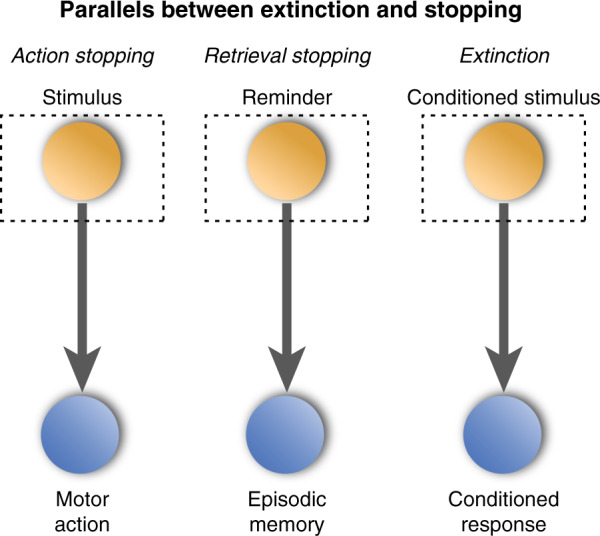
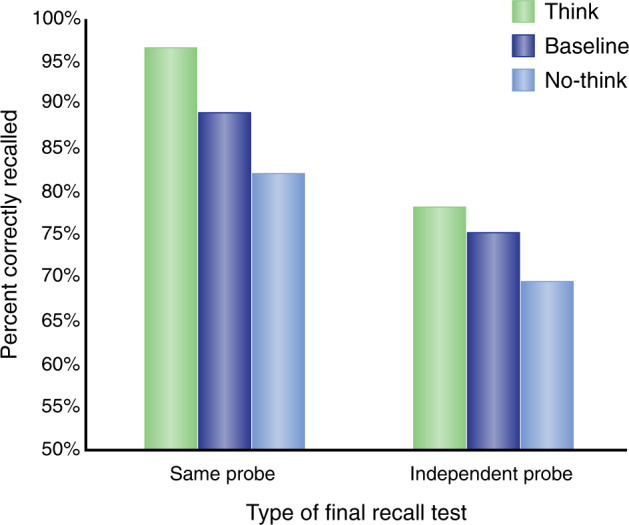
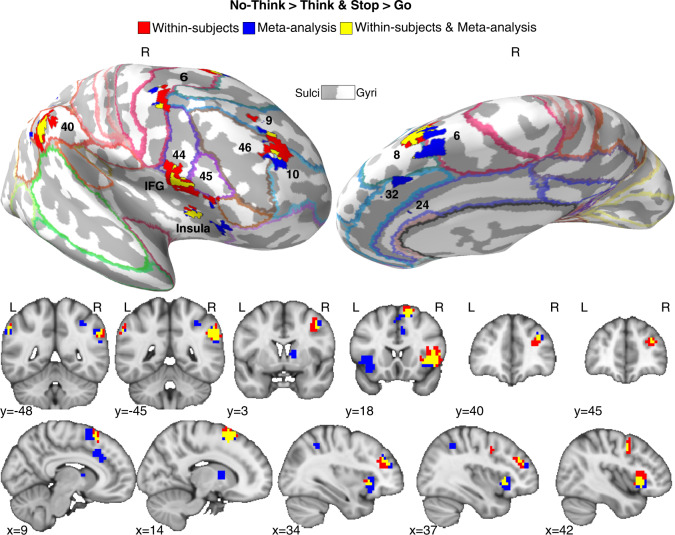
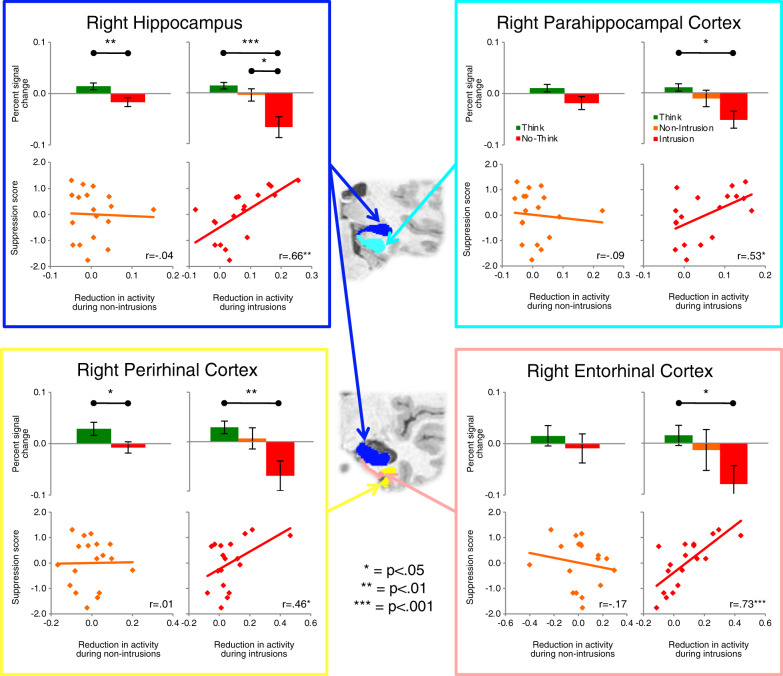
Verification
Claims the paper makes
The claims and statistics of this paper haven’t been checked yet.
Free: it reads the open-access text and checks the first 5 claims that cite a source we can check. Create a free account to check every claim.
Claims other papers make about this one
Each is checked against this paper’s own text: does it say what the citing paper says it does?
In the citing paper
“Dysfunction of the hippocampal-prefrontal circuits that underlie extinction of emotional memories is postulated to contribute to excessive negative rumination [67].”
From Plasticity of synapses and reward circuit function in the genesis and treatment of depression (2023) · cites this paper as [67]
Self-check
Percentages, sums and reported differences re-computed from the paper’s own numbers.
The self-check needs the paper’s full text.
Citations
Cites
Re-epithelialization and immune cell behaviour in an ex vivo human skin model
Rakita, A., Nikolić, N., Mildner, M., Matiasek, J., & Elbe-Bürger, A. (2020) · Scientific Reports · doi:10.1038/s41598-019-56847-4 · Cited by 8,228
Emotion-regulation strategies across psychopathology: A meta-analytic review
Aldao, A., Nolen-Hoeksema, S., & Schweizer, S. (2010) · Clinical Psychology Review · doi:10.1016/j.cpr.2009.11.004 · Cited by 6,686 · cited 1×
“If these implications prove correct, they will reinforce recent challenges to the idea [9] that thought suppression is a maladaptive coping response to be avoided [151].”
BackgroundA cognitive model of posttraumatic stress disorder
Ehlers, A., & Clark, D. M. (2000) · Behaviour Research and Therapy · doi:10.1016/s0005-7967(99)00123-0 · Cited by 6,147 · cited 14×
“This broadening of the domains of knowledge affected by extinction renders this research directly relevant to intrusive thoughts and memories, enabling it to speak to core symptoms of anxiety and PTSD.”
BackgroundInfluentialInhibition and the right inferior frontal cortex: one decade on
Aron, A. R., Robbins, T. W., & Poldrack, R. A. (2014) · Trends in Cognitive Sciences · doi:10.1016/j.tics.2013.12.003 · Cited by 2,166 · cited 2×
“Converging evidence for the causal necessity comes from patients with lesions to the right LPFC, who show no SIF, in contrast to patients with left LPFC lesions [48], echoing similar lateralization in motor stopping [15].”
BackgroundResultCognitive and emotional control of pain and its disruption in chronic pain
Bushnell, M. C., Čeko, M., & Low, L. A. (2013) · Nature Reviews Neuroscience · doi:10.1038/nrn3516 · Cited by 2,076
From circuits to behaviour in the amygdala
Janak, P. H., & Tye, K. M. (2015) · Nature · doi:10.1038/nature14188 · Cited by 2,011
Inhibition and impulsivity: behavioral and neural basis of response control
Bari, A., & Robbins, T. W. (2013) · Progress in Neurobiology · doi:10.1016/j.pneurobio.2013.06.005 · Cited by 1,921 · cited 1×
“People and other organisms can stop actions under such circumstances, an ability mediated by response inhibition [15, 16].”
BackgroundNeurons in medial prefrontal cortex signal memory for fear extinction
Milad, M. R., & Quirk, G. J. (2002) · Nature · doi:10.1038/nature01138 · Cited by 1,836 · cited 1×
“During extinction recall trials, IL neurons display increased activity to CS cues, and may thus exert online top-down suppression of conditioned fear responses [10, 94].”
BackgroundPhelps, E. A., Delgado, M. R., Nearing, K. I., & LeDoux, J. E. (2004) · Neuron · doi:10.1016/j.neuron.2004.08.042 · Cited by 1,753 · cited 1×
“Instead, human imaging work on extinction focuses on the ventromedial PFC, a putative human homolog of rodent IL PFC [128, 129].”
BackgroundFear Extinction as a Model for Translational Neuroscience: Ten Years of Progress
Milad, M. R., & Quirk, G. J. (2012) · Annual Review of Psychology · doi:10.1146/annurev.psych.121208.131631 · Cited by 1,466
Research works printed but not linked: 1
- Winters JJ, Hardy LW, Sullivan JM, Powell NA, Qutaish M, Nair S, et al. Functional deficit in hippocampal activity during fear extinction recall in the single prolonged-stress model of PTSD in male rats. Behav Brain Res. 2021;396:112902. 32926906 · DOI
Cited by
The role of prefrontal cortex in cognitive control and executive function
Friedman, N. P., & Robbins, T. W. (2022) · Neuropsychopharmacology · doi:10.1038/s41386-021-01132-0 · Cited by 1,737
Treatment of Posttraumatic Stress Disorder: A State-of-the-art Review
Burback, L., Brémault-Phillips, S., Nijdam, M. J., McFarlane, A., & Vermetten, E. (2024) · Current Neuropharmacology · doi:10.2174/1570159x21666230428091433 · Cited by 208
Neurobiological basis of stress resilience
Nestler, E. J., & Russo, S. J. (2024) · Neuron · doi:10.1016/j.neuron.2024.05.001 · Cited by 166
Neural Mechanisms of Domain-general Inhibitory Control
Wessel, J. R., & Anderson, M. C. (2023) · Trends in Cognitive Sciences · doi:10.1016/j.tics.2023.09.008 · Cited by 131
Self-citationLaboratory models of post-traumatic stress disorder: The elusive bridge to translation
Dunsmoor, J. E., Cisler, J. M., Fonzo, G. A., Creech, S. K., & Nemeroff, C. B. (2022) · Neuron · doi:10.1016/j.neuron.2022.03.001 · Cited by 104
Improving mental health by training the suppression of unwanted thoughts
Mamat, Z., & Anderson, M. C. (2023) · Science Advances · doi:10.1126/sciadv.adh5292 · Cited by 90
“…( 57 )] and then driving them to suppress awareness of the associated memory, our protocol combines active forgetting of distressing imagery ( 12 , 58 – 60 ), with the controlled recruitment of extinction circuitry, believed critical in adjusting emotional responses to threat ( 56 , 61 – 66 ).”
Self-citationThalamic nucleus reuniens coordinates prefrontal-hippocampal synchrony to suppress extinguished fear
Totty, M. S., Tuna, T., Ramanathan, K. R., Jin, J., Peters, S. E., & Maren, S. (2023) · Nature Communications · doi:10.1038/s41467-023-42315-1 · Cited by 68
Neural circuits for the adaptive regulation of fear and extinction memory
Plas, S. L., Tuna, T., Bayer, H., Juliano, V. A. L., Sweck, S. O., Pérez, A. D. A., Hassell, J. E., & Maren, S. (2024) · Frontiers in Behavioral Neuroscience · doi:10.3389/fnbeh.2024.1352797 · Cited by 60
Brain mechanisms underlying the inhibitory control of thought
Anderson, M. C., Crespo‐García, M., & Sankarasubramanian, S. (2025) · Nature reviews. Neuroscience · doi:10.1038/s41583-025-00929-y · Cited by 59
“For example, in the retrieval stopping model of fear extinction, repeated exposure to a conditioned stimulus without reinforcement signals that the feared outcome would not occur and prompts thought suppression to reduce fearful thoughts and emotions 138 .”
InfluentialSelf-citationMeta analysis of resting frontal alpha asymmetry as a biomarker of depression
Luo, Y., Tang, M., & Fan, X. (2025) · npj Mental Health Research · doi:10.1038/s44184-025-00117-x · Cited by 56
Prefrontal contributions to the stability and variability of thought and conscious experience
Zamani, A., Carhart-Harris, R., & Christoff, K. (2021) · Neuropsychopharmacology · doi:10.1038/s41386-021-01147-7 · Cited by 39
Jeong, N., & Singer, A. C. (2022) · Current Opinion in Neurobiology · doi:10.1016/j.conb.2022.102604 · Cited by 54
Plasticity of synapses and reward circuit function in the genesis and treatment of depression
Thompson, S. M. (2023) · Neuropsychopharmacology · doi:10.1038/s41386-022-01422-1 · Cited by 40
“Dysfunction of the hippocampal–prefrontal circuits that underlie extinction of emotional memories is postulated to contribute to excessive negative rumination [67].”
BackgroundMorici, J. F., Weisstaub, N., & Zold, C. L. (2022) · Proceedings of the National Academy of Sciences · doi:10.1073/pnas.2203024119 · Cited by 44
Heartfulness Meditation: A Yogic and Neuroscientific Perspective
Westeinde, A. V., & Patel, K. D. (2022) · Frontiers in Psychology · doi:10.3389/fpsyg.2022.806131 · Cited by 39
“Hence, we may expect to find a change in the coupling between the prefrontal cortex, amygdala, and hippocampus as a result of Cleaning (Anderson and Floresco, 2021; Roesler et al., 2021; Szadzinska et al., 2021).”
BackgroundInhibitory circuits in fear memory and fear-related disorders
Singh, S. P., & Topolnik, L. (2023) · Frontiers in Neural Circuits · doi:10.3389/fncir.2023.1122314 · Cited by 37
Prajapati, S. K., Ahmed, S., Rai, V., Gupta, S. C., & Krishnamurthy, S. (2024) · Journal of Affective Disorders · doi:10.1016/j.jad.2024.01.045 · Cited by 31
Behavioral, neurological, and psychiatric frailty of autobiographical memory
Markowitsch, H. J., & Staniloiu, A. (2022) · Wiley Interdisciplinary Reviews Cognitive Science · doi:10.1002/wcs.1617 · Cited by 69
Multiple faces of anxiety: a frontal lobe perspective
Roberts, A., & Mulvihill, K. G. (2024) · Trends in Neurosciences · doi:10.1016/j.tins.2024.07.001 · Cited by 26
“A particularly novel proposal is that memory suppression within these regions may contribute to extinction of Pavlovian threat responses [115].”
EEG evidence that morally relevant autobiographical memories can be suppressed
Satish, A., Hellerstedt, R., Anderson, M. C., & Bergström, Z. M. (2022) · Cognitive Affective & Behavioral Neuroscience · doi:10.3758/s13415-022-01029-5 · Cited by 25
Self-citationDopamine Modulates Adaptive Forgetting in Medial Prefrontal Cortex
Gallo, F. T., Zanoni, M. B., Silva, A., Morici, J. F., Miranda, M., Anderson, M. C., Weisstaub, N., & Bekinschtein, P. (2022) · Journal of Neuroscience · doi:10.1523/jneurosci.0740-21.2022 · Cited by 25
Self-citationNonoguchi, H. A., Kouo, T. W. S., Kortagere, S., Hillman, J., Boyle, D. L., & Mandyam, C. D. (2022) · Brain Sciences · doi:10.3390/brainsci12080972 · Cited by 21
“In adult male rats, studies show that 24 h after exposure to a low to moderate dose, LPS increases microglial activity in the PFC [19,34], a brain region that plays a significant role in cognitive performance [35,36].”
BackgroundDysfunction in primate dorsolateral prefrontal area 46 affects motivation and anxiety
Wood, C. M., Tizkar, R. B., Fort, M., Zhang, X., Mulvihill, K. G., Liao, N., Cockcroft, G. J., McIver, L. B., Sawiak, S. J., & Roberts, A. (2025) · Science · doi:10.1126/science.adx4142 · Cited by 20
Andrianova, L., Banks, P. J., Booth, C. A., Brady, E. S., Margetts‐Smith, G., Kohli, S., Cavanagh, J., Bashir, Z. I., McBain, C. J., & Craig, M. T. (2025) · PLoS Biology · doi:10.1371/journal.pbio.3003419 · Cited by 20
“Alternatively, an inhibitory influence of the NRe over the HPC has been proposed as the mechanism through which the PFC can prevent retrieval, e.g., during extinction of fear memory [61].”
Plasticity of human resilience mechanisms
Leone, G., Casanave, H., Postel, C., Fraisse, F., Vallée, T., Sayette, V. D. L., Dayan, J., Peschanski, D., Eustache, F., & Gagnepain, P. (2025) · Science Advances · doi:10.1126/sciadv.adq8336 · Cited by 19
“Similarly, practicing memory retrieval suppression may enhance extinction learning ( 72 ).”
Zhang, B., Zhao, C. N., Shen, W., Li, W., Zheng, Y., Kong, X., Wang, J., Wu, X., Zeng, T., Liu, Y., et al. (2023) · Nature Communications · doi:10.1038/s41467-023-42322-2 · Cited by 18
Webler, R. D., Oathes, D. J., van Rooij, S. J. H., Gewirtz, J. C., Nahas, Z. H., Lissek, S. M., & Widge, A. S. (2022) · Neuroscience & Biobehavioral Reviews · doi:10.1016/j.neubiorev.2022.105005 · Cited by 15
Migraine and cognitive impairment: the interconnected processes
Choudhary, A. K. (2024) · Brain-Apparatus Communication A Journal of Bacomics · doi:10.1080/27706710.2024.2439437 · Cited by 14
Cortisol reactivity impairs suppression-induced forgetting
Quaedflieg, C. W. E. M., Stoffregen, H., & Ashton, S. M. (2022) · Psychoneuroendocrinology · doi:10.1016/j.psyneuen.2022.105774 · Cited by 14
Emotional associative memory is disrupted by directed forgetting
Chalkia, A., Vanhasbroeck, N., Oudenhove, L. V., Kindt, M., & Beckers, T. (2023) · Communications Psychology · doi:10.1038/s44271-023-00024-x · Cited by 13
“N -back tasks are commonly used to measure different aspects of working memory and executive functioning 29 .”
MethodDissociative Amnesia: Remembrances Under Cover
Staniloiu, A., & Markowitsch, H. J. (2024) · Topics in Cognitive Science · doi:10.1111/tops.12734 · Cited by 13
Hippocampal ensembles regulate circuit-induced relapse of extinguished fear
Hassell, J. E., Pérez, A. D. A., Vasudevan, K., Ressler, R. L., Garcia, G. M., Parr, M., Vierkant, V., Bayer, H., & Maren, S. (2025) · Molecular Psychiatry · doi:10.1038/s41380-025-03064-3 · Cited by 12
“Work in humans demonstrates that the prefrontal cortex interacts with the hippocampus to inhibit the retrieval of context-inappropriate memories; this contributes to active forgetting and retrieval suppression during episodic memory retrieval [18].”
Neural correlates of recalled sadness, joy, and fear states: a source reconstruction EEG study
Proverbio, A. M., & Cesati, F. (2024) · Frontiers in Psychiatry · doi:10.3389/fpsyt.2024.1357770 · Cited by 15
Karim, H. T., Lee, S., Gerlach, A., Stinley, M. M., Berta, R., MAHBUBANI, R. L. M., Tudorascu, D. L., Butters, M. A., Gross, J. J., & Andreescu, C. (2024) · Neurobiology of Aging · doi:10.1016/j.neurobiolaging.2024.02.017 · Cited by 13
Unraveling emotional regulation through multimodal neuroimaging techniques
Nilawati, S., Amri, S., Hasanah, N., Saodah, S., Juliati, J., & Sapnita, S. (2024) · Brainbridge · doi:10.35335/a0cfda08 · Cited by 15
“Another crucial interaction occurs between the hippocampus and the PFC, facilitating the integration of emotional experiences with contextual and memory information(Anderson & Floresco, 2022).”
BackgroundLee, S., Choi, H., Park, M.-H., & Park, B. (2024) · Journal of Affective Disorders · doi:10.1016/j.jad.2024.08.096 · Cited by 11
Prefrontal Dopamine in Flexible Adaptation to Environmental Changes: A Game for Two Players
Latagliata, E. C., Orsini, C., Cabib, S., Biagioni, F., Fornai, F., & Puglisi‐Allegra, S. (2023) · Biomedicines · doi:10.3390/biomedicines11123189 · Cited by 10
Matsumoto, N. (2024) · Memory & Cognition · doi:10.3758/s13421-024-01541-8 · Cited by 9
Oxidative status: A general but overlooked indicator of welfare across animal species?
Beaulieu, M. (2024) · BioEssays · doi:10.1002/bies.202300205 · Cited by 10
“Specifically, the data available for meta-regressions made it possible to answer the following questions: (1) do markers of oxidative status vary in brain regions involved in the generation of affective states (hippocampus, prefrontal cortex) [28–30] in socially-isolated laboratory rodents?”
Berthail, B., Trousselard, M., Lecouvey, G., Roy, B. L., Fraisse, F., Peschanski, D., Eustache, F., Gagnepain, P., & Dayan, J. (2024) · Frontiers in Psychiatry · doi:10.3389/fpsyt.2024.1351695 · Cited by 8
Perinatal exposure to metal mixtures disrupts neuronal function and behavior
Chandra, N., Karimi, B., Bhobe, A., Pagadala, S. R., Pandey, S., Sanchez, S. S., Yeung-Luk, B. H., Rivera, E., Kohr, M. J., Riess, L. E., et al. (2026) · Environmental Research · doi:10.1016/j.envres.2026.123803 · Cited by 8
Farias, C. P., Leite, A. K. O., Schmidt, B. E., Myskiw, J. D. C., & Wyse, Â. T. D. S. (2024) · Behavioural Brain Research · doi:10.1016/j.bbr.2024.114922 · Cited by 8
Li, Y., Zheng, M., Hua, X., Gao, X., Wu, J., Shan, C., Zhang, J., Dong, W., & Xu, J. (2023) · Brain Structure and Function · doi:10.1007/s00429-023-02616-z · Cited by 9
Dissociative amnesia – A valid construct for repressed memories
Markowitsch, H. J., & Staniloiu, A. (2025) · Legal and Criminological Psychology · doi:10.1111/lcrp.12276 · Cited by 10
Lakhawat, S. S., Mech, P., Kumar, A., Malik, N., Kumar, V., Sharma, V., Bhatti, J. S., Jaswal, S. K., Kumar, S., & Sharma, P. K. (2024) · Metabolic Brain Disease · doi:10.1007/s11011-024-01453-1 · Cited by 7
Reconsolidation: A paradigm shift
Schiller, D. (2022) · Brain Research Bulletin · doi:10.1016/j.brainresbull.2022.09.008 · Cited by 7
Cox, W. R., Meeter, M., Kindt, M., & van Ast, V. A. (2023) · Journal of Experimental Psychology General · doi:10.1037/xge0001293 · Cited by 6
Control of memory retrieval alters memory-based eye movements.
Kulkarni, M., Nickel, A. E., Minor, G. N., & Hannula, D. E. (2024) · Journal of Experimental Psychology Learning Memory and Cognition · doi:10.1037/xlm0001321 · Cited by 5
Vermetten, E. H. G. J. M., Burback, L., Sevigny, P. R., Nijdam, M. J., Winkler, O., Espejo, E. P., Sessoms, P. H., Bright, K. S., Roy, M. J., & Brémault‐Phillips, S. (2025) · Psychiatry and Clinical Psychopharmacology · doi:10.5152/pcp.2025.241028 · Cited by 6
Emoción, subjetividad, memoria y salud mental.
Guillén, J. M. B. (2022) · Revista de Neuro-Psiquiatría · doi:10.20453/rnp.v85i4.4368 · Cited by 10
Tackling addictive behaviors through memory suppression: A scoping review and perspective
Almeida‐Antunes, N., Sampaio, A., Crego, A., & López‐Caneda, E. (2024) · Alcoholism Clinical and Experimental Research · doi:10.1111/acer.15381 · Cited by 5
Dissociative experiences alter resting state functional connectivity after childhood abuse
von Schröder, C., Nkrumah, R. O., Demirakça, T., Ende, G., & Schmahl, C. G. (2025) · Scientific Reports · doi:10.1038/s41598-024-79023-9 · Cited by 6
“Notably, the dorsolateral prefrontal cortex (DLPFC), especially the right DLPFC (rDLPFC), plays a crucial role in the modulation of memory and emotion 50,52–57 .”
The effectiveness of extinction training in male rats: Temporal considerations and brain mechanisms
Correia, P., Demeter, K., Varga, J., Urbán, E., Török, B., Balázsfi, D., Bakos, N., Haller, J., & Zelena, D. (2023) · Behavioural Brain Research · doi:10.1016/j.bbr.2023.114285 · Cited by 7
“It has also been demonstrated that HC participates in fear extinction [11,12,2,19].”
Berry, M., Miller, B., Kelsen, S., Cockrell, C., & Kohtz, A. S. (2024) · Frontiers in Behavioral Neuroscience · doi:10.3389/fnbeh.2024.1379866 · Cited by 4
Wang, D., Du, Z., Wen, X., Li, Q., Liu, Y., Tang, J., Shui, C., Yu, P., Yang, L., Tu, P., et al. (2025) · Addictive Behaviors · doi:10.1016/j.addbeh.2025.108581 · Cited by 3
Mapping the Digital Mind: A Meta-Analysis of EEG Biomarkers in Cognition, Emotion, and Mental Health
Halkiopoulos, C., Gkintoni, E., & Boutsinas, B. (2026) · Brain Sciences · doi:10.3390/brainsci16040368 · Cited by 3
Special Issue Registered Report: Intentional suppression as a method to boost fear extinction
Quaedflieg, C. W. E. M., Ashton, S. M., Beckers, T., & Timmers, I. (2025) · Journal of Behavior Therapy and Experimental Psychiatry · doi:10.1016/j.jbtep.2025.102018 · Cited by 3
Psychobiology in relation to beliefs, knowledge and feelings
(2022) · American Journal of Psychiatric Research and Reviews · doi:10.28933/ajprr-2022-03-2605 · Cited by 3
Yang, X., Li, S., Li, X., Guo, G., Song, X., Ni, Y., Ren, C., Shi, M., & Sun, Y. (2025) · Clinical Interventions in Aging · doi:10.2147/cia.s537889 · Cited by 2
Accessibility model of overgeneral autobiographical memory
Matsumoto, N., Hallford, D. J., & Watson, L. A. (2025) · Behaviour Research and Therapy · doi:10.1016/j.brat.2025.104921 · Cited by 3
Wang, D., Ta, V., Wang, H., Ju, J., Wang, C., Chehadeh, C., Torreblanca-Zanca, A., Magaña, Y., Castle, M. J., Wang, S., et al. (2026) · Alzheimer s & Dementia · doi:10.1002/alz.71450 · Cited by 2
Pan, D., Hoid, D., Wolf, O. T., Merz, C. J., & Li, X. (2024) · Brain Topography · doi:10.1007/s10548-024-01051-5 · Cited by 2
“Indeed, some theories suggest that the extinction process may also be conceptualized as a form of inhibition or cognitive con-trol (Anderson and Floresco 2022; Dillon and Pizzagalli 2007; Lebois et al. 2019; Marek et al. 2019).”
Mano, M. P. P. (2024) · INTERANTIONAL JOURNAL OF SCIENTIFIC RESEARCH IN ENGINEERING AND MANAGEMENT · doi:10.55041/ijsrem28207 · Cited by 2
The Relation Among Thought Suppression, Forgetting, and Mental Health
Mamat, Z. (2023) · Apollo (University of Cambridge) · doi:10.17863/cam.101677 · Cited by 3
Evolving Psychotherapeutic Approaches for PTSD: Beyond the Fear-Based Model
Burback, L., Winkler, O., Jetly, R., Swainson, J., Zhang, Y., Bhat, V., & Vermetten, E. (2025) · Psychiatry and Clinical Psychopharmacology · doi:10.5152/pcp.2025.241019 · Cited by 1
Prefrontal-hippocampal pathways underlying adolescent resilience
Wei, L., Wu, Z., Xia, Q., Baeken, C., & Wu, G. (2025) · European Child & Adolescent Psychiatry · doi:10.1007/s00787-025-02704-x · Cited by 1
“These prefrontal-hippocampal connections are implicated in retrieval suppression [22, 23], a process that can reduce intrusions of unpleasant memories and diminish their affective tone, thereby supporting positive adaptation following traumatic events [24 ].”
Shi, A., Liu, Y., & Liu, X. L. (2026) · Philosophical Transactions of the Royal Society B Biological Sciences · doi:10.1098/rstb.2025.0240 · Cited by 2
Retrieval stopping in delayed fear extinction
Bersch, M., Ashton, S. M., Gwiazda, M., & Quaedflieg, C. W. E. M. (2026) · Cognition & Emotion · doi:10.1080/02699931.2026.2749441 · Cited by 1
Episodic-autobiographical memory and functional amnesia
Markowitsch, H. J., & Staniloiu, A. (2025) · Translational Neuroscience · doi:10.1515/tnsci-2025-0387 · Cited by 1
Inhibitory control training might be a gateway to enhance fear extinction
Dar, K. F., & Asthana, M. K. (2026) · International Journal of Psychophysiology · doi:10.1016/j.ijpsycho.2026.113335 · Cited by 1
Chen, X., Tang, H., Liu, J., Chen, H., Liu, P., Lu, F., & Zhou, J. (2026) · BMC Psychiatry · doi:10.1186/s12888-026-07881-w · Cited by 1
“When recalling unpleas-ant experiences, people commonly attempt to alleviate their distress by stopping the retrieval of memories, a process that involves a powerfully inhibitory interaction between the PFC and HIP [56].”
Ferris, C. F. (2026) · Frontiers in Psychiatry · doi:10.3389/fpsyt.2026.1772265 · Cited by 2
“The triggering stimulus is still fully perceived and processed, but cognitive control systems actively suppress the emotional and behavioral response (9 – 11).”
Zhang, Y., & Zhu, H. (2026) · International Journal of Psychophysiology · doi:10.1016/j.ijpsycho.2026.113487 · Cited by 1
Active forgetting by retrieval stopping: 20 years of the Think/No-Think paradigm
Nishiyama, S., & Saito, S. (2022) · The Japanese Journal of Cognitive Psychology · doi:10.5265/jcogpsy.20.21 · Cited by 2
Dissociable memory modulation mechanisms facilitate fear amnesia at different timescales
Ni, Y., Wang, Y., Zhu, Z., Hu, J., Schiller, D., & Li, J. (2025) · eLife · doi:10.7554/elife.98652.4 · Cited by 1
Delayed Bottlenecking: Alleviating Forgetting in Pre-trained Graph Neural Networks
Zhao, Z., Wang, P., Wang, X., Wen, H., Xie, X., Zhou, Z., Zhang, Q., & Wang, Y. (2024) · IEEE Transactions on Knowledge and Data Engineering · doi:10.1109/tkde.2024.3516192 · Cited by 1
“Some previous work indicates that, given a specific learning task, animals choose to forget some remembered behaviors to better adapt to some specific tasks [37], [38], [39], [40].”
Impact of Massive Trauma on Brain Structures: MRI Volumetric Analysis Post-February 6 Earthquake
Demiray, D. Y., Öz, F., Harbali, O., & Bayaroğulları, H. (2025) · Harran Üniversitesi Tıp Fakültesi Dergisi · doi:10.35440/hutfd.1635291 · Cited by 1
Thatikonda, N. S., Narayanaswamy, J. C., Venkatasubramanian, G., Reddy, Y. C. J., & Arumugham, S. S. (2025) · The Canadian Journal of Psychiatry · doi:10.1177/07067437251328368 · Cited by 1
“48 Recent work has suggested that the fronto-hippocampal interactions, including that from the SMA and dACC, are involved in retrieval stopping, i.e. inhibition of unpleasant emotional memories, 49 which appears to be dysfunctional in the contamination group.”
Banegas, I., Prieto, I., Segarra, A. B., Vives, F., Martínez‐Cañamero, M., Durán, R., Luna, J. D. D., Domínguez-Vías, G., & Ramírez‐Sánchez, M. (2022) · Biomedicines · doi:10.3390/biomedicines10102457
Can’t get you out of my head: impairing and improving suppression of unwanted memories
Ashton, S. M. (2024) · Research Publications (Maastricht University) · doi:10.26481/dis.20240321sa
To Play or Not to Play: An Investigation Into The Effect of Video Game Use on Executive Functions
Hipkiss, S. R. D. (2024) · Cronfa (Swansea University) · doi:10.23889/suthesis.66918 · Cited by 1
Dissociable memory modulation mechanisms facilitate fear amnesia at different timescalesPreprint
Ni, Y., Wang, Y., Zhu, Z., Hu, J., Schiller, D., & Li, J. (2025) · eLife · doi:10.7554/elife.98652
“Indeed, through a series of experiments, we identified a short-term fear amnesia effect following memory retrieval, in addition to the fear reconsolidation effect that appeared much later.”
InfluentialDissociable memory modulation mechanisms facilitate fear amnesia at different timescalesPreprint
Wang, Y., Ni, Y., Zhu, Z., Hu, J., Schiller, D., & Li, J. (2024) · eLife · doi:10.7554/elife.98652.1
Iordanova, M. D. (2024) · eLife · doi:10.7554/elife.98652.1.sa3
Developmental perspectives on threat learning and memory in rodents
Malik, S., Demidova, A., Park, C. H. J., & Kim, J. H. (2024) · Elsevier eBooks · doi:10.1016/b978-0-443-15754-7.00028-6
Stevens, C., Lacroix, C., Bouchet, M., Marsicano, G., & Marighetto, A. (2024) · bioRxiv (Cold Spring Harbor Laboratory) · doi:10.1101/2024.12.03.626648
Dissociable memory modulation mechanisms facilitate fear amnesia at different timescalesPreprint
Ni, Y., Wang, Y., Zhu, Z., Hu, J., Schiller, D., & Li, J. (2025) · eLife · doi:10.7554/elife.98652.2
Retrieval Stopping in Delayed Fear ExtinctionPreprint
Bersch, M., Ashton, S. M., & Quaedflieg, C. W. E. M. (2025) · PsyArXiv (OSF Preprints) · doi:10.31234/osf.io/t6q4z_v1
Disaster-Related Psychiatric Disorders: Assessment, Recovery, Intervention
(2025) · Frontiers research topics · doi:10.3389/978-2-8325-6214-7
Gedächtnis und Erinnerung, ihre Bedeutungen im Befragungsprozess – Neurokognitive Grundlagen
Markowitsch, H. J., & Staniloiu, A. (2025) · Springer eBooks · doi:10.1007/978-3-658-48432-3_3 · Cited by 1
M'Mbijiwe, F. N. (2025) · SSRN Electronic Journal · doi:10.2139/ssrn.5375946
Dissociable memory modulation mechanisms facilitate fear amnesia at different timescalesPreprint
Ni, Y., Wang, Y., Zhu, Z., Hu, J., Schiller, D., & Li, J. (2025) · eLife · doi:10.7554/elife.98652.3
Fear Not: Exploring the Role of Memory Suppression During Pavlovian Fear Extinction
Rowlands, M. (2024) · Apollo (University of Cambridge) · doi:10.17863/cam.114679
Systems level investigation of rat category learning
Broschard, M. B. (2022) · Iowa Research Online (The University of Iowa) · doi:10.25820/etd.006453
Tracking the impact of memory suppression on individual memory representations
Meyer, A.-K. (2024) · Qucosa (Saxon State and University Library Dresden)
Neuroscience in pictures: Neuroscience of fear
Zhang, Y., & Keshavan, M. (2026) · Asian Journal of Psychiatry · doi:10.1016/j.ajp.2026.104876
Metadata
- Authors
- Anderson, M. C., & Floresco, S. B.
- Affiliations
- MRC Cognition and Brain Sciences Unit (GB)
- University of British Columbia (CA)
- Corresponding author
- Anderson, Michael C.
- Venue
- Neuropsychopharmacology
- Published
- 2021-08-26
- Volume
- 47
- Issue
- 1
- Pages
- 180-195
- ISSN
- 0893-133X (ISSN-L)
- 1740-634X
- PMC
- PMC8616908
- OpenAlex
- W3193546921
- Cited by
- 105
- References
- 159
- Citations by year
- 2026: 19 · 2025: 21 · 2024: 30 · 2023: 13 · 2022: 18 · 2021: 4
- FWCI
- 2.40
- Type
- journal article
- Language
- en
- Open access
- hybrid
- doi.org
- Licence
- cc-by
- creativecommons.org/licenses/by/4.0 (tdm)
- creativecommons.org/licenses/by/4.0 (vor)
- Locations
- Neuropsychopharmacology (publishedVersion, cc-by)
- PubMed Central (publishedVersion, cc-by)
- PubMed (publishedVersion)
- Apollo (University of Cambridge) (submittedVersion, cc-by)
- Apollo
- Funders
- RCUK | Medical Research Council (MC-A060-5PR00)
- Topics
- Life Sciences › Neuroscience › Cognitive Neuroscience › Memory and Neural Mechanisms
- Life Sciences › Neuroscience › Cognitive Neuroscience › Memory Processes and Influences
- Social Sciences › Psychology › Clinical Psychology › Posttraumatic Stress Disorder Research
- Keywords
- fear extinction, emotional memory, inhibitory control, memory intrusion, amygdala, emotion regulation, intrusive thoughts, mental health
- MeSH terms
- Amygdala, Animals, Extinction, Psychological, Fear, Hippocampus, Humans, Memory, Prefrontal Cortex
About these checks
Registry, retraction, Cites and statistics results are computed, not judged, with one exception: a printed reference that no index lists is read once by a model before it counts as a citation error. Claims are extracted by a model and kept only when their quote appears verbatim in the text; each cited source is then checked, with a model’s help, for whether it says what the claim relies on. Those verdicts can be wrong — read the claim’s quote and the cited source before relying on one.
Statistics and arithmetic are recomputed, not judged.
Confidence bands are shown only for fields calibrated on our annotated test set. None is calibrated yet, so no band is shown.
What counts as a claim ›How we measure confidence ›How we check this ›
Are you an author, or do you see a problem with this page? Request a review
Data sources
Bibliographic data: Semantic Scholar, OpenAlex, Crossref.
Contains information from the Semantic Scholar Academic Graph Datasets, made available under the ODC Attribution License (ODC-BY 1.0).
Semantic Scholar’s data is described in: Kinney, R., et al. (2023). The Semantic Scholar Open Data Platform. arXiv:2301.10140.
