

Prefrontal-hippocampal interactions supporting the extinction of emotional memories: the retrieval stopping model
Open accessThe DOI matches its Crossref record; 160 of the 160 references it cites were found in a registry or an index.
Abstract
Neuroimaging has revealed robust interactions between the prefrontal cortex and the hippocampus when people stop memory retrieval. Efforts to stop retrieval can arise when people encounter reminders to unpleasant thoughts they prefer not to think about. Retrieval stopping suppresses hippocampal and amygdala activity, especially when cues elicit aversive memory intrusions, via a broad inhibitory control capacity enabling prepotent response suppression. Repeated retrieval stopping reduces intrusions of unpleasant memories and diminishes their affective tone, outcomes resembling those achieved by the extinction of conditioned emotional responses. Despite this resemblance, the role of inhibitory fronto-hippocampal interactions and retrieval stopping broadly in extinction has received little attention. Here we integrate human and animal research on extinction and retrieval stopping. We argue that reconceptualising extinction to integrate mnemonic inhibitory control with learning would yield a greater understanding of extinction’s relevance to mental health. We hypothesize that fear extinction spontaneously engages retrieval stopping across species, and that controlled suppression of hippocampal and amygdala activity by the prefrontal cortex reduces fearful thoughts. Moreover, we argue that retrieval stopping recruits extinction circuitry to achieve affect regulation, linking extinction to how humans cope with intrusive thoughts. We discuss novel hypotheses derived from this theoretical synthesis.
Overview
The claims and statistics of this paper haven’t been checked yet.
Free: it reads the open-access text and checks the first 5 claims that cite a source we can check. Create a free account to check every claim.
Integrity signals
Registry
Cites
Statistics
Figures
Verification
Claims the paper makes
The claims and statistics of this paper haven’t been checked yet.
Free: it reads the open-access text and checks the first 5 claims that cite a source we can check. Create a free account to check every claim.
Claims other papers make about this one
Each is checked against this paper’s own text: does it say what the citing paper says it does?
In the citing paper
“Dysfunction of the hippocampal-prefrontal circuits that underlie extinction of emotional memories is postulated to contribute to excessive negative rumination [67].”
From Plasticity of synapses and reward circuit function in the genesis and treatment of depression (2023) · cites this paper as [67]
Self-check
Percentages, sums and reported differences re-computed from the paper’s own numbers.
The self-check needs the paper’s full text.
Citations
Cites
Re-epithelialization and immune cell behaviour in an ex vivo human skin model
Rakita, A., Nikolić, N., Mildner, M., Matiasek, J., & Elbe-Bürger, A. (2020) · Scientific Reports · doi:10.1038/s41598-019-56847-4 · Cited by 8,228
Emotion-regulation strategies across psychopathology: A meta-analytic review
Aldao, A., Nolen-Hoeksema, S., & Schweizer, S. (2010) · Clinical Psychology Review · doi:10.1016/j.cpr.2009.11.004 · Cited by 6,686 · cited 1×
“If these implications prove correct, they will reinforce recent challenges to the idea [9] that thought suppression is a maladaptive coping response to be avoided [151].”
BackgroundA cognitive model of posttraumatic stress disorder
Ehlers, A., & Clark, D. M. (2000) · Behaviour Research and Therapy · doi:10.1016/s0005-7967(99)00123-0 · Cited by 6,147 · cited 14×
“This broadening of the domains of knowledge affected by extinction renders this research directly relevant to intrusive thoughts and memories, enabling it to speak to core symptoms of anxiety and PTSD.”
BackgroundInfluentialInhibition and the right inferior frontal cortex: one decade on
Aron, A. R., Robbins, T. W., & Poldrack, R. A. (2014) · Trends in Cognitive Sciences · doi:10.1016/j.tics.2013.12.003 · Cited by 2,166 · cited 2×
“Converging evidence for the causal necessity comes from patients with lesions to the right LPFC, who show no SIF, in contrast to patients with left LPFC lesions [48], echoing similar lateralization in motor stopping [15].”
BackgroundResultCognitive and emotional control of pain and its disruption in chronic pain
Bushnell, M. C., Čeko, M., & Low, L. A. (2013) · Nature Reviews Neuroscience · doi:10.1038/nrn3516 · Cited by 2,076
From circuits to behaviour in the amygdala
Janak, P. H., & Tye, K. M. (2015) · Nature · doi:10.1038/nature14188 · Cited by 2,011
Inhibition and impulsivity: behavioral and neural basis of response control
Bari, A., & Robbins, T. W. (2013) · Progress in Neurobiology · doi:10.1016/j.pneurobio.2013.06.005 · Cited by 1,921 · cited 1×
“People and other organisms can stop actions under such circumstances, an ability mediated by response inhibition [15, 16].”
BackgroundNeurons in medial prefrontal cortex signal memory for fear extinction
Milad, M. R., & Quirk, G. J. (2002) · Nature · doi:10.1038/nature01138 · Cited by 1,836 · cited 1×
“During extinction recall trials, IL neurons display increased activity to CS cues, and may thus exert online top-down suppression of conditioned fear responses [10, 94].”
BackgroundPhelps, E. A., Delgado, M. R., Nearing, K. I., & LeDoux, J. E. (2004) · Neuron · doi:10.1016/j.neuron.2004.08.042 · Cited by 1,753 · cited 1×
“Instead, human imaging work on extinction focuses on the ventromedial PFC, a putative human homolog of rodent IL PFC [128, 129].”
BackgroundFear Extinction as a Model for Translational Neuroscience: Ten Years of Progress
Milad, M. R., & Quirk, G. J. (2012) · Annual Review of Psychology · doi:10.1146/annurev.psych.121208.131631 · Cited by 1,466
Medial Frontal Cortex Mediates Perceptual Attentional Set Shifting in the Rat
Birrell, J. M., & Brown, V. J. (2000) · The Journal of Neuroscience · doi:10.1523/jneurosci.20-11-04320.2000 · Cited by 1,421 · cited 1×
“Medial PFC lesions do not impair learning of simple odor discriminations [110], but inactivating this structure markedly impairs performance on the context-guided task, making rats more likely to approach the inappropriate odor for a given context [111].”
BackgroundBrewin, C. R., Gregory, J. D., Lipton, M., & Burgess, N. (2010) · Psychological Review · doi:10.1037/a0018113 · Cited by 1,226
Sierra-Mercado, D., Padilla-Coreano, N., & Quirk, G. J. (2011) · Neuropsychopharmacology · doi:10.1038/npp.2010.184 · Cited by 1,190 · cited 1×
“Consistent with this, inactivating IL impairs within-session extinction learning [89, 90] and the expression of that learning on subsequent recall (as evidenced by greater fear responses to the CS).”
BackgroundSuppressing unwanted memories by executive control
Anderson, M. C., & Green, C. (2001) · Nature · doi:10.1038/35066572 · Cited by 1,131 · cited 2×
“RETRIEVAL STOPPING: CORE BEHAVIORAL FINDINGS Behavioral and imaging studies usually measure retrieval stopping with the Think/No-Think paradigm (hereinafter, the TNT paradigm; [1]).”
BackgroundMethodSelf-citationUsing Neuroscience to Help Understand Fear and Anxiety: A Two-System Framework
LeDoux, J. E., & Pine, D. S. (2016) · American Journal of Psychiatry · doi:10.1176/appi.ajp.2016.16030353 · Cited by 1,035 · cited 6×
“Modulating affective and mnemonic content in parallel allows extinction to alter both threat responding and subjective fear, which may rely partially on mnemonic traces [14].”
BackgroundInfluentialDo rats have a prefrontal cortex?
Uylings, H. B. M., Groenewegen, H. J., & Kolb, B. (2003) · Behavioural Brain Research · doi:10.1016/j.bbr.2003.09.028 · Cited by 1,013 · cited 1×
“neuroanatomical and neurophysiological grounds [62, 63] and the consensus is that there may be no direct rodent homolog to the DLPFC.”
BackgroundThe role of ventromedial prefrontal cortex in the recovery of extinguished fear
Quirk, G. J., Russo, G. K., Barron, J. L., & Lebron, K. (2000) · The Journal of Neuroscience · doi:10.1523/jneurosci.20-16-06225.2000 · Cited by 957 · cited 1×
“Permanent lesions induced prior to conditioning produce similar deficits in extinction recall [91].”
BackgroundKeeping pain out of mind: The role of the dorsolateral prefrontal cortex in pain modulation
Lorenz, J., Minoshima, S., & Casey, K. L. (2003) · Brain · doi:10.1093/brain/awg102 · Cited by 952
Rethinking interference theory: Executive control and the mechanisms of forgetting.
Anderson, M. (2003) · Journal of Memory and Language · doi:10.1016/j.jml.2003.08.006 · Cited by 918 · cited 1×
“Indeed, a large volume of human work on retrieval-induced forgetting (RIF) indicates that selective retrieval disrupts the retention of competing memories [3, 29, 112].”
BackgroundSelf-citationMotivation and cognitive control: from behavior to neural mechanism
Botvinick, M., & Braver, T. (2015) · Annual Review of Psychology · doi:10.1146/annurev-psych-010814-015044 · Cited by 909 · cited 1×
“How much effort is required is an empirical question [23, 24].”
BackgroundPrefrontal–hippocampal interactions in episodic memory
Eichenbaum, H. (2017) · Nature Reviews Neuroscience · doi:10.1038/nrn.2017.74 · Cited by 870
Neurocognitive aspects of pain perception
Wiech, K., Ploner, M., & Tracey, I. (2008) · Trends in Cognitive Sciences · doi:10.1016/j.tics.2008.05.005 · Cited by 737
Neural circuitry underlying the regulation of conditioned fear and its relation to extinction
Delgado, M. R., Nearing, K. I., LeDoux, J. E., & Phelps, E. A. (2008) · Neuron · doi:10.1016/j.neuron.2008.06.029 · Cited by 716 · cited 1×
“However, even if VMPFC modulates amygdala activity during extinction, higher-order control regions in LPFC cortex could drive VMPFC activity to achieve emotion regulation [130].”
BackgroundVidal-Gonzalez, I., Vidal-Gonzalez, B., Rauch, S. L., & Quirk, G. J. (2006) · Learning & Memory · doi:10.1101/lm.306106 · Cited by 705 · cited 1×
“Conversely, stimulation of IL improves extinction learning [92].”
BackgroundExplicit and implicit emotion regulation: a multi-level framework
Braunstein, L. M., Gross, J. J., & Ochsner, K. N. (2017) · Social Cognitive and Affective Neuroscience · doi:10.1093/scan/nsx096 · Cited by 539 · cited 1×
“Indeed, emotion regulation theorists in psychology often classify extinction as implicit emotion regulation, in which emotional changes arise without any conscious intention or involvement of cognitive control processes [143].”
BackgroundInfralimbic Prefrontal Cortex Is Responsible for Inhibiting Cocaine Seeking in Extinguished Rats
Peters, J., LaLumiere, R. T., & Kalivas, P. W. (2008) · Journal of Neuroscience · doi:10.1523/jneurosci.1045-08.2008 · Cited by 537 · cited 1×
“cocaine seeking [79], increases non-reinforced actions on a discriminative stimulus task [80] and impairs inhibitory reward seeking on a go/no-go task when discriminative cues signal that actions should be withheld [72].”
BackgroundNeural mechanisms of motivated forgetting
Anderson, M. C., & Hanslmayr, S. (2014) · Trends in Cognitive Sciences · doi:10.1016/j.tics.2014.03.002 · Cited by 533 · cited 2×
“Retrieval stopping studies have examined word pairs, face-scene pairs, word-scene pairs, word-face, and wordobject pairings of both neutral and negative valence [2, 3, 29].”
BackgroundSelf-citationCai, Y., Xue, F., Fleming, C., Yang, J., Ding, C., Ma, Y., Liu, M., Zhang, H.-G., Zheng, J., Xiong, N., et al. (2016) · Nature Communications · doi:10.1038/ncomms11354 · Cited by 531
Chudasama, Y., Passetti, F., Rhodes, S. E. V., Lopian, D., Desai, A., & Robbins, T. W. (2003) · Behavioural Brain Research · doi:10.1016/j.bbr.2003.09.020 · Cited by 518 · cited 1×
“Manipulation of the IL PFC increases premature responding, a measure of motor impulsivity indicative of impairments in “waiting” [77,78].”
BackgroundStatistical theory of spontaneous recovery and regression
Estes, W. K. (1955) · Psychological Review · doi:10.1037/h0048509 · Cited by 511
Amygdala intercalated neurons are required for expression of fear extinction
Likhtik, E., Popa, D., Apergis-Schoute, J., Fidacaro, G. A., & Paré, D. (2008) · Nature · doi:10.1038/nature07167 · Cited by 474
Prefrontal Regions Orchestrate Suppression of Emotional Memories via a Two-Phase Process
Depue, B. E., Curran, T., & Banich, M. T. (2007) · Science · doi:10.1126/science.1139560 · Cited by 467 · cited 19×
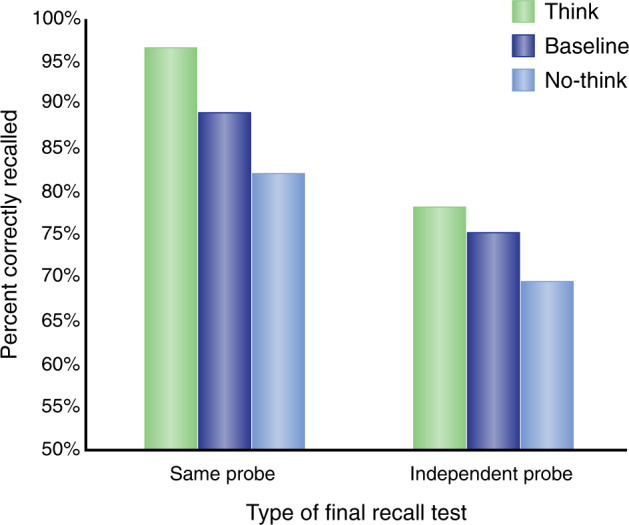
“Second, suppressing retrieval often reduces No-Think item recall below that observed for Baseline items, a phenomenon known as suppression-induced forgetting (SIF).”
BackgroundInfluentialSotres-Bayon, F., Cain, C. K., & LeDoux, J. E. (2006) · Biological Psychiatry · doi:10.1016/j.biopsych.2005.10.012 · Cited by 433
Revisiting the Role of Infralimbic Cortex in Fear Extinction with Optogenetics
Do-Monte, F. H., Manzano-Nieves, G., Quiñones-Laracuente, K., Ramos-Medina, L., & Quirk, G. J. (2015) · The Journal of Neuroscience · doi:10.1523/jneurosci.3137-14.2015 · Cited by 385
Rescorla, R. A. (2004) · Learning & Memory · doi:10.1101/lm.77504 · Cited by 380
State-of-the-art and future directions for extinction as a translational model for fear and anxiety
Craske, M. G., Hermans, D., & Vervliet, B. (2018) · Philosophical Transactions of the Royal Society B: Biological Sciences · doi:10.1098/rstb.2017.0025 · Cited by 373 · cited 1×
“Such prediction errors might trigger reduction of the CS–US association reflecting reduced future predictions, or alternatively the storage of a novel inhibitory safety association [98, 141, 142].”
BackgroundSynaptic Encoding of Fear Extinction in mPFC-amygdala Circuits
Cho, J.-H., Deisseroth, K., & Bolshakov, V. Y. (2013) · Neuron · doi:10.1016/j.neuron.2013.09.025 · Cited by 366
Prefrontal Control of the Amygdala
Likhtik, E., Pelletier, J. G., Paz, R., & Paré, D. (2005) · The Journal of Neuroscience · doi:10.1523/jneurosci.2314-05.2005 · Cited by 361
Vertes, R. P., Hoover, W. B., Szigeti-Buck, K., & Leranth, C. (2007) · Brain Research Bulletin · doi:10.1016/j.brainresbull.2006.12.002 · Cited by 345
Opposing Mechanisms Support the Voluntary Forgetting of Unwanted Memories
Benoit, R. G., & Anderson, M. C. (2012) · Neuron · doi:10.1016/j.neuron.2012.07.025 · Cited by 341 · cited 6×
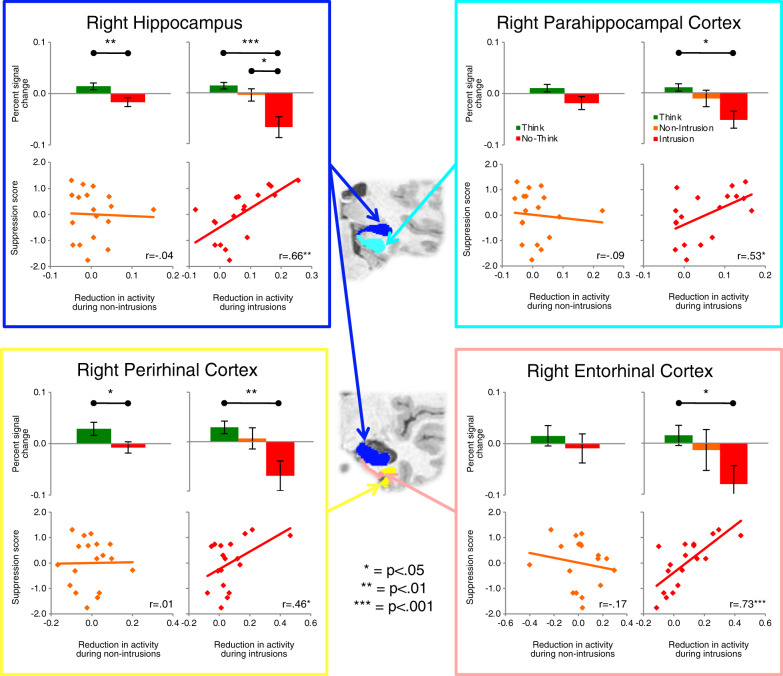
“, [4, 52, 53]), retrieval suppression reduces BOLD activation in the medial temporal lobes, including the hippocampus and entorhinal and perirhinal cortex [8, 33, 47] via pathways which remain to be identified.”
BackgroundInfluentialSelf-citationCircuit-Based Corticostriatal Homologies Between Rat and Primate
Heilbronner, S. R., Rodriguez-Romaguera, J., Quirk, G. J., Groenewegen, H. J., & Haber, S. N. (2016) · Biological Psychiatry · doi:10.1016/j.biopsych.2016.05.012 · Cited by 325 · cited 1×
“Based in part on striatal and amygdala connectivity, some have argued that this region may be anatomically homologous to Area 25 in primates [64], although other evidence suggests it is homologous to primate posterior lateral orbital prefrontal cortex [65].”
BackgroundRodent models of prefrontal cortical function
Brown, V. J., & Bowman, E. M. (2002) · Trends in Neurosciences · doi:10.1016/s0166-2236(02)02164-1 · Cited by 319
Distinct hippocampal engrams control extinction and relapse of fear memory
Lacagnina, A. F., Brockway, E. T., Crovetti, C. R., Shue, F., McCarty, M. J., Sattler, K. P., Lim, S. C., Santos, S. L., Denny, C. A., & Drew, M. R. (2019) · Nature Neuroscience · doi:10.1038/s41593-019-0361-z · Cited by 311
Milad, M. R., Furtak, S. C., Greenberg, J. L., Keshaviah, A., Im, J. J., Falkenstein, M. J., Jenike, M., Rauch, S. L., & Wilhelm, S. (2013) · JAMA Psychiatry · doi:10.1001/jamapsychiatry.2013.914 · Cited by 308
Fear extinction in the human brain: A meta-analysis of fMRI studies in healthy participants
Fullana, M. A., Albajes-Eizagirre, A., Soriano-Mas, C., Vervliet, B., Cardoner, N., Benet, O., Radua, J., & Harrison, B. J. (2018) · Neuroscience & Biobehavioral Reviews · doi:10.1016/j.neubiorev.2018.03.002 · Cited by 308 · cited 2×
“[131] examined which activations consistently arose during extinction learning and recall.”
BackgroundOn the Role of the Striatum in Response Inhibition
Zandbelt, B. B., & Vink, M. (2010) · PLoS ONE · doi:10.1371/journal.pone.0013848 · Cited by 307 · cited 1×
“, [4, 52, 53]), retrieval suppression reduces BOLD activation in the medial temporal lobes, including the hippocampus and entorhinal and perirhinal cortex [8, 33, 47] via pathways which remain to be identified.”
BackgroundEagle, D. M., & Baunez, C. (2010) · Neuroscience & Biobehavioral Reviews · doi:10.1016/j.neubiorev.2009.07.003 · Cited by 280
Active Forgetting: Adaptation of Memory by Prefrontal Control
Anderson, M. C., & Hulbert, J. C. (2021) · Annual Review of Psychology · doi:10.1146/annurev-psych-072720-094140 · Cited by 279 · cited 5×
“The person not only needed to adjust their emotional state, but also how their memories responded to environmental cues, a situation referred to as a memory adaptation problem [3].”
BackgroundInfluentialSelf-citationActive Avoidance Learning Requires Prefrontal Suppression of Amygdala-Mediated Defensive Reactions
Moscarello, J. M., & LeDoux, J. E. (2013) · The Journal of Neuroscience · doi:10.1523/jneurosci.2596-12.2013 · Cited by 277 · cited 1×
“Importantly, the idea that the IL is merely a “brake” on a variety of behaviors has been scrutinized [73, 74] and in some instances, this region may also contribute to the expression of conditioned fear responses and instrumental avoidance [72, 75, 76].”
BackgroundResilience after trauma: The role of memory suppression
Mary, A., Dayan, J., Leone, G., Postel, C., Fraisse, F., Malle, C., Vallée, T., Klein-Peschanski, C., Viader, F., de la Sayette, V., et al. (2020) · Science · doi:10.1126/science.aay8477 · Cited by 253 · cited 18×
“Second, suppressing retrieval often reduces No-Think item recall below that observed for Baseline items, a phenomenon known as suppression-induced forgetting (SIF).”
BackgroundInfluentialKolb, B., Nonneman, A. J., & Singh, R. K. (1974) · Journal of Comparative and Physiological Psychology · doi:10.1037/h0036970 · Cited by 252 · cited 1×
“In rodents, older theories posited that the medial PFC may be functionally homologous to the primate DLPFC, because lesions to it impair working memory and set shifting, as occurs in patients with DLPFC damage [60, 61].”
BackgroundBoggio, P. S., Rocha, M., Oliveira, M. O., Fecteau, S., Cohen, R. B., Campanhã, C., Ferreira-Santos, E., Meleiro, A., Corchs, F., Zaghi, S., et al. (2010) · The Journal of Clinical Psychiatry · doi:10.4088/jcp.08m04638blu · Cited by 246 · cited 15×
“This broadening of the domains of knowledge affected by extinction renders this research directly relevant to intrusive thoughts and memories, enabling it to speak to core symptoms of anxiety and PTSD.”
BackgroundInfluentialPrefrontal–hippocampal pathways underlying inhibitory control over memory
Anderson, M. C., Bunce, J. G., & Barbas, H. (2016) · Neurobiology of Learning and Memory · doi:10.1016/j.nlm.2015.11.008 · Cited by 245 · cited 6×
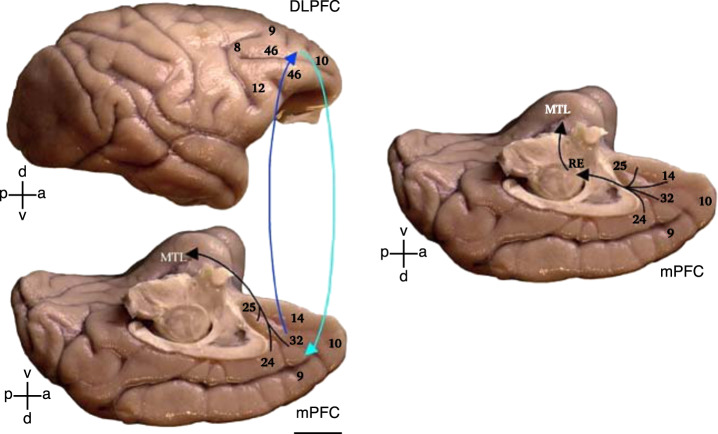
“We hypothesized that ACC achieves this hippocampal suppression via the nucleus reuniens in the thalamus, which projects, in part, to inhibitory neurons throughout the hippocampus [50].”
BackgroundInfluentialSelf-citationComparing the prefrontal cortex of rats and primates: Insights from electrophysiology
Seamans, J. K., Lapish, C. C., & Durstewitz, D. (2008) · Neurotoxicity Research · doi:10.1007/bf03033814 · Cited by 243 · cited 1×
“neuroanatomical and neurophysiological grounds [62, 63] and the consensus is that there may be no direct rodent homolog to the DLPFC.”
Background(2018) · The Journal of Neuroscience · doi:10.1523/jneurosci.0524-18.2018 · Cited by 243 · cited 1×
“The extinction engram may arise secondarily, as a biproduct of the organism’s perception of a novel event transition to a safe environment [127].”
BackgroundPrefrontal inputs to the amygdala instruct fear extinction memory formation
Bukalo, O., Pinard, C. R., Silverstein, S., Brehm, C., Hartley, N. D., Whittle, N., Colacicco, G., Busch, E., Patel, S., Singewald, N., et al. (2015) · Science Advances · doi:10.1126/sciadv.1500251 · Cited by 234 · cited 1×
“During extinction learning, IL activity may induce plasticity within basolateral amygdala nuclei [93].”
BackgroundAnderson, M. C., & Levy, B. J. (2009) · Current Directions in Psychological Science · doi:10.1111/j.1467-8721.2009.01634.x · Cited by 228 · cited 1×
“2 Final recall performance in the Think/No-Think procedure, aggregating over 687 participants in many different studies [154].”
MethodSelf-citationMarek, R., Jin, J., Goode, T. D., Giustino, T. F., Wang, Q., Acca, G. M., Holehonnur, R., Ploski, J. E., Fitzgerald, P. J., Lynagh, T., et al. (2018) · Nature Neuroscience · doi:10.1038/s41593-018-0073-9 · Cited by 226 · cited 1×
“Instead, work on the hippocampus’s role in extinction in both humans and animals generally has focused on bottom-up signals from either the ventral [104,105] or dorsal [106] hippocampus and also on its function in representing spatial context.”
BackgroundDifferential roles of medial prefrontal subregions in the regulation of drug seeking
Moorman, D. E., James, M. H., McGlinchey, E. M., & Aston-Jones, G. (2015) · Brain Research · doi:10.1016/j.brainres.2014.12.024 · Cited by 224 · cited 1×
“Importantly, the idea that the IL is merely a “brake” on a variety of behaviors has been scrutinized [73, 74] and in some instances, this region may also contribute to the expression of conditioned fear responses and instrumental avoidance [72, 75, 76].”
BackgroundRoles of Nucleus Accumbens Core and Shell in Incentive-Cue Responding and Behavioral Inhibition
Ambroggi, F., Ghazizadeh, A., Nicola, S. M., & Fields, H. L. (2011) · The Journal of Neuroscience · doi:10.1523/jneurosci.6491-10.2011 · Cited by 206
Neural structures mediating expression and extinction of platform-mediated avoidance
Bravo-Rivera, C., Roman-Ortiz, C., Brignoni-Perez, E., Sotres-Bayon, F., & Quirk, G. J. (2014) · The Journal of Neuroscience · doi:10.1523/jneurosci.0191-14.2014 · Cited by 206 · cited 1×
“Under these conditions, IL inactivation impaired consolidation of the extinction of the avoidance response [101].”
BackgroundMemory Control: A Fundamental Mechanism of Emotion Regulation
Engen, H. G., & Anderson, M. C. (2018) · Trends in Cognitive Sciences · doi:10.1016/j.tics.2018.07.015 · Cited by 202 · cited 4×
“Although retrieval stopping and extinction are laboratory models relevant to emotion regulation [9], relationships between the phenomena have not been considered.”
BackgroundInfluentialSelf-citationParallel Regulation of Memory and Emotion Supports the Suppression of Intrusive Memories
Gagnepain, P., Hulbert, J., & Anderson, M. C. (2017) · The Journal of Neuroscience · doi:10.1523/jneurosci.2732-16.2017 · Cited by 200 · cited 9×
“Studies using intrusion reports illustrate this point [8, 33, 35].”
BackgroundInfluentialSelf-citationCatarino, A., Küpper, C. S., Werner-Seidler, A., Dalgleish, T., & Anderson, M. C. (2015) · Psychological Science · doi:10.1177/0956797615569889 · Cited by 199
Self-citationA cryptic Gondwana-forming orogen located in Antarctica
Daczko, N. R., Halpin, J. A., Fitzsimons, I. C. W., & Whittaker, J. M. (2018) · Scientific Reports · doi:10.1038/s41598-018-26530-1 · Cited by 199
Hippocampal GABA enables inhibitory control over unwanted thoughts
Schmitz, T. W., Correia, M. M., Ferreira, C. S., Prescot, A. P., & Anderson, M. C. (2017) · Nature Communications · doi:10.1038/s41467-017-00956-z · Cited by 191 · cited 4×
“Participants with higher concentrations of hippocampal (but not prefrontal or visual cortical) GABA measured with single proton MRS, show greater downregulation during retrieval stopping, more successful forgetting of intruding thoughts, and greater negative coupling between the right aDLPFC and the hippocampus [51] t…”
BackgroundInfluentialSelf-citationDolleman-Van der Weel, M. J., Lopes da Silva, F. H., & Witter, M. P. (1997) · The Journal of Neuroscience · doi:10.1523/jneurosci.17-14-05640.1997 · Cited by 189
Hippocampal–Prefrontal BDNF and Memory for Fear Extinction
Rosas-Vidal, L. E., Do-Monte, F. H., Sotres-Bayon, F., & Quirk, G. J. (2014) · Neuropsychopharmacology · doi:10.1038/npp.2014.64 · Cited by 184
Cirillo, P., Gold, A. K., Nardi, A. E., Ornelas, A. C., Nierenberg, A. A., Camprodon, J., & Kinrys, G. (2019) · Brain and Behavior · doi:10.1002/brb3.1284 · Cited by 174 · cited 15×
“This broadening of the domains of knowledge affected by extinction renders this research directly relevant to intrusive thoughts and memories, enabling it to speak to core symptoms of anxiety and PTSD.”
BackgroundInfluentialBenoit, R. G., Hulbert, J. C., Huddleston, E., & Anderson, M. C. (2015) · Journal of Cognitive Neuroscience · doi:10.1162/jocn_a_00696 · Cited by 163 · cited 2×
“Fourth, effective connectivity analyses using dynamic causal modeling reveal that right aDLPFC modulates the hippocampus [6, 8, 34, 35, 41, 47, 51], with negative coupling from aDLPFC predicting both SIF [47] and reduced intrusions over blocks [34].”
BackgroundSelf-citationDepue, B. E., Orr, J. M., Smolker, H. R., Naaz, F., & Banich, M. T. (2016) · Cerebral Cortex · doi:10.1093/cercor/bhu324 · Cited by 160 · cited 3×
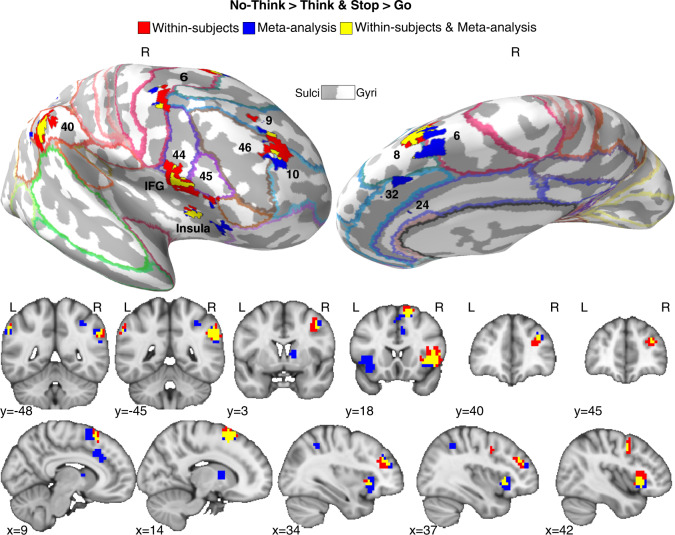
“[5] compared, withinparticipants, brain regions engaged during retrieval stopping, motor response stopping, and “emotion stopping”.”
BackgroundInfluentialPurging of Memories from Conscious Awareness Tracked in the Human Brain
Levy, B. J., & Anderson, M. C. (2012) · The Journal of Neuroscience · doi:10.1523/jneurosci.2640-12.2012 · Cited by 160 · cited 4×
“Studies using intrusion reports illustrate this point [8, 33, 35].”
BackgroundInfluentialSelf-citationInteractions of motivation and cognitive control
Yee, D. M., & Braver, T. S. (2018) · Current Opinion in Behavioral Sciences · doi:10.1016/j.cobeha.2017.11.009 · Cited by 160 · cited 1×
“How much effort is required is an empirical question [23, 24].”
BackgroundMoorman, D. E., & Aston-Jones, G. (2015) · Proceedings of the National Academy of Sciences · doi:10.1073/pnas.1507611112 · Cited by 159 · cited 1×
“Importantly, the idea that the IL is merely a “brake” on a variety of behaviors has been scrutinized [73, 74] and in some instances, this region may also contribute to the expression of conditioned fear responses and instrumental avoidance [72, 75, 76].”
BackgroundPrefrontal Cortex Stimulation Enhances Fear Extinction Memory in Humans
Raij, T., Nummenmaa, A., Marin, M.-F., Porter, D., Furtak, S., Setsompop, K., & Milad, M. R. (2018) · Biological Psychiatry · doi:10.1016/j.biopsych.2017.10.022 · Cited by 156 · cited 1×
“If our retrieval stopping hypothesis is correct, stimulation interventions to the rDLPFC should improve extinction learning and its aftereffects, complementing existing work seeking to improve extinction by enhancing vmPFC activity [138].”
BackgroundSuppressing unwanted memories reduces their unconscious influence via targeted cortical inhibition
Gagnepain, P., Henson, R. N., & Anderson, M. C. (2014) · Proceedings of the National Academy of Sciences · doi:10.1073/pnas.1311468111 · Cited by 149 · cited 5×
“For example, when a cue elicits an image of a visual object, suppression downregulates the hippocampus, but also regions such as the fusiform cortex, involved in the conscious perception of objects [41].”
BackgroundInfluentialSelf-citationSangha, S., Diehl, M. M., Bergstrom, H. C., & Drew, M. R. (2020) · Neuroscience & Biobehavioral Reviews · doi:10.1016/j.neubiorev.2019.11.006 · Cited by 148 · cited 1×
“Such prediction errors might trigger reduction of the CS–US association reflecting reduced future predictions, or alternatively the storage of a novel inhibitory safety association [98, 141, 142].”
BackgroundMurphy, E. R., Dalley, J. W., & Robbins, T. W. (2005) · Psychopharmacology · doi:10.1007/s00213-004-2068-3 · Cited by 145 · cited 1×
“Manipulation of the IL PFC increases premature responding, a measure of motor impulsivity indicative of impairments in “waiting” [77,78].”
BackgroundDepue, B. E., Burgess, G. C., Willcutt, E. G., Ruzic, L., & Banich, M. T. (2010) · Neuropsychologia · doi:10.1016/j.neuropsychologia.2010.09.013 · Cited by 143 · cited 2×
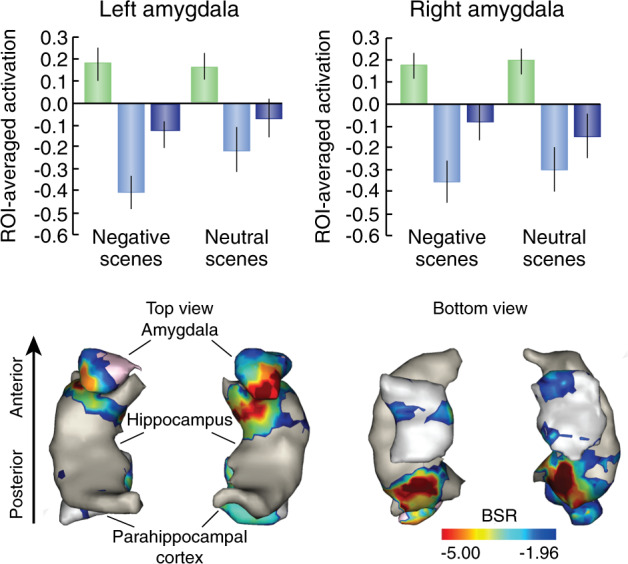
“Several studies have now found that stopping retrieval reduces amygdala activity bilaterally when suppressing aversive scenes [7, 8, 55, 57], unpleasant words [58], or even participantspecific fears of the future [46].”
BackgroundDeep brain stimulation of the ventral striatum enhances extinction of conditioned fear
Rodriguez-Romaguera, J., Do Monte, F. H. M., & Quirk, G. J. (2012) · Proceedings of the National Academy of Sciences · doi:10.1073/pnas.1200782109 · Cited by 142 · cited 1×
“Such a dynamic is compatible with retrieval stopping findings: effective connectivity analyses suggest that during retrieval stopping, rDLPFC negatively modulates hippocampal and amygdala activity, and retrieval stopping can reduce subjective and physiological indices of emotional reactivity to suppressed content [8,…”
BackgroundPrefrontal projections to the thalamic nucleus reuniens mediate fear extinction
Ramanathan, K. R., Jin, J., Giustino, T. F., Payne, M. R., & Maren, S. (2018) · Nature Communications · doi:10.1038/s41467-018-06970-z · Cited by 140
Tronson, N. C., Schrick, C., Guzman, Y. F., Huh, K. H., Srivastava, D. P., Penzes, P., Guedea, A. L., Gao, C., & Radulovic, J. (2009) · The Journal of Neuroscience · doi:10.1523/jneurosci.5619-08.2009 · Cited by 136 · cited 1×
“Here the authors demonstrated that acquisition vs extinction of contextual fear activated distinct ensembles of neurons (“engrams”) in the dentate gyrus of the hippocampus, as has been observed in the CA1 region [126].”
BackgroundSangha, S., Robinson, P. D., Greba, Q., Davies, D. A., & Howland, J. G. (2014) · Neuropsychopharmacology · doi:10.1038/npp.2014.89 · Cited by 134 · cited 1×
“IL inactivations led to more freezing in the presence of the safety cue [99].”
BackgroundApšvalka, D., Ferreira, C. S., Schmitz, T. W., Rowe, J. B., & Anderson, M. C. (2022) · Nature Communications · doi:10.1038/s41467-021-27926-w · Cited by 134 · cited 7×
“Even for neutral thoughts, one may wish to avoid distraction; here too, people can terminate retrieval, limiting awareness of the memory, an ability that may be enabled by mechanisms shared with action stopping [5,6].”
BackgroundResultInfluentialSelf-citationA supramodal role of the basal ganglia in memory and motor inhibition: meta-analytic evidence
Guo, Y., Schmitz, T. W., Mur, M., Ferreira, C. S., & Anderson, M. C. (2018) · Neuropsychologia · doi:10.1016/j.neuropsychologia.2017.11.033 · Cited by 133 · cited 2×
“, [4, 52, 53]), retrieval suppression reduces BOLD activation in the medial temporal lobes, including the hippocampus and entorhinal and perirhinal cortex [8, 33, 47] via pathways which remain to be identified.”
BackgroundSelf-citationYee, B. K., Hauser, J., Dolgov, V. V., Keist, R., Möhler, H., Rudolph, U., & Feldon, J. (2004) · European Journal of Neuroscience · doi:10.1111/j.1460-9568.2004.03642.x · Cited by 132
Suppressing Unwanted Memories Reduces Their Unintended Influences
Hu, X., Bergström, Z. M., Gagnepain, P., & Anderson, M. C. (2017) · Current Directions in Psychological Science · doi:10.1177/0963721417689881 · Cited by 131 · cited 1×
“Indeed, SIF broadly affects implicit memory, in which retrieval is unintentional [40].”
BackgroundSelf-citationSuarez‐Jimenez, B., Albajes‐Eizagirre, A., Lazarov, A., Zhu, X., Harrison, B. J., Raduà, J., Neria, Y., & Fullana, M. A. (2019) · Psychological Medicine · doi:10.1017/s0033291719001387 · Cited by 130 · cited 15×
“This broadening of the domains of knowledge affected by extinction renders this research directly relevant to intrusive thoughts and memories, enabling it to speak to core symptoms of anxiety and PTSD.”
BackgroundInfluentialCastiglione, A., Wagner, J., Anderson, M., & Aron, A. R. (2019) · Cerebral Cortex · doi:10.1093/cercor/bhz017 · Cited by 129 · cited 1×
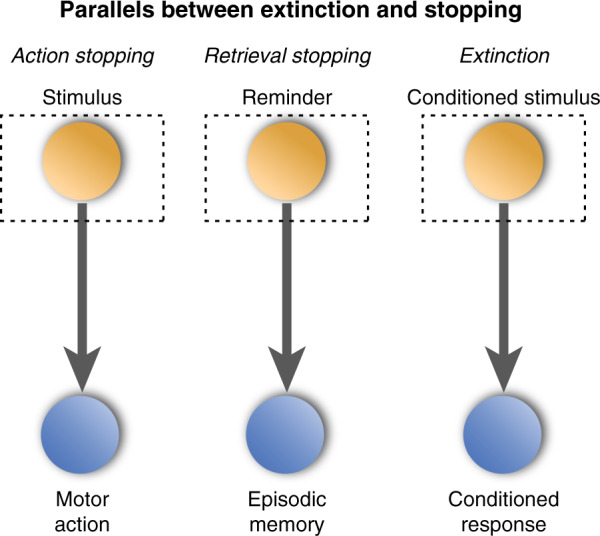
“1 may be more than a metaphor and may be realized in the brain by a common stopping mechanism (see also [49]).”
BackgroundSelf-citationCapuzzo, G., & Floresco, S. B. (2020) · The Journal of Neuroscience · doi:10.1523/jneurosci.0414-20.2020 · Cited by 125 · cited 3×
“Similarly, the IL has also been implicated in inhibitory avoidance, as IL inactivation increases responding when external discriminative cues signal that doing so will deliver a shock [72].”
BackgroundSelf-citationPersistent active avoidance correlates with activity in prelimbic cortex and ventral striatum
Bravo-Rivera, C., Roman-Ortiz, C., Montesinos-Cartagena, M., & Quirk, G. J. (2015) · Frontiers in Behavioral Neuroscience · doi:10.3389/fnbeh.2015.00184 · Cited by 122
Meyer, H. C., Odriozola, P., Cohodes, E. M., Mandell, J. D., Li, A., Yang, R., Hall, B. S., Haberman, J. T., Zacharek, S. J., Liston, C., et al. (2019) · Proceedings of the National Academy of Sciences · doi:10.1073/pnas.1910481116 · Cited by 120 · cited 1×
“Instead, work on the hippocampus’s role in extinction in both humans and animals generally has focused on bottom-up signals from either the ventral [104, 105] or dorsal [106] hippocampus and also on its function in representing spatial context.”
BackgroundRhodes, S. E. V., & Killcross, S. (2004) · Learning & Memory · doi:10.1101/lm.79704 · Cited by 119
A Functional Gradient in the Rodent Prefrontal Cortex Supports Behavioral Inhibition
Hardung, S., Epple, R., Jäckel, Z., Eriksson, D., Uran, C., Senn, V., Gibor, L., Yizhar, O., & Diester, I. (2017) · Current Biology · doi:10.1016/j.cub.2016.12.052 · Cited by 119
Selective involvement by the medial orbitofrontal cortex in biasing risky, but not impulsive, choice
Stopper, C. M., Green, E. B., & Floresco, S. B. (2014) · Cerebral Cortex · doi:10.1093/cercor/bhs297 · Cited by 117
Self-citationThe role of emotions and physiological arousal in modulating impulsive behaviour
Herman, A. M., Critchley, H. D., & Duka, T. (2018) · Biological Psychology · doi:10.1016/j.biopsycho.2018.01.014 · Cited by 115 · cited 1×
“Fear states also undermine or bias high-level processes, such as planning, decision making, and behavioral control that are important for pursuing goals [21, 22].”
BackgroundThe Medial Orbitofrontal Cortex Regulates Sensitivity to Outcome Value
Gourley, S. L., Zimmermann, K. S., Allen, A. G., & Taylor, J. R. (2016) · The Journal of Neuroscience · doi:10.1523/jneurosci.4253-15.2016 · Cited by 111
Navawongse, R., & Eichenbaum, H. (2013) · The Journal of Neuroscience · doi:10.1523/jneurosci.3891-12.2013 · Cited by 109
Dilkov, D., Hawken, E. R., Kaludiev, E., & Milev, R. V. (2017) · Progress in Neuro-Psychopharmacology and Biological Psychiatry · doi:10.1016/j.pnpbp.2017.05.018 · Cited by 103 · cited 1×
“Symptom benefits are seen with right or left DLPFC stimulation, regardless of frequency; however, benefits are often greater with high-frequency stimulation over the rDLPFC, for both generalized anxiety disorder [136] and PTSD [137], with remission often persisting for months.”
Rodent models of impaired fear extinction
Singewald, N., & Holmes, A. (2019) · Psychopharmacology · doi:10.1007/s00213-018-5054-x · Cited by 101
der Weel, M. J. D.-V., & Witter, M. P. (2000) · Neuroscience Letters · doi:10.1016/s0304-3940(99)00935-0 · Cited by 99
Reducing future fears by suppressing the brain mechanisms underlying episodic simulation
Benoit, R. G., Davies, D. J., & Anderson, M. C. (2016) · Proceedings of the National Academy of Sciences · doi:10.1073/pnas.1606604114 · Cited by 96 · cited 3×
“Several studies have now found that stopping retrieval reduces amygdala activity bilaterally when suppressing aversive scenes [7, 8, 55, 57], unpleasant words [58], or even participantspecific fears of the future [46].”
BackgroundSelf-citationThe conditions that promote fear learning: Prediction error and Pavlovian fear conditioning
Li, S. S. Y., & McNally, G. P. (2014) · Neurobiology of Learning and Memory · doi:10.1016/j.nlm.2013.05.002 · Cited by 89
Human fear conditioning: From neuroscience to the clinic
Fullana, M. A., Dunsmoor, J. E., Schruers, K. R. J., Savage, H. S., Bach, D. R., & Harrison, B. J. (2020) · Behaviour Research and Therapy · doi:10.1016/j.brat.2019.103528 · Cited by 88
Ghazizadeh, A., Ambroggi, F., Odean, N., & Fields, H. L. (2012) · The Journal of Neuroscience · doi:10.1523/jneurosci.3891-11.2012 · Cited by 87 · cited 1×
“cocaine seeking [79], increases non-reinforced actions on a discriminative stimulus task [80] and impairs inhibitory reward seeking on a go/no-go task when discriminative cues signal that actions should be withheld [72].”
BackgroundAmount of fear extinction changes its underlying mechanisms
An, B., Kim, J., Park, K., Lee, S., Song, S., & Choi, S. (2017) · eLife · doi:10.7554/elife.25224 · Cited by 86 · cited 1×
“During extinction recall trials, IL neurons display increased activity to CS cues, and may thus exert online top-down suppression of conditioned fear responses [10, 94].”
BackgroundWegerer, M., Blechert, J., Kerschbaum, H., & Wilhelm, F. H. (2013) · PLoS ONE · doi:10.1371/journal.pone.0079025 · Cited by 85 · cited 1×
“In translating animal research on extinction to humans, researchers often either ignore the mnemonic and cognitive responses to reminders or they reconceptualize these intrusive thoughts as conditioned responses in their own right [17, 18].”
BackgroundInducing amnesia through systemic suppression
Hulbert, J. C., Henson, R. N., & Anderson, M. C. (2016) · Nature Communications · doi:10.1038/ncomms11003 · Cited by 85 · cited 2×
“GABA-induced disruptions to hippocampal function may contribute to the amnesic shadow, taken to reflect dysfunctional hippocampal encoding and stabilization caused by retrieval stopping [31, 32].”
BackgroundSelf-citationNoreen, S., & MacLeod, M. D. (2013) · Journal of Experimental Psychology: Learning, Memory, and Cognition · doi:10.1037/a0028888 · Cited by 83 · cited 1×
“SIF has even been observed with autobiographical memories, although primarily in memory for details [30].”
BackgroundLosing Control: Sleep Deprivation Impairs the Suppression of Unwanted Thoughts
Harrington, M. O., Ashton, J. E., Sankarasubramanian, S., Anderson, M. C., & Cairney, S. A. (2020) · Clinical Psychological Science · doi:10.1177/2167702620951511 · Cited by 83 · cited 1×
“Consistent with this possibility, retrieval stopping reduces physiological responses to scenes after suppression [37, 57, 59].”
BackgroundSelf-citationRoberts, A. C., & Clarke, H. F. (2019) · Proceedings of the National Academy of Sciences · doi:10.1073/pnas.1902288116 · Cited by 79 · cited 1×
“Thus, whether Area 25 is functionally homologous across species remains to be resolved [66].”
BackgroundThe medial prefrontal cortex is critical for memory retrieval and resolving interference
Peters, G. J., David, C. N., Marcus, M. D., & Smith, D. M. (2013) · Learning & Memory · doi:10.1101/lm.029249.112 · Cited by 78 · cited 1×
“Although PFC lesions in humans and rodents do not disrupt encoding of episodic or contextual memories, these lesions do impair targeted retrieval of specific memories and increase intrusions of irrelevant memories under interference conditions [107, 108], or when rats must distinguish the source or context of informat…”
BackgroundPrefrontal Regulation of Punished Ethanol Self-administration
Halladay, L. R., Kocharian, A., Piantadosi, P. T., Authement, M. E., Lieberman, A. G., Spitz, N. A., Coden, K., Glover, L. R., Costa, V. D., Alvarez, V. A., et al. (2020) · Biological Psychiatry · doi:10.1016/j.biopsych.2019.10.030 · Cited by 74
Memory consolidation reconfigures neural pathways involved in the suppression of emotional memories
Liu, Y., Lin, W., Liu, C., Luo, Y., Wu, J., Bayley, P. J., & Qin, S. (2016) · Nature Communications · doi:10.1038/ncomms13375 · Cited by 73 · cited 2×
“Several studies have now found that stopping retrieval reduces amygdala activity bilaterally when suppressing aversive scenes [7, 8, 55, 57], unpleasant words [58], or even participantspecific fears of the future [46].”
BackgroundA translational perspective on neural circuits of fear extinction: Current promises and challenges
Sevenster, D., Visser, R. M., & D’Hooge, R. (2018) · Neurobiology of Learning and Memory · doi:10.1016/j.nlm.2018.07.002 · Cited by 71 · cited 1×
“Instead, human imaging work on extinction focuses on the ventromedial PFC, a putative human homolog of rodent IL PFC [128, 129].”
BackgroundFloresco, S. B., Montes, D. R., Tse, M. M. T., & van Holstein, M. (2018) · The Journal of Neuroscience · doi:10.1523/jneurosci.3191-17.2018 · Cited by 68
Self-citationSuccessfully controlling intrusive memories is harder when control must be sustained
van Schie, K., & Anderson, M. C. (2017) · Memory · doi:10.1080/09658211.2017.1282518 · Cited by 65
Self-citationvan Holstein, M., & Floresco, S. (2019) · Neuropsychopharmacology · doi:10.1038/s41386-019-0557-7 · Cited by 64 · cited 1×
“The IL also contributes to complex forms of action selection during cost/ benefit decision making, suppressing the urge to pursue larger, uncertain rewards when cues signal that they are unlikely to be received [81].”
BackgroundSelf-citationOehrn, C. R., Fell, J., Baumann, C., Rosburg, T., Ludowig, E., Kessler, H., Hanslmayr, S., & Axmacher, N. (2018) · Current Biology · doi:10.1016/j.cub.2018.07.042 · Cited by 64 · cited 1×
“Converging evidence comes from intracranial recordings in humans, which reveal effective connectivity between the DLPFC and the hippocampus in the beta range, during intentional forgetting [56].”
BackgroundTracking the intrusion of unwanted memories into awareness with event-related potentials
Hellerstedt, R., Johansson, M., & Anderson, M. C. (2016) · Neuropsychologia · doi:10.1016/j.neuropsychologia.2016.07.008 · Cited by 62 · cited 1×
“Interestingly, intrusion declines often predict later SIF effects in explicit memory, pointing to a common mechanism contributing to these effects [33, 38].”
BackgroundSelf-citationPatterson, T. K., Lenartowicz, A., Berkman, E. T., Ji, D., Poldrack, R. A., & Knowlton, B. J. (2016) · Experimental Brain Research · doi:10.1007/s00221-016-4709-2 · Cited by 57 · cited 1×
“Fear states also undermine or bias high-level processes, such as planning, decision making, and behavioral control that are important for pursuing goals [21, 22].”
BackgroundCognitive and neural consequences of memory suppression in major depressive disorder
Sacchet, M. D., Levy, B. J., Hamilton, J. P., Maksimovskiy, A., Hertel, P. T., Joormann, J., Anderson, M. C., Wagner, A. D., & Gotlib, I. H. (2017) · Cognitive, Affective, & Behavioral Neuroscience · doi:10.3758/s13415-016-0464-x · Cited by 54 · cited 1×
“Several studies have now found that stopping retrieval reduces amygdala activity bilaterally when suppressing aversive scenes [7, 8, 55, 57], unpleasant words [58], or even participantspecific fears of the future [46].”
BackgroundSelf-citationIntrusive memories as conditioned responses to trauma cues: An empirically supported concept?
Franke, L. K., Rattel, J. A., Miedl, S. F., Danböck, S. K., Bürkner, P., & Wilhelm, F. H. (2021) · Behaviour Research and Therapy · doi:10.1016/j.brat.2021.103848 · Cited by 53
Emotions shape memory suppression in trait anxiety
Marzi, T., Regina, A., & Righi, S. (2014) · Frontiers in Psychology · doi:10.3389/fpsyg.2013.01001 · Cited by 52
Zikopoulos, B., Höistad, M., John, Y., & Barbas, H. (2017) · The Journal of Neuroscience · doi:10.1523/jneurosci.3940-16.2017 · Cited by 49 · cited 1×
“Based in part on striatal and amygdala connectivity, some have argued that this region may be anatomically homologous to Area 25 in primates [64], although other evidence suggests it is homologous to primate posterior lateral orbital prefrontal cortex [65].”
BackgroundWang, Y., Luppi, A., Fawcett, J., & Anderson, M. C. (2019) · Cognition · doi:10.1016/j.cognition.2019.02.016 · Cited by 46 · cited 2×
“Such a dynamic is compatible with retrieval stopping findings: effective connectivity analyses suggest that during retrieval stopping, rDLPFC negatively modulates hippocampal and amygdala activity, and retrieval stopping can reduce subjective and physiological indices of emotional reactivity to suppressed content [8,…”
BackgroundSelf-citationPrefrontal circuits signaling active avoidance retrieval and extinction
Martínez-Rivera, F. J., Bravo-Rivera, C., Velázquez-Díaz, C. D., Montesinos-Cartagena, M., & Quirk, G. J. (2019) · Psychopharmacology · doi:10.1007/s00213-018-5012-7 · Cited by 45 · cited 1×
“Avoidance extinction was associated with increased activation of IL neurons that projected to the nucleus accumbens and basolateral amygdala [102, 103], providing another example of the IL exerting top-down control over subcortical structures to suppress conditioned responses.”
BackgroundA retrieval-specific mechanism of adaptive forgetting in the mammalian brain
Bekinschtein, P., Weisstaub, N. V., Gallo, F., Renner, M., & Anderson, M. C. (2018) · Nature Communications · doi:10.1038/s41467-018-07128-7 · Cited by 45
Self-citationOut of Mind, Out of Sight: Perceptual Consequences of Memory Suppression
Kim, K., & Yi, D.-J. (2013) · Psychological Science · doi:10.1177/0956797612457577 · Cited by 44
Corticolimbic Mechanisms of Behavioral Inhibition under Threat of Punishment
Verharen, J. P. H., van den Heuvel, M. W., Luijendijk, M. C. M., Vanderschuren, L. J. M. J., & Adan, R. A. H. (2019) · Journal of Neuroscience · doi:10.1523/jneurosci.2814-18.2019 · Cited by 43 · cited 1×
“Response inhibition in service of avoiding punishment also depends on IL function, as inactivations impair behavioral restraint when rats must withhold from retrieving food during a 12 s threat cue predictive of shock [71].”
BackgroundWang, Y., Cao, Z., Zhu, Z., Cai, H., & Wu, Y. (2015) · Cognition · doi:10.1016/j.cognition.2015.05.025 · Cited by 41 · cited 1×
“This “cueindependence” suggests that the forgetting arising from retrieval stopping is not primarily associative, as its occurrence often does not depend on testing with a particular cue [1] (though associative components can contribute—see [28]).”
BackgroundKreutzmann, J. C., Jovanović, T., & Fendt, M. (2020) · Psychopharmacology · doi:10.1007/s00213-020-05527-7 · Cited by 40 · cited 1×
“Yet, inactivation of the IL during the test (but notably, not during conditioning) abolished this safety cue’s ability to attenuate the fear response [100].”
BackgroundLong-term modulation of cardiac activity induced by inhibitory control over emotional memories
Legrand, N., Etard, O., Vandevelde, A., Pierre, M., Viader, F., Clochon, P., Doidy, F., Peschanski, D., Eustache, F., & Gagnepain, P. (2020) · Scientific Reports · doi:10.1038/s41598-020-71858-2 · Cited by 39 · cited 1×
“Consistent with this possibility, retrieval stopping reduces physiological responses to scenes after suppression [37,57,59].”
BackgroundThe neural dynamics of deficient memory control in heavily traumatized refugees
Waldhauser, G. T., Dahl, M. J., Ruf-Leuschner, M., Müller-Bamouh, V., Schauer, M., Axmacher, N., Elbert, T., & Hanslmayr, S. (2018) · Scientific Reports · doi:10.1038/s41598-018-31400-x · Cited by 39
Streb, M., Conway, M. A., & Michael, T. (2017) · Journal of Behavior Therapy and Experimental Psychiatry · doi:10.1016/j.jbtep.2017.04.005 · Cited by 37
Piantadosi, P. T., Yeates, D. C. M., & Floresco, S. (2020) · Learning & Memory · doi:10.1101/lm.051912.120 · Cited by 37 · cited 1×
“Importantly, the idea that the IL is merely a “brake” on a variety of behaviors has been scrutinized [73,74] and in some instances, this region may also contribute to the expression of conditioned fear responses and instrumental avoidance [72,75,76].”
BackgroundSelf-citationPiantadosi, P. T., Yeates, D. C. M., & Floresco, S. B. (2018) · Neuropharmacology · doi:10.1016/j.neuropharm.2018.05.028 · Cited by 36
Self-citationRegional variation in neurovascular coupling and why we still lack a Rosetta Stone
Ekstrom, A. D. (2021) · Philosophical Transactions of the Royal Society B: Biological Sciences · doi:10.1098/rstb.2019.0634 · Cited by 36 · cited 1×
“Moreover, the relation between BOLD signal and neural activity is more complex in the hippocampus than in other brain regions, suggesting that reduced BOLD may not always signify reduced neural processing [54].”
BackgroundFeja, M., & Koch, M. (2014) · Psychopharmacology · doi:10.1007/s00213-014-3763-3 · Cited by 34 · cited 1×
“Inactivating the NAc shell induces disinhibitory effects on action suppression that resemble those induced by perturbations in IL functioning [79, 82–84], as does suppressing IL inputs to the accumbens shell [85, 86].”
BackgroundActive suppression prevents the return of threat memory in humans
Wang, Y., Zhu, Z., Hu, J., Schiller, D., & Li, J. (2021) · Communications Biology · doi:10.1038/s42003-021-02120-2 · Cited by 33 · cited 1×
“[152])? To what extent do existing therapies, such as exposure therapy, capitalize on retrieval stopping, as an incidental outcome of the procedure? Together, such findings would clarify the role of retrieval stopping in extinction learning, open the door to a more complete integration between these bodies of work, an…”
BackgroundMendoza, J. A., Sanio, C., & Chaudhri, N. (2014) · Neurobiology of Learning and Memory · doi:10.1016/j.nlm.2014.12.006 · Cited by 32
Inhibition as a Cause of Forgetting
Marsh, L. C., & Anderson, M. C. (2024) · Oxford University Press eBooks · doi:10.1093/oxfordhb/9780190917982.013.41 · Cited by 32
Self-citationCriaud, M., Anton, J., Nazarian, B., Longcamp, M., Météreau, É., Boulinguez, P., & Ballanger, B. (2021) · Brain Sciences · doi:10.3390/brainsci11050560 · Cited by 31 · cited 1×
“, [4, 52, 53]), retrieval suppression reduces BOLD activation in the medial temporal lobes, including the hippocampus and entorhinal and perirhinal cortex [8, 33, 47] via pathways which remain to be identified.”
BackgroundThe impact of retrieval suppression on conceptual implicit memory
Taubenfeld, A., Anderson, M. C., & Levy, D. A. (2018) · Memory · doi:10.1080/09658211.2018.1554079 · Cited by 30
Self-citationSuppression-induced forgetting on a free-association test
Hertel, P. T., Large, D., Stück, E. D., & Levy, A. (2012) · Memory · doi:10.1080/09658211.2011.647036 · Cited by 29 · cited 1×
“These findings suggest that engaging inhibitory control to suppress intrusions ought to affect spontaneous retrieval in daily life, a possibility consistent with large SIF effects on free association tests [39].”
ResultDorsal Hippocampus to Infralimbic Cortex Circuit is Essential for the Recall of Extinction Memory
Qin, C., Bian, X.-L., Wu, H., Xian, J.-Y., Cai, C.-Y., Lin, Y., Zhou, Y., Kou, X., Chang, L., Luo, C., et al. (2020) · Cerebral Cortex · doi:10.1093/cercor/bhaa320 · Cited by 27
Dopamine Modulates Adaptive Forgetting in Medial Prefrontal Cortex
Gallo, F. T., Zanoni, M. B., Silva, A., Morici, J. F., Miranda, M., Anderson, M. C., Weisstaub, N., & Bekinschtein, P. (2022) · Journal of Neuroscience · doi:10.1523/jneurosci.0740-21.2022 · Cited by 25
Self-citationHertel, P. T., Maydon, A., Ogilvie, A., & Mor, N. (2018) · Clinical Psychological Science · doi:10.1177/2167702618785339 · Cited by 24
Wu, J. Q., Peters, G. J., Rittner, P., Cleland, T. A., & Smith, D. M. (2014) · Hippocampus · doi:10.1002/hipo.22291 · Cited by 23
Murúa, P., Edrada‐Ebel, R., Muñoz, L., Soldatou, S., Legrave, N. M., Müller, D. G., Patiño, D. J., van West, P., Küpper, F. C., Westermeier, R., et al. (2020) · Scientific Reports · doi:10.1038/s41598-020-68820-7 · Cited by 23
Forgetting unrelated episodic memories through suppression-induced amnesia.
Zhu, Z., & Wang, Y. (2020) · Journal of Experimental Psychology General · doi:10.1037/xge0000782 · Cited by 22 · cited 2×
“coarsely targeted: stopping retrieval not only harms memory for items linked to the reminder, but also entirely unrelated events occurring before and after the retrieval stopping trial [31,32].”
BackgroundInhibition as a cause of forgettingPreprint
Marsh, L. C., & Anderson, M. C. (2022) · doi:10.31234/osf.io/6bwc2 · Cited by 19
Self-citationNeuropsychological Mechanisms of Intrusive Thinking
Visser, R. M., Anderson, M. C., Aron, A. R., Banich, M. T., Brady, K. T., Huys, Q. J. M., Monfils, M., Schiller, D., Schlagenhauf, F., Schooler, J. W., et al. (2021) · The MIT Press eBooks · doi:10.7551/mitpress/13875.003.0015 · Cited by 16 · cited 1×
“An uncomfortable and not always acknowledged disconnect exists between research on extinction and disorders such as PTSD and anxiety: Whereas extinction is thought to model how experience changes fear responses to conditioned stimuli, the real symptoms faced by patients also include intrusive memories, thoughts, and i…”
BackgroundSelf-citationDadkhah, M., Rashidy‐Pour, A., & Vafaei, A. A. (2021) · Pharmacology Biochemistry and Behavior · doi:10.1016/j.pbb.2021.173131 · Cited by 14 · cited 1×
“Consistent with this, inactivating IL impairs within-session extinction learning [89, 90] and the expression of that learning on subsequent recall (as evidenced by greater fear responses to the CS).”
BackgroundPeters, G. J., & Smith, D. M. (2020) · Behavioral Neuroscience · doi:10.1037/bne0000347 · Cited by 13 · cited 1×
“Although PFC lesions in humans and rodents do not disrupt encoding of episodic or contextual memories, these lesions do impair targeted retrieval of specific memories and increase intrusions of irrelevant memories under interference conditions [107, 108], or when rats must distinguish the source or context of informat…”
BackgroundApšvalka, D., Ferreira, C. S., Schmitz, T. W., et al. (2020) · bioRxiv (Cold Spring Harbor Laboratory) · doi:10.1101/2020.10.22.350520 · Cited by 13
Winters, J. J., Hardy, L. W., Sullivan, J. M., Powell, N. A., Qutaish, M. Q., Nair, S., Heimann, J., Ghayoor, A., Polyak, I., Chaby, L. E., et al. (2020) · Behavioural Brain Research · doi:10.1016/j.bbr.2020.112902 · Cited by 10
Dopamine modulates adaptive forgetting in medial prefrontal cortexPreprint
Gallo, F. T., Zanoni, M. B., Morici, J. F., Miranda, M., Anderson, M. C., Weisstaub, N., & Bekinschtein, P. (2021) · bioRxiv (Cold Spring Harbor Laboratory) · doi:10.1101/2021.04.08.438979 · Cited by 5
Self-citationIntrusive Thinking: From Molecules to Free Will
(2021) · The MIT Press eBooks · doi:10.7551/mitpress/13875.001.0001 · Cited by 5 · cited 1×
“If supported, this account provides advantages over others couched solely in terms of associative learning; it would bridge extinction in non-human animals with the control of intrusive thoughts, a hallmark transdiagnostic feature of psychiatric disorders [153] and it would encourage a needed synthesis with work on in…”
BackgroundThe psychiatric literature: some perspective
Wortis, J. (1990) · Biological Psychiatry · doi:10.1016/0006-3223(90)90426-3 · Cited by 2
Research works printed but not linked: 1
- Winters JJ, Hardy LW, Sullivan JM, Powell NA, Qutaish M, Nair S, et al. Functional deficit in hippocampal activity during fear extinction recall in the single prolonged-stress model of PTSD in male rats. Behav Brain Res. 2021;396:112902. 32926906 · DOI
Cited by
The role of prefrontal cortex in cognitive control and executive function
Friedman, N. P., & Robbins, T. W. (2022) · Neuropsychopharmacology · doi:10.1038/s41386-021-01132-0 · Cited by 1,737
Treatment of Posttraumatic Stress Disorder: A State-of-the-art Review
Burback, L., Brémault-Phillips, S., Nijdam, M. J., McFarlane, A., & Vermetten, E. (2024) · Current Neuropharmacology · doi:10.2174/1570159x21666230428091433 · Cited by 208
Neurobiological basis of stress resilience
Nestler, E. J., & Russo, S. J. (2024) · Neuron · doi:10.1016/j.neuron.2024.05.001 · Cited by 166
Neural Mechanisms of Domain-general Inhibitory Control
Wessel, J. R., & Anderson, M. C. (2023) · Trends in Cognitive Sciences · doi:10.1016/j.tics.2023.09.008 · Cited by 133
Self-citationLaboratory models of post-traumatic stress disorder: The elusive bridge to translation
Dunsmoor, J. E., Cisler, J. M., Fonzo, G. A., Creech, S. K., & Nemeroff, C. B. (2022) · Neuron · doi:10.1016/j.neuron.2022.03.001 · Cited by 104
Metadata
- Authors
- Anderson, M. C., & Floresco, S. B.
- Affiliations
- MRC Cognition and Brain Sciences Unit (GB)
- University of British Columbia (CA)
- Corresponding author
- Anderson, Michael C.
- Venue
- Neuropsychopharmacology
- Published
- 2021-08-26
- Volume
- 47
- Issue
- 1
- Pages
- 180-195
- ISSN
- 0893-133X (ISSN-L)
- 1740-634X
- PMC
- PMC8616908
- OpenAlex
- W3193546921
- Cited by
- 105
- References
- 159
- Citations by year
- 2026: 19 · 2025: 21 · 2024: 30 · 2023: 13 · 2022: 18 · 2021: 4
- FWCI
- 2.40
- Type
- journal article
- Language
- en
- Open access
- hybrid
- doi.org
- Licence
- cc-by
- creativecommons.org/licenses/by/4.0 (tdm)
- creativecommons.org/licenses/by/4.0 (vor)
- Locations
- Neuropsychopharmacology (publishedVersion, cc-by)
- PubMed Central (publishedVersion, cc-by)
- PubMed (publishedVersion)
- Apollo (University of Cambridge) (submittedVersion, cc-by)
- Apollo
- Funders
- RCUK | Medical Research Council (MC-A060-5PR00)
- Topics
- Life Sciences › Neuroscience › Cognitive Neuroscience › Memory and Neural Mechanisms
- Life Sciences › Neuroscience › Cognitive Neuroscience › Memory Processes and Influences
- Social Sciences › Psychology › Clinical Psychology › Posttraumatic Stress Disorder Research
- Keywords
- fear extinction, emotional memory, inhibitory control, memory intrusion, amygdala, emotion regulation, intrusive thoughts, mental health
- MeSH terms
- Amygdala, Animals, Extinction, Psychological, Fear, Hippocampus, Humans, Memory, Prefrontal Cortex
About these checks
Registry, retraction, Cites and statistics results are computed, not judged, with one exception: a printed reference that no index lists is read once by a model before it counts as a citation error. Claims are extracted by a model and kept only when their quote appears verbatim in the text; each cited source is then checked, with a model’s help, for whether it says what the claim relies on. Those verdicts can be wrong — read the claim’s quote and the cited source before relying on one.
Statistics and arithmetic are recomputed, not judged.
Confidence bands are shown only for fields calibrated on our annotated test set. None is calibrated yet, so no band is shown.
What counts as a claim ›How we measure confidence ›How we check this ›
Are you an author, or do you see a problem with this page? Request a review
Data sources
Bibliographic data: Semantic Scholar, OpenAlex, Crossref.
Contains information from the Semantic Scholar Academic Graph Datasets, made available under the ODC Attribution License (ODC-BY 1.0).
Semantic Scholar’s data is described in: Kinney, R., et al. (2023). The Semantic Scholar Open Data Platform. arXiv:2301.10140.
