

Neonatal encephalopathy and hypoxic-ischemic encephalopathy: the state of the art
Open accessThe DOI matches its Crossref record; 153 of the 153 references it cites were found in a registry or an index.
Abstract
Neonatal Encephalopathy (NE) remains a major cause of death and long-term severe disabilities, including epilepsy and cerebral palsy in term and near-term infants. The single most common cause is hypoxic-ischemic encephalopathy (HIE). However, there are many other potential causes, including infection, intracranial hemorrhage, stroke, brain malformations, metabolic disorders, and genetic causes. The appropriate management depends on both the specific cause and the stage of evolution of injury. Key tools to expand our understanding of the timing and causes of NE include aEEG, or even better, video EEG monitoring, neuro-imaging including cranial ultrasound and MRI, placental investigations, metabolic, biomarker, and genetic studies. This information is critical to better understand the underlying causes of NE. Therapeutic hypothermia improves outcomes after HIE, but there is still considerable potential to do better. Careful clinical and pre-clinical studies are needed to develop novel therapeutics and to help provide the right treatment at the right time for this high-risk population. Impact: Neonatal encephalopathy is complex and multifactorial. This review seeks to expand understanding of the causes, timing, and evolution of encephalopathy in newborns. We highlight key unanswered questions about neonatal encephalopathy.
Overview
The claims and statistics of this paper haven’t been checked yet.
Free: it reads the open-access text and checks the first 5 claims that cite a source we can check. Create a free account to check every claim.
Integrity signals
Registry
Cites
Statistics
Figures
Verification
Claims the paper makes
The claims and statistics of this paper haven’t been checked yet.
Free: it reads the open-access text and checks the first 5 claims that cite a source we can check. Create a free account to check every claim.
Claims other papers make about this one
Each is checked against this paper’s own text: does it say what the citing paper says it does?
The source backs part of the claim, not all of it — or backs it for a different population, condition or comparison.
In the citing paper
“Hypoxic-ischemic encephalopathy (HIE) remains a major cause of death and long-term disabilities including motor, sensory, and cognitive impairment (1).”
From Association of the neonatal sequential organ failure assessment score with neurological outcomes in infants diagnosed with hypoxic-ischemic encephalopathy (2026) · cites this paper as [1]
Experimental — accuracy not yet measured
Self-check
Percentages, sums and reported differences re-computed from the paper’s own numbers.
The self-check needs the paper’s full text.
Citations
Cites
Whole-body hypothermia for neonates with hypoxic-ischemic encephalopathy
Shankaran, S., Laptook, A. R., Ehrenkranz, R. A., Tyson, J. E., McDonald, S. A., Donovan, E. F., Fanaroff, A. A., Poole, W. K., Wright, L. L., Higgins, R. D., et al. (2005) · New England Journal of Medicine · doi:10.1056/nejmcps050929 · Cited by 2,862
Cooling for newborns with hypoxic ischaemic encephalopathy
Jacobs, S. E., Berg, M., Hunt, R., Tarnow-Mordi, W. O., Inder, T. E., & Davis, P. G. (2013) · Cochrane Database of Systematic Reviews · doi:10.1002/14651858.cd003311.pub3 · Cited by 2,328
Gluckman, P. D., Wyatt, J. S., Azzopardi, D., Ballard, R., Edwards, A. D., Ferriero, D. M., Polin, R. A., Robertson, C. M., Thoresen, M., Whitelaw, A., et al. (2005) · The Lancet · doi:10.1016/s0140-6736(05)17946-x · Cited by 2,270
Self-citationModerate Hypothermia to Treat Perinatal Asphyxial Encephalopathy
Azzopardi, D. V., Strohm, B., Edwards, A. D., Dyet, L., Halliday, H. L., Juszczak, E., Kapellou, O., Levene, M., Marlow, N., Porter, E., et al. (2009) · New England Journal of Medicine · doi:10.1056/nejmoa0900854 · Cited by 1,710
Ferriero, D. M., Fullerton, H. J., Bernard, T. J., Billinghurst, L., Daniels, S. R., DeBaun, M. R., deVeber, G., Ichord, R. N., Jordan, L. C., Massicotte, P., et al. (2019) · Stroke · doi:10.1161/str.0000000000000183 · Cited by 797
Self-citationEffects of Hypothermia for Perinatal Asphyxia on Childhood Outcomes
Azzopardi, D., Strohm, B., Marlow, N., Brocklehurst, P., Deierl, A., Eddama, O., Goodwin, J., Halliday, H. L., Juszczak, E., Kapellou, O., et al. (2014) · New England Journal of Medicine · doi:10.1056/nejmoa1315788 · Cited by 690
Lee, A. C., Kozuki, N., Blencowe, H., Vos, T., Bahalim, A., Darmstadt, G. L., Niermeyer, S., Ellis, M., Robertson, N. J., Cousens, S., et al. (2013) · Pediatric Research · doi:10.1038/pr.2013.206 · Cited by 665
Jacobs, S. E. (2011) · Archives of Pediatrics & Adolescent Medicine · doi:10.1001/archpediatrics.2011.43 · Cited by 617
Part 11: Neonatal resuscitation
Wyllie, J., Perlman, J. M., Kattwinkel, J., Atkins, D. L., Chameides, L., Goldsmith, J. P., Guinsburg, R., Hazinski, M. F., Morley, C., Richmond, S., et al. (2010) · Resuscitation · doi:10.1016/j.resuscitation.2010.08.029 · Cited by 601 · cited 1×
“45 Based on this evidence, TH is now part of standard care for HIE in high-income countries, 46 and remains the only proven treatment for HIE.”
Rutherford, M., Ramenghi, L. A., Edwards, A. D., Brocklehurst, P., Halliday, H., Levene, M., Strohm, B., Thoresen, M., Whitelaw, A., & Azzopardi, D. (2010) · The Lancet Neurology · doi:10.1016/s1474-4422(09)70295-9 · Cited by 600
Prediction of neuromotor outcome in perinatal asphyxia: evaluation of MR scoring systems.
Barkovich, A. J., Hajnal, B. L., Vigneron, D. B., Sola, A. M., Partridge, J. C., Allen, F., & Ferriero, D. M. (1998) · PubMed · Cited by 593
Self-citationPerlman, J. M., Wyllie, J., Kattwinkel, J., Atkins, D. L., Chameides, L., Goldsmith, J. P., Guinsburg, R., Hazinski, M. F., Morley, C., Richmond, S., et al. (2010) · Circulation · doi:10.1161/circulationaha.110.971127 · Cited by 555
Systemic Hypothermia After Neonatal Encephalopathy: Outcomes of neo.nEURO.network RCT
Simbruner, G., Mittal, R. A., Rohlmann, F., Muche, R., & neo.nEURO.network Trial Participants (2010) · Pediatrics · doi:10.1542/peds.2009-2441 · Cited by 474
Malin, G. L., Morris, R. K., & Khan, K. S. (2010) · BMJ · doi:10.1136/bmj.c1471 · Cited by 461
Neonatal encephalopathy: An inadequate term for hypoxic–ischemic encephalopathy
Volpe, J. J. (2012) · Annals of Neurology · doi:10.1002/ana.23647 · Cited by 390
Whole-Body Hypothermia for Neonates With Hypoxic???Ischemic Encephalopathy
Shankaran, S., Laptook, A. R., Ehrenkranz, R. A., Tyson, J. E., McDonald, S. A., Donovan, E. F., Fanaroff, A. A., Poole, W. K., Wright, L. L., Higgins, R. D., et al. (2006) · Obstetrical & Gynecological Survey · doi:10.1097/01.ogx.0000201910.42613.6c · Cited by 357
Determinants of Outcomes After Head Cooling for Neonatal Encephalopathy
Wyatt, J. S., Gluckman, P. D., Liu, P. Y., Azzopardi, D., Ballard, R., Edwards, A. D., Ferriero, D. M., Polin, R. A., Robertson, C. M., Thoresen, M., et al. (2007) · Pediatrics · doi:10.1542/peds.2006-2839 · Cited by 336 · cited 1×
“72,73 The presence of clinical seizures before initiation of hypothermia and the predominance of white matter injury compared to basal ganglia and thalamic injury on MRI suggested that these infants were likely exposed to subacute HI starting well before birth.”
Self-citationLaptook, A. R., Shankaran, S., Tyson, J. E., Munoz, B., Bell, E. F., Goldberg, R. N., Parikh, N. A., Ambalavanan, N., Pedroza, C., Pappas, A., et al. (2017) · JAMA · doi:10.1001/jama.2017.14972 · Cited by 313
Zhou, W.-H., Cheng, G.-Q., Shao, X.-M., Liu, X.-Z., Shan, R.-B., Zhuang, D.-Y., Zhou, C.-L., Du, L.-Z., Cao, Y., Yang, Q., et al. (2010) · The Journal of Pediatrics · doi:10.1016/j.jpeds.2010.03.030 · Cited by 304
Moderate Hypothermia to Treat Perinatal Asphyxial Encephalopathy
Azzopardi, D. V., Strohm, B., Edwards, A. D., Dyet, L., Halliday, H. L., Juszczak, E., Kapellou, O., Levene, M., Marlow, N., Porter, E., et al. (2010) · Obstetric Anesthesia Digest · doi:10.1097/01.aoa.0000386835.73621.bb · Cited by 303
Thayyil, S., Pant, S., Montaldo, P., Shukla, D., Oliveira, V., Ivain, P., Bassett, P., Swamy, R., Mendoza, J., Moreno-Morales, M., et al. (2021) · The Lancet Global Health · doi:10.1016/s2214-109x(21)00264-3 · Cited by 293 · cited 2×
“71 Infants born after sentinel events may have better outcomes after TH, suggesting that those infants exposed to an acute hypoxic-ischemic insult may bene fi t more than the infants exposed to subacute hypoxic-ischemia.”
Shankaran, S., Laptook, A. R., Pappas, A., McDonald, S. A., Das, A., Tyson, J. E., Poindexter, B. B., Schibler, K., Bell, E. F., Heyne, R. J., et al. (2017) · JAMA · doi:10.1001/jama.2017.7218 · Cited by 265
Weeke, L. C., Groenendaal, F., Mudigonda, K., Blennow, M., Lequin, M. H., Meiners, L. C., van Haastert, I. C., Benders, M. J., Hallberg, B., & de Vries, L. S. (2018) · The Journal of Pediatrics · doi:10.1016/j.jpeds.2017.09.043 · Cited by 260
Seizure burden and neurodevelopmental outcome in neonates with hypoxic–ischemic encephalopathy
Kharoshankaya, L., Stevenson, N. J., Livingstone, V., Murray, D. M., Murphy, B. P., Ahearne, C. E., & Boylan, G. B. (2016) · Developmental Medicine & Child Neurology · doi:10.1111/dmcn.13215 · Cited by 248 · cited 1×
“38,39 Seizures can be seen during and after rewarming, more often in infants with a worse EEG background and seizures during hypothermia. aEEG/cEEG monitoring should therefore be performed during hypothermia and continued during rewarming.”
Lally, P. J., Montaldo, P., Oliveira, V., Soe, A., Swamy, R., Bassett, P., Mendoza, J., Atreja, G., Kariholu, U., Pattnayak, S., et al. (2019) · The Lancet Neurology · doi:10.1016/s1474-4422(18)30325-9 · Cited by 232
Brain injury following trial of hypothermia for neonatal hypoxic–ischaemic encephalopathy
Shankaran, S., Barnes, P. D., Hintz, S. R., Laptook, A. R., Zaterka-Baxter, K. M., McDonald, S. A., Ehrenkranz, R. A., Walsh, M. C., Tyson, J. E., Donovan, E. F., et al. (2012) · Archives of Disease in Childhood - Fetal and Neonatal Edition · doi:10.1136/archdischild-2011-301524 · Cited by 225
Trial of Erythropoietin for Hypoxic–Ischemic Encephalopathy in Newborns
Wu, Y. W., Comstock, B. A., Gonzalez, F. F., Mayock, D. E., Goodman, A. M., Maitre, N. L., Chang, T., Van Meurs, K. P., Lampland, A. L., Bendel-Stenzel, E., et al. (2022) · New England Journal of Medicine · doi:10.1056/nejmoa2119660 · Cited by 223
Azzopardi, D., Robertson, N. J., Bainbridge, A., Cady, E., Charles-Edwards, G., Deierl, A., Fagiolo, G., Franks, N. P., Griffiths, J., Hajnal, J., et al. (2016) · The Lancet Neurology · doi:10.1016/s1474-4422(15)00347-6 · Cited by 220
Epidemiology of UK neonatal infections: the neonIN infection surveillance network
Cailes, B., Kortsalioudaki, C., Buttery, J., Pattnayak, S., Greenough, A., Matthes, J., Bedford Russell, A., Kennea, N., & Heath, P. T. (2018) · Archives of Disease in Childhood - Fetal and Neonatal Edition · doi:10.1136/archdischild-2017-313203 · Cited by 207
Impact of therapeutic hypothermia on MRI diffusion changes in neonatal encephalopathy
Bednarek, N., Mathur, A., Inder, T., Wilkinson, J., Neil, J., & Shimony, J. (2012) · Neurology · doi:10.1212/wnl.0b013e318253d589 · Cited by 201 · cited 1×
“21 When the MRI is performed during the second week of life, signal intensity changes will have become clear on T1-and T2 weighted sequences.”
Management and investigation of neonatal encephalopathy: 2017 update
Martinello, K., Hart, A. R., Yap, S., Mitra, S., & Robertson, N. J. (2017) · Archives of Disease in Childhood - Fetal and Neonatal Edition · doi:10.1136/archdischild-2015-309639 · Cited by 200
Mild hypoxic ischaemic encephalopathy and long term neurodevelopmental outcome - A systematic review
Conway, J. M., Walsh, B. H., Boylan, G. B., & Murray, D. M. (2018) · Early Human Development · doi:10.1016/j.earlhumdev.2018.02.007 · Cited by 195 · cited 1×
“50 It is still unknown whether infants with mild HIE would bene fi t from TH.”
Barkovich, A. J., Westmark, K. D., Bedi, H. S., Partridge, J. C., Ferriero, D. M., & Vigneron, D. B. (2001) · PubMed Central · Cited by 187
Self-citationImpey, L. W. M., Greenwood, C. E. L., Black, R., Yeh, P., Sheil, O., & Doyle, P. (2008) · American Journal of Obstetrics and Gynecology · doi:10.1016/j.ajog.2007.06.011 · Cited by 170
Treating EEG Seizures in Hypoxic Ischemic Encephalopathy: A Randomized Controlled Trial
Srinivasakumar, P., Zempel, J., Trivedi, S., Wallendorf, M., Rao, R., Smith, B., Inder, T., & Mathur, A. M. (2015) · Pediatrics · doi:10.1542/peds.2014-3777 · Cited by 169
Cognitive Outcomes After Neonatal Encephalopathy
Pappas, A., Shankaran, S., McDonald, S. A., Vohr, B. R., Hintz, S. R., Ehrenkranz, R. A., Tyson, J. E., Yolton, K., Das, A., Bara, R., et al. (2015) · Pediatrics · doi:10.1542/peds.2014-1566 · Cited by 167
Developmental and epileptic encephalopathies: what we do and do not know
Specchio, N., & Curatolo, P. (2021) · Brain · doi:10.1093/brain/awaa371 · Cited by 164
Neonatal encephalopathy and hypoxic–ischemic encephalopathy
Gunn, A. J., & Thoresen, M. (2019) · Handbook of clinical neurology · doi:10.1016/b978-0-444-64029-1.00010-2 · Cited by 162
Self-citationLin, Z.-L., Yu, H.-M., Lin, J., Chen, S.-Q., Liang, Z.-Q., & Zhang, Z.-Y. (2006) · Journal of Perinatology · doi:10.1038/sj.jp.7211412 · Cited by 139
Therapeutic hypothermia translates from ancient history in to practice
Gunn, A. J., Laptook, A. R., Robertson, N. J., Barks, J., Thoresen, M., Wassink, G., & Bennet, L. (2016) · Pediatric Research · doi:10.1038/pr.2016.198 · Cited by 129 · cited 1×
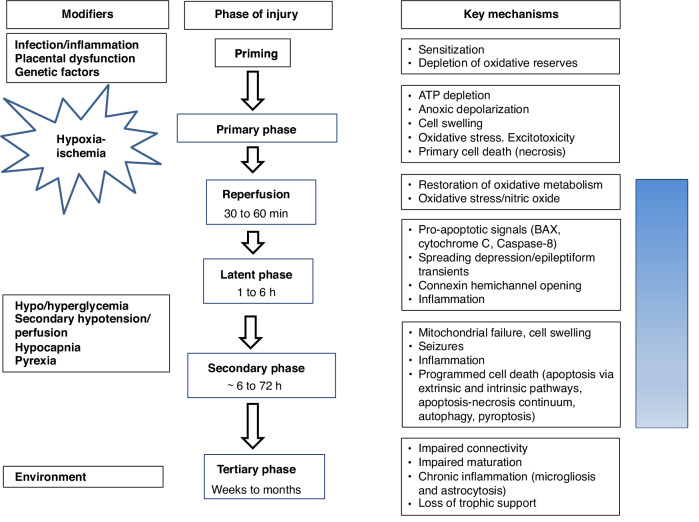
“44 Critically, translational studies then showed that by inducing mild hypothermia as soon as possible during the latent phase and continuing it for 72 h it was possible to dramatically improve histological and functional outcomes.”
Self-citationBasu, S. K., Kaiser, J. R., Guffey, D., Minard, C. G., Guillet, R., & Gunn, A. J. (2016) · Archives of Disease in Childhood - Fetal and Neonatal Edition · doi:10.1136/archdischild-2015-308733 · Cited by 125
Self-citationMir, I. N., Johnson-Welch, S. F., Nelson, D. B., Brown, L. S., Rosenfeld, C. R., & Chalak, L. F. (2015) · American Journal of Obstetrics and Gynecology · doi:10.1016/j.ajog.2015.09.072 · Cited by 122
Risk Factors for Neonatal Arterial Ischemic Stroke: The Importance of the Intrapartum Period
Martínez-Biarge, M., Cheong, J. L. Y., Díez‐Sebastián, J., Mercuri, E. M., Dubowitz, L. M. S., & Cowan, F. M. (2016) · The Journal of Pediatrics · doi:10.1016/j.jpeds.2016.02.064 · Cited by 117 · cited 1×
“111 Importantly, infants with PAIS develop seizures signi fi cantly later ( ≥ 12 h of age, OR 39.7.4; 95% CI 7.3, 217.0) and seizures are more likely to be unilateral clonic motor jerks (OR 13,4; 95% CI 2.1, 87.9) than in infants with HIE, 112 with corresponding asymmetry in background activity and…”
InfluentialGenotype–phenotype correlates in Joubert syndrome: A review
Gana, S., Serpieri, V., & Valente, E. M. (2022) · American Journal of Medical Genetics Part C: Seminars in Medical Genetics · doi:10.1002/ajmg.c.31963 · Cited by 117 · cited 1×
“118,119 Once abnormalities are recognized on fetal ultrasound, and preferably neurosonography (transvaginal rather than transab-dominal ultrasound), additional neuro-imaging with fetal MRI is recommended.”
Neuroprotective therapies in the NICU in term infants: present and future
Molloy, E. J., El‐Dib, M., Juul, S. E., Benders, M. J. N. L., Gonzalez, F. F., Bearer, C. F., Wu, Y. W., Robertson, N. J., Hurley, T., Branagan, A., et al. (2022) · Pediatric Research · doi:10.1038/s41390-022-02295-2 · Cited by 113
Self-citationLee‐Kelland, R., Jary, S., Tonks, J., Cowan, F. M., Thoresen, M., & Chakkarapani, E. (2019) · Archives of Disease in Childhood Fetal & Neonatal · doi:10.1136/archdischild-2018-316509 · Cited by 110 · cited 1×
“62 Compared to typically developing children, even children without CP had borderline to extremely low IQs, borderline motor impairment, poorer communication, attention, visuospatial skills and executive function, and behavioral problems 63,64 and were reported to be less ready for school.”
Self-citationNeonatal Encephalopathy: Beyond Hypoxic-Ischemic Encephalopathy
Russ, J. B., Simmons, R., & Glass, H. C. (2021) · NeoReviews · doi:10.1542/neo.22-3-e148 · Cited by 109 · cited 5×
“13 It will be challenging to further reduce the incidence of NE.”
InfluentialPredictors of Outcomes in Hypoxic-Ischemic Encephalopathy following Hypothermia: A Meta-Analysis
Ouwehand, S., Smidt, L. C. A., Dudink, J., Benders, M. J. N. L., de Vries, L. S., Groenendaal, F., & van der Aa, N. E. (2020) · Neonatology · doi:10.1159/000505519 · Cited by 107
Akısü, M., Hüseyinov, A., Yalaz, M., Çetin, H., & Kültürsay, N. (2003) · Prostaglandins Leukotrienes and Essential Fatty Acids · doi:10.1016/s0952-3278(03)00055-3 · Cited by 94
Mitra, S., Kendall, G. S., Bainbridge, A. P., Sokolska, M., Dinan, M., Uria-Avellanal, C., Price, D., Mckinnon, K., Gunny, R. S., Huertas‐Ceballos, A., et al. (2018) · Archives of Disease in Childhood Fetal & Neonatal · doi:10.1136/archdischild-2018-315478 · Cited by 89
Perinatal stroke: mapping and modulating developmental plasticity
Kirton, A., Metzler, M. J., Craig, B. T., Hilderley, A. J., Dunbar, M., Giuffre, A., Wrightson, J. G., Zewdie, E., & Carlson, H. L. (2021) · Nature Reviews Neurology · doi:10.1038/s41582-021-00503-x · Cited by 89 · cited 1×
“Perinatal arterial ischemic stroke (PAIS) occurs in 1 per 2000 – 3000 livebirths, 108 , and rarely may be confounded with HIE.”
Bjoraker, K., Swanson, M. A., Coughlin, C. R., Christodoulou, J., Tan, E. S., Fergeson, M., Dyack, S., Ahmad, A., Friederich, M. W., Spector, E., et al. (2015) · The Journal of Pediatrics · doi:10.1016/j.jpeds.2015.12.027 · Cited by 78
Perinatal risk factors for neonatal encephalopathy: an unmatched case-control study
Tann, C. J., Nakakeeto, M., Willey, B. A., Sewegaba, M., Webb, E. L., Oke, I., Mutuuza, E. D., Peebles, D., Musoke, M., Harris, K. A., et al. (2018) · Archives of Disease in Childhood - Fetal and Neonatal Edition · doi:10.1136/archdischild-2017-312744 · Cited by 78
Tann, C. J., Martinello, K. A., Sadoo, S., Lawn, J. E., Seale, A. C., Vega-Poblete, M., Russell, N., Baker, C. J., Bartlett, L., Cutland, C., et al. (2017) · Clinical Infectious Diseases · doi:10.1093/cid/cix662 · Cited by 77 · cited 1×
“…exposure to chorioamnionitis in infants with NE was associated with reduced risk of moderate-severe brain injury and adverse cognitive outcomes, 107 whereas exposure to chronic villitis was associated with impaired neurodevelopment, suggesting that the precise timing and nature of exposure…”
Self-citationHypothermia Is Correlated With Seizure Absence in Perinatal Stroke
Harbert, M. J., Tam, E., Glass, H. C., Bonifacio, S. L., Haeusslein, L. A., Barkovich, A. J., Jeremy, R. J., Rogers, E. E., Glidden, D. V., & Ferriero, D. M. (2011) · Journal of Child Neurology · doi:10.1177/0883073811408092 · Cited by 75 · cited 1×
“109 In the HEAL RCT ( n = 500), PAIS was seen in just 21/470 (4”
Self-citationJacobs, S. E., Morley, C. J., Inder, T. E., Stewart, M. J., Smith, K. R., McNamara, P. J., Wright, I. M. R., Kirpalani, H. M., Darlow, B. A., & Doyle, L. W. (2011) · Obstetrical & Gynecological Survey · doi:10.1097/ogx.0b013e31824022f4 · Cited by 75
Rafay, M. F., Cortez, M. A., deVeber, G., Tan-Dy, C., Al-Futaisi, A. M., Yoon, W., Fallah, S., & Moore, A. M. (2009) · Stroke · doi:10.1161/strokeaha.109.547281 · Cited by 72 · cited 9×
“Similarly, in the Long-Term Outcome of Neonatal Hypoxic Encephalopathy in the Era of Neuroprotective Treatment with Hypothermia (LyTO-NEPAL) cohort study of 545 patients with moderate-to-severe HIE, hyperglycemia was associated with greater risk of adverse outcomes compared to normoglycemia (aOR 1.81; 95% CI 1.06 – 3.…”
InfluentialNeonatal encephalopathy: Etiologies other than hypoxic-ischemic encephalopathy
Karamian, A. G. S., Mercimek‐Andrews, S., Mohammad, K., Molloy, E. J., Chang, T., Chau, V., Murray, D. M., & Wusthoff, C. J. (2021) · Seminars in Fetal and Neonatal Medicine · doi:10.1016/j.siny.2021.101272 · Cited by 69
Weeke, L. C., Groenendaal, F., Toet, M. C., Benders, M. J. N. L., Nievelstein, R. A. J., van Rooij, L. G. M., & de Vries, L. S. (2014) · Developmental Medicine & Child Neurology · doi:10.1111/dmcn.12629 · Cited by 68 · cited 2×
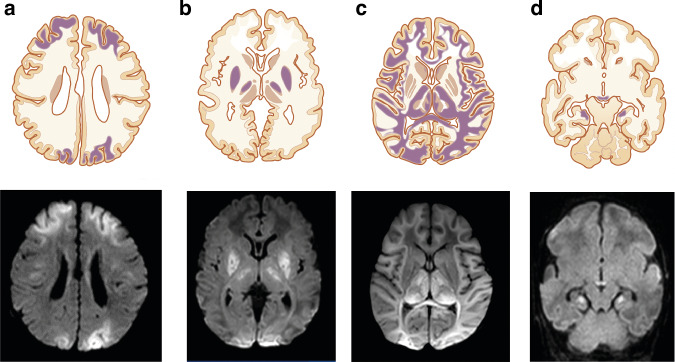
“17 For all infants presenting with NE the use of T1-and T2-weighted sequences, diffusion-weighted imaging (DWI), and susceptibility weighted imaging (SWI) is recommended.”
Kersbergen, K. J., de Vries, L. S., Straaten, H. L. M. V., Benders, M. J. N. L., Nievelstein, R. A. J., & Groenendaal, F. (2009) · Stroke · doi:10.1161/strokeaha.109.554790 · Cited by 68
Impey, L. W. M., Greenwood, C. E. L., Black, R., Yeh, P., Sheil, O., & Doyle, P. (2008) · Obstetric Anesthesia Digest · doi:10.1097/01.aoa.0000326410.20885.04 · Cited by 65
Falck, M., Osredkar, D., Maes, E., Flatebø, T., Wood, T. R., Sabir, H., & Thoresen, M. (2017) · Developmental Neuroscience · doi:10.1159/000455838 · Cited by 64 · cited 1×
“103,104 In contrast, in P7 rats, gram-positive bacterial mimetics given to induce in fl ammatory sensitization 8 h before HI, hypothermia was still neuroprotective, 105 suggesting that hypothermia may still be effective after exposure to gram-positive bacterial infections.”
Wang, Y., Xu, Y., Zhou, C., Cheng, Y., Qiao, N., Shang, Q., Xia, L., Song, J., Gao, C., Qiao, Y., et al. (2024) · Nature Medicine · doi:10.1038/s41591-024-02912-z · Cited by 64
Osredkar, D., Sabir, H., Falck, M., Wood, T. R., Maes, E., Flatebø, T., Puchades, M. A., & Thoresen, M. (2015) · Developmental Neuroscience · doi:10.1159/000430860 · Cited by 63 · cited 1×
“102 Similarly, in LPS-sensitized HI in newborn piglets (human term-equivalent) TH for 14 or 24 h did not improve acute EEG recovery, MRS parameters, or cell survival.”
Grossmann, K. R., Westblad, M. E., Blennow, M., & Lindström, K. (2022) · Archives of Disease in Childhood Fetal & Neonatal · doi:10.1136/archdischild-2022-324418 · Cited by 61
Kukka, A. J., Waheddoost, S., Brown, N., Litorp, H., Wrammert, J., & Ashish, K. C. (2022) · BMJ Global Health · doi:10.1136/bmjgh-2022-010294 · Cited by 58
Annink, K. V., de Vries, L. S., Groenendaal, F., Eijsermans, R. M. J. C., Mocking, M., van Schooneveld, M. M. J., Dudink, J., Straaten, H. L. M. V., Benders, M. J. N. L., Lequin, M. H., et al. (2021) · Scientific Reports · doi:10.1038/s41598-021-83982-8 · Cited by 56
Thoresen, M., Jary, S., Walløe, L., Karlsson, M., Martinez-Biarge, M., Chakkarapani, E., & Cowan, F. M. (2021) · EClinicalMedicine · doi:10.1016/j.eclinm.2021.100885 · Cited by 55
Self-citationKelly, S. B., Stojanovska, V., Zahra, V. A., Moxham, A. M., Miller, S., Moss, T. J. M., Hooper, S. B., Nold, M. F., Nold‐Petry, C. A., Dean, J. M., et al. (2021) · Journal of Neuroinflammation · doi:10.1186/s12974-021-02238-4 · Cited by 54
Self-citationPerinatal Hypoxic-Ischemic Encephalopathy: Incidence Over Time Within a Modern US Birth Cohort
Cornet, M.-C., Kuzniewicz, M., Scheffler, A., Forquer, H., Hamilton, E., Newman, T. B., & Wu, Y. W. (2023) · Pediatric Neurology · doi:10.1016/j.pediatrneurol.2023.08.037 · Cited by 53
Basu, S. K., Salemi, J. L., Gunn, A. J., & Kaiser, J. R. (2016) · Archives of Disease in Childhood Fetal & Neonatal · doi:10.1136/archdischild-2016-311385 · Cited by 51
Self-citationMontaldo, P., Caredda, E., Pugliese, U., Zanfardino, A., Delehaye, C., Inserra, E., Capozzi, L., Chello, G., Capristo, C., del Giudice, E. M., et al. (2020) · Pediatric Research · doi:10.1038/s41390-020-0827-4 · Cited by 51
Prenatal genetic considerations in congenital ventriculomegaly and hydrocephalus
Etchegaray, A., Peñalva, S. J., Petracchi, F., & Igarzábal, L. (2020) · Child s Nervous System · doi:10.1007/s00381-020-04526-5 · Cited by 50 · cited 1×
“122 NEUROMETABOLIC DISORDERS Some inborn errors of metabolism can present soon after birth with NE including seizures, such as urea cycle disorders (ammonia, plasma amino acids, and urine organic acids), non-ketotic hyperglycinemia (cerebrospinal fl uid (CSF): plasma glycine), Molybdenum co-factor…”
Melatonin and/or erythropoietin combined with hypothermia in a piglet model of perinatal asphyxia
Pang, R., Avdic-Belltheus, A., Meehan, C., Martinello, K. A., Mutshiya, T., Yang, Q., Sokolska, M., Torrealdea, F. J., Hristova, M., Bainbridge, A. P., et al. (2020) · Brain Communications · doi:10.1093/braincomms/fcaa211 · Cited by 50 · cited 1×
“54,55 However, there is con fl icting evidence for whether it can augment TH. 54,56 Meta-analysis of 3 small studies in LMICs suggested that erythropoietin monotherapy reduced death or disability from 49.7% to 27.6% in the erythropoietin group (risk ratio 0.56 (95% CI: 0.42 – 0.75)).”
InfluentialWassink, G., Davidson, J. O., Dhillon, S. K., Fraser, M., Galinsky, R., Bennet, L., & Gunn, A. J. (2016) · Journal of Cerebral Blood Flow & Metabolism · doi:10.1177/0271678x16650455 · Cited by 48 · cited 1×
“54,55 However, there is con fl icting evidence for whether it can augment TH. 54,56 Meta-analysis of 3 small studies in LMICs suggested that erythropoietin monotherapy reduced death or disability from 49.7% to 27.6% in the erythropoietin group (risk ratio 0.56 (95% CI: 0.42 – 0.75)).”
InfluentialSelf-citationCampanile, M., D’Alessandro, P., Corte, L. D., Saccone, G., Tagliaferri, S., Arduino, B., Esposito, G., Esposito, F. G., Raffone, A., Signorini, M. G., et al. (2018) · The Journal of Maternal-Fetal & Neonatal Medicine · doi:10.1080/14767058.2018.1542676 · Cited by 48 · cited 1×
“134 Nevertheless, there is evidence that arti fi cial intelligence may be able to better utilize the fetal heart rate pattern to identify fetuses who are at high risk of developing acidosis or encephalopathy.”
The ENSO Working Group (2021) · Ultrasound in Obstetrics and Gynecology · doi:10.1002/uog.23612 · Cited by 48
Krishnan, V., Kumar, V., Variane, G. F. T., Carlo, W. A., Bhutta, Z. A., Sizonenko, S. V., Hansen, A. R., Shankaran, S., & Thayyil, S. (2021) · Seminars in Fetal and Neonatal Medicine · doi:10.1016/j.siny.2021.101271 · Cited by 47
Seizure Burden and Neurologic Outcomes After Neonatal Encephalopathy
Alharbi, H. M., Pinchefsky, E. F., Tran, M.-A., Cerda, C. I. S., Varghese, J. P., Kamino, D., Widjaja, E., Mamak, E. G., Ly, L. G., Nevalainen, P., et al. (2023) · Neurology · doi:10.1212/wnl.0000000000207202 · Cited by 47 · cited 1×
“38,39 Seizures can be seen during and after rewarming, more often in infants with a worse EEG background and seizures during hypothermia. aEEG/cEEG monitoring should therefore be performed during hypothermia and continued during rewarming.”
Re-examining the arterial cord blood gas pH screening criteria in neonatal encephalopathy
Vesoulis, Z. A., Liao, S. M., Rao, R., Trivedi, S. B., Cahill, A. G., & Mathur, A. (2017) · Archives of Disease in Childhood Fetal & Neonatal · doi:10.1136/archdischild-2017-313078 · Cited by 46 · cited 1×
“…study of the whole blood transcriptome of term and near-term infants with HIE from Italy and in the HELIX trial, 75 found that infants with adverse outcomes despite TH for HIE in high-income settings showed downregulation of eukaryotic translation initiation factor 2, consistent with acute hypoxia.”
MRI Score Ability to Detect Abnormalities in Mild Hypoxic-Ischemic Encephalopathy
Machie, M., Weeke, L., de Vries, L. S., Rollins, N., Brown, L., & Chalak, L. (2021) · Pediatric Neurology · doi:10.1016/j.pediatrneurol.2020.11.015 · Cited by 46 · cited 1×
“The Weeke score also includes intraventricular, extra-axial hemorrhages, sinovenous thrombosis, and score may be especially useful for infants with mild HIE 27 ; further studies are needed to validate this suggestion.”
Challenges of Developing Robust AI for Intrapartum Fetal Heart Rate Monitoring
O’Sullivan, M., Considine, E. C., O’Riordan, M., Marnane, W. P., Rennie, J. M., & Boylan, G. B. (2021) · Frontiers in Artificial Intelligence · doi:10.3389/frai.2021.765210 · Cited by 46 · cited 1×
“135”
Impact of neonatal sepsis on neurocognitive outcomes: a systematic review and meta-analysis
Ong, W. J., Seng, J. J. B., Yap, B., He, G., Moochhala, N. A., Ng, C. L., Ganguly, R., Lee, J. H., & Chong, S. (2024) · BMC Pediatrics · doi:10.1186/s12887-024-04977-8 · Cited by 45 · cited 1×
“93 Interestingly, exposure to chorioamnionitis in infants with NE was associated with reduced risk of moderate-severe brain injury and adverse cognitive outcomes, 107 whereas exposure to chronic villitis was associated with impaired neurodevelopment, suggesting that the precise timing and nature of…”
Robertson, N. J., Hagmann, C. F., Acolet, D., Allen, E., Nyombi, N., Elbourne, D. R., Costello, A. M. D. L., Jacobs, I. J., Nakakeeto, M., & Cowan, F. M. (2011) · Trials · doi:10.1186/1745-6215-12-138 · Cited by 44
Chalak, L. F., Pappas, A., Tan, S., Das, A., Sánchez, P. J., Laptook, A. R., Meurs, K. P. V., Shankaran, S., Bell, E. F., Davis, A. S., et al. (2021) · JAMA Neurology · doi:10.1001/jamaneurol.2021.3723 · Cited by 44
Azzopardi, D., Chew, A. T. M., Deierl, A., Huertas‐Ceballos, A., Robertson, N. J., Tusor, N., & Edwards, A. D. (2019) · EBioMedicine · doi:10.1016/j.ebiom.2019.08.034 · Cited by 42
Chalak, L. F., Redline, R. W., Goodman, A. M., Juul, S. E., Chang, T., Yanowitz, T. D., Maitre, N. L., Mayock, D. E., Lampland, A. L., Bendel‐Stenzel, E., et al. (2021) · The Journal of Pediatrics · doi:10.1016/j.jpeds.2021.06.023 · Cited by 42 · cited 1×
“100 This is consistent with a previous cohort study in term infants with HIE that found that diffuse chronic villitis was associated with abnormal neurodevelopmental outcomes after TH (OR, 9.29; 95% con fi dence interval, 1.11 – 77.73).”
InfluentialNí Bhroin, M., Kelly, L., Sweetman, D., Aslam, S., O'Dea, M. I., Hurley, T., Slevin, M., Murphy, J., Byrne, A. T., Colleran, G., et al. (2022) · Pediatric Neurology · doi:10.1016/j.pediatrneurol.2021.10.005 · Cited by 40
Schwahn, B., van Spronsen, F. J., Misko, A. L., Pavaine, J., Holmes, V., Spiegel, R., Schwarz, G., Wong, F. Y., Horman, A., Pitt, J. J., et al. (2024) · Journal of Inherited Metabolic Disease · doi:10.1002/jimd.12730 · Cited by 40
Chakkarapani, E., Poskitt, K. J., Miller, S. P., Zwicker, J. G., Xu, Q., Wong, D. S. T., Roland, E. H., Hill, A., & Chau, V. (2015) · Journal of Child Neurology · doi:10.1177/0883073815600865 · Cited by 38 · cited 1×
“19 Performing the MRI during TH will interrupt cooling and may not show the full extent of the injury but may be helpful when redirection of care is considered.”
Self-citationProisy, M., Corouge, I., Legouhy, A., Nicolas, A., Charon, V., Mazille, N., Leroux, S., Bruneau, B., Barillot, C., & Ferré, J. (2019) · NeuroImage Clinical · doi:10.1016/j.nicl.2019.101939 · Cited by 38 · cited 1×
“31,32 When available, proton magnetic resonance spectroscopy ( 1 H-MRS) can provide additional prognostic insight.”
Galinsky, R., Dhillon, S. K., Dean, J. M., Davidson, J. O., Lear, C. A., Wassink, G., Nott, F., Kelly, S. B., Fraser, M., Yuill, C. A., et al. (2020) · Journal of Neuroinflammation · doi:10.1186/s12974-020-01769-6 · Cited by 38
Self-citationEdmonds, C. J., Cianfaglione, R., Cornforth, C., & Vollmer, B. (2021) · Acta Paediatrica · doi:10.1111/apa.16002 · Cited by 38
Placental pathology and neonatal encephalopathy
Fox, Á., Doyle, E., Geary, M. P., & Hayes, B. C. (2022) · International Journal of Gynecology & Obstetrics · doi:10.1002/ijgo.14301 · Cited by 38 · cited 1×
“98 For example, in the Children ’ s Hospital Neonatal Database, of 1534 infants with HIE treated with TH, 2.3% had con fi rmed and 16.6% had suspected infection, far more than the population estimate of 0.5 – 1.0/1000 term or near-term live births.”
InfluentialNeonatal Infection in Children With Cerebral Palsy: A Registry-Based Cohort Study
Smilga, A.-S., Garfinkle, J., Ng, P., Andersen, J. C., Buckley, D. J., Fehlings, D. L., Kirton, A., Wood, E. P., Rensburg, E. V., Shevell, M. I., et al. (2017) · Pediatric Neurology · doi:10.1016/j.pediatrneurol.2017.11.006 · Cited by 37 · cited 2×
“Interestingly, a registry-based study of children with cerebral palsy found that 192 full-term infants with neonatal infection were more likely to have spastic triplegia or quadriplegia (OR 2.4), 90 whereas infection in preterm infants was not associated with a speci fi c phenotype.”
InfluentialPlacental contribution to neonatal encephalopathy
Penn, A. A., Wintermark, P., Chalak, L. F., Armstrong, J., Redline, R. W., Scher, M. S., & Nelson, K. B. (2021) · Seminars in Fetal and Neonatal Medicine · doi:10.1016/j.siny.2021.101276 · Cited by 37
Umbilical Cord pH Levels and Neonatal Morbidity and Mortality
Andersson, C. B., Klingenberg, C., Thellesen, L., Johnsen, S. P., Kesmodel, U. S., & Petersen, J. P. (2024) · JAMA Network Open · doi:10.1001/jamanetworkopen.2024.27604 · Cited by 36
Rossor, T. E., Arichi, T., Bhate, S., Hart, A. R., & Singh, R. R. (2018) · Developmental Medicine & Child Neurology · doi:10.1111/dmcn.13760 · Cited by 35
Méder, Ü., Csekő, A., Szakács, L., Balogh, C. D., Szakmár, E., Andorka, C., Kovács, K. D., Dobi, M., Brandt, F. A., Szabó, M., et al. (2022) · The Journal of Pediatrics · doi:10.1016/j.jpeds.2022.04.013 · Cited by 35
Whole-Body Hypothermia vs Targeted Normothermia for Neonates With Mild Encephalopathy
Montaldo, P., Cirillo, M., Burgod, C., Caredda, E., Ascione, S., Carpentieri, M., Puzone, S., D’Amico, A., Garegrat, R., Lanza, M., et al. (2024) · JAMA Network Open · doi:10.1001/jamanetworkopen.2024.9119 · Cited by 34
Spencer, A. P. C., Brooks, J. C. W., Masuda, N., Byrne, H. R., Lee‐Kelland, R., Jary, S., Thoresen, M., Tonks, J., Goodfellow, M., Cowan, F. M., et al. (2021) · NeuroImage Clinical · doi:10.1016/j.nicl.2021.102582 · Cited by 33 · cited 2×
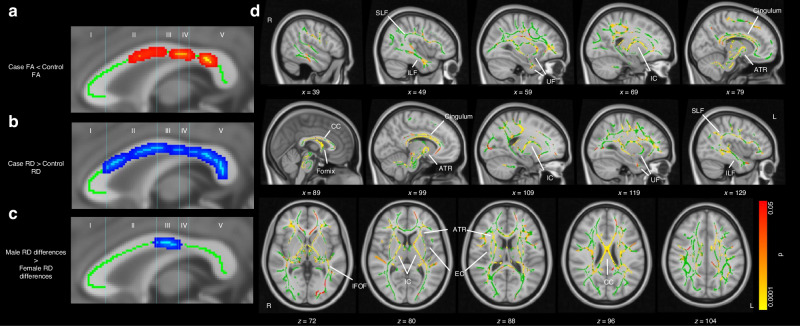
“5), 70 and reduced cognitive scores compared with healthy controls, with signi fi cant correlation between the magnitude of changes and IQ.”
Self-citationClinical features and underlying genetic causes in neonatal encephalopathy: A large cohort study
Yang, L., Chen, X. '., Liu, X., Dong, X., Ye, C., Dongli, D., Lu, Y., Lin, Y., & Zhou, W. (2020) · Clinical Genetics · doi:10.1111/cge.13818 · Cited by 32
Martinello, K. A., Meehan, C., Avdic-Belltheus, A., Lingam, I., Mutshiya, T., Yang, Q., Akın, M. A., Price, D., Sokolska, M., Bainbridge, A. P., et al. (2021) · Pediatric Research · doi:10.1038/s41390-021-01584-6 · Cited by 32
Lakatos, A., Kolossváry, M., Szabó, M., Jermendy, Á., Barta, H., Gyebnár, G., Rudas, G., & Kozák, L. R. (2019) · BMC Pediatrics · doi:10.1186/s12887-019-1777-z · Cited by 31
Wassink, G., Davidson, J. O., Fraser, M., Yuill, C. A., Bennet, L., & Gunn, A. J. (2020) · The Journal of Physiology · doi:10.1113/jp279131 · Cited by 31 · cited 1×
“54,55 However, there is con fl icting evidence for whether it can augment TH. 54,56 Meta-analysis of 3 small studies in LMICs suggested that erythropoietin monotherapy reduced death or disability from 49.7% to 27.6% in the erythropoietin group (risk ratio 0.56 (95% CI: 0.42 – 0.75)).”
InfluentialSelf-citationMammillary body injury in neonatal encephalopathy: a multicentre, retrospective study
Lequin, M. H., Steggerda, S. J., Severino, M., Tortora, D., Parodi, A., Ramenghi, L. A., Groenendaal, F., Meys, K. M. E., Benders, M. J. N. L., de Vries, L. S., et al. (2021) · Pediatric Research · doi:10.1038/s41390-021-01436-3 · Cited by 31 · cited 1×
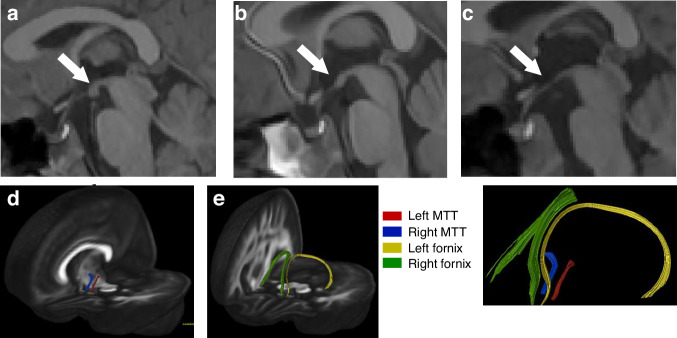
“29 Quantitative MRI-based apparent diffusion coef fi cient (ADC) metrics for the whole brain and within the thalami and white matter, were recently reported in a secondary analysis of 416 of 500 infants recruited to the HEAL trial, based on automatically measuring areas with ADC values less than 800…”
Spencer, A. P. C., Lee‐Kelland, R., Brooks, J. C. W., Jary, S., Tonks, J., Cowan, F. M., Thoresen, M., & Chakkarapani, E. (2022) · Developmental Medicine & Child Neurology · doi:10.1111/dmcn.15369 · Cited by 31 · cited 2×
“66 Changes in the white matter subnet-work connecting parietal, limbic, temporal and occipital areas were signi fi cantly associated with IQ, and the white matter subnetwork connecting the nodes, right lingual gyrus left superior parietal gyrus and right cuneus cortex, were associated with…”
Self-citationAutomated Neuroprognostication Via Machine Learning in Neonates with Hypoxic‐Ischemic Encephalopathy
Lewis, J. D., Miran, A. A., Stoopler, M. L., Branson, H. M., Danguecan, A. N., Raghu, K., Ly, L. G., Çizmeci, M. N., & Kalish, B. T. (2024) · Annals of Neurology · doi:10.1002/ana.27154 · Cited by 31 · cited 1×
“18 The best time to perform the MRI in an infant treated with TH using diffusion weighted imaging (DWI) is shortly after rewarming (day 4 – 6).”
Rao, R., Lee, K.-S., Zaniletti, I., Yanowitz, T. D., DiGeronimo, R., Dizon, M. L. V., Hamrick, S. E. G., Natarajan, G., Peeples, E. S., Murthy, K., et al. (2019) · Journal of Perinatology · doi:10.1038/s41372-019-0527-2 · Cited by 29 · cited 1×
“99 Further, in a subset of the HEAL trial, nearly 40% (124/321) had evidence of histological chorioamnionitis.”
Woodward, K., Murthy, P., Mineyko, A., Mohammad, K., & Esser, M. J. (2023) · Journal of Child Neurology · doi:10.1177/08830738221147805 · Cited by 29
Guellec, I., Ancel, P., Beck, J., Loron, G., Chevallier, M., Pierrat, V., Kayem, G., Vilotitch, A., Baud, O., Ego, A., et al. (2023) · The Journal of Pediatrics · doi:10.1016/j.jpeds.2023.02.003 · Cited by 29
Early Glycemic State and Outcomes of Neonates With Hypoxic-Ischemic Encephalopathy
Mietzsch, U., Wood, T. R., Wu, T.-W., Natarajan, N., Glass, H. C., Gonzalez, F. F., Mayock, D. E., Comstock, B. A., Heagerty, P. J., Juul, S. E., et al. (2023) · PEDIATRICS · doi:10.1542/peds.2022-060965 · Cited by 29
Pavel, A. M., Rennie, J. M., de Vries, L. S., Mathieson, S., Livingstone, V., Finder, M., Foran, A. M., Shah, D. K., Pressler, R., Weeke, L. C., et al. (2024) · The Lancet Child & Adolescent Health · doi:10.1016/s2352-4642(23)00296-1 · Cited by 28 · cited 1×
“40,41 Interestingly, a small trial of continuous EEG monitoring in 35 infants randomized to treatment of electrographic seizures or clinical seizures only, showed that treatment of electrographic seizures reduced seizure burden, 42 and although the treatment groups did not appear to have different…”
The role of early-onset-sepsis in the neurodevelopment of very low birth weight infants
Ortgies, T., Rullmann, M., Ziegelhöfer, D., Bläser, A., & Thome, U. H. (2021) · BMC Pediatrics · doi:10.1186/s12887-021-02738-5 · Cited by 27 · cited 1×
“89 INFECTION AND NEONATAL ENCEPHALOPATHY Acute perinatal and postnatal infection can lead to NE with abnormal tone, apnea, and risk of death or neurodevelopmental problems, 90,91 and acute severe infection can present very similarly to HIE, with hypotonia, acidosis, and seizures.”
Shibasaki, J., Niwa, T., Piedvache, A., Tomiyasu, M., Morisaki, N., Fujii, Y., Toyoshima, K., & Aida, N. (2021) · The Journal of Pediatrics · doi:10.1016/j.jpeds.2021.08.011 · Cited by 27
Sorg, A., von Kries, R., Klemme, M., Gerstl, L., Felderhoff‐Müser, U., & Dzietko, M. (2021) · Neonatology · doi:10.1159/000514922 · Cited by 26
Ivain, P., Montaldo, P., Khan, A. J., Elagovan, R., Burgod, C., Morales, M. M., Pant, S., & Thayyil, S. (2021) · Journal of Perinatology · doi:10.1038/s41372-021-01132-4 · Cited by 26 · cited 1×
“57 This encouraging fi nding supports large, well-designed studies to evaluate this approach for infants in whom TH is not appropriate.”
Mascio, D. D., Khalil, A. A., Pilu, G., Rizzo, G., Caulo, M., Liberati, M., Giancotti, A., Lees, C., Volpe, P., Buca, D. I. P., et al. (2021) · European Journal of Obstetrics & Gynecology and Reproductive Biology · doi:10.1016/j.ejogrb.2021.10.014 · Cited by 25
Whole-Blood Gene Expression Profile After Hypoxic-Ischemic Encephalopathy
Montaldo, P., Burgod, C., Herberg, J. A., Kaforou, M., Cunnington, A. J., Mejías, A., Cirillo, G., del Giudice, E. M., Capristo, C., Bandiya, P., et al. (2024) · JAMA Network Open · doi:10.1001/jamanetworkopen.2023.54433 · Cited by 25
Langeslag, J. F., Groenendaal, F., Roosendaal, S. D., de Vries, L. S., Onland, W., Leeflang, M., Groot, P. F. C., van Kaam, A. H., de Haan, T. R., & on behalf of the PharmaCool Study Group (2022) · Neonatology · doi:10.1159/000522629 · Cited by 24 · cited 1×
“23 The Rutherford score, Trivedi score, Weeke score, and NICHD NRN score are reported to have similar area under the curve (AUC > 0.66) for adverse outcome 24 ; of these the Weeke and Trivedi scores had the highest inter-rater reliability.”
InfluentialGrass, B., Scheidegger, S., Latal, B., Hagmann, C. F., Held, U., Brotschi, B., & _, _. (2020) · Journal of Perinatal Medicine · doi:10.1515/jpm-2019-0391 · Cited by 23 · cited 1×
“72,73 The presence of clinical seizures before initiation of hypothermia and the predominance of white matter injury compared to basal ganglia and thalamic injury on MRI suggested that these infants were likely exposed to subacute HI starting well before birth.”
Wisnowski, J. L., Blüml, S., Panigrahy, A., Mathur, A., Berman, J., Chen, P.-S. K., Dix, J., Flynn, T., Fricke, S. T., Friedman, S. D., et al. (2021) · BMJ Open · doi:10.1136/bmjopen-2020-043852 · Cited by 23 · cited 1×
“16 MRI is recommended for infants with probable HIE, particularly in the presence of seizures.”
Branagan, A., Hurley, T., Quirke, F. A., Devane, D., Taneri, P. E., Badawi, N. A., Sinha, B., Bearer, C. F., Bloomfield, F. H., Bonifacio, S. L., et al. (2024) · Pediatric Research · doi:10.1038/s41390-024-03303-3 · Cited by 22
Self-citationKelly, S. B., Dean, J. M., Zahra, V. A., Dudink, I., Thiel, A. M., Polglase, G. R., Miller, S., Hooper, S. B., Bennet, L., Gunn, A. J., et al. (2023) · Journal of Neuroinflammation · doi:10.1186/s12974-023-02805-x · Cited by 21 · cited 1×
“94,95 In turn, early initiation of anti-in fl ammatory therapies such as Interleukin-1 blockade improves EEG activity and markedly reduces microgliosis and oligodendrocyte loss.”
Self-citationAndorka, C., Barta, H., Seszták, T., Nyilas, N., Kovács, K. D., Dunai, L., Rudas, G., Jermendy, Á., Szabó, M., & Szakmár, E. (2024) · Pediatric Research · doi:10.1038/s41390-024-03189-1 · Cited by 21
Robb, T., Tonks, J., Spencer, A. P. C., Jary, S., Whitfield, C. K., Thoresen, M., Cowan, F. M., & Chakkarapani, E. (2022) · Scientific Reports · doi:10.1038/s41598-022-21723-1 · Cited by 19 · cited 2×
“62 Compared to typically developing children, even children without CP had borderline to extremely low IQs, borderline motor impairment, poorer communication, attention, visuospatial skills and executive function, and behavioral problems 63,64 and were reported to be less ready for school.”
Self-citationMammillary body abnormalities and cognitive outcomes in children cooled for neonatal encephalopathy
Spencer, A. P. C., Lequin, M. H., de Vries, L. S., Brooks, J. C. W., Jary, S., Tonks, J., Cowan, F. M., Thoresen, M., & Chakkarapani, E. (2022) · Developmental Medicine & Child Neurology · doi:10.1111/dmcn.15453 · Cited by 19 · cited 1×
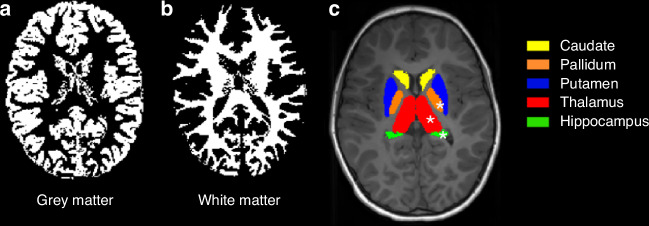
“68 Both thalamic and hippocampi volumes were associated with full scale IQ and total motor scores after adjusting for sex, age, and total brain volume in children cooled for HIE but not in controls.”
Self-citationÇizmeci, M. N., Wilson, D., Singhal, M., Shahed, A. I. E., Kalish, B. T., Tam, E., Chau, V., Ly, L. G., Kazazian, V., Hahn, C. D., et al. (2023) · The Journal of Pediatrics · doi:10.1016/j.jpeds.2023.113866 · Cited by 19
Development of the corpus callosum and cognition after neonatal encephalopathy
Byrne, H. R., Spencer, A. P. C., Geary, G., Jary, S., Thoresen, M., Cowan, F. M., Brooks, J. C. W., & Chakkarapani, E. (2022) · Annals of Clinical and Translational Neurology · doi:10.1002/acn3.51696 · Cited by 18
Self-citationKelly, S. B., Tran, N. T., Polglase, G. R., Hunt, R. W., Nold, M. F., Nold‐Petry, C. A., Olson, D. M., Chemtob, S., Lodygensky, G. A., Robertson, S. A., et al. (2023) · Journal of Neuroinflammation · doi:10.1186/s12974-023-02911-w · Cited by 18 · cited 1×
“97”
Self-citationFortin, O., Husein, N., Oskoui, M., Shevell, M. I., Kirton, A., Dunbar, M., & for the Canadian Cerebral Palsy Registry (2024) · Neurology · doi:10.1212/wnl.0000000000208111 · Cited by 18 · cited 1×
“18 The best time to perform the MRI in an infant treated with TH using diffusion weighted imaging (DWI) is shortly after rewarming (day 4 – 6).”
Yan, E. S., Chock, V. Y., Bonifacio, S. L., Dahlen, A., Guimaraes, C. V. A., Altit, G., Bhombal, S., & Meurs, K. P. V. (2022) · Journal of Perinatology · doi:10.1038/s41372-022-01413-6 · Cited by 16
Hypoglycaemia and hyperglycaemia in neonatal encephalopathy: a systematic review and meta-analysis
Puzone, S., Diplomatico, M., Caredda, E., Maietta, A., del Giudice, E. M., & Montaldo, P. (2023) · Archives of Disease in Childhood Fetal & Neonatal · doi:10.1136/archdischild-2023-325592 · Cited by 16
Calabrese, E., Wu, Y. W., Scheffler, A. W., Wisnowski, J. L., McKinstry, R. C., Mathur, A., Glass, H. C., Comstock, B. A., Heagerty, P. J., Gillon, S., et al. (2023) · Radiology · doi:10.1148/radiol.223262 · Cited by 15
Genetic and Congenital Anomalies in Infants With Hypoxic-Ischemic Encephalopathy
Morell, A., Monsell, S. E., Cornet, M., Wisnowski, J. L., McKinstry, R. C., Mathur, A., Li, Y., Glass, H. C., Gonzalez, F. F., Mayock, D. E., et al. (2024) · Pediatric Neurology · doi:10.1016/j.pediatrneurol.2024.02.007 · Cited by 14 · cited 1×
“87 The mechanism of this association is unknown but could re fl ect either greater risk of HI or vulnerability to HI injury.”
Grass, B., Shahed, A. I. E., Ly, L. G., Chau, V., Branson, H. M., Blasér, S., Runeckles, K., Wilson, D., & Whyte, H. E. A. (2020) · Journal of Perinatology · doi:10.1038/s41372-020-0602-8 · Cited by 13
Esih, K., Goričar, K., Šalamon, A. S., Dolžan, V., & Rener‐Primec, Z. (2021) · Antioxidants · doi:10.3390/antiox10091495 · Cited by 13 · cited 1×
“89 INFECTION AND NEONATAL ENCEPHALOPATHY Acute perinatal and postnatal infection can lead to NE with abnormal tone, apnea, and risk of death or neurodevelopmental problems, 90,91 and acute severe infection can present very similarly to HIE, with hypotonia, acidosis, and seizures.”
Recovery of enzyme activity in biotinidase deficient individuals during early childhood
Forny, P., Wicht, A., Rüfenacht, V., Cremonesi, A., & Häberle, J. (2022) · Journal of Inherited Metabolic Disease · doi:10.1002/jimd.12490 · Cited by 12
Agudelo‐Pérez, S., Troncoso, G., Roa-Guerra, A., Ariza Salinas, A. G., Doumat, G., Reinoso, N. M., & Botero‐Rosas, D. A. (2024) · PubMed Central · doi:10.34763/jmotherandchild.20242801.d-24-00010 · Cited by 11 · cited 1×
“43 This association of increased rScO2 with brain injury/poor outcome likely re fl ects impaired mitochondrial oxidative metabolism and luxury perfusion.”
Gonzalez, F. F., Monsell, S. E., Cornet, M., Glass, H. C., Wisnowski, J. L., Mathur, A., McKinstry, R. C., Li, Y., Wu, T.-W., Mayock, D. E., et al. (2024) · Pediatric Research · doi:10.1038/s41390-024-03531-7 · Cited by 11
Tuura, R., Kottke, R., Brotschi, B., Sabandal, C., Hagmann, C. F., & Latal, B. (2024) · Pediatric Research · doi:10.1038/s41390-024-03553-1 · Cited by 11 · cited 1×
“31,32 When available, proton magnetic resonance spectroscopy ( 1 H-MRS) can provide additional prognostic insight.”
Lenahan, A., Mietzsch, U., Wood, T. R., Callahan, K. P., Weiss, E. M., Miller, D. E., German, K. R., Natarajan, N., Puia‐Dumitrescu, M., Esposito, V. R., et al. (2023) · The Journal of Pediatrics · doi:10.1016/j.jpeds.2023.113533 · Cited by 10
Andersen, M. H., Andersen, H. B., Andelius, T. C. K., Hansen, L. H., Pinnerup, R., Bjerre, M., Ringgaard, S., Schwendimann, L., Gressèns, P., Kyng, K. J., et al. (2023) · Frontiers in Pediatrics · doi:10.3389/fped.2023.1268237 · Cited by 10 · cited 1×
“103,104 In contrast, in P7 rats, gram-positive bacterial mimetics given to induce in fl ammatory sensitization 8 h before HI, hypothermia was still neuroprotective, 105 suggesting that hypothermia may still be effective after exposure to gram-positive bacterial infections.”
Chalak, L. F., Slaughter, J. L., King, W. C., Sepulveda, P., & Wisniewski, S. R. (2024) · Clinics in Perinatology · doi:10.1016/j.clp.2024.04.003 · Cited by 10 · cited 1×
“52,53 LACK OF BENEFIT WITH ADJUNCT THERAPIES DURING THERAPEUTIC HYPOTHERMIA The endogenous growth factor erythropoietin is neuroprotective as monotherapy after HI in multiple species and paradigms, provided that it is started within the fi rst few hours of the latent phase.”
Neonatal Epileptic Encephalopathies
Ahmad, S. F., Ahmad, K. A., & Ng, Y. (2021) · Seminars in Pediatric Neurology · doi:10.1016/j.spen.2021.100880 · Cited by 9
Wang, J., Liu, N., Zheng, S., Wang, X., Zhang, P., Lu, C., Wang, L., Zhou, W., Cheng, G., & Hu, L. (2023) · Early Human Development · doi:10.1016/j.earlhumdev.2023.105878 · Cited by 9
Garegrat, R., Montaldo, P., Burgod, C., Pant, S., Mazlan, M., Palanisami, B., Chakkarapani, E., Woolfall, K., Johnson, S. J., Grant, P. E., et al. (2024) · BMC Pediatrics · doi:10.1186/s12887-024-04935-4 · Cited by 8 · cited 1×
“52,53 LACK OF BENEFIT WITH ADJUNCT THERAPIES DURING THERAPEUTIC HYPOTHERMIA The endogenous growth factor erythropoietin is neuroprotective as monotherapy after HI in multiple species and paradigms, provided that it is started within the fi rst few hours of the latent phase.”
Self-citationWalløe, L., Hjort, N. L., & Thoresen, M. (2019) · Acta Paediatrica · doi:10.1111/apa.14800 · Cited by 6
Automated Neuroprognostication via Machine Learning in Neonates with Hypoxic-Ischemic EncephalopathyPreprint
Lewis, J. D., Miran, A. A., Stoopler, M., et al. (2024) · medRxiv · doi:10.1101/2024.05.07.24306996 · Cited by 5
Risk factors for infection and outcomes in infants with neonatal encephalopathy: a cohort study
Odd, D., Sabir, H., Jones, S. A., Gale, C., & Chakkarapani, E. (2024) · Pediatric Research · doi:10.1038/s41390-024-03157-9 · Cited by 4
Self-citationIdentifying Metabolic Diseases That Precipitate Neonatal Seizures
Judy, R. L., Reynolds, J. L., & Jnah, A. J. (2024) · Neonatal Network The Journal of Neonatal Nursing · doi:10.1891/nn-2023-0048 · Cited by 3
Teaching NeuroImages: The curious case of the brainstem kink
Srivastava, R., & Morneau-Jacob, F.-D. (2019) · Neurology · doi:10.1212/wnl.0000000000007320 · Cited by 1 · cited 1×
“118,119 Once abnormalities are recognized on fetal ultrasound, and preferably neurosonography (transvaginal rather than transab-dominal ultrasound), additional neuro-imaging with fetal MRI is recommended.”
Kelly, S. B., Dean, J. M., Zahra, V. A., et al. (2023) · Research Square · doi:10.21203/rs.3.rs-2570737/v1 · Cited by 1
Cited by
Hypoxic-ischemic encephalopathy following intrapartum asphyxia: is it avoidable?
Tarvonen, M. J., Jernman, R. M., Stefanović, V., Tuppurainen, V., Karikoski, R., Haataja, L., & Andersson, S. (2025) · American Journal of Obstetrics and Gynecology · doi:10.1016/j.ajog.2025.04.073 · Cited by 18
Pang, R., MacNeil, A., Wadke, A., Jaami, Y., Marlow, N., Standing, J. F., Dehbi, H., TRANTER, P. R., & Robertson, N. J. (2025) · BMJ Open · doi:10.1136/bmjopen-2025-107083 · Cited by 13
The advantages and limitations of animal models for understanding acute neonatal brain injury
Zhou, K. Q., Pang, R., Robertson, N. J., Dean, J. M., Bennet, L., Davidson, J. O., & Gunn, A. J. (2025) · Seminars in Perinatology · doi:10.1016/j.semperi.2025.152129 · Cited by 9
Self-citationMondal, V., Ross-Munro, E., Balasuriya, G. K., Kumari, R., Hossen, M. M., Ageeli, M., Firipis, K., Nisbet, D. R., King, G. F., Williams, R. J., et al. (2025) · Cells · doi:10.3390/cells14120910 · Cited by 11
“The safety of hypothermia in stroke patients has been determined ‘by accident’ as part of studies of HIE, as distinguishing between infants with HIE and stroke is difficult without imaging [311].”
Neuroprotective therapies for neonatal hypoxic-ischemic brain injury – a contemporary update
Sabir, H. (2025) · Seminars in Perinatology · doi:10.1016/j.semperi.2025.152128 · Cited by 12
Metadata
- Authors
- Chakkarapani, E., de Vries, L. S., Ferriero, D. M., & Gunn, A. J.
- Affiliations
- University of Bristol (GB)
- University of California, San Francisco (US)
- University of Auckland (NZ)
- Corresponding author
- Gunn, Alistair J.
- Venue
- Pediatric Research
- Published
- 2025-03-24
- Volume
- 98
- Issue
- 7
- Pages
- 2444-2458
- ISSN
- 0031-3998 (ISSN-L)
- 1530-0447
- PMC
- PMC12875882
- OpenAlex
- W4408797283
- Cited by
- 90
- References
- 152
- Citations by year
- 2026: 63 · 2025: 27
- FWCI
- 22.56
- Type
- journal article
- Language
- en
- Open access
- hybrid
- doi.org
- Licence
- cc-by
- creativecommons.org/licenses/by/4.0 (tdm)
- creativecommons.org/licenses/by/4.0 (vor)
- Locations
- Pediatric Research (publishedVersion, cc-by)
- Europe PMC (PubMed Central) (publishedVersion, cc-by)
- PubMed (publishedVersion)
- PubMed Central (publishedVersion, cc-by)
- Utrecht University Repository (Utrecht University) (submittedVersion, other-oa)
- eScholarship (California Digital Library) (submittedVersion)
- Bristol Research (University of Bristol) (submittedVersion, cc-by)
- Topics
- Health Sciences › Medicine › Pediatrics, Perinatology and Child Health › Neonatal and fetal brain pathology
- Health Sciences › Medicine › Pediatrics, Perinatology and Child Health › Neonatal Health and Biochemistry
- Health Sciences › Medicine › Pediatrics, Perinatology and Child Health › Fetal and Pediatric Neurological Disorders
- Keywords
- neonatal encephalopathy, hypoxic-ischemic encephalopathy, therapeutic hypothermia, epilepsy, cerebral palsy, neonatal brain injury, amplitude-integrated electroencephalography, video-EEG monitoring, cranial ultrasound, neonatal MRI, biomarkers, genetic factors, intracranial hemorrhage, neonatal stroke, neonatal infection, metabolic disorders, brain malformations, neonatal neuroprotection
- MeSH terms
- Brain, Brain Diseases, Electroencephalography, Humans, Hypothermia, Induced, Infant, Newborn, Infant, Newborn, Diseases, Magnetic Resonance Imaging, Hypoxia-Ischemia, Brain
About these checks
Registry, retraction, Cites and statistics results are computed, not judged, with one exception: a printed reference that no index lists is read once by a model before it counts as a citation error. Claims are extracted by a model and kept only when their quote appears verbatim in the text; each cited source is then checked, with a model’s help, for whether it says what the claim relies on. Those verdicts can be wrong — read the claim’s quote and the cited source before relying on one.
Statistics and arithmetic are recomputed, not judged.
Confidence bands are shown only for fields calibrated on our annotated test set. None is calibrated yet, so no band is shown.
What counts as a claim ›How we measure confidence ›How we check this ›
Are you an author, or do you see a problem with this page? Request a review
Data sources
Bibliographic data: Semantic Scholar, OpenAlex, Crossref.
Contains information from the Semantic Scholar Academic Graph Datasets, made available under the ODC Attribution License (ODC-BY 1.0).
Semantic Scholar’s data is described in: Kinney, R., et al. (2023). The Semantic Scholar Open Data Platform. arXiv:2301.10140.
