

The DOI matches its Crossref record; 560 of the 561 references it cites were found in a registry or an index.
PROTACs: great opportunities for academia and industry (an update from 2020 to 2021)
Open accessAbstract
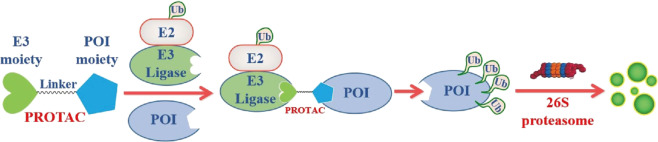
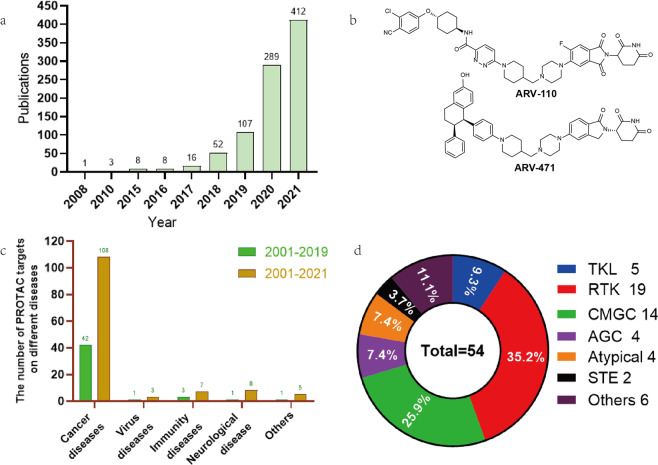
PROteolysis TArgeting Chimeras (PROTACs) technology is a new protein-degradation strategy that has emerged in recent years. It uses bifunctional small molecules to induce the ubiquitination and degradation of target proteins through the ubiquitin–proteasome system. PROTACs can not only be used as potential clinical treatments for diseases such as cancer, immune disorders, viral infections, and neurodegenerative diseases, but also provide unique chemical knockdown tools for biological research in a catalytic, reversible, and rapid manner. In 2019, our group published a review article “PROTACs: great opportunities for academia and industry” in the journal, summarizing the representative compounds of PROTACs reported before the end of 2019. In the past 2 years, the entire field of protein degradation has experienced rapid development, including not only a large increase in the number of research papers on protein-degradation technology but also a rapid increase in the number of small-molecule degraders that have entered the clinical and will enter the clinical stage. In addition to PROTAC and molecular glue technology, other new degradation technologies are also developing rapidly. In this article, we mainly summarize and review the representative PROTACs of related targets published in 2020–2021 to present to researchers the exciting developments in the field of protein degradation. The problems that need to be solved in this field will also be briefly introduced.
Overview
The claims and statistics of this paper haven’t been checked yet.
Run the check — free, no account needed. It reads the open-access text and checks the sources it cites.
Integrity signals
Registry
Cites
Statistics
Figures
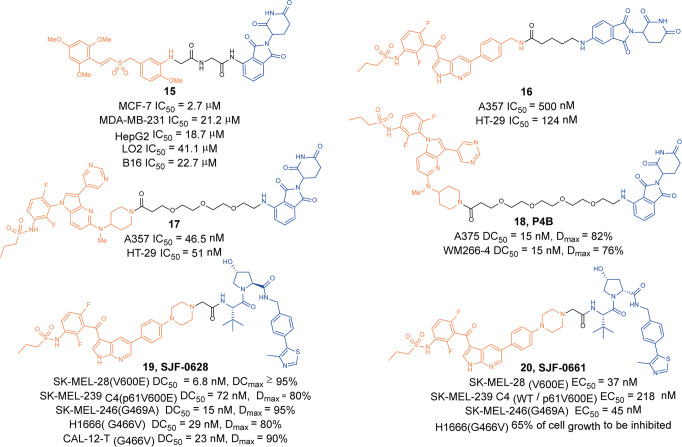
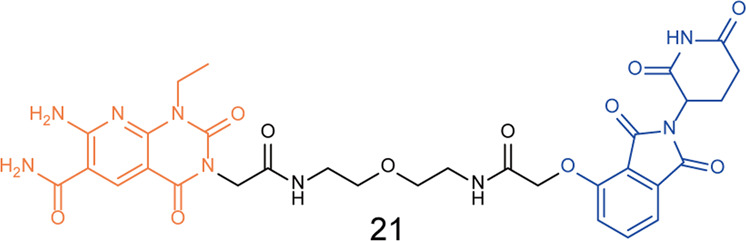
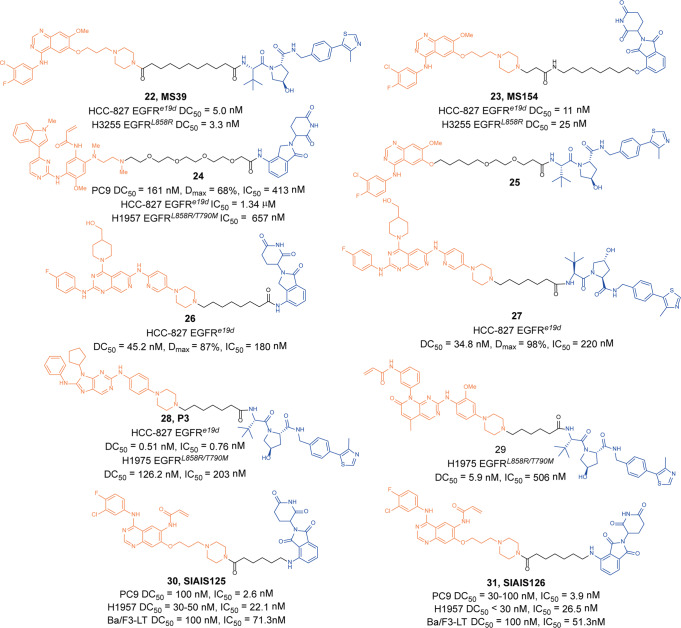
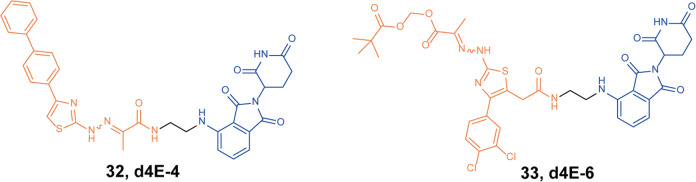
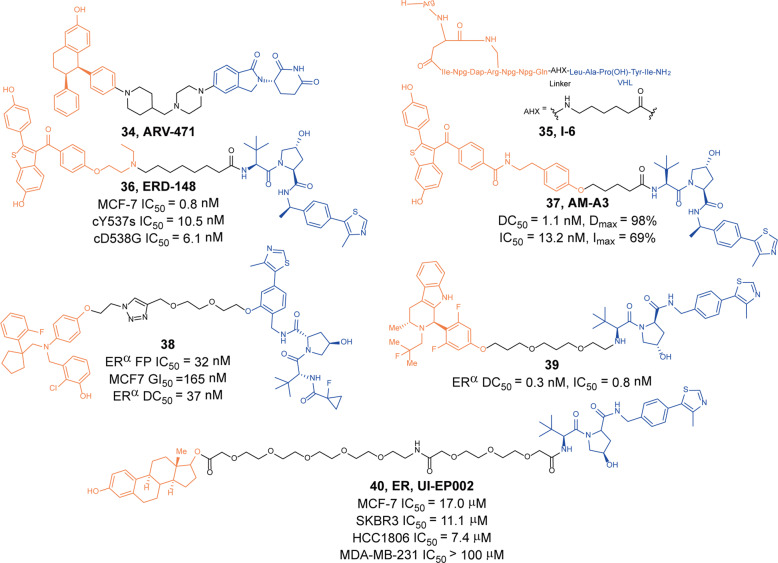
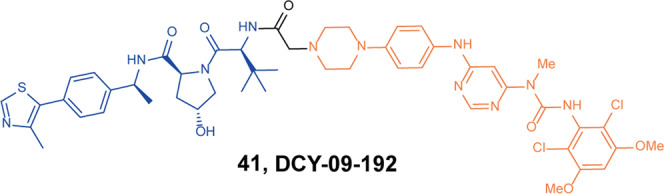
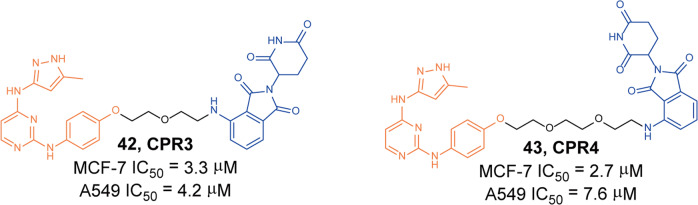
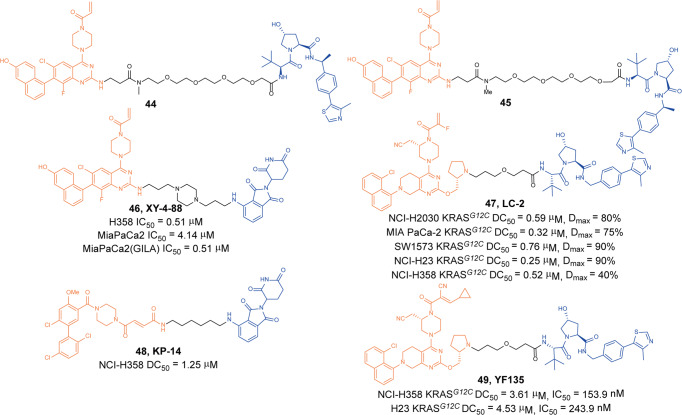
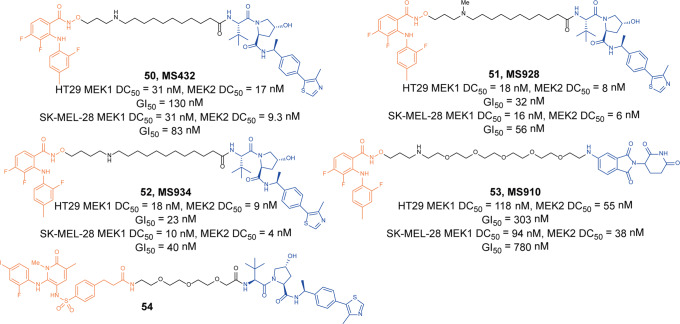
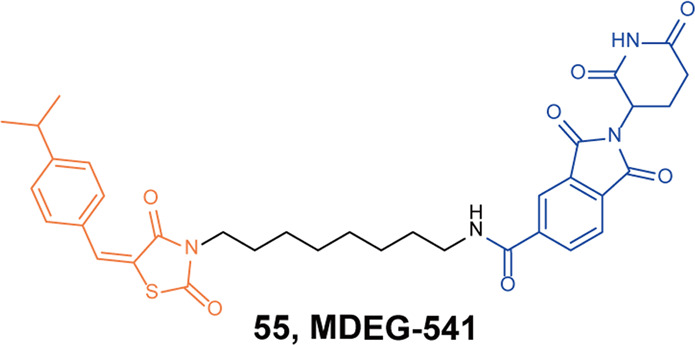


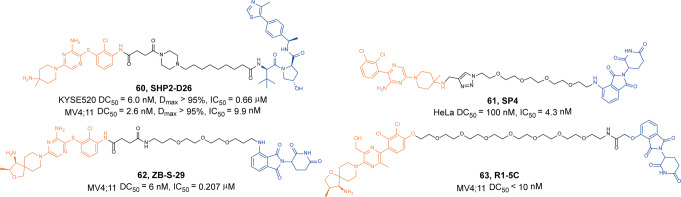
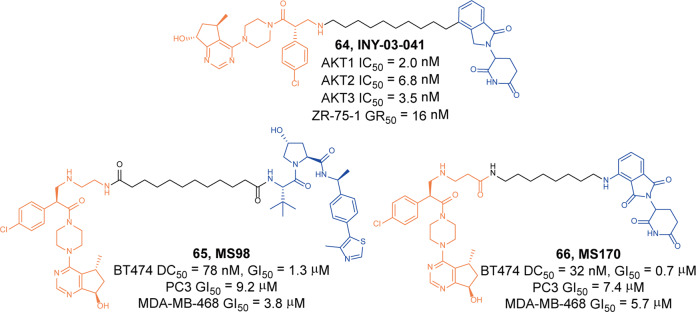


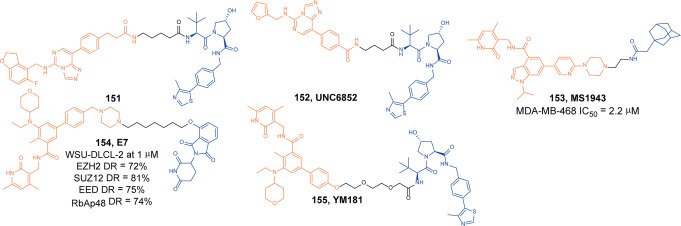

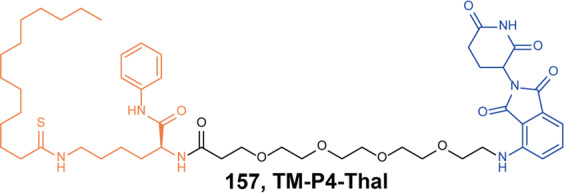
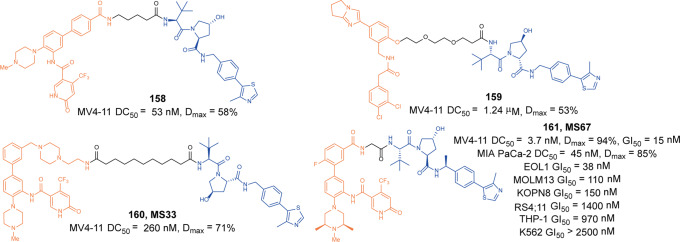
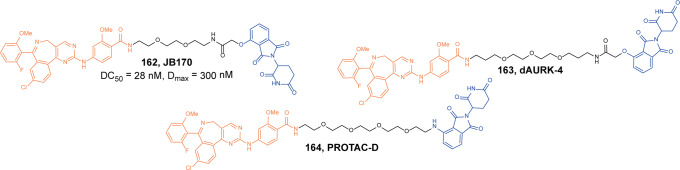
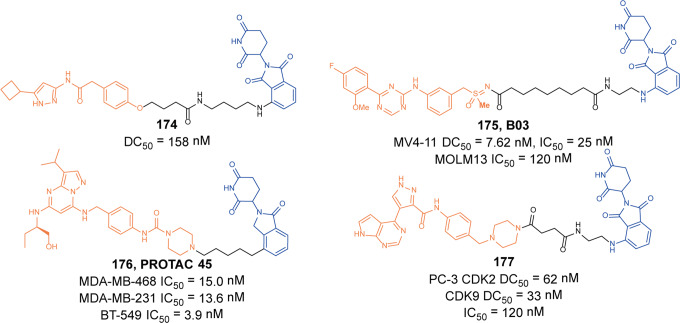

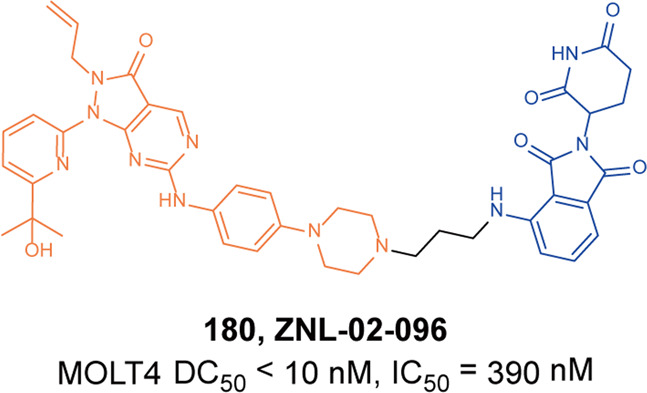
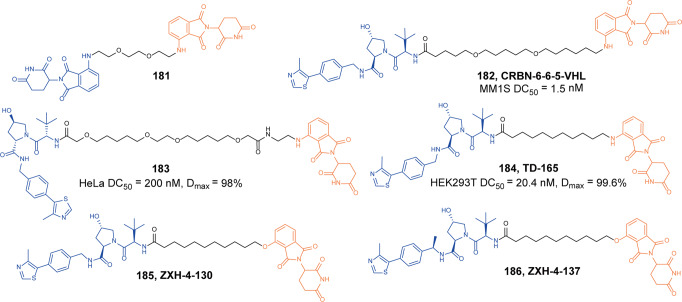
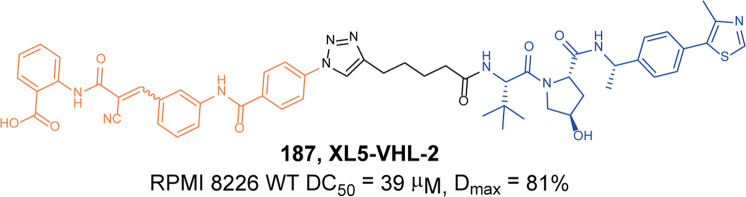


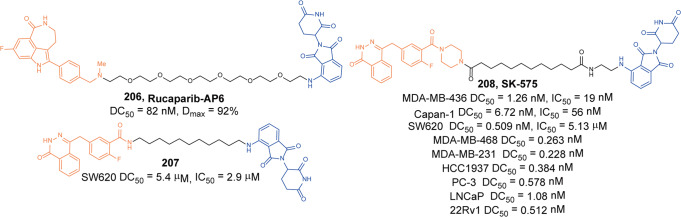
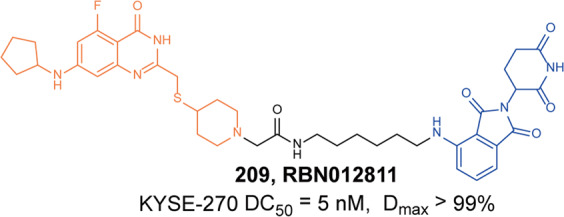

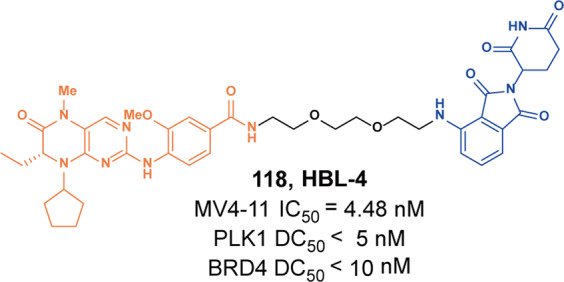
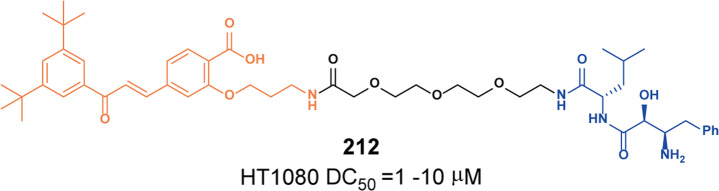
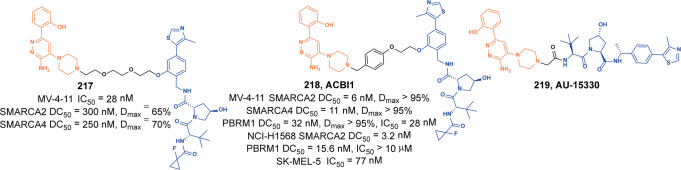
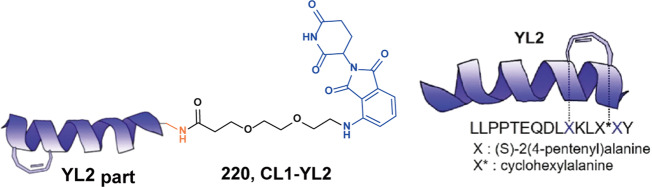
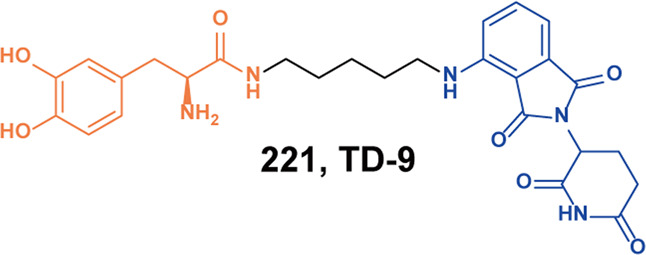
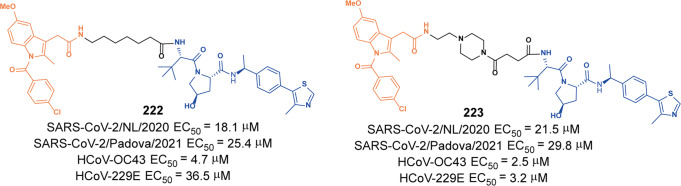

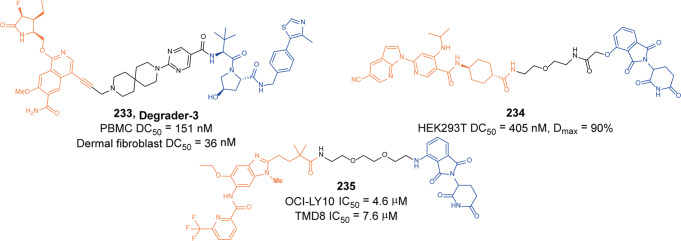
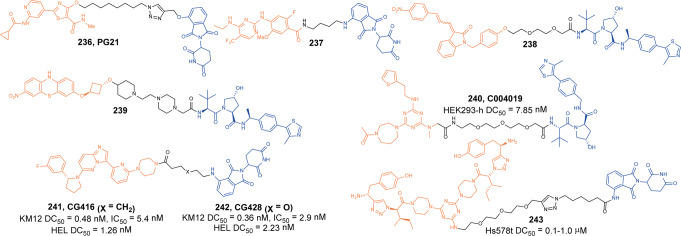
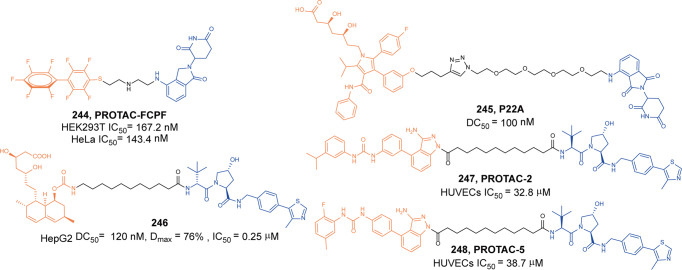
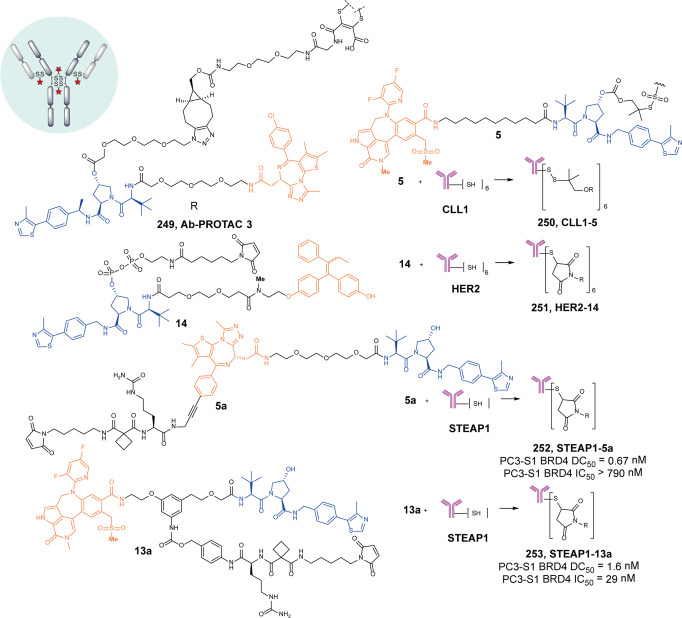
Verification
Claims the paper makes
The claims and statistics of this paper haven’t been checked yet.
Run the check — free, no account needed. It reads the open-access text and checks the sources it cites.
Claims other papers make about this one
Each is checked against this paper’s own text: does it say what the citing paper says it does?
In the citing paper
“Protein regulation can be categorized into two primary classes based on the disease mechanism: protein degradation and protein stabilization.476”
From Recent advances in targeting the “undruggable” proteins: from drug discovery to clinical trials (2023) · cites this paper as [476]
Self-check
Percentages, sums and reported differences re-computed from the paper’s own numbers.
The self-check needs the paper’s full text.
Citations
Cites
Items 401–561 of 561
Strategic development of AZD1775, a Wee1 kinase inhibitor, for cancer therapy
Fu, S., Wang, Y., Keyomarsi, K., & Meric-Bernstein, F. (2018) · Expert Opinion on Investigational Drugs · doi:10.1080/13543784.2018.1511700 · Cited by 71
Discovery of IAP-recruiting BCL-XL PROTACs as potent degraders across multiple cancer cell lines
Zhang, X., He, Y., Zhang, P., Budamagunta, V., Lv, D., Thummuri, D., Yang, Y., Pei, J., Yuan, Y., Zhou, D., et al. (2020) · European Journal of Medicinal Chemistry · doi:10.1016/j.ejmech.2020.112397 · Cited by 71
Self-citationThe rise of covalent proteolysis targeting chimeras
Gabizon, R., & London, N. (2021) · Current Opinion in Chemical Biology · doi:10.1016/j.cbpa.2020.12.003 · Cited by 71
Attenuation of NLRP3 Inflammasome Activation by Indirubin-Derived PROTAC Targeting HDAC6
Cao, Z., Gu, Z., Lin, S., Chen, D., Wang, J., Zhao, Y., Li, Y., Liu, T., Li, Y., Wang, Y., et al. (2021) · ACS Chemical Biology · doi:10.1021/acschembio.1c00681 · Cited by 71
Mohler, M. L., Sikdar, A., Ponnusamy, S., Hwang, D., He, Y., Miller, D. D., & Narayanan, R. (2021) · International Journal of Molecular Sciences · doi:10.3390/ijms22042124 · Cited by 71
Self-citationThébault, S. C., Roudbaraki, M. M., Sydorenko, V., Шуба, Я. М., Lemonnier, L., Slomianny, C., Dewailly, E., Bonnal, J., Mauroy, B., Skryma, R. N., et al. (2003) · Journal of Clinical Investigation · doi:10.1172/jci16293 · Cited by 70
Gonzalez, T. L., Hancock, M., Sun, S., Gersch, C. L., Larios, J. M., David, W. S., Hu, J., Hayes, D. F., Wang, S., & Rae, J. M. (2020) · Breast Cancer Research and Treatment · doi:10.1007/s10549-020-05564-y · Cited by 70
Photochemical Control of DNA Decoy Function Enables Precise Regulation of Nuclear Factor κB Activity
Govan, J. M., Lively, M. O., & Deiters, A. (2011) · Journal of the American Chemical Society · doi:10.1021/ja204980v · Cited by 69
Discovery of Novel PDEδ Degraders for the Treatment of KRAS Mutant Colorectal Cancer
Cheng, J., Li, Y., Wang, X., Dong, G., & Sheng, C. (2020) · Journal of Medicinal Chemistry · doi:10.1021/acs.jmedchem.0c00929 · Cited by 69
A novel strategy to block mitotic progression for targeted therapy
Chi, J. J., Li, H., Zhou, Z., Izquierdo-Ferrer, J., Xue, Y., Wavelet, C. M., Schiltz, G. E., Zhang, B., Cristofanilli, M., Lu, X., et al. (2019) · EBioMedicine · doi:10.1016/j.ebiom.2019.10.013 · Cited by 68
Huber, M. E., Toy, L., Schmidt, M. F., Vogt, H., Budzinski, J., Wiefhoff, M. F. J., Merten, N., Kostenis, E., Weikert, D., & Schiedel, M. (2021) · Angewandte Chemie International Edition · doi:10.1002/anie.202116782 · Cited by 68
The LRRK2 G2019S mutation as the cause of Parkinson’s disease in Ashkenazi Jews
Thaler, A., Ash, E. L., Gan‐Or, Z., Orr‐Urtreger, A., & Giladi, N. (2009) · Journal of Neural Transmission · doi:10.1007/s00702-009-0303-0 · Cited by 67
Cassaday, R. D., Goy, A. H., Advani, S. H., CHAWLA, P. M., Nachankar, R., Gandhi, M., & Gopal, A. K. (2015) · Clinical Lymphoma Myeloma & Leukemia · doi:10.1016/j.clml.2015.02.021 · Cited by 67
Development of MDM2 degraders based on ligands derived from Ugi reactions: Lessons and discoveries
Wang, B., Liu, J., Tandon, I., Wu, S., Teng, P., Liao, J., & Tang, W. (2021) · European Journal of Medicinal Chemistry · doi:10.1016/j.ejmech.2021.113425 · Cited by 67
Discovery of a First-in-Class Mitogen-Activated Protein Kinase Kinase 1/2 Degrader
Wei, J., Hu, J., Wang, L., Xie, L., Jin, M. S., Chen, X., Liu, J., & Jin, J. J. (2019) · Journal of Medicinal Chemistry · doi:10.1021/acs.jmedchem.9b01528 · Cited by 67
Discovery of a Potent Degrader for Fibroblast Growth Factor Receptor 1/2
Du, G., Jiang, J., Wu, Q., Henning, N. J., Donovan, K. A., Yue, H., Che, J., Lu, W., Fischer, E. S., Bardeesy, N. M., et al. (2021) · Angewandte Chemie International Edition · doi:10.1002/anie.202101328 · Cited by 66
Cotecchia, S., del Vescovo, C. D., Colella, M., Caso, S., & Diviani, D. (2015) · Cellular Signalling · doi:10.1016/j.cellsig.2015.06.009 · Cited by 65
Li, M., Yang, Y., Zhao, Q., Wu, Y., Song, L., Yang, H., He, M., Gao, H., Song, B., Luo, J., et al. (2020) · Journal of Medicinal Chemistry · doi:10.1021/acs.jmedchem.0c00339 · Cited by 65
Self-citationAbstract 5236: ARV-110: An androgen receptor PROTAC degrader for prostate cancer
Neklesa, T. K., Snyder, L. B., Willard, R. R., Vitale, N., Raina, K., Pizzano, J., Gordon, D., Bookbinder, M., Macaluso, J., Dong, H., et al. (2018) · Cancer Research · doi:10.1158/1538-7445.am2018-5236 · Cited by 65
He, K., Zhang, Z., Wang, W., Zheng, X., Wang, X., & Zhang, X. (2020) · Bioorganic & Medicinal Chemistry Letters · doi:10.1016/j.bmcl.2020.127167 · Cited by 65
Discovery of Selective Small Molecule Degraders of BRAF-V600E
Han, X., Chen, L., Wei, Y., Yu, W., Chen, Y., Zhang, C., Jiao, B., Shi, T., Sun, L., Zhang, C., et al. (2020) · Journal of Medicinal Chemistry · doi:10.1021/acs.jmedchem.9b02083 · Cited by 64
Wang, R., Ascanelli, C., Abdelbaki, A., Fung, A., Rasmusson, T., Michaelides, I. N., Roberts, K., & Lindon, C. (2021) · Communications Biology · doi:10.1038/s42003-021-02158-2 · Cited by 64
Lee, H. K., Kim, H. W., Lee, I. Y., Lee, J., Lee, J., Jung, D. S., Lee, S. Y., Park, S. H., Hwang, H., Choi, J., et al. (2014) · Blood · doi:10.1182/blood-2013-04-493916 · Cited by 63
Assessing IRAK4 Functions in ABC DLBCL by IRAK4 Kinase Inhibition and Protein Degradation
Zhang, J., Fu, L., Shen, B., Liu, Y., Wang, W., Cai, X., Kong, L., Yan, Y., Meng, R., Zhang, Z., et al. (2020) · Cell Chemical Biology · doi:10.1016/j.chembiol.2020.08.010 · Cited by 63
Self-citationXiao, Z., Song, S., Chen, D., van Merkerk, R., van der Wouden, P. E., Cool, R. H., Quax, W. J., Poelarends, G. J., Melgert, B. N., & Dekker, F. J. (2021) · Angewandte Chemie International Edition · doi:10.1002/anie.202101864 · Cited by 63
Opportunities and Challenges of Small Molecule Induced Targeted Protein Degradation
He, M., Lv, W., & Rao, Y. (2021) · Frontiers in Cell and Developmental Biology · doi:10.3389/fcell.2021.685106 · Cited by 63
Self-citationDual NAMPT/HDAC Inhibitors as a New Strategy for Multitargeting Antitumor Drug Discovery
Chen, W., Dong, G., Wu, Y., Zhang, W., Miao, C., & Sheng, C. (2017) · ACS Medicinal Chemistry Letters · doi:10.1021/acsmedchemlett.7b00414 · Cited by 62
The Multiple Roles and Therapeutic Potential of Molecular Chaperones in Prostate Cancer
Hoter, A., Rizk, S. E., & Naim, H. Y. (2019) · Cancers · doi:10.3390/cancers11081194 · Cited by 62
Hoodless, L. J., Lucas, C. D., Duffin, R., Denvir, M. A., Haslett, C., Tucker, C. S., & Rossi, A. G. (2016) · Scientific Reports · doi:10.1038/srep36980 · Cited by 61
2-Hydroxypyridine-N-oxide-Embedded Aurones as Potent Human Tyrosinase Inhibitors
Haudecoeur, R., Carotti, M., Gouron, A., Maresca, M., Buitrago, E., Hardré, R., Bergantino, E., Jamet, H., Belle, C., Réglier, M., et al. (2016) · ACS Medicinal Chemistry Letters · doi:10.1021/acsmedchemlett.6b00369 · Cited by 61
Discovery of a Napabucasin PROTAC as an Effective Degrader of the E3 Ligase ZFP91
Hanafi, M., Chen, X., & Neamati, N. (2021) · Journal of Medicinal Chemistry · doi:10.1021/acs.jmedchem.0c01897 · Cited by 61
Discovery of a Novel BCL-XL PROTAC Degrader with Enhanced BCL-2 Inhibition
Pal, P., Thummuri, D., Lv, D., Liu, X., Zhang, P., Hu, W., Poddar, S. K., Hua, N., Khan, S., Yuan, Y., et al. (2021) · Journal of Medicinal Chemistry · doi:10.1021/acs.jmedchem.1c00517 · Cited by 60
Aminopyrazole based CDK9 PROTAC sensitizes pancreatic cancer cells to venetoclax
King, H. M., Rana, S., Kubica, S. P., Mallareddy, J. R., Kizhake, S., Ezell, E. L., Zahid, M., Naldrett, M. J., Alvarez, S., Law, H. C.-H., et al. (2021) · Bioorganic & Medicinal Chemistry Letters · doi:10.1016/j.bmcl.2021.128061 · Cited by 60
Liu, H., Ding, X., Liu, L., Mi, Q., Zhao, Q., Shao, Y., Ren, C., Chen, J., Kong, Y., Qiu, X., et al. (2021) · European Journal of Medicinal Chemistry · doi:10.1016/j.ejmech.2021.113645 · Cited by 60
Identification of autophosphorylation sites in eukaryotic elongation factor-2 kinase
Ruys, S. P. D., Wang, X., Smith, E. M., Herinckx, G., Hussain, N., Rider, M. H., Vertommen, D., & Proud, C. G. (2012) · Biochemical Journal · doi:10.1042/bj20111530 · Cited by 59
Discovery of a PROTAC targeting ALK with in vivo activity
Yan, G., Zhong, X.-X., Lin, Y., Pu, C., Shan, H., Lan, S., Zhou, M., Hou, X., Yang, J., & Li, R. (2021) · European Journal of Medicinal Chemistry · doi:10.1016/j.ejmech.2020.113150 · Cited by 59
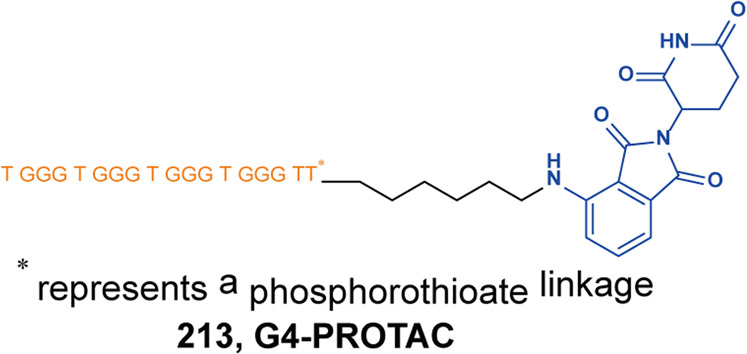
G4-PROTAC: targeted degradation of a G-quadruplex binding protein
Patil, K. M., Chin, D., Seah, H. L., Shi, Q., Lim, K. W., & Phan, A. T. (2021) · Chemical Communications · doi:10.1039/d1cc05025g · Cited by 58
Targeting epigenetic modulators using PROTAC degraders: Current status and future perspective
Webb, T., Craigon, C., & Ciulli, A. (2022) · Bioorganic & Medicinal Chemistry Letters · doi:10.1016/j.bmcl.2022.128653 · Cited by 58
OligoTRAFTACs: A generalizable method for transcription factor degradation
Samarasinghe, K. T. G., An, E., Genuth, M. A., Chu, L., Holley, S. A., & Crews, C. M. (2022) · RSC Chemical Biology · doi:10.1039/d2cb00138a · Cited by 58
Discovery of Proteolysis-Targeting Chimera Molecules that Selectively Degrade the IRAK3 Pseudokinase
Degorce, S. L., Tavana, O., Banks, E., Crafter, C., Gingipalli, L., Kouvchinov, D., Mao, Y., Pachl, F., Solanki, A., Valge-Archer, V., et al. (2020) · Journal of Medicinal Chemistry · doi:10.1021/acs.jmedchem.0c01125 · Cited by 57
Simultaneous Inhibition of SIRT2 Deacetylase and Defatty-Acylase Activities via a PROTAC Strategy
Hong, J. Y., Jing, H., Price, I. R., Cao, J., Bai, J. J., & Lin, H. (2020) · ACS Medicinal Chemistry Letters · doi:10.1021/acsmedchemlett.0c00423 · Cited by 57
Zhou, H., Bai, L., Xu, R., McEachern, D., Chinnaswamy, K., Li, R., Wen, B., Wang, M., Yang, C., Meagher, J. L., et al. (2021) · ACS Medicinal Chemistry Letters · doi:10.1021/acsmedchemlett.1c00155 · Cited by 56
Targeting of the FOXM1 Oncoprotein by E3 Ligase-Assisted Degradation
Luo, G., Lin, X., Vega-Medina, A., Xiao, M., Li, G., Wei, H., Velázquez-Martínez, C. A., & Xiang, H. (2021) · Journal of Medicinal Chemistry · doi:10.1021/acs.jmedchem.1c01069 · Cited by 56
Cereblon in health and disease
Kim, H. K., Ko, T. H., Nyamaa, B., Lee, S. R., Kim, N., Ko, K. S., Rhee, B. D., Park, C., Nilius, B., & Han, J. (2016) · Pflügers Archiv - European Journal of Physiology · doi:10.1007/s00424-016-1854-1 · Cited by 55
Discovery of First-In-Class Potent and Selective Tropomyosin Receptor Kinase Degraders
Chen, L., Chen, Y., Zhang, C., Jiao, B., Liang, S., Qiong, T., Chai, H., Yu, W., Qian, Y., Yang, H., et al. (2020) · Journal of Medicinal Chemistry · doi:10.1021/acs.jmedchem.0c01342 · Cited by 55
Cao, S., Ma, L., Liu, Y., Wei, M., Yao, Y., Li, C., Wang, R., Liu, N., Dong, Z., Li, X., et al. (2021) · Journal of Medicinal Chemistry · doi:10.1021/acs.jmedchem.1c00996 · Cited by 55
Self-citationDesign, Synthesis, and Evaluation of Potent, Selective, and Bioavailable AKT Kinase Degraders
Yu, X., Xu, J., Xie, L., Wang, L., Shen, Y., Cahuzac, K. M., Chen, X., Liu, J., Parsons, R. E., & Jin, J. J. (2021) · Journal of Medicinal Chemistry · doi:10.1021/acs.jmedchem.1c01476 · Cited by 55
Li, Z., Lin, Y., Song, H., Qin, X., Yu, Z., Zhang, Z., Dong, G., Li, X., Shi, X., Du, L., et al. (2020) · Acta Pharmaceutica Sinica B · doi:10.1016/j.apsb.2020.01.014 · Cited by 54
Kojima, Y., Sasaki, S., Shinoura, H., Hayashi, Y., Tsujimoto, G., & Kohri, K. (2006) · The Prostate · doi:10.1002/pros.20399 · Cited by 53
A common ancestry for BAP1 and Uch37 regulators
Sánchez‐Pulido, L., Kong, L., & Ponting, C. P. (2012) · Bioinformatics · doi:10.1093/bioinformatics/bts319 · Cited by 53
Design, Synthesis, and Biological Evaluation of MEK PROTACs
Vollmer, S., Cunoosamy, D. M., Lv, H., Feng, H., Li, X., Nan, Z., Yang, W., & Perry, M. W. D. (2019) · Journal of Medicinal Chemistry · doi:10.1021/acs.jmedchem.9b00810 · Cited by 53
Targeted Degradation of Transcription Coactivator SRC‐1 through the N‐Degron Pathway
Lee, Y., Heo, J., Jeong, H., Hong, K. T., Kwon, D. H., Shin, M. H., Oh, M., Sable, G. A., Ahn, G., Lee, J., et al. (2020) · Angewandte Chemie International Edition · doi:10.1002/anie.202005004 · Cited by 53
Chen, L., Han, L., Mao, S., Xu, P., Xu, X., Zhao, R., Wu, Z., Zhong, K. L., Yu, G., & Wang, X. (2021) · European Journal of Medicinal Chemistry · doi:10.1016/j.ejmech.2021.113307 · Cited by 53
Hu, R., Wang, W., Yang, Y.-Y., Hu, X.-T., Wang, Q., Zuo, W., Xu, Y., Feng, Q., & Wang, N. (2021) · European Journal of Medicinal Chemistry · doi:10.1016/j.ejmech.2021.113922 · Cited by 53
Mu, X., Bai, L., Xu, Y., Wang, J., & Lu, H. (2019) · Biochemical and Biophysical Research Communications · doi:10.1016/j.bbrc.2019.11.007 · Cited by 52
Degrading FLT3-ITD protein by proteolysis targeting chimera (PROTAC)
Chen, Y. X., Yuan, X., Tang, M., Shi, M., Yang, T., Liu, K., Deng, D., & Chen, L. (2021) · Bioorganic Chemistry · doi:10.1016/j.bioorg.2021.105508 · Cited by 51
Al‐Horani, R. A., & Kar, S. (2020) · Viruses · doi:10.3390/v12101092 · Cited by 50
Ren, C., Sun, N., Kong, Y., Qu, X., Liu, H., Zhong, H., Song, X., Yang, X., & Jiang, B. (2021) · European Journal of Medicinal Chemistry · doi:10.1016/j.ejmech.2021.113335 · Cited by 50
Zhang, F., Wu, Z., Chen, P., Zhang, J., Wang, T., Zhou, J., & Zhang, H. (2019) · Bioorganic & Medicinal Chemistry · doi:10.1016/j.bmc.2019.115228 · Cited by 49
Design, Synthesis, and Biological Evaluation of IRAK4-Targeting PROTACs
Chen, Y., Ning, Y., Bai, G., Tong, L., Zhang, T., Zhou, J., Zhang, H., Xie, H., Ding, J., & Duan, W. (2021) · ACS Medicinal Chemistry Letters · doi:10.1021/acsmedchemlett.0c00474 · Cited by 49
Structure–function of α1-adrenergic receptors
Perez, D. M. (2006) · Biochemical Pharmacology · doi:10.1016/j.bcp.2006.09.010 · Cited by 48
Jiang, F., Wei, Q., Li, H., Li, H., Cui, Y., Ma, Y., Chen, H., Cao, P., Lu, T., & Chen, Y. (2020) · Bioorganic & Medicinal Chemistry · doi:10.1016/j.bmc.2019.115181 · Cited by 48
Li, L., Wu, Y., Yang, Z., Xu, C., Zhao, H., Liu, J., Chen, J., & Chen, J. (2021) · Bioorganic Chemistry · doi:10.1016/j.bioorg.2021.105447 · Cited by 48
Weisberg, E., Roesel, J. L., Furet, P., Bold, G., Imbach, P. A., Flörsheimer, A., Caravatti, G., Jiang, J., Manley, P. W., Ray, A., et al. (2010) · Genes & Cancer · doi:10.1177/1947601910396505 · Cited by 46
Development of a PDEδ‐Targeting PROTACs that Impair Lipid Metabolism
Winzker, M., Friese, A., Koch, U., Janning, P., Ziegler, S., & Waldmann, H. (2019) · Angewandte Chemie International Edition · doi:10.1002/anie.201913904 · Cited by 46
Identification of probe-quality degraders for Poly(ADP-ribose) polymerase-1 (PARP-1)
Zhang, Z., Chang, X., Zhang, C., Zeng, S., Liang, M., Ma, Z., Wang, Z., Huang, W., & Shen, Z. (2020) · Journal of Enzyme Inhibition and Medicinal Chemistry · doi:10.1080/14756366.2020.1804382 · Cited by 46
Design, synthesis, and biological evaluation of Bcr-Abl PROTACs to overcome T315I mutation
Jiang, L., Wang, Y., Li, Q., Tu, Z., Zhu, S., Tu, S., Zhang, Z., Ding, K., & Lu, X. (2020) · Acta Pharmaceutica Sinica B · doi:10.1016/j.apsb.2020.11.009 · Cited by 46
Hati, S., Zallocchi, M., Hazlitt, R. A., Li, Y., Vijayakumar, S., Min, J., Ranković, Z., Lovas, S., & Zuo, J. (2021) · European Journal of Medicinal Chemistry · doi:10.1016/j.ejmech.2021.113849 · Cited by 46
Roles of FoxM1 in cell regulation and breast cancer targeting therapy
Song, X., Kenston, S. S. F., Zhao, J., Yang, D., & Gu, Y. (2017) · Medical Oncology · doi:10.1007/s12032-017-0888-3 · Cited by 45
Development of photocontrolled BRD4 PROTACs for tongue squamous cell carcinoma (TSCC)
Li, Z., Ma, S., Yang, X., Zhang, L., Dong, L., Dong, G., Du, L., Lv, Z., & Li, M. (2021) · European Journal of Medicinal Chemistry · doi:10.1016/j.ejmech.2021.113608 · Cited by 45
Discovery of Highly Potent Liver X Receptor ? Agonists
Kick, E. K., Busch, B. B., Martin, R., Stevens, W. C., Bollu, V., Xie, Y., Boren, B. C., Nyman, M. C., Nanao, M., Nguyen, L. N. T., et al. (2016) · ACS Medicinal Chemistry Letters · doi:10.1021/acsmedchemlett.6b00234 · Cited by 44
Chen, H., Chen, F., Pei, S., & Gou, S. (2019) · Bioorganic Chemistry · doi:10.1016/j.bioorg.2019.03.035 · Cited by 44
Development of cell-permeable peptide-based PROTACs targeting estrogen receptor α
Dai, Y., Na, Y., Gong, J., Liu, C., Li, Q., Zhou, J., Huang, W., & Qian, H. (2019) · European Journal of Medicinal Chemistry · doi:10.1016/j.ejmech.2019.111967 · Cited by 44
The tale of proteolysis targeting chimeras (PROTACs) for Leucine‐Rich Repeat Kinase 2 (LRRK2)
Konstantinidou, M., Oun, A., Pathak, P., Zhang, B., Wang, Z., ter Brake, F., Dolga, A. M., Kortholt, A., & Dömling, A. S. S. (2020) · ChemMedChem · doi:10.1002/cmdc.202000872 · Cited by 44
Identification and selectivity profiling of small-molecule degraders via multi-omics approaches
Scholes, N. S., Mayor‐Ruiz, C., & Winter, G. E. (2021) · Cell chemical biology · doi:10.1016/j.chembiol.2021.03.007 · Cited by 44
Liu, Q., Tu, G., Hu, Y., Jiang, Q., Liu, J., Lin, S., Yu, Z., Li, G., Wu, X., Tang, Y., et al. (2021) · European Journal of Medicinal Chemistry · doi:10.1016/j.ejmech.2021.114013 · Cited by 44
Self-citationTargeting Protein Arginine Methyltransferase 5 in Disease
Richters, A. (2017) · Future Medicinal Chemistry · doi:10.4155/fmc-2017-0089 · Cited by 43
Targeted Degradation of the Oncogenic Phosphatase SHP2
Vemulapalli, V., Donovan, K. A., Seegar, T. C. M., Rogers, J. M., Bae, M., Lumpkin, R. J., Cao, R., Henke, M. T., Ray, S. S., Fischer, E. S., et al. (2021) · Biochemistry · doi:10.1021/acs.biochem.1c00377 · Cited by 43
Hu, J., Wei, J., Yim, H., Wang, L., Xie, L., Jin, M. S., Kabir, M., Qin, L., Chen, X., Liu, J., et al. (2020) · Journal of Medicinal Chemistry · doi:10.1021/acs.jmedchem.0c01609 · Cited by 43
Targeting polo-like kinase 1 in acute myeloid leukemia
Brandwein, J. M. (2015) · Therapeutic Advances in Hematology · doi:10.1177/2040620715571077 · Cited by 42
Mao, F., Li, J., Luo, Q., Wang, R., Kong, Y., Carlock, C., Liu, Z., Elzey, B. D., & Liu, X. (2018) · Molecular Cancer Therapeutics · doi:10.1158/1535-7163.mct-17-0945 · Cited by 42
TrkC-Targeted Kinase Inhibitors And PROTACs
Zhao, B., & Burgess, K. (2019) · Molecular Pharmaceutics · doi:10.1021/acs.molpharmaceut.9b00673 · Cited by 42
Targeting Cancer with PCPA‐Drug Conjugates: LSD1 Inhibition‐Triggered Release of 4‐Hydroxytamoxifen
Ota, Y., Itoh, Y., Kaise, A., Ohta, K., Endo, Y., Masuda, M., Sowa, Y., Sakai, T., & Suzuki, T. (2016) · Angewandte Chemie International Edition · doi:10.1002/anie.201608711 · Cited by 41
Targeting SRC Coactivators Blocks the Tumor-Initiating Capacity of Cancer Stem-like Cells
Rohira, A. D., Yan, F., Wang, L., Wang, J., Zhou, S., Lu, A., Yu, Y., Xu, J., Lonard, D. M., & O’Malley, B. W. (2017) · Cancer Research · doi:10.1158/0008-5472.can-16-2982 · Cited by 41
Ren, C., Sun, N., Liu, H., Kong, Y., Sun, R., Qiu, X., Chen, J., Li, Y., Zhang, J., Zhou, Y., et al. (2021) · Journal of Medicinal Chemistry · doi:10.1021/acs.jmedchem.1c00373 · Cited by 41
Wang, K., & Zhou, H. (2020) · Drug Development Research · doi:10.1002/ddr.21765 · Cited by 40
Lu, A. S., Rouhimoghadam, M., Arnatt, C. K., Filardo, E. J., & Salem, A. K. (2021) · Molecular Pharmaceutics · doi:10.1021/acs.molpharmaceut.1c00018 · Cited by 40
Shaheer, M., Singh, R., & Sobhia, M. E. (2021) · Journal of Biomolecular Structure and Dynamics · doi:10.1080/07391102.2021.1953601 · Cited by 40
Discovery of novel BTK PROTACs for B-Cell lymphomas
Zhao, Y., Shu, Y., Lin, J., Chen, Z., Xie, Q., Bao, Y., Lu, L., Sun, N., & Wang, Y. (2021) · European Journal of Medicinal Chemistry · doi:10.1016/j.ejmech.2021.113820 · Cited by 40
Wang, Y., Yuan, L., Yang, X., Wei, D., Wang, B., Sun, X., Feng, F., Nan, G., Wang, Y., Chen, Z., et al. (2014) · Clinical & Experimental Metastasis · doi:10.1007/s10585-014-9689-7 · Cited by 39
Self-citationQi, Z., Yang, G., Deng, T., Wang, J., Zhou, H., Popov, S. A., Shults, E. E., & Wang, C. (2021) · Bioorganic Chemistry · doi:10.1016/j.bioorg.2021.104901 · Cited by 39
Recent Developments and Advances of FGFR as a Potential Target in Cancer
Xue, W.-J., Li, M., Chen, L., Sun, L., & Li, Y. (2018) · Future Medicinal Chemistry · doi:10.4155/fmc-2018-0103 · Cited by 39
Neutrophils Deficient in Innate Suppressor IRAK-M Enhances Anti-tumor Immune Responses
Zhang, Y., Diao, N., Lee, C. K., Chu, H. W., Bai, L., & Li, L. (2019) · Molecular Therapy · doi:10.1016/j.ymthe.2019.09.019 · Cited by 39
Disordered region of cereblon is required for efficient degradation by proteolysis-targeting chimera
Kim, K., Lee, D.-H., Park, S., Jo, S.-H., Ku, B., Park, S. G., Park, B. C., Jeon, Y. U., Ahn, S., Kang, C. H., et al. (2019) · Scientific Reports · doi:10.1038/s41598-019-56177-5 · Cited by 37
Fischer, P. D., Papadopoulos, E., Dempersmier, J. M., Wang, Z., Nowak, R. P., Donovan, K. A., Kalabathula, J., Gorgulla, C., Junghanns, P., Kabha, E., et al. (2021) · European Journal of Medicinal Chemistry · doi:10.1016/j.ejmech.2021.113435 · Cited by 37
Chemical Degradation of Androgen Receptor (AR) Using Bicalutamide Analog–Thalidomide PROTACs
Kim, G. Y., Song, C. W., Yang, Y., Lee, N.-R., Yoo, H., Son, S. H., Lee, S., Park, J. S., Lee, J. K., Inn, K., et al. (2021) · Molecules · doi:10.3390/molecules26092525 · Cited by 37
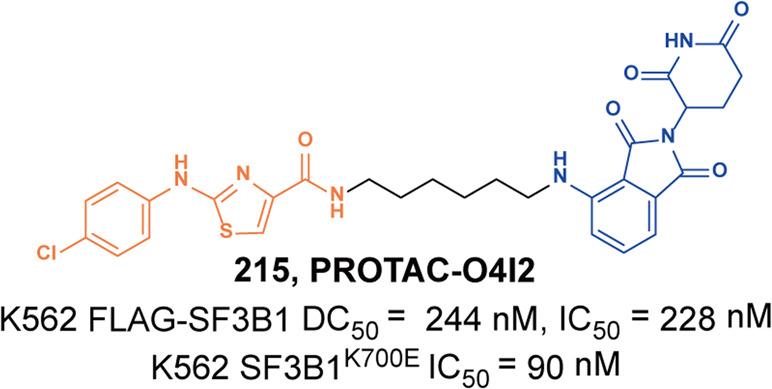
A PROTAC targets splicing factor 3B1
Gama-Brambila, R. A., Chen, J., Zhou, J., Tascher, G., Münch, C., & Cheng, X. (2021) · Cell chemical biology · doi:10.1016/j.chembiol.2021.04.018 · Cited by 37
A novel Cereblon E3 ligase modulator with antitumor activity in gastrointestinal cancer
Lier, S., Sellmer, A., Orben, F., Heinzlmeir, S., Krauß, L., Schneeweis, C., Hassan, Z., Schneider, C., Patricia Gloria Schäfer, A., Pongratz, H., et al. (2022) · Bioorganic Chemistry · doi:10.1016/j.bioorg.2021.105505 · Cited by 37
Chemical proteomics reveal CD147 as a functional target of pseudolaric acid B in human cancer cells
Zhou, Y., Di, Z., Li, X., Shan, Y., Li, W., Zhang, H., & Xiao, Y. (2017) · Chemical Communications · doi:10.1039/c7cc04345g · Cited by 36
Scaffold hopping enables direct access to more potent PROTACs with in vivo activity
Burslem, G. M., Bondeson, D. P., & Crews, C. M. (2020) · Chemical Communications · doi:10.1039/d0cc02201b · Cited by 35
Lu, X., Sabbasani, V. R., Amponsa, V. O., Evans, C. N., King, J. C., Tarasov, S. G., Dyba, M., Das, S., Chan, K. C., Schwieters, C. D., et al. (2021) · Nature Communications · doi:10.1038/s41467-021-27570-4 · Cited by 35
Folate Receptor-Targeted Multimodality Imaging of Ovarian Cancer in a Novel Syngeneic Mouse Model
Ocak, M., Gillman, A. G., Bresee, J., Zhang, L., Vlad, A., Müller, C., Schibli, R., Edwards, W. B., Anderson, C. J., & Gach, H. M. (2014) · Molecular Pharmaceutics · doi:10.1021/mp500628g · Cited by 34
Zhao, L., Liu, Y., Sun, X., He, M., & Ding, Y. (2010) · Journal of Cancer Research and Clinical Oncology · doi:10.1007/s00432-010-0895-7 · Cited by 34
Self-citationDesigning an eEF2K-Targeting PROTAC small molecule that induces apoptosis in MDA-MB-231 cells
Liu, Y., Zhen, Y., Wang, G., Yang, G., Fu, L., Liu, B., & Ouyang, L. (2020) · European Journal of Medicinal Chemistry · doi:10.1016/j.ejmech.2020.112505 · Cited by 34
Self-citationUsing biochemistry and biophysics to extinguish androgen receptor signaling in prostate cancer
Asangani, I. A., Blair, I. A., Duyne, G. D. V., Hilser, V. J., Moiseenkova‐Bell, V. Y., Plymate, S. R., Sprenger, C. C. T., Wand, A. J., & Penning, T. M. (2020) · Journal of Biological Chemistry · doi:10.1074/jbc.rev120.012411 · Cited by 34
Anti-tumor efficacy of fulvestrant in estrogen receptor positive gastric cancer
Yi, J. H., Do, I., Jang, J., Kim, S. T., Kim, K., Park, S. H., Park, J. O., Park, Y. S., Lim, H. Y., Kang, W. K., et al. (2014) · Scientific Reports · doi:10.1038/srep07592 · Cited by 33
He, M., Ning, W., Hu, Z., Huang, J., Dong, C., & Zhou, H. (2020) · European Journal of Medicinal Chemistry · doi:10.1016/j.ejmech.2020.112281 · Cited by 33
Self-citationDevelopment of a Hematopoietic Prostaglandin D Synthase-Degradation Inducer
Yokoo, H., Shibata, N., Naganuma, M., Murakami, Y., Fujii, K., Ito, T., Aritake, K., Naito, M., & Demizu, Y. (2021) · ACS Medicinal Chemistry Letters · doi:10.1021/acsmedchemlett.0c00605 · Cited by 33
Yokoo, H., Shibata, N., Endo, A., Ito, T., Yanase, Y., Murakami, Y., Fujii, K., Hamamura, K., Saeki, Y., Naito, M., et al. (2021) · Journal of Medicinal Chemistry · doi:10.1021/acs.jmedchem.1c01206 · Cited by 33
Recent advances of dual FGFR inhibitors as a novel therapy for cancer
Liang, Q., Wang, J., Zhao, L., Hou, J., Hu, Y., & Shi, J. (2021) · European Journal of Medicinal Chemistry · doi:10.1016/j.ejmech.2021.113205 · Cited by 32
Hematopoietic Prostaglandin D Synthase Inhibitors
Thurairatnam, S. (2012) · Progress in medicinal chemistry · doi:10.1016/b978-0-12-396493-9.00004-2 · Cited by 30
PROTAC-mediated degradation of KRAS protein for anticancer therapeutics
Kargbo, R. B. (2020) · ACS Medicinal Chemistry Letters · doi:10.1021/acsmedchemlett.9b00584 · Cited by 30
PROTAC-Mediated Degradation of Estrogen Receptor in the Treatment of Cancer
Kargbo, R. B. (2019) · ACS Medicinal Chemistry Letters · doi:10.1021/acsmedchemlett.9b00397 · Cited by 30
Construction of an IMiD-based azide library as a kit for PROTAC research
Liu, H., Sun, R., Ren, C., Qiu, X., Yang, X., & Jiang, B. (2020) · Organic & Biomolecular Chemistry · doi:10.1039/d0ob02120b · Cited by 30
Therapeutic targeting of RNA-binding protein by RNA-PROTAC
Li, X., Pu, W., Chen, S., & Peng, Y. (2021) · Molecular Therapy · doi:10.1016/j.ymthe.2021.04.032 · Cited by 30
Vora, M., Ansari, J., Shanti, R. M., Veillon, D. M., Cotelingam, J. D., Coppola, D., & Shackelford, R. E. (2016) · PubMed · Cited by 29
The role of histone lysine methyltransferase NSD3 in cancer
Han, X., Piao, L., Zhuang, Q., Yuan, X., Liu, Z., & He, X. (2018) · OncoTargets and Therapy · doi:10.2147/ott.s166006 · Cited by 29
Fu, L., Zhang, J., Shen, B., Kong, L., Liu, Y., Tu, W., Wang, W., Cai, X., Wang, X., Cheng, N., et al. (2021) · Journal of Medicinal Chemistry · doi:10.1021/acs.jmedchem.1c00103 · Cited by 29
Self-citationShan, Y., Si, R., Wang, J., Zhang, Q., Li, J., Ma, Y., & Zhang, J. (2020) · European Journal of Medicinal Chemistry · doi:10.1016/j.ejmech.2020.112654 · Cited by 29
Selective degradation-inducing probes for studying cereblon (CRBN) biology
Powell, C. E., Du, G., Bushman, J. W., He, Z., Zhang, T., Fischer, E. S., & Gray, N. S. (2021) · RSC Medicinal Chemistry · doi:10.1039/d0md00382d · Cited by 29
Subtypes of α1-adrenoceptors in BPH: future prospects for personalized medicine
Kojima, Y., Sasaki, S., Hayashi, Y., Tsujimoto, G., & Kohri, K. (2009) · Nature Clinical Practice Urology · doi:10.1038/ncpuro1276 · Cited by 28
Development of small-molecule BRD4 degraders based on pyrrolopyridone derivative
Zhang, J., Chen, P., Zhu, P., Zheng, P., Wang, T., Wang, L., Xu, C., Zhou, J., & Zhang, H. (2020) · Bioorganic Chemistry · doi:10.1016/j.bioorg.2020.103817 · Cited by 28
Structure-Guided Design of a “Bump-and-Hole” Bromodomain-Based Degradation Tag
Nowak, R. P., Xiong, Y., Kirmani, N., Kalabathula, J., Donovan, K. A., Eleuteri, N. A., Yuan, J., & Fischer, E. S. (2021) · Journal of Medicinal Chemistry · doi:10.1021/acs.jmedchem.1c00958 · Cited by 28
Huang, Y., Yokoe, H., Kaiho-Soma, A., Takahashi, K., Hirasawa, Y., Morita, H., Ohtake, F., & Kanoh, N. (2021) · Bioconjugate Chemistry · doi:10.1021/acs.bioconjchem.1c00490 · Cited by 28
Design, Synthesis, and Biological Evaluation of Lysine Demethylase 5 C Degraders
Iida, T., Itoh, Y., Takahashi, Y., Yamashita, Y., Kurohara, T., Miyake, Y., Oba, M., & Suzuki, T. (2021) · ChemMedChem · doi:10.1002/cmdc.202000933 · Cited by 27
Amponsa, V. O., Sridharan, V., Tandon, M., Evans, C. N., Klarmann, K. D., Cheng, K. T., Lack, J., Chari, R., & Walters, K. J. (2020) · Molecular and Cellular Biology · doi:10.1128/mcb.00122-20 · Cited by 26
Targeted degradation of CD147 proteins in melanoma
Zhou, Z., Long, J., Wang, Y., Li, Y., Zhang, X., Tang, L. Y., Chang, Q., Chen, Z., Hu, G., Hu, S., et al. (2020) · Bioorganic Chemistry · doi:10.1016/j.bioorg.2020.104453 · Cited by 26
Development of a Bestatin-SAHA Hybrid with Dual Inhibitory Activity against APN and HDAC
Cao, J., Zhao, W., Zhao, C., Liu, Q., Li, S., Zhang, G., Chou, C. J., & Zhang, Y. (2020) · Molecules · doi:10.3390/molecules25214991 · Cited by 25
Ušaj, M., Moretto, L., Vemula, V., Salhotra, A., & Månsson, A. (2021) · Communications Biology · doi:10.1038/s42003-020-01574-0 · Cited by 23
Development of Agonist-Based PROTACs Targeting Liver X Receptor
Xu, H., Ohoka, N., Yokoo, H., Nemoto, K., Ohtsuki, T., Matsufuji, H., Naito, M., Inoué, T., Tsuji, G., & Demizu, Y. (2021) · Frontiers in Chemistry · doi:10.3389/fchem.2021.674967 · Cited by 23
Expression and functional characterization of FOXM1 in non-small cell lung cancer
Zhang, Y., Qiao, W., & Li, S. (2018) · OncoTargets and Therapy · doi:10.2147/ott.s162523 · Cited by 22
Manda, S., Lee, N. K., Oh, D., & Lee, J. (2020) · Molecules · doi:10.3390/molecules25081948 · Cited by 22
IRAK4 degrader to take on innate immunity
Mullard, A. (2020) · Nature Biotechnology · doi:10.1038/s41587-020-0724-8 · Cited by 22
Design, synthesis and biological evaluation of tyrosinase-targeting PROTACs
Fu, D., Yuan, Y., Qin, F., Xu, Y., Cui, X., Li, G., Yao, S., Deng, Y., & Tang, Z. (2021) · European Journal of Medicinal Chemistry · doi:10.1016/j.ejmech.2021.113850 · Cited by 22
Retinoid Resistance in Leukemic Cells
Kizaki, M., Ueno, H., Matsushita, H., Takayama, N., Muto, A., Awaya, N., & Ikeda, Y. (1997) · Leukemia & lymphoma/Leukemia and lymphoma · doi:10.3109/10428199709039029 · Cited by 21
Liver X Receptors as potential therapeutic targets in atherosclerosis
Zhu, Y., & Li, Y. (2009) · Clinical and investigative medicine · doi:10.25011/cim.v32i5.6927 · Cited by 21
Selective Downregulation of JAK2 and JAK3 by an ATP-Competitive pan-JAK Inhibitor
Field, S. D., Arkin, J., Li, J., & Jones, L. H. (2017) · ACS Chemical Biology · doi:10.1021/acschembio.7b00116 · Cited by 21
Arvinas unveils PROTAC structures
Halford, B. (2021) · C&EN Global Enterprise · doi:10.47287/cen-09914-scicon1 · Cited by 21
A Chemical Toolbox for Labeling and Degrading Engineered Cas Proteins
Gama-Brambila, R. A., Chen, J., Dabiri, Y., Tascher, G., Němec, V., Münch, C., Song, G., Knapp, S., & Cheng, X. (2021) · JACS Au · doi:10.1021/jacsau.1c00007 · Cited by 21
Design, synthesis, and biological evaluation of phenyl thiazole-based AR-V7 degraders
Bhumireddy, A., Bandaru, N. V. M. R., Reddy, B. R., Gore, S. T., Mukherjee, S., Balasubramanian, W. R., Kumar, V., Krishna Satya, A., Sekhar, K. V. G. C., Nellore, K., et al. (2021) · Bioorganic & Medicinal Chemistry Letters · doi:10.1016/j.bmcl.2021.128448 · Cited by 21
Da, Y., Liu, S., Lin, P., Wang, F., Yan, R., Shu, Y., & Lin, J. (2019) · Medicinal Chemistry Research · doi:10.1007/s00044-019-02485-4 · Cited by 20
Structural Dynamics of the Activation of Elongation Factor 2 Kinase by Ca2+-Calmodulin
Will, N. E., Lee, K., Hajredini, F., Giles, D. H., Abzalimov, R. R., Clarkson, M. W., Dalby, K. N., & Ghose, R. (2018) · Journal of Molecular Biology · doi:10.1016/j.jmb.2018.05.033 · Cited by 19
Targeted Degradation of PARP14 Using a Heterobifunctional Small Molecule
Wigle, T. J., Ren, Y., Molina, J. R., Blackwell, D. J., Schenkel, L. B., Swinger, K. K., Kuplast-Barr, K. G., Majer, C. R., Church, W. D., Lu, A. Z., et al. (2021) · ChemBioChem · doi:10.1002/cbic.202100047 · Cited by 18
Liang, J.-J., Xie, H., Yang, R., Wang, N., Zheng, Z., Zhou, C., Wang, Y., Wang, Z., Liu, H., Shan, L., et al. (2021) · Bioorganic & Medicinal Chemistry · doi:10.1016/j.bmc.2021.116331 · Cited by 18
Wang, X., Wang, Q., Ran, K., Ren, J., Shi, Y., & Yu, L. (2021) · Bioorganic Chemistry · doi:10.1016/j.bioorg.2021.105238 · Cited by 18
Lee, H. J., Pham, P. C., Hyun, S. Y., Baek, B., Kim, B., Kim, Y., Min, H.-Y., Lee, J., & Lee, H. (2018) · Molecular Cancer · doi:10.1186/s12943-018-0802-4 · Cited by 17
Targeted selective degradation of Bruton’s tyrosine kinase by PROTACs
Liu, S., Da, Y., Wang, F., Yan, R., Shu, Y., Lin, P., & Lin, J. (2020) · Medicinal Chemistry Research · doi:10.1007/s00044-020-02526-3 · Cited by 17
Uhrig, M., Brechlin, P., Jahn, O., Knyazev, Y. P., Weninger, A., Busia, L., Honarnejad, K., Otto, M., & Hartmann, T. (2008) · BMC Medicine · doi:10.1186/1741-7015-6-38 · Cited by 16
Structure, Activity and Function of the NSD3 Protein Lysine Methyltransferase
Rathert, P. (2021) · Life · doi:10.3390/life11080726 · Cited by 15
Induction of leukemia cell apoptosis by cheliensisin A involves downregulation of Bcl-2 expression
Li, Z., Li, C.-M., Hao, X., et al. (2005) · Acta Pharmacologica Sinica · doi:10.1111/j.1745-7254.2005.00077.x · Cited by 15
Targeting “undruggable” c-Myc protein by synthetic lethality
Wang, C., Fang, H., Zhang, J., & Gu, Y. (2021) · Frontiers of Medicine · doi:10.1007/s11684-020-0780-y · Cited by 13
Ribeiro, C. A. S., & Pupo, A. S. (2015) · European Journal of Pharmacology · doi:10.1016/j.ejphar.2015.01.010 · Cited by 11
Leutert, M., Pedrioli, D. M. L., & Hottiger, M. O. (2016) · Molecular Cell · doi:10.1016/j.molcel.2016.07.006 · Cited by 11
Epigenetics during EMT in lung cancer: EZH2 as a potential therapeutic target
Dimou, A., Dincman, T. A., Evanno, E., Gemmill, R. M., Roche, J., & Drabkin, H. A. (2017) · Cancer Treatment and Research Communications · doi:10.1016/j.ctarc.2017.06.003 · Cited by 10
Activating p53 and Inhibiting Superenhancers to Cure Leukemia
Ball, B. J., & Abdel-Wahab, O. I. (2018) · Trends in Pharmacological Sciences · doi:10.1016/j.tips.2018.10.009 · Cited by 10
Targeted Maytansinoid Conjugate Improves Therapeutic Index for Metastatic Breast Cancer Cells
Jiang, Z., Yang, Z., Li, F., Li, Z., Fishkin, N. E., & Burgess, K. (2018) · Bioconjugate Chemistry · doi:10.1021/acs.bioconjchem.8b00340 · Cited by 9
[Cereblon as a primary target of IMiDs].
Ito, T., & Handa, H. (2019) · PubMed · doi:10.11406/rinketsu.60.1013 · Cited by 7
Chemically Induced Degradation of FAK-ALK for Application in Cancer Therapeutics
Kargbo, R. B. (2020) · ACS Medicinal Chemistry Letters · doi:10.1021/acsmedchemlett.0c00290 · Cited by 7
Bourguet, W., Sablonnière, B., Formstecher, P., Chen, J., Bernier, J., & Hénichart, J. (1992) · Biochemical and Biophysical Research Communications · doi:10.1016/0006-291x(92)91253-m · Cited by 6
Fung, L. M., Chourasia, A. H., Torres, E., Lam, I., Erdman, P. E., Hecht, D., Sullivan, R., McElwee, B., Richard, N., Venkatachalam, A., et al. (2019) · Blood · doi:10.1182/blood-2019-131834 · Cited by 5
OligoTRAFTACs: A Generalizable Method for Transcription Factor DegradationPreprint
Samarasinghe, K. T. G., An, E., Genuth, M. A., et al. (2021) · bioRxiv (Cold Spring Harbor Laboratory) · doi:10.1101/2021.12.20.473482 · Cited by 3
Research works printed but not linked: 5
- Georg, E. W. et al. Phthalimide conjugation as a strategy for in vivo target protein degradation. Science 348, 1376–1381 (2015). · DOI · Paper page
- Yang, C. et al. Acquired CDK6 amplification promotes breast cancer resistance to CDK4/6 inhibitors and loss of ER signaling and dependence. Oncogene 36, 2255–2264 (2016). · DOI
- Zhou, B. et al. Discovery of a small-molecule degrader of bromodomain and extra-terminal(BET) proteins with picomolar cellular potencies and capable of achieving tumor regression. J. Med. Chem. 61, 462–481 (2018). · DOI
- Raina, K. et al. PROTAC-induced BET protein degradation as a therapy for castration-resistant prostate cancer. Proc. Natl Acad. Sci. USA 113, 7124–7129 (2016). · DOI · Paper page
- Mu, X. P., Bai, L. T., Xu, Y. J., Wang, J. Y. & Lu, H. B. Protein targeting chimeric molecules specific for dual bromodomain 4(BRD4) and Polo-like kinase 1(PLK1) proteins in acute myeloidleukemia cells. Biochem. Biophys. Res. Commun. 521, 833–839 (2019). · DOI
Cited by
Sorted by citations
Zhang, J., Zhang, Y., Wang, J., Xia, Y., Zhang, J., & Chen, L. (2024) · Signal Transduction and Targeted Therapy · doi:10.1038/s41392-024-01911-3 · Cited by 1,138
“…such as selective inhibitors, 67 dual-target inhibitors, 68,69 allosteric modulators, 70,71 covalent inhibitors, 72 proteolysis-targeting chimeras (PROTACs) 73 and protein-protein interaction (PPI) modulators, 74,75 aiming for more effective clinical translation from outcomes of research.”
BackgroundRecent advances in targeting the “undruggable” proteins: from drug discovery to clinical trials
Xie, X., Yu, T., Li, X., Zhang, N., Foster, L. J., Peng, C., Huang, W., & He, G. (2023) · Signal Transduction and Targeted Therapy · doi:10.1038/s41392-023-01589-z · Cited by 396
Chemistries of bifunctional PROTAC degraders
Cao, C., He, M., Wang, L., He, Y., & Rao, Y. (2022) · Chemical Society Reviews · doi:10.1039/d2cs00220e · Cited by 313
Self-citationFGFR-targeted therapeutics: clinical activity, mechanisms of resistance and new directions
Katoh, M., Loriot, Y., Brandi, G., Tavolari, S., Wainberg, Z. A., & Katoh, M. (2024) · Nature Reviews Clinical Oncology · doi:10.1038/s41571-024-00869-z · Cited by 218
New-generation advanced PROTACs as potential therapeutic agents in cancer therapy
Wang, C., Zhang, Y., Chen, W., Wu, Y., & Xing, D. (2024) · Molecular Cancer · doi:10.1186/s12943-024-02024-9 · Cited by 222
Metadata
- Authors
- He, M., Cao, C., Ni, Z., Liu, Y., Song, P., Hao, S., He, Y., Sun, X., & Rao, Y.
- Affiliations
- Tsinghua University (CN)
- Zhengzhou University (CN)
- Corresponding author
- Rao, Yu
- Venue
- Signal Transduction and Targeted Therapy
- Published
- 2022-06-09
- Volume
- 7
- Issue
- 1
- Pages
- 181-181
- ISSN
- 2059-3635 (ISSN-L)
- PMC
- PMC9178337
- OpenAlex
- W4281795388
- Cited by
- 283
- References
- 559
- Citations by year
- 2026: 50 · 2025: 82 · 2024: 84 · 2023: 50 · 2022: 17
- FWCI
- 6.14
- Type
- journal article
- Language
- en
- Open access
- gold
- doi.org
- Locations
- Signal Transduction and Targeted Therapy (publishedVersion, cc-by)
- PubMed Central (publishedVersion, cc-by)
- PubMed (publishedVersion)
- DOAJ (DOAJ: Directory of Open Access Journals) (submittedVersion)
- Funders
- National Natural Science Foundation of China (#82125034, #81773567, 2021YFA1302100, 2020YFE0202200)
- China Postdoctoral Science Foundation
- Topics
- Life Sciences › Biochemistry, Genetics and Molecular Biology › Molecular Biology › Protein Degradation and Inhibitors
- Life Sciences › Biochemistry, Genetics and Molecular Biology › Molecular Biology › Ubiquitin and proteasome pathways
- Physical Sciences › Chemistry › Organic Chemistry › Chemical Synthesis and Analysis
- Keywords
- PROTACs, protein degradation, bifunctional small molecules, ubiquitination, ubiquitin-proteasome system, molecular glues, small-molecule degraders, clinical development, cancer therapy
- MeSH terms
- Ubiquitin-Protein Ligases, Proteasome Endopeptidase Complex, Proteolysis
About these checks
Registry, retraction, Cites and statistics results are computed, not judged, with one exception: a printed reference that no index lists is read once by a model before it counts as a citation error. Claims are extracted by a model and kept only when their quote appears verbatim in the text; each cited source is then checked, with a model’s help, for whether it says what the claim relies on. Those verdicts can be wrong — read the claim’s quote and the cited source before relying on one.
Statistics and arithmetic are recomputed, not judged.
Confidence bands are shown only for fields calibrated on our annotated test set. None is calibrated yet, so no band is shown.
What counts as a claim ›How we measure confidence ›How we check this ›
Are you an author, or do you see a problem with this page? Request a review
