

The DOI matches its Crossref record; 560 of the 561 references it cites were found in a registry or an index.
PROTACs: great opportunities for academia and industry (an update from 2020 to 2021)
Open accessAbstract
PROteolysis TArgeting Chimeras (PROTACs) technology is a new protein-degradation strategy that has emerged in recent years. It uses bifunctional small molecules to induce the ubiquitination and degradation of target proteins through the ubiquitin–proteasome system. PROTACs can not only be used as potential clinical treatments for diseases such as cancer, immune disorders, viral infections, and neurodegenerative diseases, but also provide unique chemical knockdown tools for biological research in a catalytic, reversible, and rapid manner. In 2019, our group published a review article “PROTACs: great opportunities for academia and industry” in the journal, summarizing the representative compounds of PROTACs reported before the end of 2019. In the past 2 years, the entire field of protein degradation has experienced rapid development, including not only a large increase in the number of research papers on protein-degradation technology but also a rapid increase in the number of small-molecule degraders that have entered the clinical and will enter the clinical stage. In addition to PROTAC and molecular glue technology, other new degradation technologies are also developing rapidly. In this article, we mainly summarize and review the representative PROTACs of related targets published in 2020–2021 to present to researchers the exciting developments in the field of protein degradation. The problems that need to be solved in this field will also be briefly introduced.
Overview
The claims and statistics of this paper haven’t been checked yet.
Run the check — free, no account needed. It reads the open-access text and checks the sources it cites.
Integrity signals
Registry
Cites
Statistics
Figures
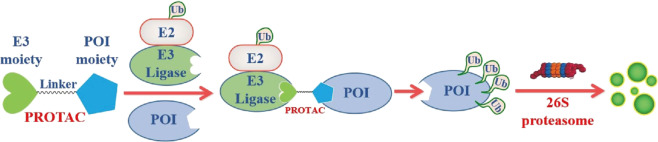
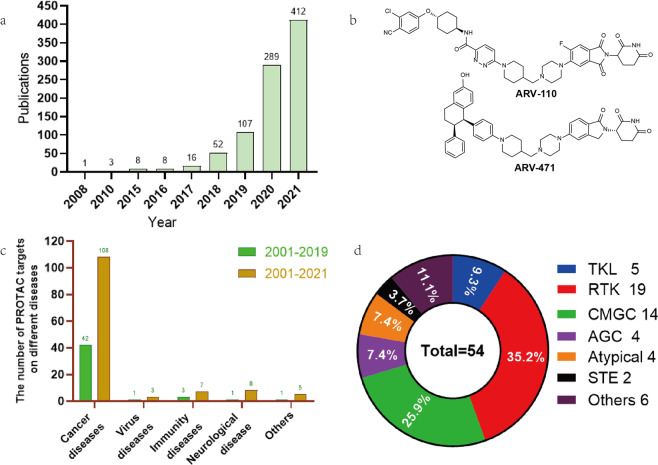
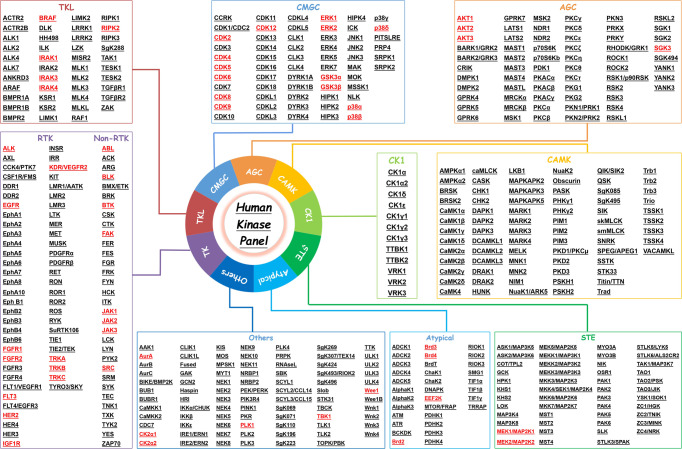
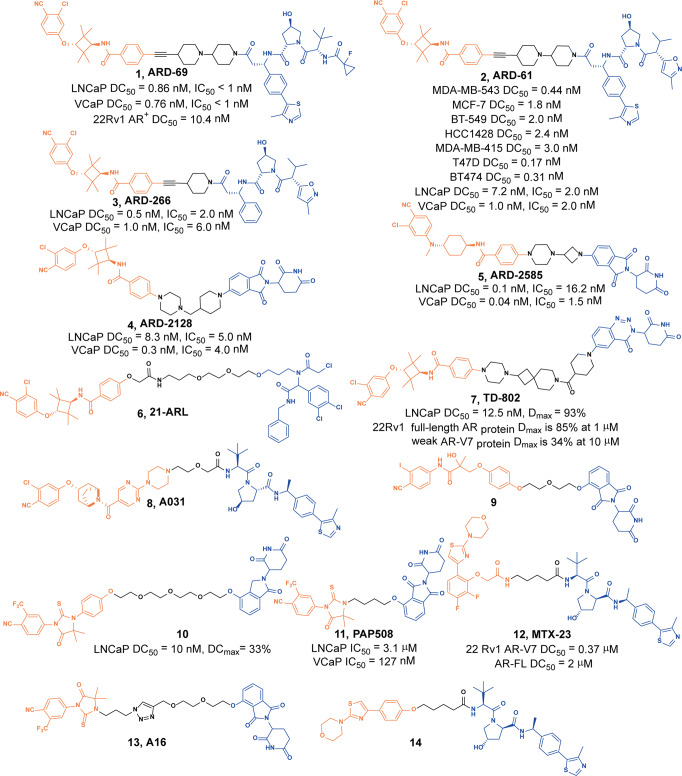
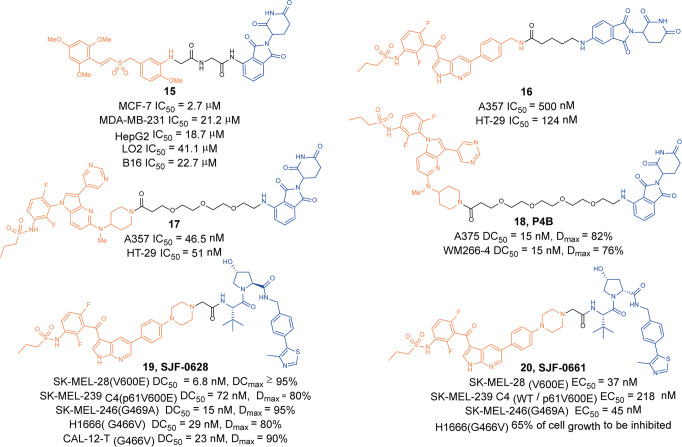
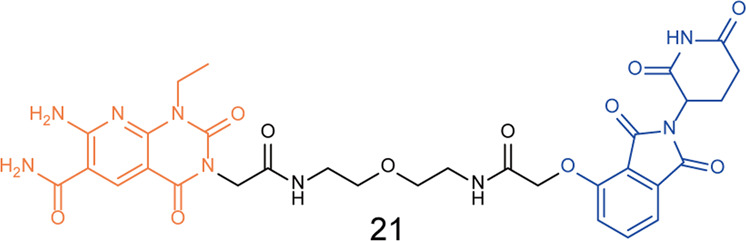
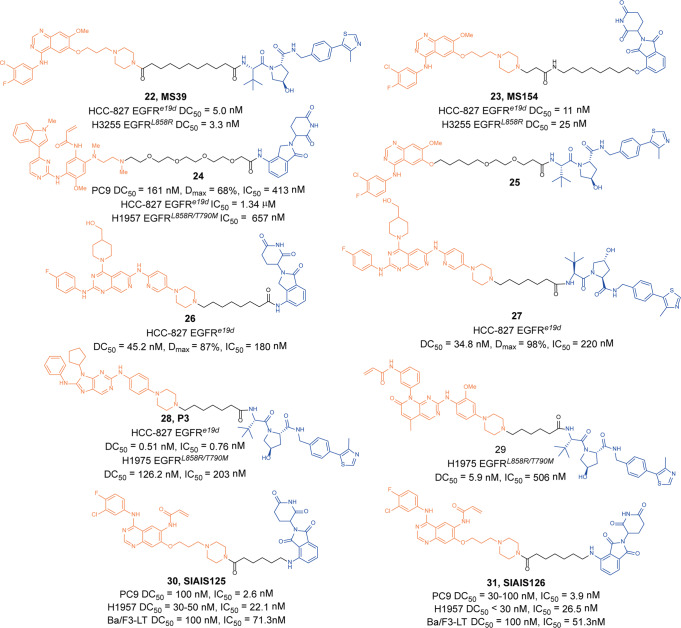
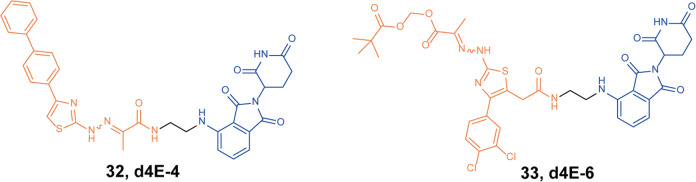
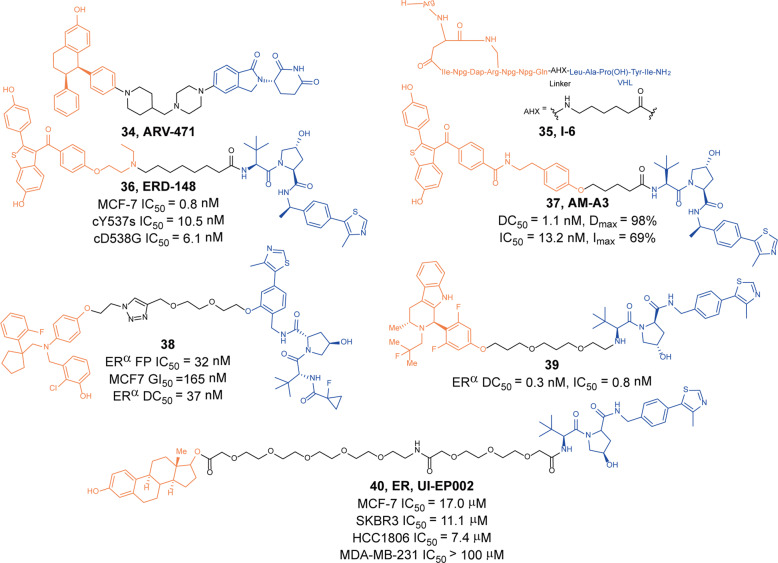
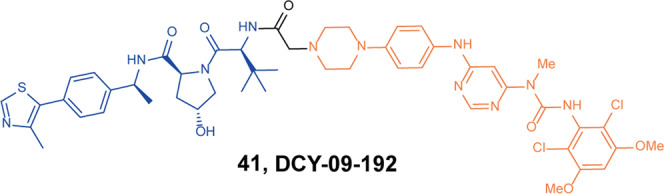
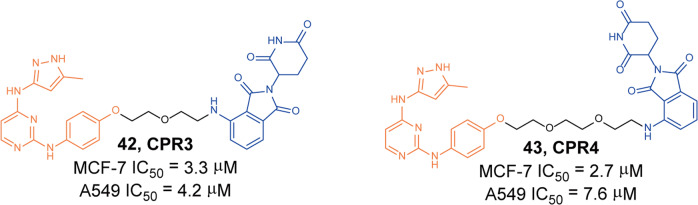
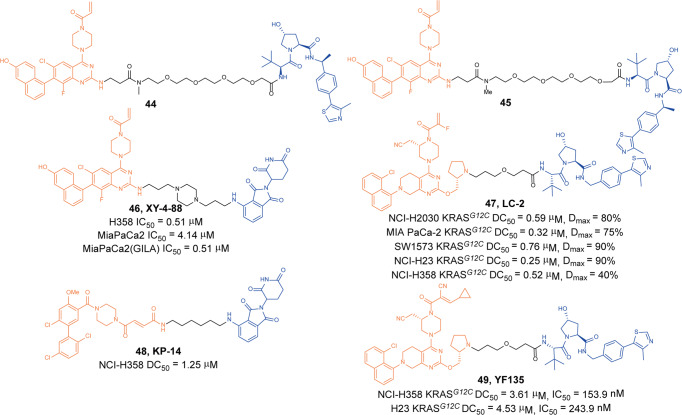


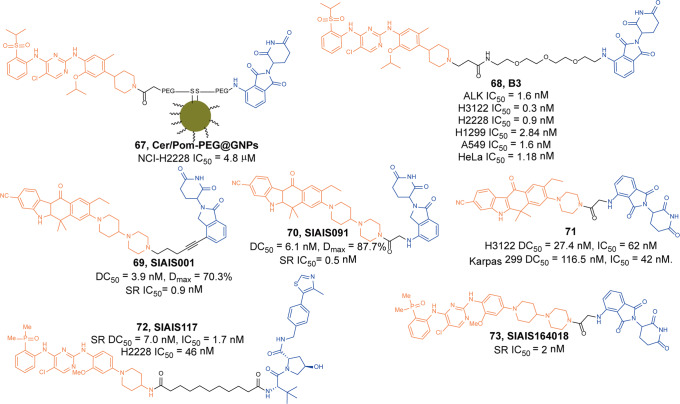
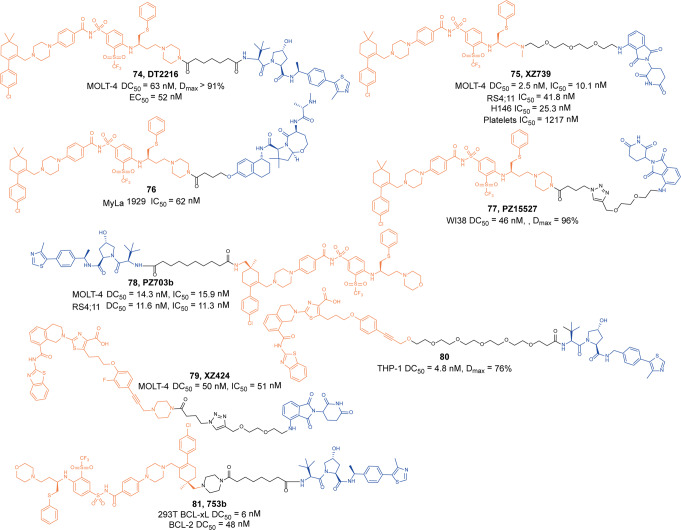
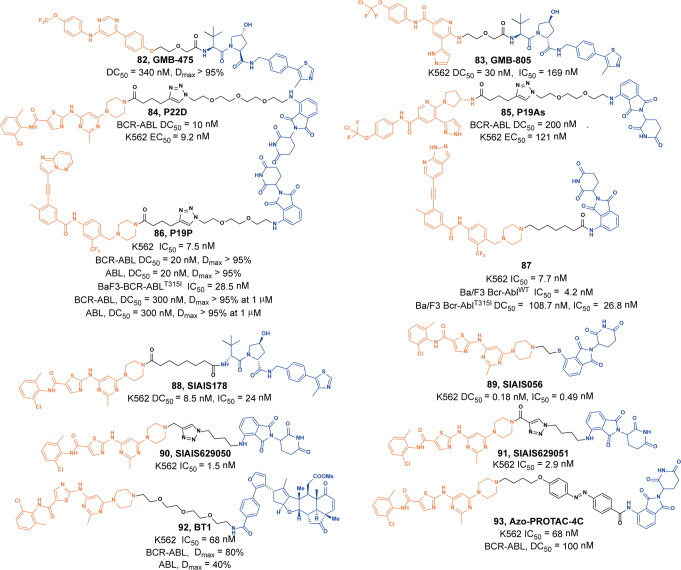

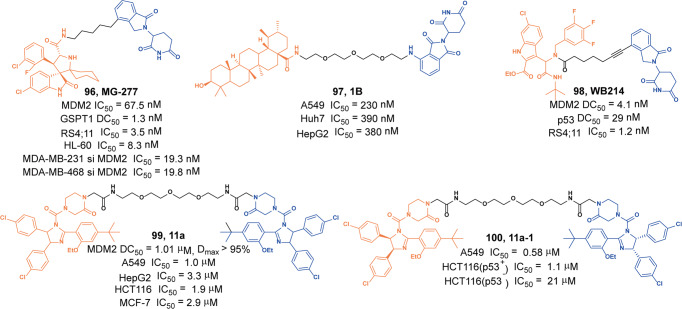
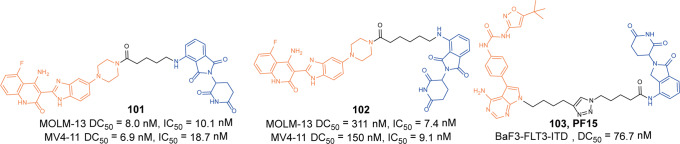
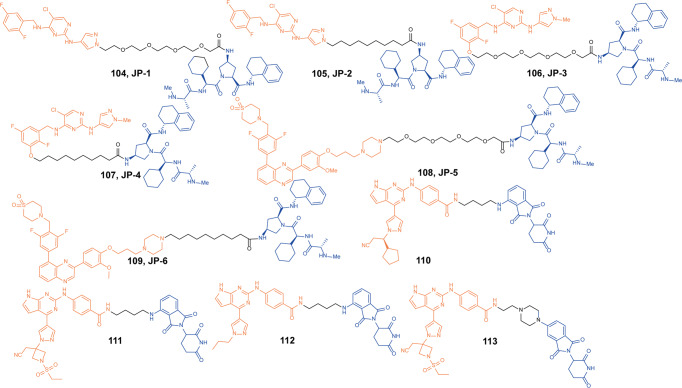
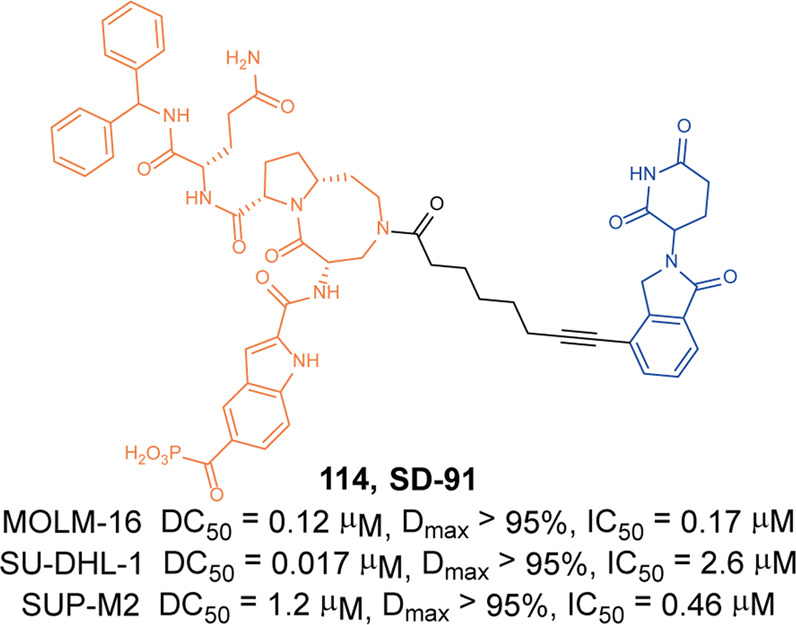
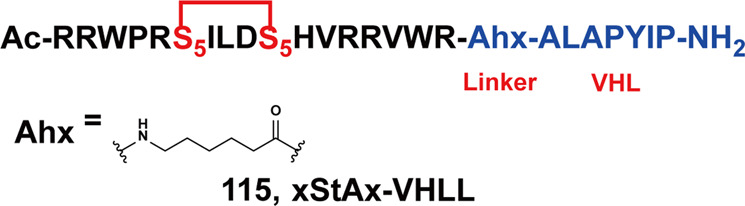
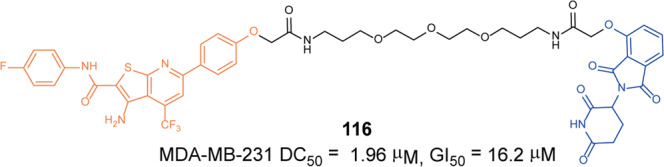
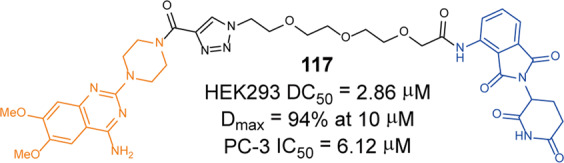
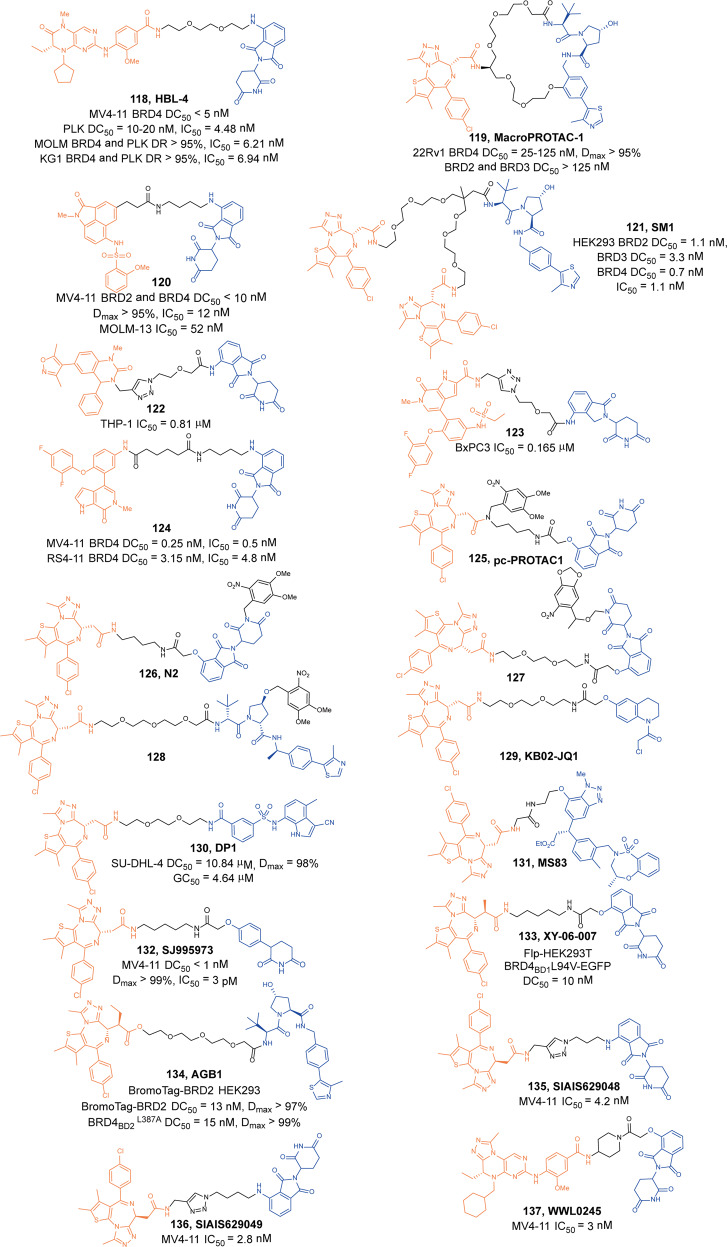
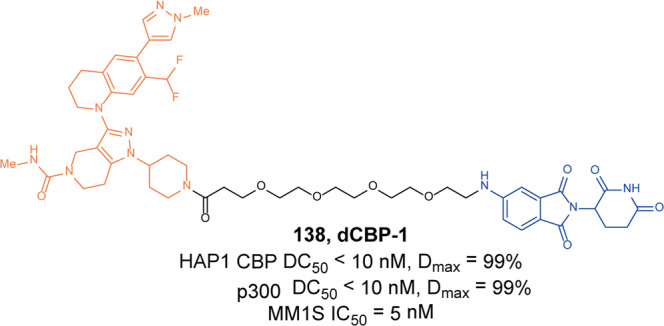
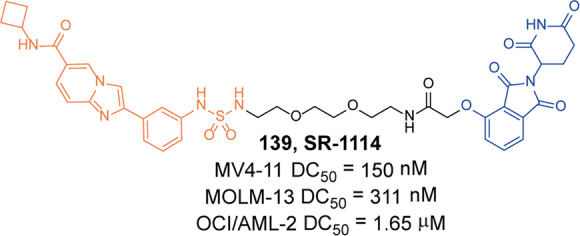
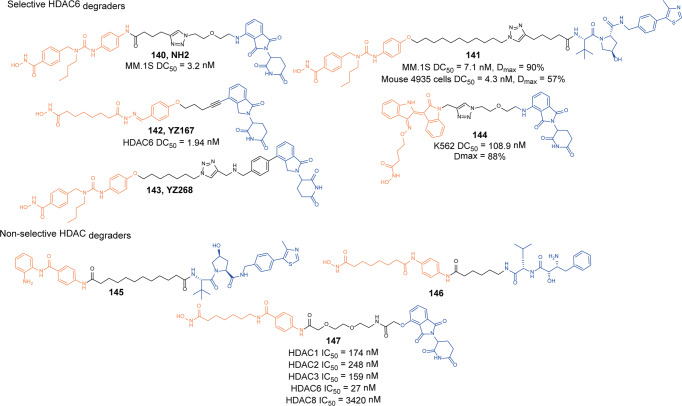
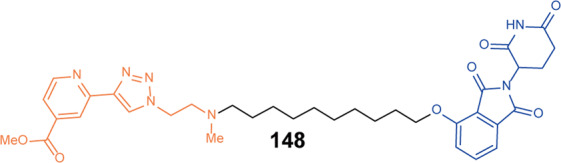

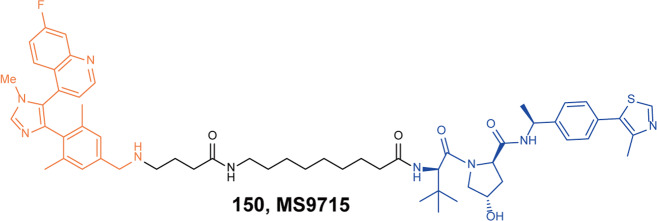
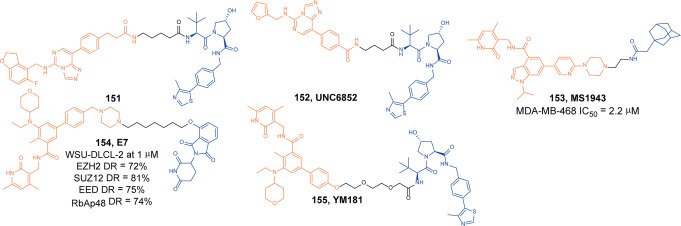

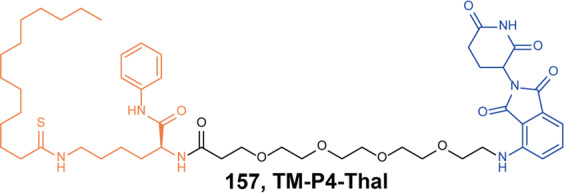
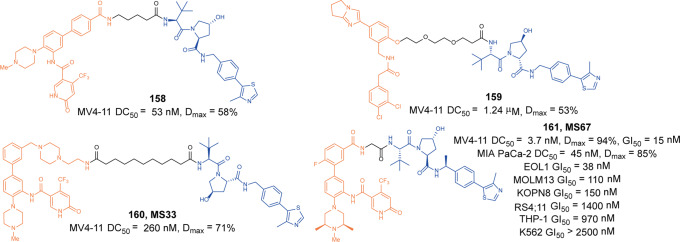
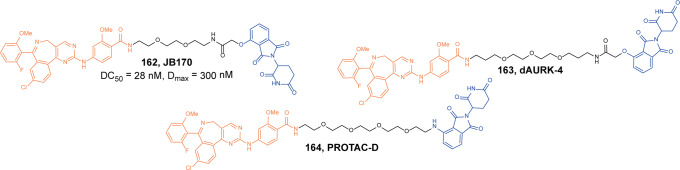
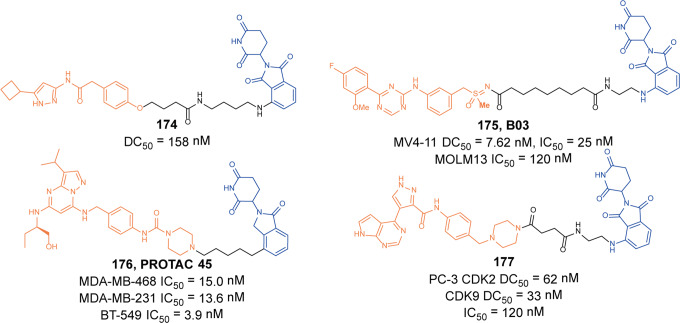

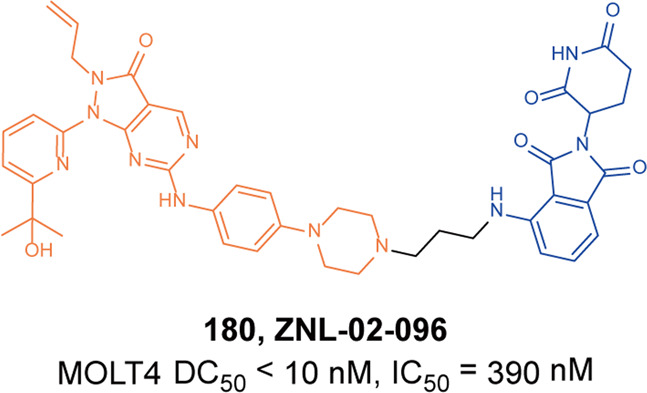
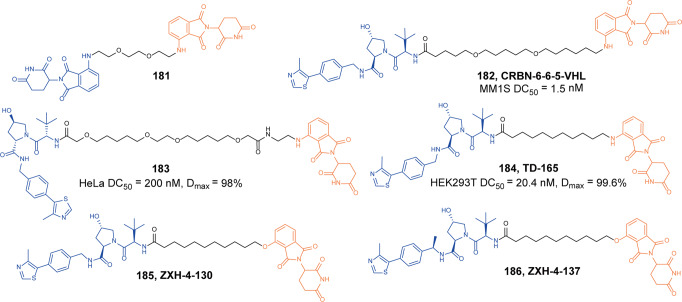
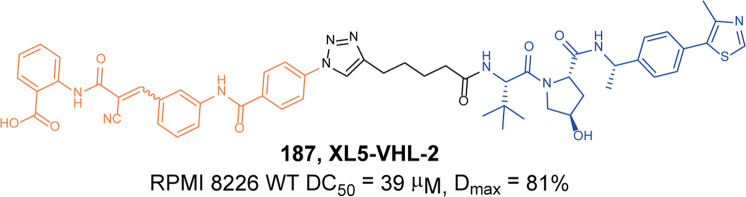

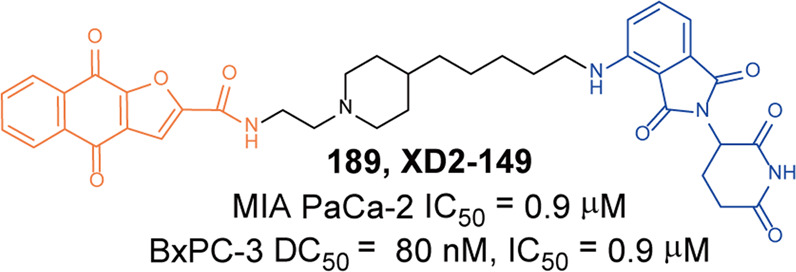
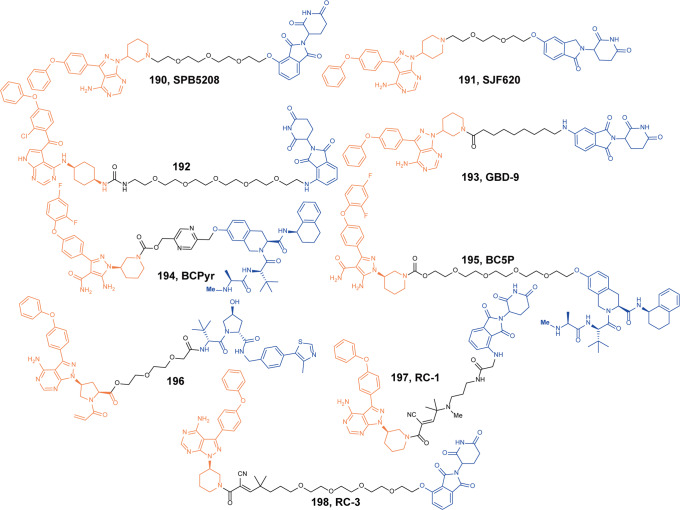
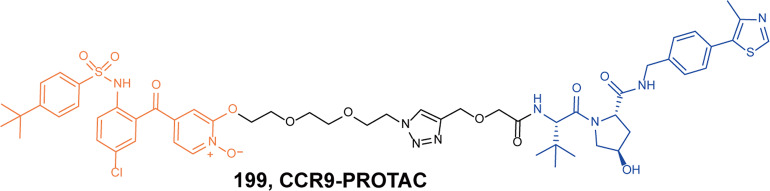
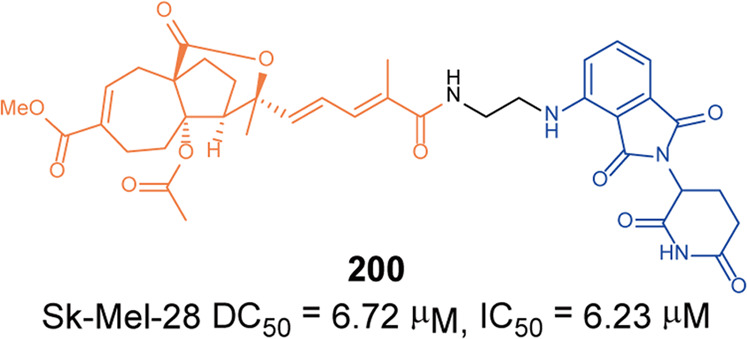
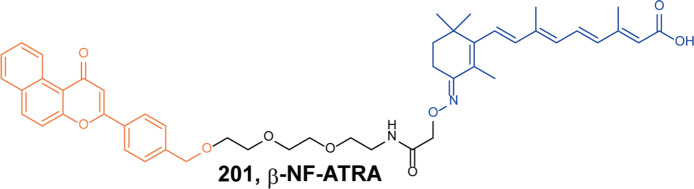
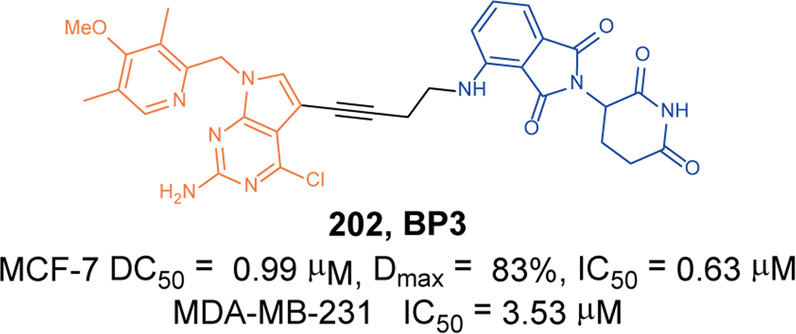
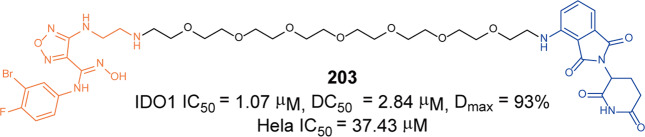

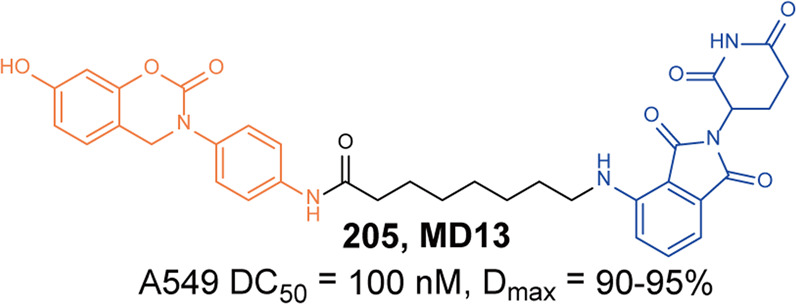
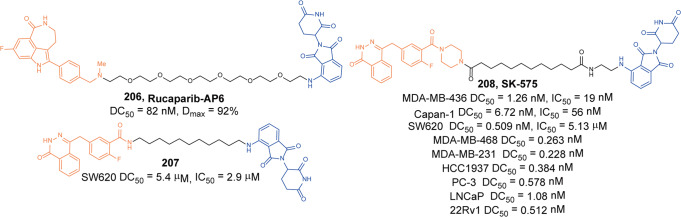
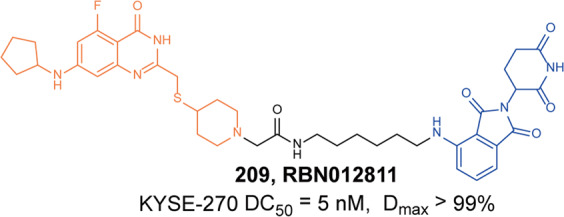

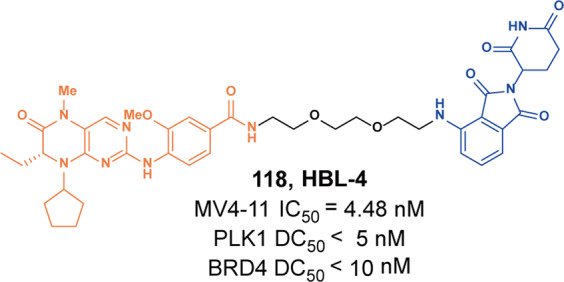
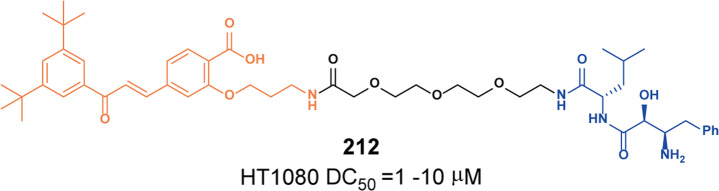
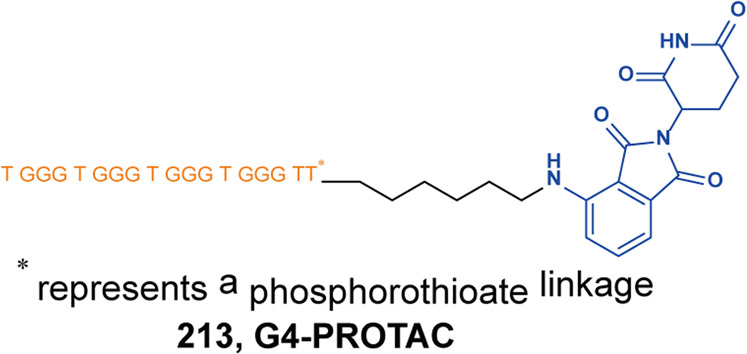
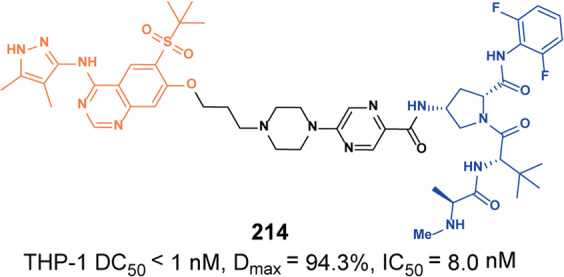
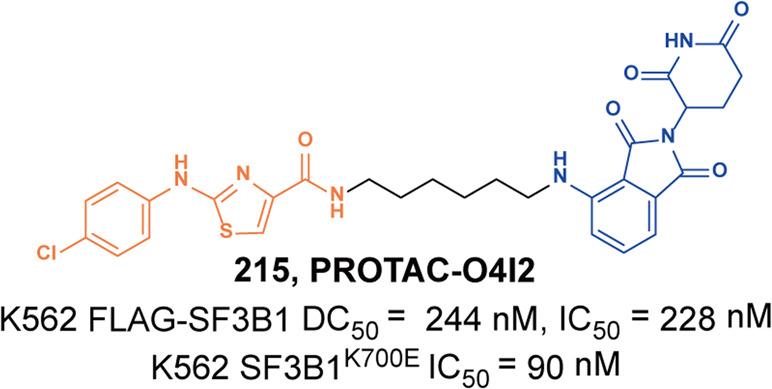
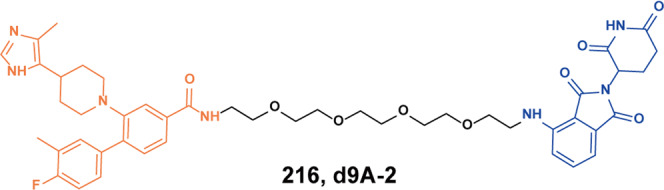
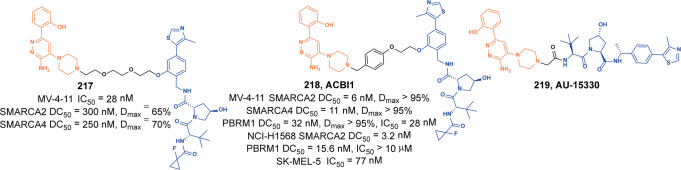
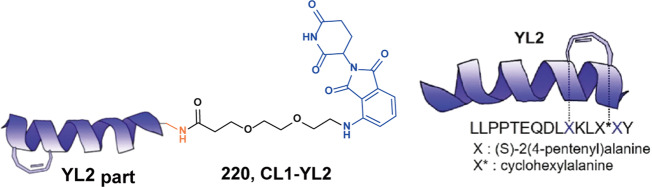
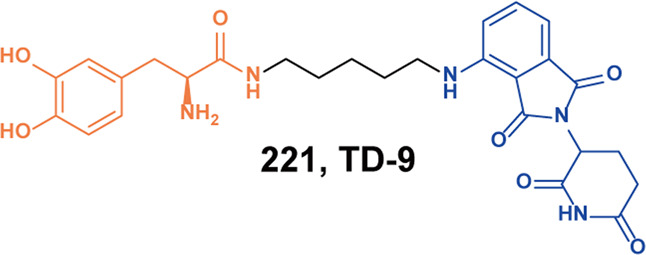
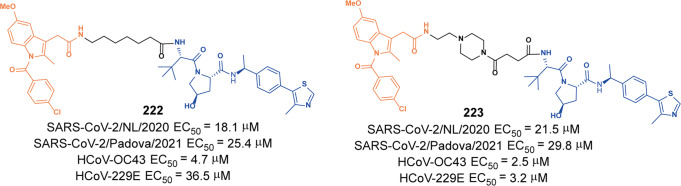
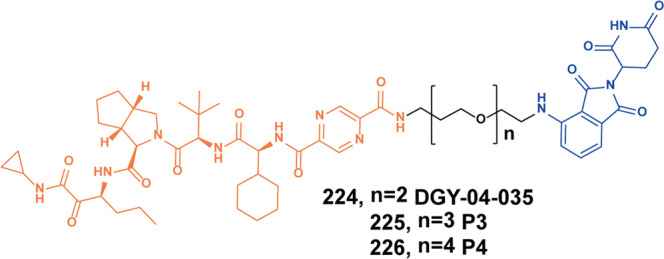

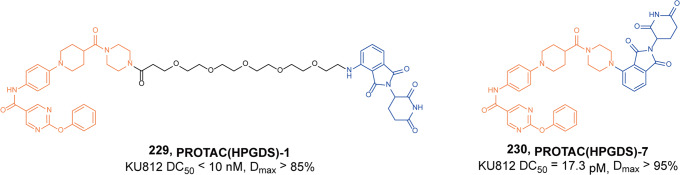
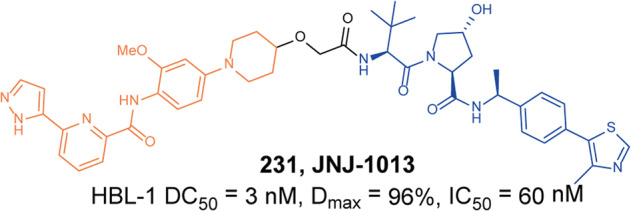
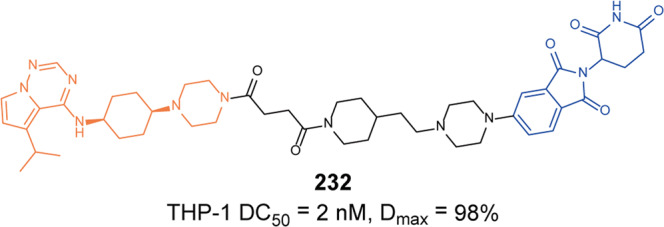
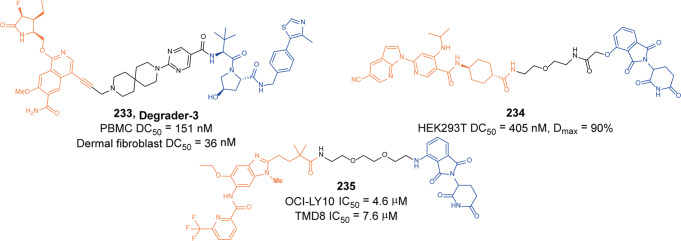
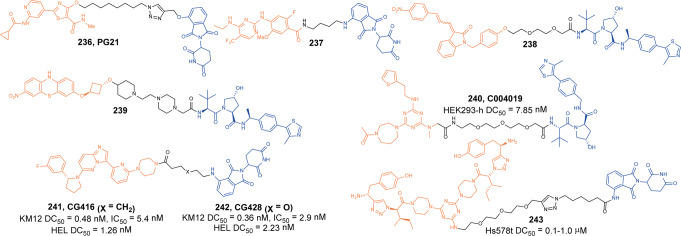
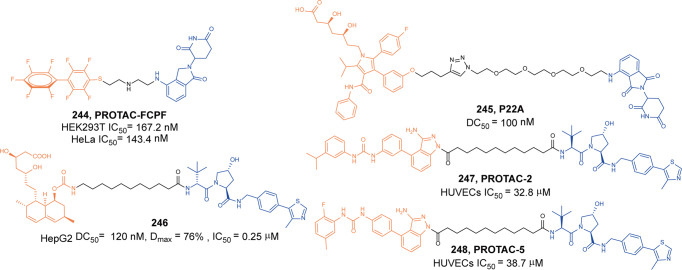
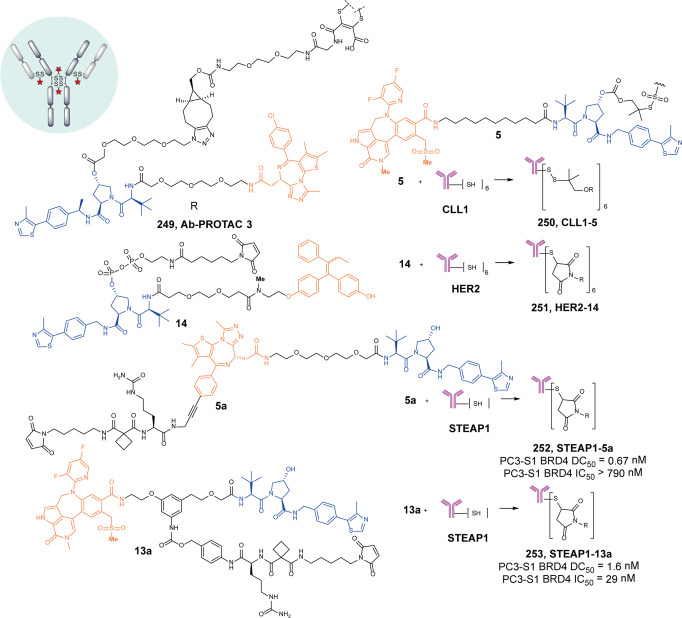
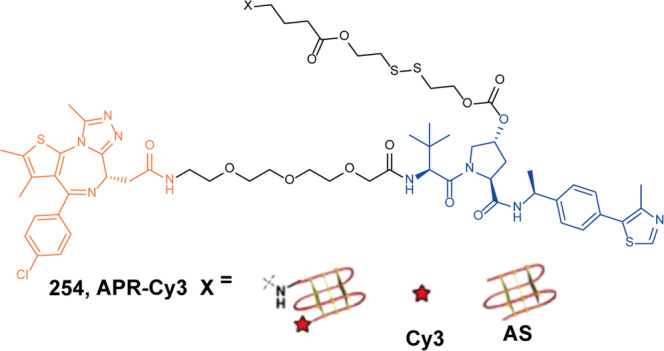
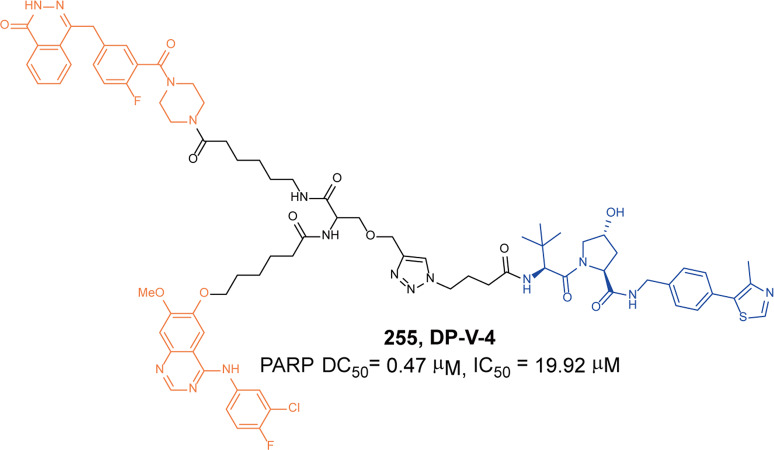
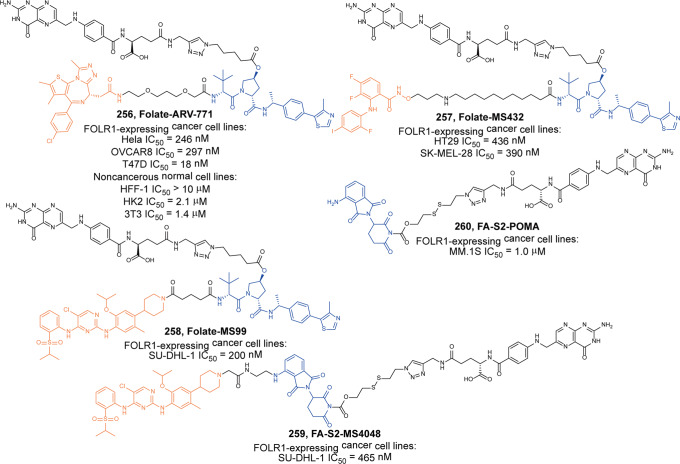
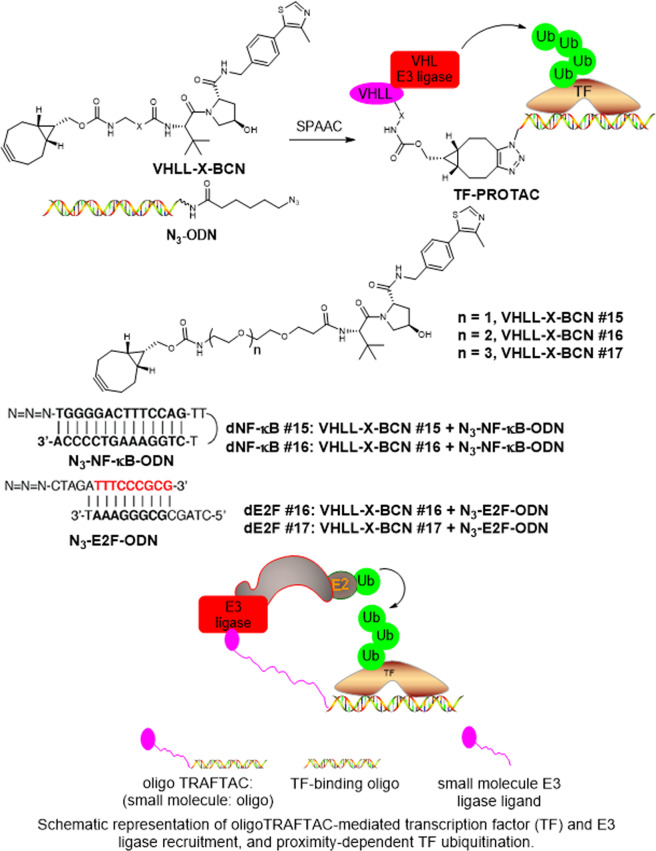
Verification
Claims the paper makes
The claims and statistics of this paper haven’t been checked yet.
Run the check — free, no account needed. It reads the open-access text and checks the sources it cites.
Claims other papers make about this one
Each is checked against this paper’s own text: does it say what the citing paper says it does?
In the citing paper
“Protein regulation can be categorized into two primary classes based on the disease mechanism: protein degradation and protein stabilization.476”
From Recent advances in targeting the “undruggable” proteins: from drug discovery to clinical trials (2023) · cites this paper as [476]
Self-check
Percentages, sums and reported differences re-computed from the paper’s own numbers.
The self-check needs the paper’s full text.
Citations
Cites
The protein kinase complement of the human genome
Manning, G., Whyte, D. B., Martinez, R., Hunter, T., & Sudarsanam, S. (2002) · Science · doi:10.1126/science.1075762 · Cited by 8,145
The new frontier of genome engineering with CRISPR-Cas9
Doudna, J. A., & Charpentier, E. (2014) · Science · doi:10.1126/science.1258096 · Cited by 7,062
Wnt/β-catenin signaling and disease
Clevers, H., & Nusse, R. (2012) · Cell · doi:10.1016/j.cell.2012.05.012 · Cited by 5,554
Cell cycle, CDKs and cancer: a changing paradigm
Malumbres, M., & Barbacid, M. (2009) · Nature Reviews Cancer · doi:10.1038/nrc2602 · Cited by 3,957
Failure of blood-island formation and vasculogenesis in Flk-1-deficient mice
Shalaby, F., Rossant, J., Yamaguchi, T. P., Gertsenstein, M., Wu, X.-F., Breitman, M. L., & Schuh, A. C. (1995) · Nature · doi:10.1038/376062a0 · Cited by 3,931
Tumour heterogeneity and resistance to cancer therapies
Dagogo-Jack, I., & Shaw, A. T. (2018) · Nature Reviews Clinical Oncology · doi:10.1038/nrclinonc.2017.166 · Cited by 3,846
Blume-Jensen, P., & Hunter, T. (2001) · Nature · doi:10.1038/35077225 · Cited by 3,738
Vascular-specific growth factors and blood vessel formation
Yancopoulos, G. D., Davis, S., Gale, N. W., Rudge, J. S., Wiegand, S. J., & Holash, J. (2000) · Nature · doi:10.1038/35025215 · Cited by 3,699
Transcriptional silencing and longevity protein Sir2 is an NAD-dependent histone deacetylase
Imai, S.-I., Armstrong, C. M., Kaeberlein, M., & Guarente, L. (2000) · Nature · doi:10.1038/35001622 · Cited by 3,510
Intensive Lipid Lowering with Atorvastatin in Patients with Stable Coronary Disease
LaRosa, J. C., Grundy, S. M., Waters, D. D., Shear, C., Barter, P., Fruchart, J.-C., Gotto, A. M., Greten, H., Kastelein, J. J. P., Shepherd, J., et al. (2005) · New England Journal of Medicine · doi:10.1056/nejmoa050461 · Cited by 3,489
Research works printed but not linked: 5
- Georg, E. W. et al. Phthalimide conjugation as a strategy for in vivo target protein degradation. Science 348, 1376–1381 (2015). · DOI · Paper page
- Yang, C. et al. Acquired CDK6 amplification promotes breast cancer resistance to CDK4/6 inhibitors and loss of ER signaling and dependence. Oncogene 36, 2255–2264 (2016). · DOI
- Zhou, B. et al. Discovery of a small-molecule degrader of bromodomain and extra-terminal(BET) proteins with picomolar cellular potencies and capable of achieving tumor regression. J. Med. Chem. 61, 462–481 (2018). · DOI
- Raina, K. et al. PROTAC-induced BET protein degradation as a therapy for castration-resistant prostate cancer. Proc. Natl Acad. Sci. USA 113, 7124–7129 (2016). · DOI · Paper page
- Mu, X. P., Bai, L. T., Xu, Y. J., Wang, J. Y. & Lu, H. B. Protein targeting chimeric molecules specific for dual bromodomain 4(BRD4) and Polo-like kinase 1(PLK1) proteins in acute myeloidleukemia cells. Biochem. Biophys. Res. Commun. 521, 833–839 (2019). · DOI
Cited by
Sorted by citations
Zhang, J., Zhang, Y., Wang, J., Xia, Y., Zhang, J., & Chen, L. (2024) · Signal Transduction and Targeted Therapy · doi:10.1038/s41392-024-01911-3 · Cited by 1,138
“…such as selective inhibitors, 67 dual-target inhibitors, 68,69 allosteric modulators, 70,71 covalent inhibitors, 72 proteolysis-targeting chimeras (PROTACs) 73 and protein-protein interaction (PPI) modulators, 74,75 aiming for more effective clinical translation from outcomes of research.”
BackgroundRecent advances in targeting the “undruggable” proteins: from drug discovery to clinical trials
Xie, X., Yu, T., Li, X., Zhang, N., Foster, L. J., Peng, C., Huang, W., & He, G. (2023) · Signal Transduction and Targeted Therapy · doi:10.1038/s41392-023-01589-z · Cited by 396
Chemistries of bifunctional PROTAC degraders
Cao, C., He, M., Wang, L., He, Y., & Rao, Y. (2022) · Chemical Society Reviews · doi:10.1039/d2cs00220e · Cited by 313
Self-citationFGFR-targeted therapeutics: clinical activity, mechanisms of resistance and new directions
Katoh, M., Loriot, Y., Brandi, G., Tavolari, S., Wainberg, Z. A., & Katoh, M. (2024) · Nature Reviews Clinical Oncology · doi:10.1038/s41571-024-00869-z · Cited by 218
New-generation advanced PROTACs as potential therapeutic agents in cancer therapy
Wang, C., Zhang, Y., Chen, W., Wu, Y., & Xing, D. (2024) · Molecular Cancer · doi:10.1186/s12943-024-02024-9 · Cited by 222
Metadata
- Authors
- He, M., Cao, C., Ni, Z., Liu, Y., Song, P., Hao, S., He, Y., Sun, X., & Rao, Y.
- Affiliations
- Tsinghua University (CN)
- Zhengzhou University (CN)
- Corresponding author
- Rao, Yu
- Venue
- Signal Transduction and Targeted Therapy
- Published
- 2022-06-09
- Volume
- 7
- Issue
- 1
- Pages
- 181-181
- ISSN
- 2059-3635 (ISSN-L)
- PMC
- PMC9178337
- OpenAlex
- W4281795388
- Cited by
- 283
- References
- 559
- Citations by year
- 2026: 50 · 2025: 82 · 2024: 84 · 2023: 50 · 2022: 17
- FWCI
- 6.14
- Type
- journal article
- Language
- en
- Open access
- gold
- doi.org
- Locations
- Signal Transduction and Targeted Therapy (publishedVersion, cc-by)
- PubMed Central (publishedVersion, cc-by)
- PubMed (publishedVersion)
- DOAJ (DOAJ: Directory of Open Access Journals) (submittedVersion)
- Funders
- National Natural Science Foundation of China (#82125034, #81773567, 2021YFA1302100, 2020YFE0202200)
- China Postdoctoral Science Foundation
- Topics
- Life Sciences › Biochemistry, Genetics and Molecular Biology › Molecular Biology › Protein Degradation and Inhibitors
- Life Sciences › Biochemistry, Genetics and Molecular Biology › Molecular Biology › Ubiquitin and proteasome pathways
- Physical Sciences › Chemistry › Organic Chemistry › Chemical Synthesis and Analysis
- Keywords
- PROTACs, protein degradation, bifunctional small molecules, ubiquitination, ubiquitin-proteasome system, molecular glues, small-molecule degraders, clinical development, cancer therapy
- MeSH terms
- Ubiquitin-Protein Ligases, Proteasome Endopeptidase Complex, Proteolysis
About these checks
Registry, retraction, Cites and statistics results are computed, not judged, with one exception: a printed reference that no index lists is read once by a model before it counts as a citation error. Claims are extracted by a model and kept only when their quote appears verbatim in the text; each cited source is then checked, with a model’s help, for whether it says what the claim relies on. Those verdicts can be wrong — read the claim’s quote and the cited source before relying on one.
Statistics and arithmetic are recomputed, not judged.
Confidence bands are shown only for fields calibrated on our annotated test set. None is calibrated yet, so no band is shown.
What counts as a claim ›How we measure confidence ›How we check this ›
Are you an author, or do you see a problem with this page? Request a review
